
grassroots DIY
It means someone built or fixed the project themselves, without a big shop or factory backing. The “grassroots” part is that it’s driven by regular people and passion, not big budgets.
taking a truck out of the gutter
It means the truck was in really bad shape, and they saved it instead of giving up on it. Then they worked on it until it became something awesome.
restoring the world
It’s a phrase meaning “bringing something back” and making it better than it was. Here, it sounds like they’re taking a rough truck and turning it into a cool project.
diesel
Diesel is a type of engine that runs differently than gas. People like diesel trucks because they usually make lots of pulling power and are popular for upgrades.
bubble nose
“Bubble nose” is just a nickname for a truck’s front-end shape—think a more rounded, bulb-like front. Diesel truck fans use it to describe which version of the truck they mean.
bow tie
“Bow tie” is the Chevrolet logo. People sometimes talk about removing or changing badges to make the truck look different.
O102
They mention “O102” as something other Duramax guys love, but the exact meaning isn’t clear from this snippet. It could be a nickname for a different diesel engine version. If you heard this in the full episode, the hosts likely clarify what engine they mean.
Duramax
Duramax is GM’s diesel engine line used in many Chevy and GMC trucks. People in the diesel world use “Duramax” like a shorthand for the whole diesel truck community and its common mods. In this conversation, it sets the context for the LB7 debate.
cat-eye
“Cat-eye” is a nickname for a particular front-end headlight design on certain GM trucks, typically associated with a specific body/lighting era. In this segment, the hosts compare the “cat-eye” look to the later “bubble nose” style. They also connect it to perceived interior and front-end quality.
exhaust leaks
An exhaust leak means the exhaust system isn’t sealed, so fumes can escape where they shouldn’t. On a diesel, that can mean more soot and a nasty smell. In this story, it’s blamed for the truck producing enough mess that the driver was breathing it.
soot
Soot is the black, dusty residue you can get from diesel exhaust. If exhaust leaks, soot can end up where people can breathe it or get it on everything. Here, it’s used to describe how bad the leak situation was.
extended cap doors
That phrase is about the doors on the extended-cab part of the truck. If they’re rattling, something is probably loose—like the hinges, mounts, or trim. It’s not just annoying; it can be a sign the truck has been beat up or hasn’t been maintained.
suspension being blown out
This means the truck’s suspension parts are worn out or damaged. The truck will ride rough and may feel unstable, especially when you hit bumps or carry weight. It’s a big sign the vehicle has been working hard.

Volkswagen Rabbit
The Volkswagen Rabbit is a small car made by Volkswagen. People often choose it as a starting point for upgrades because it’s straightforward to work on. The podcast mention is about getting interested in that kind of car and learning more about it.
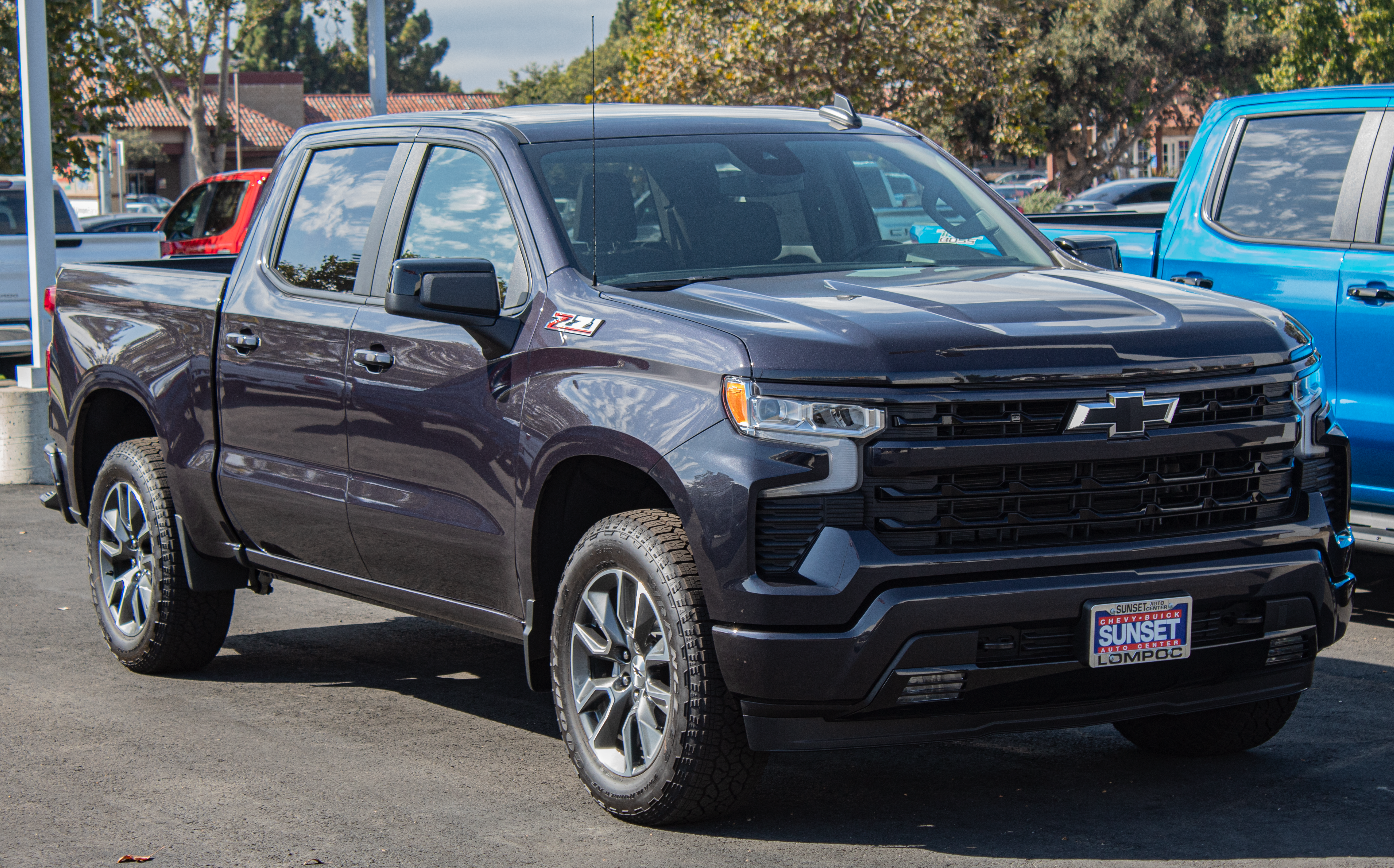
LB7
“LB7” is the name people use for a specific diesel engine found in some early-2000s Chevy/GMC trucks. It’s known in the diesel world because it’s a common starting point for upgrades. The conversation here is about building and fixing up that truck.
salt the whole life
That means the truck spent its life driving on roads treated with salt in winter. Salt speeds up rust, especially on the frame and underbody parts. It’s why older trucks in the Rust Belt can be more expensive to keep running.
plow truck
A plow truck is a pickup that’s been used to push snow with a front plow. That kind of work is hard on the vehicle—more vibration, more weight, and lots of winter driving. It helps explain why the truck ended up in bad shape.
Puking oil
“Puking oil” means the truck is throwing out oil—like it’s leaking badly. If you keep driving like that, you can run low on oil and damage the engine.
220,000 mile
220,000 miles means the truck is already well used. At that point, you should expect more wear and more things that need fixing before you can rely on it.
oil leak
An oil leak is when engine oil is getting out where it shouldn’t. If it’s near the turbo, it can starve the turbo of oil and lead to expensive damage.
turbo
The turbo is a device that helps the engine make more power by pushing extra air in. It also needs oil to keep it lubricated, so if oil is leaking around the turbo, it can cause damage if you don’t fix it.
64 millimeter
When someone says “64 millimeter,” they’re usually talking about a bigger turbo-related part. A larger size can help the engine move more air, which can make more power—assuming the truck is set up to take advantage of it.
oil line
An oil line carries pressurized oil to important parts like the turbo. If it’s worn or leaking, the turbo may not get enough oil, which can lead to expensive damage.
plastic rocker covers
Rocker covers are the covers on top of the engine that keep oil from leaking. If they’re changed or replaced, the main goal is to keep everything sealed so you don’t get oil messes.
snowplowed
Snowplowing is hard on a truck because you’re often idling, driving in slush, and working the drivetrain more than normal. That means you may need more frequent checks and maintenance.
budget build 550
“Budget build 550” sounds like a shorthand for a specific build target or parts level (often tied to a power goal or a particular turbo/fueling setup) rather than a factory trim. In diesel circles, numbers like this commonly refer to horsepower targets or component “levels,” but the exact meaning depends on the builder’s context.
sled pole
A “sled pole” is basically the hitch/connection used to pull a sled in pulling competitions. Pulling puts a lot of strain on the truck for a long time, so people usually build them to handle heat and power under load.
DIY till-a-die truck
“Till-a-die” basically means you run the truck until it can’t be fixed anymore. It usually involves doing whatever repairs you can to keep it going, even if it’s not perfect.
plow rig
A plow rig is a truck that was used for snowplowing. Those trucks work in tough weather and can get a lot of wear underneath.
brake lines
Brake lines carry the fluid/pressure that makes the brakes work. If they’ve been patched or repaired in a sketchy way, they can still fail later.
frame
The frame is the truck’s main metal skeleton. If it’s badly rusted or parts are missing, the truck can be unsafe even if everything else seems to work.
cross-members
Cross-members are the metal braces that tie the frame together. If they’re rusted out or gone, the truck’s body can get weak and start to move around more than it should.
exhaust was leaking really bad
An exhaust leak can mean cracked manifolds, loose connections, or rusted piping—common on older plow trucks. Besides noise and fumes, leaks can affect engine performance and can be a safety concern in enclosed areas.
power steering lines
Those are the hoses that move the power-steering fluid around. When they leak, the steering can get harder and you may run low on fluid, which can cause bigger problems.
the bed
That’s the metal box where you’d haul things. If it’s rotted, it means rust has eaten through the metal, which can make the truck unsafe and often points to rust elsewhere too.
fuel system
On a diesel, the fuel system is everything that gets fuel from the tank to the engine. If you’re planning work there, it’s usually to make sure the engine gets clean fuel consistently and doesn’t starve or misfire under load.
hybrid 64
This sounds like a turbo upgrade idea. People call some turbos “hybrid” when they mix parts to try to get quicker response and more power without going all-in on the biggest turbo.
cab swap and bed swap
A cab swap and bed swap means taking the cab and/or the back bed from another truck and putting it onto your truck. People do it when their original body is rusted or when they want a specific look or configuration.
sled pulling
Sled pulling is a competition where your truck tries to pull a heavy sled as far as possible. It puts a lot of stress on the truck, so people build and reinforce them to handle the hard pulling.
rust free cab and bed
“Rust-free” means the cab and bed don’t have corrosion. Rust is expensive to fix, so finding clean parts can save a lot of time and money.
U-Haul
U-Haul is a company that rents trucks and trailers. People use it to haul big parts like a cab or bed when they find the right one far away.
60s and a 10
“60s and a 10” is a shorthand for a matched set of diesel fuel upgrades. The builder is saying he picked a level that should add power, but not so much that it risks damaging the engine’s lower parts.
water pump
The water pump circulates coolant through the engine to control temperature. In diesel performance builds, replacing a failing water pump can be part of keeping the cooling system reliable, especially when you’re pushing more fuel and heat.
injector and pump sizing
Injector and pump sizing is about choosing the right fuel parts so the engine gets the amount of fuel it needs. If you add too much fuel for the engine’s setup, it can run hot or stress components.
head-studded
“Head-studded” means adding stronger bolts/studs that hold the cylinder head tighter. People do it when they’re making more power so the engine doesn’t lose sealing under higher pressure.
valve last adjustment
A valve adjustment is when you set the spacing for the valves so they open and close correctly. Doing it helps the engine run right and can prevent problems from being out of spec.
spool up
Spool up is how fast the turbo starts making boost when you press the gas. If it takes longer to spool, the truck can feel a little slower to respond.
plug on the back of it
That “plug” is a small part that blocks or seals a passage in the turbo system. If it’s missing, the turbo can behave differently than expected and you can get boost/control problems.
gate
The “gate” is part of the turbo’s boost control. It helps decide how much exhaust goes to the turbo, so if it’s not set up right, boost can be weird or unpredictable.
stock bottom end
“Stock bottom end” means the engine’s internal lower parts are still the factory ones. They’re pointing out the truck wasn’t built with upgraded internals, so the problems weren’t just because it was an extreme build.
quarter mile times
A quarter-mile time is how long it takes to run a 1/4 mile in drag racing. People use it to compare how fast different builds are.
11s
When people say “11s,” they mean the vehicle is doing the quarter-mile in about 11 seconds. It’s a bragging point because it usually takes a lot of power and traction to get there.
cool night
Cooler weather often makes the engine feel stronger because the air is denser. It can also help tires grip better and keep things from overheating.
hitch receiver
A hitch receiver is the part on the back of the truck where you attach a trailer or other towing gear. Taking it off can save a little weight when you’re trying to go faster.
1194
“1194” is likely shorthand for a specific elapsed time or run number (common in drag racing communities). In context, it’s presented as a result “with the truck,” implying a performance milestone.
sled pulls
Sled pulls are a motorsport where a vehicle pulls a weighted sled along a track, usually increasing resistance as the pull continues. Diesel builds often emphasize torque and traction for this kind of load.
drag and drive event
A “drag and drive” event is like racing, but you also have to drive the vehicle as part of the event. It’s meant to show the truck/car can handle the stress, not just look good on one pass.
drag race the truck and then having to drive the truck to the next place
Some events don’t just test how fast a truck is for a few seconds. You also have to drive it to the next stop, so the truck has to be reliable and streetable enough to make the trip.
validity and the quality of a build
They’re basically saying a good build isn’t just about making big power. It’s about whether the truck can actually do the event and keep working without breaking.
sacrifice a half a second in the quarter mile for the amenities of air conditioning and heat
They’re talking about the tradeoff between going as fast as possible and keeping the truck comfortable. Sometimes the fastest setups are stripped down, while comfort features like A/C and heat add complexity and weight.
roll cage
A roll cage is a reinforced metal frame installed inside the cabin to protect occupants during rollovers and hard impacts. In performance builds, it also adds structural rigidity, but it can make the truck less comfortable for street use and can complicate daily driving.
plexiglass windows
Replacing factory glass with plexiglass (polycarbonate/acrylic-style) windows is common in race-prepped vehicles to save weight and reduce breakage risk. The tradeoff is that visibility, heat behavior, and durability can differ from OEM glass.
Byron
They mention “Byron” as a place where an event happens. It’s basically the track/venue they’re talking about from past years.
drive the car (can't just trailer)
They’re saying the point isn’t just to bring the car on a trailer. You’re supposed to actually drive it to the event each time, so the truck has to be dependable, not just fast.
behind the scenes curtain
They’re talking about seeing what people do to build and set up the truck behind the scenes. It’s more than just the finished race day—there’s a lot of work and planning.
trans
“Trans” means the transmission. If the truck has been doing lots of hard launches and pulls, the transmission can wear out even if it still seems to work fine.
built motor
A “built motor” is when the engine gets upgraded parts inside so it can handle more power. Instead of just fixing leaks, you rebuild it stronger for hard use.
P two planetary
The “P2 planetary” is an internal gear component inside the automatic transmission. If it gets twisted or damaged, it can be a sign the transmission was overloaded by too much power.
too much HP
“Too much HP” means the power level was higher than the transmission could safely survive. More power usually means more force inside the gearbox, which can lead to internal damage.
Cali comp star crank, rods and pistons
They upgraded the engine’s internal moving parts—things like the crankshaft, rods, and pistons. Stronger internals help the engine survive when you add a lot more power.
valve springs
Valve springs help control how the valves open and close, especially at higher engine speeds or with more aggressive airflow. Upgrading valve springs is often done when building diesel heads for more power to prevent valve float and maintain proper valve timing.
750 horse
“750 horse” means they’re aiming for about 750 horsepower. To make that number last, the engine has to be built and tuned so it can handle the stress.
high flow kit
A “high flow kit” typically refers to upgraded intake/exhaust or related components designed to reduce restrictions and improve airflow. On diesel builds, better airflow helps the turbo and engine make more power efficiently.
billet internals
Billet internals are upgraded inside parts made from a solid block of metal. They’re usually stronger than cheaper factory-style pieces, which helps when the truck is making more power than stock.
tuning
Tuning is adjusting the truck’s computer settings so the engine runs correctly with the new parts. Without the right tune, you might not get the power you expect—or it could run poorly.
DIY-esque build
The hosts describe a “DIY-esque” approach: sourcing parts through catalogs/aftermarket suppliers and assembling the build with the right combination of components and tuning. This is common in diesel performance because many upgrades are modular, but it still requires careful calibration to make power safely.
scrap yard / crusher mindset
They’re basically saying the truck looked so bad that people would normally throw it away. The point is that with enough work and the right upgrades, you can turn something “done for” into something impressive.
pits
“Pits” are the area at an event where teams work on the cars/trucks—often including quick inspections, adjustments, and mechanical troubleshooting. In the context of diesel builds, walking the pits is also where people compare what’s been modified and how the car is set up.
customer fabrication
“Customer fabrication” means custom parts that were made for that specific truck. It matters because good custom work fits correctly and holds up better when the truck is pushed hard.
mods
“Mods” means modifications—things people change or upgrade on a vehicle. The point here is that you can learn a lot by seeing what’s been modified, even if you’ll never build something that expensive.
daily driving
Daily driving just means you use the truck every day, not only for shows or weekend runs. If someone daily-drives a heavily modified diesel, it usually means they built it to handle real-world wear.
CPS
“CPS” here sounds like a parts catalog or supplier people use to find aftermarket upgrades. The exact company name isn’t spelled out in this snippet, so it may need clarification from the show or a link.
WC Fab
“WC Fab” sounds like a company that makes or supplies aftermarket parts for diesel builds. In this conversation, it’s being treated like a go-to catalog/source for upgrades.
race trucks
A “race truck” is a regular pickup that’s been modified to race. People change parts to make more power and to handle the stress of launches and fast runs.
200, 250,000 miles
They’re talking about the risk of buying a high-mileage truck. The big takeaway is that miles alone don’t decide it—maintenance and how the truck was used matter a lot.
snow plowing
Snow plowing is tough on a vehicle because it often involves lots of idling, frequent starting, and working the drivetrain while pushing heavy loads. The hosts are using it to show that mileage alone doesn’t tell the whole story—how it was used matters.
powder coating
Powder coating is a type of coating that gets sprayed on and then baked to make it tough. People use it on car parts because it helps protect them from rust and damage.
runs and drives under its own power
This means the truck can start up and actually drive itself. It’s a big checkpoint because it shows the build is far enough along to test it like a real vehicle.
Cletus's event in Indianapolis
They’re planning to bring the truck to a Cletus event in Indianapolis. The point is to get it working well enough to drive there and participate, not just build it in the garage.

Ford Mustang
The Ford Mustang is a sports car made by Ford. It’s designed to be fun to drive and has a lot of parts and upgrades available if someone wants more performance. The podcast mention is about enjoying the experience of driving one.
track days
Track days are events where drivers take their cars to a circuit for timed practice or open sessions rather than full race weekends. For performance builds, track days help validate traction, cooling, and drivability under sustained load.
hook it to the sled
“Hook it to the sled” refers to pulling a drag sled (a weighted resistance device) to measure how much work the vehicle can do under load. It’s common in diesel and drag communities because it stresses the drivetrain and cooling differently than a quarter-mile run.

Dodge Charger
The Dodge Charger is a performance car that can be built for fast acceleration. The podcast is talking about using the factory engine but adding a turbocharger to make more power. They’re asking what kind of quarter-mile time that combination can realistically achieve.
elapsed time (ET) goals like 11.5
Those numbers like “11.5” are how many seconds the truck takes to run the quarter mile. Better launches and more power usually help you get into faster time ranges.
hot tune
A “hot tune” is a more aggressive software update for the engine. It typically makes the truck produce more power, but it can also make the engine work harder.
limited on fuel and pump
They’re worried the truck might not have enough fuel delivery to keep performing. If the pump or fuel system can’t supply what the engine needs, it may not make it through the event.
injectors in a pump
Diesel injectors control how fuel is sprayed into the engine. If you’re working on the injectors and the pump together, it’s not just “swap and go”—it has to be done carefully so the engine runs right.
gasser
“Gasser” just means a gas-powered vehicle. They’re contrasting it with diesel trucks, which are often the focus of this show.
lift at the shop
A “lift” is the shop equipment that raises the truck off the ground. If you don’t have one available, it slows down work because you can’t easily get under the vehicle.
graveyard for white red cabs
This is a colorful way of describing a storage area full of multiple cab bodies, likely waiting for restoration or parts. In build culture, “graveyard” often implies a parts inventory or project backlog rather than a single finished vehicle.