NASCAR is a type of car racing that happens on circular tracks. It's very popular in the U.S. and involves cars that look like regular cars but are built for racing.
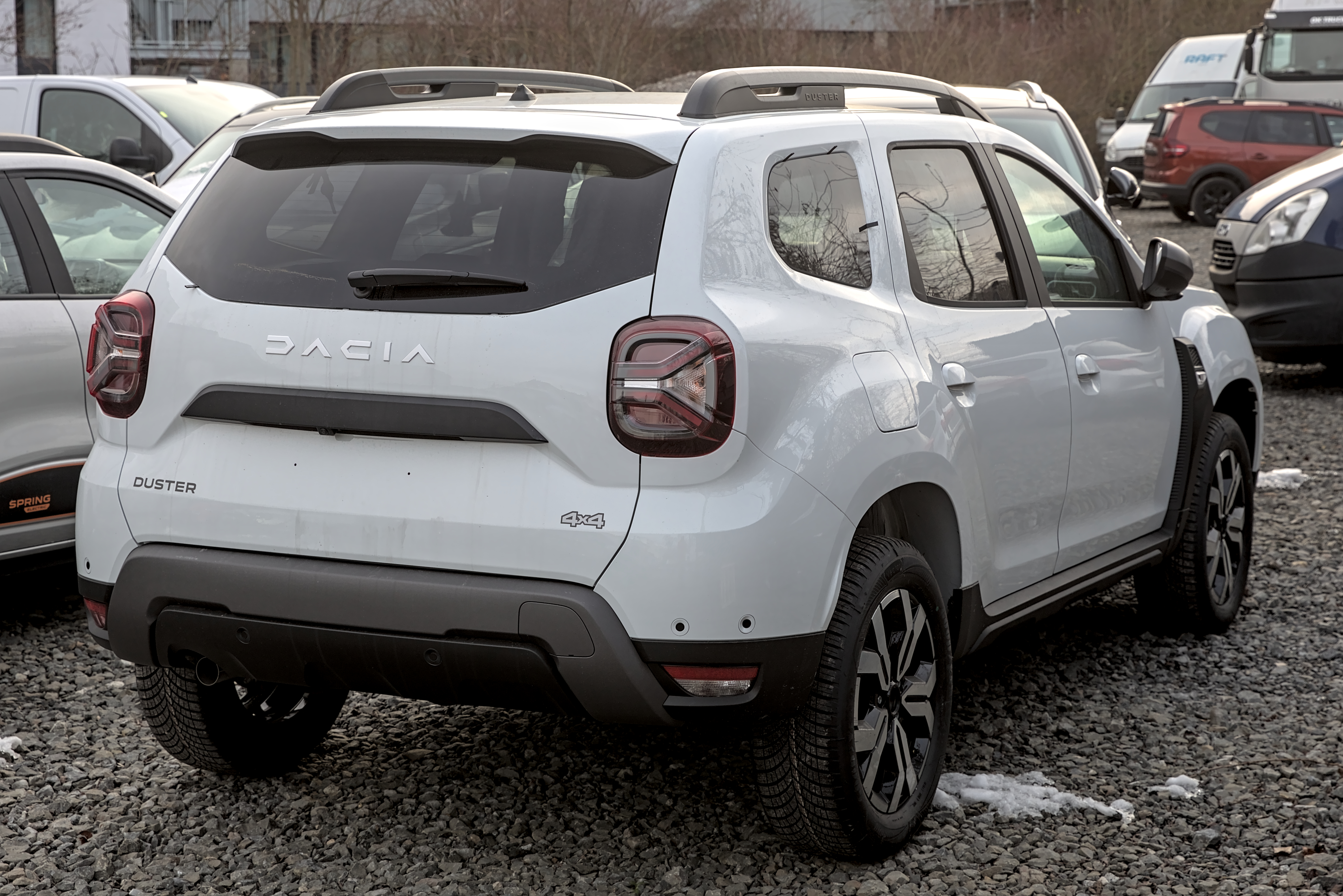
The Dacia Duster is a small SUV that is really affordable and useful for everyday driving. Many people like it because it gives you a lot of car for the price, making it a smart choice for those who don’t want to spend too much.
The 'Fox Body' is a nickname for a specific style of Ford Mustang made between 1979 and 1993. It's popular among car fans because it's lightweight and can be easily customized.
Wolf Box is a brand that sells car accessories, like cameras and cleaning tools, on eBay. Buying directly from them means you're getting the product straight from the company, not a random seller.
The DMV is a government office where you go to get your driver's license and register your car. Many people find it can take a long time to complete these tasks.
The Kia Soul is a small car that looks like a box and is known for being roomy inside. It's popular because it's different from regular cars and is easy to drive.
Tariffs are extra taxes that make imported cars more expensive. This can make it hard for companies to sell certain cars profitably if the costs are too high.
The Hyundai Venue is a small SUV that looks modern and is easy to drive around town. It’s a good choice for younger people or anyone who wants a stylish car without spending too much money.
The Hyundai Elantra is a small car that looks good and has a lot of features for the price. It's a popular choice for people looking for a compact sedan.
Hatchbacks are cars that have a back door that opens up, allowing you to access the trunk easily. They are usually smaller and can be very practical for everyday use.
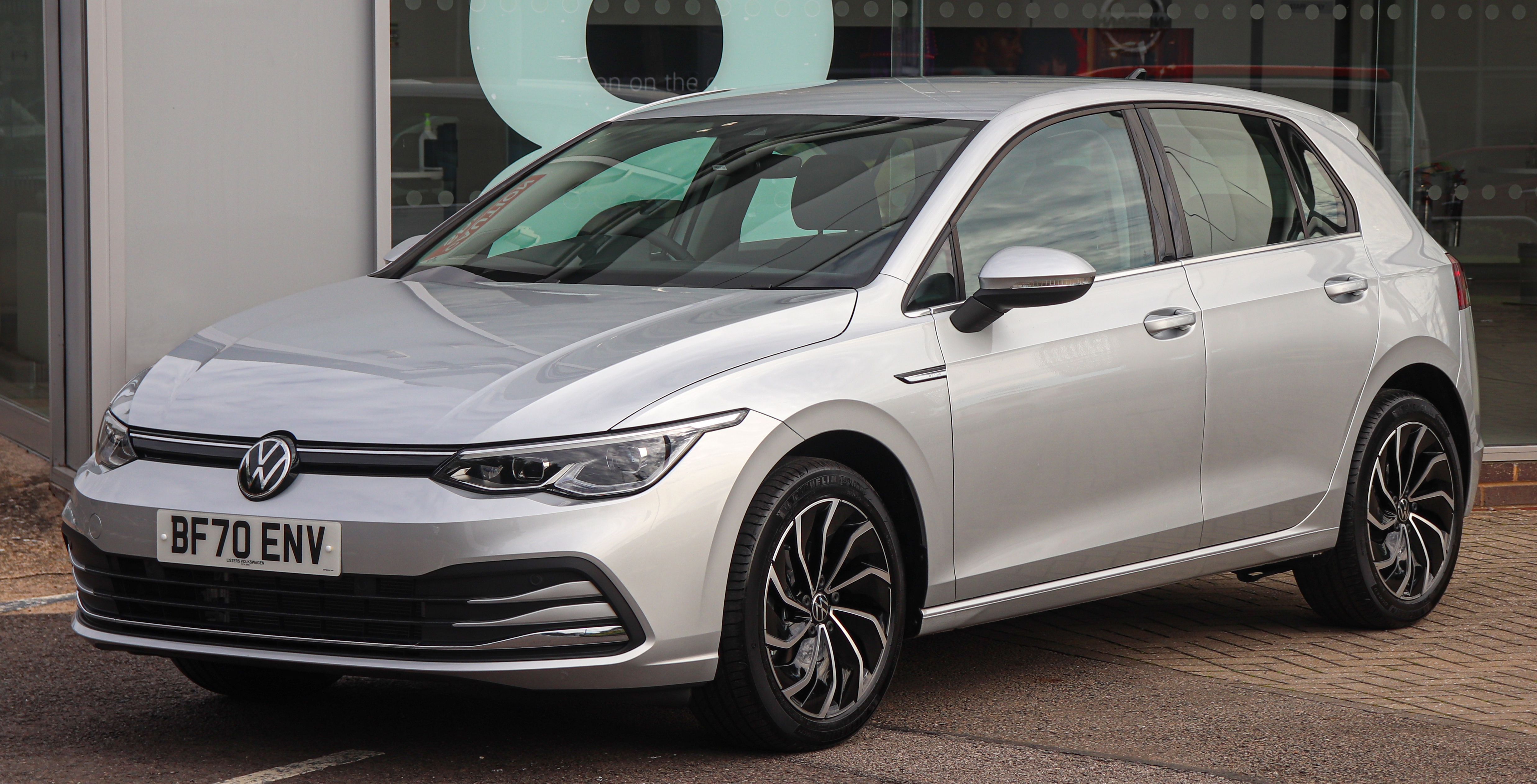
The Volkswagen Golf R is a fast and sporty version of the Golf, which is a small car with a hatchback design. It's popular for its fun driving experience.
The Kia Seltos is a small SUV that is popular for its stylish design and useful features. It's a good choice for city driving and has plenty of space for passengers and cargo.
Body on frame means the car's body is built on a strong frame, which is common in big vehicles like SUVs and trucks. It makes them tough and easier to fix if something goes wrong.
The Kia K4 is a small car that’s comfortable and packed with features, making it a good choice for everyday driving. It’s especially popular in China and offers a nice mix of style and practicality.
The Bristol Bullet is a special sports car that looks classic but has modern features. It’s lightweight and built with care, making it a favorite among car lovers who appreciate unique designs.
Affordability means how easy it is for people to buy cars without spending too much money. It depends on how much money people make and how expensive the cars are.
The Nissan Kicks is a small SUV that is budget-friendly and great for city driving. It has a modern look and comes with useful features without being too expensive.
The Jaguar Mark I is a fancy car from the 1950s that is known for being stylish and well-made. It helped Jaguar become famous for making high-quality cars that people love.
The Chevy Trax is a small SUV that’s great for city driving because it’s easy to park and handle. It also has enough room inside for your stuff and comes with some nice tech features.
Captive financing is when a car company provides loans or leases directly to customers. It usually comes with better interest rates than banks or credit unions.
A software defined vehicle is a car that uses a lot of computer software to manage its features and functions. This means that many aspects of the car are controlled by software instead of just mechanical parts.
The clutch is a part of the car that helps you change gears. It connects and disconnects the engine from the wheels, making it easier to shift gears while driving.
A blown tire means the tire has burst or lost air, which can make it hard for the car to drive properly. Drivers need to stop and change it to continue racing safely.
The Chrysler Daytona is a sporty car from the 1980s that was made for speed and style. It’s remembered for its cool design and is part of Chrysler's history in racing.
LIVE
Hello and welcome to the truth about cars podcast. I am Tim Healy, the managing editor
and this week we talk about the death of small cars and we wrap up the NASCAR season. We
talk small cars of David Thomas from CDK Global and TTAC contributor Matthew Guy and
I discuss NASCAR's championship as well as air dusters for your car. But first buying
a car should feel secure. Start to finish. That's why you should buy your next ride on eBay.
See, eBay has got everything from classics to trucks and imports. Now with secure purchase,
sellers and titles are verified and financing, delivery and insurance options are built right in.
Plus, eligible vehicle purchases are backed by up to $100,000 in protection. So buy your next car
in eBay. eBay. Things people love. Secure purchase is powered by Carmo dealer services LLC in eBay
subsidiary. If you like what you hear in the truth about cars podcast, please go ahead and leave
us a review. You can also find us online at TTAC.com that is TTAC.com or the truth about cars
all spelled out.com. We're your home for car reviews, car news, opinions and so so much more.
Here on the truth about cars podcast, we're always talking about the stuff that we use
in our homes, in our cars, on our cars as the case may be. And as just about always, I have
TTAC contributor Matthew Guy with us. Matthew, how are you doing today? Hi, I'm doing pretty good,
Tim. How are you doing? I'm doing well. I'm doing well. So let's get into it and let's go ahead
and just kind of explain what we're talking about today and walk us through it. Absolutely. So
it's something that it's a tool that you can use, I mean at home or it was described to me as
something you can use with the car if you're doing some detailing. And I'm like, okay, so I was a
bit skeptical at first, but it did turn out to be a good tool. And it's an air duster. Okay, it's a
powered electric air duster. You hold it in your hand almost like a flashlight. It's about the size
of a flashlight. I don't think I've seen one of these before. Yeah, and it was something new,
it's something I've not used before, but it's about the size and shape of a flashlight, except
it has a nozzle on the end, right, from which it blows air. And I've seen some smaller ones in use
like in computer environments, you know what I'm saying? Right where they need to blow off. Yes,
I've seen them and I actually have one for my laptop at home. Exactly, right. So but this one
is a lot more powerful. I don't know like what PSI or what speed actually comes out of that nozzle,
but I do know just looking at the looking at the specs, the the duster, it says it provides an
airflow of 45 meters per second. Now I want to do the conversion here roughly while we are while
we are talking. But how it was how it was described to me for use in the car is that if you're doing
some detailing, I can see this. And you know, I tried it over the weekend that if I'm trying to get
dirt and crumbs and crud and stuff like that out of especially the console area of my car, like
where the cup holders are, right? I mean, you can say you know, in your Fox body, right? I mean,
you're always having a few snacks or whatever. And it's just really, really hard to get in
those nooks and crannies. And someone suggested, Hey, you know, what about outside as well when
you're trying to get there's always like when you when you wash, especially a big vehicle,
like a pickup truck, there's always going to be there's always going to be like a cup of water
in the side view mirrors, no matter what you try to do. So these are these are from when you pick
them up on eBay. And this company Wolf Box WLF BOX has their own storefront on eBay. So you know,
you're getting it from the company, not from a random reseller. And you know, they've got 99.5%
positive feedback, you know, from real eBay customers and things of that nature. And these
things aren't expensive. They started at about 40 bucks. And I was really, really happy with the
amount of gear that came with it. There were four different, I suppose, nozzle, nozzle shapes,
like, you know, like when you buy a vacuum, right, you've got the crevice tool and all those different
types of attachments, this came with four different attachments. So you can get into
a bunch of different nooks and crannies in your in your in your car. And it operates just like
a flashlight, you got an on off button feels like a trigger. And then it just charges up with a USB
a USB cable that's included that you can then use for your phone. And you know, it was a really,
really good, surprising tool that I picked up. And for the sake of, you know, the pricing goes
between $40 and $80, depending on how big you want one. Right. So I was really, really impressed
by this. And it's something that I would not have. I would not have selected without prompting,
you know, I mean, I wouldn't search for this. But it was a conversation that came up. And so I
decided to just pick one up. And for the price, I'm very impressed. That's good to hear anything
else we should know about these things. So we've said size of a flashlight, I didn't quite picture
it in my head. Then you mentioned the keyboard thing. And now I do know what you're talking about,
because I have, like I said, I've got one for my keyboard. For my laptop, which I use occasionally,
although not nearly enough, I'm looking at my laptop right now and thinking, Oh, my gosh,
I definitely needs needs a dusting. And then, um, yeah, so I had quite a picture, but it's
probably a pretty handy tool. So anything else we should, we should know, or you want to add?
Well, I mean, the thing charges up, I wore it out. That's, you know, part of my testing is just
to wear stuff out, especially if it's battery powered. And, um, you know, I used goodness me,
it was the working time was probably well over an hour for sure, in total. And then charging time
was about triple that. So it says here about two and a half hours to charge up. I feel it was more
around three. And you can't use it while it's charging. It's one of those, right, that you
can't plug in and use whilst it's charging. But, um, you know, for the hour, a little bit more
than an hour, I got ahead of it to clean out the crumb. Like you said, there's going to be
crumbs on your keyboard, no matter what, right? Cookie crumbs. I was using it there for the car.
And I was, I was more than happy. There was also another alternative use. It comes with an
attachment that allows you to blow up stuff like, it's like, um, air mattresses and things of that
nature too, right? Cause sometimes you get an air mattress and it doesn't have the, uh,
inflator built in. Oh, the inflators don't work here. Oh, the inflators don't work exactly,
right? So this one has an attachment that's specifically for that. And I haven't, um,
and it doesn't work for like blowing up basketballs and stuff like that. But for
cleaning out small areas in the car, I'm going to be, I'm going to be hanging on to this thing.
And, uh, I'm impressed with my new compressed air duster is its technical name from this company
called Wolf box. And they've got a different bunch of ones out there. There's like a,
a 50 in of 100 and 200. I just went middle of the road, got a 100.
And, um, yeah. And I think that it was, uh, it was a very, very good purchase and I'd recommend
one for sure. Excellent. All right. So again, you got it off eBay motors. I did. Yeah. And they've
got their own, this company Wolf box has their own storefront on eBay motors. So you don't need
to worry about, you know, like a third party reseller getting into the mix of just buying the
straight from the company. All right. Sounds good. So with that, Matthew, if there's anything else,
unless there's anything else, we'll go ahead and wrap this segment here. I'm through to our
cars podcast. Awesome. Thank you, Tim.
eBay has reinvented vehicle buying from click to curb. Everything's covered.
It's all thanks to their new secure purchase. Ever try to buy a car and end up in a parking
lot with a stranger and some blind trust or spend half the day at a dealership talking
to pushy sales people and signing paperwork? Or maybe worst of all, wait for hours at the DMV
just a chance to the title. That air is over. For years, eBay has been the go to for gearheads,
collectors and DIYers because whatever you're into from classics to SUVs and trucks to imports,
eBay's got it. And now a secure purchase. eBay isn't just where you find your next ride. It's
where you can buy it start to finish. Sellers and titles are verified, paperwork is handled by experts
and payments are traceable and digital. So you know exactly who you're dealing with and exactly
what you're getting. Plus you can finance, ensure and register your vehicle all in one place.
No more hours at the dealership. No more trips to the DMV. Get your vehicle, plates and paperwork,
ship to your door, ready to drive. And it's all part of one seamless process designed to feel as
easy as buying anything else online. And eligible vehicles purchased on eBay are backed up by up to
$100,000 in purchase protection. Thinking about selling your ride, secure purchase makes that
simple too because you know your buyer and their funds are verified. If you still own your car,
the finance and pay off is fully integrated. So you're not chasing paperwork or waiting
intros to clear. And with secure purchase, you get paid fast. And you're not going to be stuck
chasing no shows or answering the fifth still available message. This is what modern car buying
looks like. Skip the DMV, skip the sketchy meetups, buy it on eBay. eBay, things people love.
Secure purchase is powered by Carmo Dealer Services LLC in eBay subsidiary.
This week on the Truth About Cars podcast, we are talking with Dave Thomas,
the Director of Content Marketing at CDK Global. Dave, how are you doing today?
Doing great, Tim. Thanks for having me.
Yeah, thanks for hopping on. So what we're talking about today with Dave is
the death of the small car. So the Kia Soul, which was a pretty popular vehicle, was recently
killed off by Kia. And that Kia made it official. Sometimes automakers try and be really quiet about
it. But Kia even kind of did like a trim level or package sort of sending the car off. So
the Kia is dead. The Kia Soul is dead. And there aren't a lot of other cars
of its size and shape around. So let's talk about that. Dave, what's going on with that? Why is a
popular, affordable car going the way? Well, sometimes there are multiple factors at play
with something like this. Most of the time when any automaker kills a car, it's because it wasn't
profitable. It didn't sell enough and they couldn't offset the cost to make it profitable.
Here, there's a little bit of that. But the main reason that the vehicle is not
going to be profitable moving forward is because of tariffs. So when an automaker looks and obviously
Kia hasn't come out and said this, but the current tariff on South Korea is still 25%.
There was some sort of negotiation to bring it to 15%. That didn't happen. It's still 25%.
They're actually negotiating, I think, once again. So the tariff volatility and the idea that
in a best case scenario, it's going to be a 15% tariff on that, not so profitable a vehicle to
begin with, they will see a profitable path for that vehicle. Now, this is a scenario when the idea
of tariffs started six, seven months ago, whether it was April or whenever it was, we got an idea
of this. In the automotive world, everyone pretty quickly mentioned that this was a possibility.
They were mostly talking about that cars made in Mexico and we saw one of those with the Nissan
Versa be canceled as well. But this is one coming from, I don't think people really expected these
large tariffs on major trading partners like South Korea and Japan and not excluding the vehicles
from these tariffs, like making a carve out. So tariffs have ramifications in numerous ways,
and you can believe in tariffs or not, it's immaterial, that they will be a net positive
in the end. But however you want to believe that or not, what's clearly happening,
they have ramifications. One of those ramifications is right here.
Yeah. So they're going to have less affordable cars coming in.
Oh, sorry. I didn't mean to talk over that. It must have been a slight delay. But yeah,
one thing too, you mentioned the Versa, which is obviously going away or gone as well.
What's left in the segment? Hyundai's venue is basically it, right?
Yeah. And then you don't want to guess, but I don't foresee that probably living long either.
So yeah, there's not many. And you look at the domestic automakers,
they left this field a long time ago. I mean, the cheapest Ford is almost $30,000,
the I think the most affordable Chevy right now is the Tracks, which is
pretty sure imported from Korea. So there's not a lot out there, certainly the size,
the price. The price is the interesting part. So as I mentioned in my post on LinkedIn,
the souls, I think the 10th or second, were selling Kia. The second best selling Kia
is the K4, which is a compact sedan. They're priced pretty similarly. So if you're an automaker
and you say, I've got two $20,000 cars and one selling really well and one isn't,
I could see that being a decision in this play. And in the end too, I mean,
hatchbacks haven't been popular for a long time in the United States. So they could also just
be looking at a consumer trend, right? The consumers want this compact sedan that size
and price, they're very familiar with it. They have compact sedans have been popular in this
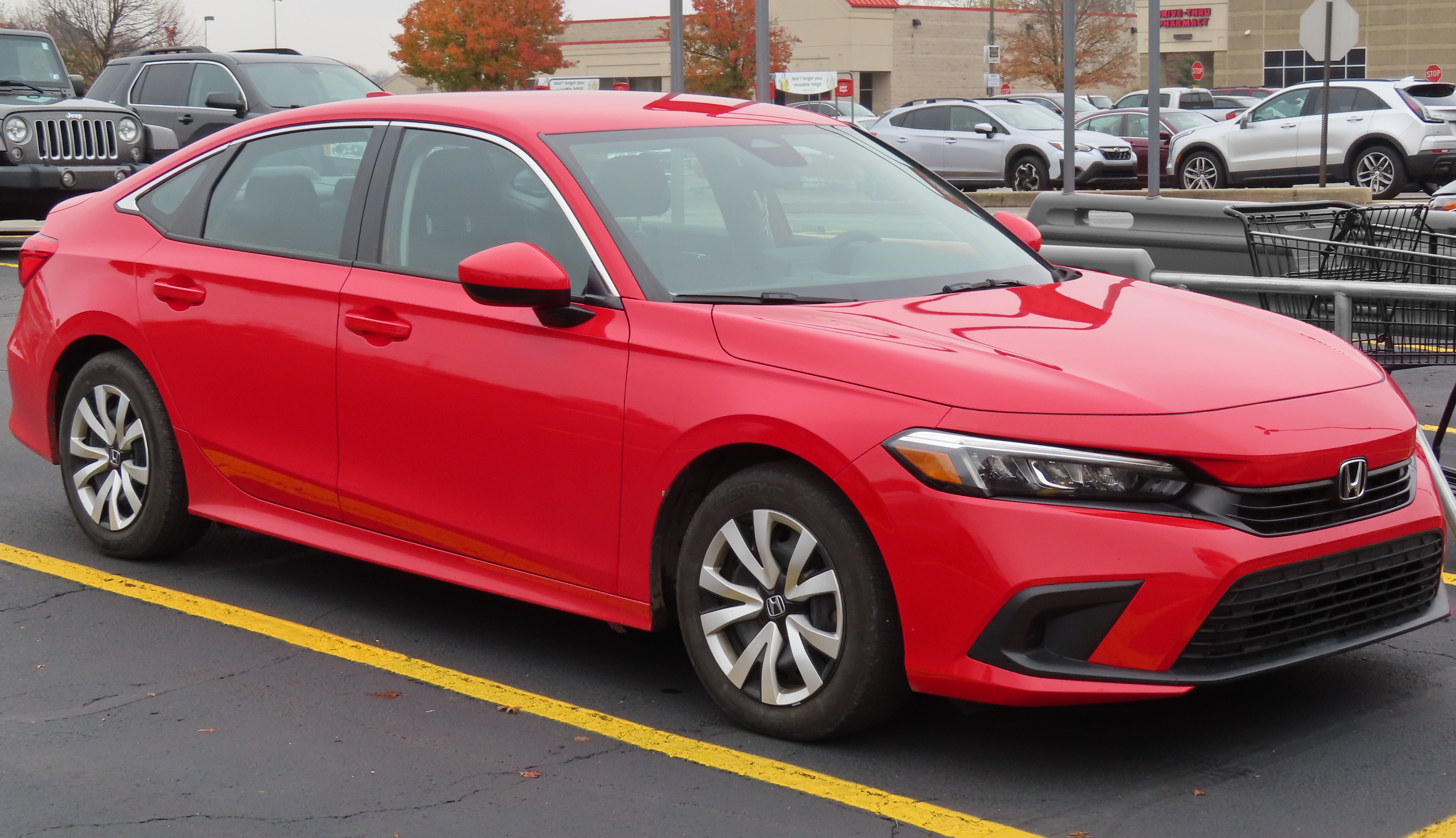
country forever, whether it's a Corolla Civic or Elantra or now this K4. So it makes sense. And
if you're a shopper, there's still a $20,000 new car you can get at a Kia dealer. So that's still
there. So there's still that opportunity. But then the other thing that we're seeing unfortunately is
all car prices are going up as we move into 2026, more than they have been in the past.
Again, tariffs, even depending on where the car is made, the parts and the sourcing,
those things are going to be more expensive. The steel and aluminum are going to be expensive.
Yeah, for sure. So you have car costs going up, you've got tariffs affecting vehicles based on
where they're built and what materials they use. And obviously, as you said, there are alternatives
to, there are lower price alternatives. So it's not like they sell the only inexpensive Kia out
there. But a couple of things that stuck out to me, you mentioned hatchbacks not having been popular
in the States in a long time. This is something that has always kind of sort of ate at me not
because I'm a car enthusiast, because there are some fun hatchbacks to drive. I'm testing a Volkswagen
Golf R as we speak. But I don't understand why hatchbacks, I don't know if I've ever truly owned
one. I've had, well, I had a Foxbody Mustang, I guess I was a hatchback. But hatchbacks are
utilitarian. There's really a lot of utility there. And I'm not saying that they're better than
car to trunk. It all depends on your use case. But for some people, particularly urban, urban
residents and stuff like that, a small car at the hatchback can really make a lot of sense.
So why have they not done better in the States in general? I think, Tim, this is the,
it all goes to the SUV as king in this country now. You know, I think that
personal SUVs have lift gates. Yeah. So I mean, there is a Kia Seltos, right? There's a small
real SUV, I won't call it a real SUV, but a much more SUV-like vehicle in that
product lineup. It's not that much more expensive. And so I think the people that want the utility
are then looking at something that looks like an SUV versus looks like a hatchback. And, you know,
the, you know, you look at marketing, right? The cute hamsters that I think they had two generations
of hamster commercials for the soul. Oh my God, she was on forever, yeah. Right? There wasn't a third,
you know, or whatever. They didn't keep that going. Now with the most recent soul, I don't
think, no. Right. Yeah. So it wasn't, there wasn't a cultural movement for this Kia soul
like there was for the previous one. I don't know, you know, I'm not in that type of marketing where
you dig deep into what Gen Alpha likes and Gen Z likes and would they resonate with anything
cultural around this type of car? My guess is Kia does and automakers do. And they're making these
decisions with that kind of knowledge. They do spend quite a lot of money on that type of market
research. So I think that's, it's all in the mix. And then there's this other thing, you know,
it's a broader topic. And, you know, but with the tariffs, the other thing automakers are doing
writ large that they've here and there been doing for the past few years,
is reducing base trim levels, going with more cars with more content that consumers want,
even though it's more expensive and just not bothering with the base model anymore.
So that's driving prices up as well. So there's quite a lot of shifting going on
in the market that's not serving the lowest cost buyer.
Yeah. Is there also a vibe thing too? People don't want to be judged for being quote unquote
poor because they drive a soul or is that just kind of a not really an issue at all?
Well, I don't have any data on that. But I will say, in other studies and things I've read,
the youngest generation seems to have what I would say is a little misguided expectation
of what spending is and what they can afford and what they should be buying and how much they should
be making. I don't know if you've seen these headlines, but when they ask different generations,
how much do you need to make to be comfortable or to be successful or whatever that number is,
Gen Z is hugely, well, I'll say out of whack as an opinion, but they are thinking that making,
they need to make half a million dollars to be successful where every other generation is much
more realistic about where they need to fit to be considered successful. So I think that's
generational. I think that is a social media driven phenomenon for sure. And in social media,
some people are rocking the Kia Souls, I'm sure, but on car TikTok and Instagram,
people are are flaunting much more expensive vehicles. Now, can any of them really afford it?
Behind the screen, that's a different question, right? That's a different question.
Yeah, that's being shown a lot. And I think that's having an impact on these buyers and
something that the K4 I think does really well is come off as a much more
expensive, large, substantial vehicle than its price point suggests. And I think that's one of
the reasons it's performing really well. Yeah, and obviously, it's kind of hard to quantify
vibes. So it was kind of a tricky question, but didn't mean to throw you off guard there.
But yeah, so we're talking about obviously the factors and tariffs and stuff like that. But
there's also some bigger picture factors and you've kind of touched upon a few of these. We
mentioned the legacy automakers having left the space or not legacy so much as just the Detroit
3 having left the space quite some time ago. And I think part of the chasing crossover profits.
Most of us know that SUVs can be a little more profitable, especially the body on frame ones.
I know a lot of crossovers. Most crossovers are unibody, but obviously if you were a body on frame,
especially the larger ones, and those along with pickup trucks can be more profitable.
But the thing that always gets to me too a little bit is there has to be a need or so automakers
obviously want to sell only in segments where they can make money, right? They're in business.
They're not a charity case. They want to make profit. But there are still and there of course
are still some smaller cars in the market, mostly trunk cars, non-hatchbacks, Toyota Corolla,
Honda Civic I think is both hatch and trunk. You still have some smaller cars in the market
that are under $30,000. And you mentioned the Kia K4. You can probably get a basic
cord for right around 30. So it's not like there's no cars in that segment. But there's a lot
fewer than there used to be. And where I'm going with this is there's always going to be a need
for that, right? First time car buyers, young buyers who don't have a family who might need
a little bit of cargo carrying for a patch or groceries, but maybe don't have kids or maybe
family with a young kid, empty nesters who might want to downsize their vehicles and down price
a little bit. There's always that need and that want for the inexpensive under $30,000,
maybe a trunk, maybe a hatchback car. But yet there's no one's really filling that
niche for the most part. So where's the disconnect there? What has happened to
those buyers? Are they just buying used? Are they buying, are they biting the bullet and
spending more money on something larger? What's going on there? So what I see and I've mentioned
it kind of recently, something I was kind of picking up on is that you're going to see a reduction in
the variety and how many different models there are at this price. But I don't think
you're going to see any change in the volume of sales at this price. So what that means is
if you've got $25,000 max to buy a new car, there's still options there. Like you mentioned
Corolla, right? I think it's the most popular car in the country, right? Or it's one of.
The RAV4 I know is the most popular non-truck in the country. And so that volume, and it's a huge
volume of vehicles, that one compact sedan. And you can mention Civic and however you want to do it.
But these automakers, if you look at the Kia, they lose the soul. They're going to have the
production of that K4 at a level that's going to hit every buyer that needs that price vehicle,
right? So they're going to make sure they hit the right volume. And dealers are going to make sure
that they have, because on the dealer side of the house and CDK, that's our focus.
You know, we help dealers sell and service cars. On the dealer side, one of the top issues they have
is meeting affordability for the people that come in. That they really do need affordable options.
There's plenty of options over, like you said, over $30,000. There's wonderful large SUVs. They
make all that kind of good stuff, right? And they're all selling, right? It's interesting that
the economy is doing fairly well and cars are, you know, despite lots of headlines,
cars sales are still happening, right? So there are the ones that address that affordability
issue. You're not going to get the variety, but the volume will still be there. And, you know,
when you look at, if you talk about inflation and affordability, I did quick research,
you know, since pre-pandemic, the price of a Corolla, the LE, which is now the base model,
it's gone up 16% from 2019 to 2024. And that's, there's a generation change in there, right? They
redesigned it. But, you know, the iPhone's gone up 40 plus percent in that amount. So, you know,
cars are going up in price and there's lots of headlines. Oh, this is the average transaction
price. It's the highest it's ever been. It's always going to be the highest. It's like car prices
aren't going to go down. Car prices are inherently inflationary. Right, exactly. And actually,
used cars is one of the strongest levers on the overall inflation number that the CPI puts out.
So car pricing, like it's never going to go down, but so that inflation, that 16%
jump for the Corolla, the actual, so the price of the Corolla is like 22 grand,
if you actually just use regular inflation, it would be 24 and a half. So it's actually
underperforming inflation by a lot. And I've used those metrics for over 10 years. And it's
actually now the underinflation performance is actually better for certain models like the Corolla
and other compact sedans especially. So, and midsize sedans too. SUVs do go faster. So,
but, you know, I kind of forget the original question now, but there's a lot of nuance in
headlines that say cars are more expensive than ever. And when you really want to look at it as
like, well, shoot, everything's more expensive than ever. And cars are actually kind of in a good
spot. When it comes to that, that said, it's going to tick up really fast in the next year
because of tariffs. Yeah, the original question was basically just, you know, what is the buyer
who wants or needs under $30,000 new car do? So, and you are right to mention that everything
is going up. Obviously, car prices are always going to always going to go up. I think which
shocks people a little bit is just the number that you see 50K. And that's a hard number to
rip your head around. It also seems, it also seems higher than it should be. Like people are
like, okay, I understand prices are going to always go up, but maybe you went up faster than
they expect. Maybe a lot of people would have thought we'd be in the higher 30s, lower 40s.
So, that's I think part of it. But like you said, everything is up. You know, I got a new,
I finally got my iPhone 11, got rid of it after I held it on for way too long and got a 16 earlier
this year at the end of last year. And I don't remember what the price difference was because
there was a different bunch of different deals and stuff, but it was definitely more expensive.
And then, you know, I also forgot one car that we should be talking about a little bit in,
in terms of the smaller car, it's a little bit higher in price. I think it's just above,
I think it's just above the 30K mark. I don't have the numbers in front of me.
But the Nissan, the regenerated or refreshed Nissan kicks is in that, is in that box too,
as along with the Hyundai Venue and the Kia Soul, no pun intended, but your boxy type hatchback
vehicle. Now, the kicks is a little slightly pricey. I can't remember up top of my head if it's in
the upper 20s or lower 30s. But the kicks is definitely in that conversation as well.
Yeah, I think it's right in the mid 20s. And I think it's, you know, the Chevy Trax has performed
really well as an affordable compact. Yeah, the Trax has come a long way from being
one of the worst cars in the market toward the best.
Yeah. And for Chevy, like that's a differentiator between it and Ford, right,
where it's, Ford's just kind of given up on that sub $30,000 segment for now.
So I think the Trax is a really good example of where that new kicks can go. And as far as I
know, the new kicks is performing really well. So again, they both are SUV looking, you know.
And so I think that's part of it when we talked about the sole performance and
hatchbacks and that whole thing. You're definitely seeing that at play.
Yeah, and the kicks is in the 20s. It could get to around 30 with all the options in the
highest trim. I was thinking of a different vehicle I really can't talk about yet,
two embargoes. I was thinking of something else that's a little bit pricey and it's in the $30,000
range. So yeah, I had my models, my relatively inexpensive models from a similar or same
automaker, it's like I really say, mixed up in my head. So the kicks is definitely in that
sole price range. So that's a vehicle we probably shouldn't have been talking about a little bit
more. So if you are looking in that sole price range and you are looking for a boxy hatchback,
you're right now, your options are kicks, tracks, venue. And I'm trying to think of the same thing
I'm missing here, Hyundai venue that is. Seltos, as you mentioned earlier, if you construct your
budget a little bit, the Honda Civic has a couple of hatchback trims as well, although it's more of
a traditional car layout as opposed to a boxy half crossover. The HR-V is under that $30,000.
You are correct. You are right. Yeah. What I say to a lot of people, because a lot of
the trends for the dealers that are going on right now is really the volatility of the used
market, where the new market's got this tariff and this price escalation with tariffs, and it's
in these little percentages. On the used side, they're finally coming out of a really inventory
strapped environment on the used side, pushing up use prices really high. Because where people
naturally go for affordability is the used market. And the value on the used market
is not there right now. I mean, you're paying a lot of money for a three-year-old compact sedan
when a new one is sitting across the dealership lot, not that much more money. And when you look
at financing, if you can get a captive financing deal from the automaker on the new one, and it's
3%, and the used incentive you're getting for interest rate is 8%, a lot of times people are
coming out really close just getting new. They can qualify for that good rate. So on the dealership
level, it's really this unique situation. I know on your perch, you're very focused on
reviewing the new products and stuff. But remember, we sell three times as many used cars in this
country as new. And it's a really important thing to know. But right now, it's not a great scenario.
But I do see that changing from today forward. There's going to be a shift back as more inventory
comes into the used market because we're getting past the post-COVID new car shortages. So that
inventory level will go up. Their prices will start to come down. And then on the new side,
the tariffs are going to start pushing the prices up a little bit. So I think we'll see a lot more
used sales going forward into 26, for sure. And then it'll be interesting to see what happens on
the new side. I'm going to ask you probably the toughest question because none of us can predict
the future. Oh, boy. And you already just touched on it a little bit. So just as you wrapped up
previous answers, so you might be a little bit repetitive. I apologize for that. But
can you kind of predict where the new car market is going? As you mentioned, the post-COVID
inventory, I'm not sure what the word is, but the kind of refilling of what was a shortage.
I don't know what the word is for kind of going back to normal, but there was a shortage. Now
we're kind of getting back to normal inventory level. So obviously, it'll drive price down.
Obviously tariffs will likely drive prices up because at some point,
automakers are not going to want to eat that. And then I know some of the automakers got a bit
of a reprieve from the Trump administration, but it's not 100%. And there's a lot of complicated
and car parts are still being tariff. So even if the new car is not tariff, parts might be tariff.
There's a lot of complicated moving parts there. But what I'm trying to ask is,
do you see us returning to a, quote unquote, a more normal market? And to me, a normal market
would be inventory is not short. Inventory is not a glut. There's a gap between you,
a relatively normal gap between used car pricing and new car pricing. And then of course,
no weird economics like tariffs or recession or kind of active God type stuff. Or do you just
see us kind of being in chaos for the next few years?
Yeah, I think if it's not chaos, it's going to be close. So it's been seven months of tariffs
and they're not solidified. They're not lucky to go away. Well, not go away. We don't know what
the real numbers. There's also that. Yeah, the final numbers yet. And you know this. And so I
don't know how much your audience knows this, but you know, automakers plan their portfolios
years in advance. It's three to five years in general, right? Yeah, it's really hard to do that
on a good day. Doing that with the impact of tariffs looming, a shift to like a
the software defined vehicle type idea, which almost every automaker is going to in some way,
even if it's not a EV, right? Like they're they're trying to streamline the number of
processors in their car. There's a processor, a semi chip issue going on right now in Europe,
impacting a lot of automakers. And there's there's slowing production. And it's actually
it's a European issue. But I think even Honda is slowing production because of it. I mean,
the ripple effects of that are huge. So that'll be on the new inventory side. We might see a little
restriction on the new inventory in the next few months. And when I'm almost out of breath right
now, just like this is just today, like every morning, up the news is just like, come on,
you're killing me, right? Like it's it's there's always something and I don't see that
changing. It's we don't know what the something's going to be every morning, Tim, but
I don't I think that's going to keep keep happening. The positive side
is resiliency of the industry. Car dealers use that term quite a bit. Because car dealers are
actually performing really well right now. You know, they're they're focusing on sales processes,
they're focusing on their FNI department, shoppers right now. Because of like economic
concerns when they buy a new car, they're more of them are buying extended warranties
and prepaid maintenance than ever before, because they're they're just focused on
uncertain futures. So that has an impact on dealers. So those are the things like we track and
you can you can see it like people people get that there's uncertainty in the future.
But, you know, for for sales, I think we'll still be steady, we'll still have these 15 and a half
and up numbers for for a while. I don't think we're going to see like real harm there. But,
you know, the ups and downs, the the supply problems here, tariff problems there,
whatever it is, interest rates, right? Hopefully they keep coming down, but maybe they won't.
So there's all these things, it's it's it's a bit mind numbing to be in the industry analyst seat,
and to have to keep thinking about them all the time. But that's what it's going to be. And
that's just kind of how we have to get our head around it. So but but yeah, so I think if not chaos,
headaches. Yeah, and and saying there's always something unexpected is it's obvious, but it's
true. I mean, you know, terrorists could change in a heartbeat, President Trump could be persuaded
to get rid of them. He could lose or it could change in two years when the if the Democrats
take over Congress or in 2028, when he leaves, maybe a Democrat replaces him. Those things are
somewhat, I don't want to say predictable, but you can kind of game out different scenarios.
But when you know one really saw COVID coming, right, even as late as February 2020,
I didn't think it was going to be the disruptor it was. I remember being on the road in February
thinking, this is kind of a big deal in China. It's like, you know, it's not going to really
affect our lives. And 10 days later, the world shutting down, right? So you can be smaller
things, a supplier fire, a chip shortage, it can be a hurricane hitting the wrong plant,
or the wrong plant's plural, you know, I mean, obviously, we have a big hurricane hit
in the Caribbean right now, although I don't think it's going to affect any manufacturing,
it's just an example. But yeah, so I think that that is something we always have to keep in mind.
So we only have a few minutes left. I wanted to, before we wrap, this has been a nice, we kind of
jumped off with the Kia Soul and the small car thing, but we've also touched on some other parts
of the industry, which I think is relevant and important. And I think we couldn't have,
we couldn't discuss the soul and the small car dying without going into the bigger picture.
But is there anything else you wanted to add, David, before we, before you wrap, we have like
about five minutes left? I would just say like this, it's really this idea of, and I don't know if
you're on a lot of social media, like how deep you, you, you, how much time you spend.
I do scroll Twitter when I'm watching TV and it's like a commercial break.
Facebook, I use more for personal stuff than for automotive. And I've got Blue Sky and
Threads accounts that I haven't really played with them yet. So still kind of,
I guess I would say I'm surface level. I looked on LinkedIn as well. That's how we saw your article
on Kia, of course. But yeah, I would say I'm a casual user of social media.
So what I'd say is I'm noticing, especially on, I use threads a lot just to kind of keep up on
the news. Like Twitter, I find it's too hard to, to filter what, what I want to see.
I use the for you as opposed to, I use the following as opposed to for you.
So on threads, I think they figured out really how to get people upset and engage with content by
making you upset. So what they serve me to make me upset are people talking about
car advice and it's always horrible. So, you know, it's like, oh, how could people be so wrong?
So I think if I leave with anything, it's out, you know, thinking that the advice you were given
the last time you bought a car, whether it was used or new, is still the same advice that would
be given today is a really horrible way of thinking. Five years ago, you know, most people don't buy a
car five, six years, some people hold on their car for 12 years. Five or six years ago, both used
the new car markets were completely different than they are today. Whether it's the portfolio,
like we talked about, whether it's the pricing, the inventory levels of use, inventory levels of new,
interest rates, it is all different today than it was five years ago. And whether, you know,
we work with with dealers every day. The dealer, you know, has a pretty bad stigma, as you can imagine,
but more dealers every day, you know, their number one focus is improving the customer
experience, like making it better for the person that walks through the door to get through the
process in an efficient amount of time. You know, we study how many hours it takes to buy a car,
all dealers are well aware of this number, and they're all trying to, you know, reduce it, and
we're trying to help them with great software, et cetera. So that being said is like, you know,
going into the dealer, if they're not adversarial, as some might imagine, many are moving to a one
price model, you know, there's all these things that they're doing to make this experience better,
do all of them, you know, does everyone that you go to, you know, achieve that, maybe not.
But, you know, there is this real focus on, we're going to try and get this person through the
process as easily as they can. We want them to be good customers, they come back for service,
they tell their friends, and they refer them. That is their overall focus. So
a lot of a lot of people in the past would never go to a car dealer for like that advice type help
at this moment. But it is something to think about, right? The dealer, they know their,
they know what interest rate you're going to qualify. If you don't know your credit score,
right, like you should, but they're going to figure that out for you. That's a real problem in the
process is people understanding, you know, where they fall. You have whole new generations of people
coming into the dealership. Well, a lot of first time buyers have like their parents with them.
Obviously, many do not. And so they're a little overwhelmed by the process. And so it's,
you know, it's not the same place that it once was. And so I think that's something that we're
seeing change in a positive way. But yeah, it is a different market. You can probably get a
lot more car than people think they can. I think you see it all the time. An affordable car that's
20 under $25,000 today has a level of technology, comfort and performance that is like
miles and miles ahead of what they wore 10 years ago. You know, just in a $25,000 car now is
in many ways an exceptional car. So, you know, they're not just the default, you know, this is
all I can afford type option anymore. And I think that's probably the other, you know,
you got to get out there and see the vehicles. Yeah. And just going back to the social media
thing, maybe I'll need to play with threads a little bit more and get, get enraged because
I'm still learning that one. I'm still learning threads and I still have not quite figured out
why the algorithm is sensing what it does. Twitter, I can usually figure out based on who I follow
and what topics I was looking at. Same with Facebook. Being a sports fan, usually, you know,
through the weekend when the sporting games are on, kind of a lot of sports heavy stuff in my
feeds, usually for the next day or two, as an example, or a lot of car heavy stuff when there's
a big, like an auto show or whatever. But threads have not yet figured out. So, David, thank you
so much for your time. I appreciate it. Even with Dave Thomas, the director of content marketing
from CDK Global, excuse me, CDK Global, here in the Truth About Cars podcast talking about the
death of small cars and the bigger picture of the industry that goes with it. So, again, Dave,
thank you so much for your time. Yeah, Tim.
Here on the Truth About Cars podcast, we are always talking NASCAR and this will be our last,
probably our last race review since the championship race just took place in Phoenix.
Most of the NASCAR conversation from here on until Daytona will be a silly season.
Probably all of it, to be honest with you, but you never know. So, this is most likely our last
look back at a race with me as always is CTAC contributor Matthew Guy. Matthew, how are you
doing today? Hey, pretty good. Looking forward to talking about Phoenix. There's lots to talk about.
Yeah, let's start with the main story, the obvious story, probably the only story. Well,
if you have other things in mind, feel free, of course, but Denny Hamlin's heartbreak. And you
know what? I've said in this podcast before, I'm not necessarily a Hamlin fan. I don't love how he
always trolls the fans, although I don't dislike him either. But he did have a sentimental, a couple
sentimental reasons to win. I don't believe he's won the championship before. He had just hit 60
wins. So, you figure if you get a championship and 60 wins in the same year would be an heat
accomplishment. His father is really sick and might not make it to next year's championship. So,
there was the win for dad thing. Also, it's not, I don't believe it's his first child. He did have
another baby recently. So, you know, having a young, a young one at home and an aging father,
this is kind of circle of life thing and win one for my, I believe it was a boy. So, win one for
my son and win one for my father. There's a little bit of family sentimentalism there as well.
And you know, in Hamlin, he might troll the fans, but he's not really
that bad of a, there's bigger heels in the sport and Hamlin's driving on track
is generally within bounds. So, there's a sentimental thing to it with him, but also it's
just like, and plus he's getting older. His shots at a championship are dwindling, but you know,
it's with him, I think, I wasn't rooting for him necessarily. I didn't have a rooting interest,
but when he was dominating the race late, I thought, oh, that's neat. You know, the guy who
probably has the biggest sentimental favorite of the four, the other three being, I should have
mentioned this earlier, but the other three being Kyle Larson, William Byron and Chase Briscoe.
I was like, well, you know, he has a chance to win this thing and put it away and you get,
you get to those final like 50 laps and Byron had dominated earlier, but now Hamlin's back
in front and you're like, in fact, I was with somebody and we watched half the race out in
public and half at a house and I turned to that person and I said, Byron's going to win this
thing. And that was about three-fourths of the race over. And then I forget exactly what happened.
I think he got shuffled back on a pit, on a pit stop and then Hamlin gets out in front and I'm
like, well, okay, Hamlin's going to win it. I was wrong, Hamlin's going to win, Hamlin's going to win.
And three laps out, you get a, you get Byron himself. I believe he, I try to remember off
top of my head if he blew a tire, we could talk about tires too, if we get a chance.
He either blew a tire or got hit or both, but he caution comes out caused by William Byron.
So now you're looking at, okay, Byron's out of it and it's going to come down to
Larson, Briscoe or Hamlin and the four guys had run, all four had run near the front all day.
In fact, there were times that all four of them were the one through four. So now you're looking
at Hamlin and you're like, okay, well, Hamlin's going to win this thing, but he's got, he's got
overtime because there was three laps left when the caution came out and you're like, well, he'll
probably still win. And we're sitting there watching it. And again, I'm in public place,
can't hear the broadcast, but I can see the race very well. And he loses the race off pit row.
I'm like, oh my gosh, why did his pit stop take so long? Because they put four tires on.
And I'm thinking, could he even need any tires? So everyone else went with two,
they went with four, the pit stop took longer and Hamlin doesn't win. But the only three laps to go
were his tires so low that at speed, he couldn't make it,
he couldn't make it the caution laps plus the green right checkered, which is two or three laps,
he couldn't make it. So that's, that's something that's been bothering me. And Matthew,
you actually have an explanation for that. I want to hear that. Yeah. Well, you know, I mean,
Hamlin led two thirds of the laps all day, right? And Larson didn't lead a single lap, right? He
didn't even, you know, he didn't win the race. He was around, but never led.
Right. And then he was ahead and won the title. And I think like, you know, we were talking about
in the pre-show, getting ready that, that, you know, a couple of different things might have
happened with the four tire car. One, maybe Cliff Daniels wasn't paying attention. I don't think
that's the case at all. He's a really good crew chief, right? I mean, I can't imagine any crew
chief not paying attention. Especially at that level, right? So yeah,
season being made to take four tires may have come down to, we've talked all this season about
green white checkers and how you've said it so many times that cautions breed more cautions,
because everyone gets bunched up. And maybe Cliff Daniels was thinking, you know what,
we're going to be restarting here, green white checkers. Ever, it's the end of the race. It's
not just the end of the race, but it's the end of the season. Everyone's going to be going for it.
And this is not going to be the final restart. There's going to be a wreck in front of us. And
if we take four tires, we'll be in a better spot. And I think that's without, you know,
asking the man himself or getting inside his head. I do think that's why they took four tires.
Ended up being the wrong calls. Easy to play Monday morning quarterback. All of us here,
you know, us buffoons on podcasts such as this. It's easy to look back, but
I don't know how quickly you can make the call. I don't know how quickly you can make the change
once you see everyone else taken two, and you're still stick with four. But I,
you know, I think if anything, that might be a possible explanation for why they took four.
Yeah, the only pushback I would have there is if you're thinking that way,
why not wait? You know what I mean? Why not? Instead of trying to anticipate a second
green light checker situation, why not roll the dice of the older tires and then deal with it
if it happens? Yeah, which I don't know. I don't know what Daniel was thinking. And I just wanted
to reiterate too that Byron did hit the wall. I think he hit the wall because the tire went down.
So, um, yeah, all drivers have been having trouble with tires all day. So maybe yeah,
let's talk a little bit too. We still have time. We covered Hamlin's heartbreak. I don't
know. Other than, you know, I'm just looking at the season breakdown. I mean,
and Hamlin had six wins. Did not have a totally awesome average finish compared to Kyle Larson.
You're right. There were a couple of, a couple of, maybe about one place back,
which can be a lot. Christopher Bell actually had the best average finish
of the year, which was interesting in the number 20 car. You know, podiums, all those
types of things, top fives, tops to top 10s. You always see Larson's name in there. So this is a
situation of, of, um, you look at Xfinity where Jesse Love in the number two car won the championship
and then compare that to Connor Zilish in the 88, who just absolutely dominated the entire season
in Xfinity and 10 wins, five second plays, 16 podiums. I mean, he led in every single metric
and didn't win the championship. That's a problem. Um, here in cup, you know, I don't feel that way
about Larson's winning the cup because he also had a great year, right? Versus, versus Denny Hamlin.
Yes, absolutely. It sucks. Some people are going to be saying, Oh, well, you know,
Denny was being antagonistic saying, Hi, I beat your favorite driver, all that type of stuff.
And then you didn't win at the end. But you look at the comments being made by Larson himself,
right? And he, you know, said a lot of good things about Denny Hamlin at the awards dinner.
Actually, you know, gave a special shout out to Denny telling him that, you know,
and telling the entire room that no one works harder. So I'd like to see in that. I don't feel
that Larson's championship is looked at with a bit of a asterisk like what happened in Xfinity.
But I do think this is the final year that we have this format of playoffs where it's one race
winner takes all. I think that's done after this year. I don't know what they're going to go to.
I don't know if they're going to go back to the 10 race chase or like a 334 or 36 race.
That one, I would love that. I don't think they'll do it. But I do think this is the
final year for the points as we know them right now. So yeah, I'm not quite sure. I totally
agree. I think it'll be a minor tweaks. Personally, I suspect that's just got feeling. I don't have any
any news. But I think we both agree that it'll be some change. I think that the change will be
a little more small than or more incremental than you do. But that's fine. We can, we don't
agree on everything. I also wanted to add on to the Hamlin stuff that Larson and Hamlin are close
friends. So I think Larson felt bad for for for taking the championship away from his good friend
through no fault of his own, of course. But, you know, and he even said his car was just average
that day. He, you know, and let's, we could probably spend the entire segment on Hamlin's
heartbreak. There are two other things I wanted to touch upon. One thing is one thing. I'm sorry.
Yes, tires. Absolutely. Yes. Yes. One thing is small. And we'll get to it. And I also wanted to
before we get to the tires. I do want to mention that Hamlin also fought a clutch issue all day. So
good for him for being able to baby that clutch until the race finished, because he first came on
the, I did catch the first part of the broadcast that he did. He came on the radio early, like the
first pit stop or second pit stop and talked about it. So good for him on that. But with tires,
yeah, we saw a lot of blown tires on this race, both championship four and non championship four.
Don't know why. Do you know why? I mean, from what I can understand from reading and
listening to other reporters who were there at the track, Goodyear brought a softer compound to
Phoenix. I mean, tire issues began during Friday's practice session, but no one really was putting
the screws to Goodyear in terms of, in terms of, Hey, your tire is not up to stuff. I've been
hearing that it's more along the lines of several crew chiefs saying, you know what, we were pushing
the limit with lower air pressures to get a speed advantage, right? And there was a similar sentiment
after, you know, after, after, after Sunday's race at Phoenix. So I think combination of, yeah,
the softer compound that Goodyear was bringing, but crew chiefs knew that and they were pushing
as they should push the limit. So I think that that's, you know, Goodyear recommends a minimum,
minimum air pressure, but it's no surprise to me, especially with championship online that
teams are tempted to go beyond that. Yeah, yeah. So that could be, that could be the explanation.
All I know is it was seemed like every two seconds, some driver was heading to the pits with a blown
tire or, or there was a caution flag because of a blown tire. And each of the championship four,
right? We're, we're struggling with tires. So yeah. And he said earlier, it was a blown tire
on the 24, right? With just a few laps to go to push the race into overtime. Yeah. And even
Hamlin came back from having blown tire early and made the traction back up. So it's, it's,
it's a crazy thing. I personally hate it. I understand what you're saying that, that it
wasn't necessarily that Goodyear's tires weren't good enough. It was more that everyone's pushing
an advantage and some teams may have pushed too far. And I get it. It's the last race of the year.
If you're a final four driver, you're championships on the line, if you're not a final four driver,
you still want to win. You still want that person and, and the, you know, Ryan Blaney's
still gonna get some attention for winning the race, not much, but he'll still get. Oh yeah,
in the playoffs, I believe. Yeah. So, or, you know, it was in the playoffs, not too long. I
think he was in the final eight. So, you know, it's, it's, it's obvious why these guys do it,
race car drivers. That's why we have tech tech inspections, race car drivers and their crew
chiefs are always going to push the limit of the rules, just like in any other sport. And I don't
think it's, it's human nature, right? You want to win. So you want to do it as far as you want to
go as far as you can without breaking rules. And it's just, but it just makes for a bad show for
the fans. Your favorite driver might be having a good race and all of a sudden he's in the pits
and his race is over in theory. I mean, yeah, he can get back out there and get something,
get, and finish the race, but he might not have a chance to win, depending on what time the,
if your tire blows early, like Hamlin did, you've got a chance to come back. If it blows late,
you don't, or if it can be like Byron and it can send you into the wall. So,
um, yeah, it's, it's not a good look for the, for the sport to see in its, in its showcase,
one of its showcase races, a lot of tires blowing. So there may be some conversations with good
here, like, Hey, how do we make our tires better? So the, if the crew chiefs are pushing it,
they're not going to blow up so easily. So, and I'm not saying it's a bad look for good year,
necessarily. I don't think, I don't think any consumers are going to stop buying good year
tires because, because very few consumers care and those who do can differentiate between race
car tires and the car tires, they put on their own, on their street car, but it's a bad look for
a NASCAR in general. It just makes the race not as not quite, it just makes it choppy,
especially when you have cautions that you probably wouldn't have otherwise. So
it's a little frustrating to see these tires blowing like that, although it, it did end up
affecting the outcome, obviously. If Byron doesn't hit the wall, Danny Hamlin's your winner. So,
Hamlin was not being challenged under the screens.
No, he was not. And, and in terms of, you know, you're always seeking the advantage,
right? You're always looking, you're always on the ragged edge as, you know, competing at these
top levels. And there's two other things you got to, you know, we got to consider
with these tires, it was a hot day, right? I mean, the temperatures were
more than, than, than maybe they would have been elsewhere. So it was a warm day
at Phoenix. And you also think about the way that the racers go up against the track limits at
Phoenix, right? Because in drivers cut that dog leg, right? And so while they're doing that,
they're slamming those cars down to the ground throughout the entire race. So it's just perfect
conditions to really, really punish the tires, flirting with air pressure, a hot day, and then
just how they drive at Phoenix. You know, a lot of the teams were looking for the edge and they
definitely found it. Yeah. Yeah. And with that, we do only have a couple minutes left. But before
we go, I mentioned I teased a third topic, a small one. And it is a small topic, but it will
play into next year's race. I don't know for those of us, for those of you who are listening,
who happened to catch the beginning of the race, this may have actually been in the pre-race,
because I tuned in just, just ahead of the invocation and the engines firing.
There was an ad featuring Brad Kasolowski, and if memory serves, the, the Bush who's still driving,
which is Kurt Bush, right? Yeah, I get Kurt in comments the whole time. So Kurt Bush,
I believe it was Kurt Bush, I don't think it was Hamlin, I believe it was Kurt Bush, if memory
serves. I haven't seen the ad since the race, but there was an ad kind of riffing off back to the
future, which obviously turns 40 this year, kind of riffing off back to the future. And there was
a DeLorean involved and bad time travel jokes involved. And essentially, the NASCAR has announced
that the championship race, they did not announce any playoff changes to the format, but the race
itself, final race of the year will be back at Homestead next year, not Phoenix. So that's a
little bit of news there. We can save a longer discussion about that for a silly season talk.
I feel like we could do a whole segment on that. So let's, let's table that. But I just wanted to
throw it out there that the race is, is moving or moving back to where it used to be. And does that
signal a change in playoff format? Maybe, maybe not. Maybe there's other reasons. Maybe Homestead
draws better that time of year. Maybe the drivers like it better as a finale. Maybe they just couldn't
reach a deal with Phoenix. So maybe they want to, there are, there have been other schedule changes
we already know about, such as a road, excuse me, a street course race in San Diego, Chicago,
moving from the street course format to the Joliet race track, which was an hour from the city,
the Chicago lane speedway, which NASCAR used to come to. Road America is not back in the
schedule to my knowledge, but there are some other changes. So I forget, I think Richmond or
Darlington, one of the East Coast tracks is moving dates or something like that. So
it could just be a domino effect that other, other races moved. So therefore the championship
changes, but we will, we will see what that means as silly season goes on. And if the playoff format
does change, you can guarantee that it'll be an entire segment and possibly two to give it over
to that. So as big as, you know, it took me this entire year to really kind of understand,
understand the format and try to explain it to other people who are not NASCAR fans has been
a little tricky. So we'll see how things go. Matthew, if you have anything to add, you've got
like about a minute. Yeah, no, I just, you know, it's been another season, right? I've NASCAR lots,
there's always lots to talk about and thinking about, thinking about the year ahead. I don't
know how many weeks we are away from Daytona, but I'm looking forward to talking about our,
you know, silly season topics. It's going to be, it's going to be a good couple of months
here on the podcast. Yeah, don't make me do the math, but it is mid November, early November,
as we, as we talked about Phoenix. And then, so December's a full month, January's a full month,
Daytona's like mid February. So two and a half, almost three months, essentially, if I'm doing
my math correctly. So we've got plenty of time. And don't worry fans who, who like track talk,
that we will probably revisit some of the on track action during the silly season, as well as talking
about things like drivers changing teams, drivers changing cars, previewing Daytona, playoff format
changes, any, we still have never dug into the team, the 2311 lawsuit because it changes so often.
We may devote an episode of that now that we've got some time. So I've got a few other things I
am working on with NASCAR and NASCAR related people. We hopefully we can get those salted away
as well for guest appearances. Those are in the works and may or may not happen yet, but
stay tuned listeners to see if we can make that work. So anyway, with that, this will be our final
review of on track action with the, with the TTAC podcast, but NASCAR talk is not going anywhere.
We will still be talking NASCAR as long as, as long as they want us to, as long as they let us.
So stay tuned to the TTAC podcast for silly season talk going forward. So yeah, but with that,
we will end this week's segment of NASCAR here on the truth about cars podcast. Thanks Matthew.
Thank you, Tim. That's all for this week's truth about cars podcast. I'm Tim Healy,
the managing editor, and you can find us wherever your podcast or at TTAC.com
or the truth about cars all spelled out.com. We thank David Thomas and Matthew Guy for their
time and Matt Poskey for editing. Most of all, we thank you for listening. We'll see you next time.
About this episode
The discussion centers around the decline of small cars in the automotive market, highlighted by Kia's recent discontinuation of the Soul. Guests David Thomas and Matthew Guy delve into the reasons behind this trend, including tariffs and shifting consumer preferences towards SUVs. The episode also covers the NASCAR championship race, focusing on Denny Hamlin's heartbreak after leading most of the race but ultimately losing due to a pit strategy decision and tire issues. The conversation wraps up with insights on the future of NASCAR and potential changes to the playoff format.
Hello! This week on the TTAC podcast we discuss the future of small cars with David Thomas from CDK Global. Matthew Guy and host Tim Healey then wrap-up the NASCAR championship and discuss air dusters for your car.
We thank David and Matthew for their time and Matt Posky for editing. Most of all, we thank you for listening!
We'll see you next time!