The Toyota Corolla is a small car that is popular because it is easy to drive and doesn't use much gas. Many people like it because it is dependable and doesn't cost a lot to keep running.
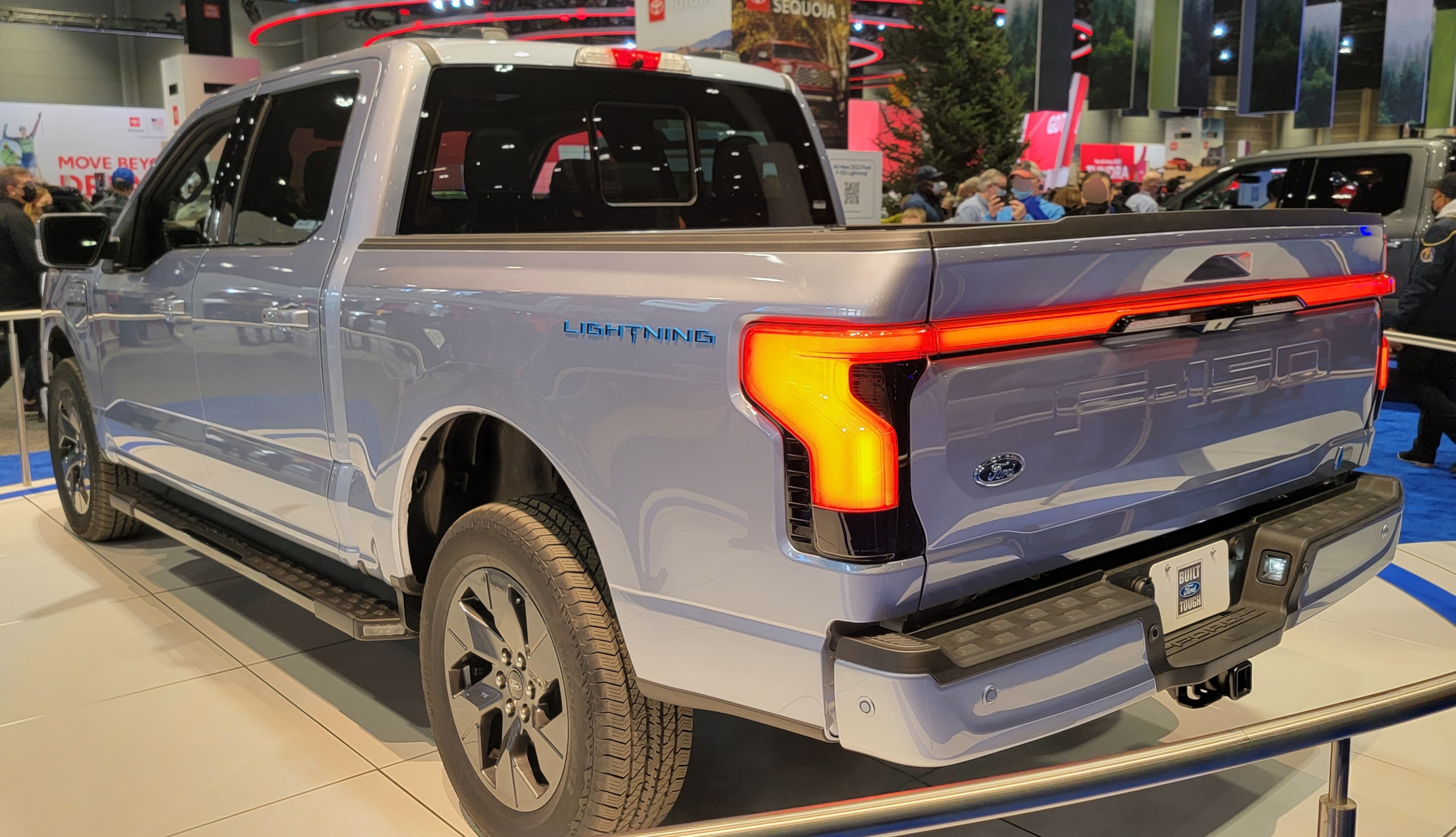
The Ford Lightning is a special version of the Ford F-150 truck that is designed for speed and performance. It's popular among people who like fast trucks.
Coilovers are special parts of a car's suspension that help control how the car handles the road. They can be adjusted to change how high or low the car sits, which can make it perform better.
A hot rod is a car that has been changed to make it faster and look cooler. People often take older cars and add new parts to make them perform better.
Restomod is when you take an old car and fix it up, adding new parts and technology to make it drive better while keeping its classic look. It's a way to enjoy the style of an old car but with modern features.
Car
Ford GT500
The Ford GT500 is a fast version of the Ford Mustang, designed for people who love speed and performance. It's known for having a really powerful engine.
The Nissan Leaf is a small electric car that can drive about 100 miles before needing to be charged. It was one of the first popular electric cars and has a unique look.
Aerodynamic noise is the sound you hear from the wind when driving. It can come from different parts of the car, and designers try to reduce it to make the ride quieter.
Headlights are the lights at the front of a car that help you see at night or in bad weather. They can also change how the car moves through the air, which can affect noise.
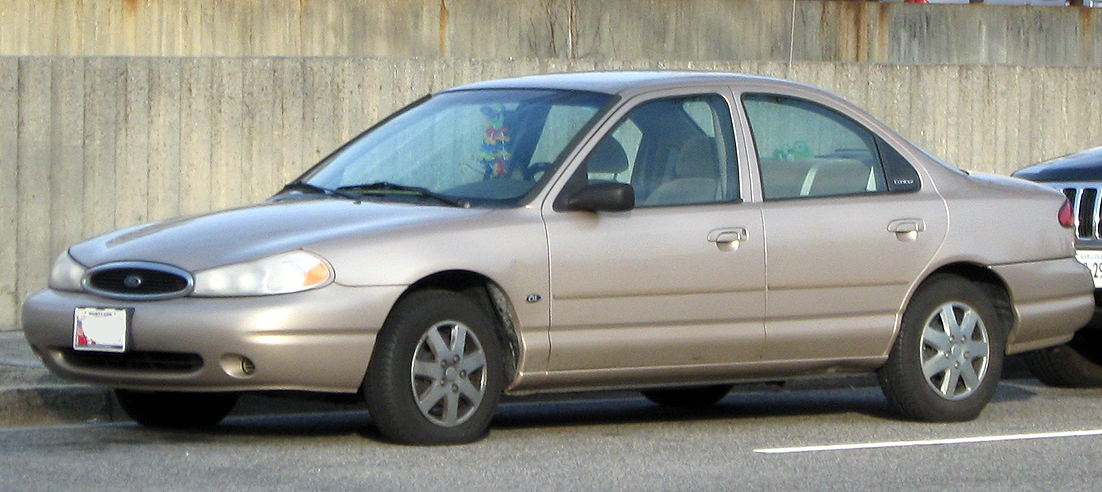
The Ford Contour is a small car that was made in the 1990s and has a different look compared to other cars. It was known for being fun to drive, but not many people remember it today.
The Fox body chassis is a type of car frame used by Ford for the Mustang and other models. It's popular among car enthusiasts for upgrades and custom builds.
The Lucid Air is a fancy electric car that can go really far on a single charge and has lots of cool features. It's designed to be comfortable and high-tech, making it a strong competitor to other electric cars.
The Shelby Cobra is a fast sports car that was made a long time ago and is famous for being really powerful. Many car lovers want to own one because it's considered a classic.
The Ford Bronco is a tough SUV that is great for driving on rough roads and going off the beaten path. It has a classic look and is loved by people who enjoy outdoor activities.
Ring Brothers is a company that makes special parts for cars and helps customize them. They are famous for doing a great job and making cars look really good.
A brake booster helps you press the brake pedal with less force, making it easier to stop your car.
LIVE
Dear Savvy, Toyota says you can have it all, with the Camry, the Corolla, and the Corolla
Cross.
You've got the tech, you've got the drive, and you've got Toyota value that spells affordable.
You ready?
Find yours at Toyota.com.
Hello, welcome to CarCast, I'm Matt, the Motorator, Dan here.
I'm here with Jason Knoll from Fat Fender Garage, based in Arizona.
Jason, how are you doing?
I'm doing really good.
It's a pleasure to officially meet.
I know we've talked several times in the past over Instagram, and we've been working
on it, but never really like.
Actually we did.
I came by, I think you guys had moved in the past few years.
I came by the shop for a quick walkthrough.
We didn't like film or anything, it was just sort of like a meet and greet.
You're trying to get some shocks or suspension for something?
Yeah, so in the photo behind me, the black Ford lighting.
I have a front suspension for it, and then we were talking about doing just a rear suspension
for it.
We did a deal with JRI, we had some pretty cool adjustable coilovers and stuff.
I haven't even cut that truck apart yet underneath to get it done yet, but yeah, maybe we revisit
that, but I think you guys were working on, was it a twin turbo truck with the side scoops
and the vents?
You were still like, I think you guys were doing body work and stuff on it, but all right,
so let's back up just a little second, explain who you are and what Fat Fender Garage is.
Well, my name is Jason Noll, and I started Fat Fender Garage about 2012 as a hobby.
I wasn't there to meaning to get into the truck scene, the hot rod scene.
I didn't know what the hot rod scene even existed other than I knew who Chip Foos was,
right?
Yeah.
I didn't know who Bodie Stroud was.
I didn't know some of these cool truck guys, but kind of just got into it, just buying
a couple, sold a couple, played around with it, learned a little bit about trucks, and
I thought, man, there is so much to learn.
People are just building all these great vehicles, and I just don't know that I'm smart enough
to figure it out.
So we just kind of, we better stay in trucks, and so we kind of just stayed in trucks and
stayed in trucks, and it felt like at least if I can learn one thing, maybe I can learn
something about trucks.
And so I hired a guy, and then hired another guy, and then hired another guy, and just
trying to hopefully figure out how to build a hot rod truck, and it went well.
That was kind of the goal for the beginning.
So you guys were just flipping trucks, like buying and selling and stuff, didn't think
to open a shop and start really modifying these things or storing them.
I remember like, I take notes with watching Gas Monkey Garage in the first season, and
they were like, bought it for this, this much in upgrades, this much profit, right?
I thought that was real.
Okay.
And it turns out, TV is smoking mirrors.
I learned that real quickly.
And I thought, okay, this is for entertainment purposes only.
It's not an actual, like a real business model to follow.
Right.
So I learned that pretty quickly, and kind of developed our own path of buying and selling.
And we did okay with it.
It just wasn't allowing me to be as creative as I wanted.
Okay.
And so I'm kind of a creative person mentally.
I also like to see things become something, and I was like, well, what if we did something
for a customer?
Like, what if we did that?
How bad could that go?
And turns out, those can go pretty bad too.
Like, I learned, you know, the hot rod industry is what I have learned is very, very difficult.
Yes, it is.
And you brought up an interesting point.
Like, there was an era there for a while where all of the TV shows were popping up and build
shows were coming on, and as much as I love Chip Foose, but just sort of making it seem
like you could build these things in a week or so, it really sort of glorified the whole
process and not to pick on Chip or anybody who's building cars on TV, but how many of
those cars built on TV actually worked and didn't just fall apart immediately because
our constantly are back in the shop to get more and more stuff fixed because you just
can't do it in that amount of time.
Maybe something that Seema, it looks completed, but it's got another year of work to just
make it drivable.
Oh, absolutely.
Two of the cars behind me were both at Seema.
One I pushed there, one I drove there, and both of them were being completely rebuilt
when we got them back and started over because everything was just sort of put together
and you're just like taped on, glued on, just anything you can to get it there to meet
the commitments.
On my side, where we work with a bunch of different brands and a lot of the process
is sort of showing off new parts or some creative ways to use some of the new parts,
add some customization flair to it.
We have commitments to be at an event like that, so we've got to be there no matter what,
but it's not how you would want to build a vehicle, for sure.
And it really is hard.
So when you actually build something for somebody and their expectation is it's going to look
like a Seema build, even though you're not building it for Seema, right?
Kind of comparing that against other things you built, and it's going to drive like a new car.
And so you're battling that expectation is of taking a 1950, 60, 70, 80s car, right?
And then still dealing with some technology, right?
Let's just take door seals, for instance.
Door seals from 1972 don't work the same as they did in 2010 or 20.
It's not the same, but there's this expectation.
If you put new door seals on it, it's going to be like a new car.
And it just isn't.
The technology wasn't great, and the aftermarket products are OK.
At least you got something you can put on, right?
And so you're just battling this constant like, you know, I can still hear wind.
I go, well, you probably heard wind in 1972 as well.
Yeah. You just didn't go 75, 85 miles an hour.
So. Right, for sure.
A lot of things like that is just like, you know, gaps were different,
seals were different, aerodynamics were different.
You have a giant mirror hanging off the side, and you can try to replace it,
streamline it.
But yes, it's very easy for for any of us, right?
Even people that know the process and go, oh, man, I'd love to.
Here's an example you can relate to and go, I have this vision of a 1968
Ford truck. Yeah.
But my daily driver is a GT 500.
I want a 1968 truck to drive like and run like my GT 500.
And and you can do everything you can going, this is it.
We're going to get there.
We're going to get as as as close as we can with it.
But you know, there's still going to be some things.
There's going to be some things going, listen, this is the shape of the truck.
This is the arrow of the truck.
This is the weight balance of the truck.
This is, you know, we can merge the two in theory,
but you need to set some expectations of what that really means.
Yeah. Yeah.
The GT 500 was all engineered to work together every part, every component,
every electrical, you know, module, everything in it, all the door seals,
all the insulation, all the sound dining.
That was engineered from the beginning in 1972.
Nothing was engineered other than it's a farm truck, right?
Yeah. That just has to do that job is work on the farm.
And then you think you're just going to put a GT 500 motor
and some different suspension and it magically turns into a car,
you know, shaped like a truck.
It just it's just yeah, all the time.
We actually actually have that right now in 1968, believe it or not,
it's white base model F 100 pickup truck, brand new chassis, everything.
And it's got the GT, the brand new GT 500 motor in it.
OK. And it rips.
I was driving it last night, put about 60 miles on it myself last night.
And I'm like, holy cow, this thing rips like it is, you know,
and I came back with my list and one of the things on the list was
there's just a little too much wind noise for my taste.
And we don't know where it's coming from.
You know, we're going to try to go to see if we can figure out
is it coming to the windshield? Is it coming through?
You know, where's it coming from?
You know, and it was track it down.
And see if we can seal it up better.
But, you know, it's it's it's those things you battle.
Yeah. Well, handles well.
But it's, you know, I mean, I guess you can kind of like.
Take the truck out and like.
Tape the door seals, tape the doors.
You know, just get some blue painter's tape, tape the doors
and see if it's coming through there or take the side mirrors off.
And maybe there's something going on with the with the mirrors.
You know, when when EVs were just starting to come out,
the Nissan Leaf, I remember specifically, was just like
the Nissan Leaf is a funny little looking, you know, 100 mile range EV.
And and goofy looking headlights and everything.
And I was like, what what's going on here?
And in this particular example, the engineers were like,
yeah, so we designed this car.
And then when we drove it, we realized there was no engine noise or anything.
All you heard was wind noise.
Right. If your stereo wasn't turned up, basically.
And we thought it was mirrors.
We thought it was door gaps, whatever.
And it was the shape of the headlights that was making it.
So we had to redesign the headlights, but the car was designed.
So they had kind of these weird bumps and contours and stuff to the headlights,
you know, and you don't you don't get to alter that too much
when you're working on it.
You know, it's sixty eight, seventy seventy two break down the road.
You know, you're just you're just like, well, it's not aerodynamic.
Yeah. I mean, you do what you can to like close the gaps
and tuck in the bumpers and shave things off and try to smooth it out.
But if you wanted it as as quiet as a modern new car,
if you wanted it as quiet as a Lexus, you need to sort of shape it
and build it like a Lexus, right? You can't do that too much.
You're talking about going, oh, I want a GT five hundred and a seventy two truck.
Put the engine in, put the transmission in.
Oftentimes, that's kind of the easy part, is getting everything else
to work with it, is is the complex part.
Yeah, for sure. Yeah, definitely, definitely.
So back to the original conversation piece.
Hot Roddy is very hard.
Hot Roddy is very hard. OK.
Yeah. Hot Roddy is very hard.
I one of the things that I I saw that you guys
have been digging into is, first of all, you have a wonderful YouTube channel.
And I'll I'll we'll take a look at that in a second.
But
you guys put up it's
put up a lot of information here, a lot of stuff.
We talk about some of the builds.
But one of the things that I know you guys have been pushing recently
or talking about recently is that you guys have been pushing
is a lot on the interiors.
You're starting to do more.
I don't want to say turnkey interiors because it's sort of
there's a lot of options and how to build.
But knowing so much about the trucks that you've done,
one of the things that in any custom build
where people start to hesitate is or even underestimate is definitely
a good word is when you get to the interior.
Right. You you can go to, you know,
any any great builder that has a car,
you know, at at SEMA show or good guys or whatever.
And they start talking about, you know, we widened it here.
We tucked it in here.
We swapped this engine.
We did this.
And then it went to games or went to whoever for the interior.
What they're not talking about is the seventy thousand dollar bill
that that came back for, you know, the fifty thousand dollar interior
that that was done.
So you guys are doing some stuff on the on the interior side.
Right. Right. We are.
And and really the for us, there's a lot of.
So just kind of explain a little bit who Fat Fender Garage is becoming
and what we're focused on is is we want to.
You know, build things that people want, right?
If they want to ship their truck here,
we'll build them exactly what they want.
Like we're happy to do that.
You want to build something just amazing over the top.
We're happy to do that for you.
We have a limited space for that kind of stuff and a clientele
that we can only do so many in a year.
We're trying to keep that to about four to five a year tops.
Like it's just a lot of work.
But then there's the other guys and they're just like, hey,
I don't really want something that fancy.
And so it's trying to come up with products that we can put in it.
That still look really respectable and have like a a custom-esque feel.
But we were able to control the the cost
because we we've kitted it, if you will, we've put it into a kit.
Yeah. And we what's repeatable for us, we can kind of, you know,
reproduce it over and over and hopefully make it easy for us to just, you know,
come up with a style.
So if you go online and you look at that like interior kit,
you see, you know, like you've got up on the video,
that actually is just a kit and but it can look custom.
It can look classy.
We can kind of work with you on some of the materials and some shapes and designs.
But then at the end of the day, we're going to put it in a box.
We're going to ship it to a customer.
You know, they've got their own project and and within two to three hours,
they can have interior installed and look nice and fresh and clean.
And so and we've gotten pretty busy with it.
That's actually taken off to where the guys are doing, believe it or not,
four trucks a week in interior kits that they're shipping out right now.
It's and that doesn't include, you know, our shop builds that we're doing,
you know, where they get hung up and having to do those higher end bills.
Like you're saying, you know, 50 grand to 100 grand is not uncommon to spend.
Yeah.
It is this is a this is an interesting product line.
And I'm glad you guys are doing it because it's always been a big limitation
is getting into the interiors.
Can you get something turnkey?
And, you know, there's there's companies that are trying to do it,
but it's tough to make a product line that's going to fit in cars.
That makes sense.
You know, TMI, you can buy seats from them.
You can buy some door panels.
You can get a couple of different options to try to to mix up the look.
You know, you can get grommets in it and get different stitching and stuff.
But not necessarily for for
for this era of vehicle, start to have a conversation about the customization
to it, what are you guys going to do?
So yeah, I think this is I think this is great.
I think this is a fantastic idea and and not.
Not that easy, you know, how many how many trucks
did you guys have to go through to end up with kits
that you think a customer can put in like at home?
Like sort of we're using them here.
So that was kind of the caveat is because we do build here.
We can kind of like pilot a program
through the course of, you know, us using it, us designing it
and making something for a customer.
And we're like, yeah, that actually worked out pretty good.
It wasn't too hard. I think I think we made it into a kit.
We would maybe change that just a little bit and try to, you know,
make it a little less complicated.
There's a price point.
We know that people are going to want to try to be in.
And but how can we give them something that looks really nice?
And so that's that's been something that has been pretty successful for us.
It of upholstery.
The only reason why we do upholstery and the only reason why we do
everything in house is because we I struggle.
I have tiny little OCD issues, perfectionism issues.
I have things that, you know, if I see something wrong,
it actually hurts my eyes, you know.
And so and so I and I don't like being held hostage.
I literally. Yeah.
That that's one thing I hate is is if somebody says,
hey, I'll have it to you in two weeks. Great.
Have it to me in two to four weeks. I'm OK.
I'm not expecting two weeks, but if you had it in four weeks,
I'm going to be happy.
But when it turns into four months and five months when he told me two weeks,
right, at that point, you're starting to get really irritated
and your schedule's gone completely out the window and it's super frustrating.
And when you're a builder and you're buying something from someone
and that's the commitment they've given you.
Well, that's what I told the customer.
That's why I told him, you know, I'm like, and now he's pissed at me
as if maybe I'm lying to him.
And then I'm fighting with a generally a friend who I'm using,
you know, to do stuff.
And then it turns into a situation where like, OK, this isn't working.
We better take ownership of it.
And so we've had to do that.
We've taken ownership of painting.
We've taken ownership of fabrication.
We've taken ownership of the interiors now.
We don't do any interiors out.
We've bought, you know, CNC machines to help us within our interior stuff,
whether it's sewing, CNC patterns or whatever it is,
we just had to like take ownership of that.
And and so it's it allows us to be a little more creative.
See it because I can say, hey, can you just like,
sew this little bit up for me?
I want to see what that looks like before we actually do a whole seat.
You know, yeah, we're doing it to kind of look at it.
Yeah, that looks really stupid.
Let's not do that. Let's change that.
You know, it was a great idea in my mind, but it did translate.
You know, so let's let's kind of revisit without having it completely done.
So that process has allowed us to develop some of these kits
that we feel are good and clean enough and simple enough,
but yet not not, you know,
something that wouldn't stand the test of time, you know,
for the next, you know, 10 or 15 years, you know, somebody has it.
What's vehicles?
Which trucks are you making the interior kits for?
So we're currently selling most of the Ford stuff currently.
And we have one Chevy product that's out
and we have another Chevy one coming out.
Our goal is by the end of this year, all Ford, 100 percent, all Chevy,
100 percent will have some D 100 stuff that will will have completed
and going into some cars as well.
So so the trucks up to 70s?
Yeah, yeah. So 48, like 48 to 79.
You know, we are actually next month,
we're going to start designing the OBS interiors.
And so we're going to start. Yeah.
Yeah, that's as someone who owns one of those trucks.
That's something that comes up quite a bit in conversation.
And with, you know, with so many companies at at SEMA, as they're getting into this,
we talk about, you know, certain vehicles when they become priced out of range.
Right. Right. You know, you know, the big brother brings up the little brother
as far as value. We mentioned that quite a bit.
You know, when when Gen one Mustangs and Camaros became expensive,
you know, even for a shell, we started looking at, you know,
later model versions, we started looking at 70s.
And then we, you know, now we're now we're seeing, you know,
companies like, yeah, I've seen like companies like Roadster shop doing,
you know, Fox body chassis and Camaro chassis.
And then when that starts to happen, you see Vintage Air going,
we've got Fox body Vintage Air AC kits now that you can swap in and they work
better and they're electronic and, you know, and Dakota Digital.
You know, love those guys talking with them.
And they're like, yeah, we have our OBS Ford gauges coming out soon.
You know, so that's a swap.
We did the Mustang. Now we've got the truck going in, you know,
because we, you know, we work with them quite a bit and they know we have the truck
that are like, you know, we've got that kit available.
Let us know when you're ready to do the gauges in there.
So yeah, so in the interior is one of those things that has come up on
different groups and forums and stuff as well. I talked to TMI about it
and they they're they're not quite there yet.
But like with anything, you know, you'll talk to them one year and go,
we're just not getting enough calls on it yet to make it.
And then the next year later, like we got all these calls about it.
So now we got to start making it.
We're going to start next month on those.
We actually have
not too far in the distant future, probably within the next four months,
five months, we're going to hit the Fox body Mustang as well.
OK, that's that's something we're going to hit.
We've actually got some plans with the Fox body Mustang
and where we've been pretty much predominantly, you know, a truck company.
We're going to take a peek at the Fox body Mustang and
and I'll share some things with you offline.
You might find interesting.
Yeah, right.
Did you did you ever have one grown up?
So when they came out, I was 15, 16 years old.
And and I remember thinking to myself, you know, the 5.0 Mustang, right?
Like, yeah, it was that was it.
Like, that was like, you that's what you wanted to drive.
And the cops were driving them, you know, yeah, but he was just, you know,
I was just like, man, so here I am now old enough to have one, old enough to afford one.
And so, but I don't just want a Fox body Mustang now.
Yeah, now I'm like, OK, if we get involved into the Fox body Mustangs,
what does that look like as a Faptriner garage version?
And so we got some ideas that we're pretty excited about.
Yeah, pretty limited edition things that we're going to do
and partner up with some people to make it make it pretty cool.
I think it's an interesting idea.
And I imagine you guys are going to have some fun with it.
And as as, you know, when I first brought
a Fox body to SEMA, I think it was like 2016, the red Cobra,
I brought it out with Magnaflow and there wasn't anything out there.
And I talked to a bunch of companies at the time going, hey, we're bringing this car.
We're going to do it for SEMA.
You know, you know, you are you making anything for what are we what are you doing?
And they're like, no, we haven't looked at it yet because
that audience doesn't that audience isn't ready yet to spend real money on those cars.
They're you know, they're five thousand dollar cars and they don't want,
you know, they don't want thirty thousand dollar chassis
and they don't want eight thousand dollar suspension systems and stuff in it.
And I go, well, you're doing it for Jen, one mustangs.
You're doing it for Camaro's.
Like there's there's some expensive stuff out there.
And like, yeah, the Fox bodies guys aren't there yet.
And I was like, all right, I think they're there now, they will be.
I think in the next couple of years,
you're going to start to see the Fox bodies really come on strong.
And we believe that we're going to have a little different approach to it
because, you know, anyone can do a Fox body.
Yeah.
We have a little different approach to it that brings a little different
history to it. So we're really excited about. Yeah.
OK, so let's take a quick break.
And then I've got some more questions for you.
We'll be right back.
Hey, sports fans, the wild card round is here and FanDuel is turning on playoff mode.
All customers get a profit boost pack every NFL playoff game day.
And each game day during the wild car round,
you'll find a pack loaded with multiple profit boosts waiting for you in the app.
Pick the matchups you believe in.
You know, we have the bills versus the Broncos this weekend
with the Broncos has a slight favorite and the 49ers are in Seattle
with the Seahawks getting a bit of a home edge.
Either way, you can visit FanDuel, an official sportsbook partner of the NFL
and grab your profit boost pack every NFL playoff game day.
It must be 21 and over and present in select states for Kansas
in affiliation with Kansas Star Casino and 18 plus and present in states of D.C.
Kentucky and Wyoming opt in is required.
Bonus issued as a non-withdrawable profit boost token.
Restrictions apply, including any token expiration and max wager amount.
See terms at sportsbook.fanDuel.com.
If you have a gambling problem, call 1-800-GAMBLER or visit FanDuel.com slash RG.
Call 1-888-789-7777 or visit ccpg.org slash chat in Connecticut
or visit mdgamblinghelp.org in Maryland.
Hope is here.
Visit gamblinghelplinema.org or call 800-327-5050 for 247 Support in Massachusetts
or call 1-877-8 Hope NY or text Hope NY in New York.
OK, back with Jason Knoll from Fat Fender Garage.
Your background where you've been kind of getting your hands dirty aside from
building this company is woodworking.
Is that your thing?
I started off.
I was a carpenter, a woodworker for a long time and I did and I still enjoy it.
I'm still doing that.
So that's how I got into business early in 1995 is when I first kind of jumped into
business and I haven't worked for anyone since then.
And good, bad, the ugly.
It's been hard, ups and downs, different trial and errors, you know, but lost it once, you know,
but learned a lot.
And so when I got into hot rods, you know, I'm not a mechanic.
It's not I'm it's not who I am.
Like, you know, we get a truck and like my skills that oh, I can do a wood bed.
I can do that.
I could I can knock that out of the park.
Yeah, everything else.
You know, now I knew how to like spray spray guns because we did a lot of like
finishing on wood and, you know, like I understood all that stuff and mill
thickness and painting.
And and so there were some things that came natural in design.
I was like, I have a designer's mind.
And so it's easy for me to like see and keep the big picture, you know, intact.
But I was a mechanic, you know, and I really wasn't a body guy and not really a painter, per se.
And I'm not an upholstery guy.
I didn't grow up sewing, you know.
So these are all things that I had to like learn and develop that understanding of it
so that I knew how to hire the right people to help me do it.
So I've really just worked hard at hiring really good people.
But I still do all of our wood beds today.
Oh, yeah, I do all of them.
I design the finish on them.
I design what it's going to look like.
And then I'll get with my guys, you know, and kind of get the sample done for him
in the paint booth, and then they know how to finish it after that.
Yeah. OK.
Is that how some of the interior stuff started as well?
Were you were you making sort of molds and stuff out of wood
and getting an idea in your head about like how it should look, how it should feel?
Had a little CNC machine.
So I was like cutting stuff and trying things.
And of course, you know, you look at some of the great interior designers out there,
you know, like JK interiors, you know, there's avant-garde.
There's all these great companies.
They're just so honed in and focused and so good.
And I'm like, oh, and I could look at it and it made complete sense to me.
I didn't look at it and go, oh, I wonder how they're doing that.
I like I'm like, oh, I understand all this type of stuff already
from a fabrication perspective and background.
I'm like, I understand how that works.
So it wasn't hard for me to translate that over to what I knew
and design and, you know, figure stuff out.
And so, you know, a lot of those guys are my friends now.
And it's, you know, and we we talk and we share ideas and visit.
And, you know, I think they're, you know, if you're going to hire like just an interior shop,
some of those guys are really good, probably, you know, better than we are.
You know, doing a full customer interior that might not be our specialty.
But we can do a really nice get real close.
But we kind of like keep it toned down just a little bit.
And I like the repeatable stuff, too.
Like once we've kind of come up with something, I like to, you know, know that
also offer it to, you know, our customers.
You're interior kits.
What are how does that work?
How does the pricing start on that?
Where does it go? Where does the range go?
So it starts at like just under seven grand for a certain truck.
It's out of vinyl.
And so we got some really nice vinyls of high quality.
They're they're better than the TMI vinyls.
Like I just said, hey, just the nicest vinyl we can find.
Let's start there.
That's the that's the cheap, cheap vinyl.
But it's the nicest vinyl we can find, you know, like we're not going to try to go
cheaper and cheaper on the vinyl to increase margins.
Let's just say this, this is it.
And then we'll just have to charge what we have to charge.
So starts, you know, you can get a brand new seat, the headliner,
dash pad, sun visors.
You're going to get door panels, kick panels, everything done.
All completed, ready to go for just under seven grand.
OK. And then from there, there's different options.
Yes, you upgrade like, well, I want leather, you know, and I want two tone
and I want, you know, certain fabric in here.
You know, I, you know, and so we'll work with you on that.
And so there's different price tiers to help help us, you know, custom tailor it.
We try hard not to make a lot of design changes.
You know, to the door panels, we we don't want to like get too crazy.
But but occasionally we have.
But we've done we've done some real nice, clean kits.
Went to SEMA and then they make it in the top 10 battle of the builders
in their category with a nice, clean stock kit, you know, from us.
And so and then they're just, you know, everybody raised the interior so beautiful
and just like, you know, that was just a kid online online that they purchased from us
and we helped them with picking some fabrics fabrics out and it worked.
So which is which is great.
Like I said, I just don't see a lot of that.
I mean, there are some companies that offer, you know, seat covers
and some different options with it, what TMI is doing, what Katzkins is doing.
But no one's quite there yet that I'm aware of that's doing, you know,
sort of like almost full custom interior.
That's in a copy Katz now.
Now that people see like that Fender is doing it.
I mean, you're going to get that.
And then, you know, that that that is what it is, you know, it comes with the territory.
We just got to stay ahead and keep pushing and keep expanding it
and and keep growing that for us.
I wanted to pick your brain on something else.
One of the things that has occurred in, I don't know, maybe the last 10 years,
in some cases less, it's just any good hot rod shop out there.
You can have the most amazing team building, painting, fabricating, doing all of that.
But the business itself, like the business itself to become a successful business,
you you have to it seems like you have to become content creators.
And you have to kind of come up with turnkey parts, you know, whatever,
kind of a semi custom parts, you know, shops are offering, you know,
door handles and steering wheels and mirrors and door hinges and and things like that.
And you can blame like Ring Brothers and, you know, you know.
But you're right.
Yeah, Ring Brothers did it.
Well, I mean, I would say even before Ring Brothers, a couple of small pieces
like Rad Rides by Troy, like Rad Rides would go, this is the the washer
that you want in your engine compartment on your fenders.
Like like I saw like Rad Rides doing that kind of, I don't know,
maybe before a lot of the other shops.
And it's kind of blown up into something going.
That's that's an essential part of the business is like we have to make parts.
We have to sell parts that need to be.
And if you're lucky enough, you have you grow to have a team, another division
that's just churning out these parts going, we're going to make a bunch of these
every week and send them out.
So if you if you build vehicles, you recognize the the deficit of parts
that exist for when you're working on it.
That's actually a deficit of things that that would make it easy to do your job.
Right. You just find you're like, I'm going to have to make a bracket.
I'm going to get a buddy come weld this for me.
And so you just find that you're you're trying to do it in your garage
and it's not easy.
And you're just like, it's just why I bought my brake booster
and I bought my master cylinder.
But there's some it just doesn't mount well with the stock bracket.
I really need a different bracket that will make this better.
And and so you just you just get caught in, you know,
you know, how do I do this?
And there's no perfect kit out there.
And so when you're a builder, you recognize,
especially like we were just doing truck after truck after truck after same trucks,
you know, we started in 53, 56, we just kept rolling truck.
And I was like, man, we've made this same part twice, three times, four times.
Yeah. Why don't we just make 20 of them this time?
You know, that might be easier for us.
And then a customer is like, well, you're someone saw online and they're like,
well, can I just buy that from you?
Yeah, sure. I guess I guess so you start getting into that process
to where people start to want to buy the things that you've come up with.
And so that's kind of how it started for us.
And I imagine that's how it starts for a lot of other people
is sell the things you've already created.
Yeah, we took a little step further.
And now that is our business model is continuing to create things.
So we have a parts business online where we sell a bunch of parts on a website.
We have interior kits.
We sell chassis and so there's a lot of things that we've come up with.
And eventually in the next five years,
we'll be fat fender garage, the DIY buy everything place
and probably known more for that than all the builds we've done in the past.
So yeah.
Yeah, let's talk about some of the chassis.
You have a couple versions of the chassis and the sort of the theme
of vehicles you're doing, like explain the revival series, the designer series.
We will. So so again.
I mean, we got involved with chassis
with portable fabrication about 10 years ago and met
met Nate and Nate's an awesome friend.
He's a great designer and worked with him for a lot of years
to help develop a lot of the Ford chassis.
He hadn't done any and it was kind of newish.
Everybody was so focused on Chevy stuff
that the Ford stuff was just not really popular until recently.
And so we worked on a lot of the Ford components and developed them together.
And and so.
We because of that, the we said we would like to be the exclusive
distributor since we've invested heavily in this.
And so so we've been selling his product for several years now.
And and now the production has gotten such and things have gotten
to where it's kind of overwhelmed him and his business.
And we're kind of getting into customers are waiting longer than we wanted to wait.
And so we kind of decided real recently that we were going to take
on the chassis construction ourselves now.
So OK, that's actually going to start here in the next couple of months.
We've got equipment being set up and and we'll own.
We already owned all the intellectual property already.
And so this just allows us just to kind of bring that in house again.
Back to my desire to just be in control
and make sure I'm not being leveraged by someone else's schedule, you know,
that we can take care of our customers and really hone that in.
Because, you know, when you're buying something from another company
to sell to your customer and then they're busy and they're trying
to take care of all their customers and we get pushed out and just kind of just said,
well, I think we I think we just need to own this now.
Yeah. So that that's happening.
You know, we're going to get into, you know, you'll be able to purchase
your chassis with ABS with active suspension with traction control.
So these are all the things that will be upgrades that you can purchase on our chassis.
Yeah, OK. So four wheel drive, two wheel drive, you name it.
We'll have Fox body chassis coming out soon enough.
So OK. And then.
Walk me through the the different series of of trucks, I guess,
that is that you guys are doing.
Yeah, so we have two different types of builds that we do here.
So we have the revival series and the designer series.
And the revival series is where someone's like, hey, I got this cool truck.
It's been in my family forever.
It's in pretty decent shape.
I don't know that I have to paint it.
Maybe I want to. Maybe I don't.
But I actually think I just want to put it on a brand new frame.
I want a brandy motor.
I want newer suspension.
And I just need to rewire it up, have AC and just move my body over
and just get it set on a new chassis.
And that's all I want to do.
And I want to be able to just drive this thing every day, relive the memories
of, you know, my grandfather or my dad or I had it in high school or whatever
those, you know, memories are that are propelling you to, you know, to do this.
And then we just move that over and get it done.
So it's a little lower price point.
I mean, you're getting a brand new chassis, powder coated, new wheels,
generally brand new crate motor and it's a complete mechanical upgrade.
Yes, cheap metal is basically what you brought to the party.
And that's what you're going to go home with.
And so that is the revival series.
Just taking that truck, revive it, get it on the road.
But get it on the road safely, you know, get on the road and have it
perform and be fun to drive.
And so, you know, there's a street performance and whether it's two
wheel drive or four wheel drive, we're going to help you get that done.
The designer series is kind of like, hey, I want to do something unique
that someone hasn't done.
I want to do a build that is special.
I want to, I want something that can stand on its own.
I want to go to SEMA.
I want that something that's really cool.
So that, that's a different build.
And so we call that our designer build.
And so that's where we're basically saying anything and everything
that you want to throw at it, we'll do it.
But, you know, that's not for the faint of heart.
Yeah, those are those are for people who
have made a lot of money in their lives.
They've been really financially successful just to go make really bad
financial decisions and blow a bunch of money on a vehicle.
But they've they've they've made it.
They have the money they can afford.
It's not going to change their lifestyle.
It's just, you know, it's a fun project for them and they love it
and they're super involved in it and they got a lot of great ideas
and they want to they want to test them out and they need a shop to do it.
So that's that's the designer series.
Yeah, you're right.
And and not inexpensive, but you got to know what you're what you're
what it takes to get in there.
Set some expectations of what it takes to do a vehicle like that.
Like we were just talking about, you know, you know, people can spend
fifty, seventy, a hundred thousand dollars just on an interior.
You know, so where does that put your budget in your in your in your head?
And and I always tell people wherever you want to end up on a budget.
OK, if you're like, hey, I want to be a million dollars,
then we need to start out at about seven fifty.
Yeah, it's something about seven fifty.
And because you're probably going to get there pretty easily. Right.
And so so so let's try to build around seven fifty.
We'll probably end up at a million.
But let's try to let's try to build our budget around seven or fifty thousand.
So that leaves room for that stupid stuff that always comes up.
And so it just happens.
And even then, you know, you're but as as you're building a vehicle
over time with the customer and and that's where things happen, you know,
like you're going, all right, we're going to start talking to the engine
builder or the engine builder is going to start doing this.
And then that's when the customer starts diving in and going, you know,
what I saw online and I saw this and it's like, you know, we were thinking super
charger, but maybe we should go turbo and you go, OK, but
there's no kit for that.
So now it's a lot more custom fabrication and how are we going to fit it?
We got to change the inner wheel wells in the engine compartment.
Like we got to do a lot of things.
What does that mean to switch to turbo, for example?
Or somebody was thinking, I want to go automatic and I'm going manual now
or or even more creative going, hey, it's a truck.
I want better weight balance.
You know, we talked about doing this with a with a with a five speed,
but I want a transaxle, you know, and you're like, OK, we could do that as well.
But keep in mind, like we've got to make modifications to the chassis.
We got to make modifications to the tunnel.
There's a torque tube.
There's like there's a lot going on there.
And all of a sudden, you know, your transaxle is $100,000 extra.
And it can just that fast.
Like you like, I'm surprised, you know, somebody can say, hey,
can we put some vents in the hood or we can put some vents in this?
You know, you're like, you know, absolutely we can.
And then you're like, well, that that actually three hoods later
and seventy five thousand dollars, we got it done, you know, like, right.
That was and always tell people the more fabrication we put into it,
the more the bodywork is going to be and it's going to be a lot harder.
Everything just, you know, compound snowballs.
And and what could we just put some like little ambient lights here and there
and tuck him, you know, he just.
Yeah, yes, you can.
Yes, in your business, nothing can be more valuable than the written change order.
Not not the handshake, the phone call.
It's like the written down on paper change order signed here.
You want our contract say if an email or text.
Is good enough for a change order for me.
So if you text it to me and you want to do that, that's that's going to be.
Then it'll get done and that's considered a change order because that happens so.
Yeah, so often, right?
I'd be, you know, every every other day would be doing written change orders
all the time. And so I'm like, if the contract says if if you email me
or we text and we both agree, then that's good enough.
So well, that's that's good.
That's brave. But I guess if that's how the customer wants to communicate,
then yeah, you need you need a trail.
You need a digital or paper trail somewhere, you know, of getting that done.
I one of the other things I was I was talking about is.
It seems like to be a successful shop these days, you've got to be content creators.
And yeah, you've got to you've got to like shoot stuff and host videos
and appear places.
And, you know, it's just part of part of the marketing process,
part of the awareness process.
And it's just it's I just think a lot of a lot of businesses and not just car building,
a lot of businesses go, I've got this idea for this product.
I'm going to make this product.
And I think it's going to be great.
People will love it.
I go, awesome, you're 20 percent there to having a real company.
You know, like let's fill in the blanks of everything else.
Let's let's talk about HR.
Let's talk about legal.
Let's talk about facilities.
Let's talk about suppliers.
Let's talk about marketing.
Let's talk about PR.
Let's talk about all of those things.
And and I'm fascinated with that on on the successful shops that I've seen
and the guys like you that I've talked to going the car building portion of it is,
you know, where you want to be at the end of the day.
But it takes all of these components behind it to build that car successfully
for a happy customer.
It really does.
And and, you know, of course, you know, like you said, the content creating
portion of it is a piece of it that helps bring some spotlight
on who you are and what you're doing.
And when I first started doing it, I hated how I sound on video or any audio.
I was like, I hate it.
This is stupid.
I'm uncomfortable with it.
But eventually you just realize it's OK, right?
It's just we're just going to have to lean into this and do it.
And somebody's going to have to be a face of it.
And I guess it's me.
At this point, hopefully it can be somebody else one day.
But just get in and do it.
And a couple of you see those couple of little videos there.
We had that one content when we did it was seven point four million views.
That was a lady and her husband.
Yeah, his first car he bought when he was 16.
And he was married for like 65 years and never ran.
And right before he died, his wife said, could you get this to run
and take him for a ride in it before he before he dies?
And we were in a real cool story.
But as we've gone over the years, we've really worked hard at trying to educate
people, talk to about products, talk about our builds and just kind of make a lot of content.
And it's slowly paying off over time.
And it takes a lot of work.
I mean, we've got two full time people here, then that's just their job.
Yeah.
And then they got to drag you in to host a lot of this stuff and talk about some of this stuff.
Or if you need to, we need you for 30 minutes or we need you for 20 minutes.
I'm in the middle of something.
And I'm like, OK, let's do it.
Well, that's the thing.
It's like, you can roll your eyes about it, but that's part of the business.
And they you hire them to do something for you.
And they're trying to get it done.
Now tell me, bug me if you need to.
Let's just make it interesting because on that side of the business,
like every time somebody comes in and goes, Jason, I need you for 20 minutes.
We got to shoot this video.
Or can I pull, you know, so and so off the off the production line?
I need to get a short video.
And in your head, you're going, I don't know.
I don't know. We got deadlines.
You got this, but it's the same thing as you relying on outside suppliers.
That videographer is going, you're the outside supplier.
Jason, I need you for 20 minutes and I need you this week, right?
Commit to 20 minutes or today or tomorrow.
And they're really pretty good.
They know they got to run a calendar.
They know they got to prep me ahead of time.
We discussed the day before.
What are the needs for tomorrow?
So they're getting better at making sure that, you know, and they're flexible.
Like, hey, you know, when drove this truck last night,
I went and put 60 miles on a truck last night.
And I when I was all said and done, I had a couple of little things.
And so it kind of pushed our I'm like, all right, let's do it after the podcast.
We'll we'll go do, you know, a driving video with this truck.
Yeah. So they're pretty flexible.
But but, you know, social media content creating, like you said,
that that's one piece of it.
You got to run. You got to mind your business.
Like you have business you have to run and it isn't going to run itself.
And so you can't just be out there working on a car and doing all this fun
stuff and being super creative and just, you know, like you got to you got to run
a business. You have you have employees.
You've got, you know, PTO that they want.
You've got to you got to make money so you can offer some benefits.
Like you have to run your business.
And so there's this thing called a P and L. Yeah.
Sometimes you have to look at that.
Yeah. And so you got to kind of mind your business, you know.
And so in London, when you get on the subway, they say mind the gap, right?
And so for me, it's the same thing.
Mind the gap that's that's being missed in your company.
Like where's the void that you're not paying enough attention to?
And if you don't mind that, that's going to get larger and larger and larger.
And you are going to fall in and you're going to be in real trouble.
So you do have to kind of pay attention to that and and really focus on your
business and treat it like a business.
It's a living, breathing, you know, kind of almost like
organism that if you don't feed it, you don't take care of it.
It will start to fall apart and die on you.
So tell us about what the shop looks like now.
I think I was out there five or six years ago.
Did you guys was that the new shop or did you guys move since then?
That was the new shop back then.
And it was like just getting set up, I think.
Yeah. Yeah.
So that was probably like seven years ago.
I think we moved into that shop.
And so and we just setting it up.
It was much larger.
We grew out of that very quickly and and we fought we fought space for a while.
Covid came around, so we're like, oh, do we move, you know?
So we kind of pushed out until we were just like everyone's on top of each other.
So then prices on everything, you know, got way out of control.
Rent started going up, you know?
Yeah.
Then everybody's leaving California because they're pissed off.
And so now all of a sudden they're coming to Arizona.
So everything is just disappearing.
And you're just like, geez, what are we going to do?
So at some point we had to bite the bullet.
And so we had to really like, you know, figure out what we're going to do.
So we moved into a new facility.
Almost two years ago, it's been about 22 months ago.
And so and so we've been here.
It's 43,000 square feet, much larger.
Yeah. It's we haven't outgrown it yet.
I suspect in the next year or two, we'll probably have it maxed out.
Yeah. OK. Especially with the chassis division.
You know, taking up a pretty good chunk of it.
And and and so so we'll deal with that when that pops up.
But at the end of the day, we've got some nice offices.
We got places for our customers to come in and sit down and visit.
We've got a little design room.
I have my own office for once.
I'm not sharing it with people.
And and so then we, you know, we have a really nice facility and paint booth.
And, you know, it's it's really nice.
It's it's kind of a top tier, class five, you know, facility.
We're really proud to be here.
We're happy to be here.
And usually when people come in and then they walk out in the shop
and they see, you know, 40,000 square feet out in the shop.
It's it's pretty overwhelming.
You know, yeah, it's daunting.
That's a lot of square footage. It's a big place.
But we, you know, you know, we're trying to make the best of, you know,
the space and use it up correctly.
And and it's fun. You know, we're having a good time.
You know, it's very tall.
We can stack things really high if we want to.
But but it's, you know, it's a it's a good
transition place for us.
You know, we'll be here probably for another five years.
And then we'll take a look at what's next.
Yeah, like you said, the interior business, the chassis business.
I mean, you know, knock on wood, those things really take off
and start to grow and, you know, maybe they end up in different facilities,
you know, nearby if you can't move into one one giant place under one roof.
So before we wrap up,
do you guys host any events?
Do you do any cars and coffees?
How do people come by?
Do they get to visit or right now it's just busy?
Customers all the time.
And yeah, so we have a lot of people that come by during like any time
there's a Barrett Jackson, people come by.
Yeah, good guys is in town.
We get a lot of people.
So we'll get a lot of people starting this weekend for the next week.
You know, a lot of people would just be coming in and then want to come to the shop.
And so we try to be as as flexible as we can.
You know, we have some people that will give people tours.
But we do have an open house once a year in March.
OK, and that'll be it's usually during the good guys weekend.
And so there's there's that weekend where we'll open it all up.
We bring food trucks in, we get a few vendors show up and, you know,
and it's it's pretty fun.
Well, just for one evening for about three or four hours,
let people come in and just, you know, kind of take a look at the whole shop.
You know, yeah.
And as we we head into Arizona Car Week and Barrett Jackson,
if people want to see anything that you guys have built,
you do have a vehicle that you're sharing a display with at Barrett.
Yeah, Barrett in the McGuire's booth.
We got a 1956 Ford panel that we built and designed for a guy
that's been in their family since like 1960.
And so it's been just, you know, completely redone, cost a frickin fortune
and hammered, but we got it and he suffered through it.
We all suffered through it and it's done.
So we're happy to be done.
This is the last place we're going to show it.
Barrett Jackson, we took it to SEMA, kind of a debut of its completion.
And so it'll be at Barrett Jackson.
It's all finished.
We've got thousand miles on it.
It's red. It's ready to go.
And every vehicle we we produce here,
it's kind of like that road to a thousand miles.
Yeah. OK. It's a little daunting.
It's a lot of work, but we build these things to be driven.
And I want our customers to feel confident they can jump in and drive it.
That doesn't mean something doesn't pop up here and there, right?
But at the end of the day, you know, we hope that it's, you know,
it's something that, you know, they can just jump in and drive and go.
And so so we're debuting this at Barrett Jackson to be out,
kind of like the main tunnel area where cars are going in.
And it'll be right right there, orange paddle.
And then we'll show that off and then we'll
he'll be here to pick it up or we'll deliver it.
He has a place in Lake Havasu, so it's going to go there.
And their family will enjoy it and drive it, you know, so it's pretty cool.
Awesome. Well, I appreciate it.
And hopefully, are you going to make it out to Barrett Jackson?
Walk around. We're going to be out there.
Yeah. Yeah, we'll be there.
You guys have a have a great time, Jason.
I'm glad we finally got to work this out that you came on to the show.
And yeah, I'm going to, you know, try to make it out to the to the event in March.
You know, you know, I'm originally from Arizona, so I get out there quite often
and and and love to see the new place here.
Barrett, let's get up.
At least we can meet up a Barrett, you know, no matter what.
Yeah, you know, I was I got some of the guys that are going out
that we work with here that are going out to Barrett, but I can't make it out
to Barrett this week.
It's going to be one of the first times in years and years
that not going to be able to make it out.
It's the usual Barrett, right?
Yeah. And and there's been so many wonderful invitations
as well, these other shops and and and manufacturers, parts manufacturers
and stuff that we're, you know, wanted to go and and tour as well.
But I wish I could make it couldn't make it this time.
But but yeah, thanks so much.
And Fat Fender Garage is the website.
Check out the YouTube channel as well.
There's links all over the website to the different social media accounts
and and and the YouTube channel.
So you want to check that out.
Sir, anything else we're missing anything else you you want to touch on before we wrap it?
I think we're great, Matt.
I appreciate appreciate being on the podcast and you guys do a great job
and talk about a lot of cool content.
And so, you know, it's very entertaining.
And I think it's, you know, it's great for the hot rod industry
and all things automotive, you know, just to keep it going.
Thank you. I appreciate that.
Yeah, we're going on like year 17.
So it's been a minute.
Yeah, a long time for sure.
Jason, thanks so much.
And to you guys, thanks for listening.
Until then, keep the air in the spare and the bag in the wheel.
Let's be honest, the idea of buying a car is exciting, but actually doing it not so much.
Dealers calling you asking you when can you come in, bait and switch sales tactics?
Yuck. And you definitely don't want to spend an hour listening to a guy named Rick.
Check with his manager.
That's why Carage is a negotiator is a game changer.
It contacts the dealer and does the haggling for you and it costs less than paint gas.
It's powered by real time market data and trained to spot dealer tactics and pricing patterns.
So it knows exactly what to push back on to get you the best deal.
Here's how it works.
You pick the car you want.
Carage creates an anonymous email and phone number for you.
And then your agent reaches out to the dealer on your behalf and handles the entire negotiation.
No weird phone calls, no pressure sales tactics and no quote.
I can knock $200 off the price if you buy it today.
Nonsense. The AI goes back and forth with dealers until it hits the best price.
You get the full chat history, full transparency and zero headaches.
It's like sending in a car buying assistant with zero patience for sales tactics.
You can try it today back at caredge.com slash AI.
That's caredge.com slash AI.
About this episode
Jason Noll from Fat Fender Garage shares insights into building custom trucks, the challenges of the hot rod industry, and the evolution of his business. He discusses the importance of managing customer expectations, especially when blending classic designs with modern technology. The episode also highlights Fat Fender Garage's new interior kits, aimed at making custom interiors more accessible. Noll touches on the growing interest in Fox body Mustangs and the company's plans to expand their offerings. With a focus on creativity and quality, this conversation is packed with valuable lessons for automotive enthusiasts.