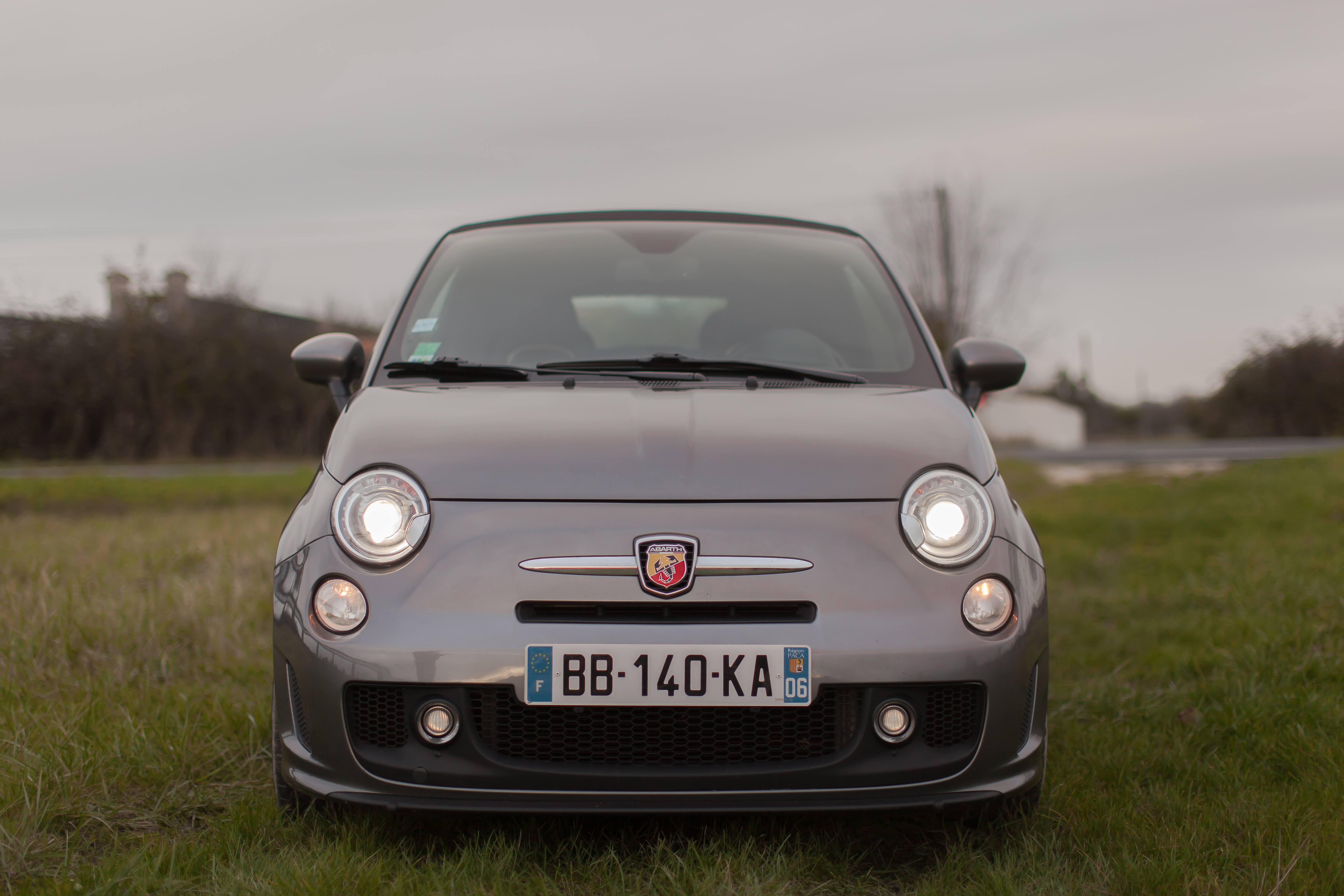
The BMW Z4 M Coupe is a sporty car that offers great performance and a fun driving experience. It's part of the Z4 lineup and is known for its powerful engine and stylish looks.
The McLaren 600 LT is a sportier version of the 570, designed for better performance on the track. It's lighter and faster, making it a thrilling car to drive.
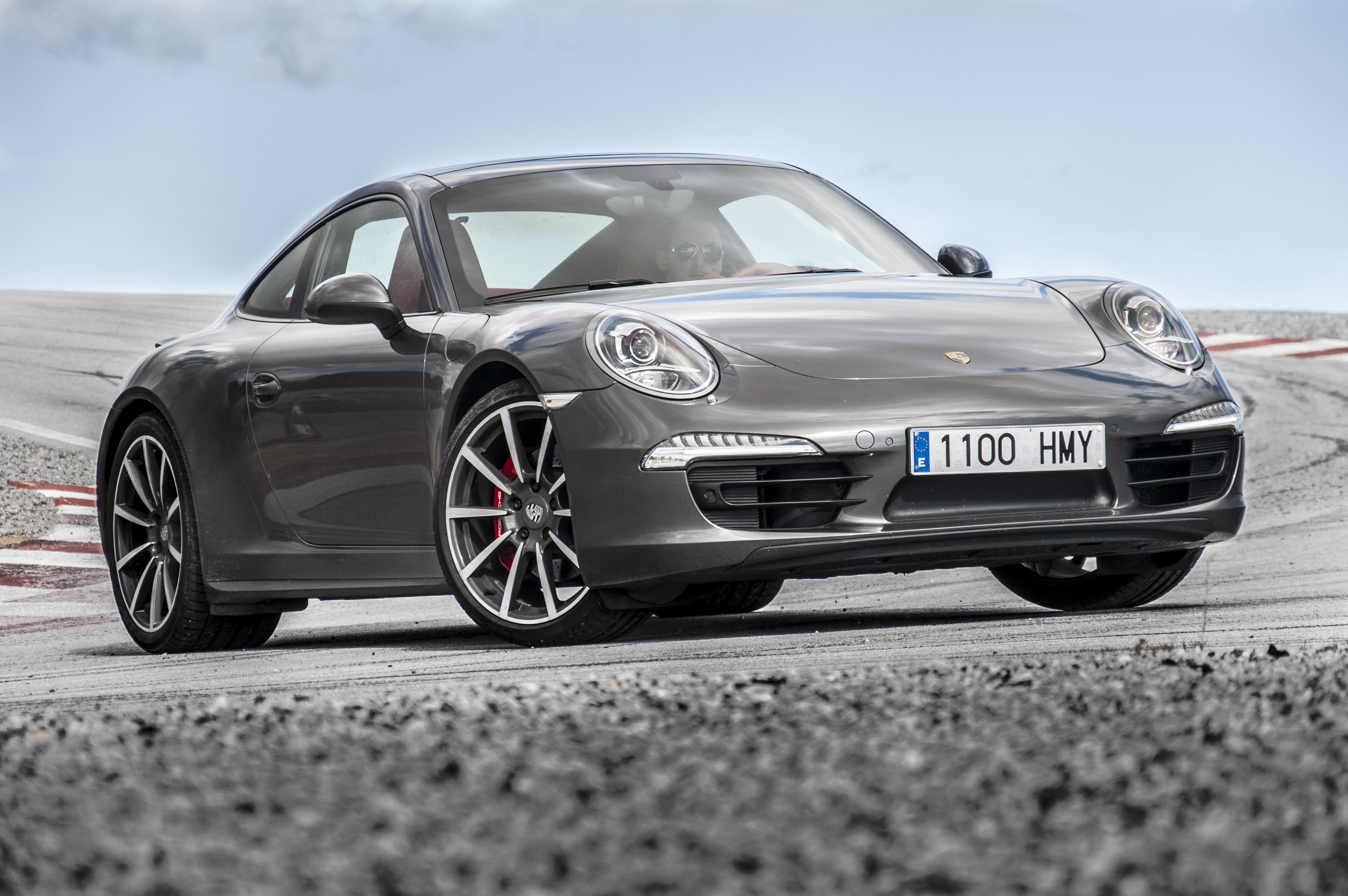
The Porsche 911 is a famous sports car that many people love for its speed and style. It's been around for a long time and is known for being very well-made.
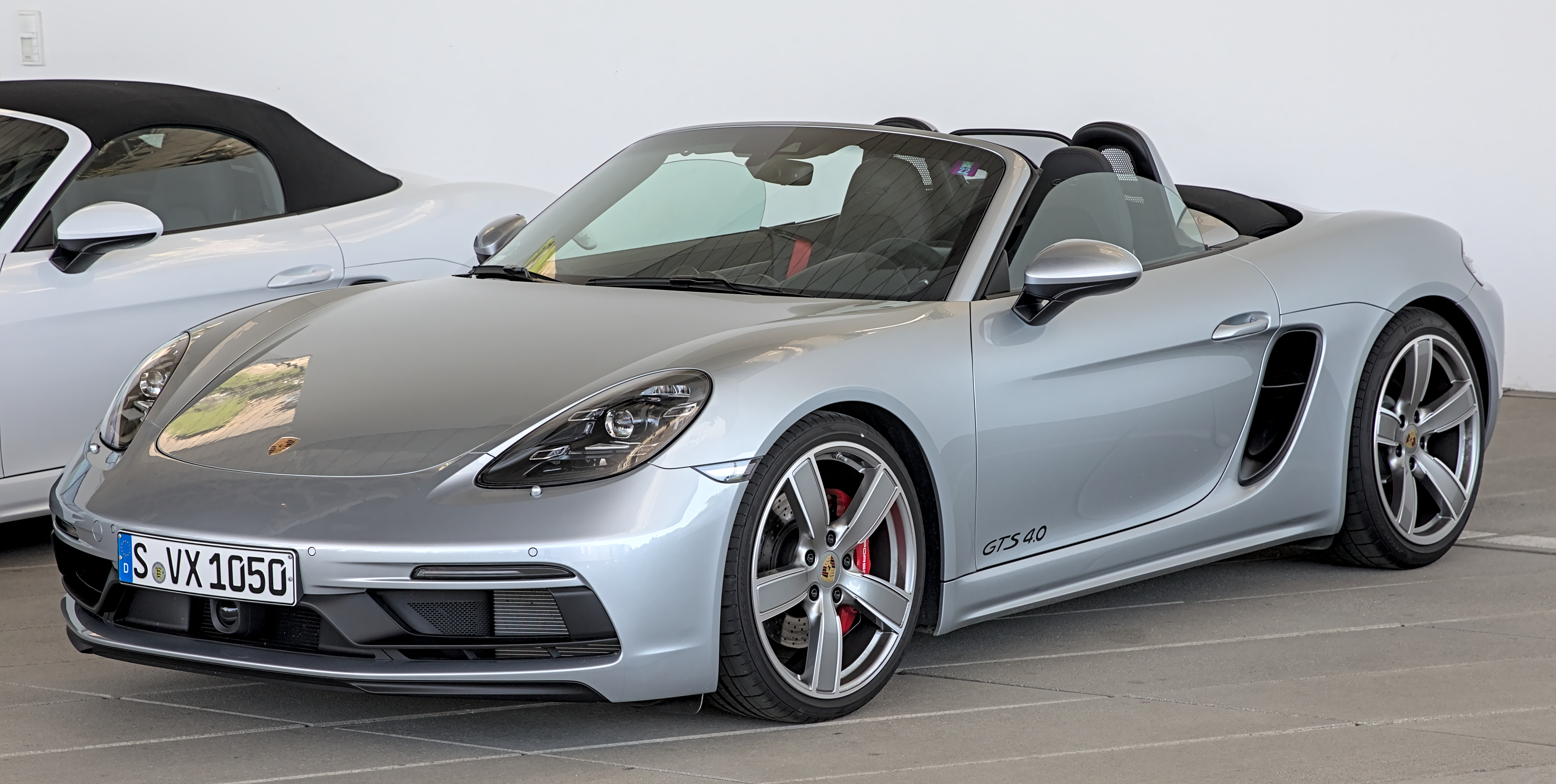
The Porsche Boxster is a small, stylish sports car that you can drive with the top down. It's known for being fun to drive and is a good option if you want a fancy car that still feels sporty.
Car reviews are articles or videos where people talk about how good or bad a car is. They help you understand what to expect from a car before you buy it.
The Lotus Evora 400 is a fast sports car made by Lotus. It's known for being light and fun to drive, with a powerful engine that helps it go really fast.
The Toyota Yaris GRMN is a sportier version of the Yaris, which is a small car. It has better performance and handling, making it more fun to drive than the regular Yaris.
Zenos is a smaller car company from the UK that makes lightweight sports cars. They focus on creating fun-to-drive cars that are also not too expensive compared to other sports cars.
The Toyota GR Yaris is a sporty version of the regular Yaris car. It's built for speed and has special features that make it great for racing and driving on different surfaces.
McLaren is a car brand from the UK that makes very fast and expensive sports cars. They are famous for their performance and have a strong history in racing.
The BMW 760 Li is a high-end luxury car that offers a lot of power and comfort. It's designed for those who want a premium driving experience with lots of features.
The Toyota Corolla is a compact car that many people buy because it’s dependable and doesn’t use much gas. It’s a good choice if you want a car that gets you where you need to go without any fuss.
Car
Polaris Slingshot
The Polaris Slingshot is a fun, three-wheeled vehicle that looks like a mix between a motorcycle and a car. It's designed for open-air driving and is known for its sporty feel.
Total Head Turners is a business that makes copies of famous classic cars. They help people get the look and feel of these cars without spending a lot of money on the real ones.
The Honda S2000 is a small sports car with two seats. It's famous for being fun to drive and has a powerful engine that can rev very high, making it exciting on the road.
A clutch is a part of a car that helps change gears. If it gets worn out, it needs to be replaced, which can be expensive. It's important to keep it in good condition to avoid high repair costs.
The Range Rover is a big, fancy SUV that can handle rough roads and tough weather. People like it because it looks nice and can take you anywhere you want to go.
A check strap is a part of the car door that keeps it from opening too wide. If it breaks, the door can swing open too fast and hit something, which can cause damage.
The Ferrari F40 is a really fast and powerful sports car that people love because it’s exciting to drive. It’s also special because it was made when the founder of Ferrari was still alive.
The Aston Martin DBS is a beautiful and expensive car that looks really classy. It’s known for being fast and is often seen in movies with secret agents.
Car
Ferrari
Ferrari is a famous brand that makes fast and expensive sports cars. They are well-known for their performance and style, and many people dream of owning one.
Quid is a slang word for pounds, which is the money used in the UK. So when someone says '400 quid', they mean 400 pounds.
Car
Fiat Abarth 595 Tributo Ferrari
The Fiat Abarth 595 Tributo Ferrari is a sporty little car that celebrates the connection between Fiat and Ferrari. It looks cool and drives well, making it fun to drive.
The Ferrari 550 Maranello is a powerful sports car with a big engine that looks really sleek. It’s known for being fast and fun to drive, and people love it for its style.
LIVE
In February, you had a really tough thing happen, right?
Probably quite a bit of a reset for you.
Young lads in modified cars always made me a bit nervous.
This was not a young lad.
The next time he comes past me, he comes up along a hill.
Four seconds from ever so many, everything's fine,
but he's nearly dead.
James!
James Martin, also known as J.M. on Cars,
is a car enthusiast and videographer.
Known for his in-depth reviews of high-performance and luxury cars.
Aww.
I had a career in film and TV.
I did that professionally for about eight years.
I just didn't like the way that it was going.
It felt like a race to the bottom.
I sabotaged my own career.
I didn't like YouTube.
The technical standard of their videos was appalling.
I can do it better than they can.
I'd had an email from Toyota and said,
we would like to fly you out to Spain for the launch of this car.
I did not believe them.
Having had the thick end of a decade in film
where people would promise you the world
and then two weeks before,
you'd find out it was just complete fantasy.
Me at that point, having had all my dreams crushed once,
I just didn't allow myself to believe
that I could actually have really made it so soon.
If he hadn't been okay,
would you still be able to do what you do?
I think...
James, over the years,
you've driven pretty much every supercar
that I would love and that there is out there.
You've also brought your own through hard work
and you spend a lot of time on your channel reviewing,
going over, working with all kinds of different automotive enthusiasts.
It sounds like the kind of thing
that if you were to tell that to any of us as children
would be their dream job.
But in your own words, who are you and what do you do?
Yeah, my name is James Martin,
but because there was a famous chef got in there before me,
I'm known best to many people as JM of JM On Cars.
I am a dedicated, incurable petrolhead
and I have a YouTube channel called JM On Cars
on which, amongst other things,
I review basically any car I can get my hands on.
Where was the idea that you could actually turn this passion,
this love, this fuel into something
that you could actually make work as a career?
Where did that spark from?
So the short version is that I had a career in film and TV,
mostly film, very little TV,
and the low budget film students,
sort of small kind of stuff
that if it was lucky might get one play in a cinema type thing.
As a cinematographer, director of photography,
cameraman to most people.
And I did that professionally for about eight years.
I just didn't like the way that it was going.
And it's a touch embarrassing,
but it's the truth and I've said it before.
What I basically decided was that I kind of had enough
of the world of film.
It felt like a race to the bottom.
It just felt to me like everybody wanted more for less.
I'd started in effectively 2008, 2009,
so we were coming out of the financial crisis.
It was tough times then,
and it just never felt like it got better.
And what was happening was that there used to be
in the world of film different stepping stones
to get from film school to Hollywood.
All right.
And if my life had gone as I planned it,
we'd be sat in a US van down in Santa Monica,
nipping out for Froyo when it gets a little bit too warm
and the AC packs up.
Oh, I'm sure.
Yeah.
And just having a great old time.
But as it was, seven years after graduating,
I was working on the same size of film that I was
when I was effectively a fresh-faced,
just recent graduate.
In fact, in a lot of ways, I was working on smaller stuff
because people had less money.
And I knew that the death knell came
when I started having meetings with people.
And a key part of any meeting about a film project
is like, OK, what budget is my department going to have?
Because, and again, you've got to remember,
this is 15 years ago.
So things like DSLRs with video existed,
but they weren't as good as they are now.
So you can get a lot done for not too much,
but you just ultimately needed to spend money.
And I would have meetings with people where they would describe
stuff like, yes, we're going to have a crane shot come in,
and we get a Disney.
And then, of course, the drone's not a thing.
We wanted all this crazy mad stuff.
You know, we want a camera to fly through the middle of the van
and then now, and then run around and do all this stuff.
And you go like, OK, we'll hang up, hang up, hang up.
How much money have we got?
And in the old days, as we're calling them,
people would say, oh, we've got like a couple of grand
in this and the other, and then you have to break a lot of hearts.
And you go, I'm really sorry.
And I know that you've seen this.
And the same thing in my agency.
Yeah, right.
And you go, look, I know that you've seen someone do this shot
in a van, but it wasn't actually a real van.
It was inside a studio and at the drop of a hat,
this wall could vanish and a camera could appear
and then you pull back and the wall could go up.
You're going to rent an actual van.
So where the hell am I going to stand?
A few years in and what was happening is people were saying,
oh, well, that really depends on how much we get from the Kickstarter.
And you go, what?
And they say, well, we actually haven't got a budget yet.
What we're going to do is we're going to do a crowdfund.
And I think it's like, look, I'm really sorry.
But unless you've got a real special interest story to tell,
that's going to have a real impact or support a particular community
or some sort of social thing you're trying to do,
or somehow you've managed to bag Benedict Cumberbatch and said,
I'll be in your film if you can get me 10 grand or something like that.
Just no, I do not know how much Benedict Cumberbatch costs.
I suspect probably more than 10 grand.
Yeah, back then, maybe, maybe it could have been done now.
I don't think he'll ask the phone for that.
Anyway, Benedict hit me up.
So anyway, basically, people would just think that random strangers would fund their hobbies.
And I know some big filmmakers actually do that now.
But if you're Martin Scorsese, you get people to fund your film.
If you're just Martin Johnson of the street, why was anyone going to do that?
So I just saw this was all going to fall apart.
And I felt it was falling apart.
I owned a lot of camera kit that I'd built up over years and years and years
because whenever I made any money on a job, it just went straight back into the camera kit.
So the context, how old were you there?
I would have been, come the end of this, 26, give or take.
And if we take just a brief pause, were you a happy 26?
Um, no, because that vision of what you had, where you wanted to be when you were younger,
were you unhappy due to the fact you didn't quite feel you were on the rails with that?
Oh, yeah. Yeah, yeah, very much so.
I was an extraordinarily happy 20 year old, a 21 year old, because within a year or so
of graduating film school, I was DP, which is a very senior position on a half million pound
feature film with Adam Deacon in it, who at the time was doing really well.
He won the Orange Rising Star Award while we were shooting.
We had well-known people in it.
We had David DeJala, who's gone on to do absolutely amazing things.
We had Sir Jeff Hurst, the footballer.
So I've now given away one of the projects that I've worked on.
So this is possibly going to come back to haunt me.
But anyway, and I was like 21 and I could go at 21 years old.
I could go to the cinema and see my name and I was sat there going,
this is easy. This is great.
And it basically just, there were some things that happened immediately after.
There are a couple of big projects that should have happened immediately after that.
They're both disintegrated, like within about a week of each other,
which put me in a really bad situation.
I effectively had to leave London because of it, because I then broke up with my other half of
the time and unfortunately her dad was the guarantor on our flat.
So that was a real setback.
But I moved out to the countryside, rebuilt, rejigged, took me a year or two to get back
to where I was, but it was okay.
Managed to start doing things again, had a network of people that I really liked,
did some projects that I was very, very proud of,
a load of projects that I wasn't at all, but they paid the bills.
And this is the way for everybody in media, but it just got to the point where I just felt like,
what am I doing? I'm just, I'm going nowhere.
And when you're then suddenly closer to 30 than you are 20,
and you go, hang in a minute, 21 year old me who thought,
that's it, give it a half hour, Hollywood would be cool.
Like we'll be thinking, what's going on?
What have you done? What have you achieved in life?
I desperately wanted a Ferrari on the driveway.
You know, it was just, I was, you know, especially when you're young,
it's easy to be like, yes, one day there's going to be a Ferrari on the driveway,
because damn it, that's going to happen.
But then you sort of get to the point where you're like,
yeah, I'm sort of struggling to keep a BMW going here.
And I just thought, this is not working.
And I think as a business person, after you've done something for a number of years,
and it's either flat lining or going down,
you've got to ask yourself that basic question of,
is there something I can do to improve this and fix it?
Or is this as good as it's going to get?
And if that's the case, what are you going to do about it?
Can I ask, did you start to have a slight resentment for bullshit along that time?
Hearing how you were with those projects about things that seemed like they were something
else, it seemed like one after another starts to just chip away at how much you're annoyed about
something. Sometimes one thing happens, you think, I'm a bit annoyed about that.
Happens again, you think, that really annoys me when that happens.
And it happens again, you go, right, these people start to irritate me.
And the reason I ask is for a little bit later in the podcast,
but I'm interested, did you start to have that resentment of just people and bullshit?
This is, and I'm kind of at peace with it now.
There are benefits, usually young you never believes it,
but there are benefits to being a bit older.
It is one of my greatest character flaws that I have absolutely no tolerance whatsoever for
horse play of any description. And I remember really well when we were at film school,
a bunch of the other students nipped off to the Cannes Film Festival.
Now, Cannes, a lot of people misunderstand, it has changed over the years, but
Cannes is actually primarily a film market.
This is where distributors and people that are making films go to sell a film.
So you might have gone a major film for a bit of budget or whatever,
and you then go there because you're like, right, I want to get this in cinemas in the USA.
I want to get this in cinemas in Uruguay, like, you know,
old German TV is interested, like, you meet and it's almost like an expo kind of thing.
The film festival happens alongside it.
Were people with iPads and TV camera going, what's this, please?
Yeah, basically, it's that.
So half my class cleared off to go to the Cannes Film Festival,
and half of us were left there. And cinematography tutor, an amazing guy called Paul Wheeler,
who's sadly no longer with us. He was just sat there so, so pissed because he's like, right,
you're all students, like, you are not yet actual filmmakers, you know, it'd be a bit like somebody
that's, you know, studying to become a race driver, leaving their race training and nipping off to the,
you know, awards dinner for the Formula One, you're like, no, no, no, that's what you get
when you've done the job. You've got to learn to do the job first.
And so, yeah, but me and him, we always got on really, really well, because we're very much
kindred spirits in the, you know, very direct, very noble shit, like, you tell me what you want,
I'll do it. And, you know, if you are my director, and I was your DOP, like, if I've done something
you don't like, and you say, I don't like it, like, I am not going to take any offense to that,
whatsoever, because my job is to get you what you want. The one thing I can't deal with is if you
would say, I don't like it, okay, why? I don't know. Okay, all right, give me something I can work
with, like, is it too bright? Is it too dark? Like, is the shot too big? Is the shot too close? Like,
do you want a little bit of tilt on it? Like, do you want a bit more color in it? Like, do you
you've got to give me something? And it is an inevitability when you work with people that are
new in a business, that you will work with people that are quite inexperienced, and they don't know
what they want. And welcomes my life 24 seven. And I, I definitely, like, there is no, no doubt
in my mind whatsoever, that I sabotaged my own career, because I was very, very direct and
outspoken about when something wasn't going right. And I was so, so frustrated, because there'd be
so many times I'd be somewhere, and I'd see people trying to do something, and you'd be like, that's,
that's not going to work. Like, I know it's not going to work, because I've seen a dozen people
try it before that all know more than you do. And you know nothing. And it fails. What we could be
doing with that time is something that's actually going to get the job done. And I found out years
later that there were projects I was supposed to do where I'd almost got the gig. And then somebody
said, don't work with that guy. He's an asshole. And that that hurt. But it was like, what can I do?
You know, where does that frustration mixed with passion concoction recipe there? Where does
that come from in your earliest years? Like, have you ever answered the why you think you're like
that? So I think a bit of it's probably from my dad, who has always been a little bit like that.
He's always been very particular about things. And if they're not the way that he wants, he's
never happy about it. So he'd be the closest one to James May on Top Gear?
Yeah, in some ways, in some ways. Honestly, he's probably not like any of them. But yeah.
But he was all equally, he was also the sort of person where if he said that he wanted you to do
something, and there was something in your way of doing it, if you just tell him, okay, if you want
me to do this, I'm going to need this, he would go, I'll get it for you. Like, that's the way that
he works. And I'm very much the same where it's like, you know, if you said like, okay, we need,
you know, we need more people on this bench. Okay, well, do you need me to shuffle up? Just
tell me shuffle up and I'll shuffle up. Like just just tell me and I'll do it. So I had,
to give you an idea like how my brain kind of works. I had when I was working in film,
two rules for any new assistant, right? And number one is never leave the lens case in
particular, any box closed, but unlocked. And that's a really obscure thing to say. But basically,
what it means is, if you've got a bag on the floor, and the lid on it's down, but it's not locked,
if someone goes to pick it up, I've seen a 15,000 pound lens fall three feet onto a solid floor.
And it's amazing how long that takes when it's your name on the insurance for it. And luckily,
it was fine, but it's like, no, please no, oh my God. So that's number one. Number two was,
there is no such thing as a stupid question. Because if I've asked you to do something,
or you know, something you've got to get or find or whatever. And you're not sure how to do it.
Again, I was dealing very often with younger inexperienced people, especially like your
trainee on a set trainee role is kind of like someone's in into that department.
Just just ask me, just just just say, you know, like if I say like, Oh, yeah, can you turn the A
seven on that we are? What's the A seven is that is that the camera is that the light? I don't
know. Oh, it's the camera. There is that one over there. Cool. Done. And it's I had some hilarious
interactions with people. Like, I sent one guy off to look for something. I think I sent him off
to get like some, I think it said, we'll go get the short legs. He's gone like 10 minutes.
And I was like, where the hell is he gone? So I sent my assistant go and get him. I said,
where were you? He's like, I couldn't find a short legs. Okay. Do you know what they are? No.
As much as you're laughing about it now, at the time, would that just drive you insane?
Oh, good. Yeah. But here's the thing. So I remember really vividly one day, I gave somebody on set
an absolute bollocking, because they were sat there playing with the latch on my tripod.
Right. I was like, what are you doing? Like, do not dare touch that. Like, film sets work a bit
like the military, like it's a very organized, very strict hierarchy. You know, if I'm so as
director of photography, you're the head of the camera and the lighting department, it's a kind
of unique position because you got two departments under you. And if you need to move something,
I'll get my lighting guy to move your lights and get the camera guy to move the cameras. It's not
quite as daft as in America, where they'll all go and strike if the wrong person touches the wrong
thing, right? But it's close. However, if you were like, yeah, there's some microphones and things
down there, move them, but I ain't touching it. I ain't touching it. That's the sound guy. You
go find the sound guy, get him or one of his guys to move it because it's none of my in the same
I don't want them moving my stuff. And you know, it's and the reason you do it this way is because
let's just imagine I moved all your shit around while you were outside. And you come to get
something you're like, what is where is where is it? Where is it gone? I didn't move it. Nobody
else moved it. When I was on a set, like my my kit actually wasn't my own property on a set. It
belonged to my assistants, because they move it, they put you with a one. I am the most
unhelpful person to my own assistants on a set because I'll ask them to get me one of my things
and they know where they've put it. Right? So the last thing they want is me touching my stuff,
right? And I own it. Okay. But to go into this example of this guy, I'm pissing around with the
tripod latch. Now, we were going to then go and put to give you some idea, 14 kilos and 120,000
pounds worth of camera on that tripod. Now, when my assistant left it, that was locked and secured
and fine. They're not going to expect it to topple over when they put a camera on it.
So they might get caught out. And that's a big problem, you know, because the production company,
the producer has signed an insurance waiver to say that if something happens to that camera,
they're up for an awful it's a big excess right on these things. And it's like, yeah,
you've got an idiot there playing with stuff that's not theirs. So in my head, I'm like,
I am trying to save you a big accident and a big bill. What they saw was me being a dick,
which I probably was. But I was trying to be a useful dick.
Has this the of these stories forced you to where you are now, which is almost like just
working with yourself, in a sense, as much as you go out and see people like today we're at
Thruxton, you've just come out of a meeting, you said to me when I was talking about, oh,
it's one of the rare occasions I don't have to be with me today. To do the cameras like, well,
I'm just on my own these days. Is that because of that? So the reality of it is that YouTube,
certainly in the early days, and you'll notice as does everybody that's done YouTube,
it does not pay particularly well, especially when you're a smaller channel.
Nowhere near what you think. Yeah, no. And so if you've got, if you're earning a small amount of
money, the minute you're up. So I suppose I was my own West enemy, because also having come from
this world of film where people always expect guys to do lots for very little, I don't like that.
My mantra was always, I will hire anybody to do a job for free once. Because either they're good
enough that I'll have them back in which case they're worth paying, or they're so crap at it,
I don't want them anywhere near my stuff because they're going to do more harm than good. It's
as simple as that. And I take the same approach when I started doing YouTube. Now, of course,
the problem is in the early days, I'm not earning any money, like none. My first year in YouTube,
and of course, I was lucky because when I started it, you could monetize basically instantly.
But my first year, my turnover was 158 quid. So yeah, right.
And was that something you chose to do full time at that point?
Yeah. So basically, the short version of how I got into it is the having decided that filmmaking
wasn't really going anywhere. I effectively made the slightly novish decision to pretend that I'd
made it, sell all my film kit, because I've done my maths and realized that I was effectively
subsidizing other people's hobbies. The money I was getting paid was just about covering the
depreciation on my kit. And I was only just about able to make ends meet at home. I was not living
the lavish, lovely lifestyle, you know, Ferrari. No, not even close. The Ferrari was getting further
away. Right. So I had like a nice car for a little bit. I had a Z4M coupe and this will
and I bought it for about 14 and a half grand or something like that. But it had like 26,
27,000 miles on it. And I was utterly terrified of depreciating it and losing money. So I sold it.
So I then decided I had about give or take 100 grand of camera kit.
So the main thing that I actually sold to then fund the YouTube, I had five lenses and between
them they are worth $105,000. Now I got really lucky because when I bought them, I paid $105,000
for them. And when I sold them, I sold them for $105,000. But the exchange rate had changed in
that time. So I probably made about seven or eight grand. Another thing that had happened was the
I was working on a film over in Liverpool, classic low budget feature film type thing,
takes like four or five weeks. And I had gone to a production company that I used to buy stuff off.
That's a sales company rather than production company, sorry. And they just bought, I mean,
literally a container full of old film cameras. And I was like, Oh, this is really, really cool.
This is awesome. And I spoke to the guy there I knew and I was like, Yeah, cool. I'm quite
interested in buying one of these proper 35 mil camera. I mean, this camera, when it was new,
probably have cost about 150 grand or so. And they were selling it for three.
Yeah, film camera stuff. It's like all work tools, either it's working and worth money,
or it's basically had its day and it's worth nothing. So I said, I'd like to buy this almost
just like a piece of art, you know, for the house. And I was going to try and knock them
down on the price. And I said, look, have you got a battery that I can test it?
TV cameras work on 12 volt, film cameras work on 24 volt. No, like, no. So right,
have you got any films so I could run a scratch test? Nope. Right. Okay. So let me come down and
have a look. And they have boxes and boxes and boxes of these things. And I was like,
you guys don't have a clue like you've they just bought this stuff because they did TV cameras
and they thought film cameras will be the same and they're not at all. Right. And so I said,
look, you guys don't have a clue what you've got. These cameras could be okay. They could be absolutely
screwed effectively. I'll give you a grand for one of them. Because I need to take it back to mine.
I need to test it. I need to do all this there's all this sort of stuff you would need to do.
It's like two day job basically to properly test and check everything out because there's so many
pieces with it, right? And they just have boxes and boxes and boxes of stuff. So I bought this
camera often for a grand. I took it back home, did all my checks and tests and everything and
I actually turned out it was okay. Cool. Happy days. I went off to go and do the shooting live
board and I just thought cheekily I was like, you know what? I'm just going to put this camera up
on eBay for three grand. And while I was away, it sold. Someone bought it. So I made 2000 quid.
Holy shit. So I phoned the guys up. I was like, you still got the other two? Yeah,
can I buy another one for a grand? Yeah. Okay, I'll put that back on eBay. Sold the next day.
I've just made 4,000 pounds in about an hour's worth of listing plus obviously
a couple of days of testing everything. That was twice what I was being paid for a month's worth
of work. You know, long days. What age was that? I was 25, give or take. So I was like, hang in a
minute. So I went back to the company. I was like, right, you've got, they had, they got about a dozen
different cameras. No, maybe more. No, it was more because there was 16 mil stuff as well.
So I did a deal. I said, look, you guys don't actually know what you've got. You've got no
idea. You don't know how to test it. You don't know how to check it. And what happened was
every other day they were phoning me because someone phoned them asking about these cameras
and they didn't know about them. They didn't know what a ground glass was. They didn't know what
aspect ratios the things ran in. They didn't know what frame rates it ran. They had no idea.
And I said, look, guys, you keep phoning me. This is a bit embarrassing.
Can we do a deal whereby I'll agree to buy your stock off you? I need to come down. And I spent
four days down there just cataloging what it was that they had. Anyway, went through all these
cameras. It turned out about a third of them were broken, but we could use the parts from them to
help get the other ones going. Sold those. I sold cameras all over the world. I even went to one
camera company, a very large camera rental company in the UK. And I bought their entire stock of
old cinema cameras of one particular brand. And when I say they sold me a lot, I would fill
your van twice with the stuff they gave me. And that cost me about, I think it was like
10 grand or something like that. Because they were like, look, we just can't be bothered.
They've rented it. They've rented this stuff for 20, 30 years. So whether they get 10 or 20
grand back for it, it doesn't really matter to them. They're like, you know, it makes our life
easier to flog it all to you. So we don't have to keep taking phone calls. And I've still got
some of our send you some of it if you want. Because honestly, I've got little, you know,
the thing that hold the film lives in is called a magazine. They used to be 8,000 pounds each
when they were new. I use them to keep doors open. Because they're worth nothing.
But did you manage to sell any of that? I flogged all of it. I sold basically the entire UK
inventory of used 16 and 35 millimeter movie cameras. I stopped because I ran out. I flogged
all of them and my sole regret is I didn't keep one for myself. And that presumably was quite
lucrative. So suddenly you like turned this kind of spiraling situation into something that was
like, Oh, hang on a minute. Yeah, it was wonderful. While it was happening, it was just this amazing
experience. And I loved it because I suddenly went from talking to people that were weirdos and
difficult amateur directors and producers to honestly, just keen enthusiasts that were buying
themselves a film camera to maybe make a film one day, you know, and I got to meet some really
cool and interesting people. But unfortunately, it was very short lived. This all happened over
the space of probably about 18 months to two years. And I just ran out of stuff.
But it was in the back of your head. You wanted to do your own YouTube channel and
the info. At that time, YouTube wasn't a consideration. I do apologize. I'm
leaping all over the place timeline wise here. But what happened was I was then trying to think,
right, I'm kind of done with filmmaking, because in terms of just why earn for the F I put in,
like, holy shit, I made more doing a year selling camera kit than I did doing like six years in the
rain at night in the cold. I got hyperthermia on a shoot once like I was in bed for four days
because the shoot didn't provide adequate weather protection for us. Like, you know,
all this stuff that happens, right? And I was like, bollocks to this, right? I can make a lot
more money for a lot less effort, just basically, you know, putting people together, you know,
just networking people and kit and all that sort of stuff. But it's starting to come to an end.
So I think what do I do in my life? Don't want to do filmmaking anymore. I'll
flog my own kit as well. And my plan was just really basic. I am going to sell all my stuff,
buy a fancy car, and pretend that I've made it for a year. That was it. I was about one,
I was about 26, it was about 2015 or so. To all my loyal listeners listening on Spotify, Apple,
and other streaming platforms, I urge you to do me a quick favor that you might not know that you
could do. You can actually follow if you're listening on Spotify, the Road to Success podcast,
and also rate it with how you feel these conversations have been, how they may have helped
you. Or if you're just enjoying the one that you're listening to today, it really will help us
if we're able to grow our streaming platforms beyond hundreds of thousands of monthly listeners.
Thank you so much for listening to this episode of the podcast. And I really hope to bring you
some more inspirational guests soon, which is insane. And we'll get to it because like one
of the things that you absolutely love that comes up throughout research and your story
or watching you is integrity and a hatred of trying something trying to be what it's not.
Yeah. Yeah. Essentially, that was you entering that world. Absolutely. That's 100%. So,
and how the YouTube came in completely by accident, right? It was total happenstance.
I was thinking at the time, so my dad had floated an idea of maybe doing classic car rentals, right?
You know, these companies like the Cotswolds rentals type thing, we are like, come and borrow an
MGB for the weekend and tart around with your Mrs. and a picnic hamper and that type of thing for
a few hundred quid. And I started thinking about that as an idea, but I did a little bit of maths
and I realized that as a sole business, that was just a non-starter. Like there were so many hurdles
and what if someone bins it and are you actually going to get that many people renting cars? Like
probably not. So I've still got all my business plan and everything for that. And I had all this
idea and I had this idea of like trying to make themed tours, you know, with different narratives
because I'm all about storytelling basically. And I like to say to people, I'm actually the
really the oldest profession in the world because that is storytelling. You know,
the one people think is the oldest person on that second oldest. Anyway, so I had this embryo of
making money from cars and I was trying to think of ways to do that.
Alongside that, I was like, right, going to buy myself a fancy car.
Vlogged all my camera kit. I knew that I probably wasn't going to be any very much money for a while.
So I wanted a Ferrari who doesn't. There it is. Yeah. But I was just about sensible enough to
realize I could have afforded to have bought a 360 and therefore 30 or a 550 or something like that
10 years ago. But I wasn't earning money. And I knew that all of those cars had the potential to
throw you a big bill and I wasn't going to be earning any money. So like if I bought a 360 for
60 grand, and then you know, you take it to the dealer, they go, by the way, you know, you thought
your service is going to be a grand. Actually, it's 10. Like good luck. I was like, oh, I'd be in deep
shit, right? So I started thinking, okay, all right, I probably need something a bit more realistic,
a bit more reliable. You know, Audi R8 was a consideration, but I kind of I had driven an
R8. I thought that wasn't maybe a great idea. So I'd had a job for a short while working for
an independent sports car specialist, trying to convince them this is my make you laugh.
13 years ago, I was trying to tell people that the future of car sales was video.
And they just weren't having it. They were just like, no, pointless. Who wants video?
How do videos sell a car? I was like, no, it really will. And these were also like specialist
Porsches and things that at the time were really rising in value, you know, because I look at you
at a new Boxster. What's the point in making a video? But if you're trying to sell like an old 9
11 for 300 grand to a guy that maybe lives in Hong Kong, a video could be the thing that convinces
them to get on a plane and come over. And we actually I actually made a video of a
Shelby Daytona coupé for a guy in Hong Kong. And he saw the video, got on a plane, came over,
bought the car. So I went, cool, my video helps sell a car, didn't it? Yes, it did. Cool. Are you
So that didn't work out. But while I was looking at what car to buy for myself, I started watching
YouTube. And this is actually really unusual for me. I didn't like YouTube. Now, obviously,
modern viewers kind of might not remember it, but you will. 10, 15 years ago, YouTube was very,
very different to how it is now. Like even the interface, it looked cheap. Like it felt cheap
and nasty. It was not the slick operation that it is now, like at all. I preferred Vimeo,
but Vimeo then went a totally different direction. I actually until this day still for my sins,
I don't like watching car reviews. I prefer reading them. That's just me. But I was looking at
various different things, R8s, Ferrari videos, of course, because who doesn't naturally, many,
many episodes of Top Gear. And a brand that really interested me was Lotus. So and the Evora 400
had just come out. And I started watching videos on that. And I laughed because I noticed the fact
that all the car reviews of it were on the same roads in the same crap weather. I thought they
must have all been filmed on the same day. Like it's clearly the same place, the same weather
conditions at basically the same time of year. Like these guys have had no time at all to film any
of this. And I was watching a lot of general YouTube content and stuff as well. And actually,
as we speak, the quartet of Paul Wallace, Schmi, Seb Delaney and Sam are going off. Yeah, they're
doing they're doing their tenure tour. And that was the content that I was watching. And I'm so
sorry, guys. But the technical standard of their videos was appalling. This was just how YouTube
was. And there were lots of you get away with it. You get away with it. It's just how it was. No,
that was that was just the standard, right? And the way people made YouTube videos then
was they walked around with a GoPro on the end of their arm going Hi, guys, I'm here today doing
this. And that was just how it was. So there's me having just sold 100 grand of lenses, right?
Going bloody amateurs doing like this. This is atrocious. Like how dare they try and produce
content and put it out like that? Like, you know, the picture was bad, the sound was bad,
the editing was bad, like the narrative structure was poor, like from a filmmaker's perspective,
you're like, this is this is this is atrocious stuff like start again, you know, red pen out
everywhere like no, no, no, no, no, no, no, no. And I'm sat there watching this, you know, at home
going back to a bloody bear job than they could like, hmm. And I've been looking at this Lotus
and thinking, well, do you know what, there's not a lot of Lotus content out there. There isn't now,
there definitely wasn't then. It's an interesting brand. It's not too far away from where I live.
It's the most local car maker to me. It's got an amazing history to it. I just thought,
maybe clearly, clearly, there is money to be made doing this. And I think I can do it better
than they can at the very least from the technical standpoint. So in my, you know, silly man brain,
I was like, yeah, spending £70,000 on an old, oh, I've got a brand new Lotus, sorry,
that if I can just monetize it in some way, shape or form, that will justify the purchase,
you know, that will then be a completely logical decision and it will no longer involve me just
prancing around pretending I'm somebody that I'm not. So yeah, that is where the thought for
YouTube came from. Which is an insane journey just to get to the point that you've now started
something that if I told you you were to be over 400,000 subscribers and tens of millions of views
and it would have taken you all around the world and Europe to drive all kinds of different stuff.
What would have you thought then? Would you have actually believed that was possible? Did you have
that belief? Okay, I'll tell you everything you need to know about that. There is somewhere,
I might be able to send it to you. There is a shot done at, I think it's done at Panavision,
just one of the biggest camera rental companies in the world, at their offices in Greenfield,
which is their UK HQ. Panavision supplies stuff to like all the big Hollywood reach films and
things like that. You'll see a film in Panavision, you'll know the phrase. There is a shot on 16
millimeter film that my students did because a part of what I wanted to do is I wanted to show them
how to shoot film, right? I've always been a big believer that, you know, any subject, anything
that you do, you have to understand the history of it. So even if you're not going to work on film
going forwards, understanding how things used to work is key to understanding why they work a
certain way now and therefore how you can make stuff better going forwards. Also, it's cool as
shit, right? So there's a shot at Panavision on 16 millimeter of my students goofing around, okay,
and in the background, I'm on the phone to Toyota. You can see me pacing up and down,
looking really worried because I'd had an email from Toyota and this would be, I think, about a
year or two after the channel started. I think it's either end of 2017, maybe. And this is for
the launch of the Toyota Yaris GRMN. And Toyota have messaged me and said, we would like to fly
you out to Spain for the launch of this car. And I did not believe them. Having had, you know,
the thick end of a decade in film where people would promise you the world and then two weeks
before you'd find out it was just complete, you know, fantasy, right? Me at that point,
having had all my dreams crushed once, I just didn't allow myself to believe that I could
actually have really made it so soon. Because having gone through that elation when I was 21
of being like, I've got this, I've smashed it, I've done it, like, you know, this is brilliant.
You know, when I started film school, I was just turned 18. And the oldest student there was 27.
And my plan, my promise to myself was that by the time I was her age, I was going to have made it
properly. I was going to be in Hollywood being, you know, the big I was going to be right. Yeah,
with the red Ferrari cruising with a top down pretending to be Magnum PI, right? You know,
I would have made it. I'd be the guy that everybody wants to work with. And it just didn't work out
that way. So it was only when he actually sent me the plane tickets that I let myself believe
that it was really happening. It was so, so mad, right? You're like, Toyota are flying me to Spain?
Like, I mean, first of all, Toyota talking to me. I'd also had a bit of an instant,
I don't know, an instance, maybe the wrong word. I'd almost got my first press car a little bit
before that, which was a Zenos. I happened to know somebody I'd had a meeting with the guys
that running Zenos really liked what they were doing. And then it turned out that their marketing
guy was somebody that happened to know me from the world of film and said, Hey, I see you're doing
YouTube now. Would you like to come and drive a Zenos? And I said, Yeah, that'd be really cool.
Because again, really exciting to be at the beginnings of a company. And they said to me,
Oh, you can come out and film. But by the way, the weather is crap. Much like at the minute,
there's a storm going on. It's freezing cold like it was December. It's like,
do you really want to be driving a Zenos in December? So I said, if you're happy to wait
like another six weeks, hopefully the weather will be a little bit better. But also,
you'll be able to drive the same car that I think James may maybe had driven on,
I think it might actually have stood on top gear. And it's like, that's really cool. Yes,
please, I'll have that one. And then yeah, the new year rocked up and the guy mess and we said,
you're not getting a Zenos. And I was like, what have I done? What have I done? What have I done?
And he's like, no, no, no, we, we turned up to work and basically the padlocks were on the doors
and you know, that's, that's it. They're gone. So I was like, oh, and then yeah,
Toyota came along and offered me this, this, this opportunity. I just,
the whole, the whole time I just, I couldn't believe it. Was that where momentum started?
No, no, it was two years in, two years in, you've just been amazed by the fact someone's
even sent you a plane ticket to get on, to go and see it. Yeah. But you still not quite got that
momentum. No. So I, very shortly after that, I got invited by Toyota again to go and do an
ice driving experience in Sweden. The best things in the world ever. And I must now add,
because I genuinely understand what you're saying because I took my Toyota GI RS when I had it,
to do an ice driving in Sweden. And it is hands down even after being on race tracks and Silver
Stern and being lucky enough to do so much stuff. The single most fun driving experience I've ever
had. Right. So that was also amazing. Although the only terrifying thing was they had lots of the
Yaris GRMMs there. And they're telling us like, oh, by the way, there are only 600 of these in the
world. Like, don't break one. Why is it here? Like, don't, don't tell us that. Why are you letting
us drive it around a frozen lake? Like, just my brain mind. Yeah. Give us the scabby old GT86s
that are all duct taped together, you know, barely held up, you know, drift stitched and
everything like that. That's fine. I did that. And then after that, radio silence.
And I kept messaging a contact at Toyota and saying like, hey, cool, let's kind of get a
press car now, please. And they said, oh, yeah, well, we don't know. We need to see who's worth
lending press cars to. I'm like, what, what are you talking about? I, I, you've flown me to Spain
for crying out loud. Like, and you flew me to Sweden. Surely that means I'm worth giving a press
car to, you know, anything, please give me an ego, you know, I'll, I'll be grateful. Like, and
basically it was like, nope. Now there's some corporate politics going on behind the scenes
there that I won't go into and I found out about many, many moons later. I am delighted to say
that I now have an excellent relationship with Toyota Lexus once again. But a thread that I have
found over the years is that you don't really have relationship with companies. Okay, you have a
relationship with the people at a company. And overnight, you can find yourself going from
flavor of the month to persona non grata. And the other way as well. You know, my first time
ever driving a Maserati press car was last week when they flew me out to Italy to drive the
MC pura. You know, after about six years of asking, you know, but it just so happened,
change of personnel, the new guy coming in knew me and said, James, why don't we deal with you?
I don't know. Many of you might not know this, but away from the recordings that I do in my
Vanna studios, I've actually got a digital marketing agency. Now we specialize in a lot of
automotive clients, but we cover everything really. Our team is made up of PPC specialists,
SEO specialists, and the most talented designers I've ever seen, which have done work like the
Starnagloss website, the TWR website and many more. We've actually just built icon box for the
auto Alex crew as well, meaning that people that watch their channel can buy their favorite merch
seamlessly and in style. So if you're interested in starting a project and you'd love to speak to
us, just tap the link below and let's hop on a call. So after hundreds of thousands of subscribers
and trips prior to that Maserati trip that was super cool, do you still get as excited?
Yeah. Yeah, yeah, I do. So you absolutely certain that this is what you were always meant to do?
I don't know about that. I think I do sometimes say to people, I was like, look, I was at the
stage of my life where I didn't really know what direction I was going in. And if you, you know,
if you could turn your assets into a tangible thing and lay them on a table, I was like, what
have I got? Well, I can operate a camera, I can edit it, I can talk an awful lot of bollocks about
cars. So I suppose, I don't know, I like to think of it as I was doomed to do this, as opposed to
fated maybe, but I love it. I wouldn't have it any other way. When did you decide to buy that red
Ferrari? So that was a big deal. And that was also a really weird place in life. So and so I
having had this joy and then failure when I was 21. And then the same thing again, when I was about
27 or so 28 with Toyota with like this success, success, road trips and everything. And then
now we're not working with you anymore. And not knowing what on earth I'd done, done wrong.
You know, which again, is a real personal blow because you have that taste, you know, you get
that it's, it's like, you know, being sat down in like the finest restaurant in London and just
getting the appetizer and going, this is the most amazing. And then someone saying,
yeah, I'm sorry, Mr. Fowler, actually, this is not your table, you're booked in the McDonald's
next door and then you'd be forcibly removed from the building, you know. So I'd had that with
Toyota. And then in 2019, this is where it gets to where I actually start to know dates for sure.
A funny thing happened. A good friend of mine and his father both bought McLarens.
And they asked me to take them to the McLaren dealer, basically as chauffeur at a BMW 760 Li
at the time, which is my first ever V12, coolest hell car, right? So, and by this point as well,
like my, I'd sold a lot of my cars because YouTube was sort of improving, but it wasn't
covering its costs. It was still a money losing thing. So I was getting a bit better known and
things were going on the up, but just not quick enough. And I was sort of slowly approaching
50,000 subscribers, but it felt like it was taking flipping ages, right? And I was, I think
I'd started making enough money that I could pay my fuel costs, right? That's kind of where I was at.
So the Evora was long gone and, you know, the fleet had downgraded, you know, when I started,
I had, you know, 90,000 pounds worth of cars and like 30 grand in the bank. And by this point,
I had like 30 grand's worth of cars and nothing in the bank because I had to live, you know?
Anyway, these guys said, Hey, can you drive us to the dealership? And by the way, can you do a bit
of filming almost like a home movie? You know, like, is their first super cars, both of them? And,
you know, father and son, I've got a real weakness for father and son stories because I love this
sort of, you know, generational passing of the torch thing. Like, honestly, if you ever
catch me watching Disney Pixar's cars, I will just turn into a blubbering mess. Like, I cannot
get through that film with a dry eye. I just can't be done. Anyway, I said, Yeah, of course I can,
but I'd be delighted to. And we get there and everyone's all very excited and everything. And
anyway, long story short, it turns into a total shit show. The cars weren't even there.
You would have expected, you know, you know, you go buy a car, right? You go and buy like a 10,000
pound Corolla and you expect to get to the dealer and it's under a little red cover and they go,
Da da, there's your car. You spend 400,000 quid on two McLarens and you expect, you know,
a velvet red cover champagne and this and that. Instead, what happened was we got there and there
was the world's most anemic chicken salad you've ever seen, which you know, the sort of food you
see on people on a diet, but they're sad inside and you're like, I'm eating this because the diet
is working, but I hate every single bite. You know, it's that sort of thing. And, and we got there
and they're like, where are the cars? And they're not actually here. What do you mean they're not
here? They're like, you're at a service center nine miles down the road, because they're still
prepping them. So they're like, they're trying to distract us with stuff. And then eventually,
like one of the texts just turns up in the car park with one of the cars is like, yeah, there's
a car, like, right, okay. And then the other car turns up, we start looking over them. There's
bubbling on the PPF. One of them, the bumpers cracked. There's a litany of issues. I forget
some of them now. In any case, one of the cars was bad enough, we actually stayed there overnight
to give them some time to try and rectify the problem. And then from then on, it just got worse
and worse and worse and worse and worse and worse and worse and worse. And, and this was just,
this was shambolic and the way the dealer was. And I mean, it just got, it just got like,
one of the cars was broken. So we got a courtesy car that broke. Like it was just, I mean,
did you say this was 2019? 2019. It's funny. That was when I had my first wave of McLaren
problems with the 570. And I had a very similar experience. I've actually got a 600 LT now after
years of boycotting the brand. And I absolutely adore it. And I'm grabbing onto it with dear life.
So I think it works. Like, if you've got a good one, like best car ever, but I can believe what
you're saying with complete solidarity because it's true. Yeah. I mean, I do every now and again,
maybe you made all that stuff up. Didn't you? Like, no, I didn't actually, I cut out some of the
stuff that I wouldn't have believed if I, if I wasn't there. So anyway, they had a total
nightmare time. And you know what really actually gets me is behind the scenes. I am, people may
may not believe me. And at this point, I don't care if they do or don't. I was trying to do
everything I could in my power to fix the situation. Like I was a very, very small entity,
you know, 47,000 subscribers, like, you know, I've done a few hundred videos or whatever.
But to most people, like a bit of a bit of a nothing. These guys were raging. They were
angry about what was happening. And rightly so, because they were being treated really,
really poorly. To the point they were like, well, we're just going to chuck the cast back,
we'll just reject and get rid of them. And I was like, don't do that, don't do that,
because they should be good cars. This is this mistakes being made here. I don't know what's
going on. I was actually contacting McLaren's media team being like, guys, guys, guys, guys,
guys, can you, can you maybe talk to somebody somewhere that can I know this isn't a media
team problem, but they're the contact that I would have. Can you talk to somebody somewhere
to try and help fix this? Because like this is not, this is not right. This isn't the McLaren
experience, surely. And yeah, basically, it went horribly, horribly wrong.
To the point that I, I then decided to make a video about it, because I was like, I can't,
I just can't believe how badly my friends have been treated by this, this company. This should
have been the best experience of their lives, you know, motoring lives anyway. And it was rubbish,
right, to put it politely. So I made a video about it, released that week before Christmas,
so maybe even a few days before Christmas, 800,000 views. It went nuts.
I went that before the app even existed the studio. No, we had that. We had that.
I was glued to your phone. I was in my then fairly new girlfriend's family's house for Christmas,
welded to my phone going, oh my God, oh my God, oh my God, like that rush. You must have had it
when you like, you've got something and it's going nuts. You know, I, I don't believe this. I
don't believe this. I mean, I remember the first time I had a video go really well. It's me and
a mate, we bought an MGZS sight unseen on eBay for 500 quid. And this video did 350,000 views
back when I had like a few thousand subscribers. And I remember he was staying in my spare room
and I was staying in my room and we're watching going like, it's 200,000 now. And then it refreshed
like 205,000 now. You're like, surely it's going to stop like, no, it's not stopping. And it's
struggling to get towards 50,000 subscribers to near 80,000 subscribers in like a month.
That was just like, that, that was unbelievable. But when I'd have that MG video go out, you can
still see it in my analytics, you know, you get the line there and it's going up and up and up
ever so slightly and then there's this huge spike, but then it just drops right back down
and it just carries on. And it was if that spike was never there.
So there I was. And do you know what? I was so annoyed with myself because I was like,
why did I have to release this just before Christmas? Like, because everybody's going to
stop watching it on Christmas Day. The funny thing was, I can tell you when British people have
their Christmas Day dinner and sit down with the family based on my analytics from the video,
because you can see in the morning, the view is going up and up and up and up and up.
They dip a little bit at breakfast time, then they keep going nuts till about like half,
two, three o'clock when people sat down for Christmas dinner. And then they're like,
they carried on. You can map out Christmas Day. It's brilliant. So this had happened. I'd been
given this amazing like gift of all these new subscribers, all these new people. And the funny
thing was, of course, this video was not my normal content. This, you know, my normal content is
me out driving a review in cars. It wasn't. It still is. This was me sat in my room for 45 minutes,
basically having a go about what I thought was a really awful situation. It was an awful situation.
So you've got all these new viewers. And all of a sudden my thought was like, right,
I've had it before where you have this big spike and I just lost it. It went away.
The last thing you ever want on YouTube is dead subscribers effectively. And you don't want,
you know, people that have ticked that box, so they saw one video that they liked,
you know, a bit like that band where you're like, you're like that one popular hit that they had,
but actually everything else they've ever done is nothing like it, you know. So I thought, right,
okay, I've got these people, we've got them, it's Christmas, it's New Year, like,
shit, I don't have anything in the can. I've got no content to put out. So as soon as I got home,
it's like, right, McLaren part two, let's just get some more stuff out there. Let's get something
out of there just to hold on to those viewers and I managed to do it. So, you know, you could see
rather than before, where you had a big spike and a drop, you had the spike. And then when it
settled, it was higher than it was before. And this has happened a few times. So when I say to
people now on YouTube, I don't really believe it's a growth curve. It's a staircase. And that's
how it's always been to me. You'll be going along fine, it'll feel like things aren't really getting
any better. And then something will happen, you'll get this big audience come in, and all of a sudden
you're like, my new normal is now 20% better than it was. So how did you go from there to Red Ferrari?
Good question. So I really am sorry, it's such a long wind to think. So the point I was ultimately
making is 21. Elatement followed by disappointment. 26. Elatement followed by disappointment.
27, 28 years old, whatever it was. Elatement, subscriber base nearly doubled,
nearly a million views on a video. I've got it. I've done it. I've cracked YouTube in January of 2020.
So yeah, we all know what comes after that. So I was out working filming the February that year
was glorious. The weather was beautiful. We'd gone on holiday to Florida. I drove a Polaris slingshot
several hundred miles to go meet Tavaresh, who was lovely and really kind and really nice. And
that was super exciting. Because I was like, holy shit, he's a real YouTuber. I mean, the thing I
kind of left out as well is like throughout, I do and have always done a very good job of
probably coming across as quite arrogant. The truth is that for the vast majority of my time,
just in whatever it is that I've done, I have had like industrial quantities of like imposter
syndrome, like, and YouTube to be quite honest with you, I think the only way you can actually
make it work is just fake it till you make it. Like I think that's the nature of the beast. Like
having now, having now come through it, and I don't consider myself to have a large channel,
but I consider it to be like a good sized channel, right? And it provides me a nice living.
I think the only way you can do it is just act from day one as if it's already a success. I
think, I think whatever you do in life, I think you've had to try and project a sort of positive-ish
image if you can. I've not always been very good at that. Anyway, yes, I'm going to have to February,
go to Florida in February with the family and met Tavaresh, which is really, really cool. Got to see
his 6MVLT and his setup there. And of course, you're like, wow, this is the YouTube dream. Like,
I am on my way. You know, I start talking to car companies who all of a sudden now they are,
they are being responsive because I'd emailed Jaguar like a couple of years before saying,
hey, can I have a press card? They just said, look, you're not big enough. I said, okay,
what's big enough? There's 50,000 subscribers. Okay, cool. So I came back to them like, hey,
I got the subs now. Like, can we do something? Yes, we can. This is all so exciting. And in
meanwhile, there's this like, you know, in the background, there's a sort of, oh, by the way,
someone in China has got the sniffles and it's like, whatever, it's not a problem. And, you know,
then all of a sudden they're like, oh, yeah, it's come to Europe, you know, still a long, long way
away. And I'm working on it. And I was working at a, I was working with a company down in Essex
called Total Head Turners who do chiefly like replicas, Cobras, GT40s, that kind of stuff.
And I was having a great old time. I was driving down there in my S2000 roof down enjoying the
weather like on top of the world. And there'd been murmurings that we were maybe going to have to
go into a lockdown, but it's fine. It'll be three weeks. It'll all blow over like not a problem.
Oh, a guy had also messaged me and said, by the way, do you want to come to Japan? I'll pay for
your plane ticket to come to Japan, right, and drive my cars. So I booked that. Like everything
was going great. Everything was finally on track. And yeah, then I, I'd left my kit. I'd even left
my film kit at this company, because I'd done half my filming one day. I was like, yeah, see you
tomorrow, lads. Left my left my camera bag and tripod there. And then gone home because I thought,
look, there is a chance we're going to go into a lockdown, but obviously we're going to get like
24 hours notice or so. Nope. Boris comes on. Yeah, everyone, you are staying at home.
Oh, now, luckily, because these guys didn't just do sales, they did service and repair,
which was considered essential. They were still there the next day. So I could at least go in and
get my stuff. And of course, then you have to ask yourself this, this really big important question
of like, do I still work? Because clearly, I'm not a nurse. I'm not vital to the community's,
you know, continuation or whatever. I'm not a police officer. I'm not, you know, doing anything
that's actually essential. But I also wasn't going to go on furlough. I wasn't going to get any
particular help to keep going. Any government support that was kind of out was either going
to be a loan that had to be repaid, which means you have to earn money, or it was going to be
based on your profits from the last three years. I don't need to start making a profit.
So I'm sat there going, oh, bugger. So what I thought was, okay, right.
Here's the situation. I can't do anything about it. Right? It is what it is. Now, and of course,
there were so many questions. Of course, now with hindsight, we're a lot more informed. And
there's lots of conspiracy theories and things involved with this. I don't really want to get
into them because it's horrible business. But at the time, we just didn't know the answers,
right? So everyone was very concerned. I also was living very, very closely to and seeing on a
daily basis my 80 odd year old grandmother. And it was very, very clear then that like, if I got
infected, I was probably going to be okay, but she wasn't. So I had to be cautious. So basically,
we managed to find a way that I could finish filming what I needed to get these videos
done in a way that was going to be in a compliant with the recommendations and things
at the time. I came home. My whole schedule, I had like two months, maybe even three of filming
all planned out. And you know, overnight, everything was canceled. The whole calendar was gone.
So, okay, all right. So I thought, right, this is a bad old situation. But I've got to try and
make something good out of it. So I thought, okay, all right, how do I make a win out of this? Well,
all right, James, nobody's going to work really. What are they going to be doing? They're going to
sat at home on their sofa, on their iPad, on their laptop, on their computer, whatever,
they're going to be watching YouTube. They'll be bored out of their minds trying to find something
to keep them occupied because the pubs are shut, everything shut, restaurants shut,
I can't go out, I can't go clubbing, they're going to be watching YouTube. So I was like, okay,
all right. Now, a lot of other YouTubers had, you could tell that the way they filmed was they
filmed one day, released the next, sometimes even the same day. And those guys were in real trouble
because they just, they stopped immediately. And I'd learned earlier, when the beast from
the east came along, that it was always good to have a bit of a buffer. It helped as well that I
didn't really tend to do brand new car content. So it was never that time sensitive. So I'd always
worked with a bit of a buffer for my content. And at this point in time, because I'd had quite a
February being nice, I'd actually got quite a bit done. I'd even filmed while I was away in
Florida, like there was loads of stuff going on. So I sat down and I thought, right, everybody
else has taken their foot off the gas. I'm going to put mine down. So while they're putting out
less content than ever before, I'm going to put out more content than ever before. So I got out
a calendar. And to this day, I actually do my calendars super old fashioned. I got a calendar,
printercalendar.com, print a calendar out and I just write on it in pencil and then pen.
And I thought, okay, assuming that I cannot film any more content using my current release schedule,
which I think was three videos a week or so, how much have I got in the bank? And the answer was,
if I did a couple of talking heads here and there just in my garage, I got two months worth of
content. So I was like, great, let's just get it out there. Let's just start releasing the content
and it worked. The problem is views went up, revenue went down. Because the other thing that
happened is I just got my first like proper channel sponsor, which was a leasing company.
And they phoned me and said, we got no money. So I managed to do something to counteract it,
which is that I had never until that point run midroll ads in any of my videos.
The reason for that was I had this theory. Whether it was accurate or not, I just don't know,
but I like to think there was something sensible about it. YouTube obviously uses a variety of
different factors to work out whether your channel is good or your video is good or
distant. And one of the metrics is view time. And I don't know about you, I have never personally
watched any video on Facebook beyond the first advert ever. Because usually it's like really
early on it's like a minute in and I have yet to be hooked by the video and it's on Facebook. So
anyway, you know, so to me, every advert in a video is basically a question to the audience of
are you enjoying this? Are you enjoying this enough to sit through this minute or two of stuff
you're not interested in? You decided to put them on. So I decided to put them on because
I thought, I don't know how else I'm going to get any more money.
So because, you know, I ran an ad at the start and end of the video and none in the middle for the
first like three years or so. Because my theory was if my channel, my views of videos are being
watched for longer, maybe the YouTube will consider it a better channel and push them a little bit
more. And if I'm maybe not earning quite as much money as I would, but the channel's growing
quicker, that's the compromise. Especially when you're talking about when you're talking about like
earning figures in the hundreds of pounds a year, it doesn't, it's like, do you want to earn 650
quid this year? Or 660 quid you like? I'm trying to see how this goes from this to Ferrari at the
minute. I'm so, I'm the worst storyteller ever. Basically, I turned on midroll ads. I didn't just
recover the lost money. I made more, like way more. I'd had a goal in December that I'd managed to
break in 2019, my first month making a thousand pounds YouTube. And I thought, right, December,
I'm going to pack it out with videos. I made a British car month at a week of Jaguar stuff,
week of McLaren stuff, and some Morgan stuff as well. Then the McLaren video went gangbusters.
And I thought, December, you get paid more money, you know, because this is the season,
advertisers are spending loads. I thought, let's capitalize, let's release more videos
and videos that you're going to do really well. I want to make 2000 pounds of December. I'm going
big. I'm going really, really big. I made four. I was like, oh, yeah, you got this.
When I turned midroll ads on, I felt like the world's biggest idiot, because basically,
nobody noticed. There was not a single comment saying, James, you know, you've,
you start putting ads in your videos, like, none. So you'd, I know, focused on something that in
the reality, you've actually missed out on a lot of that loads, loads and loads. But this cured
my income problem. I now had for the first time in my life, stable, dependable income or as close
to it as I was going to ever have. I had been wanting a 550 for a very, very long time. I'd
been waiting for the right one to come up. I'd been saving and saving and saving.
Every now and again, one would come up at sort of 50 to 60 grand. I had close to that saved up.
And the other thing that happened, and this is the all comes together, I promise you,
what happened was when COVID hit, I felt painfully close because now I had this regular income.
I finally felt comfortable enough to say, if I buy a Ferrari and it breaks,
I can earn the money to fix it. That was the thing that changed. Because the thing is,
the Ferrari, the 550 and my Lotus Evora, which I bought like four years earlier,
cost exactly the same 68,000 pounds. Now, I originally was going to go and look at a 550
that was actually quite a bit less. It was about, I think I was asking 65 grand or so. I thought
there's going to be a deal to be had here because you could tell that it needed a bit of work and
things and the clutch hadn't been done in forever and that's very expensive on those and all that.
And I went to the guy's house to go and look at it because again, it was sort of between
lockdowns. It was one of those odd situations. You're allowed to go out if you say you can.
And also, it's like, well, this is my business. It was all very odd and weird and strange and anyway,
but it was a few months into things. So it was a bit more clear what was going on.
I went to go and see this car, this guy's house. And I went in my S2000 and it was a lovely bit
of Kent, like a really posh bit of Kent. You know, when you look at every house, you go like,
every house has like a long wheelbase Range Rover on the driveway and it's like four stories tall
behind these doors. Oh, yeah. Yeah. You're just like, oh, there's nice.
I'm pulling into this guy's driveway because he's moved all his stock home.
And I'm in my S2000 and then it goes crunch. I'm like, oh my God, like in the S2000 has got a tiny
overhang at the front, you know, the Ferrari be doing right. I was like, how the hell does he get
a 550 in this driveway? And when I turned up that there's three out front of his house.
It has two 550s in a 575. And I looked at this 550. I mean, there's this whole time as well.
I'm just thinking like, James, what are you doing here? You're looking at a Ferrari like,
holy shit. This is big. So I go to look at this car and within a few seconds, I'm like,
right, what is my first answer? It doesn't make the ramp in his driveway because the front is
all crunched up. And it's like, that's not good.
He was out. His partner was in who handed me the history folder. I nearly put a huge dent in one
of the other Ferraris because the check strap on the door had gone. So I opened the door and
rather than it holding itself, it just went and I was like, oh, I managed to grab it before it
dented the car next to it. Every single panel on that car needed paint work. Every single alloy
was not just like a little bit damaged, like properly curbed, like the rear lights were cracked,
the dash leather had shrunk. I was like, nah, no, no. And I was like, I'm not an idiot. I know,
however much you think this is going to cost to fix, like it's going to be a lot more, right?
It's a Ferrari. You know, I just looked at it and he's, are you interested in it? I'm like,
dude, like for the money, for the money you want, like, I don't know. Meanwhile,
I've been talking to another guy who had a car that was red over cream. This one was silver
over red, which is also not my favorite color combo. I would have got a respray and whatnot
because I was buying this car for forever, right? And this thought was going through my head. Now,
you're evidently a younger man than I. A lot of the car prices we see now came from 2008
because the global financial crisis hit and new cars, like the value of them went through the
floor, right? But old cars, all the classics, like every time you talk to people and they say,
oh, I bought an F40 for 200 grand. It's all pre-2008 because 2008, everything went to shit
and people wanted to find what can they put their money into that's still a good solid asset.
I remember Aston Martin releasing that they actually had their record year. It was like the
year end, the global financial crisis, which was just potty. That's exactly what you're talking
about. They're basically giving cars away, right? DBS is supposed to be 175 grand. They were selling
for 125, right? This is also a fun fact for you. This is why so many DBSs and also things like
Scuderias are in really boring colors because they were being bought by people who just spent
200 grand on a car, but didn't really want to turn up in a bright yellow 200 grand car because
it would have been a bad look. They're like, I'll still buy the Aston, but let's get a dull color
for it, please. I'd sin this happen. I'd sin these car prices go through the roof in hard times.
COVID comes around and everybody's going, no, it's going to shit. Every car is going to be worth
nothing at the end of this year. I was told to be like, don't buy a Ferrari, James. Don't buy a
Ferrari because in a year's time it's going to be worth half as much. In my head, I was thinking,
no, there's a chance if the same thing happens as did in 2008, at the end of this year, the car will
be worth twice as much. I wasn't really worried about losing out on profit. I was worried about
losing out on the opportunity to buy the car because at 50, 60 grand, which is what a really
high mileage 550 was, I could have afforded it. 100 grand, not a chance. Couldn't do it.
And a lot of 550s were and still are over 100 grand. I was driving back up the M23,
having sinned this silver car and was just devastating because it was just such a snotter,
right? It was awful car. To the extent that I actually put pictures of it on a forum because
I said to him, I don't know when you took the photos that you're using to list it, but like
that is not the same car. And he's like, oh, eight months ago. What have you done in that time?
The Paris Dakar? So I actually put some pictures up on a forum and then funnily enough, he changed
his pictures like a week later. I don't like bullshit, right? Anyway, because you know what I
always think, this is one of these, this has come back to haunt me a few times. I just don't want
to be that person that maybe wanted that car and bought it remotely and had it delivered and then
was like, the hell is that? Like, that's not the car in the photos. Can you imagine if it was
your first Ferrari and you got it and you're like, oh, this is going to kill you? So you break your
heart? Anyway, I've been talking with another chap about it's also a high mileage car that was up
at a higher price, but had also just had a lot of money spent on it. So appeared to be a better
thing. He was asking like 75 grand for it or so. And I was like, that's too much. That's just too
much. I had about give or take I think 55 grand or so saved up. So anyway, I had one guy who said
he might be able to do finance. I'd never financed a car in my life, right? But I felt comfortable
enough that I could have done it. So I basically said like, look, I want to, I want to see if I
can get this car for about 68 grand or so because I think I'd be comfortable. We ran some numbers and
basically it was going to work out. It was something silly, like 400 quid a month on the
finance, right? And this guy was firm at like 70 odd grand, 75 grand or something like that.
This was red over cream. This is the red over cream. I pulled over a proper stop on the Blumen
hard shoulder. Just off the M23. It was again, roasting hot. It was a really weird day.
With such a mixture of emotions running around. And I phoned this guy up and I just said, look,
here's the deal. I am looking to buy my first Ferrari. I've always wanted a 550.
You know, since I saw like the Clarkson video back in like 1996, I have always held it in
like impossibly high regard. I do not want to buy this car to put in a collection or put it in a
garage. Like I want to buy this to use it to drive it to love it to enjoy like this is like the
realization of a dream for me. This car is going to go everywhere. Like I am going to use it so
much like I will take really good care of your car. But I just don't have the money that you're
asking. Like I think I can probably do about 68 grand. And he basically turned around and said,
whether it's bullshit, I don't know. He said, look, I just turned down 70 from a dealer.
But you can have it for 68. Okay. So then it's back on the phone to my finance guy, right? Okay,
he said he'll sell it for 68. Can we actually do the deal? He's like, yeah, okay, and I've never
done finance in my life. So I'm so panicked because the deal is still not across the line.
Anyway, long story short, eventually I think about a week or two later, we managed to get the
agreement and everything was approved and sorted and done. And then so the one
most incredible experience in my life, I didn't even take a camera to do it because of course,
it was still that weird intermediate time. And you're like, I'm very painfully aware of the fact
there are people out there losing jobs, losing loved ones, you're losing friends, things are not
going so well for them. And I'm not going buying a Ferrari. And on the one hand, I've got people
messaging me going, James, I'm really grateful for your videos because you know, I work, you know,
for the NHS as a nurse or doctor or whatever. And sometimes it's nice to just come home and turn
on basically some bollocks, right? Just some nonsense about cars that doesn't really involve
the real world. Like that's just a really nice thing to have. And those comments mean a huge
amount to me. Also people going like, you are soul, I've just lost my job, you know, and my
nans just died and you're flaunting, you're waving your Ferrari in my face, you know. So
you got to balance this stuff, right? So the whole process is going, getting the car and
placing it and everything, I did not film. Which is insane. Looking back, it's almost a bit like
what you said about not keeping one of the cameras. Yeah. Yeah, kind of wish I had, but I tell you
what, the memories are crystal clear. If for no other reason than he was an absolutely lovely guy
who happened to actually be like a minor TV celebrity, which I only sort of twinked like
quite late on and was a genuinely lovely chap. And he was selling the car, he'd only bought it
because a friend of his had needed to sell it. So he did to help a friend out and he was selling
it because his Diablo GT was coming back from being restored early. Yeah. And the 550 had been
sat in a garage with some really cool stuff, including a Pantera with a NASCAR engine in it.
And a little Fiat Abarth 595 Tributo Ferrari. What did that Ferrari do for the channel?
It did a lot. It did a hell of a lot. I think it gave it a bit of credibility.
It unlocked some new audience, gave me some more opportunities as well because it then was
something that I used. I mean, literally like the next day I was on the phone to Ferrari being
like, well, I bought and I knew that there was a lot of stuff I wanted to do with them because
having spoken to them before, there was loads of stuff they told me that they did. That was like,
I don't know you do this. I mean, like for example, like whether they do it or not, I don't know,
don't quote me on it. Do you know if you own a Ferrari and it hasn't been to a main dealer for
a while, they have a special discount on parts and whatnot, just to tempt you back to the main
dealer? Like, because one of the Allo's owner was cracked and I needed a new wheel for it. And
you're like, oh my, I think I did the same thing everyone does. I'm not even going to ask Ferrari
how much a wheel is from them because it's going to be too much. So I bought one used, found out
it was actually dangerous. So I went back to Ferrari and I was like, oh God, Ferrari, how much
is going to be for a wheel from you? And they're like, okay, first off, not anywhere near as much
as you think. And they're like, by the way, you do understand there is a special discount to buy
parts to lure you back effectively to the dealer network. So it was like 300 quid or something
for a new alloy from Ferrari, because they put a discount on it, which is not a special me discount.
That's just a, you've bought a Ferrari, it hasn't seen a main dealer for a while.
It's about the style you want it back. Same time they started doing like seven year servicing and
warranties just because of the stigma of the thing. Yeah. Yeah. A fun fact. Do you know not
everybody takes them up on it? I did not. Yeah. Yeah. I had a really good relationship with one
of Ferrari's like after market, after care guys. And he said to me, he's like, there are customers
out there that they think like the seven years free servicing is a con. Somehow they're like,
yeah, it's not really free. And it's like, yeah, yeah, it is like for however many miles you do
as well, by the way, they've got one guy in Germany who does like 40,000 kilometers a year
and he gets two free services every year. Do you think if you'd have showed your younger self
at 25, 26, that collection day of that Ferrari and why it had been possible,
do you think you'd have got there quicker? You know, I think about this a lot. In fact,
one of the more intrusive thoughts that I have every now and again is
I don't think it's too much to say that I've achieved a reasonable amount on YouTube and
I've done okay for myself. And sometimes I have that thought of, yeah, but what if you'd started
earlier? Like, because a lot of the guys that have done really, really well out of YouTube,
they just had the good sense to get in there earlier. They were just there before me. And,
you know, ad revenue was a lot better. There were lots and lots of things that made it a better thing.
But I don't think I was ready. I think I had to learn a lot of the lessons that I did. I think
I had to do it the hard way. Speaking about doing things the hard way, I remember seeing a video
that probably in a negative sense, but also like I can draw similarities is when you were
sat with your friend watching that one go up at Christmas and the views just climb and climb and
climb. In February, you had a really tough thing happen, right? Which was probably quite a bit
of a reset for you in terms of like the channel and how it worked. That was such a strange experience
because up until then, my biggest fear really had been me binning someone's car.
And to be perfectly honest with you, when you're driving somebody else's car, right,
you just have to take out of your mind how much it's worth, right? Because if you start
thinking about that kind of thing, that's like things go wrong, right? And there's a reason
very particular with where and when I drive people's cars because you want to give yourself
the minimum amount of reasons to be distracted, right? Because you're very logical.
Yeah. And also because I'm already talking to the camera every now and again, I haven't had one
for like every now and again, I get people being like, what are you doing? It's talking to the
camera or driving is really dangerous. And you're like, what do you think I was going to do a car
of you doing? Like anyway, so I had a couple of people when doing drive-bys were a bit
lary and I'd had to calm them down because ultimately if they're driving too stupidly,
they also want to show that their cars, yeah, right? Young lads in modified cars
always made me a bit nervous. This was not a young lad. He's a sensible guy in his I think
early 40s maybe with a family, right? And a BMW series that he's bought because it's a safe,
sensible, practical car. And he was doing the drive-bys and I genuinely had the thought
I might need to ask him to speed up. But I also particularly in winter time, I have a rule of
like, if that's the pace they're comfortable with, that's fine. I will drive the car quickly.
That's not a problem. And I'll take that risk. I don't want to tell them to do something that
they're not comfortable with, right? I didn't even have the opportunity to talk to him.
Because yeah, the next time he comes past me, he comes up along a hill, goes along,
puts his foot down, not even being an idiot, just accelerating up to the speed limit. I think
he's probably doing about a 40 mile an hour. I counted it. It was four seconds
from the car stepping out from four seconds from episode, everything is fine.
He's nearly dead.
I didn't realize how bad it was until actually quite some time later when by complete accident,
I spoke to a close friend of mine who knew somebody that had attended and he had suffered
injuries which were untreated going to be fatal. Where he was in the car, the tree was basically
touching him. His seat was about two thirds the width it had been
and yeah, graphic warning for viewers. I didn't realize it. I didn't realize how
bad this was at the time because I couldn't see it. Basically, his one leg had been bent around
and broken and then pushed into his other leg which broke that leg. Everything on his side was
broken basically. I recently went to Copa for the first time and got the chance to walk around
the yard and they said, do you want to come and have a look at where the fatals have happened?
And to be honest with you, if it was just me on my way and I would have gone bar more, I actually
cheers. But the lad that I was with Jake at 18, Bricky, like had to help me pick something out
and he was like, yeah, I want to go and see all the fatal car accidents. That reset me looking
at those cars because some of them, they even knew what happened and the speed it happened at.
And I think I go a lot quicker than that on occasion and like that speed, that's happened.
So you must have had like a similar kind of feeling. Yeah, I tell you something, it was a
a blooming horrible 20 odd seconds getting from where I was to where he was. Because also with
it being a modern car, all of the airbags are deployed. So I couldn't see him. Just smoke and
basically there wasn't really any smoke, a bit of steam coming out because obviously the
Cooney systems all split apart. The windscreen had flown out, the rear lights were in the middle
of the road, all the glasses popped, you know, the cars banana shaped and I can't get to him
on his side because that's where there's a tree. I genuinely believe had it happened,
probably a second either side, he would have still smashed his car to pieces and still been a bit
but he would have got out and just been very annoyed with himself as it was. Unfortunately,
if you were an asshole that worked for a safety company and you wanted to design a test that
cars were going to fail, this is what you'd do. You'd fire it driver's door first at a tree at 30
mile an hour and not a big tree either. To get to him took probably not very long at all probably
about 10 15 seconds. And yeah, when I when I pulled the airbag up, he was still and there was a bit
of blood. And I was just like, he's dead. In reality, it probably only took a second or two
and he started moving and making noises. So God, he's not. You know, I actually thought he was
probably going to be okay because the car initially didn't look to be mad bad. It wasn't like it was
splitting half or anything. I didn't like it was going to be that bad. Yeah. But then as I got close
to it was very evident because of where the impact was, it was very, very serious. I mean, I think
what actually happened is he more or less head butted the tree because the tree came in. So
I said there were complications with that later. I'm very, very happy to say that he's now
okay. He's going to be a minister airport scanners for the rest of his life, but he is okay. And he
mostly feels bad about the fact that I couldn't finish my shoot and that he smashed his car up.
But that's petrolheads, right? Like when he actually finally started the emailing me after
he's out of hospital, his first thoughts were like, I smashed my car up. I just had it detailed. He
like, what a petrolhead, right? And of course, something like that happens.
So many thoughts go through your head. Obviously, the very first one was call the emergency services,
get everybody here to help him. We had three ambulances, I think
three fire engines and seven police cars. And we did actually, I didn't think at the time,
but we did actually have the air ambulance attend. It's just that they drove there,
which I know sounds daft, but yeah, that's what happened. So
how did you process that that evening? Tell me through you go in home. We know the mad thing
happened through going home. So I was there for about five hours all in. It was three and a half
hours to get him out of the car. I didn't want to go anywhere until I knew that first off,
he was being taken away and he was going to be okay. And at first thought, I thought it was
actually quite good news because somebody had said to me, obviously, as you can imagine,
the minute the police that arrived, basically, they're like, right, you over there, stay out
of the way, but don't go anywhere. And I told them straight off that we'd been filming and
everything else because also, I mean, what benefit is it to me to hide what was happening? And I
also knew he wasn't being a pillock. In fact, in a lot of ways, I actually feel very, very happy
that I had filmed it because it was the proof required to demonstrate that it was just really
bad luck on his part. And people may describe it as other things and there will never be people
that say, oh, well, I could have saved that. You're like, yeah, of course you could. Yeah, sure. But
I think 99% of people had they wound up in that same situation. It just, and I spent a long time
trying to work out what actually did he hit ice or oil or something? No, he didn't. He just screwed
up. Did he ever make you feel like you couldn't do that type of thing again for a while? I was
the events of that afternoon evening. Now, I was quite worried because the first thing I actually
had to do is drive a car because I'd met him in a pub car park, which is what I do. And the police
took me back to my car because I had to get home. I was worried I wasn't gonna be able to drive at
all. I didn't know how I was going to feel. Actually, I was okay. My friend and said, right,
well, let's maybe see if we can get to the hospital or something and see if he's okay or whatever.
The problem is, of course, that, you know, modern rules and regs mean that they're not going to
tell me anything. I'd asked them on the day or the time, you know, what's going to happen? Where
is he going to go? How do I keep up to date with this? And basically just said, look, you're not
family. We can't tell you. So I hatched a bit of a plan. I thought, right, I know where the
accident has happened. And there's a 99% chance I know which hospital he's going to be going to.
So I thought the hospital won't tell me anything because they shouldn't, right? I'm just a stranger
effectively. I said, but people are going to have questions. And his family are probably going to
be there. So what I might be able to do is get something there so they can contact me.
So what I did was aunt came over. The first thing we did was went to where the crash had happened,
just to see what was still left, because they'd actually said to me initially,
they weren't going to take the car away before they opened the road up.
And I was very nervous about speculation about what had happened. Because the locals know that,
you know, I film around that area and everything else. And actually, I have had countless times
where people are phoning on, oh, my God, there's been a bad accident. Like, was it you? Like,
no, I've been at home. Like, it's nothing to do with me. So after it got to the point where I
couldn't do anything, one of the things I did was I phoned my family and said, like, look,
by the way, you might see on the news that there has been an accident like actually this time.
Yes, it was me. But I'm I'm okay. The other guy is not so good.
Anyway, we stopped off to see if the car was there. Actually, the car had gone. I think the car
had been taken away before they opened the road again, which I was glad because also as you can
imagine, by the time they actually got him out, the car looked even worse because it now had no
doors, no roof, like it is all a complete mess. Right. And there was like, medical, you know,
when you have like, you know, when an EKG gets a little circular thing, sort of like daisies,
like stuck on you type thing, there must have been about 30 of them all over the place. Like,
there was just like, it looked like basically an ambulance had turned up and just poured all its
rubbish on the side of the road. Because obviously, this is not a complaint. They have a bigger
priority than tidying up after they've done their job, right? This is, you know, so I tidied up
after this glass everywhere and bits of B and I was still finding bits of BMW three months later.
I guess the hedgerows got caught. I found like pieces of car and everything and it was all from
his car. Anyway, we went and got a card from a petrol station. And I put my name and number and
stuff in it and put his name on the front of it and went to the hospital with the intention of
being able to just like here, I know this guy is in this hospital. Can this card get to him please?
While I was in the queue in A&E, the person in front of me was his wife.
And she had no idea what happened. The accident had happened at half past 10 in the morning.
She only found out about it, I think at half past four or something like that.
And she didn't know where it happened. Because of the timing and everything, she thought it
had happened on his way home. And they even told her it happened near the hospital. They
so obviously, she was kind of distracted. But I was like, right, here's my number, please let me
know. You keep me up to date and everything. Because then she obviously also wanted to know
what had happened. And she was honestly amazing. Because, as you can imagine, I was slightly
concerned that, you know, me being the man her husband has come out to see and now he's potentially
near death, like that she would effectively want to throttle me, which I would have forgiven her
for entirely. Actually, the most incredible person, completely level headed, like, totally like,
you know, logical and reasonable at a time, I think when most people would be forgiven for not
being that way. Next step, I got home, obviously cleared out my calendar for the next like,
two weeks, just instantly wrestled with myself a little bit about whether to announce or not.
Because at this point, you are stuck between a rock and a hard place. Because you're like,
do I say nothing, do nothing, mention nothing about it. And then a week later, a picture appears
of a totally smashed up car and somebody putting my name next to it. And if it were going hang
at a minute, James, you didn't say that this happened, you know, what's going on, you've
hidden this from us. Like, well, no. What do I, it's tough, right? There is, I think, no
probably correct choice, certainly not one that's going to, you know, please everyone. So I thought,
okay, with the limited information that I had, which is that there has been an accident. And at
the time, he's going to be okay, but it's a big one. I just want to put out that, you know,
something's happened. It was bad. But, you know, he will be okay. I will be okay, but I'm going to
take a bit of time. So that was that the hardest video you've ever made? Oh, to record. Yeah.
That's what 20 takes.
Yeah. Christ. And the problem with it, it was, I couldn't get through some of them.
But I would also record one, watch it back, and then think, because also you've, when you put
something like that out, it is going to be hyper analyzed by people, you know, like the, I think
the first take of it basically started along the lines of like, yeah, this is a video I never,
you know, thought I was going to have to make. And then you go like, hang on a minute, people are
going to think it's about you million views, right? Yeah. Yeah. Close to 350,000, 380,000,
something like that. I sort of put that out. I also consciously, so something YouTube's done,
which again, viewers don't tend to know about. It used to be back in the day that if you turned
monetization off, there were no adverts on your video, full stop. Now, if you turn monetization
off, they'll still play a start on an end advert. They just want to give you the money,
which is quite cheeky. So that's why even, I think you sometimes now channels that are not
monetized at all, adverts can still be played. That's insane. As they don't give them the money.
So I thought, do you know what, if they're going to play an advert before the video,
I might as well take the money and then he can have it, which is what happened.
So yeah, so I put that out and thought, I'm just going to give myself a couple of weeks
off to, you know, and it was, you know, I mean, there's no such a good timing for this sort of
thing. But this was actually the first video of my year. This is like, you know, because this is
the start of February. And this was basically my start of my filming season, because I kind of
take December and January off to edit and just be with family. And this was literally the first
video of my full schedule. And that happened. So I took some time out, and then some friends of
mine helped me film a few videos just to, and I took the decision fairly early on, I was like,
right, I need to get back in the saddle as soon as I can. It's also difficult because
in really basic terms, I didn't do anything.
Your passenger wasn't even in the car.
Which is almost worse, because if I'd done something wrong, you can fix it.
But it's that being totally out of control and then realizing that I was always out of control.
And something I always think of as well is like, okay, I saw the accident happen. But
one thing I think a lot of people, especially like the idiots in the comments section,
don't think of, you're like, there was lots of people commenting being like,
oh, this is why people shouldn't do videos on cars on the road, and you're a menace,
and you're an idiot, and you're going to kill someone. And it's like,
do you understand who the first person is that's likely to suffer if one of the people filming
crashes their car is me? I'm stood next to the road. I'm stood a foot from the edge of the road.
If somebody screws up, if somebody puts their foot, if he put his foot down
10 seconds earlier, the thing he hits isn't a tree. The thing he hits is me,
which is also a thought that you try and suppress all the time and then starts coming back.
Of course, while all this is going along, some poor bugger is in hospital in a bad way.
And I didn't realize how bad he was. Because very early on, in the first few days,
I was speaking to his partner, and she was saying how he was asking questions
and talking and this and that, and she was asking me because obviously his memories
get scrambled when these things happen. And so one of the reasons I felt comfortable to put
the video out, which his partner did see before it went out, was that, okay, he's in the hospital,
he's in a bad way, but he's up, he's talking like that's the main thing.
Really, that's all that actually matters. I then found out a couple of weeks later that,
yeah, he was unresponsive. So it's quite normal apparently for these things where there's serious
head trauma for people to appear fine, and then it gets worse. So actually, for me, the worst time
was about two weeks after, because I then found out that, yeah, he's not responding.
That's like, yeah, that's really bad. And then you start to go, I've dealt, unfortunately,
in the last few years with head traumas with people of various different types, and it is
like the worst thing. If he hadn't been okay, would you still be able to do what you do?
I honestly don't know. I think I probably would, but I can't not think about it anyway.
Like, I am very, very glad that he's up, he's joking, he's happy. I went to go and see him as
soon as I could. He was honestly like, so he felt like he genuinely, his opinion was that he basically
put me out. He was like, oh, my God, of course, I shouldn't give any insight. Are you joking?
Like, come on now, like the least I can do is come and see you. And, you know, for whatever
reasons, be this selfless or selfish, make sure that you're okay. Had it had it been worse,
I mean, it's one of those situations where if you look back on your whole period with
YouTube, and the whole story, it could be the best and worst thing you've ever done in your life.
Yeah. I think every single job, you know, no matter what it is, I think there's always a
possibility. I mean, my dad was at work one day before I was born, and a guy had a heart attack
and dropped dead in front of him. You know, he tried to revive him and he came home and mum
was like, you look like you've seen a ghost. He's like, I have, you know, you know, you gotta,
you know, these things that they do happen. I mean, so I said, I think all I could really do
for myself was try and get back on the horse. I filmed some videos and helped me come out and
and I actually deliberately filmed the same shots and the same angle from the same place
that I did when he had his accident and did the same shot was with him and his Lamborghini and
like my heart was pounding. Like it was unbelievable, but but I had to do it. And the funny thing was,
right, and what I just, I didn't expect, but I appreciate it so much. I was really worried
I was going to struggle driving and it actually turned out that when I was driving,
it was the one time I could be calm because I was just concentrating on driving. So for that whole
period, it was driving actually that got me through it. If I could do it one more time and put your
younger self right at the beginning of your journey with doing what you love so much with
YouTube in this seat opposite me. And I explained to him back from our conversation about buying
the 550 Maranello about how that happened about all the ups and all the downs and everything
you've got to do from driving Maserati's around the world to be flown out and to be driving around
the eyes. What would he think of you? How young? 26. Oh, 26. 26 years old me. He'd been like,
yeah, of course. 20. He'd have been like, yeah, of course. 12. 12. Yeah, I think he'd have been
surprised. He'd have been surprised. As would probably 23 year old me or 24 year old me because
23 or 24 year old me would have gone. Yeah, not happening. Like, no way. It's been a lot of ups
and downs. But then do you know what? Honestly, every business person that I speak to and I consider
YouTube to be, my friend put it right, he's not a job. It is a career. It's a business.
Every single business person knows those feelings, that joy when that big contract comes in,
that just soul crushing defeat when it all falls apart at the last minute and rints repeat.
Jay, I think your story really is road to success. So thank you so much for coming on today.
And giving me your time to tell it. Oh, thank you so much. Thanks for having me.
About this episode
James Martin, known as JM on Cars, shares his journey from a struggling filmmaker to a successful automotive YouTuber. He opens up about a life-altering crash involving a fellow car enthusiast that forced him to reevaluate his passion for cars and filming. The conversation dives into the challenges of building a YouTube channel, the emotional toll of accidents, and the unexpected joys of achieving his dream of owning a Ferrari. This candid discussion highlights the highs and lows of pursuing a career in the automotive world.
In today’s episode, we sit down with JayEmm — filmmaker turned automotive YouTuber — to explore the unpredictable journey that took him from freezing nights on film sets to building a thriving car channel with hundreds of thousands of subscribers.
JayEmm opens up about the highs and lows of his career: selling £100k worth of camera gear to start again, navigating burnout in the film industry, spotting the opportunity that launched his YouTube channel, surviving lockdown when his entire schedule collapsed overnight, and creating the most emotional video of his life.
Don’t forget to subscribe to our channel for more exciting content about your favourite shows and celebrities. Hit the bell icon to stay updated on all our latest episodes
👍 Like, Comment, and Share this episode. Join our discussion in the comments section