Touring cars are modified versions of regular cars that race against each other on tracks. They are designed to be exciting and competitive, making the races thrilling to watch.
Formula 1 is a popular type of car racing where very fast cars compete on special tracks. It's known for its exciting races and advanced car technology.
Rallying is a type of car racing that takes place on different kinds of roads, including dirt and gravel. Drivers have to be very skilled to handle the changing conditions.
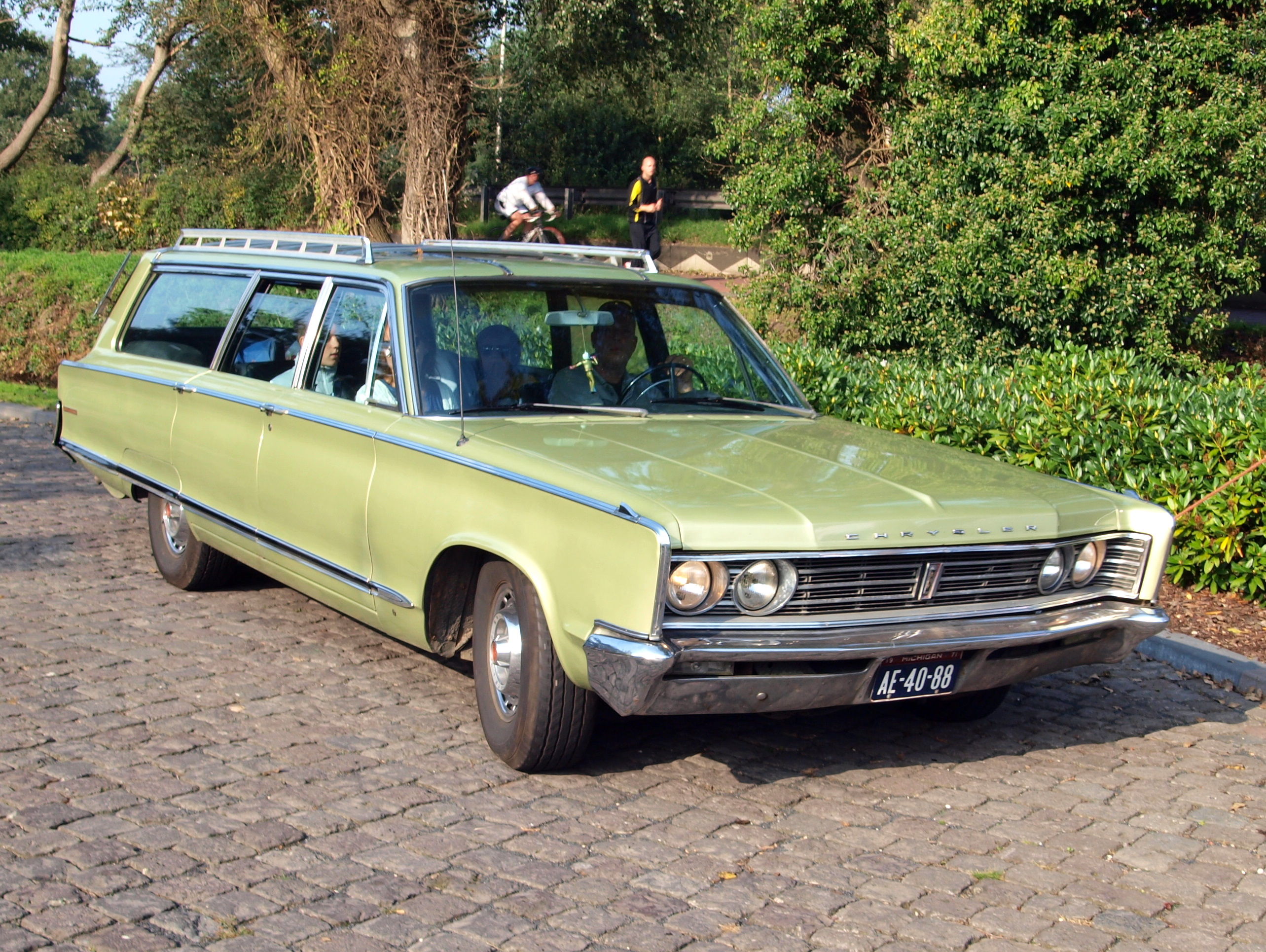
The Chrysler Town & Country is a family minivan that was made for many years, designed to be spacious and comfortable for families. It has lots of room for kids and their stuff, which is why it's often mentioned when talking about family cars.
Commercial motorsport is when racing becomes a business, making money from things like sponsorships and selling merchandise. It's different from just racing for fun or competition without trying to make money.
Car
Porsche
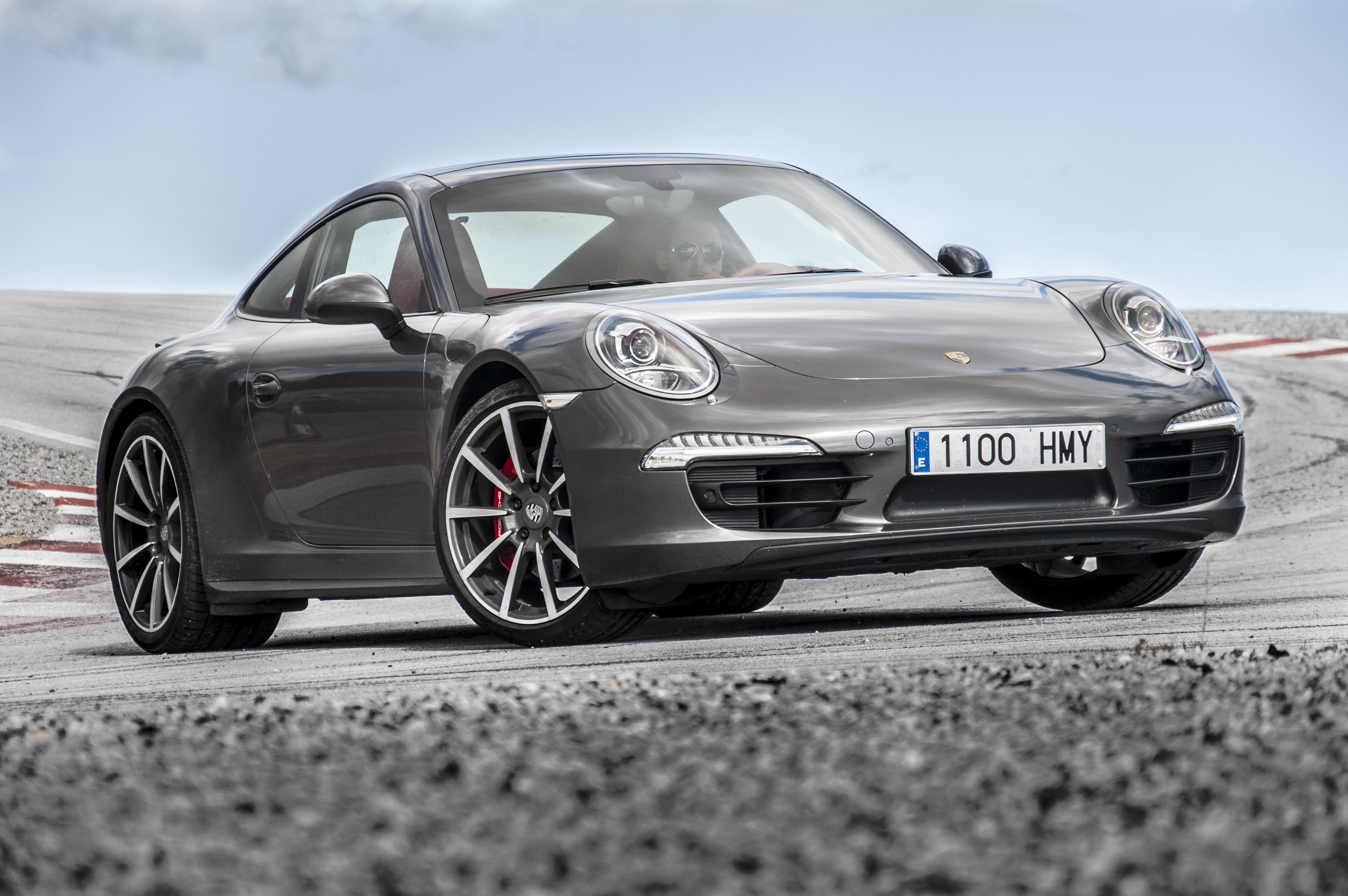
Porsche is a famous car brand from Germany that makes sports cars. They are well-known for their fast and stylish vehicles, like the 911.
Jack Brabham was a famous race car driver from Australia who won the Formula One world championship three times. He is well-known in the racing community for his achievements and contributions to the sport.
The Bathurst 100 is a famous car race in Australia that takes place on a difficult track. It's a big event for car racing fans and has been held for many years.
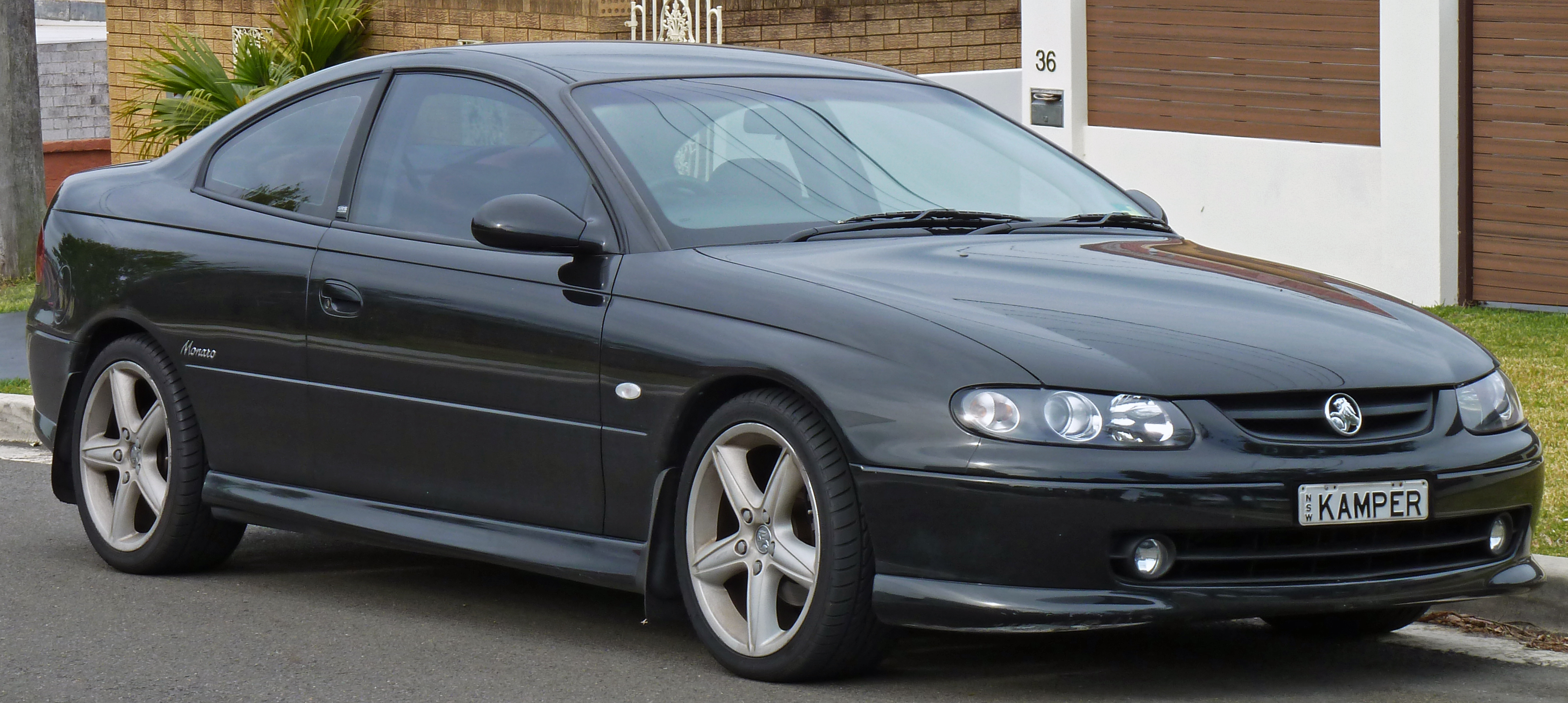
The Holden Monaro is a popular sports car from Australia, known for being fast and stylish. It's a favorite among car fans and has a rich history in racing.
Round Australia is a tough driving event where cars go around the whole country. It's known for being very challenging because of the rough roads and long distances.
Motor racing is a sport where cars compete against each other to see which one is the fastest. There are different types of motor racing, like racing on tracks or on regular roads.
Rally racing is a type of car racing that happens on regular roads instead of a racetrack. Drivers compete to see who can complete a course the fastest, often dealing with different types of surfaces like dirt or gravel.
Formula One is a top-level car racing series where specially designed cars race against each other on tracks. It's famous for its speed and the skill of the drivers.
The Monaco Grand Prix is a famous car race that takes place in the city of Monaco. It's known for being very difficult because the track is narrow and winding, and it's a big deal in the world of racing.
Joan Richmond was a woman who made significant contributions to car racing, a field that has mostly been male-dominated. She is recognized for her achievements and for paving the way for other women in racing.
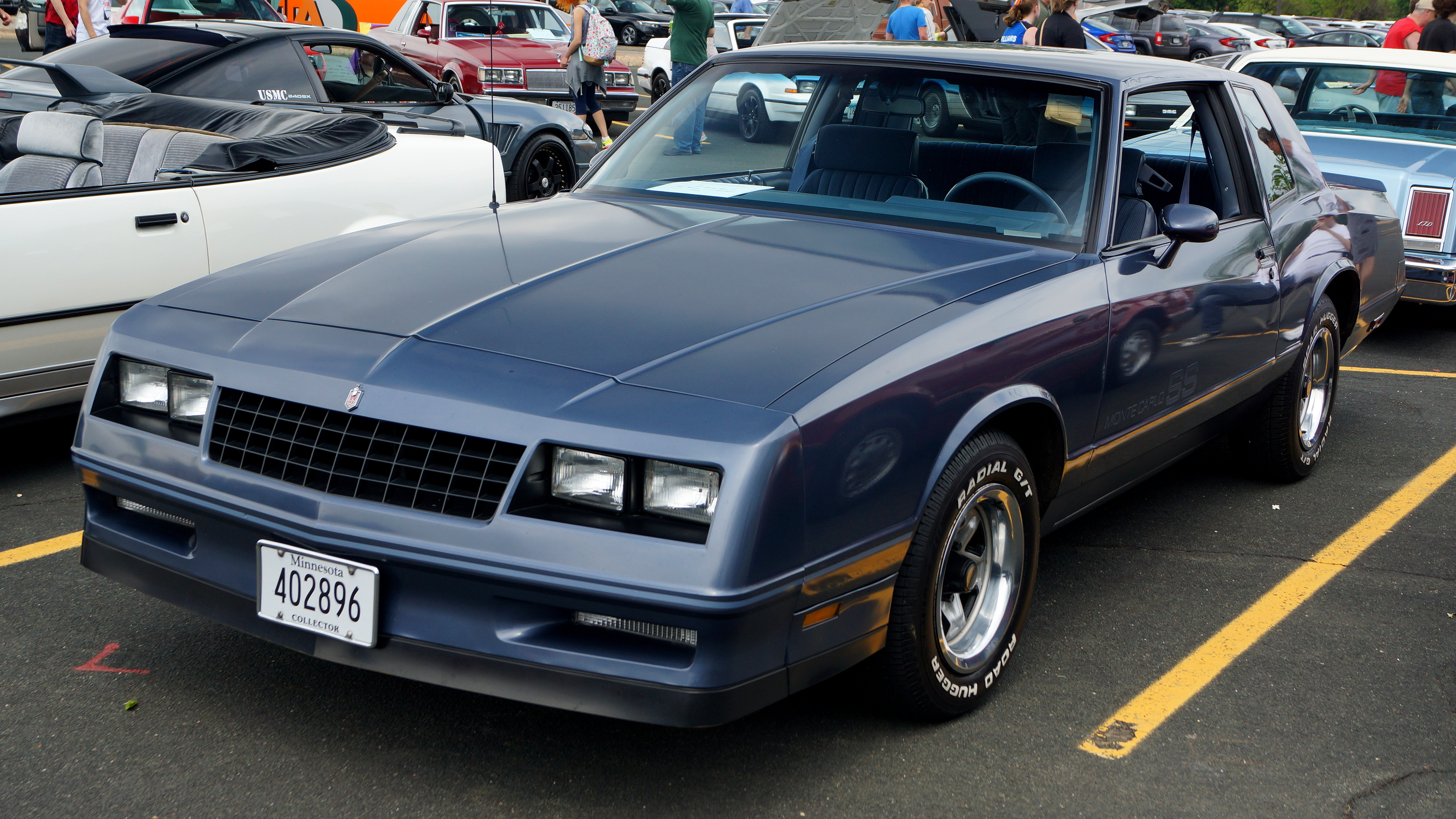
The Chevrolet Monte Carlo is a type of car that was made by Chevrolet for many years, known for being stylish and fun to drive. It was popular in racing, especially in events like the Monte Carlo Rally, which is why people often talk about it when discussing classic cars.
The Monte Carlo Rally is a famous car race held in Monaco. It's known for being very tough because of the tricky roads and weather, making it a big deal in the racing world.
The Brooklands 1000 was a famous car race that took place at a special racing track in England. It was known for being a tough competition with many skilled drivers.
The Silver Arrows were famous racing cars from Germany, especially Mercedes-Benz, known for their speed and silver color. They were very successful in races during the 1930s.
The Singapore Grand Prix is a famous car race that takes place in Singapore at night. It's special because the race is lit up with lights, making it different from most other races that happen during the day.
Nicky Lauda was a famous race car driver who won the Formula One championship three times. He is well-known for his incredible story of recovery after a serious accident.
James Hunt was a British race car driver who won the Formula One championship in 1976. He is known for his exciting racing style and his rivalry with another driver, Nicky Lauda.
LIVE
A Listener production.
I'm automotive commentator and journalist Greg Rust and this is Rusty's Garage.
I recorded the intros for this episode in Bathurst.
You may just in the distance at times hear of the touring car masters on the track.
On the way to the mountain in Sydney, I caught up with an old colleague who I've wanted to get on the pod for a while.
John Smales has done a lot in his life in both motor racing and automotive circles.
A broadcaster with a true love of being at the cold face chasing stories.
He's never lost that news sense thanks to his background in mainstream media covering everything from crime to politics and working for the big news outlets.
He is a gold standard, a benchmark for PR and communications and an author who's now chalked up 10 books.
If I know him there's more to come.
Smales or your JS as we call him did some racing too but he's probably best known for his work covering the sport.
Touring cars, Formula 1, some of the best bike races in Australian history as well as domestic and international rallying.
Another event that stands out is the famed London to Sydney.
He followed it through some treacherous places and reported on it at a time well before the internet and AI.
His CV includes stints at Channel 9, very memorably at the ABC with Will Hagen and a young Neil Crompton and he was part of the 10 Motorsport Era 2.
This convo has some wonderful memories of great drivers and riders, circuits that are now long gone.
There are funny recollections too including a run in with Kimmy Reichenan and being told to f off on live TV.
You'll be transported to those moments because JS is a great storyteller which leads me to his latest book,
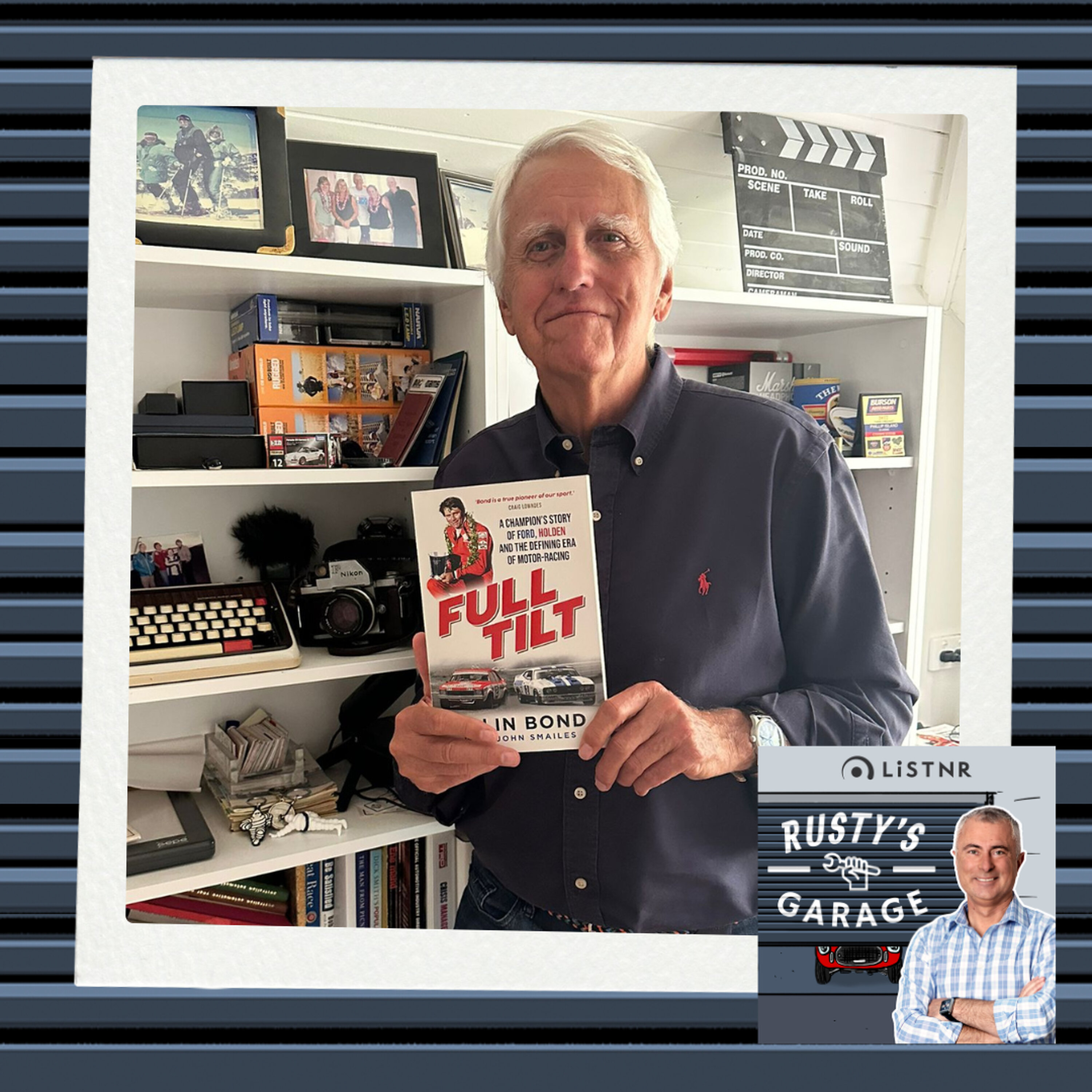
Full Tilt on Colin Bond.
It is fabulous.
Bondy drove for both Holden and Ford during a golden period in touring car racing and is one of the most diversely talented drivers that this country has ever produced
who was equally as strong in open wheelers and in rallying.
I'll put a link for the book if you're interested in the app description too.
Now, if you're like me, you're starting to wonder where Jon finds all the time for this.
He also chairs the Australian Motorsport Hall of Fame and that is something that he's incredibly passionate about
ensuring that we preserve and celebrate those who have made a significant mark and keeping that Hall of Fame, keeping the cachet around it.
Even now, my friend brings the kind of energy and enthusiasm for life and work that I wish I had half of.
It comes through in the conversation too.
Hope you enjoy it.
Hello, Jon Spiles.
Hello.
How are you?
I'm sensational, Greg Reds.
This is a well overdue chat.
We're doing it on the week of the great race at Bathurst.
So we'll talk a little bit about that but I want to canvas different aspects of your career.
Can I begin?
Am I right in saying you grew up maybe in a country town and where did you grow up and what was sort of early life like for you and so on?
Well, I grew up in a couple of country towns actually.
My dad was a General Motors dealer in Inverrell, which is seriously country, and then later he moved to Candon,
which of course these days is the suburb of Sydney, but at the time was rural as well.
And again, he was the General Manager of General Motors dealerships, so the background was always automotive.
Yeah, there is a little connection.
I don't know how much credit you give it if you like, but or strength you give it.
But there is a little connection to Maruba Speedway for you too, is there not?
My dad talks about, my late dad talked about Maruba Speedway quite fondly, so that was the first place he ever went to.
What was the connection there?
On third generation automotive, my grandfather, Charlie Woolgar, had a garage under one of the wool stores at Circular Key in Sydney,
Woolgar's garage, and you'd walk down this musty old staircase into this old basement area and there were a few gatties and bentleys there.
Not that they were very expensive at the time or even well revered, but Charlie used to look after those.
And by legend, he was also a tuner for cars that raced at Maruba.
I don't think he ever raced himself, but he passed on the love of good cars to my dad, and my dad and Charlie passed them on to me.
Regrettably, they were both sensational on the tools, and I was the failure of the family because anytime I touched a spanner, all I did was bark the knuckles,
which is why I started writing about it instead of doing it.
That's something we share in common. The writing stuff, I gather you were very good at English at school and things, were you?
I loved it. I was writing copy from the age of kind of eight, doing little news magazines and that sort of thing.
And by the age of 14, I was writing from a local newspaper, writing motorsport columns for the local newspaper.
In fact, Leo Gagan, gold star champion, very kindly allowed me to play hooking from school on Wednesdays so I could ghostwrite a column for him for the local press.
This is John Smales like 13, 14? How about that?
You bet. Yeah, yeah, I was having a good time. No one told me I couldn't do it.
So, but you had a hero at this point, David Mackay, didn't you?
So, I mean, he was a touring car champion, but he's also in this world, and you wrote to him at a very young age. Is that right?
Oh, I did. I used to hang out on Sunday mornings for the Sunday telegraph to come over the front fence so I could tear it open and read his behind the wheel column.
And I wrote to him and just told him I was a fan. And he sent me back a glossy photograph of himself autographed, and so I became a Mackay Acolyte from that point onwards.
And I was very fortunate that when I joined media as a cadetship, well actually as a copy boy on the Daily Telegraph, Mackay was the motoring writer there.
And he kind of adopted me to a degree.
Fantastic. What did you learn from him? I mean, firstly, he's a hero. I mean, you clearly enjoyed what he was doing both in a writing sense, but also perhaps in a driving sense.
What skills did he give you to ultimately where you ended up?
Ah, gee whiz. That's a difficult question. It's possibly what I learnt what not to do.
David was quite a controversial operator. He was one of the very first commercial people who turned motorsport into a commercial operation in Australia.
You know, at the time when Donald Kingsley Thompson, who was the original founder of Cams, was very much for the purity of the sport and keeping commercialism out of it.
David was of the opposite view. The commercialism should drive the sport.
And so his scooter in a Veloce was probably the first money earning team in Australia.
And David, I guess, kind of crossed the line because he was also writing pure journalism in a newspaper, which could be thought to be perhaps a little tainted by his commercial involvement.
So to that degree, I learnt where the line was.
That seemed like a good idea at the time. I was begging for merchandise. I thought it looked pretty good on the wall.
You got sent some things. They replied, didn't they?
Well, Ferry Porsche, son of Ferdinand, wrote me a personal letter back and sent me an original Porsche car badge from the bonnet of one of the original Porsches.
That's awesome.
Which I've lost, of course.
Yeah, but you've kept lots of other great things which will come to.
So you love it. You can enjoy and are good at writing about it.
Where does it take you in the first steps of beyond teenage years or early career?
So I mean, David's obviously, is he the first part of it? Is that the first step for you?
Or where do you?
No, I wanted to be a journalist.
Mainstream.
Yeah, mainstream.
Mainstream.
I was a qualified working journalist and I was very fortunate that I was taken on as a copy boy by the Daily Telegraph at age 16, 17, which led to a cadetship, which led to me doing, unusually at a very young age, page one stories.
I became the armed holdup king of the Daily Telegraph.
Did you, really?
I was on the day shift on the Daily Telegraph, where most armed holdups occurred at banks, and for a while there was a spate of them.
And it was almost formulaic.
I would go out, I would have a photography, we would take photographs of the scene, we would do diagrams, I would interview people.
And I was getting bylines at 18 years of age on page one of the Daily Telegraph.
Incredible.
Yeah, which was amazing.
We're talking, you know, not that we want to bring up age, JS, but well before AI, well before computers, so we're talking typewriters.
I've watched you and Billy Woods and a few others in action when you had this ability to churn stuff quickly, mate.
Did it come easily to you? Was it something that just sort of flowed? What was that like?
Oh, yeah, yeah.
I mean, you know, in the day you had a whole group of women on typewriters called copy takers.
And you would phone copy in from afar, on a pay phone usually.
Yes.
And you had to do it swiftly, and you had to do it with a degree of accuracy.
And after a while it was just second nature that you would just do, you know, stop writing your paragraph, 24 words per paragraph, active voice, and away you went.
You know, 10 hours later you told the story.
Tell it so that the lead told the story and then in descending order of importance after that.
You've never lost that newshound way about you, either have you.
I mean, I think, you know, even perhaps in the way you've shaped some books that you've done in later life, you know, the notion of what do people want to know at the top line of the story is a real trademark of yours in some ways, isn't it?
They say if it bleeds, it leads.
And that's pretty much what it's all about.
You've got to capture people's attention with the first paragraph or first chapter, and then work it from there.
Tricky is not to make it boring in the middle bit, but to always start with your best opening line.
Okay.
Bank robberies, were there any other, before we get back to motor racing and automotive, was there any other big yarns in that space?
Well, look, I was delighted to be used across the board.
I was, for a while, a police roundsman, then a court reporter, then a political reporter on New South Wales State Parliament, actually did a bit of federal work as well.
You know, so it was a great learning curve.
That's what the Telegraph is all about at the time.
It took its young blokes and really gave them a grounding in journalism.
The only thing I wouldn't do is sub-edit, because once you got stuck on the subs desk, you were there forever.
So if anyone ever said, on your CV, can you sub, the answer was always no.
Because that cold-faced stuff for you gives you even now a real buzz, doesn't it?
You just love getting out there, and I love you.
You just love getting out there and asking the questions.
That can be when you're in the scrum of some of those things.
I haven't done much in the way of political reporting, but I can vividly recall going once for 2GB to see the premiere about something.
We were in the scrum, and someone either accidentally or even deliberately yanked the mic cable out of the recorder.
And I absolutely shat myself, JS, because I thought I was going to go back to GB without the grabs from the premiere.
And I went to the PR person, I explained what went on, and they gave me one-on-one time with the premiere.
I was super lucky.
I would have probably been bloody fired.
Let's come back here.
There is a little thing around Sydney Royale.
I may be jumping too far ahead here, but we can bounce around.
Sydney Royale, a little bit of speedway, and you were covering it for AAP and the Daily Telegraph, too. Is this right?
Well, I was employed by the Daily Telegraph, and on Saturday nights I managed to get myself the gig as being the reporter for the Sydney Royale,
which in the day was covered by the Telegraph on Sunday, and there were three editions of the Sunday Telegraph,
so I had to update for each edition as the night wore on.
But I worked out that Australian Associated Press, which was the wire service, also needed a reporter, so I managed to double dip.
Fantastic!
And phone in, firstly to the Sunday Telegraph, and then secondly to AAP, and I end double the money for the same story, basically.
People probably, in a generational sense, may not realise how big it was back then.
I mean, Phil Christensen, you know, Godfather of Supercross and things like that, did a similar sort of thing, a sort of line of work,
and he talks about it covering back pages or significant pages in the sports section and so on.
Oh yeah, it was a big, big deal, and it was made more so by the brothers Raymond, Mike and Steve.
Steve, yeah.
Yeah, and they would stand in the middle, and they would do this incredible double effect on one microphone,
and they would walk around in circles, tying themselves up in a mic lead, and I would walk around with them,
listening to what they were saying, because they were writing my copy for me.
Perfect for you.
I mean, Mike's very sadly gone now.
Steve was great to me in a period where I was doing some news reading for radio.
One night I got out of a 10pm bulletin and the phone rang, and I thought, God, what have I marked up here?
This is someone complaining, and it was him to say, hey, mate, you're getting there, keep at it kind of thing,
and it was just a really nice little moment that I've cherished along the way.
Is there an early interview for you in your career here?
I mean, they talk about aspiring to talk to the greats one day, but very early on, I think,
is there an interview with Sir Jack somewhere that was in the first stages in some respects of your career?
Well, Jack Brabham was the first person I ever met in motorsport.
Crazy.
At 12 years of age.
Jack had come back to Australia having just won his second world championship in 1960,
and there I at least see through on a special meeting for him at the October meeting at Bathurst.
The Bathurst 100 had occurred at Easter time, but they got craven mild, I want to say,
one of the cigarette companies to stage another race, which was basically the Jack Brabham tribute race, in October.
And my dad took me to Bathurst at 12 years of age, my first ever motor race, and dad, being dad,
walked up to Jack and said, hey, Jack, how you going? Well done.
And I'm standing beside him.
Jack, I'd like you to meet my son, John.
So the first motor racing driver I ever met was Jack Brabham.
How good.
And that kind of changed my life.
Well, you would work with him in like a commentary sense, which we'll come to, and he went on to do some,
I mean, you know, three world championships and the final one with that, you know, in the car bearing his name.
Can I come to London to Sydney?
Because you've written a number of books.
I mean, we're into double figures there in terms of the amount of books that you've done in your life.
London to Sydney in the late 60s must have been a huge thing for you.
What was that experience like to take me there, how you covered it, what you did and so on?
That was life-changing.
Was it?
Yeah, the Daily Telegraph is one of the two sponsors.
The London Daily Express was the instigator of the marathon.
David McKay persuaded Sir Frank Packard, the owner of the Daily Telegraph,
that he should also become a co-sponsor from the Sydney end.
And for whatever reason, out of a newsroom of very, very ambitious people,
I was chosen to be the guy who travelled from London to Sydney covering the event the entire way.
And that caused some controversy within the paper,
because of course I was quite young and there were people much more senior.
How did this whippersnapper get there?
But keep in mind, 1968 Rusty, a trip was a trip these days, people hop on planes every day.
But in those days, to be told you're going to London was one thing.
To be told that you were going to be working on Fleet Street for a couple of weeks was another thing.
And then to be told that you were going to travel across three continents back to Australia
covering this amazing event was just extraordinary.
And I got the gig.
So good.
So that changed my life in so many ways.
The book that you wrote on, which I think is one of the first books you did,
has become a bit of a collector's edition too, hasn't it?
Called The Bright Eyes of Danger, David McKay and I wrote it,
partially on the SS Chew Sand, transiting from a Bombay to Fremantle,
halfway through the marathon.
So David was very keen to get it up and sold and make us both a fortune.
And it was called The Bright Eyes of Danger from a poem which guided David's life.
Can I quote?
Of course you can.
The untented cosmos, my abode, I pass a willful stranger,
my mistress still the open road and the bright eyes of danger.
I love that.
I love that.
And I love the fact that it's etched in your memory.
Just quickly take people to a couple of places.
I mean, here's a young man getting the opportunity of a lifetime.
You're going to places I would have met.
I mean, a site of destinations like London and whatever else.
What about some other remote aspects that you did along the way?
Well, let's say the Latter Band Pass which leads to the Kiva Pass of all places.
And bandits are everywhere.
And I drove in in a taxi for goodness' sake because we were getting around as best we could.
And I drove in in a taxi in the pre-dawn to get to the end of the special stage
which would determine effectively the outcome of the Asian end of the marathon
with two armed guards on the bonnet to ward off bandits in the pre-dawn.
And we got to the other end.
And then here we are with the dawn breaking and you look up into the craggy cliffs above
and there are curds and tribesmen sitting there, all of them armed,
just sitting silently looking down on you as the cars come clattering through
on this huge shale surface, throwing rocks everywhere.
And to me, that just sits in the mind as what the marathon was all about.
A photograph I took of the Holden Manara, as David's Holden Manara coming through,
was on the front page of the book, was on the cover of the book.
And it's just an absorbing memory of what occurred.
The event itself, and then even closer to home here, things like Round Australia and so on,
they captivated people's attention, just the grueling nature of the distance,
the tyranny of all the challenges you've just described, for example,
in some of the countryside and places you went to.
People think these days that motor racing, circuit racing, is the epitome.
Back in the 50s and 60s, it was rally that really was the proof of purpose of motor cars.
It was what the car companies really, really wanted to promote.
So the Red X trial of 1953, which opened the outback of Australia, there were no roads.
That's why Jelignite Jack Murray carried Jelignite to open the roads.
As it turns out, he also blew up Country Dunnies, but that sort of event
really captured the imagination of the public and, in fact, sold motor cars.
You've kept records along the way, which I think has helped you in a book sense.
Can I bounce around a couple of interviews here that you've kept?
Frank Gardner is gone now, obviously.
There's a story around him going wheel-to-wheel with Jimmy Clark
and having a bit of a moment of realisation that if he was to be one of the greats
or to be a world champion in Formula One, maybe he needed just a fraction more
in that space relative to Jimmy Clark.
Have I got that story right?
Yeah, that's right.
I spent a bit of time with Frank when he returned to Australia.
In fact, he taught me how to drive.
Did he?
I didn't set out to learn to drive from Frank Gardner.
I already had a driver's licence.
But any time you drove with Frank, beads of sweat would appear on your brow
because you knew you were being assessed every moment of the drive
by a bloke you reckoned that 75% of the driving occurred with the feet,
not with the steering wheel.
And he would mark you down and give you gruff commentary on what you could do.
So I got to know Frank pretty well.
And yes, he knew from a fairly early day in Formula Three
that he was maybe a tenth or maybe even a hundredth of a second,
just enough of it, and he was enough of a realist and a pragmatist
to understand where his limitations ultimately lay,
or rather, where blokes like Clark's ability lay above his.
And that coloured Frank's judgement on what he could do.
It didn't mean that he didn't have amazing self-belief,
and it didn't mean when he returned to Australia
that he couldn't build the world's best sports sedans
and run the world's best BMW team.
Frank believed very strongly in himself,
but he also knew where his limitations lay.
Yeah, amazing.
I mean, not to say at all when we're retelling that story,
that he wasn't talented at all,
but I love the fact that he could process that and say,
you know, maybe in this domain,
maybe I'm better off somewhere else, so to speak.
But keep in mind, this was in the days before telemetry.
This was a guy working out from the seat of his pants
what his abilities were and what his limitations were.
We have quite a few listeners to the pod
that are across the ditch in New Zealand, obviously.
You've sat with Chris Amon, for example,
at Manfield Circuit, Chris Amon, as it's now known.
He was highly rated by Enzo Ferrari.
Was he not?
Enzo Ferrari regarded him as being the best in the world,
but also the unluckiest in the world.
And when Chris made the determination that he would retire,
Enzo wrote him a note saying,
you're making a huge mistake,
one day your family will know that,
what was the word,
that you could have been the greatest
and you blew the opportunity.
He wrote it in a kind way,
but still Chris disappointed Ferrari.
But then again, what Ferrari did to Chris
was almost unconscionable.
Was it?
Oh, yeah.
In terms of elevating him at a very young age
to a position where it was really a no-win situation.
I mean, the story of Chris starting in the Monaco Grand Prix in 19,
I want to say 64.
Am I right?
Yeah, you could be right.
When Bandini was incinerated.
And Chris in that moment was elevated to being
the number one Ferrari driver in the team.
Possibly a year before he could have gotten there
by natural ability.
So Enzo kind of used him up.
Thrust him, you know.
If you remember, the wonderful Enzo line from that,
which is a horrible line.
When Enzo was phoned back at Maranilla
and told that Bandini had been killed
and his first reaction was,
and the machine, how was the car?
Far out.
In writing some of the, I mean,
one of the Formula One books that you've done
celebrates Aussies and Kiwis that have made it
at different levels into Formula One
and not just drivers for that matter either.
But you learned a story that really,
I wouldn't say captivated you,
but maybe surprised you,
because you know so much about motor racing generally.
And that was around Joan Richmond, wasn't it?
Oh, I'm a Mad Queen fan of Joan.
If I've been born in a different era.
Your wife Jean is here, so let's behave.
Joan shattered the glass ceiling.
She was fifth in the 1931 Australian Grand Prix
at Phillip Island.
She then drove overland to England
in a Singer 9 at a time, Singer 9?
Singer, which was only three years after
the very first drive in the opposite direction
had occurred by Francis Bertels.
Joan then competed in several Monte Carlo rallies
and then she and LCE, LCE,
I wanted to say GAD, but I'm wrong,
won the Brooklands 1000
against the best drivers in the world.
On handicap, but they nonetheless still won.
And then she went on to become the liaison
between the British Racing Drivers Club
and the Silver Arrows team,
which was Adolf Hitler's PR team
when they came and raced at Donnington.
And she was the only person
who could come to terms with Alfred Newbayer
and make all of this thing happen.
And when she returned to Australia after the war,
no one recognized her.
She entered the Bathurst post-war event in 1946
but didn't turn up because no one was really interested.
And she went on for the second half of her life,
almost 50 years, as a recluse in Melbourne and Victoria,
which is now such a pity.
And I'm so pleased through the Australian Motorsport Hall of Fame.
We've actually inducted her
in the Australian Motorsport Hall of Fame
and she's recognized by the National Museum in Canberra
and many of her trophies are on display
in the National Museum.
It's a great accolade.
John first worked with Neil Crompton
in the early part of Crompo's broadcast career.
The Hall of Famer is part of the fabric of the sport
and had some quiet conversations with Tony Cochran
that helped kick-start supercars as we know it today.
It should have been anodized...
I don't know, I'm grappling here,
whether they should have been anodized pink or green or blue.
Who cares? Who gives us stuff?
It's got nothing to do with anything
or some other obscure thing
that only the industry cares about.
It can't always be for mechanics and engineers,
particularly if it ignores the customer along the way.
So there was a lot of that kind of...
I'm trying to choose my words carefully, naval gazing.
And I said this to Tony,
and he was involved in much bigger,
broader entertainment projects in those days
that we needed someone like him
who saw it for its show business value
and then let the engineers, the drivers and the mechanics
and everybody ply their trade after it.
But first and foremost, get the show right.
You can search for the Neil Crompton and Tony Cochran episodes
in the Rusty's Garage Library.
Back to J.S. as Rusty calls him now.
We've mentioned, I think, the likes of Oren Park or Amaru,
perhaps even already tracks that are gone.
What about a memory of Warwick Farm for people?
And you have one that is basically its inception
or its opening, don't you?
Well, you spoke earlier of me writing to people.
I wrote to Geoffrey P. Sykes,
who was brought out from England, from the Aintree circuit,
to form Warwick Farm around the horse racing track,
which was owned by the Australian Jockey Club.
And Geoff took my letter quite seriously
and turned up at my home to interview me
on his way to drive to Melbourne for a race meeting.
And he became, I wouldn't say a friend,
but certainly a nodding acquaintance of my parents,
which led me to becoming, as a young teenager,
the very first assistant to the secretary of the meeting
at Warwick Farm, which meant that I was effectively a gopher.
Geoff would sit in his office.
He would never go out and talk to people.
They would come to him, because that was the British way.
And he would say,
John, would you go and get Jim Clark for me, please?
I would walk up to Jim Clark and say,
excuse me, Mr. Clark, Mr. Sykes wonders if it would be possible
if you could join him in his meeting,
in his office for a meeting,
in maybe 10 minutes if that's suitable to you?
And so that was my introduction to motorsport at that level.
The other two guys who went on to become assistants
to the secretary were Peter Collins,
who became managing director of Lotus Formula One,
and Peter Winsor, who, of course, is a legend
in Formula One commentary.
Yeah, we worked with at Network 10 and so on.
So, I mean, just a recollection of the track proper.
I mean, it's a horse racing facility out there now,
but I mean, it was from a touring car
and even some of the things that you've just talked about.
It was a pretty special place.
Well, sensational.
The Australian Jockey Club decided,
because they were the premier horse racing facility
in Australia with Royal Ranwich,
and they also had this subsidiary race track
at Warwick Farm,
and a guy called Sam Horton of Horton retail stores
determined that they could build basically
what Aintree had in Great Britain,
which was a similar thing.
And they hired Jeff Sykes,
who was a deputy clerk of the course at Aintree,
to come out and put it all together.
And Jeff actually drew the circuit on a napkin
at a restaurant one night,
and it became pretty much that circuit.
Tragically, Sam Horton,
who backed this against major opposition
from many of the stalwarts of the AJC,
was killed before the opening meeting,
driving out in a taxi out of the gates of Warwick Farm,
and he was taken out by a private car.
So Sam Horton never lived to see the fruits of his labour.
And of course, without him,
the guys who opposed it continued to hack away,
so Jeff was always fighting a rear-guard action,
no matter the fact that he had the world's best...
Well, a world-class circuit in Australia,
attracting world-class drivers.
Within 13 years, Warwick Farm was dead.
Crazy.
Can we come to surface paradise?
Well, firstly, did they, back in the day,
a lot of them used to hang at a hotel,
was it the Pink Poodle or something, or was that home?
Oh, rusty, rusty, rusty.
I don't know the name of it, is that true?
It was the Pink Poodle hotel where the races roost,
and it had coin-operated vibrating beds.
Peter Malloy used to take a heap of 20-cent pieces with him
so that he could keep Wayne Gardner under control
by having him permanently vibrated.
Oh, that's terrific.
I'm picturing some...
Anyway...
But there was a race meeting,
the 1976 last round of the Tasman series,
which was rained out and the circuit was covered.
So there was the infamous party at the Pink Poodle,
the pool party at the Pink Poodle,
where, how do I put this politely?
Clothes were optional.
Max Stewart has seen a Mr Whippy van driving by
and thought that it needed to be in closer proximity to the pool,
and was that close, that close to driving it into the deep end,
when Vern Schupin shoved him aside and put on the brakes?
Oh, great old days, great old days.
We haven't even talked about the surface as a venue.
As I've come to see you here today,
I've been in recent days and worked at the Singapore Grand Prix,
and in wandering the paddock,
I had this beautiful moment, J.S.,
where I spoke with Sir Jackie Stewart and Martin Brundle,
and we didn't talk a thing about the Singapore meeting.
We started recollecting different things,
and Sir Jackie brought up Longford and the Longford pub,
and that he's since been to the Longford pub
and signed a photo in there,
and that really made Martin spark up,
and he wanted to know a bit more about it,
and what this place was like, and so on.
There's another, I mean, it's Public Road now,
and it always was,
but I mean, that looked like a fearsome special place.
It was a little before my time.
Was it?
Well, it was out of my price range.
Okay.
It occurred while I was still growing up,
and I couldn't afford to travel,
so I never got to Longford for the race meeting,
but like Sir Jackie, I've been to the pub,
and I've seen the cars in the window
and seen the signatures on the wall,
and I know the stories.
I know the terrible story of Lex Davison being killed
at Sand Down the week before,
and his young protege Rocky Trecise
begging Diana Davison to let him race
in tribute to Lex the next weekend at Longford,
and crashing and killing himself,
so both members of Curie Australia
dead in effectively two weeks,
or two Sundays in succession,
and taking out the photographer Peter Dabs at the same time,
and the stories of Timmy Mayer being killed there as well,
coming down the main straight,
coming towards the pub,
where there's still to this day
a small plaque up recognising Timmy at the circuit,
which kind of got into Bruce McLaren's head
because Bruce was the team leader of the Coopers
that Tim was driving at the time.
So there are some tragic stories there,
which is why I think ultimately Longford had to go there.
It's become a place of tradition for many of us now.
When we go to Simmons Plains,
we always make a point of going to the Longford pub.
Can I come to broadcasting?
We've talked a bit about the journalism side.
You get a chance at Channel 9.
You need to join some dots for me here.
Firstly, I think there's a discussion with Sir Frank Packer.
So people would know James Packer now,
and Kerry was fearsome in his role.
But in the lineage, it's actually Sir Frank, isn't it?
Did you meet with him?
Were you perhaps wanting to go and cover the Vietnam War?
What happened there?
As a cadet, they really looked after you.
You were part of the family.
And occasionally, very occasionally,
Sir Frank would call you to his office
with his editor-in-chief, David McNichol.
Just to find out how you were going,
just to discover what you were doing.
I mean, sometimes you'd walk in there,
and the first words would be,
Get your hair cut!
Sir Frank was old school.
And after the London to Sydney Marathon,
there's a reward.
They said, What did I want to do next?
And I said, I'd love to have a crack at television.
He owned, curiously, a television station called Channel 9.
And so they transferred me to Channel 9,
which is how I got my start in television.
But there is a link here.
I don't know what order this unfolded.
But was it around like a forerunner to a current affair,
or what were you working on there?
Well, I was a general reporter,
and doing some stuff that I really enjoyed.
I just loved the whole process
of being able to write to vision,
and to be able to encapsulate in 90 seconds or less
an entire story.
Again, I was doing bank robberies.
But in those days, we were working in film.
So it really taught you discipline,
because unlike tape, which is infinite,
every foot of film cost money.
And so you had to be very economic
in terms of how many feet of film.
You would have a 400-foot roll of film in the camera.
And if you didn't come back with 200 feet to spare,
then you would deem to have spent too much of Sir Frank's money.
So I really enjoyed the process of doing news,
which led me to doing very early current affairs work.
I was made the producer of a program called the Project Series,
which was initiated by a guy called Robert Raymond.
I was the last producer, so I was the guy who killed it.
No, you weren't killed.
But it was evolving, and so the Project Series was going,
and Mike Willisley was coming along with things like a current affair,
which was the next phase of long-body news journalism on television.
So I got to do that, and I also got to work with Ron Casey
on World of Sport, which was the precursor to Wide World of Sport.
Ron, for people that don't know,
he went toe-to-toe with Normie Rowe on...
Kerry and Kelly.
Kerry and Kelly show.
I spent a little bit of time with him at 2GB.
So tell me a little bit about that.
It was called World of Sport or World of Sports, wasn't it?
It was called World of Sport, and it was live to air every Sunday.
And it was steam television.
It was make-up you'd go.
There'd be a Palaco shirt under the counter,
and you would always give a guest on the show a Palaco shirt
or a pair of workman boots or something of that nature.
And then as they got up to leave, you'd take them back from them
and put them back under a counter and hand them to the next person who was the guest.
No one ever got a gift, but they were commercial involvements.
And I was hired by Ron to represent Pucker Motorsport Circuit Racing.
And Mike Raymond was there to promote Speedway
because he was the promoter of Speedway.
So naturally, he came to a commercial arrangement with Ron
whereby Mike would represent Liverpool Speedway.
Gotcha.
So you two are kind of jousting about which is better or something, are you?
Yeah, and Mike would, you know, I was the kicking boy.
You know, Mike would always find a way of giving me a hard time,
and I was never smart enough to get back at him, occasionally I did.
And it was great.
You'd go in there and you didn't know what was going to happen to you next.
It was really make-up as you go to television.
It was great fun.
And Casey encouraged you, I don't know what the track was,
you can fill that aspect of it in.
You're basically on the grid, Brock Moffat,
maybe 60 seconds to go before race start or something or other,
and the grid's being cleared.
You're encouraged to stick the microphone through the window, respectively, aren't you?
What happens here?
We were doing Orrin Park,
and Channel 1 had the gig to do a series of Orrin Park races,
and Casey took on the role of producer,
so he was in McCann's in my ear,
and I was the boy reporter on the grid.
And I'm about to do grid interviews prior to the start of the race.
There were no warm-up laps in those days, we were straight into it.
And Casey, I was about to walk in and do it with about two minutes to go,
and Casey said, no, no, hold back, hold back.
Until they put up the one-minute board, I want to get immediacy in this.
Casey, I'm supposed to clear the grid at one minute.
I'm supposed to be out of here.
He said, no, they'll do it for me because I'm doing television and they'll work to me.
And I've gone, right, I run, you're the boss because I can see myself losing my job the next day.
And at one minute to go, he said, now walk in on Brock and say,
who's going to be first into the first corner?
A really incisive question, you know?
So I walk up to Brock and I, you know, because now I'm simply the oracle,
I'm no longer thinking for myself all I am is channeling Casey.
So I walk up to Brock and I say, Brock, who's going to be the first into the first corner?
And he looks at me, and he says, and he's very polite,
and he looks at me and he goes, but it's one minute to go.
Oh, I will be.
And I think, thanks, Peter, good luck.
And Casey then comes on, in his 30 seconds to go,
and Casey comes on and says, now go and ask Moffat.
Casey, there's 30 seconds to go.
There's people trying to get me off the grid.
There's people rushing around and behind me, I can see all this flurry.
And I walk up to Moffat and I say, Moffat, who's going to be the first into the first corner?
And Moffat just looks up at me with that Moffat look on his face
and goes, F off, straight into the microphone.
Casey never did that again because he had to answer to the Broadcaster Control Board
the next day for the live to air comment.
Oh, I'll bet.
I mean, now motorsport Australia, we've been in a world of trouble doing something like that,
but if you're not clear in the grid in time.
Can I come to people who've seen the movie Rush,
maybe if they don't know Formula One history super closely,
we'll remember from that Ron Howard movie, the kind of pinnacle race
where Nicky Lauder and James Hunter battling for the world championship.
But what is illustrated in that is that Formula One was starting to become box office,
that there was all these interest from Broadcasters globally
in this title fight between these two and so on.
And am I right in saying it became a part of the first kind of real coverage in Australia?
You're a part of it.
Maybe Kevin Bartlett is a part of it.
Casey might have been there and Jack Brabham.
Is that true?
Yeah.
My understanding is it was the first internationally broadcast Formula One race live.
Amazing.
Which was incredible.
And Channel 9 came to an arrangement to take it live on a Sunday afternoon
because the time difference between Japan and Australia was pretty advantageous.
So we all gathered in Channel 9 studio, Jack, Sir Jack, Casey, KB and I,
sitting around the desk.
We were to intro and outro the race.
A footnote here.
Massive rain and storms and all sorts, aren't there?
And there was the problem.
Up come the live pictures and all we're getting is white-out from Mount Fuji.
And nothing was happening.
There was no movement at the station whatsoever.
And we're stuck there and we've gone live to air with an audience somewhere out there
and we're talking to each other.
These were very early days of television.
No one had given any thought to what happens if it doesn't happen.
Well, I can't say no standby material.
There was no standby material whatsoever.
And so we're talking to each other and we're trying to fill and we're trying to fill and we're trying to fill
and we're just hoping that sooner or later the race will start two hours later.
They've rushed up to tapes or actually the film library as well
and they pulled anything they can of motor racing that they've got in stock, which isn't much.
And so, unfortunately, one of the pieces of vision they found was the Roger Williamson death,
the fiery death from Zanford three years before.
And we must have replayed that five or six times in the two hours
talking about motor racing safety and what have you.
But when we weren't doing that, the camera was just sort of sitting on Jack.
And you know Jack, he'd only use two words if one wouldn't do.
And I'm trying to interview Jack and Kaveri is fresh to the television area
so he doesn't really understand what to do and Casey's just given up.
It's on you, it's on you.
And two hours later, I knew Jack Bravham's history down to what was his grandfather's grandfather's name.
And then finally we went to air with the race.
But then, of course, we'd run out of time anyway.
So they held the race for a while and then cut to the news.
End of story.
Unbelievable.
That's the end of part one of my chat with broadcaster,
journal, author and gun publicist, John Smiles.
The good news is we are not done yet.
When you're ready, there's a second instalment all set to go in our library
from a star-struck Colin McCray wanting to meet Barry Sheen,
putting a deal together for Murray Walker to co-drive Target Tasmania.
The moment he planted a seed with Lee Diffie at Le Mans
and the brand new book called Full Tilt on Colin Bond.
All that and more here on Rusty's Garage.
About this episode
John Smailes shares his fascinating journey through the world of motorsport journalism and broadcasting, detailing his early life in automotive circles and his rise to prominence. From covering bank robberies to reporting on the iconic London to Sydney marathon, Smailes recounts memorable stories, including encounters with legendary drivers like Jack Brabham and Kimmy Raikkonen. His passion for motorsport shines through as he discusses his latest book on Colin Bond and reflects on the evolution of motorsport media in Australia, making for an engaging and nostalgic conversation.
He wrote to Ferry Porsche in his teens and got a reply! Then his hero, the 1960 Australian Touring Car Champion David McKay, would help start his long career in the media.
Many listener’s will remember John Smailes from his time on the ABC commentating with Will Hagon and a young Neil Crompton. It became one of the first soundtracks of Aussie Motorsport.
JS also worked for the Packer’s and the forerunner to Wide World of Sports where an ‘F bomb’, dropped by a legendary racer, once made it to air.
Covering crime and politics in his early years and why he’s never lost that news sense.
Traveling through some treacherous destinations covering the London to Sydney and the book on it which became a collectors item.
Plus memorable interviews he did with Frank Gardner and why Enzo Ferrari thought Kiwi Chris Amon could have been a great!
You’ll be gripped by this conversation. Ripper motor racing stories told by a good story teller.
Head to Rusty's Facebook, Twitter or Instagram and give us your feedback and let us know who you want to hear from on Rusty's Garage