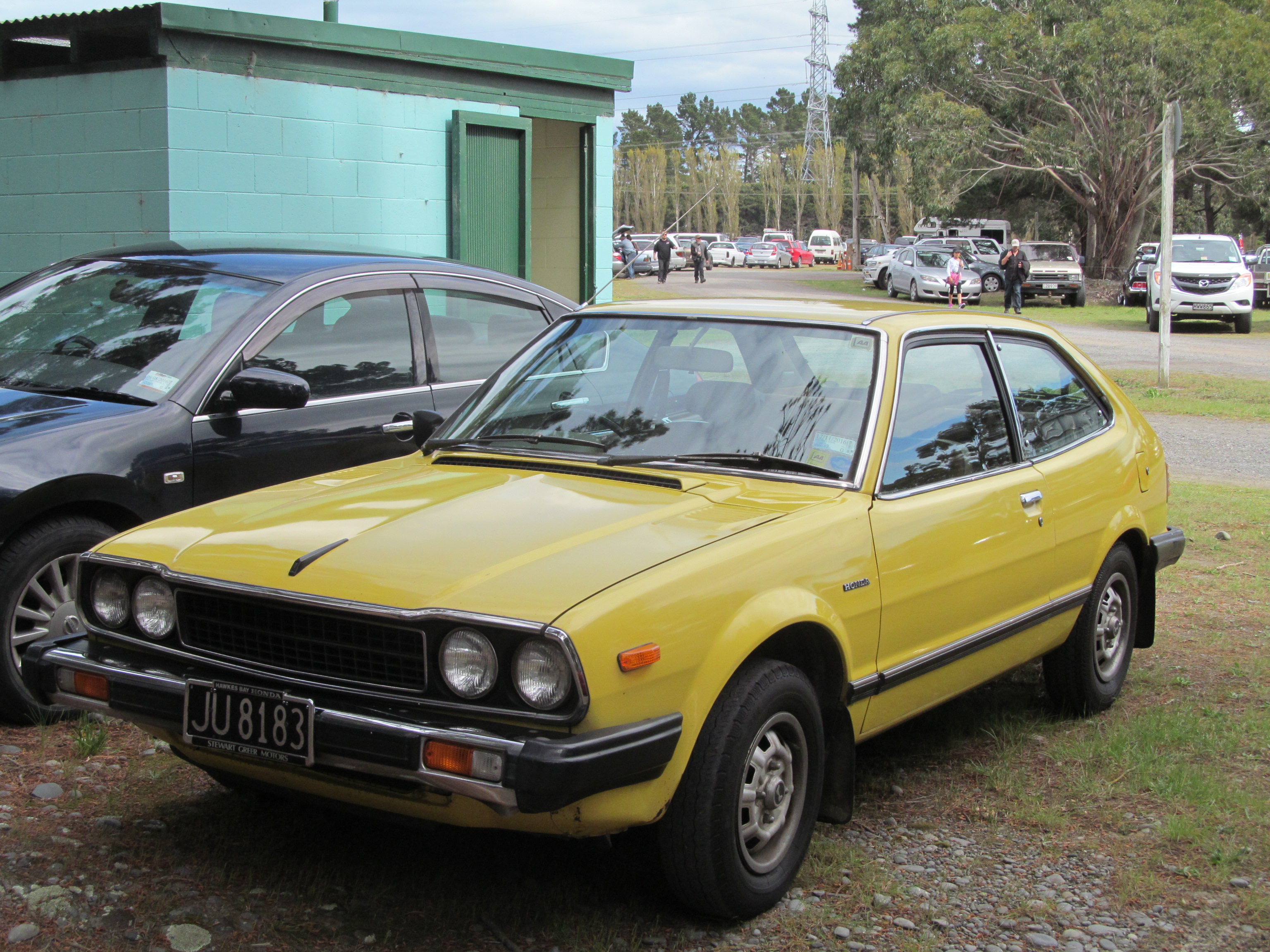
The Honda Accord is a popular car in the middle-size sedan category. In this update, Honda is changing the look, adding a bigger screen, and possibly tweaking how the hybrid feels when you drive it.
A mid-cycle refresh is like a “middle-of-the-generation” update. The car gets changes—often styling and technology—so it stays current until the next full redesign.
This is a hybrid driving mode that tries to feel more like a manual transmission. It’s designed to give you more of the “gear shifting” sensation even though it’s still an automatic hybrid system.
The Honda Passport is a midsize SUV. This update is aimed at making it tougher for rough roads, including more ground clearance and suspension changes on the off-road oriented trim.
“Off-road trail sport” is a version of the model with extra gear and setup meant for dirt roads and trails. Here, the host links it to higher clearance and suspension changes.
Right to repair laws are about letting car owners and independent mechanics fix cars without being blocked by the manufacturer. The goal is easier access to the tools and information needed for repairs.
Bi-directional charging means the EV can not only take electricity in, but also send electricity back out. That could let the truck power your home or even help the electric grid, depending on the setup.
They’re talking about why electric pickup trucks didn’t catch on the way people expected. The guest points to buyer behavior and expectations that didn’t line up with reality.
The Tesla Cybertruck is Tesla’s electric pickup. It was supposed to be a huge hit, but the host is saying it didn’t deliver the results people expected.
The Ford F-150 Lightning is Ford’s electric pickup truck. It’s important because it’s based on the same model people already buy for everyday use, work, and hauling—so it was a big test of whether EVs could fit normal truck life.
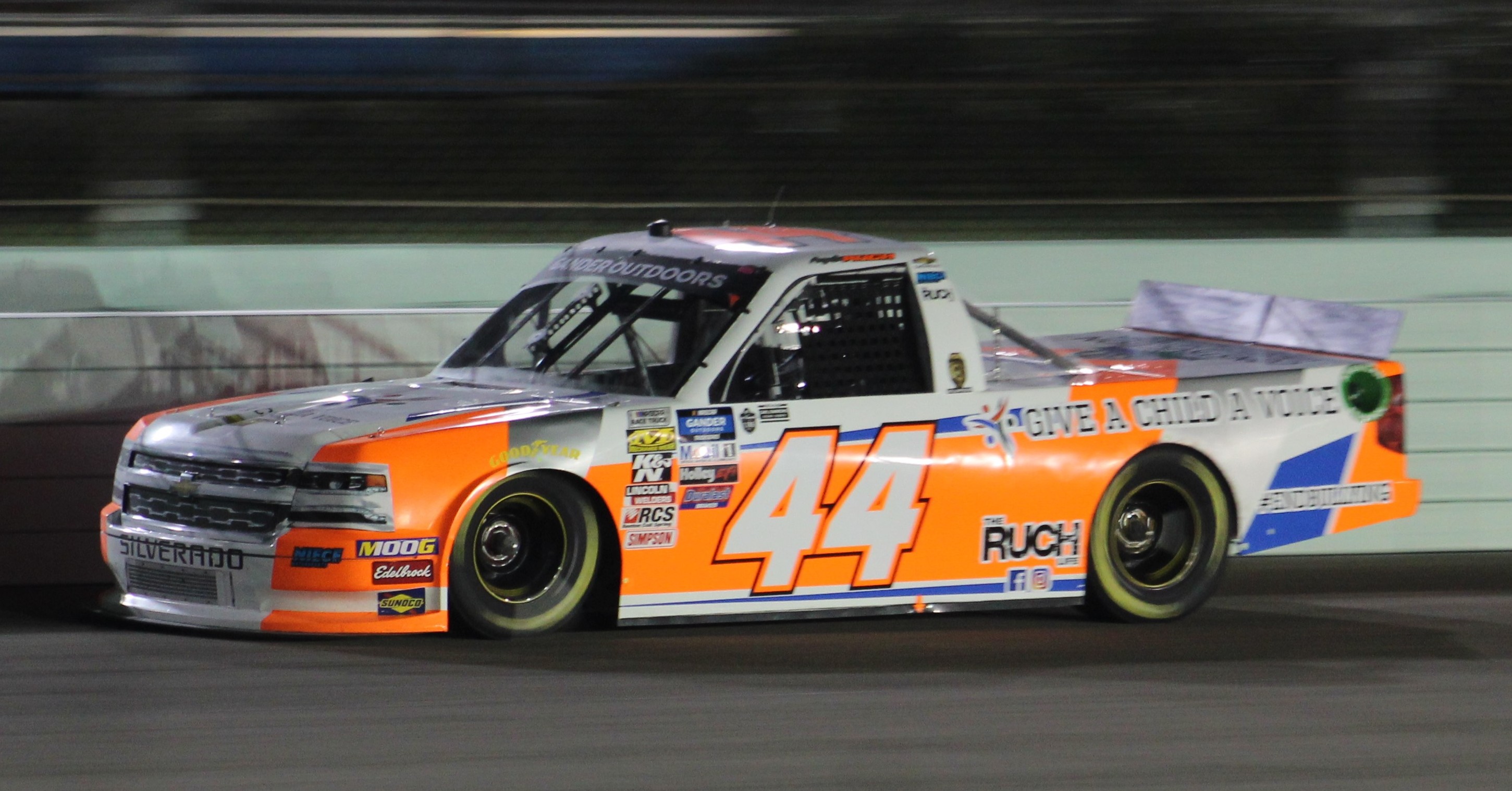
The Chevy Silverado EV is GM’s electric version of the Silverado pickup. It’s a direct attempt to make an EV that still feels like a real truck people use for hauling and work.
The Rivian R1S is an electric SUV, meaning it uses a battery and an electric motor instead of gasoline. It’s made for people who want an SUV for everyday use, but powered by electricity. It’s mentioned because it’s one of Rivian’s main electric SUV options.
The Rivian R1-T is an electric pickup truck. In this episode, it’s mentioned to compare pickup EVs versus SUV EVs and why the pickup hasn’t sold as strongly.
The Chevrolet Suburban is a big SUV meant for families and hauling people comfortably. It’s known for having lots of room and being good for everyday driving and longer trips. It comes up in comparisons because it represents the kind of vehicle many buyers already rely on.
Psychographics are a marketing way of describing a buyer’s personality traits, interests, and lifestyle—beyond just demographics like age or income. Here, the host argues legacy automaker EV pickups sold poorly because the typical pickup buyer’s mindset didn’t align with EV early-adopter culture.
Early adopters are the people who are willing to try something new first. The host is saying many traditional pickup buyers aren’t those kinds of people when it comes to EVs.
A “range issue” means people worry an EV won’t drive far enough before needing a charge. The host says that worry mattered a lot for truck buyers who want to do long trips without stopping.
EVs need time to recharge, and the host is talking about how long that can take. If the truck has to be working constantly, a charging stop can be a problem.
The Ford Maverick is a smaller pickup truck compared to the big, macho full-size trucks. The point here is that smaller trucks attract a different kind of customer than the big trucks and EV trucks.
Electric vehicle architecture refers to the overall design approach for an EV—how the battery, motors, power electronics, and charging strategy are integrated. The host argues that EV architecture can work well for businesses with predictable routes and regular returns to a base for charging.
The Chevrolet Silverado is a big, common pickup truck that many fleets use for work. In this story, Caltrans already had Silverados and then started buying electric trucks instead.
Fleet management means how companies or agencies run lots of vehicles day-to-day. The host’s point is that EVs add extra complexity, like charging planning and learning new repair routines.
LIVE
Welcome to Daily Drive for Monday, June 8th, 2026.
I'm Kellan Walker in Las Vegas.
Today on the show, Honda is refreshing two of its best known models.
And one of them is getting a lot more rugged.
Auto executives were in the room with President Trump last week for a conversation about right
to repair.
And the sales numbers look fine.
The economic indicators do not.
So which one should we trust?
Plus, the F-150 Lightning was supposed to be the iPhone moment for electric trucks.
Charge Nomics CEO Lauren McDonald says he got that wrong.
And he's here to explain why.
The fact that it was more efficient and had great acceleration and helped save the planet
and all those other things were completely irrelevant to that group.
Let's run through all the news you need to know to keep up in the auto industry.
Honda is giving two of its core mid-sized models a significant upgrade.
The Accord is getting a mid-cycle refresh for the second half of 2027.
With a bolder, more angular design, a larger infotainment screen, and a possible expansion
of its S-plus shift simulated manual hybrid system, American Honda's head of product
planning, Gary Robinson, says customers will feel like they're seeing a new model.
Meanwhile, the passport gets a ruggedness boost later this year, with extra ride height
and suspension tweaks on the off-road trail sport trim to better challenge Toyota's TRD
lineup.
President Trump met with top auto executives last week to discuss right to repair legislation.
Those in the room included GM CEO Mary Bara and Ford's Andrew Frick, along with leaders
from NADA and the Alliance for Automotive Innovation.
The meeting comes as a bill advances in Congress that would codify existing industry agreements
and give the FTC authority to enforce them.
The U.S. auto service market is worth roughly $200 billion a year and independent shops,
lawmakers and automakers remain far apart on what data access should look like.
And U.S. auto sales are holding steady despite inflation hitting a three-year high and consumer
confidence falling, but warning signs are mounting.
Real disposable income has dropped for three straight months and Cox Automotive's Mark
Strand is asking whether consumers could go on strike in the back half of the year.
Joining me now is tech and innovation reporter Molly Boygon, co-host of the Automotive News
Shift podcast.
Molly, welcome back to Daily Drive.
Thanks for having me, Kel.
All right, so you wrote about this on AutoNews.com and we'll hear your interview about this with
Jessica Caldwell of Edmunds on tomorrow's show.
But what's the biggest warning sign you're watching right now and what would it take
for these economic headwinds to actually show up in the sales numbers?
Yeah, so the story was about how all of these economic indicators paint a sort of gloomy picture
going ahead into the year.
You have CPI, which tracks inflation, which has been up.
You have consumer confidence, which tracks consumer sentiment, which is down.
And while those economic indicators haven't really hit the auto industry yet, you know,
sales are remaining steady, there are some other potential warning signs on the horizon.
So two that were pointed out to me by economists that I spoke to for the story were the producer
price index, which tracks how much producers are paying for their goods, which is going up,
which means ultimately they're going to continue to pass those costs onto consumers.
And another one is real disposable income, which tracks how much consumers can actually spend
after taxes.
And that number has been down for three consecutive months and there's kind of no end in sight to
that. So that's sort of weakens consumers purchasing power, even for those big ticket
items like a new automobile.
Now, one dealer told you sales volumes are looking good.
Why is that happening despite these larger macro warning signs?
Yeah, it's a really interesting sort of exception to the broader economic picture that the auto
industry sales numbers are remaining steady.
And the way that that was explained to me is because new vehicle transaction prices have
gotten so high that anybody but the wealthiest consumers have kind of been excluded from the
new vehicle market.
Like people in the middle and lower income stratas have moved on to used vehicles.
So those people who are buying new are less likely to be impacted by some of these inflationary
pressures by the sort of doom and gloom consumer confidence issues.
They have more disposable income.
They have more money to spend.
And so they're less likely to be impacted by some of those headwinds.
However, like I said, the producer price index and that real disposable income figure
do indicate that even for the wealthiest consumers, if some of these hardships continue,
which are a lot of them caused by the ongoing war with Iran, ultimately that will hit even the
wealthiest consumers in their wallets and may impact their behavior as far as even new vehicle sales go.
Always insightful.
Molly Boygon.
Thank you so much for joining me.
Thanks for having me, Cal.
The electric truck was supposed to be a slam dunk.
The F-150 is the best selling vehicle in the U.S. for decades running.
Put a battery in it, add bi-directional charging and watch it reshape the market.
That was the theory anyway.
Lauren McDonald, CEO of EV Analytics firm, Charge Nomics admits he believed it too.
And says he got it completely wrong.
McDonald joined our own Jerry Hirsch Automotive News Managing Editor of Content
on the SHIFT podcast to ask about why the psychographics of the truck buyer were fundamentally
misaligned with early EV adoption.
Here's a piece of that conversation.
First, I want to start with trucks.
We have this company Slate, which Amazon's invested in.
This is going to produce this bare-bones truck.
Doesn't even have paint.
You put a wrap on it.
It's virtually an a la carte vehicle.
And then we have two other initiatives going on.
One is that in Long Beach, California, Ford is developing from what claims is a blank piece of
paper, an electric truck, a compact truck, and then Toyota is nibbling around on this too.
Do you think there's a market for these electric trucks?
And the reason why I ask is if we look at the Cybertruck, Tesla's truck, it's a bust.
If we look at the Ford F-150 Lightning, it's a bust.
If we look at the Chevy Silverado EV, it's a bust.
If we look at the GMC Hammer, it's a bust.
So what's going on here?
Yeah, and I'll add two more things to your list there.
If you look at the Rivian R1-T, the mid-sized pickup versus the Rivian R1-S,
the suburban soccer mom success vehicle out where I live in Northern California,
they're everywhere.
The SUV outsells the pickup three to one.
So that gives you another Jerry, another example of just the demand for pickups versus SUVs
that are electric.
The other thing is, I'm not sure if you're familiar with a startup in the Bay Area called
Tello Trucks, it's a tiny little truck.
Yeah, that's also targeting the urban, what they're calling the urban pickup market.
But yeah, I mean a couple of things.
One of the main reasons that the legacy automaker pickups just were only selling 1,000, 2,000 a
month or less was just starting off with the psychographics of that buyer.
Pickup buyers are typically not going to be the type of people that are excited about electric
vehicles, right?
So first and foremost, they're just not, they don't fall into that sort of buyer demographic
of people that are going to be early adopters adopting this thing.
And the second thing, really the big thing is that demographic also likes to tow or at least
says they like to tow, whether they actually do or not or do it very frequently.
And they also love to tout going on 600-mile road trips without stopping to use the restroom,
right?
So for them, the range issue was sort of really the big thing, right?
Like the fact that it was more efficient and had great acceleration and helped save the planet
and all those other things were completely irrelevant to that group, right?
Therefore, most they wanted a big macho truck that can go far and tow and not have to worry
about charging for 40 minutes or whatever it is.
So it was just fundamentally, it was not the best body style for legacy automakers to sort of
focus so much on, they should have focused on, like what I know we're going to talk about is
more of like a Maverick Ford Maverick type smaller pickup that has a different sort of
buyer group and user group.
So it was just sort of a mismatch, if you will, with the market.
Interesting. But before we go to the small trucks, there was a disconnect that I have
looking into this and I got to admit, I'm wrong all the time on auto predictions and
auto markets, which is why I'm a journalist and not a product planner.
So I thought there would be a market at least for the Ford and Chevrolet products and possibly
even the Rivian product. Utilities, municipalities, fleets, I mean the electric vehicle architecture
has a great use case for businesses that drive a defined route and come back to base for some
period of time, whether it's overnight for a lunch break, whatever it is. And there was kind
of this push, especially in California where you are and some of the other states along the West
Coast and New York to electrify some of the commercial uses, delivery and then certainly
for governments to get into electric vehicles. Why did that market not develop for these vehicles?
So a couple of reasons. One used to give an example is Caltrans. The department here in
California that manages our highways and stuff has purchased a decent number of the Silverados.
I see them all the time out there with the Caltrans logo and now they have a big order
in for the Rivian R1Ts. But I think when you think about fleet management, those buyers,
they tend to be sort of old school and most of them just are not comfortable and familiar with
everything that's going to take from repairing and charging and it's like an entirely new skill
set that they have to learn. So I think that's just sort of part of it. It's like there's no
compelling reason for them unless they're sort of told to to make that switch. And then the other
reason is just cost. You want to talk about getting something wrong, Jerry. I really got
the Ford F-150 Lightning wrong about seven years ago or whatever as I predicted it would be
like the iPhone to EV sales because it had bi-directional charging and all these things.
It was the most successful highest selling vehicle in the US for 45 years. I thought it would be
game-changing and so I got that one completely wrong as well. So when it came out, it actually
came out at a price I think about $20,000 higher than what we all expected. So I think
price was the other reason the fleets didn't adopt it. They just realized that they could get
a regular F-150 or Silverado for significantly less. They could get many more trucks into their
fleet. And so it was really only those fleets in government entities like those you see and maybe
in California and New York and stuff where they were really motivated to electrify government-owned
vehicles. But yeah, I think cost was a big part of it. Lauren McDonald spoke with her own Jerry
Hirsch. You can hear the full conversation on the latest episode of Shift, available now wherever
you get your podcasts.
I think that these indicators are sort of a vibe check for companies, for automakers to see like
what exactly is the sentiment out there? How much are consumers under stress?
So you never miss an episode.
About this episode
Honda is rolling out a mid-cycle refresh for the Accord in the second half of 2027, plus a ruggedness boost for the Passport later this year. The show then pivots to right-to-repair discussions and what didn’t pan out in EV trucks. Loren McDonald challenges the “iPhone moment” narrative around the F-150 Lightning, arguing buyer psychology, range sensitivity, and fleet charging/repair realities kept adoption from taking off—despite early hype like bi-directional charging.