The Lucid Air is a new electric car that is designed to be very luxurious and high-tech. It can go a long distance on a single charge, making it a great option for those who want an electric vehicle. People talk about it because it's a new player in the luxury electric car market.
The Chevrolet Corvette is a famous sports car from America that is known for being fast and stylish. It has been around for a long time and is loved by many car enthusiasts. People talk about it because it's a great example of what American cars can do.
General Motors, often called GM, is one of the largest car manufacturers in the United States. They make many popular car brands like Chevrolet and Cadillac.
The Cadillac Escalade IQ is a new version of the Escalade that will be available in 2028. It will have new technology and features that make it different from older models.
Level three autonomy means the car can drive itself without you having to pay attention most of the time. However, you still need to be ready to take over if something goes wrong.
BlueCruise is a feature in some Ford cars that allows you to drive without using your hands on certain highways. It uses cameras and sensors to help keep the car safe and on track.
Supercruise is a feature in some GM cars that lets you drive without using your hands on the wheel on certain roads. It uses special technology to keep the car in its lane and at the right speed.
LiDAR is a technology that helps cars see their surroundings by using lasers to measure distances. It's important for self-driving cars to understand where they are and what’s around them.
Autonomous driving means a car can drive itself without anyone needing to control it. It uses technology to understand its surroundings and make decisions on the road.
A level three system is a type of self-driving technology that can drive itself in many situations, but you still need to be ready to take control if needed. It's not fully autonomous like level five systems.
The McLaren GT is a high-end sports car made for long drives, offering both speed and comfort. The 2023 version has been updated and is now called the McLaren GTS.
The McLaren 720S is a super-fast sports car that is made for speed and performance. It's very lightweight and has a powerful engine, making it exciting to drive. People talk about it because it's one of the top cars in the world for performance.
GT means Gran Turismo, which is a type of car made for fast driving but also for comfort on long trips. They usually have more space inside compared to regular sports cars.
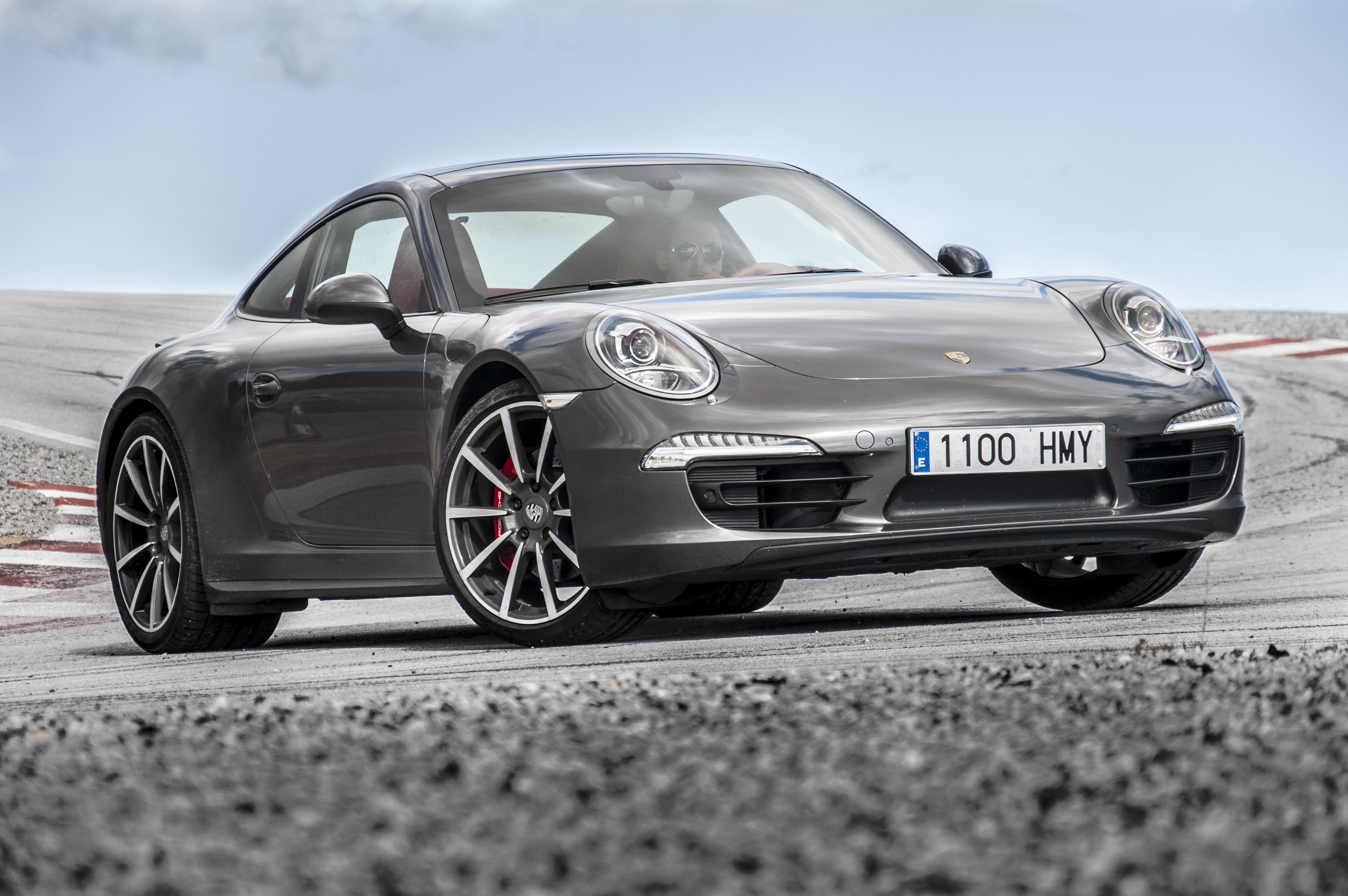
The Porsche 911 is a well-known sports car that has been around for many years and is famous for its unique shape and powerful performance. It's a car that many people dream of owning because it's fast and fun to drive. People talk about it because it has a special place in car history.
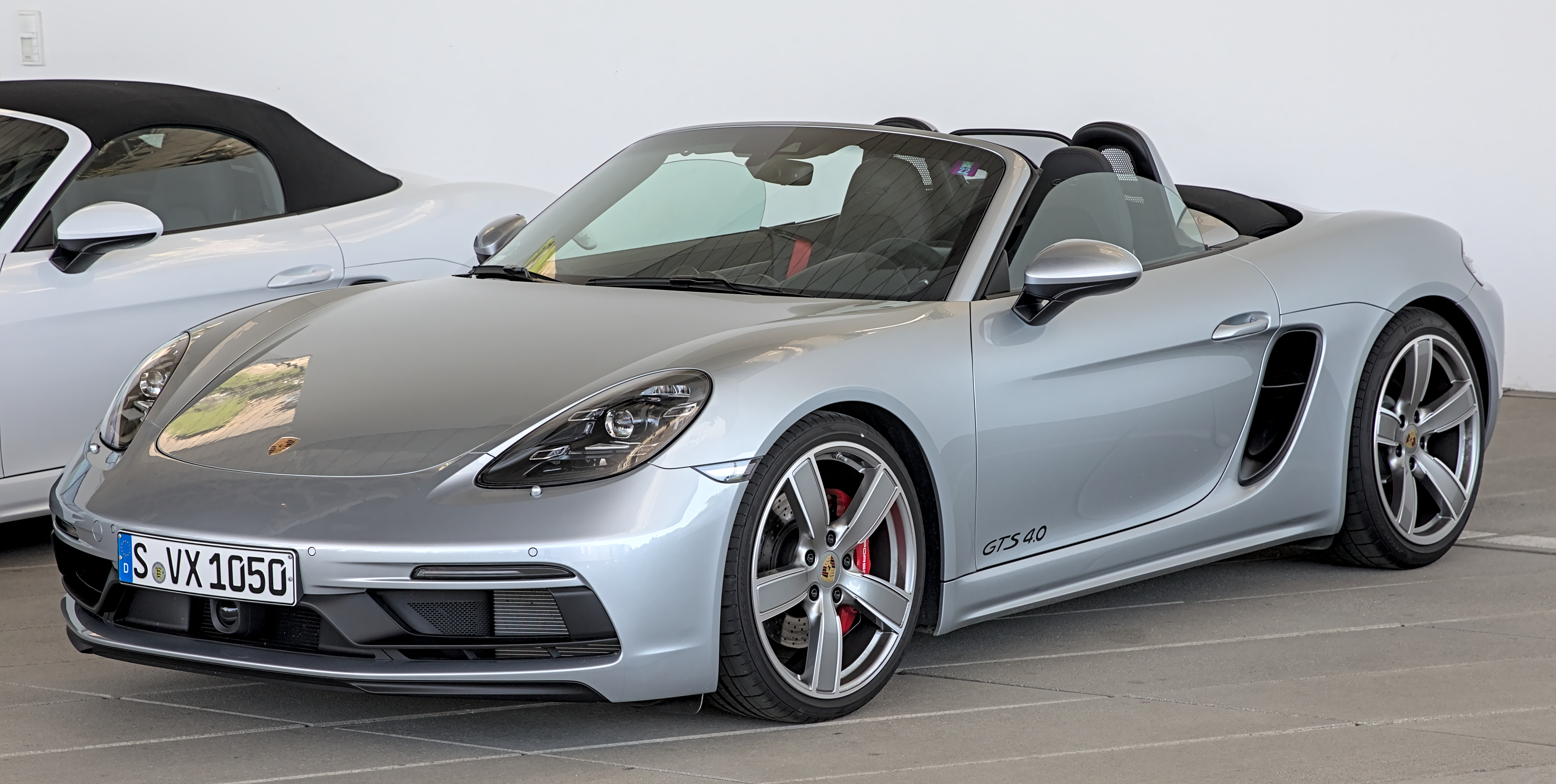
The Porsche 718 is a series of sports cars from Porsche, including models like the Boxster and Cayman. They are known for being fun to drive and handling well.
The Porsche Cayman is a sports car made by Porsche, known for its great handling and performance. It is smaller and less expensive than the Porsche 911, making it a popular choice for driving enthusiasts.
An SUV is a larger type of vehicle that can carry more people and stuff. They are popular because they are spacious and can handle different types of roads.
The Porsche Macan is a fancy small SUV that is known for being fun to drive and having a nice interior. It's a good choice for people who want a luxury vehicle that still has some sporty features. People talk about it because it combines luxury with practicality.
The Lamborghini Urus is a high-performance SUV made by Lamborghini. It's designed to be both luxurious and sporty, making it different from typical SUVs.
The Lamborghini Gallardo is a flashy sports car that was made for speed and style. It has a powerful engine and a unique look that makes it stand out. People talk about it because it's one of the classic models from Lamborghini.
The Lamborghini Huracan is a super-fast sports car that is designed to be very stylish and powerful. It has a strong engine and is made for people who love to drive fast. People talk about it because it's one of the latest and greatest models from Lamborghini.
Newton meters are a way to measure how strong something is when it twists or turns. In cars, it helps to know how much power the engine can use to move the car.
Torque is how much twisting power an engine has. It's important because it helps a car speed up and pull heavy things. More torque usually means better performance.
A restrictor plate is a part that makes an engine less powerful by limiting how much air and fuel it can use. It's used in racing to keep cars more equal in speed.
Cummins diesel refers to a type of strong engine made by Cummins, which is used in many heavy-duty trucks. These engines are known for being powerful and dependable.
Lithium-ion batteries are the kind of batteries used in many electric cars and devices. They're good because they last a long time, but they can have problems if it gets too hot or too cold.
Fuel cell hydrogen is a way to power cars using hydrogen gas. It creates electricity and only produces water as waste, making it a cleaner option compared to diesel engines.
Fuel cells are like batteries that use hydrogen to create electricity. They help power hydrogen cars and only produce water as waste, making them very clean.
The Toyota Mirai is a special car that runs on hydrogen instead of gasoline, which makes it very clean for the environment. It doesn't produce harmful emissions, so it's a good choice for people who care about the planet. People talk about it because it's a unique option in the world of cars.
The Toyota Camry is a popular car that many people use for everyday driving. It's known for being reliable and comfortable, making it a good choice for families and commuters. People often talk about it because it's one of the best-selling cars in America.
The Tesla Semi is a big electric truck that is made to help transport goods in a more environmentally friendly way. It can go a long distance on a single charge, which helps save money on fuel. People talk about it because it could change how we move products around.
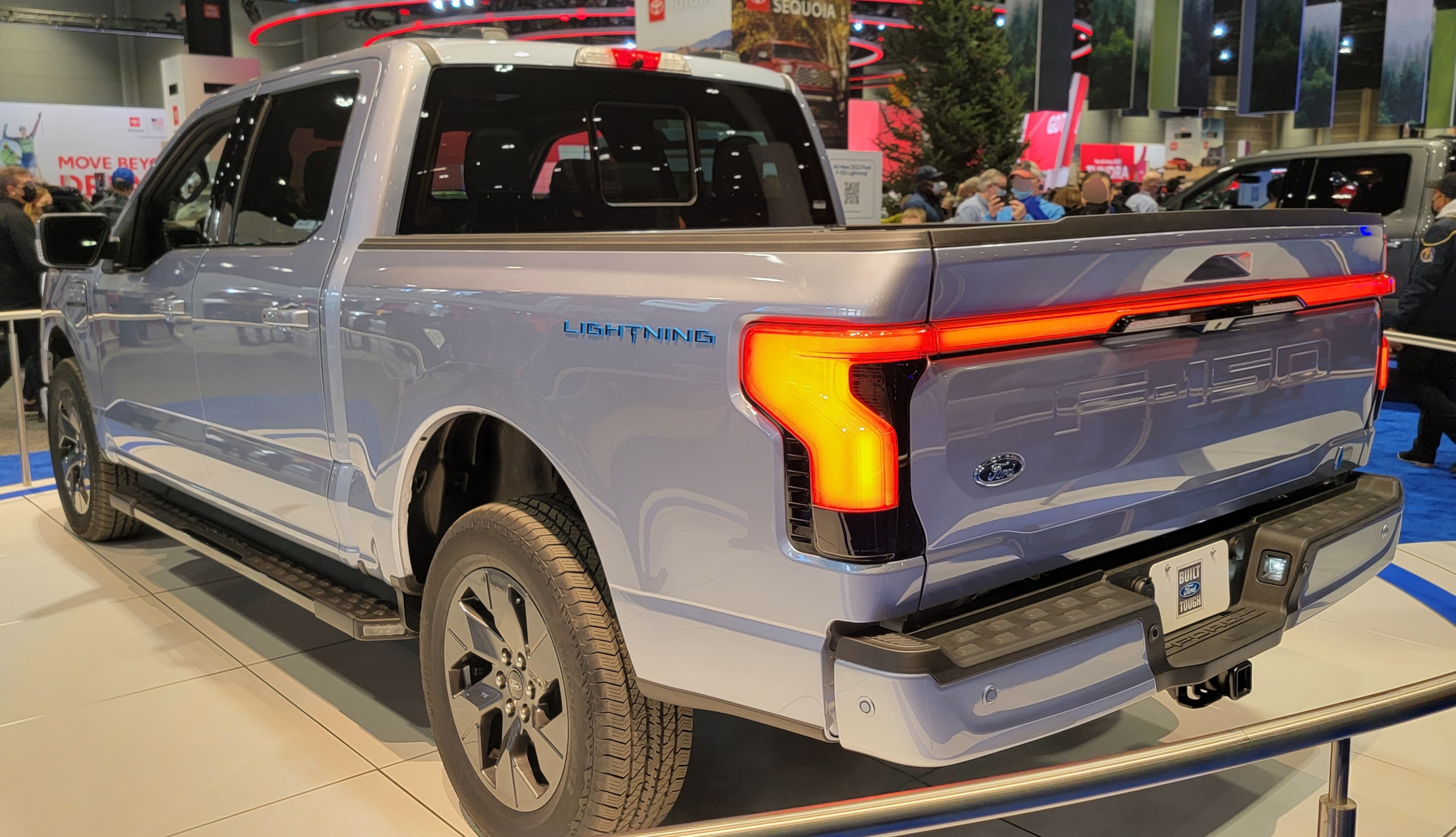
The Ford F-150 is a big truck that many people use for work and play. It's known for being strong and able to carry heavy loads, which makes it very useful. People talk about it because it's one of the most popular vehicles in the country.
The Tesla Model Y is an electric SUV that is popular for being environmentally friendly and having a lot of space inside. It can go a long distance on a single charge, making it a great option for families. People talk about it because it's part of the trend towards electric cars.
The Honda CR-V is a small SUV that many people like because it's reliable and has a lot of room inside. It's good on gas and safe, making it a great choice for families. People often talk about it because it's a very practical car.
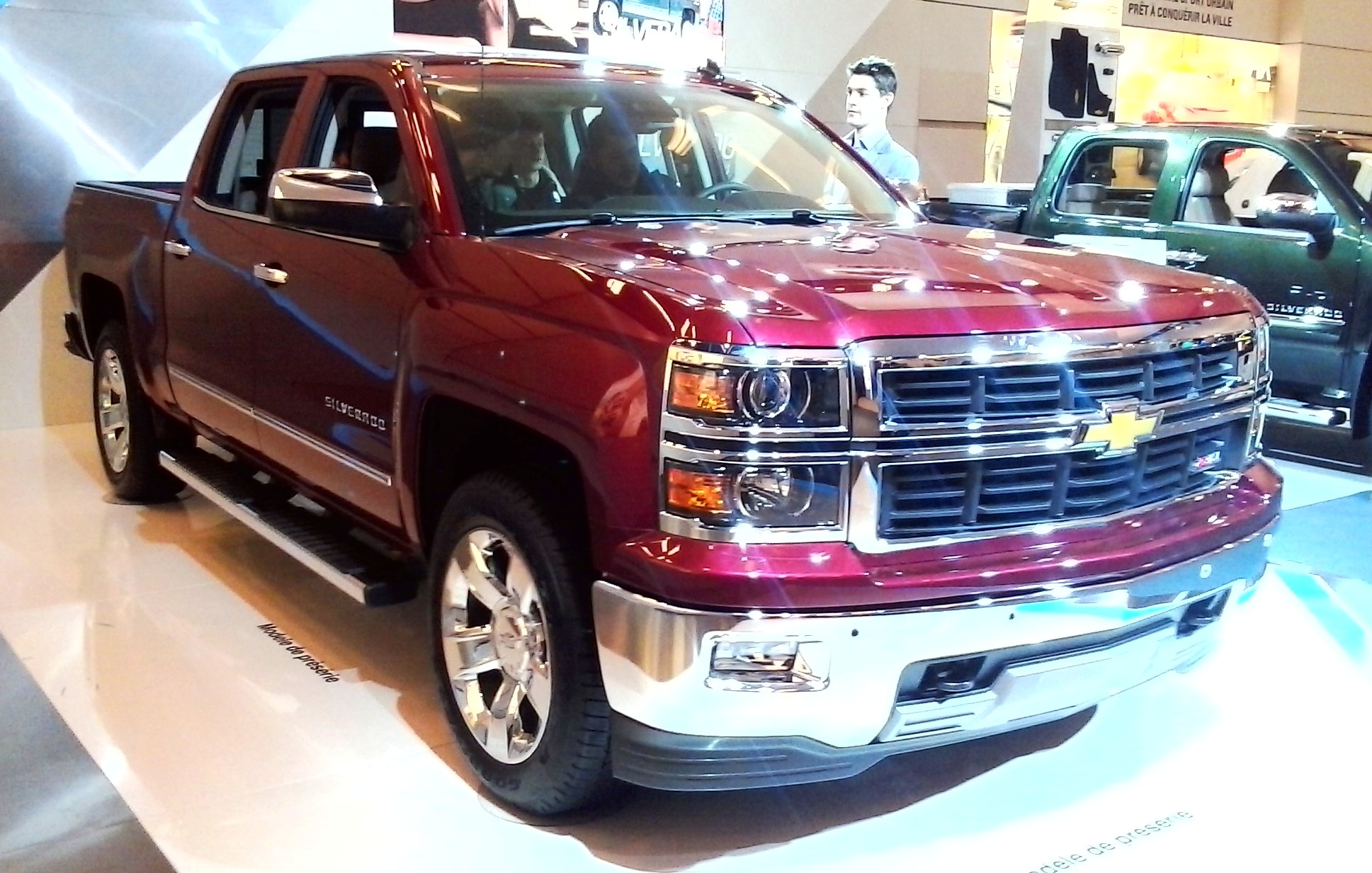
The Chevrolet Silverado is a big truck that people use for work and outdoor activities. It's known for being tough and able to pull heavy things. People talk about it because it's a strong competitor in the truck market.
The Chevrolet Equinox is a small SUV that is great for families because it has a lot of space and is easy to drive. It's known for being good on gas and having modern features. People talk about it because it's a good value for what you get.
The Honda Accord is a popular car that many people choose for everyday driving. It's known for being reliable and having a lot of room inside, making it comfortable for families. People talk about it because it's a smart choice that lasts a long time.
The Ford F-350 is a really strong truck that can carry heavy loads and tow big trailers. It's often used for tough jobs and by people who need a powerful vehicle. People talk about it because it's one of the toughest trucks available.
The Volkswagen Jetta is a small car that many people use for getting around town. It's known for being comfortable and having a good amount of space inside. People talk about it because it's a stylish and practical option for everyday driving.
LIVE
Whether you drive a car, need a car, or just occasionally bummer ride with friends, you've
come to the right place.
Join Jill and Tom as they break down everything that's going on in the auto world.
New car reviews, shopping tips, driving green, electric cars, classic cars, and plenty of
great guests.
This is the Consumer Guide Car Stuff podcast.
All right, this is the Consumer Guide Car Stuff podcast.
I am indeed Tom Appel.
Thanks for joining us this week.
When you get a chance, do me a favor, check us out at consumerguide.com while you're
there.
Check out our 2025 Best Buy Picks.
This is kind of your last chance, 2026 Best Buy Picks coming soon.
You can also listen to the podcast right there on our homepage, though you should subscribe.
Last minute update, Jill isn't here jumping into the co-pilot's seat is Paul Harold of
the Sons of Speed.
Hey, Paul.
Hello, Tom.
Thank you for the late notice assistance here.
Oh, absolutely.
Yeah.
I tried to do this once all myself.
It was awful.
Yes.
I think I remember that.
It was a disaster.
Thank you for confirming that.
Where is Jill, anyway?
I have no idea.
Okay.
I don't know.
She got some last minute invite to drive something.
Ah, okay.
So she's driving something.
Okay.
So that's good.
But yeah, we got a lot to talk about today.
Some big news, but first tell us about the Sons of Speed.
Okay.
We are a media outlet where we do car reviews, videos, and we also write stories.
And when we do a car review, unlike most other car reviews, we kind of bypass all the little
how the infotainment system works and all that.
We just kind of get into the soul of the car.
Does this car have a soul?
Do you find it fun to drive or is it just an appliance?
So that's what we're going after.
I have, we can have this conversation later if we have time, but speaking about soul.
Okay.
And I think electric cars get dinged a lot for being sold.
Oh, yes, they do.
I'm driving the Polestar 3 right now.
Okay.
That car's a honey.
Yeah, no, that's the one.
All sorts of character.
Yes.
For people who don't know much about Polestar, and we have just talked about it recently
on the on air, we had the folks from Polestar on, but more or less related to Volvo, sort
of a division of Volvo, sort of a division of Geely, the Chinese company.
But the 3 is a mid-sized crossover that should not be as much fun to drive as it is.
No, it's a lot of fun, and it's beautiful inside and out.
It is great looking.
It is fast.
The controls, I'm looking for the right word, suck.
But you get used to them.
Really?
I didn't, I thought it was a much better improvement over like the XC90, but...
I've never liked Volvo controls.
Okay.
And these feel like Volvo controls, but the touchscreen is slow to respond.
And the card key situation is very weird.
That I didn't use, so I don't know about that.
Yeah, you need to actually use the card key to open the door by touching it to the door.
Oh.
And then you have to place it on the key charger to start the car.
It's all a little confusing, and it's a little unsettling because the car doesn't shut off.
You walk away from the car with the key, and then it clams up.
But that aside, I love this car.
Yeah.
No, it's a great...
And it drives well too.
Really nice.
Yeah.
There's really nothing here not to like...
And it's got some kick.
It is really fast.
Also, I don't know why this is good or bad.
It's actually bad, I suppose, for economy, but the tires are huge.
Oh, well, what are they, like, 21s or 22s?
They're 295, 22s.
22s, okay.
They look like Corvette tires on this crossover, and from the back, it's a great look.
Yeah.
But anyway, I've got that car.
I'll be writing about that in a couple of weeks, but I enjoyed it.
But it has a soul.
That's my point.
Okay.
Speaking of souls, this is such a weird story I had to talk about it.
Duracell.
All right.
The copper top battery.
Yeah.
The battery company.
Duracell is getting into electric car charging.
Oh.
And the chargers...
Like they're going to make stations?
Yeah.
Oh, wow.
Themselves.
I thought this was going to be a branding thing, but apparently they're getting into
it themselves.
Okay.
In the UK first, but they're destined for the US, but the chargers look like...
A big battery?
They look like a big battery.
It's funny.
I guess it's cute.
Well, I guess you can see it from far away, right?
Yes.
So copper top there, so that's, I guess that's interesting.
Yeah.
Chargers look like giant C-cell batteries, I wrote to myself.
But no word on when the stations are arriving here, but they are coming here.
Okay.
All right.
Some news that Jill would have loved.
We've talked a lot about carplay.
Oh, yes.
And how General Motors isn't putting it in their electric cars.
Yes.
This would get Jill all riled up, yes.
Now they're not going to put it in any of their cars.
Yes.
So apparently the pushback that we were expecting, that Jill was expecting from the buying public,
isn't there.
Okay.
There isn't there enough because General Motors is getting out of the carplay and the
Apple Android business.
And I actually looked up the reason why.
Do tell.
Yes.
Okay.
So according to Autoblog, GM had mentioned or had announced their long-term goal is
to turn its vehicles into software-defined platforms, unlocking revenue from subscriptions
and in-car services.
So there's your answer.
And there's a story here, a deeper story.
They've got new architecture and it's not electric car architecture, it's just new
electronic architecture that's going to be under all their vehicles starting, not all
of them.
It will eventually be on all of them starting in the 2028 model you're beginning with, the
Cadillac Escalade IQ, which gets, did you see this?
No.
It'll be the first vehicle sold in the U.S. with full level three autonomy, which means
you don't have to pay attention to the road.
Yeah.
Don't even have to touch the steering wheel, nothing.
We've been seeing manufacturers bring out increasing levels of level two that they call
two plus, two plus plus.
Yeah.
Two plus plus plus plus plus.
Yeah.
But you still have to pay attention.
Yeah.
Now is this on highway only or even local?
They've expanded the map.
So for people who don't know how this works, General Motors has a map that they use for
Supercruise and Ford does the exact same thing for BlueCruise.
Yeah.
So mapped, it started with interstates and then highways and I think they're getting
to state routes now too.
But it's something like millions of miles now that are mapped.
So it's only accessible on those maps and there's a hilarious quote from General Motors
about this, about how unlike camera-based systems, this is a ding on Tesla, their LiDAR-based
system is now going to be attention-free, you don't have to watch.
So it's a big deal.
And then there's this really weird thing about the S-Claid IQ and turquoise lighting.
So when the system is active, you know it's active from inside the vehicle because all
the ambient lights go turquoise, outside lights around the outside mirrors and around the
headlight rings turn turquoise.
So other people know too.
Well, if you happen to know that, yes.
If you happen to know that, also you shouldn't need to know that.
Yeah.
Right?
It's working, right?
It's autonomous?
It's like when people stick those little signs in the back.
What was that car seat?
Baby on board?
Yeah, yeah, yeah.
Caution, baby on board.
Like, all of a sudden now, oh, I see the sign.
Now I'm going to start driving nicely, right?
We're safely now.
So that's coming for 2028 as well and that's on the same architecture that's going to
allow them to ditch car play or encourage them to ditch car play.
Also money will be interesting.
Right now, using after the initial trial period, and I don't know how long that is on general
bonus products, Supercruise is 25 bucks a month.
Okay.
Ford's BlueCruise is 50 bucks a month, but I guarantee you.
Oh, they'll be the exact same price.
One's going to go up or the other one's going to come down, but they'll be the exact same.
Oh, well, there's that, but I think that when they have the fully, you don't have to pay
attention, you can read a book or whatever it is.
That's going to be more money.
Oh, yeah.
I'm sure.
For sure.
So at least this is like a legit thing, right, because you're paying for a service that's
always improving.
Yeah.
And then we're going to get to the security issues too, wherever you drive, they know.
Yeah.
And also, I guess, I don't know, can you speed anymore when you're not in control?
Well, that's a funny question.
You set that or does a car set it for you or what?
Right now, like if you drive a BMW, a light just flashes at you to tell you you're speeding,
which is super irritating.
Yes, you can turn it off though.
Which is good.
Oh, you're a BMW owner.
Yes.
So one of the, I drove the BMW XM, that crazy bad boy, and someone had preset speeds in
there to alert the driver to when you cross them.
And one of them was 20 miles an hour, one was 40 miles an hour, which made driving and
traffic hellish.
Oh, that was terrible.
It was just always beeping.
I mean, I couldn't figure out how to turn it off.
Well, in the U.S., you can, in Europe, you cannot.
Oh.
And then the school zone warning, I guess that's for a greater good.
Yeah, that's for the great.
So the Cadillac autonomous thing is interesting because that's going to be the first actual
version.
There is some really weird limited use of Mercedes-Benz of a level three system, only
in Northern California in a geofence area.
Yeah, I thought they were sort of the first, but I guess they're just very, very small
area.
It's very small.
It's basically a pilot program.
Yeah.
And I don't know why you would pay for that if you can only use it in wine country.
Yeah.
Well, I guess there's not going to hit up there anyway.
I guess if you go visit some vineyards, then maybe it makes some sense.
I guess so.
And then you leave them having sampled a lot of wine.
Exactly, yes.
That's the point I was trying to make.
There were some good questions I saw in some of the articles I was reading about this,
about, again, who is liable for an accident when you have the system in play.
And the deal is you are.
Well, yeah.
You're driving the vehicle.
You're behind the wheel, regardless.
So something to think about.
Yes.
And I'm sure that among the many things you're not reading that you agree to, it pretty much
says that.
And I'm sure if you're intoxicated, even though the car is driving, you are still responsible.
Oh, yeah.
Oh, yeah.
All right.
Enough of that silliness.
You drove something very, very cool.
Yes.
Recently.
Do tell, because I have never even sat in one and I've only seen a few.
The McLaren GT, which this was actually a 2023 because as of now, they're being called
the McLaren GTS because they redesigned it.
So the 25 and a halfs and above are going to be called the GTS.
So it's a Grand Tour.
It's obviously some McLaren, so it's a two-seater.
It's one of the only Grand Tours that is a mid-engine, so it's a little bit unique because
most Grand Tours all have front engines.
Yeah.
Yeah.
So what the McLaren did was they took the 720, which is more their exotic car, or high-performance
car, and they detuned it by about 100 horsepower.
So instead of like about a 712-ish horsepower on the 720S, they go by brake horsepower.
That's why at 720, brake horsepower is like a 712-ish horsepower.
So on the GT, though, it's down to like 612, but the GTS, they upped it to about 640-ish.
So yeah, so they detuned it about 100 horsepower, softened the suspension, made it a little
bit more relaxed, and called it a Grand Tour.
And is it indeed relaxed?
Well, I mean, it's still a McLaren.
So yeah, you could flog it around the racetrack, which I did, it was phenomenal, and it's got
that super hard brake.
In fact, when I first sat in it, it's like, I'm pushing a brake.
I'm like, why is this car not stopping?
Oh.
And then you have to stand in the brake.
But once that thing warms up, it is just...
Are they carbon fiber?
Yeah.
Carbon ceramic.
Carbon ceramic.
Carbon ceramic.
Yeah.
So once it warms up a little bit, that brake is phenomenal, stopping power.
Yeah.
So, but I went around the track great, and just it's a hoot to drive, and it does have,
because it's a GT, instead of being able to see into the engine bay, they put another
sort of storage area there, so you can put a golf bag.
So that's why they can call it a GT.
It doesn't sound very GT to me.
When I think about like Ferrari GTs, they have back seats, for example.
Yeah, this has no back seats.
So...
It's funny.
One of the funny things, too, when you talk about the definition of a sports car, is
that Porsche always screws with everyone, because the 911 should be a sports car, but
it always has, almost always has a back seat, although that has gotten so big and so heavy
and so expensive, it's really a GT now.
Yeah.
Well, it depends.
You know, the turbo model is, or the GT3 RS or GT2 RS, definitely are sports cars.
I mean, you can't get around that.
Yeah.
They're track weapons.
And then they killed the 718 models.
They went to all electric, I believe, right?
Or that they're coming.
I think we're at a period without anything.
Okay.
I don't know the specifics on it.
I know they're all coming with an all-electric, but everyone made a big fuss, so they're going
to bring big gasoline's back anyway.
When we talk about sports cars and GT cars and things like that, I remember the severe
significant pushback when Porsche brought out the Cayenne, the Cayman.
Cayenne.
Yeah.
Okay.
The pepper thing, the Cayenne.
Yeah.
And there was all this pushback, and I remember, and I can't remember who, what his name was
now, but the CEO of Porsche at the time is the, we sell crossovers so we could sell the
911.
Yes.
And it's true because they make so much money on their Audi-badged crossovers that they,
you know, they have put more money into their sports cars.
And the 911 only makes up something like 10% of total Porsche sales.
So Porsche has done an awfully good job of cultivating this.
Their SUV sales are off the charts.
And they're good SUVs, and the Macan sells like crazy for them.
So they're making money off SUVs, but people still think of them as Porsche's, and they
still think of Porsche as sports cars.
So they're managing that very well.
Yeah.
It's their halo cars that bring trickle down into everything else.
I really worry about like Lamborghini and the Urus, and you say the Ferrari.
The Piero Sangue.
Thank you.
Okay.
Because Ferrari started to sell a lot of cars.
I remember they used to keep a lock on a total car.
Yeah, and that's becoming a big problem for them because their values are not staying
up high because they're building so many of them that the cars are losing value now.
So Ferrari's like never had this happen before, so they don't know what to do.
And it's a simple solution, stop building so many damn cars.
Yeah.
I mean, their growth plan, I think, is just they're getting out over their skis.
And it used to be, I think, Ferrari used to publicly say they were never going to build
more than 5,000 cars a year, and they're way over that.
And then when they would release a special car, it was always 499, which they figured
was one under, like, minimum demand for the car, so they always wanted there to be a shortage
of the vehicles.
Yeah, they still do that.
And they still do that well.
But they've raised that number.
Yeah, I think they've raised it to, well, it depends on the model, but 999 or something
now.
But that they're still doing pretty well under managing, but the regular production cars,
they're just saturating, and it's hurting the value.
Yeah, it's a weird thing to watch.
And Lamborghini never has as many models as Ferrari, but they seem like they were cranking
out.
What was the V10?
Gallardo?
No.
Well, Gallardo then it became the Huracan.
Huracan.
Yeah.
They were just cranking those bad boys out.
Yeah, yeah.
They're all over them.
Well, then they start with the special editions.
They keep add a couple letters here, a couple numbers there, and it's a Huracan, it's a different
one.
Oh, yeah, like LP 510 or something.
STO or whatever.
Yeah, there's some number that isn't exactly the horsepower, but it's close.
Yeah.
Maybe it's the same thing where they're using that gross and brake horsepower to confuse
people.
Speaking of which, and I'm completely off topic, but that's okay.
The number on the back of Cadillac crossovers.
Oh, yeah, that's Newton meters.
You know this.
You are one of nine people on the planet who knows this, and seven of them are Cadillac
employees.
Yeah, it's like Torque and Newton meters rounded up.
Yeah, which, I mean, in this country, no one cares about a Newton meter, you know?
So, I just don't understand it, but I guess it makes sense.
It's essentially because a Newton meter translates directly to our pound-feet of Torque.
Yeah.
So, there's no need for this at all.
Yeah, I mean, but it's like 600 Newton meters or whatever, 523 pound-feet of Torque.
I don't know the conversion, but the only thing that you can kind of get away from or
get out of looking at the badges, if you see a 600 and you see a thousand, you're going
to know, oh, this one's got more power.
This was probably electric.
Yeah, or something, yeah.
You said the big number.
Yeah, so.
All right, I don't think we actually talked a little bit about your experience on the
track, though, with the McLaren.
Yeah, so it's very punchy engine.
You do feel like you're missing the 100 horsepower.
It almost feels a little artificial, like they purposely detuned it just so it wouldn't
compete against the 100,000-hour more 750.
It's like a NASCAR restrictor plate.
Yeah, basically, yeah, exactly.
Because the 720 became the 750, so now it has 750 horsepower.
So that's sort of like their big sports car.
So when you're driving this, you feel like you're driving a 750 with a restrictor plate.
And when you're going off the line and going into turns, gets to the turn very well, it
is a softer steering, softer suspension.
So it's more graceful on the road, but you could feel it more on the track, that it's
a little bit softer, so there's a little bit more body roll.
But overall, it's a great phenomenal car, and when you're done with the track and enjoying
the track day and you get off the track, you can drive it home in comfort.
Well, that was my next question.
Would you actually comfortably, like two people, go away for the weekend in this thing?
If you're not bringing much with you, yes, you can.
Okay, because that's really what a GT is to me.
Yes, yes.
And there's a frunk and there's some storage in the back.
So and inside there's some storage too.
So I mean, you know, as long as you keep your weekend accessories on the light side, you'll
be fine.
So don't bring your Scoob-a-Gear.
No.
Rent it when you get there.
All right.
We're going to take a break in a moment.
When we come back, we talk to Bart Soa, Program Director for Mobility and R&D at GTI Energy.
We're going to be talking about one of my favorite topics, which is hydrogen and fuel
cells.
Sounds great.
All right.
So we're going to take a break and be right back.
Questions or comments?
Drop us a line at carstuffatconsumerguide.com.
That's carstuffatconsumerguide.com.
Welcome back to the Car Stuff Podcast.
And we're back.
This is the Consumer Guide Car Stuff Podcast.
I'm Tom.
He is Paul.
Paul sitting in for Jill this week.
Thanks for doing that.
Hey, toss me a bone here.
Tom, are you on social media?
Why Paul, I am.
Thanks for asking.
I'm really late again with my car spotter activities for the weekend.
But I am Car Guy Tom on Twitter X and on Blue Sky.
And the thing I do, I think, most famously is my car spotter stuff.
So whenever I'm seeing way too many Saturns.
Oh, really?
Yeah.
I'm not entirely sure they're rare.
Part of the problem is...
They made what?
A million of them?
Yeah.
Yeah.
Actually, millions.
Yeah.
And they're plastic.
So they don't rust.
Yeah.
And I've heard stories too.
Like they look reasonably good and they're really in bad shape underneath.
They are rusting.
Yeah.
You just don't see it.
All right.
So that's me in social media.
All right.
I've talked a lot about my reluctance to embrace fuel cells in cars and I don't think
the marketplace has proven me wrong.
But there is commercial applications for this that I appreciate and I want to learn
more about.
To talk about that today, we have Bart Soa, he is Program Director for Mobility and R&D
at GTI Energy.
Bart, thanks for being here.
Hi, guys.
Tell us a little bit about GTI Energy and what you do there.
We are a non-profit research development and training institute right here outside of O'Hare.
And for 80 years, we've been helping folks.
80?
80 years.
Yeah.
And we've been helping folks figure out how to solve energy problems.
Now when you say energy problems, are we always necessarily talking green focused or ecology
focused solutions?
It's cleaner, cheaper, safer, more accessible.
Sometimes it's national security.
Sure.
That makes sense.
And I do know that General Motors has had programs developing fuel cells for the US
government.
Absolutely.
And actually fuel cells, some of the first fuel cells went to the Apollo missions.
So this is not a new technology.
It's not new, but it feels like we've been dragging our feet on this and that fuel cell
development has gone very slowly.
And then only recently, like the last 20, 30 years, have we been talking about it more,
but I'm not seeing the actual growth.
And I clearly don't appreciate any possible application for consumers, but there is commercial
application.
Absolutely.
I mean, it's really a great fuel if you're trying to get people off of diesel.
Diesel is hard to get off of because it's like high fructose corn syrup.
Well, it's simple and it's easy.
And we learned this too with electric pickup trucks, right?
There's the Sierra, the Silverado, the F-150.
These are pretty good vehicles, electric vehicles.
But when they tow, they lose half the range pretty quickly, towing just 5,000 pounds.
So clearly not a direct replacement for diesel.
And everyone knows if you get a diesel Ram 2500 with the big Cummins diesel, you get
about 15 miles per gallon loaded and you get 15 miles per gallon unloaded.
Like it just doesn't care.
It will just pull.
It's a very torquey engine, yeah.
It's torquey and it's just unflummoxed by weight.
Yep.
Or temperature.
Or temperature, right.
Which is another problem with electric batteries, especially lithium ion.
So how are we replacing or what is the plan ultimately to replace diesels with fuel cell
hydrogen?
You know what?
I have the first question to ask you.
When we talk about hydrogen powered vehicles right now, we're necessarily talking about
fuel cells, correct?
That's the primary train of thought.
Although we see some activity right now also around hydrogen combustion because you can
burn it.
I mean, we are already burning it indirectly as part of the fuel.
So when you look at our fuels that we use right now, the liquid fuels, that's carbon
and hydrogen mixed together.
So you're burning both.
So internal combustion hydrogen, is that, does that feel like something that's going
to happen to you?
I remember BMW playing with this in the 90s and they had a 5 liter V12 and it was getting
like 180 horsepower.
It wasn't really extracting the energy from hydrogen.
I think they'd hope to get.
It's a little different.
It's a little bit more difficult.
Toyota has been doing some headway in the racing application.
So they're using hydrogen as a synthetic zero emission racing fuel, combustion fuel, and
they're claiming some great performance out of that.
But we also see some push from Europe because Europe recognizes hydrogen combustion engines
as zero emission.
So there's different regulatory drivers.
We'll see if that trickles down here to North America.
For people who don't know, tell us what a fuel cell actually is.
Fuel cell is a chemical battery.
You have two plates and you run hydrogen and oxygen through it and they combine to make
water and make electricity in the process.
So it's really a battery that's fed by hydrogen and air.
So that sounds easy enough.
What are the difficulties in making that work?
The biggest difficulty is actually storing hydrogen.
It's a tiny molecule that wants to get out and it's super light.
So in order to get enough of it, you have to compress it to really high pressure.
The passenger cars, they're running with about 10,000 PSI, storage, carbon fiber tanks.
But does it have to be at a certain temperature as well?
It does too, but it's not because of the hydrogen itself.
It's because the carbon fiber tanks, they don't like to get hot.
Oh, and then one of the limitations of the tank, correct me if I'm wrong, is to hold
that pressure.
They necessarily have to be cylindrical, which makes them kind of difficult to package in
an automobile.
They do.
So in the cars, they're cylindrical, but for example, when you look at the hydrogen
tanks that NASA uses for fueling the rockets, they're spherical.
So you can do different shapes, but commercially, the tanks are cylindrical and they package
similarly to batteries.
When you look at the Toyota Mirai, how Toyota packaged them, there's one kind of under your
armrest along the tunnel and one behind the rear seat transverse position.
Yeah, for people who don't know, the Mirai was a roughly Camry or Avalon sized vehicle
powered by a fuel cell, which you could lease in California.
And usually the price was ridiculous, but the lease deal was pretty good, but you had
to qualify.
Like, they didn't want anyone driving these things, they wanted people who were kind of
dedicated to the process, who lived near a filling station and stuff like that.
Now what are you guys working on in terms of projects and in terms of commercial applications
of hydrogen fuel cells?
So we see Class 8 vehicles, that's a great application because again, these vehicles
use a lot of energy, a lot of diesel.
And when you look at folks that go long haul with those Class 8 vehicles, you may need
like 500 kilowatt hours of battery, 800 kilowatt hours of batteries.
So that's 10,000 pounds of just hauling batteries that you can't haul a separate.
10,000 pounds out of something with a GBWR of 80,000 pounds.
So you give it up 15% of your payload to a battery.
So they don't like that.
So that's one of the barriers to electrification of that heavy duty transport.
So we see that as an opportunity.
And there are folks that have tried, they had some great products like Nikola.
I mean, it's a shame, it was a great product based on Iveco trucks from Europe that in
Penout and Kenworth with Toyota fuel cells and some other players that have put products
that again, I think they might have been too soon for the market.
But we've seen great reception from the drivers and fleets.
They love them.
Once you put drivers into an electric vehicle.
And by the way, we say fuel cell vehicles, they are electric vehicles.
They just don't take energy out of battery.
They take energy out of hydrogen, but still fully electric powertrain.
So once you get anyone into electric vehicle, they don't want to get out of it.
Are our like do fuel cell vehicles and fuel cell class A big trucks accelerate
appreciably faster than diesels?
They do.
They do.
And oftentimes what we what we learned from the folks developing those, whether
it's electric or fuel cell vehicles, they actually had to limit the torque
because they were shredding axles.
Wow.
So so yes, they can accelerate fast.
And they're typically like that McLaren.
They're just clipped to make sure that they can last that million miles.
So is there anyone right now producing fuel cell vehicles for the class
eight and class seven segment?
So right now the most active player that we see is Hyundai.
They have class A trucks that they make for European and Asian markets.
And they brought a few dozen of them to the United States and they're
running pilots around the country.
My wife is in logistics and she tells me a little bit about this stuff.
But some of the ports in California, they're trying to clean those up.
And so there's rules against running internal combustion engines of any sort
there. So they're running electric and fuel cell stuff out there.
Is that is that still a thing?
Like are the rules about the minimum number of vehicles or what you can drive
on the ports?
So so the ports again in California, Long Beach, Long Los Angeles and also
San Diego, they do have rules as to how all the trucks can be.
You cannot bring trucks that I know it's like 10 years old maybe.
So so what it what it really does, it limits the the market for the drivers.
A lot of the the folks that that service the ports, so called drage operations.
So these are the guys that come to the port, pick up a container and leave the port.
And a lot of these folks, they have all the trucks that they're like Uber drivers,
their owners, operators and they've been struggling with that.
But yes, ports are great kernels for decarbonizing that heavy duty operations
because you have you have trucks, you have cargo handling equipment and cranes
and yard spotters, all this equipment that's running on diesel right now.
If you figure out how to get them off of diesel, you're starting to crack the code.
There was when we talked to the folks at Nicolai, I don't know, a year and a half,
two years ago before that there was no Nicolai.
One of the things they talked about that there was considerable federal money
for vehicles, incentives to purchase vehicles, alternative fuel,
classic vehicles, including fuel cells.
Is that money still there?
No, I mean, right now the federal government works the way they works.
Right. So it's not out there.
And that's why we see that's why we see this slowdown.
Although you'd be happy to hear that the Nicolai trucks, they're getting a second lease on life.
Oh, there's a company from Texas that acquired the full fleet and intellectual property
from Nicolai bankruptcy proceedings.
So we hope to see them again in operation.
Well, that's good. Do you know how many trucks that was?
I think it was 100 plus trucks.
Well, that's good. Yeah.
So talk to me a little bit about the how we're going to get this hydrogen into the vehicles.
Like, is it a charging?
It's not a charging station.
It's a what kind of station and how, where do we find them?
Of course.
Well, you don't really find them that well.
So what's interesting, you can actually find them where you see transit buses.
There are a lot of transit fleets, public transit fleets that are running on hydrogen.
I think the nearest one here is in Champaign.
Oh, really?
They have a few hydrogen buses and the station, it uses hydrogen either.
They either produce it on site.
And that's an interesting thing about hydrogen.
You can make your own hydrogen and then run your vehicles on it.
You can make that hydrogen from solar energy.
You can make that hydrogen from natural gas.
There are multiple chemical processes that can produce it.
So you can make your own hydrogen or you can bring that hydrogen in,
just like you would have brought any other liquid fuel,
whether it's diesel.
I mean, is it dangerous?
Like, can you make it in your backyard, in your basement?
I would not encourage.
I get it.
It's a little tricky to handle.
I'm not about tricky.
You may get some breaking bed scenes.
But like any chemical process, if you know what you're doing,
it's absolutely safe.
We've been doing that for decades and people don't do this safely.
It's absolutely safe.
And so you need a compressor.
You need to compress it to 10,000 PSI
so you can pump it into the truck.
And that's it.
How long does it take to fill?
Like, is it about as quickly as you would fill with gasoline?
Yes, yes.
And that's the primary advantage.
That's why people prefer it over some of the electric solutions.
Because if you need to, let's say, hypothetically,
you have Tesla Semi with one megawatt hour battery.
And I don't even know.
Nobody knows how big that battery is.
But let's say it's a one megawatt hour battery
with a 350 kilowatt charger, it will still take you three hours, right?
Right.
So with hydrogen vehicle, you can fill it in 10, 15, 20 minutes.
So one of the utopian projections I've heard about
running class 8 and class 7 vehicles off of hydrogen
would be that truck stops would actually just manufacture their own hydrogen
or extract from the atmosphere of their own hydrogen.
And one of the things is always solar.
Like solar is going to be the clean way to do that.
Because it is kind of energy intensive to get the hydrogen.
Using the hydrogen really clean, but not as clean to make this stuff.
Is there anywhere near that actually happening?
I know we're going to start developing routes for fuel cell vehicles to run.
Will that hydrogen along the route come from their own stations or will be brought there?
So it's all of the above.
OK.
If you have land and you can build solar, you can make your own hydrogen.
And we see folks in California pondering that solution quite a bit.
They have plenty solar and land.
And they have need for their clean vehicles.
You can make your own hydrogen.
It will be expensive, of course.
Like anything that's new, it's always expensive.
So at this point, it becomes a scale-up problem.
You need to build enough so the cost of the equipment comes down
and then it becomes affordable.
There are studies that were performed by national laboratories
and universities that show that looking at the fundamentals,
kind of the first principles that Elon Musk has always been advocating,
you can actually make hydrogen at a price competitive to diesel.
But it has to be at scale.
OK.
And scale is what we lack right now.
Exactly.
Because I just saw this number.
And I don't understand the volume, but we talk about hydrogen in terms of kilograms, right?
That's correct.
Yeah.
And it's like 7 to 12 bucks a kilogram.
Is that so?
That's a good price.
That would be a good price.
OK.
And that's relatively expensive in terms of energy content relative to gas.
It is.
Yeah.
So that's still a problem.
But as you're saying, there's no scale.
Exactly.
And what we often tell folks, it's exactly opposite to the electrification of vehicles.
If you have one electric bus, two, five electric buses,
it's fairly easy to get started with charging.
Now, if you wanted to charge 100 buses at your depot,
that's when it becomes a choke point.
And you have problems scaling up.
With hydrogen, it's the opposite.
It's expensive to start.
But the more you have, the more you build, the cheaper it becomes.
We are just a mile away from an Amazon hub.
And they have 96 of the Rivian trucks there.
And I'm wondering about what kind of electrical demands they had.
They're all level two chargers, right?
They just charge them overnight when they're not working.
And I think that works for them.
And they have a bank of level three.
I guess in case they have to get something done fast.
But I've often wondered about what kind of electrical service they had to get
to power 100 vehicles overnight.
It just seems like it would be tremendous.
At their own expense.
At their own nuclear power plant.
Yeah.
At their own small nuclear.
They're probably doing that somewhere secretly,
like with the data centers.
But I remember speaking with some folks that were looking at that,
and you're probably looking at two to five megawatts
going into a distribution center like this.
Wow.
So I'll go ahead.
Well, let's just say, but the good thing is though,
is once like truck stops and things are having hydrogen,
then it will trickle down easily to cars.
Because then you can just go to a truck stop or whatever,
or even a gas station at a certain point and get your hydrogen.
Exactly.
That's why we're more excited about trying to get
some of these new technologies to the heavy duty folks.
So then it can trickle down to the light duty and passenger vehicles.
Because again, it will make more sense to go that way.
So Bart, what is your vision for how this is all going to play out
in the next 5, 10, 15 years?
No pressure.
It's easy.
Easy peasy.
Well, so the biggest problem is that it's expensive
and someone needs to invest in it.
And someone will have to pay the premium.
When we're looking at freight movers, folks that deliver our goods,
they will have to figure out if we as the consumers,
if we will pay premium for those expensive technologies
and expensive fuel.
And some folks in Europe, they do that.
And sometimes when you ship UPS package,
you have that extra checkbox.
Would you like to pay some more to offset your carbon footprint?
Seriously, interesting.
So if there's a wide acceptance of that premium, that will accelerate it.
Obviously, there were, like you mentioned,
Tom, incentives and funding from the government to accelerate that.
And also there were certain regulatory policies.
It's kind of everything is upside down right now.
So that's the next five years.
So we're in a holding pattern right now, too,
to see what happens with the next administration.
And that may change.
And then we might see more rapid growth here in terms of this.
Similarly to almost the $7,500 rebate for electric vehicles.
We just don't know what will happen.
Now, I do expect that in the next 10 years,
we will see some successful scale up operations using hydrogen
that will serve as pilots, as kind of these case studies
for what makes sense, what does it.
And we've seen that already with transit fleets.
There are transit fleets, those buses,
that switch to hydrogen five, 10 years ago,
and they're happy with them.
So now we need to see that in commercial revenue service operations
and folks to set the example.
We're running out of time here,
but I do have two questions for you about the fuel cells specifically.
One is, are the fuel cells now technologically and efficiency-wise
at a point where they just work fine?
Like we could run with the technology as we have it.
And then what about durability?
We're aware of fleets that have been around for five years or so.
Are the fuel cells holding up?
Yes, they are.
Okay.
Yeah.
And especially the fuel cells that come from Japanese manufacturers.
I mean, Japanese folks, they don't know how to make a bad product.
So they do work really well.
Interesting.
So we're just kind of, we're not waiting for technology.
We're waiting for social and economic conditions.
The technology's here.
Money.
And money.
Money.
Good point, Paul.
We need money.
Well, Bart, thank you so much for joining us today.
Thanks for having me.
Tell us more about GTI Energy and how people can learn more about it.
Go to our website, gti.energy, and interact with us through social media
or schedule a visit to our labs outside of O'Hare Airport.
People can schedule a visit?
Yes, you can.
Well, not publicly, but we're happy to welcome and host qualified guests.
Well, that sounds very cool.
All right.
Thank you very much.
Now, you have decided to be a victim and you're sticking around for the quiz.
Yes, I will.
All right.
Sounds good.
We're going to take a break and when we come back.
It's quiz time.
It's quiz time.
Stick around.
Questions or comments?
Drop us a line at carstuff at consumerguide.com.
That's carstuff at consumerguide.com.
Join us each week by searching We Are Motor Driven wherever you get your favorite podcast.
Welcome back to the Car Stuff podcast.
And we're back.
This is the consumerguide Car Stuff podcast.
I'm Tom.
He's Paul.
And he is also Bart who's sticking around for the quiz.
Braves.
Braves soul here.
Braves soul.
Smart soul.
That was good stuff.
Real quick, tell us a little bit about how people can keep track of what you're working on at
Sons of Speed.
We are Motor Driven.com.
Just put that in your head.
We are Motor Driven.com.
So just go there for everything else.
And then you guys have a bunch of podcasts coming.
Yes.
You took a brief sabbatical.
We took a brief sabbatical.
Of your excellent podcast.
Thank you.
Thank you.
November 1st, Saturday, we're all getting together.
We're going to be cranking out six or seven of them.
Here's the thing about that.
I think of the Car Stuff podcast as kind of generalist.
You guys are definitely enthusiast.
Yes.
And that's the audience.
And we're not anything specific.
Like we don't have like news to a specific day or something.
So like you can listen to it later on and it still makes sense.
Yep, good stuff.
All right.
It's quiz time.
Are you guys ready?
Yes.
No, yes.
Today's topic is best sellers by state.
Oh boy.
I really thought about trying to do something with hydrogen and fuel cells,
but I couldn't figure out how to do that generally.
And the only thing I could think of was that weird GM van that was running around
in the 60s.
They had a fuel cell van.
You know, I have an anecdote.
So we had a first hydrogen station here in Illinois
that we built in 2007 in these planes.
And some folks still dig that information up somewhere.
That station is no longer operational,
but there are some folks in California that tried to bring their Marais
and they're always disappointed that they can't fuel here.
We, a consumer got out of motive back when we had an office in Morton Grove.
We had a very early charging station,
level two charging station.
And because it was in an office park, we had 208 volts.
It was three cycle or whatever.
I don't know, understand that.
So it wasn't the world's fastest level two,
but it was a private charging station,
but it showed up on people's maps.
Oh, wow.
So every now and then we'd walk out the back and there was,
we had no blocks, no credit cards or anything.
There'd be people using our charging station.
Yeah.
So you tell them to leave.
Yes.
A lot of the guys were in trouble.
Oh yeah.
They're like, you got an hour.
Like when I get back from lunch, you got to be gone.
Yeah, gotcha.
All right.
Car and Driver recently published a list of the 2023 best selling vehicles by state,
according to Experian.
Okay.
All right.
I'm going to give you guys two cars.
You just have to tell me which one was the best seller for that state.
You're our guest.
You go first part.
Alabama.
Alabama.
Was it the Camry or the F-150?
F-150.
I'm going to have to say F-150.
It was the Camry.
Oh my God.
And I wonder, I don't have the numbers,
but I wonder if that's because there's a big Huntsville plant.
Like if there's some Toyota loyalty there.
Ah, okay.
I don't know.
There could be.
All right.
No one has any points.
Just saying.
You're going to say the rules?
Yep.
Five questions plus a bonus question.
If there's just one person playing you need three to win,
but here it's most points.
Yes.
Got it.
And the bonus question only counts if it's a tie.
Okay.
And it's a tie right now.
Yes.
A tie at zero.
All right.
Paul, Arizona.
Best selling model.
Model Y, the Tesla Model Y or the Honda Civic?
Model Y.
Bart?
I'll go with Civic.
Model Y.
Okay.
This was before Tesla was in a lot of trouble.
This was the 2023 model year.
Okay.
So there was, there was still a lot of love for Tesla.
All right.
Paul's got one point.
This is still close.
Anyone's game?
Number three, this goes back to you Bart, Illinois.
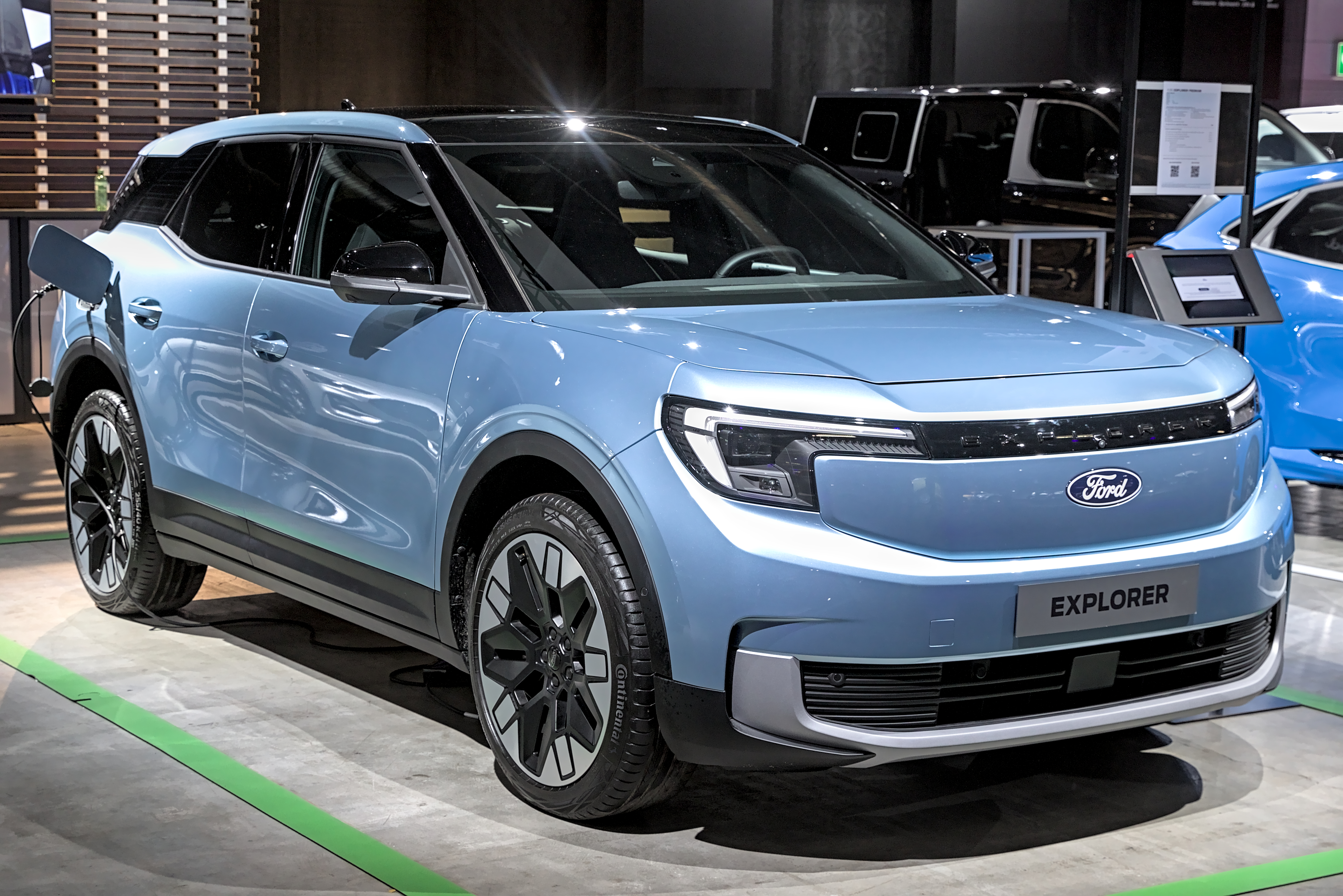
The Ford Explorer or the Honda CR-V?
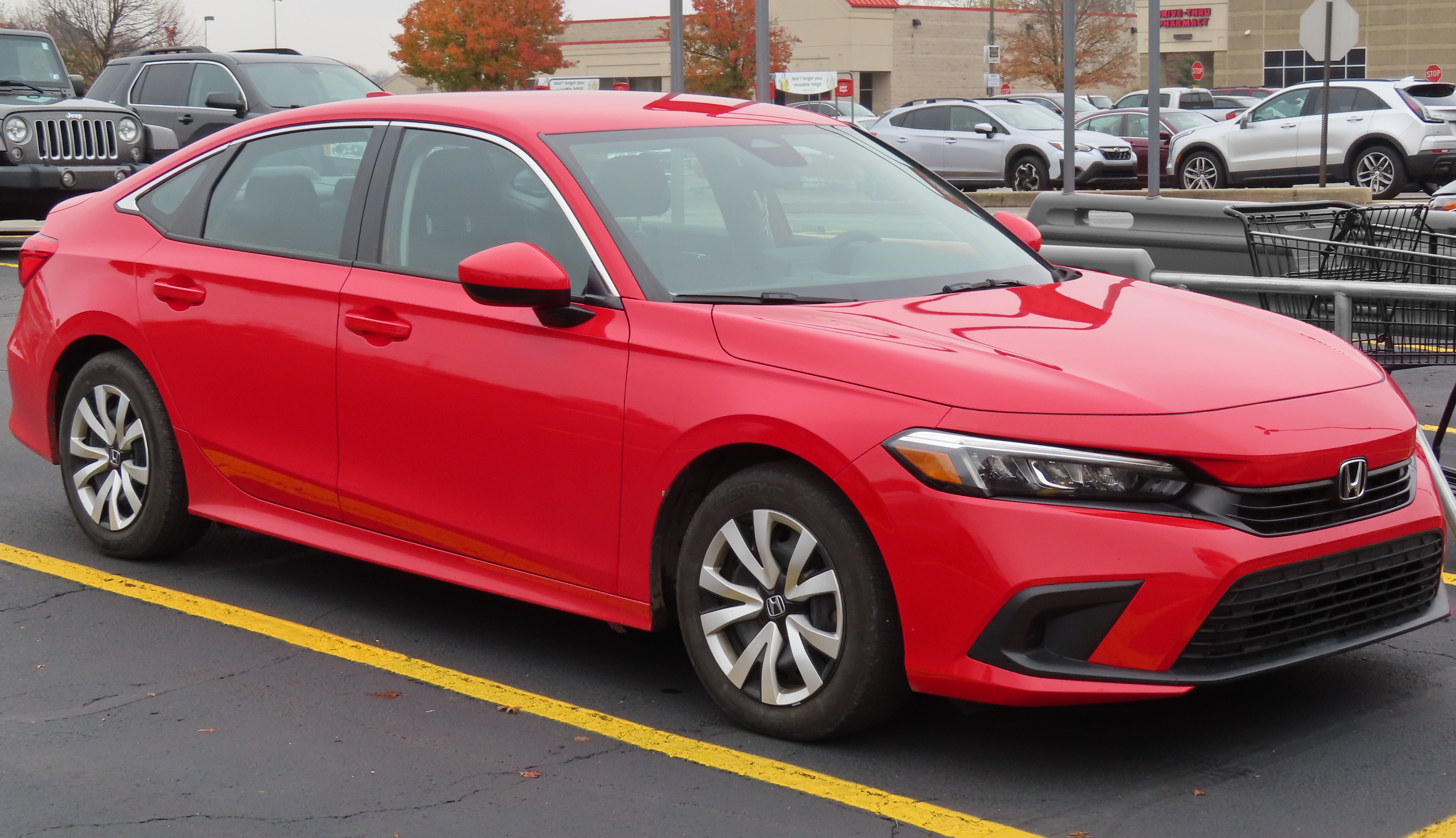
Honda CR-V, at least that's what I'm seeing on the roads.
Oh my gosh.
It's like, could you pick two other cars?
Explorer does very well here.
It is a hometown favorite.
Yeah, exactly.
That's why I'm going to say the Explorer.
It's the CR-V.
Okay.
I knew it.
I knew it.
I threw that in there just to, just to see if the hometown thing might trick somebody there.
But they do build a crapload of explorers down in Torrance Avenue plant.
And that might be my PTSD because I was stuck behind one coming back from the city a couple days ago.
And all the cop cars around here, of course, are explorers.
Although we don't call them explorers, we call them police pursuit vehicles.
Okay.
All right.
They're, they do not have roof rails, just so you know.
Is that what it is?
Yeah.
Is that the easiest way to do it?
If you see an Explorer, if it doesn't have roof rails, it's a cop.
Okay.
All right.
Bart, this question goes to you.
Silverado or Equinox in Michigan?
Equinox.
Yeah, it's Equinox.
It is.
Yeah.
Why are you guys so sure of this?
I just, I don't know.
I just, I can see the Equinox as an SUV outselling the Silverado.
Equinox is probably also a lot of people get discounts on GM products in Michigan.
Okay.
Like no one in Michigan pays full price for a car.
So they told me that once.
Okay.
Everyone's getting some plan, X plan, B plan, whatever.
All right.
So you guys are tied at 2-2.
Last question of the regular questions goes to you, Paul.
New York Accord or CRV?
Honda Accord or CRV?
New York.
New York State.
CRV.
CRV.
All right.
We're going to the bonus question.
You're both correct.
The bonus question, of course, always related to the topic of the day.
Of course it is, Tom.
According to app.com, that's app.com.
My go-to source for everything.
Which of the following candy items was the most popular for Halloween in 2024?
Are you ready?
Yes.
This will go to you first, Bart.
M&Ms, Reese's Cups, Sour Patch Kids, Skittles or Starbursts?
M&Ms.
Reese's Cups, 1,000%.
M&Ms.
No?
Really?
Yeah.
Okay.
So this is hilarious.
I was just at a trivia night last Wednesday and they asked the exact same question and the
answer was Reese's Cups.
Oh, this is according to app.com.
Yeah, they didn't go to app.com.
Yeah.
I don't, I would have thought like Snickers, little fun-sized Snickers.
I wanted to be Reese's.
I love having them.
Sour Patch Kids are nasty.
I don't know why anyone wants those.
But that's actually the order.
It's M&Ms, Reese's Cups, Sour Patch Kids, Skittles and Starbursts.
Okay.
All right.
We've got a couple of minutes here to go.
So how did you get into this strange business?
I was an engineer and I started working as a dough-eyed engineer working on trucks.
Oh, what engineer?
Dough-eyed engineer.
Just.
Oh, okay.
Fresh out of school.
Not knowing anything.
And they started putting me into trucks and getting them to fix them.
Excellent.
Where did you go to school?
I graduated from an engineering school in Poland.
Oh, okay.
Yeah.
And I started grad school here that I didn't like.
And instead I decided to work as an engineer in the industry.
So what did you work on first?
So I worked on international products, so international trucks and buses.
Right here in Melrose Park and Lyle.
Was it international that got into trouble with diesel emissions?
Everyone did at some point.
But international made some questionable decisions.
I'd seen your call and correct me if I'm wrong.
There was a period of time and maybe you were there then when Ford got into trouble
because it was buying its power stroke engines from international.
I don't recall if there was any compliance issue.
There was a commercial dispute because Ford at some point stopped buying 6.4 engines
from international and decided to make their own 6.7.
Go for them.
One of the crazy things I learned about those engines and they're
like overwhelmingly that's what's in the RAM 2500 and up and the F-250 and the GM 1500s and
2500s and up is that those engines are profoundly expensive and even if you order one,
you're probably and you're paying 14 grand for the option,
you're still probably buying that engine at a discount.
It's just they want to get them in there because you're getting the whole vehicle.
Yeah.
But those engines are super expensive.
Also, they're kind of done to be crazy reliable.
There's a lot of technology in there too.
What's um, he doesn't listen to the show so I'll just talk about them.
My dry cleaner, my dry cleaner bought an F-350 for no good reason.
Right?
That's just his truck to tool around.
And then one of the first things he did was take off the fuel,
take off the clean air equipment so he didn't have to use def.
And now he can't get rid of the vehicle.
I'm not surprised.
Can he just put it back on or for some reason,
I think that he may not have been that judicious about taking it off.
Oh, okay.
So, but did you work at all with death the early days of death or?
I did.
And actually at some point there was a different approach that considered doing away with death.
And it could have worked maybe.
That's how Volkswagen got in trouble, right?
Wasn't it avoiding death?
Not avoiding, just trying to use less of it.
Oh, okay.
Can we talk about what is death?
We should.
Yeah.
Bart, we'll turn to you.
Well, it is a diesel exhaust fluid or just a mix of ammonia and water.
And it's pretty cheap.
It is pretty cheap.
And it's injected into the exhaust, into the catalyst.
For emissions.
To reduce the emissions of nitrous oxides.
And for some reason, there were some people,
some manufacturers that didn't want to use it at all.
That's correct.
And it was international and there was a technology pathway to do that
that didn't work out as planned.
And Volkswagen had something, was it called the SCR or something like that?
That SCR is the selective catalyst reduction.
That's what it was.
Which is exactly the catalyst that uses that ammonia water to get rid of nitrous oxides emissions.
But they sold a bunch of cars without that
and that's where Volkswagen got into trouble, right?
No, they just changed how the computers operated.
So they use less of it.
Because my wife and I actually got caught up in that scan
was a 2011 Jetta wagon diesel.
It was a wonderful car.
They were awesome.
We loved that car.
But they bought that car back for not a whole lot less than we bought it for 10 years later.
That ended up costing them so much money.
It did.
Oh my God.
They're still paying for it.
A lot of the states are still administering the Volkswagen Mitigation Trust Fund
that pays for emission-related cleanup and incentives.
California spends a lot of that money on those electric trucks, for example.
Well, also that money went to Electrify America.
That's correct.
I kind of forgot about that.
But there is an Electrify America because Volkswagen funded that.
I think to the tune of two billion dollars or something.
Something like eight was billions with a B.
Yeah, I'm always mad when people confuse the M and the B there.
You would think that for all the money they got,
there should be an Electrify America station in the restroom here.
Like there should be and in every Starbucks.
But that's not the case here.
So where did you move on to from there?
I worked for Mitsubishi Heavy Industries working with big engines.
Engines as big as 400 liters in displacement.
That was pretty exciting.
Oh, for ships and power generation.
Okay.
You know, it's an engine that you can crawl into the crankcase.
That was fun.
It was fun to work with those technologies.
This is really, you know,
engineers dream to nerd out on stuff like that.
So I assume that when you're talking about an engine that big,
the money there actually comes from the individual sale of an engine,
not volume, because there can't be very much volume.
Oh, you can count the engines they make in a year,
probably on hands.
But again, they're fascinating pieces of machinery.
These engines run for 25 years and they run nonstop.
And there's some crazy technology in there to keep them running.
And they crank out crazy horsepower too.
So when you have an engine that big, that physically that large,
where you said you can crawl into the crankcase,
is that assembled on site?
Can that be moved by truck?
Yes, they are very specialized transport companies that move that.
I mean, you're looking at, you know, a couple hundred thousand pounds
just to move this thing.
What, do you have any idea what a single engine like that might cost?
It's millions.
Yeah, that's crazy stuff.
I've watched a lot of stuff on TV about big boats,
you know, cruise ships and stuff, and you see the engines,
you're like, that is crazy.
It is.
And those have to be built in the boat, I presume.
So do you typically drop them through the deck into the boat
and then you close it up?
So you don't ever want to take it out again.
But you can rebuild about anything in an engine like that.
I guess you would.
You would, and they do, and they do as well.
So again, it was pretty exciting to work with these things.
One of the interesting things I recall about big diesel engines too,
maybe you know a little bit about this, was like,
Caterpillar, for example, started turbocharging and hybridizing
their giant engines.
So they had things like 15 liter, you know, inline six cylinder diesel engines,
and they started going with like 12 liter hybrids and stuff like that.
Is that still a thing?
Is that technology still being developed?
Did that pan out economically?
I haven't seen commercial applications, although we did have,
in my current bowl, we did have a couple research projects
where we hybridized commons engines.
So it was a nine liter commons engine that was hybridized,
and it performed beautifully.
It was a nine liter engine that performed like a 15 liter diesel,
that went into class A truck.
Great solution.
I've always been advocating for hybridizing engines,
because it just makes sense in the short term.
Cool. Well, guess what we did, guys?
Ran out of time.
We did. Bart, thank you so much for stopping by.
Anytime, Tom.
Appreciate having you in studio.
We'll have to do it again.
Absolutely.
Paul, thank you.
Absolutely, Tom.
Thanks to producer Randy and the good folks here at TalksOn.
Let's talk more about cars again.
Next week.
Next week.
Remember to check us out at ConsumerGuide.com.
The Car Stuff podcast is produced by J-Turn Media.
To advertise on the show,
please drop us a line at carstuffatconsumerguide.com.
About this episode
Jill and Tom, joined by Paul Harold from Sons of Speed, dive into the latest automotive news, including a review of the McLaren GT and a discussion on General Motors' decision to eliminate CarPlay in favor of software-defined vehicles. They explore the implications of GM's new architecture, which will support full level three autonomy by 2028. The episode also features an insightful interview with Bart Soa from GTI Energy about hydrogen fuel cells and their potential in commercial vehicles, particularly Class 8 trucks, as the industry seeks alternatives to diesel.
Paul Herrold of the Sons of Speed sits in for Jill this week. Jill will be back for next week’s show. Paul and Tom open the show by discussing consumer-battery maker Duracell’s foray into electric-vehicle charging. Duracell branded car chargers are showing up now in the U.K., and are expected to arrive in the U.S. in the not-to-distant future.
The hosts go on to discuss two big General Motors announcements. First, GM will be launching full level-3 semi-autonomous drive systems for the 2028 model year, beginning with the electric Cadillac Escalade IQ. An advancement of the maker’s Super Cruise technology, the new system will permit drivers to look away from the road while engaged. Listen in for further details. GM also plans to drop Apple CarPlay from all its vehicles beginning in 2028. Jill is going to be angry.
Still in the first segment, Paul talks about driving the high-performance McLaren GT on the race track. Paul also talks a little about the McLaren lineup and how the sports-car maker’s U.S. offerings differ.
In the second segment, Paul and Tom welcome Bart Sowa of GTI Energy to the show. Bart talks about fuel-cell technology, and how hydrogen-power is viable option for large over-the-road trucks. Bart also shares his thoughts on the future of hydrogen as a transportation fuel in the U.S.
In the last segment, Bart joined Paul for this week’s quiz. Can you guess the best-selling car in Alabama? Listen in to hear the “Best Sellers by State” quiz.