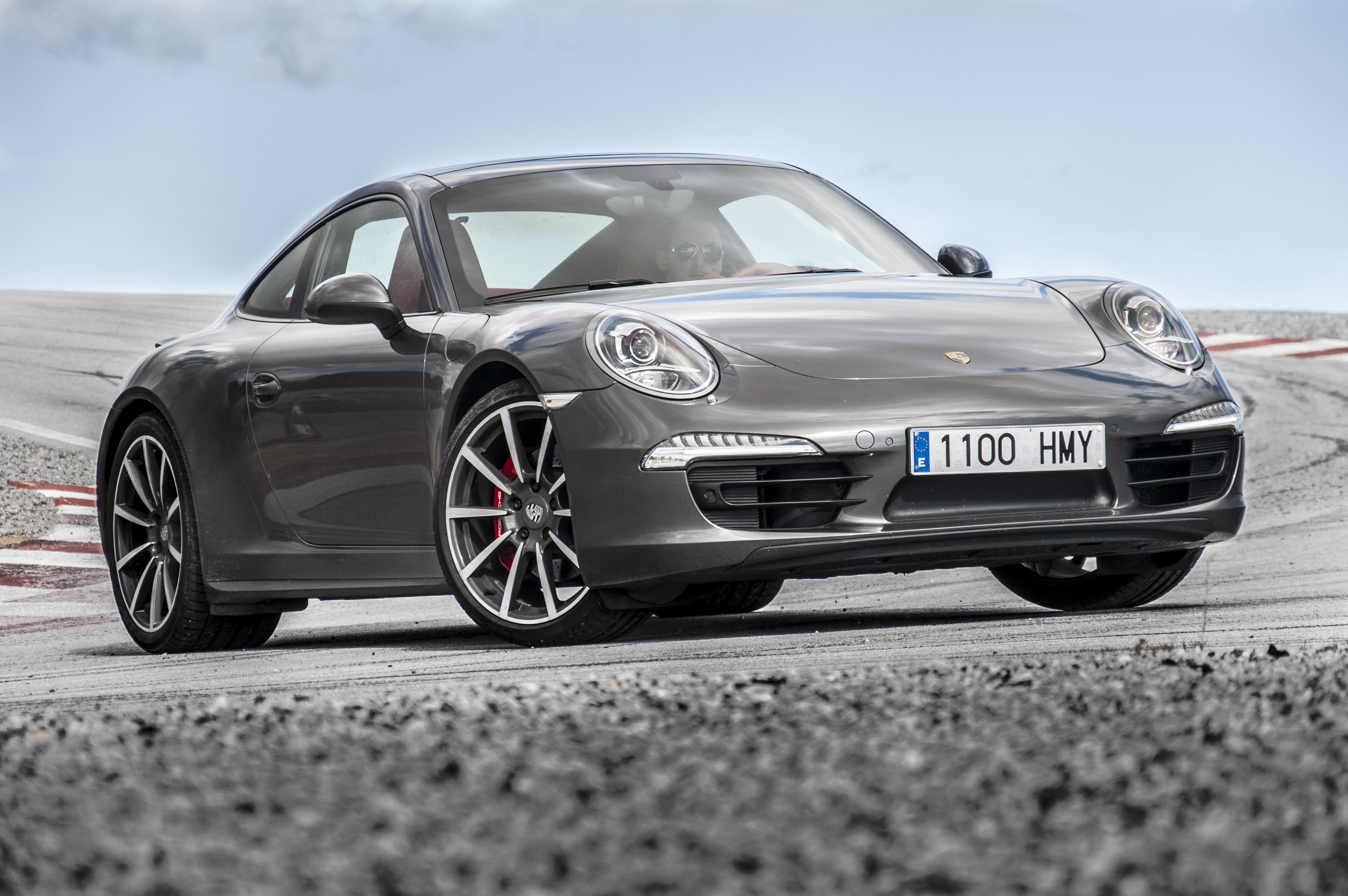
The Porsche 911 is a famous sports car that many people love. It's known for its unique shape and powerful performance, and it's been around for a long time with many different versions.
RUF is a company that makes special versions of Porsche cars, especially the 911. They add upgrades to make them faster and more powerful than the regular models.
A barn find is when someone finds an old car that has been stored away in a barn for many years. People like these finds because they can be valuable and fun to fix up.
Car
Triumph TR6
The Triumph TR6 is a classic British sports car made between 1968 and 1976. It's known for its stylish design and good performance, making it a favorite among car collectors.
The Mercedes-Benz 190 is a smaller car made by the luxury brand Mercedes-Benz. It was popular in the 1980s and 90s and is appreciated for its quality and design.
The Honda S2000 CR is a special version of the S2000 sports car that is more valuable because it has better performance features. It's a favorite among car lovers and collectors.
The SEMA show is a big event where people show off new car parts and accessories. It's a place for car lovers to see the latest trends and meet others who are interested in cars.
The Mustang is a famous sports car made by Ford. The first generation was built a long time ago, starting in 1964, and it's known for being powerful and stylish.
The Honda Integra Type R is a special version of the Honda Integra that is designed for performance. It's popular among car enthusiasts and can be very valuable because not many were made.
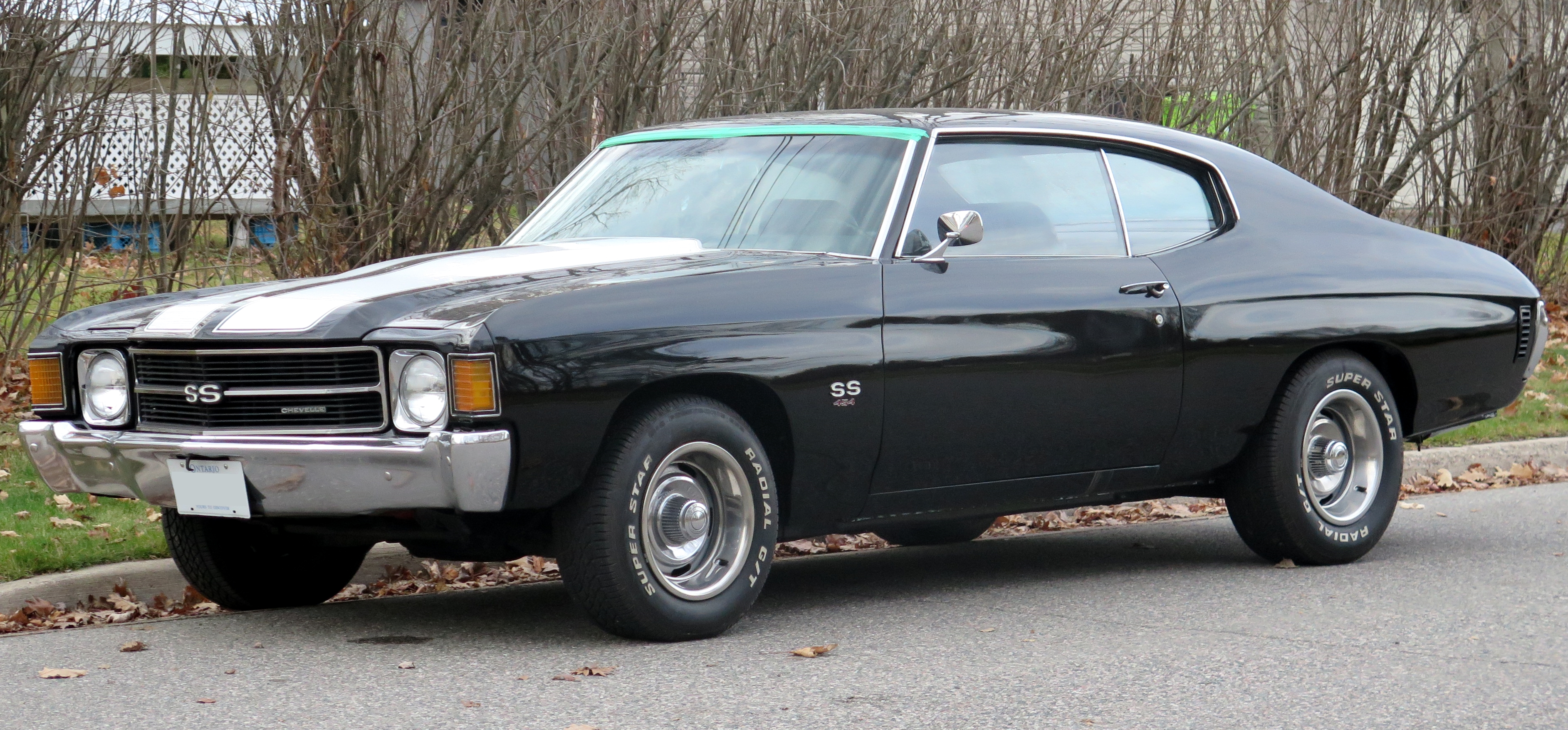
The muscle car era is a time when many American cars were built to be very fast and powerful. These cars, mostly from the 1960s and 1970s, are popular among car lovers because of their strong engines and sporty looks.
'Numbers matching' means that the engine and other important parts of the car are the same ones that were originally installed when it was made. This can make the car more valuable to collectors.
An 'engine swap' is when the original engine in a car is taken out and replaced with a different one. People do this for various reasons, like improving performance or fixing problems.
American muscle cars are powerful cars that are designed for speed, usually with big engines. They became really popular in the 1960s and 1970s and are known for their performance.
Original parts are the pieces that came with the car when it was new. They are important for keeping the car true to how it was made and can make it worth more to collectors.
The contact patch is the part of the tire that touches the ground. It's important because it helps the car grip the road, which affects how well it drives and handles turns.
Angeles Crest is a famous road in California where people love to drive because it has lots of curves and beautiful views. It's a fun place for car enthusiasts to enjoy their vehicles.
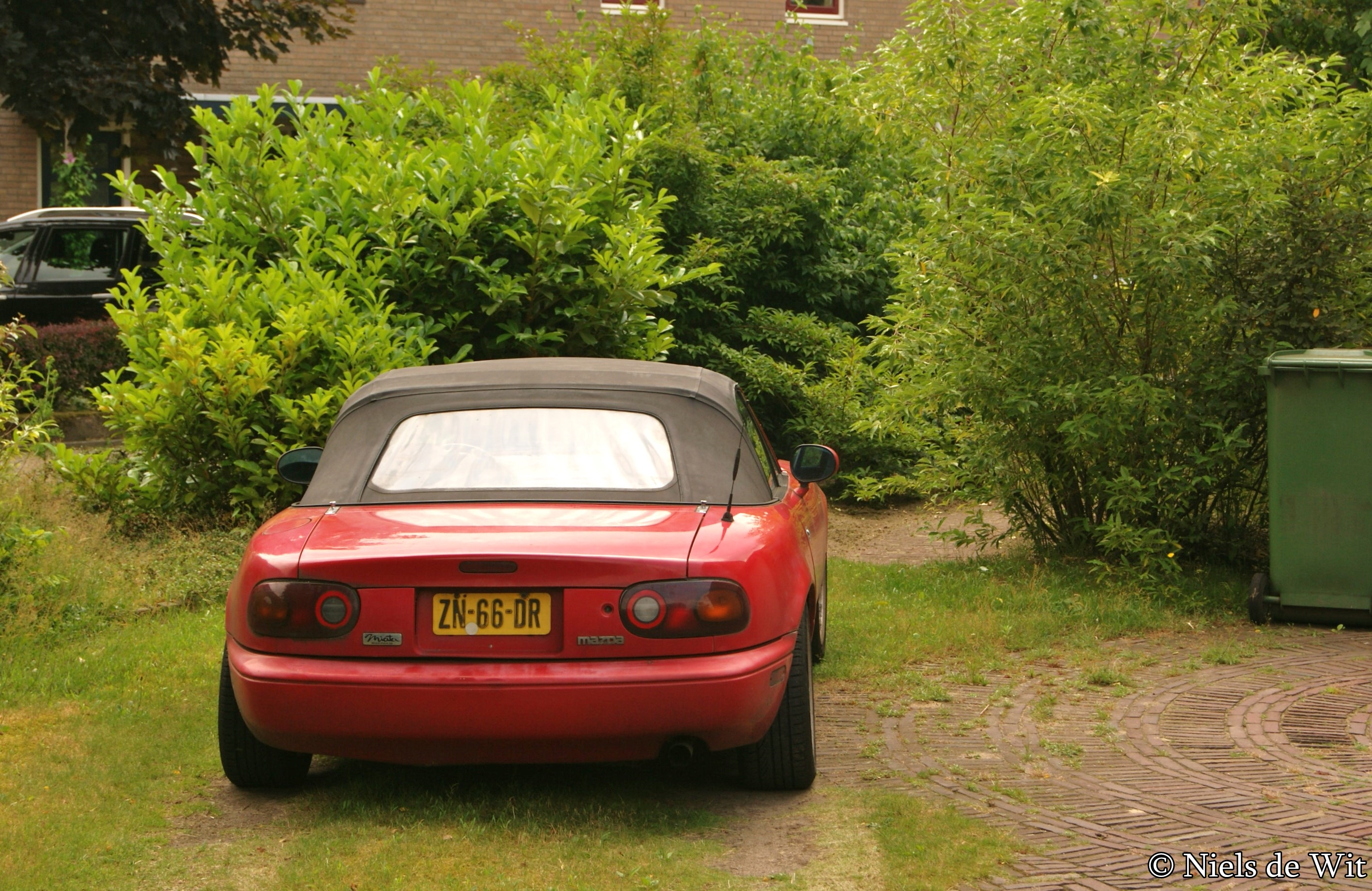
The Mazda MX-5 Miata is a small sports car that many people love because it's fun to drive and easy to fix. It's a great choice for those who want to work on their car themselves.
The Lincoln Continental Mark II is a fancy car made by Lincoln between 1956 and 1957. It was designed to be very luxurious and stylish, making it popular among wealthy buyers.
'American Rolls-Royce' is a way to describe really fancy American cars that are as nice as Rolls-Royce cars from England. It means they are very well made and luxurious.
Appreciation for unique cars means that people are starting to like and value special cars more, especially those that are rare or have a unique design. This can make them more expensive over time.
Rack and pinion steering is a system that helps you turn the wheels of a car when you turn the steering wheel. It's designed to make steering easier and more precise.
Here we have the Limo Imo in its natural habitat, helping people customize their car insurance
and save hundreds with Liberty Mutual.
Fascinating.
It's accompanied by his natural ally, Doug.
Uh, Limo, is that guy with the binoculars watching us?
Cut the camera.
They see us.
Only pay for what you need at libertymutual.com.
Liberty, liberty, liberty, liberty.
Saving's very underwritten by Liberty Mutual Insurance Company and Affiliates
Excludes Massachusetts.
Drinking and driving will change your whole world.
The next time you're out with friends, consider what would happen if you got pulled
over after drinking, like the legal fees or the time in court or a DUI on your record.
Your decision to drink and drive could change someone else's world, too, if you hurt
or even kill them in a crash.
Instead, what if a decision to call a sober ride changed your world for the better?
Drive sober or get pulled over, paid for by NHTSA.
Something amazing is happening.
This agency is experiencing a cyber attack, but no one is panicking.
That's because CDW government secured, optimized, and future-proofed their data
with the Dell Technologies Power Store solution.
It increases cyber resiliency and improves end-to-end performance.
For a secure, scalable solution that doesn't require more physical space,
Dell Technologies and CDW government make amazing happen.
Find out more at cdwg.com slash Dell Federal.
Hello, welcome to CarCast.
I'm Matt, the moderator, D'Andrea.
Got a very special show today.
We've got Larry Webster, he's the editor-in-chief at Hagerty Media.
It's been a while, but welcome.
Welcome to the show.
Hey, Matt.
Thank you for having me.
Appreciate it.
Let's talk a little bit about Hagerty for a minute here,
because Hagerty, my gosh, has really kind of changed and evolved
and grew into this big, impressive monster of a company over the last decade.
It went from just insurance, although you still maintain
one of my favorite online tools ever.
It is the price evaluation tool.
Evaluation tools, yeah, yeah, yeah.
Yeah, I mean, I've been there decades.
So thank you, Matt.
It's all thanks to me, obviously, in the last decade.
That's what they told me.
That's how they set it up.
Your team reached out and they're like, yeah, thanks to Larry.
It's not it at all, because it's a really fun company.
It's a company of enthusiasts built for enthusiasts.
And it's all about helping folks, especially now,
ensure, buy, sell, enjoy their cars.
And it's totally evolved from just a company that
insured your special vehicles, the stuff you didn't drive every day.
And they figured out that they could, the main thing
was that people took care of their cars.
And therefore, when something happened,
Hagerty could jump in and they could get it fixed.
And whatever it was, great service.
And that just really took off.
And that was really the bedrock of the company.
And then it's sort of evolved into other things.
Like now there's a great marketplace.
There's obviously the media arm that I run.
We do a magazine.
We do YouTube.
We're on social, on our website.
And now there's events and concours and a live auction
thing with Broad Arrow.
So it's just sort of encompassed the whole car world.
Yeah.
So I like to just serve the whole car world.
That's the better way to say it.
Talking a bit about that evolution,
I know this isn't under your watch.
But the marketplace, I mean, that's
just that just seemed to grow and grow.
Like it seems to be doing really doing well.
And also just some really cool, interesting cars and stuff
as well if you guys scroll around through it.
Yeah.
It's been really great, one of the scenes,
because with the ecosystem that we work in,
we know what cars are out there.
And the real idea is to offer our members something,
a way to connect and transact cars between themselves.
Because that's what you do is when
you're a member of an organization.
So there's classifieds out in there
that are free for AgriDrivers, co-members.
And then there's also auctions and things like that.
And it's been growing really fast.
I don't know if you saw this thing.
Did you hear about the generous collection?
No.
Yeah, there was a guy in Alabama that had,
I think he's got like 900 cars.
Wow.
And he owns a company, a business in Alabama.
And he would employ a lot of the people.
And so he's a big person in the community.
And when they needed extra money, they would come to him.
And it turned into like he would just buy their cars as a way
to help them out.
And he collected hundreds and hundreds of cars.
And now he just wants to get rid of them.
So they just had like a, I don't know,
it was hundreds of cars were sold all no reserve.
And there's another batch going up next spring.
And in the meantime, there's a huge collection that just
closed up the David Glenn Porsche collection.
He was the engine builder that built the Yellowbird 911
motor from Roof.
And so he had a bunch of stuff.
So yeah, there's all these connections
that are finding this great stuff
that they're able to offer on the marketplace.
So it's worthwhile to check it out
and at least sign up for the newsletter.
You know, so this guy was just buying up everyone's cars
that needed money, but with no real plan for a resale.
He wasn't a wholesaler.
He wasn't going to auction.
He wasn't doing, there wasn't doing any of that, huh?
No.
And we did, there was a barn find hunter video
that Tom Cotter did of the thing.
So you can go and meet the guy.
And you can see the warehouses on warehouses
on warehouses in Alabama.
He's got all this stuff.
It's amazing.
Taking a quick look at Marketplace.
You guys can go up there as well.
It's the Hagerty.com slash Marketplace.
And you can see all of the cool cars and stuff
up there that are for sale.
Is it all auction?
There's classifies and there's an auction format, right?
Yeah, there's classifies as well.
And if you're a Hagerty Drivers Club member,
you can list for free.
And then there's also the auction.
So it's both.
Yeah, I see this Triumph TR6.
Over at Adam Crowley's collection,
we've got the Paul Newman and TR6 in that collection.
Was that a Tullius car?
Was that a group?
Yeah, it was a Bob Tullius car as well.
No way.
It was a champion.
The same car was both of their championship cars.
But if you see that car, it's black and silver.
So for just a handful of seasons,
Newman didn't run like with Bob Sharp and whatever.
And so the black and silver cars
are his personal livery cars.
And it's one of his championship cars.
So we bought that car from Bill Warner, who
is an amazing guy, I love Bill.
And he was just looking to make a change in the collection.
And we always said we just wanted that car.
And I think he loved it more as the Bob Tullius car.
But for us and for Adam in that collection,
it needed to be back to the Paul Newman car
because of Adam's Paul Newman collection.
Where can you see the movie you guys did,
the documentary on that stuff, the way?
So the documentary, by the way.
Yeah, thank you.
The documentary, I believe, is streaming online
in a number of places.
And our own website is Chassis Media, I believe.
It should be so much.
Chassis.com, it's C-H-A-S-S-Y.
Chassis.com.
And you can still go and buy and watch all the movies there.
All the documentaries, right?
All of our, you know, the Willie T. Ribb stories
shall be mine.
Oh yeah, I love that one.
Willie's great, so you can get them all there.
But yeah, thanks for mentioning that.
But the cars are all, almost all the cars.
I think 12 or 13, I think 13 of the Paul Newman cars
are in the Reno Automotive Museum, right?
Amazing.
Along with some memorabilia, some racing suits and helmets
and stuff like that.
You know, when we were picking up those cars,
there was just things like a lot of the cars
were just like kind of in pieces and in boxes.
It was like before the movie, we just
wanted to get a handful of these things.
And I remember one of the cars coming
with like a giant rolling toolbox, like a track box.
And I think just on the bottom drawer,
because it was just all junk and tools and stuff scattered.
The bottom drawer down there was just kind of folded up
was this blue racing suit.
And it happened to be a Paul Newman racing suit.
So it's just kind of a bonus, I guess,
back in the day when you could trade that kind of stuff.
It's amazing.
I've been racing for 30 years, and I noticed I'm slowing
a little bit, a couple of tenths.
And Newman racely, competitively, he was like 72.
Is that right?
How old is he?
Yeah, so I think he was in the car up until 82.
82, that's what I was.
Yeah, 82 years old.
And what you'll notice is up in his later years,
he thought it would be fun to run his car
with the number that was his age.
So he was 80.
And then one of the races he was in, the number was taken.
I don't know if it was 80 or 79 or 81.
But somebody was out there with car number 80.
And they're like, you can't have car number 80.
Normally, you've got to tape it off.
You've got to make it 88 or something, like something
you can make it into.
And I guess they were just like, it's Paul Newman.
We didn't really care.
So he had 80.
And then in tape, he wrote a little plus one
on the bottom of it in the side of the door.
So he's like, yeah, it couldn't get 81.
So I got 80 plus one to be his year.
So you never know what's out there.
And that's why it's fun.
We have people out in the car world all the time.
That's why we hear of these things,
like the generous collection and other things.
And that's why we have a whole series dedicated.
It's called the Barn Find Hunter.
You never know what's out there.
By the way, that series is 10 years old still.
You still find it's incredible stuff.
So I wanted to talk about that.
So Haggerty now, this isn't new.
We're a decade into this with you.
Haggerty is actually 40 years old.
Yeah, but with you running on the content side,
the media side of it, I'm going to bring up some of it.
But let's talk about it.
What's going on on the Haggerty media side?
Yeah, the big stuff right now this month
is every month is something we call the bull market list.
And this is something that we talk about once a year,
where we, you talked about it before,
we have this great valuation team.
So you can get all these car values on Haggerty.com.
Historical values, what cars are worth.
And one day I called the guy who runs it and asked him,
hey, you think we can figure out
like what cars might be worth in the future?
And so my great surprise, Matt, he's like,
yeah, I think we do that.
And so that's how we started the bull market.
The idea was always like, hey, how can you buy one of these cars,
own them for a short amount of time,
and then sell them without really losing that much.
It's almost like having the car for free.
Yeah.
And it was really successful.
This was sort of an out group of what you call group tests
in the car magazine world, right?
And it did really well online.
We get a lot of other people pick it up.
And so we've been doing it nine years.
There's actually also a video.
So that's our big news for December, for sure.
This will take up a lot of the things
because there's just a lot of interest in what to buy
and car values, as you know.
So it's worked really well.
Do you want to go through it?
Let's go through the list.
Let's go through the list.
I'm going to bring it up as well for you guys up on YouTube.
So we'll take a look.
Yeah, it's on the website on the Haggerty.com slash media.
There you go.
And it's also, you know, we cover a lot
on the social channels.
And it's also we got an episode on our Haggerty YouTube.
But these could be future collectors,
things that you guys think are either going up in value.
Or maybe there was a dip in value
should now is the right time to buy.
Yeah, exactly.
You know, so and it's going to be an interesting mix of cars
from inexpensive to actually very expensive.
Yeah, yeah.
So I'm glad you said that because we really
try and make sure there's something for everybody.
You notice there's a lot of different eras.
You know, it's kind of easy to, you know,
you could just say, well, any really interesting car
that's 30 years old is probably going to go up,
right?
Because it reaches the bottom of the appreciation curve.
What we do is look at those anomalies throughout the market.
So there's different stuff and different eras
and different price points.
You know, Adam and I would talk about this all the time
in that a good kind of rule of thumb
would be look at what's going off at big money at the auctions.
And is there a little brother?
Is there a goal wing Mercedes?
And then is there a 190?
You know, and go, oh, maybe that's the one.
Maybe, you know, it's hard because we just put an article.
We also, we do a lot of, we have a special section
of our site called The Insider.
And that's all of our valuation and sort of market
research and things like that.
And we were just looking at the Honda S2000 CR, right?
And the CR is worth way, way more than a regular S2000.
Right.
And so the little brother analogy is kind of tough,
you know?
Maybe a better way to say like, OK, how old people,
like right now or in the middle of the greatest wealth
transfer, right?
You know, the boomers are passing their dollars
to the next generation.
A lot of it's like my generation, Gen X.
And that generation is hitting 55 and 60.
So what did they covet?
They covet cars in high school.
And that's the 80s, the rapper.
Yeah, our 80s and 90s cars.
80s and 90s.
And that's what we see a lot of for sure.
You know, when you look at the aftermarket as well,
you go to the SEMA show and you think
about all of the cars, like every Gen 1, Gen 2 Mustang,
Camaros, all of those things that were getting built.
And then, yes, like the kids, the high school kids
from the 80s and 90s were going, well, what was I driving?
And now that I'm a real life adult
and maybe made some money in my career.
That's right.
So when I reach out to some hot rod builders
and then you start seeing guys like Troy Trapanier
and stuff going, we're going to do a Camaro.
We're going to do an 89 or 90 Camaro.
We're going to do the IROC or something.
Like instead of a T-bucket or something like that.
Yeah, yeah, or just like another 65 Mustang or whatever.
Oh, yep, yep.
You know, going, sure, everybody loves a 69 Camaro,
but that's not what I grew up with.
My first car was an 87 Camaro.
It's an IROC.
Yeah, so.
Yeah, that's a good point.
I mean, remember, Seema used to be filled with,
remember the Sport Compact craze?
Yeah.
That kind of came and went.
It's almost funny.
It's coming back now, right?
Because that was when they were new and now a lot
of those CRXs and things that just disappeared
are back and pretty valuable.
Yeah, it goes in cycles.
You were talking about marketplace.
It's like every once in a while, something will pop up.
And it'll be like the best of the best, the low-mile mint
condition, you know, and you're like, oh my God,
somebody took an Integra Type R and got, you know,
$180,000 for it.
And then over the next six weeks,
you see like 30 Integra Type R's pop up on.
Totally.
And it's like, oh my gosh, maybe I should sell mine.
I got to cash in.
Yeah, I got to ride that wave.
And you know, it's not.
But that's kind of what we're talking about with your list,
with the bull list, right?
Yeah, I mean, one of the things that they do
is they're not just tracking the price data and sale data,
but they're also looking at like, OK,
how many people are calling in to get an insurance quote
on a particular car?
Did it grow year over year?
How many people are calling in and asking
to have their agreed value raised on a particular car?
And what does that mean?
So there's a whole big suite of data
that they use for the like, I don't know,
2 million plus phone calls that we get every year
to try and color this.
And then there's like a whole team of folks
who have been doing this for decades.
So there is data, and then there's interpreting the data,
and then there's making some decisions.
And then by the way, every year we go back
and look at our report card.
How do we do?
Yeah, I was going to ask about that next.
But we'll get that toward the end here.
All right, let's take a look at the list.
Let's take a look at the list and go through.
We'll just cruise through some of these cars.
You can figure out how much time
you spend on what was the most exciting thing on the list to you?
Is there anything that jumped out like, damn,
that's a good car.
I should jump on that.
Well, I don't know if it's that or as much as just sort
of a confirmation.
Like certainly, I was waiting for like the 454SS, the truck
to show up on like an official list.
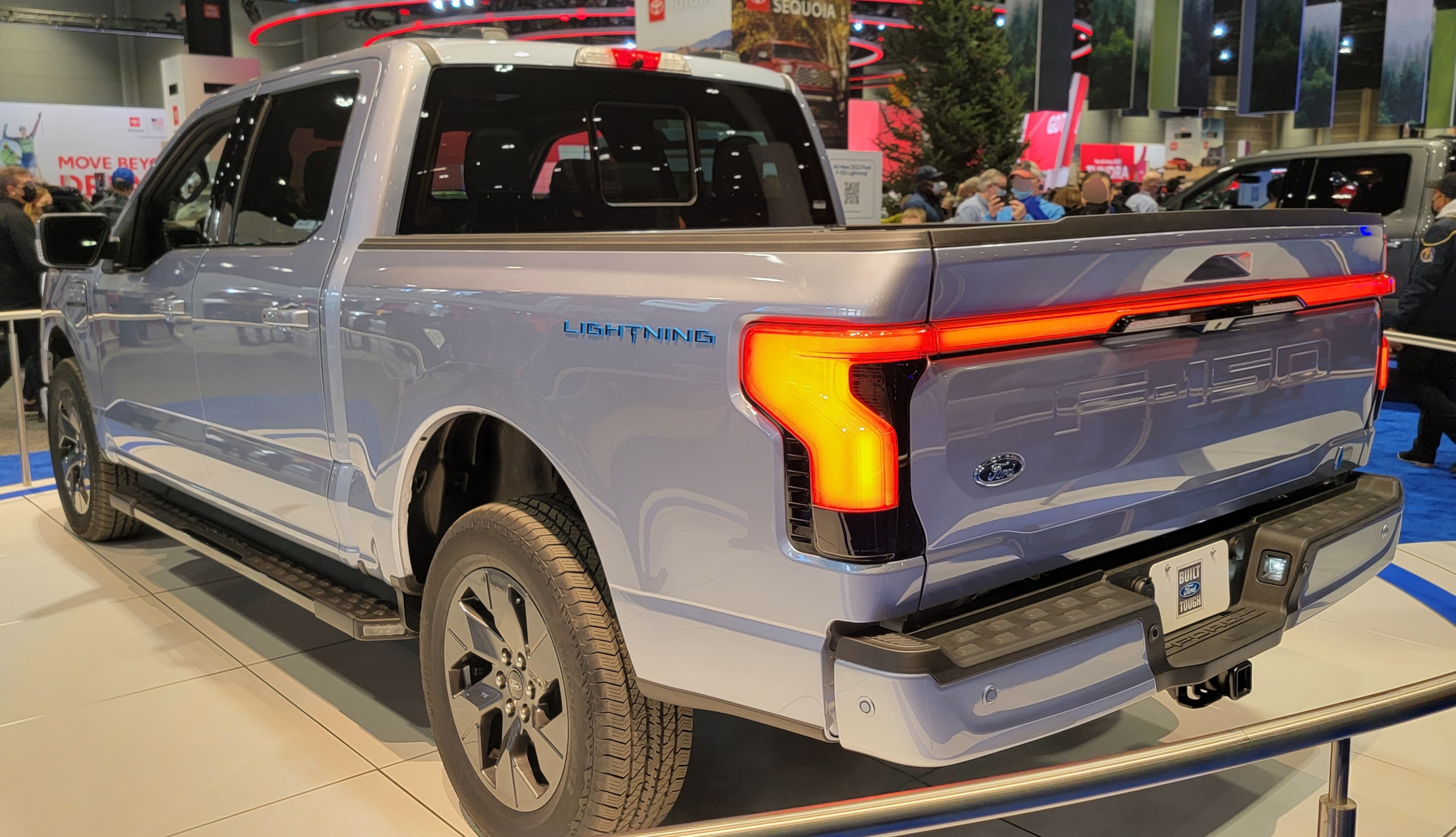
I have a 95 Ford Lightning and I have some Foxbody Mustangs
and stuff.
So that one, like Cyclone and Typhoon, excuse me,
that's probably, I don't know, maybe that's already
been on the list because those were starting to really
get some pretty decent money.
Yeah, for sure.
And the rest of us are going, yeah, but what
about the Lightning?
What about the 454SS?
Like what about those trucks?
We had the V10 RAM on there.
The V10 RAM, it's cool.
Yeah, I mean, what's the average value of the 454?
It's somewhere in the 30s, right?
But it wasn't that long ago.
It was probably eight.
Totally.
Yeah, so how much room is there left?
That's a great question.
But it was never like, we try to make sure to say, look,
if you're in this to invest in it,
it's not what we're about.
We're about, we want to show you how much fun you can have
for how little money.
And there's not a lot of risk in it.
It's a store of value.
Let's talk about this first one on the list, the Dodge
Charger, the 68 to 70 Dodge Charger.
This one I bring up specifically that catches my attention
because this is a car that went up in value
and is seeing a dip in the market, I believe.
And that's what makes this thing a very interesting buy
right now.
Totally.
One of the things that our valuation people point out
was that 52% of the owners right now, at least the ones
we know, they're Gen X and younger.
So that means the fastest growing segment in sort of like
who's getting into the car market are buying these things.
So we think that's a real positive nudge
for them being more valuable.
I think so too.
And I mean, there are, you know, these cars I think
they demand a little bit of research.
When you're getting into the 60s and 70s muscle car era,
especially the 60s size,
like there's just so many small little variations
and it's, you could see something like a charger
and go, oh man, this seems expensive.
But, you know, is it numbers matching?
Was there an engine swap?
What was the spec on it?
And something about the American muscle cars especially,
like the auction companies, all of them included,
by the way, the auction companies,
if you're selling muscle cars,
they love to go as to the finite details.
So like, this is, you know, this is the charger
and it's a manual, but this is the only one, you know,
that had, you know, a 411 gear in it.
And people like, okay, so now we're really just
getting to the build sheet and just figuring out
exactly like, you know, this is one of, you know,
one of seven that had this certain gear ratio
or this, you know, or like,
it could be something really silly.
Like this one had the, you know,
the factory replacement fuel pump because there was an issue
and they only made, you know, a hundred of these.
Like, so muscle cars especially, excuse me,
I find if you're getting into that area for the first time,
it helps to talk to somebody
that is a specialist with those cars.
If you're not talking to, you know,
one of the car specialists at the auction company,
you need to talk to somebody that knows about these cars.
I think that is a great piece of advice
because I agree a thousand percent.
Like you don't want this trim package,
you want that trim package.
Oh, okay.
And it's hard to keep them all straight
because they change them so often, right?
Keep them fresh here over here.
So yeah, that's a really good point.
The one thing that I will point out though,
they list the valuation tools,
lift different values at different conditions
because it's all about the condition of the car.
Okay, so top of the market's, you know, a hundred grand,
but then you get something with not original parts
or it's had some work done on it
and that's a 40 or $50,000 car.
And you really get that experience
without spending all the crazy money.
You know, if you're at least not a stickler
for that originality, which I'm not,
I'm always out to the experience.
I mean, I don't show cars, I just like drive them.
So I'm kind of a bottom feeder in that regard.
And that's what's cool about these
is can you think of a better looking
60s muscle car than the Charter?
Right, yeah.
And I mean, as cool as it was,
it was kind of on the big side, you know?
Yeah, they're big.
Like you park it next to a, you know,
a Gen 1 Camaro or Mustang, you're like,
gosh, this thing's huge.
Yeah, you know what's fun about this, Matt?
That the woman who owned it,
and her name was Sherry and she had bought it.
It was two years old.
She made her dad buy it as her first car.
Had it ever since.
Loves it, loves it, loves it.
Yeah.
You know, barely get it out of sight.
So that's one of the fun parts
about doing this exercise
is you get to meet a lot of the owners
and, you know, so many car people out there.
I know you know.
That's a cool one.
Yeah.
Okay, so moving down the list,
we've got the next one on the list is Mazda.
We're looking at 1999 through 2005,
Mazda MX-5, the Miata.
Oh my gosh.
I mean, it's a personal favorite.
I have three and a Miata is the first gen.
In terms of dollar per smiles and everything,
there's nothing better.
This is the second gen.
We're finally seeing these start to catch up.
They're still like,
I mean, you've driven these cars, right?
I have.
I had one.
It's so good.
It's so good.
I had one for like, yeah, for like a year or something.
It was like a friend had it
and was like moving out of town.
I didn't know what to do with the car.
And they're like, here, just take it for a while.
You know, it needed a little work,
but it was, excuse me, it was super fun to drive.
They're super durable.
I mean, these are the Miata is Mazda's moonshot.
It's like Toyota's Prius.
Like they engineered every freaking millimeter of that thing
just as, you know, as well as they could.
And it just shows they're so intuitive.
You get a real feel for what it's like
to be what's happening to contact patch.
And I like these cars because it's like,
it's a lot of times it's more fun to drive a slow car
fast and the drive a fast car slow.
And, you know, especially these roads,
what's happening in traffic and you're,
these cars, you can take them to red line
and you're not going to be risking a ticket.
And they're still like crazy cheap.
I mean, they're well under 20 grand for a really nice one.
So I can't say enough about Miata's.
I think they're killer.
If you, if you ever get into any sort of racing,
the Mazda Miata is a great place to start.
And there's so much support from the dealers
and the manufacturer in that regard on this.
And you're right.
Like you want to, you want to hit, like you're in California,
you want to hit like Angeles Crest or something
and you don't want to die, but you want to have fun.
Like this is a great, a great car to do it.
It's a great car.
And, you know, there's so many parts for it.
My favorite recipe for these is the suspension.
They're a little bit soft from the factory,
but they're nice because the ride quality is good.
So one thing I do to all my Miata's
is I don't change the spring rate,
but I changed the shock absorbers.
I just put straight up Coney yellows on them.
And I've done that on a couple of cars.
It just tightens it up just enough,
but it still keeps that compliance in there.
And they're just sharp and fun and fluid.
And you feel like you're wearing a dancing shoe.
Awesome cars.
You know, and changing the shocks, that's a good point.
There's so much support in the aftermarket
for the Miata.
Like there really is anything you could ever need
for that car you can get for that car.
And as a lot of people that get them
as they are fixing things that need to be,
that need attention over time
is a chance to do an upgrade to it, right?
There's usually like a slightly more interesting
or better performing version of that part.
Yeah. And then, you know, they are durable,
but of course every car needs maintenance.
I have not found a car that's easier to work on than Miata's.
Yeah. And everything bolts together.
It's not like you're fitting stuff.
And then there's so many used stuff out there.
By chance, you screw something up.
The worst case is a motor.
You can get one for like an almost new one
for two grand all day.
So like there's a kind of no risk.
And so it's a great way to learn the DIY skills
and all that stuff.
And then like I said, you can upgrade if you want.
All right. So moving on to the list,
this is kind of interesting.
So now you've got the 1956 to 1957,
the Continental Mark II.
And this is interesting because I just
talked to Chip Fuss about the car he built at SEMA.
And I believe he did a 56 Continental.
Did he really? Yeah.
And he turned it into a Roadster.
So there's no top on it.
I mean, yeah, look at that shot, right?
We tried to make it like this car invoked this kind
of JFK era to us, even though it was before it.
But it still had that kind of madman feel, right?
Remember, 56, 57, everybody was tail-friend crazy.
And here comes out this Lincoln that's not that.
It's really a little bit understated in lines.
But this car was supposed to be the American Rolls-Royce.
It wasn't called the Lincoln.
It was called the Continental.
And they were $10,000 new in 1956, which is kind of crazy.
Expensive back then, right?
Expensive.
Yeah, as you guys pointed out, that's $120,000 today.
Totally.
But we think this is one of those rare special cars
two years only.
And we're seeing some signs that there's a great interest
or more appreciation for how unique a machine it is.
How about that?
I think it's a cool car.
I think it's a very kind of classic looking.
I think it would be fun to drive.
Definitely not winning any races.
But this is just meant to be, like you said,
the American Rolls-Royce.
So it's meant to be very luxurious.
The funny thing about this car from Russ,
37% of the owners, no surprise, are over 70 years old.
Right?
Yeah, not surprise.
Over a third.
But the under 50-year-old share is up from 11% to 60%.
It's growing.
So the folks under share, they're growing.
So they're passing the cars around.
So we think there was a fairly good drop from 2020
to 2022, like a 25% drop in value.
But we think it's flattened out.
And it's sort of starting a little bit of a slower race.
Again, you're not going to get rich buying this car.
But you can buy it and own it, especially
if it's a good one, and just move on.
It's a very interesting car.
Next on the list, of course, is the Chevrolet, the 454 SS,
the truck, the 1990, 1993, the big block truck.
I mean, everybody's got to have a big block, right?
Yeah, I mean, it's the two-door standard
cab, short bed, big block in it.
Have you ever driven one of these?
I'm trying to think if I've driven the 454.
If I had, it was probably back when they were newish,
probably a few years old.
It would have been late 90s I drove it.
But I don't recall now.
So it's like the muscle car formula.
It's the lightest, smallest body with the biggest motor.
And you know, you've driven late 60s muscle cars.
They drive like trucks anyway.
Yeah, might as well have a truck.
Might as well get the truck version, right?
The one that could actually haul and tow stuff.
Listen, even my Lightning in 95, you buy that truck.
And they're not rack and pinion steering or anything.
So I mean, it's just so sloppy.
You can move that steering wheel back and forth six inches
before the car even turns.
Yeah, you know, and that's on the S10, right?
Yeah, the cycle is on the small put on the small.
Yeah, that's the cycle.
The Lightning was the Ford.
That's the F1 Ford.
Yeah, yeah, that's the F1 50.
So I think all of these, the 454 SSes, they were all black.
They all had like the red interior.
Yep.
Yeah.
You could see Dale Earnhardt driving one for sure,
couldn't you?
Absolutely you could.
Yeah, absolutely you could.
Excuse me.
All right.
So this is your favorite on your list.
Let's go to the next one.
All right.
This is my favorite.
This is the 2006 through 2013 Corvette Z06.
Yeah, I mean.
I agree.
This is such a great car.
Talk about another car like the Miata
where there's just so many parts, so many modifications,
so many things you can do this car.
You could get in this thing and have
an absolute performance home run right out of the box
or modify it to your heart's desire.
I mean, this car, I remember I was on the launch,
the sixth generation Z06.
And I couldn't ask the engineers enough questions.
I was so curious.
It's basically an LS kind of style block, seven liters.
And it rests, I want to say, 7,000-ish RPM
as titanium connecting rods.
And no turbos, no nothing, 505 horsepower.
The throttle response on these things
is like you're in a Tesla.
I can't believe I'm comparing it to that,
but I mean the immediacy of it.
It's just it's like it's such a live wire car.
And I did a lot.
I was just a car and driver when this thing came out.
And I drove these things all over the place.
And I just couldn't believe this is a production car now.
And now, I mean, you can get one of these for 40, 50 grand.
What do you get a touch for that?
I mean, the average price of a new car is $48,000.
You want to get a cannery for $34,000 or $38,000
or Z06 Corvette, I mean.
Right, yeah.
You'd be hard pressed to find something as great a performer
and as much fun to drive for that price range.
Oh, and they sound insane.
In their manual gearboxes, they upgraded the interior
from the C5 to the C6.
So it's a little bit nicer.
The other thing is they shrunk this car.
This is actually smaller dimensions than the C5
that it replaced because they wanted to sell it in Europe.
And so a lot of the ills of the C5 they address
with this car.
And what I love about the Corvette
is you've talked to those guys who work on the Corvette
and they stay with that program.
Every generation, this car does something you just never
expected, and they always make it better.
As much as I love the C7, that's my favorite,
but the C6 is just crazy, especially for the money.
So I think that engine was in the Camaro,
I think, for a short bit.
It was in the Corvette, but then it went away.
So that's why I think one of these cars
is going to be something to hold on to for sure.
And in this car, it was dry sump?
It had dry sump oil in it?
It had dry sump.
And then I think when you, I think you could buy,
at the time, you could buy the engine
in the Chevy Performance Catalog.
Yeah, you could.
Maybe it was wet sump in the Performance Catalog.
It was $15,000.
Yeah.
Yeah.
Right?
Yep.
Crazy.
OK.
All right, let's do this.
Before we jump to the next car,
let's take a quick break and we'll be right back.
All right.
As we enter into 2026, you may have set some goals
like finishing that car project.
However, it could be hard to find people
who are good at what they do.
If you're hiring, how can you find the best people
for all the different roles on your team?
Well, there's an easy way with ZipRecruiter.
And right now, you can try it for free
at ziprecruiter.com slash audio.
ZipRecruiter's matching technology works fast
to find top talent so you don't waste time or money.
You can find out right away how many job seekers
in your area are qualified for your role.
Let ZipRecruiter help you find the best people
for all your roles.
Four out of five employers who post on ZipRecruiter
get a quality candidate within the first day.
See for yourself.
Try ZipRecruiter for free at ziprecruiter.com slash audio.
Again, that's ziprecruiter.com slash audio.
It's ZipRecruiter, the smartest way to hire.
Hey guys, it's Matt again.
I just wanted to give a big shout out
to everyone who's been coming out
to our Bravago Hard Seltzer tasting events
and ordering online.
If you haven't tried it yet, here's what you're missing.
Bravago is lightly carbonated, stevia free
and bursting with flavor.
And guess what?
It's not just great on its own.
It's a perfect mixer too.
Throw in a splash of gin or vodka
and you've got yourself a next level cocktail.
Find it online at drinkbravago.com
or at our next event.
That's drinkbravago.com.
All right everyone, let's talk about drinking and driving.
A decision that will change your whole world.
Things will never be the same once you get a DUI
because legal fees, time and court are just the beginning.
Getting into a crash is another way your world
could be irreversibly changed after drinking and driving.
Your vehicle may not be the only thing
that gets damaged in that crash.
You could face a life altering injury or even death,
but you're not the only one who could face those consequences.
Your decision to drink and drive
could permanently change someone else's world.
Whether you injure them or leave their loved ones grieving.
The next time you're out drinking, call a rideshare,
a taxi, a sober friend or a designated sober driver.
Always plan for a safe ride home.
The only decision that will change your world
for the better is the decision to call for a sober ride.
It's never worth it to drive drunk.
Don't risk it.
Drive sober or get pulled over, paid for by NHTSA.
Something amazing is happening.
This agency is experiencing a cyber attack,
but no one is panicking.
That's because CDW government secured, optimized
and future-proofed their data
with the Dell Technologies Power Store solution.
It increases cyber resiliency
and improves end-to-end performance.
For a secure, scalable solution
that doesn't require more physical space,
Dell Technologies and CDW government,
make amazing happen.
Find out more at cdwg.com slash dellfederal.
The LL Bean Flannel has been part of holiday traditions
for over a century.
It's the shirt you wear to go pick out your tree,
the shirt you wear when you're enjoying
a warm cup of cocoa by the fire.
And of course, it's the shirt that you,
and everyone else, wears in the family photo.
Cozy, effortless and made to last.
The LL Bean Flannel,
invited to the holidays since 1912.
Mariette Bonvoy is the official hotel partner of US Soccer.
Join Mariette Bonvoy today to get closer to the game
with exclusive perks, unforgettable experiences
and benefits that go beyond the pitch.
Spring Hill Suites, part of Mariette Bonvoy,
offers complimentary hot breakfast
and spacious all-sweet accommodations,
perfect for the whole team,
with room for up to six guests.
Make your next getaway a win.
Learn more at springhillsuites.mariette.com.
Okay, we're back.
And going through this Hagerty Bowl list that I think is-
We call it the Bowl Market.
The Bowl Market.
There you go, the Bowl Market.
So next one on this list,
this one's an interesting car to me.
This is an Alfa Romeo.
Now, I'm a bit of an Alfa Romeo fan.
I've had Alfa Romeo spiders like 91, 92.
And growing up, my dad had some early ones,
like a graduate and stuff.
And so I always kind of liked them.
Slow, but fun and sharp looking
and just a fun little convertible.
But this is a 69 to 72 Alfa Romeo, the GTB.
Honestly, I don't know a lot about the streetcar versions,
but this is a great little race car and race trim.
And Adam Kroll has raced against these many times
in some of his smaller Datsuns, like his Datsun Roadster.
And just a cool all-around car.
Yeah, I mean, there are a lot of things
that are attractive about this car.
The two ones are, to me,
they wanted a practical car with a rear seat
and they has your Giorgio draw it.
And they're gorgeous.
I mean, they are freaking gorgeous.
It's like, you wanted a little Italian sedan.
This is what you picture in my view.
I mean, they're just beautiful,
little well-proportioned things.
And then the second thing is,
by the 70s and 80s, of course,
Alfa Romeo started getting a reputation
for poor reliability,
but in the early days, they were crazy durable.
And this twin cam motor had been around for a while.
And this is a brilliant engine.
It's a aluminum engine, five-speed gearbox.
This is in 1969.
Revs like crazy, loves revving.
It's got enough power and torque.
It's really smooth.
Again, one of those things simple to work on,
you want to learn how to tune carbs.
This is a good car to get.
So, I don't know.
I mean, the only weird thing is,
if you've ever been to one of these,
the driving position is a little weird.
Like the early Italian cars,
is the steering wheels are pretty far away.
Yeah.
And the pedals are up,
so it is a little bit awkward,
but you can fix all that.
And again, there's huge aftermarket support for these.
You can tune them and modify them.
And they made almost 50,000 of them,
like around 45,000.
So just a lot to be said for just the overall goodness
of these cars.
They just offer a lot.
The big thing that really woke up
a lot of us to these cars,
I think it's a forgotten car in a lot of respects.
And 9-12s, you know, Porsche 9-12s,
the four-cylinder 9-11,
they're worth like tens of thousands of dollars more.
Which just is like, wait, what?
And we know there's like Porsche fetish
out the wing, I love Porsches,
but that just didn't seem to make sense to us.
And then we thought, okay,
some of the other things that we were seeing
suggested the GT-V is finally getting its due.
Yeah.
Now, did they do an aluminum body version, GTA?
I think that was before.
That's when they also had like a step nose,
which was even earlier or a step down.
So yeah, they did a lot of things.
Of course, you know,
these cars were pretty successful
in the under two and a half liter Trans Am series
they raised them.
Yeah.
I mean, they're just great, great cars.
And you're right, that Twin Cam engine,
that engine has been the same
up into the nineties.
It got a little more displacement over the years,
but and it got a fuel injection, you know, eventually,
but yeah, just so the engine's been around forever,
you know, like again, slight variations of the engine,
but also a good looking engine.
It's a good looking little engine
with the cam cover and stuff on it.
So it's a cool piece.
I'm glad to see this car on the list.
Yeah, me too.
All right, now, this is an interesting one.
The next one on the list,
we're looking at the 2006 to 2007 BMW M5.
I love this car.
I love the V10 in it,
but also I'm very aware of its maintenance issues.
Yeah.
Like it sounds great.
Yeah.
And if you do an exhaust on it,
a little aftermarket exhaust,
it sounds almost like an F1 car.
Like it just winds, it's good,
but be prepared to turn some wrenches.
Well, I mean, I think you're gonna be prepared
to pay somebody else to turn some wrenches
because I wouldn't touch the thing for nothing.
I mean, you wanna go to the specialist,
I really know,
because I think it's the cam phasers
and even main bearings, main crankshaft bearings
that go bad, but you got a 500 horsepower V10
that revs to almost 7,800 RPM.
I mean, what do you think that's gonna be free?
Of course not.
I mean, it's just, it's a crazy high performance engine.
This is when BMW was in F1
and you know, it's considered a power train company,
one of the best engine companies around.
And for all the reasons you said,
these are just very,
it's a very exciting experience to drive one.
Now, I,
excuse me,
you're looking at the valuations
based on different conditions of the car.
This is the one on the list where I say,
get the best one you can afford.
Absolutely get the best one that you can afford.
You know, like if you were gonna get into the Miata
and you were gonna turn it into a race car
or you wanted to do a little restoration project
and parts are fairly inexpensive,
you know, you could have some fun with that
because you know you're gonna be modifying it.
This one, I think you just get the cleanest one
you can afford and spend the money on it.
Yeah, what's interesting is you could get
it's one of the rare cars with a sedan with a V10,
you could get a stick shift in.
Yeah.
They didn't make a lot in them.
The SMG, you know, it's an automated single clutch manual.
It's not that bad in this car as in some of the others.
It's not so clumsy.
And so that sometimes the SMG
and the computer-controlled shifting prevents the owner
from doing something dumb, you know,
like downshifting totally and things like that.
There's a little bit more insurance,
but I couldn't agree more.
You wanna see all the records.
You wanna make sure this thing is vetted
and anything that's been done could,
you know, the funny thing is 10% of the 8,800 M5s
that BMW sold in the US have since been exported out.
Oh, really?
Yeah, it's like a worldwide car.
This is some of the things that people are waking up
to just how special it is.
I would say just for the fun factor
and the reliability factor, if you had an opportunity,
you spend the extra money,
you get the manual transmission.
Totally.
I don't think the SMG,
I don't think that's the way to go on this car.
Probably not, but not a bad substitute
just because the manuals are hard to find.
Yeah.
And a lot more expensive.
Yeah, you'd be paying for it for sure.
Okay, so next on the list, 81 through 93 Dodge Ram Charger.
This one surprised you, didn't it?
Or not?
You know, I was surprised to see it on the list,
but now that I see it on the list, I get it.
And I had one of these moments where
in the 80s, my brother and I went with my dad
and he's like, I don't know, it's like maybe we get a truck
and there's a guy in the neighborhood that's selling one
and we test drove one of these from just like a neighbor
and it was a kid.
I was maybe 10 or something like that, mid-80s
and going, let's go for a ride in this thing.
And I remember that.
And I remember just giant hood ornament as a kid,
but yeah, tell me why you guys like this.
I mean, you've seen just vintage SUVs in general
or going up, right?
You know, the Cherokees, the square body blazers,
the OJ Broncos, things like that.
And this car hasn't really followed,
but some of the things that we've noticed is that
the share of people under 50 that are owners of these things
is double the average of all our Hagerty clients.
So we're seeing a much younger generation
get interested in these things.
And of course, they have that kind of two-tone look.
You don't see them everywhere.
So there's that sort of like unique factor
that we think is playing into this.
So it was one of those great,
I think you were talking about this at the beginning
of the show, where you see the top model go crazy.
It does tend to, the rising tide does kind of
lift all boats in a way.
And that's really the story of the Ram Charger.
I think this is also one of those trucks that,
you know, we're seeing the blazers
and we're seeing, you know, Broncos pop up
and we're starting to see them get modified at SEMA.
We're starting to see the aftermarket companies
like a velocity restorations going,
oh, you know, we'll sell you a turnkey version.
It's nostalgic, but if you can get it with working air
and rack and pain and steering and a custom chassis
and, you know, give us 250 grand
and, you know, we'll make a turnkey for you, which-
Isn't that crazy, 250 grand?
I know, right?
Crazy is the wrong word, but I mean-
Yeah.
Wow, that's a lot of money.
It is, it's a lot of money.
But I think this will give this a few years
and I think this will end up on that list.
I think those companies-
So you agree with this, you agree with this choice?
Yeah, I do.
Yeah, I think this is gonna do it.
Here's the, where's the hood ornament?
Where's the-
I know, it's down there on the right.
It's monster.
I'd buy just for that.
I love it, yeah.
I just remember seeing it again, I'm like, God, it's huge.
Yeah, no pedestrian impact safety worries there.
Yeah, right?
Okay, so then we're gonna go, all right.
So the next one on the list,
this one doesn't surprise me
just how hot this market is right now.
You know, I mean, you got the Miata
but talking about where Japanese cars have gone.
Yeah.
You guys have the 95 and 98 Skyline GT-R.
Yeah, R33.
Yeah.
Which we think the R34 went pretty crazy.
There's enough of these out there
now that they're over 25 years old.
You can bring them in and so people are doing it.
So this is one of the ones we think
that's in between generations of the Skyline.
You know, the Skyline's been around for decades.
Yeah.
And I don't know if you can,
I can't keep all the R34, R32, R33.
I can't really keep them all that straight
because a lot of them look the same.
But this thing's still quite powerful.
Still four-wheel drive.
It has a lot of the technology and the whiz bank stuff
that I think people like.
And so that's what we think there's, you know,
growing interest in this actual generation.
It's one of those that we think undervalued
and that's about to change.
Have you driven one of these?
Yeah.
You have because I, you know,
people love them so much certainly for what they represent
and just kind of how cool they are and they look good.
I just, I just can't really get like a good straight answer
from, you know, an objective answer on how do they drive?
Is it, is it, does it drive like that ram charger?
Oh, no, they're, these are one of those cars
that they're smooth and they're composed.
You have this really exhilarating turbo hit,
but the car feels really like an extension of you.
Like you can drive it right up to the limit
with a lot of confidence.
And you can tell the best and the brightest at Nissan
spent their time perfecting this car.
I mean, this was their halo car and it feels like it.
So I wish they were left-hand drive, by the way.
Yeah.
I mean, that'd be a lot of these here.
I mean, I can drive the right-hand car cars
and a lot of people don't, it doesn't bother them.
But for me, if I was really going to own one,
if they made this left-hand drive,
I would own one for sure, 1,000%.
Yeah, okay.
I mean, it's cool.
It's a good looking car.
I mean, certainly ahead of its time, way ahead of its time.
Well, the looks are kind of weird
because, you know, the Skyline was like Nissan's sport coupe
and then they added all this stuff onto it
to make it the GT-R.
So it doesn't really, you know,
it has still a reasonable backseat and a good trunk
and all these things that you don't really expect.
But it's a super car all day.
Yeah.
It really is, yeah.
You probably see it's one of them by you and LA, don't you?
You know, we do see a few.
There's, I mean, there's a handful of people
that have them in collections now.
Like you said, they're starting to notice them.
You can bring them here now
because of whatever the rule of the 25-year rule.
So you can bring them here.
And people are getting them dialed in.
So yeah, yeah.
I just, just a couple of months ago
was visiting a friend in the area.
And that was one of the cars
that he just picked up for his collection in black.
All right.
So 95 to 98 Volkswagen Golf GTI, the VR6.
Yeah, specifically the VR6 engine one.
And I mean, the VR6 engine,
this was the first application of it and the GTI,
which is of course,
they offset the cylinders 15 degrees.
So it's a V engine, but it's only 15 degrees
between the banks.
So you could, you could mount the engine transversely
because it's about the same length as the 4-cylinder,
but it has twice the cylinders
and therefore about a third more displacement.
And so that was a big deal.
And these things sound terrific.
You know, have you ever heard what they say
they sound like?
They say they sound like the Wookiees.
Call them Wookiees or something like that.
Yeah.
Okay.
I had never heard that
you would tell me about it.
Yeah.
I used to have a neighbor that had one of these,
did a lot of work on it.
Yeah.
The interesting thing when these came out,
I remember I was so excited for these.
I couldn't, because I had many GTIs.
They're probably one of my favorite cars.
And then I drove it.
I was so like let down.
I mean, engine was great.
The transmission is really fun,
but the car just rolled
and had none of the sharpness
that I expected out of a GTI.
And what happened was the American product planners,
they were afraid that the European suspension tuning
of the GTI was too stiff for our crummy roads.
So what we got here in America
was basically the luxury spec suspension,
which is of course a lot softer and it was too soft.
So this guy who owned this car,
first thing he did was, you know,
he changed the suspension.
He put the right coil over it.
So he sort of restored that back in it.
But that's something I always tell people
I would do before I buy one of these cars.
But the fascinating thing about these cars
is since 2020, the number two value
that's like super nice car is up 100%.
So it's doubled in price in five years.
But another example of just,
any of these cars on the list,
if you're just getting into something like this
for the first time, it-
It's a good one.
It always helps to talk to somebody first, right?
Talk to people that own them,
get on a couple of the groups
or the forums or whatever, you know,
and talk to some people about it.
You know, the engine's really fun.
It sounds really great.
You could also get it in the Passat, the GLX,
which was this really weird one
that didn't make for very long.
Those are like, they all melted.
Nobody kept them.
But, you know, 20 to 30 grand
gets you the nicest one of these in the world.
Yeah.
And that would be a great buy.
A great buy, fantastic buy, really entertaining.
Yeah.
Okay. And then this is the last one on our list.
This is the 2004 to 2007 Porsche Carrera GT.
Obviously not $20,000, but...
A little bit more.
Yeah.
Yeah, a little bit more.
But a very cool car, a very interesting car.
An amazing car.
Yeah.
So you remember, right?
That when the Carrera GT came out,
it was Porsche's like really first super car,
you know, before that it was a version of the 911.
And I think they made about 1,500 of these
and they didn't sell.
Right.
Do you remember that part?
Yeah.
I remember when it came out and Adam Krull and I
were doing a podcast at the studio
and somebody, you know, we were having the cars coming over
or doing featured cars and stuff
and somebody brought one of these on.
And, you know, it was a little tough
to get it into the driveway.
It doesn't have like the front axle nose lift
that a lot of the super cars have
and, you know, great sound and 10 cylinder
and excuse me, not the wooden shift knob
and it had some cool things into it.
But you were like, wow,
I can't believe this is a Porsche.
Yeah.
Incredible car.
I mean, there's different stories about
where the V10 came out.
It was a Stillborn F1 engine
or it was a version of the eight cylinder they ran out.
I can't remember the exact spec
but the fun thing about this car
or one of the things that's really well known for
is the clutch is really tricky.
And that's because they wanted them out.
The engine is low as possible.
So they used a multi-disk clutch
that I think is about six inches in diameter.
You know, most clutches are anywhere
from 12 to 15 inches.
So that's why they can move the,
mount the engine lower to dry sump, you know,
and they are tricky to get going
but once they go, there's a fluidity
and speed and ease to these things
that they just belize what you hear on the internet.
You know, there's another one of those widow maker cars.
Everybody says it'll kill you.
Yeah.
I tested these things like all over the place.
They did lane changes, skid pad, everything.
They're mid-engine car.
Like, yeah, once they go NSX is the same way.
You know, if you get the tail going back and forth
at some point, it could snap.
So you have to stay on top of it
but I never found them to be like that evil.
But they're super exciting.
You know, the sound, you can go to the YouTube,
how good a YouTube channel
and you can watch the video, you can hear it.
It's one of the best sounding cars ever made.
And I find it funny, Matt,
like this car, the LFA, the 918,
like when they were new, they did not sell that well.
And actually the original 4GT, right?
The 04, same thing.
Yeah.
They went down to like 110 grand.
And then something happens,
five years, 10 years goes by
and everybody's like,
whoa, where is this thing that all my life?
Holy cow.
And now they're worth, you know,
like our GTs are worth a million and a half bucks.
Yeah, for, it wasn't that long ago
where cars were still like,
they were expensive when they came out
and then they would drop down
to like used car prices as we would consider it.
And then eventually start creeping its way back up.
And sometimes that process took 30 years, you know?
But nowadays it's like car, the, you know,
a lot of car manufacturers,
not even just the highest end brands,
but car manufacturers are going,
no, no, no, we're going after some residual value.
We're going after some limited edition versions
of these cars.
And we want these cars to be worth some money.
You know, a company like Aston Martin,
which those cars usually tank in value.
But Aston Martin is really just going after like,
oh, we need to do a limited version of this
and a limited version of this.
And it just can't be like a trim level.
Like we need to make nine of these roadsters
and we need to make, you know,
and even if you, they're not big in the press
and even if they're not trading hands a lot,
like they are keeping their value up there.
And I think a car like this, like we're done with it.
You know, so like a Porsche comes out
with another super car, you know,
like the Mustang GTD, I think is a good example.
People are like, oh, this is interesting.
It's not a four GT, where's it going to go?
I go up, that's where it's going to go.
Like I think that thing is going to go up.
People are going, oh, should I spend $600,000,
$400,000 or whatever, you know,
it's like 325 or something with options.
Maybe it's 400, 400 changes.
They spend $400,000 on the Mustang.
Now, if you have the money, yes, you should
because it's going to go up.
And by the way, that car is fun as shit to drive.
Yeah, it's, I heard, I don't know if this
I'm sure I'm fact-tracking it, but I heard
that Porsche sells more special editions than 911
than they do the 911.
Yeah, because I think we might be
under special edition fatigue.
We might be, we might be for sure.
And look, and not all of them will be great.
Not everybody's like limited special edition car
will be great, but I think there's,
I think there's some interesting things there for sure.
But the Carrera GT, it's still what they call analog car.
It's a stick shift in an automatic world.
It has that very unique special V10 engine
that's not muffled by twin turbos
like so much of it is today.
It went over 200 miles an hour.
Yeah.
60 and 300, no stability control.
You know, it's all about driver feel.
I mean, this is a exciting car
that gets your heart rate up.
Yeah.
And it was only 400, 450,000 new
and now they're worth about a million and a half.
But there's nothing for sale like it anymore.
Right.
That's anywhere near the cost of this thing.
So that's why we think it's just gonna keep going up.
And you'll never get anything that analog again,
unless you're going to one of the,
like you're going to like a singer or something like that.
You know, like, yeah.
Or like maybe a GMA car or something like that.
Yeah.
I mean, I was thinking,
and thanks for going through the whole bull market list.
I hope your listeners appreciate it
and they go check it out.
And maybe through previous years
they can find something they like.
You know, it's a significant,
you buy a fun car.
It's a significant chunk of money
that you're putting in something.
So we're trying to help people make sure
they're doing it or making smart decisions.
You know.
So that's really what we're after.
So I appreciate you giving us the voice to do it.
The one thing I was wondering about that came to mind
was I kind of think the scrapping of CAFE regulations.
I'm sort of excited to see what might come next.
Yeah.
You know, if you unshackle the engineers
and the product planners
and they don't have all these weird little
unintended consequences to fill.
You know, maybe the analog stuff will come back
because you know, there's still the Miata,
there's the GR Corolla,
there's the BRZ, Subaru,
still some fun cars out.
I don't know if you've driven the Mustang,
Dark Horse, that car's fantastic.
I've driven the Dark Horse, it's great.
I've driven the GTD, it's great.
And you're right.
I think maybe we'll start to see some of that.
I mean, there's also just been sort of a correction.
I don't want to say correction in the market,
but just sort of a correction
in the anticipated demand for EV
on behalf of the manufacturers.
So manufacturers are going, there's a place for EV,
but it may not be 100% of the future.
So now we need to start looking at, what does that mean?
Now, for a lot of car companies,
this is a multi-billion dollar mistake, if you will,
or just sort of a...
Or an investment that's not gonna pay off.
Right, it was just sort of a...
You're right, it was a vision for the future
that might not quite be there yet.
Yeah, I've been seeing signs that, on one hand,
we've been told, not we've been told,
but it suggests the trend lines that
we're not gonna be driving anymore
because autonomous cars are gonna take you over.
I remember six, seven, eight years ago,
even Bob Lutz was saying, say goodbye.
By 2030 ain't driving.
Well, okay, we think that's gone.
And then I look at what the automotive passion,
what's happening to it, it's only growing.
And the only thing I have to really say that
is if you think about the number of real enthusiasts
running car companies, and then the number
of factory involvement in IMSA sports car racing,
it's over a dozen factory teams in different levels.
Five years ago, those of us who loved road racing
never would even have dared hope for this outcome.
And now they're all there at the Daytona 24 hours.
It's amazing, so they must be getting something out of it.
And to your point, it's not slowing down.
Ford's investment in racing in all forms of racing.
Yeah.
Genesis moving into racing.
Genesis is like, we need to do,
they're kind of like emulating what Audi was doing.
It was like, we're gonna make some very interesting cars.
We're gonna make some high performance versions.
Now we're gonna make some racing cars
and have that education trickle down
to our new magma line of performance cars.
I mean, AMG, BMW, M's, you know, cars.
Hyundai N's, which I love about that.
Why not go after that?
Why not try to emulate it?
And especially for them, for the Hyundai, Genesis,
Kia family, they're selling cars.
They're doing well.
They're making money.
So that was the time for them to go,
maybe we invest some of that money
into like racing programs and high performance vehicles
and some new halo cars.
And now that we sort of made those brands cool, you know,
you would go, do I want a Hyundai?
Like, I don't know.
They're like, do you want a Hyundai, Ionic 5N?
Like, yes, I do.
Yeah.
I'm just hoping that there's more of a business case
to serve enthusiasts.
Yeah.
Right?
Because the charger's gonna come back
with a gas engine.
Maybe the Camaro come back.
Maybe.
I haven't heard anything, but boy, it'd be great.
You know, we have a Corvette ZR1
that's like 1,064 horsepower.
I mean, we're in this golden age.
We just needed to trickle down
to sort of more affordable cars for the rest of us.
Yes, we do.
And you know, I was just doing the podcast earlier
about I just spent a week driving a Hyundai Palisade.
Oh, that's a really terrific SUV.
And I'm like, this thing is gorgeous.
It exudes Range Rover goodness
and the hybrid version, good gas mileage
and it looks good.
And it's, you know, the calligraphy version
with all the options, 60 grand.
I'm like, oh my God, for a three-row SUV
with that gorgeous interior,
it's like, you get a lot of car for the money
and you don't need to spend 60 grand on it.
That's their nicest version.
Yeah, I mean.
So there is some interesting stuff there.
The car that, the new car surprised me the most
was a Renault.
And it was, I rented a new Toyota Camry.
It had like 500 miles on it.
I was like, wow, this thing is quiet.
It's tight.
It's roomy.
And I checked the sticker.
It was $32,000.
I was like, I think I got 40 miles of the gallon
while I drove it.
Amazing car.
You know, it's interesting you said that
because I've got like an Arizona road trip planned
for the holidays.
Yeah.
And listen, I love the car manufacturers.
They've been great to us over the last decade and a half.
We could pretty much call and go,
you know what?
You know what we haven't driven yet?
Let's drive this.
Let's drive that and get pretty much anything out there.
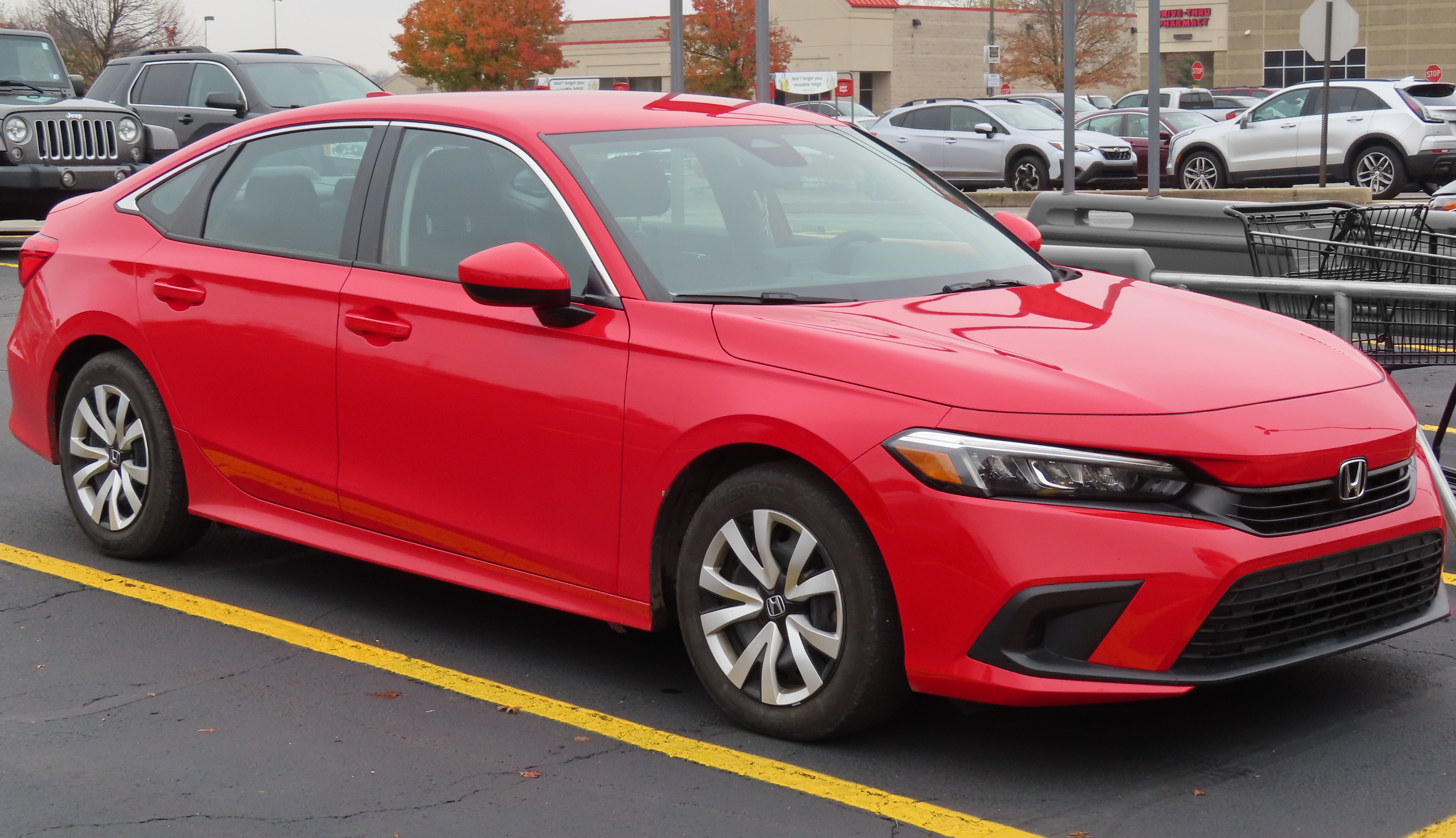
I asked for a Honda Civic Hybrid.
They're great.
Because you talk about a car, bang for the buck,
great gas mileage, $30,000-ish range.
And I was just like, I want to road trip that car.
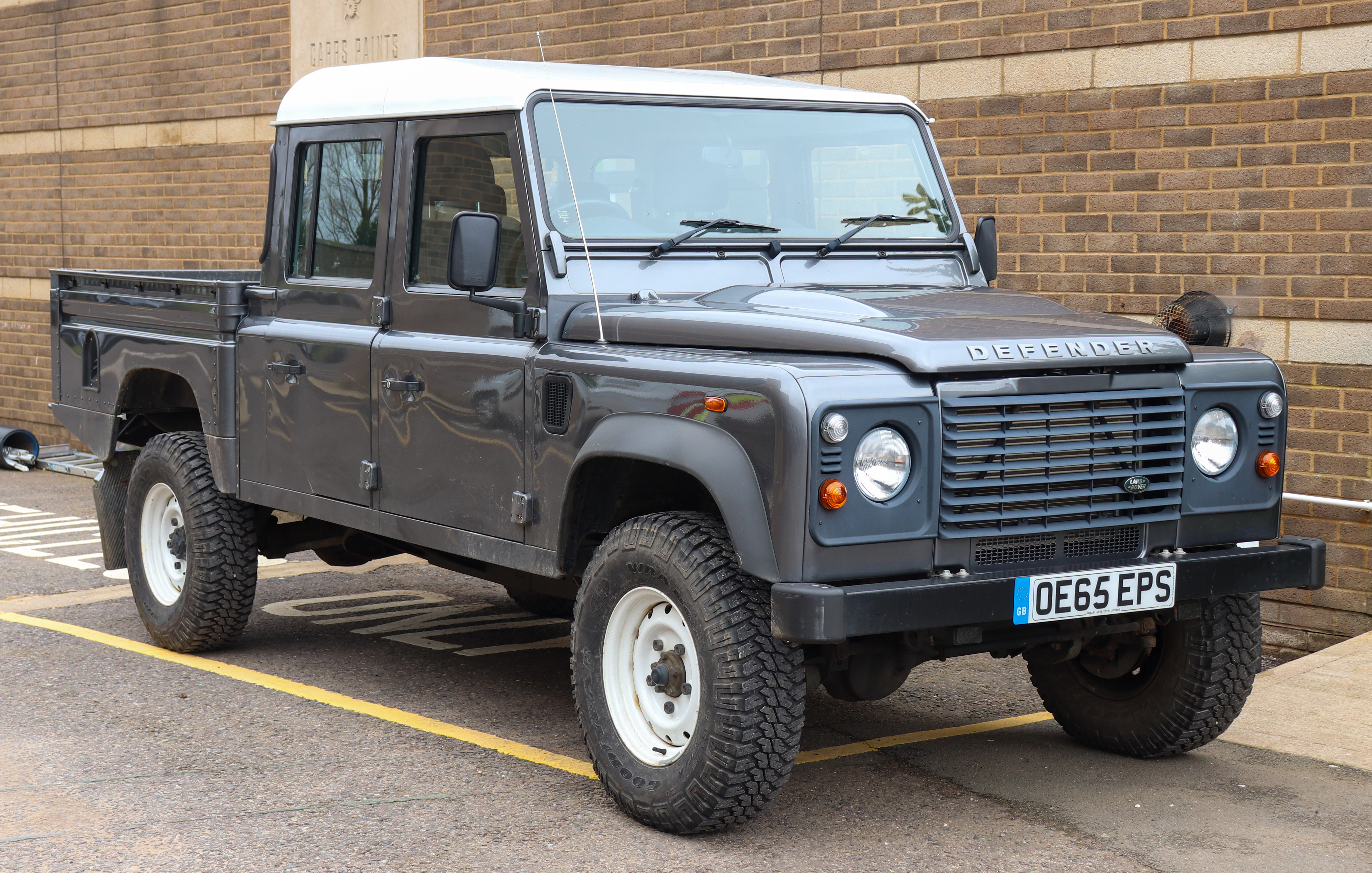
Like I'm driving a, I'm going to get a Land Rover Defender
before that.
But for the trip, I was like, no, no, no.
I want, like the Civic Sedan, I think it'll do 47 miles
to the gallon, the Civic hybrid version.
Hybrid version.
Yeah, yeah.
Anyway, there's a lot of good stuff out there.
And you don't, I mean, that's why I'm surprised
how expensive the average new car is, $48,000.
Because I know it's insane.
We think of the car from the Maverick to the Civic
to the Camry to there's probably more even the Corolla
that we're missing.
And oh, the Chevy Trax is pretty nice little car too.
And so you don't have to spend crazy amounts of money
on your car.
Even on the EV side, Chevy Equinox,
you can get for less than that $50,000 mark.
That's, you can get that in the 30s.
But Larry, thanks so much.
Before we wrap up, what's next on the docket
for Hagerty for you guys?
I mean, as we go into the new year,
we always think about, OK, what do we think is the big thing?
A big thing for us is we love history.
We love special cars.
We love.
So the 250th anniversary of the United States,
which is happening next summer, is a big kind of focus for us.
We're trying to figure out how to tell our stories
around that milestone.
And you know, there's so many characters
that are so interesting in the automotive space,
from James Packard to Louis Chevrolet to Durant to Henry
Ford and just trying to figure out how to tell him Shelby.
I mean, it's just a million.
And so what we try to do is find the stories that
haven't been told yet and, you know, bring that stuff to light.
So that's kind of what one of our focuses is for sure.
And it's been super fun.
Yeah. Awesome.
Well, definitely keep in touch.
We'll have to have you back on maybe
with a little less time in between.
Yeah, any time, Matt.
Thanks for having us.
Appreciate it.
Thanks so much.
And everybody have a great holiday as well.
And until next time, keep the air and the spare
in the bag and the wheel.
Marriott Bonvoy is the official hotel partner of US Soccer.
Join Marriott Bonvoy today to get closer to the game
with exclusive perks, unforgettable experiences,
and benefits that go beyond the pitch.
Spring Hill Suites, part of Marriott Bonvoy,
offers complimentary hot breakfast
and spacious all-sweet accommodations,
perfect for the whole team, with room for up to six guests.
Make your next getaway a win.
Learn more at springhillsuites.marriott.com.
This isn't just a game.
It's a once-in-a-generation event.
The Harlem Globetrotters 100-year tour.
Celebrate 100 years of high-flying dunks,
100 years of showstopping moves,
and 100 years of changing the game.
Bring the whole family and be part of the legacy.
This game is once in a century.
Be there at MotorCenter on January 24th.
Go to HarlemGlobetrotters.com for your tickets
to the 100-year tour.
Let's be honest.
The idea of buying a car is exciting,
but actually doing it, not so much.
Dealers calling you, asking you when can you come in,
bait and switch sales tactics, yuck,
and you definitely don't want to spend an hour
listening to a guy named Rick check with his manager.
That's why CarEdge's AI Negotiator is a game changer.
It contacts the dealer and does the haggling for you,
and it costs less than taking gas.
It's powered by real-time market data
and trained to spot dealer tactics
and pricing patterns,
so it knows exactly what to push back on
to get you the best deal.
Here's how it works.
You pick the car you want,
CarEdge creates an anonymous email and phone number for you,
and then your AI agent reaches out to the dealer
on your behalf and handles the entire negotiation.
No weird phone calls, no pressure sales tactics,
and no, quote, I can knock $200 off the price
if you buy it today, nonsense.
The AI goes back and forth with dealers
until it hits the best price.
You get the full chat history,
full transparency, and zero headaches.
It's like sending in a car buying assistant
with zero patience for sales tactics.
You can try it today back at CarEdge.com slash AI.
That's CarEdge.com slash AI.
If you liked the show,
please take a moment to rate, review, and subscribe.
It really does help the show to grow.
Thank you for listening.
Happy holidays.
Want to give your host a gift?
Consider subscribing, rating,
and reviewing the show this holiday season.
It really helps the show grow.
From all of us at Believe,
have a merry Christmas everyone, and a happy holiday.
About this episode
Larry Webster, editor-in-chief at Hagerty Media, joins to discuss collector cars to watch for investment in 2026. The conversation covers the evolution of Hagerty from insurance to a comprehensive automotive marketplace, highlighting unique collections and the growing interest in classic cars. The episode features the annual Bull Market list, identifying potential future classics across various price ranges, including the Dodge Charger, Mazda Miata, and Porsche Carrera GT. Insights into market trends and the importance of understanding car values make this a valuable listen for enthusiasts.