Brent Farron, manager of Bo Beuckman Ford, shares his journey from cleaning cars to managing a successful dealership. He discusses the evolution of their used car buy center, which he established over a decade ago, and how it thrived during the pandemic. Brent emphasizes the importance of family in the automotive business, recounts early mistakes, and highlights the role of AI in enhancing dealership operations. His insights on leadership, employee engagement, and the future of AI in the industry provide a compelling look at modern dealership management.
Topics:used car buy centerfamily business dynamicsAI in automotiveleadership lessonsmistakes and learningbuying strategiesemployee engagementdealership operationsCOVID impactcommunity reputation
Today I’m joined by Brent Faron, manager at Bo Beuckman Ford. We cover Brent’s journey from cleaning cars to leading one of the Midwest’s largest single-point buy centers, the AI tools he’s using to acquire 100 cars a month, how a St. Louis Blues game changed his career trajectory, and much more.
This episode is brought to you by:
1. OPENLANE - The world’s best online dealer marketplace for used cars, bringing you exclusive inventory, simple transactions, and better outcomes. Learn more @ https://www.openlane.com
2. Lotlinx - Get the best possible market advantage on every vehicle transaction. Optimize operations and boost profits using artificial intelligence (AI) and machine learning. Learn more @ https://lotlinx.com
3. CDG Recruiting – Hire top dealership talent, fast. From sales managers to GMs and C-suite execs, we’ve placed over 1,000 roles across auto retail. Ready to scale without the hassle? Visit http://www.cdgrecruiting.com to get started.
Check out Car Dealership Guy’s stuff:
For dealers:
Industry job board ➤ http://jobs.dealershipguy.com
Dealership recruiting ➤ http://www.cdgrecruiting.com
Fix your dealership’s social media ➤ http://www.trynomad.co
Request to be a podcast guest ➤ http://www.cdgguest.com
For industry vendors:
Advertise with Car Dealership Guy ➤ http://www.cdgpartner.com
Industry job board ➤ http://jobs.dealershipguy.com
Request to be a podcast guest ➤ http://www.cdgguest.com
Topics:
02:00 How did Brent's career begin?
07:48 Learning from early mistakes?
13:21 Managing employees and ethics
17:32 What is a Buy Center?
23:47 How does the Buy Center work?
25:23 Managing recon and acquisition costs?
28:57 Tracking Buy Center success how?
30:11 How does AI help appraisals?
42:01 The Future of AI in dealerships
Car Dealership Guy Socials:
X ➤ x.com/GuyDealership
Instagram ➤ instagram.com/cardealershipguy/
TikTok ➤ tiktok.com/@guydealership
LinkedIn ➤ linkedin.com/company/cardealershipguy
Threads ➤ threads.net/@cardealershipguy
Facebook ➤ facebook.com/profile.php?id=100077402857683
Everything else ➤ dealershipguy.com
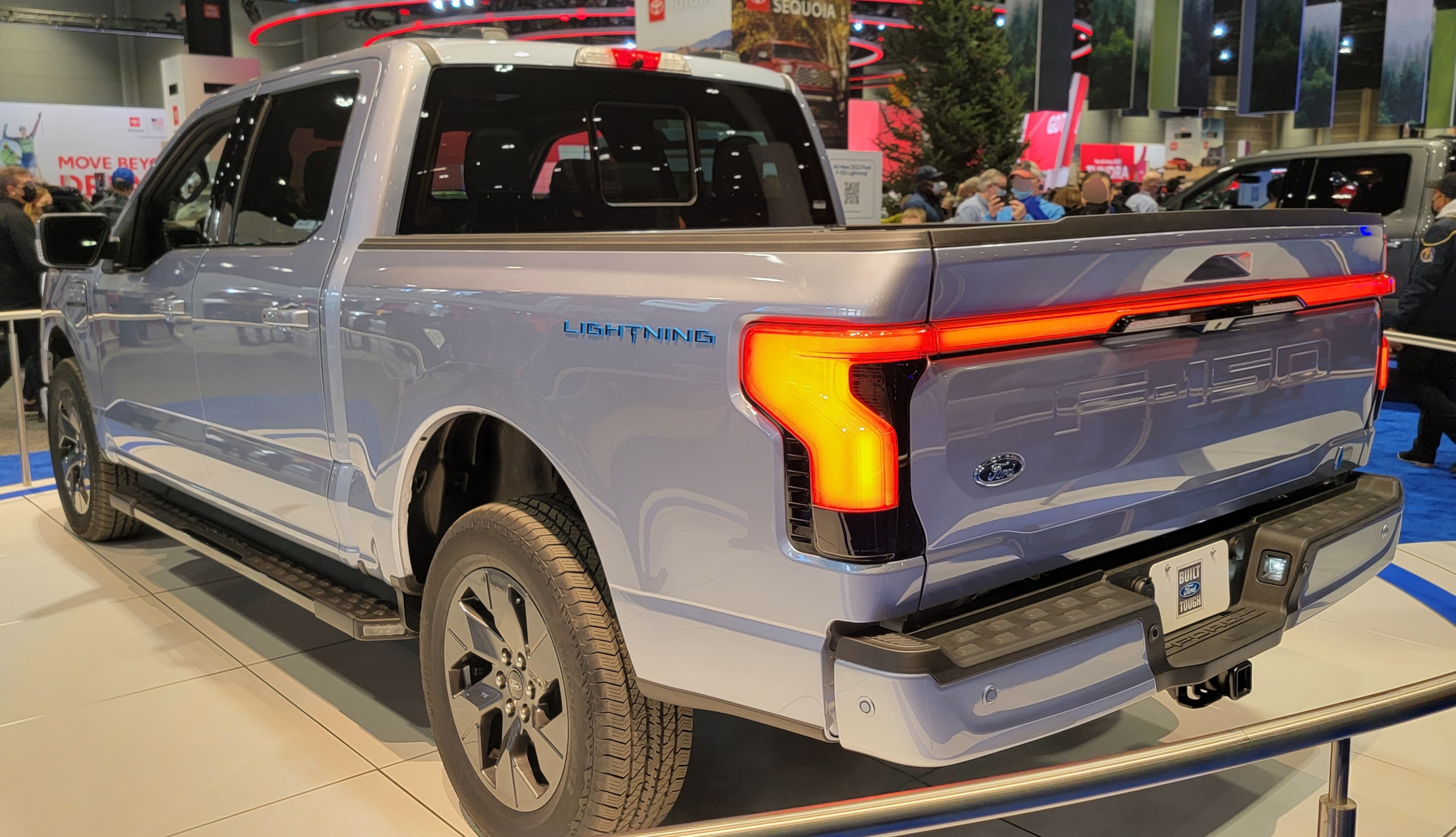
"So just walk us through this because this gets me excited. I think it's fascinating. You open up chat GPT. You've got to trade in. Let's say it's a 23, 4 F 150, 80,000 miles. I presume you put the VIN in. And so you tell it, hey, go to these different sites."
How did Brent's career begin?
Learning from early mistakes?
Managing employees and ethics
What is a Buy Center?
How does the Buy Center work?
Managing recon and acquisition costs?
Tracking Buy Center success how?
How does AI help appraisals?
The Future of AI in dealerships
Select text to request an explanation
Why don't you just, you know what the cars worth? Just hit them and move on. Just hit them with what it is. Like, you're a reputable dealership. They're going to do their own research on your dealership. They're going to see you've got, you know, a four-point A Google rating with 25 miles of reviews. You know, you have a good reputation in the community. They know you. So just hit them with what you can do. Exactly. And so, that's when we started getting really started to kind of taking getting more momentum. Today, our guest host, Sam Dark, is joined by Brent Farron, Manager of Bow, Buickman Ford.
He made selling new cars nearly impossible, but that crisis unlocked an unprecedented opportunity that reshaped the future of this Missouri four dealership and changed Brent's life forever. A big thank you to our sponsors for making today's episode possible. Open lane, lot links, and CDG recruiting. And now let's get into the show.
First, for those of our, in our audience that aren't seeing the video version of this, go to YouTube, watch it. Would you just describe what you're wearing right now? So this is the outfit I wear every day. And now I'm kidding. I'll take this offer. But it's awesome. By the way, if you're not seeing this, you got to go see it.
We got all this all this get up here. My wife actually, well, wait, let's, let's describe it first. So you are in a superhero outfit. And by the way, it fits fantastically. It fits you perfectly. It's a combination of blue and black. You've got a V on on your chest. I don't know what it is. Honestly.
I don't know if you just have it. Let me just got this yet. It's almost like an X-Men type type dealer, but a V. Yep. And then on the back is the bow. Is the Ford is your auto group logo. I would assume, right? Are you correct? Yeah. That's our store logo. Then I got bow on my belt.
So basically, my wife made an AI generated version of me as a superhero and started sending it to all of our friends and then posted it on our dealership Facebook.
And so my friends kindly just started making fun of me. And then before I knew it, I had a full on custom made costume delivered to my house.
And we were in a wildwood in our area, a little parade and everything. And my wife's like, yeah, you're going to be wearing this in the parade. I'm like, oh, nice. So now I'm just kind of running with it.
I'm impressed by the follow directions on that. You did it. Right. There are some people that say that's crazy. I'm not doing that. No way. So nice. This is recorded as she's going to see that.
How did you get it to fit so well for anybody not watching again? It fits fantastically. It would seem from my distance. See? All right. You got the gun show the whole thing going.
Honestly, I she just ordered it. I haven't. She ordered it. And I put on it started to fit. I'm like, okay, I'll wear it.
Well, Brent, as an introduction to our audience and in the super, super hero guard that you're wearing, give us a little bit of background on yourself. Who are you?
Where do you work? And how did you get started? What's the beginning of Brent Farron's story?
So I work at Bo Boykman Ford, small family on business right outside of St. Louis, Missouri. We I started the business cleaning cars. I did that for like six and a half years.
And then eventually my family's always known my father and all who owns the business. And eventually my I got a little opportunity. I was cleaning windows and I saw looking through the window.
And I like still remember exactly this day where where I was standing when I looked in and they clicked in my in my head that this is what I want to do.
I want to run this place someday. And that from then on I really kind of started pushing really hard and putting it everything I got. And then eventually our office manager, my father and all were having a discussion about whether I was capable of actually even stocking cars in.
So I wasn't always, yeah, wasn't always a super hero Sam. Yeah.
And then my wife came in and said, do you guys think I'm dating a complete idiot? And she was like, give me the job. I think she was my girlfriend at the time.
So I got that little opportunity and went up into the office. I created a lot of different sell spreadsheets and stuff up in the office.
During that time, my wife was training to be finance manager. All those nights that she would be training. I would literally clock out and just start doing videos after video learning about our DMS, learning about Excel, learning about ways to improve the office upstairs.
And then eventually my father and I was like, here's another little opportunity started kind of handing little opportunity after a little opportunity to me. And I just kept never said no.
Definitely didn't succeed in every single opportunity. Eventually we had a service advisor go down who are service devices were amazing and they're both retired now.
But I got to jump into that role. I just said, I'll do that and got to work alongside them. So saw that aspect of it.
Worked a little bit in other aspects of service, worked a little bit in the body shop, worked BDC sales use car manager and now I help help manage all the different departments.
So tell us Brent, go back a little bit to the beginning. You mentioned that you're soon to be father and law was having a conversation with the controller in the office.
And there was a debate about, hey, could you even stock cars in it and you're then girlfriends stood up for you and said, wait, do you think I'm dating an idiot, right? Like he can do it. She had faith confidence.
Take us back to that moment because there's a lot of dealers listening to the show right now that have family that work in the business and how you introduce that family in you gain credibility has everything to do with future success.
So take us back to how did you meet your, your then girlfriends soon to be wife. Well, how did you meet it was it in the store. She was a trainee.
And I'm Andrew, you are a porter. What, what, what was that story?
So firstly, they never did answer whether they thought she was dating an idiot or not. So that's still that's still up in the air.
They, they let you prove by action, right? So which is right. Yeah.
So my family's known the Boykman family. We, my mom grew up with Joe Boykman, my father and law and my grandpa spent a lot of time hunting fishing with Joe growing up as Joe was younger.
And so it was kind of always like we're already kind of family to begin with. And they would come over for Christmas and Christmas brunches at my parents house.
So we always knew each other. I never pursued her, pursued her. And then one day she asked me out to a blues game. And I said, yes. And then from there on the running joke was it was an arranged marriage. So.
But that's kind of how we, we, we started working together. She actually got, we would be filing a lot when it was snow together and a lot of long we got to, she'd pick us up lines when we were tamping asphalt or spraying weeds and stuff in the storage lot.
How, what, what was that like working with somebody that you're dating? You're, you're a lot guy.
You're washing the cars. You're doing all the, all the grunt work, right? I started in that same part of the business. And you know, she's, she's her dad's the dealer, right?
What any interesting stories around that dating as two employees at a dealership and, and you're soon to be the son in law.
I mean, really, Joe is a very down to earth person. So he's not really like it. He saw him walking around. He, he's not like a, I'm above anybody or above any job or he still picks up cigarette butts and stuff outside.
He's a, so it was never like a, you know, I'm above you or anything like that type of scenario.
He was, yeah, he was always very welcoming and very guarded on certain, like certain things that he would let me do.
But on the same token, he would, he really allowed me to mess up when I needed to to learn because there are a lot of out.
There are a lot of times where, you know, he's been doing this 40 plus years. Same with our GM Larry. He's my wife's godfather, maybe doing this 40 plus years.
And, you know, there I was this young guy who really thought, you know, knew some stuff of, you know, read a Dale Pollock book and died. I knew everything.
Yeah.
And he, they were, there were a lot of opportunity or a lot of times where I may have jumped in and done something and, you know, they were like, this is not, this isn't not going to work in.
And, you know, what, give us a couple of your biggest mistakes, biggest learnings and takeaways.
One of the biggest ones out the gate when I first started buying cars was I bought like three vehicles from Virginia.
And for whatever reason I read the data, it gives me goosebumps when I think about it now.
And I thought they're like, I really made this like great decision. I was like unbelievably confident that these vehicles are going to sell.
It was almost like a flatbed truck another, I mean, it was crazy. And by the time they got to my dealership, they were actually out of arbitration.
So these are my, I think they were my first actual highs in auction. And just last, last year, I was like, do you remember that?
And to my father, he's like, Oh, yeah. Oh, yeah. I remember. I'm like, what were you thinking? He goes, honestly, I thought you just made a really big mistake.
And I'm just going to have to pay for you to learn this lesson. That instance, I ended up getting lucky. And they all actually sold.
But that we've made. But what was your lesson? What was the takeaway in that?
So you lost money on those vehicles? Or did they sell? Or you?
Those I should have lost money, but I didn't. So, okay, I somehow managed to do that. The lesson in that was, you know, sometimes it's better to be lucky than good, I guess.
There were other times where I was confident we were going to make money. We had one instance where one of the vehicles we bought had frame damage.
That was a $7500 right up the gate.
And the first thing my father and I did was call us up to the office and was like, Hey, you know, what I don't want you to do is stop buying or be scared to buy.
I want you to learn from this mistake. It sucks. No, but it's all right. It's fine.
We're going to get through it. And then just keep buying. There's no one way you're going to get out. You're going to.
The only one way you're going to recover. And that's to keep keep pushing yourself.
So that always stuck with me is that, you know, I always guarded the the buys and the house.
You know, money as has my own. And honestly, that made me that that buy made me extremely nasty.
That's the point where you like chill out, man. You don't need to do.
And how much did you lose on it? What was the cost?
7,500. Yeah. Yeah. Yeah.
And so that moment you're trying to establish trust build credibility. That was a big hit, right? So.
Yeah. Yeah. Absolutely. That was a big hit.
And just in general, you know, you lose that on one on one swing.
That overall, you know, makes you that makes you mad.
But at the end of the day, like, you're going to, I think every good buyer,
anybody who's bought cars, you know, you're going to take some shots.
You're going to lose. And that's part of the game. And then you learn from that.
And you know, you keep pushing.
This episode is brought to you by open lane recently voted the most preferred digital wholesale marketplace by dealers.
They've been busy using the power of people and AI to build a more confident wholesale experience.
Open lane condition reports now feature AI powered and inspector confirmed exterior damage detection,
high quality engine audio recordings and OBD two codes decoded into plain English.
If you've never used open lane before or it's been a while since you have,
you're eligible to earn up to $2,500 and buy or sell fee credits.
Learn more at open lane.com slash CDG or click the link in the show notes below.
So it's interesting automotive is family driven.
And there are so many dealerships all across this country.
I think one of the great traditions is family gets to work alongside family.
In fact, our motto at Ziegler is our family delivering your family, the ultimate automotive experience.
And I think that thread polls across all automotive thinking about another dealer that might be listening to this,
bringing a son-in-law or a kid into the business.
What advice would you give?
Like, what did your, what did your father-in-law do really well as he brought you in and got you educated?
And then, is there anything that you would say, hey, to do over again, I would have done different.
Or maybe as you have your own kids, maybe you would do different.
You know, initially, you always want to look back and think is play like armchair quarterback and hypotheticals.
But reality is, if you didn't, if I didn't go through what I went through to get to where I'm at,
you wouldn't be who you are.
I started cleaning cars.
My kids, if they want to be in this business, will start doing the same.
My wife, clean cars, our GM, clean cars, body shop, the head of our body shop.
He's technically retired, but he's been with us 50 plus years, started cleaning cars.
So, so no matter what, you should start at that entry spot, right?
I think it's, yeah, I think it's some entry, entry spot is important.
I think it's important for you to get the diet.
It helps you get a different dynamic.
I think when you come in and you start as management, even when I got promoted to management,
my father and I, you know, I'm a young kid coming in as a manager.
And, you know, I got a lot of, we were, we had a lot of, we have about 20, 30, 40 year people in our group.
And I came in and it's like, you know, who is this guy?
He's been cleaning cars.
Now, you're going to get the same, but if you come in and you're no more cleaning cars,
but he also, there's also another degree of once you become a manager,
you know, there's certain things that you have to do.
And one of which, my father and I was like, you know, you don't forget that you're,
your people, I don't care what you're selling, what you're servicing, what product you're doing.
Your people are the most important biggest asset that you have.
And if you don't take care of them, they're not going to take care of your customers
and you're going to be in for a very rough ride.
And then also he's like the, the, when I worked in the office, I was like,
there's so many moving parts, so much money moving around.
Like, how do you, how do you could dress?
Yeah.
So the other thing that he said was after I saw the money and parts and everything moving
around up in the office was, he said, it's as simple as do the right thing.
Not every decision is going to be easy, not every decisions you're going to make money.
But at the end of the day, you do the right thing, the money and a success will follow.
Those were two big things as always stuck with me.
So, so how did he impart to you that sense of commitment to employees?
He said, you know, do the right thing by the employees and then do the right thing overall?
How did he teach you that ethic of taking care of your employees?
And he's always been like open door policy, very involved with all the employees,
very involved with the business.
Like I mentioned, he's had, you know, so we've had so many 20, 30 plus year people retire
over these past couple of years.
And I think that speaks volumes to what he's built here in the culture he's built here.
And in our GM Larry had been together since they've been cleaning cars.
But overall just showing me, just showing me about leading me by example.
You know, these people are people.
Another thing was don't ever hire somebody knowing that you're going to have to fire them.
We'll never do that.
You know, when we hire somebody they're coming in to, like you mentioned,
a family and if you have to get rid of them because you don't have work or whatever,
then you failed them as a manager.
Interesting.
So you made, you made a couple of mistakes early on the $7,500 loss.
Did he attempt to shield that from other employees so that it didn't impact your credibility?
Or did you own that?
Or like how did that sit with you through your career development?
Is your gaining credibility?
You're learning the business.
You're trying to work through through the family element of it.
He made a shirt on it.
It made me wear it around.
Oh, he did.
No, super hero.
Okay.
Yeah.
Yeah, he may put out a costume.
No, he didn't really shield.
I mean, he didn't like blaring out there.
Yeah.
Some dealers do though.
They want to have this perfect perception of family members.
And that to me just seems in, in congruent with automotive, right?
You got to kind of own your mistakes.
Yeah, it's fake.
And you know, the end of the day, everybody's, and I've held this to all of our employees.
Everybody is going to mess up.
We're not asking you not to mess up.
We're not asking you not to make mistakes.
You know, when you do, all we're asking you is to hold yourself accountable and learn from them.
If you're not making mistakes, there's probably a deeper issue going on.
And you're really not hitting your full potential.
Yeah.
What, so what is your life, dude?
Is she in the dealership still?
Is she in finance?
Or what's her position?
So after we had our first kid, she went more to managing our SEM company and our social.
And so she overlooks a lot of the marketing.
But so she makes sure that I'm doing everything I'm supposed to do, I guess, is what she said.
So do you work together on a regular basis or do you kind of keep work separate?
Do you bring it home at night?
Or do you leave it at work?
I'm a little bit of both.
I'm always accessible.
I'm always working myself on number.
I put it out there to everybody like I'm not.
I'm not worried about people contacting me or whatever with the same token.
I think the one thing I have gotten better at is, you know, making sure that.
If there is a major issue, yeah, jump in.
If not, like certain things can wait communicating with people like I'll get back to you tomorrow.
Or letting your team, your managers, your team, you know, help you out.
Yeah.
That was a big thing for me is realizing that the people around me a lot are really good.
And they can handle like which I've been blessed.
I've good people, good managers, a good team.
And they can handle a lot if you give them the right, if you give them the opportunity.
Yeah.
Yeah.
So how many employees do you have at your dealership there at the Ford Store?
About 65.
About 65.
How many cars do you sell a month?
About 65.
We'll sell about 75 new and about 60 or 75 years, about 65 new.
Very so.
And what is your current role?
So you started as a porter.
You went through the office.
You gained some experience watching videos and it's kind of self-educating.
And then you went in, made some mistakes.
What, where do you sit today?
Now my current role is manager of whatever my father and I'll tell us to make.
Okay.
Yeah.
Basically, you know, in his eyes and ears and I help manage all the different apartments
right around and make sure we're executing at a high level.
Very good.
Well, one area that you've gotten into heavily is this, is a use car buy center.
And you've talked about it widely.
You've had it for about 10 years.
Really, before a lot of other dealerships or dealer groups did it.
It's interesting because it's not something we do in our auto group.
We've got a use car manager that for each location that we'll go out and buy use cars.
Your approach is a little bit different.
Tell us about what was the need that caused you to set up this buy center.
And then how did you go about doing it 10 years ago?
So 10 years ago, I was the use car manager.
And I don't even remember how we got connected.
My father-in-law, he says he's sent me an email.
I don't know.
He's trying to take credit for it.
But by the way, Brent, if he said it, it's true.
So.
Right.
So he gave me this email.
And he's like, call these people.
See what's going on.
So three of the people that were instrumental in us starting the buy center.
One was David Long.
He was my first call.
A lot of me very well known around the industry.
And.
Yeah, he's awesome.
Absolutely.
Amazing person.
He helped me really build the start building what it should be like and how to do it.
And then the second was Gary Wade.
And he was with I think more.
He's at the time.
He helped me do him and David were always a step at what was just one call away.
And then Aaron Gomez with a stool automotive group.
He really took me under my wing.
To the point where I mean, like we were texting nonstop about a praise like.
I mean, he took me under his wing.
The point where like he would.
I would send him my appraisals and he would.
You know, basically, yeah, I mean, he was like a supply.
Yes, no.
This is it.
Yeah, this is what you put on this is check for this.
Bob.
I mean, over and over.
And that was really helpful.
So I mean to the point where I knew I really thought I knew some shit.
And I really did know.
So.
Yeah.
We changed a lot of things.
Based off of his advice.
We were very.
We would stay away from certain vehicles because that was just the, you know, M.O.
And he's like, no, keep that car.
Put it on the front line.
And there was one that was like a 70, 70,000 in our car.
And I remember we were like, no, we got to get rid of this thing.
And he's like, don't, he's like, don't, I'm telling you.
He's like, if you don't, I'll buy it.
If you, like if this doesn't sell in like two weeks, I'll buy it.
Put it on the front line.
Price to this.
And like within six days is sold.
And he's like, I told you.
But he helped me really build my acquisition skills.
And then we played with it a lot of different ways as far as the buy center.
When we first started out, we had our BDC involved.
And I pulled it from our BDC because it's a BDC.
AJ is very hard to get into any moment in your day when you're setting appointments.
And then all of a sudden somebody calls in like, hey, I want to, I want to price my car.
And it's like, yeah.
Okay.
Now you're completely changing.
And so I didn't like that.
And then we did hire, we hired a full time buyer at the time.
So we got the generations of generations of family family.
Yeah.
Exactly, exactly.
But we hired him and then pulled him.
He was buffing cars and cleaning cars as well.
And just started training him with me and Aaron Gomez helped him.
And we just started.
The first day was like calling a lot of calling.
Then we would give ranges.
And David's going to hate me for saying this, but that didn't work as well for us with.
As it did when we ran into like a roadblock and we were struggling.
And Aaron got so so back as I'm just a little bit on the buy center.
So the need for it.
What, what made you say other than maybe David Long saying, hey, you've got to have this.
You're not a huge dealership.
Given your size, what made you say, hey, we need a focused center that does nothing but buy used cars, right?
Outside of a single individual.
Because you're an early adopter in that field.
What made you say, hey, we want to do this?
So initially it was initially it was like my father might be like, hey, check this out.
See what this is about.
And then after that, it kind of went from like he would.
David Long's excitement and everything kind of like.
Yeah, it's like, okay, this dude knows what he's doing.
This guy, okay, like let's see, let's see what we can do here.
And then like obviously a robust used car department in any franchise dealership is instrumental.
You know, it really puts you in the driver's seat of your, your old dealership.
Like it's a catalyst to you from service to parts to the body shop to, you know, everything.
It's just a full circle.
And that's been that was instrumental as we started building it.
I mean, you start out small.
So, so that 10 years ago, that would have brought you a few years or several years before COVID started.
Did it have a big impact on your bottom line?
As you went into COVID, gave you some strength that maybe other groups didn't have.
I think so.
COVID was when we really took off.
Honestly, it was like, so COVID hit.
And then the ship shortage.
And that was when my father and I were talking, he's like, all right, we got to go like hard.
Let's buy everything.
Yeah.
And we're like, we got the money.
Let's let's just go.
And we were extremely aggressive during that.
And it was very, very, very huge for our dealership.
And we were buying crazy and nonstop.
And I mean, I remember being really, really dialed in.
Probably, you know, I mean, I'd wake up and go to sleep and constantly doing appraisals helping our buy center out.
But that was instrumental in our in our success and showing what you, what's what the possibilities really are,
because you're kind of getting certain models of like, okay, this is what what's capable.
You can only do this.
We really expanded it during that time.
At that point, we're like, I think we have like $750,000 as just money waiting in for lean releases and titles and stuff.
How does the apart to the buy sell department look today at your dealership?
How many people are part of it?
And then, you know, is it phone calls out?
Is it looking and placing ads and plate like, what are the practical steps in it today?
Is it so?
And how many cars do you buy?
Come on.
So right now we'll buy 30 to 55 cars a month.
And then we have one by one buying person manager once I'll probably add to that.
That's what I'm looking to do in the future is, you know, develop a team of people for our buy center that I would love to get over.
You know, over 100 cars a month is really my goal and go from there.
You know, initially we started with calls and then we ran to Roblox and it was that Aaron was like,
why don't you just hit you know what the cars were?
Just hit him and move on.
Just hit him with what it is.
Like you're a reputable dealership.
They're going to do their own research on your dealership.
They're going to see you've got, you know, a 4.8 Google rating with 25 measure views.
You know, you have a good good reputation in the community.
They know you.
So just hit him with what you can do in this.
Yeah.
Exactly. And so that's what we started getting out.
Really started kind of taking gaining more momentum.
And then, you know, we've tried different things and kind of adapting and changing as we've gone along.
And now we're, we're going to, we're starting to do a little more social advertising.
And we're going to start pushing our advertising a little more with it.
You know, we bought a superhero costume to really up our buy center.
That's awesome.
This episode is brought to you by Lotlings.
One to move metal faster and make more on every deal.
It's all inside the machine.
Lotlings helps you take the guesswork out of inventory decisions.
Their Vin manager shows you in real time which cars to stock, how to price them,
and where to put your add dollars so you're not wasting a cent.
It's like having a crystal ball for your lot so you can buy smarter, price better, and sell quicker.
Check out Lotlings.com.
That's L-O-T-L-I-N-X.
or hit the link in the show notes below and see how the Lotlings machine can power your dealership.
It's our difference in, in recon through the buy center or a cost of acquisition
through the buy center versus auction or some of the other traditional acquisition models method.
Absolutely.
I mean, we don't buy it all out of auction unless it's for a particular like customer that,
I mean, I rarely, rarely am looking in the auctions.
But if there's a particular customer that wants a particular vehicle,
we will just search and find it for them.
Other than that, we try not to buy too much out of auction.
Everything is just strictly buy center.
You have no buy fees.
So that's the first.
There's no transportation unless you're going out and picking up the vehicle and even then that's,
you know, a lot less than what it would be typically at an auction.
The recon, really, you should know the recon for the most part.
If you're bringing that customer in, I think that's where a lot of dealers shy away from it.
Use car managers.
It's scary.
If you buy a car from an auction, you could always use that as an excuse.
You know, yeah.
Oh, I got screwed at the auction and whatever.
And it's like, well, here this person was in front of you.
You have your service department if you need it.
What's your biggest source of these use cars as part of the buy center?
Like, where are you picking up?
What's your biggest success?
I mean, we do anywhere from Facebook to Craigslist to auto trader cars.com.
I mean, anywhere we're literally hunting nonstop.
You know, it's just kind of different than the normal dealer, you know, is to sit and wait for leads to come to you.
You know, we don't get them.
We attack.
So.
And that's kind of been what was helped us a lot too is just being able.
One of our strengths, the dealerships are agility.
We're able to move quick.
We can change everything, every department in an instant and, you know, move in that direction.
And that's with, you know, for the buy center, whether it's recon, whatever we can change and adapt to whatever the scenario is, whatever's going on, we can stick and move.
Yeah.
So to other dealers looking to create a buy center, which, you know, there's so much focused in use cars right now, you've learned a lot of lessons.
Is there anything that you would do differently in setting it up?
And any advice you might give to others, like, there's so much acquisition happening in auction right now.
Everybody's trying to do the use car trade in in service, right?
But outreach is unique and you've led the field doing this for 10 years.
What are some of the lessons you learned that you would do differently if you had to go back and start over?
Really, the biggest is you have to have commitment from the entire dealership.
Whether it's your dealer principle and down, everybody has to be engaged in understanding that this is like now, like at first obviously it wasn't, but now it is.
This is part of our business and it will always be part of our business, regardless of what's going on around the world or whatever we buy, we're buying cars.
It doesn't matter.
And once you develop that, then you got to also be able to take the, you know, just like anything, you're getting, there's going to be pain.
It's going to be, you're going to get hit.
And it's not always going to be the greatest.
And you have to be consistent.
That's huge. Absolutely.
You see a lot of dealerships out there that jump into the game, then they get, you know, they have a little fun.
And, you know, whether it's the office upstairs that is like no, we're done.
Whether it's, you know, the recon team or, you know, they, they fail.
And then instead of sticking with it, they bounce.
But, you know, part of that's like, you got to be, you got to have somebody up top who's ready to, to roll.
And, and, and communicate and lead by example.
Yeah.
Is there a separate kind of CRM to kind of track all the activity and, and then measure ROI?
Or how do you think about the success of that department?
How do you track its activities over times?
So, initially we were very big into tracking.
And then Aaron was like, buddy, it's as simple as shooting away.
Shoot more.
Take more shots, man.
You need more appraisals.
Do more appraisals.
And so, that's what we felt more away from the analytics and started just like hammering appraisals, like doing tons of appraisals.
And then, now we'll do, we use a lot of, the insurgents are CRM.
We don't use it primarily for the buy center.
But we do use dealer funnel for somebody AI texting and stuff that they have.
They're pretty good.
But really, we do it all in-house.
We create our own spreadsheets, our own using AI to, to manage and, and direct follow up.
And, that's kind of a, we've, we've been working a lot with AI now to enhance our buy center.
Which is kind of the next step of, I think every, every dealership, whether it's buy center,
have been using it in every department.
So, that's interesting.
What area, how, how is AI enhancing your efforts in the buy center to buy more cars?
So, firstly, I mean, initially we, I ran it through all of our processes, all of our word tracks, everything.
And even our BDCs, I'm the same in random all through AI, you know, how can you improve this?
And then, obviously, you go back over them, doesn't make sense.
Then, you know, you kind of improve it that way.
And then, I started actually taking our appraisals and giving the data to AI and asking it, you know, is this, is this a good buy?
Here's the value, you know, use this, use market data, analyze this buy, give me a retail strategy.
And then it'll spit out, you know, what it thinks, whether that's, and so now, now you get into the actual training of the AI,
where you have to actually say, you're wrong.
Like, you're wrong on that one.
Well, so back us up a little bit, Brent, because I think this would be super fasting for dealers listening.
So, what AI are you asking this? Is it open AI? Is it, is it chat GPT? Is it some other tool?
Primarily open AI. I do use multiple other AI's, and I'll use the as to communicate with each other. I'll use, I run a lot of stuff through each different one, just to try this, just to experiment and see what's best for each scenario for each department.
You know, with that said, you want to, you do want to keep to one as much as you possible, so it learns you and your dealership.
So, so chat GPT is an example, you can go into the chat GPT, whatever the $20 a month version is.
And you can put a vehicle in and say, hey, is this a good deal at X? And it'll use different resources to come up with an opinion on that.
Yeah, it'll tell you, here's, yeah, it is. And then the biggest part is communicating like you have to communicate how what you wanted to tell you.
Like if you just say it's a good buy, it's going to spit out some random stuff. If you say this is what I want you to use logic, use reasoning, use market data, use book values.
Here's book values, if you can't find them or whatever, then it's going to actually say according to all these different metrics.
That's a good buy. Here's where I would retail it at.
So, and you mentioned if it gets it wrong, that's called hallucinating in the AI world, right?
How correct? No, if it hallucinates and if it goes off the rails.
Yeah, so AI is going to initially, it's going to a lot of times that we'll try to please you.
So it'll try to say, yeah, it's great. And then like you have to catch it and train it more so, more or less.
That's where I'm at now is when we get vehicles, run vehicles through it, or we have to find vehicles, you know, going through each one in the painstaking process of here.
This is wrong. This is where we would need to be because of this. And then kind of just taking the time and just like anything that you want to be really good at.
There's going to be pain and sacrifice. You got to go through all the hard stuff. I'm training it.
And then it's going to start spitting out different, you know, it's going to learn you.
So spitting out different different data.
So just walk us through this because this gets me excited. I think it's fascinating.
You open up chat GPT. You've got to trade in. Let's say it's a 23, 4 F 150, 80,000 miles.
I presume you put the VIN in. And so you tell it, hey, go to these different sites.
That's part of the training to get the value. It'll come back. It'll give you a value. And then it will give an opinion.
And then if you sense it's wrong, you can say, hey, that's not quite right. Go to these additional sources. Is that part of the retraining or what does that retraining look like?
Yeah, really just you can say go to the additional source and door. Hey, you know, that's a late model vehicle.
You know, that's typically that's going to be too close to what a new car be worth.
That's why we wouldn't be as aggressive on that one will be at this.
And then you hit it with where you be. And then it's going to take that and store that and absorb that.
And then next time it get, you know, comes out with whatever vehicle you're looking at late model vehicle is going to know.
I remember that this is we need to be $3,000 back or whatever.
Or hey, I know this is a fast, maybe vehicle. We can be more aggressive, you know, those book values don't mean anything.
So yeah, it really does do a really good job at learning, but it's really about how you communicate.
And initially, I was very overwhelmed with the AI and how it all came about.
Because you're running a dealership like so many different, there's so many different way avenues that you can go with it.
I mean from every department to, you know, communications to processes to, you know, pay roll to everything.
And I, there's two people, three people really that I reached out to where I was like, help me with this.
I have no idea where to start. Like I'm like totally lost. One was Brian, one was Brian Kramer and the other main one was Jared Killway.
And then there was a, in a Facebook group, Patrick O'Brien of the Leonardo's was, he's nothing, even writing a book about it.
But they use it. They've been training it for six months before I even got involved.
And one of the things he said was that it's taken away a lot of a lot of the manager, the managers, like medial stuff that they have to do and allow them to focus on actual managing people, which is the hardest part.
They can even help out like Jared and Brian, like it can help out there too. So they, they both recommended the AI driven leader as a book to me.
And then, okay, good book. I jumped great book, great book. I jumped into that. And that kind of really starts explaining to you how to communicate with the AI to get what you're looking for.
And it gives you really good examples of, you know, different ways to use it, different ways you, like you wouldn't even think that you can use it.
And I'll run into a bunch of examples like that in my dealership alone where other people come in, they're like, why don't we do this?
Why don't we use this? Why don't you use this AI to communicate with that AI? Why don't you, you know, AI is so fast developing.
I think there's a couple really interesting takeaways for me as a leader that you've talked about.
Number one, you actually found people who are great in a particular area. So you mentioned David Long as you went put together the buy center, Brian Kramer relates to AI.
How have you found those individuals that have helped impart the knowledge and then you execute on and and how do you know you found the right individual because like there's great AI, but there's also AI that's a complete waste of time.
And we talk about that a lot on the show. How do you find the best sources so that you're not wasting your time and everybody else's time? Or is it just part of the learning curve?
I think part of it, as you grow in this business and in life, you get to pick up on the BS factor of people, you sense the snakes before they become dangerous.
And like in the sense of like David, you know, Gary air and Jared Brian passion, you kind of you know, you can sense that they're good people.
So, um, and like one of the time when I was sitting with with I think Gary Gary and David and my first start of my buy center, there was been a lot of time with me.
And I literally was like, how why are you guys like let me ask you guys a question and they're like shoot.
Like, why are you taking the time to help me here? And David yeah, I was just it was like these guys are have a lot going on. Why are they helping me?
And David was like Brent, you know, we were all in your position at some point. Somebody came in and stepped up and helped us.
And we're hoping that you'll pay it forward and do the same at some point in your career when you become when you get better.
Um, that's always also you know, resonated with me where it's like, you know, that's I owe that to the people before me that helped me.
I owe I need to help other people.
Are you paying it for it? Try and try and I'm not on that level yet.
But this episode was brought to you by CDG recruiting. Here's the truth. Top dealers don't leave talent to chance.
That's why I built CDG recruiting that go to talent partner for dealers who want the best.
We're placing general managers F and I talent service directors controllers. You name it from the showroom to the C suite.
We work with dozens of the largest groups in the country. So if you're working with us, you're in good company.
And because we've built the largest audience and automotive backed by over 180,000 industry professionals across our media platforms.
We know exactly where to find the people who can move the needle for your store.
If you're ready to stop hiring like everyone else, go to CDG recruiting dot com to book a free call.
Again, that's CDG recruiting dot com or click the link in the show notes below.
So it's interesting as or at least AI, you've said some things in different posts and whatnot.
You've said while AI makes some things easier and you found some areas to use it to get economy of scale.
Doing the the quote hardship is ultimately what will separate the winners from the losers. What do you mean by that?
Yeah, I think just in success in general or in life, anything that you want to be really great at.
The people who are great are the people who do this stuff and nobody else wants to do so.
That's kind of especially with business is kind of always excited me is that you see stuff that other people haven't done or haven't thought of or don't think is possible.
And you develop the belief that now we can do this. We can do it. You know, we can do it at a great level.
And then you just are relentless with it, you know, doing that hardship is what's going to eventually ultimately lead to the success with AI.
The hard stuff is like I mentioned with doing the, you know, training it every day. Are you working with it? Are you talking with it?
You know, AI is nothing more than like an employee, you know, you're leading them into battle.
The only difference between AI and employee, it doesn't have emotion.
So the majority of dealers are going to say, hey, here's a bunch of information. Go in and it's going to march out there and die and then come back and be like,
so are you going to adapt? Are you just going to keep sitting out there and getting the same result over and over again?
That's that's up to the individual dealer.
So it's interesting, you've also said AI will enhance the best people with the best attitudes and ultimately will replace the losers.
What's your experience with that?
Well, replace me.
I think it's kind of a comic of the people that are scared of it. It's usually the people who, you know, they have more potential than they know what they can do.
And the end of the day, AI can't replace your culture. It can't replace good people.
And, you know, bad dealers are going to be bad dealers with or without AI or whatever tool.
Good people are going to be good people with or without AI.
You give me a good person with a good attitude and you combine them with AI like they're going to level up and enhance themselves faster.
I had a good, I had a salesman that just started and I was like, ask AI, talk to AI and he's like, what do you mean?
I'm like, ask at this, say I'm a new salesman at Bowboy, been forward.
I want to sell 30 cars a month, interview me one question at a time.
How do I achieve this goal?
And it literally 20 minutes later, he comes back, he's like, oh my God, I got like, I got an excel.
She's like, so he's got it like he's got a monthly planner, a weekly planner.
He's got a daily task list. He's got a service trial.
I mean, he's got all this stuff that is and that's the communication part that you, you know,
most people are going to dump too much in and expect it to figure it out.
AI is not going to figure out you by dumping it everything.
It's going to figure out by learning from you and just like you're learning from it.
But yeah, it's going to be it takes a while to get to learn how to communicate.
It took a while. It takes a while for us to communicate with people.
You know, managing people is hard, managing AI is hard.
It is interesting.
I think one of the biggest differences between people who have been successful with it and struggled with it
is the element you identified.
It's the competition versus collaboration.
If you try to compete or you try to hold it out because you're like, hey, I don't understand it.
I'm threatened by it. That's going to be a problem, right?
If you're like, hey, how do I, how do I collaborate best, train best and become better
and better delivered to my customers? That's how you win.
And you guys have embraced that.
When you look five years down the road, you look at how much this industry has grown in the years you've been in it.
What do you think the next five years holds for you at your dealership and for the industry?
What do you think are going to be some of the biggest changes we see over the next five years?
I mean, it's deaf AI is 100% going to be a massive.
There's going to be huge and not just automotive but in everything.
There's going to be basically three types of dealers.
There's a wave coming and it's huge.
There's going to be dealers that are looking ahead and they're preparing for it.
When that wave comes, they're going to ride it.
Then there's going to be the second dealer that is not really doing anything yet.
And then they're going to see the wave on the horizon and like, oh my God, that is huge.
And then they're going to start scrambling and then there's going to be a third dealer that's like, I don't need that.
And they're going to become just completely obliterated.
Yeah.
Well, and you've already applied many of this.
Many of these things in the different departments, the use car buy center.
What's the next department that you take on?
See, I'm fascinated by your role.
So your father-in-law is pretty smart.
And given you all these different experiences throughout the organization, you lead the organization.
And you're free to be curious in different departments and then carry out and execute on projects
that could potentially have the biggest ROI.
So from that framework, what's kind of your next big project?
What are you going to work on next?
So it's funny because he's actually, he's totally embraced AI before, I mean, right along with me the whole way.
He's like, I want you to champion this.
Let's go.
Let's do it.
Which is unusual for someone of his generation, right?
Yeah, right.
Yeah.
He's ready to go.
So he is all for any of it.
Like, I have a service manager who has put together a different software built by AI that's going to save him.
I mean, think of your service manager.
How busy they are throughout the day.
It's going to save him multiple hours per day.
That's huge.
So now he can focus on managing people.
And is it a solution or a tool you created?
Or is it a vendor product that you went out and bought?
He created it.
So my initial strategy with AI was not to just dump it on everybody because the reality is most people are ready for it or they need to see something before they actually are able to believe in it.
And so I championed a few people with it, including myself, obviously.
And then as we've kind of gone along, you start seeing what it's capable of.
And you start showing it to people.
Then they all of a sudden are like, you can see there's like a little click.
Like, oh, wait.
Like, that's all you asked it.
And that's what you got.
Like, yeah.
Wait, did all that in like 10 minutes?
Like, that's incredible.
Wait.
And then then it starts like expanding out.
And that's kind of where we're at now is, you know, eventually what I foresee is everybody in the dealership having their own.
I know there are dealerships that do that now that everybody's got their own, you know, GPT and the the AI learns them as an employee as a person, the AI responds and reacts according to them.
And, you know, in the service, I could just see it being absolute beast as far as follow up or as far as communication or even with your technicians, you know, the AI can diagnose.
I mean, it can go through a lot.
A lot of a lot of data very quickly.
You know what's interesting is you describe this.
All these tools and these solutions you've implemented are homegrown and self-created.
There are so many vendor products out there where they're coming in and wanting to sell all you a product for $5,000, $10,000 a month.
Why aren't you gravitating towards those?
Why are you gravitating towards these homegrown products?
I think AI is so fresh and new.
I think the majority of vendors that say they have real AI don't really have it.
I don't, you know, I think it's a buzzword, you know, every dealer sees it and they're like, oh, I can do, wow, that's awesome.
That's going to do that.
Like, yeah, but what really, what really is it when you blow down into it?
And then once you start like learning about it, you start realizing like you start using it, learning about it.
You're like, wow, I can actually, you can do it on your own.
Yeah, I can move bounds with this thing.
Yeah.
Yeah.
Yeah.
So as we get towards the end of our time, a hugely appreciate having you on, hugely appreciate the conference.
Thank you.
It takes to show up at a super hero outfit.
Like that is awesome.
Nobody's ever been on this show.
So this is a card dealership guy podcast first.
And I want to take you back to the beginning of the story you shared with us.
Back to that kid who many years ago was dating the dealer's daughter.
Who went from Porter to sitting having that tough conversation in the office.
What would you say to yourself having had all the experiences you've had, having in so many ways leading this dealership you're sitting in today?
What would you say to yourself to kind of encourage yourself to give you yourself that path to where you sit today?
Or advice you'd give to anyone else in that similar position.
To why aren't you better?
Well, that put the chip on your shoulder, right?
It's like they really do that, right?
It really did.
I think I was, you know, six and a half years cleaning cars.
And that I sat there and I believed that I was better.
I believe I could do more.
And I kept believing it.
And then, you know, I knew that there was going to be a time where I was going to get an opportunity.
And me not really figuring out until I got, you know, when they handed me the ball, I'm like, hey, I need you to get, you know, at yard.
I'm like, no, I'm putting in the end zone.
I'm like, this is this time.
Like, you know, that was the key moment for me where it's like, OK, I'm going to push relentlessly.
And, you know, just be absolutely aggressive as possible with everything I can and learning about this dealership.
Yeah, that's awesome.
Brent Farron, bowl, bowl, bowl, thank you for being on the show sharing your perspectives.
Appreciate it.
Thank you so much, Sam.
Thank you.
Thank you.
Alright, hope you enjoyed that episode.
Please give the podcast a rating, consider subscribing to the show, and check the show notes for links to what we talked about.
Thanks for tuning in. I'll see you guys next time.
Request an explanation for:
1 cars
1 cars featured
Request an Explanation
Heard something you'd like explained? We'll add it to this episode.
Sign in to request explanations for terms you heard.
Want to learn more?
Browse our glossary for plain-English explanations of automotive terms, jargon, and concepts.
See something that's not quite right? Our annotations are AI-generated and can sometimes miss the mark.
Click the flag icon on any annotation to suggest a correction.