
Levi on Retreat, Sokolowski + Bobo on Bench Program, Trafford on Leadership | Daily Dealer Live
Car Dealership Guy Podcast
Levi on Retreat, Sokolowski + Bobo on Bench Program, Trafford on Leadership | Daily Dealer Live
Car Dealership Guy Podcast · Jul 22, 2026
Annotations will appear as you listen
0:00
59:12
Car
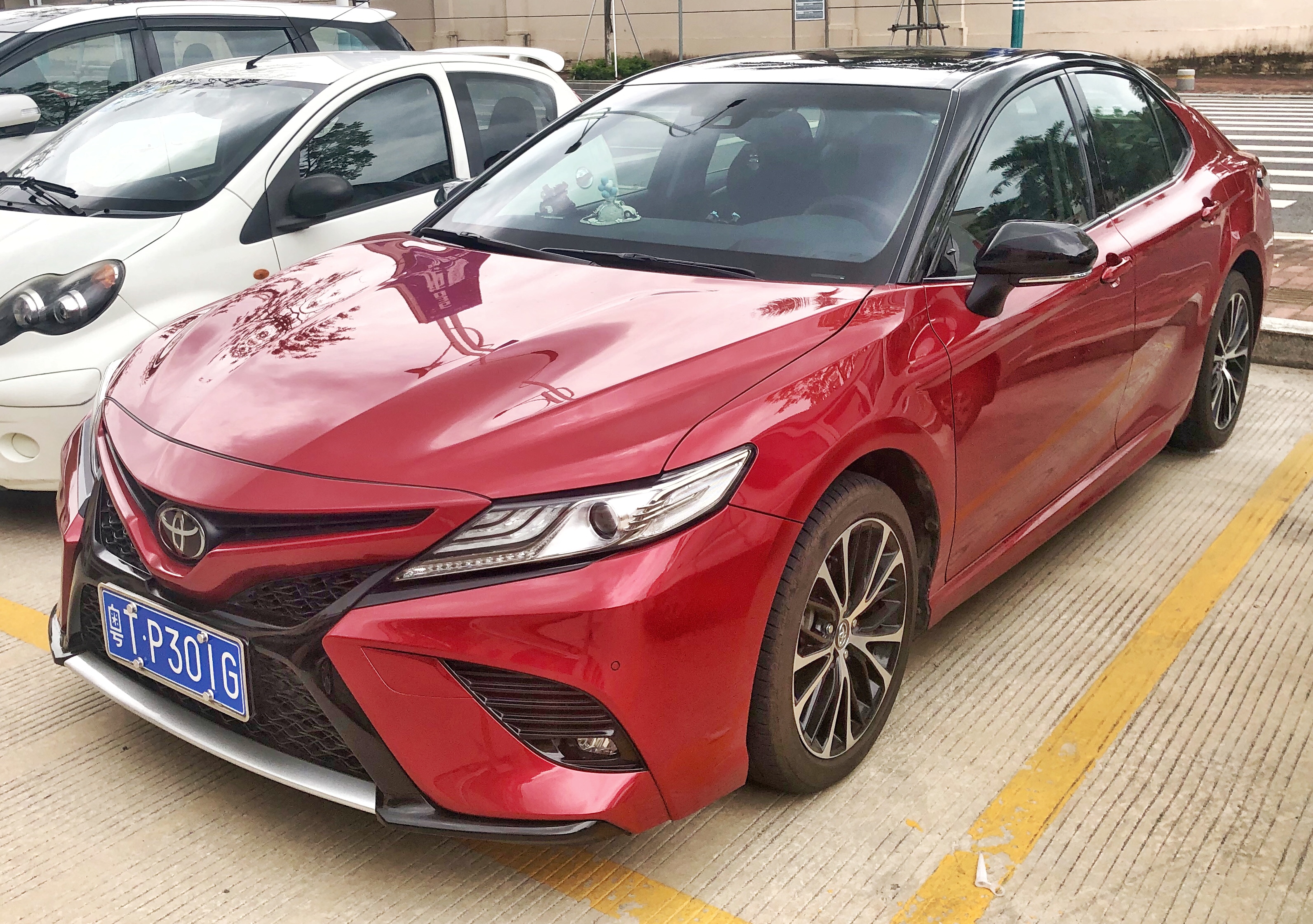
Toyota Camry
Car
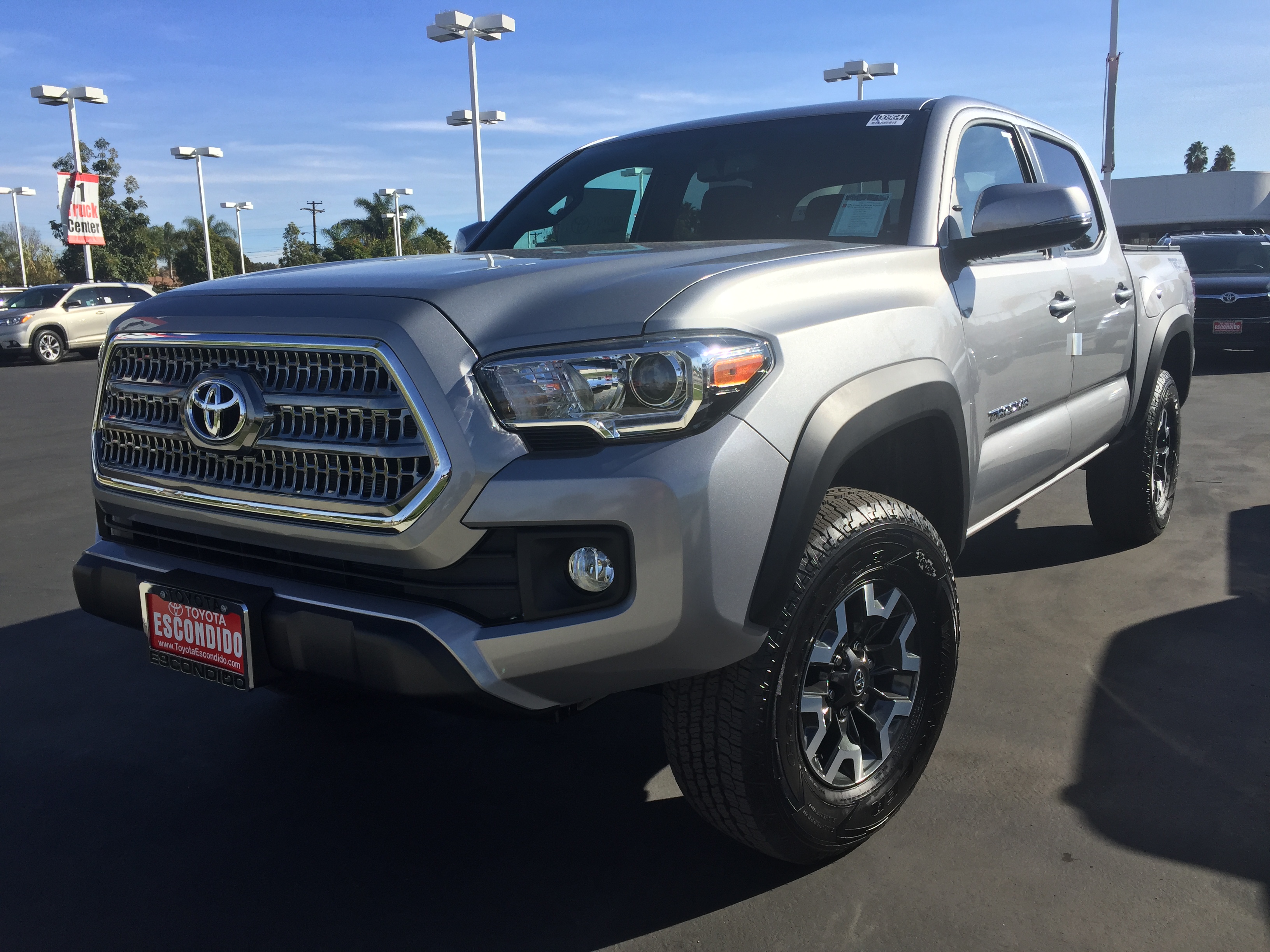
Toyota Tacoma

Car
Ford Fseries

Car
Ford Edge

Car
Cadillac Sits

Car
Dodge Ram

Car
Ford Expedition
LIVE
We're doing better as a result of social media presence.
It doesn't do those three things then it's on the chopping block.
It's in return on investment discussion.
So of the Daily Dealer Live, I'm your host, Sam Dark.
And thanks for choosing to be here with us this Wednesday, July the 22nd as we get close to rounding out the month of July.
Hopefully you're all busy and engaged out there in automotive land.
We have got a fantastic show lined up today.
First up, we'll have the Cardulorship guy himself, Yossi Levi.
He joins the show with an update from last week's first ever CDG experience in Boulder, Colorado.
He'll provide insight into how this sold out event with a hundred percent get this hundred percent would attend again post responses.
How they come together.
Whose bright idea it was to put dealers on a mountain instead of in a showroom and why climbing a flat iron might just make you a better operator.
Then we've got a special duo appearance from Willis Automotive, Matt Sokolowski.
Their COO is joined by a first ever appearance on Daily Dealer Live.
But I'm going to hold that till the end.
Special surprise in his segment.
Can't wait to hear how this surprise is unfolding based on a prior appearance he had on the show and rounding things out all the way from beautiful British Columbia.
Glenn Traffer, General Manager at Salmon Arm Toyota.
Glenn's going to walk us through a recent strategy that's driving real growth in his story, including some bold moves on staffing
and how he's modernizing operations.
We've got a packed episode today and as a reminder or streaming across all CDG social media platforms, post your comments into the chat.
We'll bring you your comments or feedback into today's show.
And by the way, DNC speaking of the Boulder event says, I saw a pic of Sam wearing those green climbing shoes.
By the way, that's fake news because I wore the approach shoes up on the mountain.
The climbing shoes hurt.
They were too small, which I will nail for the next event.
Eager K comes in with an auction update.
We'll get to that after today's auto industry headlines.
Leading off the news today, California's new vehicle registrations, they fell.
Get this, 7.7% in the first half of 26 with 864,000 units recorded.
That's roughly 70,000 fewer than the same period last year, according to the California Auto Outlook sponsored by the California New Car Dealers Association.
The state's tracking toward approximately 1.73 million sales for the full year and that's down from 1.8 in 2025.
Hybrid sales hit a record at 22.1%, market share at 191,000 registrations.
And also of note, 75% of all hybrid EV and plug-in hybrid sales ran through franchised dealerships.
And as an aside, I'm curious if that is, well, Tesla would not be included in that.
So 75% franchise dealers.
EV sales dropped nearly 25% year over year to 137,000 units following the expiration of the federal tax credit in September 2025.
Though California is still accounted for nearly, get this, 30% of national EV registrations.
Governor Newsom announced last week that 13 OEMs are matching 135 million in state incentives to offer first-time EV buyers up to 3,500 bucks off.
Toyota owned 19% of the California market overall with the Camry leading passenger cars and the Tacoma outpacing the Ford F-Series in trucks.
That's an interesting piece of news, I would say.
And moving on today, speaking of Toyota, it led all automakers in the 2026 American Customer Satisfaction Index with a score of 83.
While luxury brands have lost their traditional edge, both the luxury and mass market segments now sit at 78 on the 100-point scale, with luxury falling three points as affordability pressure reshapes prior priorities.
Mercedes-Benz leads luxury at 81, Audi gained four points to reach 80, and Cadillac sits last in the segment after a 15-point plunge to 69.
ASCI's Forrest Morgison told CDG News that buyers are increasingly evaluating vehicles through a value-for-money lens with long loan terms and higher payments driving scrutiny of reliability, resale value, and total cost of ownership.
Hybrids led all powertrain types in satisfaction, hybrid owners rated driving range at 76, and expected resale value at 75.
That's compared to 64 and 63 for EV owners.
For dealers, inventory alignment and customer experience may now matter as much as the badge on that hood.
Next up today, Mercedes-Benz is lobbying to raise the ownership threshold in the Connected Vehicles Security Act of 2026, a bipartisan Senate bill that would borrow automakers with more than 15% Chinese ownership from selling connected vehicles in the U.S.
Mercedes currently exceeds that cap.
20% of its ownership has Chinese ties through BAIC Motor and Geely Chairman Lee Shufu.
Though the company argues neither shareholder holds board representation or meaningful operational influence, the Senate Commerce Committee delayed a July 15 hearing on the bill amid lobbying from established automakers including Mercedes.
The House Select Committee on China has publicly pushed back, characterizing Mercedes as a German-based Chinese-owned company that shouldn't be dictating U.S. legislative terms and a companion House bill includes the same 15% cap.
This is a developing story with direct implications for vehicle and tech eligibility in the United States market and CDG will keep tracking as the Senate Commerce Committee moves forward.
And as an aside, props to Don Hall.
He sent me the link to the executive session today, and as I understood it, I logged in halfway through.
By the way, everyone in automotive should watch this open hearing.
They should hear the debate on this.
I was absolutely fascinated, particularly on the debate around Mercedes-Benz and this 20% of it that's owned by Chinese manufacturer and why that 20% 10 and 10 is so significant in Europe because there are similar limitations on connected tech and Chinese ownership in the European Union as well.
And where the laws dictate the percent ownership, it will typically follow.
I thought Bernie Moreno made an incredible argument in favor of this tech connected technology legislation.
And in fact, it passed this committee and it goes on to a vote in the Senate and that is a debate.
We'll continue to watch here on Daily Deal Alive and I'll continue to watch because I believe that this is an important debate within all of automotive here in the United States.
All right, back to the news closing out today.
Stellanus named Matt Van Dyke as CEO of Ram and Brandon Coat as CEO of Jeep on Monday, bringing veteran industry experience to both brands.
Van Dyke's most recently served as president of Shift Digital and previously as CEO of Ford Direct.
Coat comes from AutoNation as brand president with earlier stints at Aston Martin and Mercedes-Benz.
Coat replaces Bob Broderdorf, who announced on LinkedIn that he is stepping back for medical leave following a cancer diagnosis.
We wish him well and plans later to return to the company.
The moves come as both brands are posting solid returns.
Stellanus delivered 634,000 vehicles in the first half of 26.
That's up 5% over 2025.
And that folks is a wrap on today's automotive industry headlines.
And Hannah Farmer, our own says happy Wednesday, everyone.
We've got a great episode in store for you and eager K, you can go into the chat and you can see his returns on the day.
Crazy auction day.
People are dumping exotic cars.
Today was a great Porsche McLaren and Maserati Aston Martin Day.
Eurus is down in value.
Great day.
Got every car below MMR.
And then we've got our own Cole Short.
Sam likes my Tacoma.
That is true.
He took the big hike in J-Law Mountain and Sam.
So speaking of the Boulder Retreat, let's go without further ado to the car dealership guy himself, Yossi Levi.
Yossi, welcome to the show.
Sam, good to be back.
How's it going?
Thanks for joining us.
So the first ever CDG event, the experience, it was sold out and you surveyed everyone that attended.
100% said they'd come back.
Tell us what this event was and why you decided to do this, Yossi.
Definitely.
We're still serving and we're getting really great feedback.
But Sam, this event was something that I've wanted to put on for a long time.
Of course, the problem is time.
You have to find the time to, it's a lot of work.
I'm sure that's obvious from what you see.
But we've thought about what world are we going into where everything is online, technological.
That's literally our business.
Everything is done online.
It's media.
And I personally experienced a type of retreat like this with other like-minded people a couple years back.
And it had such a big impact on my perspective.
And I made it a real objective for us.
I said, let's figure out how we can deliver and how we can bring this type of experience to other people so that they can see what I saw and experience something like that.
And let's do it for dealers.
Let's do it for people in the industry.
Because what I went through was not for people in the industry.
So it was an incredible experience and we can dive into more details of what we actually did, but it was something very unique.
It was very unique.
And it's interesting, Yossi, because in the uniqueness, there was a space, an unstructured space where we as dealers and participants could really just open up to conversation.
There's value to having something not overly structured in this AI world, full of structure, Yossi, fair?
Yeah, I think programming is very difficult because you have to, everyone has different expectations and everyone has different wants and needs.
And as we started reading some of these survey responses, you see that some dealers actually preferred even less programming at times or more collaboration times.
So there's value to many different aspects of what we did.
One of my desires for this trip was to have no automotive programming at all.
I said, let's just see what happens.
Let's talk about these esoteric topics that you don't hear about every single day.
And you actually, you missed one or two sessions, but there was the end, which I know you have to run, but people got pretty vulnerable.
And people that you and me both know in the industry that say, wow, like I never would have expected that.
So it was pretty remarkable.
But I think actually one piece of feedback we did get was that some people did want some automotive programming, believe it or not.
So it gets me thinking, you know, what can this be in this AI world that's like fully barbell, right?
Where it's either it's fast online.
I don't talk to any humans or it's like in person.
It's tangible.
It's heavily curated and concierge, right?
Like what is, you know, what is that type of experience?
All right.
There were two things that were done that were very different from a traditional automotive retreat.
So one was climbing the flat iron, which was a tough thing to do.
The second was a fire circle.
The fire circle happened first.
Take one of those two.
You can do whichever order you want.
Why that?
Why do a tough thing?
And then why do a vulnerable thing and maybe tell everybody what happened at the fire circle?
I think the through line for something like this, like if you think about everything we do every day, this is going to sound a little woo, right?
But it's like every human is just like chasing a feeling, right?
You make a sale.
You're getting that feeling.
You scroll social media.
It's dopamine.
Like, you know, people do whatever you do.
You drink alcohol.
I don't know what you do.
Everyone does different things.
You're just chasing a feeling.
Literally think about that for a second.
Like all of life is like feelings, right?
And so when you ask yourself, right, what is hospitality?
Hospitality, you go to a great restaurant, right?
You leave, you felt something special.
Like that, that equation, like whatever that entrepreneur set up, that is, it's all to create a feeling for you at the end of the day.
And so when you think about how do you, well, how do you create that feeling?
How do you create something memorable that people want to come back to that just find very valuable that makes their life better?
How do you do that?
Well, you do that by not just offering consumption, right?
You can't get that level of feeling by just, you know, doing something that's easy.
You just simply cannot.
At least I don't think you can.
And so when you do something hard together, whatever it may be, you solve a hard problem, you know, you build something, you, you know, you even, do charity, you give, right?
That creates a feeling as well.
But in this case, you do something physically hard that creates a feeling and it brings people together.
And then, you know, your fire circle or where people tell you what's honestly undermined in a very vulnerable setting, right?
That brings people together.
So I think that's ultimately it.
Like it's, it's, if you are as like robotic as possible, and you, you know, if you're sitting upstairs and you're an alien and you say, how can I create this most amazing feeling for people?
You have to combine these elements of vulnerability, challenge a little physicality and these things together create something very, very special.
I mean, evidently so, as we've just, you know, we've done with people and we've come to that.
A few moments that really struck me that, that I very much valued from the weekend.
So number one, Mario Margato, he sat down and told us his immigration story in person, which I don't care how many times you listen to podcasts of him telling it.
When you hear it in person about how much he values the country, the freedoms he has and how vigorous he's vigorously, he's willing to defend that.
You get a completely different view of him and what he's building within his organization.
And it all kind of connects together.
And he shared that with us that first night looking across this beautiful bluff.
And look, it wasn't an extravagant place.
It was beautiful to be sure, but it, it wasn't opulent per se, but it was raw in terms of people's emotions and the way they shared the second thought was the fire circle to your point, a little woo.
And we were even told that coming into it.
We're like, they said buckle up.
And, you know, it's not up to any of us to share some of the things that were shared there, but some intense vulnerability in that moment behind concerns for the future of automotive concerns for family concerns for ways people can continue to give back and legacy,
which was amazing and a great way to connect.
And then that next day goes to your point, super tough things, which is climbing the flat irons hard, hard, hard.
By the way, I was supposed to put on these climbing shoes.
I use my approach shoes to climb up Glen Lundy and I did it together and I value that time I spent with him just suffering together.
Why do we value suffering so much?
You see, and why does that bring people together?
And why is it so hard to create that atmosphere where people willingly go into that and do tough things?
Because it brings people together.
Well, I don't want to bring up specific specific things people said.
I know that's a public thing, which is fine.
I will say it is, again, if you think about our industry, right, we, I've always believed that we can like bring more dealers together.
Evidently, I mean, look at our business.
It's really a lot of information sharing across dealers and even these events.
I just, I said, like, why not?
Right?
Like the dealer down the street is sure they're a direct competitor, but the real threat is from the outside.
So I've always believed that that could be done.
Now, you mentioned the fire circles, which by the way, so these are, they're very self-explanatory.
It's fire circles.
So what happens when you put 10, 20 dealers in a fire circle?
So you mentioned some things that got brought up.
I actually wasn't privy to that conversation because I was in a different one than you.
But it does show you, it does give you a perspective on what other dealers are going through and how they're building their businesses and what they're thinking about.
Yeah.
And I think that's, I think that's very special because there's no, you know, it's, there's no other way to have exposure to that and to, to know benchmark yourself and understand like, what are other people thinking?
So it's just a very powerful thing.
Look, if I had to zoom out.
Props to you for manicuring an experience that created that because to be sure that's the sort of thing money can't buy that type of connection, insight and that type of experience.
You can't pay cash for that.
You can't.
You just can't.
No, no.
And that was the goal.
And look, I think I initially said, you know, will we do another one?
Will we not?
I think it's very clear, overwhelmingly clear that we will have additional experiences in the future.
This is never going to be like, let's just bring everyone in and do it.
And like, you know, let's just completely devalue it.
That's not the goal.
Right.
It's the goal to continue bringing dealer great dealers together.
You know, one of the, my favorite parts about our survey thus far, I haven't reviewed all the mall yet, but I've seen kind of bits and pieces is every single person said they left that with at least one new meaningful relationship.
Think about that.
How powerful is that?
And so that was actually my favorite question in the survey.
It's like, that's kind of the goal.
Right.
It's like a well curated group of people.
And I think we can do these with cohorts, right?
Like maybe we do couples retreats.
Maybe we do by track, right?
Like I'm in fixed ops.
I'm only a dealer principal.
Maybe we do like generational ones where, you know, father and daughter, father and son, mother daughter, like there's so many ideas that come to mind.
And we're actually internally, we are in the process of bringing in more help and resources so that we can invest more in this.
But I think, I think the future is bright.
And I think in this world that's increasingly technological, we are going to find ways to do really just cool shit with cool people.
And hopefully, you know, add a lot of value to people's lives so that it expands well beyond just, you know, dealer principles and that anyone can attend one of these and really kind of build that strong sense of community and automotive.
So is there something that went wrong during the event?
This is a question the script is.
So there must be something there was what almost went wrong during the event you'll see that nobody saw that almost nobody saw.
Well, I think just like any event, you know, it's 24 hours before and people have personal emergencies and things happen and they can't make it.
So that's to sort of to be expected.
We fell in line with the number that we expected there.
But, you know, as long as you overcompensate that initially, then you still have a good critical mass of attendees where it's not too much.
It's not too little in terms of actual programming.
I mean, no one died.
So that was, you know, when I was climbing the way I kept, I kept checking my phone and I was, please, please don't have it like a bad text message.
Please don't have a bad text message.
Yeah.
And thankfully, no one died.
I mean, I was probably the biggest loser on the climbing where I got 80% up and away and I just couldn't do it anymore.
There was an ambulance in front of the hotel.
We came back and we were doing daily dealer live there and we all joked, you know, because there is risk, but there's risk to life.
Right.
And many of the folks that were attending made jokes that maybe their CFO called them and said, what on earth are you doing?
Right.
And it is refreshing to get into a place where you challenge yourself, take a little bit of risk and you bond together.
So props for curating the event, props for creating it.
What, you know, are you taking applications for another event?
And if so, how does someone get more information or how do you apply for it?
So we don't have another plan right now, but we're it's almost based on the last 48 hours.
It's highly likely we're going to do this at this point.
So cdgexperiences.com, just cdgexperiences.com.
You can literally put your name on the waitlist.
The waitlist, it just, it's just a type form with like 10 questions, you know, tells us who you are, where you're from, blah, blah, blah.
So we can best curate the next event.
And we're going to think of something badass.
It's going to be, it's going to be very, it's going to be great.
And we're, you know, we're just excited about it.
This is like a passion project, I guess I can tell you it's not very profitable.
So it's definitely not a full time thing, but it's, it's a fun thing.
And, you know, again, another great line that someone told me afterwards is like, man, I'm excited about automotive again.
Like that was cool.
You know, that was a very cool thing to see.
Like, like what's the downstream downstream impact of that, right?
Like when that person goes back to their dealership, their group, like what happens?
I know I come back.
I'm like, I feel energized.
Energized.
Yeah, me too.
Yeah.
Yeah.
Yeah.
You're excited to be back in our own Michelle and Sam.
And one more thing, like let's call it a spade, right?
You mentioned like something's money can't buy.
Like everyone, everyone there has money, right?
Like majority of people that are there attending are, you know, are very well off.
And the, and again, the point is like that was that again, that's the point.
That's why you do something hard because like, I don't care about bringing in the most fancy caviar or whatever.
Like, you know, you couldn't like money.
Like there's always a bigger yacht, right?
But I want to know the next experience.
What's the next hard thing though?
What else are you going to do?
I mean, is it skydiving?
Is it bungee jumping?
I mean, what's it going to be like?
I don't like skydiving.
Okay.
Well, selfishly, selfishly, I do what I like, right?
So that's kind of, that's the benefit of setting these things up that you can just do what you enjoy.
Yoga cars comes into the, yoga cars comes into the chat says, do you have proper team insurance?
There was a good waiver, Yossi, but what are you thinking on next?
What sorts of things do you like?
We'll figure it out.
We'll figure it out.
We'll, we'll put something good together.
Some people do want to climb again, actually do a different climb, believe it or not, but we'll, we'll figure it out.
And, you know, when we have that, we'll obviously announce that.
So yeah, yeah.
Anything you want to tell us about digital dealer?
It's a collaboration with CDG first ever CDG is supporting it.
I'll be there for a keynote.
Glenn Lundy, you'll be there as well.
Yossi, you'll be there.
It's going to be a heck of a lot of fun.
Not in Florida this year.
It's back towards me in Detroit, Michigan, just outside of Detroit.
And we're looking forward to a couple of days.
There will be no rock climbing a digital dealer, but there will still be a ton of education and learning, Yossi.
Well, I'd be surprised to see if this, if the success, very public success at this event creates any downstream impacts in the industry.
Just, you know, curious to see if anyone is going to, but by the way, like awesome, like would love that.
Because I think we need like less stuffy events.
Not talking about digital dealer and I'm talking about retreats, but let's let's shift to conferences and digital dealer.
So digital dealer is an interesting opportunity.
We just partnered with them for anyone that doesn't know.
And what that really means is that we get to help them curate programming.
We get to help them really create the best possible event for dealers using all of the knowledge and information we have on our end.
In order to just create a great event, right?
Like what do dealers actually care about?
What's important right now in the market?
What information are people looking for?
And so when, when they came to us and we discussed what a potential partnership could look like, we thought this could be a very exciting opportunity.
We've never been in the conference space.
It's our first time.
We intentionally, I don't want to say avoided it, but it just wasn't a focus for us because again, we have a very clear mandate here.
And it wasn't the most efficient way for us to deliver information to dealers.
But when we digital dealer approaches with the idea and we saw that, hey, they already have the infrastructure.
We thought, hey, this could be a very bad ass.
And I think we can really make a positive impact for the dealers and the industry.
So we're really pumped about it.
You know, I like you said, I will be there.
It's in September.
I'm sure you have the exact date.
I don't have it on top of head, but it's going to be a great event.
We're going to make sure that the programming is just off the charts and everyone has a great time.
All right.
You'll see, leave.
I found a car dealership guy.
We don't get you on this show a lot.
Anything else you want to share about the future of CDG and things you're working on?
You're always ideating.
You're always creating, you know, new things in the industry.
Any other thoughts you want to share or should we keep it under wraps for the moment?
No, nothing in particular.
Just, you know, always, always send us your feedback.
Anything can DM us on LinkedIn or email, whatever, but always give us feedback.
Cause we're just constantly looking to create better solutions for the industry and just to get better.
So that's really how we operate.
Just, you know, always looking around the corners and seeing what we can do better.
You'll see, leave.
I found a car dealership guy.
Thanks for being on daily deal alive.
Appreciate you.
Well, that was fun.
And I can tell you everything.
I mean, it was a tough climb.
It was a fun, it was a, it was a fun fire experience and an event.
I'll definitely love to be a part of next go round.
Lots of comments coming into the chat.
Lauren Klein says, do cool shit with cool people.
Paul Salisman says, that's what I'm doing.
And then, and then of course everybody gets into the chat, including eager K.
Paul Salisman and yoga car says, I have an idea for the next event yoga cars.
Give us your idea.
Yossi wants to hear.
We'd love to implement it.
Eager K says, Sam and the team.
It looks like you guys had a blast.
And then Paul Salisman, sometimes things are more valuable than they are profitable.
Long range.
This is an incredible opportunity for CDG Dale and process in progress.
As you hike instead of climb, then you have it almost anywhere.
That's true.
You cannot climb in Kansas, I suppose, not as many mountains there.
All right.
Let's keep today's show moving.
Let's turn now to Matt Sokolowski, COO Willis Automotive from Iowa.
Speaking of the Flatlands, unless you're in the Western or Eastern side.
Matt, welcome to the show.
Hey, Sam.
Thanks for having me back.
It's great to be here.
It's great to have you back.
You were on many months ago.
How's business July of 2026 in the Willis Auto Group?
July is coming together very, very well.
First half of this year was amazing.
Fixed Ops is on fire.
Sales is maintaining pace.
And the team is in really good spirits.
That's the most important thing, delivering a great guest experience.
Love it.
Well, you can't deliver a great guest experience unless you have great people.
And last time you were on in February, Matt, you talked about your intern program.
And I love it.
You were candid.
You said, hey, you know what?
The program started rough.
We learned a lot of tough lessons in the very beginning.
Tell us, what are some of the lessons you learned in the beginning?
How'd you pivot?
And then how's the intern program going today, Matt?
Yeah, well, about halfway through, and it's been four years since our first class went through.
We were about halfway through the summer.
And I just noticed the interns with a lot of idle time.
And we weren't doing a good job giving them tasks and keeping them busy and providing value.
Because that's what we're here to do is provide value.
And yeah, we want to retain some of them.
But so we shifted gears.
We inserted ourselves and probably most importantly, after that first year, we took time and just gathered feedback from the four of them at that particular time and then took that forward.
And every year we've kind of done that to the point of each year it's gotten better.
One year we had that year's interns write the curriculum for the following year's interns.
And I think listening and receiving feedback has been our most valuable thing.
And selecting great people that meet our core values.
Actually, I'm super curious, something you said, because I've experienced this in my own world, right?
We've had interns in our auto group.
So it's a unique position because it's a specific time.
You know when they start, you know when they're going to end.
They have some limited skill set.
Finding things for them to do and training them on some of those things can actually be an enormously challenging task.
How did you solve for that, Matt?
Like how did you figure out what they would do and who would train and how would they develop during that brief period of time they're with you?
I think the most success we've had and it's again, it's gotten better every year.
But this year we chose to really, when we onboard new people, they have a training path and they meet with this manager and talk about this and they meet with this department and talk about this.
We created a training path and kind of what's their first five days going to look like and then what's the next two and a half months going to look like and put it on paper and mapped it out.
Knowing that it's a variable operation and things are going to change, but you got to have a good plan.
And so I think that coupled with, we gave them executive level mentors and so each intern has someone like myself that they directly report to and they have an opportunity to share feedback and what's going well and what's not going well.
All right, so here's the interesting thing in automotive, everybody can talk about interning and they can talk about mentoring and they can talk about a path, a development and a career path.
But Matt, you've actually, so you went from three to four interns this past year, currently four, I believe, and you've got one joining on the show today, which this is a daily dealer first.
We've never had a sales and leadership intern.
Welcome to the show, Jayden Bobo.
Hi, it's great to be here.
Jayden, we're excited to have you here.
So how long have you been an intern at Willis and what made you consider automotive as a path coming into this intern program, Jayden?
I have been interning here since the NMA right after school got out and I was looking for an internship everywhere and I saw that Willis had applications open and I was like, well, might as well apply there.
I've heard great things.
So that's what really got me interested.
And are you in school currently or what's your current situation?
Where do you go to school?
I go to the University of Iowa.
Okay.
And what year are you?
Are you earlier on or later on, Jayden?
I'll be a junior next year.
Okay.
And prior to this, what I'm fascinated by, Matt, and you've done a great job.
You've got a program embedded in a university and you've attracted the attention of qualified candidates, Jayden.
What made you, I think you told me in the green room, nobody in your family has any automotive experience.
What made you consider automotive as a potential career path than as a university student?
What was it about Willis that attracted you to that group?
To be honest, my whole like, since I've entered college, I've been really interested in the real estate area.
Okay.
But I couldn't find any real estate internships that were even a thing and which is kind of similar to the automotive industry when it comes to sales and things like that.
So I thought that this would be an awesome place to learn from everybody.
I have not heard one bad thing about Willis since I've been here.
Since you've gotten in there.
So what has surprised you most about automotive as a college student without automotive background?
Well, in my interview for Willis, I asked what a typical day to day would look like and they all just left at me.
So I was so confused.
And then now that I'm here, I totally get it.
Like no day is the same.
And that has really surprised me.
I thought it'd be like, oh, sell cars, sell cars, but everything has been really different.
And it's, I really like that about it because it's not boring.
You're doing something different every day.
You're meeting new people, making different connections.
Yeah.
And I am curious, is that variety appealing to a student in your position as a career prospect down the road?
Or is that kind of a challenge having all that variety?
Because I think that is a reality in automotive.
That answer is dead on.
There is a ton of, you know, it's not a mundane thing that you just do over and again.
There's a ton of variety in automotive.
Is that attractive to a college student, Jaden?
Yeah.
I think it's awesome because at school, you're just doing all these different things.
It's not like one day it's the same.
So it's kind of similar to that.
And it's just been keeping me on my toes and keeping me busy.
Jaden, Ryan Carlstadt, 1978 comes into the chest.
Says nice office, Jaden.
Go Hawks.
Go Hawks.
There's lots of them there.
Yeah.
So Matt, tell us who is Jaden assigned to as an executive mentor and what does an average?
We see there's a lot of diversity and variety in Jaden's day.
But what's the goal right now with Jaden as she works through this summer?
So Jaden reports to me.
She had an amazing interview and I knew that I had a very, very strong feeling.
And so I'm the decider on who mentors who and I had the first round draft choice and I took Jaden and she has completely delivered.
Very, very, very proud of everything that she's accomplished.
Things that they do.
We have a weekly one-on-one to review kind of what's going well, what's not going well, what do you want to work on?
I'm really super proud of her and the other three.
They did a social media contest where they were paired up.
I've heard about this, yeah.
A little bit of a prize at the end for those two that won.
A lot of fun.
It created so much buzz in the organization and engagement from people all over the place.
And now you look at our socials, we've got technicians doing videos.
We've got everybody wants to get in on the game.
I think round two is coming up next week, so stay tuned for that.
So Jaden, tell us about the social media competition.
Where did the idea come from?
What is it?
Where can the public, where can we go to see it and follow it?
And where is it in the process, Jaden?
The social media contest was awesome.
That has definitely been my favorite thing that I've done here so far.
We did 12 weeks ago and me and Bradley ended up winning that one.
Nice.
Congratulations.
Thank you.
I'm pretty sure they're posting all the content on Facebook, Tiktok and Instagram.
If you just look up Willis Automotive on their main account.
Okay.
Yeah.
We had different challenges every day.
Like one was a trend day.
One was like a car walk around day, just a lot of different things that are keeping us busy.
And it's just really fun because you kind of get it like tied into trends on Tiktok
and things that my generation is really interested in, but also it ties back to the automotive
industry and the cars and all things like that.
So you talk about your generation being comfortable with social media.
That's absolutely true.
Not everybody in automotive is.
This is a little secret, Jaden.
Matt can tell you there are probably technicians that aren't that comfortable.
Even salespeople certainly in the office.
How have you pulled other people within the dealership atmosphere into it?
And any interesting stories of people getting comfortable with now posting and being on social
as a result of this competition and your efforts, Jaden?
Yeah.
So there was one day that was a trend day and we went around and recorded different people
from just anywhere in the dealership.
And it was really awesome to see people participating.
I don't think one person said that they really didn't want to do it, but I'm sure there's
definitely people here who don't love being on camera or aren't super comfortable with
it.
But everybody was pretty willing to help out.
Yeah.
Because it's uncomfortable, right?
So, but drops to you.
When does the competition wrap up?
When is it done?
Well, we wrapped one up two weeks ago and then we'll start one next Monday and then we'll
wrap up next Friday.
Yeah.
Yeah.
So Matt, just to you for a moment, then we'll come back, Jaden.
You've talked about the importance of succession planning.
You've talked about the importance of career pathing.
And in automotive, we do a good job and a poor job sometimes.
Having folks in college who get an automotive experience is a great way to kind of start
that career path.
And I'm going to ask you, Jaden, at the very end, would you consider automotive now based
on your experience?
But you've already got three people who could step into your seat, Matt, due to career pathing.
Does that succession thinking reach down to interns or is it a longer runway?
How do you think about succession planning?
Oh, it absolutely runs down to interns.
We've got one of last year's interns who onboarded with us and she's in our guest care
department on the internet sales side of things.
Our first year of interns, which I mentioned was a little rough.
We retained one there.
She graduated, sold cars for a year and was promoted to finance manager three months ago.
So you talk about succession planning and you're moving people up and what's next as
a finance manager, maybe sales manager, general manager, general sales manager.
So really, I think when we collectively as an organization recognize that identify it
early on and deliver that memorable experience for your teammates and really try our best
to retain people and develop people and make people aware.
Like Jayden maybe wasn't aware.
There's so much opportunity in this business and so much reason to get in it.
We laugh every day.
We have all the best stories.
And now we have all of the best people and they are truly the best people when you start them
and leaning into perspective from that generation has made our business so much stronger.
So Jayden, is there something you've picked up on the floor in your experience there at Willis
that have nothing to do with the official training but will benefit you in your career?
Yeah, for sure.
Just like I sit next to a lot of the sales people in the used car area and they're all pretty,
they're not significantly older than me, which is kind of nice because I can relate to them.
And just listening to them talk to their guests and their people.
I picked up on a lot of that and just how they sell a car in their process.
Yeah.
Does it surprise you, you know, my parents, maybe even your parents' generation kind of had a stigma about automotive.
Did being in automotive and sitting with these folks kind of break that for you,
some of the negative stereotypes that you sometimes hear about auto dealerships in the auto industry?
Yeah, for sure.
Like last year, last summer I bought my first car and I was really, really nervous because I've heard all those stereotypes as well.
But since working here, I feel much more confident about it and just, I realize that they're just people.
We just got to talk to them.
Yeah.
Scary.
Going into the chat, Igor K says, love to see a young, nice, ambitious woman joining the automotive industry scene.
So again, props to you on that.
Lauren Klein says, the best people are the ones you build yourself.
And Igor K says, Jaden Bobo, make your footprint early in this business.
You'll be successful, stay ambitious and focus on the success.
So Matt, for a dealer looking to build this type of an intern program, what's the year one mistake you tell them to skip?
Make sure you avoid this mistake.
Have a plan, have a written curriculum, have at least a game plan, just like any other process that you have in place.
We have processes for everything coming out of our ears in this business.
Yeah.
Have a process, find somebody that's already doing it and take the good and set aside the bad.
Yeah, Jaden, I would suppose in the fall you go back to school, do you continue the internship in the fall or do you step away for a period of time?
I'll step away for a period of time.
The internship will be over in early August and I'll go back to school at the end of August.
Okay.
Now, no pressure.
You don't have to say this, but is automotive a career you would consider based on your experience there and why if it is?
I would say that it definitely is now at the beginning of not even beginning of the summer, but even before I like applied for this internship, it's not something I would have considered.
But after seeing like, I really like to deal with people and that's something I want to do in my future career.
So after being here, I really like how nobody is just like kind of in their own little corner doing their own thing all day.
Everybody's up talking to people, having fun, laughing with each other.
So I think that's definitely something I look forward to.
And Matt, I would suppose Jaden, as she's having her experience, she can help craft the next experience for the next interns and it kind of builds on itself as you come up with who talks to who, what you do on a daily basis.
I would suppose it's a program that just sort of builds on itself as time goes on.
Yeah.
Yeah, one of our core values is evolving and never satisfied.
And I think that's one of their projects.
The four of them this year is to develop a better program for next year.
And if we can continue to give that better experience, I think that we have a better chance of retaining some of these people.
I mean, we went into this, only two of the four expressed even slight interest in the car business.
And now we've got four out of four considering it strongly and that's a huge win.
Yeah, that is a big win.
And not only considering it, but just knowing what goes on in automotive and that it's a great industry where a career potential is there.
You know, impact on friends and others could be huge as we wrap up just a couple of super fast questions on video MPI.
We talked about that last time you were on and we talked about it a little bit in the green room.
Tell us the current state of your video MPI program.
What percent what's the system that used to deliver it and how's it going July of 26.
Yeah, briefly, we've we've always tracked our MPIs with our technicians.
It was kind of brand by brand manager by manager, but Ryan Carlstead who weighed in earlier and you've had him on your show.
He decided, you know what scorecards are meant for competition.
And so he made he gave us all global visibility daily to what's going on in the shop and nice.
It's embarrassing to say that a year ago we were 50 to 60 percent.
And now since Ryan's put that in play, you know, we're at 85 to 90 percent guests receiving that video MPI.
That's awesome, which is that's why that's how our guests want to do business right now.
So we're delivering a better experience.
We're getting better CSI and oh, by the way, our customer pay labor growth is through the roof.
So it's a win all around.
I mentioned earlier, our fixed is on fire and that has a lot to do with it.
What's the delivery mechanism for what system do you use for video MPI?
We've got X time that helps us deliver those and then our service advisors follow up to make sure that they received them.
Yeah, do they have good enterprise reporting multiple rooftop so that you able to roll that up to the top and see the percent delivered and all that.
I love reporting.
I would say that Ryan takes all the reports and he.
OK, yeah, he may create his own report.
That's kind of a little bit easier for all of us.
So we're not all in there pulling reports every day.
Yeah. All right.
Well, Jayden Bobo, by the way, what are you studying in college?
I didn't even ask that question.
Do we got to see what what's your background?
I'm majoring in marketing right now.
Oh, very good.
So it fits perfectly.
Well, Jayden Bobo sales and leaders leadership intern at Willis Automotive, Matt Sokolowski seal Willis Automotive.
Thank you both for being on the show sharing your perspectives.
Thanks for having us, Sam.
Thank you.
Thank you.
I love it.
Eager K.
Jayden, I know a lot of very successful women in auto industry.
Many are multi multi-millionaire and a few almost reaching billionaire status.
You can make a lot of money if you work hard.
Anyone can.
And I love the experience that Jayden is having.
And Jane, you're getting a ton of positive comments in the chat.
You can go check that out online.
Let's talk for a moment about experience.
Today's episode is brought to you by Experian.
Smarter marketing data drives smarter growth with Experian Automotive reach in market shoppers,
boost loyalty and service revenue and activate powerful automotive audiences across 30 plus platforms.
Click the link in the show notes below to learn more.
But props to Experian for supporting today's content, including that elite conversation with Yossi about the CDG retreat and the experience that that was.
And then also the conversation with Matt and Jayden tracking interns in automotive this summer, July of 2026.
And obviously we wish Jayden all the best.
Maybe Matt can do a follow up at some point and we can see how she's doing maybe next summer.
Does she decide to get back in or does she lean into the real estate track initially?
She was looking down.
All right.
Let's keep today's shows going.
Glenn Traffer, general manager, salmon arm Toyota.
British Columbia, Canada.
Glenn, welcome to the show.
Thanks.
It's great to be here.
Glenn, how's business at your Toyota store and salmon arm?
And I'm saying that right.
It's the fish, right?
Salmon arm Toyota.
It is.
Salmon arm VC and we are strangely as a city not named after a fish, but rather a part of a very large lake.
Okay.
Our ring of that lake is called Salmon arm.
All right.
How's business this July 26.
It's been fantastic.
We feel very blessed to be in an environment or store where growth is like a monthly daily activity.
Very good.
Yeah.
Awesome.
What, tell us, you know, you listen to Jaden and Matt talking about this internship program before we get into our basic, our big topic.
Career development and pathing is so important and automotive so that there is a next generation to pass this industry to and that they continue to deliver as Matt talks about elite experiences to people we serve.
How do you think about career development?
Have you looked into the internship programs?
Do you do anything similar in your neck of the woods, Glenn?
You know, it's interesting.
Two years ago, I joined as a board member for the Okanagan College, which is a university college that exists in our area.
And as a member of that board, we have tried to develop both apprenticeship and pre-apprenticeship programs through the service department.
And we have given opportunities for business students to come into our dealership and be part of our activity.
We've actually hired two of the students from that program after they've come and tried their hand at our dealership for a student participation part.
Yeah, are they, are they still with the group?
Are they still at the store?
Oh, absolutely.
Both the technicians are one is actually a full out red seal technician and the others on the path he's on year two.
Okay, so in your intake form, you talked about one of your big goals this year is to reduce friction, both for your team and for your customers.
First of all, how do you define friction when you talk about reducing it?
And where do you see the biggest friction points in July 2026 and automotive, Glenn?
What a great question.
You know, I think friction is a pretty easy thing to define in as much that any time we do a thing that a customer wishes we wouldn't do or an employee wishes we don't do.
That's right.
And weirdly, it happens so much more often than they should.
So our conversation in our store is always around that.
So Glenn, give me an example, something a customer wishes we didn't do or something an employee wishes we didn't do.
What's a big friction point that you're seeing?
What's, give us an example of that.
You know, I don't think we have to dig very deep.
It comes down to customer shows up and says, what's my car worth?
And we go, well, you should drive ours first.
Or we say, can we, you know, have some time to give you the number or whatever?
None of that makes any sense.
So for me, reducing that by simply empowering our people to say yes a lot.
When a customer says, can I, we say, yes, you can.
Here's how much time it takes for us to do that accurately.
And we'd like to deliver that for you now.
That's it.
Glenn, I'll tell you, I thought that only happened in the United States car business.
I didn't realize that was a Canada thing too.
So that's, I'm relieved to know that that's the case.
All right.
So as part of your strategy to reduce that friction, you actually went in and cut headcount and you rebuilt individual responsibilities.
And the staff came out of it with their best gross earnings year ever.
Walk us through what actually changed on the org chart as you cut staff and how did you decide who did what and who got cut?
See, it's, I'd love to tell you that I took a ruthless approach and cut people without consideration.
That's not what happened.
We took attrition into consideration.
And as people, people got retired and left our dealership instead of just simply running an ad and replacing them job title, job description.
We looked at the people inside the building and provided them an opportunity to bring the talent, skills, abilities that they already have to jobs.
And then we changed job descriptions.
We gave new titles.
If you came to our dealership today, first of all, we have a little tiny store.
And to say that we have a specialist in each category is just not true.
So that comes into play.
Okay, so Glenn, I've got a question from our chat.
Paul Salisman comes in says, Hey, how large is Sam's arm?
Sam and arms market.
They're up near a camp loops.
I hope I'm saying that right.
Cam loops, which is five to six hours north of where Paul is.
So how big is that market?
So our, our city is just under 20,000 people in our, our total market area is roughly 85,000.
If you take all of the communities that surround us that are inside our pain.
Yeah, very good.
Well, as you, as you redefine responsibilities, as you through attrition kind of reduce the team size, how did you protect people from getting burned out?
And usually when you have fewer people, it means folks are more stretched.
How did you avoid that, Glenn?
You know, I have listened to people talk about potential burnout.
But one of the things that I think happens is when you attach a job description to somebody that they want to do, that they feel properly equipped to do, those people turn into energy monsters.
They, they deliver more because they're doing more of what they're good at already, more of the day.
We, when you try to plug somebody into a preexisting job description, I think you can burn them out because they're doing stuff they don't know how to do, or they don't feel good about, or they don't do naturally.
We do the opposite.
When we put somebody in a job and we find out that they're struggling in a particular area.
We will see if there's an opportunity for somebody to take up that slack and assign them something they, they already wish they were doing.
Yeah.
And consequently, we get better performance and bigger, bigger performance out of those same people.
So Glenn, if another general manager here in the US or Canada or elsewhere called and said, Hey, I want to copy your playbook.
I'd like to kind of reallocate some of my strengths, reduce a little bit of headcount.
What's the one thing about touching the org chart, the org chart you tell them to watch out for?
I think it's super important that we not reduce our expectation for performance while we enhance responsibilities for individuals.
It's still important to do the things that make customers happy, to make other employees happy.
But while doing that, it's making sure that each person has the chance to be at their best by addressing their talent first.
Yeah.
Yeah.
All right.
Let's back up a little bit.
Props to you, by the way, on this project on kind of reallocating some of your strength and getting people more focused in the areas that matter most to them.
What else is working July of 2026 at your store north of our border?
We'd be curious.
I think what are some of the things that are working really well at your store, Glenn?
You know, I love this question because at our store, we'd love to tell you there's a super secret thing that we do that no one else does.
That's just not true.
What we do is focus on, like for example, we call it a good different approach.
So our approach to the business is not just to be different and not just to be good, but to combine those two things so that customers say, I got more there than I thought I was.
So for example, each of our salespeople has a shared folder and in that while they're sitting at their desk with a customer, they can open and see every piece of inventory that we have.
They can look at that inventory and see what's the least payment, because to say every salesperson is going to have the ability to remember all of that.
It's just, let's do a memorization test and see how we do that.
So we do that.
We also provide window hangers and we think those window hangers and it's not the standard here's the futures of the car.
It's an actual tax in payment, price, details, and all of that information provides that customer with information, but it also provides our employees with information.
So when a customer says this is my budget, they don't have to guess which cars fit.
They can just walk with a customer and say, okay, if you have a $500 bi-weekly budget, here's the cars that fit that category.
Consequently easier.
Glenn, as we wrap up today, final question.
What's one thing that is different about selling retailing cars in Canada that maybe many internationally, whether it's in the US or Australia, we've got audiences all over the globe may not appreciate or know about Glenn.
What's a big difference from your perspective?
You know, I think some of the restrictions we have on inventory in Canada is really a challenge that most people don't know about and or appreciate.
Yeah.
In the Toyota world, in our dealership, we don't get as many as we can sell, we get as many as they can give us.
Yeah.
And that changes the way that we address everything.
By the way, I would tell you that's not a Canada thing.
That's an everywhere thing right now.
There's not enough vehicles, Toyota vehicles.
And actually, I think that's probably a good thing in automotive today right now.
We've talked a lot on this show.
Brian Benstock and others have about reducing customer payment.
We can do that if there's discipline around production by protecting those residual values, decreasing the payment, and then decreasing the trade cycle before the customer comes in.
Toyota, I think, is a brand that's leading the way in that.
We can't get enough Toyotas in our stores, Glenn.
So that's out there.
That's everywhere.
Well, Glenn Trafford, general manager of Salmon, Arm, Toyotas.
By the way, are there fish in this lake?
Oh, yes.
We have one of those lakes in the world.
Okay, good.
Good, good.
Well, maybe we can do a fishing expedition.
Yossi, as part of a CDG experience, we'll come up to Salmon Arm, we'll fish the lake, and we'll come learn from Salmon Arm Toyota.
Glenn Trafford, thanks for being on the show, sharing your perspectives.
Appreciate you being here today.
Thanks for having me.
That was great.
And to you, our daily dealer live, listening audience, thank you so much for being here.
There's a ton of chat in online.
The automotive retired guy saying, Toad and Lexus are doing that to keep margin high could be, but I think they're also protecting resale value,
which props to any OEM that protects resale of the consumer on the other side.
In your case, same here, nothing different.
Either Toyota market, and there's some other OEMs that are doing elite jobs at that as well.
I would argue Honda does a nice job.
Subaru's there as well, and some of the other OEMs.
So anyway, to you, our daily dealer live, listening audience, thanks for watching DDL, where we break down the biggest moves in the car business as they happen.
Don't forget, we're here live every Monday, Wednesday, Friday, 1pm Eastern, 12 central.
So if this is your world, and we sure hope it is, hit like, hit subscribe, turn on those notifications so you never ever miss a beat.
And we'll see you next episode. Thanks for being here, everybody.
.
Original notes
Today's show features:
- Yossi Levi, Founder at Car Dealership Guy
- Matt Sokolowski, COO at Willis Automotive
- Jaiden Bobo, Sales and Leadership Intern at Willis Automotive
- Glen Trafford, General Manager at Salmon Arm Toyota
This episode is brought to you by:
Experian – Experian Automotive helps marketers identify and engage high-value auto shoppers, strengthen customer loyalty, grow service revenue, and activate 1,100+ automotive audiences across 30+ advertising platforms. Learn more here: https://carguymedia.com/3RTNi9H
Check out Car Dealership Guy’s stuff:
CDG Circles ➤ https://cdgcircles.com/
CDG News ➤ https://news.dealershipguy.com/
CDG Jobs ➤ https://jobs.dealershipguy.com/
CDG Recruiting ➤ https://www.cdgrecruiting.com/
My Socials:
X ➤ https://www.twitter.com/GuyDealership
Instagram ➤ https://www.instagram.com/cardealershipguy/
TikTok ➤ https://www.tiktok.com/@guydealership
LinkedIn ➤ https://www.linkedin.com/company/cardealershipguy/
Threads ➤ https://www.threads.net/@cardealershipguy
Facebook ➤ https://www.facebook.com/profile.php?id=100077402857683
Everything else ➤ dealershipguy.com
Car Dealership Guy Podcast
Car Dealership Guy
0:00
59:12