The Chrysler Grand Caravan is an older model of minivan that many families used. Like the Pacifica, it can also be modified to help people who use wheelchairs.
Fly by wire means that instead of using physical cables and levers to control things like steering or acceleration, the car uses electronic signals to do it, which can make driving easier and more efficient.
Lowered floor minivans are vans that have been changed so that the floor is lower than usual. This makes it easier for people in wheelchairs to get in and out.
A McPherson strut is a part of a car's suspension that helps support the weight of the vehicle and absorbs bumps in the road. It's a common design that makes the car lighter and easier to handle.
The bumper cover is the plastic or metal part that you see on the front or back of a car. It's there to protect the car and can be taken off to fix things behind it.
The fuel pump ground is a wire that helps the fuel pump work properly. If it's not connected right, the pump might not get the power it needs to send fuel to the engine.
The Chrysler Pacifica is a family minivan that has lots of room for passengers and cargo. It comes with cool features like a built-in entertainment system and can even be a hybrid, which means it can save on gas. People talk about it because it's a great option for families who need space and convenience.
Where the battery is placed in an electric car is important because it can change how the car drives and how much space is inside. Some cars have the battery under the floor or in the back.
Fuel injectors are parts of a car's engine that spray fuel into the engine to help it run. They make sure the fuel mixes well with air for better performance.
The door module is a part of the car that helps control how the doors work, like locking them or rolling down the windows. It's important for making sure everything works smoothly.
The Ford E450 is a type of vehicle often used for things like ambulances and buses. It's strong and can be customized for different purposes, making it popular for businesses.
An interlock is a safety mechanism in cars that stops you from doing something dangerous, like starting the engine when the car is not in 'Park'. It helps keep you safe while driving.
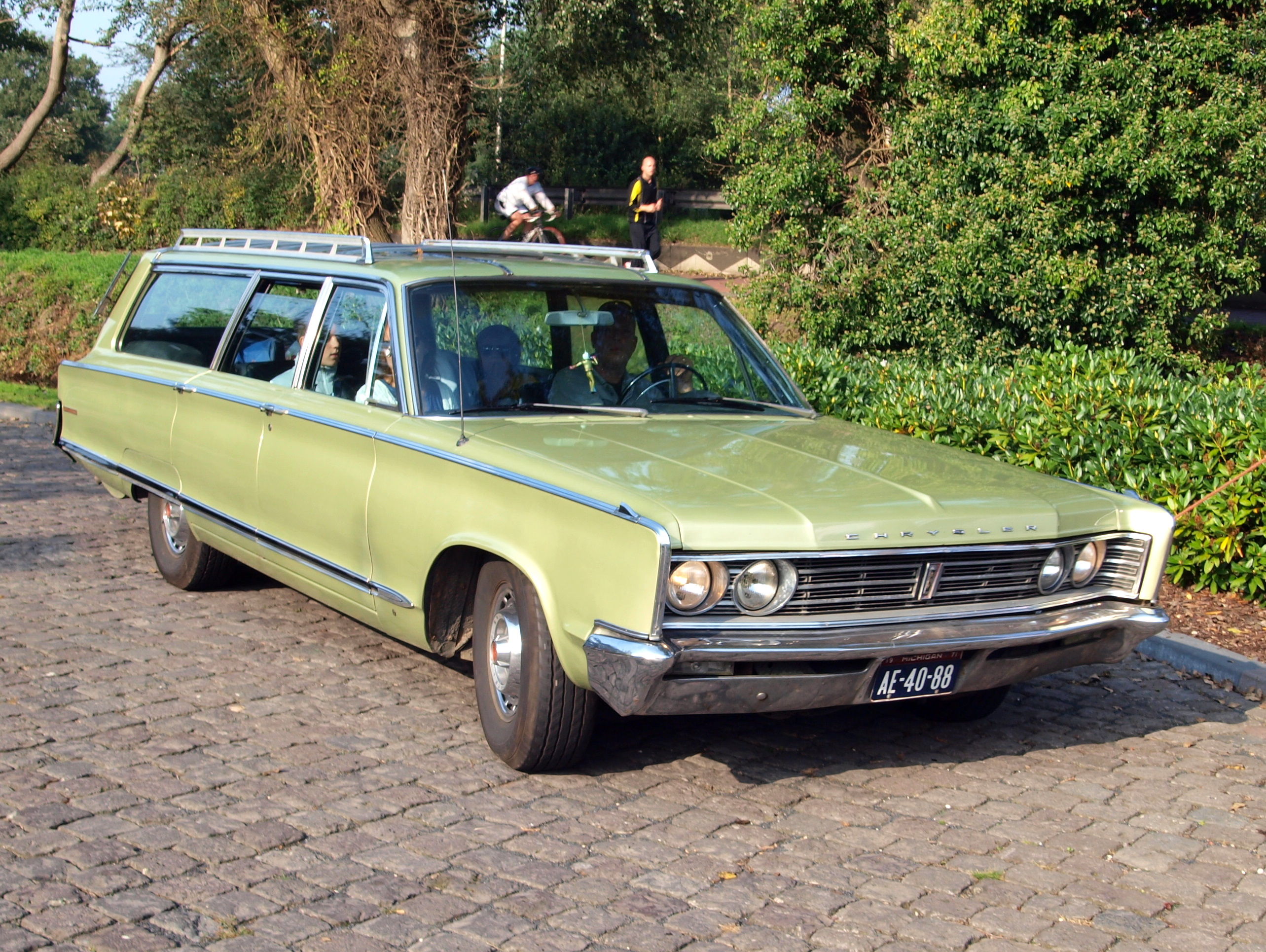
The Chrysler Town & Country is a family minivan that was popular for its roominess and comfort. The 2006 version had features that made it great for families, but it also had some common issues.
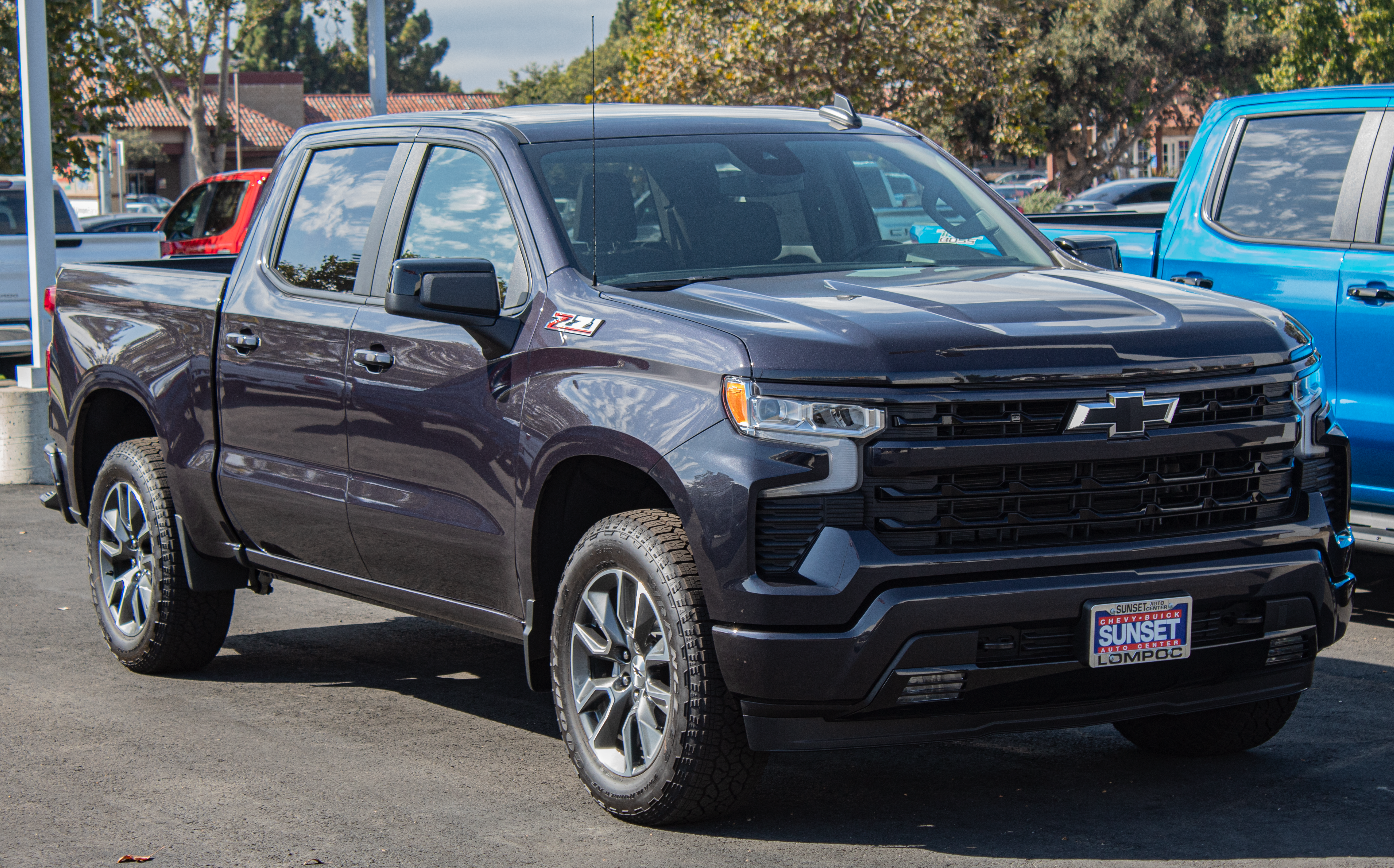
The Chevy Silverado is a popular truck made by Chevrolet. It's known for being strong and useful for carrying heavy loads or towing.
LIVE
Think your shop is good?
Good isn't good enough anymore.
Hey, I'm Jeff with the Jada Mechanic Podcast,
and if you're a tech tired of settling,
it's time to meet Promotive.
Promotive just doesn't find jobs.
They find your job.
The one where your skills are celebrated,
your future is prioritized,
and your work actually excites you.
Picture this, your shop holds paintball tournaments
and cookouts, invests in your growth,
and runs like a well-oiled machine
where every other team member has your back.
Selling a dream?
Promotive makes it real.
They're your advocate, your ally,
your ride or die in finding the workplace you deserve.
Ready to turn your grind into something sustainable
and unstoppable?
Then hit up the link in the show notes below to get started
or go to GoPromotive.com slash Jeff.
You gotta be willing to take direction
because you do not know this industry.
I don't know how Jeff's gonna feel
at this point in his life and coming in and having Bob
tell him what to do and how to do it.
Because when I was doing training,
I used to say like,
guys, we only do things this way.
It should look at any different.
If I do it, you do it, he does it.
I don't care.
The only difference is hand controls.
They have to meet requirements.
Everything else.
It's cookie cutter once you know how.
Welcome back, ladies and gentlemen,
to another exciting episode of the Jade Mechanic Podcast.
We're at Raleigh, North Carolina,
Asta 2025.
It's a beautiful Saturday day.
And I'm sitting here with a good friend of mine,
Bob Leonard.
Bob, how are you?
I am living the dream.
I'm doing good.
That's a great show, isn't it?
It's a great show.
Yeah.
I am very tired.
Yes.
It's non-stop.
I know.
It is.
This morning, I woke up and I'm like,
Jeff, you don't have a very good voice today.
So I then had to proceed to find caffeine
and a little bit of extra water to get my voice back
because it's a lot of talking, eh?
Oh, yeah.
All the classes, they want to be interactive.
They don't want to just stand there and be the sage.
So that's really been great.
Yeah.
And then for me, I'm not, this is not me bragging,
but I mean, every time I try to kind of move about from the venue
to the back to the hotel, back and forth,
you run into somebody that you know or you haven't seen
or you've just talked to online and then it becomes a,
before you know it, it's a 15-minute conversation, right?
So that's all, you're flexing that voice, voice muscle again
and you're like, crap, but in the day, you're like, wow.
You know, it's a little dry in there.
So yeah, no big deal.
Good coffee.
I've learned to bring throat loss.
Yes.
Yeah, for sure.
So Bob, you work for a company called Mobility Works.
Yes.
Yeah.
What's that like?
I mean, I kind of know, but share it with the audience
because I think it's absolutely really cool.
Okay.
So we're a company that sells and services vehicles
for the physically disabled.
Yeah.
So everybody sees the big list for wheelchair school buses,
retirement homes, whatever.
Actually, the bigger, we don't really install those as much.
We do a lot of service.
Right.
But the bigger part of our work is what the referred to as
lowered floor minivans.
And they're all Pacific is sometimes green caravans
are still being done.
The Honda Odyssey and the Toyota Sienna.
And also a lot of equipment that allows them to drive hand
controls.
People drive from their wheelchairs, they'll go lock in.
Yeah.
Some transfer to special seats that come way back.
I mean, all the way down, I like to say,
as simple as a spinner knob, which we everyone in this place
has seen, to high tech controls, which are fly by wire
and can be a joystick.
Yeah.
And to this day, install a pucker factor.
Yeah.
When I drive, I really have to think a lot because there's no
physical feedback.
To hand controls, a lot of times I drive better than my
with my feet.
Yeah.
But the high tech, it's weird.
So and everything in between.
And basically one of our concepts is we never say no.
Now we don't determine what equipment there are certified
evaluators that basically write a prescription.
Here you go.
Yeah.
And now we only do what that says.
Right.
So if the customer says, well, what about call the evaluator,
have them add a line, don't care.
Has laid it down exactly.
As long as it's in our records, because we have to operate under
certain rules by Namida.
And that's the organization we answered.
No, what's Namida?
Namida is the National Mobility Equipment Dealers Association.
Gotcha.
I always mess that up.
I always tell guys, like, if everyone knows NHTSA,
so if you just think of down a step and over to the right.
Except that it's voluntary, but you have to play by the rules.
Right.
So the sum of the rules, all the techs in our company are
certified.
Anything they install in that store, you have to be certified
by the company.
And a lot of that is on the web.
Right.
Yeah.
It's every two years you re-certified.
Wow.
We are audited every year.
They will come in and pull three to ten installs blindly out of the file cabinet.
And look at them.
They will look at them and every T has to be crossed every I dotted.
They do have the power to shut you down.
Wow.
Or take away that certification approval for whatever.
Now, there's really no reason for that.
Okay.
Every store.
And I'm only speaking for mobility workers.
There's other companies, but every store knows that they know the deal.
Yeah.
You know, this is what you have to do.
So if you follow, you know, and a lot of it might be basic
automotive service stuff that some guys know.
But if I walk up to a guy and say, hey, I'm going to install something,
how close does the fuser circuit breaker have to be to the power source?
They'll get a blank stare.
Yeah.
Well, SAE says 18 inches.
So we say 18 inches.
Right.
And things like that you don't really think about.
We have to live by.
Now, in your like, because I know you talk about you do a lot of like installs on new pieces of
the new, I'll say a new piece of equipment for for a customer.
But do you occasionally get something that's been like touched by other hands and you guys
have to go back in and fix it?
Yeah.
How is that?
Oh, yeah.
You can come to the talk to say if there's anyone.
We can have that talk.
You'll see a real example of it, but
to people, to mechanics, make mistakes.
Yes.
Right.
If humans weren't involved in the automotive industry, I would not have a job.
Okay.
I would be selling insurance.
It's fine.
But you if you don't look the old rules, if you don't know what you're doing,
maybe you shouldn't touch it.
Shouldn't be touching it, taking bolts out, stop, walk away.
And in our industry, it's a bigger thing.
Look, I understand there's things under the dash that Jeff may have to get to.
But if there's hand controls in the way, you need to call somebody and just say,
what should I do?
Oh, you're 15 minutes away.
Can you come over?
Can I bring it up before you take it out?
Because once you've taken it out, it's like we're putting it in from the beginning again.
Right.
Okay.
That's the other one I just heard about a guy we were going back and forth.
He found that all Chrysler products on the conversions.
So the important thing is that the conversion module has to see the door fully open on that
passenger side, sliding door.
Yeah.
Now, Toyota and Honda put switches in.
Yeah.
Chrysler products never have.
Uh-huh.
They've always looked at the LinBus single wire, it knows the door counts.
Yeah.
So obviously they teach it new door counts.
So our vans are closer to 49 on the Grand Caravans, I think.
Any ideas?
Because it's wider.
They want it open more for the rent.
Well, somebody called, they was going crazy until we found it.
Somebody decided to bypass the module and put switches in to start, stop, and this and that.
And I'm like, I mean, when I was training, that was one of my trick questions.
How do you adjust the door full open switch on a Chrysler product?
And I'd see a hand come in before I go, stop, wait a minute.
And somebody else would go, well, there isn't one.
Yeah.
Right.
Right.
So that's when the scandal, if you need to find out where the problem is, get the scandal out.
You need to see if the door has the problem and go from there.
But yeah, unfortunately, there are times.
So mobility works when you guys are, is it a situation of like, okay, somebody has got a
Sienna van and they need a particular modification done?
Is it like you're able to go to a website of a manufacturer of that necessarily?
Or are you building a lot and wiring a lot from almost scratch?
Well, the vans themselves, let's just, the lowered floor mini vans,
they will come from one of the major conversion companies.
So, and I do this in the presentation, but I am not promoting anybody.
Right.
Okay.
Yeah.
When I say things, but I'm just more familiar.
So it may come in from Braun or VMI, comes off the truck.
So it is, the floor has been lowered and the passenger sign door opens.
There's a ramp that comes out and the right rear corner kneels.
So that the angle is lower.
So they can get it.
So that's there.
Yeah.
Now, anything after that, as far as say hand controls, lockdown, even a spin or not,
has to come with that prescription.
Right.
They have to come unless it's someone who has had it for several years.
They have picked, they have the car show you.
They just want to buy a new car.
So they want to update whatever.
Yeah.
After so many years and please, I think it's 10,
they have to get another script or just get a renew from the evaluator.
Yeah.
But if there's like, okay, so there's three kinds of hand controls.
There's mostly push, pull, push, 90 of them push rock.
They don't get a choice.
It'll come in saying which kind and all that when we get it.
So we're putting in what was prescribed.
Right.
Most of after that, which is unique is the person where, you know, how they fit,
where they fit.
You know, I've fitted six, seven people in wheelchairs.
My mother was 411.
It would not be the same placement of the steering wheel, the controls, whatever.
Yeah.
So that's where the differences are.
But we don't actually do conversions.
Yeah.
Now we do install full size lists.
Right.
Not as much as, I mean, I've done it, but not as much as,
it's kind of rare they seem to be coming from companies that do it all the time.
So when, when it's at mobility works, if, if people have the van and it doesn't need,
it needs servicing done, not related at all to their, their modifications,
they just want to break job.
Do they still come back to mobility works for that?
Okay.
You know, some people are like, the dealer sold me the vehicle.
Yeah.
That's the only people that can work on the vehicle.
We have those.
Okay.
Now we have enough mobility works.
Yeah.
To do.
Right.
That it's hard to.
Oh God.
I know they've senior leadership catches wind at this one.
They're going to yell and scream.
Yeah.
Because you know how it is.
Oh yeah.
More, more, more.
But we're happy that that could you, whatever, or whoever's around the court,
just don't touch the conversion stuff.
Right.
And the way I explain it is where your heel is.
Yeah.
At the gas, when you have your foot on the gas, your heel from there forward and the dash
and right at the back seat of a minivan, the floor.
Yeah.
Either on this fine.
Yeah.
Air conditioning is fine.
Yeah.
Okay.
Brakes, tires, linemen, knock yourself out.
You know, it's great.
Some of the suspension, you should double check before you put a McPherson strut or a shot.
It might have been modified.
It might have been model or might be a different part number.
Okay.
Because they've lowered the frame or whatever to get around this lower body.
Yeah.
Um, and you can usually just look at the part number that's stamped in it,
call the parts house, have them double check right before they send you that Monroe or whoever.
Yeah.
Does this cross reference to the vehicle?
A lot of it does now.
So, yeah, we're happy to see that kind of done.
But the other thing is, if we get a, if we trade something straight in or we, wherever they get it,
we have what's known as the NFS process.
It's 160 points.
If you buy something from us used, I'm going to tell you I'd stand behind it.
Right.
Okay.
I'm not going to say, oh, it's used car lot or whatever and pushed it or it's, you know,
came from the auction.
If we don't think it's reasonably the fix and it could be just cost.
It's not cost effective.
All the money in these will wholesale.
Now it's outside of our zone of being responsible.
But we do a lot of that in-house where we go bumper to bumper.
So if somebody buys it, we're confident.
Now, what about a customer brings a journey or a caravan in and a snow start issue?
And there's maybe been some modifications made to the starting system.
Like, because, you know, like the key used to look like this, but now maybe the,
I don't know, and you pardon my lack of familiarity, but maybe there's a button on top of the joystick
that makes the car start.
How would they approach that if it's brought into a shop?
Should they immediately say, I mean, we can do our tests underneath and it's like,
maybe test the starter.
Sure.
Right.
But if it's safe, it's got a theft light on Bob.
How, how would you recommend to our listeners?
How will this proceed from there?
Well, I can go back to the starting issue.
Okay.
Because on some of the high tech vans.
Most automotive conferences, unfortunately, only focus on one side of the shop.
But Tectonic 2026 presented by Techmetric is different.
It's built for the whole shop.
Owners, advisors, and technicians all have sessions designed for the work they actually do
day to day.
It's three days in Houston, packed with workshops, panels,
and over a thousand people from the industry are set to attend.
And you don't need to be a Techmetric customer to qualify.
Hit up the link in the show notes below and check out Tectonic 2026.
Register now while you still can to get the early bird pricing.
There's like this simple procedure.
You know, there's usually a red button on a screen,
but on the side, there'll be a red button.
Push that.
And now the screen will light up.
And it'll usually it'll be lit up stop.
And you and you push the one next to it says start.
Okay.
And that's how the person's going to normally engage the starter.
If that doesn't work, back up, get out.
Yeah.
And Google mobility vehicle repair.
Right.
Find somebody nearby.
Okay.
And I'll tell you that not every store does high tech installs.
Right.
Okay.
Now something to say along.
The any theft.
We're not getting involved.
It's factory.
Right.
We're only we want we're only going to modify.
There's some systems that will remove this transmission shifter.
Yeah.
It'll make it a solenoid.
Right.
And there'll be a touch button.
Yep.
Park, reverse, whatever.
Okay.
But it's still a transmission out front.
Okay.
So if it leaks, leaks.
Yeah.
If it's a Dodge Grand Caravan, it's going to leak.
The hoses are going to leak.
And you got to take the bumper cover off.
Okay.
So that is never going to change.
Yeah.
But they try to stay away from really getting involved with factory stuff.
Yeah.
Seamless integration.
Yeah.
I mean, more and more with the Dodge and the Chrysler,
they've always been involved with the Lenbos, that part of it,
because they're watching the door fall open.
Okay.
But the rest of it, they don't care about can't see.
Yeah.
You know what I mean?
They're just not interested.
It's not, you know, oh, the injectors are doing that.
That's nice.
That's they don't care.
They don't want to know.
Yeah.
Yeah.
And I can see that.
But I'm always thinking of like, because I can remember back in the dealership days at Chrysler,
we did have one customer with one van and we would work on it.
And I remember a, again, because of modified floor pan.
It wasn't my, I wasn't my ticket.
It was somebody else's.
But modified floor pan had moved the fuel pump ground.
Yeah.
Yeah.
So if you, and I have a slide that shows you the inside of a Pacifica from the factory.
Yeah.
And this is big, all this black sheet metal.
And then there's this trough with wires.
And yeah, there's nothing in the middle.
So, okay.
So all your Chrysler's, your airbag module is where?
Right.
Center console.
Center console.
Well, there's no more center console.
Okay.
Let's get that right.
Yeah.
So Prawn puts it.
See, like where your coffee cups, we call that the center stack.
Well, they put in a fuse box back there and they have a little shelf where that module is.
Okay.
And the new thing is that
the wiring harnesses on the Pacifica line, they have built plug and play harnesses.
They are not cutting and splicing those wires anymore.
Very nice.
Which is, now the only problem is guess what color they all are?
White I bet.
Yeah.
And the little identifiers, which they give it to you in the wiring diagram.
I never knew how to use the snippet thing on a computer.
Yeah.
To make it bigger.
Because if you print it, there's no amount of magnification.
Okay.
So I learned how to do that and now I have a magnifying glass at my toolbox.
But okay, they're there.
They're labeled.
So essentially they went to the Freightliner school of wiring, which you've never worked on one,
but they used to be all a white wire with a number on it that after it was three or four
years old and you touch it with your finger, you would wipe the number right off the wire.
Oh yeah.
It was fantastic.
These are better printed and they are about every foot down the line.
They're good about that.
But like half the BCM on a Pacifica.
You're looking at the plugs and oh, that one's factory.
Oops, that one isn't.
And you know, and now like a lot of times we need the 12 volt break signal going out
for like a certain hand-controlled lock.
Yeah.
Well, it's not at the switch anymore.
That's can.
Yeah.
So you got to go to the BCM.
Oh yes, that's a plug with white wires.
So you got to go find that.
Now, you end up taking all the plugs.
You have to have enough movement to cut and solder wires together.
And it's like, okay, it's just you learn that and you move on.
Now, what led you to this path?
I mean, I kind of know some of the backstory, but like you haven't always worked for mobility
in your career.
No, I've been in my 14th year as a tech.
As immobility works.
Um, actually found it through Craigslist.
Okay.
I knew there was a shop.
I didn't, the culture's going.
Yeah.
Not where I wanted.
Yeah.
It wasn't that bad, but you know what, there's got to be something, right?
So I'm looking at what that, what is this?
So I had PTO take a day.
I go in there, get the, what, fill the form out, get an interview.
And it's the service manager, store manager, and they're asking all the usual
questions, that, that, that, whatever.
I'll never forget at the end with the two questions.
One, one was how are you working with instructions and also when you have to work outside the box?
Well, within, I read very well.
Yeah.
Outside the box.
I think I'm fine, but I guess somebody's going to say I can't, but I think I'm fine.
Next, the question that got me was, well, you have any problem working with the disabled?
And I smirked.
I didn't have the poker face ready.
I had to explain.
My younger brother had Down syndrome.
My mother created, it was part of a group of families that created a summer day camp
for kids with disabilities, but it grew into a $50 million a year nonprofit in Philadelphia.
So the deal is this is not anything unusual to me.
You're very used to that realm.
Yeah.
Yes.
Dad just knocked.
No more.
Jim Morton.
So I kind of like, like, you don't understand.
They're not different.
Yeah.
This, my brother's my brother.
I can throw snowballs at him.
You can't.
Yeah.
But that's the way you feel about your brother.
That's how it is.
So I'm like, real quick, I had to walk back out of this.
And it was funny that it was a guy.
The other boy was like, took me on a tour to shop.
And I stepped in the service department and I just stopped.
I looked up and I'm watching the ventilator and there's a big pan moving.
I'm going, this is in August.
And the service man goes, yeah, it's air conditioned.
I said, I'm in.
I'm in.
So I learned that the guy had been working there.
I was watching him one time and we do what's known as fittings.
So sometimes we have to do them before we put the work in.
Sometimes almost always when they, when it's done to make sure
it works for them and whatever.
You and me can adjust a lot of things in a car and move on.
So I'm watching him and I can just see the tension a little bit.
But I see him every day.
So that was the difference.
Yeah.
I'm like, Chris, sorry, sir.
You, and I had to explain.
He goes, yeah, sometimes I just, I don't know how to get that comfort.
I said, well, next fitting, if you want, I'm maybe no expert, but I've been around all my life.
Let me do the fitting.
We'll ask if you can observe and we'll go from there.
I'll never forget the woman.
Of course, had to be this Ellen.
I'll never forget Ellen.
We're not fitting a lockdown, which is, it's a box that resembles your door latch.
Okay.
It locks around a pen, but it's under the wheelchair.
So the first thing is they get in, they find their spot, you adjust mirrors and whatever.
Okay.
Everything good.
Turn your chair off.
Okay.
We slide the box in, we're getting it right.
And we're going to mark it before we drill holes.
Yeah.
I see the chair move.
And I'm like, Ellen, oh, I'm just getting comfortable.
And I'm like, okay, I go back to it.
Now the whole time her husband and the
evaluator sitting in the back seat.
And I know this guy Tom.
And my hands go back because I'm trying to put masking tape and use a marker without really
climbing in.
Yeah.
And I see the chair move.
And I'm like, okay, I reach behind it where every power chair has a circuit breaker.
Like, well, Tom's hysterical.
He, it keeps it in my, I look back and he's turning red.
The husband on the other hand doesn't know where to go next.
And I'm like, I go back and all of a sudden she's
just turned it on and ain't working.
I said, Ellen, I turned it off.
And I finished up and I was like, and she's, you turned it off.
I said, Ellen, I need these.
That 275 pound chair runs over them in that box.
You don't get the box.
You don't get the van.
Yeah.
I said, sorry.
But I was just adjusting to say, I don't care if you bump the joystick.
Game's over.
Yeah.
So it, you know, sometimes you got to be very direct.
I found that you treat them like I treat Jeff or anybody else, just like other people.
She was happy with the final placement.
Oh yeah, she still, she still was, she was a customer.
She comes in.
Matter of fact, she followed me.
That was at the one store and she followed me to the store.
I'm at now.
I'm in Sentiments in New Jersey.
That was Norristown.
Right.
She's like, she rolled in and she goes, where's Bob?
Well, just tell me.
Yeah.
Yeah, he went to the other store.
And some people do that.
Yeah.
They follow you.
And that makes me feel good.
But I really do believe that across the company, the level of service stays there.
You know, yes, I do know there's problems in the world.
Yeah.
Okay.
I'm the guy they will.
Bob, do you think for a week or two you could go to this store?
Because they're having issues with either installations being backed up or they had
this problem.
Yeah.
And I'm like, okay.
So go ahead.
No, I just did it two weeks ago.
Like I'm coming back.
I'm never going to do this again.
I'm never going to do this again.
So is it even harder in that kind of realm of mobility works to find a technician?
Because you know how we talk, Bob, you and I talked about like there's such a, you know,
the stat that somebody who shared with me and it's like for every five technicians
that are leaving, only one's coming in.
Right.
And we all talk about the technician shortage.
But I have to think it's even harder in mobility works to try and get somebody because
the level of you can't just be a nuts and bolts kind of thing.
You got to be able to think outside the box.
Got to have an understanding about electrical and programming and or not necessary programming.
But you know how I have to know how it makes it work.
So when you put it in, it still works.
So you, okay.
So that's about guy who we would let do our breaks and tires and whatever else.
And we're like, okay, that's the starting point.
So you come in great.
You got to be willing to take direction because you do not know this industry.
Yeah.
I don't know how Jeff's going to feel at this point of his life and coming in and
having Bob tell him what to do and how to do it.
Yeah.
Because when I was doing training, I used to say like, guys, we only do things this way.
One way it should look at any different.
If I do it, you do it.
He does it.
I don't care.
Yes.
The only difference is hand controls.
They have to meet requirements.
Everything else.
It's cookie cutter.
Once you know how, but they're still right ways like example.
So these lockdown boxes, we're going to drill through the Florida van and we're going to put
big displacement washers.
So the company converts the Sienna from 21 up.
Okay.
They move the battery.
Yeah.
Put it in the back.
Yeah.
Under where the luggage is.
They do very good work.
But now on the inside of that frame rail, there's a big shiny silver tube with an orange.
Kind of a Chinese finger sleeve over it that goes to the back.
So when you do that lockdown for a driver, there's three bolts and three bolts,
guess what are these bolts?
I'm telling you, the first, I was down training at the Cobb and they had their first one.
Drilled it in the battery?
No.
The lines are there.
Yeah.
Okay.
So I'm like, they're asking me and I'm like, let's put it up on a lift.
Let's, let's look.
So I'm like measuring.
Okay.
So we just did a pilot tiny hole like on the left side.
We're pretty sure that side was clear.
So they actually made a plate that kind of mocked it.
I said, cool.
It was just too close.
It could be, it could, but here's the thing.
That tube was only mounted with like 12 P-glamps.
Yeah.
So we took those out, unclipped some wire ties from the wire harness,
took a ratchet strap and just pulled it over eight inches.
It had slack.
You're not yanking the hell out of these high voltage cords.
Moved it over.
Now go drill away.
Have a good time.
And the last thing you do is put it back.
Unlike another company, it does the all wheel drive
and they run the cables under the vehicle conversion.
And you know the test, they tell you the megameter and it should be like this.
Yeah.
I failed one.
That's a real moment.
When you see 550, yeah, 550, yeah, 1.3.
I'm like, and it's just because you don't stuff an elephant
in the refrigerator.
And they sent another one out and sent that one back.
That's as they could.
And I actually modified how it was in there.
The guy was doing it.
But here's the problem.
It's on a lift.
Yeah.
Can't do anything.
You can't push hot HP vehicles around.
Not that we had a lot of places to push, but this thing's...
We didn't have to go jacks, whatever.
So it's just things now stranded a lift.
And it's not like in dealership, there's a bunch of lifts.
We had two.
Yeah.
So now it's like, oh, you know, waiting for it to come in.
But we do to Siena's.
Yeah.
So.
Very cool.
I know it's that tech shortage thing right now.
We have big problems in some of the stores.
I am telling you, they could literally have me travel
constantly.
Except our store would throw a hissy fit
because I'm kind of after all this time to go to.
Who can do this, do that, whatever.
They don't want to give that up.
Yeah.
Yeah.
Because it would be to somebody unfamiliar with the realm,
it'd be very intimidating, I think, to look at some of those.
Because like, I mean, I've looked at enough conversion bands
at the day of the dealer and they might have only been there
just for an all change.
Like I didn't touch anything.
You know, like they still had some working controls that,
you know, I could drive it in.
You know, hand controls, I could drive hand controls.
But man, like when I would see some of the wiring modifications,
I was like, oh, thank God, I'm not touching that.
One of the rules, and there's, I think that I don't even know
if that company's used anymore, but almost every mobility vehicle,
whatever equipment can be driven by an able body,
even that high tech that I talked about.
When it starts up, one of the first screen has a white bar.
Do you wish to use the OEM controls?
Yeah.
And then as you're driving, that same bar says,
stop looking at the screen and look at traffic.
Like don't keep looking back at the pretty picture.
And there's really none out there that can't be.
Right.
You can't drive and drive with regular your feet,
steer.
There are ways to disable.
So yeah, what's the, what's the cost factor?
Like a lot of money.
It can be.
I, I don't know a lot of the cost of the products that we install.
Right.
I've always tried to stay.
Stay out of that.
You know what it's like.
You got enough to keep in your head.
Don't really need that.
But I can tell you that one of the conversions,
if you take it through Otisiana with all the goodies in it,
and it gets converted, it rolls off the truck currently at 105.
Yeah.
I'm really sure that's a little bit more than at the Toyota dealer.
Yeah.
I mean, they, they used to be like $22,000 more.
Now it's gotten to be more because, and it's,
it's not just inflation and all that.
It's the cost of the vehicles originally,
and now what you're trying to get around,
what you have to encompass in your conversion.
You know, especially with the Sienna.
The two companies that are doing those are moving the battery.
Yeah.
One moves to the back.
One moves from under the front seats to under the front floor.
That's a cost.
It just, it is.
Now I got to ask, going forward with the more and more and more of the EV coming into the market,
from a mobility standpoint at EV, do you, do you welcome that?
Or does it, the fact that you're going to have a giant battery in the floor pan of a lot of cars,
does it add another obstacle to your line of business?
It's, I don't know.
You were around the cooperators.
Yeah.
Then they said fuel injectors.
Yep.
Just another thing.
Yeah.
Oh, you're going to put them under the intake?
Okay.
Just another thing.
Yeah.
You know, the spiderweb from GM.
I don't think that's good.
It doesn't matter.
It's there.
Okay.
Nobody, my line is, they didn't ask me.
You just kind of.
Adapt.
Adapt.
You keep an eye on what's coming out.
You look.
The most of the companies are pretty good about sharing information.
Oh, we're doing this next year.
I mean, if, look, I've,
are the, the pacific is that are converted lowered floor.
None of those are hybrid.
We've had a hybrid in.
No, it was, I think it was the gas end plugin that got hand controls.
And a special seat that came kind of board came out, took him up.
He transferred and then a mechanical lift on the sliding driver's door
that would grab his manual chair and bring it in.
So, but I put plenty in controls and left for gas bottles in hybrid vehicles.
Yeah.
And full EVs.
I did a Volvo on it.
And I wasn't sure where the cables were going.
Like, I'm looking at the plug by the front eight pillar.
I'm going, this could be a problem.
I called the Volvo, I called Volvo deal.
Matter of fact, the customer got me the service guy.
Look, takes another day or two.
It takes another day or two.
Yeah.
That drill bit, you know, the old line about can't put the bullet in the barrel.
Can't put the drill bit back out of the hole.
And it's, it would bite.
It'd be ugly.
And I've heard horror stories outside the company that so glad I had no experience with.
So you're teaching this afternoon.
Yeah, I'm doing the tech talk presentation.
And I'm going to kind of do half and half talking about my industry.
And please don't do this.
It's like we've been discussing here.
And then I have a couple of case studies involving converted vans.
But if you would call me and say, Bob, I'm, I'm losing.
I got, I'm losing all my 12 volts when I do this.
I'd be like, okay, this is, I can send you the locations where it is to go look.
So you're not tearing a van apart.
Because my last one case study shows what happens when Bob six months in had to tear a floor out.
Because the can network wires had been gotten dissolved by water that was laying in there.
But unfortunately that was after he put a Honda door operator in because the test,
and I did them twice and wrote them down.
Said it was bad.
Yeah.
Yeah.
I never thought about low testing things because not really thinking about where the wires were.
Right.
And now I know better.
So that goes back to just a fundamental, you know, lesson that we most technicians
eventually learn, you know, the difference, right?
Between a 12, yeah, 12 volts on a meter and a loaded test.
Yeah.
But you know, like I was there and I'm like,
I'm not thinking about what those wires are under the floor.
Yeah.
And then we find out over time that that particular year had a water intrusion problem.
So you see things come from body shops that cause issues.
He's laughing like he knew I was going to ask that question.
As soon as he said body shot, that's funny.
So recently there's some agency and I don't know why they keep taking their vehicles
when they have a problem.
Well, I know why they started taking it to a body shop,
but it came in on a flatbed, no passenger sliding door and a sliding door separate.
Okay.
It had fallen off.
Falling off.
Let's go down that road is specific.
If so, okay.
So we see that we see things were after the repair.
Now things don't work.
You admit, you know, and it's the other thing is so these lowered floorpans,
they used to be available from the conversion companies.
So they got damaged to some extent.
Yeah.
So if you think of the regular sliding door, they extend it.
And there's a metal extension than the plastic flare.
So that's all available.
They won't sell those floorpans anymore because they're crash tested.
Right.
So they can't really trust.
You know, now I know there's I-Core certification for body shops
and that's pretty much up there.
And I've seen body shops because it's basic sheet metal.
I've seen them fix certain things and I don't have a problem.
But yeah, I've seen some things come from body shops and because I must think that
have to be even a harder vehicle from an estimator standpoint of whether they
ride it off or not because the value of the car now becomes much higher than
just a stock Sienna and the damage that would sustain would be like that's a total loss.
Right.
Whereas one of these cars now.
Yes, you're absolutely right.
And the other part of that is, okay, so your insurance is going to cover a rental car.
Thank you.
There's the look.
How does that work for your customer?
Well, guess what?
It covers a rental mobility van.
Now, we rent vans, but I will tell you that I have a friend that does that.
He usually doesn't have many setting around.
If I see one sitting around, he's probably holding it for the day for service.
It's gotten over to let he wants to get it done today out.
Yeah, the insurance companies have to be and the customers will be like,
sometimes they'll bring the van and go, we want you to double check the estimate
because it wasn't in the air.
Right.
Or this or that.
And you do it and you get talking and they'll say,
yeah, they only want to give me $50 a day for rental.
And your rental, I'm just using a number.
And your rental is 150.
I'll do that for a month.
Yeah.
I don't want to put that bill, but one person had over coverage because of the van.
And guess what?
I don't care if he had the coverage.
When they took on that insurance, they knew what the vehicle was.
They knew what was coming.
They didn't ensure a huge dump truck at the rate of a Chevy.
They knew what was coming next.
So I said, no, you got to go fight and tell them they have to pay for the rental.
Okay.
And then the body shop, that particular one, the body shop.
I didn't like the estimate.
I was like, you're going to drive home past this other one that we've used quite a bit.
Yeah.
Yeah.
I would walk all ahead.
I would like you, I'll put my notes.
I would like you to stop there because if you don't get covered, supplementing is a big problem.
Yeah.
With us, because now you're a parts delay, it can take a couple weeks to get something.
There's so many ripples to this, this kind of section of our industry that I've never even
even thought of.
You know what I mean?
Like from the technician standpoint, you might see one parked in a parking spot.
Yeah.
Or you might have one come into your shop.
But I mean, there's so much more to it than just that.
Right.
Right.
Like what's kind of, other than the don't touch kind of thing, what advice can you give
the listeners to when you see these kind of cars?
Treat them like anything else, right up until something you've never seen before.
And if you haven't seen, I'm not saying you shouldn't.
I'm not saying panic up.
Like great example, Dodge Grand Caravan, there's a million of them out there,
whether they're converted or not.
But if they're converted, the door module is just like the one you can buy from Graceland.
But the motor and the track are not.
Right.
Because they're extended.
Yeah.
So it looks the same right until the moment you can't get it in there.
Now you're in a bad place.
You know, that's when you got to say, just call somebody.
Just I'm telling you, we both know how easy Google is.
Just do it, zip it, whatever it is, and they're asked.
Now, if you don't get your answer, call the next one.
This company, Mobility Works, is it all the way across the U.S.?
Yeah.
Yeah.
Yeah, it started.
The original company I worked with was Radaway.
And they were bought and became part of Mobility Works.
Very, very strong presence east coast from the northeast down to Florida and south.
But I know there's like four or five in Texas, four or five in California,
and we go up to Washington state.
So I think we're at 100, 500.
I think.
Look, executive branch doesn't call and tell me when they buy something.
Yeah, yeah, yeah.
But they're basically just assimilating in the smaller two or three branch
companies and moving on.
I wish I knew how it worked in Canada.
I can remember seeing, this is going back almost 20 years ago,
I can remember somebody telling me that they thought a bunch of the conversion
bans were built in Quebec.
But I can't, like I've never, I couldn't tell you.
I can't remember a name of the conversion bans or something.
The two names you mentioned that were already like the floor pan conversion.
Braun and VMI.
I've seen both of those a lot.
Braun, especially even in Canada, I've seen a lot of those.
Braun is in Winimack.
So they literally drive around the corner and north and you're there.
VMI is actually in Phoenix, but they're a big company.
I know the only two Canadian companies I know, it's Sugar Pan Control.
And I want to get it right.
Adapt Solutions, they make seats and other things that we install.
But neither one of those, they don't modify.
Right.
And I remember talking, years ago I had a job where I worked on a company fleet
of ambulances.
And so I kind of had dabbled and touched on the modified vehicle thing for a while.
And then in my local town, there is a whole other separate bus fleet for the city transit
that is all mobility equipped bans.
They're older E450 style.
Like they look like school buses, right?
But they got the side door and the lift that goes in and all that jazz.
I've never had the chance to do anything on them other than like a front end inspection.
You know what I mean?
They're a great job.
Like I've never been able to touch it.
I know that for a long time they were using, it was funny again, the city,
these very expensive, very vital vans.
And they were going to one of the cheapest shops in the city to touch them because all
their, like the way it works up here, Bob, is like the city fleet is handled by a hired staff
of mechanics all under the city employee union, right?
So they didn't even want to touch these things.
So they sublet them all out to this little, I remember going in because I was looking for
a technician.
I walked over, walked in and saw the facility and I'm going,
you service vans like that here?
Oh yeah.
Like I don't think it had all dirt floors by then, Bob, but it was like,
and I'm thinking you and yeah.
Yeah, some, I mean, and you talk about the lifts.
They, they pretty much, especially from Braun, they haven't changed.
Yeah.
You, once you know the system, they, they kind of work the same over and over and like this
breaks, they work the same way.
And they just, you know, once you get it down, the biggest problem I have with new guys is
it's called the interlock.
So it's got to be in part of the parking brake on.
It sounds silly, but the doors have to be open for the lift.
Actually, the doors have to be closed so it'll come out of park later.
Right.
They'll chase electrical gremlins inside the pump container box and I'll walk up.
Unfortunately, they're using a Tesla and I don't really don't care.
And I backproped the one wire.
I'm like, you got to have that.
You got to have that, that should have lit up.
Yeah.
And it's, you know, the pretty lights under the dash right there.
One of them is missing.
You got to go fix that.
You know, so it's, it's like everybody says it's the simple stuff it gets guys.
You know, it really is just silly stuff that.
So what's kind of, let's move towards that where what do you see when you,
when you see a young technician come into the industry or even somebody that walks
into your shop that, that starts and maybe doesn't make it or where's the weaknesses?
I know it's a good question.
It is a good question.
I will say that
you have to, you have first off, you have to follow the instructions.
We don't get, it's not up to us to say, well, no, we're, no, I'm going to do it this way.
Oh, no, you're not.
Okay.
You're not going to do it that way.
We don't, we are not engineers.
The moment we skip outside of, when I say outside the line, that's what we have to fabricate.
Like you might have to build a box for someone who's very short or certain like that.
But as far as the vendor sending you something to put in,
you will do it the way they say it.
We don't get an option.
So that's, and I don't know if it's just reading comprehension or they,
they just read it.
They just think, oh, okay.
Or I saw it them once and they move on.
That's a flat rate mentality.
Yeah.
But we don't look.
Yeah.
There's nobody in any service department.
Well, okay, I'm, I'm sure there is.
We, we're not there.
Yeah.
We're hourly.
It gets done right.
Oh, by the way, after you installed it, something you should know.
Somebody else is inspecting.
We were going to tablet.
So the vehicles here, we'd weigh it before we weigh it after.
We take pictures of what we did according to what it says.
We did it and then you're done.
You get it to somebody and it says secondary inspection.
So someone else who's been, who knows what they're doing,
is going to check it.
Don't take it personal.
By the way, they do it on all the professional race teams.
Okay.
Yeah.
And that's what some guy finally taught me.
He says, why would they bother them?
You know, and it's one of those things.
Like we always get into the habit of, if we're doing hand controls,
we have like the dash down before you put the dash up,
leave the wrenches and say, hey, you want to double check it now?
Because no reason he should have to climb the hard way.
Yeah.
You know, that ain't right.
The other thing is probably basic electric.
Okay.
And that's the industry.
I just finished talking to the people from Promotive and I said,
so what's the one request that when you're,
when they're talking to a shop, what kind of technician do you need right now?
Resounding 95% are asking for a diagnostic tech, right Bob?
When you say diagnostic tech, it's the simp in our world.
We're not under the hood.
I don't need to, I don't need to put an amp clamp on injector or this or that,
or what, or no.
I'm talking about basic 12 volts.
Okay.
I'm talking about basic scan tool functions or okay.
Even if there's no code, let me go into the data and get to that.
Okay.
Here's a great one for the Chrysler tech.
You love this one.
I'm trained in a group and I got the Y tech
and I show them that on the passenger side,
they've gone from door counts two inches from the B pillar to the door on our vans is 36 inches.
Okay.
I'm good with that.
So I go around the driver's side.
I said, now, so one of you guys find that I want you to be able to find it.
I'm waiting.
I'm waiting.
Drinking my coffee.
I'm like, come on guys, you have to know that it says inches.
If you're in the right module, somewhere down the line, there's nothing here.
I go over.
I'm like, well, I know what it says.
I know what pit I'm looking for.
I double click it.
The driver's side's in percentage.
That's Chrysler.
The conversion company can't do that.
I'm like, they can't rewrite Chrysler.
Yeah.
This is the Y tech.
I'm like, are you kidding me?
You change it from door counts.
I, I get it.
It's a new van.
But why is it different?
On one side versus the other side.
This is the other side.
I got enough trouble teaching these guys right now.
So basic scan tool usage.
Yeah.
Basic, you know, DVOM.
If I could get every shop to get check engine chucks, and like breaking case of
everyday use and put it there, they don't understand it.
Well, and I've said that for so many years and people, I can remember back before I ever had
a podcast.
Back before there was ever any of these groups.
Like I would just talk in the forums on Facebook.
Oh, I got, I checked it.
I got power on ground.
How'd you check it?
What do you mean stupid?
What do you mean?
How did I check it?
I unplugged it and I put a meter there.
Okay.
So just try this.
Why would I do that?
Test lights are going to cause the car to burn down.
I'm like, okay, never mind.
And then, you know what I mean?
You're trying to teach somebody a lesson, Bob, and all of a sudden it ends up in an
argument and it ends up in a completely, you just took the thing and drove it right
off the tracks of what was going to be a really good learning method.
Yeah.
Opportunity.
Somebody's like, no, I don't want to hear it.
And you're like, okay.
Yeah, bye.
Have a good day.
I'll give you a great one right out of a factory module, manual fuel pump module.
Yeah.
They tell you, you got your scan tool right there.
So you can run the damn thing.
You can turn this thing on.
Unlog it.
Check for power on ground.
Go right across it.
Check your 12 volts.
Yeah.
I'm like, I got better idea.
Yeah.
I leave it plugged in and I back probe it and run this thing.
Sure.
And I'm going to see if there's a problem.
And it's like, are you kidding me?
This is the factory manual.
And I, someone didn't believe me.
Matter of fact, it was Jim Wharton.
It really was like, no way.
And I printed it out the next time I saw it.
God, there it is.
And there's a letterhead right on top.
I don't like this stuff.
No.
Look, I'm not saying everyone's part should be perfect, but come on.
By this day and age, things like voltage drop using an amp lamp.
They should be routine.
They should be everything.
Is the battery good?
The store I'm at now, when I first got there,
they had a Pacifica shutting off at weird times.
They actually bought a bad game and other one.
It was doing weird.
I mean, come to a light.
It was always when it was there or stop.
Okay.
So I'm going to say, I'm going to start at the beginning.
I've been burned.
Yeah.
Pop the hood, put my negative lead.
And you know how the Pacifica's got that big block?
It's like, I get on the end and it just goes.
Wee, it's going everywhere.
I'm going, are you kidding me?
You're really kidding me with this?
Is this like a setup?
I'm looking around for a camera.
Yeah.
You know, I tightened it up.
We gave it to the, our driver that I said,
let me know if it ever, ever breaks down.
Yeah.
That they're still in our store because that's our cheese vehicle.
But it's like, it was all over 10 millimeter nut being tightened.
From the, it was Friday afternoon, Monday morning.
I don't really care.
I'm a human.
Yeah.
I've made plenty of mistakes usually when I get out of bed.
I can still remember an older Chrysler caravan.
I don't remember if it was a town and country or what.
I want to say around 2006 vintage, right?
And there was all kinds of problems with the BCM kind of circuits in the van.
Intermittently though, intermittently.
And I remember I finally, I'm like, well, where's that ground?
Well, it's on the A-pillar behind all the, you know, things and all that kind of jazz.
And I get looking at it and it's like, this, this van had been driving the shop
nuts for like a year and a half for this intermittent complaint.
Because it would take a while and then all of a sudden happened.
And I'm like, where's the bloody ground?
And I pull it off and it's literally like I could reach in and never been in a wreck,
never been in a body shop.
And I could reach in and touch the nut and just kind of spin it with my fingers.
Yeah.
On the ground.
I've seen it.
There was a case.
Matter of fact, the guy was down here with me from the Raleigh store.
He, we were going, he was getting his butt handed to him on a traverse that had been
out of the store converted for like nine months.
It had modified steering, shifter.
Well, now you love this.
If you hit the washer pump, it shuts off.
Oh, man.
And you want to talk about like you're making stuff up.
Yeah.
And it, it'll be unable to start anywhere from two minutes to two hours with no reason.
So we're going back and forth.
I mean, like we get to the point of disconnect that washer pump and see what happens.
Let's just, I mean, it doesn't do it.
Okay.
Put 11 of these things across this thing.
Yeah.
And it happens.
What the hell?
So it was near the end of the day.
I'm like, just let's go home.
Whatever.
I'm on the phone.
Let's go.
So of course, what do I do?
I got all the printouts.
I'm home.
And all of a sudden I realized the washer pump, the BCM.
Yes.
And the starter are at a ground in the engine compartment.
And I'm going, there's no way this thing is starting normally until you do that.
And then it's, so I left like two voice messages over night on his phone.
I had his cell phone.
I'm like, no, I'm not going to bother.
But like 801, I'm on the phone.
I'm like, dude, you got to go out.
I says in the shop, he goes, yeah, you got to go out and find this G301.
I says it's here.
Why?
Just please go there, get a socket, wrench.
I don't care and tighten it.
It was loose.
It was all but ready to come off.
But I couldn't figure it out.
How it was good all that time and why the washer pump was the load that was the end of it.
And it must have been making the customer.
They have this new vehicle with all this stuff.
And now they can finally get out on the roof.
They have that freedom again.
And God forbid they have to wash the windshield.
Do you feel good at the end of the day?
Not just from the standpoint that you're helping people,
but like I want to think like where the world has gone in the last 10 years, 20 years, right?
You see a lot of veterans.
Oh, yes.
Yeah.
That's a really interesting subject.
We see a lot of veterans.
And okay, so the VA, let's say active duty injured, things like that.
They're great.
There's a that they can roll over every three or four years.
That'll keep you're getting a lot of your equity back in the vehicle.
And they will buy new equipment to put it in.
We don't transfer the equipment.
Okay, at that part is that's great.
Older.
That's what we see is a lot of wheel powered chairs and scooters,
but they need a way to transport.
So they're getting those outside lifts.
Okay.
Yeah.
Sometimes, first off.
God, I shouldn't say this.
I really should not go down this road.
Okay.
So think of flat rate.
Think of flat rate.
Warny and cut it down to a third of that.
And that's what we're getting.
It's put an outside left on and or receiver.
It just if two of us that really know our game and had the tools laid out like a
search and we're we're still not going to get it done in what they a lot.
Yeah.
Okay.
It is what it is.
It's part of what we do.
But some of the devices and setups, we turned away two of them.
We knew right away.
I'm like, no, wait a vehicle to for me, please.
And I'm like, no, we had to wait.
No, I can't leave the seat.
I can't take a seat out because they go like 150 pounds per person to 75 for a
wheelchair in our vans.
It's going to be over the cargo.
I said, no, we can't do that.
So some guy did it in the driveway.
I'm like, well, it wasn't done here.
I really don't care.
But they that part they take care of them.
Yes, we do see a lot.
Yeah.
Um, it's funny.
I for a summer, because it's four years now, I was down and back and forth the
Norfolk from like the Philadelphia because the service department was going
for whatever reason, who cares.
Saw a lot of it there because they're right down there.
Virginia Beach, Norfolk.
I was like, like, is that the only people that had dawned on me and all the
things were kind of geared to what the veterans needed.
But yeah, we see a good amount.
We see there's a lot of agents.
You talked about price earlier.
Yeah, I wouldn't want to cut the check.
I'll be honest.
But now you get the finance companies will go 10 and 12 years.
You know, so it's bearable.
There's a lot of, I'll say, funding agencies that are out there.
And there's CMC, as we refer to them, but salesperson I've known forever.
Stacy, who knows where they all are.
She's like, just give me a minute and I'll call you back in a couple of days.
And she knows where to go.
That works for them.
It's always been like the active duty VA that it's full funding work.
Work was car accidents.
They're paid and they pay forever because that's how it works.
And then you get to different levels of whatever.
And that's its own section of this industry.
I'm so glad I ain't done it.
It's just do you see this kind of mobility like as a growing facet of the industry?
I think it's I definitely think it's here to stay.
Yeah. Oh, definitely.
Okay. I don't think it's going to drop growing.
I think some of the equipment.
Yes, because more and more people are realizing they're growing into the equipment.
Like what we used to only do electronic gas battles one on one every other month.
And we were like, no, bring vehicle and we want to see how we can what structures there we were.
Now we're doing two, three, four months.
It's become a lot more casual to the guys doing it the way hand controls are first.
Yeah, we're like, okay, we know what we're doing.
Here we go.
Um, I think more of that.
I think I think that would depend more on where the money's coming from.
If there is the funding, if there's the insurance or whatever,
that will kind of like everything else.
Yeah, that will determine.
You know, if someone goes into the deal and buys a new car,
the money is going to determine how long they're going to keep the car.
Yeah, you know, I can I can say this.
I've seen a lot of the older vans that I'm still seeing around in my area are all of all our conversions.
And I always equated that to like the investment that had been made into that man right from the thing
made that the customer was not going to just flip it in five years and it'd be crushing to a cube.
That becomes a very viable vehicle for either continuing repair or.
Resale again and again to somebody else.
We still see the big four to 50 E three fifties.
I saw 2003 converted caravan back home last week, right?
And you're like, we don't see many other 2003 caravans on the road.
If they are, they are absolutely rot boxes.
This was not a rot box.
You know what I mean?
It's because again, that person who still has it,
they're probably not the original owner of that van,
but it's still somebody that needs that van for that reason.
And it's like, oh, it needs another transmission.
And so I mean, lots of old three caravans by now are probably under fifth transmission.
Yeah, you know, if they're if they're lucky.
Yeah, you know what I mean?
Yeah, like like one of my when I talk in public and one of my key things I'll say to a group,
I'll say, OK, I want you everybody to picture the car keys that are in your pocket.
Now, if your car didn't start, but you had to get to work,
you're going to go back and take the wife, the daughter, the kids.
So I don't care that you can get a cab or whatever.
Worst case, you're actually going to get a public transit.
I know we never do that as mechanics.
But you have a way, guys.
And then I'll do my whole spiel.
And at the very end, I'll be like, hey, y'all remember them car keys?
I want you to think about I just took them all.
And your wife said she can't come and get you.
Let's just add in the fact that the power wheelchair weighs 275 pounds
and you weigh 225 pounds.
I want you to tell me how you're getting into your Chevy Silverado.
So when I tell you, don't break these things.
Take your time, ask questions, make the phone call.
It's the only way.
And I got a lot of customers go to work every day like me and you.
They go to work.
They go to the food shop and they take the kids, whatever.
So they need the vehicle.
It's to them, it's every day normal.
The reality of like a person's vehicle is their freedom.
Yes, is amplified hugely with your with your with your customer demographic.
Oh, yeah.
When my customer picks up a vehicle after they get whatever installed,
or that it's just whatever it is, they say, thank you.
You can bet you can wish Hallmark get that kind of genuine genuine this
little card because there's I can't tell you the amount of hugs I get.
The amount of times people try to tip me, which is like, no.
And my I've had to learn a line and it was, oh, do you tip your dentist?
When you get done is that you can smile brightly or or and I'll pick some other things.
I say, you said thank you one couple.
And it was done wrong by another agency down in South Carolina and whatever.
They had to drive up to Jersey and they called ahead and so we had to replace the hand controls.
And while I'm doing it, the transfer sheet has a foot rest.
What has these height adjust?
They never cut them for height.
Well, it only went back three inches instead of going back two feet.
They for him to jump in.
Yeah.
So I'm like, I fixed that.
I got the hand controls when they belong.
Everything's good.
She tried to hand me money.
They drove back down on a Sunday.
On Monday, our conference table was filled with lunch for the store.
Like and and they called like a couple of times.
That makes that's it.
You know, because you know if somebody complains about you, they know how to go above.
Oh, yeah.
They know the chain and they look when I go up.
I always say, you find that same chain of command and say how happy you are.
If you will do that, you don't have you don't have that kind of money to make me happy.
Yeah.
If you do that because that's the goodness and you're right.
That freedom and it's funny that we use that word
and it's in our mission statement kind of thing.
But when you say it, then you see people going.
Yeah.
Yeah.
Even if you're just transporting a child.
Yeah.
Like I my wife had the kid in school.
She has brittle, brittle bones syndrome.
Don't ask me to say the medical term.
I've literally been to the hospital 200 times being picked up by a parent who knew better
by the age of 16 or 17.
OK, 200 X-rays and whatever.
They finally my wife didn't they didn't know about the mobility event.
I sent them to me.
I sent salespeople.
You want to talk about ear to ear hurt the ear smile.
We still hear from that.
Yeah.
And it's just like she hasn't broken a bone since.
And it's like, OK, that makes a difference.
There you go.
Quality of life.
That's a that's a valuable quality of life.
That's not just saying, OK, it's changing people's lives versus just fixing the car,
which in the in the thing we empower people through fixing the vehicle.
Right.
But this is next level.
This is changing somebody's life.
If you're working at a good shop and the customers know they have a confidence.
They know they can drive on vacation.
They know they going back and forth taking the kids.
It's safe.
It's dependable because they're following your recommendations.
We're we're a step or two along that and going like it's the only way they're going.
Yeah.
So.
So will we see more of you at these events teaching?
I hope so.
Or at least kind of giving an exposure presentation.
Yeah.
I don't think I'm I don't think I want guys, the technicians to come here and learn how to do it.
That's not going to do them.
Yeah.
Any favors.
It's not going to be enough guys want to know how.
I really want people to know the dangers.
The awareness, what not to do.
Yeah.
You know, I don't want to make it a big stop sign.
Yeah.
Yeah.
You know, I also want them to know like, like I know the one slide I'm going to show my wife is like,
you're going to show that.
I'm like, I'm going to show that it's the one that every wife once installed.
It's the driver's evaluator passenger side brake pedal.
I could just see guys go like, no, you're not going to off.
Yeah.
And yeah, we we do hand controls that go in and out for driver evaluators.
Matter of fact, that one's for the VA.
Different ones go in and out, plug in whatever.
But yeah, they love that brake pedal.
Oh yeah, that's and I get it.
I get it.
Yeah, for sure.
So yeah, I hope to be awesome.
Well, I hope that we get to see you again.
I think it's pretty cool.
Thank you for coming here and doing this with me.
Thank you.
We've been trying to, you know, about doing it.
But it's you're a busy man and I'm busy man.
And it's hard to it's hard to nail everything down.
I know it's always.
I wish I could be in the class.
I think it'd be very cool.
But I'll be down here recording.
OK.
But I tried another event.
I will try to if you can come to tools.
Oh, I wasn't.
Yeah.
Yeah.
But if you're up, I'll go to tools and drive there.
Yeah.
That's like to not even a two hour drive.
So if you can present a tool, I'd love to sit through the.
And did they do?
I'll try to get a hold of people.
We'll get a hold of Brett.
We'll get a hold of Brett.
Yeah.
Yeah.
All right, man.
OK.
Thank you very much.
Brother, we'll talk to you soon.
Take care.
Thank you guys.
Hey, if you could do me a favor real quick and like,
comment on and share this episode, I'd really appreciate it.
And please, most importantly, set the podcast to automatically
download every Tuesday morning.
As always, I'd like to thank our amazing guests for their
perspectives and expertise.
And I hope that you'll please join us again next week on this
journey of change.
Thank you to my partners in the ASA Group.
And to the changing the industry podcast.
Remember what I always say, in this industry, you get what
you pay for.
Here's hoping everyone finds their missing 10 millimeter.
And we'll see you all again next time.
About this episode
Bob Leonard shares his insights from over a decade in the accessible vehicle industry, focusing on the importance of specialized service for modified vehicles. He discusses the challenges and intricacies of working with hand controls, lowered floor minivans, and the unique needs of customers with disabilities. Bob emphasizes the significance of following proper procedures and the impact of quality service on clients' lives. The conversation also touches on technician training, the evolving landscape of mobility solutions, and the rewarding nature of helping individuals regain their independence through accessible transportation.
Register NOW for Tekmetric's Tektonic Conference coming up HERE
In this episode, Jeff Compton sits down with Bob Leonard from Mobility Works to delve into the specialized world of vehicle modifications for people with physical disabilities. Bob shares insights into the unique regulatory landscape and technical requirements affecting mobility vehicle conversions, including the importance of following strict certification rules and working closely with certified evaluators. The conversation highlights the technician shortage in the mobility industry, the blend of mechanical and electrical skills required, and the impactful difference these vehicles make in the lives of customers.
Timestamps: 00:00 Introduction to The Jaded Mechanic 00:40 Live at ASTA 2025: Meet Bob Leonard from Mobility Works 01:59 What is Mobility Works? The Mission and Services Explained 03:13 Types of Modifications: Minivans, Hand Controls, and High-Tech Installs 05:58 Certification and Audit Processes in Mobility Vehicle Service 08:46 Repairing or Correcting Others’ Work: Challenges in Mobility Vehicle Service 11:22 Prescriptions, Regulations & Working with Certified Evaluators 14:19 How Modifications Affect Standard Vehicle Repairs 16:35 Diagnosing Issues When Factory Systems and Modified Controls Meet 19:06 Adapting to EVs and Hybrids in the Mobility Industry 22:04 The Human Side: Fittings, Customer Stories & Building Trust 25:48 Technician Shortages & The Specialized Skills Required 29:08 Training, Following Procedures, and the Role of Inspections 32:38 Troubleshooting Wiring, Diagnostics, and Common Mistakes 36:58 Customer Impact: Independence, Freedom, and Lasting Relationships 41:12 Insurance, Rentals, and the Cost of Mobility Vehicle Ownership 45:42 Body Shop Challenges: Repairs, Estimating, and Crash-Tested Parts 51:02 Advice for Technicians: Approach, Caution, and Knowing When to Call Experts 54:59 The Growing Mobility Market & Emerging Trends 57:01 Life-Changing Mobility Solutions: Why This Work Matters 01:02:57 Wrap-Up: Spreading Awareness & Educating Technicians
Follow/Subscribe to the show on social media! TikTok - https://www.tiktok.com/@jeffcompton7 YouTube - https://www.youtube.com/@TheJadedMechanic Facebook - https://www.facebook.com/profile.php?id=100091347564232