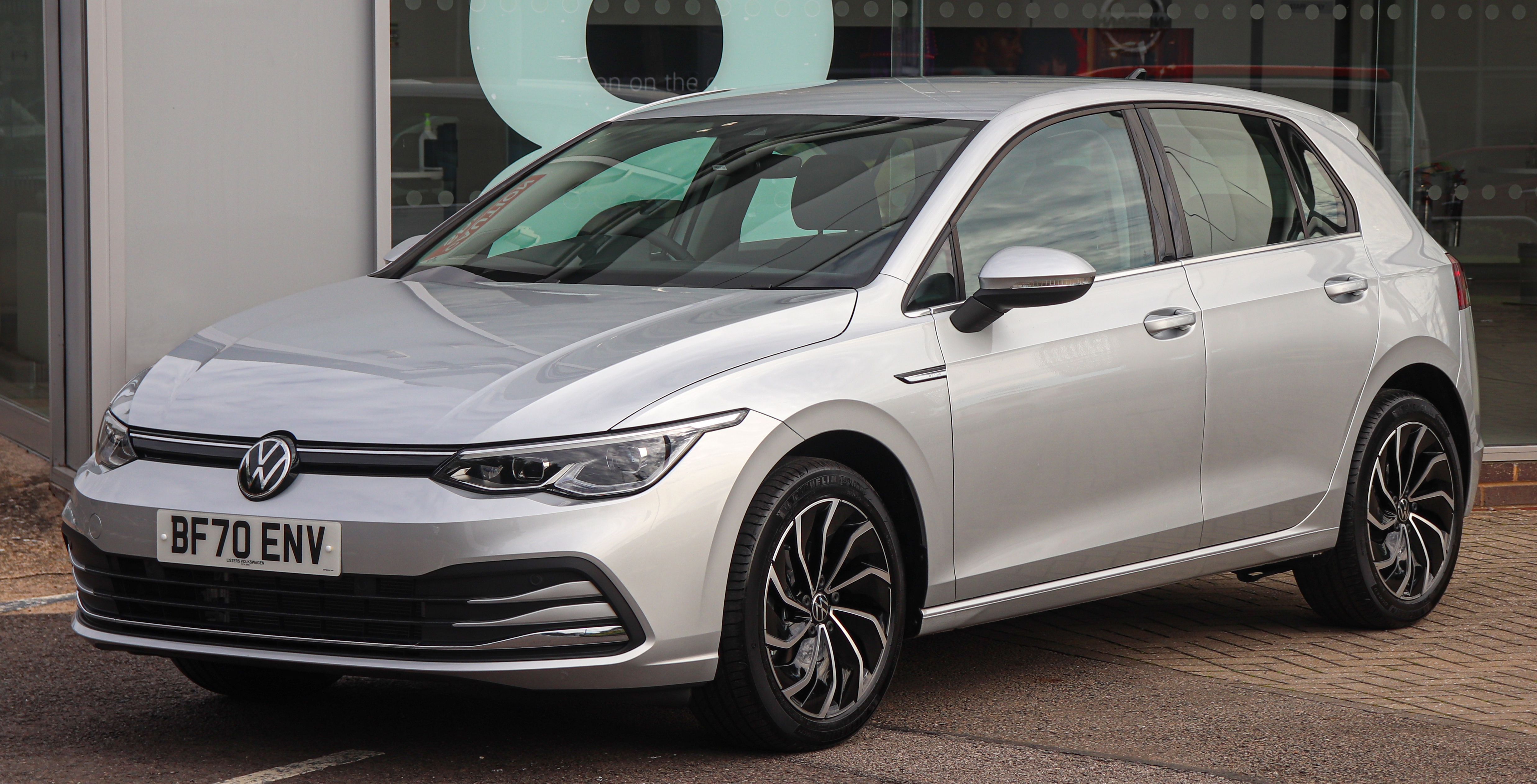
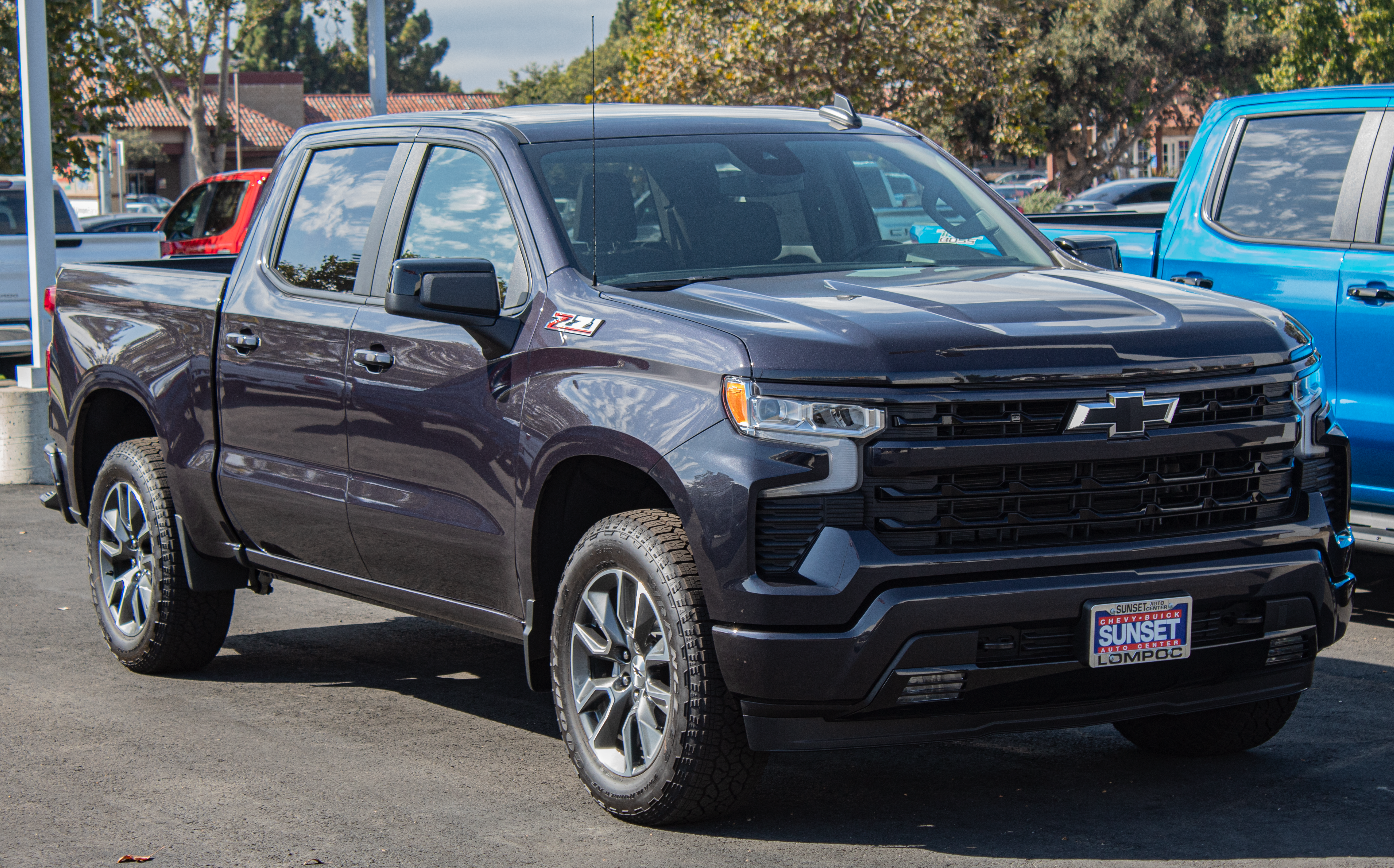
The Volkswagen Tiguan SE is a new version of a small SUV that has been redesigned for 2025. It looks different and has better features than the older models.
A two-liter turbo four-cylinder engine is a type of car engine that has four cylinders and uses a turbocharger to boost its power. This helps the engine perform better while still being relatively small and efficient.
The EA 888 is a type of engine made by Volkswagen that is used in several of their cars. The 'EVO 5' means it's a newer version with some improvements.
An eight-speed automatic transmission is a system that helps a car change gears automatically. More gears usually mean better performance and fuel economy.
An infotainment system is the technology in your car that provides entertainment and information. It usually includes things like music, navigation, and phone connectivity.
Driver assist features are technologies in cars that help drivers stay safe and make driving easier. They can alert you to things like cars in your blind spot or help keep you in your lane.
Adaptive cruise control keeps your car at a set speed but can slow down or speed up based on the traffic in front of you, making highway driving easier.
The Volkswagen Jetta is a small car that is comfortable to drive and has a lot of space inside. It's a good option for people looking for a reliable sedan.
Crossovers are a type of vehicle that is a mix between a car and an SUV. They usually have more space and a higher seating position than regular cars, making them popular for families.
A hybrid powertrain is a system that uses both a gas engine and an electric motor. This helps the car save fuel and produce less pollution compared to traditional cars that only use gas.
The Nissan Rogue is a small SUV that will have a new version in 2026 that can use both gas and electricity, which will help it save fuel and be better for the environment.
The Mitsubishi Outlander is a small SUV that has a version that can run on both gas and electricity. This makes it a good choice for people who want to save fuel and reduce pollution.
A plug-in hybrid is a type of car that you can charge using electricity and also has a gas engine. It can drive on electricity for a while before needing to use gas.
The Genesis G80 is a luxury car that has a strong engine and comes with all-wheel drive, which helps with traction. It's designed to be comfortable and has many high-tech features.
A twin-turbo V6 is an engine with six cylinders that uses two turbochargers to make it more powerful and efficient. This helps the car go faster and use fuel better.
Weight Watchers now offers access to affordable GLP ones.
It works for members like,
I'm Haley and I've lost 100 pounds.
Weight Watchers has everything I need,
from weight loss medications to nutrition support
and help with my side effects, it's all in one place.
Weight Watchers handles the insurance for you
and offers affordable cash pay options.
With our program, our members are losing more weight
with expert nutrition and side effects support.
I'm Mike and I've lost 135 pounds.
Weight Watchers prescribing GLP one medications,
it's been life changing.
I'm Sharia and I lost 80 pounds on Weight Watchers.
I realized that it would take more than a prescription
to lose weight and feel good on a GLP one.
Better results, expert support, lose more weight,
make it last.
I can't imagine doing a GLP one without Weight Watchers.
Get started for as low as $25 at weightwatchers.com
slash GLP one.
For over 60 years, we've helped millions of members
find what works for them.
Now it's your turn.
Weight Watchers, watch it work.
If you're the purchasing manager at a manufacturing plant,
you know having a trusted partner makes all the difference.
That's why hands down, you count on Granger
for auto reordering.
With on time restocks, your team will have the cut
resistant gloves they need at the start of their shift.
And you can end your day knowing they've got safety
well in hand.
Call 1-800-GRANGER, click Granger.com or just stop by.
Granger for the ones who get it done.
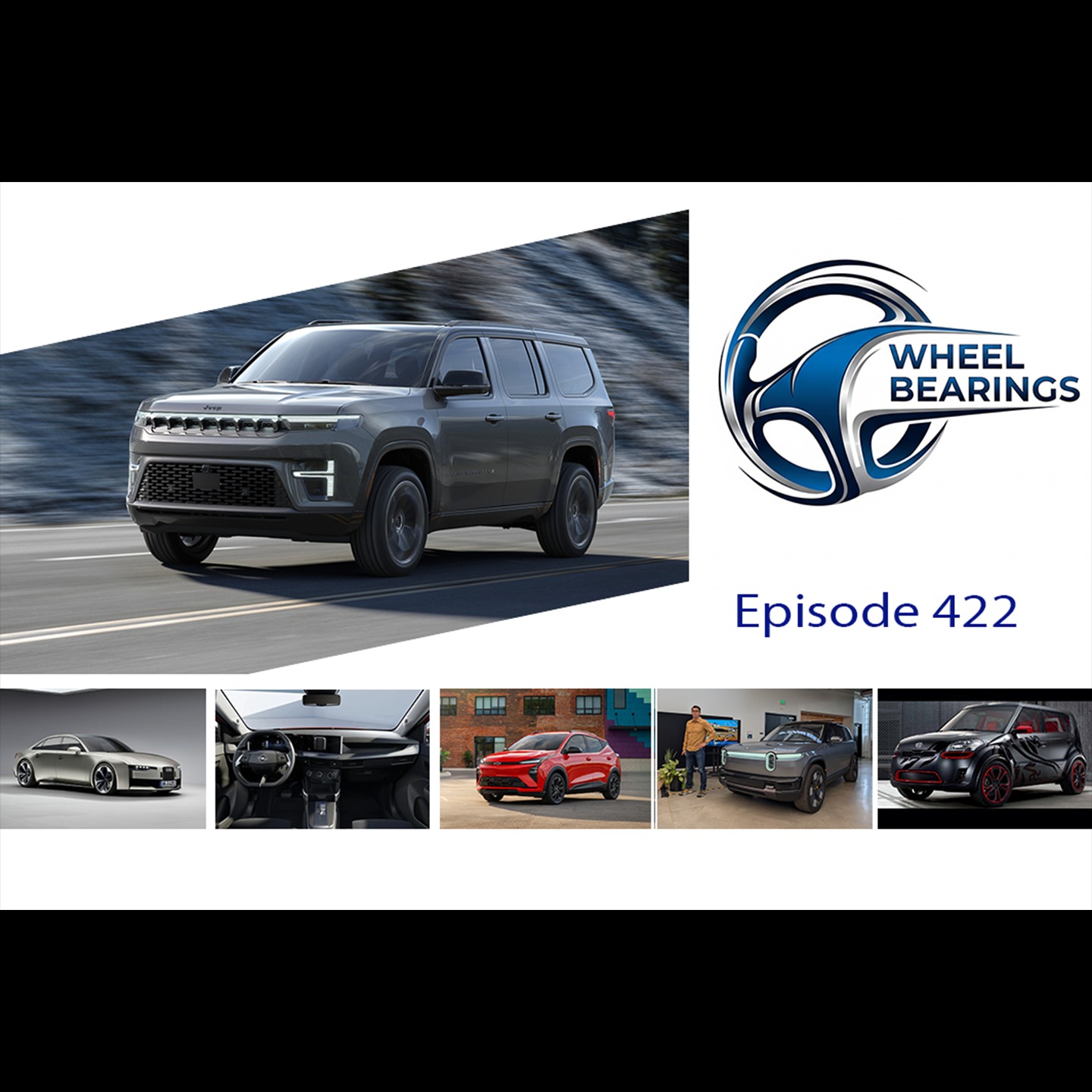
This is episode 422 of Wheel Bearings.
I am Sam Aboual-Samid from Telemetry.
And I am Roberto Baldwin from SAE International.
And Nicole is, let's see today, well actually all this weekend,
she is scouting sites with her daughter and future son-in-law
for their upcoming wedding.
So they are driving around to various places in New Hampshire
and the surrounding area to figure out
where they wanna do the event.
So best wishes to Nicole and Rose and Reza.
And hopefully they find something that's good
that's not too insanely priced.
Yeah, you just gotta do like Sam and I
and just get married on the beach.
I mean that's with each other but to our wives.
Yes, yeah, funnily enough we both got married in Hawaii
with nobody else around, so.
We're anti-social jerks.
No, I gave everyone a year notice
that we were getting married on the beach.
We're going to the Hawaii, we're getting married on the beach.
You got a year, go if you want to.
If you don't, it's fine with me.
We didn't even do that.
We told my parents and that was it.
Okay, so you're more of an anti-social jerk than me.
I'm a low level, you're mid-level.
All right, so you didn't have anything
to drive this week, right?
I did not, we're still, yeah, we're still working
on how we're gonna be doing reviews over at SAE
and so I know I need to get one, get them for the podcast
but I also wanna make sure I make, you know,
I wanna double, I wanna get the most value
out of having the cars.
Also I'm lazy, so there's that.
Well, there's that too.
All right, well, I had, I drove two different cars.
They were actually quite different.
The first one was the 2025 Volkswagen Tiguan SE.
So this is the third generation of the Tiguan,
all new this year.
And from a design perspective,
I like this one a lot better than the previous generation.
I was not a fan of the second generation Tiguan.
Especially the version that we got here in North America.
So elsewhere in the world,
they have two different variants of the Tiguan.
They had the standard one and they had a long wheel base one
which was originally developed for the Chinese market.
And I think they're, depending on where you are,
they're actually, one of them is actually
not even called a Tiguan, but that's the longer one
goes by a different name in some markets.
But here in North America,
we only got the longer wheel base one.
And I always thought the proportions were a little off.
It just didn't work for me.
I was not a big fan of it.
Also wasn't crazy about driving the previous Tiguan
because it was a little on the heavy side
and it had one of the 63,000 variations
of their two liter turbo four cylinder.
Because you can get that engine in various Volkswagen group
vehicles from about 160-ish horsepower
up to well over 300 horsepower in the Golf R.
I think in the Golf R it was like 320, something like that.
The version that they put in the US market Tiguan
had 178 horsepower and it just, it felt sluggish
to put it bluntly, it was-
But it's not that we only get the long one.
So now you're just, yeah.
Yeah, and I always felt the ergonomics of it
for the driver always felt a little peculiar.
The steering wheel felt kind of high
and at the wrong angle.
I don't know.
I was just never quite connected with that car.
That's not true for the new Tiguan.
New Tiguan much better, much better looking.
I think it's a much more attractive design.
Still has the two liter EA 888 engine.
It's actually listed here as EA 888 EVO 5.
And so this family of four cylinder engines, the 888,
it's been around for a while.
This year it's got 201 horsepower, 207 pound feet of torque
and it's got an eight speed automatic transmission
and it felt much better than the last Tiguan that I drove.
Still not what I would call sporty feeling in this form.
You know, again, in other markets,
they sell versions of the Tiguan.
They have like a GTI or GTX version of it
that's got even more power.
And the one that I had, interesting,
I mean, oftentimes, you know,
when we get press vehicles to drive,
they usually give us the high end models.
They don't often give us, you know,
the mid level or lower trim levels.
But in this case, they sent me the SE and front wheel drive,
which is the one that, you know,
unless you live, you know,
somewhere like Colorado or, you know,
places where they get, you know, winter weather,
this is the one, this is the version
that probably the biggest number of people are gonna buy.
You know, so there's an S trim level,
the SE is the mid level trim and there's an SEL.
So this is, you know, the one that's got
decent amount of equipment,
front wheel drive, 201 horsepower.
You know, the performance is perfectly adequate.
You know, it's not gonna get anybody real excited,
but, you know, it also doesn't feel as sluggish
as the old one did.
It's exactly what people just,
the amount that they were like,
I need a lot of power, nah, you don't.
Especially for a car like this,
you're like, nah, you don't, you just need to get around.
Exactly, this is the one you're gonna commute to work in,
you're gonna drop off the kids at school, pick them up,
take them to, you know, wherever they need to go.
You know, to, you know, even, you know,
to go on a little, you know, camping trip,
go on a vacation with your partner,
the back seat is roomy, the front seats roomy,
VW seats have always been pretty comfortable.
The, I think, you know, probably my biggest complaint
with the interior, you know, is it still,
it does have the newer version of their infotainment system.
You know, their modern,
your current generation infotainment system.
You know, it's been significantly updated
the software, and it runs a lot faster than in the past.
But it still has, you know, a lot of touch controls
along the bottom edge of the screen.
You know, so that's, you know, that's not ideal,
you know, for like the temperature controls,
things like that.
But the infotainment interface runs fairly smoothly,
there's no, you know, not, like some of the,
in recent years, you know, some of them were definitely
kind of janky feeling, they, you know,
they were not very responsive.
Yeah, just so. Yeah, lots of lag.
She would. No longer, no longer the case,
they fixed that.
The first versions of this infotainment system,
you could start the car and drive down the street
before it launched.
Yeah, yeah, this is definitely a lot better than that.
So no, no real issues there.
All the usual driver assist features,
you've got your blind spot monitors, lane keep assist.
This one had the, what they call it,
the travel assist, which is a hands-on level one system.
So it does, does lane centering and adaptive cruise control,
but you're not, you gotta keep your hands on the wheel,
which is fine.
I have no issue with that.
You got rear cross traffic alert, all that good stuff.
The V-tex, you know, Volkswagen's V-tex and leather,
you know, synthetic leather interior is nice.
We had it in our Jetta for years,
had no complaints about that one.
And, you know, generally it feels pretty good.
You know, it doesn't feel as premium as say,
an equivalent Mazda, you know,
Mazda's have a much more premium feeling interior.
This didn't have that, you know,
but it's also, at least in the SE trim,
not as expensive as the Mazda.
So I think it's a good compromise.
You know, it's still fairly affordable.
The, with the eight speed automatic front wheel drive,
it's rated at 28 miles per gallon combined,
25 city, 32 highway.
I got around 29 in my driving, which was pretty good.
So again, no real issues there.
The ride quality was fine.
It doesn't feel particularly firm.
You know, so on rougher pavement, that's good.
You know, maybe a little more body motion
than I would prefer.
And certainly a little more than I might,
I would typically expect in a Volkswagen.
But again, generally fine.
You know, nothing that is overwhelmingly bad or anything.
So, I said the 12.9 inch touchscreen,
you get digital instrument cluster, all the usual stuff.
So the one that I had, the Mineroni has the price listed.
Well, the total price, bottom line price on the Mineroni
was $33,720.
You want to take a guess at the destination charge?
14.
You're very close, 14.25.
Ah.
Really, I had to stop and think
because there's no one to compete against.
So now I just have to, I just got to get it.
So I was just going through some stuff this morning,
getting ready for the show and saw an article pop up
that, you know, Volkswagen has increased prices
on the Tiguan and so I went back and double checked.
And now the same Tiguan, the exact same car that I drove,
the MSRP on the one I drove was $32,295.
It's now $33,045.
So it's gone up by just under about $750, $780.
So it has gotten a little more expensive
as most cars are right now.
Most cars are getting more expensive.
They did not increase the destination charge.
The destination charge has stayed the same.
So it's still 14.25.
So no sneaking, no sneaky price increases,
like up front, yeah, this costs more now.
Yeah.
Whoops.
So, you know, it's a moderate,
relatively moderate price increase
given everything else that's going on.
Let's see, the Tiguan's for the US market
are built in Mexico.
They're built at VW's Puebla, Mexico assembly plant.
They do build the transmissions here in the US,
but they primarily, most of the parts come from Mexico
or from Germany.
The engines I think come from Germany.
So it's definitely, I think worthy of consideration.
Like I said, I like the new design.
I think it looks a lot better than it did before.
And it fits in with the current generation
of compact-ish, you know, to mid-sized crossovers,
you know, so CRVs, RAV4s and so on.
VW doesn't offer, you know, any sort of hybrid powertrain,
which I think is probably the biggest letdown
with this car because, you know, the top sellers
in this segment, the CRV and the RAV4,
do offer hybrids, very, very fuel efficient hybrids.
The Rogue is supposed to get a plug-in hybrid powertrain
in 2026, basically the same system
that's in the Mitsubishi Outlander.
And in fact, the 2026 RAV4,
which I'm gonna be driving this week, is hybrid only.
They no longer offer a non-electrified powertrain in there.
So it's hybrid and plug-in hybrid
are the only options in the new RAV4.
So I think VW needs to get a hybrid powertrain
into this and some of their other models sooner rather
than later in order to remain competitive.
Yeah, yeah.
When we did the Sportage, the Kia Sportage Drive,
they were pushing, they're like, this is a hybrid,
you know, we were driving the hybrid for this.
And they were like, people don't,
they were concerned that the average person
didn't realize that Kia had hybrids in their vehicles.
And so because they really want to go after Honda
and Toyota, who's, you know, most of their sales
for those vehicles, I mean, the RAV4, they're like,
you know, why are we even making one that's not electrified?
Let's just get rid of that.
There's no point at giving everyone the hybrid.
Yeah, I mean, the CRV hybrid sales are like,
I think about 55, 56% of CRV sales in the US now.
You know, so it's more than a half.
For 26, 100% of RAV4s are gonna be hybrid.
And for now, you can also still get a hybrid
in the Ford Escape.
You can get hybrids in the Hyundai Tucson
and the Kia Sportage.
So, you know, all of the top sellers
offer a hybrid or will shortly.
So I think that's probably the biggest thing
that the VW needs to address with this thing
is to get a hybrid powertrain option in there.
Yeah, yeah, I think that's true.
You know, VW's had some tough years,
so hopefully they can get it together.
There are some hybrids in there.
But it does look better.
The old one looked like they forgot
they had a long wheelbase,
and so they did the design,
and they're like, oh no, we gotta make it look weird.
Yeah, I mean, the proportions,
you know, especially like from the B-pillar back,
from the B-pillar forward,
both versions are basically the same.
And then the back end just looks kind of stretched out.
It looks a little weird.
Yeah, it's like they forgot, and then there's like,
oh no, just stretch it, just stretch it, make it white.
Just make it longer.
It'll be fine.
Yeah, this one's much better balanced.
Yeah.
And just, you know, the rest of the overall contours,
I think, look better too.
Yeah, yeah, this looks like a much better designed vehicle.
All right, the other vehicle that I had
was the 2025 Genesis G80 3.5 T Sport Prestige all-wheel drive.
So that is a lot of name for a lot of car.
So the G80 has been around in its current form
for a few years now.
I think last year it got a mid-cycle update
and replaced the dashboard.
It did some tweaking on the front end as well,
tweaked the grille design a little bit.
But really the interior is where the big change came.
So like the other current Genesis models,
it now has one large display, you know,
that's not so much integrated into the dashboard,
that sits on top.
And I think it's like 26-ish,
24, 26 inches across.
You know, it's kind of, you know,
it's about the same size as like what you would find.
The overall unit is about the same as what you'd find
in some of the other, you know, Hyundai and Kia vehicles
where they typically have two 12 and a half inch displays
under a single piece of glass.
So when it's off, it looks like it's all one.
But when you start the vehicle,
you realize it's actually two separate displays.
The Genesis have just one big display
that stretches from the instrument cluster
across the center stack, nothing on the passenger side.
But so it looks a little more premium.
The graphics on it look really good.
The interior of the G80, you know, is lovely.
No complaints, no issues with that.
The one that I had was in, let's see,
Vatna Gray, not Vantagray, Vatna Gray, V-A-T-N-A,
whatever. Vatna Gray.
I have no idea what that's supposed to mean.
But it's, you know, it's very, very attractive.
You know, it's a decent looking color.
It's not exciting, but, you know,
but it looks good enough, so no real complaints there.
And then the interior was in their Vanilla Beige Ash Gray.
So, you know, it's not real exciting color,
but it looks the part, you know, for a premium,
you know, a relatively large premium sedan.
And this is, you know, kind of an upper-mid-sized sedan.
It's got their 3.5 liter twin-turbo V6 with 375 horsepower,
391 pounds-feet of torque,
eight-speed automatic transmission,
fully independent suspension.
It's got rear-wheel steering and a rear electronic
limited slip differential, so it looks,
or, you know, it handles really well.
And, you know, for a relatively large car,
you know, this is not nearly as large as a G90,
but, you know, it's still a good-sized car.
It's very maneuverable.
It's very responsive on the road.
I really like the design of the wheels that they have
on the prestige trim.
I don't know if you remember,
it was probably about four, five,
maybe six years ago, it might have been in 2019.
They, you know, one of their concepts,
I think it was, may have been before the GV80 was launched.
And they had this concept that was at the New York Auto Show.
It was a five-spoke wheel,
but each of the spokes were perforated.
It was kind of a mesh design.
And this is the same basic design,
except it doesn't have all the holes in the spokes.
You know, so they're still solid,
but it looks really good.
It's a really attractive wheel, and it looks unique too.
There's nothing else quite like it on the road that I've seen.
And, you know, overall, I really like the design of the G80.
You know, I personally, you know,
the G90 is a great luxury car,
but, you know, it feels more like a car to be driven in,
as opposed to something to drive.
You know, this is, you know,
you know, obviously not as small as a G70,
but, you know, I think it's a good balance of, you know,
a really premium feeling and, you know,
very attractive design, you know, fastback design.
And it's amazing, this car has come so far
from the original Hyundai Genesis sedan.
You know, I remember, you know,
back in the, like, 2008 or 2009,
when they launched the Genesis,
at that time, Genesis wasn't a standalone brand.
It was, you know, it was just a Hyundai model.
It was their flagship model for the Hyundai brand.
And then, in about 2014, 13 or 14,
they split off Genesis as a separate brand.
And by that time, the second generation of the G8,
you know, what was rebranded as the G80 came out,
and this is the third generation.
And it's really come so far from that original car.
You know, it's, you know, it feels like something
that a German automaker would build.
Yeah.
Yeah, it looks, I mean, I think the design is really nice.
I think the design is almost a little bit
what Jaguar was kind of going for.
Sort of almost Art Deco-inspired design.
But this is more something that someone would, you know,
you would see on the road versus, you know, the Jaguars,
which more feel like from Batman, the animated series,
which I've talked about a couple of times.
Everyone got all angry about those cars,
but if you just made it black or gray instead of pink,
everyone was like, oh, look at that car.
And you put Batman next to it, boom, great car.
Yeah.
No, I think, I think Genesis done a great job
on the design of this car.
It's from a design perspective,
it's actually probably my favorite Genesis.
I think I most like to, I most like driving the G70,
but I most like to look at the G80.
And I, you know, this is not far off, you know,
I just, I like smaller cars,
so that's why my preference for the 70.
But, you know, if I had to have something a little bit bigger,
the 80 would definitely be my choice out of these.
And it's got, you know, all the usual stuff
that you're gonna find, you know,
it's got beautiful leather seating
and all of the driver assist features, you know,
it's got their highway drive assist too,
which again, it's a hands-on system,
but it's got driver monitor camera,
so it's got, you know, driver distraction alerts, you know,
so if you're looking away from the road too much,
or if you're getting, if you're obviously getting tired
and your eyes are drooping or your head is tilting sideways,
it's gonna give you an alert, you know, to say,
hey, you know, do you need to take a rest?
Which is a good thing, you know,
because a lot of times, you know,
if you're doing a longer trip and you're tired,
you know, you may not really be aware
of how tired you actually are.
And that's really dangerous when you're driving.
Yeah, you get the highway hypnosis.
Yeah, exactly.
We're just like the lines again and again,
it's the same, you know, the hum,
and then, you know, the lines,
and then you see, you know, the right temperature
and the cars are like really comfortable,
and it's like, you're sort of on autopilot,
which is not great, because you're not really,
you're like suddenly, you're like,
how did I, the last 30 miles,
I don't remember the last 30 miles,
that's where you're like, oh dear, yeah.
So, yeah, so I found it here,
the display is actually 27 inches.
So it's a single 27 inch OLED display.
And, you know, as with other Genesis and Hyundai models,
it's also still got lots of physical controls.
The center portion, the infotainment part of the display
is a touchscreen, but it's also a fairly long reach.
So you can reach out and use it as a touchscreen,
but there's a center control knob,
so you can do it either way.
So, you know, Nicole can reach out and touch the screen.
The rest of us can use the center control knob.
Yeah, it's a great car to drive.
I really like this car.
And the version that I had,
I didn't actually get a Monroni for this one,
which is unusual, but for this trim,
the Sport Prestige all-wheel drive, $77,000 is the MSRP.
You want to take a guess at the destination?
1,500.
Oh, you were off by five bucks, $14.95.
So the grand total came to $78,495.
Which, you know, it's, yeah, it's electric cars.
Yeah, this is one of those cars you see on the road,
you're like, oh, you kind of forget about it
until you see one, they're like, oh, yeah,
oh, that's nice.
Yeah, because there's not a lot of them around,
you know, they're selling a lot more of the utilities,
the GV80, the GV70.
So you don't see these very often,
but when you do, you know, it really catches your eye.
Yeah, yeah, definitely.
Wix, it's where website creation meets AI
and where your boldest ideas become real.
It just takes one platform to build a site
that looks great and does everything you need it to.
And it just takes one person, you,
to start taking care of business like a 10-person team.
With AI tools for creating an entire website from scratch
or testing new ways to make money,
Wix is there with you from day one.
Try it out now at wix.com.
Weight Watchers now offers access to affordable GLP ones.
Weight Watchers has everything I need,
from weight loss medications to nutrition support
and help with my side effects.
With our program, our members are losing more weight
with expert nutrition and side effects support.
Weight Watchers prescribing GLP-1 medications,
it's been life changing.
Better results, expert support, lose more weight,
make it last.
Get started today for as low as $25 at WeightWatchers.com.
If you're an HVAC technician and a call comes in,
Granger knows that you need a partner
that helps you find the right product, fast and hassle free.
And you know that when the first problem of the day
is a clanking blower motor,
there's no need to break a sweat.
With Grangers easy to use website and product details,
you're confident you'll soon have everything
humming right along.
Call 1-800-GRANGER, click Granger.com
or just stop by.
Granger, for the ones who get it done.
Did you know you can support wheel bearings directly?
Head to patreon.com slash wheel bearings media
and you can become a patron today.
Your contributions will help fund the platforms and tools
we use to bring the podcast to you.
And exclusives and improvements are already on the way
thanks to your generosity.
So if you want to be part of an automotive podcast
like no other, head to patreon.com slash wheel bearings media.
We've updated the wheel bearings merch store
and now there's a whole bunch of new choices,
new colors, new styles, t-shirts, sweatshirts, hoodies, hats,
mugs, travel mugs, stickers, aprons, tote bags,
you name it, you can get your wheel bearings merch
at shop.wheelbearing.media, go check it out.
That's shop.wheelbearing.media.
All right, let's move on to some other stuff
that happened this week.
Let's stick with the Hyundai Motor Group.
And sadly, one of the models from the Kia brand
is going away for 2026, after 2026.
The Soul, there's no more.
So okay, so here's my story with the Soul.
Years ago, I broke my ankle and I lived in the city.
We had one car and it had a manual transmission
and we had a Vespa.
That's what we got around it.
So for a while, in order to get around with the giant boot,
I had to, it was my left ankle,
I had to use like the car sharing things
like zip car and stuff like that.
Like GM used to have one.
Just to get something with an automatic.
Maven?
Yeah, yeah, Maven.
Yeah, I used to use that all the time.
It was actually really, it was pretty,
it was really inexpensive.
Anyway, so once I went to get a car
and all they had was the Kia Soul.
And I was grumbling the entire way I walked down
the stairs of my apartment building,
and then the three blocks to the place.
And then I got in the Soul and within two blocks,
I was in love with the Kia Soul.
Cause like you're getting like,
this is exactly what this car should be.
This is just, this is it.
Like they packed everything about this car
is exactly what it needs to be.
No more, no less.
I love this car.
Yeah, and I mean, they were really affordable.
They were surprisingly roomy.
And of the, you know, the so-called box cars,
there were more of these in Japan,
but there were three that were sold in North America.
There was the Soul, there was the Nissan Cube,
and the Scion XB.
And the Soul was far and away the best of the three.
Yeah.
Yeah, it had kind of a funky look to it.
It was actually pretty fun to drive.
Did you ever drive the second generation electric version?
I did.
I went all the way to Korea.
They flew me to Korea to drive a bunch of cars.
And then they're like, oh, here's the Kia Soul electric
that's coming to the United States.
And I drove it around and I was like,
I love this car so much.
And I was really excited about it coming to the United,
to the U.S.
Because again, that box, I mean, because it's a box,
it's just so, you know, the cargo space is just optimized.
I was like, oh, this is perfect.
This is the perfect car for cruising around town.
It's not too big.
And then they canceled it because they're like,
oh, we don't have no batteries.
Yeah.
Well, so that was actually the electric version
of the third generation.
So it was the second generation electric,
but it was the third generation of the Soul.
So it's the current generation.
Yeah, the current generation, yeah.
The original Soul EV was also really good.
It only had, it was about 125 miles of range.
But, you know, as an around town commuter, it was great.
And, you know, unlike something like the,
you know, it wasn't as expensive as, you know,
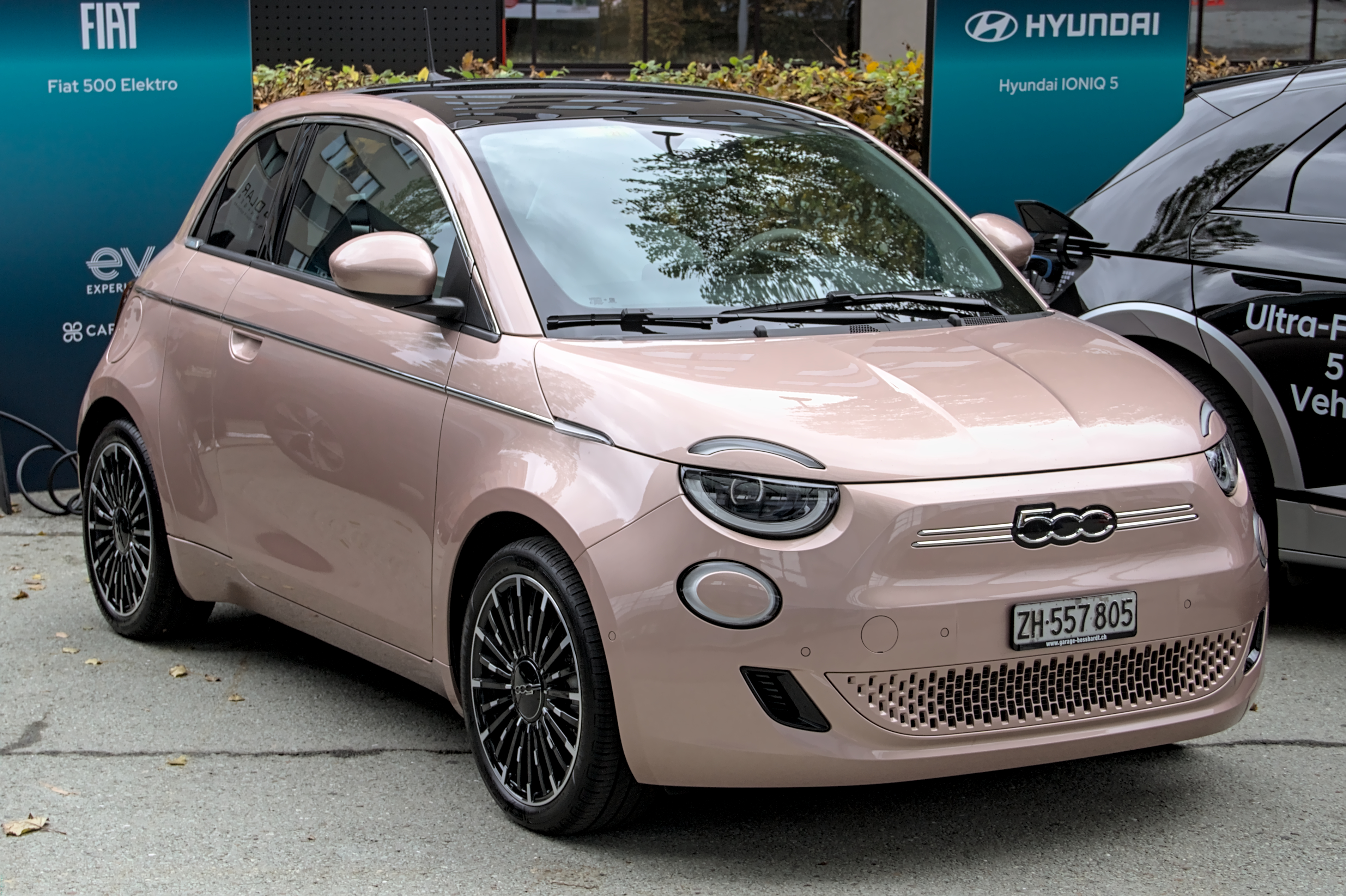
a Fiat 500E or some of the other ones, you know,
that were relatively short range.
It was a lot of fun to drive.
Yeah, no, it's, this is a really a great car
that I think a lot of people sort of dismissed.
I mean, I dismissed it until I drove one.
And those who have it, like really like them and those,
but I don't think it, I think it, I mean,
it outlasted off obviously the XB and the Nissan.
But it's, yeah, you know, I still, you know,
I still see new ones, like my neighbor,
one of my neighbors does Turo and he has,
they have two of them in their fleet.
And I was really excited when I saw them, like, oh snap.
So, yeah, no, I mean, you know, RIP did the Kia saw a great,
a great little car that lasted far longer than I think,
I think a lot of people made 2009.
That's a pretty, that's a pretty great.
Yeah, and they, you know, apparently they,
Kia says they sold one and a half million of them
in the US since 2009.
So, you know, this was a very popular car.
You know, those sales have dropped off quite a bit
in the last couple of years,
but, you know, even last year,
I was looking up the sales the other day,
you know, they sold almost 60,000 last year.
Wow.
So, it's a shame that it's going away.
Yeah, yeah, we, you know, still sad we didn't get that EV,
Kia Soul EV, like, that would have been,
I think it had, I don't remember the range,
I think it was the same, it was like,
a little bit less?
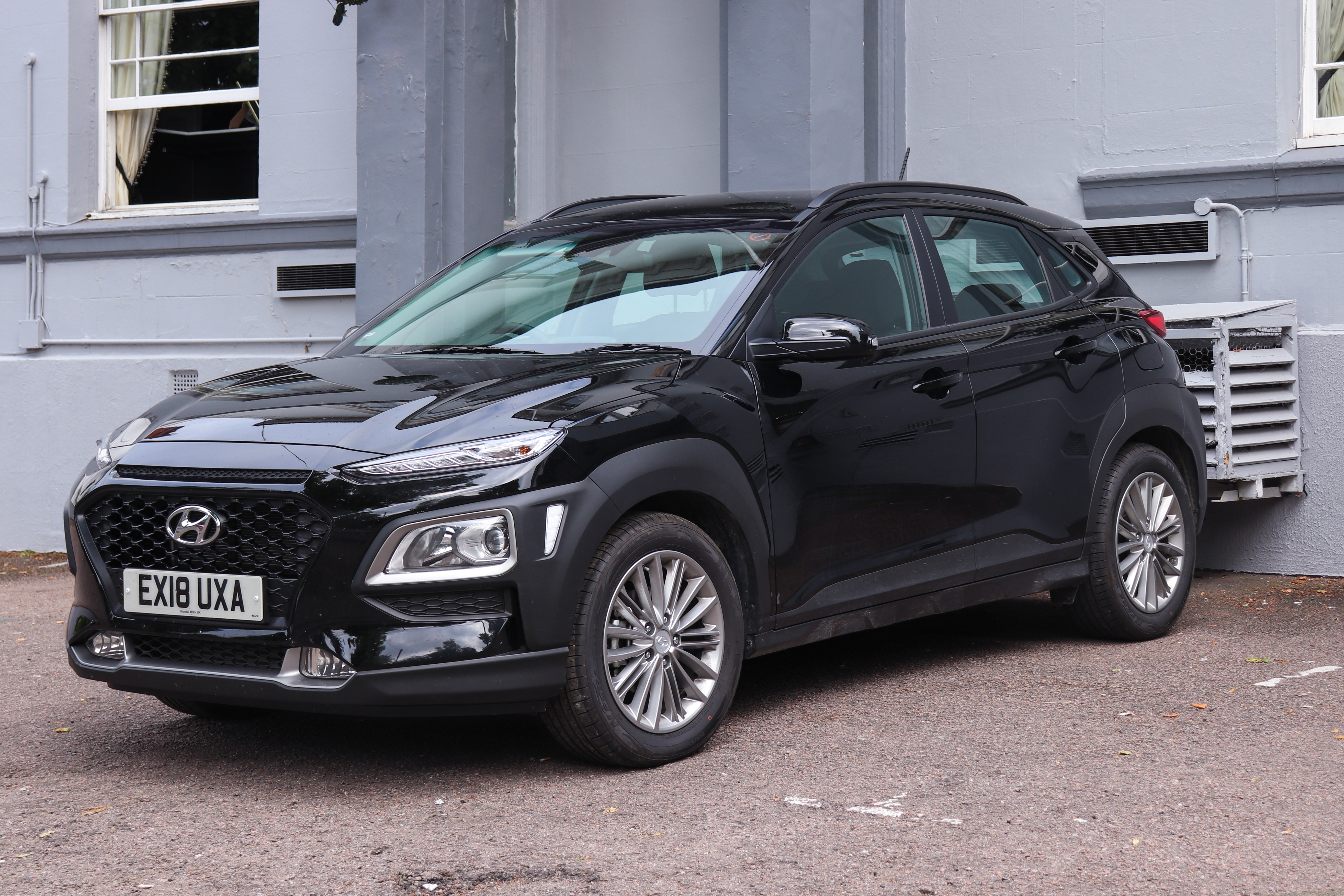
The same setup that was in the Kona,
yeah, the Kona and the Nero.
Yeah, so it would have been,
maybe a little bit less range just because it's a box.
Yeah.
But not much, I mean, it was only 200 miles.
Yeah, yeah, I think it would have been a,
it would, you know, I would have been really,
it would have been really fun.
Yeah.
Oh, wow.
And I'll have a picture of me and the hamsters.
Oh, the hamster thing?
Yeah.
Everything about the Kia Soul, the Kia Soul, that's great.
All right, so on Monday, this past Monday,
the Automotive Press Association had an event
at Rivian's Tech Center here in Plymouth, Michigan.
There was a fireside chat with RJ Scorringe,
the founder and CEO of Rivian.
And, you know, he talked about tariffs
and, you know, all the other stuff,
but he did have some other updates.
So they're getting ready to launch the R2.
It's gonna be going to production,
you know, they're building pre-production models,
building pilots now, but full production should be launching
in the first half of next year, so in the spring.
So by middle, you know, by May, June of next year,
they should be starting deliveries of R2s to customers.
And those are still targeted to cost about $45,000
space price, which, you know, is not cheap,
but it's not bad.
It's, you know, it's quite competitive.
And, you know, this is an electric mid-sized SUV.
It's using LG batteries this time.
They're using new 4695 large cylindrical batteries
or cells from LG that they're building
in their new factory in Arizona.
And, you know, he was asked a bunch of other questions,
but, you know, I asked about, you know,
whether Rivian would consider changing up
their interior user interface a bit,
because, you know, in Europe,
they've got some new rules for the Euro NCAP standards
that require vehicles to have physical controls
for certain core functions.
And, you know, and then there's also the report
that came out that last week that we talked about
about them redesigning the manual backup
for the door latches.
And basically, Scurringe made it pretty clear
that he has no interest in moving away
from the touchscreen interface.
Yeah, he talked about how, you know,
they've got the new controllers on the steering wheel
of the R2, the new design that they've got on there.
You know, he promoted the idea that, you know,
in the future, most people are just gonna be using voice
to interact with things like climate control anyway.
But, you know, things like adjusting the vents.
You know, I don't see how you're gonna do that by voice.
That makes no sense to me.
I really like the Rivians a lot.
Every time we're gonna do like this,
I'm like, oh gosh, come on.
Just come on.
Just give us some.
Ha ha ha ha ha ha.
And again, this is for someone who really likes the Rivians.
I really like the R1S.
I really like the R1T.
I'm like, oh, these are great.
They're mid-sized.
The R1T is essentially the Ridgeline.
Like, the R1T is the mid-sized truck
that Honda should have built.
And the, but this just sort of doubling down,
because, you know, it saves them money
at the end of the day is, you know,
hardware buttons cost money.
That's the biggest. It costs money to design them,
to validate them, and then, you know, production,
you know, it complicates production,
you know, putting all those pieces together in a dashboard.
It does add extra cost.
It was, yeah, it was funny because there was,
when the Model 3 came out,
Tesla kept trying to tell me, they're like,
oh, this is about the future,
and I'm like, no, you're trying to save money.
This is a money play.
You're trying to save money, I understand.
But let's not pretend this is like some sort of like fun,
you know, over like Volvo with design.
You're not, because the interior design is not great.
It's boring. It's not, it's, it's,
this is to save money.
Like, oh, no, no, no, no, I'm like, yeah, yeah, but it is.
It's, you know, they're a new company, Rivian.
They, you know, they're gonna try to save as much money
as possible on what they're doing.
And I understand that, but at the same time,
no, yeah, you know, he, you know, I, I pushed back,
you know, on the, like for example, on the door latches thing.
You know, and, you know, on, on the R1,
on the, the refreshed R1 that came out last year,
you know, the manual door latch is literally like two inches
from where the push button is on the, on the arm rest.
And I said, you know, if it's gonna be right there,
it's just as convenient to use the manual one
as the push button.
So you put the, they tried to make the case
that the push button feels more premium.
Yeah. It's like, no.
It's a truck. Stop it.
You're selling trucks, dude.
What, you know, why, why, you know,
if you have to have the manual one,
why complicate it by adding this other mechanism?
It's, it's, you, you're, you're selling this vehicle
to people, you're telling people to everyone,
oh, you can go camping.
You can do this. You can do that.
At the end of the day, it's a, it's,
that's people who are camping are like,
you know what, I need premium, premium.
You can't, you can't on one hand say,
yes, this truck is rugged and outdoorsy and da-da-da-da,
but then they're like, oh, but then we have a premium door.
And I'm like, oh, I know what,
I understand what, what they're going for.
Because, you know, the F-150 is essentially just
a luxury vehicle to most people that has a bed.
This is, you know, but come on.
It's, it's, it's a, it's a truck.
I want to go camping in the truck.
I want to stick surfboards on top of the truck.
I just want to click, click, click, click,
click, click, click, click, one mechanical stuff.
Yeah. Yeah.
He also talked about, you know, being able to do
clever things, you know, like for example,
with the rear doors, you know, on traditional vehicles,
if you want to make it so kids can't open the rear doors,
you've got to, you know, push the little latch
on the back of the door, you know,
to prevent the rear door handles from working,
you know, they can do that electronically,
do that in software, but, you know,
you still, you still have to have the mechanism in there
anyway, the manual mechanism.
So what it makes, you know, you made,
basically made a lot of excuses that didn't really,
didn't really hold much water.
So nobody that was there was particularly impressed
with his answers on that one.
It's a, you know, the, the, the, the, the reality is
we decided on this path.
It's a lot of money for us to change this path
because we're already have things built.
We were already building facilities.
We always have things in production.
We already have tooling like ready to go,
like changing this path would cost us a lot of money.
That's the answer.
It's, you know, you can, you can talk around it
but at the end of the day, Rivian needs to make money
and Rivian decided long ago, this is what they were gonna do.
And when they were like, hey, can you change this?
Or like, no, we're not, we don't have big piles of cash
like, like, you know, like Hyundai who can be like,
oh, let's, let's step back from putting everything
and screen and put buttons back in.
Hyundai has a ton of money.
Hyundai's, if you live in any sort of town or city
that has a dock or, or, you know, a harbor or whatever,
a port, there we go.
That's the word I was looking for.
It has a port.
You see giant Hyundai boats and giant Hyundai shipping.
Hyundai is not like-
If you're in Korea, you know, if you walk around Seoul,
you will see, you know, construction cranes
that say Hyundai on them.
You know, they're in the construction business.
They're in the mining business.
Hyundai's in everything.
Hyundai is, yeah, Hyundai is, is everywhere.
It's everywhere you wanna be.
They're the, Hyundai is like the Honda of, of Korea
where Honda makes a lot of stuff
that people don't forget about except more.
And you remember, you know,
Spot the vicious robot dog and Atlas robots.
You know who owns that?
Most of the dynamics now, Hyundai.
Hyundai, yeah.
So they, they have the money to sort of walk stuff back.
Whereas, you know, if you're an automotive startup,
that's really, really difficult once you've got it going.
Especially when, you know, for the most part,
again, like 80% of everything about that truck is,
is amazing.
And then there's a thing, just 20% we're like,
I really don't wanna adjust my vents with,
I don't wanna look off the road to adjust the vents.
All right, let's move on to Audi.
At the IA mobility show in Munich last month,
they showed off a concept for what may be
a future version of the TT.
But AutoCar had a couple of interesting stories this week
with some renders that they did of possible new,
or, you know, next generation Audi products
that incorporate the styling language
that we saw on that concept
with the sort of vertical rectangular grille
that was on that concept
and the very skinny horizontal headlamps.
But two very different vehicles.
One is the next generation, or A4 sedan
with that kind of styling theme.
What do you think of this one?
To compete against the new?
Electric three series and Mercedes C-Class.
I like these sort of like really slick looking vehicles.
It's, again, it's the thing that Jaguar did
that everyone slammed them for.
And I really think it's because it was pink
and people can't wrap their heads around something
not being gray anymore.
They're like, it was pink.
And then it was like very much of a skewed tour
for a very young, artsy audience.
And that is definitely not the Jaguar audience.
But I like it.
I think it looks very futuristic.
It's got the very art deco.
Again, Batman the Animated Series.
Every automaker's designer has been watching
the Batman the Animated Series recently
from a couple of decades ago.
And they're like, what if we made cars like that?
So that's where we're moving into.
We're gonna have a Mark Hamill Joker
and then a bunch of other stuff.
I don't remember anything else from the show.
Well, both of these are renders that were done by AutoCar.
But I think that they're, if it looks anything like this,
that's gonna be really cool.
And by the time this comes out,
one of the other things that Goringe mentioned
was that the first VW Group products
with the Rivian software from the deal they did last year,
the first one's gonna be the new ID-1
that they showed off at IAA coming in 2027.
But over the next several years,
there's at least 32 models from across the VW Group
from this entry level Volkswagen EV for 20,000 euros.
Up to very expensive cars,
presumably Bentley's and Porsche's,
definitely Porsche's and the high-end Audi's
are all gonna use the Rivian software.
And this is one of the vehicles that's expected to use that.
Immediately nice.
I still want manual vents.
Now, whenever I touch the vents in my car,
which apparently is all the time I think about it.
Now I'm very aware.
I'm very aware of it.
You used to be, you just did it.
Now you just did it.
Now I realize I am like a hands-y vent-touching.
The other one that AutoCar had is a new SUV,
a premium SUV to challenge the Mercedes G-Class
and Land Rover Defender.
And they're speculating that this could be
based off of the Scout platform.
It's, the front-end is interesting.
I think they went a little to,
I think it's the vents at the outer edges
of the front fascia that are just like,
ah, ah, ah, ah, everyone.
But I'm a big sucker for a big boxy all-wheel drive.
You know, four-wheel, my God.
My dog is, is he, can you, he's snoring so loud.
No, I can't hear him.
Okay.
Well, if he can hear him, I'm sorry.
Anyway. Is that Bowie?
Yes. Or Nico.
It's Bowie.
Anyway, yeah, I'm a big sucker for a big boxy,
you know, Land Rover, G, you know,
the electric G-Wagon actually fell in love with that car.
I don't have G, electric G, I don't have G-Wagon money.
I don't have electric G-Wagon money.
I know, I think we talked about how much I like
the Ineos Granadier because I have a big sucker
for, you know, these sorts of vehicles
that I have absolutely no use for where I live.
No, no use for, I don't need those vehicles.
I probably wouldn't buy one.
I would like to move to the middle of nowhere in Hawaii
and or Alaska and then buy one.
That's it, that's all I, that's all I wanna do.
Except if you were in the middle of Alaska,
would you really want something like a G-Wagon,
like something as expensive as a G-Wagon?
I would want, you know what?
I would do a TFL, I would do what Roman did
and get like a, well, no, I think I might get the G-Wagon
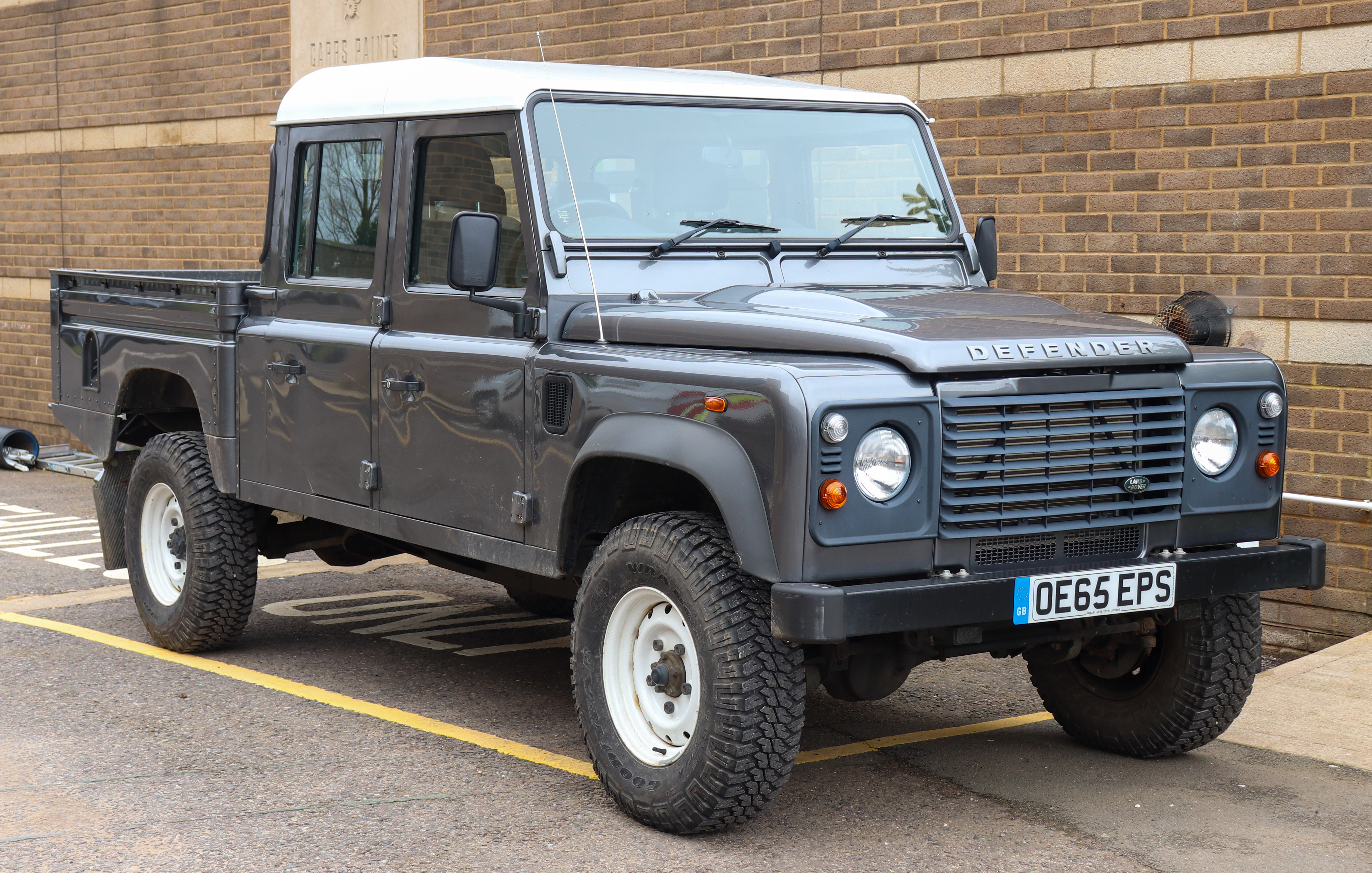
over the Defender just for the sake of,
it'll be easier to get fixed.
I mean, the G-Wagon probably would be more reliable
than the Defender.
Yeah, that's what I'm going, like reliability wise,
I think a G-Wagon would probably, I mean,
they're literally built like tanks.
They're like, you know, if we had a tank
and you could drive up a 45 degree angle.
Okay.
And then people just parked it on Rodeo Drive.
What if we made an incredibly capable off-roader
and no one ever took it off-road?
What if we did that?
Yeah.
Yeah, well, that is pretty much the modern G-Wagon,
or at least, you know, the vast majority
of the audience for that video.
They still do the stuff, it still does all the stuff.
They haven't like sort of dumbed it down.
They haven't like, oh, let's take stuff out
because people aren't going to do it anyway.
They're still just like,
now we're just going to keep making it
because apparently a one point society will collapse
and we'll meet those people.
The rich people want to be able to get away
from the poor people.
Yeah.
All right, well, I mean, they will just take off
in their, you know, their EV-talls and stuff
and go about a hundred miles and land in one direction.
They're like, oh no.
Or they'll have their special underground bunker
where they hired a bunch of people who do security
and then those people will just turn on them
and bring their families.
Well, actually, I think what they'll do
is they'll get in their EV-tall,
which will take them from either from like Skyline Drive
or from San Francisco down to Mountain View Airport
where they'll get on their private 767
and then fly to New Zealand or, you know,
to some island in the Pacific where they have their,
that they own.
Yeah, but they still have,
the thing is you're still dealing with the human element.
Whereas, yeah, we hired all these, you know,
big security dudes, keep people away
from my super secret bunker.
Guess what those dudes want to do now?
They know where the super secret bunker is
and they want to keep their families alive.
Well, that's why they, you know,
that's why all these guys are investing in robots, you know,
because they don't want any humans,
they just want the robots.
Yeah, that sounds, yeah, I mean, I haven't seen the,
the Roomba, that's the robot that you,
they, the robot that you can buy for your home
that works well is the Roomba and then that little mower,
which is essentially just a Roomba for your, for your,
for granted.
The sort of walking around robots, like, yeah,
unless it's like that beefy Boston Dynamics thing,
like they, like, they just, at that time,
I remember at the Tesla event that I don't touch the robots,
don't touch, because yeah, they're gonna fall over.
Yeah.
All right, let's move on to Stalantis.
One of the things that people loved about the Slate truck
is the fact that it has no infotainment system.
You can just plug in your phone or your tablet,
use that as your infotainment system.
Well, apparently Stalantis got the message
because in Europe, they offer a version of,
the entry-level version of the Opel Frontera,
which is a compact crossover,
where you would normally find a touchscreen,
the center touchscreen for the infotainment system,
is just a panel with a phone holder.
You know, one of those ones that, you know,
you pull it apart, it's got some foam things in there,
you stick your phone in there and let it go
and it's just a claw that holds onto your phone.
That's it.
That's your infotainment system.
There's your damn infotainment system.
Yeah, customers in Germany can pay an extra $1,200
to get a screen and a small slate of other features.
But if you don't want a screen,
you can just get the base one
and just stick your phone in there.
It's all good.
You don't even have to buy a phone holder.
It comes equipped with a phone holder.
That's my only concern is that it comes equipped
because what, you know, it's gonna wear out.
Or if it's not the right size,
every once in a while you'll get a phone holder
and it doesn't get wide enough.
That's it.
Like if you could swap it out, like every few,
like, you know, just like unscrew it and pop it out
and put the new one.
Yeah, I mean, hopefully they have a way to do that.
Yeah, and then that, I'm like, yeah, yeah.
I wonder if it's that the car still has a modem though.
That's sort of like my-
I believe in Europe it's required for e-call.
So cars, you know, so, you know, when there's a crash,
you know, it has to be able to call emergency assistance.
So I think that's required.
But other than that, you know,
I think that's the only thing it's there for.
Yeah.
Yeah, I guess there's a couple other
Stalantis models in Europe.
The Citroen C3 Aircross is also available.
And of course, the Citroen AMI is, you know,
this little quadricycle thing is,
they're also available without a screen.
But yeah, I think, you know,
this could be a popular option, I think,
if automakers offered it here.
You know, my dad doesn't have a car
that has a screen in it.
Yeah.
I don't think he'll ever buy a car with a screen in it.
I just imagine him getting very angry
at a car with a screen in it.
So yeah, I think he would be like, I don't want that.
Can I turn that off?
Like, can you take it out?
I don't want that.
At the opposite end of this Stalantis lineup,
a vehicle that we do get here in North America
is the Jeep Grand Wagoneer,
which is getting an update for model year 2026.
And last year, yeah, spring of 2024,
when I was in a round table session with Antonio Filosa,
who was then head of Jeep and is now CEO of the company,
mentioned, you know, one of the first things
that he found odd when he came over
and moved over to take over Jeep at the end of 2023
was that they, when they launched the Wagoneer
full-size SUV, they tried to make it a separate sub-brand
from Jeep.
And so it didn't have any Jeep branding
on the outside of the vehicle,
except for like some really small Jeep branding
inside the headlamp and taillamp clusters.
If you looked real carefully on the,
inside the headlamp clusters, it had the word Jeep in there.
But other than that, it was, it didn't say Jeep
anywhere on the outside of the vehicle
or on the inside, for that matter.
But he said, we're changing that.
It's just gonna be a Jeep from now on.
And so for, and the other thing was,
it was a lot of confusion about, you know,
Wagoneer versus Grand Wagoneer.
And they had, you know, series one and series two
and series three and all this nonsense.
So they, they've done a styling refresh
for the Wagoneer for 2026.
It's now just Jeep Grand Wagoneer.
It says Jeep and big letters across the front edge
of the hood and across the tailgate.
And no more Wagoneer.
And it's got a new, new front fascia
that takes inspiration from the Wagoneer S.
I think those are all smartness.
The Wagoneer, Grand Wagoneer.
I'm like, what, what are we doing?
Like you don't, Stellantis isn't, you know,
they, you know, they've had some tough years.
Just give the people what they want.
They just want the Grand Wagoneer.
Don't make things confusing.
Don't give people, you know, you don't have, you know,
Toyota, you know, they have a crossover and SUV.
Every one of them is like three inches bigger
than the one before it.
Like, but they sell.
They sell really, they sell every one of those weird,
like, you know, crossovers and SUVs because it's Toyota.
Jeep, I think, yeah, just make it the Jeep,
which is the brand of people, people are buying it
because they want a luxury off-road vehicle.
They want Jeep, they want Grand Wagoneer.
Those are the things they want to hear.
That's the thing they want to tell people when you're like,
well, we got the Jeep, we got the Wagoneer,
but there's also the Grand Wagoneer,
which even for me, it's my job.
I'm like, what?
I mean, yeah, okay, fine, you want to have two different,
but no, just, just give it the Grand Wagoneer.
Just say, hey, Jeep's got a big fancy three-row SUV.
It's really pretty and cool.
It's a luxury off-roader.
Boom, Grand Wagoneer.
And I'm like, hey, we got a big one,
and then we got kind of a little one.
It's not quite as good, but you know,
it's a big, you know, save something here.
Settle down, just make the big,
expensive thing that people are wanting to buy.
Yeah, and so it's just Jeep Grand Wagoneer now.
There's fewer trim levels, there's base,
there's the upland, which is the off-road version.
It's lifted a little, has all-terrain tires and skid plates.
There's limited and summit, and that's it.
And so, and then the pricing
has been brought down quite a bit across the range.
So the base model is about $1,700 more
than the base Wagoneer was before,
but it does have extra equipment.
And then at the top end of the range,
the Grand Wagoneer L Summit is about,
I think $16,000 or $17,000 less
than the equivalent 2025 model.
So. Oh, that's cool.
So one of the things that Bob Broderdorf,
who's the head of Jeep now, talked about was,
you know, we're now aiming to just compete
in the mainstream.
We are, you know, he, I asked, you know, what,
so does that mean you're no longer looking
at stuff like the Cadillac Escalade
and Lincoln Navigators?
Yeah, you know, we're targeting the volume of that segment,
which is, you know, the Chevy Tahoe, GMC Yukon,
Ford Expedition, you know, that's, you know,
and so they've priced it accordingly.
So across the range, it's now,
the pricing is fully competitive with all of those models.
I mean, I get another smart move, to be honest.
And then to start with, when they start production
later this fall of the 26 models,
the only engine in there will be the base,
the standard output version of the three liter
hurricane six cylinder.
What, not a Hemi?
No Hemi.
Hemi everything.
You know, they're not ruling out a Hemi at some point,
but, you know, you know, acknowledged,
you know, Bob acknowledged that, you know,
the key thing, you know, for the Hemi and the trucks
is the way it sounds.
The truck buyers want the sound of V8.
That's, yeah, the Hemi is not the best motor
or engine that this company builds,
but everyone like, ooh.
They like the way it sounds.
Yeah.
And, you know, in the, in this full size SUV segment,
you know, they generally want a quieter experience.
You know, the customers for this vehicle
don't really care as much about that sound.
And so, you know, going with the,
with the hurricane six cylinder, better option.
You know, it's quieter.
These customers are not so concerned about that.
So you got more power than you got with the Hemi.
It's better fuel efficiency.
So they're gonna start production with the Hemi.
And then in later in the first quarter of next year,
they're gonna add a second powertrain option,
which is the e-rev powertrain
from the Ramcharger slash Ram Rev pickup truck.
And so this is actually going to launch
before the e-rev pickup truck does.
So this has the Panistar V6 driving a generator,
92 kilowatt hour battery pack,
two electric motors with about 600 and some horsepower,
620 horsepower, I think was the number.
And it'll have about 150 miles of electric range
and about 500 miles of total range.
So it's a little bit less than the pickup
because the, it's gonna have,
it's first of all, it's heavier than the pickup
and the aerodynamics are a little bit worse
than the pickup truck, oddly enough.
But so the aero is a little worse, it's a little heavier.
So it's gonna have a little less electric range
and it's got a smaller gas tank.
It's only a 200 or only a 20 gallon gas tank
versus a 27 gallon tank in the truck.
So it'll only go 500 miles.
No.
Yeah.
Again, no one drives more than 250 miles
without pulling over at this point.
If you're young, if like in my late teens, early 20s,
I could drive for five, 600 miles nonstop.
If, you know, but I still had them stop for gas,
but I was fine.
Now I'm like, what am I like,
what 30 minutes from the house, I'm gonna pull over.
Yeah.
So yeah, you know, and you know, it'll tow,
they haven't said exactly what the tow rating's gonna be,
but you know, it'll probably be somewhere,
you know, around 8,500, 9,000 pounds.
And it should be able to go, you know,
at least 200 plus miles, 200 to 250 miles
towing a trailer with the range extender.
And then when you do need to stop,
you don't necessarily have to stop and charge it.
You can just plug it, you can just fill it with gas
and then keep going and it'll be fine.
The pull through charging stations are still not a pretty,
there's not a lot, there's very few of them.
Like a pull through so you can like pull your car up
next to it, like a gas station, that's not,
most of them are still like,
hey, here's a parking spot, you're like, oh, okay.
The IANA charging stations are doing that.
A lot of the IANA charging stations,
EA's starting to put some in.
All of the GM EV GO stations at pilot travel centers
are all pull through like that.
And I think they're up to about over 300 of those now.
So, you know, there's more and more
of the pull through charging stations available.
But still, you know, if you don't need a meal,
you know, if you just need to get some fuel
and make a quick bathroom break, you know,
then you don't have to sit around
for half an hour, 40 minutes charging the battery.
If you are ready to stop for a meal,
then you can also plug it in and charge that up.
Yeah, save a lot of money.
And, you know, with 150 miles of electric range,
you know, if you plug it in at home,
you will almost never use any gas in this thing.
Which is driving around.
Yeah.
And then, you know, they're following a similar strategy
to what they're doing with the RAM pickups this year,
which is staggering the introduction of new powertrains.
Because one of the things he did acknowledge was,
yes, Jeep's had a lot,
Stalantis has had a lot of quality problems
in recent years.
And so they want to limit the variations
that they're building initially, you know,
to make sure that they're getting everything right,
you know, and then add in a new variation.
So that's why they're starting off with the hurricane,
then they're going to add the e-rev.
And then after the e-rev,
they'll add the high output hurricane,
540 horsepower hurricane.
So that will probably come,
most likely it'll be just for the 27 model year.
So or late in 26,
they'll add the high output hurricane six cylinder.
But other than that, the rest of the interior,
the only real changes to the interior,
they've got some new colored materials,
including this ruby red interior,
which looks really good.
And a larger heads up display.
That's nice.
Yeah, and so the larger HUD projects the image out
a little bit farther beyond the end of the hood.
So there's less refocusing of your eyes required.
It's still not, it's not an augmented reality HUD,
like what Cadillac's starting to use now,
but it is further out beyond the edge of the hood.
It looks like it's about two or three,
maybe four feet out beyond the end of the hood.
Cool.
I mean, the augmented reality stuff is really cool,
especially when you're driving
and somewhere you don't know.
Yeah, when you're using navigation.
It's great for roundabouts in Europe.
Yeah, yeah.
But it's not, you know, it's not necessary.
I mean, a nice heads up display
means your eyes are on the road and you're keeping track.
You keep track of what's going on in the world.
So, so that is the, the 2026 Jeep Grand Wagoneer.
And let's see, what else?
Oh, the 2027 Chevrolet Bolt.
So GM has been teasing stuff about the new bolt
for a while now.
They've released a few teaser images
over the last couple of months.
And back in 2023, when they first announced
that they were going to end production of the bolt,
they said it was going to come back by the end of 2025.
And at some point along the way,
they also said we're going to use
lithium iron phosphate battery in there.
And so this week, they released most of the details.
They showed us, you know, this,
so for 2027, basically there's just one version of the bolt
now before they had the smaller, the original bolt hatchback.
And then, you know, the EV and then the, the EUV,
which was six inches longer.
So now, now they're doing just the bigger version.
No more of the, the EV, you know, they call it a crossover,
but I mean, it's, it's really just a, you know,
slightly tall hatchback, but that's fine.
It's a, it's a good size.
And, you know, it doesn't look dramatically different
from the old one, from the 2023 model.
You know, they've, they've tweaked the front end a little bit,
tweaked the tail lights a little bit.
The interior is all new, the dashboard's all new.
But the big thing is the old bolt was using
electric propulsion components that were designed
specifically for that and weren't really used in any,
never ended up getting used in anything else.
So they didn't have much scale and it was,
it ended up costing them more to build that.
And so what they're doing for the updated bolt
is they've replaced all that stuff with stuff
from what's known internally as their BEV3 architecture.
So it's basically the same parts that are in,
that you'll find in a Chevy Equinox EV.
So the same, same front motor, that's 210 horsepower
that you get in the base Equinox EV.
The battery is obviously different
because it's an LFP battery,
but it's the same 65 kilowatt hour capacity
as the NMC battery that was in the old bolt.
Everything's a little more efficient.
So the range has gone up a little bit from 247 miles
on the old bolt EV to 255 miles.
And at launch, they're gonna have a limited run,
launch edition, which is basically the upper grade
of the LT trim for $29,990, including delivery.
And then later in the model year,
they're gonna add the one LT trim for $1,000 less,
so $28,990.
And then there's also gonna be an RS trim.
So the loaded RS version is gonna be,
let's see, 35, 685.
So that gets you the tech package,
which includes supercruise and a sunroof.
And that's a few thousand dollars less,
that's a couple thousand dollars less
than the Nissan Leaf.
It's a little bit less range than the Leaf,
but it's also a couple of grand less than the Leaf.
And you get stuff like supercruise.
And the new interior, they've switched
from the center console shifter to the column shift,
like they're doing on all their other EVs.
They've got the 11-inch display,
the same display that you find in the Equinox
and some of the other models,
but it's mounted a little bit differently in the bolt.
And so you've got more storage space.
One of the things they talked about was the seats
have been upgraded significantly.
That was always one of the big complaints
about the bolt before,
was a lot of people didn't like the seats.
So they've upgraded the seats.
Lots of USB-C ports, wireless charging ports for your phone.
No CarPlay or Android Auto.
Yeah, but what do you think?
I like the bolt.
I thought, I mean, it was the best-selling EV
that didn't have a Tesla badge on it until it went away.
I think that the GM,
and that is after all the issues with the LG fires,
of the battery issues with the bolt
were because of LG's manufacturing.
It wasn't Chevy's fault, it wasn't GM's fault.
But even after all that, after this huge recall,
after all the news about it,
it still sold a lot, of course.
It still sold a lot.
Yeah, because it was affordable.
Yeah, it was.
You had 250 miles of range for $26,000, $27,000.
Yeah, I mean, it wasn't as refined as, say,
the Kona or the Nero,
but if you're just driving around town,
50 kilowatt DC fast charging wasn't great,
but at the time, hey, that's good.
You know, it's a great around town,
mid, you know, I'm going for a short road trip,
you know, I'm going a couple hundred miles
and maybe I'll stop at like a Walgreens
or a Walmart and charge my car while I do some shopping.
No, I thought it was a great vehicle.
I'm glad it's back.
I think it's funny that when they said
that they were killing this vehicle,
they crowed about how awesome,
they're gonna use that factory to build the Silverado,
which at the time was over $100,000
and it felt very tone deaf
and then everyone lost their minds.
They're like, okay, okay, fine, we'll make the bolt again.
So I, yeah, I'm excited it's coming back.
I'm glad that now that we, you know, we have, you know,
two vehicles, we have the leaf and the bolt
in this sort of price range,
you know, essentially the same sort of vehicle
you can get in the car and decide which one you like.
If you like carplay, you're just gonna get the leaf.
If you don't care about carplay, you can get the bolt.
Either way, we haven't driven the bolt, unfortunately yet,
but yeah, I am very happy that we're getting
more and more vehicles,
barely starting under $30,000.
Yeah, but it's, you know, we're getting there.
Yeah, and this is under $30,000, you know,
in the case of the bolt, you know,
under $30,000 with delivery.
You know, so, I mean, the leaf, you know,
that $2,990 price for the leaf
does not include the delivery charge.
So you're really looking at $31.5.
Yeah.
So this is 30 starting price,
and actually it'll be 29 starting price delivered.
And it's got, you know, it's got a NAX port,
you know, faster charging number four,
150 kilowatt charging.
They say it'll do 10 to 80% charge in 26 minutes,
which is pretty reasonable.
They're saying during the briefing call
that we had on Tuesday morning,
or Thursday morning that, you know,
they had an event in Los Angeles on Wednesday night
for owners and some influencers that owned previous bolts.
And for that event, they had four cars
that they drove from Detroit to Los Angeles,
you know, so they road tripped them
just to demonstrate that, yeah, you know,
this actually, you know, can be
a not too unreasonable road trip car,
you know, 250 miles of range,
you know, reasonably quick charging.
And, you know, it's, you know,
I think the changes that they've made are really good.
And, you know, it's got over-the-air update capability
for everything now.
So it should be, and also has, unlike the Leaf,
has real one-pedal driving
that will bring the car to a full stop.
Dun, dun!
Yeah.
You do get more range with the Leaf.
See, that's the thing,
but now we have, there's competition.
You can decide, you can go in and you can say,
okay, I want to spend under 30,000
or, you know, under 33,000 after everything
or 34 after taxes and license and whatnot.
But, you know, I want a relatively inexpensive EV
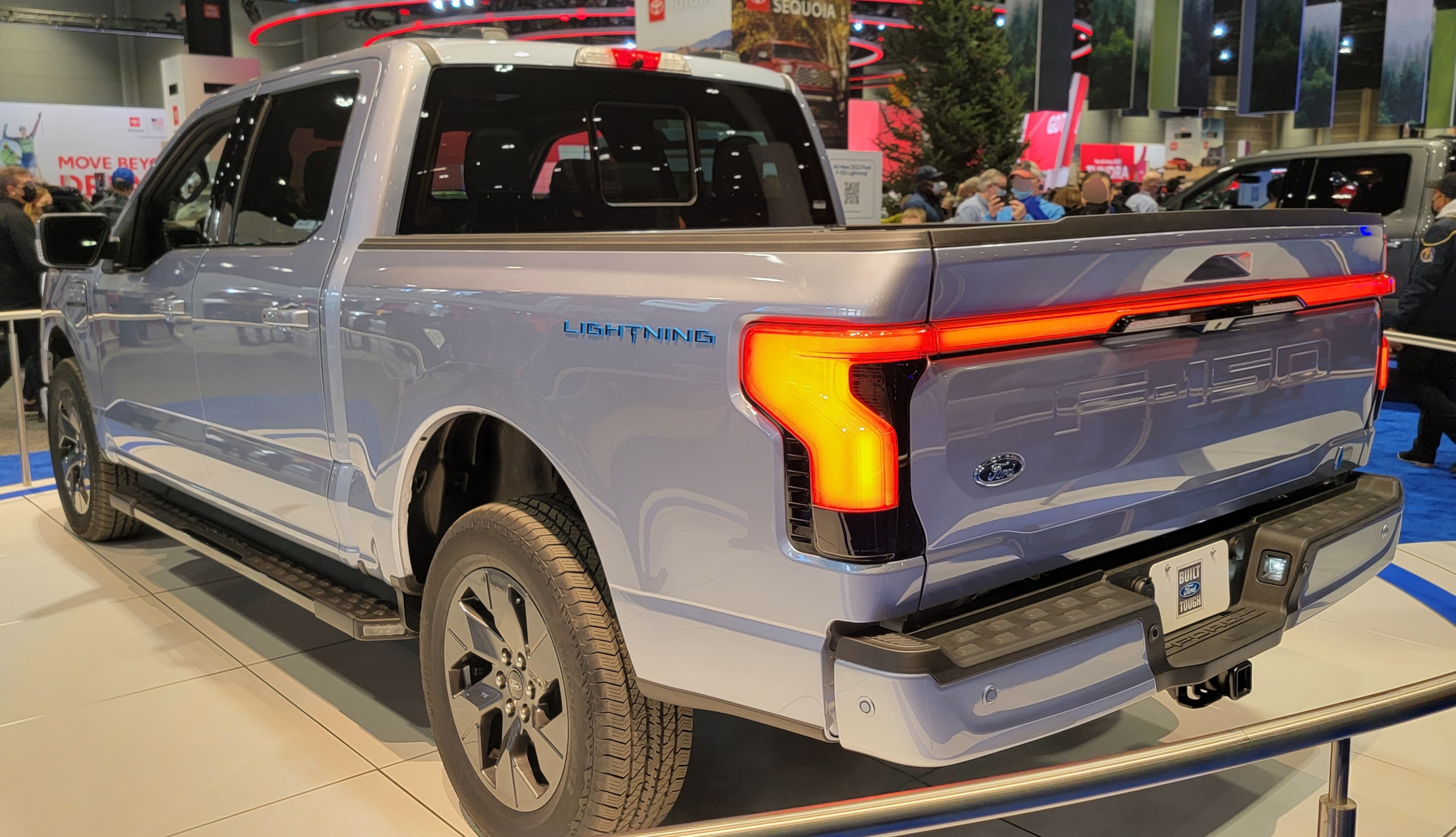
and now you have these two options
and, you know, the potential for more options
that are coming at Slade and Ford with pickups.
So, yeah, no, I think this is,
I mean, to me, this is the right direction.
You know, the, you know, these very,
the i7 is an amazing electric BMW.
The Lucid Air is an absolute engineering marvel,
but those are also so very expensive.
Most people are never going to own one of those.
Yeah, yeah.
You know, the R1-T and the R1-S,
they're very, very nice trucks,
but they're also very expensive.
And so, you know, sort of looking at, you know,
the Maverick model of having like inexpensive vehicles
that, you know, a person can buy.
And, you know, that's the key to adoption
because for all the ones they had bought
and then they, you know, they go into the second market,
you know, the second hand, third hand market
as used vehicles, that's when you're going to see,
you know, oh, I can get a Chevy Bolt electric vehicle
for $18,000 because it was $30,000 new
and now I have a little electric vehicle
that I can cruise around town in, I can plug it in
at like, you know, if you have supercharger network
near you, you know, that's one of the best,
you know, one of the things about the supercharger
network is A, it works and B,
there's a thousand chargers at each station.
Yeah.
And now you can use those chargers with a Bolt.
Yep, so yeah.
And you won't be really annoying the Tesla owners
because your Bolt is only charging
at 50 kilowatts like before.
Yeah, yeah, that's we, when we each,
so I've driven our Kona, or no, I'm sorry,
our Kona, our Onyx Five up and down the state
a bunch of times.
California is a very large state.
So, you know, it's like a thousand mile round trip
whenever I go to LA or Palm Springs or whatever
and I think I've waited once during all those trips
like five minutes to get to a charging station.
Like, you know, it's, you know,
even though it's interstate five, it's not as bad.
It's gotten so much better like waiting to charge your car
until we decided to drive back like on Christmas day.
We waited like an hour and a half
and there was all these Chevy Bolts and the thing.
So I started playing the game.
I'm like, oh, that car is gonna be done,
but for that car, my wife's like, what are you talking about?
I'm like, well, that charging spirit.
And then I leaned over to her, I'm like, you know,
there's like a Tesla station that has like 40 chargers
like up there.
She's like, why don't we go there?
I'm like, okay, let me explain to you Naxx and CCS
and the like what's happened with the rollout.
And let me explain to you Electrify America
and how they decided-
And how long did this conversation
was before she stuck her earbuds in?
No, she just got really angry about the whole situation.
She's like, I don't understand why they don't,
just don't have bigger stations like them.
I'm like, well, see, the government forced this company.
She's like, what?
Well, I remember like my local EA station,
it's got six chargers and when they first put it in,
there was two 350 kilowatt chargers
and the others were 150s and they were very unreliable.
And one time, since then, since this incident,
they actually just a couple of weeks after this incident,
they ripped out all those chargers
and put in new 350s across the board.
But that, I had a Genesis GV60,
which of course can charge at like 230 some kilowatts.
And I went over to try it out on the EA station.
And of course, at that time,
one of the two 350 kilowatt chargers was out of order.
And the other one was being used by Bolt.
I made a whole video about this for SAE,
about understanding what your charge rate was for your car.
Because it's for a little while,
automakers didn't want to tell you,
they were like, well, you know,
they were kind of like,
Hemmin and Han beating around the bush
and giving you that time.
I'm like, no, people need to know,
based on where they're going to charge.
Because if your car only charges 50 kilowatts,
like a Bolt, use the 150.
And of course, since that video,
and I talked about in the video,
more and more 350 only,
like the whole location is just 350s.
But yeah, I think there's a lot of people buy these cars
and then they get to the station and they're like,
oh, this one's 350.
Well, I'm going to charge you this one.
Because, you know, in your brain, yeah, that makes sense.
I'm in a hurry.
I got things to do.
Except that you don't realize,
most people don't realize that, you know,
it's the lesser of, you know,
either the car or the charger
that limits your charging speed.
Yeah, yeah, so, good times.
Anyway, happy, happy, happy to the Bolts coming back.
Woohoo Bolt, I liked it.
I liked it back in the day.
I liked the Bolt EUV.
Hopefully they haven't like messed it up.
I mean, it looks just like the same car.
Yeah, I don't think they have, you know.
I think they're just like, well, what about the chassis?
I don't know, just leave it the same, it's fine.
People are fine.
With an LFP battery, fires aren't going to be
a problem anymore, so.
Yeah, yeah, they're a secret LFP partner.
And that battery will last forever.
Yeah, yeah, even with the original,
I'm here talking to their battery guy.
He's like, we were like, we were like,
well, how long are these going to last?
And he's like, during their test,
they thought like, okay, 80,000.
It was like 250,000 miles.
They're like, oh, wow, okay.
Well, it's better than we thought.
That's the other crazy thing about batteries,
is that in the vehicles, they're lasting longer
than people anticipated, than the automakers anticipated.
So, it's good all the way around.
It'll be nice when we can, you know,
still fingers crossed for the slate.
You should always be wary of an automotive startup
because building cars is hard, but, you know,
if we get a $25,000 tiny truck, boom.
All right, so remember last week when we talked about Ford
and GM and their clever scheme to be able to keep offering
customers at least EVs, the $7,500 tax credit
after October 1st.
Yeah.
Well, not so much.
So, both companies did actually reach out to the IRS
before they did that to confirm that, you know,
if we do this, you know, if we have our finance arms
by these vehicles from the dealers
and make the down payment on it, you know,
can we claim the $7,500 tax credit and then pass it on
to, you know, in terms of our release payments,
the monthly payments to customers
when the dealers lease those out, you know,
even after October 1st.
And they said, yeah, IRS said, yep, that's good.
You're cool.
But unfortunately, there were a couple
of Republican congressmen who senators,
senators, Bernie Moreno from Ohio
and John Barrasso from Wyoming who flagged the plan
calling it a loophole and the total violation
of congressional intent by these nefarious actors,
you know, these nefarious automakers
who are trying to just give their customers a good deal.
I want these two senators to go after every loophole,
the fact that like Amazon pays like,
you know, you always hear the things online about,
you know, this billionaire paid $150 in taxes this year
or this company only paid like $700 in taxes this year.
Unless those people, unless they're going
after those folks as well, I want them to shut their mouth.
Just shut your mouth.
Because now you're just, you're like,
I'm going after EVs because they've been politicized
for weird reasons.
It's, yeah, you're, and also, you know,
what would be funny is if there was pushback and said,
you know, these folks are,
these are American jobs that you're taking away
because Americans build these cars.
Americans work on these things.
You're taking food out of American workers,
mouths, good job, buddy.
So both GM and Ford decided, okay,
we're not going to claim the tax credit.
So they're not going to get the money back
from the federal government,
but they have decided that they will go ahead
and offer customers the same price,
the same monthly payment as, you know,
if they had the tax credit.
So customers won't be paying more.
They'll get the same price.
It's just going to come out of Ford and GM's pockets
instead of from the IRS.
Are they still going to do this to like the end of the year?
I think that was sort of there.
Yeah, I think for Ford, it's through the end of December
and I'm not sure how long GM's going to keep doing it.
But, you know, I've been working on some stuff this week
and, you know, looking at some of the pricing,
there's actually been a lot of,
there's actually a lot of really good deals out there.
So even if you didn't get an EV before October 1st,
they, you know, we talked last week, I think about Hyundai
cutting the price of the IONIQ 5,
the Model Year 2026 IONIQ 5 by an average of $9,100.
Kia is offering $9,000 discounts.
They haven't cut the MSRP,
but they're offering $9,000 cash incentives
to customers for the EV6.
Ford has cut the price of the Model Year 26 lightning
by $4,000, so there's a bunch of things out there.
Also, you know, I finally got all the final sales numbers
for Q3 and turns out that to no one's surprise
that it was a record quarter for EV sales in the US.
You know, it was everybody scrambled
to try and get their tax credits before it was too late.
So for the third quarter of the year,
well, yeah, for the third quarter,
EVs represented 10, just over 10% of all vehicle sales,
like duty vehicle sales in the US.
Oh, wow, that's a...
And for September, it was almost 11.9% were EVs.
I went with the Bay Area percentages,
because it's like 20, 25% like normally,
it was like, when I drive around the Bay Area
and I just, excuse me, I'll just sort of clock
all the EVs that are around me
when I'm at a stoplight, it's a pretty good percentage.
So I'm curious what the Bay Area percentage is,
because we're silly for EVs up here.
Yeah, and overall, compared to Q3 of 2024,
EV sales, the total volume was up by almost 25%,
24.7%, and last week, Tesla announced their Q3 sales
and they made a big deal about being record quarters,
their best quarter of sales ever.
They were up 8% compared to 2024,
and it was their first up quarter in over a year.
But even with that, it was still not enough
to save their US share of the EV market.
So in Q3, for September, Tesla had just over 40%
of all EV sales in the US compared to 52%
in September of 2024, for the quarter, for the third quarter,
they were only 36.5% of the EV market versus 49% last year.
So Tesla's share of EV sales had been declining steadily
and GM was up to 17% of EV sales
for September, and Hyundai Motor Group was 11.5%.
I mean, that's really impressive for Hyundai
because I still talk to people who are like,
I don't know about Hyundai, I'm like, man,
that was the 90s, that was like 30 years ago.
But GM has a lot of good EVs on the market,
Hyundai Motor Group has a lot of good EVs on the market,
you make good cars and then people will buy them.
And Tesla knew this was coming,
that it should be expected, losing market share,
but still selling about a bunch of cars.
But they couldn't be 100%, 80%, 90% of the market forever
because everyone's going to be making EVs
and they're making good EVs.
And I would like to think that at some point,
Tesla's gonna be a little bit more aggressive
and try to make vehicles that they have like dash clusters
and like interiors that aren't just,
the modern version of just a blank room.
It's just, like really sort of like looking at like,
okay, how can we compete with these other automakers
that are coming out?
Right now, Tesla's still Kleenex of EVs.
Yeah.
They're gonna be the Kleenex of EVs for a while.
Kind of the default, less and less so.
Less and less, especially with Nax,
adoption from all the other automakers.
And it's gonna be an interesting few years.
And again, I really wish Tesla was run by an adult,
but that's not my, I don't make that decision.
Yeah.
Apparently neither is the board of directors of Tesla.
Well, that's what happens when you have your family
and your friends on the board.
Yeah.
One last news item for the week.
GM has canceled its next generation fuel cell program.
So, you know, GM was the first company
to ever build a fuel cell vehicle back in the 1960s.
That van's awesome, by the way.
The Electrovan, yeah.
Yeah.
You know, this was a Corvair van back in 1967
that, you know, GM had been developing the fuel cell,
hydrogen fuel cell system for the Apollo program.
And they said, you know, what if we stick this in a vehicle?
See what happens.
That's what they built.
They stuck it into a Corvair van and it worked.
They only drove it a few times
and then parked it in the museum.
But it worked, you know.
And then, you know, GM has continued to work
on fuel cell technology ever since.
You know, one of the first drive programs I ever did
was, you know, I participated in a drive
of the GM sequel fuel cell concepts
from Rochester to New York City,
drove 300 miles on a single tank of hydrogen.
And it was, you know, it was pretty amazing.
You know, and they've done a lot of work
on fuel cells over the years,
but it's gotten to the point where they've finally
come to the realization in 2025 that there's just not
going to be a market for fuel cells any time
in the foreseeable future in any kind of significant volume.
They're, you know, I understand, you know,
you want to be able to have that two prong approach.
You want to be able to be ready.
But at the same time, it's, you know,
we feel cells are going to work are great
for long haul trucking, which means you're going to,
you know, that's a much easier infrastructure to build out
because you have these main, you know,
highway arteries across the country where you can like,
okay, here's a pilot station or a flying J.
Boom, we're going to put a fuel cell station, you know,
charging, you know, or refueling station there.
It's a lot tougher than an EV.
And I talked to it, I asked it, I'm like,
why would I buy a fuel cell vehicle
when I could buy an EV and charge it literally anywhere
if I had time?
Like if there's a plug, you can refuel your vehicle.
It's not going to be quick, but you can do it.
Whereas fuel cells, like if you just don't have,
if you can't get to a station,
then you just, that's it, that's all there is to it.
And I think Toyota does some interesting thing
like the port of San Pedro with fuel cell vehicles
because they have a fueling station.
I think it, again, I think it works really well
for large vehicles.
I think at some point, once that's established,
then passenger vehicles will start making more sense.
But for now, it's, you know, you're throwing a lot of money
at something where you could just sit back
that everyone else work on it.
And then when it becomes a reality, you know,
you start seeing that this is something that's happening,
you can start investing in it.
And, you know, whether you're using your previous,
you know, technology, or you can just see
what other people are doing and either license it,
or if it's, you know, open, or if it's a standard,
you can just use that.
It's a, you know, it's a lot of money
to work on these vehicles.
And it's, you know, the fuel cell thing
has always been the chicken and egg, you know,
we can't sell cars unless there's an infrastructure.
We can't build an infrastructure unless there's cars.
And it's just, you know, it's too difficult
to build out that infrastructure is what we've come down,
what it's come down to.
Yeah.
All right.
So, yeah, so that means they canceled a plant
that they were planning to build near Detroit
to build fuel cells, their next generation fuel cells.
And they've laid off a bunch of people
from their development team in Pontiac.
So, yeah, it's too bad.
I hope that, I mean, I hope that they,
those folks are able to get jobs with, again,
these big trucking companies, I think.
There's still stuff out there.
The work is still being done.
It's just passenger vehicles.
It's a really tough sell.
Yeah.
I mean, Bosch is still doing work on fuel cells.
Toyota, Honda and Hyundai are all doing work on fuel cells.
And BMW is partnering with Toyota using Toyota's technology.
They've got a fleet of X-Fives in Germany now
with fuel cells and they're planning to build
a fuel cell version of the next Gen X5,
at least for the European market.
So, yeah.
All right, let's answer a couple of listener questions.
First from Bob H, I'm hoping you can offer some insight
on my BMW i3 issue.
First, I love the car of least three
and finally bought one in 2020
when no one was buying used cars, so I got a great deal.
Yeah.
Lately, however, I ran into a strange issue.
I started getting an error, driver restraint system failure.
I reached out to my dealer who's serviced it since purchase
and the rep suggested that I get a code reader
and try canceling the message.
This didn't work.
At the same time, the seatbelt on buckled chime
started not working, started not stopping
with the seatbelt fastened.
Obviously, this is a serious safety issue,
not knowing if the airbag would deploy in an accident
and driving with the chime on is not doable.
I took the car and the dealer and $305 later,
I was told that the buckle had failed.
Another almost $900 later, I have a new buckle.
My issue is that if BMW is going to engineer safety features
into the belt buckle, it should never fail
like every other car I've ever owned.
The only failure I've experienced involving,
I've experienced involved the retention mechanism,
the spring having worn out.
What do you think about this?
It seems to me that this should result in a recall
but not sure how I would pursue it.
With or without a recall, paying this kind of money
for something that should never fail is unreasonable.
I look forward to your response.
So yeah, something like this typically would be
the subject of a recall and even if it's just
a single vehicle failure, at the very least,
they should be replacing this free of charge
for something like this, for a safety system like this.
What I would suggest doing is go look for,
do a Google search for Office of Defects Investigation
from NHTSA and you can file a complaint there
and put in all your information about what happened.
And this applies to any kind of vehicle defect that you have.
You can file a complaint there
and then folks at NHTSA take a look at these
and especially for safety related stuff,
they prioritize those.
If they come to a determination that yeah,
this is a design flaw,
they can go to the automaker and say,
hey, we want you to do a recall on this
and replace these parts and it's free of charge.
It may be that this was just a one-off defect.
It may not be a defective design.
I haven't heard of anything like this more broadly.
And my guess is that the mechanism
that they used in the I-3 is the same one
that they use in millions of other BMWs.
And if this were a design flaw,
a fundamental design flaw,
we'd probably be hearing a lot more about this.
So it's probably a one-off failure,
but it's still worth going to ODI and filing that.
And I'll put a link to that in the show notes.
Yeah, it's a use, so it sounds like it's a sensor failure,
clearly not a spring or mechanism failure.
I had the spring pop out of my BRZ one morning,
I was getting ready to go to it on a trip, it was like 5 AM
and I pushed it in the spring,
just literally popped out of the buckle.
But I was able to like,
I had to sort of like kind of work it to get it in.
And then I drove and then I like,
the whole way there, I was like,
I hope I can get this off when I get to the airport.
But I was able to get it on and off and on and off again
when I got back from the airport.
And I just went to the Subaru
and just ordered a new buckle mechanism.
But yeah, the sensor thing is,
I mean, who knows what the,
and it was a person who had it before,
my port actually dropped a Coke in there once,
or who knows what kind of weird thing.
But yeah, I used to definitely, that's a lot of money.
That's, yeah, that's,
because I think the mechanism for my car,
the whole buckle with the thing and the little plug,
so it wouldn't yell at me, was like 60 bucks, maybe 70 bucks?
It is a BMW, so everything's gonna be more expensive.
Yeah, yeah, yeah, so that's a,
13, wait, we got 300, $1,200 to get a new buckle.
Yeah, that's a bit much.
That's a,
I'll put a link to the office of defects investigation,
file a complaint there,
provide as much information as you can.
And they will take a look at it
and it could lead to a recall if it's not a common problem.
All right, and finally from Andy from Melbourne.
This is one that actually came in a couple of weeks ago
and came in during a week when you were out,
I think that was the week that you weren't feeling well.
And I just, I ate ice cream that was in the fridge
and my wife's gone
and she had bought like these ice cream sandwiches.
I don't eat, I don't tip,
if my wife's not around I don't really eat a lot of sweets
and I was like, well, I should eat one of these ice cream
sandwiches before they go bad.
It gave me a stomach ache.
I don't know how,
I think it's been in there like six months.
I'm just like, well, I have to eat this thing with,
I have to eat this thing before it goes bad.
That's my problem.
Cause sometimes the thing is bad.
Yeah, but I mean, as long as your, you know,
your power hasn't gone out, you know,
six months in the freezer ice cream sandwich.
I think it was just gross.
I think it was just, I don't like really like,
it was like an Oreo, it was like an Oreo one.
I think it was like that fake ice cream.
I think it was just a gross,
that's probably why my wife hasn't brought them up
after eating one months and months ago.
Well, anyway, the reason why I saved this one for you,
cause Andy asked, I said,
lots of excitement around the Slate Bev truck,
which is understandable though,
not going dual cab seems a misstep.
Any comment on the Tello urban electric truck?
I think you've checked out the Tello, haven't you?
I have not checked out the Tello,
but I think it's,
I would like there to be, again,
I think the competition is good.
I think inexpensive vehicles are to a better,
you know, inexpensive vehicles means
they're usually smaller to usually lighter.
That means they're using smaller batteries.
That means they're using fewer resources, blah, blah, blah.
You know, all the things that said I'm making a big deal.
Like I think that the latest news out of Tello
from what is it, September,
was that they got $20 million.
That's like, that's like your budget for chassis.
Yeah.
That'll build you one or two prototypes.
Yeah, that's, you know, that's not enough
to build a truck, to build a vehicle, unfortunately.
If you said, you could build some prototypes with it.
You could do chassis, you could get your chassis set up,
maybe, maybe that's a budget for getting your chassis
when you go to production.
We'll see, I think of the two,
I think Slate is in a far better position to be something.
We see a lot, again, the world,
especially the Bay Area is littered
with the corpses of EV startups.
Like a lot of people, like, oh, we're gonna make this,
we're gonna make this, we're gonna,
some of them get bought, some of them pivot.
But most of them just sort of like fade away
and you know, it's the good intentions of like,
I'm gonna make this car because,
and I think there was also a big rush
when people saw the stock value of Tesla
where it wasn't really like, I know how to build a car,
it was like, oh, we could have a really,
we should cash in on this next trend.
Yeah, we should cash in on this next end
because shareholder value.
So, that's, you know, I think the Tesla looks cool,
I think it's interesting.
That said, I don't know if they have enough capital
to really do the thing they wanna do.
But, it's a really interesting idea.
So for those who haven't seen the tello,
you know, this thing has about the same footprint
as a mini countryman.
So it's a small vehicle, but it's a four door pickup truck
with a five foot bed.
It's got a mid gate so you can slide a four by eight
sheet of plywood into it with the tailgate up.
You know, unlike a traditional pickup truck
including the slate, you know,
everything ahead of the front wheels,
there's nothing there.
You know, everything ahead of the windshield,
there's nothing there.
In a lot of ways, this is more like the canoe.
Yeah, it's like a French bulldog of a car.
Yeah, yeah, so this is a tiny little thing.
They claim 350 miles of range.
It's got 500 horsepower, zero to 60 in four seconds.
You know, it's kind of a bonkers vehicle in a lot of ways.
It's really cool.
Again, I really like the design.
I don't know how, you know, safety with having like,
you know, three inches of hood.
Not a lot of space.
Yeah, so you have to think about like, you know,
ramming it into other cars and into other things.
I think one of the things Slate is like really,
they're like, we want the best safety rating,
blah, blah, blah.
They're very, I think, because people really,
when they think small cars, they think they're unsafe,
which is, I mean, I guess if we're driving around
with tanks everywhere, which is what we have now.
But no, I think it's cool.
I mean, a tiny little truck.
I mean, I'm at four doors.
I think that's something that Slate's not doing.
I don't mind that the Slate doesn't have four doors,
but I think other people do.
You know, but again, at the end of the day,
you're just like, okay, so do you have enough money
to build this car?
And that's where it comes down to.
It's all about the Benjamins.
Yeah, and I don't know how much this, oh, here we go.
The base single motor, $41,520.
So not nearly as inexpensive as what Slate is aiming for.
Yeah, and again, it comes down to like,
you just don't have the money to make an inexpensive car.
That's the weird thing about building inexpensive cars.
The margins are lower.
So you just, yeah, you still have to source all the stuff.
I don't know who's on the Tello, you know, who they are.
I don't know if they're former car people,
like working in the industry.
Slate has a ton of automotive people
who've been working in industry forever, coming over.
I'm not sure with Tello, but yeah,
if they can make it happen, cool.
They can sell cars, awesome.
But if I'm looking at this and I'm looking at a Slate
and the Slate's like $15,000 less, that's, yeah.
Again, I don't have friends.
I don't need two doors in the back.
I just need-
You just need a place for your dogs.
I just need a place for my dogs.
And if you can take the rear window out,
the whole rear back of the thing
and just put a, what do you call it,
roll cage on the back and I just put carpet down
and then the dogs just hang out in the back of the car,
like cool summer beach dogs.
Oh, they'd love that.
So yeah, I mean, it's an interesting concept.
It even has an infotainment system,
which for $40,000, I would hope so.
But we'll see if it ever makes it to production.
I am hopeful but not optimistic.
Yeah, yeah, I think I'm a little bit,
I'm far more optimistic about Slate
than I am about Tello.
Again, I want them to succeed,
but I'm not 100% sure if Slate's gonna make it either.
So if anyone from Tello's listening,
this is not a dig at Tello for what they're doing.
This is the realities of building cars.
Yeah, I think Slate will make it to production.
Whether or not they're commercially successful
is an entirely different matter.
And I think it's gonna be a lot tougher
to sell that vehicle than a lot of people think.
I am the flip side of that.
I speak to more normies, like regular just people
who know about the Slate and are weirdly excited about it.
Like my level of excitement.
Who are just like, yeah.
They're just like, oh, you can do all this stuff to it.
So it's a toss up to me,
because they have over 100,000, I mean, 50 bucks.
Yeah.
It's nothing.
That doesn't mean people are gonna,
100,000 people are gonna buy this truck.
But I think there is excitement about it.
But is it the excitement with the Bronco
where people actually go out and buy it?
Or is it excitement of the ID Buzz
where people just don't buy it?
Which is, that was sort of Volkswagen's fault
for dragging that out and the price being too high.
But yeah, so it's like, what are we doing?
Is it Titanic excitement or snakes on a plane excitement?
No one went and saw snakes on the plane
after everyone got super hyped about it online.
I think they got more excited about Sam Jackson
than about the actual movie.
Yeah, yeah, they just wanted to say
I'd get these snakes off my plane with scissors.
So fingers crossed for Tello.
I hope you guys make it.
You know, Tesla claimed they had two million
reservations for the Cybertruck.
And so far, they've sold about 55,000.
Yeah, that's, but I mean,
the Model 3 sold really well.
They had a ton of reservations for that.
I think the Cybertruck was like, ooh!
And then a lot of people kind of like,
realized who Elon Musk was.
There was far more, you know,
the delays were far more catastrophic
than they were in the Model 3.
And then the price was like, oh, dear Lord.
Yeah.
All right, I think that's it for this week.
Thanks everybody for listening
and we'll be back next time.
Bye.
Weight Watchers now offers access to affordable GLP once.
It works for members like...
I'm Haley and I've lost a hundred pounds.
Weight Watchers has everything I need.
From weight loss medications to nutrition support
and help with my side effects, it's all in one place.
Weight Watchers handles the insurance for you
and offers affordable cash-payment.
With our program, our members are losing more weight
with expert nutrition and side effects support.
I'm Mike and I've lost 135 pounds.
Weight Watchers prescribing GLP1 medications.
It's been life-changing.
I'm Sharia and I lost 80 pounds on Weight Watchers.
I realized that it would take more than a prescription
to lose weight and feel good on a GLP1.
Better results, expert support.
Lose more weight, make it last.
I can't imagine doing a GLP1 without Weight Watchers.
Get started for as low as $25 at WeightWatchers.com slash GLP1.
For over 60 years, we've helped millions of members
find what works for them.
Now it's your turn.
Weight Watchers, watch it work.
About this episode
Exciting discussions unfold around the latest automotive trends, including the new Volkswagen Tiguan and Genesis G80. The hosts delve into the evolving landscape of electric vehicles, highlighting Rivian's updates and the cancellation of GM's fuel cell program. They also explore the Tello urban electric truck, comparing it to the Slate, and address listener questions about BMW i3 issues and the future of EVs. With insights on market competition and consumer preferences, this episode offers a comprehensive look at the current state of the automotive industry.
In this episode, Robbie and Sam discuss various automotive topics, including a review of the 2025 Volkswagen Tiguan SE, the luxurious Genesis G80, and the unfortunate discontinuation of the Kia Soul. They also touch on Rivian's upcoming R2 SUV, Audi's future design concepts, and Stellantis's innovative approach to infotainment systems. There are significant updates to the Jeep Grand Wagoneer, including its rebranding and pricing strategy aimed at competing in the mainstream SUV market. They also delve into the Chevrolet Bolt's return, highlighting its improved features and competitive pricing. The conversation shifts to the growing EV market, with insights on sales trends and the importance of charging infrastructure. Additionally, the hosts address the decline of fuel cell technology in favor of electric vehicles, and they respond to listener questions regarding automotive safety and reliability.