
repairs start to cost more than the vehicle is worth
Sometimes a repair is so expensive that it costs more than the car is really worth. When that happens, people usually decide it’s time to sell or replace the car instead of pouring money into it.
blown head gasket
The head gasket is like a tight seal inside the engine. If it fails, the engine can overheat and the damage can get much worse, which is why it’s one of the most costly repairs.
overheating
Overheating means the engine is running too hot. If you keep driving it, it can cause serious damage, so it’s a big warning sign.
slipping gears
Slipping gears is when the car feels like it’s revving but not really accelerating the way it should. It usually means the transmission isn’t engaging correctly and needs attention.
grinding
Grinding is the rough, metal-on-metal sound when the car tries to shift. It usually means something inside the transmission isn’t lining up or is wearing out.
air suspension
Air suspension uses air bags to help the car ride smoothly and keep its height. When it breaks, the ride can get bouncy or the car may sit wrong.
warning lights
Those lights on your dashboard are the car’s way of saying something’s wrong. If you see more than one, it usually means the problem is bigger than just one small thing.
engine block
The engine block is the big metal foundation inside the engine. If it cracks, the engine usually needs major work or replacement, not a simple fix.
electrical system overhauls
Sometimes the problem isn’t one part—it’s the wiring or connections. When lots of electrical things act up at once, mechanics may need to trace the wiring to find the real cause.
wiring issue
A wiring problem can make different parts of the car act weird, even if they’re not directly related. It can be hard to find because it may only happen sometimes.
cylinder head
The cylinder head is the top part of the engine where combustion happens. If it gets warped or cracked, it’s usually a big repair.
gaskets
Gaskets are like high-heat seals that stop fluids from leaking. If the engine has been overheated or the head is repaired, new gaskets are usually part of the job.
heater core replacement
The heater core is what warms the air inside the car. If it’s failing, coolant can leak and cause strange sweet smells—especially when you turn the heat on.
repair vs. vehicle value (total cost of ownership decision)
Sometimes a repair costs more than the car is worth. In that case, people often choose to sell it, trade it, or get rid of it instead of paying for the fix.
timing chain or belt failure
Your engine has parts that need to move in the right timing. A timing chain or belt keeps that timing correct—if it breaks, the engine can get badly damaged.
trade-in
A trade-in is when a dealer takes your old car and credits you toward a new one. It can be a convenient way to get rid of a car.
summer road trips to the national parks
They’re talking about driving trips in summer to national parks. Those trips can be harder on a car than normal commuting, especially with hills and lots of time on the road.
switchbacks
Switchbacks are those twisty roads with lots of sharp turns. They can wear out brakes and tires faster, so it’s a good test of how comfortable and controllable your car feels.
Going-to-the-Sun Road
Going-to-the-Sun Road is a famous Glacier National Park route known for steep grades and lots of tight turns. For drivers, that combination can mean more brake use and careful speed management to keep everything under control.

Ford Mustang
They’re mentioning the Ford Mustang as a car that’s more fun to drive. On twisty roads, a sporty car can feel more responsive and enjoyable.
Tioga Pass
Tioga Pass is a mountain route near Yosemite. Because it goes up and down, it can be harder on your car—especially brakes—than driving on flat roads.
Yosemite National Park
They’re talking about Yosemite National Park as a place to drive to. Mountain roads there can be tougher on a car than flat highways.

Jeep Grand Cherokee
The Jeep Grand Cherokee is a roomy SUV that works well for family trips. The host is saying it has enough power and comfort for mountain driving.
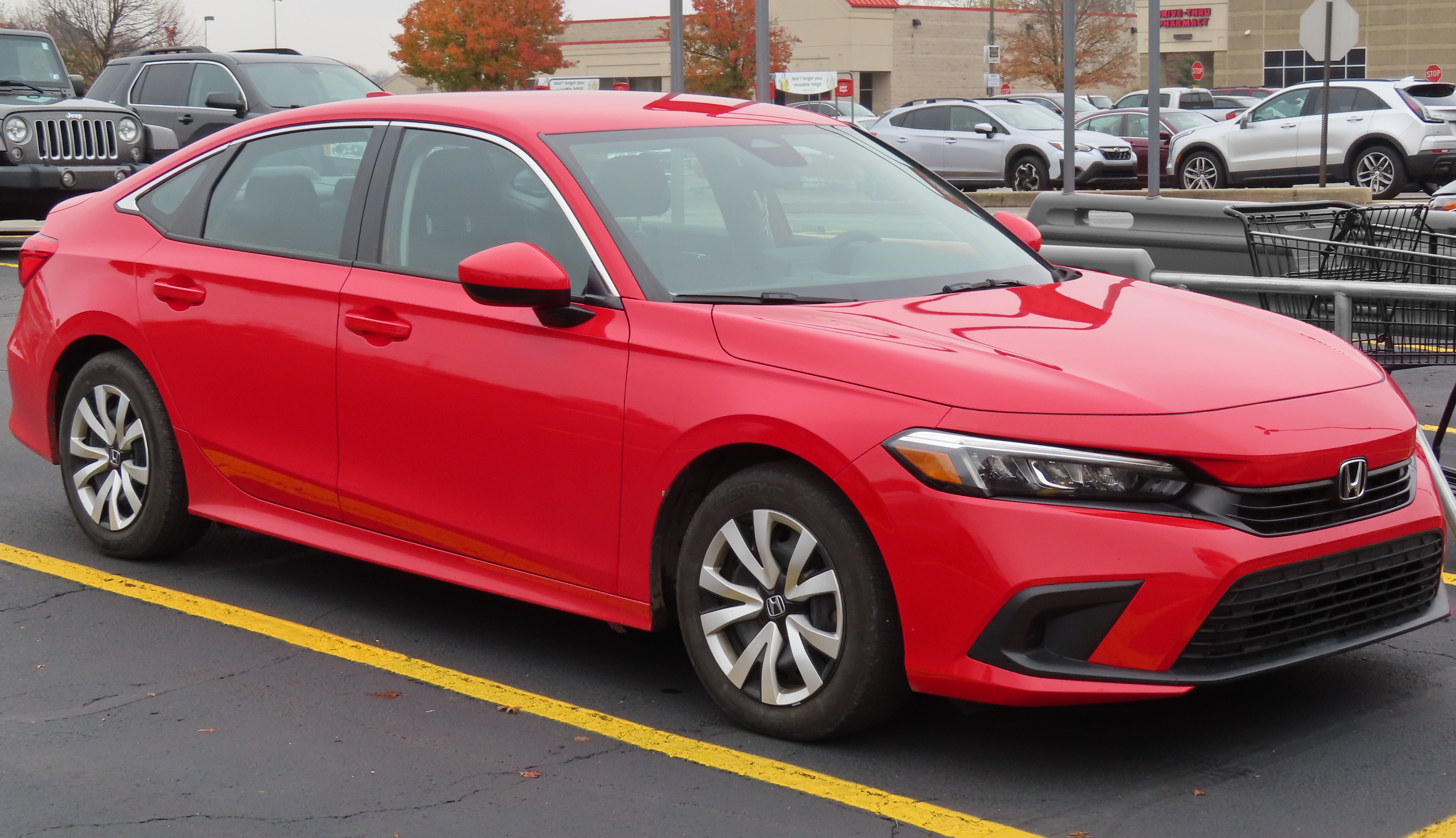
Honda Civic
The Honda Civic is a smaller car that’s generally easier to handle. The host is suggesting it can feel more fun and “spirited” than a bigger SUV when you’re driving just for yourself.
long climbs and steep descents
Mountain driving isn’t just about going up and down—it puts extra stress on the car. Going down long and steep can overheat brakes, and going up can make the engine work harder.

BMW 3 series
The BMW 3 Series is a car that’s built to handle well and feel fun to drive. The host is saying it could be a good choice for enjoying twisty roads.

Miata MX-5
The Mazda MX-5 Miata is a small, light sports car that’s great for winding roads. The host is saying it’s a fun choice if you’re driving more for enjoyment than for hauling the whole family.
all-wheel drive
All-wheel drive means the car can use more than just the two driving wheels to get traction. It can help you feel more stable on slippery or changing road conditions.
cargo room
Cargo room is the space for bags and stuff. The speaker is saying you get a lot more space when you fold the seats down.
horsepower
Horsepower is basically how strong the engine is. More horsepower usually helps the car feel quicker, especially when you need to accelerate.
torque
Torque is the force that helps the car get moving. It often makes the vehicle feel easier to accelerate, especially at lower speeds.
MPG (city/highway/combined)
MPG tells you how far the car can go on a gallon of gas. City is stop-and-go driving, highway is steady speeds, and combined is a mix of both.
base trim price
The base trim price is the starting MSRP for the lowest equipment level of that model. It’s useful for understanding how much the options and upgrades add to the final transaction.

Kia Carnival
The Kia Carnival is a family minivan from Kia. The host is basically saying it’s worth checking out if you want something practical like a minivan, but you’re also considering an SUV.
minivan vs SUV shopping
Some people shop for SUVs, but they also end up looking at minivans because they’re practical and roomy. The host is saying the Kia Carnival is a good option in that overlap.
