The Lucid Gravity is a new electric SUV that will be very fancy and powerful. It's part of a new wave of cars that run on electricity instead of gas, which is better for the planet.
Waymo is a company that makes cars that can drive themselves without a human driver. They also offer rides in these self-driving cars, similar to a taxi service.
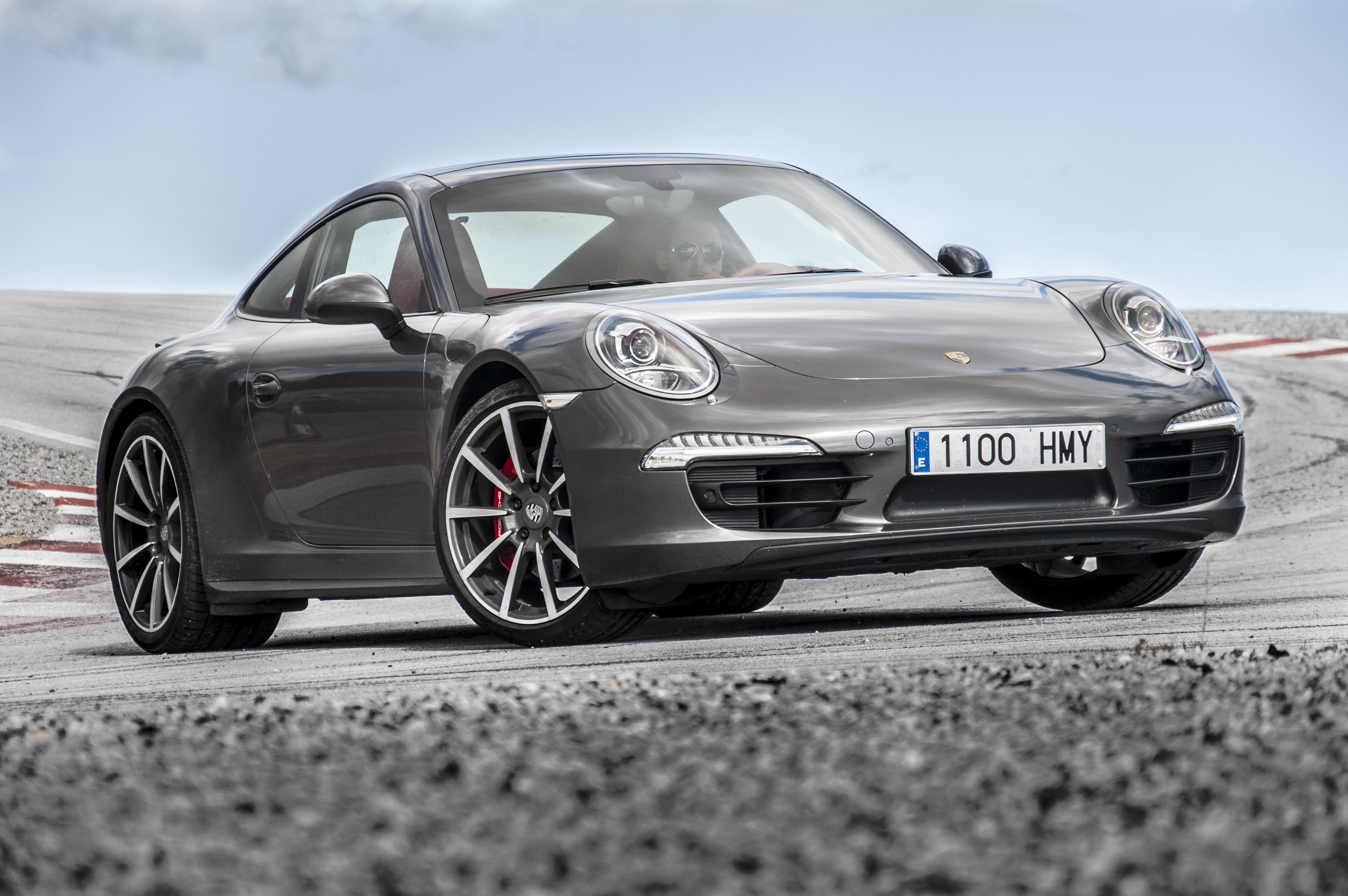
The Porsche 911 is a famous sports car that looks really cool and goes super fast. It's been around for a long time and is loved by many for how well it drives and its stylish design.
Era-specific vehicles are cars made in a specific time period. They often have unique styles and features that make them different from today's cars, and driving them can feel special and nostalgic.
TrueCar is a website that helps you find out how much cars cost and what people are paying for them. It makes buying a car easier by giving you price information.
The Maserati Grecale Trofeo is a luxury SUV that offers a powerful engine and a lot of high-end features. It's designed for those who want a sporty and stylish vehicle.
A trim is a specific version of a car model that has certain features and options. Different trims can have different levels of comfort, technology, and performance.
A continuously variable transmission, or CVT, is a type of automatic transmission that helps the car change gears smoothly without noticeable shifts. This can make driving feel more comfortable.
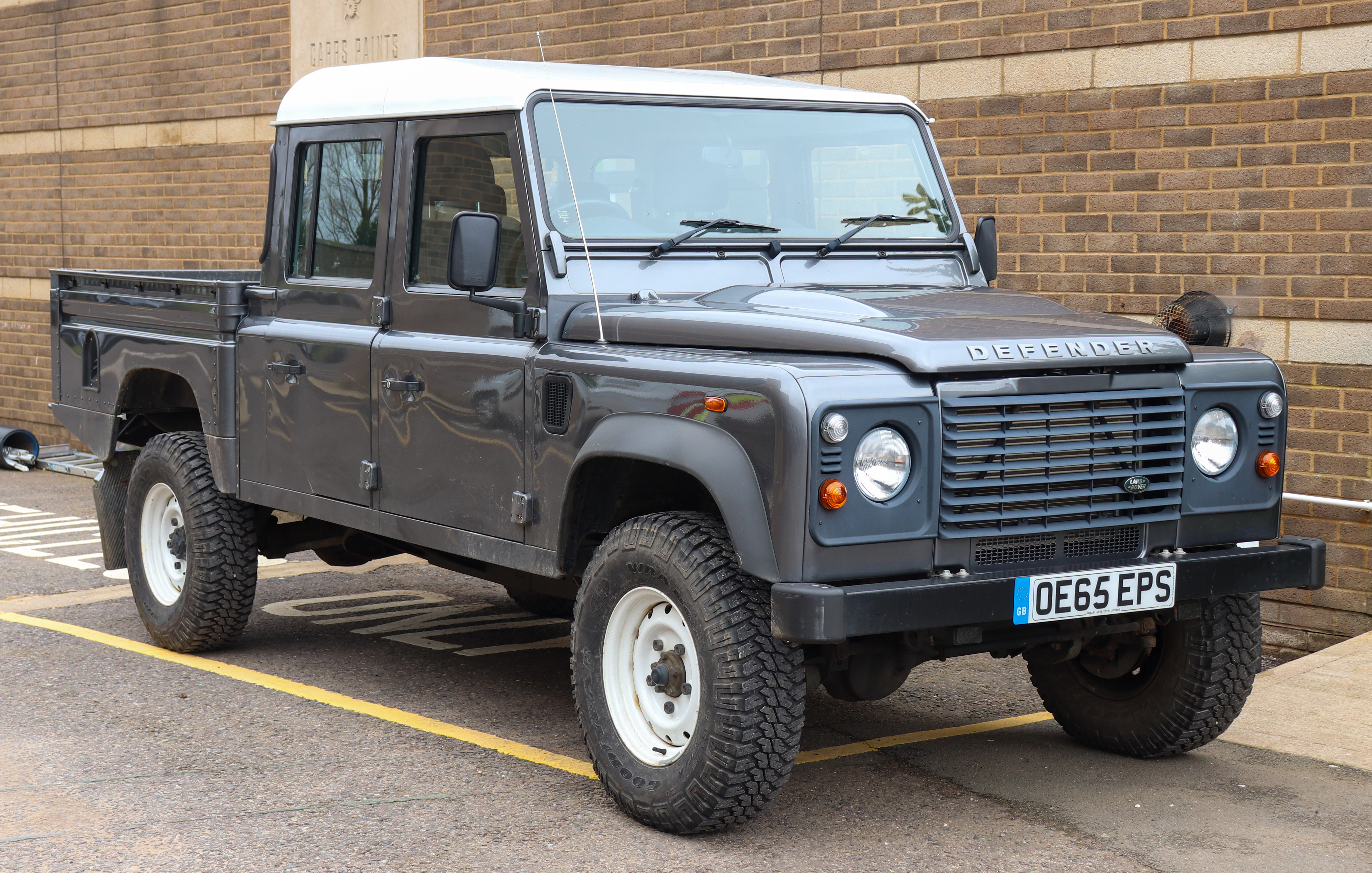
The Land Rover Defender is a tough SUV that can drive on rough roads and even off-road. It's known for being very strong and reliable, making it a great choice for people who love outdoor adventures.
The infotainment system is the car's entertainment and information hub. It helps you listen to music, get directions, and connect your phone to the car.
Apple CarPlay lets you use your iPhone in your car. You can listen to music, get directions, and use apps without having to touch your phone while driving.
Android Auto is similar to Apple CarPlay but for Android phones. It helps you use your phone in the car safely, letting you listen to music and get directions without touching your phone.
A digital gauge cluster shows important information about the car, like speed and fuel level, using screens instead of regular dials. It can be easier to read and customize.
The Toyota Avalon is a large car that is very comfortable and has lots of space inside. It's one of Toyota's most luxurious models, designed for people who want a smooth ride.
The Toyota Venza is a stylish SUV that is not too big and is good on gas. It's designed to be comfortable and has a nice look, making it a popular choice for many drivers.
A compact SUV is a smaller type of SUV that is easier to drive and park. It has enough space for passengers and luggage but is not as big as larger SUVs.
A turbocharged V6 is a type of engine that has six cylinders and uses a turbo to make it more powerful. It helps the engine run better and faster without being bigger.
Twin-turbocharged means the engine has two turbochargers that help it produce more power. This makes the car faster and can also help it use fuel more efficiently.
The Maserati MC20 is a really fast sports car that looks amazing and is built for performance. It's a big deal for Maserati because it shows they're back in the supercar game with new technology.
A wet sump lubrication system is how the engine gets oil. The oil is stored in a tank at the bottom of the engine, which helps keep everything running smoothly.
Cylinder deactivation is a feature that turns off some of the engine's cylinders when you don't need a lot of power. This helps save fuel and makes the car more efficient.
The BMW X3 is a smaller luxury SUV that drives really well and is practical for everyday use. It's popular because it combines a fun driving experience with enough space for people and their things.
Launch control is a system that helps cars start moving quickly from a stop. It makes sure the car uses the right amount of power so it can take off fast without spinning the wheels too much.
Air suspension is a type of car suspension that uses air-filled bags instead of metal springs. This lets the driver change how high or low the car sits, which can make it more comfortable to drive.
Vehicle dynamic control is a system in cars that helps keep them stable while driving. It can adjust how much power goes to each wheel to help prevent skidding or losing control.
Cargo space is the room inside a car where you can put your bags, groceries, or anything else you need to carry. It's important for people who want to use their car for trips or errands.
The BMW X7 is a big and fancy SUV that has room for a lot of people. It's known for being very comfortable and has many high-end features, making it great for families.
The BMW X5 is a fancy SUV that has a lot of space inside and drives really well. It's popular among families because it's comfortable and has lots of cool features.
The Porsche 917 is a famous race car that was really fast and won a lot of races, especially a big one called Le Mans. It's known for being super advanced and is a big part of Porsche's racing story.
The Ferrari 512 M is a famous race car from the 1970s that was really fast and won many races. It's known for its exciting design and is a big part of Ferrari's history in racing.
The Lucid Air is a fancy electric car that can go really far on a single charge. It's designed to be luxurious and is part of a new trend of electric cars that are becoming more popular.
The Cadillac Escalade is a really big and fancy SUV that has a lot of room inside for people and their stuff. It's known for being very luxurious and is often used by families or for special events.
The Toyota Prius is a car that uses both gas and electricity to drive, which helps save fuel and is better for the environment. It's one of the first cars to be a hybrid, meaning it can go further on less gas.
LIVE
This is America on the Road, named Best Radio Show by the International Automotive Media
Conference, and now in its 33rd year on the air.
Thanks for being with us as we bring you the latest automotive information from around
the world.
I'm Jack D. Rad, with me is co-host Chris Teague.
Glad to have Chris with us, of course, and Chris, are you going to be traveling soon
on a car event, anything like that in the offing?
My car events are coming up in late March and April.
I do have a winter testing event for the New England Motor Press Association in Boston
in a couple of weeks. It's always exciting to drive all the new cars. How are you doing?
Yeah, that too. I'm traveling next week, so we'll talk about that probably next week.
Plenty of automotive news to talk about this week. California says it's just a study.
My critics warn that a proposed per mile driving tax investigation could be the next step toward
charging drivers hundreds or thousands of dollars just to use the roads. I'm eager for
your thoughts on this, Chris. A self-driving Waymo vehicle struck a child near a California
elementary school, fairly close to where I live, actually, forcing federal regulators to ask
whether autonomous cars are truly ready for school zone reality or prime time, for that
matter. We'll have more on that. Here's something I'd love to do for drivers with champagne
tastes and deep pockets. I might have champagne tastes, not the deep pockets. The peninsula,
that hotel chain, the luxury hotel chain, is offering a $37,000 Scottish Highlands road trip,
the trade's modern supercars for classic machines and castle line back roads.
And there are other trips for Central California and Japan. That's pretty cool.
Truecars founder is back after a big buyout that will take the company private and he promises
that the site will change. So did you ever ride for Truecar, Chris? I did not. I did,
actually. I wrote for a while and I suppose if you go on the Truecar site, you're still
going to see the Jack Arnie red buy line. America on the Road is brought to you by
drivingtoday.com, emlancy.com, the publisher of my latest book, Only One Thing Stays the Same
and Mercury Insurance. If you're looking to save some money, you should switch to Mercury for your
auto and home insurance. California save an average of $670 with Mercury, so imagine how
much you could save. Get a quote today at drivingtoday.com slash auto insurance. That's drivingtoday.com
slash auto hyphen insurance. What is your test car for this week, Chris? I spent the week driving
the 2026 Toyota Crown Signia. It's one of their newer SUV models. It's all hybrid and I can't
wait to tell you all about it. I look forward to your look at this thing. That should be,
I'm not quite sure whether it's an SUV, a sedan. It's kind of all of these and above. My test
vehicle this week is the 2025 Maserati Graccale Trofeo. My wife and I drove it out to the desert
and back and we'll tell you all about that. Our special guest this week is Zach Walker,
who is the chief engineer on the Lucid Gravity SUV, so stay with us for that and we'll be right
back right here on America on the Road. Welcome back everybody to America on the Road with Chris
T. Jeff. You head back with me for News Time and this is a frightening piece of news for me, Chris.
There are assurances from a lot of lawmakers out here in California that it isn't going to happen
yet, but California drivers and other drivers around the country might want to pay close attention
to the state's latest move toward a mileage-based driving tax while no new mile fee has been
enacted. It hasn't been enacted by the California State Assembly. They have approved legislation
to study this and when they are studying something like this in this one-party state,
I think maybe it's going to be instituted fairly soon. We'll have to see, of course,
California is searching for new revenue sources because, like many states, it has run out of
money. It seems to spend money as if it were water and California is hardly alone. Oregon has
tested a voluntary, wow who would do it, per mile program. What's your overall take on this? I'm kind
of just amazed in some ways. I have an viscerally negative reaction to this. They've announced
this in Massachusetts a few months ago. They're going to also study this. I'm sure that Maine won't
be far behind them where I live. Look, if you're looking for revenue, gouging your drivers, trying
to get to work, trying to go to the hospital and all these other things, that's not the right way
to do it. If this is an environmental thing, I can name 10 other things that are more pressing
for tax, cruise ships, airlines, all those sorts of things. This just rubs me the wrong way from
a bunch of different angles. I think in favor of this, I suppose, is the fact that gas tax
revenues are going down. Of course, California has one of the largest, if not the largest gas
tax in the country, but as cars get higher fuel economy, you use less gas. The tax revenues
go down from that point of view or at least don't go up as quickly as they think. On the other hand,
I got to believe that if they were to institute this, they would not take away the gas tax. They
would just put this on top of the gas tax. You have to really wonder about things like fairness
and privacy. If you have to drive a long distance, you're going to be paying one heck of a lot more,
not only in the gas tax, but in this per mile thing. People in rural areas are going to be
disproportionately struck by this. I bet the California legislators don't
care too much about that given the makeup of them. Then there's just the privacy issue.
I'm like, how are they going to figure out who's driving how many miles? I'm really concerned
about that. Your thoughts on that? Yeah. I've been very opposed to these insurance trackers
that you plug into your car that monitor your driving and the apps on your phones and things
like that. I just feel like there's so many different ways, even if the government is completely
benevolent, which at this point, I think we all realize that it's not. There are so many ways
that that data could end up in the wrong hands and just end up being harmful to people. Additionally,
Jack, we're talking about a tax that could impact people who are already struggling to afford food,
already having trouble getting to work, all these things in areas where public transport is not that
solid. Even in your part of the country, I don't think it's that great. There are a lot of problems.
Big problems with this. I am fearful because it's being studied. When something is studied here in
the legislature, there's a tendency to be enacted fairly soon. We'll have to see. I think there
would be a real outcry by the populace, but we'll have to see about that. Let's see. Also,
about Waymo, the latest problems Waymo has had with its self-driving taxis. One of its vehicles
struck a child near a school in Santa Monica, California. Happily, the child wasn't badly
injured. This happened in a school drop-off area. You're probably quite used to that. I used to be
quite used to that too, what those drop-off areas are like. According to Waymo, the child ran into
the street from behind double-parked SUV and was struck at very low speed. Waymo says the vehicle
detected the child, slowed from 17 miles per hour, which just seems kind of fast in a drop-off sound,
to about 6 miles per hour before impact. I don't want to be hit by a car going 6 miles an hour.
I can tell you that. The car immediately called 911, so I guess that's okay. Minor injuries in
the child, but this is a problem, don't you think? It is. The first thing, and I hate this,
the first thing that popped into my mind is who's liable for this accident. The kids' parents are
going to have questions about this. Are they going to sue Waymo? Is there any liability here at all?
Yeah. I wonder, this could have happened with a human driver, with a car darting out in front
of a human driver, and a similar thing could happen. Then maybe the results would have been
worse. I guess you could say that, but I think there still has to be a probe of this,
and it makes sense that the National Highway Traffic Safety Administration would look into this.
I just don't know that we're ready for autonomous vehicles, and I just shake my head for it.
I'll say this. In Maine, in the past six months, we've had two unfortunately fatal accidents where
children were hit or otherwise injured by a school bus traveling five miles an hour or whatever,
and these are people who are trained and everything to do this. I don't know. I still have questions
about the safety of autonomous cars in general, given what we saw in San Francisco over the past
few years. Yeah. Well, here's something a little brighter news. This is a very cool thing that's
being put out there by the Peninsula Hotel Chain. Of course, there's a very high-lux
hotel chain. I've stayed in the Peninsula Hotel in Tokyo one time. It's one of the most memorable
hotel stays I've ever had. They have put together what they call the Peninsula Motoring Series,
and what they're touting here is a six-day driving adventure through the Scottish Highlands
that's going to happen this fall. Beginning September 21, participants will gather at the
Peninsula London. They'll travel north to Scotland where they will get into era-specific vehicles
that will be revealed at a historic estate, and then you will drive. These people will drive those
cars for the remainder of the journey. I've done a similar thing in Ireland, much lower buck, but
with many years and years ago. Sounds pretty cool, doesn't it? It does. Unfortunately for me, I have
a beer budget and champagne taste, so I'm not, probably not their target audience, but for me,
these sorts of cars are much more exciting than modern supercars. They have personality,
they're of the era, as you say. I just wish that I could access these things, or if there were
some things that are more more accessible like this here in the United States, I think people
would do it. Yeah, I mean, this is going to go through a national park. They're going to have a
three-night stay at a private historic estate. Dining experiences, whiskey tastings, certainly
after you're driving, one hopes, traditional pursuits such as falconry, archery, and axe
throwing. So, and all of this is going to cost just $37,000 per couple. So, for the right couple,
$18,500 per person, it does include all meals, activities, and vehicle use. It could be a fun
thing. I think we're going to start seeing more of this out of the hospitality industry as they
look to improve their profit margins. The people who can afford these trips are still going to be
traveling and doing things even when other people aren't. I've seen some similar things from Marriott,
not car-related, but like culinary tours and things like that. So, this isn't that surprising,
but again, I wish we could afford or make one more affordable for everybody else. Yeah, and I
think maybe that's something America on the road should think about hosting. As a matter of fact,
I've thought about this for years, doing something like this. They're doing something
more affordable around Monterey Car Week. This is a three-day drive that's priced at around $5,000
per person. Of course, you have to pay additionally for lodging. But these drives are fun. We've
done a lot of them ourselves in press drives, so we know how this thing works. It's kind of a cool
opportunity for folks. Yeah, the press drives are sometimes a good opportunity for me to experience
things I wouldn't otherwise. Yeah, I think in a lot of ways we can live like millionaires while
being far from millionaires. That's absolutely true. Well, I want to talk a little bit about
Truecar. It has been reacquired by its founder, Scott Painter, a guy I've known for years and years
$227 million deal to take the company private. This, of course, is a car research site.
It competes with a bunch of other car research sites out there. Hard for me to say, but there's
a bunch of them, including ones I have worked for and ones you are working for now. It'll be
interesting to see whether they can differentiate the Truecar site, because I think that's been
difficult up till now. It has. And as we talked about a little bit earlier before we started
recording, $227 million seems like a shocking number for this company in the state that it's in now.
But I'll say that the industry's challenging dealerships. The car retail in general is
challenging and then trying to insert yourself as a middleman or a marketer is even harder,
especially, as you say, against the established players. Yeah, and with AI out there and that's
changing the game very rapidly, too. So we'll have to see what happens with the traditional car
research sites, including Truecar and the others. Remind us of your test vehicle for this week.
I drove the 2026 Toyota Crown Signia and I'm driving the Maserati Graccale Trofeo.
Holy smokes was I lucky. So stay with us for that and we'll have those road tests when we come back.
I received a letter from a reader this week and I thought I'd share it with you. Here's what he wrote.
I just got around to reading Dance in the Dark and wanted to say how much I enjoyed it.
I'm a compulsive reader and this one was right up my alley. An unlikely hero. A lot of twists and
turns, some adult content and humor that rose naturally from the action. Keep on writing and
I'll keep on reading. Of course, that's just the kind of letter any author would love to get.
I hope that others get the same enjoyment from reading Dance in the Dark and my newest crime
novel, Only One Thing Stays the Same. Both are available exclusively at Amazon.com.
That's Dance in the Dark and Only One Thing Stays the Same, both written by me, Jack Arnie Redd.
Thanks for looking for them today.
Welcome back, everybody, to America on the Road with Chris T. Jack Neerad back with you. It is
road test time and we have two vastly different vehicles in some ways here. I guess they're both
can be called SUVs in the broadest sense, but very, very different. Tell us about the vehicle you
were driving this week, Chris. Yeah, Jack, I think you could call the Toyota Crown Signia an SUV,
but the regular Toyota Crown, which is classed as a sedan, feels more SUV-like to me than this vehicle
does. And unfortunately, both of these vehicles are kind of meant to be Toyota's upscale stand-in
for the Avalon, which went away a few years back. And I don't think either one of them achieves that
premium feel that the Avalon had. It doesn't feel almost Lexus-like as the Avalon did. But
taking a step back, this vehicle starts, it only comes in two trims. It starts at around $44,500,
excuse me. My limited trim starts at $48,890, and then with a few options in destination, we
come in at around $50,000. Have you driven the Crown Signia, Jack? And if so, what are your
light impressions about it? I have. It seems like an odd duck. I mean, that isn't necessarily a
knock either. It's an odd duck in kind of an interesting way and the way it sits and the way
it looks from behind the wheel and inside. I got a lot out of it. I liked it. Yeah, it is kind of
an odd duck. It almost reminds me more of like a station wagon than an SUV, but that's not a bad
thing. I like wagons. Both of the trims, they're hybrid only. It's a 2.5-liter four-cylinder engine
with two electric motors that makes a combined 240 horsepower, 178 pound-feet of torque, which reaches
all four wheels via a continuously variable transmission. Now, I've talked at length about
Toyota's hybrid systems in the past, and I'll go into it a little bit here. I think that one of the
things that people notice with hybrids is that there's kind of a jumpy transition between the
electric takeoff system and then the gas engine when it kicks on and starts providing power.
And there's some of that here, but it's far more refined than the other vehicles. And what you don't
get is the sort of feeling that there's something mechanical happening under the car when that
transition happens, which some hybrids have. And Toyota does a good job with the continuously
variable transmission too. And the only time I really notice the engine wailing and whining is
when you're merging onto a highway and you stomp on the throttle and it just hits that high RPM
note and stays there. It does a zero to 16 around seven seconds, so this is not a super quick vehicle,
but I think if you're commuting around town, the electric motor has good torque off the line,
so you're never going to feel like you don't have enough grunt to pull out into traffic.
It also has a good response, so there's not like a press the throttle and wait for it to do something.
It actually feels like the car is listening to you and ready to go when you are. Having said
that, the handling is car-like. It's more nimble than an SUV, but the ride quality is more SUV-like
to me. I don't know if you've ever experienced this where the handling feels good, but the ride
doesn't really match up with that. Jack, what do you think? Yeah, I mean, that's an interesting take,
but I get what you're talking about and I kind of agree with what you're saying there. I mean,
it's an interesting combination, isn't it? One of the things I've noticed, I've been driving my
daughter to ski practices. Ski practice is about an hour north of here and half the road is just a
plowed snow road and once it freezes, it's very bumpy. I had a Land Rover Defender last week and
it was just floated over the thing with the air suspension. I realized this is a totally different
class of vehicle, but for an upscale SUV, this vehicle feels very jostling on potholes roads and
things like that. So, I would just take it for a test drive. It's not bad at all. Inside, you get
good space up front. I really enjoy the width and the depth of these seats. I could find a good
position to drive in. I like to have my seat low and feel like I'm kind of surrounded by the vehicle
and I was able to do that. It comes standard with leather upholstery, which feels very nice, although
the back seats, I'm not sure, are leather. They did feel kind of like synthetic leather. We can
check with Toyota on that one down the road. You get heated and ventilated front seats, heated rear
seats. The back seats have a good amount of space. I actually had my wife move my seat and drive once
and I sat behind her plenty of room for a six foot tall adult in the back. No real issues with
headroom either. That is one of the things I've noticed with some of the modern SUVs with the
sloped roof. I didn't really notice that here. Then we get to the technology, which is much
improved over Toyota's infotainment system and tech from a few years ago. You get a 12.3-inch
touchscreen, a 12.3-inch digital gauge cluster, wireless Apple CarPlay and Android Auto. The
limited trim adds wireless phone charging and 11-speaker JBL sound system. Jack, there are
physical buttons for the climate system here, so big thumbs up for that. Yeah, hooray, hooray.
Yeah, you get physical buttons for the heated seats and the heated steering wheel and then a
lot of other things are in the infotainment system. But the things that you need to use are buttons
and you can figure them out and learn where they are. Toyota's new system is responsive.
The bright interface is easy to see. It's good from both angles. The passenger and driver seat
and then the wireless Apple CarPlay functions flawlessly. Additionally, you get a full suite
of safety equipment here. You get rear cross-traffic alerts, blind spot monitoring, forward
emergency braking, and all the rest. Jack, I think if this were me, I'd probably opt for the
lower end of the price spectrum here, then you miss out on things like the panoramic sunroof and
stuff. But almost 50 grand for this vehicle, I would be looking for a little bit more value out of
this, especially given that it's supposed to be the upscale sort of stand-in for the Avalon,
as I mentioned before. Yeah. Well, it's kind of a Venza substitute too, isn't it? And you know
how we love our Venza. I think I said this about the last Venza. I prefer the first-generation Venza.
The last Venza felt very similar inside to the Avalon, or I'm sorry, the Crown Signio. Yeah,
there you go. Well, a vehicle to look at certainly and a little different, so I like that. And talk
about different. Let's talk about the Maserati Graccale Trofeo that I was driving. I'm right off
the top. This is a vehicle I loved. Absolutely. There's something wonderful about a luxury vehicle
that has so much power that power just isn't an issue. You probably experienced that a few times,
and that's exactly what I found in this vehicle. And at the same time, this wasn't temperamental in
any way. It can be used as a compact SUV. That's what it is. It's a very expensive compact SUV,
but this is a vehicle I like, especially in this form. I would probably like it in lesser forms,
but with all this horsepower, boy, it was terrific. And then you have all that Maseratiness in the
Italian-esque interior and all that kind of stuff. It is meant to stand apart from
rivals from the Germans, for example. I think it's just more emotional, for some reason. It has
Italian styling inside and out. You have that distinctive exhaust note that I think you favor.
In this case, I like it too. This comes from a turbocharged V6 that I'm going to talk about here
pretty quickly. In fact, let's talk about it now. It's a 3-liter twin-turbocharged V6.
It produces 530 horsepower, 457 pound-feet of torque. I'm telling you, power is no issue at all.
This is a version of the Natuno V6 that he's used in the Maserati MC20. And the fact that it's a
highly tuned engine with a lot of horsepower. I mean, that's a lot of horsepower for its
displacement. But at the same time, it operated really well. Just a tiny hint of turbo lag.
They put a wet sump lubrication system in this. They also added cylinder deactivation, which was
absolutely seamless. I barely know. I didn't notice as I was driving. This is a vehicle that'll go
from 0 to 60 in 3.8 seconds with a top speed of 177 miles an hour. That is my kind of luxury
compact SUV. What are your thoughts, Chris? Yeah, I agree. It sets itself apart from the
German SUVs. You get an X3M or a GLC 63 or whatever it is from Mercedes. This is completely
different than those vehicles. It just feels more tightly wound and it's, as you say, more emotional.
Launch control is standard. Happily, I wasn't drag racing anybody, but I could have.
When you have something like this, you kind of look for other vehicles beside you at stop lights
going, hmm, what could happen here? I could take you. Yeah, exactly. It has an air suspension,
so that plays a big role in the Trofeo's dual personality. Because like I say, this is a super
car. This has amazing performance at the same time. It felt perfectly usable as a compact SUV.
It has six selectable ride height settings. Let me tell you, I didn't try all six. It seems excessive.
But the fact that this has a vehicle dynamic control that manages all of this stuff,
it just was smarter than I was, smarter than I am, and just felt great. What's your thoughts
about this kind of very advanced suspension and that kind of thing? I love air suspension.
I love it so much. We bought a Land Rover Defender a few months ago and it's got it,
and I love it. It doesn't have six settings on it though, but having the ability to do that in
the vehicle that you can also take your kids to school in is just a really cool thing. Yeah.
Let me talk about the interior because it's gorgeous. Perforated leather seats, exposed carbon
fiber trim. They're very tastefully done. They can be kind of cheesy looking carbon fiber,
I think, but this looked great. Contrast stitching that was exclusive to the Trofeo,
which is the top of the line of this thing. 14-way power adjustable sports seats. I drove
this out to the desert and back from my home near the coast in California.
Supremely comfortable going out there. It has memory functions, heating, ventilation.
The rear seat accommodations are good too. I didn't spend much time in the rear seat,
but I did try them out and they're good looking. There's plenty of cargo room. 20.1 cubic feet
of cargo space behind the second row. This is a five passenger vehicle. I just thought
this is a great combination. This is something really interesting you could have versus having
the BMW X7 or BMW X5, X3, those others that you might have that are in the same class.
I should talk about price before we run out of time here because price is a big deal
in more ways than one. This did have a very usable infotainment system that is
very much like those in much lesser Stellantis vehicles. We like that.
That was very good. Let me talk to you. A 21 speaker audio system as well,
but price of this thing as tested was $124,000, so gulp. That's a ton of money,
but I like this vehicle a lot. I would like it more if there were a Maserati dealer or service
center within the same time zone as me. No, I'm joking. It's in Boston, but that's the issue with
a lot of the performance cars for people who live in New England. We just don't have a place to
take them or even buy them. I get that. You're bringing reality into this,
but this is one of those vehicles where I think you have to suspend reality. Sometimes you do
that in the movie theater and I think you're doing that if you buy the Maserati Greccale
Trofeo, but certainly worth a look. Our special guest this week is Zach Walker.
He is the chief engineer on the Lucid Gravity SUV, so stay with us for that and we'll be
right back right here on America on the Road. I'd like to tell you about the most exciting
and authentic racing novel I've ever read. It's called Closing Speed written by award-winning
author Ted West. In 1970, the Indy 500 pole speed was 170 miles an hour, but at Le Mans,
Vic Alfred's Porsche 917 raged down the Mulsin Strait at 248 miles per hour. The racing pit of
the Porsche 917 versus the Ferrari 512, the fastest road racing ever, and road and track
sent a promising new rider, 27-year-old Ted West, to cover it. He traveled from Brands Hatch to
Monza, the Targa Florio, Spa, the Nürburgring and Le Mans. You got to know the races personally
and the women who loved them. The racing was blindingly fast. Driving horrifically fragile
cars at those speeds took unheard of courage. Death was around every corner and the drama
tensely real every moment. Closing Speed is the most realistic intimate racing novel ever written
as a look into the very heart of the sport, an incomparable racing read. It's available now
at Amazon. That's Closing Speed by Ted West. Look for it. Welcome back, everybody. To America on
the red deck, we're back with you. We're in the bowels of a hotel in Ann Arbor, Michigan, where
we're doing North American car utility and truck of the year testing. And with me is a terrific
guest. Zach Walker is an engineer with Lucid Motors and you've done a lot of things, including
being the chief engineer of the vehicle. We're testing here, which is the Lucid Gravity SUV.
Tell us a bit about that, you know, that whole, that whole thing. That whole thing,
the whole enchilada. Yeah, indeed. We'll take some slices. So yeah, I think, like you said,
I was a chief engineer for the Lucid Gravity. Obviously worked on other products since then,
but started off from a concept phase when we took it from trying to build it as much as we could
off the Lucid Air, keeping the Lucid Air's HV architecture, which is high voltage architecture.
But really, in order to achieve everything we wanted, had to completely rebuild a new structural
skateboard, underbody, chassis. So it's a brand new vehicle, same high voltage architecture, but
very different vehicle from the Lucid Air. Okay. Well, Lucid Air is one of my favorites. But I
have driven the gravity. I love that as well. Very, very interesting. Tell us what you are
trying to accomplish in this. I mean, certainly, for a luxury, kind of an ultra luxury manufacturer,
SUVs are really where that market is. It's not a sedan market. It really is an SUV market. Talk
a bit about that and what you were trying to accomplish in that vehicle. I think,
well, we were accomplishing for the gravity is everything what we believe in from a Lucid
perspective, right? So our new tagline of how we communicate what we're going for is compromise
nothing, right? So as an engineer, that hurts to say sometimes because I have to compromise
everything. Everything is like, no, that can be that. I can't get that cost and that. But
it's about the vision of you don't need to choose as a customer what you're getting. You don't need
to choose between your sports car, your space SUV, right? Your thing that you can go camping on
and the thing that you can have fun driving in the mountains. So what we are trying to achieve
is basically a threshold of attributes that achieves something that most people can't
comprehend can all be in one vehicle. Okay. And how does that manifest itself in what you did?
Tell us about that. Yeah. So the Lucid gravity, right? What we do is it's smaller than a lot of
full size SUVs. You can walk up to it and it looks a lot smaller than exterior. However,
you get inside and it's 120 cubic feet, right? Which if you compared anyone else,
yeah, that's big, very large, right? I'll look at a lot who people will say large inside could be
80 cubic feet. And right, you get into the Lucid gravity, look behind you,
and it is just cavernous. And what we did was was everything about miniaturizing the powertrain,
being really efficient so that we can make really small battery pack that still gets really far
range, but it doesn't take up your valuable customer package. So now you get a very small
exterior footprint, you get inside and it's best in class for interior footprint. And then you go
driving and you get your 450 miles of range. And if you really want to push it and have fun,
it's the ultimate riding handling. So it's about giving every bit of space, every last millimeter
back to the customer. It strikes me some of the secret sauce comes from the powertrain itself
or from the electric motors and just how that works. Talk about yeah. So everything we've done
is a miniaturization of the powertrain. So the powertrain and again, our powertrain team
is unbelievable. I talked to some of the guys and they are just brilliant. And what they've done is
packaged everything, the differential, everything from the differential, the gears, the actual inverter,
something that can fit into basically a carry-on luggage. And then you say, you give you point
that to someone and say, Oh, by the way, that's like easily you put those two together and we're
like in the 1000 horsepower range. And people are just mind blown. And so it's about making that
package and miniaturizing it so that we can still get all those amazing attributes of like
the torque and the power you expect from an electric vehicle. But then we give you the huge
frunk, we miniaturize the rear drive unit so we can bring the load floor really low. So you get
this really amazing loading experience. And then we build everything around that we make
brand new seats that can fold into the floor. So now you get this flat load floor all the way to
the front seats. And that's how you get this really large amount of space. Yeah. Yeah. Talk about
the high voltage thing because it's crucial. And I think a lot of people just don't grasp it. Yeah.
So obviously, when you're talking about what you work with every day, when you plug into your wall,
we're talking about like 120 volt system, right? Some electric vehicles kind of moved on and went
to about a 400 volt system, which is a higher voltage. We are in what would be 1000 volt region.
Really, it's in 900 to 800 volts depending on the state of charge. But we're in that voltage,
high voltage region. And what that allows us to do is it allows us to basically produce a lot of
power without producing a lot of heat, which lets us be super efficient. So high voltage system
lets you operate in that power region and make an amazing electric vehicle. So when we talk about
high voltage, we talk about the battery pack is the most common thing people think about. Yeah.
That battery pack is where we store all the energy. That energy is then moved up into our inverters,
right? We basically think built in the drive unit, which converts the energy into something that can
be then pushed into the drive unit and then that drive unit connects to the wheels and it
generates torque, right? And so obviously, it can also generate braking. And that's where we
talk about this term region braking, which gives you energy back. But it is overall your
high voltage system is everything that gives you that longitudinal four aft motion in whether
that's a braking or a torque generation. Yeah. In just kind of layman's term, tell people why
higher voltage is better than lower voltage. What are the advantages? The biggest advantage is that
you generate less heat per the wires you have. So the world is energy. Everything is energy.
So in the most layman terms I can is that you charge you can charge faster. You can charge faster.
You can you can basically charge faster. You can go farther, right? That's where you get more
higher. It's like you can jump higher. It's like five million dollars. So it's really from a customer
experience that higher voltage allows you to take a smaller pack, go farther with it,
waste less energy, and thus also with our drive units and the efficiency of those,
be able to put energy back into those drive units and recharge the pack so that you can
go farther in a shorter amount of time for charging. Yeah, got it. Talk about the goal of
making this a fun to drive vehicle. I just got out of among the vehicles I'm testing here is the
Cadillac Escalade IQ, which is a big school bus size vehicle. I'm not sure that it has much more
interior space than say the gravity does. Maybe it does, maybe it doesn't, but probably pretty
comparable. Does a lot of things okay, but not necessarily super fun to drive, but gravity is.
Tell us why and what you were aiming for there. Yeah, so when we talk about the gravity and
everything about Lucid, we don't care about track times. Like we have the Sapphire, which
is an unbelievable track car. But when we talk with the vehicle dynamics, we really care about
is do you have a smile on your face? That's like our grade. Everything I talk about is like,
does someone get in the car and just it feels right. The average customer, I don't expect to
describe to me the lateral Gs and I can do this amount of turn, but are you smiling? Is it just
fun? Is it intuitive? Did you have a great experience? So when we talk about that, I would
say, does it is it predictable? Does it do what you want? Does it give you feedback? So do you
feel comfortable? Do you feel confident? And is it not wallowing? Is it not like kind of in this
mode like, you know, when you're in these cars that can be boaty and like you're kind of rotating
and I've never experienced that. But what we want is we want it to be planted, but not
then transferring loads and making you uncomfortable when you hit events or potholes or
things. So that balance is amazing rides. You're super comfortable, but you're super planted and
comfortable. How do you get there? Because, you know, one thing about electrics is they're heavy,
right? Battery packs are heavy. Yeah, there's no getting around that. And as efficient as you can
make the electric motors, you're still going to have a battery that's going to weigh quite a bit.
So you have to deal with that. How do you deal with that? So there's there's an interesting
point is one, you try to get them as low to the floor as possible. So I don't want stacks and stacks
of batteries on top of each other. I want them on the ground so that the center of gravity, all the
weight is towards the ground. And the other thing is I want to push as much of the batteries as I
can towards the middle, because it lets you kind of rotate and have that fun driving dynamics.
So if you can get your way, that's why you have a midship tension in a race car. Exactly. Correct.
It's very similar theory, right? So if I get the weight towards the middle, then it will turn in
more. And you'll kind of have this dynamic index that you can have a playful car, even if it's a
little heavier than like a combustion engine is. Yeah, yeah. Talk about the interior. I mean,
it's critical. This is a luxury vehicle. They're not inexpensive, certainly. I think people expect
a lot out of this this type of vehicle. Give us the the high hard ones on that. So I think
the overall feeling we want is we want you to get in and feel like it's super clean. It's not just
flashy and in your face, but it feels clean, but it feels premium. So all the materials we use
are just begging to be touched, right? That's our goal is like, it's, it's, you don't just get in
and just like, okay, I'm in something. It's how I need to touch that. I want to see what this feels
like. Okay, that's different than that. Oh, that thing on the instrument panel up there. Why does
it have all these rectangles? Can I? Oh, that's interesting. It pulls you in. And so it's this
amazing way of what we want is you to just feel at home, you to feel like you're basically in your
living room with premium materials and just draws you in. And then what we want is that you keep
getting surprised by the amount of space. So you get inside, you feel premium, you feel all these
amazing materials, and then you go, wait, the center console, I can put my entire person, the center
console, how wait, that person behind me, if I'm like a six foot six person still has space,
how is that possible? So it's kind of the two of this premium feel and this surprise and delight
of space. Yeah. And folding seats and a lot of interior, almost minivan like in a way in terms
of versatility. Tell us about that. And I think what we believe is minivan space is not a bad term,
right? Because that's what you want. You want the minivan space but the sports car driving.
So what we have is all the seats, we basically made our drive unit, which is really small,
and we made the entire load floor be on the top of the drive unit. And we said we will find a way
to get these seats to be at that same height as the drive unit. And so everything we did was
designed brand new seats like mechanisms that other people aren't using, so we could collapse
and fold the seats so that when you are a passenger, you're comfortable, you have all that space.
But then when you want to put that huge thing in the back, when you want to sleep in it from camping,
when you want to get that huge piece of plywood, then you have this flat load floor all the way
from the rear to the front that you can store all that items in. Yeah. This is precisely an
engineering question but I'm curious about it and probably an engineer has to know this then.
Who is this designed for? Who is the customer for the loose gravity? The customer experience,
right? So if we talk about the customer profile or the experience, I would say it is we're trying
to hit a really large bandwidth, a large amount of customers. And that's where if we can hit a family
of someone who is like if you're looking for an engaging driving experience but also the space,
the gravity is for you, right? If you need utility but you're not willing to give up on
your experience, you're not willing to like oh I'm just going to have to deal with this
wallowing vehicle, that's what it's made for us. The person who wants
this breadth of experiences and attributes on one car. I think a lot of people are probably
hearing this and going I'm really curious about that but I really don't know anything about
Lucid Motors and I don't know how to buy one, how to do all of that stuff. What would you tell them?
I would say we have an amazing network, right? So we do most of our sale direct to customers. We
have if you go to elucidmotors.com you can find what your nearest store is, go check out our vehicles.
You can obviously go and talk to the representatives there and they'd be more than happy to take you
through the car. Obviously you can probably find a lot online. I think with the elucid air,
tons of awards of a vehicle. One of my favorites in it has been for a long time.
And we're hoping to copy all of that with elucid gravity. So I think there's plenty of
ways to go learn more and see about Lucid. Dave and I led the introduction of that vehicle
inadvertently. Great. One of the things that I'm not necessarily proud of but in some ways I am.
So very very cool. Give us a little sense of price and that kind of thing before I let you go.
Yeah so we currently are selling the Grand Touring. So that Grand Touring is in the 90,000 region.
Same as air we plan on keeping moving down market, making cheaper trims available.
So obviously there's other trims that will be announced soon that keep going down market.
We announced at the LA Auto Show a couple years ago that our plan is to get
to right around the 80,000 mark. Very cool. Well Zach Walker, thanks so much for being with us.
Thank you so much for having me. I appreciate it very much and stay with us everybody. We'll
welcome back to America on the road with co-host Chris Teague, which is Gack Niran with you and
it is listener question time. We love to answer your questions based on our long experience
providing car advice. So send your questions to editoratdrivingtoday.com. That's editoratdrivingtoday.com.
Chris, I think this is an excellent question from Terence. He's in Orem, Utah. Let me see,
let me tell you what he said. I am looking at buying a new car and I think I want a hybrid.
What's the real difference between a hybrid and a plug-in hybrid in daily driving?
Oh, well, hybrids and plug-in hybrids. Hybrids do not have to be plugged in. Plug-in hybrids do need
to be plugged in to deliver their full fuel economy benefit. The trade off there is that plug-in hybrids
also have an extended electric range. So I think like the Toyota Prius plug-in hybrid is like 40,
45 miles of range. And then it functions like a normal hybrid vehicle after that.
Regular hybrids only use the electric motor during takeoff and when you're coasting on the highway
or at lower speeds. So you don't get that electric range, but you still get a benefit.
What I will say is that neither of them are particularly great for people who spend long
time driving on the highway because hybrids are primarily aimed at saving fuel economy in
stop-and-go traffic like around town. I mean, my smart-ass response to this would be
$2,000 to $5,000 is the big difference. And you have to look at that to see whether you have any
kind of payback period if you want to kind of be rational about buying the vehicle. So there you
go. I think you've summed it up very well. That wraps up our show for this week. I'd like to remind
everyone that my crime novel, only one thing stays the same, is available in both e-book and paperback
form at Amazon. So look for that. It is very inexpensive at this time. If you like our show,
pass it on. Listen on this radio station each week. Let your friends know where you hear America
on the road. We'd love to double our listenership this year. And so Chris, we need other people's
help, don't we? Yes, a quick Google search for the America on the Road podcast will bring us to
you on all the major platforms, Apple, Spotify, the rest of them. Please like our show, leave us a
review so we can continue growing on the charts and download or subscribe to the show. All those
things help us out and you can take us with you wherever you go. We'd appreciate that. We have a
YouTube channel. I can't talk today. We have a YouTube channel. So check that out. Look at our
videos. Our thanks to Mercury Insurance for sponsoring the show to our sports byline network
stations for carrying it. And most of all, thanks to you for listening. We do appreciate it. Join
Inner peace, self-respect, emotional fulfillment. Are you finding these worthwhile goals difficult
to achieve? Are you looking for success and satisfaction in your job but not finding it?
Are you thinking about starting a business but don't know what will set it apart from all the
others? You can continue to struggle on your own or you can unleash the undeniable power of the GR
factor. I'm Jack Arnie Redd, host of America on the Road. For years, I've found success in business
and in my personal life by using the concepts I outline clearly in my book, The GR Factor.
Your best self is inside you right now, just waiting to be unleashed. Inspiring all that is
the best in you, the GR factor will guide your journey, elevate your game, recast your relationships
and transform your daily life. If you want to change your life for the better, read the GR
Factor. It's available at Amazon, Barnes & Noble and at emlancy.com. That's the GR Factor by Jack
Arnie Redd. Thanks for checking it out!
About this episode
The Maserati Grecale Trofeo is put to the test as hosts Jack D. Rad and Chris Teague share their driving experiences on a desert trip. They discuss its performance, luxury features, and how it compares to other SUVs. The episode also dives into pressing automotive news, including California's potential mileage-based driving tax and the implications of a Waymo self-driving vehicle incident. Special guest Zach Walker, chief engineer of the Lucid Gravity SUV, adds insights into the electric vehicle market, making for a compelling discussion on innovation and safety in the automotive world.
This week on America on the Road, co-host Chris Teague joins host Jack Nerad as they dive into the latest automotive news, two compelling road tests, and an insightful engineering-focused interview. Jack reviews the high-performance Maserati Grecale Trofeo, a compact luxury SUV that makes the most of its supercar roots, while Chris drives the all-new 2026 Toyota Crown Signia hybrid, a premium crossover blending efficiency and sophistication. Jack also sits down with Zach Walker, chief engineer of the 2026 Lucid Gravity SUV, to discuss its innovative design, advanced technology, and how it pushes the boundaries of electric mobility.
🚙 Jack Nerad Test-Drives the 2026 Maserati Grecale Trofeo
Jack reviews the top-tier Grecale Trofeo, Maserati’s performance-first compact luxury SUV boasting a 530-horsepower twin-turbo V6 derived from the MC20 supercar, all-wheel drive, and adaptive air suspension for a blend of speed and refinement. With a 0-60 mph time of about 3.8 seconds, premium materials like perforated leather and carbon fiber, a tech-rich cabin featuring dual touchscreens and a Sonus faber audio system, plus comprehensive safety aids, the Trofeo emphasizes emotional driving appeal. Jack breaks down its real-world performance, comfort, and value at a starting price of over $117,000 in a rarified segment.
🚗 Chris Teague Test-Drives the 2026 Toyota Crown Signia Hybrid
Chris gets behind the wheel of Toyota’s elegant new crossover SUV. The 2026 Crown Signia hybrid features a standard 2.5-liter Toyota Hybrid System with 240 horsepower, electronic on-demand all-wheel drive, and an EPA-estimated 38 mpg combined, offering a quiet, car-like ride. With a premium interior including leather-trimmed heated and ventilated front seats, a 12.3-inch touchscreen, available panoramic glass roof, and up to 6.5 feet of cargo space with folded seats, it provides versatility for families. Chris explores its handling, tech features like Toyota Safety Sense 3.0, and how it stacks up in the competitive hybrid SUV market.
🎙️ Special Guest Interview
Jack talks with Zach Walker, Senior Director of Advanced Product Creation at Lucid Motors and previously the Chief Engineer for the Lucid Gravity. The interview offers an in-depth discussion on the SUV’s groundbreaking electric architecture, spacious three-row design, impressive range, and how Lucid’s engineering innovations are shaping the future of sustainable family vehicles.
📰 This Week’s Headlines
California Studies Per-Mile Driving Tax
Despite assurances it’s just research, California lawmakers have approved a study on replacing the gas tax with a mileage-based fee, potentially adding hundreds or thousands in annual costs for drivers. Critics highlight privacy concerns, fairness issues for rural commuters, and the trend in other states like Oregon as EVs reduce fuel-tax revenue.
Waymo Faces NHTSA Probe After Striking Child
Federal regulators are investigating Waymo after one of its autonomous vehicles hit a child near a Santa Monica school at low speed. The company claims its tech outperformed a human driver in simulations, but the incident amplifies safety questions around robotaxis in school zones amid ongoing scrutiny.
Peninsula Hotels Launches Luxury Motoring Series
The Peninsula Hotels unveils high-end driving experiences, including a $37,000 six-day Scottish Highlands adventure with classic cars, scenic routes, and exclusive activities like whisky tastings. Upcoming trips include Monterey Car Week in California and a return to Japan in 2027 for affluent enthusiasts.
TrueCar Founder Returns After $227M Buyout
Scott Painter reacquires TrueCar in a $227 million deal to take it private, aiming to enhance pricing transparency and reduce buying friction for consumers without disrupting dealerships. The move focuses on rebuilding trust in an era of digital-first car shopping.
📩 Listener Question of the Week
Terrence from Orem, Utah asks: “I’m looking at buying a new car and I think I want a hybrid. What’s the real difference between a hybrid and a plug-in hybrid in daily driving?”
Jack and Chris break down how hybrids rely on regenerative braking and gas engines for seamless efficiency, while plug-in hybrids add home charging for short electric-only ranges, impacting fuel savings, costs, and convenience.
📚 Jack Nerad’s New Book
Jack’s crime novel, Only One Thing Stays the Same, is available now in paperback and eBook on Amazon — currently at a post-Christmas sale price.
🎧 Where to Listen
Catch America on the Road on this station each week, or subscribe to the podcast on Apple Podcasts, Spotify, YouTube, and more. Follow for newcar reviews, guest interviews, auto news, and road tests.
Sponsored by Mercury Insurance and DrivingToday.com
📺 Watch & Subscribe
Find America on the Road on YouTube and Rumble. Subscribe for road test videos, shorts, and extended reviews.