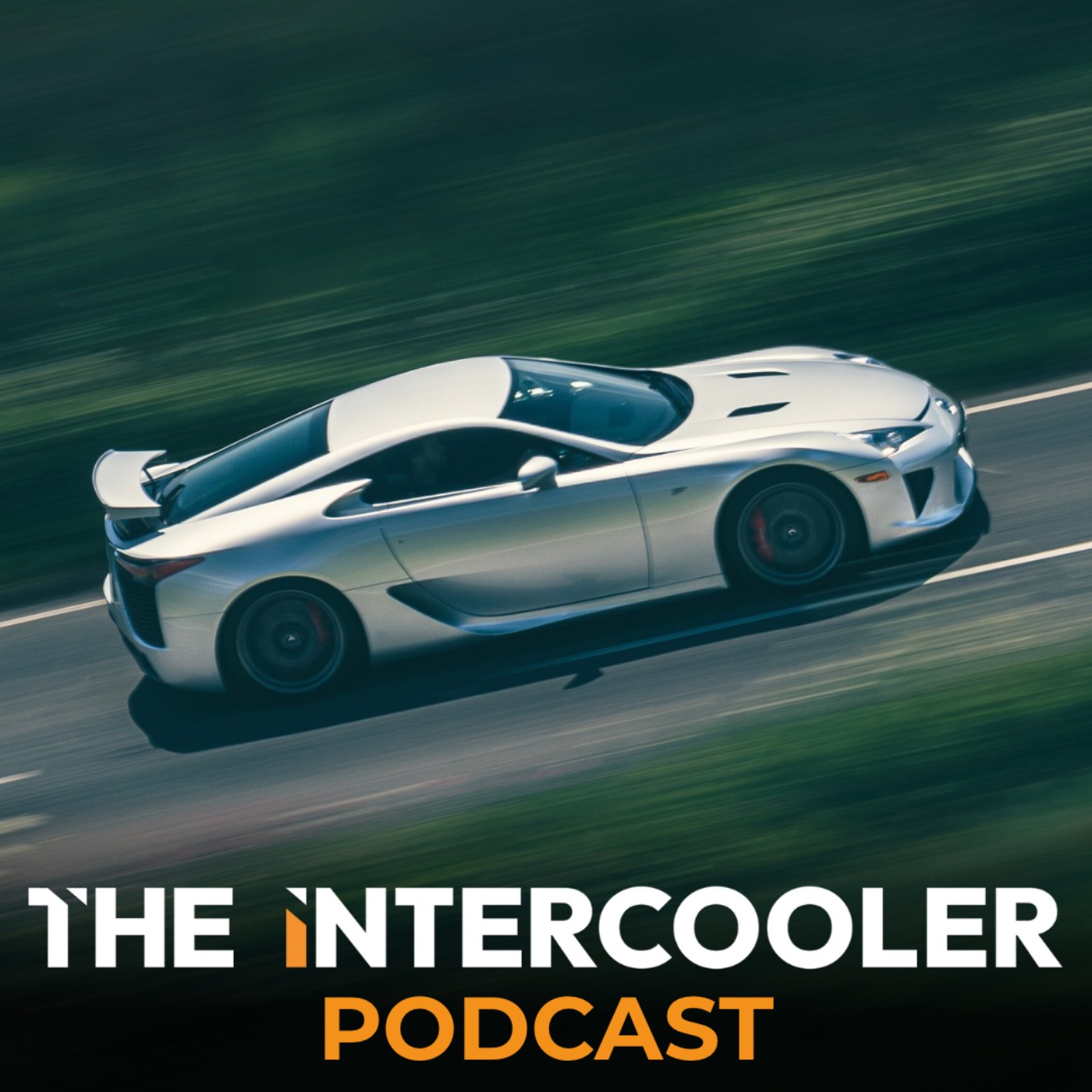
Jaguar is a company that makes fancy cars. They are known for their stylish designs and fast performance.
Car
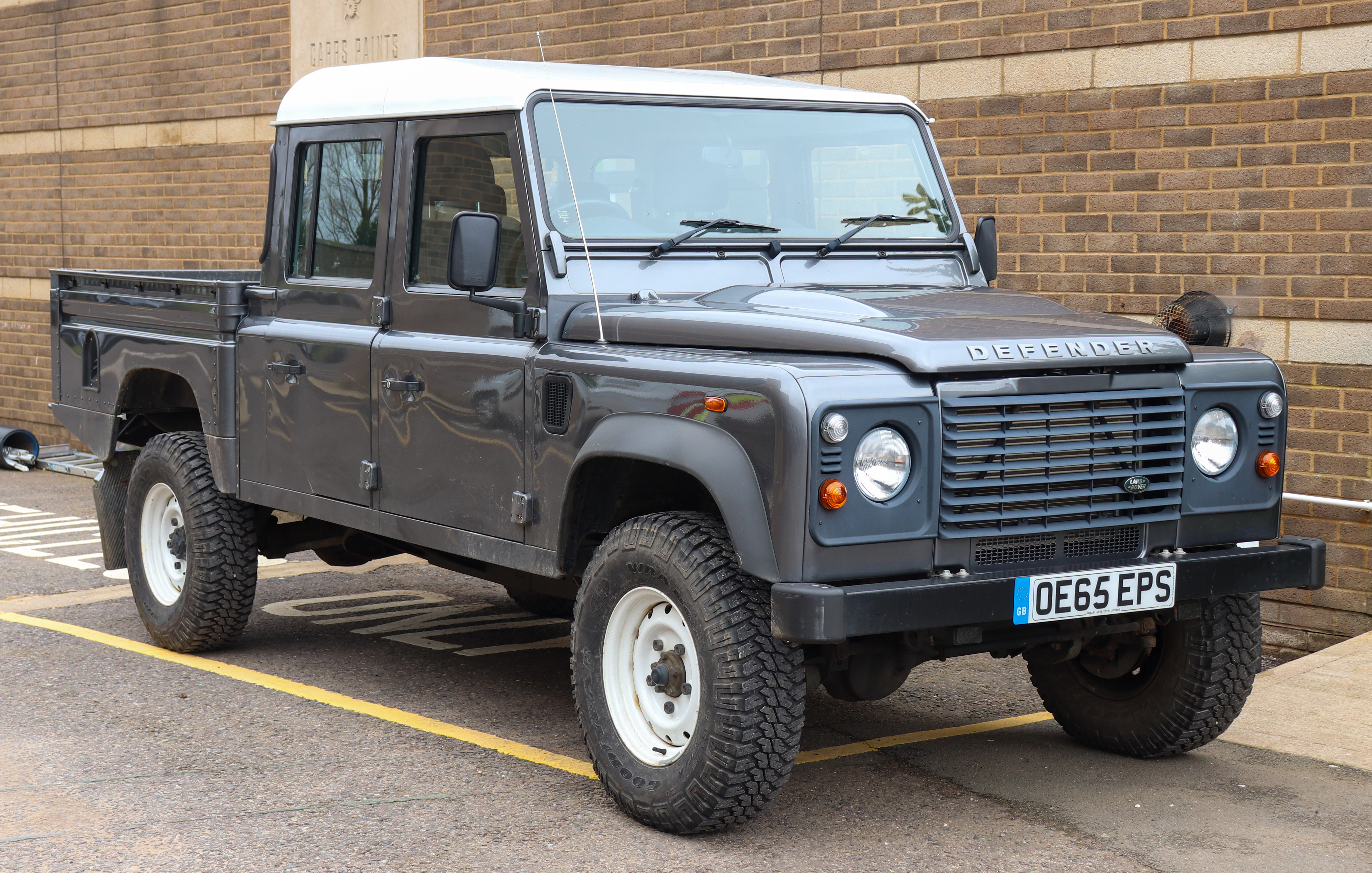
Land Defenders
The Land Rover Defender is a tough, boxy SUV that can handle rough roads and off-road adventures very well. It's famous for being able to go almost anywhere, and many people love it for its strong and adventurous look.
The Range Rover Sport SV is a sportier version of the regular Range Rover Sport, made to be faster and more fun to drive while still being a luxury SUV.
The Defender 110 is a version of the Land Rover Defender that is designed to be tough and capable off-road, while also being comfortable for everyday use.
The Lotus Elise is a small, lightweight sports car that is very fun to drive. It's designed to be quick and nimble, making it great for driving on twisty roads or tracks.
The Lotus Elite is another car made by Lotus that was known for being luxurious and sporty. It was one of the first cars to be made with a lightweight body.
The Lotus Esprit is a famous sports car made by Lotus that was produced for many years. It has a unique shape and has appeared in movies, making it well-known.
Spotlights are extra lights on a car that help you see better at night or in bad weather. They need to be attached well so they don't move around while driving.
Shock absorber tuning is about adjusting how the shock absorbers work to make a car handle better and feel more comfortable when driving. It's like fine-tuning the suspension system for different types of roads or driving styles.
F1 stands for Formula 1, which is a type of car racing that features very fast cars and important races around the world. It's known for having the best technology and engineering in racing.
The force-velocity curve is a way to see how a car's shock absorbers work at different speeds. It helps engineers make sure the car feels good to drive, especially over bumps or during turns.
Damper tuning is about adjusting the parts of a car that help control how it moves over bumps and turns. It makes the ride smoother and helps the car handle better.
Car
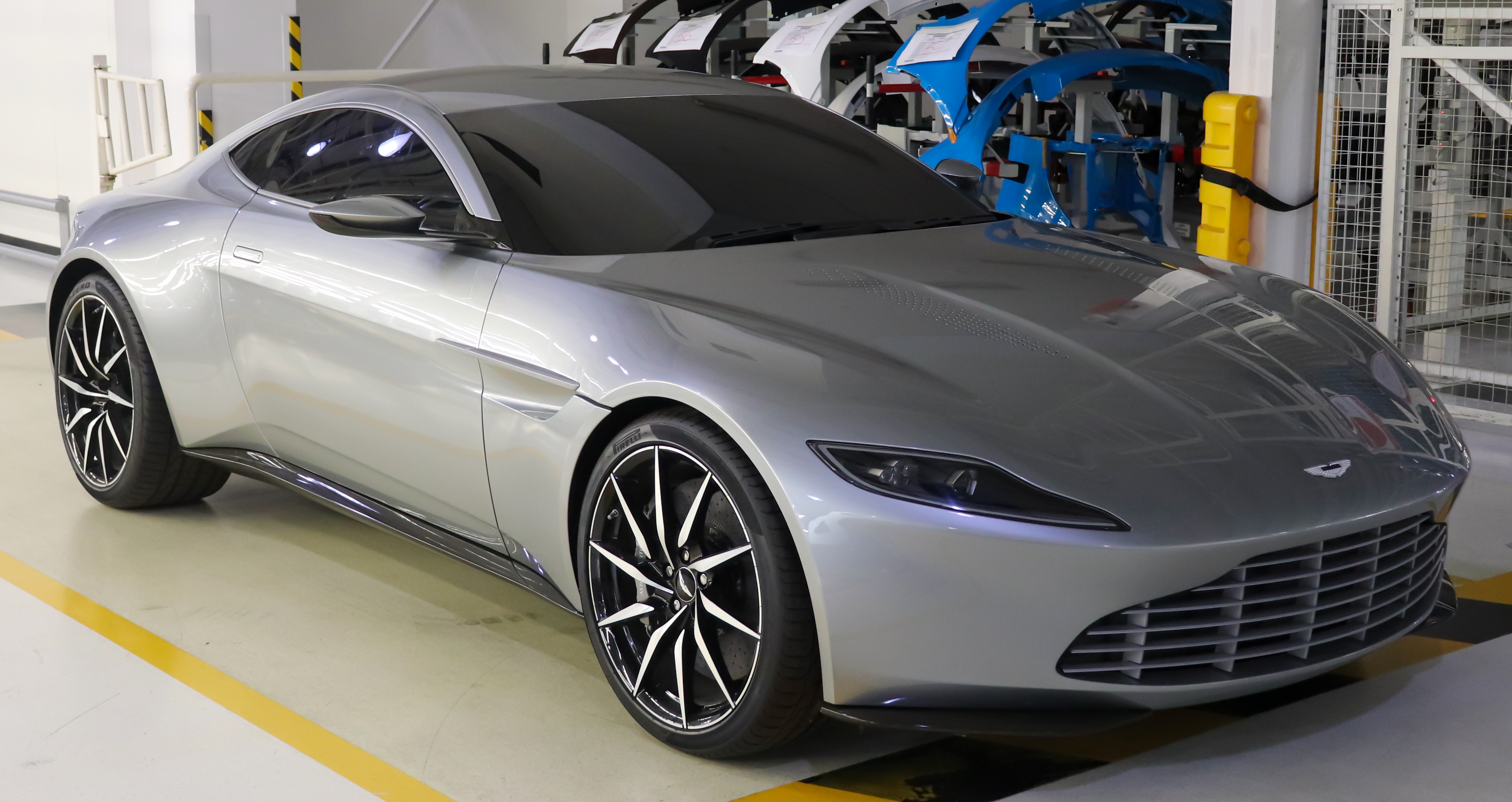
Aston Martin DB10
The Aston Martin DB10 is a special car that was made just for a James Bond movie. They only made 10 of them, making it very rare and unique.
The Rolls-Royce Spectre is a very fancy electric car that is all about luxury and comfort. It's designed for people who want to drive a high-end car that is also good for the environment.
The BMW M3 is a fast and sporty car that many people love to drive. It's known for being fun to handle and has a lot of power, making it easier to control on the road.
The Vauxhall Carlton is a family car that was made by the British company Vauxhall. The estate version is a larger model with extra space for carrying things.
The Lotus Evora is a small, lightweight sports car that is really fun to drive because it can turn and handle well. It's designed for people who love speed and want a car that feels very connected to the road.
Mid-engine sports cars have their engines placed in the middle of the car, which helps them handle better and be more stable when driving fast. It's a popular design for sports cars because it makes them more fun to drive.
The Aston Martin DB11 is a high-end sports car that is known for its beautiful design and powerful engine. It's made for comfortable long drives and has a lot of modern technology inside.
Car
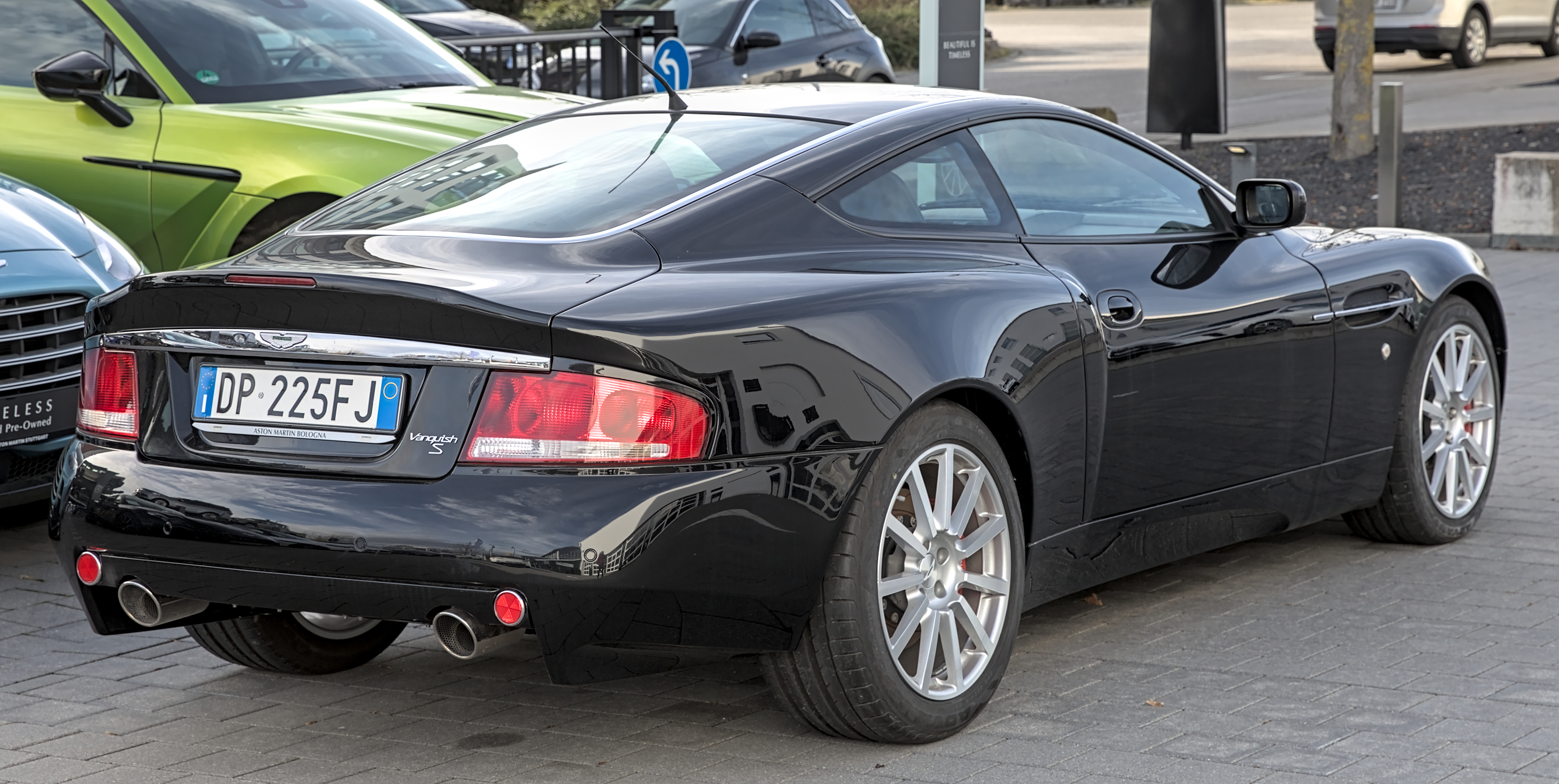
Aston Martin Vantage Roadster
The Aston Martin Vantage Roadster is a fancy sports car that you can drive with the top down, letting you enjoy the breeze while you drive fast. It's known for being very stylish and fun to drive, making it a dream car for many people.
The Aston Martin DBX is a high-end SUV that combines the sporty feel of a sports car with the space and comfort of an SUV. It's designed for people who want a luxurious ride that can also carry their family or gear.
Car
Land Rover Range Rover Sport SVR
The Range Rover Sport SVR is a luxury SUV that is built for speed and performance while still being able to handle rough terrains. It's perfect for people who want a stylish and powerful vehicle that can also go off-road.
The BMW X6M is a powerful SUV that looks sporty and can go really fast. It's designed for people who want the space of an SUV but also want to enjoy a thrilling driving experience.
LIVE
Hi, I'm Derek Lassen, host of the Athletic Football Show.
Today, I want to talk to you about Boost Mobile, offering reliable nationwide coverage backed
by a 30-day money-back guarantee.
Love your service or get your money back.
No questions asked.
Boost Mobile offers the same nationwide coverage, network speed, and service consumers are
used to, but at more affordable prices.
Why would you pay more if you don't have to?
Boost Mobile also understands that change can be scary, which is why they allow you
to try their service risk-free for 30 days, and if you're not happy, you can get
your money back.
So start saving on wireless today, with Boost Mobile's Unlimited Plans starting at just
$25 a month.
Visit your nearest Boost Mobile store or find us online at boostmobile.com.
After 30 gigabytes, customers may experience slower speeds.
Customers will pay $25 a month as long as they remain active on the Boost Unlimited
Plan.
Customers who cancel within 30 days of activation will have boost service fees
refunded, activation fees, if applicable, and phone payments will not be refunded.
The Boost Mobile network together with their roaming partners covers 98% of the
address population.
5G speeds are not available in all areas.
Hi, I'm Darina, co-founder of OpenPhone.
My dad is a business owner, and growing up, I'll never forget his old ringtone.
He made it as loud as it could go, because he could not afford to miss a single customer
call.
That stuck with me.
When we started OpenPhone, our mission was to help businesses not just stay in
touch, but make every customer feel valued, no matter when they might call.
OpenPhone gives your team business phone numbers to call and text customers all through an app
on your phone or computer.
Your calls, messages, and contacts live in one workspace, so your team can stay fully
aligned and reply faster.
And with our AI agent answering 24-7, you'll really never miss a customer.
Over 60,000 businesses use OpenPhone.
Try it now and get 20% off your first six months at openphone.com.
And we can port you existing numbers over for free.
OpenPhone.
No missed calls, no missed customers.
As the main character of your life, you know how important it is to make the right choices
for you and how sweet it is to feel good about your decisions.
With a state farm personal price plan, you have options to help create an affordable
price for you, so you can continue living your best life.
Talk to a state farm agent today to learn how you can choose to bundle and save
with the personal price plan.
Like a good neighbor, state farm is there.
Prices are based on rating plans that vary by state.
Coverage options are selected by the customer.
Availability, amount of discounts and savings, and eligibility vary by state.
Welcome back to the Intercooler podcast, everybody.
The podcast powered by car finance specialist JBR Capital.
This is episode 275 with Dan Proser and Andrew Frankel, and we are delighted this week to
be joined by Matt Becker.
Hello, Matt.
Thanks for taking the time to join us on the Intercooler podcast.
Hi.
Thanks for inviting me.
Matt, rather than me butchering, can you explain who you work for and exactly
what you do, what your job title is as well?
Yeah, it's quite a long-winded job title.
Yeah, so I work for Jaguar Land Rover.
My job title is Director of Driven Attribute Integration.
That's catchy, isn't it?
We recently changed the name because I was Director of Vehicle Engineering, which
kind of made it, it wasn't focused enough in terms of what was the pure
role that me and the team do.
So we recently changed it to make it more specific.
Andrew, if you were describing the work that Matt Becker does, how would you do it?
How would you put it?
Well, I'd probably get it wrong because that's why we need Matt to come on ahead
and tell us exactly what he's doing.
But to me, you are the bloke who is responsible for making Jaguars and
Land Rovers behave the way that they do, which is quite an important role,
really.
Yeah.
Is that sort of roughly getting it somewhere near the ballpark?
Yeah, I think it is.
It is to create a cohesive driven experience across all of the models,
not just Rangeovers, Defenders, but actually the whole lot Jaguars included.
So if you think about the team that reported to me, so I've got Vehicle
Dynamics.
We've got the MVH, Vehicle MVH team.
We have Vehicle Capability and Dependability, which is fundamentally
durability, robustness, Dependability Fleet, which has circled
all around the world doing specific kind of road mileage testing.
And on top of that, the all-terrain capability, so the off-road team
work within that team as well.
On top of that, I've also got the SV Vehicle Engineering team
that do all the specials like Rangeover Sport SV and most recently
the Defender Octa.
And then the final department, which was kind of the way Mike Cross had it
set up when he was in charge, he had a vehicle evaluation team,
which we've rebranded to product, character and performance.
So they're trying to basically take the inputs from the marketing team
and the brand teams to understand what character we need to generate.
And then with the population of the other teams and disciplines,
we basically engineer the cars to create that experience.
So roughly speaking, if you took all those departments together
who are reporting into you, how many people are we talking about?
It's about 450 people.
So it's it's barely sizeable team and vehicle dynamics,
NBH and vehicle capability dependability.
There are about 120 people each.
The SV team is around 70 people and the product character
and performance team, which includes all the benchmarking team
as well as around 30 people.
Matt, it strikes me that your job, your working life,
has changed a lot over the years because there'll be people listening
to this who still associate you with a certain British sports car
manufacturer in Norfolk Lotus.
I mean, goodness me, all those people reporting into you,
all those different structures, layers of management, very complex cars.
Is there a little bit of you that still wants to be hurling
a little light aluminium sports car around Hethel
and toying with dampers and spring rates and anti-robots?
I think there is. They're quite.
I mean, if I reflect back on to what my job was when I was at Lotus
or when I was originally sort of became a test driver
and a vehicle dynamics engineer, life was quite simple
because in reality, the Elise and the Aurora suspension system
And there were a conventional E-pass system, hydraulic,
sorry, hydraulic and power assisted steering system as well.
So you didn't even have E-pass on the car to kind of fiddle with.
So you had to be very focused on what you want the car to be and not to be.
But, yeah, I do reflect on on those days
and at times miss the simplicity of cars like that.
Do you do you remember?
There's no reason why you should.
But do you remember the first time we met?
I do. What was the date?
Oh, I can't remember the date.
Can you do the year?
Yeah, it was it was almost 30 years ago to the date
because it was it was a drive.
It was either 2,000 or.
No, it's earlier than that.
95 wasn't it?
Was it 95?
Yeah, so it was almost 30.
It was pretty much bang on 30 years ago.
Because you were the first journalist I ever was interviewed by.
And I must admit, I was pretty nervous at the time
because we met at Millbrook and you weren't allowed to drive the release.
But what I was there to do was to give you a I think
I don't actually know we went on the track.
I think we just know we didn't we just we just went out on the roads in it.
And you were you had to sort of like who knit round around about for us.
And yeah, that was 30 years ago.
And that would have been presumably a pretty early prototype of these.
It was. Yeah, because I mean, I started my when I started my career
at Lotus when I was 16 years old, I started as an apprentice.
So I was on the tools I did, you know, I learnt at college.
I learnt to machine weld all of the kind of practical
fabrication skills as well as spanner in.
So I actually started off in the workshops.
And then eventually when I finished my apprenticeship,
they put me into powertrain for I think it was three years
where I was building prototype engines, dyno testing prototype engines.
Then eventually the Elise project was coming along
and I saw a job on the on the board.
It wasn't I don't even think there was the internet at the time.
And it was a job for a junior engineer to go on to the series
one at least as a brakes engineer.
So so applied to the aluminium brakes, the aluminium brakes.
Yeah, so I'm sure I'm sure in the background,
my father had gently helped or nudged.
I can never confirm or deny that.
But but anyway, I'd like to think I got it on my own merits.
So sorry. So now you've mentioned your father.
I think we better just cover that base as well, because, you know,
yes, your father, Roger, was was to us.
I know he was to you as well.
A bit of a legend, particularly down down Lotus way.
So could you just tell us who he was?
I mean, we know what he was most famous for and we'll get to that as well.
But but who he was and what he did.
And and I guess the influence he had on you, which which I know was profound.
Yeah, I mean, he I mean, effectively the job when I left Lotus,
the job I was doing when I left, which effectively was
chief engineer of vehicle development, was the job he did when he left.
So throughout his career, I mean, my father started off on the production line.
I think putting Europa interiors in into the car.
So that would be what's in mid 1960s.
Yeah, so effectively started the original site.
He started there.
So he was commuting for a bit and then he moved back to Norfolk
where he started at Hethel.
So he was there almost from day one within reason.
And yeah, he started off on the production line.
And then eventually he moved into vehicle engineering.
Because I can't remember how or why, whether Colin Chapman
and promoted him into that junior engineer role.
And effectively throughout his entire career, he was he was a vehicle engineer.
And then eventually he sort of specialized into vehicle dynamics.
And a lot of the I'd say the tools that we use today
were actually some of the concepts were created through him and his team.
And you had Alistair McQueen, who's quite a famous test driver
that taught myself and Gavin Kershaw taught us till he got to the point
where he's a bit scared and he's like, right, you're on your own.
And there was also John Miles, you know, who you knew.
You knew very well as well.
He was he was part of the kind of original vehicle dynamics team with my father.
And and and a few others, Damon, to to to name a few.
So I mean, if you if you look at the talent that was there, then
you think of your father and you think of of John Miles.
And it's not surprising, actually, when you think about it,
that the Lotus, particularly in terms of their ride and handling,
the cars that were produced then became absolute legends.
So I mean, cars like, I guess, the Esprit and the Elite in their club.
These would have and the land, you know, your father would
you know, his his sort of DNA would be on all those cars, wouldn't it?
Yeah, exactly.
He was he was basically responsible for all of them.
And on top of that, he he with others created
the engineering consultancy team, which then started to work with other
manufacturers, Toyota, a lot of Korean companies, a lot of Chinese companies
eventually. So basically, he's he's kind of his and his team's talent
filtered out across across the industry.
And I'd like to think that, you know, there's, you know, I can pretty much
there's people that multi-matically would have worked with my father.
There's people at Aston Martin that, I guess, through me would have worked
with my father or work with John Miles. Yeah.
There's people, yeah, there's people throughout the industry now.
There's there's kind of there's still individuals that were trained
and and and touched by talent in terms of what they they were taught
by by people. So cars like, you know, the original Aston Martin Vanquish
which was developed entirely by Lotus because Aston Martin didn't have
the in-house engineering resource at the time to do it.
That would I don't it was that would that have been before or after your time.
But even if it was after it would have been completely influenced
and would have used the principles that your father had established.
Yeah, exactly. I mean, John Miles was the lead on on the dynamics
development of the Vanquish. I was the young silly test
driver at times. I can remember being at Nardo with that car.
And we wanted to crack the 200 miles per hour on that car.
And we never quite got there.
But I was the young test driver that was doing the VMAX runs at Nardo.
And I remember one time we were
we were effectively we had to do an because you get you get slots
where you can run above one hundred and fifty miles per hour.
And one of the slots we did something broke.
So they said, would you would you drive at nighttime at VMAX?
And I was like, OK, yeah, if you put some lights on the car.
Now, I remember they put these spotlights on the bonnet
because we had to do this specific bonnet pool test where you had to be at VMAX.
And to check the bonnet wasn't to fly open, you had to pull the bonnet
and make sure it didn't fly open at VMAX.
So you had to pull the bonnet release catch basically at one hundred and
ninety something miles an hour.
Basically, they put these I can remember to this day,
they put some huge handbrake cables on there with massive washers.
So if it did go that it would have been caught.
But the biggest problem they did is is that the spotlights
that they're fitted to the bonnet, they hadn't made the brackets very strong.
And as the speed increased, I can just see these lights poking up in the air.
And I was like, really can't see where I'm going.
But I think I was I was 23 years old.
And I thought, you know, I'm not really scared of anything.
So I just can't go in.
I remember I remember that feeling.
It wouldn't have done the arrow much good either, would they?
Not really. Right.
So you I'm glad we mentioned your dad, Roger Becker.
So early. Now, your old mate, Gav Kershaw, a few years ago,
told me that when your old man passed away, I think eight or nine years ago,
he said that so much knowledge about vehicle dynamics was lost with your dad.
No doubt your dad's he shared a great deal of his wisdom
with all of you lot and a bunch of other people.
But do you think that was true?
Did your dad just have this sort of intuitive understanding
for the way cars drive that few people did?
I think he he did.
But I'd like to think that, you know, Gavin, being one of them,
there's there's several of us in the industry that that would talk that and have that.
I guess, you know, in build ability to to to assess things.
I think where dad was a real specialist was
Shock absorber tuning. He was he was, you know, the amount of
ride units and the amount of different valve codes
they would have gone through on the car would have been way beyond anyone.
And he was always with dad was really, really good.
And I like to think I was when I was doing day to day damper tune.
And he his notes were meticulous.
He used to have like a blue book in every every ride he would do.
And you'd always put what build number the front and rear dampers were,
you know, F1 or an R 33 or whatever.
And he would always write meticulous notes on every single evaluation
he'd done. And I guess the modern times, I don't think we're
quite as diligent as he was.
So but he he just had this ability to he was a real damper tune and specialist.
And he must have had, forgive me for saying this,
but an exceptionally sensitive backside for doing this sort of stuff.
Because I can't imagine it.
You know, I know the sort of number of damper iterations
that car manufacturers go through now before they've got what they think
is the best or whatever is right for that particular car.
But your father, this was his particular speciality, wasn't it?
So he must have been making the most minor changes,
changes that I think most people would never ever notice.
But he could just tell and detect and just finally hone the cars,
which I guess is why the lotuses of the era just felt so beautifully
tuned and in touch with their surroundings. Yeah, he did.
I mean, we when you do damper tune, we have what's called a force
velocity curve and you run at seven different speeds up to one and a
half meters per second.
Some of the cars we do now would go beyond that just because of some
of the things they have to do.
And on these curves, you would generally some of the damper tuning changes.
You would never even measure the change on a graph in force.
The velocity was always the same, but the force, you wouldn't see any different.
But actually you would feel the difference in the car.
And some would question when you got to productionise these,
how much of that real fidelity would you feel?
Because in production tolerance, some of that is lost anyway.
But, you know, that aside, he was incredibly meticulous at Raj.
This summer, Instacart is bringing back your favorites from 1999
with prices from 1999.
That means 90s prices on juice pouches that ought to be respected.
90s prices on box mac and cheese and 90s prices on ham,
cheese and cracker lunches.
Enjoy all those throwbacks and more at throwback prices.
Only through Instacart.
$4.72 maximum discount per $10 of eligible items.
Limit one offer per order.
Expire September 5th while supplies last.
Discount based on CPI comparison.
Hi, I'm Darina, co-founder of Open Phone.
My dad is a business owner and growing up, I'll never forget his old ringtone.
He made it as loud as it could go because he could not afford to miss
a single customer call.
That stuck with me.
When we started Open Phone, our mission was to help businesses
not just stay in touch, but make every customer feel valued,
no matter when they might call.
Open Phone gives your team business phone numbers to call and text customers
all through an app on your phone or computer.
Your calls, messages and contacts live in one workspace
so your team can stay fully aligned and reply faster.
And with our AI agent answering 24-7, you'll really never miss a customer.
Over 60,000 businesses use Open Phone.
Try it now and get 20% off your first six months at openphone.com.
And we can port you existing numbers over for free.
Open Phone, no missed calls, no missed customers.
Andrew, it's now the time to cover off the Roger Becker story.
We need to have the James Bond conversation.
I mean, I'm sure that an awful lot of people have heard it,
but they may not have heard it coming from the son of the man who was there.
And I'm sure there's an awful lot of myth and mystery and nonsense
that's been spoken about it.
So how did your dad end up doing the stunt driving in The Spy Who Loved Me?
Because it was not what was planned at all, was it?
No, so he, again, he was earlier in his career.
He went out to Sardinia and actually I'm going there on a family holiday
and a couple of weeks I'm going to try and find the roads.
Oh, wow.
Because I've never done it, so I'm looking forward to that.
But fundamentally, he was out there to look after the car
because, you know, earlier...
And was there only one car?
Because, you know, I remember when Aston Martin supplied 10 DB 10s to
whichever, was it, I can't remember which, what was it, Spectre?
Yeah, I think so.
And they made 10 cars.
Was there like one S1 Esprit for The Spy Who Loved Me?
I think there was more than one, but I can't tell you how many there were
because there was one car that went into the sea,
which I actually did get to see that car because I went to
Pinewood Studios when I was very young with him to deliver a wheel and tire.
And I got to look around the studio set at the time.
But, yeah, I think there was at least two cars.
And fundamentally, he was there and that whoever the test driver or stunt
driver was drove the car up the hill and and the film director
just couldn't get what they wanted from from the scene.
So then so there must have been another car because then they said, oh,
can you bring the other car up and my dad drove up the hill, you know,
where the helicopter chase was, he drove up that road.
And and fundamentally, he got to the start.
He said, that's exactly what I want.
Now I want you to do it.
So that's fundamentally.
But your dad hadn't been intending to sort of show off or show what the car.
He was just to him.
He was just driving up the hill.
No, I'm sure he wasn't.
But that was a bit of a show off.
To show his skills and show him and demonstrate to people, you know,
because his car control was exceptional as well.
It wasn't just the dynamics.
He could he could pedal a car as well.
It's a cracking story.
So he then went on did all the driving of that car.
He basically did all the driving.
And he was in Sardinia because I can remember as I must have been five,
six years old, because I can remember him coming back.
I think he'd been out in Sardinia for like six or seven weeks.
And he came back and we got the most amazing gifts and presents
because I think he got ended up having to get paid a little bit of money
or a reasonable amount of money to to do what he was doing.
And and he came back.
Yeah, he was he's effectively staying out there for like six or seven weeks.
He had a time of his life and he was flying around in the helicopter.
He was on the wet bikes that, you know, they're early jet skis.
He's hanging out Barbara back and Roger Moore.
And I think at the end of it, I still remember.
It's a shame we don't think we've got the jacket.
They actually made him a jacket and it was double six and a half.
But I don't think we've still got the jacket.
I mean, it was a incredible thing.
And to be honest, he he dined out on that one his entire career.
So he should I can remember being at school
and there was quite a cool thing to be able to tell your friends that you know,
you know, that white spree that was my father driving.
But even now when I see it and it's one of the it's one of the actually
quite a few Roger Moore Bond movies.
One of the ones that I actually really, really like, I think it's the best
of the Roger Moore Bond movies.
And every time I see that, I just think myself thinking it does matter.
Dad in there.
And even I and the pilot who was in the film
because I recently did an article for a Lotus magazine.
And because he still get quite often asked about, you know, can he
tell us take take us through when your dad was in the Bond films?
And absolutely no problem.
And the pilot that flew the helicopter is still alive to this day.
Wow. That's great.
It's fantastic. There you go.
So you you spoke about your dad's driving ability there.
And I've seen you drive.
You're a hell of a driver.
And I just wonder where that comes from.
I mean, did either of you race when you were young or is it just on the job?
No, I think where we were all incredibly lucky.
And to be honest, when I left Lotus in the end of 2014,
I think the thing I missed the most was the test track.
Yeah, I think, you know, it's like any any sport or any game,
if you've got something on your doorstep and let's be frank,
driving the leases on or beyond the limit is quite a tricky thing
to do. Certainly the series one at least.
Yeah, we sort of have the ability to have this test track on our doorstep
that you could basically go out, you know, because the job was the job
and you could go out and and basically hone your skills on the on the track.
And then so some of the night, at least, which is a difficult thing
or car to slide, you then get into something like a BMW M3
or something that's got loads of power, limit slip, diff and loads of lock.
A car like that then becomes quite an easy car to slide around in.
So I think it was, you know, I remember when I was 17,
because I ended up I thought I was a massive driving hero.
When I was 17, I only passed my driving test for two months
and I borrowed my dad's company car and they nicknamed baby Becker Bend
because there was you leave Lotus.
So I went around and I thought I know how to do this.
I can do that.
So I did a massive clutch kick in this one point eight litre Carlton estate
and the thing went so sideways so quickly that I hit the wall
on the other side of the road and I was like, I'm not quite as good
as I thought I was at that stage.
But but then I got the opportunity to Alistair McQueen,
he was the chief desk driver.
I remember Alistair. Boat Eye.
Yeah, Boat Eye, the most gentle, calm, relaxed individual you would ever meet
and certainly behind a wheel. Awesome car control.
Yeah, awesome car control.
And he basically was 17.
They they got me a left hand drive, blow to sex cell
and he took me on the track and spent some time with me just basically
to basically pull some of the bad habits down, make me realize
I wasn't quite as good as I thought I was when I was 17.
But at that point, I think he actually said to my father,
he said, I think Matt's got some some natural ability that we can hone
and and advance if you give me time to work with him.
And that's what we did. Wow.
And I know I have a specific reason for that.
I know you didn't race when you were young because I can remember
bumping into you in a scrutinering line at Snetterton.
For some, God knows what I was racing there.
But we're in and I can remember coming up to you and saying,
what are you racing?
And I'm in a Ford Fiesta.
I think it's a bit sort of I would have thought you might be
something a bit more senior than that.
And he said, I've never raced a car before.
We were in your first race.
I was in too.
Yeah. And how that came about.
I was having a night out with a friend in Norwich
and his friend that was racing at Snetterton the next day phoned up.
And I think it was about 10 or 11 o'clock at night and said,
I've been let down for this race.
Have you got a race license and a racing zero?
Well, yeah, I've got that.
So I got me, you know, right.
We better stop drinking next morning.
I was at Snetterton.
So it was a completely by surprise and I didn't have a clue what to do.
Honestly, it was just like, there's a car.
Can you go and qualify?
I can't remember what it was.
Was it just some little club meeting we were doing?
It was some little club meeting.
It was a Ford Fiesta thing.
And it was a friend of a friend that kind of paid for this to race it
and then couldn't turn up.
So I got kind of lobbed into this car
and I had no idea what I was doing, apart from driving it.
How did you get on?
I can't know.
It was so long ago.
I mean, we're talking a long time.
Yeah, it would have been in the end.
It would have been the end of the 90s.
So how long were you at Lotus in all?
So I started there in 88 and I left there the end of 2014.
So it was 26 years.
Good shift.
How did the place change during that time?
Oh, Christ.
I mean, Lotus is always through a cycle.
It was constant.
I mean, I have to thank Lotus and the opportunity
because it made me the person I am and it made my career.
As I said, I worked with some absolute legends.
We were taught, you know, how to get shit done
because you didn't have a massive scale of an operation.
You were always, everything was always a panic.
How do you get the next car out to get more money in?
And that's where certainly the consultancy projects,
although I didn't always like the place
as I was getting sent around the world
and always liked the projects I was working on.
But that also really shaped you as an individual as well
because you have to work with the engineers
that had hired you to do the projects for them
and work with them and teach them your skills as well.
Yeah.
And it was crucial for the business, wasn't it?
It was, yeah.
So when the car side wasn't doing very well,
the consultancy side was supporting it.
And then when the car side would do better
than the consultancy side
because you had an amount of people.
Of course.
And then you had to kind of displace those
or put those people on to the different
or the most important projects at the time,
either being Lotus cars projects
or Lotus engineering projects.
I don't know if you're allowed to talk
about any of this stuff at all,
but do you have any favourite Lotus consultancy projects
that you worked on?
I guess one of the cream ones was actually the XKRS Jaguar.
Oh.
Yeah, so because it was interesting I ended up
because I knew Mike a bit anyway
because actually Mike had tried to hire me many, many years ago.
So this is for people who don't know.
This is Mike Cross who is an equally legendary
sort of chassis engineer and the man
who I guess you ended up replacing when he retired.
Yeah, basically, yeah.
So he basically, we'd met and he said,
I want to do this XKRS project.
We don't have the capacity
within the vehicle dynamics team.
Also, I was told, can you do this project for us?
So yeah, so I think it was 2007
because it was just before I started on Evora.
I spent a year or 18 months doing this XKRS project,
which was, it was a really enjoyable project
because I got to see how a company like JLR at that time
was working and yeah, it was a fun project.
And you got to smoke about in five litres
to which are jaguars.
And is it? Yeah, basically, I had one.
I had a blue one for almost 18 months
and I thought this is incredible.
So I'm really interested to know how
you've honed your skills and your engineering capabilities
on little, often, mid-engine sports cars.
Now you're presented with a 500 horsepower heavy saloon.
Does it just translate
or do you really have to rewire your brain
to do what you need to do?
No, I don't think it does translate.
I mean, and if you talk about the types of cars
I'm working on today as well,
it's really, if you've got a brief in your head
or working with a marketing team as we do
and or product owners,
you've got a brief of what you want to do.
And it really is, it's a balance of the direction
you take the car.
If you want something more sporty,
you go this direction, more comfortable,
you go this direction.
But so it really is, you just have to have a strong brief.
And the way I always worked,
not generally on consultancy projects,
but certainly at Lotus,
Sander, Aston, a little bit of JLR
is I would always go into the design studio
and work with the lead designers
and visually see the car and think,
okay, well, what is the core benchmark car
we're going to go up against?
What are their qualities
and what they're not so good qualities?
But also the visual look of a car
and how do you turn that into a feeling
of a dynamic feeling when you drive the car?
Well, so a car should always behave
as you would expect it to behave
given its appearance.
Exactly, yeah, exactly.
So no car should ever write a check visually
which is unable to cash dynamically.
Exactly, so if you look at a pure GT car
but it drives like a very stiff race car,
well, that doesn't work, does it?
Yeah, sure.
And working with,
I've always had this strong relationship
with the lead designers
and I think that really helps
because they're a very creative bunch
and they can articulate in words
what the car visually is trying to do
and then we can articulate in words
and engineering terms
what you're actually trying to get the car
to feel like when you drive it.
Wow.
God, I never thought that that would be
on your radar at all
but when you talk about it, it makes perfect sense.
Yeah.
So you mentioned Aston Martin there
and now between Lotus and JLR
there was a stint at Aston Martin.
Presumably another huge learning experience.
Yeah, it was, I mean, I started there
at the start of 2015.
It was Andy Palmer who was a CEO.
He'd actually, to be honest,
he'd actually tried to get me to go to Nissan
to go and work for me at Nissan.
For him at Nissan.
The odd thing, and I probably should have,
I'm gonna say anyway,
but the odd thing during the interviews,
he was interviewing me
because we'd met at Lotus a few years before.
He said, I've actually been interviewed
for the CEO job at Aston.
And I thought, hang on,
you're interviewing me for a job at Nissan.
In Japan.
It was basically the job as chief marketability officer
which was basically, it was a huge responsibility,
global responsibility for the way
all Nissan products globally drive and feel.
So it was a huge part.
But I was like, why is Andy Palmer telling me
that he's actually been interviewed
for the CEO role for Aston?
But long story short, I didn't go to Nissan.
And then as soon as Andy was on his way to Aston,
he was straight on the phone
and said, do you fancy doing this?
Which I do.
And which cars were you responsible for?
Oh, Christ.
So I started there,
I think it was the second of January, 2015
and I was there for seven years.
So I worked on GT12, GT8, obviously DB11
and all the variants being V12, V8, AMR,
the convertibles, the Valenti,
worked on the previous Vantage,
the Vantage and Vantage Roadster,
worked on repeat, AMR, and we did that.
And obviously the biggest one,
which is the biggest job, was DBX.
And fundamentally that was,
you know, they already had the concept
of what they want the car to look like,
but actually in terms of the architecture
and the concept underneath the visual
was not started until I got there.
So I think any engineer in their career
is blessed to do one platform,
one complete new platform.
And I would say I've done two
because Aurora was one of them
and DBX was the other one.
And DBX, I mean, goodness,
I mean, we've often talked on this podcast
about what an ambitious program that was.
You know, an all new car on an all new platform
in an all new factory of a kind
that manufacturer had never made before.
I mean, it was unbelievably ambitious,
but I think, you know, straight out of the box,
and I promise you, I'm not just saying this
because you're here, because I've written it
many, many times.
It was absolutely from the outset
the best ride and handling SUV of its type
that there had ever been.
And frankly, I think it retains
that crown to this day.
Yeah.
Hi, I'm Darina, co-founder of OpenPhone.
My dad is a business owner,
and growing up, I'll never forget his old ringtone.
He made it as loud as it could go
because he could not afford to miss
a single customer call.
That stuck with me.
When we started OpenPhone,
our mission was to help businesses
not just stay in touch,
but make every customer feel valued
no matter when they might call.
OpenPhone gives your team business phone numbers
to call and text customers
all through an app on your phone or computer.
Your calls, messages and contacts
live in one workspace,
so your team can stay fully aligned
and reply faster.
And with our AI agent answering 24 seven,
you'll really never miss a customer.
Over 60,000 businesses use OpenPhone.
Try it now and get 20% off your first six months
at openphone.com slash tech,
and we can port you existing numbers over for free.
OpenPhone, no missed calls, no missed customers.
I'm no tech genius,
but I knew if I wanted my business to crush it,
I needed a website now.
Thankfully, Bluehost made it easy.
I customized, optimized and monetized everything
exactly how I wanted with AI.
In minutes, my site was up.
I couldn't believe it.
The search engine tools
even helped me get more site visitors.
Whatever your passion project is,
you can set it up with Bluehost
with their 30 day money back guarantee.
What have you got to lose?
Head to Bluehost.com to start now.
So how do you, I mean, how do you do that?
Do you just look at it and go,
oh my goodness, what am I taking on here?
I mean, first of all, you have to hire the right team.
And basically we have an exceptional team around us
that are hired in some ex Lotus, I would say.
And we basically, we are a member
because we, Andy's brief to me
is you need to make the best-handing SUV in the world.
That is your brief.
And to be honest, I use that quite often
when I needed extra technology
or extra budget for the car.
Because if I didn't get what I wanted
through the typical, the normal routes
of kind of vehicle line directors,
I'd go to Andy and say,
if you want me to make this the best
or the team to make this
the best-handing SUV in the world,
you need to give me these components.
The E-ARC, so Electronic ARC,
Active Roll Control was one of them.
It was a huge investment.
But we needed that on the car
to be able to have the roll stiffness distribution
but also the roll gradient and change it via modes.
Another one is we needed a unique steering ratio.
We couldn't use an off-the-shelf steering ratio
because that wouldn't have given us everything we needed.
Do you need something quicker than was available?
Yeah, it was generally quicker.
And to be honest, I remember at the start of the project
we were a bit nervous
because the ratio actually we'd chosen was faster
than we ended up with
and we kind of lost our bottle a bit
because and we backed it off slightly
by doing some different steering geometry.
But fundamentally, yeah, we and he basically gave us
all the tools we needed on the car to basically
and underneath as well, the architecture,
the concept, the hard point stiffness
and we'd done tons of benchmark.
Now remember we bought a Range Rover Sport SV,
we bought a Porsche Cayenne Turbo,
we bought a BMW X6M,
we bought a Mercedes GLE 63.
And basically we benchmarked these cars to death
at the time and be an on-road and off-road.
And it was still a tiny team.
It was a really, really small team.
But it was a tough project.
But we kind of, when we,
I remember the first prototypes we had,
we had to wear ear defenders
because they were like,
they sounded like NASCARs.
And so we couldn't really get any fidelity
into the cars at that time.
And it was quite late before we got the proper cars.
But we knew with all the concept decisions we've made
in terms of suspension geometry,
suspension, hard point stiffness,
bush selection, the technology
in terms of damper technology
we had on active roll control technology.
We forced to have an active center diff
rather than a torsion type
because we want to push the torque around.
Et cetera, et cetera.
There was so many things.
The project manager probably hated us for us
because I'm not sure the material cost
was ever hit the targets which they wanted.
But 100% the car hit the brief of,
and I think it is still is to this day
one of the best handling SUVs in the world.
So what I found, it's very interesting,
the best handling SUV in the world.
But I mean, you could probably have kind of done that
much more easily than you did.
And the only price we paid was that the car
would have a terrible ride quality
because what's always struck me about
as being so difficult with a car like that
is you're not just dealing with a lot of mass,
you're dealing with where that mass is.
And you'd think in my very sort of binary brain,
you think, well, the only way you can control it
is to tie the whole thing down.
But if you tie the whole thing down,
then what you have is a family car
which doesn't ride, which therefore fails
in its fundamental job of being a family car.
So how do you make a car with that much weight
and where given how high that weight tends to be?
How do you make it handle that well
while at the same time still seem to ride brilliantly?
Is that all about the active roll control?
Well, the active roll control is what gives you the ability
to change how much roll stiffness
you have according to different modes.
And you'll see, so in comfort mode,
the car would roll more obviously
than if you're in Sport Plus,
if I remember my modes correctly from that car.
So the active roll control is very powerful
for how much roll stiffness you get,
but it's also powerful for with active roll control
because you've got an active bar at the front
and active bar at the rear.
And it's how you can move roll stiffness
up and down the car according to what mode you're in
or what steering input you put into the car.
So it really makes, can take the car from something
that's very benign to something that's more playful
because it's just like, imagine driving
an old race car you've driven
and you just stick a really stiff anti-roll bar
on the back, you can then make the car
oversteer more than it would have done.
And a lot of the adaptive systems,
and you talk about my kind of simplistic early days
at Lotus where everything was passive.
Now most systems on nearly all cars
now are adaptive systems.
So your passive damper setting you put into the damper
is your starting point.
Then you have many adaptions you can make
and parameter change you can make according
to reactive inputs from what they see on the road
and or steering rate and or many different things.
So, and then it really is down to how you tune the car.
I mean, it really is.
I had some great people that were working for me
on that car and we worked very closely together
again as a small team to make sure that we created
what we wanted.
We'll talk in a moment about the work
that you're doing now at JLR.
I just want to talk about the job more generally.
What's the best most enjoyable part
of any sort of vehicle program?
It generally is.
I mean, I still to this day I'm okay
or my job has changed a lot since the early Lotus days
but I still like going on the test trips for the team
because I still, and it's not to micromanage the team.
It's just to kind of almost rubber stamp the direction
we're going when we're tuning the cars.
And there's a bit, you know, there's fun
with all the engineers, female and male
that we go on these test trips with.
And so I think that the test trips for me
are the most fun and my boss often says to me,
you smile the most when you're off doing test trips
but I really do need you in the office a little bit as well.
So how much time do you spend on the road
or on the track now compared to what it would have been
presumably in your early days of 30 years ago
you would have been out there driving cars all the time.
Now, is it now a sort of a minority components
of your job?
It's about, I'd say I do it monthly
but we will cycle through because obviously you know
when you think about the scale of JLR
and the scale of everything we're developing
I will generally spend a day, a month in a different car.
I.e. so if we're developing any Range Rover for instance
once a month I will spend a day with the team
evaluating locally but then I will
it's kind of slowed down a little bit at the moment
because it was going to be crazy at the start of the year
but generally I will try and go on a test trip
with them either to Idiada, Nürburgring, Nardo, Sweden
wherever at least for a week out of the kind of the block test
that they're doing on the tuning of the car.
So I try and get in as much as I can
but when you've got a team this size
you know and at the end of the day
you hire good people because they're good at what they do.
So I'd say once a month I will try and get in the cars
of the individuals at different locations.
Have you done much of the sort of destructive hot weather testing?
Throughout my career, yeah.
I've always tested in Nardo and certainly when I was
I haven't done it at JLR yet
because there's a big team that go and do that
but generally I've always spent time
in either Idiada or Nardo
up into Death Valley and done the American trips as well
to see how extreme they are.
So yeah, I've kind of,
I don't think there's many test sites
or places I haven't been to.
I've been very fortunate throughout my career
to go to these different locations.
So when you're in Death Valley and it's 50 odd degrees
how extreme does it get?
I mean, are the cars just crying out for mercy
or are they even in the modern-ish era?
Are they built for it?
Yeah, they are built for it.
I mean, you have what we call safe ambient temperatures
or SATs is basically the cars
and each company has different safe ambient temperatures
that the cars are designed and developed to work in.
I think, to be honest, I think the most extreme
I've seen is in Dubai
because obviously JLR products,
certainly Range Rover, Range Rover Sport
and Defender has to be,
they do get used as part of,
in Dubai as part of their hobby
is to go out and out in the sand dunes
and imagine there's a big hill out there
called Big Red you may have been to.
I know it, I've been up it.
And you've got, it's 50 degrees
and I was warned actually before I went there
the first time I went with JLR,
they said, don't wear trainers
because it will melt the glue
and your trainers, and I was like,
they're talking rubbish,
they're talking about the correct
because I wore trainers and it melted the glue.
And you think, the car is revving very high.
It's got a lot of slip
but there's not much airflow through the car.
And the airflow that is coming through the car
is the ambient temperature of 50 plus degrees.
So that, you sort of think,
well, I word poor car
and when you stop, you get out of the car
and stand next to the door,
you can actually physically feel your legs burning
because the heat coming off the car
and the heat that's radiated from the sand
is got to be the most extreme of,
I've ever witnessed it really is punishing.
Bloody hell.
And the car has to be able to do that
again and again and again.
Oh, it's brutal, isn't it?
Yeah, it's really extreme, it's really extreme.
Honestly, I was thinking when I first went to the sand dunes,
oh, I'm not sure I'm going to enjoy this
and it's almost like driving on snow but not snow,
it's obviously sand
but the kind of the same sensation you get
of sliding a car around and doing jumps
and crossing the desert
is a pretty extreme and fun thing to do.
Yeah, that's mega.
And do you think it was the work that you did with DBX
that caused JLR to come knocking
or had they been sort of sniffing around anyway?
I don't know, I guess I've got a reasonable reputation
in the industry, so for what I've done before.
The very, very, very good reputation, yes.
My capabilities.
And I think it was at the point that Mike was retiring
and they thought, who could we go and talk to?
And I think, according to what I'm told,
I was the only person they were talking to,
I may be wrong.
But obviously the job I'm doing is slightly different
and I think because I've come from smaller companies
and I've always had this ownership thing
where I want to own the team that develops a solution
rather than passing the, should I say, the problem
or the criticism to the other team
is I set it up slightly differently
where Mike Cross didn't have responsibility for.
He had overall responsibility for the character
and performance of the feel of the car.
He wasn't owning the teams
that actually developed the solution.
So I've done it slightly differently.
I'm not saying his was wrong
and mine is right,
it's just a different way of doing things.
So are you, is the new electric Jaguar one of yours?
Yeah, basically I cover everything.
So anything that comes out of JLR
comes under me and my team's responsibility
for the way it drives and feels.
So how does technology,
and I'm not talking about the tech that you put on the car,
I'm actually talking about the tech
that gets applied to the design
before the car gets built,
has the development process been abbreviated
because of how much can be done in the virtual world
before ever get, and do you get involved with that?
Do you, are you constantly coming up with theories
that work on a computer
and then putting them on the car to see how they work
and has it actually made it quicker to develop a car
with all that technology
or is it still because you have to go out
and prove everything on the road anyway?
It still takes about the same amount of time.
But I think, yeah, because we have,
we have one massive driving simulator
which maybe I'll show you one day it's huge
and the investment is massive.
So we do have one big one, a smaller driving simulator.
We have a four-poster rolling road
which means rather than just vertically moving the car
we actually rotate the wheels at the same time.
We have a kinematics and compliance rig
which K&T rigs we call it
where we can get all the suspension characteristics.
We have lots of ride measurements
and steering and ride DNA and handling DNA what we do.
So basically, yeah, I think to answer your question
we do do a lot more virtual work
than I ever would have done in my early Lotus days.
So I would say that you get to the answer sooner
but then it, because we're engineers
we still like to polish and add the character into the car
which in the virtual world adds some character
the real polishing character comes from the bum on the seat
basically doing the tuning work.
And do you spend time in the sim yourself?
I've done a little bit, yeah, when they let me in.
They, I don't get sick by it now
because I think I've always kind of driven
kind of driving simulators or race games at home
and we just set up a new one with my son
and it's got a three-screen thing, eye racing.
I can't get anywhere near here in terms of lap times
which is quite frustrating, but so I've always done it.
I've always sort of driven on sins and they are useful.
I mean, you can do an element of tire development
on simulators now when we work with the different tire suppliers
they can, so basically you will chunk blocks
of development into the virtual world
but then the real, as I said, the real character
and the real glue that comes together at the end
I think is still comes down to the human interface.
Can you just talk a little bit about tire development?
How different is it if you have a manufacturer
that you're working with and they produce a tire
which is specific to that car
and has been tuned around that car?
Despite the fact that it may have the same name
as something you can buy off the shelf
and have the same dimensions.
Would that be a very different sort of tire
and how does that process work
and how much better would it be
than just off the peg item?
Yeah, I mean throughout my entire career
all the different tire suppliers I've worked with
and we've generally always had bespoke tires
for the cars and that hasn't changed
since I've gone to JLR as well.
It really is down to, you know,
we've got a tire test team, tire development team
which are basically because the scale of what we do
we actually have to have a separate tire team
that understand from the vehicle dynamics integration team
what characteristics they want
but this tire team is off working with the tire suppliers
evaluating different constructions,
different compounds, working together with them
and generally with tire development
you'll have probably full submissions of tires
and the process is about 18 months,
to do it quickly is 18 months
and each of those submissions you will get
a range of different tires
with different constructions, different compounds.
Compounds you normally fix quite early on
in your development
because there's many different compounds
but you have to, now with EU7
and the regulations coming towards us
makes it even more challenging.
His roller resistance is a big thing
for range and efficiency
and also noise is a big factor as well.
So the compounds you end up fixing quite early
the construction is something that you keep iterating
and generally like any development you start off here
and then you slowly come in
into the conopinical of what you want
and then you go through a production phase
where there's no point in development a tire
that works just as a development tire
they need to productionise it as well
to make sure that solution you've got is productionable
within the tolerances that they can produce it to.
And you also presumably,
you know, particularly with a company like Landry
which has cars selling at a wide range
of different price points
you have to make sure the car is still safe
and will still behave as it should
when an owner wears out its tires
and just goes down to quick things
and sticks the cheapest things
it possibly can on them.
Yeah, you do and stability systems
have a bandwidth of what they can
because obviously all the stability control systems
that we develop as well
working mainly with Bosch
is basically they do have a bandwidth
of what they can cope with
but generally why we always recommend
you buy the manufacturers for any car
for any company you always buy the manufacturer
recommended tire is for a reason
is because we've spent, you know, 18 months, two years
if not longer developing these tires
specifically for your car
and you have to think with JLR as well
because in my lotus days
and to some extent the Aston not DVX
the car was just on about, you know
on road, on track
at different new levels or surfaces
we didn't really worry so much about winter
because if you wanted to drive an Elise in the winter
there's a winter tires you can put on it
but basically with all the JLR products
generally projects and products
they have to be able to go to Dubai
they have to be able to go
to on road, wet, mud and ruts
rock crawl, I think I've mentioned the sand, snow
they have to be able to do all these different things
so you can imagine the test team
the integration team are here, there and everywhere
making sure the integrated performance of the car
works on every surface possible
Yeah, it's complicated isn't it?
Now I'm fascinated by the change of technology
that is applied to the car
so you spoke about the days at Lotus
with passive systems, springs, dampers, anti-roll bars
moving through to adaptive dampers
rear wheel steering, multi-chamber air springs
active anti-roll bars
now we're into a new generation
with the systems fitted to the OCTA
and I think the Range Rover Sport SV
very, very trick hydraulic
interconnected suspension systems
Which work, I mean I drove the OCTA
I was lucky enough to go to South Africa
at the beginning of the year
and spend a couple of days
properly mucking about in it
It's unbelievable, the bandwidth
the breadth of ability
that that has brought
I completely interrupted you, I'm sorry
No, I'm glad you made the point
because it's fascinating to see how the technology evolves
and do you welcome it, do you love it
when someone proposes an entirely new way
of doing things to you?
I do, as long as we choose the right technology
for the right
What's the right output for the car?
i.e. character bandwidth
for what the car needs to do
and the OCTA is a good example
of where this has really worked
I mean the bandwidth of what
those dampers on the 60 system
can deliver is huge
it's double what you can
on a conventional on the system
we use on Range Rover today
so and the reality of the reason
why you want that
certainly on an OCTA is when
and you got to drive
and you're on many different surfaces
but there's even more extreme surfaces
that the car
I mean we went to a place called La Stance
which is down in France
happens to be in the middle of a vineyard
which had nothing to do with it
and it's where Dakar
and World Rally cars test down there
and the extreme events that the car
was put through during its development
again by the great team
that were doing the development
was great because
you know the dampers had this bandwidth
so when the car
it would recognize when the car
was flying through the air
prepare the dampers
as the car was to land
yeah and that wasn't just marketing
speak it does actually do it
before anybody else
yeah so it basically
and again it really works on that car
and when you're smashing down
a fast gravel road
and we have some really good ones
actually at Gaydon
where there's some big single wheel inputs
again the reason why
you need all that damping force
available to you is as the wheel
gets smashed up into the wheel arch
that the damping force is there
to be able to control it
and grab it and not cause any issues
so yeah it's
so I do welcome technology
I mean there's one thing
I haven't really mentioned
which the game was new to me
going to JLR's rear steer
and the benefits of rear steer
not just the DBX didn't have it
did it? It doesn't have it
and again it was one of these choices
that to be honest
we at the time
we couldn't afford to have it
and the power of that system
is huge
and it's not just about
manoeuvrability and stability
it's how you add the agility as well
and again how you can do that
via different modes
so there's so many levers now
with adaptive systems
that we can pull
the difficult thing is
is you just you can take yourself
on the wrong path
and again that's where
the regular drives
that we do together as a team
is to make sure
we're taking the car down
the character or the path
we want to select
I mean I've got a Range Rover
as my current long term car
and the rear steer on that
is its ability
to turn an absolutely enormous car
to something which feels completely manageable
you don't have to worry about
where am I going to turn this around
or you know how am I going to manoeuvre this through town
or how am I going to park it or anything
it just does it for you
and to me as a sort of real world
kind of reality thing
which actually matters to people
so much more than
seeing that line of specification sheet
it's transformative for the car
Yeah it is
I mean you imagine going into
yeah you're manoeuvring around
in a multi-storey car park
I mean these are not small cars
and I must admit
I've got to have a Range Rover
as a company car luckily
and fortunately
and yeah the manoeuvrability
in the ability
because you do you think
well how am I going to turn this thing around
and then as soon as
once you get used to it
and you do
you don't need a three-point turn
it just turns around almost on itself
I mean the turn itself is
just over 10 meters
it's it's pretty
wow that's nuts
so this this technology
it continues to evolve
and these days
the likes of Porsche and Ferrari
are fitting dampers
that are active
so they actually apply a force
back into the wheel
have you had a look at these systems
yeah I mean active
suspension is the next
there's a few things
active suspension is the next
is the next big thing
and obviously
it would be foolish
not to be looking at it
or considering it
the other one is a thing
called holistic motion control
holistic motion control
is effectively a box
because you've got all of these
levers on the car
you can pull
and to decide which lever
you pull to to to mitigate
or change the character of the car
at the moment
stands all these different
separate systems in the future
they'll be a one box solution
which effectively is a
big computer
big brain
and some of the solving
of which lever you pull
on the car to to to mitigate
what situation will start
to be kind of solved
within within a
computer in the centre
of the car
I have to say
that some of that
does make me feel a bit nervous
because it's just like
well then
how do you add the character
to the car
and and it's very early stages
at the moment
of of holistic motion
control systems
of of of how we actually
how we actually
interact with those
and add the flavour
into the car
that there's so many different
things coming towards us
and I'm quite lucky
is winter every year
or the winter season
every year we go
and visit the different suppliers
up in the Arctic Circle
where they demo to us
their latest technology
that's coming towards us
and then we can sort of
either decide to do some
of ourself or to think
actually these systems
are really good
and be really powerful
in terms of what customer
experience you want to
want to generate
so the moment you mentioned
active my mind
suddenly flipped back
40 years to Sid
Sid, yeah
which was an active asprey
which I once saw
sort of languishing outside
around the back of
Hethel looking rather sad
for itself
are we still
are we effectively
talking about
a modern version of that
where the car takes
complete active control
over everything
and doesn't actually
react to anything
Yeah, yes, exactly
and I can I can remember
that car fondly
because it was Sid
was had a six hour four
engine in it
which actually
there was a guy that worked
in powertrain at the time
I think he's retired
and I got called Mike Bishop
he was he was an expert
in rebuilding that engine
because the engine
had to be rebuilt quite regularly
on that car
and and I think
that car was incredible
for its time 40 years ago
what that car could do
around I never got to drive it
because I think I was too early
in my career
to have the opportunity to
but certainly watching
George Howard Chapel
and John Miles work together
on another
famous name George Howard Chapel
work on that car together
and and it had
rear steer as well
it was it was full
active suspension
rear steer it was it was
a hydraulic
front rack
I can't remember
what the rear steer was
I assume it was hydraulic
I can't remember
and it never went any further
because it was too expensive
to develop and
to complex too heavy
I think too expensive
to develop further
and it was always there
as a demo vehicle
but it's just to me
like you've reflected on it
that was 40 years ago
I know
just on this
that's amazing
we were sorry
well as we were talking
down I was talking
on a previous podcast
I just remembered
there was a there was a system
on a Mercedes S class
which had a camera
which looked at the road
ahead of the car
and would then sort of
program the suspension
to react to whatever
was coming its way
and I don't know
whether they still use it
and they talk about it
whether it's gone away
is that these
are those sort of systems
are they are they happening
are they going to happen
is there anything to be said
about them
yeah I mean they do
still use it
because we actually recently
benchmarked one
so
so they are
yeah that
I can't remember
they call it
can't remember
the their
their name
they call that system
but yeah
fundamentally
you can imagine
now as we go forward
there's so many
cameras on the cars
yes
that you scan the road
and scan the information
and they can shoot
that information
either straight into the car
up to the cloud
that can then connect
connect with the car
that's behind you
to say
actually there's a pothole
there
or there's a speed hump
therefore prepare the car
in a different way
wow
the integration
of all these systems
is is
it's going to be hugely
challenging
but also hugely powerful
if you get it right
I am
now we're
quickly running out of time
but I just think
it's amazing
that
some
there was a 20 something
year old kid
hooning
series one of leases
around a little while ago
and now you're here
talking about all this stuff
and all the people
that report into you
it's quite something
but
just to finish off
I did mention the Jaguar
earlier
the new electric Jaguar
I know you're not going to spill
the beans on this car at all
and we wouldn't expect you to
but do you
is that car
going to surprise some people
I think it will
because it's
it's it's it's not a small car
obviously you've seen
the images of it
and the models
which
but the way it
drives is
is something that feels
a lot smaller than it looks
and again
that's the integration
of the systems
we're putting on the car
obviously I can't spill
the beans too much
but
I'm not concerned
about the way it drives
it is present state
of development
and in fact
I'm actually quite encouraged
by the way it drives
and what
what do you drive
when you're not doing your job
or or is the job
so all encompassing
is that you're always required
to be in something
or do you have something
sort of tucked away
which you can just go
and have a hooning
at the weekend
I don't in the moment
but I'm still
still trying to find
the perfect car
for me to
I want is the perfect car
by definition
or is the next car
yeah I think it is
but I think
you know good
when people ask me
what's the best car
you've ever developed
I always say the next one
yeah
or though
I think as
compliance
and regulations
are getting tougher
and tougher
I'm not sure
that's always going to be
the case now
obviously we will always
try our hardest
and do the best job
we can to create
the best experience
to an experience
for the customer
but as time moves on
with all the regulations
coming towards it
is getting more
and more challenging
to create
real character
and flavour
that is our job to do that
but
but yeah
so I mean basically
in terms of what do I drive
I'd generally have a
a Range Rover
I'm very lucky to have one
but we have tons
of benchmark cars at work
probably a fleet of
like 25 cars
so you've got to be driving
them all the time
haven't you
generally drive
all of the time
I haven't bought myself
my own
my own car yet
it will be something
which includes a manual
good
if they start with a nine
and end with a one
oh
but I haven't quite
I haven't quite
there's always
whatever
you know what life is like
that you think
well I've got the money
to go and do this
but there's always
something that comes along
just at the point
you think I'm going to go
and buy this
a kitchen
or extension or something
or an extension
or a new patio
or something
there's always
things like that
the other time
Matt
that was a really
really fun chat
we appreciate you
taking the time
really interesting
and insightful too
yeah
the time to come on
some cracking stories
to everyone watching
or listening
please just follow the show
if you're watching on YouTube
hit the subscribe button
if you're listening to this
as a podcast
just follow the show
Matt
that was great fun
thank you
and we look forward
to catching you again soon
thank you
cheers Matt
checking off the boxes
on your to-do list
is a great feeling
that's why a state farm
agent is there
to help you
choose a coverage option
that's right for you
whether you're getting
a new house
car
boat
or RV
helping protect it
is important
and state farm
is there to help you
choose the coverage
you need
whether you prefer
talking in person
on the phone
or using the award
winning app
and with so many
coverage options
it's nice knowing
you have help
finding coverage
that best fits your needs
so you can
continue to focus
on what's most important
to you
like a good neighbor
state farm is there
running a business
can be exhausting
building your website
shouldn't be
with Wix
you can express your ideas
give direction
then leave the heavy lifting
to AI
from site creation
to branded content
and images
have fun with the details
customize what you want
the way you want
and manage your whole business
from a centralized dashboard
with expert AI tools
build
scale
and enjoy
the incredible results
you can do it
all
yourself
on Wix
About this episode
Matt Becker, Director of Driven Attribute Integration at Jaguar Land Rover, shares insights into his role in shaping the driving experience of Jaguars and Land Rovers. He discusses his journey from Lotus to JLR, the complexities of vehicle dynamics, and the evolution of automotive technology, including active suspension systems. Becker reflects on his father's legacy in vehicle engineering and the challenges of developing vehicles that balance performance with comfort. The conversation also touches on the future of electric vehicles and the importance of character in car design.
Dan Prosser and Andrew Frankel are joined by legendary development driver Matt Becker. After learning his craft at Lotus, where he was responsible for some of the world's great sports cars, Matt moved to Aston Martin and then to Jaguar Land Rover. Matt's career has spanned simple sports cars to ultra-sophisticated performance SUVs using the latest technologies, with GTs, luxury 4x4s and saloons in between. Having been an apprentice at Lotus as a teenager, he now has almost 500 people reporting into him. Matt reflects on how the job has changed over the years, what it takes to produce cars with world-class ride and handling characteristics, and how new technologies will make next-generation cars even better to drive.
He also explains his father Roger's role as a stand-in stunt driver on a James Bond film.
Use coupon code pod20 at checkout to get 20% off an annual subscription to The Intercooler's online car magazine for the first year! Listen to this podcast ad-free, and enjoy a subscriber-only midweek podcast too. With a 30-day free trial, you can try it risk-free – https://www.the-intercooler.com/subscribe/
Find out more about JBR Capital here – https://www.jbrcapital.com
Use coupon code Ti10 to get 10% off your Supernatural Car Care order – https://supernaturalcarcare.com/