01:11
If you look at somebody that gets 350 leads a month,
01:14
they probably have 20,000 records in the DMS.
01:17
So that is 20,000 people in which the average RO is 460 bucks,
01:21
in which, by the way, 55% of a dealership's DMS
01:25
are people who haven't been in in 12 months plus.
01:27
And if you think about service,
01:29
I'm gonna simplify it, some groups, and I say,
01:30
that's not the truth, but if you think about service,
01:32
the reason they went elsewhere is not because of price.
01:36
You go to the average consumer
01:37
and you're asking what the price of an old changes,
01:39
a Jiffy Lou versus the dealership,
01:41
they would not be able to tell you.
01:42
The reason they go somewhere else is out of convenience.
01:44
There's 190,000 independent repair shops in the US.
01:48
There's like 36,000 franchise dealerships,
01:51
so like they're already at disadvantage,
01:53
so you've got to provide a better experience.
01:55
Today I'm joined by Art Dessin,
01:57
Vice President of Sales at Impel.
01:59
Car shoppers are drowning in dealership messages,
02:01
sales events, service reminders,
02:03
and endless blasts that are blurring altogether,
02:05
and that's why Art's message on this podcast
02:08
cuts through the noise.
02:09
Send fewer messages and sell more cars.
02:12
Sounds counter-intuitive, but it's not.
02:14
We also dive into the real pulse on AI and auto retail,
02:17
what dealers are actually asking
02:19
and where the conversation is heading.
02:21
A big thank you to our sponsors
02:22
for making today's episode possible.
02:24
Widewell, Experian, and of course, Impel.
02:27
And now let's get into the show.
02:34
Arthur Dessin on the CDG podcast, Arthur, welcome.
02:38
Thanks for having me, Yossi, appreciate it.
02:40
You're all traveled out, huh?
02:41
Namad, you've been all across the coast
02:43
the past couple of days.
02:44
Past couple of weeks, yeah, for a straight two weeks,
02:47
so hopefully I got enough energy
02:48
to get to this 30, 40 minutes.
02:50
How efficient are you in the conferences?
02:52
Like how do you handle that?
02:54
I'm pretty efficient.
02:55
I mean, I got a good process in place, yeah,
02:57
from checking in, getting all the suits and shirts pressed
03:01
and making it on time and flights.
03:03
One thing you can't control are flights,
03:05
but thankfully, actually an interesting story,
03:08
my first time ever I missed a flight on the way to Namad
03:11
was because the flight, the airline's called Breeze,
03:14
it's kind of a new airline,
03:15
I don't know if you've ever flown it,
03:17
but it does direct flights
03:19
from secondary and tertiary cities,
03:20
but they left 30 minutes early.
03:24
Early, and I get to the airport
03:25
exactly at the same time,
03:27
which is 10 minutes before my boarding starts.
03:29
That's how I get to the airport.
03:31
And by the time I got to the gate,
03:33
no flight even on the jet bridge.
03:35
So I'm thinking I'm too early,
03:37
but apparently decided to leave 30 minutes early
03:39
because they get rewarded by landing early
03:41
at the secondary airport.
03:43
So they're like, oh, we'll leave Art behind,
03:46
he doesn't need to come on the flight.
03:47
We'll leave him to Delta,
03:49
but didn't miss any part of Namad, so it was good.
03:52
Have you figured out how to travel with a suit
03:55
without it getting wrinkled?
03:56
Have you figured that out?
03:58
Yeah, I mean, no, not really.
04:02
I mean, unless you like hang your jacket, right?
04:04
And sometimes like,
04:05
they won't let you hang it and stuff like that,
04:06
but hopefully you can wear the suit,
04:09
you know, after you land and not necessarily on the plane.
04:11
I try not to wear a suit on the plane
04:12
because you never know, you know,
04:13
planes sometimes are like 90 degrees
04:15
or you're in like the middle seat.
04:17
You just, you just never know.
04:18
Well, dude, when I thought about this podcast,
04:23
it reminded me of my friend.
04:25
I have a friend that calls me
04:26
like a human RSS speed for the auto industry.
04:29
And I sort of see people in your positions, right?
04:32
So you lead revenue at Impel, right?
04:35
Leading AI company in auto retail.
04:38
But when I think about someone in your shoes,
04:40
I think about someone who is interacting
04:42
with lots and lots of dealers
04:44
face to face on a daily basis,
04:46
which to me is your form of a signal.
04:50
I mean, you have the pulse on the market
04:53
and that's what I wanna dig into here
04:54
because I think there's a lot of discussion
04:56
on AI in our industry.
04:59
and we're talking about what's changing,
05:00
what's working, what's not working,
05:02
you know, what are people embracing, yada, yada.
05:04
And that's what I wanna lean into.
05:06
And so I wanna just jump right in first to start with,
05:10
give us an overview of, from your perspective,
05:13
the state of AI within dealerships.
05:16
You can tell us a little bit about what Impel is doing,
05:18
which I'm sure most people listening
05:20
have, you know, heard of Impel,
05:21
but I wanna understand, you know,
05:22
what does Impel work on
05:23
and how is that working within dealerships today?
05:28
Yeah, so I'll give you a distilled version
05:29
of not only my perspective, but our perspective,
05:32
which is, you know, like seven, eight years ago,
05:37
nine years ago, there was a couple of AI players,
05:41
but certainly AI players that were in automotive.
05:43
I think a lot of dealerships got burned.
05:45
I think a lot of dealerships realized it wasn't true AI.
05:49
but in a different way that people now expect AI to be,
05:51
which is, you know, these large language models
05:54
and this agentic AI.
05:56
But so I think a lot of them had this bad taste
05:58
in their mouth and similar, you know,
06:00
in automotive, there seems to be every two to three years
06:03
an acronym that everybody blatches onto.
06:06
So you remember digital retailing, you know, nobody.
06:08
I love that acronym.
06:10
CDP kind of had that.
06:11
Like now you're still kind of seeing a lot of groups
06:13
trying to push into establishing a CDP,
06:16
but that's kind of like this kind of thing.
06:19
So now, I think now we're at this kind of period,
06:22
this threshold where there's some groups
06:24
that think AI is that,
06:25
this kind of fad, this kind of acronym, it's overblown.
06:29
We think that actually they're probably
06:32
undervaluing the power of AI.
06:34
I mean, if you look at even the publicly traded companies,
06:37
Navidia is worth $4.5 trillion or something like that.
06:39
Open AI just raised funds at $500 billion.
06:42
So like this technology is really, really helping
06:46
like these big fortune 500 organizations,
06:48
probably not as much as one would think.
06:50
It does have some huge implications
06:52
in terms of operational efficiencies
06:54
and making people a lot more efficient.
06:56
But we now are seeing kind of the shift
06:58
in dealership groups actually seeing, you know what?
07:00
I actually do need AI and not only for communication,
07:04
but also for data management, processing, synthesizing
07:07
and also like predicting next steps, predicting behavior.
07:12
And so we're now seeing probably over the last course
07:14
of the last five and a half months,
07:15
a lot more dealership groups leaning a lot more heavily.
07:18
So we saw this kind of five, six years ago,
07:22
Then about two years ago,
07:23
there's a lot of momentum with Navidia
07:26
in the stock market and chat GPT coming out.
07:29
And then in Wayne, we thought like about a year and a half ago
07:32
for like six months and now it's picking up steam again
07:35
and mainly driven by these kind of
07:37
agentic AI applications.
07:39
Okay, why are dealers asking you for AI?
07:42
Is it just because they're competitors
07:44
using as a product or is there a problem
07:46
they're trying to solve?
07:47
Like what does that mean to dealers?
07:49
Yeah, I mean like the most like superficial view
07:53
is that you hear it all the time.
07:55
So of course you got to ask for it.
07:56
You can't turn on a news channel without hearing about it.
07:59
I think so there's a cohort of dealers
08:02
who just like hear AI and I need AI.
08:05
You need it, right?
08:06
Like you don't want like FOMO, right?
08:07
You don't want to miss.
08:08
You don't want to miss.
08:09
Yeah, FOMO, you don't want to fall behind,
08:10
which that I would assume that's at least
08:13
some cohort of people.
08:14
So that makes sense.
08:15
That's human nature.
08:16
Yeah, it's like saying, why'd you invent,
08:17
you know, you ask people,
08:18
why'd you invest in Bitcoin?
08:19
Most of it's like, well,
08:21
you saw a lot of news cycles on it.
08:24
I mean, that's the same.
08:25
It's a parallel or it's the same.
08:26
They don't really know why they don't actually
08:27
know the underlying reason why they did it.
08:29
But then there's another cohort,
08:31
which is like they're looking at their operations
08:33
and there's a ton of efficiencies
08:36
and inefficiencies both in variable and fixed.
08:39
And a lot of it is driven by like human error
08:43
and human issues, you know, like the scale
08:45
in which like, if you look at the number of leads
08:47
they get or number of records they have
08:49
in the DMS for service, it's a gargantuan amount.
08:51
And it's really hard for them to do stuff
08:53
without automation in place
08:54
or at least be a lot more successful.
08:56
So there's a lot more dealerships now trying
08:58
to do a lot more with less.
09:00
And, you know, Gen AI and agentic AI applications
09:04
are meant to do just that, right?
09:05
Like extract all the efficiencies you possibly
09:08
can extract and do things that even
09:10
if you hired 5,000 people, you can do.
09:13
Okay, those dealers that are looking
09:14
for specific applications,
09:16
are they looking to become more efficient
09:19
or are they looking to replace talent and employees?
09:22
What are they looking for?
09:22
What are they asking you for?
09:24
Yeah, so I think there's, again,
09:26
there's a cohort that's looking for,
09:28
hey, we need to do more with less.
09:30
You know, there's some that are like,
09:31
hey, we gotta sell more cars
09:32
or we have to service more cars
09:34
but we can't take the additional expenditures
09:36
that it might take to hire like we used to.
09:38
It's pretty costly.
09:40
And the output of that human laborer
09:42
is like diminishing returns, right?
09:43
Like even, think about if you had a thousand leads
09:46
if you had 500 BDC agents
09:48
or a hundred BDC agents handling those leads,
09:50
you're probably not getting the same value
09:52
for the additional 400 BDC agents.
09:54
There's also this timidity around like saying, yes,
09:59
like can it replace people?
10:01
And so there's two sets of thought,
10:04
there's two mindsets, which is, no, no, no,
10:06
people are safe, it's just gonna make them better.
10:10
I have a different perspective.
10:11
I think, yeah, it should certainly replace people, right?
10:14
If it's doing like, and look at how far it's come
10:16
in the evolution of it just in the last two years
10:18
and what it was able to do,
10:19
like Chad GPT when it was released was great.
10:21
You could plug in something, you could get an output.
10:23
Now you can go in and say use Chad GPT, for instance,
10:26
use the HNTKI capabilities
10:27
and they can actually book reservations,
10:29
book flights for you.
10:31
You can set it to connect with Gmail or Excel
10:33
and it can actually execute on tasks.
10:35
So of course it's gonna replace people
10:37
but there's also this fallacy
10:38
called the lump of labor fallacy
10:40
which they think like technology will come in
10:42
and completely eradicate that position
10:44
in which the person will be left out of a job.
10:46
That's not really the case.
10:48
A lot of dealership groups will repurpose that person
10:52
as something that he's much better suited for.
10:54
So think about a BDC agent may not be great
10:57
but maybe that dealership lacks
10:59
and having true like a labor around equity mining, right?
11:02
Somebody doing specific equity mining outreach
11:05
or maybe somebody can spend a lot more time
11:08
being a lot more personalized
11:11
or having a lot more information service
11:13
to deliver a great experience
11:14
and not be behind a computer doing tasks
11:17
just for the sake of doing tasks.
11:19
That's kind of our vision is we think
11:21
there's dealers that want it for operational efficiencies.
11:25
We think there's dealers that want it
11:26
to kind of do more with less.
11:27
And then we think that dealers
11:28
are just trying to potentially use AI to cut as GNA.
11:35
Are you seeing or which one are you seeing more of?
11:41
or where are you seeing the most demand ultimately
11:46
Yeah, right now I think it's still more towards,
11:48
hey, we need to drive more efficiencies.
11:51
When you look at the variable side,
11:53
I'll pick on the variable side and then we'll go to fix
11:54
but even on the variable side
11:56
there is thing about the introduction of BDC.
11:59
So BDCs were introduced
12:00
which is essentially an additional layer of people
12:03
who almost interfere between the dealership personnel,
12:08
the sales rep and the customer
12:09
because most BDCs handed off to the sales rep.
12:11
So now there's this additional layer
12:13
that the consumers got to talk to
12:14
before you can purchase a car
12:16
but like the closing rates
12:17
aren't in any necessarily higher, right?
12:19
They're almost the same.
12:21
So you've introduced this huge cost center
12:23
and the customer has to talk to yet another person
12:26
before you can buy the car
12:27
but the outcome is the same for the dealership.
12:30
And so there's a lot of groups
12:33
that are still looking at using AI
12:38
to reduce some of the overhead that they have
12:41
especially on the variable side.
12:44
there's a lot more focus on the customer experience.
12:48
Like when you look at service
12:51
they don't have BDCs that are overstaffed, right?
12:54
They can barely keep up with the inbound phone calls
12:57
much less doing the outbound work
12:59
that's necessary to try to retain a client.
13:02
So I think on the service side
13:04
more of them are leaning towards using AI
13:06
to do personalized outreach
13:08
that's actually effective to compete
13:10
with the independent repair shops
13:13
which is really who they're competing with
13:14
they're not necessarily competing with the dealerships.
13:16
And on the variable side,
13:17
they're competing with the other dealership down the street.
13:20
This episode was brought to you by Widewell
13:21
making reputation management effortless.
13:24
If you've tried things like bonuses or QR codes
13:26
to get more reviews at your dealership
13:28
and still feel stuck, you're not alone.
13:30
These tactics often fall flat
13:32
but that's where Widewell comes in.
13:33
Their platform automates the review process
13:35
by integrating directly with your DMS.
13:37
No manual follow-up needed
13:39
and every review is handled
13:40
by their expert US based response team.
13:42
So each review gets a customer response
13:44
in less than 24 hours.
13:46
One real insights instead of guesswork
13:48
with voice of the customer analytics
13:50
Widewell uses AI to turn raw customer feedback
13:52
into clear operational insights
13:54
so you know exactly what to fix and where to focus.
13:57
And here's a special offer just for CDG listeners
14:00
to get three months of review response services free
14:03
when you purchase the Widewell platform
14:05
that's three months free.
14:06
So go to widewell.com slash CDG to book a demo
14:09
that's W-I-D-E-W-A-I-L.com slash CDG
14:13
or click the link in the show notes below.
14:15
So very specific question, Arthur.
14:17
If you were today to acquire a dealership
14:21
and you have to implement your first AI tool
14:24
what would you implement?
14:25
Like what's that first thing you go to
14:26
to bring added value immediately?
14:30
Service is probably the single largest opportunity
14:33
for a dealership and it's easier.
14:34
Like think about the amount of energy, time, money,
14:37
people, they throw out variable, right?
14:39
Like almost, and most of the GMs come
14:41
from the variable side.
14:42
So they're of course they're over indexing on variable.
14:46
But so if you think on the variable side
14:47
like you spend a lot of money to just sell the car once
14:51
and the person comes in they give you
14:52
so say you own a dealership, you'll see it
14:54
and I come in and I give you $70,000
14:56
for a whatever a Jeep Cherokee now these days, right?
15:01
If I trusted in giving you $70,000
15:04
like you're losing me as a customer for service
15:07
if you can't retain me.
15:09
And if you look at the number of records in the DMS
15:12
it's about 60 times greater.
15:14
So the number of customer records in the DMS
15:16
is 60 times greater than the number
15:18
of internet leads they get.
15:20
But the mind share allocated to service is like 10%.
15:23
So there's plenty like 90% of their energy on variable
15:27
And so we think AI is like perfect for service
15:30
because the problem with service is the scale
15:32
of outreach that's needed isn't doable by people, right?
15:35
So like again, I'll go back to the internet leads
15:37
if you get 500 internet leads,
15:39
most dealerships would say they are doing long term
15:42
follow up correctly, right?
15:43
They're not responding fast enough.
15:45
They're not giving the personalized touch
15:46
and that's just with 500 internet leads for service.
15:49
Remember they're gonna have 60 X the volume
15:51
and that person is gonna own the car
15:53
for three, four, five, six years.
15:54
And so every year they gotta reach out
15:56
to those consumers several times.
15:58
So the scale in which the outreach is needed isn't there.
16:00
And then you have other things like,
16:02
like think about their service scheduling.
16:05
Like that's a huge point of friction.
16:07
So I don't know if you've ever,
16:09
if you've serviced your car like a regular customer.
16:11
But if you look at any of like,
16:13
there's only two ways to schedule service right now,
16:16
You call the dealership and you schedule service
16:19
or you go online to their website
16:20
and you go through the service schedule.
16:21
So I'm gonna ask you a question.
16:22
Do you know what the abandonment rate,
16:24
so the people that start out trying to schedule
16:27
their car on their service scheduler,
16:29
what percentage defect or abandon it
16:31
before completing it?
16:33
I'm gonna guess like 75%.
16:36
Yeah, it's like 81%.
16:38
Oh, wow, look at that.
16:39
So they're about at 81%.
16:40
I swear, by the way, that was a total.
16:42
I was gonna say 90, but I was like,
16:43
it's probably too high, so let's go 75.
16:47
Well, it makes sense,
16:47
because I've tested those service schedulers,
16:49
you know, the online ones and they're not friendly.
16:52
They don't list all the work you need
16:54
or it's like, you know, misclassified
16:56
and it's coded like within a DMS, right?
16:59
They have like, you know, like lube oil filter,
17:02
but it says like LOF, it's like,
17:04
the hell, I'm a customer, I don't know what LOF is.
17:06
You know what I mean?
17:07
So it's just a very, it's not user friendly at all.
17:09
Yeah, but in here's the problem, right?
17:10
Like most people in the dealer world
17:12
in the automotive world, like that's their language
17:15
so they can't put themselves in the consumer shoes.
17:18
And also the average number of clicks
17:20
to schedule service is like 21 clicks.
17:22
And if you've ever known the adage of like form fills
17:24
is like every single additional field
17:26
that you have drops the conversion by 50%.
17:28
And so like, you have this huge drop-off rate in service.
17:31
So like, do you go in, you schedule service?
17:32
All the marketing that goes out there
17:34
is to convince them to either call you
17:36
or schedule service online.
17:37
So even if the piece of marketing
17:39
that you're doing works, 80% is ineffective
17:42
because the person can't figure out
17:43
what to do on the service schedule.
17:44
So you know what they do?
17:45
Like half of them end up going
17:46
to Jiffy Lou down the street, right?
17:48
Because it's like 15 minutes
17:49
don't get out of your car oil change
17:51
or they call you, but then like 45% of calls are not answered.
17:54
And if the calls are unanswered
17:55
like 60% of the voicemails are on return.
17:58
So you have all these points of defection that exist.
18:01
And so fixed ops is the quick way
18:03
and our fastest ROI I should say.
18:08
Talk to me now if you were to open a new point
18:10
in middle of nowhere, you open a new point.
18:13
Are you implementing an AI tool or are you not?
18:16
And if you are what, which AI tool?
18:18
And I think this, this appeals more to the,
18:21
maybe call it the younger dealer
18:22
or the dealer that doesn't have such a, you know
18:25
wide book of business yet or is growing.
18:28
What's your thought?
18:29
I mean, I mean, it's mainly gonna be variable, right?
18:32
Cause they don't have a huge database
18:34
of people who have purchased cars for them.
18:36
No fix is still important because if you sell a car
18:38
you wanna make sure you retain that customer
18:41
And it's not all about winning back abandoned customers
18:43
but on the variable side, there's still a huge value.
18:46
And AI, not only for responding to leads faster
18:49
and doing the long-term followup
18:50
and all those types of things
18:52
but it's really about making your staff
18:54
a lot more efficient and productive
18:56
in their day-to-day responsibilities.
18:58
So right now, if you sit behind a sales rep
19:01
or a BD agent or an internet manager
19:04
and you just watch what they do on a computer
19:06
most of it is like checking off the box
19:08
of the CRM activity tracking requirements, right?
19:11
They're not even, they're like painting by number.
19:13
And they're not even thinking anymore
19:14
cause it's like, hey, OC, here's the email
19:16
that you write and you send on day two.
19:18
And by the way, we've pre-written it out for you
19:21
cause we don't trust you to write your own email, right?
19:23
Here's the template that the elite has
19:24
or dealer socket or whatever it might be.
19:26
And so there's huge value in AI
19:28
to deliver amazing experiences on the variable side.
19:30
Like that's the only way you compete, right?
19:32
A Ford dealership from Ford one to Ford two
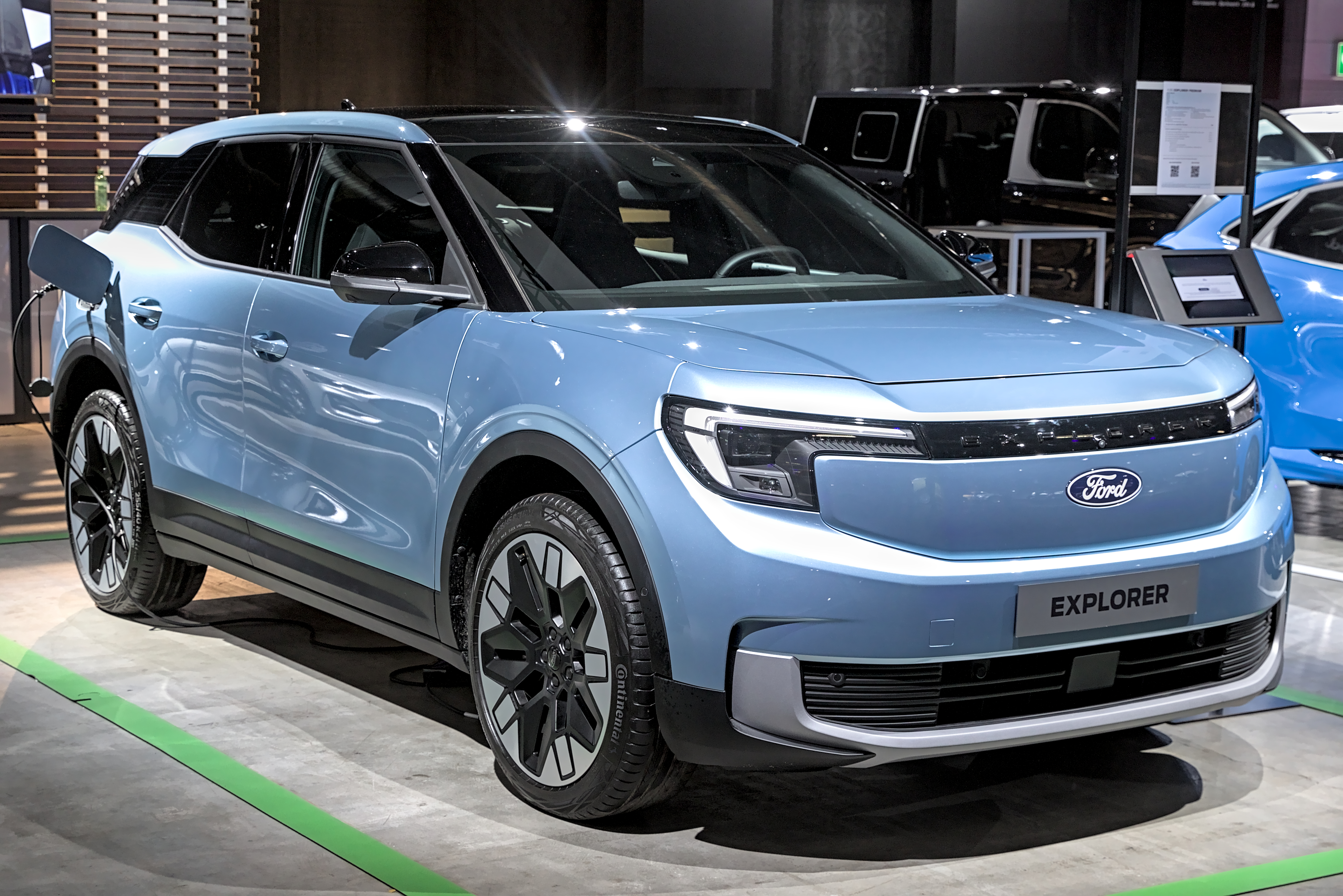
19:34
they're all selling the same, you know, Ford Explorer.
19:37
It's a commodity, it's the same exact thing.
19:39
You can compete on price, which is happening right now
19:42
but like you need to compete on amazing experiences.
19:45
That's why people go to great hotels.
19:46
Like you spend an extravagant amount to go to good hotels
19:49
because the experience they give you is 20X better
19:52
than the standard kind of hotel you might frequent.
19:55
And it's the same thing.
19:56
So you can use AI like not only to answer questions
19:58
but to deliver this amazing experience
20:00
cause the customer is submitting leads
20:02
at seven to nine dealerships.
20:05
They're all answering the same way.
20:07
And if you, you have a dealership
20:08
and you can answer in this amazing way
20:10
where you can reference and be contextual
20:12
and understand deeply what the customer is asking
20:14
and answer instantly and not only on the first lead submission
20:17
but every time the customer is willing to engage with you
20:20
you have the ability to engage back in real time
20:23
sustain in a sustained way
20:25
through that whole kind of purchase cycle.
20:27
So customer experience on the variable side
20:29
is the number one factor.
20:31
So my next question here is
20:34
if I took your phone or your email
20:36
and I took like the last hundred client communications
20:39
or you know, messages you have
20:40
and I ran them through AI, right?
20:43
And I said summarize this,
20:44
give me like a couple of bullet points.
20:45
Like what are people asking you?
20:47
Like what is the demand?
20:48
What is the market demanding that we don't know?
20:52
What are we about to see next year?
20:54
I think so all the trailing 90 days, you know
20:58
what we're starting to see this momentum
20:59
this kind of shift is a lot of groups
21:01
are trying to figure out
21:02
how to send a lot less messages to their consumers.
21:05
Like that's by and large.
21:07
Oh, it's your messages.
21:09
Yeah, yeah, every cost.
21:10
I think every dealership knows
21:13
innately that there's over messaging their customer.
21:15
I don't think any dealership be like, no, I think I'm
21:17
I don't think I'm sending enough messages.
21:20
So they're trying to,
21:20
what's happening is they're sending so many messages.
21:23
Some are good, right?
21:25
But a lot are bad messages,
21:26
not personalized, not contextual,
21:28
not timely, all that type of stuff.
21:30
And so what's happening is all the bad messages
21:32
are drowning out the good messages.
21:33
So now the good messages are becoming ineffective.
21:36
Consolidation of messages and by extension,
21:39
by definition consolidating all the messages
21:41
means you're consolidating vendors, right?
21:42
Like, which is why some people are going to
21:44
are thinking about going to a CDP,
21:46
how I want to collect all this data on the OC
21:48
so that my marketing is more personalized.
21:51
Like that's like a very simple simplified view of the CDP.
21:54
But essentially that's what it is.
21:55
And so the same thing is happening with vendors
21:57
and tech and their tech stack is can we consolidate?
22:00
Like, why do I need 29 different vendors
22:04
to be messaging my customer?
22:05
Can't one do it or can't two do it?
22:07
And so there's this shift in a lot of dealership groups
22:09
looking for a solution that can,
22:11
that can enable them to do just that.
22:14
You bring up an extremely important point.
22:16
So I had this conversation on the podcast
22:18
a couple of months ago and we were talking,
22:21
we were discussing, talking with a consultant
22:22
that's consulting for a couple of OEMs.
22:24
And he, he mystery shopped a dealer, Florida.
22:28
And he received like 10 follow-ups from that dealer.
22:31
Like something crazy.
22:33
And I had a bunch of dealers reach out to me after that
22:35
who watched the segment and one specifically said,
22:38
he said, Yossi, he said, look, I get it.
22:40
But also, you know, the manufacturer is mandating
22:44
that I use, you know, all these different products.
22:46
And so there's this friction.
22:48
And I'm not completely taking the blame
22:49
and accountability away from the dealer, right?
22:51
Because you still own that product,
22:52
you can control the message at a certain extent.
22:54
But there still has to be,
22:56
it needs to be a, you know, symbiotic relationship
22:59
between the manufacturer, the vendor, the dealer.
23:02
Have you run into that type of issue
23:03
where it's just manufacturer mandated tools
23:06
that are, you know, causing too much noise
23:09
and without much signal?
23:11
I fully agree by the way with your idea of fewer messaging
23:14
because you're right.
23:15
The more you say, the less people hear.
23:16
And that's a problem, right?
23:19
Yeah, that probably happens more so on the fixed side.
23:22
There's a lot of OEM programs
23:24
that you have to market, you know, consumers are pretty,
23:26
much less so on the variable side.
23:27
Now on the variable side, you know,
23:28
you have the first quality response
23:30
and things like that, that the OEMs mandate
23:32
that you have to, you know, stuff things in their response.
23:35
That may not actually necessarily be great
23:37
for the consumer experience,
23:39
but we find that much less so being in impact
23:41
on the variable side.
23:43
So we still think on the variable side,
23:45
you can send a lot less message.
23:46
Now we hear some dealerships say,
23:47
oh, I have a six month follow up process
23:49
in place of my CRM.
23:51
I'm like, tell me some, it's a lead for you today.
23:53
You're still following up in six months.
23:54
Are you still in the market?
23:55
That's probably not a great experience.
23:57
If all sorts of stuff happened
23:58
that the dealership doesn't realize,
24:01
the open rates from all the CRMs is like 19%.
24:05
So like the emails don't even get delivered, right?
24:07
So there's huge issues, there's huge implications
24:09
outside of what the dealership realizes.
24:11
But yeah, it's in terms of there's some overlap on fix.
24:14
I don't know if that's ever gonna be solved.
24:16
I think you're gonna have to be able to live with yes.
24:20
Well, it has to be solved though, right?
24:21
Like I see it as, if it's not solved,
24:24
this industry will continue losing market share
24:26
to, you know, the Carvanas and Carmax
24:28
who are working with a unified system.
24:31
Like these points, I just think that it's gonna be challenging
24:34
for point solutions to survive over time in the age of AI.
24:38
And what I mean by point solutions,
24:39
I mean like bolt-ons, right?
24:40
Where you have one product that does one thing.
24:43
I just think that the industry will have to consolidate
24:46
and one system doing, you know, many, many different things
24:49
because no matter how inefficient it is at the dealership,
24:53
if it doesn't impact the consumer,
24:54
you could live with it.
24:55
You're just running a more inefficient operation.
24:57
But the second that you just said,
24:59
the customer is getting all these different messages,
25:01
now you're harming the customer experience.
25:03
Why will I want to do business with you?
25:07
Yeah, I mean the difficult parts on it,
25:08
at least for dealership groups,
25:10
and you mentioned Tesla and I think Carvanas or Carmax
25:13
is like, that's the brand.
25:14
I mean, they sell used cars,
25:15
but that's the brand is like they can do that.
25:17
But like, if you own Nissan and then, you know,
25:20
Mercedes-Benz dealership, a CDJR dealership
25:24
and a VW dealership, like you're,
25:26
it's essentially like owning five totally different brands.
25:30
It's like owning a Burger King, a Wendy's
25:33
and like a Dunkin' Donuts.
25:34
So I think it's gonna be hard in the,
25:36
at least in a near or medium term,
25:37
to have everything be homogenized
25:40
in terms of systems and processes.
25:42
So that's where I'm saying it's gonna be really difficult,
25:45
but it doesn't mean that you can reduce,
25:48
you know, like reduce stuff
25:49
to allow it to be a lot more effective.
25:52
And that's where AI is helping a lot of dealerships,
25:54
is it's helping them send a lot less messages.
25:57
And by the way, the messages end up being a lot more tailored,
25:59
a lot more personalized, a lot more contextual.
26:02
But really like, I mentioned service
26:03
is where the overlap is.
26:04
Like the problem with service too,
26:06
is like all the communications right now
26:08
is marketing driven.
26:08
So it's all one way.
26:10
Like you could have the best CDP in the world.
26:12
Now you could have like,
26:13
you could spend millions of dollars on a CDP
26:16
and I could have you, you know,
26:17
see exactly what you want,
26:19
send you the right message at the right time, et cetera.
26:21
But you can't even respond to that message.
26:23
Right, because it's all marketing driven, right?
26:25
It's an out on the Google display network.
26:27
It's an out on Facebook.
26:29
It's an OTT advertisement, right?
26:31
It's a piece of direct mail.
26:32
It's again, super tailored, super personalized,
26:35
but the onus is on you to have to take action.
26:37
You can't just get a message and reply to it
26:39
and say, yeah, when can you bring my car in?
26:41
So really that's a huge missing element right now
26:43
is like this need for two way.
26:45
Consumers are used to now like chat GPT.
26:48
They're used to like instant gratification,
26:50
instant communication.
26:51
They can get the information like that.
26:53
They got like dealerships have to provide
26:55
that type of experience for service.
26:57
They're also going to keep losing out to Jiffy Loubs
26:59
and Pet Boys and whoever else might be in the market.
27:02
Oh, and by the way, you see like everything
27:03
we just mentioned, these like point solutions
27:05
and over messaging customers
27:07
and all these different programs
27:08
that that dealerships are using and investing in a CDP.
27:11
That's exactly how we help dealerships.
27:13
And that's why we have so many groups
27:15
using the AI platforms.
27:17
It allows them to unify the customer experience
27:20
and unify and coordinate all messaging
27:22
across variable and fix.
27:24
And I think that's been a huge missing component
27:27
is that everything along that customer lifecycle
27:30
from when he enters the market,
27:32
to when he buys a car, to when he services a car
27:34
is way too Balkanized, right?
27:35
There's way too many vendors
27:37
with their hands in the cookie jar.
27:38
The experience is subpar.
27:40
It's extremely costly for the dealership
27:43
and nothing is really tether and unified.
27:45
And so that's how we help dealer
27:47
unify all the messaging and unify all the communication.
27:51
So the experience is great.
27:53
The cost is lower and the outcome is much better.
27:55
This episode is brought to you by Experian Automotive.
27:58
Like most car dealership guy listeners,
27:59
you're constantly looking for the inside edge
28:02
on the auto industry.
28:03
So if you're ready to step up your game
28:04
to the next level outpacing the competition
28:06
and building customer loyalty,
28:08
there's only one place to go from here.
28:09
Enter Experian Automotive.
28:11
Whether you're tracking market share,
28:13
boosting service revenue,
28:14
targeting the right buyers
28:15
or making smarter inventory decisions
28:17
Experian has you covered.
28:19
They're the only ones
28:20
with exclusive data across vehicles,
28:22
consumers and credit,
28:23
plus expert data scientists
28:24
who connect the dots to uncover the insights you need.
28:27
And their insights aren't just for dealer operators.
28:29
OEM, lender, agency, whatever your role,
28:32
Experian's powerful tools help you win.
28:34
Get industry leading insights you need
28:36
from Experian Automotive today.
28:37
Learn more by visiting www.experian.com
28:40
or clicking the link in the show notes below.
28:41
How well do you work cross brands?
28:44
In terms of cross brands,
28:45
I mean it's pretty fluid.
28:47
Now we have the platform as this agentic capability,
28:51
which means for instance, on the variable side,
28:53
the dealership has control around
28:55
how the AI might answer specific lead sources
28:58
or even more importantly, sub sources.
29:00
So for instance, for the first quality response,
29:02
if CDJR wants something
29:05
or needs something inculcated in the first response
29:08
and Nissan has something else,
29:09
the AI is complete or the dealership has complete control
29:13
on how the AI is gonna answer
29:14
that first quality response.
29:15
So they have a lot of flexibility and malleability
29:19
in terms of how they want the AI to respond,
29:21
but it's also gonna meet all the OEM requirements
29:23
which I think is really important
29:24
if you're a group that owns multiple brands.
29:26
Okay, so slightly shifting topic,
29:29
but I always like to think about like second
29:31
and third order effects with these things
29:33
because this is, there's a lot of investment going into it.
29:35
Dealers are adopting it, dealers are asking about it.
29:39
I see in our CDG20 group,
29:41
it's a conversation every single week,
29:43
whether it be this tool, that tool,
29:46
And then I think about,
29:48
so I mentioned second order effects,
29:49
I think about like,
29:50
think about Osempic, right?
29:52
but Osempic didn't come out as a weight loss drug, right?
29:56
It was a diabetes, like type two diabetes drug.
30:00
And today it's like a serious,
30:02
like you know, massively popular weight loss drug.
30:04
I was reading about this over the weekend,
30:06
hence why it's top of mind.
30:07
So then I think about
30:09
what are the second order effects here, right?
30:12
Again, as someone who has their pulse
30:14
on the impact of this technology in our industry,
30:18
are you witnessing yet any second order effects?
30:21
Are you seeing anything there
30:22
that the market should know?
30:23
What should we know?
30:25
Yeah, I mean, I think, yeah, I think we are.
30:27
I think we'll send some a lot more.
30:28
By the way, my light went off, of course,
30:29
but it'll turn back on.
30:30
Okay, we like it when your room's intimate.
30:33
It's nice, you know?
30:36
I think we're gonna start seeing
30:39
kind of those second slash, you know,
30:41
tertiary like third order effects
30:43
probably in the next like year and 18 months.
30:46
But yeah, I think there's a lot of it around,
30:48
especially as a gentakai kind of rolls out,
30:50
I think there's gonna be a lot of applications
30:54
that people can't even think about it now.
30:55
Cause these models, right?
30:56
Think about these large language models,
30:58
they're not improving it like 10% or 20%, right?
31:02
There's no incremental improvement.
31:04
The next model they roll out
31:05
has like a 10, 20 X increase in capabilities
31:08
on what that model is released for.
31:10
And so right now, even with this agentikai,
31:12
I mean, think about the application used
31:14
for the AI being able to mimic your screen
31:17
and do actions on your behalf, right?
31:20
So think about like inputting information in the CRM.
31:24
Sales reps will never be good
31:25
at inputting information in the CRM.
31:27
Our sales rep, we think we have a great sales team
31:30
we're obviously subjective,
31:33
like there's still not that great
31:34
in putting information in sales force, right?
31:37
But imagine AI being able
31:39
to grab all the information and plug it in
31:42
exactly where it needs to be in real time, right?
31:45
Now that's a very, very simple use case,
31:46
but like you look down 12 months,
31:49
the capabilities that AI will enable you
31:52
is probably right now unfathomable.
31:54
And so it's, there's gonna have a lot of huge applications
31:57
in terms of real time usage and bookings,
32:01
cleanliness of the CRM, usage of the DMS,
32:05
usage of service scheduling,
32:07
vehicle acquisition that I think is gonna change
32:11
the way that dealerships do business
32:12
even more so than it has in the last two years.
32:15
Okay, so two follow-up questions here
32:17
on customers and information.
32:19
Do you see AI enhancing CDPs or replacing CDPs
32:25
For anyone who's not familiar, right?
32:26
We have people with all different experiences listening.
32:30
When I say CDP, I'm just referring to a platform
32:33
that houses customer data, your customer data
32:36
that is not your CRM and cleans that data, right?
32:40
Makes it better so you can send more targeted messaging
32:44
So that Sally who has three kids,
32:46
that your system knows that as opposed to
32:49
the system thinking that Sally's name is Jim
32:51
and that she has no kids
32:52
and she may need a convertible for the summer.
32:55
That's like the basics of what I'm saying.
32:57
Does it enhance that or something else?
33:00
I think right now it doesn't kill it, right?
33:02
Cause like, I mean, AI could go in,
33:03
fetch a lot of information very quickly
33:05
from a lot of disparate systems, right?
33:07
Which is essentially what the CDP does.
33:09
I think what the CDP does is you're right,
33:11
is it just collects all the information on you,
33:13
the consumer, so that you can make
33:14
better, faster decisions.
33:16
I think right now what AI will do
33:18
and the way that we think about AI,
33:19
so think about the other CDP platform,
33:21
but AI is really gonna be a communication platform,
33:24
not just communication,
33:24
the way you think of chat GPT,
33:26
it can do all the synthesizing,
33:28
it can understand data,
33:29
so it can grab all that data that's in the CDP
33:31
and make a lot better decisions.
33:33
And then the last mile being the communication,
33:35
it can actually communicate a lot more effectively.
33:38
And then really like the last kind of like link in the chain
33:42
is the execution of the action.
33:44
So meaning you have your CDP,
33:46
which is all the data on a consumer,
33:47
which allows you to be a lot smarter.
33:49
And then you have AI that's grabbing that data,
33:52
figuring out, you know,
33:53
predictively figure out what to do next with that data,
33:56
communicating with you, you'll see the consumer
33:58
and then say if it's service scheduling,
34:00
going in and booking your service
34:03
at the dealership completely frictionless.
34:06
So right now I think it's additive, right?
34:07
So I think about the layer of CDP
34:08
and then you bolt on this massive AI application
34:11
that can use all that data to actually drive an outcome.
34:14
But who knows, maybe over time,
34:16
the next two, three, four, five years,
34:18
you know, this AI engine essentially becomes the brain,
34:21
essentially becomes the CDP.
34:23
Okay, so that brings me to my next question now,
34:25
which is today, right, September 2025,
34:30
what dealers are CDPs for every dealer?
34:34
This is another conversation I had,
34:35
like some dealers, you know, text, I'm like,
34:36
hey, what do you think?
34:37
Like, hey, I don't have a CDP.
34:38
Another one is like, I love it.
34:39
I use my CDP, it's like my, you know, top of mind.
34:42
It's the best thing since sliced bread.
34:44
Is a CDP for every dealer in September 2025?
34:48
Or if not, who is it for?
34:50
What's your take on that?
34:50
No, yeah, I mean, look,
34:51
you need to be of enough size for it to make sense.
34:54
It's not a light investment.
34:56
And when they implement a CDP,
34:58
it takes like a year to do it right.
34:59
Maybe you could do a little bit faster,
35:01
but generally it's gonna take a year
35:03
and it's super costly.
35:05
So if you're a single point store,
35:06
even if you have two, three, four, five stores,
35:08
like is it worth it to invest in this CDP?
35:10
Like, you know, if you got to spend,
35:12
let's say a million bucks, like that's just cash,
35:15
like how many cars do you have to sell
35:17
to recoup that million dollars?
35:18
That's a lot of cars sold, right?
35:20
On the triple net basis.
35:22
And so I don't, yeah,
35:23
I think you need to be of enough size.
35:25
I mean, if you said, you know, art,
35:26
like what's the, what's the dealership group size that,
35:29
what's the acceptable threshold?
35:31
It's also based on the total of customer database
35:35
But you know, I would say if you're a 15 plus store group,
35:38
that's probably worth looking into.
35:41
But you could still do a lot,
35:43
you could still do a lot better with all the data
35:45
that already exists in your CRM and in your DMS
35:48
without investing heavily into a CDP, right?
35:53
You can extract a lot more efficiencies,
35:56
a lot better outcomes with all the data
35:58
in those two systems to make, to move the needle.
36:02
And just to clarify,
36:03
when you say a million bucks, 15 plus store,
36:05
you're referring to a custom CDP
36:07
or an off the shelf CDP, you're referring to custom only.
36:11
I mean, there's still expensive
36:12
if it's off the shelf, right?
36:14
I mean, you look at like the monthly recurring fees,
36:17
the set up fees, then you factor in the amount
36:19
of mind share and human capital
36:22
that you need to throw at it to make it work.
36:23
And that's if then you make it.
36:25
So you're looking at it kind of fully loaded,
36:29
I mean, it's generally expensive.
36:30
Now it works if you have a ton of records, right?
36:34
Cause that means like the more records you have,
36:36
you know, the last call for record it ends up being,
36:38
that's the unit economics workout.
36:41
But look, like if you think about even with a CRM
36:44
and a DMS, say you just had a CRM,
36:47
the dealership doesn't use all the data
36:49
that's at their fingertips in the CRM, right?
36:52
So the same issues exist if you have a CDP
36:55
and you don't use it correctly
36:56
or you don't have the staff or the infrastructure,
36:59
which is you have more data that's more organized,
37:02
but like you're still not using it
37:04
to the degree that you should.
37:06
So there's a lot of groups that are setting aside a CDP
37:13
and using AI in lieu of a CDP, right?
37:15
Cause it's faster, it's cleaner
37:18
and you don't need to make that capital investment.
37:20
So that's a very good insight.
37:23
And I'm sure some of the people I spoke with
37:25
will listen to this
37:26
and they will, you know, that'll be helpful for them.
37:28
So before we wrap up, voice AI
37:31
feels like it's the next frontier in the AI game.
37:35
And don't get me wrong, it's already very, you know,
37:38
well deployed in many dealerships,
37:41
but nonetheless, it's grown quickly
37:43
from my anecdotal feel.
37:46
How do you feel about voice AI?
37:48
I think that's gonna be a super important part
37:51
of how dealerships think about deploying AI
37:54
and like a use case for an AI application.
37:57
I think right now, for at least for the first nine months
37:59
like we don't feel right now
38:01
like these large language models, right?
38:03
Cause everybody uses the same thing, right?
38:04
So think about open AI, think about Anthropic,
38:08
think about Bard, et cetera.
38:10
Like all those large language models
38:11
are powering almost everything.
38:13
The problem with voice right now
38:15
is we feel it's some dealerships might get burned right now
38:17
is the way that they're thinking about voice.
38:19
Like true voice, right?
38:19
You call like when people say voice AI,
38:21
they're thinking, I'm calling
38:22
and then I'm gonna talk to an AI
38:24
and they're gonna like help me out, right?
38:26
And it's gonna be a great experience.
38:28
And I always tell dealerships is like,
38:29
yes, I think that's gonna come.
38:30
I don't think it's ready now
38:31
cause that's really difficult.
38:32
There's two things.
38:33
One is, for instance, if you're talking to an AI you'll
38:36
see it's really hard for the AI to understand
38:39
when you're done speaking, right?
38:41
That small like imperceptible second that happens
38:45
where the AI is processing,
38:46
because when they ingest voice,
38:49
they're taking in voice,
38:50
they're transcribing it in the text,
38:51
they then retranscribe it in the voice
38:53
and then push it back out.
38:54
There's latency to that.
38:55
But that is, like even if it's 0.3 seconds,
38:58
the consumer picks it up that it's a bot, right?
39:00
And then they're circumvented, it's not a great experience.
39:03
Or oftentimes the AI because of the integration,
39:06
the ecosystem that don't exist,
39:08
can't answer your question.
39:09
So I call you for service and I go,
39:11
hey, is my car ready for service?
39:13
Or is my car ready?
39:14
I dropped it off two days ago.
39:15
It's still gotta hand you off to a person, right?
39:17
So it's like, again, another layer
39:19
that doesn't get me to the outcome I want,
39:21
I still have to speak to the person,
39:22
I still have to be on hold.
39:23
But then in addition, I have to talk to an AI agent.
39:27
So the way that we're thinking about it right now,
39:29
a much better way is using that transcription.
39:31
So like for instance, let a phone call come in,
39:35
let AI transcribe it, ideally move it to text, right?
39:38
And I'm speaking fixed right now,
39:39
but ideally the phone call comes in,
39:41
try to push that conversation to text.
39:44
So you call in, bring your car in.
39:45
It says, hey, Josie, do you want to just text you
39:47
and just carry this conversation over text?
39:49
That's how Delta does it.
39:50
You call Delta and they say, you know,
39:52
press one or say yes and we'll text you.
39:54
And they're moving like 38% of calls into text.
39:57
And with text you have a lot more control.
40:00
Yeah, and it solves this whole problem
40:01
because with text you can control it.
40:02
You can book them, you don't have this thing
40:05
that exists right now with latency.
40:06
And then you also have this secondary problem
40:08
of like ambient noise.
40:10
So you're calling, you're in a mall,
40:11
you're at the airport, like there's noise around,
40:13
it picks up the noise and it says,
40:14
I'm sorry, I couldn't pick up what you were saying.
40:16
Like that's super frustrating.
40:17
Like I don't care how good the AI is,
40:19
that's gonna be an issue that you're running to.
40:21
So you move them the text and then you can book them
40:23
via text, you can communicate via text for instance,
40:25
but two things happen.
40:26
One, they don't have to call you back
40:28
because they've created a habit
40:29
that they can get business done via text.
40:32
And two, your staff doesn't have to call the consumer back
40:35
because you have a texting dialogue going.
40:36
Like for instance, would you rather call a restaurant
40:40
to book a reservation or text them
40:41
if they had a texting service to book it?
40:43
You would never call them in your life.
40:45
So anyway, that's a great insight.
40:48
All right, so as we're wrapping up here,
40:52
for the dealers listening,
40:53
whether it be the 30 store group, the two store dealer,
40:57
they're thinking about AI,
40:58
they're thinking about their group,
40:59
they want to grow sales,
41:00
they want to be more efficient,
41:01
they're thinking about the next year,
41:03
just like some of this up for us,
41:04
give us your couple pieces of advice,
41:06
what should they be doing?
41:08
What is the right thing in your opinion
41:11
that they should be looking into deploying,
41:13
thinking about in again, September 2025?
41:18
Yeah, I think there's three easy things
41:19
is they always look at the consumer experience.
41:21
So for instance, go to your website,
41:24
does your chat provider give you
41:25
a great customer experience, right?
41:27
Like go in and ask some of the most simple questions
41:30
in the chat that you have,
41:31
which is generally the first experience
41:32
the customer has at the dealership, this chat, right?
41:34
Unless they call you or walk in
41:36
and see if you're delivering great customer experience.
41:38
On the variable side, like think about,
41:40
do you have a BDC at internet team?
41:42
Like, do they have the close rates that you want?
41:46
Has it changed in the last two to three years
41:48
that all the changes you've implemented,
41:49
probably negligibly?
41:51
So it's like, I would think as a dealer,
41:53
are there AI applications that can help me
41:55
solve some of the stuff on the variable
41:57
that hasn't changed, right?
41:58
Response time, followup, customer experience,
42:00
appointment booking, you know,
42:01
have the leads come at night,
42:02
so are consumers being neglected for 12, 13 hours?
42:08
And then really I think the most,
42:10
like again, I said at the beginning of this podcast,
42:12
but I think the biggest opportunity is service.
42:15
And I think if dealerships are looking,
42:16
am I, most do not want to spend any more money
42:19
than they're currently spending.
42:20
I think they're trying to tighten their belts.
42:22
So it's, can you do more with less, right?
42:25
And where is the money?
42:26
The money's not in the CRM, the money's in the DMS.
42:30
And if you look at it, it's like,
42:31
how are you going to get more people to service from you?
42:33
Do the exact same thing you've been doing the last two years.
42:35
Why didn't you say that?
42:36
The money's not in the CRM, it's in the DMS.
42:38
Why did you say that?
42:39
Yeah, I mean, if you, again,
42:40
like if you look at somebody at sales that gets,
42:42
if you look at somebody that gets 350 leads a month, okay,
42:47
they probably have 20,000 records in the DMS, right?
42:51
So that is 20,000 people
42:53
on which the average RO is 460 bucks,
42:56
in which by the way, 55% of a dealership's DMS
43:00
are people who haven't been in in 12 months plus.
43:03
And if you think about service,
43:05
I'm going to simplify some groups and I say,
43:07
that's not the truth.
43:07
Like if you think about service,
43:08
the reason they went elsewhere is not because of price.
43:12
You go to the average consumer
43:13
and you're asking what the price of an oil changes
43:15
that Jiffy Lu versus the dealership,
43:17
they would not be able to tell you.
43:18
The reason they go somewhere else is out of convenience.
43:21
There's 190,000 independent repair shops in the US.
43:26
There's like 36,000 franchise dealerships.
43:29
So like they're already at disadvantage.
43:31
So you've got to provide a better experience
43:33
and AI can do just that for fix.
43:35
It can simplify the outreach, the communication
43:37
and more importantly,
43:38
it can simplify the service scheduling
43:40
so that you could be a lot more convenient
43:44
Art, Dessen and Pal.
43:46
All right, this was incredible.
43:48
And by the way, the last thing you just said,
43:50
I was looking to the side
43:50
because I was writing it down.
43:53
That's a very good quote.
43:54
I might have to use that one.
43:55
Money's not a CRM, it's a DMS.
43:57
And it makes total sense when you think about it.
43:59
So you're so focused on the new,
44:02
but what about the old, which is just as new?
44:05
We just, you know, it's just not as shiny
44:07
but it's there and it's valid.
44:09
If it sucks here to sell a new thing
44:10
then it is to retain something.
44:12
So it's, you know, it's human behavior,
44:14
but you know, AI doesn't have human tendencies.
44:18
Art, Dessen and Pal, Art, thanks so much for joining.
44:21
Thank you, thank you so much for having me.
44:26
All right, hope you enjoyed that episode.
44:28
Please give the podcast a rating,
44:29
consider subscribing to the show
44:31
and check the show notes for links
44:32
to what we talked about.
44:33
Thanks for tuning in.
44:34
I'll see you guys next time.