New Renault Twingo, Mike Brewer closes Sheffield dealership, and Robert Forrester hits out at ZEV mandate (again) – with Craig Ford, episode 230
Car Dealer Podcast
New Renault Twingo, Mike Brewer closes Sheffield dealership, and Robert Forrester hits out at ZEV mandate (again) – with Craig Ford, episode 230Car Dealer Podcast · Nov 7, 2025
The Geely EX5 is a small electric SUV made by a Chinese car company called Geely. It's part of a new wave of electric cars that are becoming popular.
Car
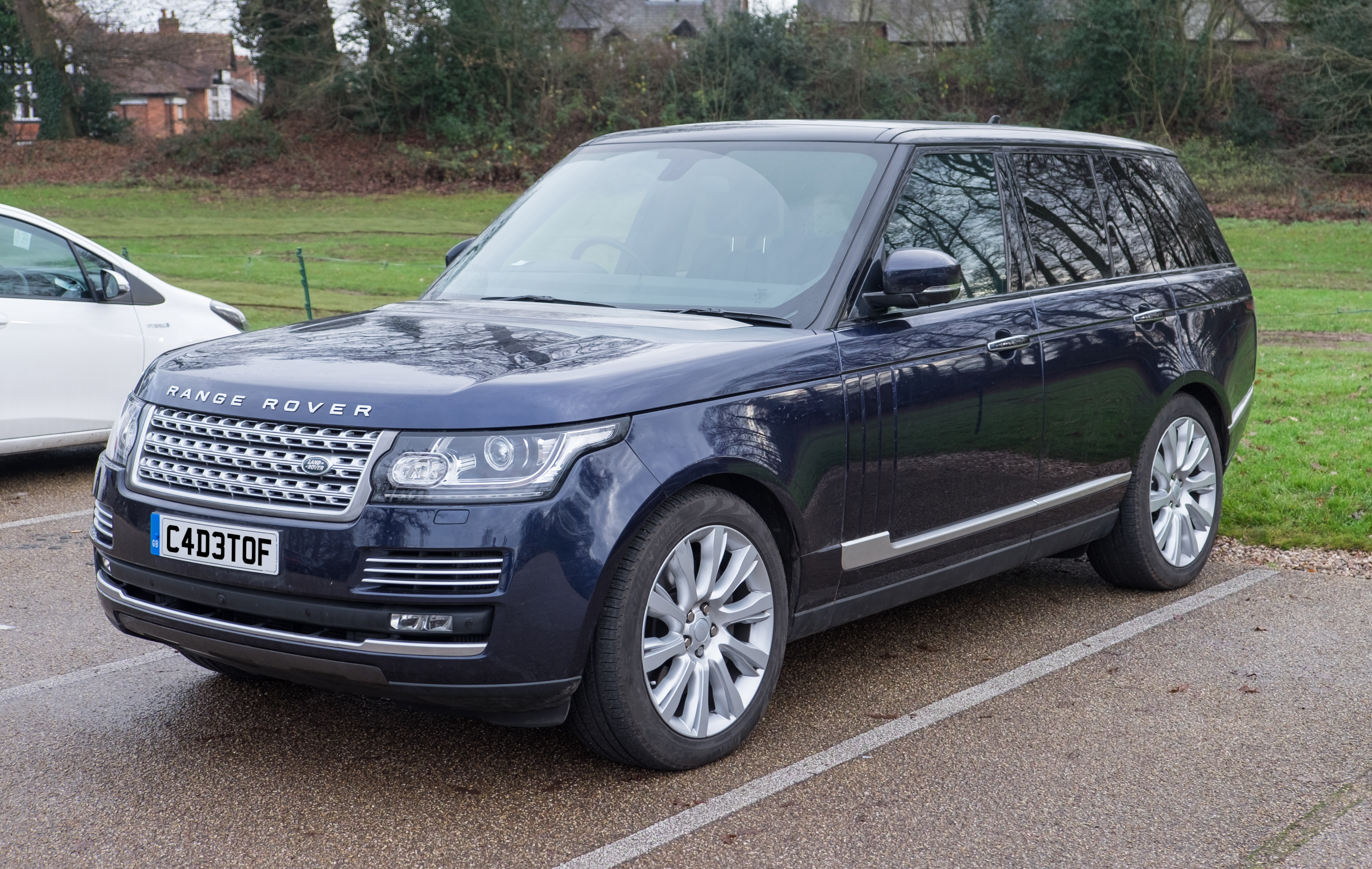
Land Range Rovers
The Range Rover is a fancy, big car that can drive on tough roads and looks really nice inside. People like it because it’s both strong and stylish, perfect for those who want to travel in comfort.
EVs stands for electric vehicles. These are cars that run on electricity instead of gas, making them better for the environment and often cheaper to maintain.
The motability scheme is a program in the UK that helps people with disabilities get a car by using their government benefits. It allows them to lease a vehicle that suits their needs.
Battery health is about how well an electric car's battery works. It shows how much power the battery can store and how long it can last while driving.
Battery protection is a guarantee that helps make sure an electric car's battery is working well. If it isn't, the car can be returned or replaced without problems.
An EV, or electric vehicle, is a car that runs on electricity instead of gasoline. It uses batteries to power an electric motor, making it more environmentally friendly than regular cars.
Charging infrastructure is the system of places where electric cars can be charged. Just like gas stations for regular cars, these are spots where you can plug in and recharge your electric vehicle.
Technicians are the people who fix and maintain cars. For electric cars, they need special training because these vehicles work differently than regular ones.
Electric car prices are how much you have to pay to buy an electric vehicle. These prices can change based on how popular electric cars are and other market factors.
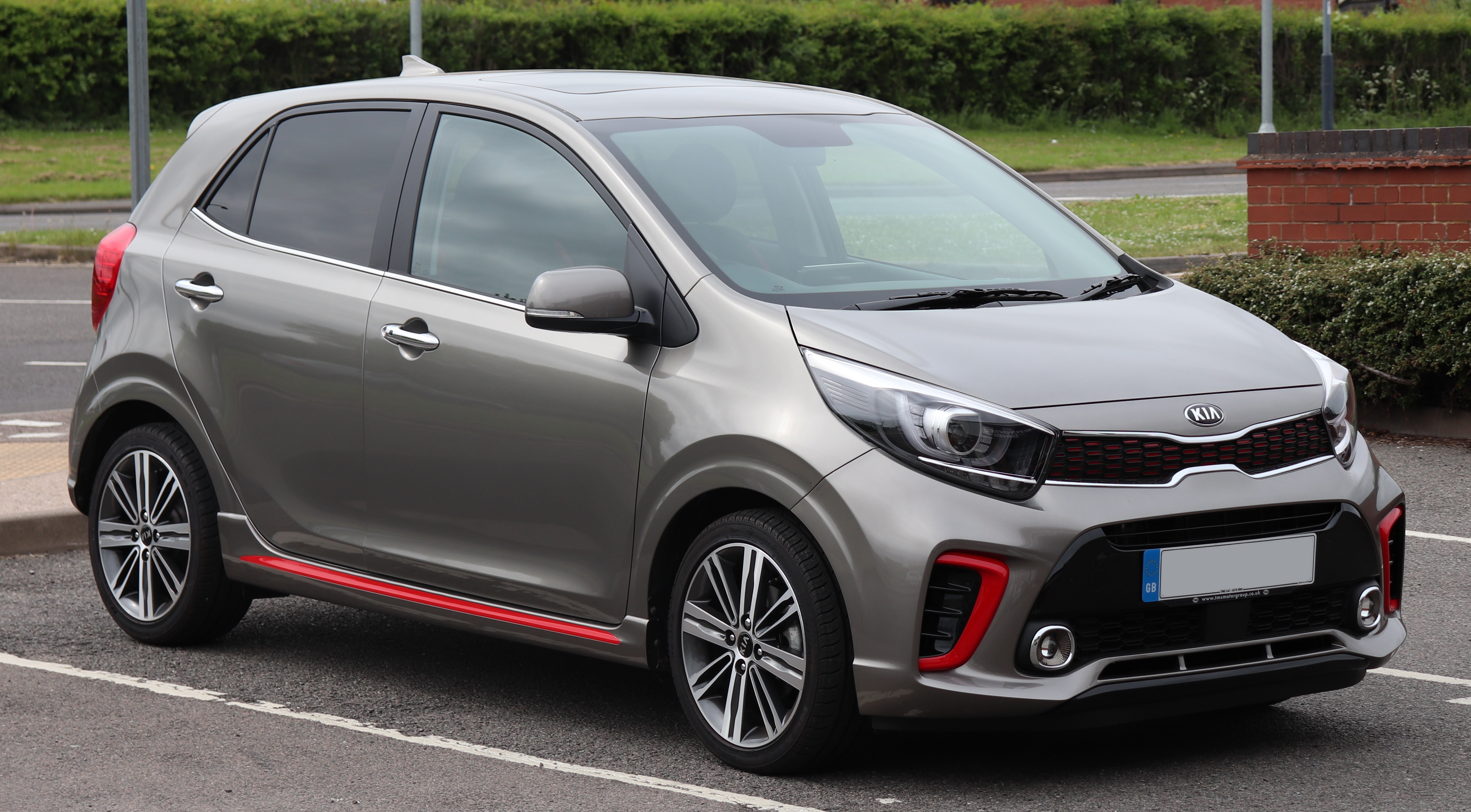
The Kia Picanto is a small and budget-friendly car that’s great for driving around town. It’s easy to park and uses less gas, which makes it a smart choice for city living.
The Renault Twingo is a small car that's easy to drive around the city. The new version is electric, which means it runs on battery power instead of gasoline, making it more environmentally friendly.
The ID. Buzz is a new electric van that looks like the old Volkswagen buses but runs on electricity instead of gas. It’s designed to be eco-friendly and is part of a new wave of cars that help reduce pollution.
The Dacia Spring is a low-cost electric car that is designed to be affordable for everyday drivers, making it a popular choice for people looking for a new EV.
The Polestar 2 is an electric car that looks stylish and is fun to drive. It's made by a company that focuses on making high-quality electric vehicles.
LIVE
The Cardiola podcast is sponsored by AutoTrader.
John, do you know why I like nearly 14,000 other dealers work with AutoTrader?
No, but I have a feeling you're going to tell me.
Well, with around 84 million consumer visits each month, it connects us with more engaged
car buyers than anyone else in the UK.
And there's the ability to reserve cars when the dealership is closed.
Ah, so you can stick to your strict 8pm bedtime.
Exactly.
And the AutoTrader team are always on hand to offer their insights, ensure we get the
very best from our package and ultimately sell more cars.
Well, that's good because you are going to need all the help you can get.
Oi, less of that.
Dealers, if you want to find out more, log on to trade.autotrader.co.uk
Welcome back to the Cardiola podcast, where we pick our favourite stories of the week
and ask an industry guest to choose which were the best.
I'm John Ray and joining me this week is not James Bagger because he's once again gone
to live in a forest for a week and pay £1,500 for the privilege.
It's James Batchelor.
Batch.
Nice to see you.
Hello.
Hello.
It's lovely to be back, but as we all know, the only reason why I'm here is because James
Bagger is currently going down the rapids at Centre Parks.
It's very touching that you've organised for me to come on, but I'm sorry to our guest,
but I'm not sort of an A-lister here, am I?
No, you're more like a sort of nice cameo that pops in every now and again, I would
say.
So you're very much the Janice in Friends, you know, it's always nice when you come
back in, but we don't want too much of you, you know.
Thanks very much.
I should take that as a compliment.
Anyway, what have you been up to this week, this month, this year?
Well, it's been a bit of a busy time.
There's been quite a lot of news, as we shall come on to, there's been quite a lot of news
going on in the car industry this week.
I suppose the biggest thing that I've been doing lately is I've been talking to lots
of manufacturer MDs, I've been on lots of manufacturer events, and probably the most
interesting one was the SEAT event, which I went on a few weeks ago.
Now, I know, I think you probably spoke about this on the podcast last week, so I won't
talk too much about it, but it was quite interesting to go to a car brand launch, which, you know,
SEAT has been around for a very, very long time, and yet I was sitting there in the audience
and the boss was standing up saying, we're effectively relaunching this car brand, which
is quite an old sort of position to sort of be sitting in, really, and of course it was
done on the aisle of a beef, you can see what they did there, can't you?
And it was just, I found it very perplexing, really, because this is a brand that is very
very much unloved these days, and the Volkswagen group have got this idea that they're going
to relaunch it, it's going to appeal to lots of young people, and I was just sort of sitting
there thinking, yes, but the Chinese are here, and nobody's really interested in SEAT
anymore, are they?
So, yeah, so the last few weeks to recap have been very, very interesting, but it's interesting
thing was going to this SEAT brand relaunch event.
I'm surprised you said that, Batch, because I was talking to a journalist, or a couple
of journalists, the other evening, who were quite angry about that particular event, because
they said they'd been flown out to Ibiza to basically be shown a 10-year-old car with
a new ashtray and expected to be in wild quiet.
Yes, I wasn't particularly happy to be there, to be perfectly honest with you, but it was
still quite interesting to hear what the brand has plans for.
I think the most interesting thing is that there's not going to be a full EV for at least
another five years, which you're thinking how on earth is that possible, but there must
be some kind of way of getting around the Zev mandate, probably, I don't know, but it was
quite, it was still relatively interesting, I did feel as though it was a bit of a waste
of two days, it could have been done on a Zoom call, really, but you know, it was a
trip to Ibiza in October when it was 25 degrees, I mean, it wasn't too bad.
What do you want to know where I've been, Batch?
Sorry, I'm not being very polite, am I? Where have you been, John?
I've been to Bista. I've been, but I'll go here, very much, I'll go. Now, I've been,
what have I been driving, the Geely EX5, which is, yeah, yet another Chinese electric
C-segment SUV thing, which they're very excited about. It's just, like I said a few weeks ago,
they're all starting to blur into one a little bit, and I mean, we have got,
another brand has been launched this week, hasn't it, which I'm sure we'll come on to,
but yeah, I don't know, but I will say to its credit, it was the most European Chinese car
that I've got in as yet. Like it didn't feel, there were things that are not quite there,
but you can see it kind of getting there, you know, like some cars you get in and it's just
a bit obviously annoying and not really thought through, particularly infotainment,
things like that, you know, all the screens and stuff. They're all a bit cookie cutter,
aren't they? They're all a bit like, I've just put an Android tablet on the dash and called it
and this is a little bit better than that, which is good.
Interesting, because I was looking at some pictures of it, because I haven't seen it yet,
and I was looking at some pictures of it, and I thought the interior was just yet another Chinese
car interior, and the styling is unbelievably anonymous. I just don't know why we can't have
interesting looking Chinese cars. It's just, you know, we sort of go from the extreme of having
the aura funky cat, which look absolutely ridiculous to the sheer anonymity of every
other Chinese car, which I, but all everybody else in the industry, lots of my colleagues have
all said very similar things to you, John, and they are heaping praise on this new Geely, but
I haven't seen it yet, but from what I've seen, I'm yet to be convinced I have to admit.
I'm not sure I'm heaping praise on it, but I would say I'm tepid. Absolutely fine.
I think I described it absolutely fine. Anyway, I think you're going to introduce our guest now,
who will have more interesting things than us to say, no pressure. So our guest this week is
Craig Ford, Head of Sales, Marketing and Digital Solutions at Motability. Craig, thanks for joining
us. Hi guys. Yeah, nice to be here. Sounds like you've had really interesting weeks.
Well, it's very kind of you to say that Craig, which is witchering on really, won't we?
Well, yes, you would have taken a couple of days in Ibiza. Yeah, it's not been great in Bristol,
but yeah, it sounds like fun. Yeah, in Ibiza, in Ibiza. I mean Ibiza is not really a James
Bachelor haunt, I would say, if you were picking holiday destination. But anyway, so Craig, I'm
going to move a swiftly on from talking about say outs that haven't been updated much in the last 10
years, and talk a bit about motability. So I mean, I guess everyone's heard of motability,
obviously, by this point, you know, the schemes were running a very long time,
and it's very popular. But just tell us, tell us a little bit how it all actually works.
So yeah, in terms of MFL Direct, which is effectively the part of the business that I work
in, and we're a part of the business part of motability operations that sells all the vehicles
that come back at the end of the lease. So MFL Direct is a trade is a platform where we sell
cars directly to car dealers. And we're set up to make use car buying really simple for dealers.
And we partner with around 4000 dealers at the minute who buy cars from us. So when a vehicle
gets returned at the end of its lease on the motability scheme, what we then look to do is
sell that car. And so what we sell, we sell probably 200 or 1000 cars this year. The vast
land makes some models. They're all going to have a service history. They're all going to be,
you know, relatively low mileage and generally in very good conditions. So that's what we do at
MFL Direct is we take those cars from the scheme and then we sell those into car dealers and try
and make that process as smooth as possible. Yes, because that is the sort of unique thing about
buying ex-motability cars is they are generally speaking in much better condition than your
average bit of used stock, I guess, because part of it is the maintenance package, you know, all
built in, isn't it? I suppose. Is that sort of, you know, that part of the why these cars are
in such good nick when they actually come up for sale? Yeah, you're absolutely right. And the fact
that, you know, the mileage is typically around 20 to 25,000 miles. So that's the kind of average
mileage that a car will come back at the end of its three years. So typically, you know, really
good condition. And you've got that full service history because it's all maintained through the
dealer network. And to say that, you know, the volume of cars and the variety is significant.
It's very different to other lease codes where, you know, they will have lots of similar product
and we will have, it's very much like retail where each car is, it's an individual car that
one of our customers is selected. And then, you know, broadly looked after really well for the
three years. I mean, I was just going to ask what sort of cars are on the scheme, generally speaking,
but it is essentially quite broad, isn't it? I know there's an upper limit, you know, you're not
getting your Range Rovers and Bentley's and so on, obviously. But, you know, it's everything from
Citroen to Ford to BMW to whatever, isn't it really? It's quite a broad spectrum of stuff.
Yeah, absolutely. And say, you know, it's the Heartland product that you'll see, you know,
you log on to MFL Direct and, you know, there are probably 3,000 odd cars on there today,
you know, thousands of derivatives really. And then they range from, you know, a couple of weeks
old up to kind of five years with the vast majority of our cars being three years old.
So you're an online platform, like a lot of other auction platforms at this point.
You know, how do you keep in touch with dealers and kind of, I don't know, some dealers, well,
all dealers are very afraid of buying things online now, of course, but there are some that
still like a bit of personal touch, you know, come and look at the cars in person. How do you kind
of, is it just that the cars are in such good condition anyway that dealers don't tend to worry
about coming to see them physically, you know, they've got trust in you to kind of deliver
what it looks like on the website? Yeah, you're right. I mean, I guess, first of all,
we've been selling cars online since 2000. So I think we were one of the first places you could
buy cars online. And we put a lot of emphasis on relationships with our dealers. Buying and sourcing
used cars is difficult, right? It's challenging, you know, particularly the minute we know there's
an under supply in that kind of three to five year space. And it's stressful, you know, you only
have to read the the Ben report to see that, you know, in the top five most stressful things,
finding stock is one of those things that really, you know, is hard for dealers. So we put a lot
of emphasis on the people, we've got a, you know, a large team of account managers and
relationship managers who work with dealers to make sure that they get the best out of our
platform. So it's not just about, you know, going on and buying a car. And that's it. There's a whole
wrapper that we put around it. If you've got an issue with the car, we've got a process where
you can, you know, talk to us. And we've got a team of people there to help if you've got any
problems. So yeah, it's all about relationships and trust. And we put a lot of emphasis on that and
building relationships with our dealer customers and ensuring that we can kind of help them because
we know it's challenging out there being a motor trader. Like you spend a lot of time talking to
dealers and then, you know, owners of those businesses. And it's tough. And we want to be a
partner for those dealers to help them, you know, stock cars and make that as smooth as possible.
Craig, you said, which I think will be of, you know, a lot of interest to a lot of
listeners to this, that you've been selling cars online since 2000, which I mean, is quite,
when you actually stop and think about it, that's quite an extraordinary fact, isn't it? And,
you know, dealers are using online platforms every single day of the week. I mean,
I know you've sort of touched upon this already, but what is it that makes you different? You've
been doing this for 25 years on online. So what kind of advantage does that give you?
I think trust, right? So you're buying cars directly from us, you're not buying it through a
third party, you're buying directly from, you know, Motability Operations, MFL Direct.
So I think that gives dealers comfort that they're buying direct from source. And as I say, we're
there to help dealers and ensure that dealers get the most out of us. Our platform is absolutely
rapid. You know, we put cars on at nine and two and, you know, we could sell hundreds of cars in
a couple of minutes. And so the tools that we give dealers to ensure they get the right cars,
the platforms all designed around allowing dealers to be alerted to vehicles that they might be
interested in. And we've got a really great recommendations engine, kind of 20% of cars that
we sell come through that. So you're recommended to dealers, they go on and, you know, view those
cars and then buy those cars. And we've got a product team and a technology team who are
talking to our dealers all the time and looking to build features and elements within the site to
help make buying way more straightforward. So, yeah, that fact that you're buying direct from
source and the fact that we are focused around building products to make the process easier.
And we're really straightforward. I think sets us apart from the competition. The other things is,
you know, this don't want this to be a sales pitch, but, you know, we don't charge fees.
And that's like a, I think, a really big deal.
Yeah, that's quite unusual. I mean, I was going to say as well with all the technology that you
have and the numbers that you're working with in terms of cars, you must have quite a good insight
into what dealers are buying, generally speaking, any trends. I mean, what are you,
what sort of things are popular at the moment? What are, what are dealers desperate for?
So this year has been really interesting, right? And I'd say we know there's that under supply in
the three to five year space. And what we've seen over the last 12 months is dealers really diversify
what they're willing to buy and stock, whether that's age or whether it's different brands or,
you know, I was speaking to, you know, really large franchise dealer that was owned by an OEM.
And I was quite surprised to hear that they're stocking 35% out of franchise, whereas historically,
that was 10, 15%. So we've seen dealers really diversify what they are looking to buy. And at
the moment, the things that are flying up the shelves the quickest is those sub 20K EVs. We're
persistently seeing EVs in roughly the three-year range that we sell for under 20K. They are selling
far quicker than their arse equivalents significantly quicker. I think the other thing
that's really encouraging is that we're seeing the number of independents buying EVs or trying EVs
for the first time increase quite significantly. So at the beginning of the year, that was around
20%. And that's now up to about 40% of our independents now are buying EVs. So yeah,
that's the hot stuff right now is the, the sub 20K three-year EVs. Yeah, I think we've had,
I think there was some data that came in last week actually from CapHPI who said that
used electric cars sold the fastest in October beating everything else. And I do feel as though,
I know it's probably slightly too early to say this Craig, but I do feel as though the tide
is changing a little bit with more dealers willing to actually put, you know, dip their toes in the
world of used EVs. Whereas 12 months ago, you know, quite often we'd be doing a car dealer live,
we'd be talking to various people and they'd be saying, I'm not ready to stock EVs yet. I look,
I'm looking at the prices. I'm looking at how the RVs on them. I'm not entirely sure whether
it's the right move for me. Whereas now I think 12 months on, I think that the pool of people
sort of willing to actually buy some stock of used EVs is growing, isn't it?
Yeah, I agree. And I think we know that franchise dealers are well into it, right? So they get a
lot of support from the OEMs for training and insight and typically got the technicians and
the technology to be able to manage the car in life. But we are seeing independent dealers
definitely starting to move into that space in bigger numbers. So we do a, we do lots of different
types of research, but we have a kind of a big CSI that we do each year. And we have a section
in there around EVs. And there's kind of three categories as people who are like into EV and
buying and selling them, those who are showing interest, and then those that are currently
not on the journey. And that they're kind of showing interest section within our research has
grown by 15 to 20%, which is really significant. And when you speak to our teams on the phone,
they get a lot more questions and queries now about what's selling. And I guess importantly,
what margin you can make. And I think from a dealer perspective, when you look at the data,
you can make really good margin on EVs. And I think people now certainly we've seen the values as
well stabilised nicely over the last six to nine months, those EV values that have been really
nice and stable. People are now willing to get involved. And as soon as you start to sell them,
and you see that you're making a good margin on them, then you build confidence, don't you?
Like with anything, you do something once and it works out and you're willing to give it another
go. So yeah, it's really encouraging, really is. I'm sure some of that as well. Well, certainly
in the last few years, it came from used EVs looking like a bit of a bargain, really, one way
or another. Do you think that's still the case? Do you think the, you know, a three year old or a
two year old, I don't know, Vauxhall course or electric or something, do you think that looks
like an appetising thing to buy if you're a retail customer or even a dealer at this point?
I think so. And I think, you know, we're seeing, you know, a lot of price parity in some EVs actually
being cheaper than they are equivalent. So like, you know, straight off the bat, that's looking
quite appealing. And then I think if you can, if you can explain to the customer what the added
benefits are and, you know, their personal circumstances would meet, you know, using an EV,
then like the numbers just add up, don't they? It's significantly cheaper if you can charge overnight
at a low tariff. And yeah, I think when you put the whole bit together, and as long as you can
explain that to your customers kind of quickly and simply, it does, they do look like really good
value. They do look really good value. What I find interesting as well is, of course, you know,
if we talk about, I'm hesitant to call you like a regular fleet operator in a way, but like,
you know, the cars that you've got on your scheme, people have gone out and chosen them
themselves, you know, you're not forcing an electric car upon anyone, it's not a company car
tax benefit, anything like that. You know, your customers are walking to show them, they're going,
how are your customers taking to EVs? You know, I'm talking about retail customers.
How are motability scheme users getting on with them presumably quite well if you've got them
in the numbers that you have? Yeah, absolutely. We've seen, you know, adoption of EVs across the
scheme is really positive. And as you say, we don't, we're not forcing that on anyone. It's
all about choice. The scheme is about choice and giving our customers the choice to choose the car
that they want that best suits them. And I think, yeah, we're absolutely receiving customers that
are where an EV suits their lifestyle and really getting on with them. I mean, they're fun, aren't
they? They're exciting to drive. They're really exciting to drive. The technology that's available
in the car certainly makes the driving experience safer and, you know, in a lot of ways, a lot more
accessible, right? Plus the fact that as you say, if you can charge overnight, they're significantly
cheaper to run than the ICE equivalent. And I'd say just being, you know, great to drive.
So, yeah, adoption across the scheme is really positive with like 100,000 EVs on the fleet and
continuing to grow. But importantly, we continue to focus on giving our customers the best choice
and the best value that we can. That is, you know, the purpose of the scheme is to support
disabled people's mobility and giving them the, you know, the best possible service.
So, yeah, EVs, it's really exciting. And I don't know about you, you both, but it's a great time
to be in the industry. And I think really exciting as we transition into the other, these new
drive chains, really exciting products. Yeah, absolutely. I mean, speaking of, you know,
new products and being an exciting or certainly a strange time to be in the industry is what I
would call it in a way. You know, there's a lot of new brands appearing. You know, those,
you have to forgive me because I haven't been through the Motability Scheme's exact
this whole manufacturer is. But are you kind of getting into the, you know, the BYDs and the
charities and et cetera, et cetera, as well? Yeah, absolutely. And the engagement with the
Chinese brands has been, you know, really, really positive. And say you've been talking about some
of the Chinese product at the front of the front of the program today. And, you know, a lot of those
cars are really nice cars, great space, you know, really good family vehicles. And yeah,
we're seeing where, you know, those Chinese manufacturers are engaging with the scheme.
Customer demand for those cars has been really positive because of the quality of the product,
the size of the product and the accessibility of the product. I think, you know, really
take a lot of boxes for our customers. And just circling back to what you need a little,
oh, sorry, that's gone. Well, no, I was just going to say it sort of dovetails slightly with
what you were saying there, Craig. I mean, you've clearly got a lot of customers who are
willing to embrace electric here. You said the numbers there. I mean, from what you've seen,
I mean, what do you think is sort of really driving or holding back even the pace of EV adoption?
So I think in the use space, right? So I think the first thing was range and range anxiety. I just
don't think that's a problem anymore. I think when you look at the vast majority of new EVs,
but then also that are coming off at three years, the range is in excess of 200 miles. And I think
battery health is definitely a hot topic. And I think for a lot of consumers,
when buying a used EV, that has been something they are, they've struggled with. But it's just
not an issue. And I think what we've got to try and get across to consumers is that battery health
on a three-year-old car just isn't an issue. And I know when I speak to dealers, consumers are
saying to them constantly, I want to see the battery health on this vehicle. We've recently
launched our battery protection on MFL. So if a dealer buys a used EV and the vehicle has got a
battery health of sub 90, we'll take it back. No questions asked. We've tested thousands and
thousands of these cars and none of them have come back with anything sub 90. So I think it's
trying to get consumers into that space where they understand that a car battery isn't like a
mobile phone battery, right? It doesn't get hot. There's so much technology in the car that protects
the battery that it's not going to run down or degrade like a mobile phone battery. It's just
not a thing. So I think that we need to do a job there, don't we? We need to educate customers
and we need to do work across the industry to make sure that those, you know, myths are debunked.
So I think that that's something we need to kind of focus on. But it's ensuring that
dealers, not just franchise dealers, but independent dealers get support and training and
education to ensure that they can answer consumers' questions and point, you know,
as I say, that the consumers lifestyle would support an EV, then talking them through and
explaining the benefits confidently and being able to deal with those questions and queries.
Confidently, I was at a BVRA forum a couple of weeks ago and there were some car dealers there
and for them that was the big thing is making sure their staff can confidently explain
how an EV works, why battery health isn't a problem. And then I guess just, you know,
I guess longer term, it's infrastructure, isn't it? And that's again something we've got to work on.
It's not just about charging, it's also about technicians and specialists and tooling to be
able to maintain these vehicles. And that needs to grow and we need to ensure we've got that
within the industry to support the dealers. We spoke to Darren Martin at Picasso last week
and he was saying electric car prices actually rose 2.9% in October, which is not something
not a move we're particularly familiar with, with EV values. I mean, does that fit in with
what you're seeing across your platform? You know, our price is starting to just edge up a little bit.
Yeah, 100%. And I think in October, we saw EV vehicles outperform the IS equivalent by five
percentage points when compared to a well-known industry guard. So yeah, and in terms of
desirability and ratings, we are seeing in October, we saw EVs outperform their IS
equivalents quite significantly. So yeah, I would back that up 100%.
So your advice to, not to put words in your mouth, but your advice to dealers would be to just give
them a try really, I suppose, you know, they're not, the EVs are not as scary as you perhaps,
everyone seems to, well not everyone, certain portions of the market seem to think they are.
You know, there is the demand there for them. Customers are getting interested in used EVs
and they are still quite well priced. 100%. There's profit to be made in those vehicles.
And I think that first and foremost, right, from a dealer's perspective, that's what they're interested in.
Take a chance on those cars, buy them from a trusted supplier. And yeah, it's the future.
And I think what we've seen with dealers, once they've taken that first step,
and they've trained their staff, they've got confidence to be able to talk to consumers
about this new product, they get comfortable with it and they start to stop them and, you know,
make good money. So yeah, give them a go. Interesting. So plug time, how can dealers
get in touch with you or find out more about MFL? So yeah, mfl.co.uk, you know, log on.
We've got a really friendly team of account managers and relationship managers, you know,
ready to talk to dealers of all shapes and sizes. As I say, the breadth of the vehicles we've got
online at any day is significant and there's always a car for every dealer. So yeah, log on
and give us a shout out and hopefully we can help you out.
Fantastic. Well, it's great to have you here, Craig. Thanks for sticking around for us doing
some stories. But I suppose we'd better get on with it, haven't we, perhaps, because we're halfway
through. Now, a quick word from one of our sponsors. AutoTrader has around 84 million
consumer visits each month and connects you with more engaged car buyers than anyone else in the
UK. Their technology and data is unmatched and features impressive AI driven tools like
CoDriver, which can help you craft brilliant adverts. It also gives dealers access to AI driven
insights around pricing, demand and supply. If you're an AutoTrader partner, the team are
always happy to help you get the very best from your package. AutoTrader is committed to helping
retailers keep up with the pace of change, stay competitive and ultimately sell more cars.
You can find out more at trade.autodrader.co.uk. This is a paid partnership in association with
Dealerway. John, guess what? Oh, God, you've bought more ducks, haven't you? No ducks, John.
Wrong there. I've actually got a new habit. I've signed up for Dealerway alongside more than two
and a half thousand other rated and vetted car dealers to sell my trade part exchanges. The
site is designed for dealers to sell their part exchanges for more money quickly and easily.
There's no sellers fees and buying a car costs just £99, one of the cheapest around. And when
I haven't got the time to list the car myself, I can even watch out them the details and they
do it all for me. That sounds awfully familiar. So are you selling all your stock there now?
Not exactly, John. But if I do have a sudden influx of Kia Picantos, I know where to send them.
Dealers can find out more at dealerway.co.uk. Now, back to the podcast.
So, Batch and I are going to run through our favorite stories of the week. And at the end,
Craig gets to decide which one of us chose the best ones and who is the winner. Neither of us
were here last week, maybe Batch. So, Rebecca won in our absence rather than James. So that means
you start, Batch. Do I? Okay. No, Rekha was covering me. Oh, God. Yes. Okay, right.
I don't think it really matters to be perfectly honest with you, but there we are.
Excuse me. So, bylaws of the podcast. So, lots going on at the moment. But I'm going to start
with Robert Forrester, who's good to quote. So, Robert Forrester has been hitting out at
the EV sales target for next year, which is 33%. And he says, this is wholly unrealistic and will
lead to rationing, is the word he's chosen. And I don't know that means going down to your
Citroen dealer with a ration book. It means that, in effect, car dealers or manufacturers are
manufacturers going to tell car dealers towards, probably towards the end of the year.
Whoa, there. Don't sell that petrol Ford Puma. You want to just try and hang on because we've
not quite hit our target, only sell electric ones and push people into the year after,
which is exactly what happened last year, just towards the end of last year.
Of course, that's not happening this year, by the looks of it, because I think the target for
this year is all sort of smaller than it was last year, in a way. Am I right, Batch? It sort of went
down a little bit and then it's going to creep back up again next year. Yes. But yes, Robert says
it's not going to work. He says the Zev Mando is putting immense pressure on every level of
industry from parts suppliers to retailers. He's gone on to talk about various things to do with
economy. We're in an era where lots of taxes are going up. There's talk at the minute, obviously,
we're before the budget, but there's talk of tax being put on a lot of different things
in society in general and quite a lot on automotive as well.
So his point is this 33% target is just not achievable because we're currently on about 23%.
He says we're a country mile away from getting to 33%. And no one in the industry can see a way
of getting there. Now, I will say this is not taking into account the derogations,
my favorite word, that are in place. There are mechanisms there so that it doesn't necessarily
have to be 33% because whatever the target was last year that I forgot, was it 22% something?
22%. I don't think many manufacturers with a mix hit the 22% without utilising some form of,
well, we've not done 22% EV, but we have reduced our CO2 target, blah, blah, blah,
compared to whatever year was in the documentation. Or we've offset it and we're going to hit it in a
few years' time. So there's lots of mechanisms to be utilised that, as I understand it, are still in
the revised Zeb mandate. So fundamentally, car manufacturers are probably going to hit this
target. But as Robert says, some of them, perhaps, we will see a bit of rationing. And of course,
as the head of a very large dealer group, he's footing the bill for it really because if you
can't sell the cars, that's going to be a bit of a problem. What do you think of this batch?
Well, I had this story written down as well because I listened to the interview that he did
with Nick Ferrari on LBC. Nick Ferrari, of course, just to say about it, Nick Ferrari is exempt from
the Zeb mandate. He is, yes, well done. I'm glad you interrupted me for that pointless remark.
No, so I listened to the interview and it was more of a chat. It wasn't a grilling. You could
tell that Nick Ferrari has got a good relationship with Robert Forrest. I think Robert's been on
the show before. It was a bit of a chat between two like-minded men, really.
But it did make me think, I mean, it really would be good, wouldn't it, to get Robert on there.
And I'm not saying, I'm not advertising my services as an agent here. I do want to clarify that.
But I think it would be good to get Robert on something like Question Time, where he could
sit opposite a government minister and actually thrash this out. Because I'm not taking anything
away from what Robert said. He was very forceful in his views. But it would be good if his views
could be contested a little bit. But I do, we've had Robert on Cardiola Live in the past.
He's not backwards in coming forwards, isn't he? And it makes me think, why more dealership CEOs
aren't coming out with these kinds of things. Because you're right, you touched upon it there.
I mean, really, it doesn't matter. Well, it does matter. But as far as Robert is concerned,
he sells electric cars and he sells petrol and diesel. So he's not backing just one horse.
He's backing everything. And yet he still thinks we still can't beat these targets and more needs
to be done. And I think that one of the interesting things he did say, which I've heard actually the
Vauxhall, the new Vauxhall MD said this to me as well, is there's this feeling, I think, within
the industry that the industry's had its one chance to delay or to implement and agree these
targets, the Labour government have given the car industry that opportunity. And now they're
focused on other things. And it's all done and dusted. And yet the car industry would like
to potentially get back around the table and look at the figures and say, look, perhaps we need to
tweak it again. This needs to be an ever-changing thing. It can't just be something you put in place
one year and then expect by some miracle it's all going to fall into place. So a bit of a long
answer there, John, I know. But it was a very interesting interview. I thought, I just wish
Robert would be able to make his points on a larger platform.
I mean, is Cardila Magazine not big enough? I don't know what more you want.
Well, Robert, if you are listening, please do come to Cardila Live at Gaydon in March next year
because we'd be delighted to have you. Yes, we absolutely would. I mean, just before I hand
this over to Craig for his opinion on this, I'm just going to counter some things there,
which I think you can't like to say it's to keep adjusting it and keep adjusting the targets
and whatever. I guess on the one hand, yeah, I also have to say the industry holds clarity and
stability. You know, I could get up and do my Theresa May standing pose and my legs out.
But yeah, like if you keep moving the targets, how do you plan for that? Everything in most
industries, particularly automotive, is planned years, months in advance. So, you know, you can't
keep just go, oh, we'll just shift it down the road a bit further. And then the second thing
is, of course, you know, I'm slightly, how can I put this? I'm slightly more of the persuasion
that sometimes a bit of regulation is necessary. I'm not saying this is necessarily the case here,
but I think if you didn't have some form of regulation in the world as a whole,
the market would not necessarily decide what is right. Yeah, exactly. So I don't think,
and I think that's the view of most governments is that regulation is somewhat important.
So I think you can't just bend over every time. And I suppose their argument would be, well,
your car manufacturers, you need to work out how to make an appealing car that happens to be EV.
And of course, there's a lot more to it than that. There's infrastructure and so on, which the
government are not doing a huge amount about in my humble opinion. But yeah, I don't think you,
I don't think we can keep moaning about it forever is my... No, and I totally, I totally agree with
you. And I think you do need to stick, but you look at it from the point of the manufacturers.
I think I can't see how manufacturers can do much more, really. And I think there does need to be
an open dialogue where the things are working. And I don't think it can just be a one time
conversation. I think there does need to be a bit of open dialogue on where the things do.
And I think the big issue is that the UK has been a little bit too aggressive with its policy.
You compare to Europe, they seem to be a little bit more open to having a wider window. So I don't
know. I totally agree with you, but I also have the view that I think there does need to be some
open dialogue. And you can't just set these rules and just hope everything falls into place,
because that's just never going to happen. True. Craig, what do you think?
Yeah, I think if you're thinking it, it's from the dealer's perspective, a lot of it's going to
depend on what manufacturer you sell. Yes, absolutely. And hitting three percent if you're
like a manufacturer that's got an amazing range of EVs, all new cars, very popular,
selling well, price grade, then probably 33 is quite straightforward, right? Whereas if you
haven't got a range, your cars are older or you're waiting for your new models to come through,
then it's a sticky position to be in with staring down 33. So I think it really does depend on
what marquees you've got above your door. And the demand for those, and I guess the marketing
as well, right? How much the manufacturer is going to be helping with marketing on those new
products. So it is really sticky and I think it does vary significantly depending on what you're
selling. So I think that's probably, some of that is he's getting across when he's talking about that
challenge target. And targets are there to be challenging, right? Absolutely. Yeah,
precisely my point. I mean, do you think there are manufacturers that are going to struggle with
33 percent? Yeah, I think there's a load of manufacturers that have got really quality
products at great prices. And I think 33 will be fine. Whereas others, where they've got new
models coming through, haven't necessarily got the demand just yet. And again, you've talked
about the competition now, right? There's a lot more competition in the space for your retail
customer now. It feels like every couple of weeks we've got a new entrance. And those cars have
really good value. And I know you said they're quite bland, but you get a lot of coffee or money,
everything connects up, your seats are nice and warm. Yeah, there's some good product out there.
Absolutely. I suspect this won't be the last EV story we'll have today. James Batch,
shall I move us on? Well, let's stick with the EV theme, because we were talking about
carrots and sticks. And how about this for a stick? It seems like the government want to bash
motorists who have gone and they've gone down the EV route. The Telegraph reported this week that
Rachel Reeves is considering what's been branded as a poll tax on wheels. So this scheme will
involve users estimating how far they will drive over the following 12 months and making extra
payment on top of VED. So it's this idea that you will be taxed, you know, pay by mile if you are
driving a particular EV. So this has got people sort of very hot onto the colour in our industry
this week. The AA weren't particularly impressed with it. Edmund King warned the government to
tread carefully. We had in Plummer, it's an auto trader saying, look, the chancellor needs to be
thinking extremely carefully before introducing paper, paper mile charging for EVs. We've had the
SMMT have also come out and said that this would be entirely the wrong measure at the wrong time.
And even Ginny Buckley at electrifying.com said, you can't drive the EV transition with one foot
on the accelerator and the other on the brake. This story sort of appeared out of nowhere this
week. I mean, I had no idea that the government were considering this. I think it's taken everybody in
our industry by surprise because, you know, let's face it, the narrative up until now, particularly
over the vast part of this year, has been the government wants to do as much as possible to
encourage people to go electric. And we know that through the electric car grant, you know, okay,
the electric car grant has had its faults. As we know, you know, it hasn't the roll out of that
hasn't been entirely smooth. But the whole point of it, the whole methodology behind it is positive.
And yet, if the chancellor does introduce this, which it sounds as though it's she is going to,
it might really affect the transition to EV. So yes, a bit of a bolt out of the blue this week,
I thought. I don't know what you what you thought about that, Johnny Ray.
I'm making this face because how is it going to work on the ground?
Well, you say you estimate how many miles you're going to do a year and then you're taxed based on
that. Yes, well, this is why we need we need a lot more detail about this, don't we, which again,
you know, this is one thing which which governments don't tend to be very good on.
They like to come out with these bold. Well, they haven't actually come out with it.
We it's it's presumed that this is going to be declared. But we really do need a lot of detail
on this because we've never had a taxation scheme like this for cars. So I mean, it really is going
to sort of shake things up quite considerably. I mean, to me, unless you put a black box in every
car, which is not going to happen, or you put up NPR cameras on every road across the UK,
which is equally not going to happen. I don't know how this is tenable as a and I think it I
think it's only black box. I think I think the I think the only feasible way you can do this is
is is is via a black box, isn't it? Yeah, which is a whole other that's going to that would cause
even more outrage than the tax itself, to be honest. Yeah, I personally can't see this happening.
I think there's been a little bit of how can I put this ahead of the budget? There's been perhaps
a lot of we might do this, we might do this, we might do this, and then in the hope that maybe
when the budget arrives, it's not as bad as everyone thinks. Yes, narrative is a little bit
more positive. And I wouldn't be surprised if this went away because it just seems completely
unmanageable to me to do this. I don't know how this would work at all. Maybe if you were going
to do anything, you would put duty on rapid charging or public charge points. That's the
only way I can see that functioning. Craig, what? Just on that public charging is already too expensive
though, John. So you can't you can't say no, can you? Well, you could say something about fuel
because there's no duty. Which has been frozen for the past 15 years, isn't it really? Well,
that's right. There's duty, of course, on fuel, but not on electricity. That's the strange,
well, it's not strange, but Craig? Yeah, I'm lucky you are. I think it's speculation. It feels
like speculation and perhaps the government putting something out and see what the reaction looks like.
Yeah, I agree. The only way it could work is if you connected every car that could be connected
into the UK to be able to track the mileage. And that just doesn't seem feasible at the moment.
And I think in one of the articles I read, you've then got people looking at a specific journey
and seeing how much that would cost additionally. So gosh, that does seem complicated. So your
fingers crossed it's it's something that doesn't come in. Yes. Right, shall I move us on to I don't
want to squeeze another I'll do I'm going to do one more EV one very quickly, which is the Renault
Twingo because of course that's what I was doing last week while I wasn't here. And that's why you
didn't see my face and this hat that's too small for my head. So I went to the Twingo unveil in
Paris, which was well as a whistle stop tour of the Twingo really because it was here it is in a
studio and have a poke around and then get back on the plane and come home. But it was well worth
having a look because it's actually a very good looking car and something that Renault has obviously
put a lot of effort into. The crucial bits of this for me is that it's under 20 K under 20 grand
allegedly. We'll see because it won't be here until 20 27, January, February 20 27.
But Renault has managed to make a car in Europe that's not completely bare bones
for less than 20 grand that is electric and does okay 163 miles is not a lot. But they've really
pulled their finger out and got on with it. And some of that is it's all like Renault five platform
it's all proper Renault underpinnings. This is not a rebadged Chinese car. It's not like a
leap motor has come over from, you know, Shenzhen or wherever they're designed. And somebody's
trying to convince you it's actually European. This is a European car is actually a proper Renault
probably will drive like a proper Renault has got all the same infotainment
stuff. And I was very impressed with it. So it gives me hope that actually
when it comes down to it, car makers from this bit of the world can make something
properly good for not huge amount of money. How they've done that batch if you're interested
because I can see you thoroughly interested in this story is that the battery tech comes from
China. So that's what they've changed. So it's not got the same battery stuff as in a Renault five
and whatever. But they've done they've built it in something like 100 weeks, which for a European
car company is insanely quick to get a car to market. What I say that is obviously not on sale
yet. But anyway, I was very impressed with that. And maybe it's just a hint of what's to come from
European car manufacturers, I hope. Well, I mean, I mean, my reply to that is if I were
if I were somebody working at Volkswagen, I was in my lovely office in Wolfsburg,
I would be really incredibly worried at the moment about what Renault is doing. And this
is Renault. I mean, I don't I don't mean to to downplay Renault. But, you know, you wouldn't say
over the past, well, 50 years, would you that Renault has been at the forefront of, you know,
a real kind of car brand, a car maker that's really led the way and has made other car
manufacturers look over their shoulders, which is which is really quite extraordinary what's
going on at Renault. But you look at Volkswagen, okay, look over the past three years, Renault
have just trotted out the scenic, the McGann, the five, the four, you know, some other petrol
powered cars as well, they've got the new Clio coming along. It is absolutely in top gear.
And yet VW have been traipsing this ID two or ID Polo that's now called to the to the world's
motor shows the past three years or so. And it's still not ready for production. And I mean,
Renault actually is proving to be an answer to China at the moment in terms of product development.
But of course, the key strength that Renault have got, and this is what they are leveraging so well
at the moment, is it's the want factor, isn't it? It's the heritage, it's the desirability,
which, you know, going back to our conversation, we started at the beginning of the show.
Yes, the Chinese cars, they do have all the tech, they are cheap, they are, you know,
they appeal to people who just want a car. There are plenty of people out there who want
an emotive car. A car is, they choose a car for a reason and Renault
we're not even talking car enthusiasts, you know, we're not even talking car enthusiasts,
you know, the sort of person that buys a Fiat 500 probably is a little bit in love with how it
looks in a way, you know, and that's not, it's not a petrolhead, generally speaking.
Yeah, and also just also just one other thing, this is this not just Renault, you've got to
remember, you know, you've also got Alpine and Renault investing, you know, hundreds of millions
of euros into Alpine to develop this into a brand. So they've got that going on as well,
and all of the problems of creating a premium performance brand, they've also got Dacia,
which, you know, has just continues to be a bit of a success story. And just sort of out of,
I know these things are a long time in the making, but Renault, I don't know how they've
managed to do it, because it seems like every other car manufacturer who laid out these electric
car plans 10 years ago are, they're sort of falling and falling apart and collapsing around
their ears at the moment, and yet Renault has managed to make a success out of all of this,
it's really quite staggering. I know, the only thing is in the grand scheme is it's quite a small
car company, you know, I know they've got the reliance with Nissan in a way, but that's,
there's not really much, there's nothing Nissan-y about this Twingo as far as I'm aware,
you know, compared to VW Group or Stellantis, there might have Stellantis
who can't quite seem to, I mean, they trot out a lot of EVs, but it don't seem to have
quite the appeal of this one. Anyway, Craig, did you see the Twingo reveal?
Yeah, well, I think it's great news, as you say, sub 20k for a brand new car, brand new EV,
that's great, kind of great entry level, and what do you say, 100 weeks to design it and get it
ready to roll, that's a really positive news story, and the Renault 5 is an absolute belter
of a car, so if it's, you know, got any of the kit that's in there, it's going to be a really,
really good news story, so, and, you know, they brought out the Dacia Spring, didn't they, which
was the first kind of really affordable, brand new EV, and seems to have 40 or 50 miles more
range wise, so, you know, that's a really good news story. That's a positive story, right?
Exactly, positive. Well, can I just briefly talk about the Dacia Spring, just a second,
okay? So, you know, it's been a topic that we journalists have been banging on about for years,
saying, oh, what, where are the cheap electric cars, you know, this is what the market needs,
you know, to really get the market going, we need cheap EVs, we get the Dacia Spring, nobody
really likes it, nobody really buys it, the Leap Motor T03, they haven't seen one of those, nobody
seems to be buying those at all. I have, there's one that's near me. Okay, 10 points to you, but
nobody has been interested, John, and so it's not, I think it's a bit of a fallacy that everybody
wants a cheap EV, because I think that's, one of the reasons for that is how cheap used EVs are,
the fact that for 14995, you can get yourself, you know, you can even get yourself a Polestar 2,
okay, in the middle, it's a few years old, but you can get a Polestar 2 for 14995.
Polestar 2, Dacia Spring, let me just think about that for a while. So, I think it's a bit of a
fallacy, but this is why the Twingo is, even though it's still at least a year away,
and even if the price goes up a little bit, which it might do, it does, it doesn't matter,
because people will purely want to own it, because they love the way it looks. The price is irrelevant,
I think, personally. One other thing I will say is, part of the presentation, they were talking
about the A-segment, and where has the A-segment got A-segment being, you know, city cars, your
I-10s, whatever, and lots of manufacturers have abandoned it, including Renault, to an extent,
because the Twingo left us a while ago. But they say the buyers for it, you know, part of it is
that the price of everything is increased, so you've got to a point where a city car is maybe
three grand or two grand less than a B-segment, so most buyers go, oh, well, I'll just jump to a B-segment,
then I'll get more stuff, and it's a bit safer, and you know, all that stuff. But there are still
people that want a small car, particularly motability users, I suspect, who do not want to park a
Polestar 2 batch every time they go to Sainsbury as they want. I get that, but look at the sales of
tiny electric city cars in the UK. I mean, it hasn't exactly rocketed, has it? So, I mean,
it's, I sort of wonder whether we are sort of, you know, banging on about the wrong thing here. I
yeah, I'll go back to what I said, which I just think people will purely want to have a Twingo,
because they want it, regardless of whether it's under 20k or not. It doesn't really matter, I don't
think. Don't say that too loudly, because I'll put the prices up. Do you want to squeeze one more in
batch? Yeah, I'll squeeze one more in. Yeah, so, James Bagger, I think you went along as well,
didn't you, Johnny Ray? You went up to see Mike Brewer very recently, and we shot a video with him,
and it was great to see Mike, you know, talking about, you know, the passion he's still got for
selling used cars and the used car industry. But he did reveal to us that one part of his
operation is sadly closing down, and that's Mike Brewer Motors, that's that car supermarket
operation. I think it's been going for around sort of like nearly 15 years or so, hasn't it?
And up in Sheffield, and I remember talking about it at the time, it shows you how old
how old I am and how long I've been doing this job. I remember it being massive news in the
car dealer office at the time. But Mike says he's having to close down the business, and he's laying
the blame squarely at the door of the government. He says that these increases of national insurance
and other associated costs, you know, business taxation and what have you, have made the business,
you know, unprofitable and unviable. And unfortunately, you know, there are 60 people who
work at that at that operation, and it doesn't look very good. And, you know, just going back
briefly to Robert Forrester, who said on that interview on LBC, that how much money virtue
motors had to set aside this year for the increases in terms of national insurance and the minimum
wage. And I think this is something which we're not hearing too much about. I think we will be
hearing more about it, but it was very open of Mike to actually talk about this, which seems
to be a massive issue, not just affecting the automotive industry, but business as a whole,
really. And lots of companies are really feeling the effects of the current government's
sort of financial plan. So not a nice thing to hear from Mike, but nonetheless,
very interesting and reflective of the pressures on our industry at the moment.
It was a very, very succinct. What's the word? Praise the of that story, Batch, thank you. But
yes, I, yeah, it was, it was sad to hear him say that. I mean, I think he kind of slightly
sprang it on us when we were doing the interview. I don't, we didn't really have a conversation
about it before we started the cameras rolling. But yeah, it's very sad. It's obviously always
sad when a business closes. And, you know, as you say, 15 years has been going, which is, you
know, it's quite a well established site. And obviously it's been very profitable up to now.
I think, you know, obviously we've, we've run this on the, you know, Mike laying the blame
at the government's door and he did lean on that quite a lot, but there are other things going on
in the industry. Of course, you know, we've seen lots of, lots of businesses, unfortunately,
closed their doors in the last 18 months or so. Not just because of, you know, government intervention
in terms of my words are failing me, but the cost of employing people has got more expensive,
obviously, but also the cost of stock and interest rates. And yeah, as a result, all your stocking
loans, all that sort of stuff has made a lot of these energy prices. There's all sorts of things,
isn't there? Yeah, exactly. Exactly. Lots of stuff. So it's very difficult to run. Well,
we know it's very difficult to run a car dealership these days, but it's, it's particularly
difficult to move one from a time where, you know, Mike Bromotus was probably doing quite well
10 years ago, say the world has changed completely. And maybe that doesn't function anymore,
which is sad. But yes, of course, his, his other business, one automotive, which he's,
he's a lot more involved with on a daily basis. You know, it's a, it's a bit like James doing
his clever car collection. He's down there every day almost deep in, in, you know, how things are
working. That is absolutely fine. That's still going, but of course that was set up more recently.
So it's sort of, it's got that, it's built in all the costs of everything nowadays is
in the business model company. Exactly. Craig, did you see the story? Yeah, I did. Yeah, it's,
it's a shame when any business closes and I think in the kind of independent supermarket space,
it's been really difficult in terms of supply and, you know, getting the cars chained really
quickly. And a lot of businesses with similar models have been under massive pressure. So,
yeah, as you said, really sad to hear that. And he's shutting, shutting the doors, but wishing
well in his other ventures. Absolutely. And unfortunately, I suspect this won't be the last
dealership we hear of that's shutting its doors for similar reasons. But there we are.
I'm pending on a negative. Well, Craig, before I ask your verdict, are there any stories you
think we've missed this week that we should have talked about? No, I think, well, I guess my one
observation is just it's got a lot of negative news at the moment. So, yeah, probably trying to find
a slightly more positive one to end on would have been good. And yeah, I think, yeah, I think you
have a good job. So I'm going to ask you who chose the best stories or what was your favorite
story? Well, I'm going to go with the positive one. I'm going with the twingo. And the reason for
that is the 100 weeks dev time, I think that's that's incredible. And as you say, a really good
sign that, you know, European manufacturer is is working really quickly and, you know, hopefully
delivering some some great product, you know, fair observations around price James versus
that three year old. But I think, you know, really good, a really good sign that the European brands
are starting to compete. Fantastic. Well, that was well worth be getting on a plane to Paris for.
Thank you. Well, all that's left for me to say then is thank you, Craig, for coming on today
and talking to us about MFL and Motability. And lovely to meet you, of course, and thanks for
giving your input to all our stories as well. Likewise. Yeah, thanks for having me guys.
Anytime, anytime. Thank you as well to batch. It's always nice to have you. You're not just a
stand in. Thank you very much. Yes, although I'm not on next week. That's true. Well, I mean,
you can be if you want to be. Is that you? No, I've got other things to do.
Okay, well, say hi to the rest of the over 75 owners club for me. And thank you for listening.
We'll be back next week with another episode. Make sure you're subscribed to be notified when
that goes live. If you want to check out the store, as you mentioned today, take a look in the show
notes below or head to Cardi the magazine.co.uk. Thanks for listening and goodbye.
About this episode
The episode features discussions on the new Renault Twingo, which impressively aims to be an electric vehicle under £20,000, showcasing rapid development in the European automotive market. Mike Brewer announces the closure of his Sheffield dealership, attributing the decision to rising operational costs and government policies affecting the industry. Robert Forrester voices concerns over the unrealistic ZEV mandate targets, highlighting the pressures faced by dealerships. Craig Ford from Motability shares insights on the used car market, particularly the growing interest in electric vehicles, emphasizing the need for education on battery health and EV adoption.