This is a proposed EU law meant to push more manufacturing investment in Europe. The worry for the UK auto industry is that it could make EU subsidies easier to access for European-made cars and parts, while UK-made products miss out.
Brexit is when the UK left the EU. The hosts are saying that leaving changed the rules for UK businesses, including how they can benefit from EU support programs.
Subsidies tied to where a car or component is manufactured can strongly influence sourcing decisions, investment locations, and pricing. Here, the concern is that UK-made cars/parts shipped into the EU may not qualify for incentives that benefit continental production.
The SMMT (Society of Motor Manufacturers and Traders) is the UK automotive industry body. The hosts say it has noticed the risk from EU policy proposals and is becoming more vocal—essentially lobbying for arrangements that protect UK automotive interests.
This is about who can build EV battery factories the fastest. If one region ramps up production sooner, it can change who has the advantage in the EV supply chain.
Tata (as referenced by the hosts) is discussed as having “stunning amount of funding” for battery-related investment. In EV supply chains, large industrial groups’ funding commitments can accelerate local battery production and influence regional competitiveness.
They’re talking about whether companies get an exception to new rules. If they don’t, the company may have to cut jobs or shut a site because it becomes too costly or impractical to comply.
They’re talking about an awards event for women in UK motoring. The hosts say it’s changed over time to focus more on serious career achievements and leadership, not just participation.
Arnold Clark is a big car company in the UK that sells and services vehicles. Here, they’re being talked about in a legal dispute after a cyber incident affected customers.
Overcapacity means a company can build more cars than people are buying. When that happens, they often cut production at some factories to avoid wasting money.
Company
Berger Citroen
Berger Citroën is mentioned as an earlier example of a business that had too much capacity. The hosts use it to explain why Stellantis might be facing similar issues today.
Vauxhall and Opel are car brands that were part of the same broader corporate family. They’re mentioned to show that the “too much production” problem wasn’t unique to one company.
The Poissy plant is a factory near Paris where cars are built. The hosts say Stellantis plans to gradually stop making vehicles there over the next few years.
They’re talking about shifting where cars are built. The key detail is that the next electric DS 3 is expected to start in 2027 and be made in Zaragoza, Spain.
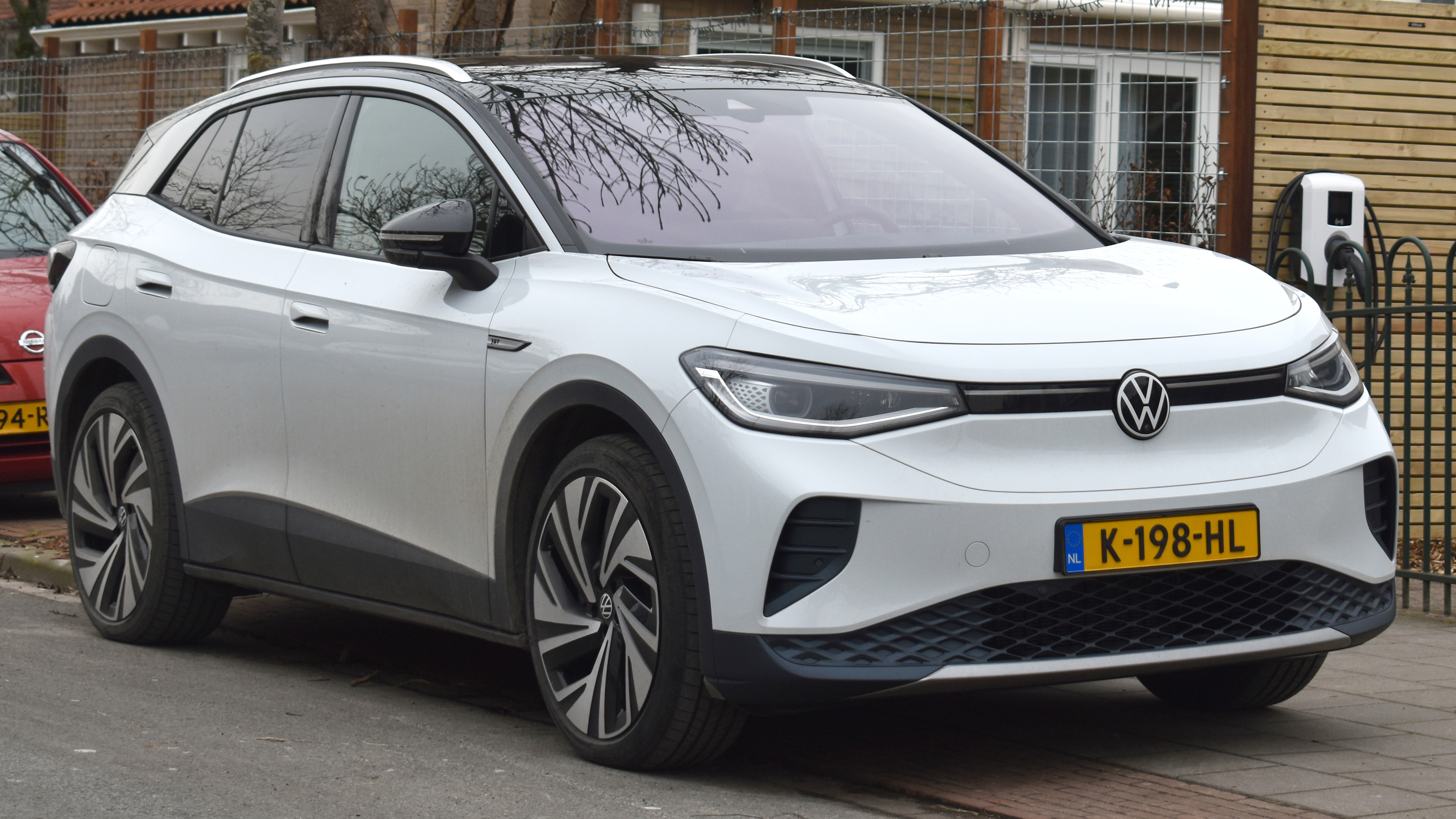
The Volkswagen ID.4 is an all-electric compact SUV in Volkswagen’s ID family. The hosts say production in America has been officially halted, which signals a major shift in Volkswagen’s EV rollout strategy in response to changing US policy and market conditions.
A production halt means the factory stops making a car model. Here, they link it to changes in US rules and incentives that made EVs less attractive to buy.
Government incentives can make electric cars cheaper to buy. The hosts are saying when those incentives changed, it affected how many EVs were sold.
Company
Chattanooga
They’re mentioning Chattanooga as the place where a factory is being set up to build a car. When companies invest in a plant, it can change what vehicles get made and how much it costs to produce them.
They’re saying that if oil becomes harder to get or prices jump around, people start considering electric cars instead. The goal is to avoid being at the mercy of gasoline price swings.
They’re talking about how gasoline prices can jump a lot when oil prices move. When that happens, people change what they drive—sometimes away from fuel-sippers and then back again.
Concept
economy cars vs V8s
They’re saying people tend to switch what they buy based on gas prices. When gas looks cheap, bigger thirsty cars (like V8s) seem more appealing, and when gas looks expensive, people rush to smaller cars.
“Upside down” means you owe more money on the car than it’s worth right now. If that happens, switching cars can be expensive or stressful because you can’t just trade it in cleanly.
They’re talking about car loans stretched out to about seven years. That can make the monthly payment smaller, but you often pay more overall and the car can lose value faster than you pay down the loan.
The Sunderland plant refers to Nissan’s manufacturing facility in Sunderland, UK. The episode notes it’s running at about a 50% rate and discusses subleasing parts of the plant, which is a common strategy when demand is lower or product plans change.
Subleasing here means renting out factory space to someone else. The goal is to keep the plant busy instead of sitting idle.
Brand
Cheery
“Cheery” is the other car brand being discussed as a potential partner. The idea is that they could make their cars in the UK using Nissan’s factory lines.
Economies of scale are cost advantages a manufacturer gets when producing more units—fixed costs spread out and processes become more efficient. The episode frames subleasing and additional production as a way to make those per-car costs work.
Amazon is mentioned as a tech company that was supposed to help run software features in Stellantis cars. The deal was ended, so the software plan changed.
Microsoft is the new technology partner Stellantis is working with. The question is whether the AI will actually run in the cars, or mostly behind the scenes on servers.
The Bentley Azure is a very luxurious Bentley car. In this podcast, the word “Azure” is also used for a technology/cloud service, so the mention is likely about the name. The conversation is more about cybersecurity than about the car’s mechanics.
A private cloud is like having your own computer space, while a public cloud is shared with other companies. Private can be more controlled and sometimes more secure.
This phrase means the car would use AI itself, not just send everything to a computer in the cloud. Doing it in the car can make responses faster and can work even when connectivity is poor.
The segment discusses the difficulty of validating claims about software behavior—described as a “magic box”—and the need for ways to check whether a system truly performs as advertised. For cars, this connects to the broader idea of verification and validation: proving the software works correctly in relevant scenarios.
Concept
marketing term vs real capability
They’re complaining that people use “AI” as a buzzword without explaining what it really can do. The takeaway is that you should look for concrete details, not just impressive-sounding claims.
Some car systems have to be correct for safety—if they fail or behave wrong, it can be dangerous. The host is saying that regular tech companies might not be as careful as car makers about proving their software is safe.
Android Auto lets you connect an Android phone to the car so you can use certain apps on the car’s screen. The point is that it should stay in the “show me phone stuff” lane, not control safety systems.
Apple CarPlay lets you use your iPhone in the car—maps, music, and some apps—on the car’s screen. The host is saying it’s okay because it’s more of a “phone-in-the-car” experience than controlling safety systems.
“Third generation” means the model has been redesigned and updated through a new platform/engineering and styling revision compared with earlier versions. For buyers, generation changes often affect dimensions, technology, safety equipment, and how the car drives, not just the exterior look. In this segment, it’s used to set expectations that the Duke is evolving more radically than a minor facelift.
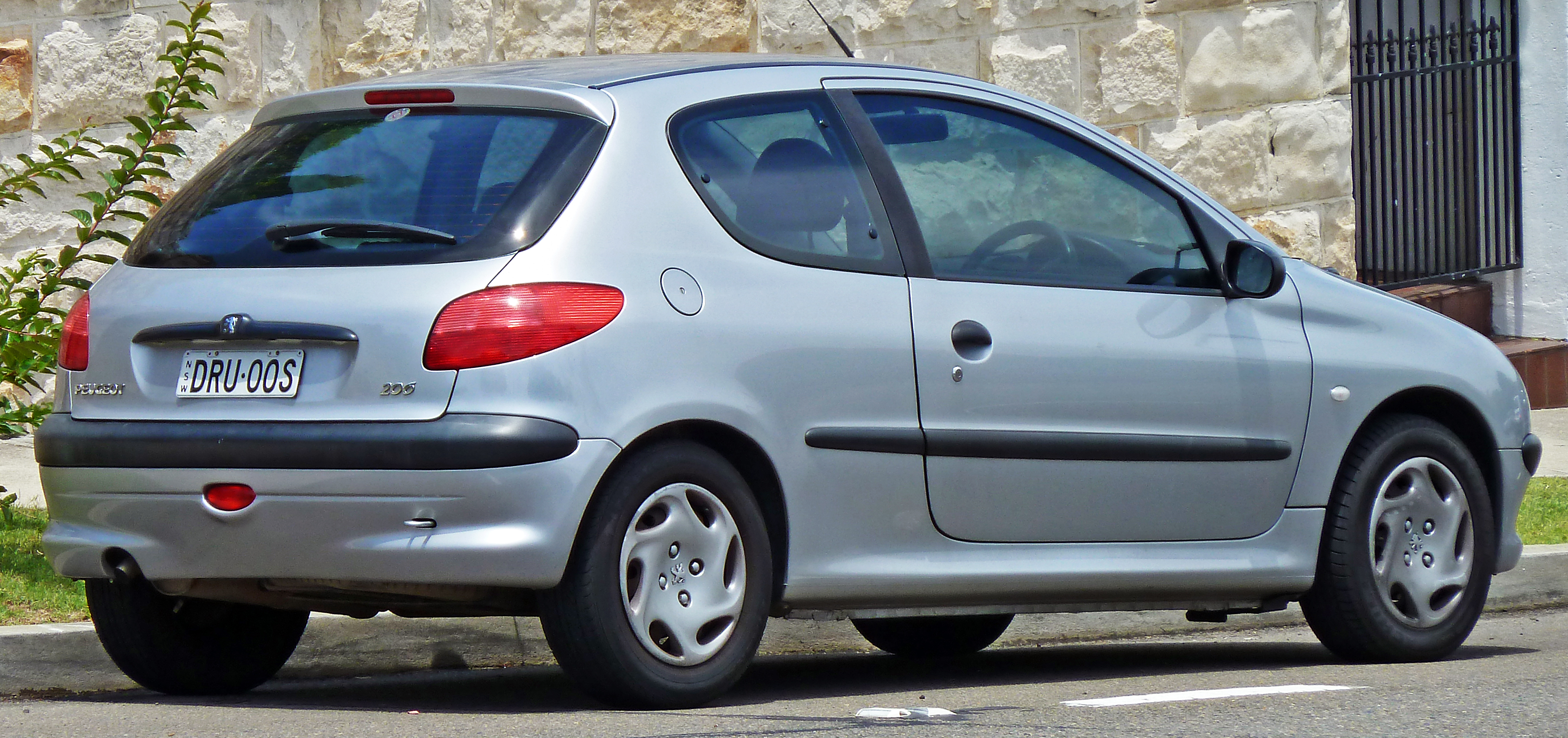
The Peugeot 206 3-door is a small hatchback with three doors. The podcast is bringing it up because it’s recognizable from older advertising. It’s being used as an example of a specific car people may remember.
The hosts critique how lighting, rendering, and staged photography can make a car’s surfaces look better or worse than they will in everyday conditions. This matters because creases, folds, and color/contrast can change dramatically under different lighting angles. They’re essentially discussing the gap between “press render” perception and how the car will look parked or driving.
The Alfa Romeo Stelvio is a compact SUV from Alfa Romeo. It’s meant to feel sporty to drive, not just be a family hauler. The podcast is mentioning it alongside another Alfa model as an example of a car that does things well.
Platform sharing is when two different cars are built on the same basic “skeleton.” They may look different, but they can drive and package similarly—so buyers might not see them as truly new.
The Nissan Leaf is an electric car. The hosts are talking about how Nissan thinks it won’t “steal” customers from another model because the people who want each car are different.
The Volkswagen ID3 Neo is a newer version of the ID.3 electric car. The big changes the hosts mention are mostly inside—better-feeling materials and more physical buttons for easier, safer use.
Haptic touch is a touch interface that “feels” like a button through vibration or feedback. The complaint here was that it was too easy to press by accident while driving.
Euro NCAP is a safety testing organization for new cars. The hosts are saying their scoring can affect what automakers choose to build—like whether a car uses physical buttons versus touch controls.
The Volkswagen ID.3 is an electric Volkswagen hatchback. The hosts are basically saying the first versions felt a bit rough, but updates could make it a better car to buy now.
They’re saying the car should be better because the electric system has improved over time. That usually means the battery and how the motor/controls work are more efficient and refined.
A “refresh” is basically an updated version of the same car, usually with changes to make it better than the first one. They’re saying this update improved the car enough to change their mind.
The Volkswagen e-Golf is a Golf hatchback that runs on electricity. It’s mentioned because Volkswagen could have stopped making it, but they kept it around. The discussion is about whether to move on from a model or keep supporting it.
“D9” sounds like a new vehicle name the podcast is talking about, but the details aren’t clear yet. The speakers mention it as a “Denzer,” and they don’t seem to know much more than how it looks or what it might be. It’s essentially a teaser at this stage.
The hosts connect pricing to market behavior, noting that electric cars “sell very well” in the UK. This is a market-demand concept: EV adoption can be driven by incentives, charging availability, and consumer familiarity, which affects whether higher-priced EVs can still succeed.
The Porsche Taycan is an electric car from Porsche. It’s designed to be fast and sporty, not just efficient. The podcast is specifically pointing to a Taycan version (Sport Turismo) as the closest match to the topic being discussed.
Rear wheel steering means the back wheels can turn too. That can make the car easier to park and turn tightly, and it can also feel more stable at speed.
372 miles is the claimed distance the EV can drive on one full charge. In real life, you might get more or less depending on how you drive and the weather.
1500 kW is how fast the car can charge at certain very powerful chargers. The faster you can charge, the less time you spend at the station—though it only works if you’re using the right network and charger.
A flash charging network is a set of fast chargers built to charge EVs very quickly. The idea is that if the car supports it, you can top up fast when you’re traveling.
LiDAR is a sensor that uses lasers to “see” the world around the car in detail. It can help the car understand its surroundings for advanced safety features.
The 122 kWh battery pack is how much energy the car stores. More battery energy usually means you can drive farther, but it’s not the only factor.
Term
RPL system
“RPL system” is referenced as triggering a “lynching,” implying a driver-assistance or monitoring system that reacts quickly. Without more context from the transcript, it’s unclear what RPL stands for, but it sounds like an automated safety/telemetry feature.
An ultra-rapid charger refers to very high-power DC fast charging designed to reduce EV charging time significantly. If you’re not using one of these chargers, charging can take much longer because the car’s charging rate is limited by both the charger and the vehicle’s battery/thermal management.
A larger battery pack increases the vehicle’s energy capacity, which can mean longer charging times on slower chargers. Charging speed depends on the charger’s power and the battery’s ability to accept that power at the time (temperature, state of charge, and battery management).
A “halo” car is like a flagship that’s meant to make people think the brand is cool and advanced. It might not be sold in huge numbers, but it helps the company’s image.
McLaren is the company behind a lot of high-performance British sports cars. Here, they’re talking about McLaren changing how their cars look and how their whole lineup is designed.
A design boss is basically the person who sets the overall look and style for a car brand. If McLaren hires a new one, it usually means the company wants its future cars to look and feel more distinct.
The Ford Mustang is a sports car from Ford that’s famous for its styling and driving feel. The podcast is talking about how a specific Mustang generation influenced the car’s design. It also mentions the people behind the design and where they moved to work next.
This phrase means the company isn’t just tweaking one car—they’re planning a big overhaul across their lineup. It usually involves changing how the cars look and how they’re built.
Lincoln is Ford’s luxury car brand. The point here is that the designer also worked on luxury styling before, so he may bring a more premium design approach to McLaren.
Topic
rustful
“Rustful” sounds like the name of a car meet. They’re talking about how fun it was and how people could walk around and look at the cars.
This is a Toyota Tercel, but in a wagon/estate body style with four-wheel drive. It’s not a common car in the UK, so the hosts are talking about why it stood out and why they’d pick it. “Estate” just means a wagon with more practical space than a hatchback or sedan.
Four-wheel drive means the car can send power to all four wheels, which helps it grip better on slippery or rough roads. It’s especially useful in bad weather or on dirt/gravel. In this conversation, it’s part of why the Toyota Tercel feels like a cool, unusual choice.
They’re using “rancho” to describe a certain rugged, outdoorsy style vibe. The idea is that this Toyota looks a bit like that kind of vehicle, even though it’s not the same car. It’s more about the look and the audience it appeals to than a literal model name.
Patina is the worn-in look a car gets over time. Some restorers keep that character instead of making the car look brand new, while still fixing what needs fixing.
The Renault 4 is an older Renault that became really popular in Europe. It’s the kind of car people often restore because it’s straightforward and parts are easier to find than on some rarer classics.
Sandblasting is a way to strip rust and old paint off metal. Powder coating is like a very tough, baked-on paint finish that helps parts resist corrosion.
Term
plate it
“Plate it” refers to plating metal parts with a protective metal layer (often zinc, nickel, or similar) to improve corrosion resistance and sometimes appearance. In restorations, plating is typically used for smaller components or hardware where you want long-term protection.
An external sun visor is a small shade mounted outside the car to block sunlight. It can reduce glare and is sometimes a noticeable styling feature.
Concept
rustables
“Rustables” appears to be a playful reference to rust-related restoration content—likely videos or segments focused on dealing with corrosion. It frames the watch as a sequence of rust-focused tasks before the episode ends.
LIVE
Welcome to the Motree Podcast, a discussion of motoring news. This is episode 680 on Tuesday,
the 21st of April, 2026. Hello, I'm Alan.
Hello, I'm Andrew. And this week, you'll hear us try to get in touch with one OEM's
management to offer them this fab bridge we have for sale. In new car news, you will
get to decide if different means good or not. And in points of interest, you'll get help
with some FOMO. But first, we have a smidgen of follow up. Now, we covered the last time we
covered this story was back on the 10th of March. And it is that more people are waking up to the
dangers of the EU's proposed Industrial Accelerator Act, which has a made in Europe,
central vibe and core to it, particularly when it comes to things like automotive.
And they realize this is a problem for the UK because back in 2016, we made the catastrophic
decision to leave the EU. The consequences of doing so that were told before the vote
and during the voting have turned out to be true. Who'd have thought it?
Obviously, what this would mean is that any cars or parts made in the UK and sent to the EU
would not be able to take advantage of the subsidies that would be handed out to everything
made on the continent. People were thinking, oh, it'll hit China. Yeah. But it's going to hit us
as well. Yeah, because we're a third country. Yes. The SMMT has spotted this and is becoming
more and more vocal. Like we said last time when we did it on that episode, we hope that there are
adults that can get around the table with EU representatives to say, look, we've got a good
deal with automotive as it stands. Can we not do something similar with this, particularly as we're
going to have battery? I mean, the one thing that always that I thought of on the hop was
battery factories, the fact that we've got one with building another massive one. I was only
talking about that last week where Tata's got some stunning amount of funding yet again.
We're going to be online with battery factories with capacity before Europe does because there's
been a bunch of high profile ones canceled. Maybe that's an in whether the European car makers who
are based here actually then start to put pressure on their representatives from inside as well to
hang on. You're really going to hurt us as a company. That may be another way in because you
look at BMW, Stellantis, for example. But Nissan have made it clear that they said they would shut
Sunland if those rules came in and there was no special dispensation for the UK. With the situation
we're in with what has been decided, then of course there are consequences and this is a very
obvious consequence. On that note then, do you want to take us on to something that is very
positive then for the UK car industry? It is. It's that time of the year again when AutoCars hold
their great women awards. I don't know what awards sound like. Event. Ceremony. Event. Event sounds
best. Celebratory event. Yeah, that sounds condescending though. Well, it does from a bloke,
he asked for sure. Yeah, it does. Sorry. Every year AutoCars takes the opportunity
to highlight some of the women who work in UK automotive and to celebrate and show off what
they've achieved and what they do. This has moved, I think over the time we've been doing this podcast,
has moved rather more from look there are women in the industry to look at this, isn't it great?
I think so. There's been a subtle change of tone and that's because the people whose careers are
being highlighted who are being recognized here are really very much at the top of the
business right the way through. So there's two links in the show notes. One is to obviously the
AutoCars page of what it is all about and the other one is all the various categories,
the nominees and winners in those categories and profiles of absolutely everyone in there,
which is great. Overall winner this year was the winner of the executive category as well.
And that's Lisa Brankin, the managing director and UK chair of Ford of Britain and Ireland.
Congratulations to her, but also to everyone else for being involved,
celebrated, doing your jobs, being awesome. All these other good things we find certainly
from our angles. 100%. Yep. And well done to AutoCars for keeping hold of that event, by the way.
Yeah. I am now going to move us on and this is news about Arnold Clark back in 2020.
There's a reason I've taken this article. I didn't want to get Alan's blood pressure up too high,
although he'd be laughing at this one. Mine is what the heck do you expect from Arnold Clark?
Back in 2022, they had a cyber attack where customer data then appeared online.
They have been taken to court in Scotland because there was an attempt to claim against them
in terms of compensation by customers. Yeah, class action. Yeah, class action thing. However,
Arnold Clark sat there and said, well, no, it shouldn't be done because there's already a
case going on in England about this. And Scotland's highest civil court has rather slapped that down.
I think it's the polite way to put this, because Lord Sanderson, who was ruling on this case,
said that then I'm quoting from a Yahoo News article, which seems to be a reproduction
of a Birmingham Live article. It also quotes the Sunday Post. It's convoluted here,
wheels within wheels. But he said there was no meaningful link between the dispute and England,
adding it had no connection whatsoever with England. Also, he had said previously that the
people bringing the case have bought their cars in Scotland, so it should be ruled under Scottish
law, which is of course different from English law. Yes, I was going to say for those of you who
aren't aware, Scottish law and English law is different. That's why things happen in England
and Wales, but not in Scotland. In fact, the entire basis of the law system is different
in England and Wales. It's based on common law like America, where it's based on previous cases,
slightly different in Scotland where it's based on Roman law. There you go.
They've been given permission and now good luck to everyone who has signed up to that.
I hope they get a decent payout because I'm sick to the back teeth of companies not taking
cybersecurity seriously. Ditto. Next, Stellantis. First, a couple of Stellantis stories this week.
Stellantis has an overcapacity problem that probably doesn't come as too much of a surprise
whenever you consider that Berger Citroen had an overcapacity problem and Fiat had an overcapacity
problem and Vauxhall and Opel had an overcapacity problem. When you combine all three of them,
you end up with a company with an overcapacity problem. What they're going to do to address some
of that is they're going to phase out vehicle production at the Poissy plant just outside
Paris on the Île-de-France in France. They're going to do that over the next three to four years.
They will continue manufacturing components and other bits and pieces. The site currently builds
the DS3 and the Opel and Vauxhall mocker, including their electric variants. So it is quite a
It's a relatively significant factory, really. Chances are that they'll probably do something
similar to what Rino have done at Flan with their revolution. I think it is planned. I can't remember
which re... Yes, it is. Insert butchered words. It's not a pulp manto here. It's whether you
take two words and stick them together. Production of the next generation DS3 E10s. I'm surprised
there will be a next generation DS3 E10s, but there we go. It's due to start in 2027 and it will
move to Zaragoza in Spain. Similarly, the next small Opel will probably move there as well.
Yeah, I'm surprised that they're not allowing bleep motors here to use it.
No, unless they are also using the Zaragoza plant.
They're more likely to be doing that because can you imagine a French company taking one of their
trying to bring in a Chinese manufacturer just outside Paris? Not so bad if you do it somewhere
in a corner of France, but to do it somewhere in Ildefrance where it's very high profile,
very easy to cause lots of disruption from it, very easy to get to the headquarters of Stellantis.
Yeah, I don't think they're going to do that just from a PR point of view that would cause
all sorts of fun. Of course, with many car companies, I wouldn't rule it out, given it's a
but just seem to walk headlong into these things.
Right, talking on about companies that are desperate, I'm going to move us on to Volkswagen.
And in America, they have now officially halted production of the ID.4. They had paused it last
year when the latest US government decided to do a 180 degree turn on the previous
administration's positive moves for EVs in terms of grants, incentives or whatever they were.
This created EV sales in America. Basically, the American auto dealers got what they'd paid for
by funding the Republican Party. Yeah. This obviously created EV sales,
and they have not returned for Volkswagen, certainly, to as is quoted in this electrified
article, sustainable level. They've just decided to bite the bullet and go, right, we're just not
making them in the US anymore. They are going to have to write down $500 million as a consequence.
Bear in mind, they initially put in $800 million to prep the plant in Chattanooga to be able to
make this vehicle. That's quite a chunk they're having to then just swallow in one hit.
Even if it is on paper, it just means that's not, they don't have that money free to do
something else now. Yeah, it's the whole North American situation is just ridiculous.
Yep. This is just, just special. It's making it impossible for companies to do that. And then,
of course, you mess with oil supplies around the world, which of course would drive you,
no pun intended, to drive people towards electric vehicles. Because one thing to remember is that
in the US, whenever there are oil fluctuations, the fluctuations in price are not dampened as they
are in Europe and other parts of the world by taxation to the same extent. Obviously, it's
quite possible for not just to rise by silly amounts like they have here for no particular reason,
but for them to rise by 50%, by 30%, 50%, whatever, as the oil companies wish and need to. That means
that people or computations they might do about efficiency just go out the window. And that's
why you see as oil prices go down, everybody gets rid of their economy cars and buys V8s again.
And then as soon as the oil prices start going up, there is this mass panic of, oh my goodness,
I must get rid of this pickup truck that I'm already upside down on the finance of and get
something different that is smaller and more economical. And that's why you see quite so much
flexing about that quite so much howling from maybe some of the online publications across the pond
about, oh goodness, now I need to immediately swap to an economy car. It's because the percentage
rises and falls are much, much greater. So you can amortize over less time. However, the finance
and everything in the US is just phenomenally expensive. And long term, and it's so easy to be
the wrong way up on car loans. I dislike that intensely.
Well, I saw an article, I think it was the Autopian that was saying that seven year loans are now
the norm. Yeah, I think that was a couple were coming out with that. I don't know who was first
if it was the Autopian or the Drive or someone. That's just shocking. That should be screaming
alarm bells for everybody. Well, no, the thing is that I tried to go, this comes back to the
dealers as well, because of course, they get incentivized on that. It's really tricky. I tried
to say, look, I only want to pay this off over two years, so we don't do two years loans.
Just can't do it. Because I hate being upside down in finance. I always want to essentially
own more than 50% of the vehicle. Well, they can't milk you. Well, that's it. That's why they
don't do them. We can't make the money on these. So we don't do them. It's the American way,
which is a wonderful country, by the way, and full of really nice people. But some of the
us to Nissan and Sunderland.
Are you going to say, do I want to go to Sunderland? No, thanks. I've been loads of times. You can
see the office I was in. Article on Electri this week saying that Nissan is looking to sublease
some of the Sunderland plant. It's running at about 50% rate at the moment. You can possibly
see why Nissan don't really want any more subsidies or anything to go elsewhere.
But the minute they're also in talks with Cheery to maybe have Cheery build Cheery vehicles on a
line or two, they're just to bulk up the capacity that's running through it and to make those economies
of scale work for them and also work for Cheery. If you wonder about what obviously Cheery sells
under its own brand in the UK, it also sells under Chey Koot and the Mudo. And you heard
from Andrew last week about the registration figures in the UK and how well they're doing
at the moment, certainly by those figures. Yep.
It's definitely something that's being considered. Other companies are considering it in other parts
of Europe and everywhere else. The only thing that might put them off is that it's not in the EU.
That is the thing that might put Cheery off and that's what's going to be exactly the same as
you were saying earlier on about for any other brand. But is it European enough
for the subsidies? Because if it isn't, then there are other factories that we've already
talked about in this show with space to spare in mainland Europe. Yep. Absolutely.
I am now going to move us on back to Stellantis and oh dear.
I've tried to take the sting out of this one already, folks. All right. It's a tough one,
but I've tried. Stellantis last year ended their partnership with Amazon in terms of software.
Yay. The Amazon software was going to run the iCockpit and all the rest of this sort of stuff,
but they cancelled that last year. They have now announced a five-year deal, though,
with Microsoft. And one of the things that they're very proud to shout about
is how they are going to use Microsoft's AI in over 100 initiatives to be introduced over the
coming years. I am curious thing yet, beefing up its service defence system. Now, when I look
through this, though, is it actually going to be in the vehicles? Because I'm not sure it is.
When I read through this article in carscoops.com, at no point does it mention it's going to be in
the vehicles. Well, they've already talked about, if you go down to below the picture of the...
You're going to say they're embedding AI directly into our vehicles. That doesn't necessarily mean
that it's going to be Microsoft. I think this might be more about data centres as your...
No, but this underlines their... I mean, I do agree with what you're saying. Yes,
they are going to be enhancing the data centre. It is supposed to reduce the footprint of the
data centre. It is they are moving to Azure. It is allegedly going to help with the cybersecurity
and makes me laugh. As much as Azure does for anything else, but if they move to private
cloud rather than public or something like that. No, I'm talking about the AI. They're going to
be using AI as well for the cyber defence. But everybody's saying, no, well, let me just finish
this and then we'll get on to that because the way that they are saying this, which is their
chief engineering technology officer, Ned Curick, has said, as AI rapidly advances, we have been
early adopters across our business from engineering and manufacturing to design and customer
interaction, embedding AI directly into our vehicles from the new digital cabin to the core
vehicle operating system. This is what they have done, but this shows their mentality to it, which is
bat poo. But is that just something that someone in marketing wrote that entry?
Well, this is the problem. We can no longer trust anything because we don't know how much
they're doing. We can't trust what we're being told because we have told all these fabulous
things about AI and this is not a car element. We are told all these things it can do and it
doesn't do them. But we don't know how we can check to see if it could do them because it's,
oh no, it's a magic box. It's a magic box. It does all magic things.
It's a magic box. Yes, it doesn't have the timing ability. Well, why does it pretend it does?
But it can run a timer or something. But yeah, don't even get me started on this.
I'm speaking at a thing, not a car thing in a few weeks time. And I have promised that I am not
talking about AI. But I declared at the beginning that whatever was in my talk, it was not going
to involve AI because I'm so sick of everybody talking about it. And most of it is nonsense,
nonsense, nonsense works. I've just had enough. And now I'm at the stage where I see AI. And
because of day job and stuff, I just look at it and go, yeah, okay, yeah, whatever,
you're just marketing stuff, it has become a marketing term rather than anything meaningful
unless you want in a trick with three boobies or something. That's three sort of three largest
birds, by the way, just so that doesn't have to get caught. Yeah.
But once again, we are reminded that the fact that the car industry doesn't understand software
as an entity, and we should not be allowing consumer technology companies, which is what
Microsoft is, we should not be allowing them anywhere near anything to do with the car because
they clearly, clearly have no clue about safety critical software. It just depresses me marketing,
marketing, marketing, marketing, marketing. If you are looking to buy a new car, remember these
things when you need to look into this stuff for each car brand, who they are working with,
what they are allowing them to do, because this is really now vitally important for people's
safety. In the idea world, they're not working with any of them by the way. Exactly. Yeah.
That's the best answer is none of them. Yeah, 100%. They should not be anywhere near them.
You're allowed carplay in Android Auto, but that's it. Yeah. Right. Okay. I didn't quite
manage to keep him totally cool through that, but I think I did all right. So it wasn't too
bad. I didn't swear. You did. Well, that's better than pre-show anyway. Yes. That brings us to guilt
minute or not guilt minute. Time to remind you about Thursday minute. Thursday, the 23rd of
April at eight o'clock, British summertime, we will be answering your questions live. We have
some that people have already submitted, which is great. Thank you very much. Oh, thank goodness.
Yes. Who is your favorite friend of the show will not be being answered, by the way.
Yeah. So thank you people who have submitted them. There's some really good questions,
both serious and otherwise, which is great. Obviously, it'll be a live stream on YouTube,
so you will be able to ask questions as we go along. Please do. That would make it so much easier
for us. And yeah, as I say, eight o'clock Thursday night, it will be coming to YouTube very soon.
So if you subscribe, you will see it in your subscriptions and stuff. I will set that up
later on. I think that's it. Oh, if you want to submit them in advance, don't forget to do it
either. Well, whatever way you can get in touch with us really. Someone remember they could
message us on Patreon. Thank you. You can do that. Absolutely. Thanks for those. Obviously,
via the contact page on the website. If you put QA or Q&A or whatever at the start of it,
it just means when I scan down the list, I know which ones are the spam and which ones aren't.
And yeah, social media or whatever, or wait until Thursday and surprise us. But you might
want us to think about it. If it's a big, proper, heavy, serious one, you might want us to have
a bit of a think about it in advance. We promise we won't confer.
No, we'll check the questions, but we're not going to discuss them beforehand.
Yeah, we don't normally do that anyway. No, yes, eight o'clock Thursday,
free to everyone. By the way, that's not just for if you're on a Patreon level or anything.
It will be available publicly. Yes. Obviously, we can't be there then. Be square or something.
I don't know. There will be a podcast, an audio only version that will come out
fairly quickly after as well. I imagine the video will be sitting there.
Yeah, video will be there definitely. But if you only consume via a podcast app, then
something will hit your feed not too long after that.
No, no, no. It should be all right. Brilliant. That was scruffy but effective, I think.
Yes. A big new car announcement really last week was, of course, the new Nissan Duke.
Available in low-polygon count, so the one's quicker on your E-con E3000.
Well, it's because no one can afford RAM anymore, so that's exactly it, isn't it?
Maybe the design team couldn't. That's what's happened.
Third generation Duke. The Duke has always been the let's be a bit experimental and out
there vehicle in the Nissan range. They have very much gone for...
Well, a little while ago, I can't remember which car it was. We talked about the Nissan concepts
that they unveiled and released into Minecraft. There was a certain amount of,
this is just flight of fantasy. There's no way they would ever do that.
They've basically done it. It looks like a cross between a Duke, particularly the previous generation,
and that Peugeot 206 from that Peugeot advert, when the Indian guy is hammering the
Hindustan ambassador into the shape of a 206 with a ball-peen hammer,
and Lee has left lots of tiny little dents everywhere. That's kind of what it looks like.
It's very much of the big creases and folding.
Yes, somebody's got a new creasing machine.
They have. The pictures that are shown are, I don't think they're very flattering.
They're either a bit dark and gloomy on the green ones and kind of over touched up and rendered,
or the ones of the purple one against the red background standing on a stage at a
motor show in a convention center. The lighting sucks. It's absolutely awful.
It's impossible to tell what that's going to look like out in the real world,
parked on someone's drive, or parked at the side of the street, driving along the motorway.
I'm really curious to see it in real life. I actually think it will be better.
It's going to be difficult to be worse.
I think it's very much an acquired, I mean, nor are you. I think it's very much an acquired taste
as it is.
That's a polite way of putting it. Well done.
I think it's cool, but I don't know if I like it. That's where I sit on it at the minute,
and that opinion is likely impossible to change over the next few weeks,
couple of months until I see.
We fully reserve the rights on this show to change our opinions, as we have done
in the past when we've got things wrong, and when we have got things right as well.
Alfas, Julia and Stelvio fit into that particular category. They're the ones that I think we were
most vocally wrong on in the early days, and we both love both of them.
I've never liked the Duke. I've driven one briefly. I hated driving it.
Oh, you had one as a rental, didn't you?
Again, this car is not aimed at me. I will never buy one. That's fine.
One thing I did hear a few people on social media make the point,
and they were quite right to make the point, actually,
is that at least Nissan have tried to do something different.
There is no way we can accuse them of going, they used AI to just make an small SUV.
For that, I will applaud them for doing that. However, just because it's radically different
does not necessarily mean it's good.
It depends what you define good as. It will immediately make it probably a slower sell
than it would have been otherwise. But then maybe there's other people who would have
considered it, were it, if it just looked like a BYD.
Yeah. Well, this article goes at Payne's to say about how the leaf is effectively the same vehicle
in terms of platform and size. But Nissan is going, no, totally different buyer.
Because we asked this back in the day, didn't we? Not so long ago, we were asking,
why is the leaf now an SUV? Because that's surely going to steal from the Duke.
The stealing sales from themselves. And Nissan are going, no, not at all. We've got
totally different buyers. The person who buys a Duke has no interest in the leaf, blah, blah,
time will tell. I think that makes a lot more sense now than it did.
Okay. And now for something completely not different.
Yes. Volkswagen has updated the ID3. They've given it a name as well. It's called the ID3 Neo.
Just to show that, apparently show that this is more than just a bit of a refresh on the refresh
on the refresh. This is more fundamentally updated. I mean, this has got to be one of their oldest
vehicles now. Probably is now, yeah. I know it's six years old now. However,
things that have changed are mainly on the inside. There's been a bit of
a tiny bit of tweaking to the exterior, but mainly it's on the inside. In terms of the materials
and touch points, they have been improved apparently dramatically in terms of quality and feel.
On top of that, though, there are buttons now. There are not only buttons on the dashboard,
but there are buttons on the wheels. So the haptic touch thing that you could set off accidentally
as you were turning the wheel have been removed. There are also buttons for the rear windows as
well in the front, as opposed to having two switches and a third switch to switch between
the front and rear because people really hated that obvious piece of cost cutting.
Yeah. Did UK media, well, actually global media, because I've seen some American reports on this
as well seems to have gone very much in a let's congratulate Volkswagen for listening to us
in terms of buttons. And I think everyone's forgotten that Euro NCAP have said if you do
not have buttons, we are going to be marking you down quite a lot. You see, I think you're being
a little unfair there. And I'm going to say that I think it's a combination. I think the reporting
was so loud on this and so unanimous on it. I think it did make a difference to Volkswagen.
I also think it made a difference to Euro NCAP. And I think what's happened is there's a sort of
two pronged result here, because it was the ID three that really got people riled up over a
lack of buttons and just things being a bit silly and going a bit far. What I also feel about
the ID three and the Neo here is that I get the feeling that this is what Volkswagen,
if they hadn't been in such a massive rush, probably wanted to launch initially with the ID
three. Now this one, the Neo, I want to try. I have had no desire to try any ID three up to now.
Remember, I had previous ID three and the things that I didn't like about the ID three and the
things that have been fixed, but fundamentally I quite liked it. Yeah, I'd like to try this,
because I am sure that not only will obviously the materials and all that sort of stuff improve,
there will be the just inherent improvement in the technology in terms of the battery and the
powertrain, which will make it much better. This now, I mean, in terms of a refresh has done its
job on me where I want to experience this car and go, actually, is this worthy of being one
of Volkswagen and two people buying it rather than it was one of the few choices they had previously?
Yeah. And they thought Volkswagen would get it right. What I think we should congratulate
Volkswagen for is the fact that they have continued to try and improve it to a Volkswagen standard.
And for that, again, you know, like I was saying with Nissan before, I will give praise where it
is due and that is due praise. Yeah, because they could easily have just sort of shoved it aside,
gone, yeah, let's forget about the problem child here. Yeah, we'll just have an e-golf.
Yeah. Or an ID Polo or whatever. I mean, even though those vehicles are coming out.
Now, I really like, I like the look of this. I like the changes to the outside. I like the
changes to the inside. Sounds incredibly promising, especially upgrade materials, because previously
it was subcaddy in some places, some of the touch points. But again, as I say, I think I put all
the rush of the first ID three really interested in this. It has a lot of promise as far as I'm
concerned. Absolutely. We've done two cars we know well. Would you like to take us to a new vehicle?
We do not know at all. Yes, it's a Denzer. Okay. A what? A Denzer. It seems to, it looks like
it's going to cost around 100,000 pounds in the UK. And we know those electric cars sell
very well in the UK. Oh, yes, they sell wonderfully well in the UK. And it is a bit of the old,
it's about 100,000 pounds. And it's essentially a Porsche Taycan Sporturismo. That's the right one,
isn't it? The esteem Taycan is what I'm talking about. Yeah. Now, I think Denzer is a spin-off
of BYD. That's what I thought. But then I can't see that anywhere in this article and I haven't
had a chance. Is it not Geely? Chance to look. Is it Geely? Okay. Well, whichever. But it's,
I don't know. I'm not in the market for it. The things that it has to show off is that it's a 309
brake horsepower motor on the front axle, 416 brake horsepower motor on the rear. That gives a total
combined magic electric trickery of up to 1140 horsepower. The rear wheel steer as well so it
can crab war. It can parallel park for you. It's got an incredibly tight turning circle as a result.
And all sorts of things like that. Rear wheel steering, extreme rear wheel steering is very
funny sensation if you're driving a car with all wheel steering like that. My infinity, it was a
bit. You could feel it tighten and it was a little bit unnerving until you realized what's
happening. It's got a range of about 372 miles. Denzer is building a new charging network to go
along with it, which means that it can accept power at 1500 kilowatts where possible. Yeah,
just to clarify though, it is BYD. So therefore it's going to be part, they're going to take,
because now I've looked it up because I was talking about this last week, they're going to take part,
they're going to take advantage of the flash charging network that BYD are looking to install
across the UK. Exactly. Do you know what? There's the rapid charging that was my
clue in the back of my mind going, this is BYD. They talked about this
whenever I was at the recent launch. So it can accept power at 1500 up to 1500 kilowatts. That
means 10 to 97% in just nine minutes. Obviously, that's only ever useful if you're on road trips
most of the time. Most people most of the time who are going to be buying 100,000 pound EV
can probably charge at home. It's got built in LiDAR, all the stuff that one may need for autonomous
driving in the future if it is possible and signed off as safe or by legislation on roads in your
country. It should arrive in the UK around July as well. It's 2.9 tonne.
Yeah, it's going to have, it's going to be. Because of that 122 kilowatt hour battery pack.
Yeah, but it's just ridiculous. That by the way means that you can carry very little luggage
by the time you've got four adult passengers inside it. Otherwise, now tell me, there's
an interesting one. If it goes over three and a half tonnes, but it's not a commercial vehicle
and it's electric, does that mean that it's allowed to be?
Oh, electric's fine. You can go over weights. It doesn't matter. You know, physics doesn't
apply. No, stop it. Stop it. That's not what he's saying is not true.
One might think that looking at how legislation is done.
Yes, but that's for commercial vehicles. So I do wonder about that.
And for parking.
And for parking and all these other things. Basically, this auto car article that I'm
scrolling through as I read this is saying that it's a 50,000 pound car in other parts of the
world and it doesn't feel like any more than a 50,000 pound car. Despite the fact, it's rather
clever. I don't know. I have trouble with this. It is a bit, it's a bit, Timutai can. There you go.
That's me getting lynched by the RPL system.
It's way way too fast. Far too much power, but they need the power because it's, you know,
not far off three tonnes. Then you've got the enormous battery pack, which if you're not on
an ultra rapid charger is going to take ages to charge. There's the cost, which is eye watering.
And it's a brand new brand, even though it's part of BYD's umbrella,
that you're going to be asking people to pony up for. I think it's a big ask for this to be
anything more than niche in the UK. I think it's very much there to go, look at what we can do.
Yeah.
As an example of that. And that's fine. But I wouldn't be expecting to see too many of them.
All companies need a halo brand stroke.
Yeah.
Model. Yeah, I get that. Yeah.
Supposedly the Incar Entertainment even includes a file manager.
You know, like Windows 3.11.
As well as typos and standard fonts and all sorts of other fun stuff there.
Let's take us to Designers Moveboard, please.
Yeah, I'm going to move on to Designers Moveboard so I don't get cross again.
This is the news that McLaren has found a new design boss.
Kemal Kurik has left Ford after being there since 2004.
And he was heavily instrumental in the styling of the S550 generation Mustang.
He's now moved to Woking.
McLaren is redesigning their range from the ground up.
They are trying to reinvent themselves completely after they
melded with 4.7, that famous car company.
4.7. But there are a lot of technology side of things.
Yes.
And I am genuinely interested to see what they come up with.
Because we've seen teaser images of stuff.
But I don't think it's anything that McLaren has produced.
I think this is the Auto Car, Auto Express.
We think it might look like this moment.
Yes, I'm hoping that there's a move on from the sort of
genericness across the McLaren range.
The photocopier goes up a bit and down a bit.
Yes, stretch, shrink, etc.
Interesting though, previously he headed up design for Lincoln, the Ford luxury brand.
We haven't talked about any other designers recently who have previously been in charge of Lincoln.
No, not at all.
No, not at all.
But there is a link in the show notes from Auto Car if you wish to read more on that one.
A lunchtime watch this week.
It was a list of about five.
It was rust of a last weekend.
You didn't see me there.
I looked suspiciously like Rich Gooding and driving a Polo.
I wasn't able to make it, unfortunately, neither were you.
No, I couldn't take advantage of your ticket, which was a real shame.
But rust of all, I mean, I was at the last one seven months ago, six months ago.
Fantastic, fantastic event, great atmosphere, cool cars, really nice people,
and everything I've read about the one on Saturday was the same, if not more so, which was great.
Some walk around so you can get a good view of everything that was there.
And also, I see that Ian, I haven't had a chance to watch it yet.
But I see Ian has rustful from the inside and all that organizing it and all about these kind of thing.
Great, well done to Ian, Carly, Matt and staff and everyone else involved in putting it together,
because it's just peace.
Yeah, thank you for doing so.
I don't know if people have said that enough to them, but thank you very much for doing it,
because the joy that I could see on Blue Sky, that people had this to go to and attend and the
fact that it was great on top of it, it cannot at this moment in time, as he waves his hands
around generally at the universe, cannot be underestimated.
No, it's cracking and as I say, well done to everyone who's involved in that.
Sorry I couldn't be there, loads of people I wanted to catch up with, but I couldn't.
It's a rule of the universe, by the way, that Sean Hudson and I can never be in the same place
at the same time. It only happened once so far, years ago.
Okay, well, on that shocking news, I'm going to move us on to the list of the week,
and this is thanks to Top Gear, and this time it's by Greg Potts and not Tom Wookieford,
and it is titled, Here Are Nine Favourite Off-Roading Estate Cars.
Now there is only nine, I am introducing this article.
Therefore, the choice this week is completely down to Macaulay, Mr Bradley.
It just makes it harder because they're all really good.
Are they all really good?
They are all really good.
Okay.
No, I haven't seen one I don't like. There's plenty I don't want to own.
Even the first one.
Oh yeah.
Okay.
Yeah, yeah, yeah, yeah, yeah, yeah, yeah.
The others though, yeah, I'm absolutely 100% with you.
No, even the first one is cool.
Even the first one, actually, yeah.
I am genuinely asking the question.
It's a fabulous bit, sir.
It's my lack of knowledge on that market, you see.
No, no, no, it's a fabulous bit, sir.
Yeah, it is cool.
It is actually cool.
Well, now we've just walked around without naming it,
so come on, tell us which one you are picking.
I'm going to choose the Toyota Tercel four-wheel-drive estate.
I've always, did you know I was going to choose that?
No, that's why I picked.
You can't have known I was going to choose that
because I literally just chose it because I hadn't made a decision.
That was the one I was picking.
I love the asymmetric rear doors on this and rear number plate positioning.
I just always thought they were really cool.
They kind of stood out as a bit of an oddity in the UK.
They were sold.
They were quite popular, certainly in parts of Scotland.
I don't know about any around Wales.
Probably Wales as well, for the same reason.
See also some of the others in this list, the one below it, for example.
Yeah, I think it's one that I've mostly forgotten about once.
The cool one goes to Festival of the Unexceptional.
I've seen that with families restored it and stuff.
I brought it back from somewhere weird.
I've always felt there's a hint of the rancho in these.
It's a little bit, yeah.
It's a similar kind of market.
Yeah, just by its slightly unusualness in its design.
It's also the inverse of a rancho, if you think about it,
because it is actually four-wheel drive but car-like,
as opposed to a rancho being two-wheel drive and SUV-like.
And will work and last.
And it will work and it will last.
And until the tinworm is what killed all these off.
Yeah, yeah, yeah.
But I've always liked those.
I've always thought they were kind of cool.
I would have anything on this list, to be honest.
But it is a very good list to check out the top gear link in our show notes.
Second one I was so tempted by.
So it was too predictable.
Well, yes.
Too predictable.
I've expressed my desire for those before.
I thought you might pick that.
I didn't think you picked the one you did,
because you didn't want to be accused of being too much of a toy or a fanboy.
No, I didn't.
And then, of course, in the past, my parents had won the other.
Well, not quite won the others, but similar.
And, you know, it's very difficult to choose.
Yeah, do check out the link in the show notes.
Excellent list.
Even it is short, but it's excellent.
That means, Alan, that you get to take us to the end, finally.
It does, doesn't it?
So the end, finally, this week.
What are my guilty pleasures on YouTube?
Isn't watching...
Steady now.
Steady stuff.
Yeah, yeah, yeah.
I said YouTube, sorry.
Is some of these ASMR style videos where people restore stuff.
And one of my favorite things to watch for that is,
it's a chap called Mr. Patina.
He doesn't over restore stuff.
And he does sort of...
He does everything from some lathe for his workshop.
He did all sorts of bits and pieces.
You know, be a bread slicer or something like that.
But he's just a good thing to have on in the background.
Kind of in the background, if your second screening of an evening,
or over breakfast is a favorite of mine, actually.
Gently bring you into the day.
Yeah, it is.
But he seems to have acquired from a scrapyard,
probably somewhere in Germany, a Renault 4.
And it looks like he's getting started on the Renault 4.
So there's lots of sort of...
You never see him, he never says anything.
Well, it's not you never see him.
You do it on occasion a couple of times.
But you see him sort of take stuff to bits and
sand blast it and powder coat stuff or plate it and all this kind of stuff.
But he's doing to an entire Renault 4 bit by bit.
This is part one.
I like Renault 4s.
I like his videos.
What could possibly be missing from this?
Do enjoy it.
I love the external sun visor on this car.
I know there's some stuff he takes off
and he does say it's not going back on again.
But I can't remember if that was one of them.
But yeah, you do occasionally see that in France
with that external sun visor.
I like Renault 4s.
Yeah, yeah.
Very good.
So that's our end finally for this week.
It's a bit of an extra lunchtime watch.
If you somehow get through all the rustables.
If you get through all the rustables, yeah.
So beside that, or maybe what we've got next week,
which involves New York Fire and something completely different.
Oh, and by the way, on the rustables,
I meant to say this during the lunchtime watch segment.
Do feel free to put Rustable 2026 in
because there are tons of channels out there.
We've just picked four that we've selected.
Obviously, the three of those involved in it
and also John Koopland's channel as well.
Because he got his up astonishingly.
I mean, I just don't believe he sleeps when he's got a video to come out
because there's just this cannot be time for him to travel all that way
and then edit and then get a chunky video out.
It's not like it's five minute either.
Do put it in and spread the love to some smaller channels as well
because they're all coming at it from a unique perspective.
We should, the car, media side or content creation side of things,
we need to share the love amongst everyone.
Everybody has a different take on stuff.
It's great to see and let's encourage everyone to keep doing good stuff.
There'll be stuff from Indecisive Auto and stuff and other people as well.
I do keep an eye out for those because their takes are always really good too.
Yep.
Sorry, I just hijacked the end there.
That's all right. Parish notes.
Thursday, 8 p.m. Be here, interrogate us.
It's your chance to actually push us and steer the content that you want from us.
Push us in a good way.
I hope.
Yeah.
Don't offer too much.
No, I know.
Overpromise, underdeliver.
Motoring podcasts since 2015.
Oh, I know.
We put time aside from it.
We can only do it in the time that's allotted.
We can't mess it up.
That's that.
Other than that, don't forget between now and next week.
You can give us any feedback, share your thoughts on the show at motoringpodcast.com
on Blue Sky, at Motoring Podcast on Instagram and Facebook,
and on the contact page of motoringpodcast.com,
the hub of all our activities.
Contact page is also a great way to get in some early question submissions as well.
Remember, you can support us financially via Patreon
and please leave a review and rating on Apple Podcast,
YouTube or however your podcast app lets you do such a thing.
Andrew, what is the best way to get in touch with you?
The best way to get in touch with me is I am ish back on Blue Sky,
so you can search for the correct windscreen there.
If not, then look on LinkedIn under my full name and you'll find me there.
And I'll know if people would like to get in touch with you personally.
What is the best way for them to do that?
Blue Sky is a very good way where I'm at AJP Bradley, that's B-I-E-D-L-E-Y.B-Sky.Social.
I'm also on LinkedIn as well.
We'll be back very soon.
Until then, I've been Alan Bradley.
I've been Andrew Clews.
At SafeMotoring.
About this episode
Alan and Andrew kick off with fallout from the EU’s proposed Industrial Accelerator Act, arguing it could hit UK-made cars and parts by removing access to EU subsidies—while UK battery investment races ahead. They celebrate AutoCar’s Great Women Awards, then cover Arnold Clark’s cyberattack court case and Stellantis’ overcapacity moves (closing Poissy and shifting production). Volkswagen halts US ID.4 output after EV incentives swing. The hosts vent about “AI” marketing in cars, then debate Nissan’s experimental new Juke and Volkswagen’s ID.3 Neo. They also preview a new McLaren design boss and share rust/YouTube picks.
FOLLOW UP: EU INDUSTRIAL ACCELERATOR ACT THREAT TO UK
We last covered this story on the episode Its talcum powder - 10 March 2026, but more have noticed the huge threat the ‘Made in Europe’ element is to the UK automotive industry. The Society of Motor Manufacturers and Traders (SMMT) has become increasingly vocal in its warnings. As it stands cars and parts made in the UK would not receive the incentives those made in the EU would. To read more, click this EV Powered article link here.
AUTOCAR GREAT WOMEN 2026
Autocar held their Great Women 2026 event last week, where the winners were announced for a variety of categories showcasing the breadth and depth of the talent, quality and excellence that is brought to the automotive world. Lisa Brankin, Managing Director and Chair of Ford UK & Ireland, won the overall award. Click this link here, to find out more about the event. Then click this link here, to see all the categories, nominees and winners.
CUSTOMERS CAN TAKE ARNOLD CLARK TO COURT
Arnold Clark suffered a cyber attack in 2022 that resulted in customer data being available to anyone on the internet. The company has tried to argue that it should not face a claim in a Scottish court as they were already doing so in England. The highest court in Scotland rejected this argument as people had bought their cars in Scotland and this case was not connected to England. You can find out more, by clicking this Yahoo!News article link here.
STELLANTIS TO END CAR PRODUCTION AT POISSY FACTORY
Stellantis has announced that it will be winding down car production at it’s Poissy factory, in France, from 2028. Once this is completed the site will still make parts for other Group sites. To read more, click this electrive article link here.
VW WRITES-DOWN $500M IN US BUSINESS
Volkswagen has had to write-down $500 million due to the cancellation of the production of the ID.4 at their Chattanooga factory, in the US. This comes after pausing the production line when the US Government cancelled the previous administration’s EV subsidies, causing sales to plummet. If you wish to find out more, click this article link from electrive, here.
NISSAN SEEKING PRODUCTION PARTNER FOR SUNDERLAND
Nissan’s Sunderland plant is running at about 50% capacity currently and is seeking to sub-let that spare capacity to another brand. Discussions are ongoing with Chery and Dongfeng. For more on this, click the link here to an electrive article.
STELLANTIS PARTNER WITH MICROSOFT
Stellantis has partnered with Microsoft, who will be providing their software and AI to allegedly assist the group in becoming more efficient and better, as well as offering customers supposed improvements to their car ownership. You can read more by clicking this CarScoops article link here.
On Thursday 23 April at 20:00 BST, we will be going live with a Q&A on our YouTube channel. We need your help though, send us your automotive and motoring related question you would like to hear us answer. To send one in use our Contact Page, linked to here, and put “Q&A” in the Subject Line so it does not get lost in all the spam.NEW NEW CAR NEWS -Nissan Juke
Nissan shocked everyone with the reveal of their radical looking next generation Juke, which will be all electric. Taking its cues from the Hyper Punk concept of last year, this is a stylised vehicles with lots of sharp angles to the bodywork. Click this Autocar article to read more.
Volkswagen ID.3 Neo
The VW ID.3 is being updated once again and this time it also partially gets a name, Neo. The exterior is recognisably close to the previous version but the interior gets upgrades, including adding buttons to the dash and steering wheel. Materials will also be of higher quality and better feel. Click this Autocar article for more.
Denza Z9 GT
Denza is a new to the UK brand from BYD and they are bringing a £100,000 performance EV. Technical specs include an 122kWh battery pack and triple electric motors producing 1140bhp, enabling a 0-62mph time of 2.7 seconds. The car will get access to BYD’s Flash charging network once it is up and running. Click this Autocar article for more.
DESIGNERS MOOD BOARD: KEMEL CURIC WILL LEAD MCLAREN’S DESIGN
Kemel Curic has been announced as the new head of design at McLaren. He joins at a time when the brand is trying to reinvent itself. He leaves Ford, more specifically Lincoln, where he was working. You can read more by clicking this Autocar article link here.
LUNCHTIME WATCH: RUSTIVAL 2026
To help yours and our FOMO, if you didn’t get to it, we are linking to four videos about Rustival 2026. We have picked the three channels that helped organise the event and one more, but do search YouTube for Rustival 2026 and spread some love to those who aren’t linked below.
This week we effectively give you another Lunchtime Watch, with Mr Patina beginning the restoration process of a classic Renault 4. Do sit back, relax and enjoy some ASMR restoration. Click this link to watch.