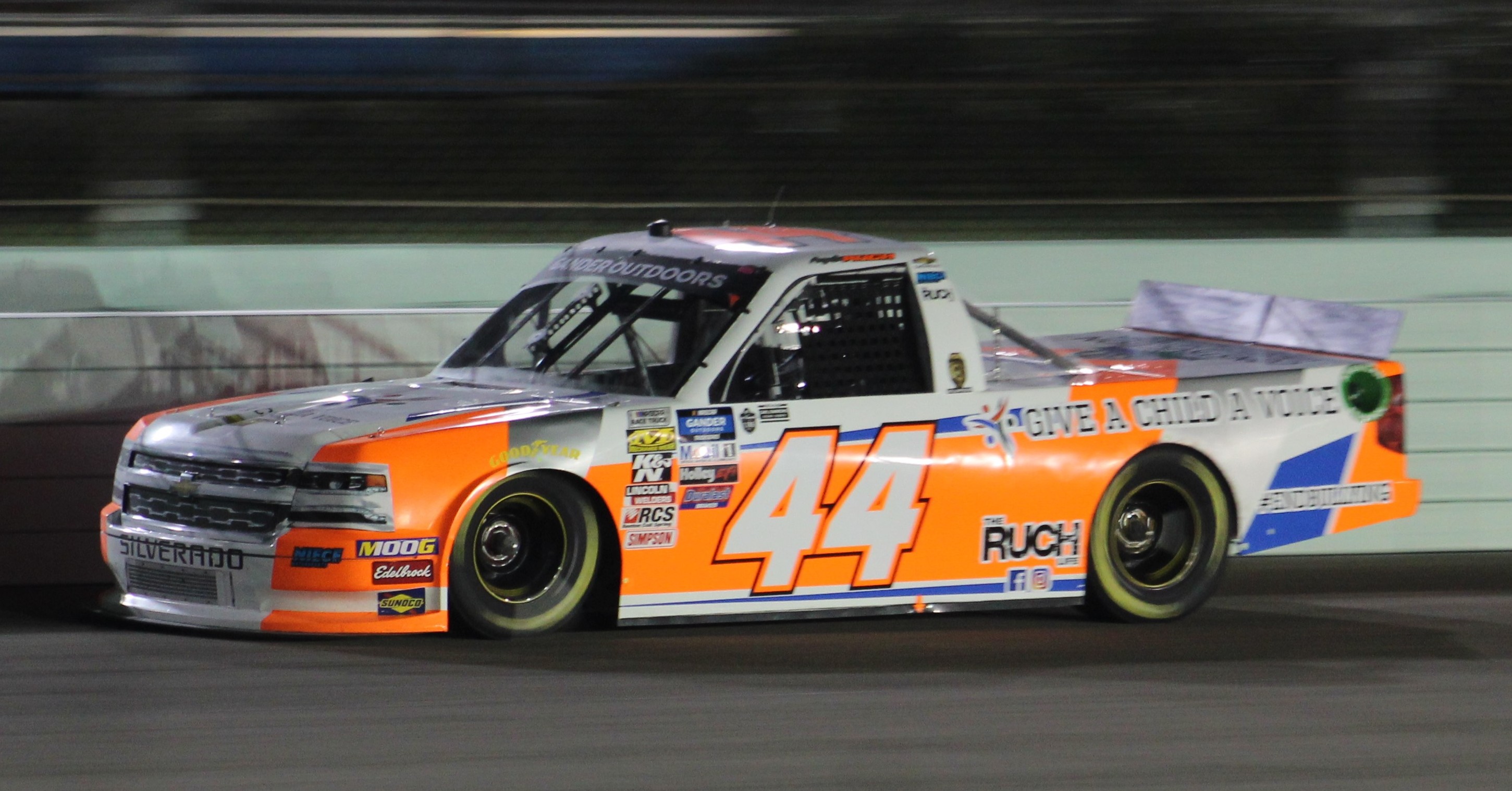
The Chevrolet Silverado is a full-size pickup truck. They’re pointing out that it’s built for heavy-duty use like towing, and it comes with different engine options.
The Chevrolet Silverado EV is an electric version of a pickup truck. They’re emphasizing that you can still tow things—like you would with a regular truck—while driving electric.
They’re talking about changing Formula 1’s engine rules so the cars use V8 engines again. That can change how the cars feel and sound, and it forces teams to redesign parts of the car to fit the new engine.
The FIA is the main organization that makes and enforces the rules for big auto racing. Here, they’re described as having the authority to change F1 regulations about engines.
In F1, “power unit manufacturers” are the companies that supply the regulated hybrid engine-and-energy system used by teams. The segment suggests the FIA could change the engine direction without needing agreement from these suppliers.
Audi is a major manufacturer that has competed in top-level motorsport for decades, and the hosts mention it as an example of how Formula 1 tries to attract and keep big brands. Their “decorated history” implies Audi’s success in other racing series, which can make them a high-profile target for F1 involvement.
Concept
independent teams
Independent teams are F1 teams that aren’t tied to a big factory-backed engine company. The hosts are saying they could be cheaper and more open to join, but it’s not guaranteed.
Here, “engine manufacturers” means companies that build the racing engines for the teams. If those companies leave or stay, it can affect how competitive and expensive the sport is.
Regulation here means the official rules for what’s allowed in F1. When the rules change, teams often have to redesign their cars and it can change who can afford to compete.
Hybrid engines use two ways to get energy: a normal engine plus a system that captures energy and reuses it. In F1, that extra tech can make the cars more complicated and expensive to run.
A budget cap limits how much teams can spend in a season, aiming to reduce the gap between wealthy teams and smaller ones. The hosts mention it alongside hybrid complexity and cost, implying the cap helps but doesn’t fully solve the expense problem.
“Pecking order” just means who’s on top and who’s behind in the competition. In F1, rules try to make that gap smaller, but it doesn’t always work perfectly.
Ferrari is a famous Formula 1 team. In this discussion, it’s named as one of the big teams that are usually at the front.
Concept
midfield gap
In F1, the midfield is the pack of teams that aren’t usually at the front. A big “gap” means the midfield is much slower than the front-runners, and a small gap means teams are closer together.
Sustainable fuels are fuels designed to be cleaner for the environment than regular fuel. The idea is you can still run engines, but with less climate impact.
Concept
energy recovery / hybrid complexity
Hybrid F1 systems can be harder to build and run because they add extra parts. That can make the cars cost more and sometimes weigh more.
They’re saying F1 will bring back V8 engines in the future. That would be a big rule change, so teams would have to redesign their cars around the new engine.
The battery is where the car stores electrical energy. In F1, that stored energy can be used to boost performance, so the speaker is worried it might not work as well under the new setup.
Concept
100% combustion
“100% combustion” means using only fuel burning for power, not electrical energy help. The speaker is worried that would change how the system behaves and maybe make it less effective.
“Power split” is the balance of how much of the car’s total power comes from different sources—here, combustion versus electrical energy. The hosts suggest a roughly two-thirds/one-third split as a more favorable balance.
Hybrid power means the car uses two energy sources: a gas engine and an electric system. In F1, the electric part helps the car accelerate and can also reuse energy that would otherwise be wasted.
“Engine regs” are the technical regulations that define what F1 power units can be and how they must be built. When rules change—like moving between hybrid-focused setups and more traditional engine concepts—manufacturers may support or withdraw depending on whether the rules match their strategy.
ICE means internal combustion engine, basically the normal gas engine. The point being made is that “100% ICE” would rely only on burning fuel, not on an electric assist system.
They’re pointing to 2009, when the economy was rough and some big companies pulled out of F1. The takeaway is that if costs or uncertainty rise, manufacturers may decide it’s not worth staying.
This means F1 rules would require less complicated tech. The idea is to cut costs and avoid spending money on technology that doesn’t help anyone beyond racing.
“Net zero” means balancing greenhouse-gas emissions with an equivalent amount removed from the atmosphere (for example via offsets or carbon capture). The speaker is arguing that even if F1 claims net-zero efforts, the public perception can still be negative when the sport changes engine rules.
Concept
engine chat
“Engine chat” is a shorthand for a discussion focused on powertrain technology—how engines are designed, regulated, and how those changes ripple into race performance and engineering tradeoffs. In this segment, it frames the conversation as centered on F1’s power-unit direction and the environmental debate around it.
LIVE
Today, we're talking about how you don't have to earn more when you can save more.
Okay, so you brought me this stat, T-Mobile customers had the lowest wireless bills versus
Verizon and AT&T over the past five years.
That seems surprising.
Surprising but true, which honestly is what people need right now.
Affordable wireless service isn't a perk.
It's a difference.
Savings based on Harris X billing snapshots from Q321 and Q425 compared to AT&T and Verizon
excluding discounts, credits and optional charges.
For more details, see harrisx.com slash T-Mobile dash savings.
Chevy trucks have you covered when the road takes you from smooth sailing to...
Chevy Colorado will eat up some of the toughest terrains with five available drive modes.
And Silverado and Silverado HD have the muscle to take you out for some serious, with multiple
engine options and impressive towing.
While Silverado EV is the perfect combo of performance and capability, making it a snap
to hitch up this electric truck and hit the road.
Wherever the road leads, Chevy trucks are right there with you.
Click to learn more.
Chevrolet, together let's drive.
Hello everybody and welcome back to the P1 podcast with Matt and Tommy.
Miami is done.
We've got a little bit of time now before we head to Montreal for the Canadian Grand Prix.
And I thought something that was absolutely necessary to talk about, and Tommy I know
you're very excited to talk about it as well, is that Formula 1 plan to return to V8 engines
in 2030.
A lot to discuss about this one because I have quite a few thoughts on this and the
timeline and everything else.
And Mohamed Bensayam, widely popular amongst not many people, is the one being very vocal
about this.
He is.
Yes.
He's obviously the FIA president.
He's the one that gets to decide certain things.
And for some reason, just before the Miami Grand Prix was about to start, before we'd even
seen the new regs or the updated regs in action, he drops the chat that basically, we want
to return to V8s and we want to do it even sooner than the next step of the regulations,
which was of course 2031.
So we are still here in Australia as much as our backdrop looks like we could be anywhere
in the world because we have a couple of live shows coming up in Melbourne and we go to
Sydney, Brisbane and Perth.
But today we need to talk about the big bombshell and that is the V8 engines might even come
back as soon as 2030, perhaps 2031.
So let me go and run you through Bensayam and what he said, and this was to Reuters
ahead of Miami, the quote was, it's coming.
At the end of the day, it's a matter of time.
And that was ahead of Sunday's Miami Grand Prix.
In 2031, the V8, the FIA will have the power to do it without any votes from the power unit
manufacturers.
That's the regulations, but we want to bring it one year earlier, which everyone now is
asking for.
But let's say the manufacturers don't approve it for 2030, the year after essentially he
was saying in 2031, it's done anyway.
It will be done.
V8 is coming.
I mean, that quote is kind of a bizarre thing to read where he's essentially saying, I don't
care what any team or manufacturer has to say with doing V8 engines.
Like it's a very sort of, he's trying to be this powerful figure that goes right, we have
to do what's right for the sport.
My sort of takeaway from all of this is like, why was this never really discussed or properly
considered now?
Why do we have this period of time where we have a huge amount of battery input and we've
spoken in great detail about these regs to then go backwards, back to V8.
It feels like the backtrack of the century, but we also have to wait at least four years
for it.
So it's not like this is round the corner.
But for me, I don't know, it just feels like a very strange way of going from where we
were with the hybrid engines to even more sort of 55, 45 split between the internal combustion
engine and the electrical power to then go, actually, let's go back to V8 with sustainable
fuels.
It's a very odd thing to drop just before Miami as well.
And the fact that it seems like, and we'll talk about the team's reaction later because
we've heard a little bit from Mercedes in particular and Toto Wolfe about it.
But it didn't feel like this is something that's been really discussed with everyone.
As you say, it sounds like he's come out there and gone, this will be really popular.
Let's do V8s.
Let's bring them back.
This is what we need.
And the quote you just read out is really weird as well because he kind of goes all guns
blazing in, I don't care if the manufacturers don't want it, it's happening and we're going
to try and push it a year earlier.
And then later, almost the very next sentence goes, but if the manufacturers don't approve
it, then it will be the year after, which shows that they still have some power, surely.
But this is the situation that we've had and the discussion that we've had before about
FIA presidency.
And sometimes we actually quite like the fact that in theory, you want the teams and the
manufacturers, particularly the manufacturers, not to have so much power because we've been
complaining a lot about the new regulations and how we've done all this for particularly
like Audi and Mercedes and having them to kind of stay and join Formula One.
But a lot of the time, I'm just like, do we really need to like pander, let's just make
Formula One as good as it possibly can be.
There is an element of pandering that you have to do because the manufacturers are literally
the teams in the sport that spend hundreds of millions to be involved in it.
So there has to be some kind of agreement there and this is what, you know, with what
he's come out and said.
Like, it doesn't matter if they approve it or not.
I'm sat there going, but they could just bin off Formula One if they don't like the
regs that is then being proposed for 2030 or 2031.
Like for example, Audi, you know, they've just come into the sport and Formula One seems
to have bent over backwards to get Audi in, who of course has such a decorated history
in every other motorsport.
You go back to this element and, you know, obviously the electrical side, we're not
sure how that's going to combine with this V8 suggestion, but for me, my thinking is if
they're not winning, they're just going to leave again because it doesn't make any sense
for them through what they're developing with their road cars and so on.
I mean, it's maybe a hot take, but I have never, and maybe it's just the era I grew
at watching Formula One, but I personally would rather watch great Formula One if it's
at the expense of some engine manufacturers and we have some independent teams.
There'll be teams that want to do Formula One if it's much cheaper, much more accessible.
And as long as Formula One's exciting, I've never been the kind of person other than Ferrari,
which I think are hugely critical and important for Formula One because they've always been
there to basically, yes, it's cool having Mercedes, Audi, it's cool
having Honda and these manufacturers, but it doesn't make Formula One for me.
So for me, if some of them leave, like they've been and gone and they've come back, so be it.
I mean, fair enough, from a fan perspective, I get it, but from a business perspective,
I think that that would be a huge hit for Formula One if the massive names left.
You say that they're more independent teams and things like that, which would be cool,
but there's no guarantee that that's going to be something that people or teams can just click
their fingers and join Formula One. So I think they have to be kind of careful from a business
structure point of view. And that's why you don't want to lose a huge amount of them,
because that might leave a little bit of a chasm in Formula One. So let's go to a question
from P1Pit, remember Savage Monkey 3.0, do you think MBS is trying to save F1 from its current
state and trying to save himself? Or did he already have a plan to bring them back before
this regulation? Can it be both? I think that I'm sure MBS, one of the things he always loves to
say is that he's a racer, guys. He's reminded everybody he is a racer. And I'm sure for all
of the things he's done that we disagree with, he likes good racing. And I think that we all know
if there wasn't worldwide considerations to going green and also the road
sort of developments that the big manufacturers are making in terms of making sure the technology
that they develop in F1 can translate to the road, if all of that was kind of scrapped and not even
considered, then yes, even MBS who is disliked, let's say, by a lot of people, he knows that this
is the way to go for Formula One. This is always the good old days that a lot of people refer to.
So I don't know whether it's, to be honest, now that I'm talking about it and it's sort of
flourishing in my brain, does he really need to save himself? Because I'm pretty sure he's just
kind of in this monopoly anyway. He's got the power, yeah. He's got everything. The votes always
seem to just be in his favor no matter what happens. So I don't know if it's whether it's
saving himself, but I think he's trying to improve his public image 100%.
And look, if he can save Formula One from its current state, I am absolutely fine with that.
However, 2030 is a very long time away and we've already seen improvements in Miami. I don't think
Formula One may even be in this state come 2028, 2029. So it's not really saving it because we've
got a long, long time to go. We have, yeah. My initial thoughts were when this news got announced
that it did feel like MBS trying to get a bit of popularity. He ruined that immediately by pouring
water over Antonelli's head in Park Fermay. But as much as I don't like the guy and kind of what
he stands for and has done, I do agree with this proposal that Formula One would be in a much better
place. And I don't think it's even a case of it's better in the good old days. I think that for me,
the biggest problem with the hybrid engines when they got introduced in 2014 and it still
lingers on and continues is the fact that it's so damn complicated and so damn expensive.
And as much as we've got a budget cap sort of in place and all these things to try and make the
pecking order a bit closer, we saw much more. You can't deny that when we were back in kind of
2013, 2012, we saw teams like Sauber almost winning races and Force India and things like that. And
there was this opportunity for the smaller teams. Now it's been years and of just
the teams, the biggest teams in essentially McLaren, Ferrari, Red Bull and Mercedes just at
the top and no one can really come close to them. Thanks for including Ferrari at the top.
I really appreciate that. It's really nice. Not that that's been true. They're in that mix though,
aren't they? And particularly when we saw, you can look back to like 2017 and stuff and see the
entire grid and then almost like a lap, a whole lap between the midfield and stuff. And this is
the thing that why I think V8s are the way to go with sustainable fuel or just a less,
you know, these are the quotes that he's come out with and stuff that I do agree
is we need a much more simple engine in Formula One because they're far too complicated for the
manufacturers, the sport in general and the fans. So I don't think that there's so many
problems with the hybrid engines in my opinion, the cost, the fact that it makes the cars really
heavy and big. So yeah, I'm all for this if they do it and I do think it's a genuine
thought behind it because we saw that run from Sebastian Betel where he drove Nigel
Mansel's Williams with sustainable fuels and ever since then it's kind of become this like
buzz in Formula One of look, this is the way to go if you want to be kind of green.
Well, the thing is is that we all know, including Formula One, that it can work. That's not the
debate. It's whether or not Formula One and car manufacturers are willing to take a hit in order
to save the sport and its sort of integrity and the soul of it. Because it's all about money,
it's all about for the big car manufacturers, it's selling the technology that was in a Formula
One car and now it's in a road car, please buy my £50,000 road car. That's what's in it for them
and then with Formula One, of course, they also want to pander to these massive manufacturers. So
if they do go down this route, then obviously it'll be amazing for the sport. It's just who
is going to take the hit because there has to be one. This episode is sponsored by Better Help.
May is Mental Health Awareness Month and it's a good moment to actually stop and ask yourself,
how are you doing? Not the yeah, fine answer, the real one. Because if you've been feeling a bit
overwhelmed lately or stressed or just not quite like yourself, that's more common than people
let on. Most of us just get on with it, but there's a difference between coping and actually talking
something through with someone who knows what they're doing. That's what Better Help is for.
It's online therapy with qualified, experienced therapists matched to you based on what you're
actually dealing with. They've been doing this for over 10 years, served more than 6 million people
and the match rate is genuinely good. But if it's not right, you can switch. No awkwardness about it
and you don't need to be in a crisis to use it. It can just be a consistent space to make sense of
things. Someone with you who's properly in your corner. You don't have to be on this journey
alone. Find support and have someone with you in therapy. Sign up and get 10% off at betterhelp.com
slash P1 pod. That's better HELP.com slash P1 pod.
Today we're talking about how you don't have to earn more when you can save more. Okay. So
you brought me this stat. T-Mobile customers had the lowest wireless bills versus Verizon and AT&T
over the past five years. That seems surprising. Surprising, but true, which honestly is what
people need right now. Affordable wireless service isn't a perk. It's a difference.
Saving based on Harris X billing snapshots from Q321 to Q425 compared to AT&T and Verizon
excluding discounts, credits and optional charges. For more details, see Harris X.com slash T-Mobile
dash savings. Let's go to another question from P1Patreon member Philly Berger. Do we think this
proposal will keep Max and others from leaving Formula One? I think it will certainly help because
I don't think it's even just Max. It's clearly that a lot of drivers are upset. I saw a quote from
Landon Orris that was basically saying that we need to get rid of this whole battery side of
Formula One and the rest of it is actually like pretty decent. And I think that is the case with
the regs. So if we go back to this, it will certainly be a popular one with the drivers, I'm
sure. Again, it's a case of whether it won't be popular with the teams probably. But some people
will look at this and think it's just a way to appease the drivers, particularly someone like
Max Verstappen who's threatened to quit and stuff. But at the end of the day, this isn't a crazy
crazy thing because there are new engine regs coming in 2031. I just think it's almost like him
jumping the gun of what's kind of the idea is behind it rather than there being like this big
discussion between everyone and going, right, what's the future? What should we do next?
I'm of the opinion that doesn't really change Max's opinion, particularly because it is so
far in the future. If anything, this kind of makes me think that should he despise the cars and
continue to despise it at the end throughout this season, that he'll just bin it off and come back
when they're good. That is a potential for me is that Max goes away, does all of his 24 hours of
this, that and the other, whatever he wants to do, because he doesn't enjoy these cars at the
moment. And then as soon as the V8 sustainable fuels come back in 2030 or 2031, then he can just
sign back up. That is a genuine route now, I believe. If they lock in, if Formula One and the FIA
lock in this as the plan, then I can see it happening because Max is going to leave. Max
really appreciates family time and things like that. If he decides to leave, he will go. He's
not going to wait five years because Mohammed Bin Saliham said that the V8s are coming back
in a very long time down the road. So I don't think it changes Max's decision or any of the
drivers, to be honest, because it is such a long time to consider. But you look at the other drivers,
where are they going to go? I don't think there's not many people on the grid. There's the Hamilton's,
the Verstappens, not really many others, Alonso, perhaps, where you could see them going,
nah, can't be bothered with this anymore. But everyone else are just in Formula One,
they love being in Formula One. So they kind of just have to suck it up a little bit, don't they?
I mean, Alonso would be 50. Yeah, could still be around. You never know.
Could still be around. Next question, Emmanuel underscore NF1. Which manufacturer would leave
and what manufacturers would possibly join? Now, Tommy sort of touched upon it, the fact that
Mercedes and Toto Wolf have been reasonably vocal about this. So Toto's quote was,
from a Mercedes standpoint, we are open to new engine regulations. We love V8s. It only has
great memories. And from our perspective, it's a pure Mercedes engine. It revs high,
that concerns me for a more 2031 domination. But how do we give it enough energy from the battery
side to not lose connection to the real world? Because if we swing 100% combustion, it might
look be looking a bit ridiculous in 2031 or 2030. We need to consider that make it simpler
and make it a mega engine. Maybe we can extract 800 horsepower out of the internal combustion
engine and put 400 on top of it or more in terms of electrical energy, which is
a better balance than what it currently is, right? That is a much better sort of two thirds,
one third sort of split. We are absolutely up for it as long as those discussions happen
in a structured way with people's consideration being taken on board.
Meanwhile, MBS, we're doing it. Whether you like it or not, yes. So that's where obviously a lot
of the teams will probably get their backs up if it's the MBS show and the teams don't have
any say. But it's positive to see Toto saying this. Of course, you know, it's all well and good
what he says to the media and what he says to us. And behind closed doors, he will obviously have
Mercedes and the whole brand sort of thoughts in his mind. So we will see. The fact that they're
open to it and they haven't said no is obviously great. We're not going to be turning into formulary
come 2031. That's also good because what Toto wants is usually somewhere along the lines of what we
get. Will he be in charge of Formula One by that point as well? Like, you know, you never know,
because he may well move on from Mercedes and go somewhere even higher.
This is why I think I'd take what Toto Wolf says a lot of the time about Formula One in general
with a pinch of salt. He's clearly got ambitions to be, you know, the next FIA president or a
higher power within Formula One. I think that's very clear from the stunts that he's had on many
things in Formula One. You know, Las Vegas, how much he defended that when there was so much slander
around it. And he wasn't wrong in the end. He did say everybody forget about it and say it was really
good. Exactly. And he was right. And the same with, you know, these regulations. And I initially
thought before I read anything from Mercedes when I heard this news, I was thinking, well, Mercedes
aren't going to enjoy that because that's, you know, same with the likes of Audi and things that
so he's kind of said that, yes, we're open to it, but we still need, you know, I think
MBS's idea behind it is just stick a V8 in, push the throttle off we go. Whereas Toto
clearly has a different opinion of we still need some kind of battery. And so it's kind of relevant
to hybrid power in the real world and the kind of cars that people are producing in the real world.
So I get, I get his side of it, but I think in terms of would manufacturers leave,
I think some probably would because Audi came in for that reason, didn't they, to
basically have the engine regs the way they wanted. And if we went back to just a V8 engine with
just 100% an ICE, they would probably go, well, this is not what we signed up for.
Exactly. You know, Audi is definitely the top of my list in terms of who would leave. But then
you look at the other ones, there aren't an insane amount of power unit manufacturers in F1 anymore
really. You wouldn't think that Red Bull would leave because it's not like they're developing
road cars themselves. Well Ford would probably quite happily have a screaming V8 engine with,
you know, full Merica. It feels like they would, and I think Loramecchis has said, you know, we're
not against it. Honda, again, Honda, Honda, they're kind of road cars and everything is all
kind of more that push towards hybrid power and things as well. So I think you would see a lot
of manufacturers probably unhappy with this. I'm sure we'll hear a lot more from them as this
news story is kind of out and gets a bit more traction. And it'd be fascinating to see that
when they actually all sit down together as MBS kind of suggested that whether this can be pushed
forward as much as they want. But as you said, it is this risk because we've seen this before with,
I think it was like 2009 where there was the kind of the big economic crisis and BMW left and
Toyota left and Formula One have got back into a place now where they have these manufacturers
on board. And yeah, they don't want to lose them as much as I would much rather see better Formula
One. And if it's at the expense of having like Force India's and Benitons and Jordan's.
It is striking the right balance. You know, Formula One has been in a proper boom period,
but there is going to be a point where we reach the top of the mountain. And I feel like we're
there, right? If anything, we might be sliding slightly down with these new regulations. So
we can't take for granted and Formula One and the teams can't take for granted this massive F1
fandom because right now we want the best sport possible. So still have to wait a little while
though by the looks of things. There is a question and a sort of statement from Fergie's right ref.
Guys, come on. We all know it's nonsense. The world is going green. You think engine manufacturers
are going to produce internal combustion engines? It's not really the point, is it? Because if
if Formula One are proposing this and the FIA, you know, if MBS gets his way, which he's kind of
said, or you know, he's already saying, I don't care what what they think, I have the power to do
this. So it's happening, you know, the quote is V8 is coming, it will be done. So at the end of the
day, it's his decision as the FIA president to make it happen. And yes, and some engine manufacturers
may well go, no, we don't want to produce a full 100% ICE. So off we go. But that is the kind of
idea behind Formula One and its MBS is in the FIA's decision to put it in that direction. And
the engine needs to be much more simple. It just depends how simple we're going here of is it going
back to 2013 and just sticking a pure V8 in and hoping for the best? Yeah, I can't see Formula One
having no battery. I really can't. I think I'm sort of with what Toto said in the fact of they will
find a way to incorporate some kind of battery power. But just having much less sort of focus on
that. That's the key thing here is stripping back all of the technology that clearly has been
due to the fact that these manufacturers want to include all this. They don't want to waste money
just in Formula One and then this technology not be used outside of the sport. So yeah,
there's a lot of hits that need to be taken financially for certain areas of the sport. But
if they want this to continue to flourish as the pinnacle of motorsport, then they have to make
some changes. So yeah, 100% V8 engine I cannot say happening. It's tough because we've said this
before that they kind of push towards being that zero and they want to kind of have that side of
it. But Formula One will always have that image of why do you want to be environmental because
you're literally just driving cars for fun. So there'll always be that kind of negative side.
And Formula One don't want that side of it. Even if Formula One could use because we've said this
before that it's all the kind of logistics and everything of Formula One that is the most
environmentally unfriendly, particularly going back to back between like Vegas and Abu Dhabi
and things like that and carrying all the cars over and all that kind of side of it to having
22 Formula One cars drive around for a couple of hours. That weirdly is not the thing that's the
most environmentally unfriendly. But the problem is it's that perception and the image of Formula One
that you know is that message of even if they did do all that side of oh actually we're going to
make the calendar better and we're going to do this and actually now we're net zero, it wouldn't
look good for Formula One from a kind of dim view of just like looking at Formula One going
oh but they've gone back to V8 so that's not very good for the environment.
I don't know if I agree. I think it's more to do with the point I was saying about the technology
transferring into you know road cars because you know you've said yourself right that the
main pollution is the shipping. Is everything around the sport there and I don't know. I feel
that I get it of course there's always going to be people that complain about this sort of stuff
but if anyone actually engages their brain they'll know that that is absolutely nothing compared
to everything else that goes on around moving the circus of Formula One. So but there's lots of
considerations that of course need to be taken into account. So yeah that's a lot of engine
chat for one podcast. It has to be said and a little while to wait as well but hopefully we get
drips of and drabs of bits of news and of how they're going to go about this which direction
they're going to go. I'm sure with the pressure of this season as well and the regulations that
they've brought to the table they'll want to put some positive things out maybe sooner rather than
later hence why MBS has kind of gone off on one in the media. So there you go hope you enjoyed
that one. Tommy final thoughts. Final thoughts are just that I can't believe for races in we're like
right let's talk about the next regulations. What's happening here?
Classic. Classic indeed. We'll see you very soon. Bye. Goodbye.
P1 is a stack production and part of the ACAST Creator Network.
Today we're talking about how you don't have to earn more when you can save more. Okay so
you brought me this stat. T-Mobile customers had the lowest wireless bills versus Verizon and AT&T
over the past five years. That seems surprising. Surprising but true which honestly is what people
need right now. Affordable wireless service isn't a perk. It's a difference. Savings based on
Harris X billing snapshots from Q321 and Q425 compared to AT&T and Verizon excluding discounts,
credits and optional charges. For more details see harrisx.com slash T-Mobile dash savings.
About this episode
Matt and Tommy react to Formula 1’s push toward a return to V8 engines, weighing the timing, the FIA’s role, and how much say manufacturers should have. They question why the sport would move away from the hybrid era after years of battery-focused regulation, but also argue that simpler power units could cut cost and complexity. The conversation keeps circling back to whether F1 can balance performance, sustainability, and manufacturer buy-in without losing its identity.
So soon after the new era of hybrid power has begun, F1 are reportedly keen to return to V8 engines as early as 2030. So why are they seemingly turning their back on hybrid technology? And what will this mean for F1 in the future? Let’s talk about it!
We're in Australia this month! There are a small handful of tickets for a few of our shows - get your tickets at: http:/tix.to/p1aus
Sign up to our Patreon for just $5 a month! You'll get access to every P1 episode ad-free, extended versions of every 2026 race review, early access to tickets & merch, and access to our Discord server where you can chat with us and other F1 fans! Click here to sign up now: http://patreon.com/mattp1tommy