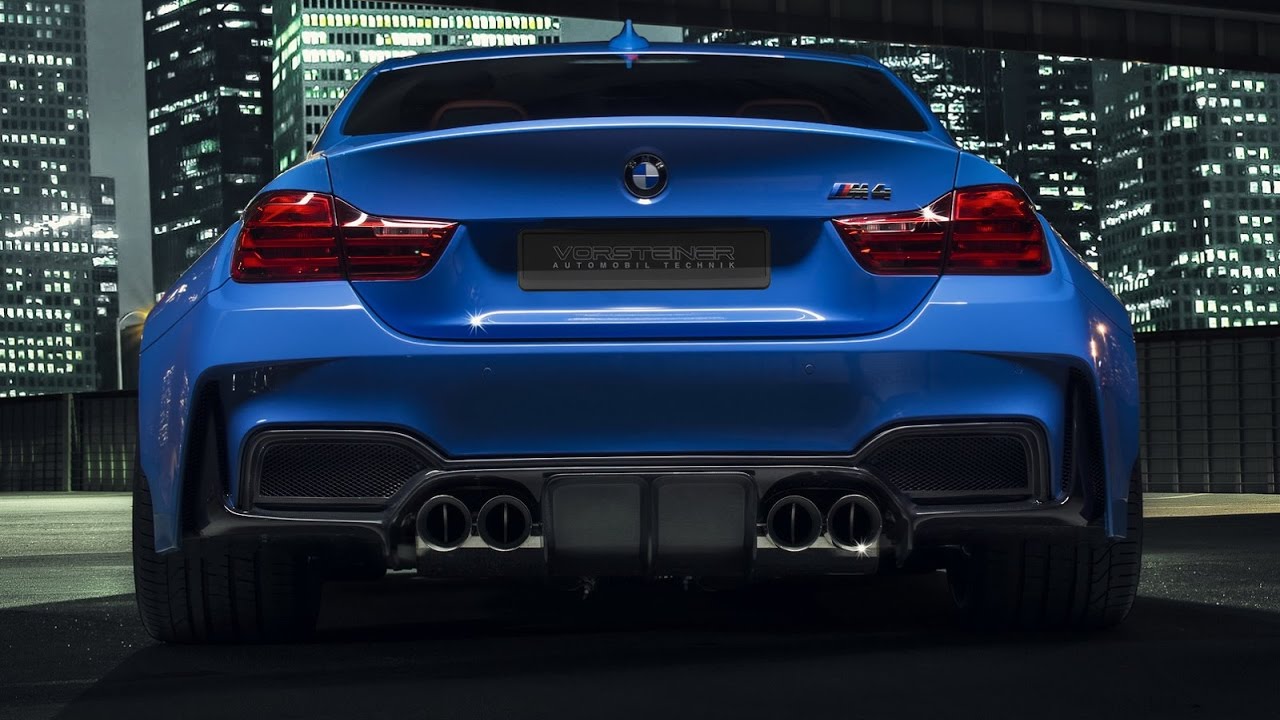
The BMW M4 is a sporty version of the BMW 4 Series car, designed to be fast and fun to drive. It has a powerful engine and is built for people who love driving.
Group B was a type of rally racing that took place in the 1980s. The cars were very fast and powerful, but they were also considered unsafe, which is why this type of racing was eventually stopped.
ProDrive is a company that builds and designs racing cars. They are well-known for their work in rally racing and have been successful in many competitions.
David Lapworth is a well-known engineer in the world of rally racing. He has worked on many famous rally cars and is respected for his expertise in the field.
David Richards is the founder of ProDrive, a company that builds racing cars. He has been a key player in rally racing and has helped many teams succeed.
A racing car is built to go really fast on a racetrack. It's different from regular cars because it's made for competition and not for driving on the street.
ABS means Anti-lock Braking System. It's a technology in cars that helps prevent the wheels from stopping completely when you brake hard, which makes it easier to steer and stop safely.
Brake locking happens when the brakes are pressed too hard, causing the wheels to stop spinning. This can make it harder to steer and stop the car safely.
The Porsche Carrera RS is an older sports car from the early 1970s that is very light and built for racing. It's a favorite among collectors because of its importance in Porsche's history.
'Touring specifications' means the car is built for comfort and long trips, with more features and a heavier design than a lightweight version. It's made for enjoying the drive rather than just speed.
A galvanized shell is a protective coating on a car's body that helps prevent it from rusting. It makes the car last longer, especially in wet or salty conditions.
SSI peashooter exhausts are special exhaust systems that make a car sound really good. They are lighter than regular exhausts and help the car perform better.
Formula 1, or F1, is a type of car racing that involves very fast cars competing in races called Grands Prix. These races take place on special tracks and are watched by millions of fans around the world.
The Monaco Grand Prix is a famous car race that takes place in the city of Monaco. It's known for being very difficult and is a big event in the world of racing.
The push to pass system lets drivers get extra power for a short time, helping them to pass other cars during a race. It's like a boost button that makes the car go faster for a little while.
The Ferrari F40 is a famous super-fast car made by Ferrari in the late 1980s. It's known for its powerful engine and simple design, and many people consider it one of the best Ferraris ever.
The Bugatti Type 35 is an old racing car from the 1920s that is famous for being very successful in races. It's known for its unique design and is a big part of racing history.
The Volkswagen Golf GTI is a fun and sporty version of the regular Golf car. It's known for being quick and enjoyable to drive while still being practical for everyday use.
The Skoda Rapid is a compact car that is practical and good for everyday driving. It has a roomy interior and is known for being efficient, making it a popular choice for many people.
LIVE
Welcome back to the Intercooler podcast
everybody. The podcast powered by car
finance specialist JBR Capital uh with
Dan Prosa and Andrew Frankle. We're a
bit tired this morning. Andrew,
>> long day yesterday.
>> It was a very good day, but it was a
long day up at Bistotion for the latest
Sunday scramble.
>> Yeah.
>> Um lots and lots of you were there. Many
of you came over to say hello. Um so,
thanks to everyone who took the time to
come and come and see us.
>> And all our 911s. and all our 911s. Yes.
So, we we always try to get together a
decent assembly of cars for these
scrambles, don't we? That's that's sort
of what we're there for,
>> I think. Bring some cool cars along.
>> Absolutely.
>> That's why they have us.
>> Yeah. Let people see cars they wouldn't
normally see.
>> Yeah.
>> Yeah.
>> And so, we just decided to do the 911.
>> Um and the point of the display was to
sort of show off the the breadth of the
911, the road cars, the race cars, the
old cars, the new cars.
>> Exactly.
>> Um and you're now going to reel off off
the top of your head
eight cars that we had there,
>> right? So, we had brand new cars. We had
a new Carrera T and a new GT3 Touring.
Uh, slightly older. We had possibly my
favorite car in the whole wide world.
Uh, a 997 GT3 RS, which it was my
inestimable privilege to drive to Bista.
I was there before 7 in the morning. So,
I left home
>> at about Yeah. just before 5 on a Sunday
morning in a GT3 RS with
>> England to myself.
>> Presumably, you didn't go all the way
along the M4 and then up the A34,
>> funnily enough. No,
>> no, I didn't. Uh, and that was that was
amazing. Uh, so that was very, very
cool. Uh, we also had Pro Drive very
kindly produced an incredibly rare 911
SCS.
>> Can I just jump in?
>> Yeah. So, this is a a 1980s
[clears throat]
um actually group B era rally car that
ProJive built. Um it was their first
car.
>> That was that's where it all started.
And as I as we were on our stand, I saw
David Lapworth walk past. Wow.
>> So, I just grabbed and said, "David,
we've got your car." Um and David
Lapworth has been David Richards, the
>> Pro Drive founders rightand man for 40
plus years. He's the technical guru
really behind all of Pro Drive. Um, and
you could just see him, he clocked it.
He, you know, peering over a couple of
other cars and just went, gosh, that was
41 and a half years ago or something.
>> Wow.
>> Must seem extraordinary to him.
>> Yeah. Goodness. Um, what else? So, we
had, oh, this is quite interesting. Uh,
we had a brand new Carrera Cup racing
car, a 992 Carrera Cup racing car. And
parked next to it,
>> we had a 964 Carrera Cup car, which was
the very first Cup car.
>> So, we had the very first and the most
recent Cup cars side by side. And the
evolution from one to the other is
actually greater than it is in the road
cars because what you're looking at with
the 964 is essentially a road car with a
bit of suspension and some slicks and
that sort of thing. If you took the
stickers off and you couldn't see
through the windows, you'd think road
car.
>> Think road car. Whereas the 992,
the new car. Wow. Proper racing car.
>> It looks like much more than just a sort
of single make thing, doesn't it? It
looks like a ser Well, it is a serious
racing car.
>> It is. Yeah, it's it's Britain's
fastest. It is the fastest one make
series.
>> Yeah.
>> Yeah,
>> it looks like a GT3 racing car from a
few years ago.
>> Exactly. Right. Uh, I haven't driven
well apart from um a few hundred yards
yesterday to get it in and out of the
hanger um and without ever leaving first
gear, I haven't driven a 992 Cup car,
but I've driven a 99
um so obviously the previous car uh
which is actually um not that different.
Uh and I' I've driven one of those in
anger on a track and wow because the
thing about those cars is certainly the
991 I think 992 if you're an AM driver
you are allowed something like ABS. Are
you
>> Yeah. The 991 has gone soft.
>> 911. You're on your own. Yeah.
>> It's literally And and to me that
actually makes more sense because
there's nothing interfering with the
drive.
>> Well, I was talking to somebody about
this yesterday and he looked at it and
he he sort of assumed that the Carrera
Cup was a sort of entry almost entry
level series or the cars wouldn't be
particularly challenging or they'd have
they'd have all sorts of aids. And I was
explaining to him actually, as far as I
understand it, these things are tricky
tricky to drive. I mean, the car I
drove, I'm absolutely not going to
mention names, but
>> Yeah.
>> Um, it got rolled into a ball by the
next person in it who was, you know, an
experienced race car driver.
>> Yeah.
>> Uh, and you have to be
>> Yeah. You have to manage the tires. Um,
and you do get little lights telling you
if a brake is locking.
>> It doesn't stop the brake locking, and
you got different color lights telling
you whether it's locking at the front or
the back, but other than that, you're on
your own. Um, sorry, I've completely off
topic, haven't I? Uh, so we have the two
top cars.
>> Just on the Just want to mention that
964 Cup car because it was supplied by
our friends at Sports Purpose.
>> Yeah.
>> And their base is 100 meters away from
our spot at Vista.
>> Yeah.
>> So, thank you to everyone at Sports
Purpose for making that car available.
>> They wheeled it out to us at not much
notice and we're Yeah. Seriously
grateful, guys. Um,
>> what else was there? Oh, you another
racing car. Uh, the uh
>> Here's here's a hint.
>> Yeah, here's a hint. Yes, the colors if
not the car. Um Porsche GB quite a few
years ago um created its own what what I
call an FIA short wheelbase car. So this
is a pre66 car which um complies to the
FIA regulations of that time. And pre66
in historic racing is really important
because there are all sorts of series
you can go and do if you've got a pre66
car which you can't do if you've got a
66 or 67 or Goodwood for one thing.
Goodwood for one thing. Yeah. But also
spar six hours and that sort of thing.
Um, and yeah, and there's now a
dedicated series for these 2 L short
wheelbase 911s. Um, and I raced one at
the Lore Classic in 2010, I think. And
they are absolutely mega things and
Porsche had one of these things and it's
been raced by Max Chilton and Richard
Atwood and, you know, it's had some very
senior drivers behind the wheel.
>> Um, and so we were very lucky to be able
to get that on the stand. How many is
that? Seven.
>> Yeah, one more.
>> And one more. Oh, most valuable car.
Maybe not actually with the SCRS. Most
valuable road car
>> there. Definitely. Um DK Engineering
very kindly um provided
a 2.7 Carrera RS. And I think most
people listening to this will know
exactly what that is. But this wasn't
just any old
>> No. Car a so far as I could see it was
perfect despite the fact they'd driven
it up the
>> up the M40.
>> It didn't come on the back back of the
trailer.
>> It did not. No, it was driven there and
back. Um, this is one of the original
lightweights. So, you know, they made
them in lightweight and touring
specifications and I I can't remember
exactly, but I think touring outnumbered
lightweights by about 10 to one. As a
result, many cars that started life as
tourings have been lightweighted and
they present as lightweights, but
they're not. This one is, and I think
it's a million pounds.
>> Is it a million quid?
>> Yeah.
>> I think that's what they'd like for it.
>> I'm sure.
>> Uh, and it would it's just so beautiful.
Mhm.
>> It [clears throat] was blue over white,
which to me is my favorite uh livery for
those sorts of things. And and I looked
around and because I owned a really bad
replica of one of those ones, um which I
adored and it was wonderful and I got it
from uh I bought it from Richard Tutill.
I say it's bad. It had just done a lot
of miles and it was somebody's project
um which he'd not been able to complete.
Um, but it was an it was an SC base. Uh,
and it was g which meant it had a
galvanized shell which means it would be
much more rot resistant which was
important to me. Uh, and it had that
that 3 liter engine which somebody had
put onto Weber carbs and it had those
sort of SSI peashooter exhausts on it.
So, it sounded unbelievable.
But when you saw the DK car yesterday, I
was just reminded about just how much
nicer the real thing is.
>> Then again, mine was probably 20 grand.
>> Yeah. Not a million quid.
>> Yeah. So, like 2%
of of the real deal. So, I still think
mine's probably the better value. But
anyway, uh thank you very much also to
our friends at DK Engineering for
stumping that up for us as well.
>> Yeah, those guys were really helpful and
um they they just seem delighted to be
able to bring a handful of cars along to
show at different points around the
show. Um so, for those watching on
YouTube, you will have seen me earlier
just point to this model that's in front
of us, a 917 in this red and white
livery,
>> Saltsburg colors.
>> Saltsburg colors. Yeah. And the the
little early 911 the race car that we
had on our stand yesterday was in the
same colors.
>> It was. Wasn't it great?
>> Lovely.
>> It looked wonderful.
>> Yeah, it did.
>> Um, is this a good time also to and I
think we've mentioned it already, but to
say again that uh our presence at Bista
is thanks to uh our also our great
friends at Bista Motion um with whom we
now have a commercial relationship. We
are media partners of theirs. Um and if
you've never been to a scramble, I know
that we said this every time we've come
back from a scramble. We come back from
scrambles and it's not just the great
time that we have. I mean, one of the
problems with actually exhibiting there
is you don't really get much time to
look around.
>> Not a lot.
>> Um, you know, when we're both there,
>> you know, we can sort of one of us one
at a time can dive off for 20 minutes
and go have a quick stoge about. Um, but
almost all the rest of your time you're
on the stand talking to friends. the
amount of people who just came up and
you always ask them what they've seen or
what they've liked and what they think
of it and so many people who'd never
been to a scramble before and had just
sort of I know got decided to go or
they've been given a ticket by a mate or
whatever. They were just so wideeyed
>> a by what they saw but also the venue
which is just such a beautiful place.
You think of those cold sterile halls
that you know you go and get modern car
shows in
>> and then you go to um to B Motion. Can't
call it Mr. Heritage anymore, can we?
Let's change its name.
>> Um and it's just it's just a great way
for enthusiasts to gather and share the
passion for what we all love.
>> Yeah, they're they're really good
things. They've been so smart in doing
it. There are three a year, aren't
there? And so it's been going on for I
don't know several years now. But
because it's not just annually, it's
become a a fixture on the the automotive
calendar and people look forward to it
and it's really well established and it
attracts great stuff and people
>> and a really good point to make now
particularly today is but I say this
because it always sells out really
really quickly.
>> Yeah.
>> If you want to go to the next one which
is in January
um just I think you'll probably get a
ticket if you go on to the website now.
If you go onto the Vista Motion website,
um you but if you try in a week's time,
there's a very good chance you won't.
>> Yeah.
>> Um so if you like what if you always
been meaning to go to a scramble um and
you want to sort of beat the sort of
post Christmas blues and just go and
hang out with a bunch of, you know,
brilliant car people and see some
amazing stuff, get on the website now,
book yourself a ticket, and we'll see
you there.
>> Um yeah, well said. So while we were
there, the Singapore Grand Prix was
happening, um
>> which we're not going to dwell on. It's
It started at 1:00 and so we sort of had
it on our phones and we're we're peering
at our phones periodically, weren't we,
just to see what was going on.
>> Yeah. So,
>> not very much.
>> Not very Well, that's the problem, isn't
it? That is the problem. Um, even we
could tell just sort of dipping in and
out, we could tell that it wasn't a
particularly interesting race. There was
very little overtaking going on.
>> You can't overtake there. [sighs]
I mean, I would get, you know, I mean, I
know it's all about the commercials and
I'm sure that
>> whoever runs Formula 1 makes an enormous
amount of money out of that contract,
but
you know, you know, you and I feel
differently about Monaco. I'd get rid of
the Monaco Grand Prix. I just would. You
know, if you have a Grand Prix weekend
when Saturday's more interesting than
Sunday, something's gone badly wrong.
>> I do agree. Do you know what? There was
after this year's race, there was a a
proposal from I think it was the race um
the website and podcast
looking at how the track could be
adapted to create at least one
overtaking opportunity. And there are a
few there are three spots I think that
they identified and in in one case
they'd have to reclaim a bit of land
from the harbor but that they're doing
that anyway just around the corner.
>> Yeah.
>> So why isn't that being taken seriously?
because they've already they they've got
the money. I guess they sell it. I don't
know whether they sell it out or not. Um
it's hard to conclude it's for any
reason other than they just don't care
enough about
>> I know
>> the spectacle
>> about about the show, the show that
they're putting on for the fans who
ultimately are the people who make the
whole thing possible.
>> I I'd get rid of Hungary, too.
>> Um yeah, any circuit where there is one
or fewer legitimate overtaking players,
get rid of it. It'll be interesting to
see what next year's cars are like with
the movable arrow. I think there's some
sort of push to pass system, isn't
there? So,
>> but you don't want to make it too
artificial, do you?
>> I I know. I know. But honestly, I've
just had enough of Formula 1 cars
sitting one behind another and the
drivers can't do anything. Imagine
you're imagine you're a driver and you
know you're quicker than you know I mean
for most of the race yesterday Lando was
sitting there you know in Max's
slipstream and I have no doubt at all
that if he could have got past
>> Oh he he would have been quicker. Yeah.
Not only would he have been quicker, but
you know, and I think they said it um on
Sky Commentary, I think Martin said, you
know, said that
>> um you know, Max uh did George Russell
in a huge favor because I think that if
um and what he actually I think meant
was that the track did George Russell a
huge favor because if Lando could have
got past Max, I think he would have
>> been out there absolutely angling for a
win, but then he wouldn't have been able
to get past George anyway. It just it
just cheeses me off. um that were
treated to not shows like that
>> because it doesn't need to be like that.
And there must be any number of other
circuits that have been former F1
circuits or could be brought up to that
specification
um where you could have a really really
good
show and we don't get it. We go to
places like that and to Hungary and
Monaco.
>> Let's go to Kyle Army.
>> Let's go. [laughter] Wouldn't that be
>> I'd love there to be a Formula 1 race in
Africa.
>> Yeah, it's astonishing that there isn't
one.
>> Well, there hasn't been for goodness
know more than 30 years.
>> Yeah.
>> I think they had some at the former Kyle
Army which was so the original Kyle Army
was unbelievable.
>> Um but very very senior and there's no
way in the world you could ever raise
Formula 1 girls around that even if it
still existed which it doesn't. Um, but
actually
I'm just trying to think, it wasn't one
of those circuits where loads of people
died. I mean, Peter Revson died there,
but that was a car breakage. Tom Price
very sadly died there, but that was a
freak occurrence which had nothing to do
with the layout of the circuit. Um,
and it was wonderful, but that went away
and they sort of cobbled together a
Mickey Mouse version of it, which was
terrible. But they have since rebuilt it
and I've been to it and I've been around
it and it is amazing. But it is
whatever. They grade these circuits,
don't they?
>> Yeah. It's not graded.
>> And it's a grade two. I think I think
you could do wet there. You could
certainly do GT3 there,
>> but you couldn't do Formula One there.
>> No.
>> Um,
and actually it was so bizarre the
previous race, Baku. What everyone knows
about Baku is that there's that very,
very long straight and with DRS you can
overtake.
>> Yes.
>> Except this time you just couldn't. It
was really odd.
It was really odd and that just made it
a pretty unexciting race.
>> Well, let's see what next. But the
problem with next year's cars are yes,
they they are moving in the right
direction because they are a bit smaller
>> and a bit lighter.
>> A tiny bit. Yeah.
>> But yeah, exactly. You need a
transformation. M
>> you know if you go and if you went and
parked a
1962 Lotus 25 next to a modern Formula 1
car I mean your your eyes would fall
out. Yeah
>> because one's about three times the size
the other. Now I'm not suggesting for a
moment we go back to the spindle things
which were so unbelievably dangerous.
But there has to be
>> there simply has to be some sensible
middle ground where the cars are still
safe and they can actually put on a show
worth watching. And at some circuits
today they do. But that says far more
about the circuits than the cars.
>> Um and but at too many circuits, as we
saw yesterday, as we've seen too often
this season, they just don't. And you
end up regretting even investing the
time taken to watch the bloody thing.
>> Yeah, you do.
>> Anyway,
>> um
>> should we move on?
>> I think we probably should move on. Uh
so couple of weeks ago, we published our
podcast with Jason Plato.
>> That was something, wasn't it? Lots of
people came up to us yesterday and um
spoke about how much they enjoyed the
that hour and a half, hour 45, whatever
it was with
>> Jason. Yeah, it was quite a long one.
>> Um but it was surprising to a lot of
people, wasn't it? It was because, you
know, I think that, you know, lots of
people think they know Jason because
he's, you know, he is just one of those
larger than life characters and has
been, you know, he's been in the he's
been in and around racing cars for well
over, I think he won his first title in
1991 or something. Uh, that was that
sort of European Formula Renault thing.
>> Um, and he's been, you know, part of the
BTC furniture for such a long time. And
then obviously he uh he retired from
racing and as you will listen if you
listen if you haven't heard the podcast
do go and listen to it. I'm not going to
go into all the details now but
basically and he won't mind me saying
this at all his life fell apart and for
the last 3 years he's been trying to
recover is not is not too strong a word
um from you know from a very very deep
dark hole in which he found himself. uh
and yeah he said to us uh because I
asked him the question you know how does
your recovery rank alongside all you've
achieved in motorsport and he said that
was nothing you know the recovery is far
and away it's you he regards as the
greatest achievement so I think he is in
a I suspect he would describe himself
still very much as work in progress um
but he's in a massively better place now
than he has been and you may know that
he has announced that Jason Plato
Motorsport will be on the grid for the
BTCC at the beginning of next year so
he's going to come team owner, so he's
he's not going anywhere. Um, but it was
just the most
um it was most a remarkable podcast
because so much of it was, you know, the
fantastic stories and, you know, and and
the great laughs and everything, and
then suddenly it just sort of turned and
it became so thoughtful and honest,
sometimes painfully so. Um, and and I
don't know about you, Dan, but I just
felt this sense of sort of I was just
proud that he felt that he could open up
like that on the TI podcast. Um, so
yeah, it was it was an amazing
recording and I'm proud that we've done
that we've done it.
>> I think there's a a slightly curious
thing going on with Jason because he is
such a gregarious,
you know, outgoing character. um he's
very familiar to us from his TV work.
>> And so
that stuff when you hear Jason Plato
almost becomes more prominent in the
mind than his driving ability. But
actually his driving ability even now,
but certainly when he was right at the
peak of his powers was remarkable. He
was a hell of a racing driver.
>> Yeah. I mean he went toe-to-toe with,
you know, people who'd been in Formula
1, Formula 1 test drivers
>> um and got the drive.
>> Yeah.
>> Yeah. He absolutely should. He deserved
a shot at a proper single-seater career.
He was very very good in single seaters
in his early days. But we know and he he
gave a few examples of other people.
There is so many fantastic drivers out
there who had the talent, absolutely had
the ability to go and have a really good
professional career,
>> but just never the opportunity. And we
know the opportunity is the bigger part
of it, isn't it?
>> But I think he would also be the first
to say, in fact, he did say it. um you
know he would be uh he wouldn't be
necessarily high up anybody's list from
the point of view of someone who's going
to be prepared to tow the corporate line
>> um and do all the tedious you know on
message stuff scripted stuff that you
have to get out and say and all the
people yeah I mean you can just see
Jason not surviving in that
>> well and also he he doesn't take a
racing driver's approach a modern racing
driver's approach to racing does he
>> not that familiar with the inside of a
gym I understand no
>> he's not all about his healthy diet and
staying off the booze and everything He
just he loves it. He's you know he's you
know he
if he'd been born well if he'd been
racing in the 1960s.
>> Yeah.
>> Um with all the other you know hell
raising funloving 50s actually even more
so with the Peter Collins and Mike
Hawthors as well.
>> I mean he missed his era.
>> Yeah he did.
>> But he would have absolutely loved that.
>> On the other hand he did find the form
of motorsport that suited his lifestyle
didn't he?
>> Yeah absolutely. Absolutely. until it it
all went there was one comment uh on the
podcast which of all the things that he
said I don't know it's the one that I
sort of dwelt on because I thought it
was such a an insight into a state of
mind when it did go wrong. He remember
he said he went home and took down all
the mirrors.
>> Yeah.
>> He didn't have a single mirror in the
house. He didn't say any more than that
as to why but I don't think it takes an
awful lot of interpretation to
understand what
>> to understand that. Um, and it was Yeah.
I mean, it was it was in equal parts,
you know, sad and fascinating and
poignant and ultimately uplifting
because he's because he's on the men.
>> Yeah.
>> Yeah.
>> Well done, Jason. Thank you for being so
open and honest with everyone. Um, and
then the week after we recorded with
Jason, we did it all over again, didn't
we? Um,
>> yeah, that wasn't a rubbish evening
either, was it?
>> No. No. So we um thanks to our friends
at JBR Capital, our car finance partner,
um we did it all over again a week later
with Dario Frankiti. Um so JBR held an
event in a glitzy venue in in London.
>> Um and they invited us along to to
record a live podcast. Dario was the
guest. Um
>> and it wasn't exactly a podcast evening,
was it? It was it was their own event.
It was a networking event for them.
Exactly. And we did a couple of a couple
of sessions on stage recording with
Dario.
>> Exactly.
>> Um, but Dario's a great guest. He, well,
A, he's had a phenomenal career and he
continues to do really interesting stuff
in the car, the road car world, but B,
he's also a pro and he knows exactly
what we're looking for, doesn't he?
>> But C, he loves cars.
>> He really does. I mean, you know that
you can't fake that enthusiasm. You
could be the best actor in the world and
you couldn't because it's the knowledge
and and you just look at, you know, the
cars that he's owned and the stuff that
he's done.
Um he's just he's one of us.
>> Oh god. Is he
>> with a bit more talent [laughter]
>> and a few more means?
>> Yeah. Well indeed.
>> Um but you I mean he talks in the the
podcast will go out in the next couple
of weeks um on this channel, the YouTube
channel and the usual podcast channel.
Um so you'll be able to listen to it
very soon. But he of course talks about
the highlights of his racing career that
some of the lowlights as well. He he's
very honest about the accident that he
had
>> which did end his professional career.
>> Well, I said to him because we'd already
recorded the Jason Plato podcast at the
time and I said to him, you know, Jason
Plato career ended out of choice
>> and he struggled with not being a racing
driver anymore. And I said to Dario, but
yours, you had no choice over it at all.
You didn't want that to happen. You
didn't choose that to happen. you in a
terrible accident and suddenly you woke
up in hospital and you weren't a racing
driver anymore and said you know how
difficult was that for you to deal with
and he I can't remember the exact words
but he said something was I was so busy
being grateful still to be alive I was
completely fine with it
>> yeah yeah
>> um
>> he was also I suppose it helps that he
was right towards the end of his his
professional career wasn't it he he knew
he wasn't going to be doing it forever
he had achieved everything
>> three Indy500s
>> four Indie Car championships
>> four Indie Car championships
>> he'd done it
over that side.
>> I still think he would have wanted to go
and do
>> Le of course it's different if you're a
22y old. You're a promising young racer
and your career gets snatched away from
you before you
>> but Jason was in his 50s when he
stopped.
>> Yeah.
>> Yeah. So Oh yeah. I mean Yeah. Awful.
Awful. If you're
>> you know if you're a sort of Billy Mer
type person
>> um you never hot shot who everybody's
going watch this guy and then suddenly
it all just comes to a
>> you know horrible end. So, that episode
will go out in a week or two. Um, it's
it's worth listening to. We also go we
talk a lot about road cars because a
Dario is involved with Gordon Murray
Automotive. He's
>> he's got a a very professional job
title, but ultimately he's
>> chief pedler.
>> Chief peddler, chief test driver really.
They I mean Gordon Murray Automotive has
full-time test drivers, a team of them,
but Dario sort of oversees them.
>> Yeah.
>> Um he he points them in the right
direction. Um, and of course Dario just
loves road cars. He's he owns a lot
right now and he's [clears throat] owned
many in the past and he's he's got great
stories and he he talks about
>> going up to Scotland 25 odd years ago
with his F40 so that Colin McCrae could
have a go in it. [laughter]
>> Only imagine. Um
>> maybe he'd come drive to Wales so I
could have a go in it.
>> Oh, that'd be nice, wouldn't it?
>> Wouldn't it just
>> Dario, you listening? Um, a few other
things that I want to talk about um in
the second part of this podcast, but I'm
going to remind you all that you can
subscribe to the Intercooler, our
multi-awwardwinning adfree online car
magazine. Um, and if you choose an
annual sub and use coupon code pod 20,
you'll get 20% off for the first year.
There'll be a link in the description.
Click that um, and you can go and
subscribe. Use Pod 20 to get a 20%
discount on your first year. Um,
you don't just get the magazine, the the
daily articles that are written by the
world's best team of automotive writers,
not just us.
>> Um, but you can also listen to this
podcast completely adree. You can get
audio versions of our daily articles, ad
free. There's a midweek podcast just for
subscribers called Ask the Intercooler
Adree. So, the amount of audio output
we're sticking out there these days, it
is a lot and if you subscribe, it's
totally adree. Um and just on the uh the
audio versions of the stories that we
write uh and just approp
yesterday the number of subscribers who
came up to us and said um a couple were
dyslexic and they found stories
physically very difficult to read
>> um on the website app or indeed other
people's uh paper magazines.
Um, but most, you know, just from a just
from a sort of convenience point of view
and they were saying it's just made such
a difference because there's an awful
lot of output. You know, every day
there's a new story and they take, you
know, if you think of them as a mini
podcast
>> all by themselves every single day. They
they tend to last about sort of 10 to 15
minutes if it's a decent size story. Um,
which for you a lot of people is a walk
of the dog or a quick drive of the car
or whatever. And every single day you
can listen to something new just from
us. Um, did you tot up the amount of
audio that we put out per month or
something?
>> It's 10 to 12 hours per month,
>> which is an enormous amount. Um, and you
know, the thing is is that nobody else
is doing it in anything like the way
that we are. Um, and our subscribers
absolutely love it because I think they
do just think of it as being, you know,
not just one normal podcast a week and
one ask the intercooler per week, but
also every single day of the working
week. Um there are these, you know,
shorter um but voiced articles which are
effectively mini podcasts in their own
right coming out every single day.
>> Yeah, there are lots of people out there
who just, as you say, just don't have
the time to read or perhaps the
inclination. Um
>> I also think a lot of people just just
enjoy listening.
>> Yeah, it does require less effort than
reading sometimes, doesn't it?
>> That is the way media is moving towards
audio because you can just do it while
you're doing all sorts of other things.
Um, and so it's really important to us
that we make everything that we do
available in audio form. Um, and people
really like it. Here's one more reason
to subscribe. Uh, every month we give
away a Supernatural car care kit to
either a new subscriber or an existing
subscriber. That kit's worth 125 quid or
something. It's a really good kit from
Supernatural, which is a top top quality
car care company. They they strip away
all the dyes and the fragrances and you
know all the stuff that makes other car
cleaning kits bright green and bubble
>> stuff that cleans your car.
>> It's the stuff that cleans your car.
It's the stuff that you really need. Um
and if you aren't one of the lucky
winners, you can still benefit from our
partnership with Supernatural Care by
going to supernaturalcarcare.com,
filling up your basket with lots of
lovely products, and using coupon code
TI10 to get a 10% discount. Um, I want
to stay at Bot Motion just a bit longer.
>> Okay.
>> Because last week,
>> uh, I spent a very very happy half hour.
>> I'm, you know, I'm so cheesed off. I I
had a not insignificant birthday last
week.
>> You did.
>> Um, which, you know, I'm very happy
about. I'm still glad to be here, but it
meant I missed this.
>> Yeah. and having knowing what you were
going to do and now knowing what you
went and did and having spoken to the
sort of the main man who made it all
possible yesterday at Bista. I'm really
cheesed off I wasn't there.
>> It was brilliant. So the Hedley Studios,
formerly the little car company. Yeah.
>> Founded by Ben Hedley who came on the
podcast a few months ago.
>> Um
>> can you just sort of remind everyone
what they do?
What they do is they make
well little cars but they are so they're
electric cars uh which can be driven by
children or adults. They make them in
different sizes. The cars they made so
far are type 35 Bugatti um an Aston
Martin DB5 a Ferrari Tesster Rossa and
most recently a blower Bentley. Um the
Bentley is so big it's 3/4 the size of a
real one. It's about the size of a
Volkswagen Golf. Yeah.
>> And you can drive that on the road.
>> I did. Yeah.
>> And you did. Um and it's like a sort of
tandem two-seater. But the thing about
these cars is they're not toys.
>> These are very serious, beautifully
engineered. So much so that these cars
come with the full approval and support
and assistance of the factories that
made them originally.
>> Yeah.
>> Um I think you can go on most of them.
You know, these cars are on their
configurator. I think you can go on the
Ferrari configurator
>> and find it there.
>> And find it there. And I think they come
with proper Ferrari chassis numbers. I
mean, they are really really pucker
authentic things. They look beautiful.
Um I think you were a bit surprised by
just how well they drove as well.
>> I was I'll come to that. But in the case
of the Ferrari in particular, um so the
the space frame chassis,
apart from the fact that it doesn't have
opening doors, so they that part of the
the the frame, um you know, is is fixed.
It's solid to make it a bit stronger.
But otherwise, the angles of all the
pipe, the tubes, the the shape of
everything is exactly the same as the
the original thing. They scanned a a
testoster
um to to get it just right. And the the
the bodies, I mean, what would be the
easier thing to do? Make them out of
glass fiber or something? It' be so
straightforward.
>> Yeah, absolutely. Dole.
>> These things have proper handbeaten
aluminium bodies. They're beautiful.
>> Proper space frame chassis. I mean, they
are
>> well, they're they're the sort of
products that you would expect the
manufacturers of the originals to want
to shout about. And you [clears throat]
can imagine if you made a cheap glass
fiber
>> electric tessteros I mean you know
Ferrari's re you probably end up in
court.
>> You would.
>> Yeah.
>> You would. You don't get the blessing of
Marinella if you don't do it properly.
>> No absolutely not.
>> Um but yeah I mean so there's the the
handling track at Bista which is
actually ideal for these things.
>> Exactly.
>> Um and hoofing those cars around that
track was such a blast. Particularly the
Ferrari and another one that I'll come
to in a minute. But that Ferrari, I was
blown away because it actually handles.
It really handles.
>> It's properly set up.
>> It's amazing. It steers beautifully for
one thing.
>> Um, for another, the chassis balance is
just sublime and it's full of feel,
right? Because it's such a tiny, light
little thing. Of course, it is. And so
you'll chuck it into a corner, you'll
feel the front end push a little bit and
you'll just lift off the throttle or
you'll give it a dab of brakes and you
can adjust your line and the back end
will come around
>> and it's just so beautifully balanced.
You
>> you just I was left at breaking in it
because it's it's it's like a go-kart
really. It's easy to do. And what you
find when you're using both feet not
just to make it stop and go, but to
adjust the balance of the car
>> and you're using the steering to steer
the car. So you've got all four limbs
going at the same time, adjusting the
balance of the car.
>> And I've heard it described as flying a
car. It's which is it's just a wonderful
sensation.
>> And all your four limbs are working in
perfect harmony with each other. And
you're almost not sort of thinking about
it because actually and we're so far
removed from that these days, aren't we?
with these days of sort of one pedal
drive
>> and cars that steer themselves
>> and you kind of forget that actually as
human beings we're quite good at
coordinating all of our limbs. Our limbs
are designed to work together.
>> And when you get into that moment when
you sort of looked around and you see
your arms and your legs all doing these
things without you really telling them
where to do it because it's so natural
and in and instinctive to you. That's
driving.
>> It was great.
>> That is driving
>> and that's what it should be about and
that's what it's too rarely about. these
days.
>> Um, so
>> you've had a go in the same car, haven't
you? At the same place.
>> I absolutely Yeah, it was a while ago I
had an absolute baller. There's a
ridiculous photograph of me sideways on
three wheels in this thing.
>> Um, just
>> yeah, just loving every second of it
because, okay, they're EVs so they don't
sound um, you know, like the originals
at all. They don't try to do that. Um,
but it's like a Kum, you know, it's
light, it's properly engineered.
um you know their sensors of gravity are
very low and as long as you you know do
that and you do it properly the car will
be fun to drive and on top of that it
looks amazing and you can spend
>> you know just a huge amount of time not
even sat in the car just pouring over
the details and seeing how carefully and
cleverly engineered it is and how the
lengths that they went to
>> to make sure that these things are you
know properly authentic
>> down to the smallest possible detail. I
mean, they don't have, you know, the
Ferrari doesn't have a 3 liter V12
Colombo motor in it. Um, but yeah, where
it can be authentic, albeit slightly
scaled down, it is. And they are they're
wonderful things.
>> We should point out they are
astonishingly expensive,
>> of course.
>> You know, they're I'm not about to go
out and buy one. I don't have the money.
Um, they're not cheap cars, but it's
sort of to be expected the quality of
them and the fact that they're properly
licensed from the manufacturers. I don't
there's no other way. But I did drive
another car, another Headley Studios car
that
>> maybe we have to talk about this.
>> Yeah, I mean it's it's not it's not
quite as um enormously expensive. I
think actually when the Tamilia Wild 1
Max does eventually become available to
customers. Do you know I might get this
wrong, but I think it's sort of Golf GTI
kind of money, something like that.
Maybe a bit less. Um, forgive me Ben if
I've if I've got that wrong.
>> But we're not talking
>> high five figures or six figures. Yeah.
>> Um, so you you've probably seen this
Tamilia Wild One Max. It's a a scaled up
Tamilia. It looks exactly like one of
the original Tamilia.
>> Sort of making models of real cars.
Yeah.
>> This is a real car made from using the
model as its inspiration.
>> Yeah. It goes the other way, doesn't it?
Um, and this is because Heedley Studios,
Headley Studios will take care of the
sort of recreations of iconic real cars.
And there's another division, um, I
don't know if they've actually launched
it yet, so I won't give away the name,
but there will be another division of
Headley that produces
these
sort of one-off really fun, really
exciting, creative, innovative other
products. The the Tamilia is one of
those.
>> But so when you say oneoff, they're not
going to make just
>> No, no, no, no. They're okay fine. No,
not oneoff, but they're they're sort of
standalone models and they're
>> exactly
>> they don't sit alongside the other stuff
um in the Headley lineup. Um and
I mean I was curious and actually really
intrigued by the Wild One Max when it
was first announced good few years ago
now. Um but it's evolved a lot. So the
first one that they built um was to L7E
regulations. That makes it road legal,
>> but it massively limits the amount of
power it can have. Yeah.
>> And so Ben was telling me that they
built
>> like a Citroen Amy.
>> It's a Citroen Amy. It's a Renault
Twizzy. And those things max out at 33
mph, whatever it is,
>> 28
>> probably. They are slow.
>> Yeah.
>> Um and so Ben was saying that lots of
people drove the L70, the early spec
Wild One Max, you know, and I'm sure
>> I drove it.
>> Oh, did you?
>> Yeah. Yeah.
>> Did you? I didn't know that.
>> Completely off the record,
>> right? Okay.
>> At the time. Didn't say anything about
it. Wasn't allowed to. Um, but I'm sure
I said what everybody else said, you
know, great concept, not fast enough,
>> just needs more power. Everyone said it
needs more power. So, they tore it all
up. Um, almost started again and now
it's built to I can't remember what the
regulation maybe maybe it's M1 or
something, but it's it means it's a full
fully homologated road car. M
>> um and so it's a massive headache for
the engineers at Headley Studios um
because it's a massively more
complicated thing, but it means the car
can have a load more power
>> and a load more power it's going to
have.
>> So the one that I drove was sort of in
between it's a prototype, right? So it's
sort of in between the homologated road
car model and the L7E. So it had
>> I think it was 40 or 50 horsepower. The
real thing will have a good chunk more
than that. And
>> he told me how much more yesterday, but
I'm not I can't remember whether he told
me in confidence.
>> He did. Yeah, we're not allowed to say.
So,
>> so, but when you say a good chunk, you
do mean a good chunk.
>> I do mean a good chunk, but then there's
also they're looking at doing another
version that has way more power.
>> Yeah.
>> Um I can't say how much, but honestly,
even the the one with a good chunk more
power is going to be rapid. The one I
drove was quick.
>> It felt brisk. Um, and so goodness me,
the the one with a chunk more power is
going to be mega and the one with a load
more power is going to be wild max
>> good.
>> Um, but the what really stood out even
with the the sort of limited power of
the one that I drove,
>> the chassis is just brilliant. It's just
brilliant.
>> Um, I want to drive it on dirt on the
loose because that's what it's built for
really. But even on the the handling
track, the test track at Vista,
it's I mean, it's what you want from a
buggy. It, you know, there's a load of
wheel travel. There's quite a lot of
body movement. It doesn't feel sort of
sloppy and weward, but it it does roll
and lean and pitch and dive.
>> Is it quite nomadic?
>> Uh, yeah. Yeah, it is that sort of
thing. I think probably more so cuz it's
a lighter car. Yeah.
>> Um, so they don't have to tie it down so
much. Um, but what the the sort of
defining trait was that you would hurl
it at a corner quite quickly and it
would on roll it would roll a bit and
then just over steer and it through
certain corners if you got it right you
just turn it in and then you'd be
neutral on the steering and the thing
would just steer itself all the way
through just sort of sliding all the way
through the exit through the entry.
>> Sounds like a properly set up historic
race car. Oh,
>> it was it was brilliant fun. This one
didn't have the power to break traction
on exit and slide that way.
>> Yeah,
>> maybe the other ones will. Um, but even
so, launching a at a corner, neutral
steering, just feeling it turn itself
around the entry of the bend. Brilliant,
brilliant thing.
>> You had a good day out. And so the the
reason I was doing this was to do some
filming for um to launch a competition
that we're holding with Bistotion
>> where three winners plus a guest will be
able to go along to Bistotion,
meet Ben, have a look around the Hedley
Studios factory and drive the cars on
the track.
>> Yeah.
>> And the Bentley on the road as well.
>> I don't know. I don't know if they
>> we have discussed it.
>> Okay. But, you know, these are not
finalized, but it's whatever it's going
to be, it's going to be a hell of a
competition. And the point is, this is
not something you can go out and buy.
>> You absolutely can't.
>> It really is a money cannot buy this
price.
>> Whoever wins is going to have a blast.
It's going to be a very memorable day.
Um, we're not launching the competition
right now, but over the next few days,
we are going to launch it on social
media. So, you're just going to have to
check out
>> Stay tuned at the Intercooler on
Instagram. You'll find us on Twitter,
The Intercooler X. It's called X, isn't
it? Um, and we will launch the
competition very soon and we'll explain
how to enter. But goodness me, you want
to enter because it's it's a hell of a
lot of fun.
>> Whoever wins it is gonna have an
absolute bl and actually they they're
plus ones will have a hugely amusing
time just watching you
>> Yeah.
>> barrel around the test track on these
things. Having the time of your life.
>> Yeah. Brilliant. Well, talking of time
of your life.
>> Yeah.
>> Spitfire.
>> Oh, yes.
There's a wonderful story which I
believe to be true. Um years ago there
was a track day happening in Goodwood.
Um and there were a couple of people
having a chat in the in the paddock and
one turned to the other and go um what
did you come in today? And the person
said oh I I came in a Spitfire and the
bloke went triumphed which he replied no
supermarine. [laughter]
>> And I so hope that's true. I so I know
people who swear that they were there.
And I just think that no supermarine is
one of the [laughter] alltime great
replies. Um, yes. Uh, if you subscribe
to the website and an app, you will know
this already. Um, [sighs and gasps] I
flown a Spitfire,
>> which means no Supermarine, [laughter]
>> but I didn't just fly in a Spitfire. I
flew a Spitfire.
>> I didn't just fly a Spitfire. I flew a
proper combat veteran Spitfire. um you
know which had shot at the bad guys um
during World War II. It was
so the background is when I was the
editor of motorsport in 2000.
Um there was this plan that because I
used to do lots of track test racing
cars. Um but on the 60th anniversary of
the battle of Britain, there was this
plan that I would go and fly a Spitfire
uh instead and just sort of like track
fly one of these things. And for reason
for reasons I won't bother going into
now, but I think probably is in the
story uh it didn't happen. And so for
the last 25 years, I mean, I went to a
prep school that was in Eastborne, um,
which is, you know, basically below the
skies in which the Battle of Britain was
fought. And as a kid, I used to go and
play literally in the bomb holes that
were left by the German bombers as they
abandoned their
>> their loads and fled for home. Um, so
it's been part of me. Uh, and if you
freeze, there's a certain point in the
Battle of Britain film that if you know
where to freeze from, you can actually
see the school that I spent six of my
years of my life in. And I just always
wanted to do And then after this event
in 2000, I've I've just been so
wanting to find a way. Um, and one of
the joys of doing this job, uh, if I
can, you know, be incredibly sort of
smug about the whole thing is that now
there is a way because so long as, you
know, you can justify editorially,
um, and and and we kind of call the the
shots on that. And you know, as you as
people who subscribe will know, we don't
just do cars on the website and app.
It's overwhelmingly cars, but we have
this tab called Universe where we might
talk about mountaineering or speedboats
or aircraft or whatever motorcycles. And
so there was a place for it and there's
this amazing company called
Spitfires.com.
>> Uh they've actually got 10 locations all
over the UK from um up in Scotland to
down in the Channel Islands. Um, but
I've only ever known them from Goodwood
where I think their sort of like head
office is. Um, and I put it to them and
they went, "Come and have a go." So, I
turned up to spitfires.com. Uh, and they
are unbelievably professional.
>> U, you know, they are licensed by the
CIA to maintain and service Spitfires to
teach people how to fly Spitfires. Not
just idiots like me, but people who want
to buy their own Spitfire and fly it
around on their own. So they you they
will train proper pilots to fly
Spitfires. Um and the briefings that you
go through, you know, you've got to
watch about 45 minutes of videos before
you even leave home. Um you get
rigorously tested when you're there and
quite right too and asked again and
again and again. You know what happens
if something goes wrong and the chances
of something going you learn two things.
One is the chances of something going
wrong are microscopically small.
>> And secondly,
almost whatever goes wrong, however bad,
you're almost certainly going to have
options which don't involve
>> really some kind of cortees.
>> Yeah.
>> Um you can get out
>> and um and you need to know this because
when you're in the aircraft, it feels
like you're on your own because you're
not sat next to anyone. You sit in a
separate cockpit. M you can't see the
pilot. Um if the engine's not going, you
know, at sort of, you know, maximum
bananas, uh you can hear the pilot a bit
in your ears, um but that's quite hard.
And so the point being is if something
did go wrong, and it it absolutely
won't. But were it to, you
have to know what you're doing.
>> So you have to know what to do. And
actually the funny thing is is having
been told all of this and watched all
the videos and everything, I became much
more reassured than it didn't scare me
off at all.
>> Not that I would ever have not done it
anyway, but um if I could have been more
eager to do it than I was, I would have
been after having been told the truth
about the risk you're taking, which are
negligible. Um and so I climbed into
this thing. It's called thing called a
Spitfire Mark 9. It was the first
Spitfire with a two stage supercharged
uh Merlin engine about 1500 horsepower
flat out about 400 and something miles
an hour. Um and I had this amazing bloke
called Charlie Huke who was my pilot.
He's flown over 250 different sorts of
aircraft and he's you know spitfires to
him are [snorts] you know what you know
any kind of normal car that you and I
drive to do. It's just something you can
just get in and go and do.
[clears throat] He doesn't find that
difficult at all. Um, and what can I
say? It's one of those weird things. I
can remember this. Anybody watching this
on YouTube will see uh we mentioned it
earlier that Porsche 917 in Saltsburg
colors on the table in front of us. When
I first drove that car, um, I was nervy
about it because all my life it was the
car I wanted to drive. Um, and you built
up this massive weight of expectations
and your fear is that the experience
itself isn't going to live up to your
rather childish expectations of it. And
it did. And the Spitfire was exactly the
same. Whatever, however good I thought
flying a Spitfire was going to be,
>> it was better.
>> It was mesmerizing. It the sense of it's
so unlike being in a normal airplane
where you're sat there in the seat with,
you know, someone's seat back in front
of you, someone you don't know to one
side and a small little port hole. You
Spitfire, you've got this massive bubble
that you sit in. You can see everything.
You've got all the controls, all the
dials, all the gauges, all the switches.
You look out to your left, to your
right, and you see that extraordinary
elliptical wing that Reginald Mitchell
designed in the mid 1930s. Um that was
so key to the Spitfire's performance.
>> Do do you understand the theory behind
that wing?
>> I'd like to say that I do,
>> but no.
>> Okay. But it somehow it makes the the
plane hyper agile.
>> Hyper agile. And that was the thing it
could So, you know, [clears throat] the
measure smmiths were up against, you
know, they had cannons and the Spitfires
only had uh machine guns. the Measure
Smiths were better. Um,
uh, I think I don't know whether they
were quicker. They might have climbed
faster, but there were many areas in
which, um, the Measure Smith was a
superior aircraft, but it could never
outturn
>> a Spitfire. And so if you had a Spitfire
and you were and and there was a Measure
Smmith trying to get away from you, um,
yeah, you had you had far and away the
easy job because whatever it did, it did
you could do more.
>> Wow. Um, and anyway, so, um, I went up
in this thing. Um, and
we did some we did some tracking shots.
Um, and down, you know, you and I do
tracking shots all the time. When
there's a third dimension involved and
you're doing nearly 200 miles an hour,
it is a bit different. Uh, and it was
very blowy that day. I couldn't believe
[clears throat] how close to this camera
plane, which I think called the Cessna
Caravan. Uh, Charlie was prepared to
park this Spitfire. Really,
>> the real problem was that the Cessna was
going absolutely as fast as it could and
the Spitfire was going absolutely as
slowly as it could. Um, and we were told
that we had 5 minutes because the
Spitfire can't fly that slow for very
long. I mean, the Spitfire really
doesn't want to do a lot less than 200,
>> right?
>> Um, so as we're doing this and then as
soon as we done that, he went, "Well,
off you go. Your airplane."
>> And I was just, you know, I have flown
I'm not a pilot. I've never um even
attempted to become a pilot, but I've
flown you a couple of things and I've
been up on a glider and so on. Um so I I
I understand the basics, you know, I
know what the big stick in front of you
for and I know what the what what the
pedals do and I know what most of the
dials do, but I'm not much further on
than that. And then suddenly and I can
remember I I sort of rather
um hesitantly took the stick in my hand
and put my feet on the rudder bars and
then I sort of looked in front and the
only time I ever saw him at all was I
just saw the tips of his fingers. He
stuck his fing his his hands in the air
just to prove to me that he wasn't
flying it anymore. And there I was
flying a Spitfire. And I sort of said to
him, um, well, what can I do? And he was
going, "Well, what do you want to do?" I
said, "Well, could I try a turn?" He
went, "Your airplane." [laughter]
I couldn't believe it. So I I turned
left, I turned right, I went up, I went
down, I flew out to sea, I turned
around, I came back. [laughter] It was
amazing.
>> Wow.
>> I mean, wow. What a thing to do. What a
thing to do. It's really expensive.
>> Yeah.
>> It's about 100 quid a minute.
>> Yeah. But you know, if you can possibly
think of being able to afford it, what I
absolutely promise you is that the
memory of the bill will fade and pass
and the memory of flying that will be
with you for the rest of your days. And
if you can afford, it's about 500 quid
to have a Cessna up with you.
>> Yeah. Oh, you should.
>> A, you can fill you can fill it up with
your mates. Um, but the pictures that
you can get, the memory that gives you.
I mean, there is a camera in the in the
plane which was one of these weird 360
degree cameras which lets you see
everything.
>> Um, and there's some amazing footage.
When when I handed control back to
Charlie, he just did a
>> what people call an a victory roll. It's
actually a simple aileron roll, but it's
just, you know, it's a roll. And so,
you're upside down in a Spitfire. Um,
and so you can see that you simply see
your face with the ground apparently
above you, which is which is quite fun.
Um, but it's nothing like the pictures
that you get from the Cessna,
particularly someone who's got a half
decent camera and knows how to point it
and squirt it. Um, so yeah, so that was
it. And you can fly it for as little as
I think 25 minutes or as much as 75
minutes. Even if you do the shortest
flight possible, that get you out over
the White Valley.
>> You've done it. Yeah. Um, if you take
the long one, you can go to Bristol, you
can go to do, you can you can, you know,
but even with the shortest one, which I
think is about three and a bit thousand
pounds, you've flown a Spitfire. And you
they didn't say to me, do you want to
fly because I was doing it for a story
or because I'm me or in any way special.
If you want to fly a Spitfire, you can
go and fly a Spitfire. You never need to
have flown anything before in your life.
Um, and all you have to do is go on
Spitfires.com
and, you know, they will do everything
else. And there was such a professional
organization.
Um, as I said, I felt really reassured
by it. And for a long time after you go
into that sort of phase of really not
quite being able to believe that you did
it.
>> Anyway, the story is on the website now.
It's in two parts. I really tortured
people because I wrote I wrote the first
half of it. We weren't even off the
ground by the end of it.
>> Um, which was all about the buildup to
it and what you have to do and what you
need to do and the the training and what
it's like to sit in and then taxi out.
And then the second half is all about
flying the thing. Um,
and it's one of the best things I've
ever done in my life.
>> Yeah. I mean, the two-part story is
fantastically written, as you'd imagine.
And it's quite rightly been received
brilliantly. Everyone who read it really
enjoyed it. So, you must go and check it
out if you haven't already. There will
actually be a video coming in the next
week or two.
>> Oh, yeah. I forgot about that. Yeah.
Yes. We shot a video as well.
>> Yeah.
>> Yeah.
>> So, that'll be up quite shortly on the
Intercooler YouTube channel.
>> You can see me upside down on a
Spitfire.
>> Super cool thing to do.
>> Nuts.
>> Really, really cool.
>> Very lucky. Um [clears throat]
well listen, let's wrap this one up. Um
I will remind you all that you can
subscribe to the intercooler and get
this podcast ad free. The midweek ask
the intercooler show ad free audio
articles full access to our magazine and
the archive of 1,500 stories. You can
read all of them if you want to. Um and
you can subscribe for 20% off for the
first year if you choose an annual sub
and use coupon code pod 20. Um
>> go and do it. It's brilliant.
>> You really should. Um, if you're
watching this on you, if you're watching
this on YouTube, excuse me, please just
subscribe to our channel. Um, if you're
listening as
>> if you're watching on YouTube, can you
tell us what you think of the 917?
>> Yeah,
>> I think it's fabulous.
>> How good does it look? Brilliant, I
would say. Um, and if you are just
listening to this as an audio podcast,
please please follow the show on
whichever app you use. Um, and we'll be
back with another episode next week. See
you then.
About this episode
Dan Prosa and Andrew Frankle reflect on their recent experiences at the Bista Sunday Scramble, showcasing a variety of Porsche 911 models, including rare race cars and the iconic Carrera RS. They discuss the evolution of racing cars, particularly the differences between the 964 and 992 Carrera Cup cars. The conversation shifts to their thoughts on the Singapore Grand Prix, expressing frustrations over the lack of overtaking. They also share insights from their interviews with Jason Plato and Dario Franchitti, highlighting their personal stories and challenges in motorsport. Finally, Dan recounts his thrilling experience flying a combat veteran Spitfire, emphasizing the joy and freedom of the flight.
Dan Prosser and Andrew Frankel reflect on their interview with Jason Plato, published last week, in which the BTCC legend opened up about the struggles he's faced recently. They also talk about the latest Bicester Motion Sunday Scramble, the Singapore GP, driving several Hedley Studios cars and more besides.
Use coupon code pod20 at checkout to get 20% off an annual subscription to The Intercooler's online car magazine for the first year! Listen to this podcast ad-free, and enjoy a subscriber-only midweek podcast too. With a 30-day free trial, you can try it risk-free – https://www.the-intercooler.com/subscribe/
Find out more about JBR Capital here – https://www.jbrcapital.com
Use coupon code Ti10 to get 10% off your Supernatural Car Care order – https://supernaturalcarcare.com/