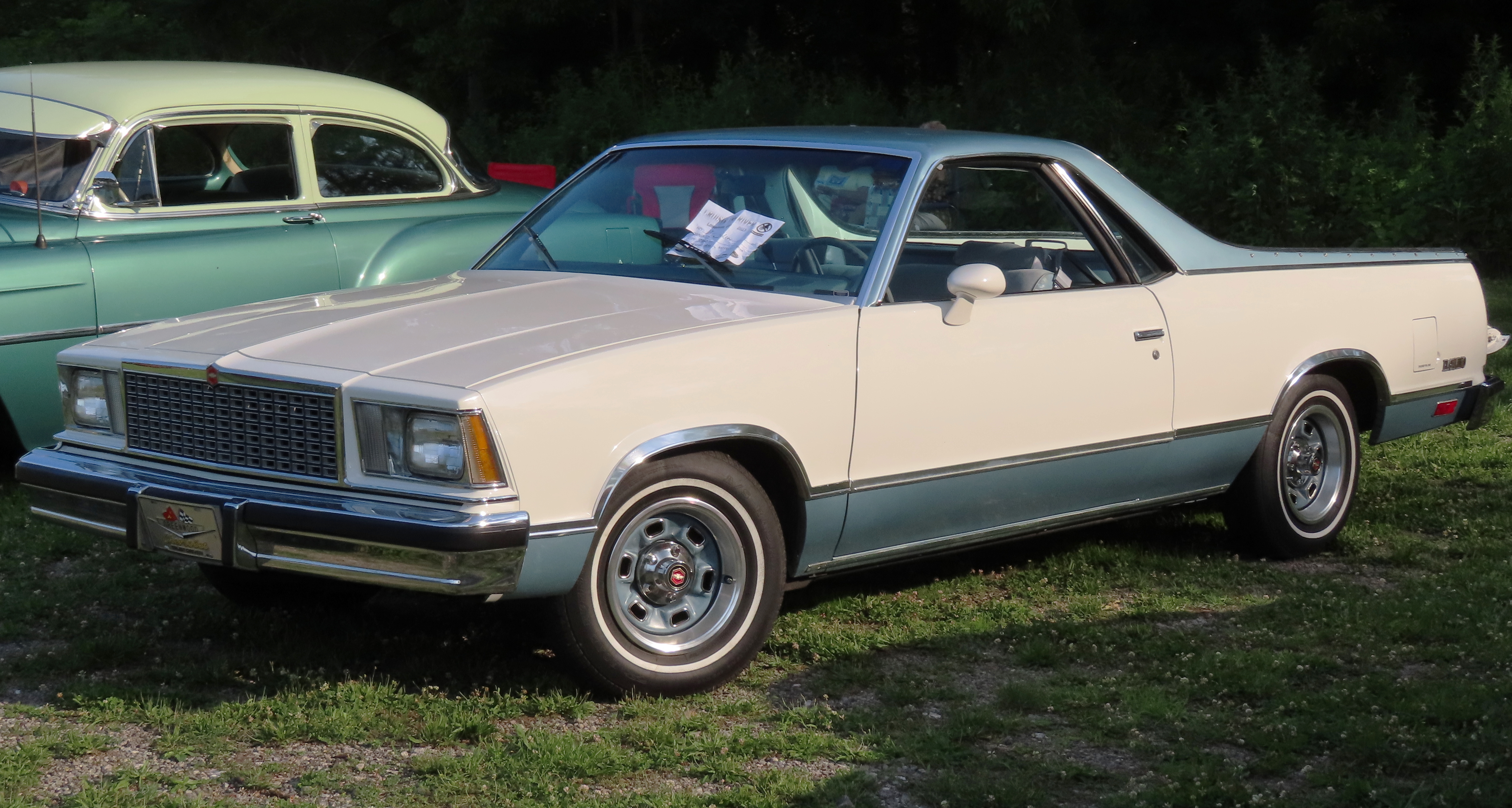
This is a 1955 Corvette made by Chevrolet. The speaker is talking about the car’s wiring system—basically the bundle of wires that powers lights, gauges, and other electronics—and how they replaced it while working on the car.
A wiring harness is the car’s main set of wires, usually bundled together, that connects everything electrical. If it’s old or damaged, it can cause problems like dead lights, weird gauges, or even electrical shorts, so people replace it during restoration.
Reverse engineering means you learn how something is built by looking at what’s already there. In car wiring, it can mean tracing wires and figuring out which wire does what so you can rebuild it correctly.
Term
electronics school
Electronics school is training in how electrical systems work. That kind of knowledge helps when you’re fixing a car’s wiring because you need to understand circuits and how to find what’s wrong.
An El Camino is a classic Chevrolet that’s part car and part pickup. This segment is about making replacement wiring harnesses for the 1968–1972 model years, so you can add or update things without hacking the original wiring.
Term
square box
They’re referring to a common “box” style electrical setup used in older cars. The shape and layout matter because it determines how the wires connect and how the system is organized.
“10 amps” is how much electrical current the circuit needs. If the current is higher, you need thicker wiring so it can safely carry the load without getting hot or losing power.
Wire gauge is basically how thick the wire is. Thicker wire can handle more current safely, which is why they’re talking about 16-gauge versus 14-gauge for the circuit.
Resistance is how much a wire or connection slows down electricity. In wiring, lower resistance usually means less power loss and better performance for the circuit.
Some classic cars use a 6-volt electrical system instead of 12 volts. Because it’s lower voltage, the wiring often has to be sized differently to deliver enough power.
A relay is like an electrically controlled switch. It lets a small control signal turn on a bigger power circuit, which helps protect the wiring and makes accessories work more reliably.
“Direct battery voltage” means the accessory gets power straight from the battery. That helps it receive enough power to work correctly, especially when the original wiring isn’t designed for modern loads.
Car wiring uses different colored wires so you can tell what each one is for. When people restore a classic car, they try to match the original wire colors so it’s easier to work on later.
These are the wires that power the rear tail lights. When you’re rewiring a classic car, you have to make sure the wires are long enough to reach where the lights mount.
This is a practical wiring-harness rule: it’s generally easier to shorten an overlong wire run than to extend one cleanly later. Extending usually means adding more splices/connectors, which can introduce extra failure points and messy routing.
Dennis Overholster from Painless Performance Products breaks down how classic-car wiring harnesses get reverse-engineered and built, from sourcing wire and choosing gauges to the documentation and customer support that follow. He also explains how Painless designs universal harnesses by asking where the fuse block mounts and whether the car has power windows and door locks, including why they often include extra-long wire lengths. The conversation ties it together with the “painless wiring” origin story and the brand’s long development timeline.
Wiring is where a lot of classic car projects go to die: brittle insulation, mystery splices, random colors, and “temporary” fixes that turn into permanent hazards. From the Lone Star Street Rod Association State Run in Granbury, Texas, we sit down with Dennis Overholster from Painless Performance Products, the company so many builders mention when they want a clean, reliable automotive wiring harness for a street rod, classic truck, or restoration.
Dennis breaks down what Painless actually does day to day, from using tens of millions of feet of wire each year to building harnesses by hand on layout boards for consistent routing and branch lengths. We get into the real craft of reverse engineering: bringing a vehicle into the shop, deconstructing the original harness, building prototypes, test-fitting, documenting every change, and then producing a kit that’s repeatable. If you’ve ever wondered why a good harness costs what it costs, the “it can take a year to get it right” explanation lands hard.
We also go practical with classic car electrical upgrades: six volt versus twelve volt systems, choosing wire gauge with headroom, and why a simple relay often fixes problems when modern accessories like air conditioning demand more current than the original circuit can safely deliver. And if you’re nervous about installation, you’ll love hearing about the full-color manuals and the phone support that helps first-timers avoid expensive mistakes.
If you enjoy smart car talk and want fewer electrical surprises, subscribe, share this with a friend who hates wiring, and leave us a review so more builders can find the show.
Disclaimer: This post contains affiliate links. If you make a purchase, I may receive a commission at no extra cost to you.
---- ----- Want more In Wheel Time car talk any time?
In Wheel Time is now available on Audacy!
Just go to Audacy.com/InWheelTime where ever you are. ----- ----- Be sure to subscribe on your favorite podcast provider for the next episode of In Wheel Time Podcast and check out our live multiplatform broadcast every Saturday, 10a - 12nCT simulcasting on Audacy, YouTube, Facebook, Twitter, Twitch and InWheelTime.com.
In Wheel Time Podcast can be heard on you mobile device from providers such as:
Apple Podcasts, Amazon Music Podcast, Spotify, SiriusXM Podcast, iHeartRadio podcast, TuneIn + Alexa, Podcast Addict, Castro, Castbox, YouTube Podcast and more on your mobile device.
Follow InWheelTime.com for the latest updates!
Twitter: https://twitter.com/InWheelTime
Instagram: https://www.instagram.com/inwheeltime/
https://www.youtube.com/inwheeltime
https://www.Facebook.com/InWheelTime
For more information about In Wheel Time Podcast, email us at