A supercharging station is a special place where electric cars can get charged quickly. It's much faster than regular charging spots, making it easier for long trips.
A kilowatt hour is a way to measure how much electricity you use. If you use a lot of power for a short time, or a little power for a long time, it all adds up to kilowatt hours.
The Honda Civic is a small car that many people like because it's easy to drive and saves gas. It's a good option for anyone looking for a dependable vehicle that won't break the bank.
The Nissan Leaf is a popular electric car that doesn't use gasoline. Instead, it runs on electricity stored in batteries, making it environmentally friendly.
An interchange system helps find parts that can work for different cars. It tells you which parts fit which models, making it easier to fix cars without guessing.
Make is the car brand, like Ford or Toyota. Model is the specific type of car, like the Mustang or Camry. Generation tells you which version of that model it is, usually based on the years it was made.
A radiator helps cool down the liquid that keeps your car's engine from overheating. It works by letting air flow through it to cool the liquid before it goes back to the engine.
An expansion valve helps control how much coolant goes into the air conditioning system. It makes sure the coolant is at the right temperature to cool the air inside your car.
Air conditioning in cars keeps the inside cool and comfortable by removing heat and moisture from the air. It uses a special fluid to help with this process.
The crank sensor helps the car's computer know where the engine's crankshaft is and how fast it's turning. This is important for making sure the engine gets the right amount of fuel and spark to run properly.
Overfueling means the engine is getting too much fuel, which can make it hard to start and run properly. It can cause the engine to flood, similar to how an old carburetor might behave.
A pressure regulator is a part that keeps the fuel pressure steady in an engine. This helps the engine get the right amount of fuel it needs to run well.
The Jeep Grand Cherokee is a larger SUV that can handle rough roads and off-road adventures while still being comfortable for everyday use. It's a good choice if you need space and want to explore different terrains.
The Toyota Tacoma is a small truck that people love for its strength and ability to go off-road. It's a great option if you need to haul things or want to drive on rougher paths.
The Honda CR-V is a small SUV that offers a lot of space inside for passengers and cargo. It's known for being reliable and good on gas, making it a smart choice for families.
The Chrysler Pacifica is a family van that has a lot of room for kids and their stuff. It's designed to be comfortable and has features that make it easy to use for family trips.
The Honda Odyssey is a van that is great for families because it has lots of room and features that make traveling with kids easier. It's designed to be comfortable and safe for everyone.
LIVE
Welcome to the Under the Hood Show podcast.
Thanks very much for listening and don't forget you can subscribe to our YouTube page
or follow us on Facebook and watch our Facebook live videos when we do the show every week,
Thursday morning from 9 to 11 central.
And we do have some podcast sponsors.
Like Berkeley One Classics, your key to collect your car insurance.
And Road Ready Wheels, replica OEM wheels at huge savings.
Use the offer code hoodie for even more.
And by car dash part, over 200 million used parts ready to ship to you fast.
Thanks for listening to the Under the Hood Show podcast.
Here's the show.
This is Under the Hood.
Welcome to the Under the Hood Show.
We are glad to have you with us.
Russ Evans is here to answer your automotive questions.
Thanks for joining us Under the Hood.
Shannon Nordstrom is here to do the same.
Welcome, hoodies.
Thanks for tuning in so we can help you tune up.
I'm Chris Carter here to answer your calls at 866-594.
4150.
866-594-4150.
I have a question right out of the gate for you, Shannon.
Uh-oh.
It was sent to us.
Uh-oh.
You drove a Tesla across the country the other day.
How much was it?
How much did you pay in electricity?
Well, that's what I was just...
Doug had asked me that question, said it was going to get posed to me.
And I thought on my...
I got my phone out here and I have the Tesla app that kind of shows you everything.
And it shows me the recent...
You know, all the...
I can get the history of all the charges and what they cost me.
And I thought somewhere on here there was a comparison to the gas savings.
I don't want a comparison.
But I'm not seeing it.
I'm not seeing it.
I just want raw numbers.
How much was it?
300 and some bucks, 400 and some bucks.
Okay.
It was like $100 savings over gas.
You know, the superchargers themselves...
When you first...
I understand when Teslas were first in the market the most,
they were giving free supercharger charging.
And some of those cars that had that free charging and were getting resold were very...
People were...
They're pretty valuable because they were hooking up and free electricity.
But then as time has moved along and the cost to put in the charging stations and everything,
they definitely have a fee involved to get your electricity.
And so like as an example, if I look at it right now,
the last charge that we had, if I just go to charging and I go history,
the last charge session was $26.60 at a supercharging station.
And that was a 30 minute session at a 47 kilowatt hour...
47 cents per kilowatt hour.
And it delivered 56.6111 KWH.
And so...
Well, and that's if you're charging there because I think we're 15 cents if you're charging at home.
Different prices everywhere, but this...
Oh, I gotta make some money whoever's pumping the electricity, right?
Exactly.
It's not pumping electricity.
That's a good way to put it here.
Pumping electricity.
Let it flow.
This is why I run Accord to My Neighbors because I'm planning ahead.
I mean, at Craver Christmas, I run it over there.
But a couple of years ago, I just buried it.
So our electricity has gone down to practically nothing.
And you've got bright lights on your Christmas tree?
Yeah, super bright.
Do you put a lot on?
His... yeah, who cares?
Running the full display of the lawn with music and everything?
Yeah, I got the lasers and the smoke machine, the whole thing.
Makes it fun.
My neighbor's like, well, that must cost a lot.
I'm like, you tell me.
Yeah, he goes driving out of the garage.
It's like a rock and roll concert every day.
Yep, yep, exactly.
I have it on a motion sensor.
It makes that civic look awesome every time it comes out.
The FedEx truck pulls up.
It's great.
It's really neat.
You took that too far.
Man, I wish my kids were into Halloween.
When I was a kid, I loved to decorate and do stuff for Halloween.
And my kids never... they didn't love it, so I never did.
But I was a DJ.
I still have all my stuff just waiting for...
so I can spook up my house for Halloween.
And now they've got... what you could do back then...
Yeah, I could...
...was amazing.
Well, yeah.
For the time.
Yeah.
Totally amazing.
Now anybody can do it.
It's not fair.
To get amazing today, I can't imagine what you have to do.
Because you can buy so much stuff so cheap.
It's crazy.
It's not fair.
What's caught your attention in the automotive world?
Well, you know, every time that I go down into our dismantling shop,
I'm always intrigued by what they might be working on.
And this morning, I stopped in the inventory building,
and they were doing what we lovingly call,
and please don't attack me for this, D-Day.
And it's when we have our cars that we've bought...
Just imagine cars that you buy from a tow lot, bottom-end cars that have been
tow-aways from the street.
There's nobody wanted them anymore.
And things we buy from the public that are not desirable.
We don't need them.
They go into our D category.
And so there's a process we've developed to handle those cars as little as possible,
because we can't afford to touch them.
I got you.
I mean, if I start handling the cars with the cost of labor and overhead,
you can't make any profit on them, even if somebody gave it to you for free.
And a lot of people don't understand that,
because they don't understand the size of operation that we have.
A free car costs us money.
And so we have to be able to recover elements of it in that regard
and touch it as little as we can.
Well, I kind of went off on a sidetrack there,
but that's kind of interesting maybe to people to know that every car that comes
into our facility is categorized, so we know what we're going to do with it.
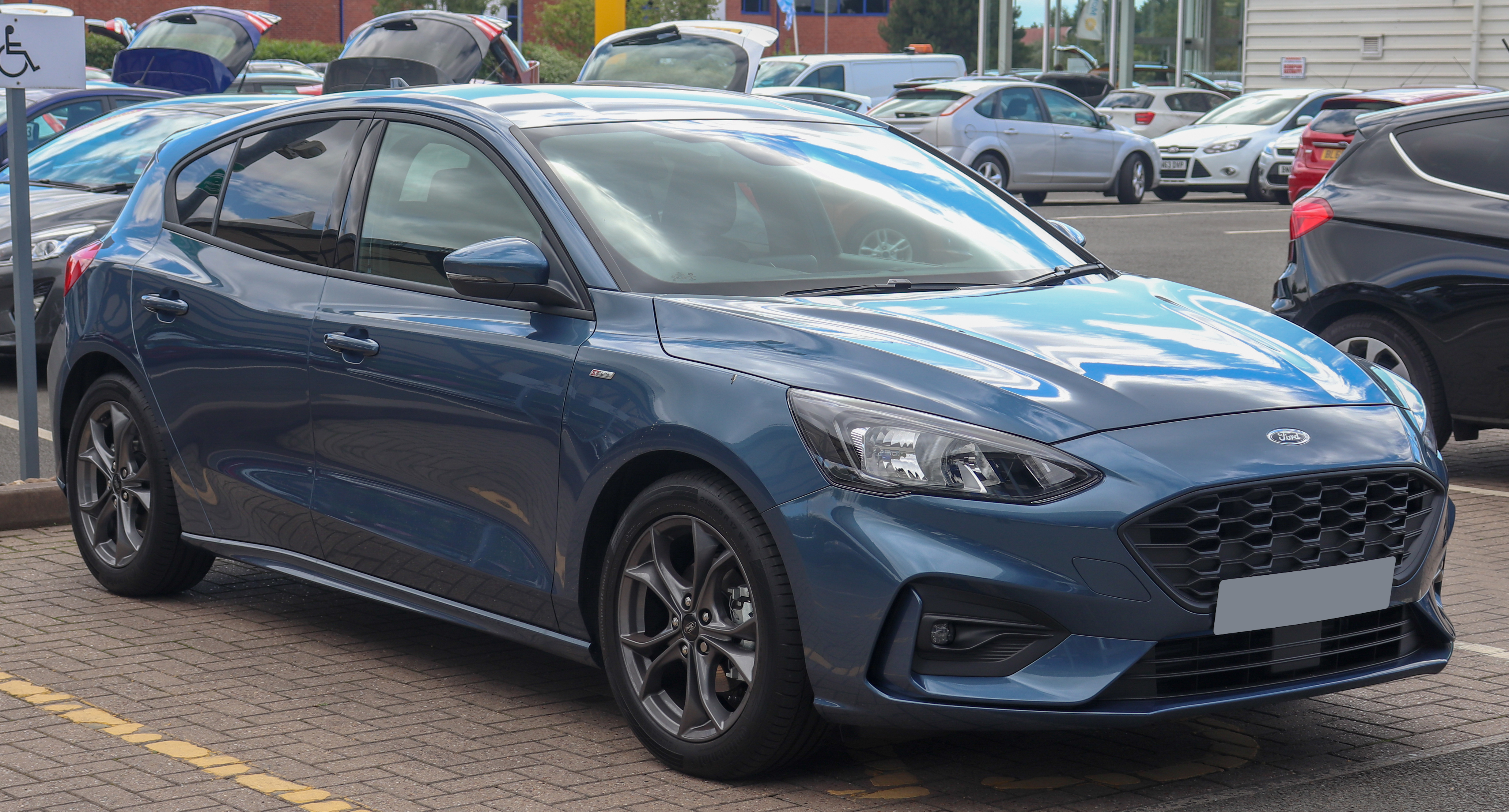
I don't treat the 14 Ford Focus with the transmission out of it,
with $300,000 miles, with dents all over it,
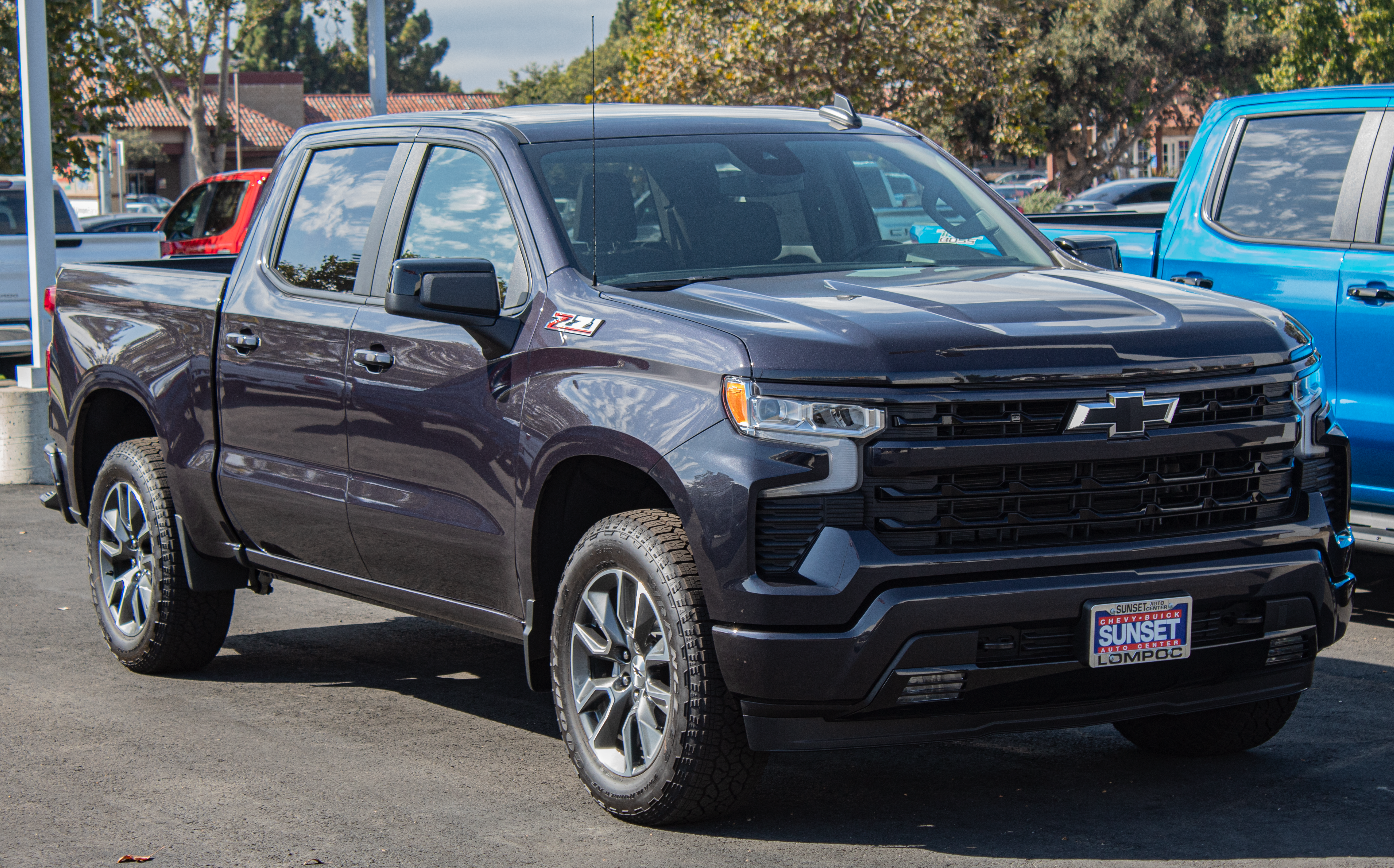
the same way that I treat a 22 Silverado pickups.
It's great.
Do you pull it?
You know, there's different methods, different categories,
different amount of time spent on inventory.
But anyway, they were inventorying a Nissan Leaf,
and they were putting the numbers on it, and it was burned up.
The interior was burned out of it.
And I thought, huh, that's interesting.
I had seen it come in the unload area, and I already knew a little bit,
because I right away peeked underneath it, and I saw the battery was gone.
And this car had been bought and bought and had been purchased by a company that is,
I'll leave it at this, but they're working on a fluid, let's put it that way,
that with less than 200 gallons of this fluid, they can put out an EV fire on the battery.
Gotcha.
And it's emerging technology that they've got a corner on, and they're working on.
And they had bought this car, I found out this morning,
in Washington State at an auction, and had it transported to our market area to do testing.
Okay.
And so they had taken the battery out of it already, and done testing with it.
And so we were looking at this car, and it was just interesting.
And so to me, this looked like a modern Nissan Leaf, like the newest one I'd seen.
And so I told the guys, they were getting ready to, we're just going to crush it.
I said, we should look at that first.
I said, so one of the things we do is we look up a windshield.
On our interchange system.
And you can kind of tell, if you don't know the body lines of it,
you don't want to go to Wikipedia and look at what's the make model generations of a leaf.
You can look up a windshield in our interchange, and it'll usually tell you,
oh, that windshield fit from 14 to 17.
And that is generally the structure of the car.
If you leave the options out of it, and just look at the structure of the car.
Sometimes you can look up a hood, but that doesn't always work,
because they might change the style lines in the front if they
reface it with different headlights and bumper over the years.
But we found out this was a second, or well, I guess it'd be,
not the current generation, but one back.
It looked newer than that though.
So because I was pressing them to move it into the other category
to do some inventory on it and steal some pieces off of it.
But it was just interesting to see that that car is already 10 years old.
It was a 15, and it is not the newest generation,
and there was just no demand for the parts.
Oh, okay.
Nothing in our world.
Sure.
And so that car is going to get the wheels and tires taken off it and get crushed,
and hopefully the wheels and tires will return enough money to pay for our efforts.
Because there's nothing else there except for the crush metal,
and the stuff that was, because the car had the interior burned out of it,
and then they had taken axes and stuff to pry the hood open,
and there's just not a lot of things there that people can use.
But it's just, it's interesting as we start getting into some of these cars on
how we're going to process and what we do with them,
what some of our normal returns would have been,
because if that would have been a gas car, we would have at least gotten,
even though the market's not where it was,
we would have gotten catalytic converters off of it.
There would have been probably a few more items of core,
like in an engine or transmission, a starter, an alternator,
certain things that we would pull off of that.
But it was just, it was quite interesting just posing those questions
for five minutes with our inventory team as I was standing down there.
866-594-4150. Let's go to New Orleans and talk to Donald.
You're on the under the hood show, Donald. What can we do for you?
Hey guys, I've got a 2017 Mini Cooper Clubman, 125,000 miles on it,
and being that it's hot here, I don't know, 12 months a year,
every time I get out of the car,
I hear this bubbling gurgling noise coming from the dash.
What does that mean and what do I need to tell my mechanic?
Is it a thermostat? Do I need new coolant, a radiator, a new flush?
I don't know where to begin.
It should be perfectly normal. That is, the sound you're hearing is the gas
in the refrigeration system escaping through the expansion valve.
As long as your air conditioning's cooling properly,
it's a normal sound. What you can do to test that is just turn off your air conditioner
and sweat for about 10 minutes before you shut the car off,
and then when you shut the car off, there shouldn't be any noise.
If that noise is only there after that AC has been running, it's normal.
So the system pressurizes your, in that humidity and climate,
you're probably reaching 200 and 220 pounds of pressure on the high side,
35 pounds or so on the low. You shut it off. That high side has to continue to bleed
off through that expansion valve until it equalizes with the low side.
And they're both, whatever the outside, if it's 90 degrees until they're both about 90,
then the noise stops.
And it doesn't happen all the time. That's usually why it's concerning.
I mean, that's, I've done the same thing.
The hotter it is and the more pressure you've got built in there,
the louder it would be and the longer it would go.
It's pretty normal, but a lot of times people start to notice it,
and then they'll really tune into it and they'll hear it all the time.
Sometimes you hear it in front of the car. You walk in front of a new Silverado,
that's where you hear it on those with a 1234 refrigerant is in the front, not in the car.
Russ, for our hoodies that are listening,
can you explain just quickly what the expansion valve's job and life is in the air conditioning
system?
It just bleeds a high pressure to a low pressure and makes it cold,
like spraying a can of hairspray. If you're old enough to remember that,
it would get cold when you were spraying it.
Did you use a lot of hairspray?
None.
Okay. Because you, I don't know why that would have been a thing with that hair.
Yeah, I was, I don't think you could, I don't think you could tame, you could tame that hair.
Just turned it into a mat. Plus it was hot and humid all the time.
So, you know, New Orleans, I wanted you to give that example.
I did just because I've, you've given that before and that's what happens when that changes from
low pressure to high pressure.
Barbecue grill gets, your propane tank gets cold as it's being used.
Spray your high to low pressure.
Keyboard spray.
Oh, that's a great one.
Yeah.
When you blow that stuff out to clean a keyboard and the can gets cold.
Anything at all that you spray that gets cold when you spray it,
that's how that expansion valve works.
It's a metered valve that allows it to go from high to low pressure,
creating the cold which absorbs.
That goes into, that goes into the evaporator and then gets blown through the car.
Heat goes to cold so it sucks it into that coldness,
brings it out to the front and blows it out with the fan under the hood.
Donald, there you go.
I feel really good that we just had a quick answer, a good answer.
Don't worry about it.
That's, that's my favorite kind of answer.
I love that answer.
Donald, thanks very much for the call.
866-594-4150.
That's the number to reach us here at the Under the Hood Show.
Let's go to Connecticut and talk to James.
You're on the Under the Hood Show.
James, what can we do for you?
Yes, I was hoping to get a little help with my Nissan XTERRA 04 model.
It is, it runs good, but after you drive it and you shut the engine off,
you go to start it back and it doesn't want to start.
It took me forever to figure out how to get it to start.
I'm having to spray a shot of starter fluid in there.
I know the fuel pump's working fine, engine runs fine,
but I don't know what's causing it to do that.
It starts up fine as long as engine's cold,
but as soon as it warms up, it won't start unless it sits for a little while,
about an hour, or I give it just a little shot of starter fluid
and it fires right up.
And then it runs fine after that.
I am baffled.
Well, it's got to be fuel if starting fluid helps it to fire up
so you can eliminate the crank sensor.
And it fires right up with a little squirt of...
Right, I mean, it fires right up with a little shot of starter fluid.
What if you give it any gas or anything like that?
Does it change anything?
Have you tried that?
No, it does not.
No, it doesn't.
I thought that the fuel pump was going out,
but then I checked the pressure on it, checked everything, and it seems to be fine.
But, and I've also thought of something else that it might be,
but I just don't know.
What if it had a leaky fuel injector?
Could that do that?
Because every now and then I do smell gas like it's almost flooded.
Well, that would do it too,
but you wouldn't verify that by checking fuel pressure.
So you check your fuel pressure, drive it.
I was told that it was a good number.
Well, what's it supposed to be for that vehicle?
At least 45 when you're trying to restart it.
So I would put a gauge on it.
I would run it, shut it off,
and then when it's not starting, see what the gauge says.
If it says that it's 10, 20, 30 pounds, really low,
then it's probably a fuel pump issue.
If it's steady, you know, if it's an injector will bleed down too,
and then it would not be steady, it would be dropping off towards zero.
And it would take a few cycles of the key to get that...
Have you cycled the key a bunch of times to see if it would fire up then?
Yes, I have.
Then when I cycled the key like that, the primate and everything,
that's when I get that fuel smell like it's flooding.
Okay.
And the pressure was reading 51 pounds.
Does that vehicle...
Is that old enough where it still uses a fuel pressure regulator on the fuel rail?
04?
I don't think so.
Because if it had a fuel pressure regulator on the rail,
and that had a vacuum line going to it, it's right on the verge of...
Nissan might have been a little ahead of the curve,
because GM was just starting to change it in those years.
But if it does have a fuel pressure regulator on there,
and there's a vacuum line going to it,
pull that vacuum line off and see if there's any wetness of fuel inside that vacuum line.
If there is, it could have a diaphragm out of the fuel pressure regulator.
But that would typically make it act like it's flooded.
But you'd still have to be able to add fuel to build the pressure up
if it was bleeding fuel off into the regulator.
And you might try holding your foot to the floor when you try to start it.
And if it starts like an old flooded carburetor,
that could give you an indication too that you're overfueling.
Whether it be from a pressure regulator,
which it may not have,
or if you had injectors that were not holding,
and it was dumping too much fuel into the cylinders.
So that was my next actual troubleshoot was...
The problem with the injectors,
see if one's leaking and flooding it out,
is half of them's underneath the intake,
and you've got to remove the whole intake.
Yeah, that's the problem,
because if it was a GM vehicle,
a lot of times they'll just lift the rail and look at it
and see if it's dripping or not,
because you can get the rails out so easy on a lot of that stuff.
But yeah, and the Nissan's and some of them,
a few more hours involved to do that inspection.
That doesn't sound great.
Oh, it's just buried.
It's tight engine compartment,
and just the way they engineered everything,
the way they made it all buttoned up
and looked under the hood that they had.
Does that help you out there, James?
Get you going in a direction?
On the Nissan, yeah.
Now I got to figure out my Jeep.
Well, what's going on with the Jeep?
What do you got for a Jeep?
It's a 04 Jeep Grand Cherokee 4.0 inline 6,
two-wheel drive,
and what happens with it is,
I thought it was the crank sensor,
but it's not.
I think, I don't know what it is.
Every now and then it was shut off
and won't do anything unless you reset everything,
take the battery cables off and deplete it,
and I thought it was the cam sensor,
the crank sensor.
I put all this stuff on it and it's still doing it.
I'm thinking maybe a short and a wiring harness
that's throwing it off the whack,
because you got to reset the ECM
or it won't do anything for days,
and then it'll just fire up one day and run great.
And then sometimes it'll go a thousand miles
and never do it.
I look real close at that harness under the hood
because down the passenger side fender,
they had some areas where it would rub through,
and over the transmission in the back
where it runs down the back of the motor
over the transmission,
they would rub through there in short on both those spots.
The harness that runs down to the transmission,
I found it hanging loose off of its bracket,
and I remounted it where it's supposed to go,
so that was my next guess,
was the wiring harness somewhere.
Yes, that's what happens.
They come loose and they rub on the side
and it'll cut a little hole in the harness,
and then it'll short it out.
This is a great vehicle.
I mean, it runs like a champ.
We've had it for years and years,
and no other complaints other than that.
The problem is, both these vehicles are my wife,
and she won't drive them because she can't trust them
because when they stall on her, that's it.
She has zero mechanical incline, which is okay.
I mean, that's her.
James, what?
You're having to leave work.
James, we've got a serious question here.
Yes, sir.
Is your vehicle mysteriously breaking down?
No, mine weren't.
No, both of mine are running fine.
Okay, I'll just leave it there.
Yeah, I already know what you're thinking.
Yeah, I'm the same way sometimes.
No, I know you.
I'm thinking something different.
You could give one up.
Well, see, I drive her vehicles and they do it to me as well.
But you're just going to do it.
It sounds like you, if you really love her,
you know the answer.
Yeah.
I'll have her a new car.
She wants her Jeep.
I'm just having fun with you.
I know you're good, man.
You are.
I don't think that's the purpose.
I have absolutely offered.
I said, let's upgrade you 10, 12 more years.
I don't want one.
I want my Jeep.
That is awesome.
Yeah, that's one of them.
You better start inspecting that wiring harness.
Yeah, no kidding.
The end of the Hood Show podcast is brought to you by exclusive sponsors
like Berkeley One Classics, celebrating 50 years,
your key to collector car insurance.
And by car-part.com with over 200 million parts,
find them online at car-part.com.
And by Road Ready Wheels, OEM replica wheels at a huge savings, roadreadywheels.com.
Thanks for listening to the Under the Hood Show podcast.
Road Ready Wheels has replacement wheels for many OEM manufacturers at substantial cost savings.
These wheels look and perform like OEM wheels,
so save money and go with Road Ready Wheels when you need a replacement.
Are you tired of needing to add air to your tires every few days
because your wheels have been eaten away by road salt and corrosion?
A new set of wheels from Road Ready Wheels is the cost-saving way to go.
A new set of Road Ready Wheels will stop the leaks.
Do you have factory steel wheels and have shopped in the seemingly endless and expensive
aftermarket wheel scene not knowing what to get but you want a better look?
Road Ready Wheels can help you upgrade to factory-looking OEM aluminum wheels.
Over 40,000 wheels with free shipping available and returns with a one-year warranty.
Under the Hood listeners, save 10% when you use the code HOODY at checkout.
These wheels are a direct fit, so your factory caps and TPMS sensors will fit.
Find out more and or yours at roadreadywheels.com.
Berkeley One Classics is here for you.
They'll work with you to help determine the amount of coverage a vehicle like yours should have,
and that coverage is agreed value coverage, so there's no disagreement on what your vehicle
is covered for. They also have discounts for car club members.
For 50 years, Berkeley One Classics has ensured a wide range of vehicles from sports cars and
rare exotic cars to antique vehicles including cars, trucks, tractors, military vehicles,
and motorcycles. Over 50,000 of them a year. They give you confidence and your vehicles
protection. Find Berkeley One Classics on the web at BerkeleyClassics.com.
Get a free quote and find out firsthand what they can save you and how well they can cover
your valuable investment. It takes just a few minutes using their easy online quote tool.
BerkeleyClassics.com or call 1-800-603-3330. That's 800-603-3330.
When you need parts for your car, finding them is half the battle, and we have a great
source for you to find those parts you need at great prices.
If you need parts, whether it be for a brand new car or going back about 20 years, it doesn't matter,
check out car-part.com. It's fast and it's easy. Over 200 million parts strong all across North
America. Over 4,000 recyclers to choose from, giving you the largest selection available.
Whether it's an engine, transmission, doors, seats, or wheels, you can find them on car-part.com.
We even let you know what parts from other models and years fit your car. Many recyclers supply
pictures of their parts too. We even have a mobile app. Search US and Canada or buy from
your local independent recycler. Whichever you choose, buying recycled is good for the
environment and good for your wallet. If you're a repair shop, there is a professional version
available for you at no charge. That's car-part.com. Car-part.com. Check it out today.
Welcome back, everybody. It's time to get back under the hood with our motor medics.
866-594-4150. That's the number to reach us here at the Under the Hood Show. If
you like and subscribe to our YouTube channel and then join the Hoodie Fan Club at UnderTheHoodShow.com,
you could win a hoodie. Like Mike Yusella. Congratulations for everybody here under the
hood and our friends over at Berkeley won classics celebrating 50 years of collector car coverage.
And Universal Technical Institute, uti.edu. Check them out for automotive training.
866-594-4150. Let's talk to Roger in Minnesota. Roger, you're on the
Under the Hood Show. What can we do for you? Hey, I am calling from my neighbor's
wife's car having a problem. It's a 2016 Jeep Grand Cherokee, the 2.6 liter.
It was missing. Driving down the road is just dumbling all over the place and brought it back
here and I put the scanner on it. And I couldn't even really, it was just full of error codes.
And I couldn't even really get through, I couldn't even get through all the codes and it would come
back and say I got a communications loss. And it's just weird stuff was happening. Even when I
had the scanner hooked up, the windshield wiper came on and stuff. It's just really weird. So I
asked him what the battery was. We looked at it as original, so it was 9, 10 years old. So
being the avid listener of Under the Hood Show, I knew we needed a new battery. So he got one
yesterday and he put it in. And the car actually runs really well now. But last night, we hooked it
up again, told me to maybe clear the codes because it was the end check engine light still on.
It did clear all the codes with the exception of the transmission control module, which was a
canned communication error, a U001. And we couldn't clear that. And so we started and stopped it a
couple of times and I kept it about the third time the check engine light went out. But now
every time he starts it, it's very consistent. It'll run, he starts it and it goes to about
800 RPM. And then within 15 seconds, 20 seconds, it idles down to maybe five or 600 RPM.
It'll sit there for another 30 seconds. And all of a sudden, you just hear this single stumble.
And then the engine is just running rough again. And you can step on the gas. You can take it for
a drive like that. It runs amazing yet. It runs really well. But when it's sitting there idling,
it'll, it'll, it'll kind of like it's missing. Then, and if you stop it, restart it, it just goes
through that whole cycle again within a minute. It's kind of stumbling while it's idling, but
it runs really well on the road. So don't know really where to go with it.
Check all the basic stuff and then get ready to spend a ton of money because that's not something
that, if you've got communication codes and you've got something that's just weird like that,
it can take them a very long time at a shop to go through and diagnose that. And you're,
but I'm just going to, Russ, you're right. It can be scary. We've had vehicles that we've owned
and it's like, but did you say now that you've done that operations you've done currently you have
no more codes? Well, the check engine light is out. And weird thing too is that I run to look at
some live data. The car won't start with my, the dongle plugged into the OBD2 port.
No, you've got a, you definitely have a data problem going on and that's going to have to be
sorted out, whether it's a computer or a wire that's just shorted somewhere. You're getting
enough interference just by plugging in that scanner. Unless your scanner has got a problem,
you could try a different scanner, but if it does it with any scanner plugged in,
you got something major going on in that system and it's, it's not talking like it should.
Russ, if you, if that came up and I know we don't do a lot of that kind of stuff right now, but
what would be your best thing that you would do to start, if you're going to unplug something or
if you're going to start somewhere to say, let's just try taking this off the network and see,
see what things are not on the network that are supposed to be there. And if it's not there,
disconnect it and see if the rest of it comes back. Something's pulling it down.
Will I only see that with the live data mode or could I, would it scan, I mean,
it's supposed to go through and scan all the modules, right?
Yep. You're going to have to do an all scan and see if any modules are missing
that are on the car. If it won't show you the transmission module and you know it's there,
then there's a problem there.
Okay. And then unplug that.
And see if the rest of them communicate.
It could be that or that circuit. It's a way to use some deductive reasoning
that, that can get you close. I mean, sometimes that's not the perfect answer,
but it's a good, it's a good way to kind of try some things.
It's like pulling the, the smoke detector off the ceiling and hoping it shuts, you know,
to find out which one is making it beep, which one, right? I mean, kind of.
I usually just go around and I listen to each one.
Mine all go off together, which by the way is,
But you can usually walk to the one and hear, oh, this one's making noise.
Oh, you're saying they all, when one, I see what you're saying.
I was trying to be a smarty pants. I see what you're saying.
Sometimes they go off and I don't think it's my fault.
I never, I was thinking of when you have one chirping.
Oh yeah. And you can, where's that coming from?
By the way, I never, ever think it's a fire. So I don't know if, I mean,
that thing's going to go off some night. I'm just going to go, ah, geez.
Ah, it's probably pull the covers over your head.
Yeah. Get, pull that thing off the ceiling. It's probably, I don't know.
I can't see that one through all the smoke. I'm going back to bed.
So if you pull it off and it's the right one to the rest of them, stop.
Yeah. Yep. Oh my.
Yeah. 866-594.
We're concerned about your fire, your fire alarms.
Roger's Jeep right now, I think.
Good luck, Roger. Good luck to us both.
Let's go to Kentucky and talk to Bruce.
You're on the end of the hood show. Bruce, what can we do for you?
I have a 2021 Toyota Tacoma and I want to know,
my coworkers say that if you, my battery will be five years old in, in December.
And my coworkers say, if you put an AGM battery in a Toyota,
sometimes there are problems with keeping the battery charged correctly
because of the way Toyota uses the computer to activate the
charging system.
Well, there are very few cases where that can happen. But if you're worried about that,
put a lithium battery in there. The lithium batteries are almost identical in the charging,
the way the voltage and amperage works on that battery to a factory lead acid type battery.
And they'll, they're just nuts compared to a AGM as far as, there are a lot of cars now
are switching to that. They made that switch. They went from lead acid to AGM.
Now they're moving to lithium, which is just one more step further.
We've had some, some questions come up about that. One of our partners has a channel on YouTube
called the battery shop on YouTube, that channel, and it, it will explain the differences in these
and things like that. It gives you information about charging, about battery types and the
vehicles they go in and why you should use them, where you should use them, where you should not,
all that kind of stuff. And it'll really help you out when you're shopping.
It's the battery shop on YouTube, right? Battery. Yep.
When you're looking for the battery, best battery.
That AGM is not working in Toyota. Does that ring any bells with you?
No, I've got a lot of customers with AGMs and Toyotas and they're just fine.
But there are some vehicles, you know, unless somebody has one in their own exact model,
there's no way for them to give you an honest answer of how it's working or not.
They may have heard something, but what you hear and what it's fact is always different these days.
Or it may have happened to them and won't happen to you.
Right. I mean, they can have other issues that are causing problems.
You know, when you use, just like when you use ethanol fuel in a car and your car runs bad,
it's not the ethanol fuel that you put in there making it run bad.
Typically, if you're talking about, oh, I run 10%, it runs horrible.
Zero, it runs fine. That's not the fuel. You've got an underlying problem in your car
that is soon to show itself down the road.
Bruce, does that make you feel better or worse?
I know it's just something else to think about. I know
one of co-workers has a different kind of Toyota, an SUV, but it's several years older than mine.
And he had to, he had the problem when he put an AGM battery in his vehicle.
But yeah, I'm still kind of out on that. You know, I'm a first responder and I'd like to,
I want to be proactive and change the battery before something happens.
Bruce, let me put it this way. We've never had this approach to us before and I don't believe it.
And I'd like to ask our partners at Clarios who make the AGM batteries,
because they are extremely knowledgeable. They've got the technology
they're the ones. And so I think we can ask them this question. And if there was a known issue,
we would have heard about it by now. They would have told us about this, I feel.
And I just don't think it's possible that that battery chemistry in that particular instance
would be that fussy, because every vehicle today is controlling the voltage regulator
regulation and the power regulation using a computer. That's not unique to Toyota.
I don't know why that would be specific. And the manufacturers across the board
are installing AGM batteries in their cars from the factory. And so I just, this doesn't have any
legs to me at all. Which is not to say that it didn't happen to someone. But I would bet you
that our partners will have an answer for that, because they've probably had someone approach
them about this very question. Because we have, I'm just going to take a little bit of a sidetrack
here. We have a local Facebook group in our town, like most towns do, called Geretson Living.
And there's been just this outcry where people want to solve all the problems in the world
in Geretson by going to Geretson Living. And they just think that by posting it there,
it's going to fix it. And they don't take the time to call the city office or call the school
or call law enforcement. They just post it out in the ether.
That's going to fix it. It's entertaining.
That's why us talking about this is, it's interesting and people having their opinions
and going back and forth. But has anybody actually talked to the people to make the AGM
batteries? And you can post your questions on Battery Shop Channel on YouTube.
Yes. And I think that if not, we've got connections. I think we should email them and ask this question.
Mm-hmm. Bruce, thanks very much for the call. Good luck. 866-594-4150. That's the number to
reach us here at the Under the Hood Show. Now we go to Louisiana and talk to Daniel. You're
on the Under the Hood Show. Daniel, what can we do for you? What's the heat doing down there?
What's your high temperature today? Might as well be on a stone. Hot.
Us too. We're in the 90s. So that's, that was, I was figuring.
That's because we're in South Dakota. Yeah. North Dakota's fine. South Dakota today. Hot.
All right, Daniel. What can we do for you?
Okay, fellas. You guys have helped me over the years. So here's the situation.
New change, a change in job. I'm now commuting about 50,000 miles a year. It's going to be,
I've been looking at like the Centres. I'm scared of the CVT transmission.
I'm looking for one, you know, either brand new or very little miles.
Would you recommend, are they as bad as they say, just want your expert opinion?
Well, if you get one that's pretty new, change that transmission fluid right away,
like at 20,000 miles, and then you're going to be changing that transmission fluid in it.
If you're on the highway all the time like that, I would change the transmission fluid probably
every 40,000, 30 to 40,000 miles. The transmission fluid change on those cars is not very expensive.
Not what you think because you're just draining out about, I don't know, maybe three quarts and
refilling it instead of flushing it and hooking up a machine and all that. So you're just, you drain
and fill it. You just did AvaCentra not that long ago, right? Yeah. It's like changing the,
changing your engine oil, but that first one's really important because you've got,
just like a remanufactured engine, they want the engine oil changes at 500 miles to prevent
wear from what's already come off of parts in the engine right away. So we change that fluid,
and I think, I think you're going to be better off. I, you know, we have customers that put on
500,000 miles on their vehicles, on their Honda vehicles, and they change that transmission fluid
on a regular basis. And we haven't put any transmissions in yet. We've had a lot of
Centra's come in that are bumping $200 miles when they get wrecked. Yeah. When I'm looking for a
used transmission, I'm like a CVT with 252. Yeah. I think part of it too, to me, might be is that
Centra is a light enough car that it maybe doesn't work it as hard too as some of the other ones
that get a lot more stress put on them. But Centra is a lot better than a Rogue. If you're
avoiding a CVT transmission, avoid a Rogue, I would definitely say for what you're doing,
because we see such a higher failure rate. But you're in a different climate. As I have friends
in Texas that never see the issues that I have here. And I say, well, these always go out.
I've never seen one of those fail. What do you mean? Never. Okay. It's a different thing,
depending on temperature. You've got that going for you there. It could be temperature and changing
climate so much going through the seasons and everything else. CVT, it's really heavily
relying on fluid. You go from zero to 180 and back. That can be pretty hard on one of those.
What makes you like the Centra so much? My daughter has one and she loves it. I mean,
she's not driving right now. Let me look at a CRV, two-wheel drive with these guys here that
are putting 500,000 miles. Is that what they're running as CRVs? Yeah. Yeah, I know that and
they're running to Montana and back. Yeah, they're running from Sioux Falls area. They're running
closer to 100,000 miles a year on these things. So if you're putting a lot of miles on it,
it's proven here with the dozen vehicles they've had. Does that help you out there, Daniel?
Okay. Yeah, absolutely, guys. Thank you so much, PTLA. Hope you have a great day.
Yeah, God bless. Thank you. 866-594-4150. Let's go to Minnesota. Talk to Oliver.
You're on the end of the hood show. Oliver, what can we do for you?
Hi. I have a 2008 Ford X4 that came into my shop the other day and it was making this giant
whooshing noise when the AC is off. So I did a little research and I got a whole bunch of
diagnostics. But the temperature gauge, it overheats a little bit. But the temperature
gauge on the dashboard leads to normal. So I'm wondering if you guys have any ideas.
What do you mean the temperature gauge where on the scanner says higher than the dash?
No, on the dashboard, it reads normal.
But that engine is really hot. Hotter than it probably should be.
Are you measuring that hotness at all? Or is it just an assumption?
No, we're not. Okay.
No, that's what my client's telling me. So I'm wondering if you guys have any ideas
on what that might be. Yeah, you actually would need to use a thermal,
like a laser temp gun to know for sure because I felt engines and thought, boy,
this is really hot. And then you look at the gauge and it says, no, it's 205 degrees or whatever
the normal temp would be in. In reading data, you would want to match those up, right?
I mean, that would match with the guys at Arnold Motors and they said it might be a
engine coolant temp sensor. That might be bad.
If the engine's actually hotter than what the gauge is reading, you need to measure that with a
manual temp probe. You pointed at the car and see what the temp is. Look at the scanner,
look at the dash and see what that temp is. Because you could have a problem with the scanner
and the dash not being correlated or it could be that it's actually, you know, you point at it,
it says it's 205 degrees and your gauge says it's 150 or your sensor that's reading to the computer
says it's 150. That's the problem. I mean, you got to, those all have to be correlated.
Is the car running bad?
Yeah, it is definitely running worse than it should be running right now.
Well, something to think about too is let's say your gauge is wrong. The engine's hot.
It's running 260 degrees and your gauge says 200. Now you got to find out why the engine's
overheating, which is going to make it run bad. Is it a head gasket? What is it? Is this a turbo
explorer? Is it turbocharged or is this what engine do you have in it? V8.
Well, you got the V8 in there. Well, those don't have a lot of problems with
overheating or anything like that. So we're going to find out if those temperatures match.
But I tell you what, when you open the hood on a V8 Explorer, they trap a lot of heat under the
engine bay. There's a lot of heat, just ambient heat. I mean, under that engine bay. So you got
to get a little true serum here. We've got to be able to look at some actual stuff and not just go
by feeling. Those gauges being that they're like 20 bucks now for the cheaper ones. I,
everybody needs one of those. I use them for everything in the shop. I'll point them at
exhaust manifolds and go one, two, three, four, five. Oh, that cylinder's dead. That cylinder's
90 degrees and the rest of them are 350. Easy to find a misfire. And you can find out how warm
the cat is that walks into the shop. Good luck. Thanks very much for the call. That is, by the way,
when I, in a couple of years, when I go to UTI and then come back to work for you,
make sure I'm just giving you, I'm putting this out there right now. When a car comes in that
we have to do that, don't have me go get the temp gauge and start pointing at stuff because
that day's over. Once I get out that gauge, I'm pretty sure there's other reasons we wouldn't
hire you. No, I'm off. Once that temp gauge comes out, man, I am. It wouldn't be just losing you
on the thermal gun. I'm going for the day. I'm pretty sure we'd have other issues. You'd be
leaving for the night. I'd be in the backyard. The sun's hot. Let's talk to Carl. You're in
the end of the hood show. Carl, what can we do for you? Oh, hi. I got a 2018 Chrysler Pacifica
and I've been having trouble with the driver's side rear sliding door. A couple of months ago,
I was getting some out of the back and I was going to just try closing itself. And also,
we're driving down the road to get a message that pops up that says, shift into park to try to
open the door. And I replaced the button just inside the door. I thought maybe that's what
the issue was. And it seems to have made it just a little bit better. But I still get the message
like I'm driving down the road sometimes and I just get the message pops up that says, shift
into park to operate that sliding door. So just wondering what are the possibilities that could
be for that problem? If the latch is bad and it's bouncing around in the door, a jar switch comes
open and thinks you saw it closed before you took off and now it sees it open as you're moving,
it thinks you're trying to open the door and wants you to shift into park. So if the latch is bad,
it'll do that. Also, the ribbon cable that runs the door bends the wire every time it moves. And
if that has come apart, I can do it. A lot of problems with doors on Pacificus and I send them
over to the body shop. They have electric sliding doors have been a wonderful creation.
They started using them. We started seeing them in early Siena's, early Odyssey's, Pontiac. But
before that, they've started doing that in the Montanas and the transports.
Was the Montana transport? I think the first one was an event.
I think domestically for sure. I think so. And that was a big deal. And then putting the door
on both sides was a big deal. But the problems that came down the road as those vehicles aged,
and even for some of them when they were new, they can be pesty. Now when they're working,
like the rental fleets have these. And there must be rock solid because I've never gotten one that's
given me a problem, but the other ones are all in the shop. But probably aren't in the shop.
Makes sense that they would be, I guess. Yours would work. But I think that, yeah,
they just can be pesky when they don't work. But it's usually just a number of
things that it can be. And Russ gave you a sample. And there's also on some they have a limit
switch in the motor. And that can go bad. But in this case, it sure sounds like that latch,
Russ, like what you talked about. possibly. Thanks very much for the call. Good luck.
Speaking of which, I'm off. How far can I point that laser at the, I mean, I can't believe,
first of all, I've never pointed at the sun. Of course that wouldn't work. But what about the moon?
Or like the building across the interstate from me? Well, we're a tree 200,000 miles of the moon.
So you get a little more powerful laser probably not going to work. But people do that. They will
will bounce a laser off the moon and back to them to see what the time is. Right. But I got that.
It's kind of cool. I got the $10 temp gun. Well, how far can I point it at the tree in the neighbor's
backyard? No. By the way, I'll know the answer to this by next week. You just you still haven't
bought one? No, I have. Okay. And it as soon as I get it out, laser goes further than the
sensor on the front of the heat gun. Oh, we'll see. That'll do it for this hour at the end of the
hood show. Thanks for listening. With Russ Evans, this is Shannon Nordstrom thanking you for tuning
into the Nordstrom's Under the Hood Show. Have a great day and remember PTLA. The opinions heard
on this program, based on the many years of experience of Russ and Shannon, are offered for
entertainment value only and as a guide to your repair needs. No claim to repair or cause is
given or implied. Always consult with your own certified technician and follow all safety procedures
before attempting any repair. To be a part of the show, call 866-594-4150. Find out more by visiting
UnderthehoodShow.com. Under the Hood is produced by Prairie House Productions. All content is the
property of Nordstrom's Automotive Incorporated and may not be used without our permission.
Copyright Nordstrom's Automotive, Inc.
About this episode
Listeners call in with various automotive issues, leading to insightful discussions about vehicle maintenance and troubleshooting. Topics include the costs of charging a Tesla, the intricacies of electric vehicle fires, and the challenges of diagnosing problems in older vehicles. The hosts share personal anecdotes and practical advice, such as the importance of regular transmission fluid changes for CVTs and the quirks of electric sliding doors in Chrysler Pacificas. The episode is packed with expert tips and real-world experiences that can help listeners better understand their vehicles.
1. What does it cost to charge a Tesla on the road? 2. Dismantling cars at an auto recycler 3. Why does my dash make hissing noise when ac is turned off? 17 Mini Cooper 4. Why does my car start hard when hot? Nissan Xterra 5. Why does my Grand Cherokee Jeep not start sometimes? 6. 16 Jeep communication codes 7. 21 Tacoma can I use an AGM Battery? 8. Looking for a new car to buy 9. 08 Explorer run hot and overheats 10. How to fix a power sliding door 18 Pacifica