Run flat tires are tires that can still support the car for a short time even if they get punctured. That means you may be able to drive to a shop instead of changing a spare right away.
When a run flat tire gets punctured, it’s designed not to instantly collapse. But the location of the puncture matters—damage to the sidewall can be worse than damage in the tread.
Decompression here means the tire loses air quickly after it’s punctured. The point is that run flat tires are built to keep the car stable enough for a short drive.
A tire plug is a patch that gets pushed into a puncture to stop the leak. The hosts say regular tires can sometimes be repaired this way, but run flats are trickier.
The tread area is the part of the tire that actually touches the road. The episode suggests run flat tires are better at dealing with punctures in the tread than in the sidewall.
A patch plug is a kind of tire repair where they seal the hole from the inside and fill the puncture. With run-flat tires, not every puncture is eligible for this kind of repair.
BFGoodrich is a tire brand. In this episode, it’s mentioned because the brand allows a limited number of repairs (like one plug or patch) on run-flat tires.
Bridgestone is a tire brand. The episode says Bridgestone has specific rules about when a run-flat tire puncture can be plugged or repaired based on how the tire holds air.
Pirelli is a tire brand mentioned here because of its policy on run-flat repairs. The speaker says Pirelli warns that plugging the tire can void the warranty.
PSA here is a brand-specific measurement used to decide whether a puncture is in an area that can be repaired. The speaker’s point is that some brands require a minimum PSA before they’ll allow a plug/repair.
Michelin is a tire brand. The episode credits Michelin with being early to make run-flat tires, which are meant to let you drive for a short distance after a puncture.
A “Space Saver spare” is a smaller spare tire that takes up less space in the trunk. The episode connects it to how run-flat tires can reduce how often you need to use a spare.
Term
aspect ratio tire
Tire aspect ratio is how tall the sidewall is compared to the tire’s width. The episode suggests run-flat tires may not feel as grippy as certain performance tires with different sidewall proportions.
A Corvette is a high-performance sports car from Chevrolet. Here, it’s mentioned because it has run-flat tires, which help you keep driving after a puncture.
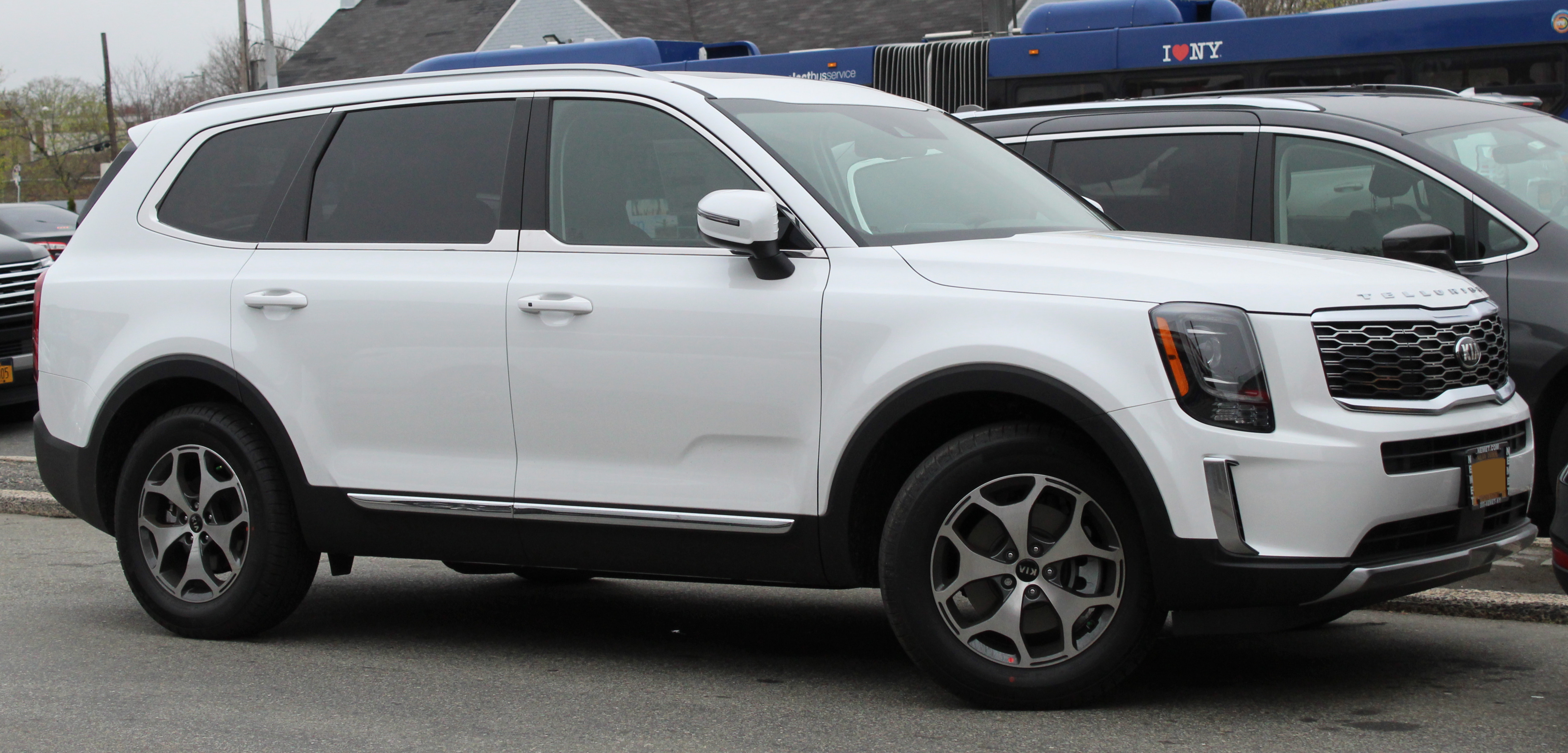
The Kia Telluride is a family-sized SUV with three rows of seats. Here, they’re talking about the 2027 version and how the different versions (trim levels) change what you get.
A “trim level” is basically a version of the same car with different included features. Higher trims usually add more equipment, while lower trims keep the price down.
This is the car’s automatic gear box, with eight different gear ratios. It’s supposed to keep the engine in the right “sweet spot,” but sometimes the car can hesitate or shift slowly when you need quick response.
A downshift is when the car drops to a lower gear to give you more pull. If it happens slowly, the car may feel like it’s taking a moment to respond when you ask for acceleration.
Run-flat tire questions kick things off: how they keep supporting the car after a puncture, what the tire pressure monitoring system does, and why plug repairs depend on puncture location and sidewall condition. The hosts then detour into Houston-area hiking, highlighting routes like Spring Creek Greenway and Buffalo Bayou. The conversation shifts back to vehicles with a first look at the 2027 Kia Telluride—covering trim options, added rear legroom, a 2.5-liter turbo four, and an X-Pro drive impression.
Run-flat tires sound like a simple promise: keep driving after a puncture and skip the spare. The reality is more nuanced, and we dig into the details that actually matter when you’re stuck on the side of the road asking the big question: can a run-flat tire be plugged? We talk through why run-flats cost more, how the reinforced sidewall carries the load after pressure drops, and why the puncture location (tread vs sidewall) changes everything. We also get into the practical stuff most drivers never hear, like how long the tire was driven deflated, what a certified technician needs to inspect, and how different tire manufacturers handle plug or patch rules and warranty language.
Then we switch gears with a set of outdoorsy driving destinations around Houston for anyone who needs a quick nature reset without leaving town. We highlight spots where you can step off the main path and find dirt spurs, tree tunnels, boardwalk shade, birds and turtles, tall grasses in the wind, and even a long greenway that gives you real distance on foot.
We close with a car review of the redesigned 2027 Kia Telluride, including trim levels, the X-Pro SX Prestige experience, interior tech and comfort upgrades, and the honest pros and cons of the turbo four-cylinder and transmission tuning. If you’re shopping for a three-row SUV, we also talk pricing and competitors so you can cross-shop smarter. Subscribe for more, share this with a friend who loves cars or trails, and leave a review with your take: would you plug a run-flat or replace it?
Disclaimer: This post contains affiliate links. If you make a purchase, I may receive a commission at no extra cost to you.
---- ----- Want more In Wheel Time car talk any time?
In Wheel Time is now available on Audacy!
Just go to Audacy.com/InWheelTime where ever you are. ----- ----- Be sure to subscribe on your favorite podcast provider for the next episode of In Wheel Time Podcast and check out our live multiplatform broadcast every Saturday, 10a - 12nCT simulcasting on Audacy, YouTube, Facebook, Twitter, Twitch and InWheelTime.com.
In Wheel Time Podcast can be heard on you mobile device from providers such as:
Apple Podcasts, Amazon Music Podcast, Spotify, SiriusXM Podcast, iHeartRadio podcast, TuneIn + Alexa, Podcast Addict, Castro, Castbox, YouTube Podcast and more on your mobile device.
Follow InWheelTime.com for the latest updates!
Twitter: https://twitter.com/InWheelTime
Instagram: https://www.instagram.com/inwheeltime/
https://www.youtube.com/inwheeltime
https://www.Facebook.com/InWheelTime
For more information about In Wheel Time Podcast, email us at