Engine mounts hold the engine in place in a car. They help reduce vibrations and keep everything aligned properly, which is important for how the car drives.
Transmission mounts hold the car's transmission in place. They help keep everything steady and reduce shaking while driving, which is important for smooth operation.
The Ford Mustang is a popular sports car that people love for its speed and cool looks. It's been around for a long time and is often seen as a classic American car.
Spark plugs are small parts in an engine that help start the car by creating a spark. They need to be changed sometimes to keep the car running well.
Term
429
The '429' is a type of engine made by Ford that is known for being powerful and large. It was used in some of their cars during the late 1960s and early 1970s.
SEMA is a big car show in Las Vegas where companies display custom cars and parts. It's a place for car enthusiasts and businesses to see the latest trends and products.
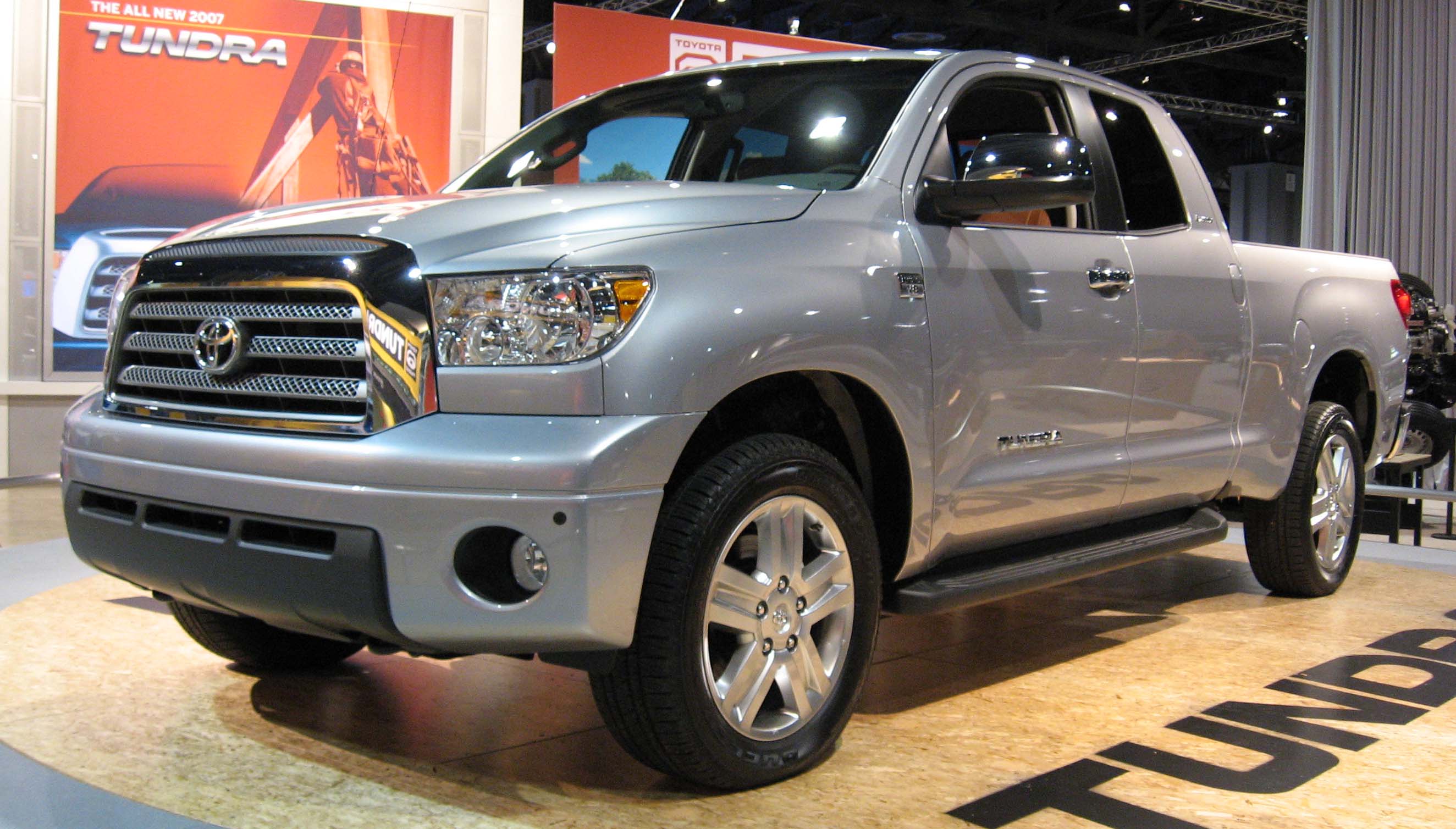
The Toyota Tundra is a big truck that can carry heavy loads and is great for work or adventures. People like it because it's dependable and lasts a long time.
The upper control arm helps keep the wheels in the right position as you drive. It's part of the suspension system that helps your car handle bumps and turns better.
The Honda CR-V is a family-friendly SUV that has a lot of space inside for people and things. It's known for being good on gas and lasting a long time.
Coilovers are special car parts that help control how the car rides and handles. They can be adjusted to change how high or low the car sits, which is useful for racing or customizing your vehicle.
The upper ball joint is a part of the car's suspension that helps the wheels move up and down while turning. It acts like a hinge, allowing for smooth movement when driving over bumps or corners.
A uniball is a special kind of joint that lets parts move in many directions. It's used in some cars to help the suspension work better, especially when driving on rough terrain.
The spindle is a part that helps the wheel turn and supports the weight of the car. It connects the wheel to the suspension, making sure everything works together when you drive.
The Chevrolet Corvette is a fast and stylish sports car that many people admire. It's been around for a long time and is often seen at car shows because of how cool it looks.
The Toyota Supra is a popular sports car that many people love for its speed and ability to be customized. Some owners even change the engine to make it faster.
The Nissan Skyline is a car that's known for being really fast and powerful, especially the special versions called GT-R. Many car fans love it for its cool features and racing history.
The Porsche 918 Spyder is a high-performance sports car that uses both a gasoline engine and electric motors to go fast while being more environmentally friendly. It's known for its speed and advanced technology.
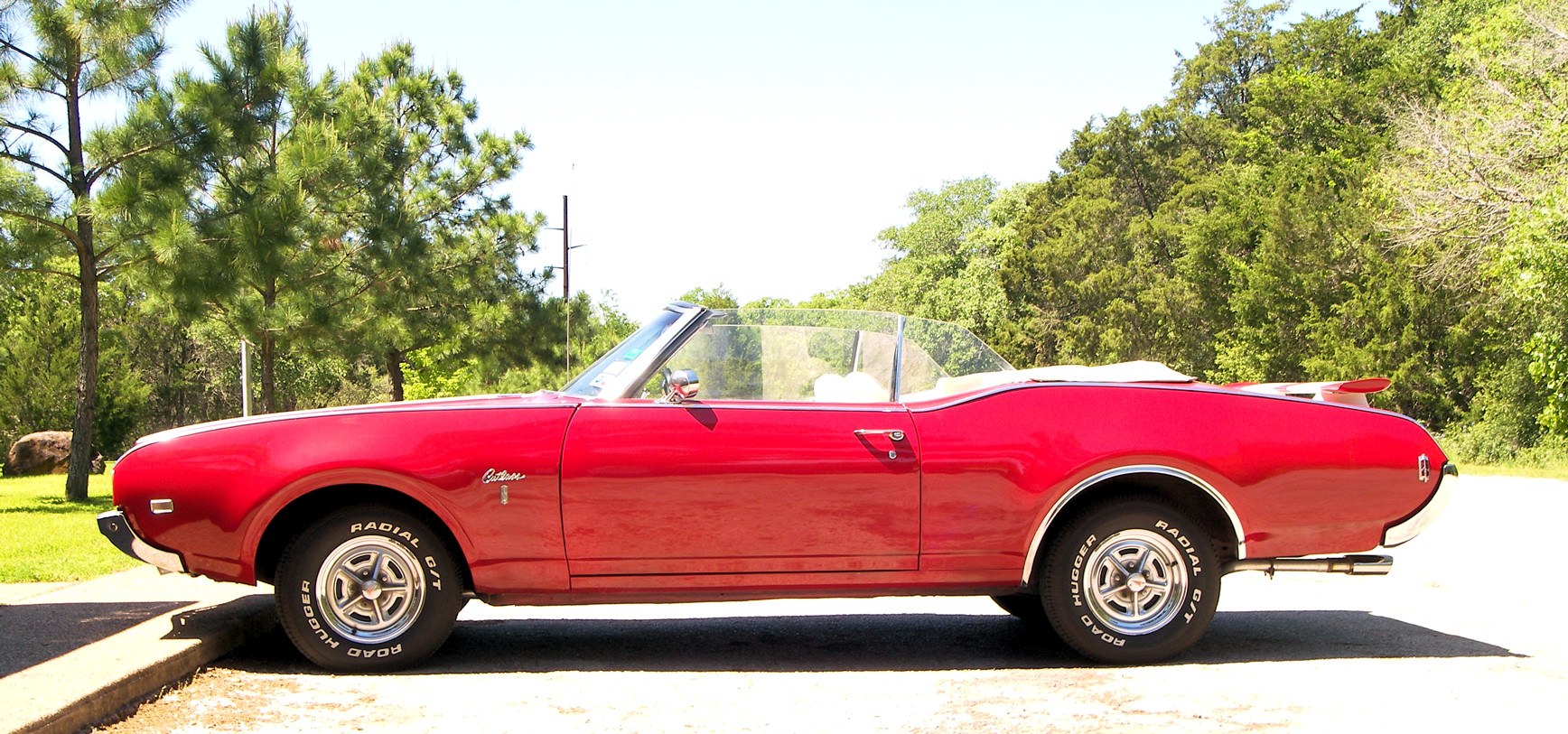
The Oldsmobile Cutlass is a car that was made for many years and is known for being comfortable to drive. It comes in different styles and is considered a classic by many.
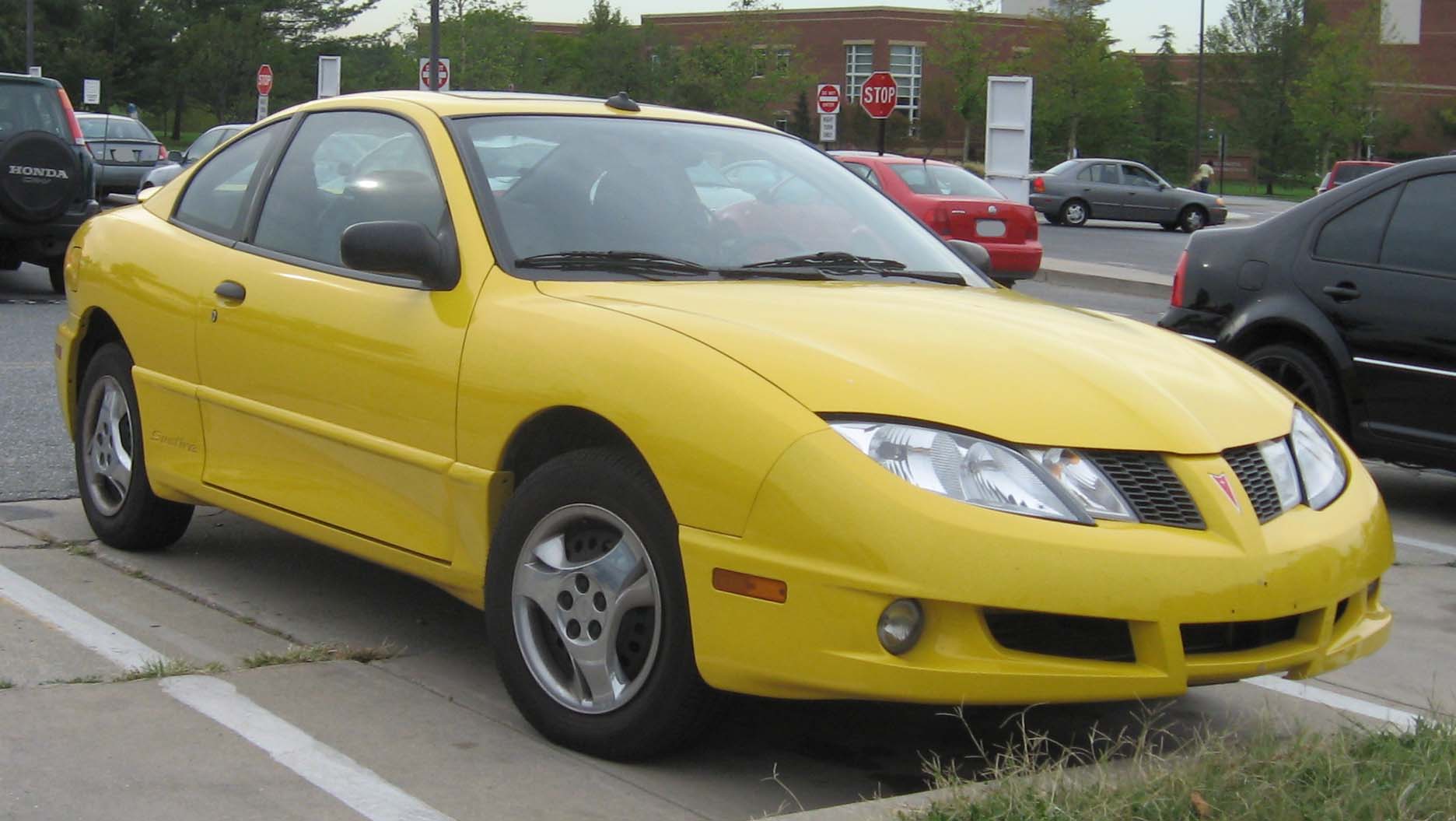
The Pontiac Fiero is a small sports car from the 1980s that has a cool design and is fun to drive. Some people really like it because it's different from other cars.
LIVE
That thing is like, we got to put this together, painted, and not scratch it, like, oh my God.
So yeah, it's got to be, the wife was helping me put it in the first time.
That sounds bad.
Hey-oh.
Hey-oh.
I still had to, putting the headers and the engine stuff back in this Coyote, or in
the Coyote, in the 66.
The headers still needed to be like, everything fit, but everything needed to be like, so where
you can actually work on it.
So I had to like, clearance the headers in a bunch of different areas.
The motor was in and out, like, this is the third time in now.
And it's to where you have to float the engine and transmission in pretty much the
exact right spot, and then move the engine mounts in, and just like, bolt them in, like,
it's got to be perfect in the right exact spot.
So it's a lot.
The my shoulders and neck and stuff are just like, from putting my hands in like this, you
know, doing all that kind of crazy shit, being a monkey pretty much, yeah, pretty sore.
But it's in there.
I'm excited.
I'm excited.
It's in there.
I got all the plumbing and stuff to install, reinstall again, or just the engine mounts
in, transmission mounts, seat mounts, everything was just tacked in.
So everything is fully welded in now.
So I'm reinstalling everything so we can do like final brackets for all the interior stuff
under the dash and stuff like that.
Yeah.
It seems like the Mustang aprons, they like make a nice jewelry box because they kind of
box in your engine bay, but they're also very in the way of everything.
Yeah, that's why I left those areas cut out and we bolted in those, the bottoms of the aprons
so you can actually get in there.
Otherwise, if we would have just had, you know, flat sheet all the way across and you wasn't,
you know, that would, no way.
There's no way.
Like, you can't even see, you can hardly see where you're putting your hand down
to put bolts in.
If those, if that was well welded in and not removable, you would never, I mean, you could
probably do it, but it would take you probably four times as long.
And it took me eight hours to get that in and out.
So you have to see through your fingertips, you know, when you start feeling around
and then your head goes like this, like, uh-huh.
Yeah.
Oh, yeah.
My wife knows that look, she's like, what do you do it?
I'm like, just leave me alone.
I'm looking.
I'm looking with my fingers.
Yeah.
Wasn't it one of the old Mustangs, like the 429s or something?
You had to drill holes in the apron to change your spark plugs.
Like, that was like a trick with the factory.
Oh, that's possible.
I know there was a, I just had a guy tell me that they had to, to change spark plugs
on a big block Shelby Mustang, that they had to take the motor mount out and jack
the motor up.
So that's probably the, a similar idea instead of taking the motor mount out
and jacking the motor up to change a spark plug.
They just drilled holes in the aprons, I would imagine.
Yeah.
I know the 429.
429.
Yeah.
429s, that those were, I mean, the heads are super big, but those, the big blocks
in the like 67, 68, I know for sure, the big blocks in those cars were like, they
were about a half inch away from the master cylinder.
So I mean, they were, those things were freaking tight.
Like, I don't even know how they put them out as a production car for how tight
everything was.
It was really ridiculously dumb and tight.
But it's not everything that's, I mean, whatever.
Yeah.
I mean, you kind of take like in 64, it was almost an economy car.
And then people liked it toy muscle car.
And so they just kept pumping more engine into it without actually changing the body
much.
Yeah.
Yeah.
That's for six.
Yeah.
I just seen somebody put a pro charger on a straight six and in like a 64, 65, it looked
pretty awesome.
That actually would be cool.
Yeah.
I wish I was probably finding like some, listen to what it sounded like.
It's had to have been like a hop-up motor.
I can't imagine they put it on, on a stock straight six and then probably blow
up.
Yeah.
Hopefully not.
Oh, yeah.
There wasn't much to those.
No.
Not at all.
So when you're doing that, are you like when you planned to put the Coyote in there, was
there a bunch of measuring ahead of time?
Like how do you plan that out?
Or do you just kind of get the stuff and fit it and take it out and fit it and take
it out and fit it?
Like how do you pre-planned a project like that where you're putting something?
So when it was, when it was in there, I had everything mocked up in there before,
but the firewall and everything was just mocked up.
It wasn't welded in.
Nothing was welded in.
So I had to take the engine transmission back out.
Before I took the engine transmission back out, I did have, I did mark all the headers
and everything.
They were all made and installed.
I just had them marked so I can basically clearance them around everything that was a
little bit too close for my comfort.
So I had everything marked, but when you start heating the header up and start,
you know, massaging it into place, you lose all your Sharpie marks and stuff.
So you quickly lose how far in some of the dense need to be per se.
So it had to go in and out a couple of times just to make sure that everything was
clearance properly.
And then, so I do have to have the flanges chewed up just from all the welding and
everything on the, on the header.
So I have to have that done yet, but I don't think it's going to move too much
as far as like being a problem.
Yeah.
So it's just a bunch of in and out.
There's a long process as far as like you have to have the driver side header bolted
to the, to the bolted to the engine and get it in a certain way.
And then slide the passenger side header in and wire it to the frame and then
go in a little farther and then sneak the starter in and bolt that in with
like one hand way, way down inside.
Yeah.
It's, I have, I've started a installation and removal process for myself.
So I don't forget.
Like writing it down or typing it out or something.
Yeah, just, just making notes, writing stuff down as far as like making
sure, and I took pictures as far as like the engine needs to be in this
far to be able to get the header in and it needs to be in this far to
get the starter in.
So yeah, it's a lot.
It's a lot.
But I mean, it's a big motor.
It's probably one of the hardest motors to put in something small because
it's just so large itself.
But I mean, I think it's fricking rad.
Like this thing is going to sound nuts.
That's just me.
Frickin rad.
Yeah, it should be pretty wild.
The, when we ordered the Procharger, they're asking if we wanted
the quiet version or not.
And I'm like, wow, it's going to be, the exhaust is like five feet long on
each side.
I'm like, it's not going to be a quiet car.
So let's just go with the noisy one.
So it should sound pretty gnarly.
Where is the exhaust coming out of?
Rockers before the rear wheels or something?
Yeah, yeah.
That's where the, the one that, so the chassis was made and or was
purchased by the previous builder that, that I took the project over from
and they already had provisions for it to come out there.
And they were going to do like the Eleanor side skirts, you know,
like the fiberglass ones and, you know, fitting aftermarket fiberglass is
and then like dealing with it and who wants to really put their name
on something fiberglass that you know is going to really, it will
fail just a matter of when, you know, right?
That's when we started talking about building stuff out of sheet metal
and then that kind of exploded into building almost everything that
wasn't fiberglass or that wasn't metal out of sheet metal.
So, I mean, grateful for the customer.
I can't imagine pitching this to somebody.
He was just like, do it.
So, I mean, it's just, it's been pretty awesome.
But, yeah, I don't know.
I forgot what that is that after you have this car done, you'll have
something like the really show to pitch future customers.
You know what I mean?
So, that's the, yeah, for sure.
For sure.
That's what we want to take it to at least some good guy shows
at minimum to just to try and get our name out there to people
that would never have heard of us before.
So, that's to me, that's kind of the way things are done nowadays.
You just got to bring the cars to the people that bring the cars
to the demographic you want to sell them to, I think.
Yeah, customers all good with you showing it at places or are
you guys going to do that kind of together?
He's he's he was even cool with me taking it to SEMA if I wanted to.
He's he used to have a spot in SEMA with the company that he has,
but they're they no longer have a spot there anymore.
It was it was an outside spot.
So the plan was to take the car there.
And like I said, since the since we started the car,
they kind of stopped going because they're, I don't know,
shift changes in their in their company.
But so he's like, even if he's like, well,
if you want to take it there yourself, you can take it there yourself.
Well, we'd have to line up, you know, some product.
A company with a product or something that we can potentially
match with their that we already a product that we already have
that we could potentially match up with the company or something like that.
I we've talked to ProCharger a little bit, but the car is just too far away.
It's got to be like, it's got to be closer to being done carded
really go that far as far as trying to get somebody signed on, you know,
or maybe next year, that's kind of what I thought.
I mean, my goal is to next year have ready for some shows.
Paint is going to be like the absolute last thing.
So it's going to look like this until it doesn't, you know, until until it's painted
pretty much, I mean, not as far as like being disassembled.
But a lot of the sheet metal work in the front is done.
There's just some adapting.
I got to weld the rockers on.
I got some the scoops got to get welded in the quarter windows got to get finished out.
All the floors got to get welded in.
But that's going to be super easy.
And the last thing to do, we're probably going to plumb the whole car,
like bricks, fuel lines, all that stuff, get that all done before you
weld final weld the floors and just for ease of working.
Correct.
Yeah, it's kind of cool to see stuff like that.
It shows more now where people are showing the in between process
where SEMA used to be more of just like finished builds.
Yeah, the couple of people I talked to about potentially taking a car to SEMA
there, I asked just in general, because I've never been there,
like what can you bring a car in bare metal and get the same responses
as a is a painted car, painted finished car.
And they're everybody kind of said, well, painted finished cars,
kind of like the idea.
So I get that, too.
I don't know.
You need to.
I mean, I have to show it off.
Yeah, I mean, that's kind of your thing.
Yeah, I mean, we do we also do paint and body here.
So, I mean, I'm not opposed to showing it off.
You know, in paint.
But when you make things out of metal that sometimes people just like glue
fiberglass stuff on, like, no, this is actually made out of metal
and welded on and to weld it and you know, yeah, I don't.
Be a little more of a showcase.
But I think a painted vehicle is going to it's going to be really rad.
Just get some different color greens out that we want to potentially put on a car.
Get them sent over the customer so we can get some kind of a rendering put down.
Nice.
Yeah.
So you one week closer to the launch in that tundra.
I am getting a lot closer.
So I've taken since the last time we recorded, I've taken two days off of work
and then worked on the weekends and I got everything basically built
for the long travel and then painted.
And then, of course, I don't remember somebody was talking to me
and then I got the bad idea to just put a bunch of giant dry flake
prismatic flake into my suspension part.
So it's cool though.
Under the truck, they catch a little sunlight and then, you know,
it's all flaking out.
I don't know.
I can't help myself.
And then so I got everything built and then it's not right now.
It's mocked up on the truck.
I tore everything stuck out of the truck on a Saturday
and then delightfully everything that I built off of measurements
and then jigged out without ever taking the truck apart, slid into place.
So yeah, it's nice when you've got like
the upper control arm is one bolt that goes through the one bushing
and then through the like a shock tower.
There's a there's a like a welded in tube that the bolt slides through
like a big sleeve and then it comes out the other side.
And it's nice when you make something, you know, on a Honda CRV
removable table folding table and then it fits right into the truck
that you made it for.
So but everything everything's going right into place.
I mean, it's like almost no adjustment big project this week
with putting that together was welding in new extended shock towers
or coil over mounts, whatever it was called on the frame.
So I had to cut out mines, plasma and clean it up and then
weld in like an eight inch taller tower and then new brackets
and everything like that and built that a lot of plate work
and gusseted and got it welded in.
And then thankfully everything's been fitting nice.
It's just a lot of getting the right hardware for everything
because I want to have everything match.
And then, you know, there's always like 47 different sizes,
you know, lengths of bolts and different threads.
And so it's been a few more store trips.
Have you noticed that buying used to be able to buy bolts
that have threads like all the way to the end.
And now you buy bolts and there's only like an inch
and a quarter of thread on that's like so infuriating.
I hate it.
Yeah, there's I can't if you go to like O'Reilly.
So I did I went to O'Reilly and I bought some three eighths flanged
three inch long, three eighths, 16 flange bolts
and they're threaded all the way through.
But they're sold as a full threaded bolt, not a shanked bolt.
So it seems like nobody carries the full threaded ones anymore
because yeah, generally if you're putting a three inch bolt
in it in something, you're only putting the nut on the last
you know, inch anyway, so they just figure it's
something just a shank.
I would just argue that like three quarters of an inch extra of thread
like make it two inches of thread that that's going to be.
You know what I'm saying? Just give me a little bit.
I think they do an inch and a half is standard.
Anything over an inch and a half gets a shank.
So I think if you get a two inch bolt, it's got a half inch shank.
Smooth shank on it.
I don't agree.
I disagree with all.
Yeah. Yeah, I don't know.
Hardware is such a pain.
And it's especially like living in a little town.
You can basically get only course metric thread stuff.
And there's not there's not a lot of selection.
You can't get anything over five inches unless it's, you know,
like a standard half inch or a three eighth bolt.
It's so it's a it's a battle, but it's OK.
A lot of a lot of planning ahead of time.
Sure. Everything's in and it cycles.
Um, upper ball joints are my.
Limiting factor right now on the travel.
So I think I'm getting like 15 inches of travel
before I start to put too much pressure on the upper ball joint,
which is still a ton.
Do they make like replaceable, more articulating joints for that specific?
So using a stock joint.
What you do is you do a uniball.
Yeah, OK, that's next.
Yeah, yeah, it's like a uniball spherical bearing that would deal.
That's what's in the rod ends on my coil overs.
So what I would do is I'd have to make a new upper control arm.
And then probably I would just build a new spindle
and then set it up for a uniball.
Because right now I'm running OEM spindles and ball joints
because it's just what was I don't know
how much I'm going to really use the truck for jumping and stuff like that.
So and it's not like Florida is full of, you know,
mile long sections where I'm going to be just pounding the heck out of it.
So honestly, honestly, if I've got over a foot of travel, I'm killing it.
So if I ever wanted to go more extreme,
it would just be an upper control arm,
which I built my upper control arms in like four hours, both of them.
Just off of a drawing on a sheet.
And then so it'd be upper control arms and then spindles with uniballs.
The lower ball joints, because the lower control arms are longer,
you have less angle on them. That makes sense.
Travel. So lower ball joints generally are OK.
If you really want to go wild, the uniball,
both of them, if you're building like a true, you know,
Baja truck or something like that, but so this guy's show of power.
Yeah, but uniballs need a ton of maintenance, whereas a ball joint doesn't.
So if I'm going to drive my truck more than I'm going to jump that truck,
a ball joint actually is more, you know, better for like longevity
and just daily driving.
I can see wrecking a uniball real fast.
Yeah, like all West, there's whole business
or shops that just do like prep, they call it.
So they like race prep your truck.
And that's taking all the uniballs out, taking all the hines out,
greasing everything, replacing them quite often.
Because most I think I think uniballs, if you use your truck,
you're replacing like yearly.
It's not they're not cheap.
That's crazy.
So, I mean, they are the best for articulation and they're strong
and they take a beating, but, you know, they just there's a large service factor to it.
But it's kind of like anything, race car stuff, race trucks,
you're going to have more service, more replaceable parts.
Yeah, I guess the farther that suspension throws,
I mean, that's all wear and tear and everything makes sense.
Yeah, so everything's in and cycling.
I've got to measure out my I ordered, you know, parts to just like new
rack and pinion steering boots and stuff like that.
So like right now, I'm waiting on that.
I had to get it together so I could measure for the extended brake hoses
because it's a flexible line for your brakes.
Now you have to travel.
You have to account for that.
Plus it's the trucks now three inches wider per side
and the spindles, the hubs, three inches forward.
So you're changing like a lot of the geometry on how the brake hose swings.
So there's a lot that goes into all of that.
And so I guess I wasn't even thinking of that.
Yeah, thankfully, I've screwed with enough stuff
that I kind of have the foresight to plan that I'm going to need brake hoses.
I'm going to and I went like stainless hoses with and fittings to adapt everything.
Oh, of course.
While I'm in there, I'm ditching the whole ABS
and I'm putting in like a manual proportioning valve, a Wilwood proportioning valve in it.
So I can set my brake stuff manually and just simplifying the truck.
So there's less room for air later.
Plus, it's it's just really nice when you hit your brake pedal
and it's just like master cylinder goes to calipers instead of
the module that's got 47 lines in it and then it breaks away.
It's just a lot of places for air to get caught.
And then Toyota also has a load sensing proportioning valve in the rear,
even back in like the 80s and 90s.
So it's got like an arm that reaches off your differential.
And the more your truck squats, it pushes a rod up
and it adjusts your brake proportioning.
But yeah, like the proportioning valve on the frame
and then it runs off of like a cantilever setup that adjusts your braking.
Because if you had a like a bunch of weight in the back,
you want to change your brake proportioning and they work.
It's just that just means you have a front brake line goes all the way
to the back of the frame to the proportioning valve and then back up to the front to change it.
Yeah. So you just you're just adding miles of brake line
and it works good in like an OEM setup.
But for somebody that wants to do more obnoxious things with the truck,
it's just good to simplify as much as we can.
We put more travel in it.
That fucking setup is going to be working hard.
It would be working really hard.
Yeah. So it's coming together good.
I'm getting brakes together and the just little things fighting me.
It seems like the big parts going,
putting building the suspension and putting it in like that all fit really nice.
But then changing the upper ball joints to put new ball joints in
like was the biggest pain ever pressed in ball joints.
Twenty years of working on cars.
I've never had to rent a ball joint press until now.
I feel like a complete retard.
I couldn't get the ball joint out.
And then putting it in was just as difficult.
I hate doing service work stuff like that.
Fucking hate it. Like hate it, hate it, hate it.
Yeah. That's why I didn't go into being a
lube tech or something for a living, doing.
One body shop I worked at, they were just like literally pull the
booth door open middle, middle of the paint job and be like,
you got an alignment to do like and like somebody in the mechanic shop
changed a ball like, yeah, change the tire out and I have to go align it.
Yeah. Like, dude, shut the fucking door.
Like, what the hell?
Not a knock on it or anything.
They just pop it open.
Yep. Yeah.
They would have us doing like breaks and suspension work in the body shop
because the mechanic shop was too busy.
It's like, we have a ton of work here.
We're not no shortage of work here, but whatever.
What are you going to do?
I just heard that. Oh, sorry.
I think you should have went and got the mechanics and be like,
hey, we've got a car that needs to be painted.
Could you swing over and do that?
No. Yeah.
These people wouldn't even take a front bump.
Like if they needed to change a radiator in the front end had to come off.
But like, oh, well, that that bumper, that's that's body shop work.
They better go and take the front bumper off because I might scratch it.
Guys, it's just nuts and bolts.
Like when you're when you're a collision technician,
you have to do mechanic job and the collision job.
Like that's frustrating.
Anyways, for the same pay.
No, for different pay, because if you're in the collision world,
if you're it's it's a different rate.
So the collision technician is getting paid
100 and some dollars an hour to be a mechanic.
And then as soon as he's done with that portion,
he gets back down to his very much,
very small rate of like what I don't know,
if there's between 60 and 70 around here or something like that.
It's nuts.
Like the and it's all the same person, you know,
it's all the same person that's holding all the knowledge.
It's just been honest to me.
I heard today I've seen something today
that all state was using AI to do estimates for collision.
Like, I'm glad I'm out of that shit.
Yeah, that's a little bit much.
I would argue it's probably more accurate than some adjusters.
Oh, way better.
But imagine trying to make an argument with a computer.
I think that's the point.
I would agree.
Yeah, they're removing the human element
because then you the more difficult
they make it for you to make adjustments
to your original estimate,
the less likely you are to upcharge them for extra stuff
and do extra supplements.
Yeah, it's just amazing to me
that these places don't even pay for like,
if you break it down in the in the P pages of the estimates
and what each estimated company considers of repair
versus refinishing and all this stuff,
almost none of them pay for primer.
None of them pay for wet sending a buffing.
Unless you take photos of it, wet sending a buffing.
It's bananas.
I mean, they're just,
you used to be able to make a good living
and now you have to have like a person in the office
for almost one to two texts.
I think it's got to be no, it's nuts.
You just chasing your tail with supplements all day long.
And that's why neither of us want to do insurance work.
Right on.
All right, we should get off insurance work.
Yeah.
So I think I blew one of the younger guys minds
that I work on stuff with
or that I talked to about stuff I work on.
I send him a picture of the side profile of the truck
with the suspension in sitting at ride height.
And I said, I'm so glad that when I planned out
my paint job lines that they actually lined up
how I wanted it to
because my upper control arm is red
and it's got like an angle to it.
And that angle sweeps
and it matches right into my brake on my brake line
on my two tone on my paint job.
Cause it's for those of you that haven't seen my truck
it's black on top and then it's got white on the bottom.
And then there's a red jagged brake line
with like a drop shadow.
And so my upper control arm looks like an extension
of the original paint of the two tone brake line.
It all lines up perfect.
And he's like, wait a minute.
If you plan that months ago
that's like getting really deep.
And I went, oh, you don't even want to start
getting into any of that.
Oh man.
That's like, that's a wake up in the middle of the night
and keep you up in forever.
I mean, yeah, that's everything.
I mean, you're going to dream about the project
being done 20, 30, 40 different ways before it's done.
So you got a pretty planned out, you know?
Right.
I mean, the nice thing is I've had months of working on it.
So that almost makes it seem more difficult
to people that they buy a part and they put it on them.
They're not used to like an actual large build process.
But so, cause there's so much time in between steps
but anytime I put a line, especially on a paint job
where there's like a brake line and something
or even just a stripe, everything always has
a purpose, full start and finish spot.
You don't just like lay a stripe on a car
without it, you know, having a purpose or meaning somewhere
where it starts and ends or.
And I think that is a large part of the difference
between like, you've seen a car with racing stripes on it
that doesn't look good at all.
And then you see, you know, like a sixties Mustang
the stripes actually, you know, they widen out
and they change as they curve over the, you know
over the car.
They're different.
They're different width at the front of the hood
where they're at the back versus on the roof.
Everything changes.
So it pleases the eye, you know, the whole way through.
You're not just, you're not just taking a paint roller
and running a straight line over the top of a car.
You know what I mean?
Yeah. They had it figured out.
I mean, some of the shelving is when you look at them
if you were seeing a, I seen a picture of a bunch.
I think there was like three sixties, like 65 fastbacks
on a trailer.
And they were all Shelby's leaving the Shelby factory
and like some of the lines were like,
like they did, they tried to do a good job.
But then some of them, when they whipped them out,
I mean, the one was like on the, on the tail of the car
were just like way wide at the bottom.
But yeah, some of, some of them were hilariously bad.
Yeah.
I think a lot of them probably got fixed
at the dealer and stuff like that.
When I was working on a dealership not too long ago,
a lot of the cars were like with factory stripe kits on them,
they were not that straight.
And then even worse, the stuff that the body shop was doing,
whether they were putting a stripe kit on a car
or they were painting something,
the room for error is very large.
And it's, if you have somebody who sees that kind of stuff,
it's just, I don't know,
it's really hard to look at some things.
Yep.
Nothing worse than when a stripe on the hood comes down,
it's split by the grill.
And then where it meets the bumper,
all of a sudden like the gap is different on the stripes
or they're, you know, something's off a little bit.
That's good stuff.
It's also common.
Right.
It definitely is.
But sometimes it's good enough for some people
and that's kind of a frustrating part of it, you know,
when you're trying to make something as nice as possible.
Some people are just okay with it being looking okay.
You know.
Yeah. You don't, you have to do the things right
because that's what you want to do.
Cause I, so when I did my front bumper on the truck,
I did that pre-runner bumper.
I had cut my frame rails back
and got to get the right sweep on it.
And it's got like the trapezoidal skid plate on it.
And then the bars are outside of it.
And then there's like the, you know,
the upper bar, the middle bar, all that.
And when I lay all that out,
same thing with like putting stripe on a car,
the angle of my skid plate is set up.
So it, it lines up to the ends of my middle grill bar.
And then the, the next, the outer bars
that hold the, the bumper bar up,
those ones are at a sweep that they point
at the outer edges of the grill housing, like, or, you know,
and everything is comes down and matches.
And then my, my middle bar, that's like,
kind of the cross member at the, where the frame horns are.
It's got the same curve and sweep to it
as the lower part of the grill.
So everything has like a start and a finish and a purpose.
But when people look at my bumper, they go,
oh, that, that bumper looks nice,
but they don't know why it looks nice.
Could be, for some reason, there's just like a continuity
to them that, you know, it all comes together,
but they don't realize necessarily that each bar
had to get looked at from seven different angles
and get put in.
Yeah, I mean, I think there's a difference between,
there's a difference between not calling myself a craftsman.
I think I aspire to be a craftsman at two some extent,
but, you know, and having a, a finish in mind that's,
like, if you're going to build it,
build it the way it should,
build it the way you want it to be
and the way it should be,
just like spend a little bit of extra time
to make it the right way.
That was been the theory going into this 66
and it's just kind of, I don't know if it's a testament
to the work I was started doing on the car
that they wanted to keep going
and take it to the, take it the distance.
Or, you know, I don't really know what it is,
but you just have to have the end,
like a cohesive goal, I guess,
to make sure everything is when you're standing back,
like make sure you're standing back
and like when you're sitting,
building a car too close, I think you're missing stuff.
Yeah.
I think the fact that you care goes a long way.
Well, that's probably it too.
I think a large part of that stuff dying too
is because people don't know what goes into it anymore
so they don't necessarily appreciate it the same as,
because forever 200 people will see the car,
you're gonna get one guy that actually understands
what you do, you know what I mean?
Most people are just like, oh, nice Mustang.
Yeah.
To me, I think some of these TV shows,
like the internet's almost better a certain way
because they're showing the good and the bad
and you can kind of tell who's oaky and who's not.
And like this TV shows,
they kind of mask over all of that.
You can have somebody that really doesn't know
what the hell they're doing
and the car is painted coming out of the booth
and it looks fantastic on TV,
but Jesus, you see some of these,
I've seen TV cars in person
and I'm not gonna say who or what,
but I mean, some of them look like shit.
Like they weren't that cool in person, you know.
When I was in college at Wiotech,
my instructors actually did an overhaul in car
with overhauling because they used to do
like Wiotech specials and whatever.
And they were telling stories about a lot
of behind the scenes things that basically,
you know, the big builders would come in
and they would do their part
and then they'd leave at the end of the night
and then the, like my instructors were,
and then they had some students,
they would have to work all night,
you know, fixing your runs in the paint
and overspray and buffing and making it.
So stuff that was done in a rush
and not to say that any of these builders
can't do an amazing job,
but when you're doing a seven day build
or whatever these are,
you know what I mean?
They just go in and hammer on five coats of clear
and it's dripping off the rocker panels
and then you've got to come through
and cut all that off and then block it all out and buff it.
So yeah, on the show, you get like, you know,
you get your main guy in the booth,
spraying the car down and it looks great.
And they'll show like one corner
with a high gloss on it reflection.
And then, you know, they don't show
that, you know, the whole driver's door window
was covered in overspray and all sorts of stuff
that had to get cleaned up by other people.
Sometimes you can see like there's a guy on the corner
like wet sanding, but he's like around the corner
and you can barely see what he's doing,
but he's definitely wet sanding.
Yeah, I think they should show a lot of that stuff.
I think it would give the world a lot of humility
if they realized what actually went into all this stuff.
I don't think they would ever do that,
especially on a TV show, there's like too much,
there's too much like you show them fucking up on TV
and they, you know what I'm saying?
Like that's a hard thing.
Cause these are a lot of these people
who have businesses and stuff.
So how do you do that too, you know?
Without looking like too much of a dump.
When I do my YouTube videos,
I like to throw in like the mess up stuff.
Sure.
Just not like major mess ups.
Just like yesterday we were doing
putting tires on the bead locks
and I get my wife set up with the camera
and I go get an impact and I like telling my buddy
what size I need cause I was working at his place
and cause he always does my tires
and I tell him what size I need to get the impact.
I'm all set up, I'm like hit record
and I go down to start taking all the bead lock
ring bolts out and I go down and I put it on
and I hit it and just spins on the bolt
and I went, huh, that's not a nine sixteenths.
And then of course she hits stop
and then I go back and get the right one
and then she starts filming again
and I was like, that's absolutely going in the video.
You know.
Yeah, I get that.
Cause it's, I mean, it's not like a screw up
but we all go through it.
I was streaming on Friday
while I was building my upper shock mounts
and while I was drilling
cause I don't have a drill press here.
So I'm drilling, you know,
just a piece is in place and I'm drilling
and my cordless battery died.
So I'm using the corded drill
and I'm like that and it catches the piece
and spins the drill and hits me in the nuts
and then wraps the cord around my arm.
Yep.
Fucking guys.
But then, you know, it's live streaming.
I just kind of laugh
and then for about 10 minutes
cause I got so thrown off by that
I was like just knocking stuff off the table
and dropping everything
and it only takes one sack to have to throw your whole,
throw your game off for a little while.
But yeah, I can relate.
But yeah, even crawling underneath this car
trying to get this thing in and out, you know
thinking you have the right socket
and they're like, oh shit, I need a short.
I don't need a long, like Jesus Christ.
Now I got to crawl all the way up
and then you have the engine hoist underneath of it
and then a jack underneath, you know
holding the transmission.
So you can't just put a creeper underneath there.
So you're crawling, you know
over the engine stand legs and it's a good time, good time.
I have some like, you know
I probably have six sets of sockets here at the house
and I have a couple of them that I bring the container down
like I have the ones in the toolbox
and then I have a couple of like just blue point kits
with all the sockets in them
that all like slide under the truck with me
because I just know that I'm gonna think it's a 12
and it's on 11 or a 13 or something like that.
And so instead of crawling out 11 times
just okay to have a cheap set with you.
Yeah, that's probably true.
I need to, I should probably get like better organizers
for my toolbox and stuff.
It's just, I've always just been like, it works.
So I just keep making it work, you know?
I don't know.
I don't get too nuts about like
over organizing my toolbox
because I'm usually when I'm grabbing sockets and stuff
it's pretty thrashy anyways.
So I don't know, my toolbox is clean now
aside from you, I don't know.
What a mess.
Yeah.
I like to organize before and after a project
but during it, it's kind of all bets are off.
I'm just, yeah.
Oh yeah.
Yep, same.
In the time you're on it, you're just kind of thrashing
you're grabbing tools and you're just throwing that one
back up on top of the toolbox.
As long as everything lands on top of the toolbox
I'm generally okay.
And then if I catch five minutes here or there
while I'm having a drink or whatever
I'll pull up chair up to the toolbox
and try to put things back.
But there's a reason I've got like seven,
three, eights, ratchets in my toolbox.
So I can just have like one socket on this one
and then I throw it on the top
and I just grab a new socket and a new ratchet
and go back out.
Yeah, that's, I should actually buy more three, eights
ratchets, that's a really great idea.
Ah, then I'm going to have to,
I already have too many things floating around.
I don't need this to confuse myself anymore.
Yeah.
I'll be like, was that the pink handle
or the orange handle or the black handle?
And then one will go missing
and it'll just drive you nuts
because that was your favorite.
Yeah.
When I was a kid I used to lose
sockets and ratchets and wrenches all the time.
And it was all with my dad's, you know
and he told me, when you start buying your own tools
you're not going to lose them the same
or you're going to start caring a lot more.
And boy was he right
because I, when we started wrestling that shop
when I was 16, I had my toolboxes out there
and people are borrowing stuff and they go missing
and it drive me crazy.
Once you start putting hours to dollars
it changes things a lot, you know?
Oh yeah.
Even when you like lose a tool yourself
and it literally takes you like an hour to find it
not that you're like looking for it the whole time
but you like even like, it's been a day sometimes
or it's been, I had like a screwdriver
in that Nash over there
and I thought it was gone, gone.
And it was about a month later
and I like just glancing the side like no shit
there was my big flat screwdriver.
That'll happen when you got a few projects going.
Yeah.
And then I immediately ruined it
and I was doing whatever I was doing
so I need to get that warrantied, not you.
But what are you going to do?
Yeah, I've got a snap on ratchet
that the soft grip, the end of it
like the last half inch just has broken clean off
but I don't really want to go out of my way
to hunt down a snap on guy
just to get a grip change on a ratchet.
Yeah.
I have body hammers that snap on body hammers
that were like, they were like six months old
and they were, the wedges were coming out
and the wood was like kind of fucked up on it, you know
the handle.
Talk to the guy, he just tells me
to soak it in a bucket of water.
Like a snap on dealer told me to soak my body hammer
in a bucket of water.
Like, cool man.
Thanks for all the good news.
Yeah.
Yeah.
It's right as that guy.
Cause I've had-
It was an old clam.
Yeah.
I've had handles replaced by a snap on guy
that's a lot of problems.
Yeah.
I just got to hit the guy up again.
I think we've talked about this.
I do have my snap on body hammers though.
So.
Yeah, I do.
I have a buddy of mine gave me some body hammers
that he found on Marketplace
and they were like some of them were fairly cheap
but man, they are fucking nice.
He got, I got a bunch of different blue point ones
from some auction thing a while back
but my favorite one is, yeah.
It's this guy.
This is my favorite.
Has that point on it?
That's the flat, like a flat point.
Oh yeah, I like that one.
Yeah.
This one for me it's like got the perfect weight
and I love this thing.
It's my favorite.
They all need to be polished.
Yeah.
Yeah, that was actually, that's my one snap on hammer
out of my set that's missing
and that was my favorite one,
which is probably missing because I used it a million times.
With body hammers, do you have the same inclination
as me that you want to have a wood handle?
Yeah, I think so.
I think they have a better feel.
I do have some, like this is actually,
let me find this one.
That's not gonna be here.
So this is actually kind of a similar one.
This one my buddy gave me.
It's similar to that other one,
but it's just a favorite of us.
It's pretty, it's gotta be a cheap, cheap ass.
But this is like a flat radius this way.
So you can get inside something
and then this is a little bit,
just basically a bigger version of that last hammer
I showed you.
So between that hammer and this hammer,
I don't even know,
I think somebody Tim gave this to me, I think.
I'm not really sure, but it's not a very nice hammer at all.
Actually, it's Mars up and shit.
It's really, it's super cheap,
but it works really well.
I'm not too much of a name brand whore
as far as you need to have all the right stuff.
You use whatever works.
I mean, I definitely want to,
if I could find some that weren't all uber expensive
to replace them with, I would,
but it works, it works, you know?
For pound and sheet metal though,
there's something with the hickory handle
that the feedback I get in my hand,
I just like it.
I feel like I'm more connected to what I'm doing
when I'm doing that,
whereas like I feel like the fiberglass handles
kind of dull the feel.
Yeah, it's definitely not, you don't get the same.
Like when you feel the hammer,
and then it connects through the sheet metal to the dolly,
there's definitely a different feel,
like way different feel.
I feel like, I get what you're saying.
I can't say that it's a better or different,
but it's just, or better or worse, it's just different.
Yeah, I mean, it's not,
what feels good to me might not be the same
for somebody else, but I just like that feedback
through the wood handle.
Cause I can like, you can almost sense your pressure
or like how hard you're hitting better.
Or even if you're solid,
or even if your placement is right.
Right.
Yeah. Yeah, yeah.
I did that.
You ever get into shrinking hammers?
They don't really exist.
They don't work.
You mean those fucking waffle things?
Yeah, are they like the neural on the outside?
What those things actually do is just gather the material
and try and shoot it up into the cutouts, I guess.
So you're just perforating the steel to a certain extent.
You're not shrink, you're gathering it
and perforating it to us if you hit it hard enough.
But you can also stretch it by doing that.
So there's not really a,
I've never seen it like successfully done
with one of those two,
and I've been to a lot of metal shaping things
and talked to a lot of different people
and I've never heard anybody say,
this is the hammer that works for shrinking.
I mean, you can, a shrink disk,
have you ever used a shrink disk before?
No.
No?
No.
Oh, he's on his feet.
Ha ha.
We'd like to take a minute to thank our,
we don't have any sponsors, to thank our viewers.
Not yet.
So this is a little guy,
you put this on your little electric grinder
or whatever, but I do have a big dog here.
So this is like on your buffer, kind of a buffer deal.
So this is spun flat stainless.
There's different versions of it,
but the idea is if you have,
yeah, it creates heat on the high sides of something.
If you definitely want to get it,
whatever your repair, if it's a repair,
you want to get it planished out
and basically I would beat around the bush,
get all the wrinkles out,
get it planished out,
figure out where your high spots are
and they'll present themselves
as soon as you start planishing the stuff out.
You'll have high spots or low spots.
You want to get them all the stretched steel out
so it's not in, it's out.
So it catches the flat part of the plate here
and then naturally creates heat on the high spots
and you, there's people that quench it with water.
I've heard that the molecules in the steel
will settle better if you let it cool by itself
and I seem to get better results
if you just let it cool by itself.
I agree.
But everybody's got their own way to do stuff
and has their own ideas and stuff,
but it's all about results.
If you can get results on what you're doing,
just keep doing it that way,
but there's always tips and tricks
and every day is a school day with this stuff.
There's always something to learn.
I only like quenching with water or air
if I'm trying to make like a really big shrink.
Like if you're, you have something that's super stretched out
because it seems like when you quench it,
it pulls everything in real tight quickly.
So like a limit is only in real time.
But I think you can only do it so much
because you'll harden steel
and it'll only be able to do that so many times
before the steel gets really brittle, I think.
Yep.
I've never had a real application.
There are ways to, right.
I mean, there are ways to shrink steel
or shrink a high spot or a stretched area
and a repair with a hammer and dolly.
So I mean, just by taking
like just your hammer and dolly,
just like instead of coming straight down on something,
you can come from the side
and tuck that high spot.
And I mean, if you spend some time with it,
I mean, you'll, the first couple of times you'll do it,
you'll probably over stretch it
and it'll be a pile of shit, probably.
But it's hard to tell if you have somebody
that are helping you, you can do it.
It's definitely doable if it's not stretched too far.
Yeah, I actually almost never hit my body hammer
straight at the piece of metal.
I'm always like glancing across it
to move the metal in the direction I want.
And I've definitely had a lot of young body guys
in shops I worked with.
I mean, obviously I was the young body guy at one point,
but in shops I worked with.
Oh, oh man.
Hell yeah.
And they like see me sliding the hammer
as it hits the surface, you know what I mean?
Like it's glancing and pushing it in a direction.
I'm not just going bang, bang straight into the dolly.
Whereas that's what people do
because that's what you see on TV.
And that's, you know,
if there's no, never an explanation
and you're all you're doing is stretching
already stretched out steel even more.
Yes you are.
And there's something to be said as well
for the longevity of your body.
If you are, if you're gonna, I think this was something,
I thought this was like some,
it was not like some Jesse James thing
where he went overseas
and he was talking to some black smith there.
And he's like, if you do this rotating motion,
if you have to do a bunch of hammer and dolling,
instead of going like up and down
or in just like a back and forth motion,
even if you're going from the side,
instead of going like straight,
get it in a rotation,
you'll be able to do it three times as long.
Like your muscles won't be fatigued
because you're stopping and starting
in all the, in that direction.
So you just, in a rotate,
like do an oval with your wrist, you know?
This will probably come to you as a surprise,
probably not.
But I, when I was still living up in Wisconsin,
I built a big propane forge,
like all handmade burners and everything like that.
That was forging steps out
because everybody was watching Forged in Fire at that time.
Oh yeah.
I remember that.
Yeah, you were like making knives and shit.
Yeah. So I was,
I think maybe that was shortly after I was working with you,
but I was making all sorts of stuff.
I make brackets for things.
I was making tools and like scrapers
and different things to pound with
and wedges and things like that.
But I would swing my 10 pound sledge
with a short, like a one foot handle on it.
And like if you can,
if you're like blacksmithing like that,
one, most of the time you're not hitting super straight,
it's just like doing body work.
You're moving the metal in the direction.
So like as I hit,
I'd snap my wrist to pull something, you know?
And yeah, you get that like rhythm going
where you're picking up with the bounce
and you're rolling everything.
Like you can almost just keep it going
in a circle and it's for eternity.
Maybe amazed how long you can swing a 10 pound hammer
if you got a rhythm going with it.
And like, yeah, that rotation.
I mean, you're, you're probably still gonna be sore, but yeah.
And then you, nobody's coordinated enough
to do it with their left arm or their non-dominant arm.
And so I got come in and my right arm
is completely full of blood in my shoulder
and stuff like that.
So it looks like 15% larger than my left arm
at the for like 20 minutes.
Oh yeah.
Yeah, so when you're reheating your piece after hammering it,
you take your left, you put the sludge in your left arm
and then you're like doing lifts with your left
to keep your body balanced.
Cause otherwise like you'll tweak your back
bending the same way every time like that.
And so like as I was doing like in between stuff,
I'd be like working out the other side of my body
just so I kept straight and even.
That's why I'm still doing physical therapy.
I'm pretty much out of the woods as far as that goes,
but I just worked like a dog too fucking long.
And I worked myself into some weird,
I have this, everything's pulling to my right shoulder.
So I'm trying to get everything pulled away
from my right shoulder.
So if I'm all weird and I'm not tweaking,
I'm just like, you know, trying to fix my muscles.
Yeah, working on this fucking thing.
Oh, that really put me backwards for a couple of days,
but we're feeling a lot better today.
Yeah.
I think rolling around under cars is a more suited for you
when you're in your teens and 20s than it is afterwards.
Unfortunately to have somebody
that's good at being underneath of a car,
they're probably not going to be good
at working on the car.
Yeah, I mean, I guess to be pretty judgy.
There are some young guys, I shouldn't say that.
There's some really young guys that are super talented.
I shouldn't say that.
I misspoke.
Don't cancel me.
Well, I don't think it's that.
I just think, and it's hard
because like when we were in our 20s,
I'm sure we thought we were awesome.
Oh yeah.
I mean, but for me and you though,
I mean, the places, the place that we work together
between, I mean, me, you and one other guy,
I do believe we were the shining stars at that place.
I know, that's why I made 1550 now.
I'm not saying as far as that goes.
I'm saying, you know, the other people,
as far as the other people that work there
and their, I guess, relationship with cars,
I guess, if that makes sense.
Everybody has their own, who they want to be
and their own, what group they want to be put into
and I don't know.
I've always tried to,
I've always had a vision of something like this,
but I never thought it'd be possible.
But so that was always my goal is like to have,
to work at a shop that had stuff like this.
Now, I never thought I'd have my own shop
or anything like that,
but I never thought I would be leaving the industry
of working on old vehicles.
And I never thought that you and the other guy
we worked with there were ever going to be like,
this is, we're done forever with cars.
Like this is a lifelong passion.
I guess that's what I, a roundabout way of saying,
it's like, it's definitely a life passion.
It's not just something we're into and a job we have.
Yeah, I do, I know exactly who you're talking about.
And that place was really for, I don't know
how old it was, 21, 2021 when I worked there.
And that place for a young man's fragile ego
was really hard.
Cause I'd make the smallest mistake
and the boss would come down on me,
like I was the biggest idiot he had ever met.
And so like, I always felt this big, you know what I mean?
And then-
But there's almost no shop that I haven't felt that in though.
Well, they want to keep you,
it's like an essential relationship.
They want to keep you down
so you don't feel like you can go anywhere.
You don't feel like you can do any better.
You don't feel like they have to pay you more.
You know what I mean?
And it's not, I mean, that's a generalization,
but it really is holds true to a lot of places
cause these, especially small companies,
the owners get to a point where they realize
how much they depend on the employees.
You know what I mean?
Like they like to think of employees.
I mean, I'll just hire another guy, but-
I think there has been a tide change.
I mean, I think those places are far and few between now
more than ever.
I mean, the last place I worked at,
they're still looking for people to come in the body shop
and they just can't find anybody.
Like there's literally just nobody out there.
But I mean, they have a better culture
than a lot of the body shops I've ever worked at.
And it's just, unfortunately,
it's if you don't have the people there to see it,
you can't, how do you even,
heck, you know what I'm saying?
If you don't have technicians there to see your culture,
how are you ever going to expand on it?
That's a tough bridge to cross now
because you don't have technicians coming in
to expose the work environment to you.
There's nobody there, you know?
Right, when we were in high school age,
so let's say early 2000s,
it seemed they kept talking about
there's going to come a time
where everybody went to college to work in an office
and people that do things with their hands,
like the craftsmen are going to be the commodity.
And I didn't think it ever being my lifetime,
but it seems like, just like you're saying,
there's just no bodyguys anymore.
There's no painters anymore.
There's nobody that really do much anymore.
We got AI being the insurance adjuster,
you know what I mean?
The hands-on stuff is disappearing.
I mean, I think to a certain extent
there are going to be some automated things happening
but I mean, you can't, with collisions,
fixing is fixing, somebody's going to have to do it.
And I mean, you're starting to see
a lot of younger people get into body work,
but it's still kids getting into body work.
I mean, there's a lot to know, unfortunately, like a lot,
especially if you're going to be a collision tech
start to finish, that's a lot of responsibility.
Like you have to know how to legally weld a panel on.
You know, and you have to be sure
that the company you work for is giving you
all the information too well down the quarter panel,
the right way so nobody, so the liability
is on the manufacturer and not you.
Because this is the way the manufacturer
wanted it installed and not, you know, so I don't know.
I shouldn't say, should probably bleep all the,
we're going to get fucking sued.
What the hell?
Oh yeah.
What are you in?
Yeah.
An old junk.
Yeah.
Yeah.
Oh, Stami's got, almost got the body for that 32
all scratched up and we just got to do
a final clean tomorrow morning
and we're going to pre-prime in the body.
We got all the body parts, got it blown apart
a while ago and the body parts all epoxy primed.
So that's going to get thrown back together
and the customer's taking that back to get it running
and he's got a bunch of stuff he wants to do to it.
So that'll be leaving here pretty quickly.
So that's kind of exciting.
Just like a little bit of change in the shop
and we got a couple of customer cars
that are going to be coming in fairly soon too.
So as far as just getting some stuff here
for the winter and getting some of the, you know,
parts coming in for stuff and that, this and that.
But this next month, which is what?
Tuesday or Wednesday or whatever it is
will be, I got to be put some time in the 69
get those unicides installed in this thing
or get a good jump on it anyway and so.
Ah, the car that never leaves.
Yep.
They're all like that.
The next thing we're talking about
is the Brookville Roadster, are we talking about?
Yeah, I guess I, shouldn't people yell at me
for calling it a 32, I don't know.
I don't know, it's in the eye of the beholder,
you know?
Do you want to tell people it's real?
People it's real, I can care less.
I don't think most people would know the difference.
Probably not.
I mean, it's a, there's a lot of like,
you would think that, you know, there's like door latches
and then the, what do they call them?
There are like alignment pegs or whatever that,
that hold the door up and from up and down.
I can't remember what they're exactly called,
but they don't have like,
there's no holes for anything.
So you got to drill everything.
So it's like a lot of general set up of general,
very general thing.
So it's just a lot of digging around, you know?
Just hold the latch in and adjust it.
It's drill, locate a hole on one side, attach it,
then I don't know, tape the latch to there,
the striker to the other side and hope you get,
I don't know, you're guessing to a certain extent.
We'll figure it out.
Educated, experienced guests.
Experienced guests.
That's all any of this is, right?
Right, my, I'm kind of dealing with that.
Like putting my suspension in,
like it took 10 minutes to put the upper control arms
in, lower control arms in, put the coil over in
and slide the spindle, you know, into both.
And it looks like I have a suspension,
but now I just have 800 little things to do
to make it so it's actually a machine.
Oh, really?
And none of it is.
I had one of the guys that, kind of a build manager,
not a build manager, but a guy that's still kind of involved
in this, in the 66, he came this week
and asked him about progress.
And it's like, well, I would have been like,
the car would have been almost done
if we could have used the stock, you know,
almost anything on the car.
Like that's the front bumper I built out of,
like flat sheet metal, the whole, you know,
redoing the headlight eyebrows and welding them on
and you have to refloat the headlight behind it.
That's a ton of work.
Like that's not just something you can buy,
bolt on by any means, you know?
So what else do you know?
You got in all kinds of stuff.
Takes a big dog to weigh a ton.
Shit.
So do you have like a bunch of car shows
in the area, like in Florida,
they do car shows like year round kind of a thing
or is it still kind of seasonal?
So there is events and stuff all year round in my area,
like if I didn't want to drive more than half an hour,
a lot of it is kind of, what's the word?
All of it's kind of based off the snowbirds
because the guys in my area,
it's the poorest county in Florida, I believe.
And so the guys that have cars
are the retired snowbirds that are here.
And so when it is the wintertime
and they're all down visiting,
that's when there's like a lot of car shows.
We do have a couple of summer ones in town,
but it pretty much gets to in the wintertime
every Saturday, it looks like there's a whole corvette show
at the VFW, like they have a Saturday morning show.
I know that's funny.
It's called the Jackies.
It's jeans shorts and tall white socks.
That's so hot.
I can't wait to be that guy.
And then you got to have the white t-shirt tucked
into your jeans shorts with the like range
by six inch American flag on the chest.
Yep.
You got to stand next to your car.
You can't stand by anybody else's.
Yeah, don't, you got to let people know.
It's my corvette, it's mine.
It's red.
They only made three of them like this.
Yeah, they only made three of them
with the lighted defrost button on it.
You know, it's a rare option.
One of one.
I have a flame shift knob.
Yeah, they don't even make them anymore.
They don't even make those anymore.
Yeah.
Yeah, but like, from my understanding,
if you're a car guy in like Miami,
it's every night of the week you can find an event.
I believe that.
I was watching.
But that's the way.
Yeah, it's Miami.
It's like, it's just a party.
We actually haven't even gone to Miami.
We've lived here for five years.
We haven't gone to Miami.
I'm not really totally into the city life.
So.
Yeah, I mean either.
There are a couple of shops I want to go down there
and take a look at though.
That would be the only reason why I want to go
just to see like, I mean, just to see the car culture
and then to see the shops that would be associated
with that said culture potentially.
Yeah, there's one I really want to go do
like a shop tour app for my YouTube channel.
The guys got his dad started the company
and he used to just be like a muscle car dealership.
He'd just sell muscle cars.
And then as the sun came in,
he goes to Japan and buys like Japanese auction cars
and he brings over just these like custom built in Japan cars.
It was like real high end builds,
but like just for one guy or a shop, a high end shop did it.
And then he brings them to America
and shows them off and then sells them.
So it's just, yeah, it's super cool.
It's like stuff you just see on YouTube or whatever.
And then or in like a Japanese magazine
or old Japanese DVDs.
And then he'll buy these cars,
he'll hunt them down and buy them and bring them back here.
And then he's got a showroom just full of like
top secret Supras that have, you know,
skyline engines in it or, you know what I mean?
And he's got a whole bunch of wide-bodied porches
that are done by RWB and he found the,
there's an ARC seven that was a time attack car
specifically built for one track in Japan.
And it was like this car was in all of like
the old option DVDs, like when you could go,
you could buy these Japanese like racing DVDs
and watch these old videos.
And this car was like the time attack special car,
super build ARC seven from back then,
like super famous car and a bunch of magazines.
And he bought it and brought it back to America.
And now it's like sitting in a showroom in Miami.
So it's just like stuff you've never really
get to see if you didn't go to Japan
and he sells it here and finds like cool places for it.
And they finance like these,
you can get like a 10 year loan on some $60,000, 90s Toyota.
Oh yeah, baby.
It's almost worth it.
If you see some of these things,
like they have a R30, they might have sold it now,
but they had an R34 skyline that was built
by HKS for a guy.
And it was like an old Japanese guy that would gamble.
So he'd go to Tokyo or one of the big towns
or Osaka or something.
And it was like a two hour drive from where he lived
and he'd go every, I don't know Friday night
or something to go gambling.
And he was doing like 200 miles an hour
for like a 30 minutes on the highway.
Or, you know, obviously not 30 minutes,
but for like for a two hour drive,
he'd be going 150 plus miles an hour.
And so HKS built him the car
and like it's got an HKS build logo on it,
like a name plate and stuff like that.
They built it specifically for him.
So it's like a super tuned up,
they showed a video where,
I'm sure they were filming in Mexico,
but they were on the highway doing like 160 plus miles
an hour on the highway.
And like the guys got one hand on the steering wheel.
Like the thing is just like on rails.
I mean, just like ridiculous build cars.
Like, you know, you're putting all this time
into this Mustang, it's stuff like that.
Like Japanese car in Japan where this was the build
for them to do where they have years into it
and just development and development and development.
So, it's just super wild.
And I just love to go up there and just check cars out.
Even though everything is like 100% out of my budget.
Didn't, wasn't that Jeremy Clarkson
with that top gear, did he wreck his neck with a GTR?
I, that sounds familiar or something like that.
That show, you ever watched that older,
that older top gear,
like the original top gear?
Yeah, I used to back in the day.
That was a freaking awesome show.
Like, I really love, it's still like the videography
in that show.
Man, it's so good.
So good.
Oh yeah.
And then the newer one with Dax
and that they did not the other guys,
but the one that had Dax and that other actor in it,
that was actually really good, I thought.
I've seen some of them in there, right?
Jeremy Clarkson, just like you could,
the passion that would come from the TV from him.
I remember the Porsche 918 Spider video.
He was, there was like a 15 minute segment on the brakes.
And he's like, silicon carbide.
And he just like kept saying it
and it was like, it was like a romance novel
to break rotors and he'd be going
and he'd be like, silicon carbide.
Oh, that's good stuff.
You don't have TV like that?
No.
That's where like, when they redid it
with Dax Shepard and stuff, he was actually like,
they would hit each other with stuff.
They were wrecking stuff.
It was pretty cool.
But I imagine it probably got shut down pretty fast,
you know?
But I don't know.
Yeah.
Actually, I think I heard an interview.
I think the one guy that was on that,
one of the British dudes that was on that last one,
I can't remember his name,
but he was on Joe Rogan or something like that.
And he was talking about like,
how dangerous a lot of the stuff they were doing was.
I'm sure.
I'm sure.
Like some of the wrecks, they thought people were dying.
Like they were, for sure somebody died,
but oh yeah, but luck be a lady, they were all right.
Yeah.
I mean, they did do some really wild stuff.
Like the double decker bus races
and that were like the double decker cars
where the was at the bottom one,
controlled the gas and brake and the top,
the guy on the top, control the steering.
I mean, yeah, they did some crazy, crazy stuff.
Yeah.
Now, if you want to see something like that,
you gotta watch Whistlin' Diesel.
Yeah, they still have like even instructions in town.
There's one coming up.
I kind of want to go to it.
Those are in Marshfield, right?
Yeah, they're in Marshfield.
Well, not Marshfield Speedway,
it's just out of Marshfield, but yeah.
By the Sweet Dance Club.
What's that?
By the Sweet Dance Club.
Oh yeah, baby.
What's there?
What do you got in the works for this coming week?
Oh, I think we're just gonna get in this.
I want to work, keep working on this.
I got some sprays I want to do on this
and I want to get the, I want to get the,
I'm sorry, when I say this, the 66 Mustang,
I want to get the front end thrown back on it.
I have some, I have to make some,
basically cut the reliefs in the hood out
to come down to the back of the radiator
so there's like a flow through.
That was the whole idea of having the reliefs
in the hood.
So I have to get everything kind of mocked back up
in the front of the vehicle.
I have, we have to make hoses to connect the radiator.
We got to plum pretty much everything.
So everything now is getting thrown back in it
so we can plum the whole car.
So I want to get as much as I can get done on that
in the next two days as well as priming that body
for the 32 and then I think by the end of the week
I want to get, maybe by the, maybe next week
I'm not sure, but at the end of this week
I want to get my brain wrapped around
and start cutting into the 69 to get the unicides
put on the inside as far as the roof structure
and all that stuff that needs to be replaced.
I got kind of my mind around how I want to attack it.
I kind of, I might like cut one side out at a time
and make sure that it went,
what I'm replacing is installed in the right spot.
So I'm not cutting it all out
and then trying to figure it out later.
So some figuring out what to do there.
I've never replaced the roof structure
on a Mustang before.
This is the deepest I've ever been in on a Mustang.
I know I've worked on a lot of Mustangs, like a lot.
You just put Mustang riffs on other cars.
Yeah, yeah, we've done that, but yeah, right?
The roof conversions, those are pretty straightforward,
but as far as cutting a roof off a car goes.
Yeah, I just, my week's going to be
steering in the truck, getting that rack and pinion extended
because that's new tie rods in your notar,
but I have to make extension pieces
because it has to reach farther
and then it's got more angle on it.
So I have to do a few things there
and then wait for some brake parts to come in
because I didn't want to just order willy-nilly
some brake hoses.
And then if I had them too short or too long,
deal with it then I waited until I could actually measure.
Yeah, that makes sense.
A huge rush to get it back together.
I find that if I'm rushing to get something back on the road,
I generally, even against my better judgment,
I'll like go, oh, I'll just catch that next week
or something like that and then it'll be months.
Yeah, that's the sucky part about doing stuff
like even here ourselves, you know,
not having a bunch of employees is you hit a spot
and you're like, well,
we should probably just order the right part,
wait for it and then install it
to make sure we're doing it once instead of,
I mean, I have examples of other shop stuff here
hanging on the walls,
like the headers that were built for this car.
They're brand new ceramic coated headers.
So if anybody needs Coyote headers,
I don't know what they're gonna fit,
but they fit a Coyote in something,
but yeah, they don't fit this car
and they're just hanging on the wall.
We've got to sell them when the,
excuse me, sell them when the car gets done,
but I don't like getting rid of parts
until the whole project's completed,
but yeah, so I have,
there's almost every vehicle in here,
there's an example of something
that wasn't thought through at all
or was thought through, you know.
That definitely happens.
We've done it too.
Well, I mean, the only reason I think I have
I don't know that I have my mind
rep-grounded a little bit better than some
is just the, from not necessarily from the restoration side,
I think it comes from the collision side
when you're taking apart and putting together
so many different vehicles
and like, I really like how on this car
I can actually get my hand behind here.
And you know, so it was like,
if you have to work on it and you have to take it apart,
especially a vehicle like this where,
and with the 66 where the motor's coming in and out
how many times you have to make sure
it's set up to where, to me,
at least like one or like two,
when it's painted, two guys probably put it in,
but I can put it in, put this in by myself.
So like that's the idea
is not have a crew of people here,
you know, if the motor's gotta come out,
I can't rely on three extra people to show up
and why would you want it to be that hard?
So you need to make it like serviceable.
You need to make sure that somebody can work on it
because somebody's going to have to work on it.
These are aftermarket,
a lot of these aftermarket parts
are sometimes they don't last as long as OE stuff
that's been vetted a little better, you know?
So, you know, down the road,
you might be in like,
this guy right here at Fast Freddy,
he's telling me that he's got cars on the road.
He's been in business for, you know, 15, 16 years.
So he's got cars on the road
that have aftermarket products
that need to be upgraded
or something is happening with them
and then they go to rely on that company
and they don't even make it anymore.
So now you've got to integrate new technology
and a car that has, you know,
so there's, it's interesting.
It's just, you're trying to make sure
that there's room for the next guy almost,
not necessarily saying you're planning it for it to fail,
but you need to plan for it to be serviceable.
And if you can't get your hand in to get a bolt out,
it's pretty stupid.
I would say that that's a big difference between
you know, like the first 90% is the easiest part,
but like that last 10% build is like the,
what's going to really matter down the road
and for longevity.
Yeah. I mean, this car had the motor and transmission,
pro charger, radiator,
pretty much everything in it already,
but that was everything was just mocked up.
The, everything was just tacked in slash clink code in
and it wasn't, it looked like a car,
but it certainly wasn't solid and legit.
I mean, it took a good hammer, a couple of hammers
to some tax and shit would be moving around, you know?
So everything's welded in fucking super legit.
No, it's awesome.
I'm excited to get everything farther
cause there's a big step for me anyway.
Yeah, you see that a lot where somebody like
mock something up together
cause it looks like you made a bunch of progress.
Yeah.
And you don't even realize that
it'll take three times as long as what they just did
just to do the finish work on welding
and cleaning up the welds on, you know,
whatever that body part is, their floor.
I mean, you can mount an engine
and transmission anywhere in a car
and take some pictures and it looks fucking cool,
but, you know, you got to connect everything.
That's where, when you're adapting everything
is all the forethought and making sure
that there's enough room for steering,
enough room for, you know, everything pretty much.
Brake lines are going to be falling on here.
We're going to have to go through the frame
in a bunch of areas and that's going to be really not great.
There's just not a lot of area for the brake lines, so.
Yeah, and you don't want to be the guy
that runs them under a frame rail.
Or through, like, they were talking about
running them through the two long ways.
It's like, yeah, what if anything happens?
You got to, like, literally have to split the body
from the frame, pull that line all the way out
because you never get it off with the body on,
so it creates so many other what if, what if, what if,
that I'm not going to be fixing a problem like that,
you know, if we can, it needs to be serviceable.
Yeah.
I need to get my hands in there, man.
Plus, I mean, it's like serviceable is even,
you need to get your hands in there
while you're putting it together or painted.
My, my, my thing is like,
we got to put this together or painted and not scratch it?
Like, oh my God.
So yeah, it's got to be, the wife was helping me
put it in the first time that sounds bad.
Hey-o.
Hey-o.
So we were kind of debating on whether we can keep the top
of this radiator support, like a,
basically a factory front radiator support
minus the bottom being cut out.
But yeah, we, it's going to be a removable bolt-in piece
because it's, there's just not enough room.
So there was just some testing that we,
I would just like proof of theory as far as, you know,
this has to be accomplishable.
So let's accomplish it, you know?
Yeah, when you bolt, when you make it a bolt-in
instead of a factory solid core support bar on the top,
you can, I mean, you can make it look factory.
Yeah.
To the untrained eye.
You know what I mean, factory quality for sure.
And it's, I mean, it's, it's an aftermarket piece anyway.
So I'm going to put some, I don't know how I'm going to
make it more rigid, but we need to add some sheet metal
to the backside or something to make it a little more rigid
all the way across the top.
This is the latch, that's where the latch hits.
The factory latch support actually went down
to the bottom of the radiator support
and we don't really have that
because we don't have a bottom hoop of radiator support
because of all the intercooler and everything is so tight.
So it's, it's fucking tight, man.
All those coolers are packed in there.
Order some hood pins from Jags, you'll be fine.
Oh no, the latch, we got, I have a working latch.
It's just the support for the bottom went all the way down.
So now I have to, it's not just, you know,
you can't leave it just that latch just bolted to the
top of that radiator support because it's like flimsy.
So I have another bracket that I made for it,
but it's, I don't know if it's going to be enough.
I just don't want to have any chance of anything.
I'd rather be overbuilt than underbuilt.
So I don't want it to be fucked up.
You know, if you open the hood, you need to open the hood.
It's got, it's pretty important.
And you don't want the hood to open
when it's not supposed to open.
That as well.
That's pretty good.
That as well.
Yep.
I worked with the, or in my auto body tech class,
this kid put, he had a G body, he's a cutlass, I think.
And he put like this, he molded this fiberglass
cowl into this, into the flat hood.
You know, he just, they just bought a cowl hood,
but he spent all this time.
He had the whole car bodyworked, painted,
like he painted the whole car.
The thing was done.
Went to go take it down the road.
Forgot to put the hood latch in.
Cowl, the hood went up, actually smashed the roof.
The cowl of the hood went through the windshield.
It was a rough day for that guy.
I had some, there was an old,
or 69 Cutlass 442 that traded hands a few times
in like the group of guys I knew.
And when we were in high school age,
and one of them was doing like 60 miles an hour and a 35,
and didn't put the hood pins in, or didn't latch the hood,
and that hood came up and slammed the windshield
and wrapped over the top of the roof.
Nice.
I had my piece of shit sunbird at one point.
It was, it had been smashed.
I think it hit a deer.
So I had hood pins in it.
And it was, oh yeah, it was, it was a turd man.
But yeah, the one day it was like,
it didn't start or something.
I had to take open the hood for something.
It was just, I don't know.
It was, I had to be somewhere and I was trying to hurry up.
Didn't throw the pins back in it and roof,
or the hood came up, blew my sunroof out.
It was a good time.
I was pretty mad.
I realized that the whole first episode
or whatever episode that was,
where you were talking about the sunbird,
I thought you were talking about a sunfire.
No, bird dude.
My dad had a sunbird for like a daily driver
back in the mid 90s.
Red, two door.
Oh no, it's gotta be,
it's gotta be the teal two door dude.
I actually took a picture the other day
of a early 90s grandam here, I was gonna send you.
There's actually a two door teal sunbird
on Marketplace up here for, it's mint
and it's like seven grand.
Yeah, there's no reason for that.
Seven thousand dollars.
There was one at the time when those came out though,
it was faster than a Z28 Cavalier.
Oh, Z24.
Yeah, like the Z24, those had 2.4 liters.
The, they made a sunbird with a three one six,
or five speed.
Nice.
So that's, I mean, that three one,
those things in luminous, those things hauled ass.
I mean, when we were kids, that was a pretty,
I mean, you put your foot down and it went
and that in an even smaller car with a five speed.
There was one in Marshfield that I can't remember
what we were in, like when in the cruising days
when people were like street racing a little bit
and we pulled it next to a sunbird with a three one
stick and I had a four cylinder stick.
So I'm like, holy shit, it's a V six stick.
You know, being a child I was,
but yeah, that thing smoked us, whatever.
I can't remember what we were in,
but that it was fucking fast
for little high schoolers back in the day.
Was anything ever worse exhaust note
than a 60 degree GMB six?
They were so loud.
Like even with full brand new exhaust,
they pull into the yard and you're like,
yeah, but they're here.
Like, I don't know why they were so loud,
but yes, they were very loud.
I, this is, this comes up every episode.
I bought a Fiero for $40 once that had a three one in the back.
Sure.
And then I sold those over to the,
they had a version that came with a three one though,
didn't it?
The two way.
I swear to him, I swear there was a guy
that came in the quick trip when I worked there
that had a, he's claiming he had a three one
or maybe he put it in there.
Yeah.
So the two points.
I did Fiero talk.
Yeah.
Every single time.
I haven't talked as much about Fieros in years,
but it did, it was a bolt up.
So, cause a 2.8 was,
I think one of the early 60 degree V sixes
and then the three one was just a bigger version of it.
But I saw it on Craigslist for $40
and I had to drive like an hour
to go pick up a $40 free motor.
I tried putting that motor in another car later
just one of many projects that didn't amount to anything.
But speaking of 60 degree V six Fieros,
I won, I was living in Wyoming.
I bought a whole two storage sheds
or storage building units full of Fiero parts from a dude.
And he was a aerospace engineer.
And he, I don't know.
He had an 88 Fiero GT that he put a 3.8 supercharged in
and dude, because he was an aerospace engineer,
he had like full, his computer was full of folders
for each part that he like manufactured.
Like this is how I made the air conditioned lines.
And he made GM style factory air conditioning lines
for the 3.8 supercharged in the back.
I mean, this car looked better.
It was like OEM plus when you pop the deck lid on it
and looked at the motor.
It was like OEM plus.
And he had every single little thing documented
to like all the little clips and all the bolts
and stuff like that, like super meticulous.
But the thing was like 300 something wheel horsepower
and it scooted, he was trying to sell to me
for like a six grand back then.
And I was kind of an idiot for not buying it honestly.
But-
Yeah, it's a lot of money for something like that though
back then, I mean-
Back then-
It'd be like two grand now, I think, you know?
Yeah.
I mean, you can't buy, you're looking for a car
for 10 grand that actually is nice.
That's impossible.
You're starting at like 15, 20 grand for something
that might not be desirable, but it might be nice,
you know, in the classic car stuff.
Yeah, I save a lot of money by buying things
that are like half price because they have a lot
of little things wrong with them.
And then I just take care of all of it in a weekend.
Well, sometimes that's achievable.
With a lot of shopping around.
Yeah.
Why don't you tell everybody where to find you online?
Oh, you can find me on the line
on the Instagram, the YouTube, the Facebook.
We've got Hungry Helicustoms on all of them.
I just recently realized that YouTube is,
what a fantastic place that is with views and stuff.
Holy shit.
But yeah, where can they find you?
You can find me everywhere at Tereshark TV,
Instagram, YouTube, TikTok, Facebook.
Is there other places?
This-
Patreon, you can catch all of our podcasts
in video form on patreon.com slash F underscore
C-K-I-N-G-C-A-R-S.
And last week, we released a short kind of
lost footage episode full video for free.
It's free over on Patreon.
It's free on YouTube.
And you can see the 66 fastback with the Coyote
and the Pro Chargers sitting right behind him.
And then he's got power hammers behind him.
The bumper he was talking about,
you can even get a little sneak peek
of his style line behind him.
The sled of lead.
Oh, he's turning it, let's go full video.
And yeah, so you can get a better idea.
I think when I edit this one,
I'm gonna throw in what I'm talking about my truck.
I'll throw in a couple of pictures of that.
So you guys can get an idea of what we're talking about.
And yeah, for just $5 a month,
you can go over there and every week
you're gonna get a video.
We release them early on there
and you can get the full scoop
and help support the channel
so we can keep making these videos
and these podcasts and getting them out to everybody.
Till next time, keep fucking with cars.
Keep fucking with cars, bye.
Bye, bye.
An audio form everywhere you listen to podcasts.
If you want to see it in video,
you can go to our Patreon,
which is patreon.com slash F underscore C-K-I-N-G-C-A-R-S
and just for $5 a month,
you can get all of our podcasts in video format,
extra bloopers at the end
so you can get a little bit more feel.
You can see some of the things we're working on,
even some of our more inappropriate moments
and help support the channel.
Make sure to subscribe and hit that notification
so you get notified every week
when we post a new episode.
About this episode
A deep dive into the challenges and triumphs of installing a Coyote engine into a 1966 Mustang, this episode features hands-on insights from the hosts as they navigate the complexities of custom builds. The discussion covers everything from header clearance issues to the intricacies of plumbing and wiring, all while sharing humorous anecdotes about the trials of working on classic cars. With a focus on making the project serviceable and aesthetically pleasing, listeners will appreciate the blend of technical knowledge and personal stories that highlight the passion behind automotive craftsmanship.
We’re back in the garage for Episode 7 of the F_cking Cars Podcast! This week we dive into a ProCharged Coyote-swapped ’66 Mustang build — a wild mix of classic style and modern muscle. We also talk about our current projects, planning out the next big moves, progress in the shop, and a few ridiculous garage stories along the way.
If you love car culture, fabrication talk, late-night wrench sessions, and unfiltered automotive chaos, this one’s for you. Grab a drink, crank up the volume, and hang out with us in the shop!