
MOT
In the UK, MOT is an annual safety and emissions check for your car. If something like a light is in bad shape, it can fail that inspection.

Land Rover Freelander
The Land Rover Freelander is a compact SUV made for everyday driving with some off-road ability. The podcast is talking about a Freelander 2 and how it didn’t have an intermittent wiper setting, which is a windshield wiper mode for light rain. That’s the kind of small feature that can feel annoying in daily use.

Freelander 2
The Land Rover Freelander 2 is an SUV. Here they’re talking about the wipers—how it doesn’t have the usual “intermittent” mode for light drizzle, so the wiping can feel too aggressive.
intermittent wiper setting
Intermittent wipers are the mode where the wipers wipe, then pause, then wipe again. It’s meant for light rain so you don’t have the wipers going full speed all the time.
auto wipers
Auto wipers try to detect rain on your windshield and turn the wipers on by themselves. If the sensor guesses wrong, the wipers can wipe too fast or not enough.

Tesla
Tesla is the electric-car brand. They’re talking about the car’s automatic wipers—how it tries to detect rain and wipe for you, but they think it doesn’t work well.
flat tires
A flat tire is when a tire is losing air and gets too soft to work correctly. If it’s really bad, the wheel can behave strangely when you accelerate, and the tire can get damaged quickly.
soft tires
“Soft tires” means the tires are underinflated, so they feel squishy instead of firm. If they’re too soft, they can move around more than they should and may not grip properly when you drive.
gunned it
“Gunned it” just means the driver pressed the accelerator hard to speed up quickly. If the tire is very flat, that hard acceleration can make the tire slip or behave badly.
wheel rim rotated within the tire
If a tire is very flat, the wheel can move inside the tire instead of the tire holding its normal shape. That’s a sign the tire is in a dangerous condition and can be damaged.
DRLs
DRLs are the lights that run during the day so other drivers can see you. Here, they’re talking about one DRL not working and needing a repair to the headlight/lamp unit.
lamp unit
A lamp unit is the complete headlight/lighting assembly (often including the housing, optics, and internal components). The speaker claims the unit is glued together and not designed to be taken apart, which is why repairs can be expensive.
misfire on cylinder five
A misfire is when one cylinder doesn’t fire properly. Saying “cylinder five” tells you which part of the engine is acting up, so you can focus the diagnosis instead of guessing.

BMW M5
The BMW E60 M5 is a specific generation of the M5, and it’s famous for having a V10 engine. People mention it in swap ideas because that V10 is a well-known “cool” engine to transplant.

BMW E60
The BMW 5 Series is a mid-size luxury car meant to be comfortable but still enjoyable to drive. The podcast is talking about a powerful engine from a high-performance 5 Series model and imagining it in another car. That’s why the 5 Series comes up in the conversation.

Toyota Century V12
The Toyota Century is a luxury car, and the V12 version is a big, rare engine. The hosts are debating whether that engine could physically fit into a GT86 without ruining the car’s proportions.

Toyota Gt86
The Toyota GT 86 is a small sports car made to be fun to drive. It’s not meant to be a huge, heavy supercar—more like a balanced, lightweight coupe. The podcast mentions a wild idea of swapping in a much bigger engine because people like to experiment with the GT86 platform.

Aston Martin DB9
The Aston Martin DB9 is a luxury sports coupe made by Aston Martin. It’s known for having a V12 engine and for being comfortable for longer drives. In the podcast, it’s used as a comparison for imagining a smaller V12 Aston-style car.
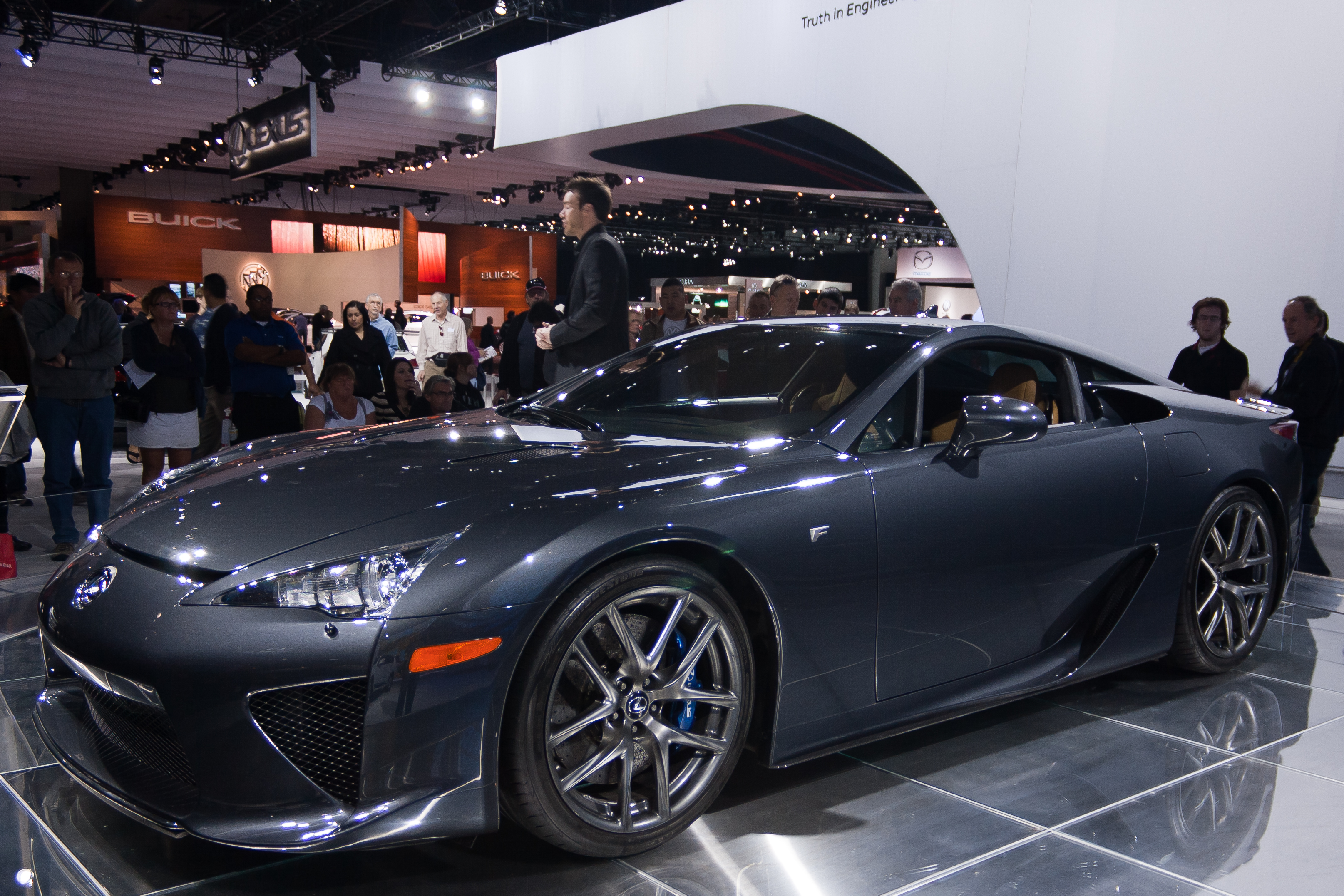
LFA V10
The Lexus LFA is a supercar known for its V10 engine. The idea here is whether that V10 could be swapped into something smaller like a GT86, which is mostly a “will it fit?” question.

BMW V8
They’re talking about a Mini that was modified to use a BMW V8 engine. That’s a big upgrade because it’s a much larger, more powerful engine than what the Mini would normally have, and it takes a lot of work to make everything fit and function.
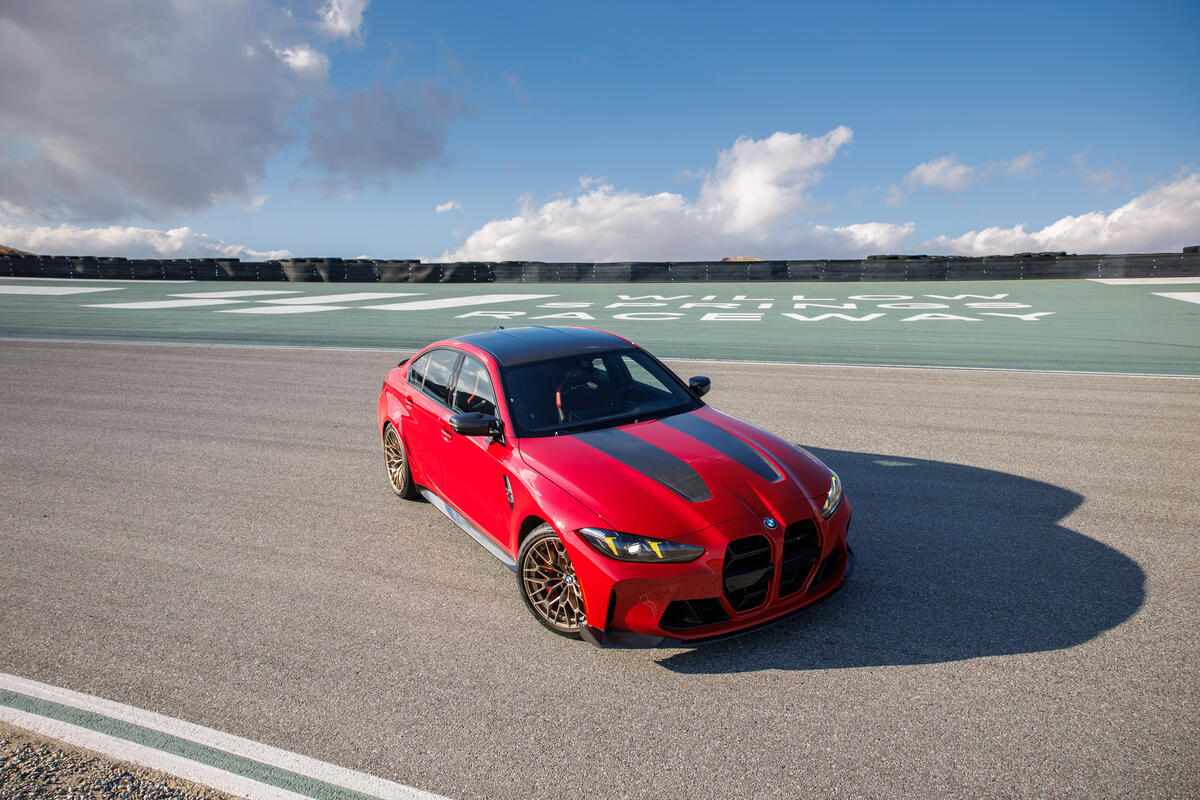
BMW M3
The BMW M3 is a sporty BMW made for fast driving and better handling than a regular BMW 3 Series. In the conversation, it comes up in connection with a V8 and paddle shifters, which are ways to control the gears while driving. People talk about it because it’s known as a performance car.
paddle shift
Paddle shift means you change gears using small paddles behind the steering wheel. It’s usually on cars with an automatic-style transmission, but it lets you control the shifting yourself.
engine swaps
An engine swap means putting a different engine into a car than the one it originally came with. It’s not just “bolt it in”—you often have to modify parts and make sure the electronics and drivetrain work together.

Range Rover L322
The Range Rover L322 is a specific generation of the Range Rover. Here, the host is talking about swapping in an Aston Martin V12 engine, which is a big job because the engine and its systems have to be made to fit and work correctly in the SUV.
test mule
A test mule is a prototype car used to try out new parts. It’s basically a “work in progress” vehicle that lets engineers test whether the new stuff fits and works.
front drive shafts
Drive shafts are the parts that send power from the drivetrain out to the wheels. If the front drive shafts can’t be reattached, the car can’t drive the front wheels like it normally would.
rear wheel drive
Rear-wheel drive means the back wheels get the engine’s power. That can make the car feel different when you accelerate, because the traction and handling are set up for the rear wheels.

Challenger Hellcat
The Dodge Challenger is a two-door muscle car designed for strong acceleration and big-engine performance. The podcast mentions Hellcat and Redeye, which are higher-performance versions of the Challenger. They come up because they’re famous for being very fast.
Hellcat
Hellcat is a Dodge performance version that’s famous for making a lot of power. Here it’s mentioned as an example of a big, punchy engine you might try to cram into something else.
Red Eye
Red Eye is a Dodge performance name used for a more extreme version of the Hellcat. It generally means the car is tuned for more power and more aggressive driving.
rebadge
A rebadge means the same car is sold under a different brand name. It’s like changing the label so it fits a different lineup of cars.

Dodge Avenger
The Dodge Avenger is a regular Dodge sedan model. Here it’s mentioned because the hosts are talking about which smaller Dodge models existed and how they related to other cars.

Dodge Dart
The Dodge Dart is a compact sedan model. In this conversation it’s brought up to explain that some Dodge cars were basically built from shared designs with other brands.

Fiat Bravo
The Fiat Bravo is a Fiat car model. Here it’s used as a comparison to explain that some Dodge models were closely related to Fiat designs.

Alpha Mito
The Alfa Romeo MiTo is a small hatchback from Alfa Romeo. The question here is basically: could you take a big, high-performance engine and put it into this smaller car?
quadrifoglio V6 twin-turbo engine
“Quadrifoglio” is Alfa Romeo’s performance badge. A “V6 twin-turbo” means the engine has six cylinders arranged in a V shape, and it uses two turbochargers to push more air into the engine for extra power.

Alfa Romeo Giulia
The Alfa Romeo Giulia is a car that’s built like a sporty sedan, with a focus on driving feel. The podcast is asking whether it was sold at the same time as another Alfa model, the Mito. That overlap question is about which cars were on sale during the same years.
Stellantis
Stellantis is a big car company that owns multiple brands. Here, it’s mentioned because the host is wondering whether cars from different brands might share enough parts or technology to make an engine swap easier.
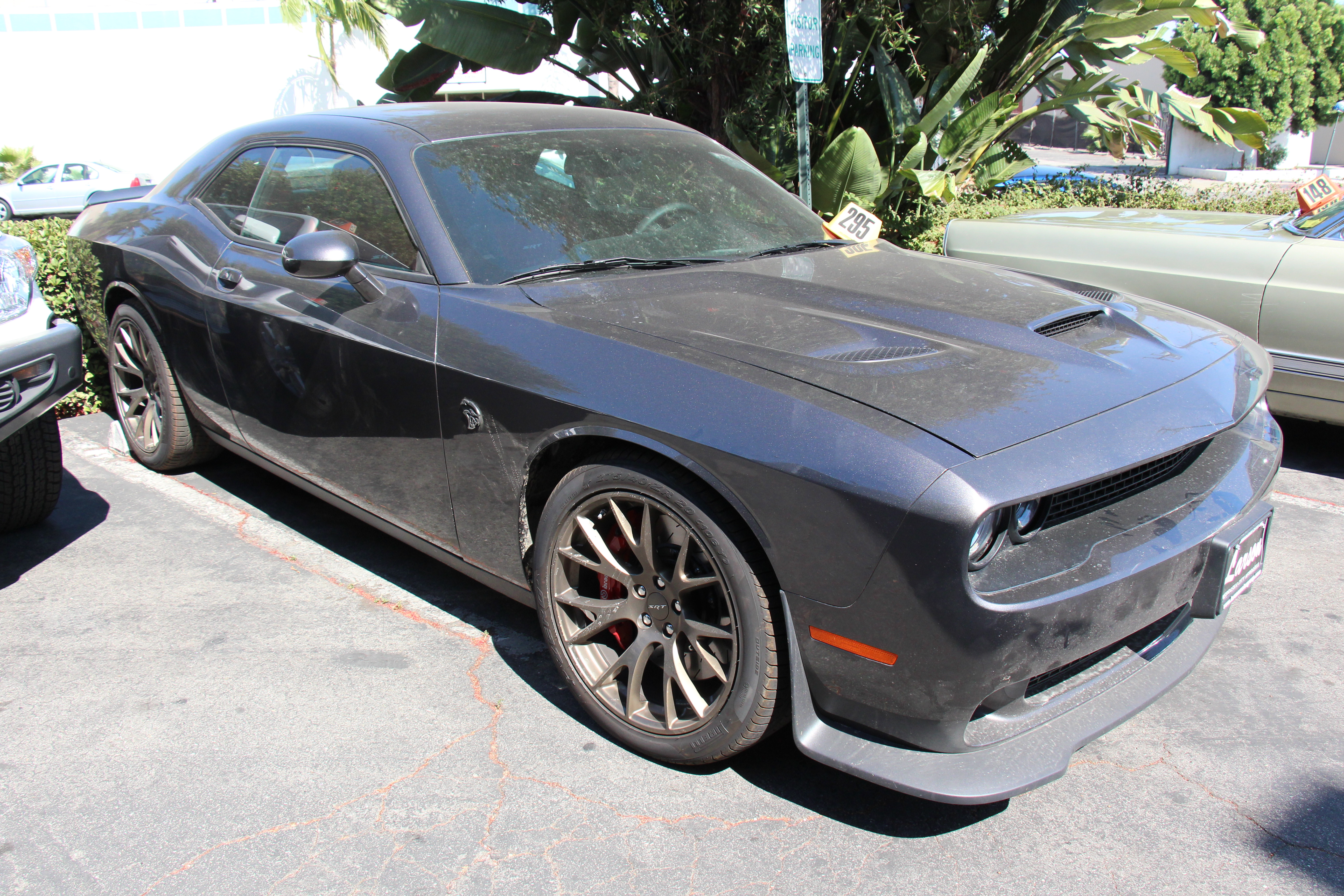
Hellcat V8
“Hellcat” is Dodge’s famous high-power V8. The joke is that you’d take that big, powerful engine and try to put it into a much smaller car, which would be a huge project.
V8
A V8 is an engine with eight cylinders arranged in a V shape. In an engine-swap conversation, it usually means “a much bigger engine,” which can be hard to fit and connect to the rest of the car.

Peugeot 208
The Peugeot 208 is a small hatchback. The host is joking about putting a huge V8 engine into it, which would be very difficult because the car wasn’t designed for that kind of engine.
front-wheel drive
Front-wheel drive means the front wheels do the work of both steering and moving the car. If a swap changes the drivetrain layout, it can change how the car feels and what parts you need.
Period correct
“Period correct” means the car is built to look and be set up like it would have back in its original time period. It’s about staying true to the era instead of adding whatever’s coolest today.
have-ass it
“Have-ass it” is slang for doing something carelessly or without putting in full effort. In a car build context, it suggests cutting corners instead of doing everything properly.
BYD
BYD is a car company from China. They sell lots of different electric and hybrid cars, and they also use a naming system that groups models into different “families,” which can be confusing if you’re not used to it.

Byd Seal
The BYD Seal is an electric car made by BYD. The podcast is talking about how BYD uses different names for different versions, like Seal and Seal U. They’re trying to understand what the naming differences mean.

BYD Dolphin
The BYD Dolphin is an electric car model from BYD. In this discussion, it’s used as an example of how BYD groups related cars under the same “Dolphin” name.

BYD Sealion 5
The BYD Sealion 5 is a BYD model that the host says is a hybrid. That means it uses more than one way to move the car—typically a combination of an electric system and another power source.

Sealion 7
The Sealion 7 is a BYD vehicle that the podcast says is electric. That means it runs on electricity and typically needs charging rather than using fuel. The conversation is focused on understanding the different Sealion versions.
electric
An electric car runs mainly on electricity stored in a battery. Instead of relying on a gasoline engine, it uses an electric motor to drive the wheels.
hybrid
A hybrid car uses two ways to power itself. Usually it combines a gasoline engine and an electric motor, so it can use electricity some of the time and fuel the rest.

Land Rover Discovery
The Land Rover Discovery is a roomy SUV made for families and everyday practicality, with off-road capability. The podcast talks about a Discovery 4 that’s been heavily modified by cutting off part of the back. That kind of change is unusual, so it stands out in the conversation.
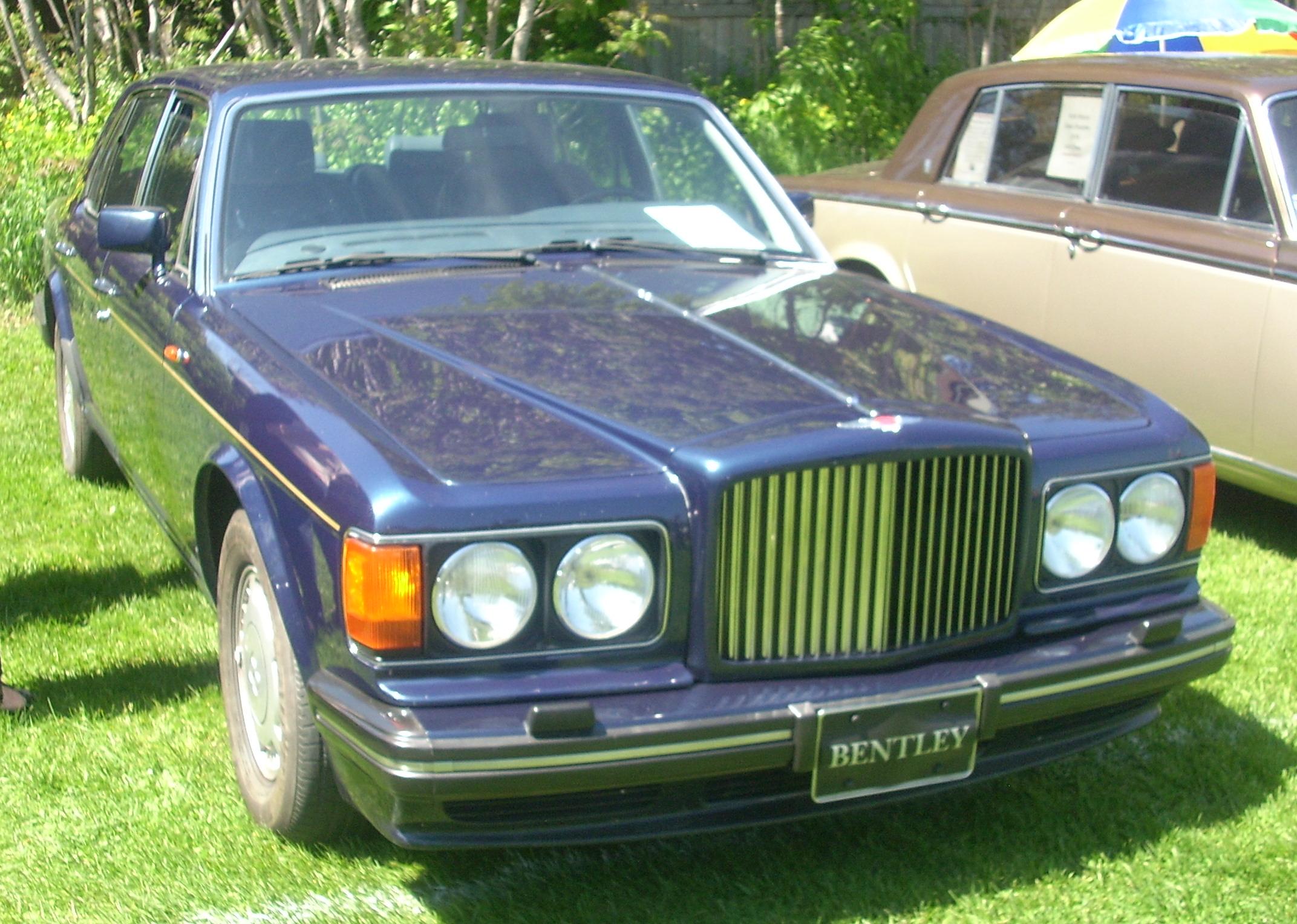
Bentley Turbo R
The Bentley Turbo R is a Bentley model that used a turbocharged engine. Here, the host says the pickup conversion was built using a Turbo R as the starting point.
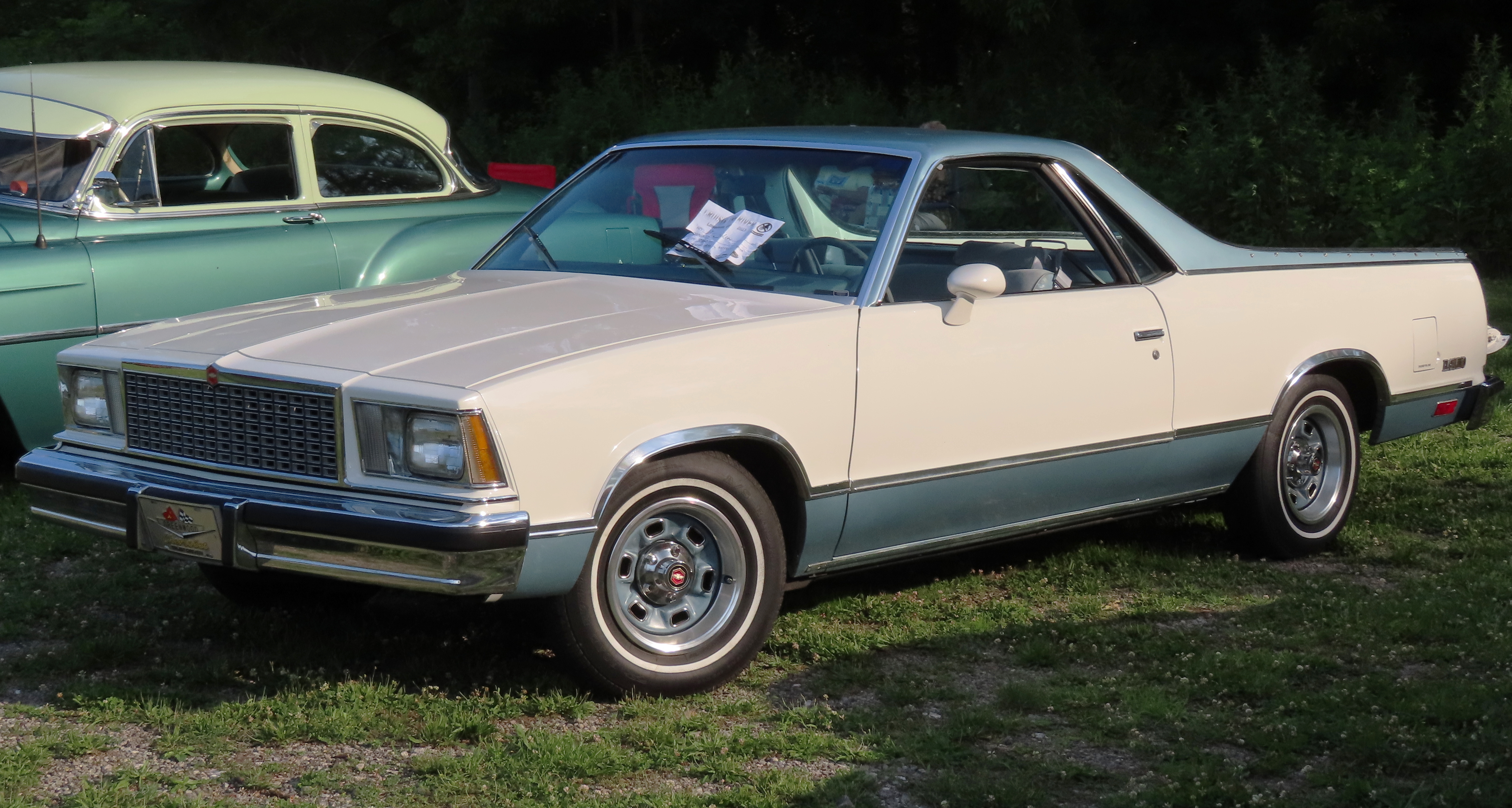
Chevrolet El Camino
The Chevrolet El Camino is a pickup truck that looks more like a car. It has seats and a normal cabin, but also includes a cargo bed in the back. The podcast is describing a special, custom version with a notable rear window.

Jag XJS
The Jaguar XJS is a classic Jaguar coupe/grand tourer. In this story, someone modified one into a hatchback-like setup by changing the rear structure and adding a tailgate, but it still looked like an XJS from the outside.
hatchback
A hatchback is a car where the back door opens upward, and it gives access to the trunk/cargo area. Turning a coupe into a hatchback means you have to redesign the rear end so it can open properly.
buttresses
In this context, “buttresses” refers to the structural body sections behind the doors that support the roofline and define the rear quarter shape. Removing them is a major bodywork change because it affects how the rear opening and roof structure are engineered.
shooting break
A shooting brake is a car body style that mixes a coupe look with extra space for cargo, kind of like a sporty wagon. The host is saying this one-off didn’t become that kind of car—it still looked like a coupe.

Rolls Royce Silver Shadow
The Rolls-Royce Silver Shadow is an older luxury Rolls sedan famous for being very smooth and comfortable. Here, it’s mentioned as the starting point for a custom conversion.
rear bulkhead
The rear bulkhead is a strong panel in the back of the car’s body. If you’re modifying the bodywork, it has to be done neatly because it affects how the rear window and surrounding panels fit and look.

Metro pickup Ranger
They’re talking about a proposed Austin Metro pickup called the Ranger. It’s basically an idea for turning a small car into a mini truck, and the photos show it with a lifted look and wider wheel-arch styling.

Ford Ranger
The Ford Ranger is a pickup truck, meaning it has an open cargo bed for carrying things. People use it for work and everyday hauling. The podcast is referencing it because there are photos of a particular Ranger they’re talking about.
jacked up suspension
It means the car sits higher than stock, with extra ride height. That usually helps it clear obstacles and gives it a more truck-like look.
black wheel arch extension
These are extra pieces added around the wheel openings. They can make the car look more rugged and can also help cover changes like wider tires or a lifted suspension.

Citroen 2CV
The Citroën 2CV is a small, simple car made by Citroën. The podcast mentions it in the context of a club meeting and competition, meaning people still get together around the car. It’s a car with a dedicated fan community.

Citroen Visa
The Citroën Visa is a small hatchback car. In the podcast, someone says they bought one and gave it a nickname. That suggests it’s being treated as a personal car or project.

Kia
They briefly mention a Kia that someone gave a silly nickname to, based on a celebrity theme. The point is the fun naming tradition, not the specific Kia model.

Suzuki Jimny
They’re talking about the Suzuki Jimny and joking about calling it “Jimny Savile.” It’s another example of the group’s habit of giving cars celebrity-themed nicknames.

Volkswagen Passat
The Volkswagen Passat is a regular family car, usually a sedan or wagon. It’s meant to be comfortable and practical for everyday driving. The podcast mentions it because someone had one and gave it a nickname.

Ford Fiesta St
The Ford Fiesta is a small car, and the Fiesta ST is the sportier version. The podcast speaker is driving one and calls it their first “hot hatch,” meaning a faster, more performance-focused small hatchback. It’s mentioned because it’s a fun car to drive for someone starting out.

Suzuki Swift
The Suzuki Swift 5-door is a small hatchback with extra doors for easier access to the back seats. It’s designed for everyday driving and parking convenience. The podcast brings it up as part of someone’s past car history.

Dacia Spring
The Dacia Spring is a low-cost electric car meant for city driving. Here, they’re saying it keeps pulling them back as an option because it fits their budget.

5 Renault 5
The Renault 5 E-Tech Electric is an electric car version of the Renault 5. It runs on electricity instead of fuel. The podcast mentions it because it’s new, and the speaker says it may be too expensive to afford right now.
D-fleet auction
An auction is where cars are sold to the highest bidder. A “fleet auction” usually means cars that used to be owned by companies, and they can sometimes be cheaper than buying retail.

Hyundai Ioniq 5
The Hyundai Ioniq 5 is an electric car from Hyundai. They’re saying you can find one for around £10,000–£12,000, and not only the cheapest, smallest-battery version.

MG4
MG4 is an electric car (a hatchback) made by MG. Here they’re talking about how some of its safety/driver-assist features can be annoying, especially on rural roads.
ADAS
ADAS means the car’s driver-assist tech—things like keeping you in your lane or warning you about crashes. In this case, the host says it can be overly sensitive and interfere when it shouldn’t.
lane keeping
Lane keeping is the feature that tries to keep the car in its lane by steering for you. Here it’s acting up on rural roads, where the markings and edges can confuse the system.
100 horsepower
Horsepower is a measure of how much power the car can produce. They’re saying the car feels different because the higher-power version also got chassis changes to match it.
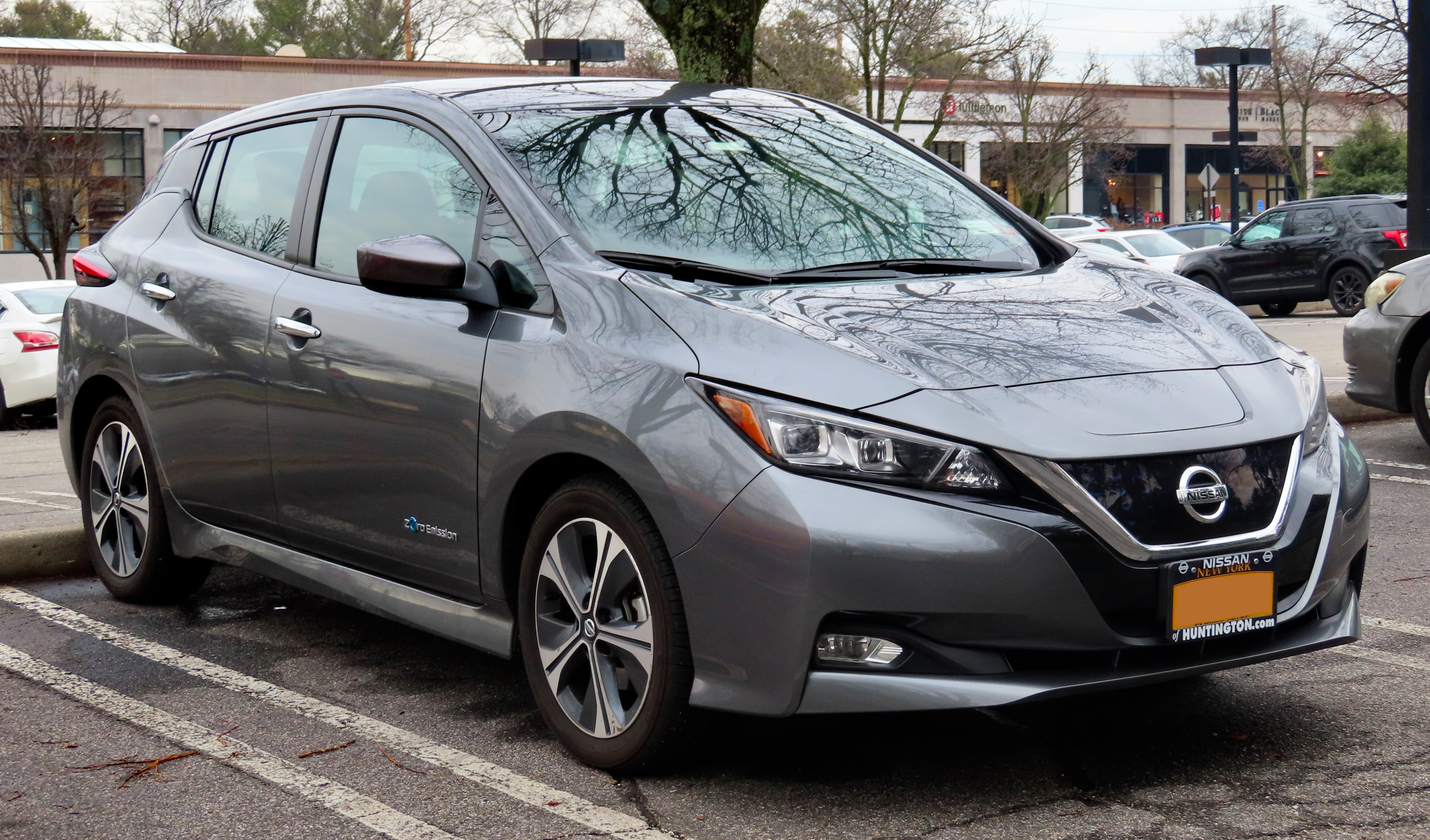
Nissan Leaves
The Nissan Leaf is a fully electric car. The host is saying it’s been around a long time, so you can often find one used, and it’s not something you should ignore.

the Zoe
The Renault Zoe is an electric car. The host is saying the newer versions are better because they have larger batteries and updated tech, so they may be a smarter used buy.
EV
EV means electric vehicle. It’s a car that runs on electricity from a battery, and the way it drives can be different from a gas car—so it helps to test one first.