Q&A Saturday #220: How To Buy Your Next Vehicle Despite Recalls & Manufacturing Issues.
About this episode
Q&A Saturday #220 tackles how to shop for a next vehicle when recalls and manufacturing issues are on the table. The hosts stress that long-term dependability comes from a solid, rust-free platform and consistent maintenance—“Mileage does not matter. Maintenance matters.” They advise avoiding active recall problems, checking whether parts are available, and understanding warranty fine print (including how “lifetime” can end). They also share real-world durability examples and practical guidance for finding trustworthy repair help.
It's Q&A Saturday, and the ladies are leading the charge with this week's listener questions!❤️
In Episode #220 of Motormouth's Morning Drive, Nile "Motormouth" Jenkins answers questions about buying your next vehicle in today's world of recalls, manufacturing issues, and changing technology. If you're wondering how to make a smart purchase without getting burned, this episode is for you.
Topics include:
✅ Choosing your next vehicle with today's recalls and manufacturing concerns.
✅ What really matters when shopping for a dependable vehicle
✅ Maintenance tips to help protect your investment.
✅ Practical automotive advice from nearly 45 years in the industry.
✅ Listener questions answered with straight talk and real-world experience.
Whether you're buying a new, used, or simply trying to keep your current vehicle on the road, this episode is packed with practical advice to help you make informed decisions.
Thanks for listening to Motormouth Morning Drive, brought to you by the Car connection Business Network-Connecting Quality Businesses to Quality Consumers.
#VehicleBuying #CarMaintenance #AutomotiveAdvice
Support the Show: If you enjoy what we do, fuel the next episode with a coffee ☕️ at buymeacoffee.com/motormouthnile your gift od any size is appreciated, Tnx Friends👍❤️
Motormouth Merch: Wear the Brand with Pride-every purchase from our online merch store supports Total Freedom Addiction Campuses Canada & USA, where Life changes Happen Every day! Stand with our crew, Let's help Total Freedom make old lives NEW, Tnx Guys👍❤️
Car Connection Maintenance Schedule: 🛑STOP GUESSING, and start preventing breakdowns. Order your CC Maintenance Schedule Today while supplies last👍 enjoy Subscriber-only savings💰💰💰 Mileage Does NOT MATTER.....Maintenance Does. Visit the profile page at ccbusnet.com review the CC Maint kit, fill in the order form and Wah La it's at your door. 🚘✅
Email Motormouth: Have a question, a repair story, a Podcast idea, we'd love to hear from you-send us an email anytime at [email protected]. or motormouth.jenkins @gmail .com
ROAD TO 1,000 SUBSCRIBERS: Like, Subscribe, share, and invite a fellow car enthusiast to join the Motormouth Community. Very NEW subscriber get us closer to our first 1,000
WE NEED YOU! HELP US REV UP OUR ENGINE & HIT OUR FIRST 1,000 SUBSCRIBERS TNX GUYS👍❤️🚗🙌
More Episodes and....project Details & Links are available at Car Connection Business Network.com (ccbusnet.com) you'll find everything on our home page if you'd like to follow the build & repair work we do & connect with our program partners, click their logo to meet them, Thank You for giving them your business, we need them and YOU TOO👍✅
We'll see you in the next one !
Happy Healthy Motoring Friends....Peace Patience Kindness Always ❤️

Jeep Wrangler
"And around here, we don't just talk cars, we live them, whether it's a 25 year old Jeep Wrangler getting a second chance at life, running away from the crusher or a Nissan"
The Jeep Wrangler is a popular off-road SUV. People often keep them running for a long time and do a lot of their own repairs and maintenance.
The Jeep Wrangler is a rugged off-road SUV known for its removable doors and roof and its strong heritage in trail driving. In enthusiast circles, it’s a common platform for repairs and upgrades because it’s built to be worked on.

Nissan Rogue
"or a Nissan Rogue getting its brakes back in order, or even a mystery leak that's got everyone scratching their heads."
The Nissan Rogue is a common everyday SUV. The host is talking about fixing brake problems, which is something lots of drivers deal with over time.
The Nissan Rogue is a mainstream compact crossover SUV, typically bought for everyday commuting and family use. The mention here is about getting the brakes back in order, which highlights how common brake-related service is on high-volume models like the Rogue.
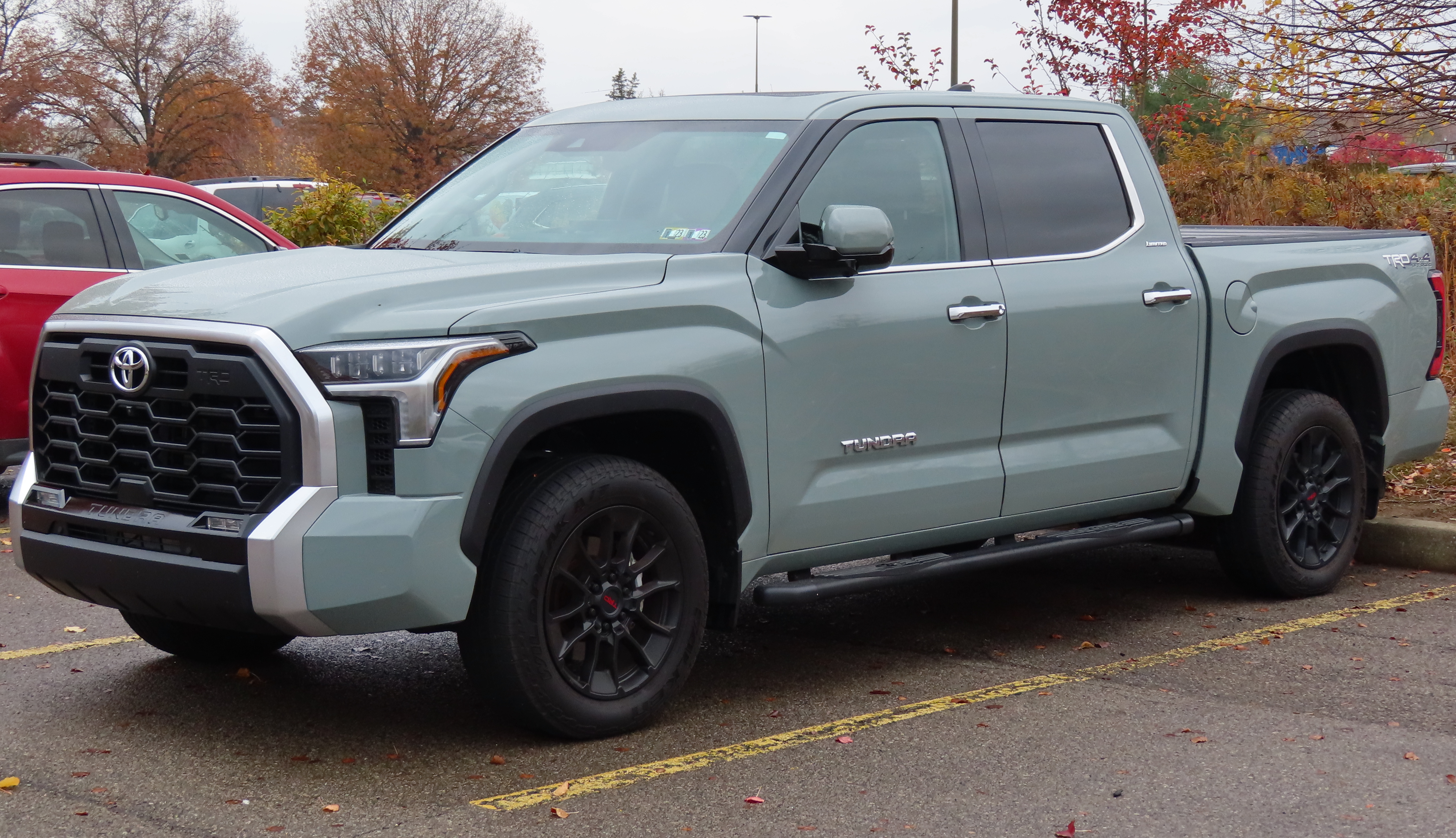
Toyota Tundra
"...t anyone would throw down $78,000 to buy a Toyota Tundra or a Silverado. I call them Silver Rattles."
The Toyota Tundra is a large pickup truck made for work and towing. People use it to haul things and carry gear, and it can also be used like a regular vehicle. The podcast mentions it in the context of buyers paying a lot of money for one.
The Toyota Tundra is a full-size pickup truck designed for towing, hauling, and everyday driving. It’s significant in pickup discussions because buyers often compare it directly with other full-size trucks when shopping around the same price range. The podcast context suggests it’s being talked about as a truck people are willing to spend serious money on.
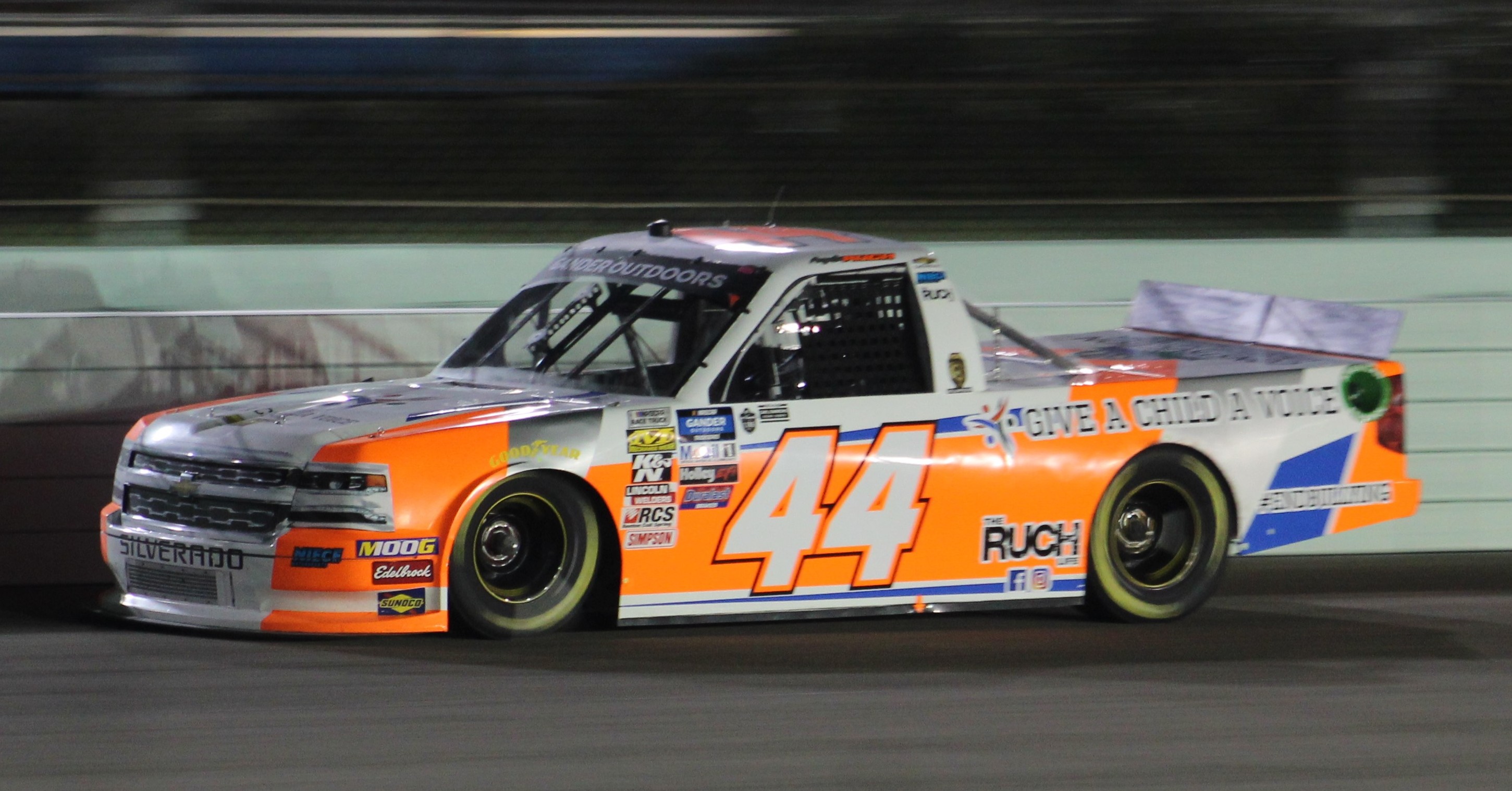
Chevrolet Silverado
"...ld throw down $78,000 to buy a Toyota Tundra or a Silverado. I call them Silver Rattles."
The Chevrolet Silverado is a large pickup truck. It’s made for carrying loads and towing trailers, but it can also be driven day to day. The podcast brings it up as a truck that some people are willing to spend a lot of money on.
The Chevrolet Silverado is a full-size pickup truck built for towing, hauling, and general truck duties. It’s frequently discussed alongside other full-size pickups because it’s a common choice for buyers comparing features and price. In the podcast context, it’s mentioned as an alternative people might pay around $78,000 for.
structural integrity
"As long as we look after the structural integrity, and we're good with maintenance and understanding maintenance, you're well on your way to putting hundreds and thousands of kilometers on your vehicle."
Structural integrity is how strong the car’s main body/frame is. If it’s not in good shape—like from rust or crash damage—the car can become unsafe or start to feel “off.”
Structural integrity means the vehicle’s frame and body remain strong and correctly aligned over time. In ownership terms, it’s about preventing issues like rust, damage, or corrosion from compromising safety and drivability.

Toyota FJ Cruiser
"And as I mentioned before, you know, an 07 FJ Cruiser, that's my workhorse, has just under 400,000 kilometers."
The Toyota FJ Cruiser is a tough-looking SUV that’s built for rough roads. In this segment, the host is using their 2007 FJ Cruiser as an example of a vehicle they’ve been able to keep for a very long time.
The Toyota FJ Cruiser is a rugged, off-road–styled SUV built on a body-on-frame platform. It’s known for being durable and easy to keep running, which is why the host cites their 2007-era FJ Cruiser as a long-term “workhorse.”

Toyota 4Runner
"My friend Steve, who has a Toyota 4Runner around the same, he's approaching 700,000 kilometers."
The Toyota 4Runner is a rugged SUV that many people keep for years. The host is mentioning it to show that high-mileage ownership is realistic with the right vehicle and care.
The Toyota 4Runner is a body-on-frame SUV with a reputation for long-term durability and off-road capability. Here, the host compares mileage/age expectations by mentioning their friend Steve’s 4Runner as another “keep it forever” example.
wheel bearing
"we just shot a video on front wheel drive bearings, wheel bearings, what is that, [1494.8s] he might be going, do I have that, well if the wheels are on you have hubs and bearings"
Wheel bearings are small parts that help your wheels rotate smoothly. If they wear out, the car can start making noise or feel shaky while driving.
Wheel bearings are the components that let your wheels spin smoothly while supporting the vehicle’s weight. They’re located at each wheel hub, and when they wear out you can get noise, vibration, and uneven tire wear.
front wheel drive cars
"we just shot a video on front wheel drive bearings, wheel bearings, what is that, [1494.8s] he might be going, do I have that, well if the wheels are on you have hubs and bearings"
On front-wheel-drive cars, the front wheels handle steering and driving. The wheel bearings up front help those wheels spin, so problems can show up more quickly.
Front-wheel-drive bearings are wheel bearings used on front-drive layouts, where the front wheels both steer and transmit power. That combination can make bearing wear and noise more noticeable because the front end is doing more work.

Chevrolet C10
"...earings on Mr. Greenjeans or 67 Chevy pickup, our C10, and we did that back in the early days of our Yo..."
The Chevrolet C10 is an older pickup truck, especially associated with the 1960s. People like it because it has a classic look and it’s a popular choice for restoring or modifying. The podcast mentions their C10 as one of the trucks they worked on early on.
The Chevrolet C10 is a classic pickup truck from the 1960s era that’s popular with enthusiasts and collectors. It’s often discussed because it represents a recognizable style of American truck and is a common platform for restoration and customization. In the podcast context, it sounds like the C10 is part of an early project history—something they worked on back in the early days.
car connection fleet maintenance schedule
"you're having to look after your vehicle on your own, don't forget about our car connection maintenance schedule kit is available for you to review"
A maintenance schedule kit is a checklist/guide to help you remember when to service your car. It’s basically a plan for routine upkeep.
A maintenance schedule kit is a packaged guide meant to help owners track routine service items and intervals. In this context, it’s tied to the “car connection” brand’s recommended upkeep plan.
vehicle service contract
"hesitate, if you're the one looking after the automobile in the driveway, you need that schedule [1587.9s] to keep your vehicle in tip-top working order and you don't have to waste any gray matter [1593.9s] to figure out what needs to be done and when, I have that all designed for you no matter what"
It’s like an extended repair plan for your car. If something breaks that the plan covers, the cost is reduced or handled by the contract instead of you paying everything out of pocket.
A vehicle service contract is a paid plan that helps cover certain repairs after the factory warranty period (or sometimes alongside it). It’s meant to reduce the risk of unexpected repair bills by budgeting for covered failures.
recall
"so always check your emails, texts, [1680.5s] if you're doing talk to email, talk to text, how are we to determine what to purchase [1689.8s] for our next vehicle with all the manufacturer issues, recalls, etc."
A recall is when the car maker says, “We found a problem and you need to fix it.” It’s usually related to safety or a serious defect, and the fix is done by the dealer.
A recall is when a manufacturer (or regulator) identifies a safety-related defect and requires affected vehicles to be repaired or inspected. Recalls can range from software updates to major component replacements.
engine problems
"if I were you, I would just stay [1739.3s] away from all that stuff that's on recall right now, engine problems, transmission problems, [1744.5s] differential problems, head gasket problems and vote with your wallet, go and get something"
This just means the car’s engine isn’t working right. It could be something like poor running, warning lights, or parts that wear out or fail.
“Engine problems” refers to failures or malfunctions in the engine’s mechanical or control systems. Common examples include overheating, misfires, oil leaks, or sensor/ECU-related issues that can lead to drivability problems.
transmission problems
"if I were you, I would just stay [1739.3s] away from all that stuff that's on recall right now, engine problems, transmission problems, [1744.5s] differential problems, head gasket problems and vote with your wallet, go and get something"
This means the car’s shifting system isn’t behaving correctly. You might notice rough shifting, slipping, or the car not going into the right gear.
“Transmission problems” means issues in the gearbox that transfers power from the engine to the wheels. Symptoms can include harsh shifting, slipping, delayed engagement, or failure to shift properly.
head gasket problems
"differential problems, head gasket problems and vote with your wallet, go and get something [1752.1s] that, you know, if you got to switch flavors, you switch flavors, I'm not just going to buy and"
The head gasket is a critical seal inside the engine. If it fails, the engine can overheat or mix fluids, and repairs can be costly.
A head gasket is the seal between the engine block and the cylinder head that prevents coolant and oil from mixing with combustion gases. “Head gasket problems” can lead to overheating, coolant loss, or contamination of oil, often requiring expensive repairs.
differential problems
"engine problems, transmission problems, [1744.5s] differential problems, head gasket problems and vote with your wallet, go and get something"
The differential helps the wheels turn at different speeds when you’re cornering. If it has problems, the car can feel noisy, jerky, or lose traction.
A differential is the gear assembly that lets the driven wheels rotate at different speeds, especially when turning. “Differential problems” can cause driveline noise, binding, or loss of traction.
vote with your wallet
"differential problems, head gasket problems and vote with your wallet, go and get something [1752.1s] that, you know, if you got to switch flavors, you switch flavors, I'm not just going to buy and"
“Vote with your wallet” is a consumer strategy: you respond to poor reliability or unresolved issues by choosing not to buy from that brand. The idea is that sales pressure encourages manufacturers to improve.
overdrive transmission
"…we had GM's with overdrive transmission problems one after another, head gaskets, engines dropping out…"
“Overdrive” is the gear that helps the car cruise more efficiently on the highway. If the overdrive part of the transmission has problems, the car may shift badly or fail to stay in the right cruising gear.
An overdrive transmission is a gearbox setup that uses a higher gear ratio for cruising, helping the engine run at lower RPM at highway speeds. When people say “overdrive transmission problems,” they usually mean failures or harsh shifting related to that cruising gear or the control system that engages it.
GMs
"…I've been watching this since 1992, it does not surprise me, we had GM's with overdrive transmission problems one after another…"
GM is short for General Motors, a big car company. The speaker is saying GM vehicles have had repeated problems, like transmission and engine issues.
GM refers to General Motors, one of the major global automakers. The speaker cites GM examples of recurring issues like transmission problems, head gasket failures, and engine failures.
head gaskets
"…overdrive transmission problems one after another, head gaskets, engines dropping out, I mean, disgusting things that shouldn't be happening…"
The head gasket is a seal inside the engine that keeps coolant and oil where they belong. If it fails, the engine can overheat or start running poorly, and repairs can be expensive.
A head gasket is the seal between an engine’s cylinder head and the engine block. If it fails, coolant and/or oil can leak into places they shouldn’t be, which can cause overheating, misfires, or even major engine damage.
engines dropping out
"…head gaskets, engines dropping out, I mean, disgusting things that shouldn't be happening…"
This phrase means the engine suddenly loses power or shuts off briefly. That can happen when the car detects a problem and protects itself, or when something like fuel or ignition isn’t working right.
“Engines dropping out” is a lay description for an engine that intermittently shuts down or loses power unexpectedly. In modern cars, this can be caused by issues like misfires, fuel/ignition problems, or sensor/control faults that trigger protective limp modes.
whistleblower engineers
"…there's been a few whistleblower engineers that have said, you know, the manufacturers come to them and say…"
A whistleblower is someone who speaks up about problems they believe are being hidden. Here, the speaker is saying some engineers claim the companies are making cars that don’t last as long as they should.
Whistleblower engineers are employees who publicly raise concerns about wrongdoing or unsafe practices inside a company. In this context, the speaker claims some engineers allege manufacturers push for designs that don’t last, effectively shifting risk to customers after coverage ends.
warranty
"…manufacturers come to them and say, we want you to create something that will last just past, get us over the line with the warranty and then it's all the consumers problem after that."
A warranty is the agreement that says the company will pay for certain repairs for a limited time. The speaker is arguing that some vehicles may be engineered to fail after that coverage period.
A warranty is the manufacturer’s promise to cover certain repairs for a set period or mileage. The speaker’s point is that some engineers allege manufacturers design products to last only until warranty coverage ends, shifting the cost to consumers afterward.
60,000 kilometers
"will only make it 60,000 kilometers, hopefully, so the manufacturers can get the vehicle over the warranty line and now it's all your baby, your money, your problem"
“60,000 kilometers” is an example of a mileage limit in a warranty. If you pass that number, the warranty may stop covering repairs.
“60,000 kilometers” is used here as an example warranty mileage threshold. It illustrates how coverage can end right after a specific odometer number, triggering out-of-pocket repair costs.
stainless steel components
"come on, you're not giving me chrome, you're not giving me sheet metal, you're not giving me stainless steel components, you're giving me petroleum based plastic"
“Stainless steel components” are metal parts made to resist rust and corrosion. The speaker uses it as a contrast to argue for more durable materials.
“Stainless steel components” refers to corrosion-resistant metal parts the speaker contrasts with plastic. The comparison is about perceived durability and longevity versus cheaper materials.
petroleum based plastic
"you're not giving me stainless steel components, you're giving me petroleum based plastic, plastic is cheap folks, are you getting it?"
The speaker is talking about parts made from petroleum-based plastic. Their argument is that plastic can be cheaper and may wear out sooner than metal parts.
“Petroleum based plastic” is a material description the speaker uses to criticize cost-cutting in vehicle components. The implication is that cheaper plastic parts may be less durable than metal or stainless components.
super seeded part
"same part they don't have what's called a super seeded part to fix the problem so when they take the piece out that's broken they put a piece in that's corrected corrected"
Sometimes a car part is found to be defective. A “super seeded” part is the newer, corrected version that’s supposed to fix the problem for good.
A “super seeded part” is an updated replacement component that a manufacturer introduces after discovering a defect. It’s meant to fix the root cause so the new part doesn’t fail the same way as the original.
pattern failures
"it's been amazing little ride I mean it's got its issues and it's got its pattern failures but again if you if you're not very good at maintenance then having a vehicle that has pattern failures is not going to be the vehicle for you"
“Pattern failures” are repeated, predictable problems that show up across a model or over time. In practice, they’re the issues owners and mechanics learn to expect, often tied to specific components or design weaknesses.
repair shop
"[2686.4s] April asks I am a single I am single and a very and very intimidated by taking and going to a [2696.4s] repair shop on my own what can I do to overcome this stigma well it's like anything else in the [2704.1s] trades and in the service industry it's easy to be taken advantage of if you don't have a lot of [2710.3s] information"
A repair shop is where mechanics look at your car and do the work to fix problems. If you don’t know much about cars, it can be easier for someone to overcharge or do unnecessary work.
A repair shop is a service business where technicians diagnose and fix vehicle problems. The host frames it as a place where a solo owner can be vulnerable to being taken advantage of without enough information.
maintenance curve
"[2722.3s] about your automobile how it works and how you can stay ahead of the maintenance curve and have a [2728.4s] really really reliable vehicle doesn't matter what age mileage you can keep"
Your car needs different kinds of upkeep at different times. If you learn what’s due when, you can prevent small issues from turning into expensive repairs.
The “maintenance curve” is the idea that vehicle upkeep needs change over time—some items are due at certain mileage/age intervals, and neglect can lead to bigger problems later. The host suggests learning how to stay ahead of those scheduled needs to keep a vehicle reliable.
heavy equipment
"[2786.1s] for 44 years as a light truck passenger vehicle tech and heavy equipment heavy equipment and I [2793.9s] worked for Mack trucks of Canada Peterville of Ontario"
Heavy equipment means big industrial machines, like those used for construction or other heavy jobs. The host is saying they’ve worked on that kind of machinery too.
Heavy equipment refers to large, industrial machines used in construction, mining, and similar work—often with different maintenance demands than passenger cars. The host uses the term to describe the type of vehicles they’ve worked on professionally.
diesel endorsement
"[2786.1s] for 44 years as a light truck passenger vehicle tech and heavy equipment heavy equipment and I [2793.9s] worked for Mack trucks of Canada Peterville of Ontario I have my diesel endorsement [2800.5s] and my license for that as well so I got a lot of experience to share with you"
A diesel endorsement is extra training/permission to drive diesel-powered commercial vehicles. The host is saying they have that credential, which supports their background in diesel work.
A diesel endorsement is an added credential that qualifies a driver for operating diesel-powered commercial vehicles. The host mentions it to establish expertise in diesel/heavy equipment work, not as a general buying tip.
recommended business portion of our website
"it'd be great [2904.4s] to have an amazing referral program on our recommended business portion of our website [2911.7s] so we can send you directly to someone that is not going to take advantage of you"
The host is talking about a part of their website that lists repair shops they recommend. The goal is to make it easier to find a trustworthy place to get your car fixed.
This refers to a curated list of repair shops on a website—meant to help customers find businesses the host trusts. The idea is to reduce the risk of getting taken advantage of by steering people toward vetted options.
franchise stores
"and I'm not a big advocate of the franchise stores I just [2962.9s] am not I know some people that that are very good but the the stigma is"
A franchise store is a business that uses a big company’s brand and rules. The host is basically saying that not every franchise location is great, so it can be harder to know who you’ll get.
“Franchise stores” are businesses that operate under a brand name and business model licensed from a larger company. The host is expressing skepticism about franchise repair shops because the same brand name can include both good and bad operators, which can affect customer experience.
mom and pop shop
"so what you want to go to is a mom and pop shop [2999.5s] that's what you want to get to you want to get to a reputable mom and pop repair shop that takes care"
A “mom and pop shop” means a small local business, usually run by a few people instead of a big company. The host is saying you should look for a reputable local garage, not a big chain, to reduce the chance of getting taken advantage of.
A “mom and pop shop” is a small, independently owned business—often a local repair garage rather than a large corporate chain. In this context, the host is recommending independent shops because they may treat customers more fairly and build a local reputation.
rust proofing
"jerry it's not the coup de gras or the grand fromage it is just the big one is rust proofing my vehicle worth doing [3215.7s] or a waste of time and money"
Rust proofing is how you protect a car from rust. It adds a protective layer so moisture and road salt can’t easily attack the metal underneath.
Rust proofing is a set of protective measures used to slow corrosion on a vehicle’s body and undercarriage. It typically involves applying coatings or treatments to reduce how water, salt, and oxygen reach metal surfaces.
climate-controlled environment
"they're sitting in [3265.0s] not a what we call a climate controlled environment so there's two things that rust needs to develop"
This means the car is stored in a place where conditions like humidity are controlled. Rust needs moisture, so controlling humidity helps slow it down.
A climate controlled environment is a storage setting where temperature and humidity are managed. For rust prevention, lower humidity reduces the moisture available to drive corrosion reactions.
warmth and moisture
"so there's two things that rust needs to develop [3273.3s] you ready this is the recipe what to create rust warmth and moisture"
Rust happens faster when a car stays damp. Warm temperatures also make the rust process move quicker.
Rust formation is driven by conditions that keep metal wet and chemically active. Warmth speeds up the corrosion process, while moisture provides the water needed for rust to develop.
humidity
"and what are we living in right now warmth and moisture humidity is moisture it's water [3294.6s] so no matter what if it's not raining and it's humid there's moisture in the air"
Humidity is how much water vapor is in the air. More humidity means more moisture around the car, which can help rust form.
Humidity is the amount of water vapor in the air. Higher humidity increases the moisture available to contact metal surfaces, which can accelerate corrosion and rust.
cross-members
"that's when the rusties wakes up and goes i'm hungry hey look wonderful cross member [3327.5s] i think i'll start to eat that"
A cross member is a metal bar under the car that helps hold the structure together. Since it’s underneath, it can be exposed to water and road salt that cause rust.
A cross member is a structural metal beam that connects left and right sides of a vehicle’s frame or underbody. Because it’s part of the undercarriage, it can be exposed to moisture and road salt, making corrosion protection important.
salt brine
"and then along with the salt brine that they put on the earth [3334.6s] on the roadways i mean it keeps us safe but it is wickedly corrosive"
Salt brine is salty water spread on roads to melt ice. It’s tough on cars because it gets on the metal and helps rust happen faster.
Salt brine is a salty water solution used to prevent ice on roads. It’s corrosive because it helps carry moisture and dissolved salts to vehicle metal, speeding up rust.
fastener
"it takes hours to get things on [3362.9s] bolted because every stinking fastener is seized"
A fastener is a bolt or screw that holds parts together. Rust can make these bolts get stuck, so repairs take longer.
A fastener is a hardware piece used to hold parts together, such as bolts and screws. Corrosion can seize fasteners, making them difficult to remove and increasing labor time during maintenance.
seized
"it takes hours to get things on [3362.9s] bolted because every stinking fastener is seized"
Seized means stuck solid. Rust can glue a bolt in place, so it’s harder to take apart and fix.
When a fastener is seized, it’s effectively stuck due to corrosion and friction. Seized hardware is a common rust-related problem that increases repair time and can require replacement.

Pontiac Chieftain
"...ate pilots licensed driving flying 1954 pipers or chieftains why is that because they're freaking expensive to..."
The Pontiac Chieftain is an older, classic car from the past. People collect them, and they can be expensive because they’re hard to find and cost more to keep in good condition. The podcast mentions it as an example of a vintage vehicle that’s pricey.
The Pontiac Chieftain is a vintage full-size car associated with the mid-20th century, and it’s known for its classic styling. It comes up in collector conversations because these older vehicles can be expensive to buy and maintain. The podcast context links it to the idea that certain classic cars—like the Chieftain—are costly, similar to other high-end vintage items.
seizing up
"keep the structure solid and it keeps the bolts and everything from seizing up [3592.6s] because here's the deal if the book time says break job on the front of your vehicle is two hours"
“Seizing up” means parts get stuck and won’t come apart like they should. Rust can cause this, and it makes repairs take longer.
“Seizing up” means parts that should move or separate become stuck due to corrosion and heat cycles. It’s a common reason repairs take longer than the published estimate.
bolts
"keep the structure solid and it keeps the bolts and everything from seizing up [3592.6s] because here's the deal if the book time says break job on the front of your vehicle is two hours"
Bolts are the metal fasteners that hold parts together. If they rust and get stuck, a repair takes longer and costs more.
In this context, bolts are the fasteners that hold brake and suspension components together. When corrosion sets in, bolts can seize, turning a quick repair into a much longer, more expensive job.
book time
"because here's the deal if the book time says break job on the front of your vehicle is two hours [3601.0s] but everything seized as soon as i have to get out the torch to heat stuff to try and get bolts"
Book time is the estimated number of hours a repair manual says a job should take. If rust makes parts hard to remove, the job can take longer than that estimate.
Book time is the labor time listed in repair manuals for a specific job, like a brake service. If seized hardware forces extra steps (heating, drilling, re-threading), the real time—and labor cost—can exceed book time.
torch
"but everything seized as soon as i have to get out the torch to heat stuff to try and get bolts [3606.8s] out that time is by the hour start the clock stop the clock that's additional time to the job"
A torch is a tool that applies heat to help stuck parts loosen. If bolts are rusted in place, heat can make them easier to remove.
A torch is used to apply heat to seized components so they expand and break free. In rust-heavy situations, heating is often the difference between a straightforward repair and one that requires destructive work.
lubrication
"working to get bolts out because if i snap them off it gets ugly now i got to drill stuff tap stuff [3634.6s] thread stuff and make it workable that's straight time on the repair bill"
Lubrication means using a product to help loosen rusted parts. It can make stuck bolts easier to remove.
Lubrication refers to applying penetrating or lubricating products to help free corroded fasteners. It’s part of the “get it apart” process when rust has caused hardware to bind.
drill stuff
"working to get bolts out because if i snap them off it gets ugly now i got to drill stuff tap stuff [3634.6s] thread stuff and make it workable that's straight time on the repair bill"
“Drill stuff” means using a drill to remove parts that won’t come out. It usually happens when rust has made the hardware too stuck to save easily.
“Drill stuff” here refers to drilling out seized or broken fasteners when they can’t be removed normally. It’s a sign the job has moved from routine service into more invasive repair work.
tap stuff
"now i got to drill stuff tap stuff [3634.6s] thread stuff and make it workable that's straight time on the repair bill"
“Tap stuff” means re-cutting the screw threads in a hole. Mechanics do this when threads get damaged during a tough repair.
“Tap stuff” means using a cutting tool (a tap) to restore or create threads in a damaged hole. It’s commonly needed after seized bolts break or are drilled out.
thread stuff
"tap stuff [3634.6s] thread stuff and make it workable that's straight time on the repair bill [3642.9s] so that's where you punch off the job and you punch on the job and you go extracting bolts"
“Thread stuff” means fixing the screw threads so bolts can go back in properly. It’s extra work that usually costs more.
“Thread stuff” refers to repairing or re-cutting threads so bolts can fasten correctly again. When corrosion forces this kind of work, it increases labor time and cost.
caliper saddle
"so that's where you punch off the job and you punch on the job and you go extracting bolts [3650.0s] on the caliper saddle seized to the spindle housing so if that takes me two hours to get"
The caliper saddle is where the brake caliper mounts. If the bolts there are rusted, getting the caliper off for brake work can take much longer.
The caliper saddle is the mounting surface/area where the brake caliper attaches to the rest of the brake assembly. If the hardware there is corroded, removing the caliper can take significantly longer.
spindle housing
"extracting bolts [3650.0s] on the caliper saddle seized to the spindle housing so if that takes me two hours to get [3657.1s] those bolts out that's two additional hours you're paying me"
The spindle housing is part of the front suspension that helps hold the wheel and brake parts in place. If bolts between it and the brake hardware rust together, repairs take longer.
The spindle housing is part of the front suspension/steering assembly that the wheel and brake components relate to. When bolts seize between the caliper area and the spindle housing, brake jobs can balloon from the estimated time.
structural components
"compromised by rust into things like structural components that hold the car together underneath [3724.9s] when those are compromised it's over you don't have something to work with"
These are the heavy-duty parts that help the car hold its shape. If rust eats into them, the car can become unsafe and harder to fix properly.
Structural components are the parts of a car’s body and frame that provide the main strength and rigidity. If rust compromises them, the car can lose structural integrity, which affects safety and how well the vehicle can be repaired or restored.
fish oil based
"if it drips it's junk if it's rubber based it's junk if it's fish oil based it's junk [3812.2s] did i have to leave anything out um yeah if it drips if it's rubber if it's fish oil it washes"
This is a type of rust-protection product made with fish-oil ingredients. The idea is that it sticks around better and helps keep water from causing rust.
“Fish oil based” refers to a rust-protection product formulation that uses fish-oil derivatives as the active carrier. The speaker claims it forms a coating that resists washing off and helps displace moisture, unlike products that wash away easily.
road salt
"neutralize the acids from road salt so and that it creeps into every nook and cranny [3834.2s] and it stays on the vehicle it disperses moisture"
Road salt is what they sprinkle on roads in winter to melt ice. It can leave residue on your car that helps rust start and spread.
Road salt is the de-icing chemical spread on winter roads that can accelerate corrosion. It leaves salty residue that can draw moisture and promote rust, especially on the underbody and in crevices.
nook and cranny
"neutralize the acids from road salt so and that it creeps into every nook and cranny [3834.2s] and it stays on the vehicle it disperses moisture"
They mean the hidden little gaps and corners under the car where water and salt can collect. Rust often starts there because it’s hard for protection to reach.
In rustproofing context, “nook and cranny” refers to hidden gaps, seams, and cavities where moisture and salt can get trapped. These are the places corrosion often starts because they’re hard to clean and dry out.
Request an Explanation
Heard something you'd like explained? We'll add it to this episode.
Sign in to request explanations for terms you heard.
Want to learn more?
Browse our glossary for plain-English explanations of automotive terms, jargon, and concepts.
Help improve this episode
See something that's not quite right? Our annotations are AI-generated and can sometimes miss the mark. Click the flag icon on any annotation to suggest a correction.