The Jeep Wrangler is an SUV made for off-road driving. It’s designed to handle dirt roads and rough trails, and some parts of the vehicle can be removed so you can drive with the open-air feel. People often keep older Wranglers running for a long time and restore them.
An axle seal is a rubber/metal seal that keeps important fluid from leaking around the axle. If it goes bad, the car can lose fluid and start wearing out parts faster.
In this context, accessories are optional add-ons installed on the vehicle (often at purchase time) that can significantly change the final price. Examples could include things like off-road gear, styling items, or convenience equipment.
The Monte Carlo SS is a classic Chevy performance version of the Monte Carlo. They’re saying they could build something like that for the money they’re talking about.
Term
W body or X body
“W-body” and “X-body” are GM’s internal categories for certain car designs that share the same basic structure. It’s like saying what “platform type” the car is based on.
The Toyota FJ Cruiser is a rugged SUV with a classic, off-road vibe. The host is using it to show that an older vehicle still needs regular upkeep to keep it in good shape.
A “service tech” is the mechanic or shop technician who works on your car. Here, the concern is that they’re giving a vague answer instead of explaining what’s actually going on.
At a dealership, the service department is where they work on your car—repairs, maintenance, and inspections. It’s the place you’d expect updates about what’s wrong and what they’re doing.
Automaker bulletins (often called technical service bulletins) are internal guidance documents that tell dealers how to diagnose and repair known problems. They’re not the same as recalls, but they can be used to address recurring issues.
A wiring harness is the car’s electrical wiring bundle. If it can start a fire, that’s a serious safety problem, so the manufacturer issues instructions to keep people safe.
Power steering helps you turn the wheel with less effort. If a recall mentions power steering, it usually means something in that system could be unsafe or fail.
“Fuel system service” means maintenance on the parts that deliver gas to the engine. It helps keep the engine running smoothly and can prevent problems caused by clogged or dirty fuel components.
“Brake service” is maintenance for your car’s braking system. It can include checking parts and brake fluid so your brakes keep working strongly and consistently.
Some cars have a way to keep fuel from getting too hot. “Fuel cooling system service” means checking/maintaining those parts so the engine gets fuel at the right conditions.
“Transmission service” is maintenance for the car’s shifting system. Usually it involves changing the transmission fluid so it can keep parts lubricated and shifting smoothly.
“Synthetic oil” is a higher-tech type of engine oil designed to last longer and handle heat better. The speaker is arguing that even with synthetic oil, you still shouldn’t ignore scheduled maintenance.
General Motors is a big car company. The speaker is talking about GM’s approach to service and how it may encourage people to buy a new car after warranty ends.
Mary Barra is the top executive at General Motors. The speaker quotes her to make a point about how GM may encourage customers to switch cars instead of keeping up with service.
“Out of warranty” means the free/covered repair period is over. After that, you typically pay for repairs and maintenance yourself.
Term
service tax
Here, “service tax” sounds like the hourly cost for getting work done at a shop—basically what you pay for labor. The point is that the shop wants to charge for service work rather than just push sales.
“Right to repair” means car owners should be able to get their cars fixed by independent shops, not only the dealership. It also means shops should have access to the information and parts needed to do the job.
This phrase means the car’s gear system starts failing. When that happens, the car may lose power or not shift correctly, and repairs can get expensive.
This is a cleaning service for the parts that spray fuel into the engine. Over time, carbon can build up and mess with how fuel is delivered. Decarbonization tries to clean that out so the engine runs better.
An automatic transmission is the part that shifts gears for you. It uses special fluid to keep everything lubricated and working correctly. Over time that fluid wears out, so changing it can help prevent expensive issues later.
This service changes the transmission fluid and the filter inside the transmission. The fluid keeps the transmission working smoothly, and the filter catches metal and dirt. Fresh fluid and a clean filter can help the transmission last longer.
“Maintenance free” is a marketing claim that suggests a vehicle (or a specific system) doesn’t need routine service for a long time. In practice, most drivetrains still require periodic attention—especially fluids and filters—because they wear out and collect contaminants. The host is arguing that the “maintenance free” idea leads people to skip service until a costly repair is needed.
Flushing the brakes usually means replacing the brake fluid. Old brake fluid can pick up water, which can make braking feel worse and can also cause corrosion inside the brake system.
Antifreeze is the fluid in your engine’s cooling system. It helps keep the engine from freezing in winter and overheating in summer, and it also helps prevent corrosion.
Cylinder heads are part of the engine where the combustion happens and where spark plugs screw in. If spark plugs get stuck there, fixing it can mean taking the engine apart more than you’d expect.
Here, “mileage” means how many miles the car has been driven. The point is that miles alone don’t tell the whole story—what matters is whether the car was maintained properly.
Service lights are the dashboard messages that tell you something needs attention. Some are just reminders, but others mean there’s a real problem—so you shouldn’t ignore them.
A “tune up” is a service visit meant to improve how your engine runs. On older cars it could include things like spark plugs and filters; on newer cars it may be more about diagnostics and specific maintenance items.
Your cabin air filter cleans the air that comes into the car’s heating and A/C. If it gets clogged or dirty, the air inside can feel worse and may make you feel sick, especially if you have allergies.
Brake fluid is the fluid that helps your brakes work. If it gets old or contaminated, braking can feel less effective and may lead to bigger problems later.
A misfire is when the engine doesn’t burn the fuel in a cylinder the way it should. You may feel shaking or jerking, and the car may warn you with a check-engine style light.
The service engine light is a dashboard warning that the car’s computer has detected a problem. It doesn’t always mean the engine is about to fail, but it’s a sign you should get it checked soon.
Fuel injection service is maintenance for how the engine gets fuel. The host is saying you may need to service things like the fuel filter so the engine isn’t starved of fuel.
A fuel filter keeps dirt out of the fuel system. If it gets clogged, fuel can’t flow as easily, and the fuel pump may wear out early trying to push fuel through.
The 2009 Hyundai Accent is a small everyday car. The fuel pump sits inside the fuel tank, and the fuel helps cool it. If you keep running the tank low, the pump can wear out faster.
“To the E” means you’re running the gas gauge down near empty. If you do that a lot, the fuel pump can overheat because it isn’t surrounded by as much fuel to cool it.
“Running rough” means the engine doesn’t feel smooth. It can happen for lots of reasons, so the right move is to check it with tests to find the real cause.
Spark plugs are small parts that make the engine’s fuel ignite at the right moment. If they’re worn out, the engine may burn fuel less efficiently. That can lead to worse fuel economy and rough running.
Your engine needs the right balance of air and gasoline to burn efficiently. The car’s computer tries to adjust that balance automatically. If it can’t get it right, you may use more fuel.
The onboard computer is the car’s brain for the engine. It reads sensors and makes adjustments to keep the engine running right. Sometimes it can compensate for a problem for a while, but not forever.
This test checks if the fuel pump is pushing enough fuel to the engine. If it can’t deliver the right amount, the engine may run poorly and use more gas. It’s a way to confirm the fuel system is working correctly.
Here, the gas pedal is connected to sensors that tell the car what you’re asking for. If the car isn’t getting the right fuel, you may have to press harder to get the same result. The host is using this to explain how fuel restrictions show up while driving.
A rheostat is a sensor that changes an electrical signal as you move something. Here, it’s used to measure how far you press the gas pedal. The car then uses that signal to decide how much fuel to inject.
TPS means throttle positioning sensor. It tells the car how much the throttle is opened. The computer uses that to figure out how much fuel the engine needs.
Mass air flow (MAF) measures how much air is going into the engine. The car uses that number to decide how much fuel to inject. If the readings are wrong, the engine may burn more fuel than it should.
Fuel injectors are the parts that spray gasoline into the engine. The computer controls how much fuel they deliver. When you press the gas more, the computer typically commands more fuel injection.
The host is describing a type of carbon buildup inside the engine. When it collects on parts like the pistons and valves, it can make the engine burn fuel less efficiently.
“Motor Vac” is a machine shops use to clean parts of your engine that get dirty over time. The idea is to remove buildup that can make the car run rough or use more fuel.
A fuel pressure regulator helps keep fuel pressure at the right level. If it doesn’t work, the engine can get too much or too little fuel. Checking it is a way to confirm the fuel system is behaving correctly.
LIVE
Good morning folks! You're tuned to Car Connection where the coffee's strong,
strong enough to resurrect a dead fuel pump. The stories are real, the wrenches
never stop turning, and I'm your host, Niall Motormouth Jenkins, coming to you
from the Car Connection workshop where the smell of fresh oil, little elbow
grease is all part of a balanced breakfast. And around here, we don't just
talk cars, we live them. Whether it's a 25 year old Jeep Wrangler getting a
second chance at life, or a Nissan Road getting its brakes back in order, or even
a mystery leak that's got everyone scratching their heads. This is where we
roll up our sleeves and get it done with a little wit, a little wisdom, and a whole
lot of fun. The Car Connection workshop isn't just about nuts, bolts, and
diagnostics, it's about connection. Connection to our vehicles and to the
people who drive them into the community that keeps Niagara rolling. Because
when you fix a car, you're not just turning a wrench, you're restoring
someone's confidence, freedom, and maybe, maybe even their sanity. We're here every
week, Monday through Saturday, for the Motormouth Morning Drive at 8 a.m. helping
you to keep your ride safe, reliable, and ready for whatever road lies ahead. So
whether you're a weekend wrencher, daily commuter, or someone who just wants to
understand what that strange rattle really means, welcome aboard, stick around
for shop talk, expert advice, good laughs, and maybe a shop flashback. And
there's four and a half decades of those things, let me tell you, of flashbacks.
Well, good morning and welcome to Q&A Saturday Motormouth Morning Drive.
Saturday is all about your questions and my answers. So great questions came in this
week. You gals are really kicking the guy's butts because you're right on it.
You are right on it and wanting to get your questions answered. So well done for
the ladies and the fellas. Well, I think you're going to have to ramp it up, step
it up, pull up your socks a little bit, and ask more questions. Because
you know what? The ladies are blowing you in and saying, I don't want my guy
touching my car. It never seems right afterwards. I'm not signing up for that
class, but anyways, I just thought I'd put that out there. A little memo from the
ladies. Yeah, I remember one time. Here we go. I remember one time. Lady stopped by
and she said, no matter what, don't tell my husband what's wrong with the car. Call
me directly. I do not want him touching my car. He can play with his own, but not
my car. And I'm like, so the husband comes down, brings the car in, and he says,
oh, I'm going to hang around. I just see what's wrong with it and then make a
decision from there. And I'm going, oh, this doesn't kind of turn out good for me.
I'm not supposed to tell him anything and just phone her at work and let her know
what's going on with her car. Yeah, it was a touch and go scenario. That's for
sure. So I look the car over and I got a list of things of concerns and he goes,
well, what do you think? I go, well, it needs, it does need some work, but how
about we get you a ride home? Yeah, you know, my go to guy is here and he's
about ready to knock off this morning. He comes in for a couple hours and toodles
people will drop some off, picks them up, that kind of thing. You might want to get
on board now because he's leaving. Oh, okay. All right. Okay. Yeah, I'll talk to you
later then. So then ringy dingy. Yeah, your husband was asking questions, but I
blew him off just so you know. But here's what's going on with your car. And that
was I barely got out of that one with a shirt on my back. I think that was close
closer than a really bad shave. Well, good morning again. If you're joining us
for the first time and welcome to the car connection workshop where we now have
more ways for you to watch, listen and engage. So come and join us Monday
through Saturday. Friday is fun Friday. That is the day that if you've got
questions, you would like to bring forward for me to pick through and I only get
time to get through three questions because I unpack them. I just don't give
you a bum fluff answer. I actually take the questions deeply into consideration
and how I would formulate an answer that's easy for everyone to understand. So
getting the questions into me by noon on Friday is very, very helpful helpful. So
for those who have been doing that, thank you so much. You're wonderful. And if
you are just visiting us for the first time, well, we always go through all the
housekeeping rules so that you know what's where and when's what and what's
going on and all that stuff. And if you're confused, well, let's unpack that
first. The homepage of our website is where you'll find everything you need
to follow the builds and repair work that we do and connect with our program
partners, which we need. And that's the reason why you we have this podcast and
our YouTube channel, Facebook, Instagram, I heart radio, the whole package is
because of our program partners. Once we're monetized, it will certainly
relieve some financial stress in building what we're working on here after 32
years, 31 years on radio. Now we're fully digital and everything is available to
you pretty much 24 seven. We have 450 videos for you on our YouTube channel
that teach all the automotive basic fundamentals. And when I say basic, I
keep it super simple and explain things thoroughly so that you get a really
good understanding on how your automobile works. And older is better,
especially right now. And I've been doing some research this past week. And I
just shake, I'm just shaking my head about what the car manufacturers are
doing. But you know what, they're getting their one up and right now they're
losing profitability and market share. And now they might just wake up because
they need to shake up from the neck up. If you're you know, people don't
complain as much when there's what's the word I'm looking for? When there's
quality and works, workmanship and the price reflects, right? So where price is
reasonable and quality in what workmanship is there, you're getting
your money's worth, but not today. So older is better. I'm reading a lot of
information people that are resurrecting 2006 Chevy pickup trucks, they're not
thinking of getting into a new one and now they're stepping away. So it's we
saw this back in the early 90s. And then it kind of went away. And now it's kind
of cycled back because unfortunately, the car manufacturers have put
profitability way beyond customer satisfaction. And that's the bottom
line. And when you do that, it's just like a restaurant, you know, it changes
hands. And you go there to try it out. And you go, it's not like it used to be
smaller portions, higher prices. And people won't say anything, they just
won't come back. But that word, that word will travel very quickly. Oh, don't
go there as new owners. Oh, man, you get a glass of water and a crouton 2995,
you know, that kind of thing. So the homepage of our website, the YouTube
channel is there, like I said, 450 videos for you. We put three new videos up
every week and these podcasts here on all platforms, Amazon, Spotify, Apple,
Podbean, wherever you're pulling your podcast from, just type in the search
bar, car connection, workshop, and you'll find us. We're pretty much
everywhere right now. So it's fantastic that we can reach as many people as
possible. So whether you know nothing about a car, or just a little bit, our
YouTube channel is where you want to be because you can sit and watch 15, 20
minute video, we're trying to keep videos around the segments around 15
minutes, taking into consideration your time. But we still have to say thank
you to our program partners because they're the ones that are foot in the
bill. And I think most people would probably understand that, that
everything needs sponsorship in order for it to run. So if you're watching
you're an ask our guy or a Formula One guy or whatever racing, there's lots
of partners on the vehicle. And when they're the drivers are interviewed,
what do they do? They promote their sponsors. Drag racing, they promote
their sponsors. So it's no different here. It's We're
blessed to have program sponsors to bring all the programming to you. So
with that, let's jump in this morning. It's time to have our morning swiggy.
If you are a weekend working warrior, well, congratulations, I am too. And
I've worked every weekend for 32 years, except for two weeks of the year. I
now go on my my excursion and just relax and unwind for 14 days and then
prepare and wind back up ready for another year ahead. So that's me. That's
my thing. So everything you need on the homepage or website and we've been
asked about merch. Yes, we do have merch. It's our store is online top right
hand corner of our homepage. All the links are there for us. Click on the
link for our freedom expression store. Everything in there gets shipped
directly to you. So you pay safely online and your product comes right to
you all the proceeds. Skippy and I decided that we wanted to send that
over to Total Freedom Addiction Campuses Canada and the USA. And we also
wanted to be able to do something so they all proceeds go to Total Freedom
Addiction Campuses Canada and USA. We want to help those who are ready to
deal with their addiction to get there. So we want to make sure they get
there and together you and I can make a difference in someone else's life. How
cool is that? That is super, super cool. So this morning, let's have our morning
swiggy and say thank you to our certified financial planning professionals
from IG Wealth Management. Tony Mele and Larry Tietro combined have over 50
years experience as fiduciaries. That means they understand tax laws and
finances and when you think all is lost, that's when you need to book that
hour in a coffee. You know, don't do an opinion poll. You need to sit down and
I'm speaking from experience. I've known Tony and Larry for well over 20 plus
years now and there's nothing you're going to say to them that they haven't
heard before. But you know what? You need to get a game plan and what that is is
to get the answers to your questions from those who have the fruit on the
tree because neighbors, coworkers, everybody else can solve everybody else's
problems except their own. Anybody ever noticed that? So you have access to an
hour in a coffee, leave your wallet and your purse at home ladies. You won't
need it. Book yourself in for that one hour in a coffee discovery meeting. Get
your questions answered and bring clarity to your special needs and
circumstances. They take care of investment portfolios and if you have
them installed at the bank, you need that hour in a coffee because you're not
making any money friends. You're not and I'm not afraid to say it. They are in the
food chain of finances and it's not to help you get rich and make money and be
financially secure. They make you pittance on your money while
they're making great money. What am I saying that? You get pittance for your
money. They make the big profits on your money and we have to understand that.
They're there to lend us money and for us to pay interest and once we get that in
our heads, then you got it. So if you've got debt hovering over you, you don't have
an estate plan, you don't have any wills, you don't have a proper will, powers of
attorney and health proxies for your children that are 18 years of age or
older. I haven't had a mortgage with a bank ever since I had that discussion
with my bank manager saying that we were their best customer because
we're paying interest. I said, you know what? I'm out of here man and I haven't
had a mortgage with a bank for decades. So life insurance, critical
illness insurance, these are all the things you want to take a look at and
get your questions answered. So let's have that swiggy whatever your morning
beverages. You ready? We count it down 321 and away we go. 32
one. Very good. I must add, should almost be illegal. And thank you to Earl
Louise Grant. If you or somebody you know that is in the market for a
pre-owned vehicle, I would suggest. Here's my top drawer suggestion. If you're
looking to buy a vehicle today, I would be buying older is better for sure
because mileage doesn't matter folks. It's maintenance. If you're not
maintaining the one you have and it's only three years old, what's the
difference? Whether it's 20 years old or whether it's three years old. If you're
not interested in maintaining it, what's the use? Because you're just
going to continue the cycle of trading time for money and paying interest
payments on car loans for the rest of your life. So this program is probably
not for you because it's all about older is better, mileage doesn't matter,
maintenance does, maintaining that automobile that's bought and paid for
and in the driveway. That's the winner. So if I was shopping for a vehicle
today, I would not buy anything newer than a 2000. And yeah, I would stick
with that from what I'm seeing and what's going on out there. I don't want
anything from the last six years. Thank you very much. Not in my driveway.
Piece of junk. It's all junk at a big price tag. I actually asked this
yesterday. I'll share this quickly before we get into the weekend weather because
it's open discussion on Saturday pretty much except for questions and answers.
I know how much time I need to get through three questions. I had to call
into the dealer. I had a change of axle seal on the possibly. I think I've
solved the actual problem. I'm pretty sure I have and I had to call into the
Toyota dealership here in town, which is one of the oldest one in Ontario. I
think it's the oldest one in Canada, actually have to double check that. So
it turns out that I did have the parts that I needed in stock in the Toyota FJ,
what I call the toolbox. I have an axle seal factory axle seal there. So
all I got talking to Paul in the parts department, nice chap, very nice chap.
The dealership just been sold after all these years. So the original family is
out and new family is in and everybody's happy. So it's I that was one of the
things I asked. I haven't been in said, how are things going since the the
exchange of ownership? Great. It's good. So I said, can I ask you a question, Paul?
I said, it's sales related. I said, I was doing some research yesterday on the
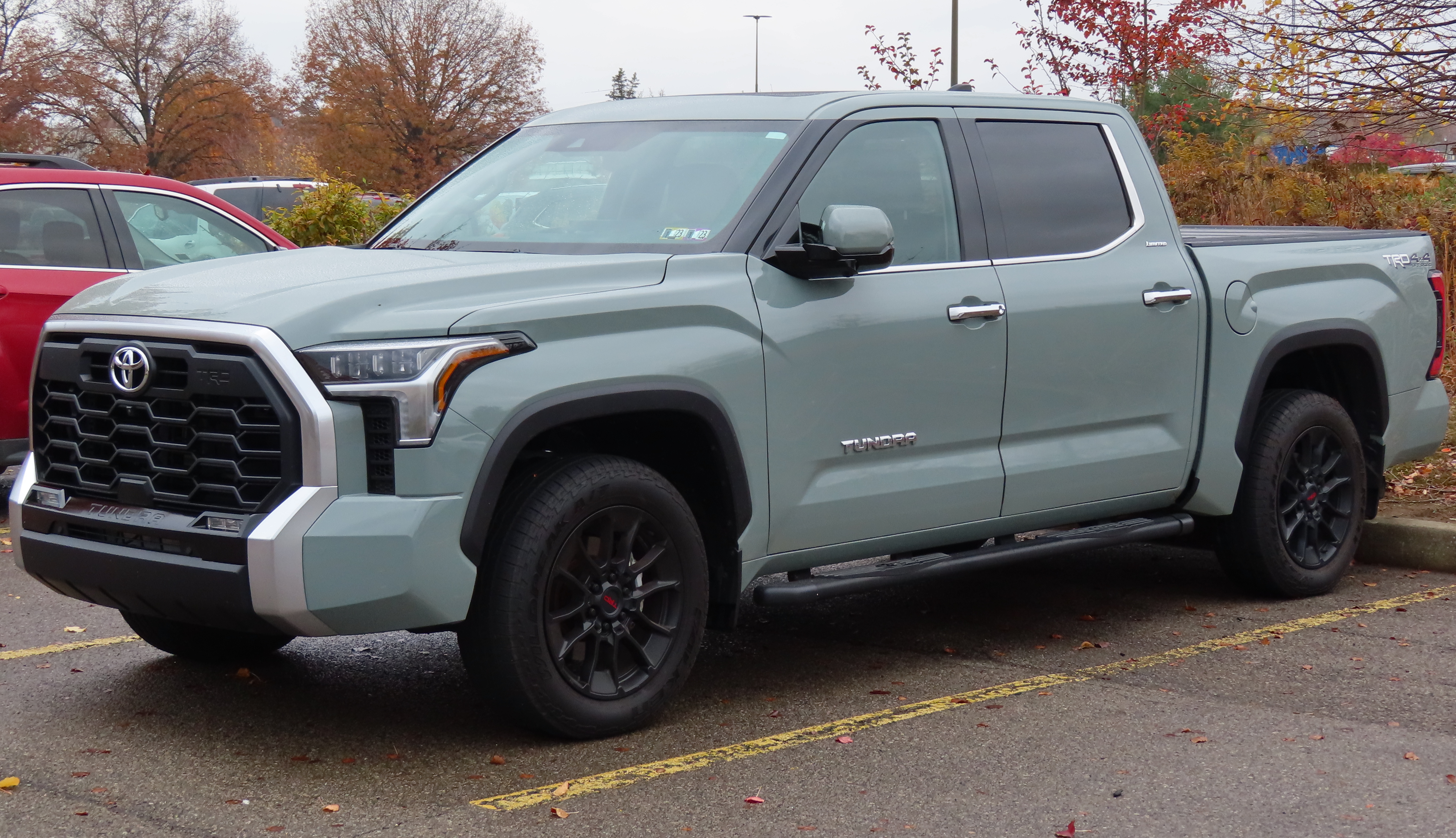
interwebs, 68,000 for a Toyota Tundra. And he goes, oh, no, they're more than
that. I go, what? Pardon? I said that that number is correct. He goes, well, it
it's a starting point, but you know, it depends on all on what you want on the
vehicle for accessories. He goes, that's going to change that number. He says,
you're more like 74. And I'm going, I'm buying some terra firma before I spend
spend that kind of money on sheet metal and rubber. Man, I can build. Wait till
you see what Carlos looks like that he's going to go up for for sale next year.
Actually, you'll be able to buy a ticket to win them. It won't take $74,000 to
make him a decent end of the 80s muscle car. Monte Carlo SS original. Yeah,
original last of the, I think it's called the W body or X body. Yeah, that's the
that's the if if you were a NASCAR fan, that would be the body style that Dale
Earnhardt senior was driving. That was the Wrangler Wrangler jeans car. I think it
was blue and yellow. I think I actually had that in a because I do have quite a
bit of racing feeling. I used to follow NASCAR like religiously, but since they
took away restrict, you know, now it's restrictor plate racing. It's just turn
left, turn left, turn left. And you can pretty much pick the top 10 every week
because it's it's not car against car. It's driver against driver and who's your
teammate and who's running with you and who's drafting with you. But anyways, so
$74,000 for a fully accessorized tundra Toyota tundra pickup truck. I couldn't
say anything. I was literally like this.
And I said, Are you serious? He goes, Yeah, 68 is kind of the starting point. But it
depends on the model and exactly what you would like to have on that tundra will
determine the outcome. But he said normally around $74,000.
Whoo. Yeah, no. So if you are no or someone you know is in the market for an
older automobile, low mileage quality vehicles at fair prices, you need to get
to greater Toronto area's premier pre owned auto store. And that would be city
auto sales and leasing where you can buy with confidence, be treated with nothing
less than honesty and integrity. And trust me, if I was in the market, I'd be
going to see Earl Louise Grant because that's your new family. That's your new car
family. It's worth your drive to get there. They do have a large inventory and you
can check them out online. All our program partners and recommended businesses
are available on the homepage or website. A click away, just highlight their logo,
click the profile pages open, and they're all set up exactly the same for ease of
navigation. So let Earl Louise Grant know I sent you there. And you're in a safe
place to buy a vehicle. That's how they've earned that spot for the last seven
years to be part of car connection. They fill that area where you know what, for
decades, I had some car dealers with with me for a while. And you know what,
there's always stuff going on and complaints and this, that and the other
thing. And I just said nuts to that. And same with contractors. Same thing just
could not click. And then Louise calls me and they've been with us now seven
years. And I hear nothing but really, really good stuff from there and the
quality of the vehicles are amazing. They're outstanding. Earl's a car guy.
He's fussy. I'm fussy, but he's even fuzzier than I am. And that's a good
thing, right? Today's forecast, let's get into the weekend weather and then we're
going to jump right into the questions. I have three questions this morning from
Elaine Joanne and Ian. So as you can see, the ladies are really beaten up on the
fellas they want to know. And this is what I learned in 1996 when we hit the
airwaves with car connection, our live call in automotive program. The ladies
owned the program for a good solid 78 10 years, 10 years was like
2007 ish when the fellas started calling in and actually I knew they were
listening, but they weren't asking questions. I don't know what the reason
was behind that, but I'll tell you what, the ladies owned the program every
single week and it looks like the same things happening here. So fellas, you
don't know it all and I don't either. And I'm learning all the time new
techniques and diagnostic skills and what the heck happened there kind of
thing. Well 61 degrees right now and sunny and the rabbits are munching in the
backyard here, not on the plants anymore, thank goodness, but stuff in the
grass. I told them, I go, look, it's a regular smorgasbord out there in the
grass. Get, you know, get to those dandy lions and chew them up. 61 degrees
right now and sunny. Wind is making it feel cooler about 56. Sunny conditions
will continue all day today. Yippee! I got work to do. No lounging today. Today's
temperature range is 61 to 78 degrees and it's gonna feel like more to 56 to
77. I see no precipitation in the Niagara region in the south shores of Lake
Erie. Yesterday we tapped out at 74 degrees was our high. Shall we have a
everything on an automobiles no different than a piece of machinery or an
aircraft it's got to be maintained. Yeah imagine that having to maintain an
airplane. Why would you? Oh service lights on. It should be all right. Yeah till
it's not. All right Joann writes in and says this question number two I just had
my car in the shop for a tune up. I was told we don't tune up vehicles anymore
159,000 K. Enjoy your show thanks thanks Joann appreciate that it's all for you
guys because I could go do something else always but I'm here to help you guys
the guys and gals there you go that's another one that kind of backs off I
grabbed that one too because it kind of ties in with the lanes you know how's it
my car doing it's got 76,000 K on it oh everything's okay oh really question hmm
you know I can see that little cartoon bubble above Elaine's head hmm and this
one and Joann I brought it in for tune up and you're telling me oh we don't tune
up vehicles anymore time to move on yep 159,000 K it's just getting warmed up
yeah it should have plugs air filter cabin air filter something we've been
talking about recently because it can make you very very sick you'll have to
watch for that video it's just that part one just came out on Friday
yesterday part one yeah something you really need to see that I discovered that
I've talked about about cabin air filters for a long time yeah we uncovered a real
nice one that shows you that a lot of these guys because it's additional work
they don't want to go and look at your cabin air filter if it's an easy one
easy peasy open the glove box pop the cap and it comes out they'll snafu that
and put it on the bill for you but if it's more involved to get down to the
cabin air filter they'll just say oh I checked the air flow it's all good this
is what's going on you need texts that are watching out for you and your car
keeping your car in top drawer condition for you so at 100 so if that was brought
to me at 159,000 here's where here's where I would be going and checking break
fluid has it been flushed in in 24 months power steering fluid has it been
flushed out in 24 months how's the how's the radiator fluid the antifreeze
I'm gonna test the daylights out of it spark plugs hundred and this almost 160,000
K yeah they need to come out because they're not going to set a service light
until there's a misfire and this is the problem here's the problem they run the
vehicles run really really well until they can't and how does that work well
the onboard computer is constantly making adjustments on the fly while you're
driving so you don't really notice anything until all hell breaks loose all
of a sudden it's misfiring service engine light is on and this vehicle is
running like dog poopy on your shoe nasty this is where the the repair bill
gets huge and that's why it's it's the an incentive to get you out of the car
and into another one well I'm not gonna spend 5600 bucks on an
older car I would how many payments is that at a 74000 dollars
for a tundra do the math that's like three payments yeah instead of like seven
years now seven-year car loans I didn't know they existed apparently they do
yeah I don't know what rock I've been living under but anyways so 159,000
fluids belts hoses filters all filters transmission service definitely and
change the plugs out so I can get them out because the car makes adjustments to
the point where it can't then that thing is going to take your bank account for
a ride and that's generally where most of all I'm not spending that money on an
old car well then you jump right back in and you're not spending any money on
the new car either because how did your old car get from being a new car to
being an old car you know what I'm saying it's at 159,000 kilometers is it
still a new car it's an old car and you haven't put any money into it but in
this story she's done the right thing sent it in to have it tuned up oh it
doesn't need it oh what at 160,000 I can think of stuff I just rattled it off
that's a tune-up today it's different than the old days cap rotor wires plugs
PCB valve crankcase filter and it won't change there's a tune-up but today it's
different the tune-up's different and a fuel injection service if it has a fuel
filter we need to get that out of there it's got 160,000 K on it for Pete's sake
so the fuel pumps definitely trying to push fuel through a restricted fuel
filter I guarantee you that and then it'll burn out the fuel pump premature
watch the video we just put a video up on that how much does the fuel pump on
this car what is this I think I said what is this I show it to you and left it
open for you to figure out what it is on a short and then we replaced it that
vehicle only had 76,000 original K but if you're always running the tank on
empty you're burning the fuel pump out prematurely and if the fuel filter is
accessible and it can be replaced and you're not it's restricted the fuel pump
doesn't know that it doesn't know you're putting a pillow over its head and it's
got to try and breathe it doesn't know that there's no monitoring on that so the
monitoring is car no go fuel pumps burned out watch the video on YouTube that
was our most recent in the last I think that was we filmed that last month yeah
we did in May yeah we videoed that 2009 Hyundai Accent was 76,000 original
kilometers one owner and I can tell you how the pump burned out running the
fuel tank to the E which doesn't stand for enough the more times you do that the
shorter the lifespan of your fuel pump that requires to be submersed in fuel to
keep it happy yeah that's what keeps it happy because it keeps the windings cool
so anyways that at 160,000 that's that's what I would be doing for Joanne is
going through all those things fluids belts hoses brake inspection tune up
filters and even lights and wipers it's got 160,000 on it do a tune up check the
whole car over that's a tune up today check the whole car over transmission
service if it hasn't had a transmission service it should have had three
already 50k it's 159k yeah three transmission services oh it doesn't
need the transmission tuned up either wow that's amazing that's all I can say
that's amazing time to get a new place to go Joanne that's all I can say I
can pitch you a recommendation if I know where you live last but not least we have
just enough time to cover this one Ian writes in my vehicles running rough not
as smooth as it has been appears to be going through more gas than normal what
could be the issue here thanks and love your podcast thank you Ian appreciate
that very much I would definitely be running some tests for sure I would I
would definitely again is what I just spoke about if it's going through more
fuel we could have an issue with spark plugs are worn down air fuel mixture has
been adjusted by the onboard computer as far as it possibly can to hide problems
so yeah you're going to use more fuel for sure so plugs filters
I'm gonna do a fuel pump pressure and volume test make sure that fuel pumps
healthy beyond the shadow of doubt if it has an external external fuel filter I'm
gonna definitely be all over that like axle on a donut and because if it's
restricted here's what happens is you're pushing down further on that
accelerator to get the same speeds you drive at but you really don't notice
you're pushing the gas pedal further than you normally do and what that does
is when you push that accelerator down it's on a rheostat just like you would
have in a dining room you know dim the lights guess the rest I think I've heard
your gas pedal is on a rheostat it's monitored by the TPS so the throttle
positioning sensor and mass air flow so air flow into the engine and your foot
location on the gas pedal tell the computer where to set the fuel injector
so whether we're hey press the gas pedal more we need to open the injectors
guys open the injectors we need more fuel less air and that's how that works and
that's when your fuel mileage goes down and that's part of the 30-day fuel
savings challenge nobody signed up for that yet so I have to say that no one
wants to save money today is I am I right and seeing that giving that
conclusion yeah cuz I my first 30-day fuel savings challenge will at least put
100 bucks in fuel savings back in your pocket I don't know about you if I lost
off if I lost $20 in the driveway I'm gonna trip you on the way to find it
because I'm getting it first so back to Ian's question those are all the areas
I'm gonna be all over it fuel volume fuel delivery when was the last time it's
had a fuel injection decarbonization service not putting some goo in the tank
some snake oil in the tank that's that's a maintenance that is not a service so I
don't be looking at possibility of a build-up of cauliflower carbon on the
valves and the pistons which will rob you of fuel economy and performance so
gradually you don't even notice I call it the ninja cauliflower carbons because
it's like lava rock so when fuel is injected into a hot cylinder that has
carbon cauliflower carbon on the tops of the pistons and the valves that carbon
sucks in the fuel so you lose fuel economy very quickly but it happens so
gradually you don't notice until all of a sudden hey I seem to be going through a
lot more fuel than normal so a proper fuel injection decarbonization service
one of the best machines that I ever bought was called a motor vac and I'm I
really wish I had not sold my motor vac machine it was made by snap on and snap
on took it over I think they've made it their own brand now because they bought
out motor back but that machine solved a lot of drivability problems back in the
late 90s into the early 2000s a lot of Chevrolet's were running and idling
rougher than a stucco toilet seat and that machine got rid of the carbon and
the gummy deposits I would have customers calling me after they got home and
saying I don't know what that thing does but this vehicle has run that smooth
even when I bought it brand new we we discovered that a lot of the drivability
issues that we were dealing with back then in the late 90s early 2000s was the
gummy gooey deposits left behind by the paraffins that's right paraffins in the
fuel wax paraffins they leave gummy gooey deposits like driveway sealer in the
air intake system and on your your injectors and that carbon that cauliflower
carbon is a problem it needs to be removed and so that's what that machine
would do for us would really clean out the injectors the fuel rails we would
manually go in and clean all the gummy deposits out of the air intake and
plan them and we would definitely change the spark plugs when we're done and
change the motor oil after we did that service but I'll tell you what we had
cars that would come in running like as rough as a stucco toilet seat and went
out purring like a kitten was amazing the machine wasn't cheap it was like
6500 bucks at the time we we were one of two shops in the entire
Hamilton area that had one and we were saw I was calling customers that I knew
we tuned them up the best we could we did everything we could and still couldn't
smooth them out I was calling and saying can you bring your vehicle can you
leave your vehicle for me overnight and pick it up in the morning I want to try
this machine out no charge and those customers like we're so elated they're
going what did you do I go I ran it through this machine and clean the fuel
injectors the cauliflower carbon off the pistons and valves and we de gummed
the entire top end of the engine that's what we did I'd like to have that done
again sometime on a maintenance can we get that on a maintenance I go I believe
so we're going to make it a maintenance at least once a year so those are some of
the things I would definitely look for Ian is I would definitely want to do a
fuel full-blown fuel injection decarbonization service replace fuel
filter I'm definitely going to hog out the spark plugs and put some new ones in
and make sure that everything else is good fluids filters belts hoses the whole
nine yards I'm going to go through the whole thing and get that fuel economy
back where it should be and run some tests on the fuel pump pressure volume
test make sure that the pressure fuel pressure regulators working as well so
that we know we have a fuel system delivery if we have a fuel system
delivery issue or we don't and if we don't then we're in good shape it's just
maintenance from there on in fantastic questions you guys and gals just blew it
right out of the water so thank you Elaine Joanne and Ian for taking the time
to fire over the questions and to others that have done that as well I don't
throw the questions out that gets sent in I will recycle those through and
probably answer your question live on the podcast at another date but get your
questions in and don't forget to sign up for our YouTube channel subscribe
like subscribe share follow do all those things as well and be part of our online
community with Facebook Instagram Stevensville on the web that's where our
Skippy posts reels bloopers and outtakes that you won't see anywhere else our
merch store is there for you as well and our YouTube channel link and our I heart
radio link it's all on the top right hand corner on our website at car
connection business network comm that CC BUS is in Sam in ET comm but all that
information is readily available to you on the home page of our website and the
information is also in the description of the YouTube videos and the podcast
available now is our car connection maintenance schedule kit which we talked
about at the beginning of the program there's like an entire profile page up
on our website so you can end up order form so while supplies last if you're
there's a super special discount if you're subscribed to our YouTube channel so
check that out when they're gone they're gone well you'll have to wait for the
next run it takes a while to get them to come through so we have probably about
a hundred I think we have a hundred left right now so grab yours while you can it
will teach you how to stay on track with your vehicle maintenance and you can
rely on who yourself all you have to do is read the line the month and put a
check in the order some kind of hieroglyphic in the box that you recognize
that service has been done I say keep it simple just do a check mark boom and at
the end of the year you race it off and start back with January that's what you
do it's that simple and just reuse it so if you can write a grocery list you can
follow our car connection maintenance schedule system very very easily well
that wraps things up here on motorbikes morning drive for Saturday morning Q&A
questions and answers thank you for participating tuning in
and remember you can catch all our podcasts also on our YouTube channel so
till Monday having yourself a fantastic weekend stay dry looks like we've got
some rain coming in the Niagara region for Sunday afternoon so we'll see you
bright and early eight o'clock Monday morning for another edition of motor
mouths morning drive happy healthy morning keep it under a hundred and
peace patience and kindness always until next time we'll see you in the next one
About this episode
Q&A Saturday on Car Connection Workshop tackles whether your vehicle is “really OK,” using real shop stories and dealer interactions to frame the problem. The host argues that “maintenance free” marketing is a trap, explains why issues can hide until a misfire or service light, and lays out practical intervals like transmission fluid/filter service around 50,000 kilometers. Fuel system health gets special attention—restricted filters, running low, and decarbonization—plus guidance on using recalls, bulletins, and independent shops.
This week on Q&A Saturday, we answer three great listener questions that affect drivers every day.
Elaine wonders "if everything is OK" really means everything is OK after routine service visit. We discuss what should actually be checked as your vehicle ages and mileage increases.
Joanne asks why repair shops say they don't perform tune - ups anymore. The answer may surprise you, because modern vehicles still require maintenance - it's just very different from the tune-ups of years past.
Ian wants to know why their vehicle is running rough and using more fuel than normal. We cover several common causes that can affect performance, fuel economy, and drivability.
Plus, learn more about the Car Connection Maintenance System and how proactive maintenance can help prevent costly repairs down the road.
#VehicleMaintenance #CaCareTips #AutomotiveQA
Donations/Gifts Welcomed: 🍩☕️ Yes we have a way you can do so safely friends❤️ just do this ,visit our donation page at bymeacoffee.com/motormouthnile Thank You So So Much, Skippy & Motormouth.
Yes we have Merch, visit our online store ships right to your door, all proceeds go to Total Freedom Addiction Campuses Canada & USA . where lives are changed everyday👍 Join our crew let's help them get there👌 Let's Spread some Love together❤️Skippy & Motormouth🚗
Our Car Connection Maintenance Schedule now available on our web site along with the order form visit (ccbusnet.com) Special Discount for those Subscribed to our YouTube Channel..get yours today friends, Remember Mileage doesn't Matter Maintenance Does.
Like,Subscribe, and ring the bell so you don't miss the next rescue project, maintenance tips, and real - world Car ownership advice. Thank You Friends 👍✅
More Episodes and...project Details & Links are available at Car Connection Business Network.com (ccbusnet.com) you'll find everything on our home page if you'd like to follow the build & Repair work we do & connect with our program partners, click on their logo to meet them. Thank You for giving them your business, we need them and YOU TOO🙌 NMJ