The cost of parts is how much you have to pay for car parts when they need to be replaced. This price has been going up lately because of different issues like shipping costs and shortages of materials.
Labor shortages happen when there aren't enough people to do the jobs that need to be done. This can slow down how quickly car parts are made and can make them more expensive.
Raw materials are the basic stuff used to make things, like metal or plastic for car parts. If these materials become harder to get or more expensive, it can raise the price of car parts.
Tariffs are extra taxes that the government charges on products coming from other countries. When these taxes go up, it can make car parts more expensive.
Sticker shock is when you see a price that is much higher than you thought it would be, making you feel surprised or upset. In car repairs, it means the cost is more than you expected.
A brake rotor is a round metal part that helps your car stop when you press the brake pedal. The price of these parts can go up over time, which is what the speaker is mentioning.
LED lights are a modern type of light that uses less energy and lasts longer than regular light bulbs. They're often used in cars for things like headlights and dashboard lights.
HID lights are a special kind of car light that shines very brightly. They work by using electricity to create a spark between two points, which makes the light much brighter than regular bulbs.
When a wheel is described as 'waffled', it means it has become bent or misshapen, which can cause problems when driving. It's important to fix this to keep the car safe and running smoothly.
A wheel bearing helps the wheels turn smoothly. If the wheel is damaged, it can hurt the bearing, making it harder for the wheel to spin and causing problems.
Car
Jeep
Jeep is a brand that makes tough vehicles, especially SUVs. The 2017 Jeep refers to a model made in that year, known for being good for off-road driving.
The Jeep Wrangler is a tough, small SUV that can drive over rough ground and is great for outdoor activities. People love it because it can go places other cars can't, and it's built to handle adventures.
Air pressure is how much air is inside your tires. Keeping it at the right level helps your car drive better and keeps the tires from wearing out too quickly.
The Jeep Grand Cherokee is a larger SUV that is both comfortable and good for driving on rough roads. It's popular with families because it has a lot of space and nice features, making it a great choice for everyday use and adventures.
Tire pressure is how much air is inside your car's tires. Keeping the right amount of air in the tires is important for safe driving and helps the car run better.
Nitrogen is a type of gas that can be used to fill tires instead of regular air. It helps keep the tire pressure stable, especially when temperatures change.
Alignment is how you adjust the wheels of a car so they are straight and not tilted. This helps the tires wear evenly and makes the car easier to drive.
Dynamic Fuel Management is a system that helps save fuel by turning off some of the engine's cylinders when they're not needed. This makes the car use less gas when you're driving lightly.
Active Fuel Management is a system that helps cars save fuel by turning off some of the engine's cylinders when they're not needed. It's an older version of this technology and has had some problems in the past.
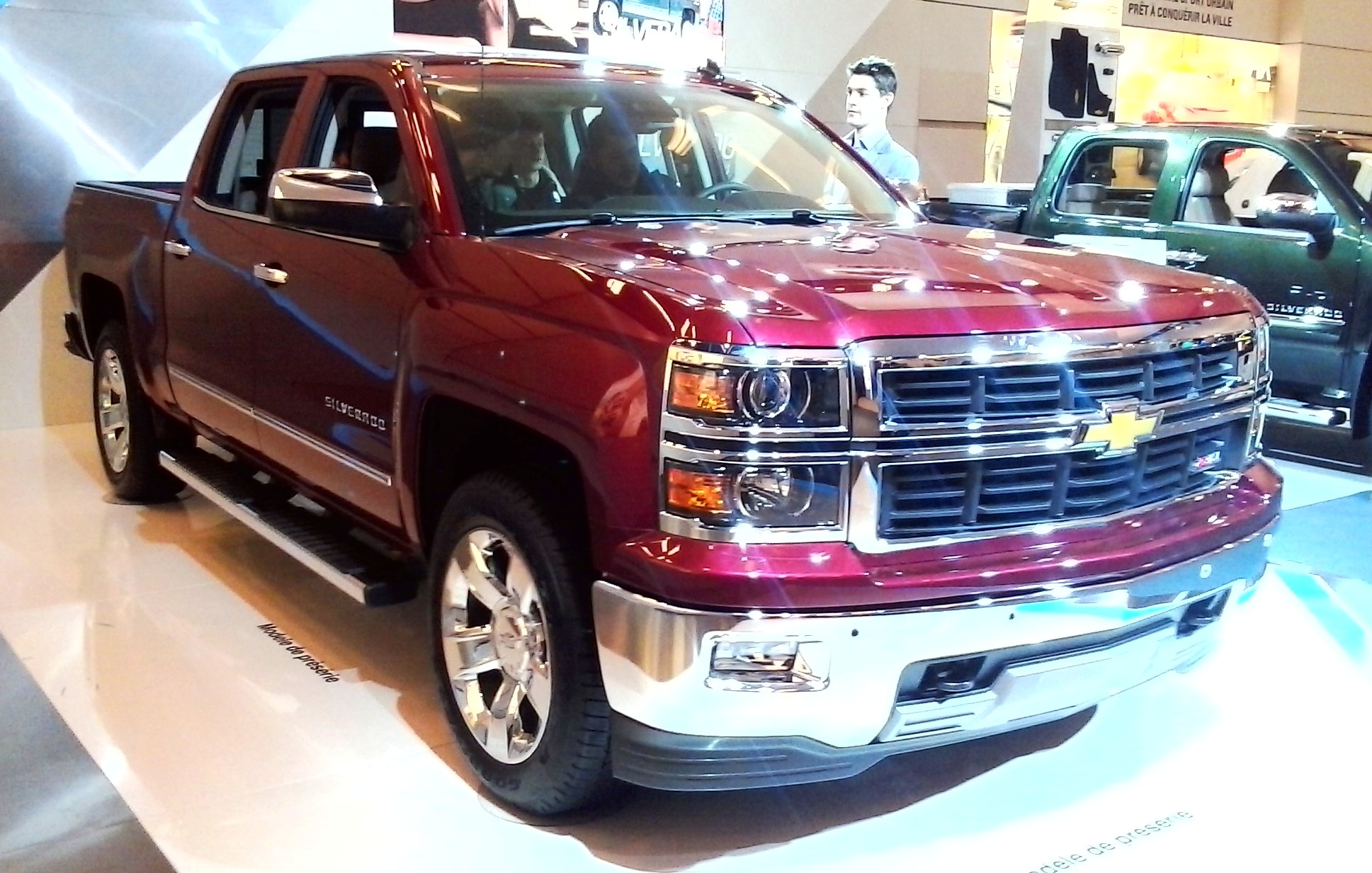
The 2022 Silverado 2500 is a big truck made by Chevrolet. It's great for carrying heavy loads and has a lot of space inside, making it useful for work or everyday driving.
A six-speed transmission is a system in a car that helps it change gears smoothly. Having six speeds means it can adjust better to different driving conditions, making it more efficient.
The Honda Accord is a popular car that people like because it's dependable and gets good gas mileage. It's also roomy inside, which makes it a great choice for families or anyone who needs a comfortable ride.
LIVE
This is an iHeart podcast.
Guaranteed human.
You're listening to Ron and Annie and the car doctor, nationally recognized auto
expert, trusted by mechanics, weekend renters and vehicle owners alike.
Ron brings over 40 years of hands on experience and deep industry insight to
help you understand your vehicle.
Join the conversation live every Saturday from two to four p.m.
Eastern by calling 855-560-9900.
That's a 555-560-9900.
You're a direct line to honest answers and practical advice.
Looking for more?
Visit cardoctorshow.com for past episodes, repair tips and Ron's latest
insights and be sure to subscribe to the car doctor YouTube channel for
exclusive videos, real repair footage and more.
Now start your engines.
The car doctor is in the garage and ready to take your call.
We're losing a few very familiar names this week in the automotive industry
and not people so much, but brand names.
Are you aware of, have you heard of the first brand's group, bankruptcy,
that's going on?
First brand's group houses some major names that we're all familiar with.
Moog, champion, Fram, Rebestus, Autolite, some names that have been around in
the auto industry that we've grown up with, that we recognize, that we,
you know, say, hey, yeah, you know, common stuff, right?
Household name, brand parts.
Autolite, Rebestus and Cardone are supposedly going away.
It's in the news this week.
They were talking about it, that they haven't been able to receive funding
and it's going to have an effect on the supply chain.
And interestingly enough, if you start to look around automotive news,
I came across this that talks about, you know, the fact that there's a lot going
on in the auto industry right now behind the scenes and you won't see it
as a vehicle owner until your vehicle's on the lift.
And then you get the bad news on either cost or lack of parts.
A lot of major automotive suppliers are openly saying that the cost pressures
are rising. In other words, the cost of parts is going up.
It's increasing. It's not easing.
Now, you know, it's large in part because of tariffs, shipping costs,
raw materials, there's labor shortages, there's technology demands.
Everything's kind of stacking up on top of each other.
And we haven't, you know, we don't make enough here in the United States
and wherever we're making it overseas or, you know, Mexico or Canada or wherever,
it's creating a problem.
And these pressures are forcing major changes at parts, warehouses and factories.
It's it's becoming an issue.
You know, problems flow downstream as they like to say.
And I'm not here trying to, you know,
rabble rouser or create issues or make you guys nervous.
But it's just the fact you've got to be aware that when you take your car
in for service, you may be shocked by it.
You may get sticker shock.
You know, I've seen at the shop, the cost of parts, specific things,
brake repairs in the last two years, that that that $75 rotor, brake rotor,
that went to becoming an $85 brake rotor is now $105 brake rotor.
And that's in the last two years, the price of brake pads has gone up.
Availability is is becoming a bit of a problem on certain things.
And the other side of it is as the cars age out more,
cars are aging out in terms of what's available parts wise.
We talked a couple of weeks ago, you and I, about the 07 Mercury
that the directional bulb was on and it stayed lit all the time.
And after we diagnosed it, we found out that it was a bad body module
inside the vehicle, which doesn't exist anymore.
It's not available. It's not available anywhere.
And, you know, it became a case of you have to scrap the car.
You know, because do you go out and try and find this one off
electronic module that was probably somewhere,
but at what cost on the 15 year old?
Well, almost 18 year old vehicle at what cost factor?
And then what happens if something else major goes wrong?
So when you start to see the electronic part no longer available,
you have to realize that a lot of the other things just aren't going to be around either.
You know, it's I was talking about this with a customer this week in that,
you know, why do I think it's happening?
And my answer was simple.
You know, my answer really comes back to the fact that
I think as more electronics are put into vehicles
and more electronics are put in every year,
you know, it's a simple matter of economics.
If they've got to keep two million dollars of radio clusters
for GM pickup trucks in this warehouse,
they can't keep the million dollars worth of heater controls
for the 15 year old Silverado's because their numbers are declining.
So it's a matter of, you know, let's get rid of these parts,
make room on the shelf for newer vehicles
and just get rid of the old stuff because those cars aren't going to bring us return.
You know, it's it's simple math.
It's simple business foundations, right?
Because we're seeing the fact that parts for more electronic heavy vehicle
specific software dependent vehicles are going away.
It's it's it's just not that simple.
So the other thing you've got to keep in mind,
and this is another problem that's creating or another fact
that's creating problems and putting pressure on the auto parts industry
right now is that as everything becomes more electronic.
And I mean, everything becomes more electronic.
You know, there's cases where they're building vehicles
and this one has LED lights.
This one has regular lights.
This one has HID lights.
This one has blue bulbs, yellow bulbs, green bulbs and so on.
They will make those changes to run those components
at their different functions and functionality on software.
And they'll put it inside a module inside the vehicle.
So seven, eight, nine years later,
when that part has a problem and it fails,
you may not find that part around and it affects it affects multiple lines
and multiple models and it it it really becomes an issue.
So just just be aware.
We're going to talk about this, you know, during the course of this hour
because you may get have to get used to the terms, you know, the parts on back order.
There's a revised version.
We can get it, but we can't get it today.
And that's not accidental.
That's there as a result of the auto parts industry is under strain.
And simple things are annoying consumers.
I get it, I see it.
We had someone the other day came in, had a flat.
Can you look at my yeah, you know, well, you know, we'll help you out.
We'll take a look at the flat.
Gee, you need a tire.
Well, how long will that take?
Well, you know, we need about two hours because it's got to come out of the warehouse.
Oh, I don't have that long to wait.
Just put air in it.
I'll go somewhere else.
You know what, you better learn a sense of patience
because it's the days of instant gratification are going the way of the Dodo bird
when it comes to automobiles, you know, so it's it's it's not good.
So, you know, the reality is how do you protect yourself?
You the driver, you the vehicle owner.
How do I how do I advise you?
What do I tell you to do?
Well, to protect yourself, I think you've really got to become more
on top of your game as far as maintenance, right?
You've got to make sure that you've taken that vehicle
and on regular scale on a on a regular scheduled basis that it's
it's, you know, it's had its service, it's had its maintenance.
It's done everything that it's supposed to do.
And you've been good to it.
And if you be good to it, it'll be good to you.
All right, it comes back to it comes back to, you know, support you in that way.
You've got to also know, you know, how do you know the delay is legitimate?
Are they telling you, hey, the parts not available because they're so busy?
They can't really get to the vehicle and they're just trying to hang on to the
vehicle for, you know, to backfill themselves.
So they know they've got something sitting out a lot.
And I know a lot of shops that do that.
I think the best answer to that question is, how long have you been going to that shop?
How have you been treated in the past?
You know, what's what's what's the relationship like?
Because this really kind of comes back to the relationship.
Because in the second question, I always get when I talk about this is,
how do you build trust with the shop?
Right. And you know what?
I think one of the ways you build trust with the shop is you got to look at the
recommendations. We had a car this week that the right rear wheel was waffled.
What do I mean by waffled?
It was the inner lip.
We measured the distance from the inner lip to a fixed point on the chassis.
And for the sake of this conversation, it was two and a half inches.
It was a two and a half inch gap all the way around as you rotated the wheel,
except when you got to the part where the wheel was bent,
it was two and a half, two and a half, two and a half inch and three quarters.
This lip, this wheel had hit a pothole and there was about a six and a half,
seven inch section where the lip of the wheel was bent in.
Almost three quarters of an inch.
It just looked like, you know, you took it with your hand and crushed it,
if you can imagine that.
And the rim was so bent, it was creating an issue with the wheel bearing,
with the suspension, with the ride, with the tracking, with the control.
And an aluminum rim and the shop that did that, let that car go out the door.
They didn't explain it to the customer.
And, you know, that's a bad shop.
All right.
There's some things where you, there's some places you just got to draw the line.
No, I won't do that.
I won't do that.
I know a lot.
I know some shops that will, some shops that won't.
That's the responsibility of the shop.
But the shop that tells you, hey, you can't take this car out because it's dangerous.
You know what?
I'd probably trust that shop because they've got your safety.
You know, they've got your safety first.
So just things to think about.
So be aware, auto parts is, um, auto parts industry is under, under a lot of pressure
right now.
You want to have a great relationship with a parts house.
You want to have a great relationship with your mechanic and make sure that you
nurture that because I think throughout 2026, you're going to find that the cost
of repairs is going to go up and the time it takes to fix things properly and
safely is going to increase and it's going to change.
So that's my thought for today.
Let's get going.
Let's, uh, we'll, we'll take a pause and then come back and answer some phone
calls.
We're here at 855-560-9900.
Again, 855-560-9900 phones are a little open.
Good time to get in.
I'm Ron Anani and the car doctor.
I'll be back right after this.
Hey, let's take a ride up to Maine and see Dave.
Dave, what's going on with your 17 Jeep?
Hi, Ron.
Um, we purchased the 2017 Jeep.
Uh, it was three years old.
It had 33,000 miles on it.
Okay.
They had just done the brakes, of course, and, uh, put new, new tires.
If they were the original, uh, uh, Goodyear, uh, Wranglers with the Kevlar, right?
And got about, you know, like 43,000 miles out of them.
Uh, and I thought that that was shy of what it should have been.
Well, we're back up.
You, oh, you bought it at 33.
Yes.
And at 43, you had to change tires.
You know, I got about 40.
So it was like 70,000, like over 70, but it was like 43,000 miles out of the tires.
Okay.
But all war, all three of them wore like they were, uh, over inflated all from
the center, except for one, which still was the most of the wear was from the center.
Um, and I'm pretty, pretty good about keeping the air pressure, you know, like
you're supposed to do cold, check them 36 pounds.
Uh, and then, uh, but I still thought that that was shy.
I ended up putting on a set of kumos, uh, for the next set of tires.
And I got about 24,000 miles out of them.
Same wear pattern, uh, gone, uh, right, you know, the center's war.
So then I went back to the, uh, the next set going on, uh, the, uh, I put another set
of the Goodyear, Goodyear anglers with a Kevlar, but then I, what I did was I opted
to now figuring stuff out that, you know, because they're wearing like they're over.
They're over pressured, um, meaning they're, meaning they're wearing in the middle.
Correct.
Okay.
Now, when you're, when you're looking at these for wear naked eye or you're measuring
it with a tread depth gauge, just naked eye, because you could see that it's to the naked
eye, it's wearing not, you could see that the, the outside edges still had, uh, they
weren't down to the wear bars where the centers were.
Okay.
All right.
And so then that, that last set of tires, um, what I opted to do was I started backing
the pressures off, uh, during the summer months, actually total, but unfortunately
during the winter, it sets off your, your tire pressure, you know, light for the, and
this is, this was my wife's vehicle.
And unfortunately it was in an accident and was totaled last Wednesday.
Okay.
I'm sorry.
Yeah.
But, uh, uh, but we're still looking at, we, we, she really loved the Jeep and we're
going to be looking for another one.
So your, your, your question to me is why?
Yeah.
Why, um, well, when you say, when you say you were adding air to the tires, what
did the, what did the door placard say?
36 pounds cold.
Okay.
36 pounds.
Yeah.
Defined cold though.
Right.
Well, I always, well, but 36 pounds cold in January is a whole lot
different than 36 pounds cold in July, which has got me going on.
I was mental over this to sit there and even during the winter months, I was
always adjusting the pressure to keep it low enough because like during the
summer, um, at 36 pounds and I was backing them off to like 33.
Um, once you get out on the road, watching the tire pressure, uh, let me
back up a little bit when they were at 36 cold during the summer, um, the
pressure would come up to about 38, 39, 43, 44.
When, once I was out on the road, I mean, it came up a lot.
That's crazy.
Uh, and then, and, and that's what got me going on.
Why are these, why was this one vehicle?
And I, I had a no five grand Cherokee that I've never wore tires like this.
I, you know, and my question would be, and I, you know, we can't now because
I'd like to see, I'd start looking at things with a thermal imager, but you
know, just, you know, I will do that door placard to me is I always judge
that door placard off of a 68 degree day.
So on a 60, on a 68 degree day, I'm going to make it 36.
If I'm, if I'm heading into summer, I'm going to make it 34.
If I'm heading into winter, I'm going to make it 38.
Right.
That's about where I had it.
Uh, I would had it, uh, uh, during the winter months, uh, just now, uh, I was
running at right, I would set him at 36, um, instead of the 38.
But did your, did your tire pressure gauge match the dashboard?
Yes, it did.
And I also, I have, uh, I, I checked with three different tire pressure
gauges that I have.
Right.
Right.
You know, in your case for that vehicle, I don't have an answer for you, Dave.
I've never seen that to rise, to pick up eight pounds while driving.
I've, I've never seen that.
The only thing I can come up with this is that it depends on the
temperature of the tire and you're in Maine.
So it's not like it's, it's not like it's Alabama in July.
Right.
It's, it's not roasting hot.
There's, there's something here that doesn't make sense from a physics point
of view.
Yeah, it was an anomaly because, uh, I've never had a vehicle wear tires like
this, especially when I was very up on keeping the tire pressures where they
should be that vehicle would have been a great study to put nitrogen in the
tires and see if that made a difference.
Because nitrogen nitrogen is more of an inert gas and it doesn't respond to
temperature change as quickly as normal oxygen.
And in theory, it should have maintained a better pressure.
Right.
So, you know, unfortunately the vehicle's gone, you know, just out of
curiosity, did anybody ever shoot the alignment?
Uh, no, it never had an alignment because it never wore tires as far as
cupping or anything.
Well, I don't know if that's a fair statement.
You know, I, I honestly think somewhere when I'm, when I'm trying to solve a
tire wear issue, you know, listen, and I'm not scolding.
I'm just suggesting you're, you're looking for what's bad.
I'm looking for what's good.
I would have loved to have seen tire.
I would have loved to have seen alignment.
I would have loved to have seen numbers by a tread depth indicator.
Uh, I'm not surprised the kumos wore faster.
I'm not keen on kumos for wear.
Um, and I'm not keen on the good years, except that they do give great traction.
They do wear quickly though.
But, um, the mysteries will ponder, Dave, appreciate the call.
You, uh, you, uh, keep us in your thoughts.
I'm Ron Anani and the car doctor.
We'll be back right after this.
Oh, it was nice of the band to come in today.
It's such a cold day out here in the United States that, um, it's nice to see
them working in, in such extreme temperature working before they get on.
They're out using your group.
They're not using the grill of outside the back cave.
Have you seen them?
Yeah, I, that's, I thought they, well, that's another story, but it's nice
that they show up though.
Um, I'm happy to have them, so they're a good bunch of guys.
Let's go over to Dean in Wisconsin.
I bet it's cold in Wisconsin, Dean.
Uh, yeah, not as cold as it was last week and a half though, or we're
actually above zero now.
Oh, well, now I feel better.
New Jersey is like 27 degrees today.
So, oh, yeah, that's heat wave.
That's, that's, you guys are probably out here in your bikinis.
Um, yeah, what's going on kiddo?
How can I help?
Um, well, I just, I'll try to cut this short, but I just bought a new to me truck.
Okay.
So 20, 25 Chevy Silverado 1500 with the five three gas engine, 10, 10 speed
transmission 20,000 miles.
Yeah.
I drive vehicles till they don't, you know, um, and I put a lot of thought
into this one and I'm running across a lot of, you know, uh, information
regarding the DFM on these engines that GM's kind of had issues with them under
the AFM system, not DFM.
I mean, what should I do about it?
If anything, okay, I know they make those disablers for it, which really kind
of are a bandaid, you know, they just kind of for everybody's, for everybody's
knowledge, what Dean's talking about is dynamic fuel management is that the
dropping out of cylinders under various conditions.
So the eight cylinder becomes a six and so on and so forth to say fuel.
Yes.
And dynamic fuel management was the, well, well, AFM active fuel management
was the grand pappy of, you know, dynamic fuel management.
This is the next evolution.
Um, I'm sorry.
That's okay.
No, I was going to say, I feel compelled to tell you, Dean, that I'm the owner
of a 2022 2500 Silverado, affectionately here on the radio showing in my life
called the plow truck, right?
That Silverado has a six, six and a six speed.
Now, the precursor to that was my 2019 Silverado 2500 that was a six, oh, and I
also believe, I think, I think that was a six speed also.
And the reason I tell you this is because just, you know, in the last month,
I've been thinking, is it time to replace the Silverado?
It's coming up on three, four years, five years.
You know, we, we plow with it.
It doesn't have a whole lot of mileage on it.
It's got good value.
So I do my research and I, I do some reading and then I kind of go to the source.
I go to a buddy of mine who's the trans guy and one of the local GM dealers.
Kevin, what do you think?
He said, no.
So I just want you to know, I was going to buy your truck.
Um, the one you're, the one you're driving, the 10 speed, but we were trying
to find a 10 speed with a six, six, which doesn't seem to exist.
So it would have been a six, oh, with a 10 speed in a 2,500.
And I said, what's wrong with the 10 speed?
What don't you like about it?
Now this is the trans guy.
This is the guy that this is all he sees day in, day out.
All right.
And his, his answer was they still have converter issues.
And you know, it's, it's really a matter of, he said, you've really got to stay
on top of the fluid and that may or may not help.
Now you're going to tell me you bought this 25 Silverado.
And I hope I'm not upsetting you.
You're going to tell me that you tell me you bought this 25 Silverado, right?
And what's the best way to take care of it?
Yes.
Okay.
The best oil money can buy, right?
A good filter and oil change every 5,000.
I don't care.
I don't care what the forums, internet trolls and, you know, everybody else says
an oil change every 5,000 or five to six months, whatever comes first, right?
Good, good quality fuel.
The fact is because it, it, it does a lot of work.
You know, when it's pushing snow, that truck's working hard.
That truck gets premium all the time to display the internet trolls that are
going to talk about why it's because I'm not looking for the octane.
I'm looking for the better quality of fuel detergents that you typically find
in premium fuels.
So what additives and I do add it is I, you know what, you know what?
I still do my CRC fuel system additive.
Okay.
On a regular basis, typically every oil change and premium fuel.
And that's what that truck gets for its life.
And, and related, related to this is I see a lot of people talking about going
from the zero 20 weight to a, you know, five 30 or something like that.
No, what does GM, what does GM call for?
Zero 20, zero, zero 20.
I'm staying with zero 20, but, but, okay.
You ever, you know what's really kind of interesting?
Wondering if you're getting the right oil for your vehicle.
All right.
So you need to use an oil that's specifically rated for that vehicle.
A dexos brand, a dexos additive rated oil.
Okay.
Because if you look carefully, as a matter of fact, if you go to my
YouTube channel and it'll, it'll, it kind of blew everybody's mind.
I found two zero 20 mobile ones.
I like mobile one.
I think mobile one's a good oil, right?
It's very consistent in its quality and so forth.
But one zero 20 mobile one is dexos rated.
The other one is not.
So, you know, one's rated for GM.
The other one is not.
You have to read the back of the bottle.
You have to be sure, you know, all those little numbers mean something.
And you have to be sure that you're, you're meeting those specifications.
It's, it's, it's, it's, it's really that important.
So I, I'm going to be towing with this vehicle almost 90% of when I'm driving
it, it's pulling my boat.
Right.
And so he's going to be an issue on planning on, oh yeah, I'm planning on
having the trans food changed more often than what it says there.
Right.
The number, the number I've gotten my head, the number I've gotten my head.
Is every 30.
Yeah, that's what I was going to and I'll tell you why.
All right.
You know, I love my trans guy, Todd.
I also have another guy, local Todd.
He's, he's, he's just hysterical, but he's just a real smart kid too.
And we were talking the other day about trans isn't the price of how trans is
gone, you know, from the days of two speed power glides up to 10 speed
automatics and GM pickup trucks.
And I actually asked him, I said, so Todd, what does it cost to rebuild
the average GM 10 speed?
He said, figure $1,000 a gear.
That's the rule of thumb.
Think about that for a minute.
And I said, is that just GM?
He goes, no, that's pretty much across the board.
It kind of makes sense because I think about the Ram pickup trucks.
The Ram pickup trucks, I hear stories, the eight speeds are eight, nine grand.
It just makes sense.
It's staggering.
Let me throw another thing at you.
I know these, there's a whole bunch of aftermarket DFM of disablers out there
for, you know, $150, $250.
Is that just wasted money?
I'll tell you what, how about this?
The answer when I come back, let me pull over and take the pause.
Dean, don't go anywhere.
Everybody else don't go anywhere.
I'm not going to go anywhere.
I'm running any in the car doctor.
I'll return.
Dean, you're still there, sir.
Yes, sir.
So, by the way, the name of that fuel system cleaner I want you to use is CRC one
tank power, you know, it's, it's their latest and greatest.
It works well.
It, it, you know, we use it in the shop all the time.
And I think you'll have very good results with that.
So just stay on top of that to go on to, you know, would I disable your DFM,
your dynamic fuel management?
Right.
I might surprise a lot of people.
I'm going to say no.
And I'm going to tell you why I'm going to write on the engineering of general
motors and I just heard about half the audience choking gig.
But the truth is a lot of engineering went into that system.
And I think following procedure, I think doing good oil changes.
I don't know that I would go the distance they recommend.
But I think I would initially try leaving that system enabled at least during
the warranty period, because all of the, all of the failures that I've seen for
DFM related are usually rock or armor and camshaft area, right?
And it's usually traced back to faults with lubrication.
And to me, that either comes down to improper oil changes, long oil changes,
oil changes that we're going out of the book, but necessarily in operating
environment, right?
I think if you're doing an oil change every 5,000 miles, every five months,
and you're looking at the cleanliness of the oil.
Now, you know, this is a case where if you've been a listener to the show for
any length of time, you've overheard me say, I think oil analysis is a waste of time.
Here's a case where I think doing oil analysis would pay off, right?
You know, that next oil change, get a pint, send it off to the lab,
have him and analyze it.
What's in here?
All right.
Second, second one, third one, maybe do the next three, four oil changes.
Analyze it, right?
Do I think an engine, you know, you're going to drive that to 253,000 miles?
Yeah, you probably can.
I think the rest of the truck's going to fall apart around it.
All right, just, just being realistic, right?
You know, I think, I think the engines are the least of the problems with vehicles
today, if it's well cared for and maintained.
And, you know, you're not going to do unit repair.
I was watching a video the other day and they had, you know, they had manned
spaceflight grade scopes and diagnostic equipment hooked up to this 95,000 mile
Chrysler product that ended up having bad timing chains and a worn camshaft.
And they were talking about, well, let's just repair it.
No, let's put an engine in it, right?
You know, if it were the cam, if the chain stretch, that means it was lack
of lubrication somewhere in the arguments got to be made that what are their
damages there to the rest of the engine.
And my, my point I'm coming back to is in your case, if it's 70 or 80,000
miles, this, this, this takes out the cam or this takes out a rocker and a lifter.
I think you're going to have that conversation in your head.
Is it time to just swing a motor and this way you're done and you get another
80, 90 or 100,000 miles out of it?
Because by then that truck will be $125,000.
All right.
So staying on top of the maintenance is critical before I run out of time.
That 10 speed trans.
And this is the other reason I say, leave it alone.
That 10 speed trans is designed to work with that DFM, right?
When you're, when you're cruising along at, you know, 80 miles an hour,
try not to get run over on America's highways telling your boat, right?
You know, the onboard computer is looking at DFM position, trans speed, engine
load, vehicle speed and everything else and making decisions.
Now, unless, unless you're going to reprogram the PCM for some known working,
hey, this works.
We've done this.
It increases longevity.
You know, you're being a hot rodder with what's really an $80,000 vehicle.
Okay.
And I don't know that I take that risk.
Okay.
So just to, I guess, uh, recap, summarize recap.
Yeah.
Um, use top tier gas, use the Dexos one oil, change my oil and quality filter.
Obviously more often than what the, the truck says to do.
Right.
Um, I'm not going to go any longer than 5,000, which is what I've always done.
Right.
Uh, change the trans.
Every 30.
And, uh, and you're going to want to do a fluid exchange, right?
You're going to want to find, you're going to, as a matter of fact,
watch my YouTube channel again.
We just shot, we're, we're now working with Mala and their line of trans fluid exchange
machines.
We've been working with them for a long time with their AC and coolant machines.
And we're now getting into their trans fluid machines.
We did a dipstick fluid exchange yesterday on an older Chevy product.
I'm just talking about the basics and the value.
And you'll see the clarity of the fluid and how the fluid cleans up.
And you really want to do that every 30.
You want to do a fluid exchange.
Now on that 10 speed, you're going to have to go through the cooler lines.
Right.
So you're going to have to find the shop with an ATX 280 Mala machine and, you know,
let them, let them tie in that way.
But again, what's, what's going to damage that trans, the trans isn't likely to fail.
It's going to be the torque converter that gets taken out because the torque converters
are still having issues.
So those are some of the things you've got to do, Dean.
All right.
If you, if you need more, you know where to find me, Ron at cardoctorshow.com.
Get out to the YouTube channel or look at the website and we're happy to help you and
keep that truck going and we'll see how far we can get it.
I appreciate the call.
I'm Ron and any in the car doctor.
We're back right after this.
Hey, I want to talk a real quick hot second about the value of diagnosis.
You know, I see a lot out on the internet.
People are talking about, well, I shouldn't have to pay for diagnosis.
I'm paying for the repair.
And I agree with that because all I need you to do is tell me what you want me to change
and the fact that you're willing to accept whatever it is you decide the problem is.
And I'll, I'll do it.
You can pay me for that repair.
And if it works, it works.
And if it doesn't, then because it's kind of going, going to the doctor, right?
And saying, Hey, my elbow hurts.
What's wrong with me?
You know, he doesn't take your word for it.
He does some testing.
And my point becomes that everybody needs to realize the value of good diagnosis.
And it can be something simple.
It may not be a check engine light related issue.
We had an 05 Honda Accord came into the shop this week and the customer had been to a few shops
and nobody could really tell him what was wrong with it.
But as you were going around turns at certain temperatures, you would hear click, click,
And then it would come back and then it would go away.
And you know, it'd been going on for about two and a half months.
He said, and nobody could give him a direction.
They had replaced brakes.
They had put struts in it.
They had put a bunch of wheel bearings that nobody could really resolve this.
Brought it to me.
We took it for a ride, put it up in the air, couldn't duplicate it up in the air.
I knew it was load related, went out for a ride, heard it, came back,
pulled the left front axle out of the car.
Now a CV axle, the end of a CV axle, it has to work like your wrist.
It has to flex in all directions.
When I pulled the axle out of the car and I kicked the outer joint and it stayed frozen
in that 45 degree angle position, I knew that was a problem.
Diagnosed needs an axle.
The value of a good diagnosis outweighs the guess every time.
And I want you to keep that in mind.
By the way, if you're looking for more information,
you're working on a particular car and you've got all data or all data DIY
for my old data people out there.
Take a look at their reference repair column.
A lot of good stuff there and their new specs column.
They're always adding more and more information.
All data does a great job.
I'm Ron Anani and the car doctor reminding you till the next time,
good mechanics aren't expensive.
They're priceless.
See ya.
About this episode
Rising repair costs and longer wait times for parts are becoming the norm in the automotive industry, as Ron Ananian discusses the impact of recent bankruptcies among major parts suppliers like First Brands Group. He highlights how tariffs, labor shortages, and the increasing complexity of vehicle electronics are driving up prices and complicating repairs. With many older parts becoming obsolete, vehicle owners must stay proactive about maintenance and build trust with their mechanics to navigate these challenges effectively.
This week, Ron breaks down a story you won’t notice until your car is on the lift: the First Brands Group Chapter 11 bankruptcy and the wind-down of major North American units—impacting familiar names like Autolite and Cardone. Ron explains what this means for parts availability, backorders, rising repair costs, and why “instant gratification” is disappearing from auto repair. Then it’s on to calls: a tire-wear mystery on a Jeep in Maine, plus a Wisconsin listener with a new Chevrolet Silverado asking how to protect a truck that tows hard—DFM, oil choices, fuel quality, and why maintenance beats gadgets. Finally, Ron makes the case for the value of diagnosis with a real-world click-noise story that was misrepaired until the root cause was found.