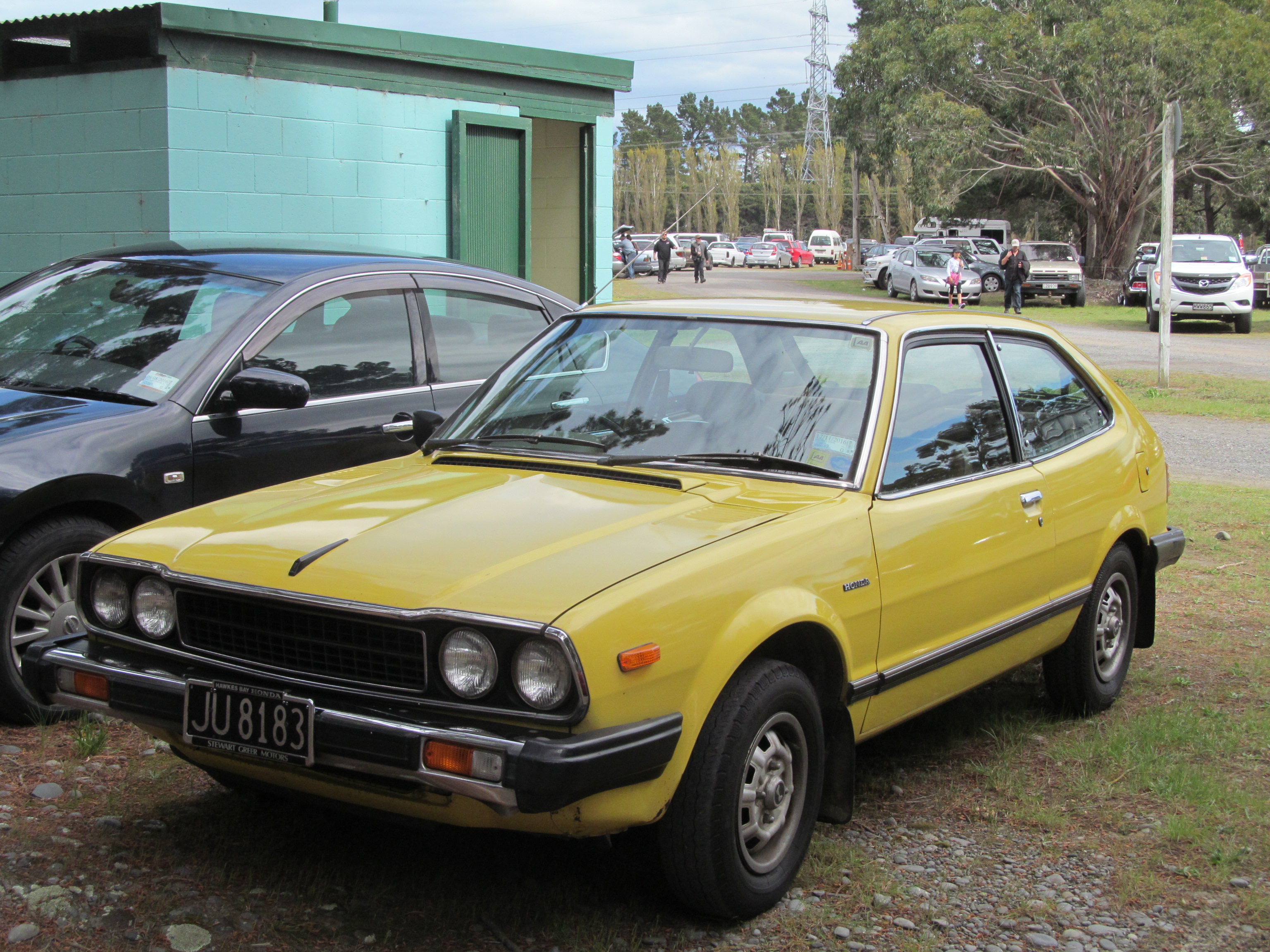
The Honda Accord is a common Honda sedan. Here, they’re talking about a 2013 Accord where the air conditioning sometimes stops working because of a problem in the AC control parts.
The fuse box under the hood is where the car keeps electrical protection devices. They’re pointing you to the AC-related one so you can tell which part controls the air conditioning.
They’re talking about checking battery health by measuring voltage. Lower voltage (like 12.2) can mean the battery is getting weak, while slightly higher readings (like 12.3–12.4) suggest it’s in better shape.
Your car’s A/C compressor is like a pump. The compressor clutch is the part that “turns the pump on” when the A/C is requested. If the clutch fails, the A/C can stop blowing cold even though the electrical system may look okay.
A test port is a convenient place to plug in a meter to check what’s happening electrically. Instead of guessing, you can measure whether the A/C circuit is getting power when it fails.
Voltage is the electrical power coming through the wires. The technician is checking whether the compressor circuit is getting power when the A/C stops working, which helps pinpoint whether the compressor is the problem.
Instead of replacing parts and hoping, the technician tests the system step-by-step to find the exact failing component. That’s how you avoid wasting money on parts you don’t need.
They’re talking about the difference between guessing by replacing parts and actually figuring out what’s causing the problem. Real diagnosis means you find the real cause, not just keep swapping parts.
A fault code is like a “check engine” message stored by the car. It tells the mechanic which system the car thinks is acting wrong, so you can focus on the right part.
This is a flap in front of the A/C cooling area that the car can open or close. It changes how much air flows through, which helps the A/C work correctly.
The A/C condenser is part of the air-conditioning system that dumps heat outside. If it doesn’t get enough airflow, the A/C can’t regulate pressure properly.
He’s saying you can’t just fix one part and assume the whole system will work. You have to understand how the AC parts and the car’s computer communicate so the right things happen at the right time.
Ambient temperature just means the outside temperature. The car uses it to decide how to control the AC, like whether it thinks cooling is needed and how hard to run it.
The AC has refrigerant on both a high-pressure side and a low-pressure side. Measuring those pressures helps you figure out whether the system has the right refrigerant flow and whether the compressor is actually working.
This sensor checks if refrigerant pressure is too low. If it is, the car often turns the AC off to avoid damaging the compressor and to indicate there may be a refrigerant problem.
The choke helps a carbureted engine start when it’s cold by adding extra fuel. If it’s not working right, the car can be difficult to start or may run poorly at first.
A carburetor is the older-style part that mixes fuel and air before it goes into the engine. If it’s set up wrong, the car may start poorly or run rough.
A scan tool is a gadget a mechanic plugs into the car to read error codes and sensor readings. It helps them figure out what the car is actually complaining about.
Fuel pressure is how strongly the fuel pump pushes gas to the engine. If it drops when you accelerate, the engine may not get enough fuel and the car will act up.
Fuel trims are the computer’s adjustments to how much fuel it thinks the engine needs. Long-term trims are the “overall learning” it does over time, and negative numbers mean it’s been pulling back fuel.
Short-term fuel trims are the computer’s immediate tweaks while you’re driving. If they’re at zero, it means the car isn’t making rapid corrections at that moment.
The high pressure fuel pump is the part that pushes fuel to very high pressure so the engine can inject it correctly. If it starts failing, the engine can run poorly and throw codes.
Some cars use two fuel pumps: one to feed fuel and another to build the high pressure the engine needs. If there’s a leak or failure in either pump, the engine may not get the right fuel pressure.
Negative fuel trims mean the car’s computer is telling the engine to use less fuel than normal. It’s usually a sign that the mixture is richer than the computer wants.
A diaphragm is like a thin flexible barrier inside the fuel pump. If it breaks or leaks, fuel can get where it shouldn’t—like mixing into the engine oil.
A vacuum leak is an air leak that lets extra air get into the engine. That can mess up idle and cause the engine to run differently than it should.
Company
old Data dot com
The speaker is pointing to an online source for car repair information. It’s used to find diagnostic tips and guidance when you’re troubleshooting a problem.
A “tune up” is a set of maintenance steps to help the engine run the way it was designed to. Today it can include things like spark plugs, ignition coils, and cleaning the fuel system.
Ignition coils provide the strong electrical “boost” that makes the spark plug spark. If the coils are worn out, the engine may misfire or run unevenly.
Drive line fluids are the lubricants that keep the drivetrain parts working smoothly. They help reduce wear in components that transfer power to the wheels.
This is a service where they clean the parts that send fuel into the engine. If those parts get dirty, the engine can run rough or lose efficiency, so cleaning can help it work like it should.
The throttle body controls how much air the engine gets. Over time it can get dirty, which can make the car idle rough or feel sluggish when you press the gas.
“Ron’s rule” is basically: if you don’t know how a car was maintained, start by fixing the common wear items first. That way you know what you’re working with instead of guessing.
Term
break fluid drive line
He’s talking about refreshing the fluids that keep the drivetrain parts lubricated—especially in 4WD/AWD. Clean fluid helps gears and bearings last longer and can improve how the system behaves.
The transfer case is what allows a 4WD vehicle to send power to both the front and rear wheels. It’s also involved in low-range gearing for tougher terrain.
A differential is the part that lets wheels turn at different speeds when you’re cornering. It helps the car handle smoothly and prevents drivetrain binding.
A parts availability issue means the specific replacement parts you need aren’t easy to source right now. That can delay repairs or increase costs, so the host mentions “ways to get around that” to keep the job moving.
Tires have a stamped code that tells you when they were made. Even if the tread still looks okay, an older tire can be riskier, so checking the date helps you estimate how worn-out it might be.
Throttle sensors tell the car’s computer how far the throttle valve is open. If the readings don’t match what the computer expects, the engine can run wrong until it’s reset or relearned.
This sensor measures how much air is going into the engine. The computer uses that info to decide how much fuel to add, so a bad reading can cause rough running.
This is the official repair guide from the car maker. The host is saying the throttle relearn has to be done under specific conditions, and the exact steps are in that guide.
Relearning is the process of resetting the car’s computer so it knows the new throttle settings. If it’s done under the wrong conditions, the car may not learn it and the problem can continue.
An ignition coil helps create the spark that lights the fuel in the engine. The host is saying they sometimes disable a coil to make the engine slow down so a reset procedure can be completed.
A spark plug wire sends electricity to the spark plug so it can ignite the fuel. The host mentions pulling one to make the engine run slower for a specific procedure.
Learn mode is when the car updates its settings so the throttle and engine control can work correctly. If the engine isn’t idling correctly, the car may not let that update happen.
The 2015 Chrysler 300 is a big, comfortable sedan. Here it’s being discussed because the owner is dealing with cruise control trouble, and there’s also a recall tied to software/communication problems.
Cruise control is what keeps your speed steady without you holding the gas pedal. If it’s acting up, the car may not hold the speed or may not work when you try to turn it on.
A PCM reprogram is a software update for the car’s main computer that controls the engine and related systems. It can fix bugs that cause problems like communication glitches.
A software update is when the car’s computer gets new instructions. Sometimes recalls are fixed this way, so the car behaves correctly without needing big hardware repairs.
VIN is your car’s unique identification number. It’s how websites and dealerships figure out whether your exact car has any open recalls or required updates.
The clock spring is a part inside the steering column that lets wires stay connected even when you turn the steering wheel. If it fails, steering-related electrical features (and sometimes airbag systems) can stop working.
Fuses are safety devices in the car’s electrical system. If too much current flows, they “blow” to protect the wiring, and mechanics check them to see where the problem might be.
Wiring refers to the car’s electrical harnesses and connectors that carry power and signals between modules. Wiring faults—like breaks, shorts, or poor connections—can cause intermittent or total loss of functions and are a common root cause when recalls and parts replacements don’t resolve the issue.
LIVE
You're listening to Ron and Nanian The Car Doctor, nationally recognized auto expert trusted by mechanics, weekend wrenchers and vehicle owners alike. Ron brings over forty years of hands on
experience and deep industry insight to help you understand your vehicle.
Join the Conversation live every Saturday from two to four pm Eastern by calling eight five to five five six zero nine nine zero zero. That's eight five to five
five six zero ninety nine hundred, your direct line to honest answers and practical advice. Looking for more, visit cardoctorshow
dot com for past episodes, repair tips, and Ron's latest insights, and be sure to subscribe to the Car Doctor YouTube channel for exclusive videos, real repair footage and more.
Now start your enginies.
The Car Doctor is into garage and ready to take your call.
Where do I want to start? Let's see. Let me
think about this. You know, if you listened to the
previous hour this weekend, you heard me talking about the best repair of the week, the four with the barrow pit that was at a scale in calibration by so many points and it affected how that vehicle operated. So
is there a second best repair. Is there something that
was almost as good? I could talk about rescuing research
Kathy Research. Kathy, her tahoe with the three year old
battery in it, died last weekend. I got an SOS
call that her battery her car wouldn't start. And the
battery is only three years old. And from my internet trolls,
it'd say, oh, Ron, I've got a battery that goes twelve years. Yeah, good luck. You must have the one,
because I haven't found any of those batteries yet. And
in Kathy's case, the battery was tested at the last oil change and it tested great, and I wouldn't expect it to fail, but they do. And I watched this
battery when we finally got the truck to the shop, go from sitting voltage of about twelve point four And as I watched it with no load on it, I put a recording vaultmeter on it. It over time dropped
all the way down to nine point three, up to ten and a half, down to nine, up to twelve and a half. Battery had an internal problem, and it
was bad, But that's probably not that's probably is that the second most interesting repair? Well, it was probably more
interesting about how Cathy was freaking out, but we got her calm down, and you know, Kathy, just just just go sit in the truck. We'll we'll get the truck
to the shop. I think Uncle Steve comes to mind,
and watch how this comes into the picture, right. Uncle
Steve always told me that. He said, you'll know you've
arrived when you were accepted by your peers and they listen to what you have to say. Jeff is a
retired mechanic. Jeff drives a twenty thirteen Honda Accord, and
I love Jeff to death. Sometimes he will drive me
crazy with analysis protistant. We'll have to have these lengthy
twenty thirty forty minute conversations. I could have changed the
part in the time we're going to talk about it when we're in that ninety percent tile, because that's the other thing, right, we always talk about tell me what's good, I'll tell you what's bad. It's the job of the mechanic,
the technician, the diagnostician, whatever name you want to hang on us in the year twenty twenty six to get to the middle of the problem as fast as as possible.
And the only way I know to do that is you got to tell me what's good. You got to
tell me what's working on the vehicle. Jep's twenty thirteen
Honda Accord would fail. The AC every once in a while.
Every once in a while, the AC compressor would disengage.
Now it's a common known problem with Hondas that the AC relay the one in the fuse box under the hood.
If you're driving and you've got this issue, look for the fuse that's identified by the snowflake, and you know that's the AC. Really, that's that's that's Honda's interpretation. You know,
air conditioning is identified by a snowflake, which I have a I got a lot of comments about that, but I can't make them here. And you know that Jeff
had done the relay, he kind of got caught up, in my opinion, into a little bit of paralysis because the relay was awful hot. You know, I don't know
you ever measure you ever measure the temperature of a good relay. Has anybody ever gotten to the point where
they've lifted the hood of a car and they've measured temperature of relays? Have we do? We look it enough
good to know what's bad, And that's the other part of look at tell me what's good, I'll tell you what's bad. You sort of learn what's what's acceptable. Like
I know, twelve point two on a battery is the beginning of the end, and it is. Yeah, twelve point
two is my absolute bear bones minimum, and I don't like it on a lot of batteries. I see twelve three,
twelve four. I'm happier that tenth two tenths of a
difference makes a difference. So I couldn't get Jeff's Honda
to fail. I couldn't get the AC compressor to stop working.
We drove it around, we took it for coffee. I
sent Danny out to lunch one day and he drove that car and it rode great. I said, here's what
we're going to do. We're going to tap into the
There are two wires that go to the compressor. On
one's the pink that comes off the relay, and the other was the ground. The ground goes right to the
compressor clutch. The ground is a green wire, the hot
is a pink. I found that pink going down to
the compressor, and I told Jeff we're going to put a test port here because Jeff has meters. He's a
retired technician. I said, Jeff, I'm going to put a
test port here. I gave him a test port. I said,
when this, when this AC stops working, I want you to tell me if you have voltage there. If you
have voltage there, you've got a bad compressor. The clutch
has failed internally. Jeff was a little weary. Well, what if?
What if? What if? You know? What's that line? If
is the middle word in life. If your mother had wheels,
should be a box car. And about two weeks ago
we did this. So I don't know if it counts
as this week in the shop, but it does because he called me on Thursday. He said, hey, you were right.
The AC stopped working. I had twelve vaults. I loaded
the ground, I had a good ground, I had a good connection. I voltage dropped across the compressor body. I
have good ground, I have power. The compressor doesn't come out.
It's a bad compressor. You know, we didn't change a
single part on that car. We diagnosed it without changing
a part. Because we broke down the circuit into individual components.
The would it could have should have. And I think
that's what makes that a great repair. You know, the
challenge in trying to do something with a car, The challenge in trying to diagnose properly isn't how many parts can you replace, It's how many parts can you not replace and fix the vehicle? That shows true understanding.
You know.
You will see also that as you change more and more parts, the more parts you change, sometimes you make other problems and that and of itself becomes an issue.
Linda brought in her for EDGE this week. She was
going on vacation. She needed an oil change and her
AC stopped working the night before. She had a P
zero fifty nine epison frank dash double zero fault code for the air shutter grill. The air shutter grill in
front of most AC condensers radiators, there's a shutter. It's
like a window blind that opens and closes by computer command.
An electronic solenite opens up a blind and it allows airflow across to regulate and control pressure, temperature, and so on. Well,
she had a fault code for air shutter open. The
air shutter was stuck open. It wouldn't close, But it
was in history, and I know the history of this car.
An advantage of working on a customer's vehicle that you know that two years ago it was involved in an accident.
They had it repaired at a body shop, and life goes on. Well, here it comes this week. It's got
an air shutter fault, but it also has no compressor engagement.
So now the question becomes what it's the theory, how does the system work? Would an air shutter fault, because
in theory it could. Would an air shutter fault prevent
the compressor from coming on? Because Ford would be concerned.
The strategy would be that if they can't control airflow across the condenser, they can't control system pressure. Where the
compressor work too hard and fail. How are we going
to prove it? I called Ford Tech Support. I have
access to that, and they weren't quite sure. They were
of the belief that the air shutter grill having a fault code would keep the compressor from engaging, but I wasn't convinced because the air shutter was in the open position.
I thought to myself, if the shutter was in the closed position, perhaps they would not allow compressor operation. Let's
make this simple. I tapped into the hot again or
red with a white stripe wire. I also tapped into
the ground leg which fed off the back of the clutch and came out to the compressor body, so I know I had power. I know I had ground no
compressor involvement, even with the air shutter fault code in there, pulled the compressor out of the car. The compressor was
seized internally. So there's an example of the vehicle had
two faults. And I believe the shutter fault has been
there for two years since the grill because the car had a front end collision, since the bodywork was done, and for some reason the insurance company missed it. So
I believe the air shutter has nothing to do with the compressor, and I was right put a compressor in it.
That vehicle's fixed. Now the question becomes, will that shutter
start to work? Will it have override command authority to
turn the compressor off? I don't think so. Part of
the problem, and I'm going the long way around the barn to explain it to you today. Part of the
problem that we face as technicians is we need to understand not just what the components do, but how they work together, how they speak to each other, what their involvement is what their limits are. If you're looking at
an AC system that doesn't operate, you're looking at ambient temperature, you're looking at system pressures, you're looking at a high pressure switch, you're looking at a low pressure switch. Cut out.
There are things that will electronically effect the vehicle and allow it to turn on or turn off that particular component, and you're always looking at that. But in a way,
you're still looking for what's good. Or should I tell
you about the seventy seven buick that had a bad choke and Danny watched me fix the carburetor, set the choke, set the carburetor, set the choke pull off, set the choke thermostat, and he says, how do you know what all that stuff is? Ah, because you can't spell carburetor
without car doctor in it. Eight five five five six
O nine nine zero zero. I'm back right after this. Hey,
Next weekend is fourth of July and we will be here live doing the live show. We're going to work
the holiday. Tom by the way, we're working next weekend,
and no hamburgers for they don't forget the hot bogs. Yeah,
I'll last time you forgot the hope. I'll have the
hot bogs, I'll have the watermelon, I'll have it all my wife. My wife's making her potato salad, so we'll
we'll be in good shape.
I'll be sure.
I'm yeah, oh yeah, to get hurt, to get that potato salad as the best. But well, I have to
say it. She's not listening. This More importantly, we're giving
away card doctor T shirts next weekend, so for all our callers, So if you call it next weekend, in the spirit of the holiday, we're giving away two hundred and fiftieth anniversary America Car Doctor T shirts. They're also
available online if you can't wait until next weekend to take your chances, But get out the card doctorshow dot com and they're up there. There's also new coffee cups
up there. We have a couple of new designs, and
you know, we're kind of trying to expand the offerings, so to speak. So but that's next weekend, Next weekend,
fourth of July show both hours, we're giving away T shirts, yes, Tom and this weekend, oh this this week open lines right now? Yeah, I see that eight five five five
six nine nine zero zero. We need somebody to call.
Come on that. We want to you know, because and
here's why. Because we've also got this advanced Autoparts Diehard
seventy three piece roadside emergency toolkit to give away sixty three dollars value sixty two ninety nine sixty three dollars value.
If you're stuck on the side of the road for your automotive projects big and small, this is the kind of thing you want on your side if nobody wants it.
I've got a brand new loanmower. I could use it
on that.
Well.
I don't think you can. I don't think you're eligible. Tom.
I don't think it's I don't think it's possible for you to do that. But let's see if you can
get a phone call. I think everybody's watching World Cup
soccer eight five five five six o nine nine zero zero.
A little bit of tipbit from All Data there. You know,
their tech tips are so timely they come out. If
you go out to old Data dot com and look under resources, you'll go to the Old Data newsletter. This month,
they've got Chevy Silverado low idol in the engine stalls.
The tech tip talks about a twenty eighteen Chevy Silverado fifteen hundred with one hundred and thirty two thousand some odd miles that had a check engine light on and it would start and barely idle about three hundred rpm.
When the technician got into it. The tech tip goes
on to point out they connected a scan tool. They
retrieved one diagnostic code P zero five h six idle control rpm lower than expected. So here's a case where
we're we're doing our due diligence, we're doing a diagnosis, and we've got a low IDOL fault code, which is what we had anyway. And he saw he looked at
fuel pressure smart tech, and he saw fuel pressure go as low as twenty six psi as he was accelerating.
He tried to reset the idle speed. He wasn't successful.
He had long term fuel trims in the negatives and short term fuel trims were zero. And he noticed that
the low pressure ratings with the kan Kian enough would drop off, which means he's got a leak somewhere in the fuel system, leaky injector, leaking a hose somewhere. He
talked to tech support and they started to look at that.
The vehicles are known especially high mileage. They have issues
with the high pressure fuel pump. This is a high
and low pressure pump system. And they also pointed out
that the fuel pump itself can leak. It will cause
negative fuel trims, which is what we had here the high pressure pumps. If it's failing, the diaphragm goes bad
and fuel gets into the engine oil which will be affected.
It'll it'll be perceived as an over rich condition and it will start to pull fuel out of the base number.
They gave him some test procedures. They walked them through it.
They've discovered that the yes, the high pressure pump was in dee bed. They put a high pressure pump in
it and cleared the codes, change the oil and solve the problem. Now there's an example of a diagnosis that
you and't expected to go in that direction. Right, you're
looking for a low idol. How many of you would
have been sitting there playing with throttle body mass, airflow, sensor, vacuum leak, you know, throttle angle, throttle body cleaning. Think
of all the best possible potential problems you could have gone chasing, you know, to deal with that all good stuff and you can get this and this is you know what, you can go to old Data dot com right now and read the newsletter and it's there and there's no charge for it. That's one of the great
things about it that you know, you can also take a look at your DIY stuff, if your DI wire and possibly get into that because you know, just just you can't fix cars with that information. It's it's it's
just that big a deal right now. So and anyway,
let's make a big deal out of this. We got
Terry and Nebraska fourteen four and fifty and some questions and comments. Terry, Welcome to the car Doctor. How can
I help.
Terry clime here? Lately? And I just bought a v
vehicle this spring. It's a twenty fourteen f one fifty.
It's a two wheel drive, and it has a three point seven V six non turbo, and it has quite a few miles, like about one hundred and eighty two one hundred eighty three thousand. I was just kind of
wondering what you would recommend as far as maintenance. I
was thinking maybe spark plugs to start with, maybe, or.
Well, yeah, do we have any service history.
Some but I can't find anything where it has had a tune up. Okay, run is good, but what that
means you know, right, yeah.
Well, define a tune up. You know, if you put
nine mechanics in a room and ask them what's a tune up, you'll get forty two different answers. You know,
it's it's not like it was so many years ago where it was traditional components and ignition parts. You know,
a tune up today is spark plug. It can be coils,
it can be fuel system cleaning, it can be decarbonization of the engine. And you start talking about other fluids.
Because in my mind, my definition of a tune up, if I could define it in the dictionary with be whatever it takes to make the vehicle run as it came out of the factory. So you know, where do
we want to go? At one hundred and how many
one hundred and eighty thousand miles?
Yeah, one hundred eighty two eighty three. And it just
occurred to me, does that have a fuel filter or is that in the gas tank?
Fuel filter will be in the in the pump on the tank. But what I would do is I would
think ignition components if it's in the budget and they were original, they're twelve years old, they're high mileage. I
would consider replacing coils. I would consider a fuel system cleaning,
and I would also consider drive line fluids, and you know doing all that. So tell you what, Terry, stand
the line. Let me pull over and take a pause.
When I come back, we'll finish up. I'm running Eney
in the car. Doctor. I'll be back right after this.
From the city street, from the city streets, just the open roads. Right needs help.
Run keep your.
Hey, let's go back to Terry, Nebraska. Terry, you're there, Yes,
I am so. Spark plugs, coils, fuel system cleaning, right,
and this is something you can do yourself. You mechanically inclined, Terry?
Not really?
Well?
Do you want to be enough to get myself into trouble?
Well?
Do you want to be?
Do you want to be? I can make you mechanically inclined.
Do you have an advance or do you have an advanced auto parts in the neighborhood?
Oh, it's in about till not not real far twenty five miles maybe no.
You know, go hang out down at your local advanced autoparts.
Go pick yourself up a c R C G D I fuel system cleaning kit. I forget the part number exactly,
but it starts with zero five. It's a zero five,
zero nine eight. I'm trying to remember the part number.
I can see it in my mind's eye. It's a
white box with red lettering, and it's a complete kit throttle body cleaning. It's got a you know, fuel system cleaning,
uh solvent in there. It's got mass airflow sensor cleaner.
You can do that, right. You can probably look on
the CRC website and actually see your procedural video. If not,
I guess we'll have to put one up there at some point. But the idea is you can do this
if you want. But a fuel system cleaning would be great,
a throttle body cleaning would be great. Spark plugs and coil,
and then we do Ron's rule. If it's new to
you and you don't know age, mileage, or when things were done. If it's wet, change it, break fluid drive line,
fluid trans differential transfer case, cool it. Right. At least
now you've got a baseline to work from, and you know you can kind of work your way out. What
are the wiper blakes. It's like nobody ever gets rid
of a car in perfect mechanical condition. And that's the problem. Right.
I don't know anybody that says, well, I'm gonna get rid of my car. Let me put a couple of
bucks into it and shape it up for the next guy.
We don't. We're not like that as human beings anymore.
We were at one point, but somewhere along the way that changed. And you know, it's it's to your advantage
and you can do it.
How many miles? How many miles do you think a
motor like this is capable of going?
Tell me the tell me the history, right, you know, is this a V six? Is this a V six turbo?
Or is this a non turbo?
No? Three point seven non turbo?
Okay, which I kind of prefer because there's less things to break. But it's it's all about it's all about
the maintenance. But I can tell you this, if the
undercarriage is in a good condition and there isn't a lot of rust on it, and it's had some kind of reasonable maintenance, I don't know, God forbid, the engine failed and it was eight nine grand to put an engine in that truck. Have you priced a new truck lately?
Well, they start probably let around forty fifty and go up to probably a new Effort, probably a.
New F one fifty. The last time I look starts
at about fifty seven thousand dollars in four wheel drive trim.
So all of a sudden, eight grand for a motor, seven grand for a trans things are starting to look good. Yes,
that's starting to add Yeah, looks pretty good. Right. Of course,
you got a part's availability issue, but we can we can get around that. There's ways to do that. So yeah,
it's it's it's it's slowly becoming. And I've read a
couple of articles and financial papers and magazines, the Wall Street Journal among them, where they're talking about, for the first time, investing in your car, doing maintenance, doing service and repair is actually starting to pay off.
And well it always has.
Yeah, it's just like today, it's more so today, it's more so. You know, when a Chevy suburban and I
keep saying this number, and I'm surprised people don't tell me to stop. But when a Chevy suburban with reasonable
trim is ninety or one hundred and five, one hundred and ten thousand dollars, I you know what, I'm old enough to say. I Remember my first house was ninety
three thousand bucks. So yeah, you know that's but that's
what I would do, you know, I would. I would
take it to your local mechanic. Let them put it
up in the air, let them look at the rust, let them get an overall feel for it. Take a
look at the brakes, take a look at the tires.
Just for a giggles, look at the date code on the tires. It'll give you an idea of how well
that vehicle was taken care of. The date code is
an oval shaped marking or tattoo however we want to think of it. It'll say something like forty twenty six,
or in your case, it might be thirty eight twenty two, meaning that the thirty eighth week of twenty twenty two is the day the tires were made. Right, doesn't say
when they were put on, but you know, take a look at daycoat on the tire. You know, if you
see a tire on there that's got good tread, but it says, uh, you know, eighteen eighteen eighteen. That's the
eighteenth week of twenty eighteen. That tire is eight years
old and it's due, you know, So you can get you can get a position on it from there too.
All right, but God, spend some money information.
Yep, spend some money, sir.
All right, Terry, sure, thank you. And have you given
the tool away by a chance?
No, But you know what I was just going to say to Tom. Tom, stay on the line, because we're
going to send it out your way and you can put that in the glove compartment in your new truck and use it well. This way, when you go down
to advanced autoparts, you can tell them, Hey, look, I'm the lucky tool winner. How's that.
I really appreciate that.
Thank you, Ron, You're very welcome.
Terry.
You'll be well and have a good rest of the weekend.
Take good care, yes, sir, Yeah, everybody wants to get into the act. That's okay, Tom, we'll get your information.
I want to respond to this email. This comes to
us from John. Hey, Ron, I've got a twenty thirteen
Nissan Censor. I've got throttle body problems. I can't get
the throttle sensors to line up with the computer on the car. I replaced the throttle body with a new one.
It didn't work. I went through a series of tests
and resets that haven't been able to work. I've had
my mechanic work on it. We put a used throttle
body on from a Junkyard. I'm still having the same results.
I replaced the mass airflow sensor, I've replaced several other components and nothing's working. Do you have any advice. I'll
tell you what, John, The older Nissans were fussy, to say the least right. They were kind of critical how
you approached it. And one of the steps that you
may or may not see anywhere but factory service information, was the engine had to be at running temperature. It
had to be warmed up, but it has to be under a certain rpm, which if you're trying to relearn the throttle body, how do you get it under that rpm?
The throttle is stuck high. It's it's kind of like
stupidity on the part of Nissan. One of the things
we used to do would be to disable an ignition coil or pull a spark plug wire and by doing that at warm operating temperature, we will find that the engine rpm will typically drop under seven hundred rpm. Where
seven hundred rpm was the magic number. I would tell
you to look at factory information see what the minimum idle RPM number is and make sure that you're hitting that.
Maybe you already are, but that's the first thought that comes to mind. That is the most common mistake, that
idle RPM is not met, and if idle RPM has not met, that vehicle will not go into learn mode and will not reset the throttle angle. So start there.
If you need more, you know where to find me.
Eight five five five six o nine nine zero zero.
I'm Ron an eighty in the car doctor. I'll be
back right after this. Welcome back, Ron leading the car
doctor here at eighty five five six zero nine nine zero zero. Donald and Louisiana waiting there very patiently. How
are you? Donald?
Oh? I'm fine.
What's going on, kiddo? Hey?
I got a twenty fifteen Chrysler three hundred and is plagued with cruise control problems.
Only only cruise control problems I had. I had to
get that in there. I'm sorry.
Yeah, it's been a great car. Other than that.
Yeah, just.
Cruise has just giving me a blues.
Have you have you owned it since now? Yes, you're
aware of the recall.
Uh no, sir, I'm not.
I hate hearing this. I want you to go out
to NHTSA dot gov and been your serial number is seventeen digit vin Okay. There was a batch of these
model year fourteen to eighteen. There was about, I don't know,
almost nine hundred thousand cars that had problems with communication and required a pcm reprogram. There was a software glitch,
YadA YadA ya, you know. I mean, I doubt it,
but I just don't want to overlook it, all right, because I'm aware of the recall. It was NHTSA recall,
if I recall correctly, eighteen victor three point thirty two something like that. And there was another one that went
alongside of it. So there was a couple of these,
and I just want to be sure that you're not a victim of just a software update right now, if I remember right, the recall update. One of the recalls
was for the crews wouldn't disengage. It's kind of the
opposite of what you've got going on. But they they
you know, listen, I just want I want to know what's good. I want to know if the software is updated.
I want to know if it's got the correct software in the vehicle before I begin to diagnose it. If
that makes sense, right, yes, And it's easy enough to do.
You just go out the NHTSA dot gov dot gov and there'll be a recall tab and you know, you can do it for free. Mom always said free is good.
And just type in your seventeen digit VIN and see if there's any open recalls on your vehicle, and that'll tell you that works with everything, that works with any car sold in the United States. So that's number one, right,
number two on the assumption that that doesn't do it, and you're gonna tell me every part under the sun's been changed, right.
Well, the dealer has changed the switches on the column and the clock spring, and it's really doing same. This
has been going on since new so it intimately would work and drop out on the warranty. But now it
won't even come on, so it may be a wiring issue.
I have no idea anymore. The dealer pretty much throws
his hands up.
Now, you know, well that's no excuse. Listen, if the
car is broken. Here's the challenge, right, because I could
I could say here and we could talk in the next two minutes about fuses, wiring, switches, connections, procedure. If
you give me a broken car and I can't fix it, I'm going to retire, all right. I mean it's just
that simple. What am I doing? You know? Why am
I doing this? There's gotta be a reason. If that
car is broken, i'd be excited. The first thing I
want to do is, let's go through the obvious. The
car doesn't work. Can we plug in a scan tool?
Because I absolutely guarantee you a twenty fifteen model vehicle, we'll have scan tool input for cruise control. Does the
scan tool see the crews turn on? Does the scan
tool see the brake switch? Does the scan tool see
me play with the buttons? Does everything go up and down?
I mean basics. Man, what if this was a loose
fusing the fuse box, wouldn't the dealer feel pretty stupid?
Well, I've spoken to him about all these things, and you know, I asked him about, you know, the function test, and he says, oh, well, it won't even come on, so I can't do a function test. So I mean,
I'm not wearing sure where to go.
You need to go to another dealer because it's going to be you know my mind. If this has been
going on since warranty, it's it's going to be under warranty because your argument to Chrysler is it didn't work right since day one, and I've got all You've got documentation, you've got service history on this as they've repaired attempted to repair it. Yes, then you know there's your argument. Right.
Sometimes you got to say to people, you know that joke about the guy shows up at the hotel and he says, we're all full up. And the guy says, well,
if the president was coming, would you have a room for him, And the clerk says, yes, well he's not coming, I'll take his room. You know, sometimes you got to
say to people, if it was your mother's car, would you fix it? Yeah? Because you can't say no to mom. Right,
it's just so ridiculous. So start on that road. Donald, listen,
I'll tell you what. Stay on the line. Let Tom
get your information. We're gonna kick off next week's fourth
of July bash. We're gonna give you our first two
hundred and fiftieth anniversary America Car Doctor T shirt. They're
on the website, but we're gonna send one out to you special edition, and just give Tom your information in size and we'll get that out to you at the end of today's show, and you wear it in good health, my friend, when you go into the Chrysler deal and let them know you're not playing You're not playing you know games here, We're here for the real deal. So
you want your cruise control fixed? All right?
All right, man, appreciate it.
Thank you, You're very welcome. Donald, you be well A
five five, five, six nine nine zero zero, ron An Amy and the card doctor. I'll be back right after this. Hey, this,
we're back. We're going in a little bit though, so
don't get too excited, just you know. In the world
of insanity, US proposes to drop brake pedal requirements for self driving vehicles. Research Kathy sent this to me because
she's hard at work. She's always on the job. National
Highway Traffic Safety Administration proposed on Thursday and the government requirements for manual brake pedals and self driving vehicles. Now,
there's got to be some insanity here that if it's a self driving vehicle and nobody's ever gonna sit in it, why don't we put a brake pedal in it in the first place. So my question becomes, I'd like to
see the inside of this car. A is there a
seat for a driver not to sit in? And B
is there a steering wheel for them to not hang on to? So and then see My last question or
comment would be, if a self driving car became a runaway, how would you stop it? Is there a button you push?
Is there a plug you pull? I'd have to know
more about it, but I just thought it was kind of humorous that we're going to drop break pedals out of self driving vehicle, So if you're sitting in the back, there'll be no way for you to do a manual over ride and stop the car. I won't be sitting
in one anytime soon. I can guarantee you that, because
that just makes no sense to me. I want to
point out next week's show also, besides doing our T shirt giveaway both hours, Quinn Trimmer will be joining us Trimmer Motorsports. He was the young man he's doing racing
down there Wall Township and the Sportsman Modified. We're gonna
be talking to Quinn. He's gonna give usn update on
where he stands in the season. My spies tell me
I think he's hovering around second place now in the group standing, so he's zooming up the ladder, and I'm sure I'll have some great stories to tell us about pounding around the track. We're going to be looking forward
to that, and also the fact that next weekend, besides doing T shirt giveaways and all that, we're going to be here for you guys to answer live questions, whatever you've got going on, because that's what we want to do.
It was an exciting week in the shop this week.
I can only imagine what's coming next week as we try to get out on time for the weekend and you know, being ready for the holidays so we can all look forward to that. It's been an absolute pleasure
to be here for you this weekend. I hope you
got something out of it. I tried to uh, well,
let's just say I tried to express myself as clearly as I could. I tried to keep Tom off the
air as much as I could, which made it a better show. But as always, I wouldn't be able to
do this without him because he is my right arm.
And you know it's funny we talked midweek. You alive? Yeah, good,
keep going and I'll catch you on the weekend because that's the way Tom and I express our love till the next time. I'm Ronning Ay and the car Doctor.
The mechanics aren't expensive, they're priceless. Doctor curR advice, don't
ride
About this episode
Voltage and system logic take center stage, from a Tahoe battery that looked fine at an earlier test but later showed internal failure behavior to an intermittent 2013 Accord A/C issue traced to the under-hood AC relay and confirmed with compressor-clutch circuit voltage testing. The discussion then tackles A/C air-shutter fault codes as potential red herrings, plus broader “baseline” maintenance guidance: tune-up basics, tire date-code checks, and “Ron’s rule” when service history is unknown.