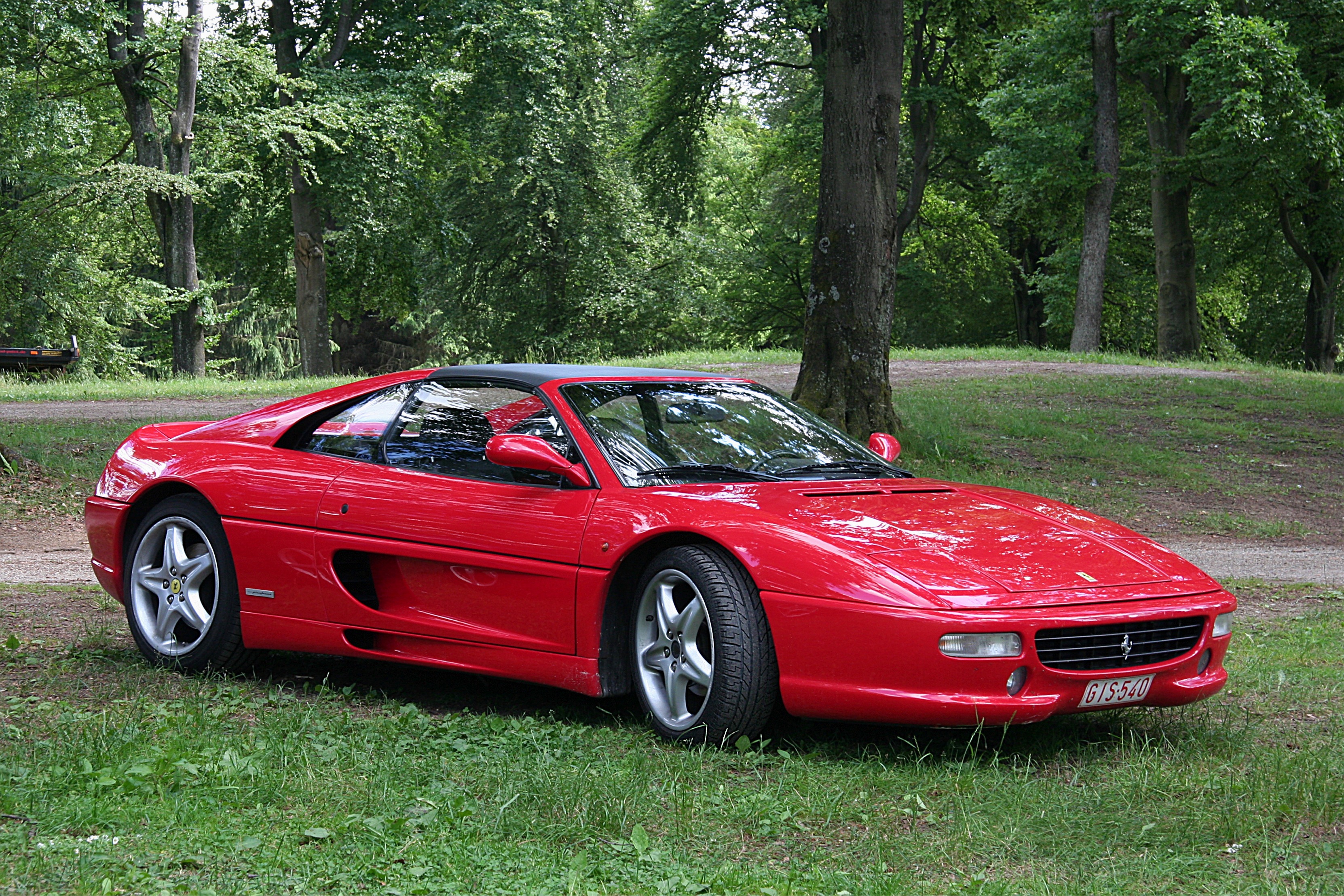
Ferrari is a famous Italian company that makes high-performance sports cars. People who are “Ferrari experts” know a lot about different models and which ones are special.
Company
Dakottis
They mention “Dakottis,” but it’s not clear what that refers to—possibly a motorcycle brand. The transcript doesn’t give enough detail to identify it reliably.
This is a special Ferrari 308 GTB made to race in the late 1970s/early 1980s. “Group 4” means it was built to match the rules for certain rally and racing events, so it’s more than just a normal road car.
“FIA paperwork” refers to official documentation that helps a car qualify for sanctioned historic motorsport events. When a car is described as eligible for major events worldwide, it usually means its homologation and identity documentation are in order, which can be crucial for entry acceptance.
A Challenge Stradale conversion means updating a base Ferrari 360 with parts and configuration associated with the Challenge Stradale variant. The key idea is that owners can retrofit specific components to transform the car’s feel and equipment toward a more performance-oriented spec.
The 575M Maranello is a Ferrari sports car with a V12 engine. It’s designed for fast, comfortable driving over longer distances. The podcast is talking about a late-production example with a specific configuration the speaker really likes.
Ferrari’s Fiorano handling package is an option group aimed at improving steering response and overall chassis behavior, typically through suspension and related setup changes. It’s named after Ferrari’s Fiorano test track, so it’s marketed as track-oriented refinement rather than just comfort.
A “carbon package” on a Ferrari typically refers to exterior and/or interior components finished in carbon fiber to reduce weight and add a motorsport look. In practice, it can include trim pieces and aerodynamic or styling elements depending on the specific car’s option list.
Car
Ferrari 355 Berlinetta
The Ferrari 355 Berlinetta is a late-1990s V8 Ferrari coupe that’s popular with collectors for its classic styling and analog driving feel. The host specifically mentions a manual transmission and a black-on-black interior/exterior theme, plus “challenge” parts that keep it street-usable.
Concept
challenge wheels
“Challenge wheels” refers to wheels associated with Ferrari’s Challenge Stradale/Challenge-spec parts, typically chosen for a more performance-focused look and fitment. These wheels can also affect tire choice and overall road feel, especially on a car that’s meant to be driven rather than just displayed.
Company
Paul Newman boxer restoration specialist
The host says the car is in Canada with a specialist named “Paul Newman,” but it’s not the actor. The point is that rare cars often need expert restoration help from people who do this work all the time.
The Ferrari F40 is a famous, hardcore Ferrari supercar. People restore them to keep them looking and driving like they did when they were new, because details and original parts matter.
Maranello Motorworks is a shop that works on Ferraris. If a rare Ferrari is being restored there, it’s likely because the shop knows how to do the work correctly.
Car
Ducati 916 Corsa
The Ducati 916 Corsa is a special Ducati motorcycle made for racing. It’s famous because it comes from the same generation that won a lot of races, so collectors really value it.
Car
Ducati 9M6 RS
The Ducati 9M6 RS is a Ducati race bike from the early 2000s. The fact that it’s connected to Scott Russell’s Daytona 2002 race makes it especially collectible.
Daytona 200 is a big motorcycle race at Daytona. If a bike was raced there (especially by a famous rider), it becomes more interesting and valuable to collectors.
Car
Ducati 748 RS
The Ducati 748 RS is a Ducati motorcycle made for racing. Owning several of them usually means the bikes have real track history, not just showroom value.
Some race bikes don’t have street features like headlights or turn signals. That makes them more track-focused, but they may not be legal or practical for normal road riding.
“Colorado Grand” sounds like a specific event/ride in Colorado. It’s where the guests met and where people get to experience and talk about great cars.
Finishing seventh overall at the 24 Hours of Le Mans is a major achievement because the race is extremely demanding and features multiple classes of cars. “Overall” refers to total race position across all classes, not just a class win.
Authentication is basically proving something is real. Instead of trusting a seller’s word, it uses evidence—like records and identifying details—to confirm the item matches what it claims to be.
Fraud is when someone tricks buyers—like selling a fake or exaggerating what they’re selling. In car collecting, that can mean the car isn’t what the paperwork or description says it is.
Counterfeiting is when someone tries to pass off a fake as a real, valuable car. With rare cars, it can be hard to tell what’s genuine, so having an expert to check details helps protect buyers.
The Carrera RS is a special, more performance-focused version of the Porsche 911. It’s designed to be lighter and more driver-focused than regular versions. The podcast mentions it because these cars are rare and have a strong racing connection.
This segment focuses on how the advisor helps clients evaluate extremely expensive cars—especially older race cars—by bringing in domain experts and separating what matters from obsessive trivia. The discussion centers on decision-making: what’s worth paying for based on authenticity and condition/history.
The Ferrari 250 GTO is a legendary vintage race Ferrari. Since it’s extremely rare and expensive, people worry a lot about whether a specific car is authentic and what parts are original versus replaced.
Concept
car authenticity ("100% legit" vs partially real)
Instead of asking “is it real or fake,” the idea is to figure out what’s original and what’s been replaced. For old race cars, crashes and rebuilds can change parts over time, and that affects how much the car is worth.
Vintage race cars often had accidents in their racing days and were later repaired. Those repairs can replace parts, so it matters which parts are original and which aren’t.
They’re talking about getting an independent expert to check the car and write up what they find. That helps you avoid getting fooled when the stakes are high.
Concept
authenticity vs replica
They’re talking about whether the car you’re buying is actually the real, original one or something that’s been copied/modified to look like it. This matters a lot because the price depends on what it truly is.
Concept
market getting tougher
They’re wondering if buying cars is getting riskier, like it did with watches. If fakes are getting better, you need to be more careful and verify what you’re buying.
They’re talking about fake versions of expensive items. In cars, that can be a car that’s been made to look like a higher-value one, or paperwork that doesn’t match what you’re really buying.
Concept
weathering of things
“Weathering” here refers to making something look aged or worn to appear more authentic. In collectibles and cars, that can be used to mask repairs, refreshes, or even create a convincing illusion of originality.
The secondary market is the resale market. It’s where you buy things that aren’t brand-new, and it can be tricky because you have to judge whether the item is legit and in good shape.
“Barrier of entry” is the difficulty newcomers face when trying to get into a hobby—often due to knowledge gaps, jargon, and the risk of making expensive mistakes. The hosts argue that having an advisor lowers that barrier by helping people avoid bad buys.
A homologated car is a race car that’s been officially approved to compete. It often has to match certain rules, including having specific exterior parts.
Tack welded means parts are spot-welded in place temporarily or lightly, rather than fully welded. In the transcript, it’s used to describe how a bumper was attached just to look correct for homologation/inspection purposes.
A fiberglass floor is a lightweight composite panel used instead of heavier steel. In race cars, it can reduce weight and sometimes packaging complexity, but it also changes how components mount compared with a normal street car floor.
Frame rails are the structural “backbone” members that run along the length of a vehicle and carry loads. When the floor is fiberglass (and not meant to be structural), seats and other components may mount to the frame rails instead of the floor.
Homologation means getting a race car approved for street use or racing rules. The car has to meet certain requirements, so it may be modified to look and be treated like a normal street car.
Homologation rules are the requirements a car has to meet to be approved. If the car doesn’t match what the rules demand, the manufacturer has to change it—sometimes just to make it look right.
The Porsche 911 is the car the speaker is talking about. They’re saying it can be easier to disguise a car’s true history because many 911s look similar and parts can be swapped.
“Whitewashing” means disguising a car’s real identity so it looks more valuable or more original than it actually is. It’s not always obvious to a normal buyer, so experts may be needed to catch it.
Auction estimates are basically guesses of what a car should sell for. If the final bids are way higher—like double—it usually means a lot more people want those cars than expected.
They’re basically asking whether people are buying cars the same way some people buy NFTs—because they think the value could jump. It’s a question about where the “investment money” is flowing.
The Ferrari 288 GTL is a rare, older Ferrari that collectors really want. In this segment, they’re talking about how the price of cars like this can climb a lot as more people want them. It’s basically an example of a “dream car” that eventually gets more expensive.
They’re talking about classic cars being driven more than they used to be. Instead of sitting around or only being displayed, newer owners are taking them out and actually using them. The host thinks that’s a good thing because it lets the cars be enjoyed the way they were meant to be.
Bias-ply tires are an older style of tire that many vintage cars used. Some people like them because they feel more like the car did when it was new. In this conversation, they’re considering them to make the driving experience more authentic.
“Low miles” means the car has been driven less. Some people think that’s always better, but the point here is that actually using the car and enjoying it is the real goal.
Term
Ferris Bueller thing
It’s a pop-culture reference meaning “don’t just sit around—go have fun.” Here, they’re saying the car is meant to be driven, not just kept clean in the garage.
The Porsche 911 GT4 is a performance version of the 911 designed to be fun to drive hard. The host is using it as an example of a car you should actually take out and enjoy.
Term
Sharkified
“Sharkified” is slang for a car that’s been modified to look more aggressive—like a “shark” theme. It usually means aftermarket styling changes rather than a factory option.
The Ferrari 550 is a Ferrari with a V12 engine that’s meant to feel special both in town and on longer drives. People bring it up because older ones used to cost far less than they do now.
The Ferrari 512 BBI is a classic Ferrari with a big V12 engine. It’s known for being very special and somewhat handmade, and it can feel a little unpredictable if you don’t drive it the way it wants. The point is: it’s not just about speed—it’s about matching the car’s personality with your driving.
The Ferrari Daytona is another famous classic Ferrari the host previously owned. They’re using it as a comparison point to explain how the 512 BBI feels and fits into their “next car” thinking. It’s basically a reference for driving character, not just performance numbers.
The Ferrari 328 is one of the classic Ferraris the host brings up to describe a certain driving “feel” from the mid-1980s. They’re not reviewing it in detail here—just using it as a reference point for how different Ferrari eras can feel behind the wheel.
“Twitchy” means the car can feel a bit jumpy or quick to react. If you don’t drive it the way it wants, it can feel unpredictable. The host’s point is that some cars reward skill and attention more than others.
The host is talking about a common complaint from reviewers: some Ferraris are so focused on performance that they don’t fit luggage well. That matters if you want to use the car for real trips, not just short drives. They’re saying Ferrari later designed the Testarossa to be more practical.
The Ferrari Testarossa is another iconic Ferrari that the host says fixed some of the 512 BBI’s complaints. They describe it as more comfortable and better for real trips because it can fit luggage. The key takeaway is that it’s not always the most “thrilling” Ferrari if you buy it expecting a more intense sports-car feel.
“Hand built” means more of the work was done by people rather than machines. The host uses visible details to show that this Ferrari has more traditional craftsmanship. It’s part of why some classic cars feel more special to own and inspect.
“Clams” are the hinged body panels that open like clamshells. On this Ferrari, lifting them lets you see details underneath that show how carefully it was built. It’s one of those “look closer” features that makes the car feel more handcrafted.
Hammer marks are small marks left on metal from the way it was shaped or assembled by hand. The host is pointing them out to show that this Ferrari wasn’t just mass-produced—it has more traditional, hands-on building. It’s a “craftsmanship” clue you can actually see.
Concept
Monaco casino trips at high speed
The host is painting a picture of how the Testarossa was meant to be used: taking you and your passenger (and luggage) on glamorous trips. It’s not a technical explanation—it’s about the car’s purpose and vibe. The idea is that it’s built for comfortable touring, not just thrills.
A flat-12 is an engine design where the cylinders sit low and sideways. Putting it in the middle of the car (mid-engine) helps the car feel more balanced when you turn.
They’re using a small visual detail—the mirror setup—to tell which Testarossa version it is. It’s one of those “look closely” clues that can save you from buying the wrong variant.
They say you can tell a specific Testarossa version by counting the wheel bolts. It’s a quick check you can do in person before you commit to a purchase.
They’re talking about how low the car’s “weight point” sits. Lowering the center of gravity usually makes the car feel steadier and more controlled in turns.
The Ferrari Testarossa is a mid-engine supercar made by Ferrari. The podcast is talking about how the taillights can look different depending on the version. Those taillight details help people tell which specific Testarossa they’re looking at.
The Porsche 928 is a well-known older Porsche grand tourer. The host brings it up as an example of a car people might buy from a specific era because it fits their taste and collecting goals.
Car
Ferrari Super America
The Ferrari Super America is a later Ferrari that comes after the 575 Maranello in the timeline being discussed. It’s brought up because it represents a shift to the next generation of Ferrari grand touring.
An assembly number is like a unique build ID for a specific car. It helps you confirm exactly how that car was made and what parts/specs it left the factory with.
“Numbers matching” means the important parts on the car are the same ones it left the factory with. Collectors like it because it proves the car’s history and helps protect its value.
A “transitional car” is a car that sits between two generations. It can feel like it has one foot in the past and one in the future, which is why some people find it especially appealing.
The Ferrari Enzo Ferrari is a flagship supercar that represents Ferrari’s modern, high-tech era. The host uses it as a category anchor—calling out multiple “Enzo Ferrari Ferraris”—which frames how they’re organizing their collection by significance and era.
Term
Group 4
Group 4 refers to a historic FIA racing classification that influenced how certain cars were developed and homologated for competition. When the host mentions a “three way Group 4 car,” they’re pointing to the car’s racing lineage and how that can affect desirability for collectors.
Car
Ferrari 355
The Ferrari 355 is a classic Ferrari from the 1990s that a lot of collectors chase. The host says it’s fun to drive, but it can cost more to keep up than some other Ferraris.
The Ferrari 348 is a Ferrari model that some people criticize. The host’s point is that if you buy a good one and understand what to look for, it can be an excellent car.
The Ferrari 360 is a newer-generation Ferrari in the 1990s/early 2000s. The host says it was a big deal because it was more “modern” (including lighter construction) and it helped make Ferrari demand so high that people had to get on a waitlist.
“All aluminum construction” means the car’s structure is made mostly from aluminum instead of heavier steel. That can help the car feel more agile and can also change how the car is packaged.
The dot-com boom was a time when a lot of people made a lot of money from internet companies. The host connects that wealth to why Ferraris like the 360 became so in-demand.
The host brings up the Dino to explain where a certain Ferrari engine design “family tree” began. They’re saying the Ferrari 360 is the last step of that particular design before a newer architecture took over.
A Ferrari 430 is a specific model of Ferrari. The point here is that its manual gearbox and driving feel work really well together, so it’s fun to drive in a more “connected” way.
Ferrari calls its fast-shifting gearbox an “F1 transmission.” It’s basically a high-performance transmission that shifts very quickly when you use the paddles.
A manual transmission lets the driver choose gears directly with a clutch and shifter, which can make the car feel more engaging and precise. The host argues that factory manuals are especially desirable on Ferraris because they preserve the intended driving experience.
The Subaru 360 is a very small car made by Subaru. It was designed to be light and easy to drive, and some versions came with a manual transmission. The podcast is saying that the manual versions are especially fun and don’t get enough attention.
The Challenge Stradale is a special, more track-oriented version of the Ferrari 360. It’s expensive and rare, but the host says you can still get a similar vibe by modifying a regular 360.
Fender shields are add-on pieces that protect the area around the fenders from small impacts and road grime. The host is just saying his car already had a few minor extras.
Colored calipers are brakes with a colored finish so they look nicer through the wheels. It’s mostly an appearance thing, not a performance upgrade by itself.
Lexan is a lightweight plastic used on some performance cars. Here, the host is saying the rear deck lid used a lightweight Lexan piece as part of the Challenge Stradale-style setup.
Challenge seats are sportier seats designed to hold you firmly during spirited driving. The host is saying he added the Challenge Stradale-style seats to match the car’s intended character.
Carbon fiber is a lightweight, strong material. Putting it in the interior helps save weight and makes the car feel more “race car” than a normal street setup.
Reducing vehicle weight is one of the most direct ways to improve performance feel—acceleration, braking, and cornering all benefit. The host frames the build as removing weight and “waking the car up,” aiming to restore the car’s intended track-focused behavior.
“Race-oriented parts” refers to components designed for track use—often lighter, stiffer, or more performance-focused than typical street parts. The host’s point is that swapping in these kinds of parts (and removing weight) changes the car’s behavior and makes it feel closer to its intended purpose.
They’re talking about a Ferrari 575 as a good deal right now. It’s generally considered a more comfortable, long-distance “GT” style Ferrari compared with some other more hardcore options.
LIVE
Hey, it's Ryan from that car show and it's going to be a different kind of show today.
Last night, Dan, Lindsay and I sat down, recorded a great cruise show.
We found out later we had some issues with audio and just didn't feel right posting the
show as is.
So this morning I sat down with a friend of the show, Ryan Sapka.
Ryan is an internationally regarded Ferrari expert.
People with money come to him and he helps them find the right car.
He's also got a great collection of his own.
So we sat out in this garage as the snow fell here in Denver and it just shot the shit
for an hour and I think we got a really good episode.
So this one's audio only.
We'll be back next week with a regular video show, the three of us.
But in the meantime, please enjoy this conversation with Ferrari whisperer, Ryan Sapka.
Hey, it's Ryan here from that car show and I was going to meet my buddy Ryan Sapka for
a coffee this morning as we do most Fridays and it's kind of a weird wintery day here.
So we figured let's have a little fireside chat in his garage.
So I've got a couple to go coffees.
We're huddled around a, this isn't quite a campfire, but it's a heater.
It's a space heater.
A space heater, you know, just pretend it's, it's open flame and we're in his beautiful
garage.
I'm looking around a couple of beautiful Dakottis.
I don't know the first thing about bikes, but they're beautiful and at least four Ferraris.
So what are we, what are we looking at, Ryan?
And welcome, by the way.
Yes, thanks.
It's, it's good to be here.
The four Ferraris that are here with us today, because a couple of are out for service.
The four that are here are, you have one of the 308 GTB group four cars they made for
Tarmac rallies in the late 70s and early 80s.
This one is a 1981, one of the 19 with full FIA HTTP paperwork eligible for all the world's
great events.
You've got my manual Ferrari 360 that I converted to a challenge stradale years ago when you
can still buy all the challenge stradale parts and retrofit them to a 360.
You have my very, very late 575 Maranello, which is a spec in my mind to perfection,
including the, the ever famous Fiorano handling package and the carbon package and my favorite
colors, Nero Daytona, which is a metallic black over Cuyo, which is like a darker tan
of baseball glove.
And then, and then last car here next to you is my also very, very late 1999 end of the
run, 355 Berlinetta in manual black on black, fitted with some choice challenge parts,
including challenge wheels, but very much a street car.
Yeah.
And a couple of cars that aren't here.
Can we mention those?
Yeah.
The cars that are not here.
I have a 512 BBI that is out for mechanical refurbishment.
It is that time in that car's life.
It's in Canada with the famous Paul Newman, not the actor, but the famous boxer restoration
specialist.
That should be back in a couple of weeks.
And then I have a Ferrari F40 that is up at Maranello Motorworks, completing a restoration.
That should be back here relatively soon too.
And that completes my 6th Ferrari garage.
Just a casual little collection.
Yeah.
You know, it's just, you never know it walking by, you know, but how it's supposed to be.
Yes, exactly.
And there's this amazing collection here and one of the bikes, because I don't know much
about bikes, but I know a couple of bikes here, but I have a lot of bikes.
I have mostly ex-Ducati factory race bikes, mostly 916 era bikes.
But I have some fairly famous bikes, including Alessandro Grimini's 1996 race-winning Fast
By Ferracci 916 Corsa.
I have Scott Russell's very famous 2002 HMC Ducati 9M6 RS from Daytona 200 that I was
mostly had a mishap on the restart.
Well, I got that bike and restored it and I run out of the track.
I have three of the 2002 748 RS's.
There's 12 of those.
I have three.
So a quarter of them.
That's one of them right here.
This was a backup bike for the Ducati race team.
You can take this up for coffee.
Yeah.
No lights, no signals, no any of that stuff, but boy, it's really cool on the track.
Yeah, and then that's a fully restored 900 Supersport next to you that has a bunch of
extras on it.
But that is my bike primarily for touring.
Which is also beautiful.
And bikes, you're a former professional bicycle racer.
Yes, cyclist.
Yes, not motorcycles, but you know, there's a lot of ex-procyclists when they retire.
I mean, really love motorcycles and cars.
And when you retire, you have time.
And hopefully, if you play a car, you'll get a little bit of money to pursue some of that
stuff.
And so I'm living out some of that.
I mean, I try to...
The nice thing about motorbikes, especially at the track, if you do a lot of track stuff,
you have to stay pretty fit.
And so it's a good motivator to me to keep going to the gym and keep my weight in a reasonable
place.
Nothing looks good for you than a fat man on a sport bike, right?
Well, sport bikes don't like it either.
It's a 2-H treat.
Well, and we met, of course, on the Colorado Grand, which is near and dear to both our
hearts.
And you know, it's probably three, four years ago when we met, we've gotten to be buds.
And you have been a part of the Grand, both as a participant, but also as an advisor to
people with these amazing cars.
Yeah.
Well, the Grand is, as you said, near and dear to my heart as it is to yours.
I think being a Colorado person, the Colorado Grand is not only, I think, the premier vintage
car rally in the United States and arguably in the world, but it really showcases a lot
of the highlights of our great state.
Yeah.
I mean, it's had a great time of year.
We go to amazing places.
Tom and his whole staff really do an amazing job of putting on a world-class event.
I've been very fortunate to do it several times.
I did it in our career at RS a few years ago, and that was the special car for the Grand.
And then last year, I got to do it with a friend in a Ferrari 250-shoot Louisville-based
car, a car that got seventh overall at Le Mans in 1960.
That was an amazing experience, I'm very fortunate.
And yes, as you mentioned, yes, I help some people, some of them Grand participants, build
their vintage car collection.
You know, I worked very hard in my working life to acquire the cars that I have.
I have my dream cars, which are the cars that really mattered to me.
And for lack of a better word, I'm sort of tapped out on space and bandwidth to keep
buying more.
I don't have any desire to really add.
I have everything I've always wanted, but you learn so many things along the way, and
the exposure to different people and different things is a great part of the journey.
And I have a lot of people who are like, hey, you've learned so much, you're not buying
for you anymore, will you help me get stuff?
And it's funny because sometimes people think about it as I would like you to help me get
the best of the best in this incredible collection.
And that is a good way to look at it.
But I think the more important way that people don't look at it is, and this is where I think
I'm probably really good, is I keep them out of harm's way.
Keep them from buying things that you think you're buying X, but this is really Y. And
it would be a mistake to purchase it.
And you know, I obviously walk them through and show them the things that I'm seeing.
And I know that for the few people that I have chosen to help, I have made a tremendous
impact on their financial well-being by keeping them out of harm's way, because I've helped
them avoid some serious mistakes.
And you've got an interesting background in, is the word verification or authentication?
Yes, well, yes.
I built several companies that specialize in authentication, including for some very
famous, the shall not be named, realms of motorsport.
Let's say the highest realm of motorsport uses authentication features that I invented
and developed and produced for them in order to keep teams and competitors from cheating.
But it's also extended into collectibles, and so, yes, have a long track record of helping
people in the various collectibles industries, not cars necessarily, but things like sports
cards and trading cards and other pop culture collectibles, what is real and what's not
real and help not only verify that, but make sure that consumers know what they are buying
is what they are expecting to buy, and so that's all been a part of me getting here.
How big of a deal is fraud in these worlds?
I mean, it's much bigger than you would think, and it's kind of a dirty secret because, look,
if word gets out that there's a lot of fraud and a lot of fakes and it really scares away
people from buying and it prevents a big barricade from entering these hobbies, and these are fun
hobbies, right? They're supposed to be spreading joy and fun and things that honestly, like,
affected us all as kids that make us happy. If it becomes a scary prospect or a scary hobby
that a few people enter and a few people enter, the hobby over time will get smaller, and my
feeling is if there's something that brings us joy, wouldn't it be cool to brought other people
joy? And so my intent with a lot of this is to make these potentially scary hobbies more accessible
to people who have the passion and enthusiasm to get into it. Same thing with cars. Like, when I
help these guys with their cars, it's like, hey, you'd be a great fit for this hobby. You bring a lot
of joy and passion and things that I would love to see more of. If I can keep you from arms away
and have you have a good time and not get burned and actually get a lot of enjoyment from the process,
you will stay in the hobby for a long time and bring a lot of enjoyment to the rest of us like
hanging out. Yeah, yeah. You know, and I suppose, you know, counterfeiting for like a better term,
a baseball card is a little easier than a car, but yet people do it all the time. And there are
things you know to look for that someone like me who, you know, pretty into this thing would never
think to think of, right, or never know to look for. Well, that's one of the things you have to see
a lot of things before you realize what's real and what's not real. But like, you know, the good old
saying, you know, of the, of the, you know, 20 Porsche 911 R's they made in the late 1960s,
there are only 39 left in the world. You know, and that's, and that's kind of one of the things
that goes on. And there's certain cars that are more pro to it and certain cars that are
hard to do, but it exists. So, you know, it's good for people who are getting into this hobby,
who want to get in on a high level to sort of have a trusted person who can, you know,
look at things for them and say, what's what? And you know, the thing about me is, you know,
I don't sell cars, you know, I don't have any skin in the game with any of that stuff.
They're simply asking for my opinion, which I'm happy to share it. And whether the car is $10,000
or $10 million, they get my opinion and the value of that opinion is the same no matter what.
And so it's just nice and easy. You work with a lot of $10,000 cars?
No, I haven't. You know, other than when I, when I, when I buy those for my kids,
there really haven't been any $10,000. Yeah, yeah, yeah, yeah, yeah. I think you use the term
high level, but I think a lot of this is, is right in the middle of sort of a fucking money
territory, right? Yeah. So we're talking cars like, you know, Ferrari 250 GTOs, right? This is where
you are sort of operating and advising. Yeah. Well, the thing about me is, you know, a lot of
times I will say, look, I am not the expert on these cars. I know a lot, but I'm not the expert.
However, there are two experts in the world. I know both. Let's bring that up to them. And that's,
and I think that's one of the places where why I sort of have a good following is because I'm
really good about saying like, I'm not the expert here. But let's bring in like one of two people.
And the problem with some of the experts, I don't think I think it's a problem, but some, some people
don't particularly love it is that they are so obsessed with these highly nuanced details that
it's kind of hard to get the message of what's actually important there. And I am really good at
sort of sifting through that and say, look, these details are important, but these other ones are
the ones you really need to pay attention to. And this is kind of what's what. And, you know,
this is actually a good conversation in that it is not binary, like, is this car 100% legit
or 100% not legit? But, you know, especially older race cars, they have been rubbed up on and
crashed and rebuilt and different things have happened over over time. And it's not a question
of is it real or not real? It's like, what part of it is real and what part of it is not and then
and then everything has a value. So it's like, will you pay this amount of money for this car
like this? Or is it a number back of that? And I sort of help them decide for that stuff.
Yeah, yeah. And you have traveled the world doing this, you have, you've gone half around the world
to see a car that wasn't as promised. Several times, right? Like, what? So how does that work? You
show up, you know, and sometimes these cars are being represented by well-known people. Yeah,
right. Sometimes they don't necessarily know what they have isn't quite right. Yeah, off the time.
Yeah. Yeah. Yeah. Well, so yes, sometimes I'll show up and things aren't as they're supposed to be.
And I try not to be the bearer of bad news to somebody else that's not really my job.
You know, I will often just say, thank you, I appreciate the time in the hospitality.
The car is not for us. And I will move on. Every now and then the circumstances will dictate that
I have to say a little bit more than that. And I do. And I try to be gentle, but yet very direct
and very honest. I don't beat around the bush, because honestly, kind is clear.
Right. You know, and like, I will tell you things that I see. And, you know,
sometimes they insist on my giving them a report and I have to remind them like,
I can appreciate that, but you are not my client. You can go find your own expert
and have them give you a report, which has happened several times. Yeah. Nobody has ever, up to this
point, gone against my findings. And they've only, if anything, further double down.
Which is really distressing to some people who paid many millions of dollars for cars
that they thought were the real thing that were not. And, you know, as I like to say,
like, I'm not an expert. I'm just a guy with an opinion, but my opinion matters sometimes.
Are things getting tougher? Because, you know, we've talked about this before, both in the watches
and specifically the Tudor watches. And I've told you this story about how when I was younger,
you know, traveling for work, I'd go to these small towns and check Craigslist and oftentimes
find an old 1680 or, you know, oh, you know, and, and, and those, I had to stop doing it because,
you know, I almost got burned because things had just gotten so good, the fakes, the, the
weathering of things. And I just, I just felt unqualified. I had to step back. Is the same
thing happening in the car world? Well, this, this is exactly my point where, look, I was the
same way. Like I loved, I didn't have a lot of money then. So for me to spend $2,000 on a roll,
like it was like a ton of money to me. But it's like, I could buy one, I could have it for a
little while and see if it wasn't the right watch for me. I could trade it in on another one.
$2,500 or $3,000. And what's happened is, as you said, all of these things have become so
much more sophisticated that now you really need to be an expert to do this. And guess what?
I don't really buy Rolexes anymore. Like, like, like I have, I have a couple and
I rotate through them and I would love to buy another one, but I am afraid to go fishing on
the secondary market because I am not knowledgeable enough. This is exactly why,
like the point, for the point of cars, it's good to have somebody to advise you because
if you want to get in, in this hobby, like somebody has to be there to sort of like
lower the barrier of entry so you can come in and enjoy it. Like if I had a person like me
tell me with Rolexes, the problem is the Rolexes I would buy are generally not valuable to have
somebody like me. But that would be, but that would be great and make it more enjoyable. Also,
it's not like I'm buying so many Rolexes that are to be worth it. I mean, I might buy one more.
And so, but that's, but that's, but your point is exactly the reason that
people call me up is I really would like to get into this. It seems really hard to be able to
find the right thing without getting burned. Yeah. And so many parallels, right? Like, you know,
that's a service dial on a, you know, watch that shouldn't have it or something. You told me the
story and I don't want to throw anyone under the bus, but you checked out a car recently,
I think on the other side of the world, and it was a homologated car. And you knew that this car,
just for homologation purposes, had to have a bumper. Yeah. But the bumper on the race car
was simply tack welded, basically to look like the real thing. Yes. You checked out this car,
you got underneath it. Yeah. Well, that, well that car in particular turned out to be legit.
It did. That one was, yeah, it had the right, the right bumper. So like this is the car you're
trying to keep the models out of it. But yeah, sent me to look at it. It looks exactly like a
normal streetcar, but they're tells to say that it is a race car. It has a fiberglass floor.
Okay. So the seats do not mount to the floor because there's nothing to mount to, but you wouldn't
tell that. There's actually the, the frame rails run through and the seats have a special mounting.
And it looks just like the normal street version. Yeah. It's made to look like that,
because they had to homologate it as a streetcar. Of course, it's kind of a kind of a cheater.
It has bumpers. Yeah. But the bumpers do not go through to the frame like a streetcar.
They go through to these little tiny bumper mounts that are tack welded with three or four
small tack welds on it. If you actually lean up against that bumper, it could break off.
Yes. That car, you're thinking of a different story. Okay.
But that car itself was, was legit. And I, and I checked it. And those are all things to check
for because, and here's a good, a good story. For a long time, those cars sold for the same
money as streetcars because people could not tell them apart. Interesting. And then it's only when
people, you know, again, I would say people who are experts much are not. So documenting these,
they're like, these are the differences with the race cars, but they had to make them look almost
identical because Ferrari went into homologation issues. It was a Ferrari in the, in the sixties
with that. Is Ferrari sort of like ground zero for fraud, you think? Or is it? Porsche. Porsche.
Porsche is ground zero. And it's because, I mean, 911s were heavily changed. Yeah. But for the most
part, things stayed the same door sizes were the same and parts could mix and match so easily.
And then, and then there's so much restoration in the air cooled Porsches,
that people could take certain cars and make it into another car. And, and all you need is enough
time and, and maybe the right pedigree of ownership. Yes. To sort of like whitewash a car. Yeah. Where
it's like, well, that guy has a very special blah, blah, blah. And then you go look at it and you're
like, well, let me just tell you, this car is definitely not that, but it takes a really trained
guy. And again, they're guys way more experienced than me who know what's what. I mean, it's not,
not a lot of them, but, but, but they're big guys with big names. And I think one of the problems
that's actually really cast a lot of dispersion with this is a couple of the really big Porsche names
that people would know have recently gotten trouble for fraud because they themselves saw that they
could cash in by legitimizing cars that were not real. And I don't have to mention any names,
but just do a little googling and some, some big names will turn up that, that, that, you know,
indicted on fraud. And again, you know, one of the things that I, and people will say to me
from time to time like, Oh, well, you should sell cars, you know, so much. I'm like, the last thing
I want to do is sell cars. Like I, I, I make money, you know, all different realm of industry.
I'm happy to just share my. Yeah. Yeah. I think that's, that's the brilliant part, right? I mean,
it'll forever be fun. Yeah. Yeah. And that's the once it starts being business, it kind of takes
away, you know, what do you make of all the cars that are just shooting up in value right now?
Is it, are they substitutes for NFTs? Like, what's going on because cars, their cars are
doubling their auction estimates. Well, that's actually interesting. And because my regular
day job profession doesn't involve NFTs, I have like a little bit of relevant knowledge for all
that. No, I actually have a whole different theory that, that I think is different from everybody
else. First of all, I think people are having a challenging time finding places that they feel
are worth putting their money. And I'm not talking about people like you or me. I'm talking about
people with basically bank accounts where the zeros, I mean, go 850. And
cars have taken on a level of popularity where before these people would be just purely into
things like art or, I mean, things like like rare instruments and things like that.
You know, now we're like, Oh, well, maybe, maybe there's something to this whole car game,
and they're coming in. There's also sensational, sensationalism going on with relatively recent
cars. And we're talking things like ENZOs and 288s and even things like F12 TDF. And, and, and, and
that is bringing things up a little bit because those are cars people see and recognize and they're
like, Oh, and we're in the art world, like spending 40 or 50 million dollars is not a big deal.
Um, we come into the car world and they're like, Oh, I can buy this for, I can buy it. And so these
are people that historically work car people. I that's who's that that is what I yeah, I think
and I think they're, they're coming in. And then I also think there's been a vast creation of wealth
over the last few years. And people who are car people, and now they've cashed out. So yeah,
they have so much cash. They're like younger, younger people. Um, some of it is, um,
you know, I mean, they've received the money in different ways. And, and they're just kind of
like, Well, I have all this money. It's not going to affect me one way. If I spend, you know,
$8 million on a Ferrari 288 GTL, I don't really care. It was two and a half million dollars
just a couple of years ago. I really would like that car. And, um, and so I see some things where
I'm like, man, that is a car that that should be that money all day long. And it's finally
getting there. And I see some things where I'm just like, I didn't think that price would be there
for another seven or eight years, if even then. Um, but you know, it is what it is. Do I think
it's going to continue to go like this? I don't think so. Yeah. Um, I don't have a crystal ball,
crystal balls in the restoration shop with some of the cars. Um, a little polish. Yeah. Yeah. I
see a little bit better. Um, but, um, I think that, uh, I think that some stuff's going to have to
balance out, but I also feel like there's a lot of opportunities still. I really do feel there's
a lot of opportunities still. And I think as more people come into this and they kind of
refine their own tastes, um, their tastes are going to many are going to manifest in
different cars going up that maybe people don't quite realize. Yeah. Yeah. Yeah. The other thing
that I think is kind of neat is with this influx of young people, they're driving these cars
out of the way that maybe they weren't being driven before, right? And we see this in the grand. We
see, you know, we're, we're both, I think, I mean, it's about 50 years old, but we're seeing people
considerably younger than us in the grand now driving cars that wouldn't necessarily say,
you know, what would, would have associated them with these cars. And let me tell you,
God bless them because it is like great to finally see these cars being used the right
way. Like my, you know, I, uh, my, my co-driver in the grand, we had a conversation while we were
ripping up one of the passes. I'm like, what do you think about bias ply tires for this car?
So it can, so I can drive it more in the spirit of which the car was made. And I mean, let me tell
you, we're driving nine tenths, you know, and I'm like, I love that idea. Of course, of course,
it's, it's, it's drizzling and raining. We're having this conversation. So I'm like, maybe not
this moment, but yes. And like dry and listen, the cars love it. The cars don't do well to sit,
you know, every car in here gets driven. And, um, and it's, and to me, that's an important part
of ownership. It's like, don't, don't have it and like brag about how low miles were. I'll just
tell you this, like, I don't have a single great memory about any of my cars that involved it
having no miles. Yeah. Right. You know, like, like I have a lot of great stories of, oh, let me
tell you, like one of my kids and I got in the car and we went up in the mountains and we did this.
And he had an amazing day, um, just ripping down these amazing roads and, and, and, you know,
the following we use are like flying behind us. It's just amazing. I'll remember that. Yeah. I
don't remember polishing it in the garage. It's the whole Ferris Bueller thing, right? You know,
I mean, it's just, you know, there's no joy in that. And, and life is short, you know, and we're
at the age where we're starting to lose friends and people. And yeah. Did you know Phil Kroc GT4
who just passed away, the guy out in California? Yes. Um, yeah, I knew him a little bit through
France. Yeah, I didn't know him personally, but yeah. Yeah. Yeah. And I didn't know him either.
We communicated on, you know, through DMs once in a while, but, you know, he of course was
known for putting all these miles on his Sharkified GT4 and his last, uh, his last, you know, uh,
bit of advice to the rest of us was go drive your car. Yeah, absolutely. It's, it's true. Absolutely.
Yep. Well, everything in here has been, you know, made, made to get miles and made to drive. And I
set it up for, for driving. And I set it for our driving, you know, or our, our mountain roads and,
and, and our trips and, um, you know, I have, uh, I have luggage. I'm not afraid to use. Yeah.
Wait, Ferrari luggage you use? Yeah. Oh, get out. I know. I know. It's not, uh,
it's not revolutionary. All right. So you obviously are a big Ferrari guy. I've never owned a Ferrari.
We'll have to own a Ferrari at some point. You know, I'm always looking at the cheap Ferraris.
Yeah. Of course, like, you know, should have bought a 360. Yeah. Should have bought a 550 when they
were $80,000, right? Yeah. Now I've been priced out, but, um, what should we stay away from?
So for a modest, you know, you know, person of modest means, uh, such as myself, what are we
avoiding? What are we going to these days? I'll give you, I'll give you a little bit of both.
Okay. So the easy, so the easy answer to the Ferrari to avoid is do not buy the Ferrari that
is not for you. And let me tell you what I mean by that, because that is, is an easy mistake.
Ferrari made different cars during different eras for different types of people. And one of the
cars that I have is a 512 BBI. It is an amazing car. It is very sporty. Um, it has a big V12. I
had a Daytona years ago and it, to me, it is like the perfect next car after the Daytona,
but it doesn't have that feel of the mid 80s cars like the Testerosa or 328 or 348. It has more
of that Daytona type feel, but it can be a little bit twitchy. You have to really drive it properly
and it takes a certain kind of owner for it. Well, the journalists said this and it was the
fastest car in the world when it came out. Right. And the journalists were like, this car is really
fast and this thing is amazing, but I can't, they had no room for luggage and I can't do this and I
can't, my girlfriend can't pack this and that when we go on a weekend trip and it was like largely
criticized by journalists for that. No problem Ferrari takes that and then they make the Testerosa.
Now the 512 BBI is a largely hand built car. You lift up the clams, you see the hammer marks under
the shell. It is just an awesome car in all that respect. You go to the Testerosa, which is in
not all of them, but they eventually became faster than the 512 BBI. Um, and it is a cooler,
more comfortable cabin without doubt. And a lot of these complaints for the 512 BBI,
they addressed for the Testerosa. However, people think that they will buy a Testerosa and they
are getting a sports car. Right. They think they're buying a Testerosa and they are getting Don Johnson
and the money you buy is flying down the Rickenbacker cars. Yeah. Yeah. Yeah. Okay. The Testerosa is
meant to take you and your wife or girlfriend and all your luggage because you can get fitted
luggage. Yeah. To the casino at Monaco at really high speeds in the middle of the night and you
can put your hand underneath and you don't have to worry about it. The car is going to track totally
straight and all that. Um, it is maybe not as thrilling as other Ferraris. And if you buy it
thinking that you're going to get this really thrilling, really engaging, really dynamic car,
you just bought the wrong Ferrari for you. You are looking for something else. And Ferrari was
very, very aware of this as time went on. And it's snowing. It's snowing. Unbelievable. Yeah.
Ferrari was aware of this as time went on. And so you have different models that do different
things. Unlike Porsche, where every version of the 911 is better than the version that came for it,
Ferrari has different cars in different eras that accomplish different things. And that's why I think
it's important really if you're going to buy Ferraris to understand what each car does and what it's
supposed to do and what it's meant to do and where it fit in in their history and buy the right car
for you. It is really easy to buy the wrong car for you. Yeah. Yeah. Yeah. You think there's still
some meat on the bone with the Testerosa's and the... Yeah. Listen, I love that flat 12
mid-engine layout. I mean, they made essentially two big models, if you call the Boxer and the
Testerosa models, and then they made several iterations. There's three Boxer iterations,
and there are essentially four Testerosa iterations. You have the original Testerosa,
you have the 88 and a half version, you have the 512 TR, and then you have the...
Break those down if you could. So we all know the original, that was the single mirror...
Yes, the original one is single mirror, but it doesn't have to be. But single lug,
they made that through the middle of 1988, and then they made... We're getting attention to that.
That's interesting. Yeah. And then they updated it with a whole variety of internal changes. The
way to really know which one it is is you look at the wheels, everybody can look at the wheels,
if it has five bolts for the wheels, it is the 88 and a half version, which they made from
1988 and a half to the end of 1991. Starting in 1992, they made the 512 TR, and the 512 TR,
they tried to get back to that Boxer sportiness. The engine is, I believe, like a couple inches
further forward. It's an inch and a half lower, lowers the center of gravity. They reinforced a
lot of things with that car. They've got more power. People tend to love it because of those
improvements in the driving. However, there's a lot of people that think the looks are just
different enough than the original TR, that they're like, can't do any of the original TR.
And then the very last version of it was the M. They made 75 US cars, 501 world cars, if I
remember correctly. It has a whole series of upgrades, but two or three very polarizing designs.
Yes. One is the exposed headlights. The second are the twist three piece wheels. And the third,
which some people really don't care for. And some people don't mind it. So that's why I say it's two
or maybe three. The third are the taillights. Instead of having the square testarosa taillights
with the slats, you have these round taillights in the back. I happen to love it. Some people do.
And is it kind of like Lamborghini's where you want to buy like a really early car or like a
Porsche 928, like a really early car or a very late car? I'm a big, I'm a big late car. I have
like these cars here. I have, I think this might be the last manual 355 Berlinetta made for the
US market. That is one of, I think the five last 575 Maranello's with the FHP made before they went
to the Super America. Super America started right after this car was made. The 360 is the last 2002
car made. Now they went all the way to 2004, but there's a series of important changes I think
happened in 2002. And I of course like keep a little file with all the assembly number.
Yeah, yeah, of course you do. And then I have one of the last hundred 512 BBI's,
which actually has a whole series of changes that you can see that's different than all the
rest of the 512's. And you know, if you actually really study things like boxers,
they improve that thing all the way until the end. And you can see it when you have like a
restoration guy take it apart. He will show you the wells are different, things are different.
They really improved it. So the 360, let's come back to the 360 because I know you're a big fan
years instead of the guy then. They're not quite the quote unquote cheap Ferrari they were 10 years
ago when Doug Demiro bought one for 40 grand or whatever, but they're still it's still a model
that comes up a lot with younger people who have a little bit of money to spend is sort of the sweet
spot. Yeah, almost the transitional car between like old and new Ferrari and all this still one
Yeah, well, look, I think here's a good classic breakdown. I have six Ferraris. Three of them
are Enzo Ferrari Ferraris, right? Yeah, the three way Group 4 car, the 512 BBI and the F40,
which is the last car. And then I have three cars that are Luca the Montesemolo cars. And I would
say maybe his three most impactful cars, the 355, which was the first thing he did when he came in.
He said, I don't like the 348, which I honestly have to say that is a very popular notion that is
misplaced. The 348, if you know what you're doing by the right ones, they are amazing cars, but you
have to buy the right one and know what what what the goods and the bads are. So that was the real
departure between the 348 and the 355. They couldn't do a whole overhaul that was coming with the
360, but they made a bunch of really important technical changes. And the 355, just to be really
clear, that is a car that I think people with very, very substantial collections are starting to
gravitate to and buying them for their collections. And they all love driving them. And they are
maintenance heavy. But again, if you know what you're doing, they're not more maintenance heavy
necessarily than other cars, other Ferraris, but but they are special. Those I think actually have,
I mean, they're they're a little hot right now, but they have room to get a lot hotter
based on how good they are. But so the transition went from that to the 360. The 360 was the first
all aluminum construction. It was the first, I call that to be the first modern Ferrari.
The size is different. The size of the cabin is different. One of the big things was when
they launched that car, it's like, look, you can put golf clubs behind it. Yeah, yeah. In Americans,
in the driver's seat. Yeah. And that is also the first car that I think really launched Ferrari
having waitlist. And it was a combination of two things. One is, look, it was like, this is the
car you can daily drive and really push that. And then the second thing about it is it also came
right at the height of the dot com boom, where I think all these people had lots of money,
and they could do that. This is the car that's essentially launched waitlist for Ferrari,
in my opinion, in my opinion. It is a fantastic car. People have slept on it. But let me let me say
a couple of things about the 360. Yeah, it is the last iteration of the engine architecture that
began with the Dino. Okay, the Dino is a V six, but it does the same architecture from the Dino
all the way to this for the 430. It's completely new engine architecture. And it's really max
the 430 is really maximized for the F1 transmission, like reply to all these things.
This is in minds of manual from factory. It may be the best manual transmission
made to an engine of all the Ferrari's really. Yeah, it just works. Everything flows perfectly.
It's a it's a beautiful feel to it. It's really great. I think manual 360s are incredibly underrated.
And when people are talking about paying a million dollars for a challenge stradale,
but yet you have manual 360s that are 200 to 25 for you know, 25,000 miles. Like,
I think I think that is a bargain. Now, I will tell you a couple more things about it.
What they did with the challenge stradale was amazing. It is an incredibly engaging car,
a real sense of occasion, really well built and well made. The big shortcoming is just
have manual transmission. Now people now will buy them and do a conversion. I did the other with
this car 10 years ago. I think I bought it 12 years ago now. I bought it. It was a manual 360
with literally it had three options. It had fender shields, colored calipers and a CD changer.
Key option. Right. And I'm like, this is great. I'm going to make this into a challenge stradale.
Well, the owner before me owned one of the challenge teams and he had put some a couple
cool parts on, not that many, but I was able to source all the challenge stradale parts,
all the body parts, the rear deck lid with the Lexan, all that stuff. It has challenge seats in it.
It has a full carbon fiber interior, including the door cards from one of the Le Mans racing
430 GT cars, which fit right in this thing. And I've lightened it by a couple hundred pounds.
Lightened by a couple hundred pounds. It has center lock challenge wheels on it.
Yeah. Yep. And so what I didn't really change the car as much as take off things that were
stifling its personality, right? So by removing the weight and putting a few more race oriented
parts on it, it really woke the car up. And you get an extreme sense of what this car was meant
to be and what it does. And people say, Oh, how come you don't have like a 997 or, you know,
whatever Porsche? I'm like, well, I have the 360. And if I don't know what the day has,
I don't know who we're meeting and where we're going or whatever, I take the 360 because they
could do anything. Yeah. It has 380 millimeter giant Brembo brakes on it. I've done track
instruction in this car. And the car has never like even had as much of a question about it.
Yeah, I have done 1000 mile road trips in this car with an old girlfriend who was completely
comfortable the whole time. That is actually a real thermometer. Yeah. Yeah. And like, like had a
great time. It has been up and down the coast of, I mean, it's, it's an amazing car. I think as time
goes on, it'll be appreciated more. But the two cars that I think really have a lot of room are the,
then they're back to back 355 and the 360 have a lot of room. And the other car that I think
everybody is just the most insane bargain right now is the 575. Yeah. Yeah. So for years, I had a
550 Maranello and I sold it a few years ago. And when I wanted to get back in a Maranello,
and I was kind of going back through all my notes, I was like, man, the 575 is a much better built
car. Two things hold that car back. The standard suspension holds it back. It's a Skyhawk suspension.
It's kind of floaty, not that good. And then the F1 transmission, I will have to say
as far as single clutch F1 transmissions go, this works really well. However,
the FHP suspension completely transforms the car and it really makes it better than the,
than the 550 in handling. So now you have better handling and a more robust,
really more well built and capable car. And then for the manual transmission, well,
there are places that will be voted for you. This car is not made for F1. Every, if you
look it on the lift has everything for the manual. Interesting. And so it's a very easy
conversion, much easier than a lot of other cars. Interesting. Interesting. And yet,
you know, 550 Maranello's or 250 for exceptional ones in good colors, the same car in a 575 of
late 575 with FHP is like mid ones at best 140, 150 and that, and it is, it is a sin. It should be,
they should be, they should be more than 550. It's the Ferrari bargain. It is, it is, it is,
the bargain right now. I don't know how long that's going to last. Yeah. But, you know, I mean,
I bought, well, I bought, I bought mine at a great time in, in life. And, you know,
my partner with 12,000 miles on it for a bargain. It's hell of a car too, but more of a GT car.
Yeah. Yeah. More, I would argue it's much more sporty than a Testerosa. Interesting.
Or even a five, even a 512 TR. I don't think a lot of people, they don't, because, well, and,
and, and, and, and Ferrari didn't communicate that super, super well, right? And I have a whole
theory on the suspension and all that. I think when the 550 came out, you had these guys getting
out of their Testerosa's and you got to remember, if you walked into a Ferrari dealership in,
if you walked into a Ferrari dealership in let's call it 2001, you could have chosen a 360 with a
manual transmission for probably somewhere around $120,000 or for double the price of
two, three, six, you could buy a 550 Maranello. That is a different buyer, right? And it was
typically an older gentleman who had a Daytona, who had, you know, maybe a Testerosa and like,
I want a V12. This is the V12 I want and they got in it and man, that car is a sporty car.
It had a spherical ball mount, a suspension, the 550 and they got in this thing and like,
man, this thing is way fast. I mean, it, it, it was, you know, almost a 200 mile an hour car,
you know, the 575 to 201 mile an hour car. And, and you had tons of power of 500, 485 for,
for a 550 and 515 for a 575. And I think these guys like this thing is like way too much car.
Well, for I heard that they've softened it. Yeah. 575. You got the softer suspension.
But then people came for the sports car, got on the thing like, this thing is more of a touring
car. Well, guess what? For I was like, well, here's a free around handling package, which,
by the way, is a stipper than the HGTC package, which came after that has 90 millimeters away
bars. This has 2105 numbers. I was available on the 575. Well, very late 575s could get it.
599's had it on the 599 is called the HGTE. The E stands for Evolutioning. And
and an FHP equipped 575 is an incredibly sporty car, but yet also incredibly versatile. Yeah.
You can put luggage in it and you can go for a weekend in the mountains with
your favorite. Maybe a good first Ferrari. Listen to the prices today. Yeah. Again,
like people sleep on it. And I think and I think that that is a bargain. But all three of these
cars, I think, I think are relative bargains, especially compared to what you mentioned earlier,
the price of some of these cars just going through the roof. Yeah. Yeah. And again,
this is knowledge gleaned only, you know, through years of ownership. Yeah. And you know,
so it took me a few, I don't really sell Ferraris, but it took me a going through a few Ferraris
to figure out what was right for me and what I really like to gravitate to. And kind of like,
you know, like this garage is sort of a black hole, right? Like your car, like a Ferrari comes
in it and it doesn't get sold. You know, it's like, it's with me for life. And I like that.
Yeah, you didn't even have lifts in here yet. But yeah. Well, listen, I know we have a hard
stop in five minutes. Let's do a quick speed round. Go for it. Okay. So you are a Ferrari F40
owner. Yes. Best Ferrari ever made? Yes. Yeah. Best car ever made. Best car ever made. As I would
like to say, if God made a car and put on the earth, this would be it. This would be it. All
right. That's all we need to know. Yeah. Okay. All right. Something I'm going to bug you into
driving yours. But all right. What do you think about the cheap Ferraris out there, the Mondios,
the 308 GT, was it four or whatever? GT4? Yeah. All right. Real quick things on it. Yes. The Mondial
3.2 is one of the best cars ever made. And that's when they flip the engine around, right? No,
that is the T. That is the T. That is the T which has a 348 motor and then the engine comes out for
a major. Okay. The Mondial 3.2, especially if you get the coupe, is one of the best cars ever made.
Interesting. It is ultra reliable, like the 328. It is very easy to maintain. Very simple things
like Bosch K-Jetronic parts and a lot of easy to find parts. Yeah. It is a great driving experience,
has a slightly longer wheelbase than the 328 of the time and people sleep on it. That is a bargain.
A really great one that was all redone by Steve at EMC Motor Cars in Phoenix,
just sold on bring a trailer for like, I think, like $39 grand or something like that.
I've always liked them. They're great cars. The GT4 is also a great car. However,
you got to remember a couple things about it. It is a carbureted V8. It is the first V8 Ferrari.
It is the only Ferrari of this kind of more modern era designed by Bertone. Right, which I like.
Yep, which is really cool. The Euro ones are awesome because the bumpers are great. The US
bumpers are not my favorite thing. Harder to retrofit Euro bumpers, but they are also awesome
cars. There was a guy in Naples a few years ago. He has, I think, since retired. His name
was Al Iorardi and his business was strictly Ferrari and he did world-class restorations
on GT4s. And when you saw a GT4 done by Al brought to market, it was beyond reproach.
And honestly, he did more for that model than anybody's done in the entire lifetime of that
car. And I think that's one of the hits in those cars. Generally, you see one that's kind of rough,
right? Yes. But people who know what the Jason Camisa, this one drives one, talks about it.
And you get them in amazing, period-correct colors. That's right. Morone. That's right.
Terrible tail lights. One of the worst Ferrari tail light designs of all time.
Well, because they came off another car. Take a look at Lamborghini Alfa.
Another oddball favorite of mine. Okay. Last question you mentioned,
Bertone, and then we got to run here in two minutes. So, big mistake when Ferrari stopped
working with Pininfarina? Oh, man, that is above my pay grade things. But I'm very partial to the
Pininfarina cars over the cars that came later. For a variety of reasons, Ferrari makes
different cars now for a different customer. I think Ferrari has gone from a sports car brand
to a luxury brand. And they have gone to clients. And listen, they have a responsibility to
shareholders now and things like that. And they have to make cars that sell. And they have decided
that they are going to make cars for people who want luxury products. And they want to basically
tell the world that they are a luxury buyer. And it's different than the perky old guy like me
who drives around his old Ferrari. And if you ask me, like, well, how often do you change the
belts? And how do you check the oil? And I can tell you all that stuff. I think the new guy,
if you ask him, like, how do you know what the oil level is in this car? He's like, well,
if the dash doesn't come on and tell me, I just let the dealer do it.
All right. Well, on that note, I know we've got a bounce. But thank you for a man who knows,
Ryan Sopka. Appreciate you, appreciate your friendship and appreciate your knowledge.
Thank you very much. My pleasure.
About this episode
Ryan Sapka, a Ferrari authentication expert and collector, chats from his garage in Denver with an audio-only, fireside vibe. He walks through his lineup—Group 4 308, manual 360 Challenge Stradale conversion, late 575 with Fiorano/Carbon packages, and a manual 355—plus the bikes and rallies that connect it all. The conversation turns to fraud and why modern fakes are harder, how to avoid buying the wrong car for your needs, and why certain Ferraris (especially manual 360s and late 575s) are underrated bargains. He also speed-runs Mondial/GT4 advice and weighs Ferrari’s shift toward luxury.
Friend of the show and Ferrari whisperer Ryan Sabga steps in to save the day after some technical issues doomed the crew show we'd recorded. This one's all about the Ferraris you should buy, the ones you should stay away from, and the fascinating world of high-end sports car authentication. This is an audio-only episode, recorded on a handheld device, so it's not studio-quality. But stick with it, as it's a good one.