S2E18 - We Daily Drive BMWs — Here's What We Actually Own
About this episode
Three BMWBLOG hosts compare what they actually own and daily drive, starting with Sean’s high-mileage 2025 BMW M340i (46k+ miles) and why it’s the “sweet spot” versus an M3—highlighting real-world reliability, comfort, and surprising fuel economy. They also cover Ney’s long-term 2010 E46 M3 (now a garage queen) and the car’s unmatched feedback and predictability. The discussion expands to fun daily-driver picks across BMW model lines, plus a debate over plug-in hybrids like the 550e and what makes a practical enthusiast choice.
Topics covered:
- Sean's 2025 M340i: 46K miles, 29.9 MPG average, zero major issues
- Why the M340i makes more sense than an M3 as a daily
- Nate's E46 M3: bought for $23K in 2010, now a garage queen
- Should he sell it or pass it to his daughter?
- Horatiu's 1M: just back from full restoration at Precision Sport Industries
- BMW 550e vs M5 — the controversial daily driver take
- Best BMW daily driver picks across every series: 2, 3, 5, X3, X5, X7
Find out more at https://bmwblog-podcast.pinecast.co
BMWBLOG Podcast
"BMWBLOG Podcast"
BMWBLOG is a BMW-focused car website/podcast brand. It’s the platform these hosts use to talk about BMW ownership and what they actually drive.
BMWBLOG is a well-known automotive media brand focused heavily on BMW news, community, and enthusiast coverage. In this episode, it frames the discussion around daily driving and real ownership experiences.

blue m340i
"yeah so it's still the one again I know last year some of the people watching this might remember but I did a video with a blue m340i and that's that's my personal car so it's a 2025"
The BMW M340i is a sporty version of the 3 Series. It’s meant to feel quick and fun, but still work well as a normal daily driver.
The BMW M340i is a performance-oriented 3 Series that balances everyday comfort with strong power. In this episode, the host explains he daily drives a 2025 M340i and uses it heavily for work, which makes ownership costs and reliability especially important.
tuning up my m340
"if if I really wanted to I could probably have spent quite a bit of money tuning up my m340 and get a pretty close to m3 performance if I wanted to"
Tuning means changing the car’s settings (often the computer) to make it faster or more responsive. The host is saying you can spend money on the M340i to get near the M3’s performance.
“Tuning” refers to modifying the car’s engine/ECU settings and sometimes supporting hardware to increase performance. The host suggests that with enough tuning, an M340i can get close to M3-like performance, which is part of his reasoning for choosing the M340i as a daily.
sweet spot
"but for me the m340 is like such a good sweet spot um and when it comes to just like ownership maintenance fuel economy all that stuff reliability it's been such a good car"
“Sweet spot” is the idea that a car hits the best balance of performance and real-world ownership. In this context, the host argues the M340i is that balance versus the M3 when you consider maintenance, fuel economy, and reliability for a daily driver.
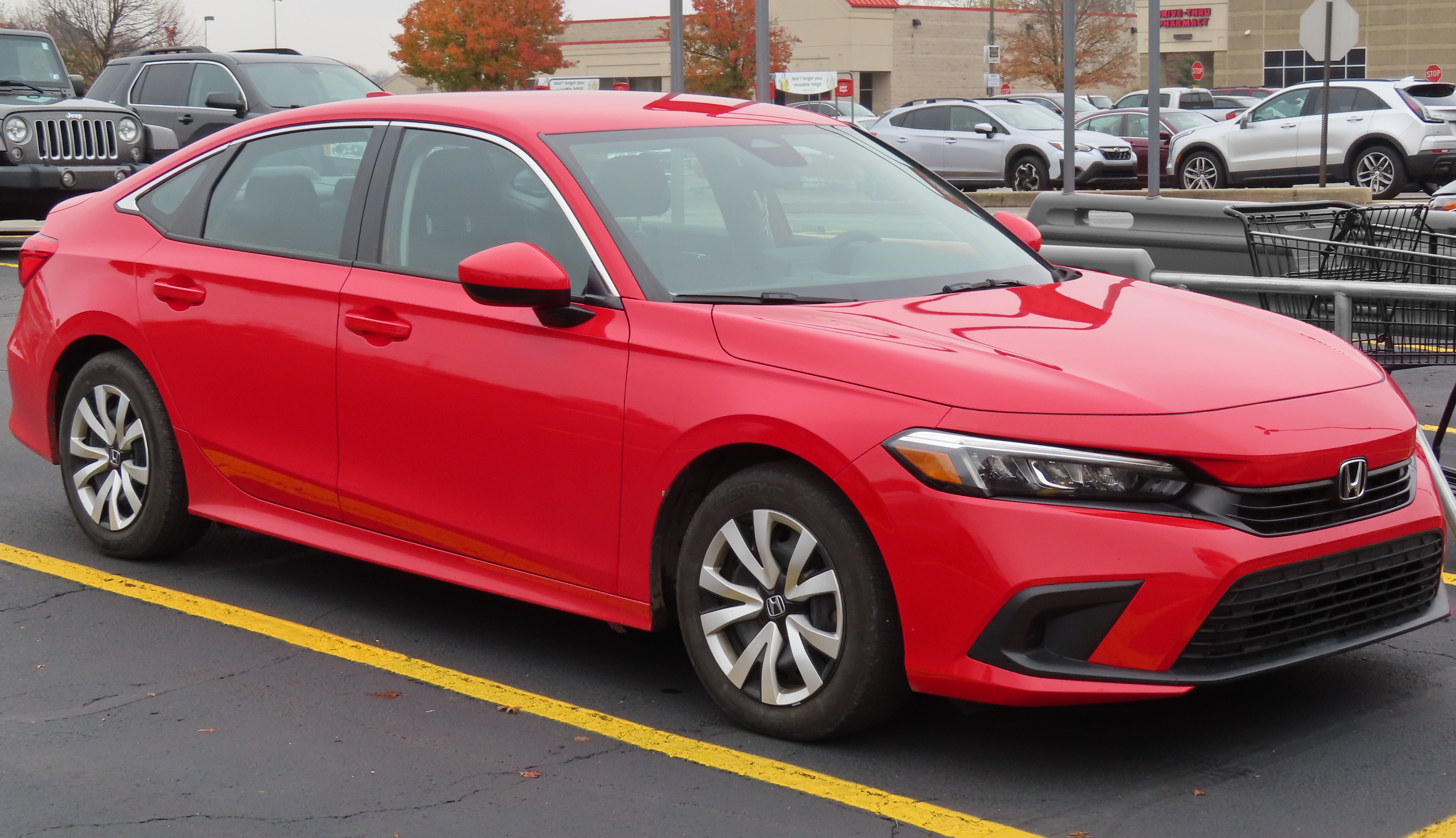
Honda Civic
"...my first car was a Civic I've owned a Honda Accord before I've also owned like a Camaro ZL1..."
The Honda Civic is a long-running compact car known for being practical, efficient, and relatively easy to live with. The host mentions it as their first car, framing it as part of their “civilian regular cars” background. It provides context for how they transitioned from mainstream ownership to performance BMWs.

Honda Accord
"...my first car was a Civic I've owned a Honda Accord before I've also owned like a Camaro ZL1..."
The Honda Accord is a midsize sedan/coupe line that’s typically chosen for comfort, reliability, and everyday usability. The host lists it among their prior “civilian regular cars,” emphasizing they’ve owned mainstream vehicles before performance-focused ones. This helps listeners understand the host’s baseline for what “daily drive” means.

Chevrolet Camaro
"...I've owned a Honda Accord before I've also owned like a Camaro ZL1 I've owned a Corvette..."
The Camaro ZL1 is a top-performance version of the Chevrolet Camaro. It’s meant to be fast and fun, not just a regular commuter. The host is mentioning it to show they’ve owned serious performance cars before.
The Chevrolet Camaro ZL1 is a high-performance trim known for strong power and track-capable hardware compared with regular Camaros. The host includes it in a list of “driver’s cars,” suggesting it was part of their performance experience. It’s a quick credibility marker for their enthusiast background.

Chevrolet Corvette
"...I've also owned like a Camaro ZL1 I've owned a Corvette I've owned a Civic Type R..."
The Chevrolet Corvette is a sports car built for performance and driving fun. The host is mentioning it as part of their past ownership of cars that are great on twisty roads. It’s context for their enthusiast preferences.
The Chevrolet Corvette is a long-running American sports car known for strong performance and a driver-focused feel. The host lists it among cars they’ve owned that are fun on mountain roads. It supports the theme that they still want enjoyment even when choosing a daily driver.
zero to 60 times
"...you're looking at zero to 60 times that pretty much match the f80 m3 of the last generation..."
Zero to 60 is how fast a car goes from stopped to 60 miles per hour. It’s a simple way to compare how quick different cars feel. The hosts are using it to show performance differences between BMW models.
“Zero to 60” is shorthand for how quickly a car accelerates from a standstill to 60 mph. It’s a common performance metric because it’s easy to compare across cars. In this episode, it’s used to argue that a mid-level BMW can match older M-car acceleration.

BMW M2
"...when it came to like me when I was like looking for a car honest truth I was actually saving up to buy an m2 I was gonna get an m2 manual..."
The BMW M2 is a compact BMW built for fun driving, and it’s often chosen by people who want something more “driver’s car” than a big sedan. The host wanted an M2 with a manual because it’s more engaging. But they realized it wouldn’t be practical for their everyday commute.
The BMW M2 is a smaller, more driver-focused performance coupe/compact sports car in BMW’s lineup. The host says they were saving up for an M2 manual, implying the appeal of a more engaging driving experience. They then explain why it didn’t fit their daily commuting needs in LA traffic.
Choosing a practical BMW for LA commuting
"...I was actually saving up to buy an m2... but... I needed a daily... in LA traffic... I need something that's going to be practical reliable decently fuel efficient..."
This segment focuses on how the host chooses a car based on real daily requirements—commute time, traffic, road-trip practicality, reliability, and fuel efficiency—while still wanting occasional canyon fun. It’s a decision-making framework rather than a technical deep dive. Listeners can apply the same thinking when shopping for an enthusiast-oriented daily driver.
manual
"...I was actually saving up to buy an m2 I was gonna get an m2 manual that was gonna be my thing and then I switched jobs..."
A “manual” transmission means the driver selects gears with a clutch pedal and gear shifter. Enthusiasts often prefer manuals for the direct control and engagement they provide. In this segment, the host contrasts that with the reality of LA traffic, where a manual can be tiring for daily commuting.
daily driver vs weekend fun car
"...a manual m2 is not going to be a car good car to road trip in and commute on a daily basis in LA traffic... so I was like I need something that's going to be practical reliable decently fuel efficient..."
This segment contrasts a “daily driver” (a car you rely on for commuting and errands) with a “weekend fun” car (something you enjoy more when conditions are right). The host’s decision is driven by practicality—traffic, road-trip comfort, reliability, and fuel efficiency—while still keeping a desire for canyon driving. It’s a common enthusiast trade-off: maximizing enjoyment without sacrificing everyday usability.
LA traffic commute
"...not going to be a car good car to road trip in and commute on a daily basis in LA traffic... I'm in the car two to five hours a day..."
The host uses LA traffic as a real-world constraint that affects what kind of car makes sense. Stop-and-go driving increases fatigue, makes clutch-based driving less appealing, and can change how you value comfort and efficiency. This is a practical lens for choosing between enthusiast cars and commuter-friendly cars.
Angeles Crest Highway canyon driving
"...I love going up in the canyon so this is angels crossed highway for those of you that don't know I still wanted to go..."
They mention Angeles Crest Highway, which is a twisty canyon road. They’re saying they still want a car that can handle that kind of driving for fun. It helps explain why they don’t want a purely boring commuter.
The host references Angeles Crest Highway as their preferred canyon route, using it to explain why they still want a car that can be fun even if it’s primarily a commuter. This is a “use case” that affects what matters—throttle response, steering feel, and overall composure on winding roads. It’s a helpful context for understanding their BMW choice.
N54
"...any like n54 right now is probably like screaming at me as I'm saying this..."
N54 is an older BMW turbo-six engine. The hosts are basically saying that older BMW engines like the N54 had more problems, which is why people worry—then they argue the newer engines are better.
The N54 is BMW’s older twin-turbo 3.0-liter inline-six (commonly discussed for its performance and known issues). The hosts contrast it with newer engines like the B58, implying that the N54 era had more reliability concerns.
B58
"...they're using the the b40 b58 s58 and now the new s68 across the entire lineup... honestly that b58 is used in so many models that if there were major issues you would you would hear..."
B58 is BMW’s name for a turbocharged six-cylinder engine. The point here is that BMW has kept refining it, and because it’s used in lots of cars, major problems would show up quickly.
The B58 is BMW’s modular 3.0-liter turbocharged inline-six engine family. The hosts discuss multiple “generations” of the B58 and argue that improvements over time have made it a strong, reliable platform used across many BMW models.
S58
"...they're using the the b40 b58 s58 and now the new s68 across the entire lineup..."
S58 is BMW’s “stronger” turbo six-cylinder engine used in sportier BMWs. The hosts mention it to say BMW’s newer engine lineup is generally dependable.
The S58 is BMW’s higher-output version of its turbo inline-six used in performance-oriented models. In the segment, it’s grouped with other newer BMW engines to support the idea that BMW’s current lineup uses modern, proven powertrains.
N55
"...if we ignore the n54 and 55 was before that these are great models..."
N55 is another older BMW turbo-six engine that came after the N54. The hosts are using it as a reference point to say the newer engines (like the B58) are where BMW’s reliability story is headed.
The N55 is BMW’s later single-turbo 3.0-liter inline-six that followed the N54. In this segment it’s mentioned as part of the “before” era, with the hosts arguing that the newer B58-based lineup is the better place to look for reliability.
mild hybrid
"...I mean yours has a mild hybrid I think yeah yeah because it was the the second generation b58..."
A mild hybrid is a car that has a small battery and electric assist, but it doesn’t usually drive like a full electric car. It helps the gas engine work more efficiently.
A mild hybrid uses a small electric motor and battery to assist the engine, improving efficiency and sometimes smoothing stop/start and acceleration. The hosts connect it to their specific B58-equipped BMW, highlighting how electrification is being layered onto modern engines.
port indirect injected
"...for 2025 and after this is that third generation b58... which BMW does a good job at like sneaking in pretty substantial updates... because now it's it's port indirect injected which is great because..."
Port (indirect) injection sprays fuel into the intake area instead of directly into the cylinder. The hosts are saying this can help reduce carbon buildup problems that some direct-injection engines can develop.
“Port indirect injection” means the fuel is injected into the intake port (indirectly into the combustion chamber) rather than directly into the cylinder. The hosts say this is beneficial because it can reduce issues associated with carbon buildup compared with some direct-injection setups.
oil blow by
"...which is great because for anyone who especially like any Volkswagen owners out there that knows about oil blow by that you can get in your engines and like carbon build up"
Oil blow-by is when small amounts of oil vapor get past the engine’s seals and end up where they shouldn’t. That can contribute to gunk and deposits over time.
Oil blow-by refers to engine gases (and sometimes oil mist) escaping past the piston rings into the crankcase and intake system. The hosts mention it as a known concern for some Volkswagen owners, using it to explain why injection changes matter for cleanliness and long-term operation.
carbon build up
"...that knows about oil blow by that you can get in your engines and like carbon build up"
Carbon buildup is gunk that forms inside the engine over time. It can hurt performance and make the engine less clean, so the hosts are saying BMW’s newer setup helps prevent it.
Carbon buildup is the accumulation of soot and deposits on intake valves, ports, or combustion surfaces. The hosts connect it to injection strategy and blow-by, arguing that newer BMW engine updates can help reduce the conditions that lead to heavy deposits.
direct injection
"from direct injection motors when you do port direct injection you kind of get rid of that issue [412.9s] so like long-term reliability is great and then when you're getting that type of fuel injection"
Direct injection means the fuel is sprayed straight into the engine’s cylinders. That can help the car use fuel more efficiently and sometimes makes more power too.
Direct injection is a fuel system where gasoline is sprayed directly into the combustion chamber instead of into the intake port. It can improve efficiency and help the engine make more power, especially when paired with good engine calibration.
Burger Motorsports
"you can also you can make more power um so again I was seeing like burger motors sports they did [421.7s] kind of their video showing the 2025 m340 and like just a simple tune and they're getting up to like"
Burger Motorsports is a company that makes performance tuning for BMWs. They’re mentioned here because they showed what a basic tune can do for power.
Burger Motorsports is an aftermarket tuning company known for BMW performance software and hardware. In the segment, they’re referenced as showing how a simple tune can unlock significant power on a BMW turbo engine.

BMW M340
"[421.7s] kind of their video showing the 2025 m340 and like just a simple tune and they're getting up to like [428.2s] 450 I think it was like 470 horsepower pretty easily"
The BMW M340i is a quick, sporty 3 Series with a turbo engine. The point being made is that BMW’s turbo setup can respond well to tuning for more power.
The BMW M340 (M340i) is a performance-oriented 3 Series with a turbocharged inline-six. The hosts reference a Burger Motorsports video claiming big gains from a relatively simple tune, illustrating how the B58 platform responds to calibration.
tune
"[421.7s] kind of their video showing the 2025 m340 and like just a simple tune and they're getting up to like [428.2s] 450 I think it was like 470 horsepower pretty easily um yeah so I mean it's it's that nice thing of"
A tune is a change to the car’s computer settings. It can make the engine run more aggressively (more power), but it should be done carefully by a reputable shop.
A tune is software calibration that changes how the engine and transmission operate—commonly adjusting boost, fueling, and timing. On modern turbo BMWs, tunes can improve power and sometimes efficiency, but they should be done with appropriate supporting checks to avoid stressing components.

BMW B58
"[439.7s] I mean the b58 what was it they introduced that that was actually the last generation I think it [444.7s] was the f30 the the 340 yeah no I think uh was what was that maybe the first one was the x3 m40"
The BMW B58 is BMW’s turbo inline-six engine. They’re saying it’s been around long enough to be proven and that it can be both reliable and fun.
The BMW B58 is a turbocharged inline-six engine family used across several BMW models. The hosts discuss it as a relatively recent, long-running design (they reference the F30 340 era and later applications), and they frame it as a reliable platform that still supports strong performance.
extended warranty
"I did buy an [485.6s] extended warranty with the car until like 80 000 miles bumper to bumper so I'm I'm still fine I'm [490.1s] covered"
An extended warranty is additional coverage beyond the factory warranty period, often covering major repairs for a set time or mileage. The host mentions buying bumper-to-bumper coverage up to 80,000 miles, which reduces financial risk from unexpected failures.
bumper-to-bumper
"[485.6s] extended warranty with the car until like 80 000 miles bumper to bumper so I'm I'm still fine I'm [490.1s] covered"
“Bumper-to-bumper” means the warranty covers a lot of the car, not only the engine and transmission. It’s meant to protect you from more types of repair bills.
Bumper-to-bumper is a warranty coverage style that typically includes most components of the vehicle, not just powertrain parts. It’s often used to describe broader protection for both mechanical and many non-powertrain systems.
check engine light
"[503.2s] every hundred times getting in car plate doesn't connect right away I haven't I had a check engine [509.1s] light for about 10 minutes once and then it fixed itself and I haven't seen it since"
The check engine light is a warning that the car’s computer noticed something it wants you to know about. Sometimes it’s serious, but sometimes it’s temporary and clears after the problem goes away.
The check engine light is the dashboard warning for emissions- or engine-related faults detected by the car’s onboard diagnostics. The host says it came on briefly and then went away, implying a temporary issue or a stored code that cleared.
all-season tires
"starting out when I was on all-season tires and they're [523.8s] they're pretty skinny they're like 225s all around which is actually skinnier than a Civic"
All-season tires are meant to work well year-round in a mix of weather. Tire width and rolling resistance can change how efficiently the car drives.
All-season tires are designed to balance everyday grip in dry, wet, and light snow conditions. The host notes they were using all-season tires that were relatively narrow, which can affect rolling resistance and therefore fuel economy.
hypermile
"you're not keeping up a traffic you're gonna get passed by everyone so I wasn't trying to hypermile like that's just 37 or 38mpg on all-season tires it's easy"
HyperMiling means driving to squeeze the most miles out of a tank of gas. It usually involves smooth driving and avoiding aggressive acceleration, so you can get higher MPG.
HyperMiling is driving in a way that maximizes fuel economy—often by avoiding hard acceleration, maintaining steady speeds, and using coasting where possible. It’s usually measured by MPG and can be very different from how a car is driven for performance or fun.
adaptive suspension
"how is the comfort on the suspension which which suspension do you have so yeah I do wish I had the adaptive suspension ... Porsche suspension yeah yeah because for 2025 that's a rough one"
Adaptive suspension is a system that can automatically change how stiff or soft the ride feels. It tries to keep the car comfortable on rough roads but more controlled when you drive harder.
Adaptive suspension uses electronically controlled dampers to change ride characteristics on the fly (for example, comfort vs sport). The goal is to balance comfort over bumps with reduced body motion during spirited driving.
comfort mode
"slightly stiffer than comfort mode is on the adaptive dampers but it's not also overly stiff ... I keep it in comfort mode when I can on the damper settings"
Comfort mode is the setting meant to make the car ride softer and smoother. In this discussion, they say it can help the car handle bumps better even if it allows a bit more corner lean.
Comfort mode is a driving setting that typically softens throttle response and—more importantly here—uses softer damper settings for a smoother ride. The speaker argues that on rough terrain, comfort mode can actually improve how the car deals with small bumps.
adaptive dampers
"one of my criticisms of BMW is in their adaptive dampers anytime like sport mode or sport plus it's I always feel like they they make it too stiff so the problem is is like on smooth pavement"
Adaptive dampers are shocks that can change their firmness. In a sport setting they usually feel tighter and reduce sway, but they can also make the ride harsher on bumpy roads.
Adaptive dampers are the electronically controlled shock absorbers that change damping force based on driving mode and conditions. When set to sport modes, they can reduce body roll but may feel harsher over rough pavement.
body roll
"it's great for helping reduce body roll but like honestly most of the times I've gone up in the canyons with any BMW I keep it in comfort mode"
Body roll is when the car leans outward in a corner. A stiffer suspension can reduce that lean, but it may make the ride feel less comfortable on rough roads.
Body roll is the car leaning to the outside of a turn due to suspension and weight transfer. Stiffer damping and anti-roll behavior can reduce body roll, but the tradeoff can be a firmer ride over bumps.
steel spring
"but yeah I'm on the steel springs unfortunately but that also means it's one last thing that potentially break on me so it's reliability is pretty good"
Steel springs are the normal coil springs that support the car. If you don’t have adaptive suspension, the ride can’t be electronically softened or firmed as much, and that can also mean fewer things to break.
Steel springs are the conventional coil springs used in most non-adaptive suspension setups. Compared to adaptive dampers, they generally don’t change stiffness electronically, which can mean fewer complexity points—though ride quality depends heavily on spring and damper tuning.
comfort vs sport damping gap
"so that gap that you mentioned they they always talk about this when I go and drive like a new car especially on an performance car they their feedback from customers is that they really want this gap to be wider"
They’re talking about how big the difference feels between the soft ride setting and the firm ride setting. Customers apparently want comfort to feel comfortable, and sport to feel noticeably more controlled.
The “gap” between comfort and sport refers to how different the ride feel is when switching damper settings. The speaker says customer feedback has pushed manufacturers to make that difference larger—so comfort feels truly comfortable and sport feels meaningfully tighter.
seats break in over time
"[754.9s] um because I've so maybe not not as much as a club I'm getting there um no it's I will say the [754.9s] good news is that the seats do kind of break in over time so they do start to get a little bit [758.8s] comfort but that was I think one of they have leather or leather or leather so yeah no not not"
Some car seats feel a little stiff at first. Over time, the material and padding can soften and shape themselves to how you sit, so they get more comfortable. That’s what the host means by “breaking in.”
The host mentions that the seats “break in” and become more comfortable as they’re used. This is a real-world effect with many leather or leather-like upholstery setups: materials soften slightly and the foam/bolsters conform to your body. It’s especially relevant for daily driving because comfort can improve after the initial adjustment period.
leather
"[758.8s] comfort but that was I think one of they have leather or leather or leather so yeah no not not [765.2s] really I love how they put that name because they make it anyone who wouldn't know the difference"
Leather is the material covering the seats. It usually feels nicer than cloth and can get more comfortable as it softens a bit with use. The speaker is saying their leather seats still look great after lots of driving.
“Leather” here refers to the seat upholstery material, which affects feel, durability, and how quickly the seat conforms to you. Leather typically offers a more premium touch than cloth and can become more comfortable as it warms and breaks in. The host also notes that the seats look durable even after heavy daily use.
Civic Type R
"actually when I had my Civic Type R those seats [806.4s] are notorious for being like incredibly comfortable um and I I did a cannibal run in that so I drove"
The Civic Type R is a hot hatch from Honda. People often think of it as a track car, but the seats can still be comfy enough for very long drives.
The Honda Civic Type R is known for sporty, supportive front seats that can feel surprisingly comfortable for long drives. In this segment, the host uses it as a benchmark for how well seats hold up over cross-country trips.
cross-country driving
"I've I've done a lot of cross-country driving um actually when I had my Civic Type R those seats"
Cross-country driving just means a long road trip across the country. It’s a good way to tell if the seats and driving position are comfortable for hours.
Cross-country driving is a real-world test of comfort and ergonomics, especially seat cushioning, lumbar support, and how fatigue builds over time. The hosts are using long-distance trips to judge whether BMW seat designs are truly livable.
Portimão track discussion (F1 testing circuit)
"is in my archive from Portimao there was a launch it's a it's an F1 track they they use it for F1 testing in southern Portugal amazing with elevations and blind corner"
Portimão is a famous race track in Portugal. It’s tricky because the track has big elevation changes and some corners you can’t see well until you’re close.
Portimão is a well-known road course in Portugal that’s used for high-level motorsport testing, including Formula 1 activities. The hosts highlight features like elevation changes and blind corners that make it a demanding place to evaluate a car’s balance and driver confidence.
oil change
"...what's crazy is again I I just had an oil changer recently and I'll swap between a local shop which can do it for cheaper... I did get a full inspection everything my last oil change at the dealership..."
An oil change is when you replace the engine oil so the engine stays lubricated. It’s also a good time for a shop to check other wear items, like brakes.
An oil change is routine maintenance that keeps the engine lubricated and helps remove contaminants. The segment ties it to dealership vs local shop costs and mentions that a full inspection was done during the last oil change, which is relevant to how owners monitor wear items like brakes.
brake fluid
"...so I'm probably gonna upgrade brake pads and brake fluid but then once I do that and then I get some new tires I'm looking at those new continental..."
Brake fluid is what helps your brake pedal actually squeeze the brakes. If it’s old, it can get less effective—especially when you drive hard—so fresh fluid can help the brakes feel consistent.
Brake fluid is the hydraulic fluid that transfers pedal force to the brake calipers. On track or aggressive driving, older or moisture-contaminated brake fluid can boil sooner, leading to softer pedal feel and longer stopping distances.
Continental extreme contact O2s
"...I'm looking at those new continental um stream contact O2s then I yeah we could talk about yeah I think we can make it happen... which Conti tire you were thinking about like a performance tire or an all season yeah the extreme contact O2s..."
Continental ExtremeContact tires are performance-oriented street tires, and the “O2s” naming refers to a specific model within that line. Tire choice strongly affects steering feel, grip level, noise, and how quickly the tread wears—so swapping tires can change the car’s character even if the car is otherwise unchanged.
track days shave tires
"...honestly before you swap the tires maybe you find one of those local track days and take your car on it and just you know completely shave the tires on your car and then we can put the new Contis on it..."
Track days are harder on tires than normal driving. If you drive on a track first, you can wear down the tread quickly, so some people wait to install new tires until after they’ve done the track event.
A track day is a controlled driving event where tires experience much higher sustained loads than typical street driving. Because of that, performance tires can wear quickly (“shave” tread) during a track day, so people often plan tire swaps around events to get the most out of fresh rubber.
300 treadwear
"...I think that's like the 300 treadwear category tire they have it's kind of comparable to the last few sets of tires that I've had..."
Treadwear is a number that gives a rough idea of how long a tire might last. A 300 treadwear tire usually aims for a balance of grip and life—more grip than super-long-life tires, but not as short-lived as track-only tires.
“Treadwear” is part of the UTQG tire rating system, where a higher number generally indicates slower tread wear under standardized testing. A “300 treadwear” tire is typically more performance-focused than long-life touring tires, but it should still last longer than very soft track tires.
Michelin Pilot PS4
"...right now I'm on mission pilot uh what is it PS4 and then prior to that I was on those bridge stones..."
The Michelin Pilot Sport PS4 is a performance tire. People often compare it to other tires because it can change how grippy and how noisy the car feels.
Michelin Pilot Sport PS4 is a popular performance street tire known for strong grip and predictable handling. Comparing PS4s to other brands/models is a common way to evaluate changes in noise, wear, and how the car “feels” in daily driving and spirited cornering.
Bridgestone Potenza sports
"...and then prior to that I was on those bridge stones uh the Potenza sports the new ones and they're great uh like I said it's kind of fun comparing tires... those bridge stones were a little bit noisy um they didn't last as long but there was so much grip"
These are Bridgestone performance tires. The speaker says they had a lot of grip, but they were louder and wore out faster than the tires they’re comparing against.
Bridgestone Potenza Sport tires are performance tires aimed at higher grip and sporty response. In the segment, the host notes they were grippy but also noisy and didn’t last as long, which highlights the tradeoff between traction and tread life.
PS4s
"...it does have those downsides when it comes to comfort PS4s are just still kind of one of the best all-around tires but they are old there are better options out there..."
PS4s are a popular brand/model of performance tires. They’re designed to grip well and still feel decent for everyday driving, not just track use.
“PS4s” refers to the Michelin Pilot Sport 4 tire line. It’s known as a strong all-around performance street tire, balancing grip, ride comfort, and longevity for daily driving.
cross-country trip
"okay I want to know more about the cross-country trip Sean like uh uh you put so many miles on that car..."
A cross-country trip is a useful real-world test of a daily driver because it stresses tires, brakes, cooling, and driver comfort over long distances. It also highlights how well a car handles repeated highway cruising and changing conditions.
pre-owned
"...I've had an e46 m3 now for 16 years wow I bought it in 2010 pre-owned um I bought it in 2010 pre-owned..."
Pre-owned just means used. With older performance cars, buying used can be a great deal, but you want to make sure it was maintained well.
Buying pre-owned means purchasing a used car rather than a new one. For enthusiast cars like the E46 M3, buying used can dramatically change price and availability, and it often means the car’s maintenance history matters a lot.
competition package
"...I was looking to purchase one and they're all about you know mid to low 30s um I wanted like the competition package blue like I was looking for the certain one..."
The Competition Package is an option BMW offered that adds extra performance or track-oriented features. The host wanted that specific setup when they were looking for the right M3.
The “competition package” is a factory option/trim package on some BMW M3 variants that typically adds performance-focused equipment. The host is saying they specifically wanted the Competition Package when shopping for their E46 M3.
steel gray over cinnamon
"...it's 23 I can't pass that deal up so uh it's steel gray over cinnamon um which"
That phrase is the car’s color combo—what the outside looks like and what the inside looks like. Enthusiasts often care a lot about matching color choices.
“Steel gray over cinnamon” describes a specific exterior color paired with an interior color scheme. Color combinations matter to many enthusiasts because they affect resale appeal and how the car feels day-to-day.
garage queen
"yeah like I said I got 16 years now um and unfortunately for the last oh my gosh almost almost 10 now it's been a garage queen unfortunately it's turned into a garage queen"
A “garage queen” is a car you mostly keep in the garage instead of driving every day. It’s usually maintained to stay looking great, even if it’s not used much.
A “garage queen” is a car that’s kept mostly for looks or occasional use rather than being driven regularly. Owners often do maintenance and detailing to preserve condition, but the car may spend long stretches parked.
belts and pulleys
"so in the last year I've uh I went through and replaced all the belts and pulleys on it um"
Belts and pulleys help run important engine accessories. If they get worn or start slipping, the car can lose charging or other functions, so replacing them is preventative maintenance.
Belts and pulleys are part of the engine accessory drive that powers components like the alternator and sometimes the water pump (depending on the design). Replacing them proactively can prevent belt failure and reduce the chance of getting stranded.
BFG Phenom
"I've put brand new uh bfg phenoms on there so there's got new tires uh"
This sounds like they put new BFGoodrich tires on the car. New tires can make the car feel safer and more responsive, and they can also improve comfort and noise.
“BFG Phenom” appears to refer to BFGoodrich tires (BFGoodrich is commonly abbreviated as BFG). Tires are a major part of daily-drive feel—tread pattern, compound, and size affect grip, noise, and ride comfort.
spark plugs
"pretty much completely as much as possible spark plugs ignition wires uh just trying to make it as fresh and as new as possible um"
Spark plugs help the engine start and run smoothly by igniting the fuel. If they’re old, the car can run rough or misfire, so replacing them helps restore performance.
Spark plugs ignite the air-fuel mixture in the engine. Worn plugs can cause misfires, rough running, and reduced fuel economy, so replacing them is part of refreshing an older car.
ignition wires
"pretty much completely as much as possible spark plugs ignition wires uh just trying to make it as fresh and as new as possible um"
Ignition wires send electricity to the spark plugs. If they’re worn out, the spark can be weak or inconsistent, which can make the engine run poorly.
Ignition wires (or ignition leads) deliver high voltage from the ignition system to the spark plugs. Old wires can cause weak spark, misfires, and hard starting—especially as heat and age degrade insulation.
diff bushings
"I did find out that uh most of the uh the bushings unfortunately but the diff bushings and the control arm bushings are all shot and uh kind of uh flaking away so uh got that that's the last thing to replace"
Diff bushings help hold the rear differential in place. If they’re worn out, you can get more vibration or noise from the drivetrain.
Differential (diff) bushings isolate and locate the rear differential while allowing controlled movement. When they fail, driveline vibrations and clunks can increase, and the car can feel less tight under acceleration and braking.
control arm bushings
"but the diff bushings and the control arm bushings are all shot and uh kind of uh flaking away"
Control arm bushings are rubber parts that help the suspension move smoothly. If they wear out, the car can feel less precise and may make clunking or vibration noises.
Control arm bushings connect the control arms to the chassis and allow small movement while keeping alignment stable. When they’re “shot,” handling can feel sloppy, and you may get uneven tire wear or more suspension noise.

e46
"...and I think that's why a lot of people now lean towards that e92 with the v8 it's got that that grunt and power and feel the e46 though when I first got it..."
They’re talking about a BMW 3 Series from the E46 generation. They like it because the inline-six feels smooth and responsive, and the car’s behavior is easy to predict when you drive it.
The speaker is praising the BMW 3 Series E46, specifically highlighting its inline-six engine feel and how predictable it is to drive. They describe the car as highly communicative—meaning the steering, throttle, and chassis feedback let the driver understand what the car is doing without surprises.
inline six
"...and the the inline six of that that car is just amazing too it just sounds great has great torque torque band throughout..."
An “inline six” is an engine with six cylinders lined up in a row. People like it because it usually runs smoothly and can feel strong across a wide range of engine speeds.
“Inline six” refers to an engine layout where all six cylinders are in a single straight line. BMW’s inline-six engines are known for smoothness and a broad torque feel, which is why the speaker says it has great torque throughout the rev range.
torque band
"...has great torque torque band throughout um especially when you get into the higher ups it's fantastic..."
“Torque band” means the part of the rev range where the engine feels strong. If it’s wide, the car pulls well without needing to constantly keep the engine at one exact RPM.
A “torque band” is the range of engine RPM where the engine produces useful torque. The speaker is saying the BMW’s inline-six delivers strong pull across a wide RPM range, especially as you rev higher.
short shifter
"...and but the only real thing I've done is changed to a short shifter because the throws were really long..."
A short shifter makes the gear lever move less distance to get into each gear. That can make shifting feel faster and more precise.
A short shifter reduces the distance and/or travel between gear positions, making shifts feel quicker and more direct. The speaker mentions the stock shifter throws were long, so the short shifter is a driver-feel modification rather than a performance-power change.
vf superchargers
"...that was the car to modify right people are taking and putting vf superchargers on them and stuff and everyone just started having problems..."
“VF superchargers” refers to a supercharger system sold by VF Engineering, a common aftermarket forced-induction brand. The speaker claims that when people added VF superchargers to these cars, reliability and drivability issues increased, making the setup “temperamental.”
temperamental
"...and it was just like it became temperamental and it's like you just took like the one of the best naturally aspirated inline six vehicles and just made it temperamental..."
“Temperamental” means the car can be unpredictable—sometimes it feels great, other times it doesn’t. The speaker is saying the modded setup didn’t work together as a smooth package.
“Temperamental” describes a car that doesn’t behave consistently—often meaning it can be finicky about tuning, heat, fueling, or how the power is delivered. In this context, the speaker is criticizing forced-induction modifications that made the previously predictable naturally aspirated inline-six feel peaky and less cohesive.
heavy clutch
"...just sitting there rowing the gears and on a heavy clutch it's just it's not fun so it's like a lot of effort to get out to enjoy it..."
A heavy clutch means the pedal is harder to press. In traffic, that gets annoying because you have to use it a lot while shifting.
A “heavy clutch” means the clutch pedal requires more force than average, which can make stop-and-go driving tiring. It’s especially noticeable when you’re “rowing the gears,” because you’re constantly working the clutch and shifter.
values go up
"...there's a you know you just watch those values go up and up and up and I've had it for so long..."
The hosts are talking about collectible-car appreciation—how certain BMWs can increase in market value over time. This is a common reason owners hesitate to sell, especially when they believe demand will keep rising as the cars become rarer or more desirable.
depreciation vs appreciation (market values)
"...watch those values go up and up and up... there's that that alternate side it's just like yeah I could sell it for 40 or 50 grand right now..."
They’re weighing whether to keep an older car because it might be worth more later, or sell it and buy something newer. The car’s price in the market affects what makes sense to do.
This segment contrasts keeping a car long-term because its market value may rise, versus selling it to fund a newer alternative. It’s essentially a discussion of how collector-car economics influence ownership decisions.
eV
"...especially in a world where maybe it's gonna become even more eV than now today I I think like this cars..."
They’re talking about electric cars (EVs). The point is that as EVs become more common, older gas cars can start to feel more special.
“eV” here is shorthand for electric vehicles, reflecting the idea that the automotive world is shifting toward EVs. The hosts connect that shift to why older performance cars may become even more desirable as alternatives change.
Amelia Island
"...I don't need e46 m3 it's got a really really cool design is that at all school I saw the one in Amelia Island and I absolutely loved it..."
Amelia Island is a big classic-car event where people show off cars and collectors bring special vehicles. Seeing a car there can make it feel even more impressive.
Amelia Island is a well-known concours and classic-car event in Florida that draws collectors, enthusiasts, and media. Mentioning it signals that the speaker saw an E46 M3 in a high-quality setting, which can strongly influence how people perceive a car’s design and presence.
$23,000
"...like honestly I don't know man like it's it's it was $23,000 you know I know yeah I looked out with it..."
They mention they paid about $23,000, which is meant to show the car’s cost and how that compares to what it might be worth now. It’s part of the “is it worth keeping?” conversation.
The speaker references a purchase price of $23,000, using it to emphasize how affordable the car felt at the time and how that context matters when comparing today’s values. While it’s a specific number, it supports the broader theme of ownership cost and value retention.
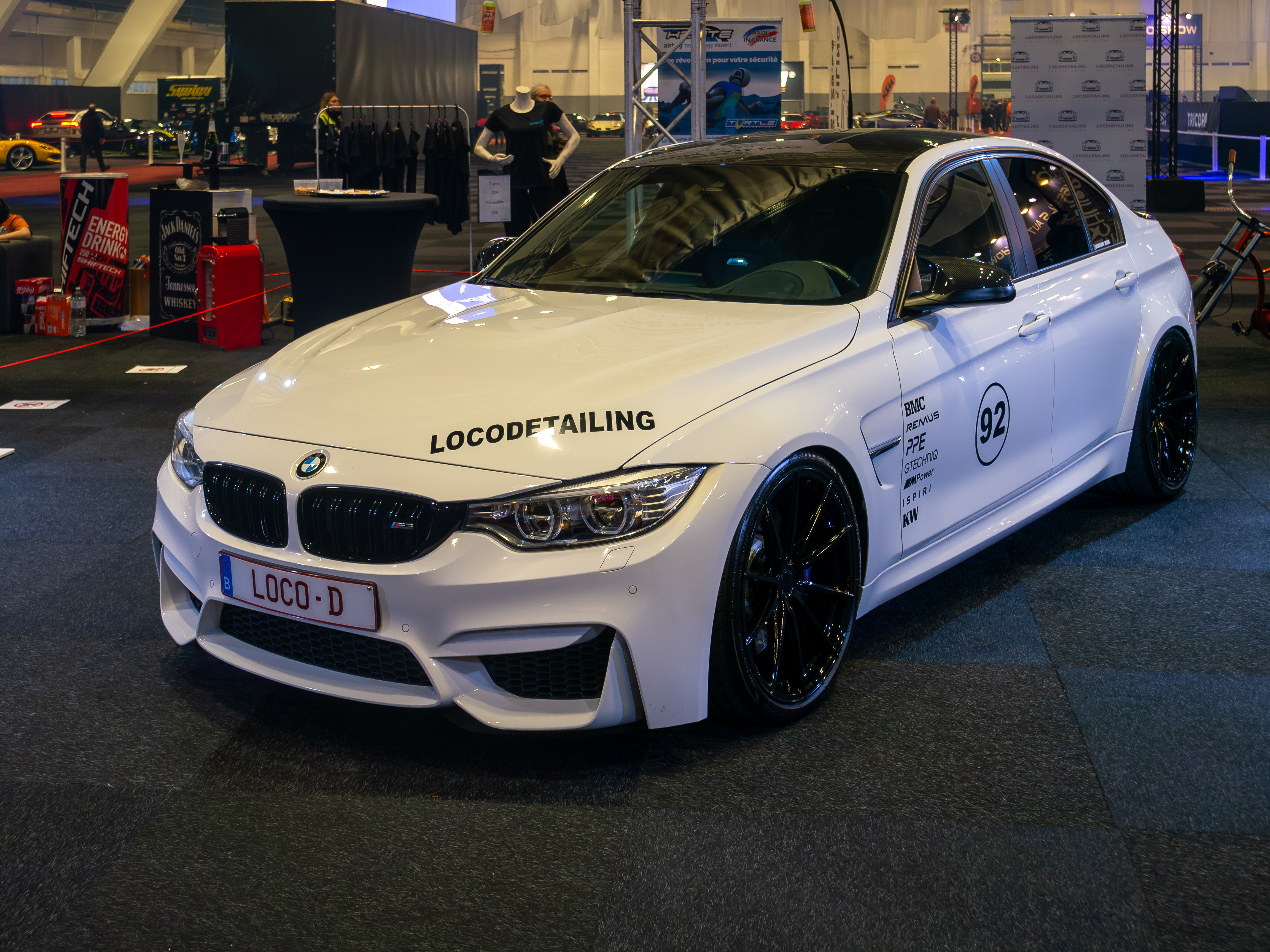
E46 M3
"I would I would only I would only replace the e46 m3 you know selfishly with like an m2cs like"
The BMW E46 M3 is the 3 Series-based M3 generation from the early-to-mid 2000s, known for its analog driving feel and enthusiast reputation. Here, the host says they would only replace an E46 M3 with a specific newer M car, making it the baseline “what I own/daily drove” reference. It’s also a useful anchor for comparing generations and what people value.
Daily driver vs weekend/track use
"but no it's just you know you just get it's for me it's like that was my daily for so long when I lived in San Diego and now to not need to drive hardly ever..."
They’re talking about how a car feels different when you drive it every day versus only sometimes. They also mention weather and road conditions—like not driving it in the rain—to keep the experience enjoyable. It’s basically about using the car in a way that fits your lifestyle.
The hosts discuss how their ownership experience changes when a car is used as a daily driver versus only for special outings. They mention not driving it much anymore, then talk about enjoying it on nicer roads and avoiding rain. This is a practical concept for listeners: matching the car’s strengths (and maintenance needs) to real life.
Brake rotors
"we're already gone through all the uh uh external engine pieces... I need to do uh the rotors since they've been sitting are a little rusted so I need to go get them resurfaced"
Brake rotors are the discs the brake pads clamp onto to slow the car. The hosts mention the rotors have rusted from sitting and that they plan to resurface them, which is a common maintenance step after long storage. This is relevant to ownership because it affects braking feel and can indicate how the car was stored.
Griots
"as I go through all this we'll post some stories up as we get updated on on it I want to take it down to like I have griots griots however you [1831.7s] say that I never really fully know who's local I'd love to go down there and have them completely detail it"
This is a detailing company/brand. They make car-care products and also do services, and the idea here is to get the car cleaned and finished so it looks “like new.”
“Griots” is almost certainly Griot’s Garage, a well-known detailing brand and retailer. The hosts are talking about having a shop do a full paint/finish detail so the car looks like it did when new.
mirror like shine
"because it's just been like I said sitting it'd be really cool to have uh to see [1847.4s] how they go through and do their full detail process I think that'd be really cool to bring that back [1842.5s] to it's it's you know mirror like shine"
“Mirror like shine” refers to a high-gloss paint finish achieved through proper washing, decontamination, polishing, and protection. It’s a common detailing goal because it makes the paint reflect light sharply and hides minor surface imperfections.
dry ice clean off
"I want to go get the underside dry iced clean off all [1859.0s] that because like I said I only drive it in nice weather now so let's let's clean off all that gunk let's make it shine"
Dry ice blasting uses frozen pellets to knock off dirt. It’s a way to clean the underside and other grimy spots without using a lot of harsh chemicals or heavy scrubbing.
Dry ice blasting is a cleaning method that uses pellets of frozen carbon dioxide to remove grime without soaking or scrubbing. In detailing, it’s often used for areas like the underside to lift dirt and buildup while being gentler than some harsher methods.
precision sport industries
"I finally got it back from uh [1901.9s] from precision sport industries in Orlando shown as his team they've done a fantastic job on the car"
This is a BMW performance shop. The host is saying they had the car worked on there and it came back looking/feeling right again.
Precision Sport Industries (PSI) is an aftermarket performance shop known for BMW work. The host credits PSI for doing the work that brought the car back to a better baseline (in this case, returning it toward stock).
ampere from a steering wheel
"going back to stock so I even you know took out the ampere from a steering wheel and now I have [1921.8s] the stock one you know even though it's got a little scratch your butt"
They’re talking about swapping a steering-wheel piece. The goal is to remove an aftermarket part and put the original factory one back on.
“Ampere” here is almost certainly a mis-transcription of a steering-wheel-related accessory or trim (commonly an “Amp”/“Ampere” branding or a specific wheel/trim piece). The key point is that the host removed an aftermarket steering-wheel item and installed the stock steering wheel/part instead.
full exhaust
"took out the uh the [1927.7s] full exhaust that I had for my Zen one which is like a racing exhaust and it sounded crazy"
A full exhaust is the whole system that controls how the car sounds and flows. They removed the louder setup and went back toward the quieter factory configuration.
A “full exhaust” typically means replacing more than just the muffler—often including mid-pipes and/or headers back to the tail section. The host says they removed a racing-style full exhaust because it was too loud for daily driving.
slip on
"and and and I put in a crop of it just slip on which sounds nice just slightly better than the [1942.2s] stock I mean not slightly better better than than than the stopper not as loud as the other one"
A slip-on is a smaller exhaust upgrade, usually just the muffler/tail section. It’s meant to give a nicer sound without changing everything or getting too loud.
A “slip-on” exhaust is typically an aftermarket muffler or tip that installs onto the existing exhaust system without replacing the entire system. The host describes it as a compromise: better sound than stock, but not as loud as the full racing exhaust.
enclosed transporting high-end cars
"...I worked locally with a with a with a big car company... a transport car company they do a fantastic job they're like enclosed and they're very good about transporting like high-end cars..."
Enclosed transport protects vehicles from weather and road debris, which is especially valuable for high-end or enthusiast cars. It reduces the risk of cosmetic damage during shipping and can be part of a “careful ownership” approach. The host credits the transport company with doing a good job delivering the car safely.
charge pipe
"...the first thing that happened the charge pipe blew up like literally he drove the car... uh that like the day that I got the time... it's a plastic piece and apparently happens a few times if you own the car... supposed to replace it with an aftermarket one... made out of metal..."
On turbo cars, the engine uses a compressor to push air in under pressure. The charge pipe is one of the tubes that carries that pressurized air—if it cracks or bursts, the car can lose boost and run poorly (or stop).
A charge pipe is part of the boosted-air plumbing on turbocharged engines. It carries pressurized air from the turbo/intercooler toward the intake, and if it fails you can get boost leaks or even a sudden rupture. In this segment, the host says the charge pipe is a plastic piece that can blow up more than once on their car.
replace it with an aftermarket one made out of metal
"...initially we're supposed to replace it with an aftermarket one that's uh that's made out of metal but then we decided to just go stock again... let's put it all just all back to stock..."
Sometimes the original part is made from a material that doesn’t hold up well. An aftermarket metal version can be stronger, so people swap to it to prevent the same failure again. In this case, they ended up choosing to return to the factory setup instead.
This is a common upgrade path: swapping a failure-prone factory component for an aftermarket version with different materials (here, metal). The idea is to improve durability and reduce the chance of repeat failures. The host also contrasts this with their decision to go back to stock after the initial plan.
go stock again
"...initially we're supposed to replace it with an aftermarket one that's uh that's made out of metal but then we decided to just go stock again I guess let's put it all just all back to stock..."
“Go stock” means reverting the car back to factory-original parts and specifications rather than keeping aftermarket upgrades. Owners often do this for reliability, fitment, resale value, or to match how the car was engineered. The host explicitly says they decided to replace the issue and then return everything to stock.
differential
"...I had an issue with the uh with the differential so for some reason it was noisy and leaking a little bit so we we fixed that as well..."
The differential is what lets the two driven wheels turn at different speeds—like when you’re cornering. If it starts making noise or leaking fluid, it usually means something inside or a seal isn’t right and should be repaired.
The differential is the gearbox component that allows the drive wheels to rotate at different speeds while still receiving power. When it gets noisy or leaks, it often points to wear or a seal/gasket issue that needs attention. Here, the host mentions a noisy, slightly leaking differential that was fixed.
restoration to their original condition
"...he's done a fantastic maintenance job on it where basically he looked at every little detail you know like we're talking about underbody engine gaps window trims and all of it and he literally did like a restoration on it..."
The host describes a restoration-style approach: not just fixing a specific failure, but returning the car’s details to original condition (fitment, trim alignment, and visual details). This is especially relevant for enthusiast cars where presentation and originality matter. They contrast this with typical shops that only address the immediate problem.
underbody engine gaps
"...he looked at every little detail you know like we're talking about underbody engine gaps window trims and all of it..."
“Underbody engine gaps” refers to the spacing and alignment between undertray/underbody panels and nearby bodywork around the engine bay area. Proper gaps can affect airflow, protection from debris, and overall fit-and-finish. The host uses it as an example of the shop’s meticulous, restoration-level attention to detail.
window trims
"...underbody engine gaps window trims and all of it and he literally did like a restoration on it..."
Window trim is the exterior molding around the side windows. It’s often sensitive to fitment during repairs, and poor alignment can indicate rushed work or incomplete reassembly. The host cites it as part of the restoration-level detail the shop performed.
We Daily Drive BMWs - Here's What We Actually Own
"...it's not a daily driver... daily driving means I don't drive too much... that's my... daily driver in a way the fun car..."
This segment is part of a broader discussion about what it means to daily drive BMWs and how owners balance enjoyment with protecting special cars. The hosts talk about their own ownership choices, including whether they’d sell certain models and how they manage wear and appearance. It functions as a “real-world ownership” topic within the episode.

BMW 1M
"...it's been only mine... Helmut told me... do not sell that car that's gonna be absolutely future classic... even better than the e30 m3... imagine this... concord in 20 30 years from now the 1ms will be the one car..."
The BMW 1M is a rare BMW made for driving enthusiasts. The host is saying it’s the kind of car people will want more over time, so they’re hesitant to sell it. They also talk about how it’s fun to drive even if it’s not a typical daily commuter.
The BMW 1M is a special, limited-production BMW M car built for enthusiasts, known for its sharp steering and engaging driving feel. In this segment, the host treats it as a “future classic” and discusses why it’s worth keeping rather than selling. They also compare its long-term value and desirability to other BMW M models.
future classic
"...Helmut told me... do not sell that car that's gonna be absolutely future classic..."
“Future classic” is a collector-market idea: a car that may appreciate in value and become highly sought after due to rarity, reputation, and condition. The host relays advice from BMW Classic leadership that the BMW 1M will be especially desirable because there aren’t many of them. This segment connects usage decisions (daily driving vs preserving) to long-term collectability.
PPF
"...I got over the fear of daily driving it... rock chips... and I haven't ppf the car like an ocean that you did yours but I haven't ppf mine..."
PPF (paint protection film) is a clear protective layer applied to a car’s paint to reduce damage from road debris, rock chips, and minor scratches. The host contrasts not having PPF with another person’s approach, implying PPF can help preserve a car’s appearance—especially important for cars that people want to keep long-term. This ties directly into their fear of daily-driving damage.
ceramic coating
"...I haven't ppf mine it's only uh ceramic coating so I don't know if it's worth doing it now..."
Ceramic coating is a liquid-applied protective layer that bonds to paint to improve chemical resistance and make the surface easier to clean. In the segment, the host says they’ve used ceramic coating instead of PPF, suggesting they’re relying on it for protection but aren’t sure it’s equivalent for rock-chip and abrasion resistance. It’s a common enthusiast debate: coating vs film.

BMW iX
"...with BMW USA I'm probably gonna swap the IX for an m5 touring for a few months..."
The BMW iX is BMW’s fully electric SUV. The speaker is saying they might swap it for a short time to try something very different, so it’s a real-life comparison between an EV SUV and a fast gas wagon.
The BMW iX is BMW’s electric SUV (an EV) built on BMW’s EV platform. In the segment, the host talks about swapping it out temporarily, which highlights how EV ownership can be compared to a performance wagon like the M5 Touring.
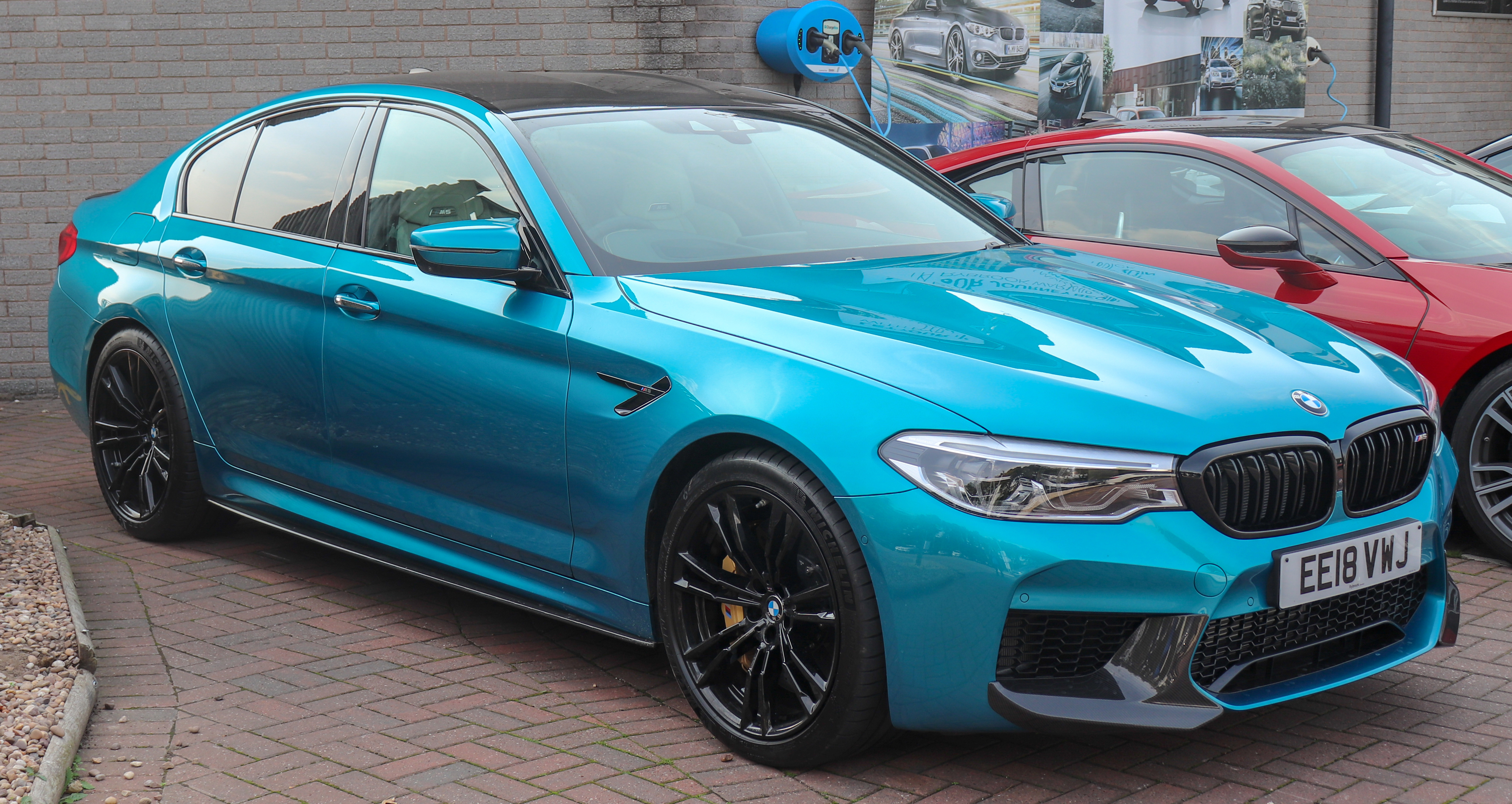
BMW M5 Touring
"...swap the IX for an m5 touring for a few months to kind of see you..."
The BMW M5 Touring is the high-performance M5 sedan in wagon form, typically paired with BMW’s performance-focused powertrain and chassis tuning. Here it’s framed as a temporary swap from an SUV to see what daily life is like with a different body style and driving character.
Request an Explanation
Heard something you'd like explained? We'll add it to this episode.
Sign in to request explanations for terms you heard.
Want to learn more?
Browse our glossary for plain-English explanations of automotive terms, jargon, and concepts.
Help improve this episode
See something that's not quite right? Our annotations are AI-generated and can sometimes miss the mark. Click the flag icon on any annotation to suggest a correction.
5 community members have helped improve this episode.