A hot rod is a car that has been changed to make it faster and more powerful. People often customize these cars to improve their speed and performance, and they are a big part of car culture in America.
The Mustang is a famous car made by Ford that is known for being sporty and powerful. It has been popular in America for many years and is often associated with car enthusiasts.
Edelbrock makes parts that help cars go faster and perform better. They are popular among car enthusiasts who want to upgrade their vehicles.
Car
Ford Flathead
The Ford Flathead is a famous engine that was used in many cars from the 1930s to the early 1950s. It's known for its unique design and is popular among car enthusiasts.
The Flathead V8 is a type of engine made by Ford that was used in cars for many years. It was known for being easy to work on and not too expensive, which made it popular among car buyers.
The Flathead Ford is an old type of engine made by Ford that was popular in cars from the 1930s to the 1950s. It's known for its unique design and is a classic in car history.
Car
De Tomaso Pantera
The Pantera is a sports car made by De Tomaso, combining Italian style with a powerful American engine.
The Ford Ranger is a smaller truck that can carry things in its bed and drive on rough roads. It's a good choice for people who want a vehicle that can handle both everyday tasks and outdoor adventures.
The Bentley Azure is a fancy car that you can drive with the top down. It's very luxurious and comfortable, perfect for people who want to enjoy a stylish ride.
A naturally aspirated engine gets air from the atmosphere without any extra help from devices like turbos or superchargers. This makes it simpler and gives it a unique sound.
A turbo is a part that helps an engine get more power by using the exhaust gases to push more air into it. It can make the engine faster but also adds some extra parts that need care.
'Under the hood' means looking at the engine and parts of the car that are not visible from the outside. It's where all the important machinery is located.
Highland Green is a special color for cars, especially known for being used on a famous Mustang in a movie. It's a color that many car fans recognize and appreciate.
The Bullitt car is a famous Mustang from a movie where Steve McQueen drove it in a thrilling chase. It's well-loved by car fans for its speed and style.
The Ford F-150 Lightning is a special version of the F-150 truck that is built for speed and performance. The 1993 model is one of the earlier versions that many enthusiasts love.
The Ford GT40 is a super-fast race car that was built to win big races. It's known for its cool looks and powerful engine, making it a dream car for many car enthusiasts.
GT40 heads are special parts for the Ford 351 engine that help it breathe better and make more power. They are better than the regular heads that come with the engine.
17-inch wheels are the size of the wheels on the truck. Bigger wheels can make a vehicle look nicer and help it drive better, but they might make the ride bumpier.
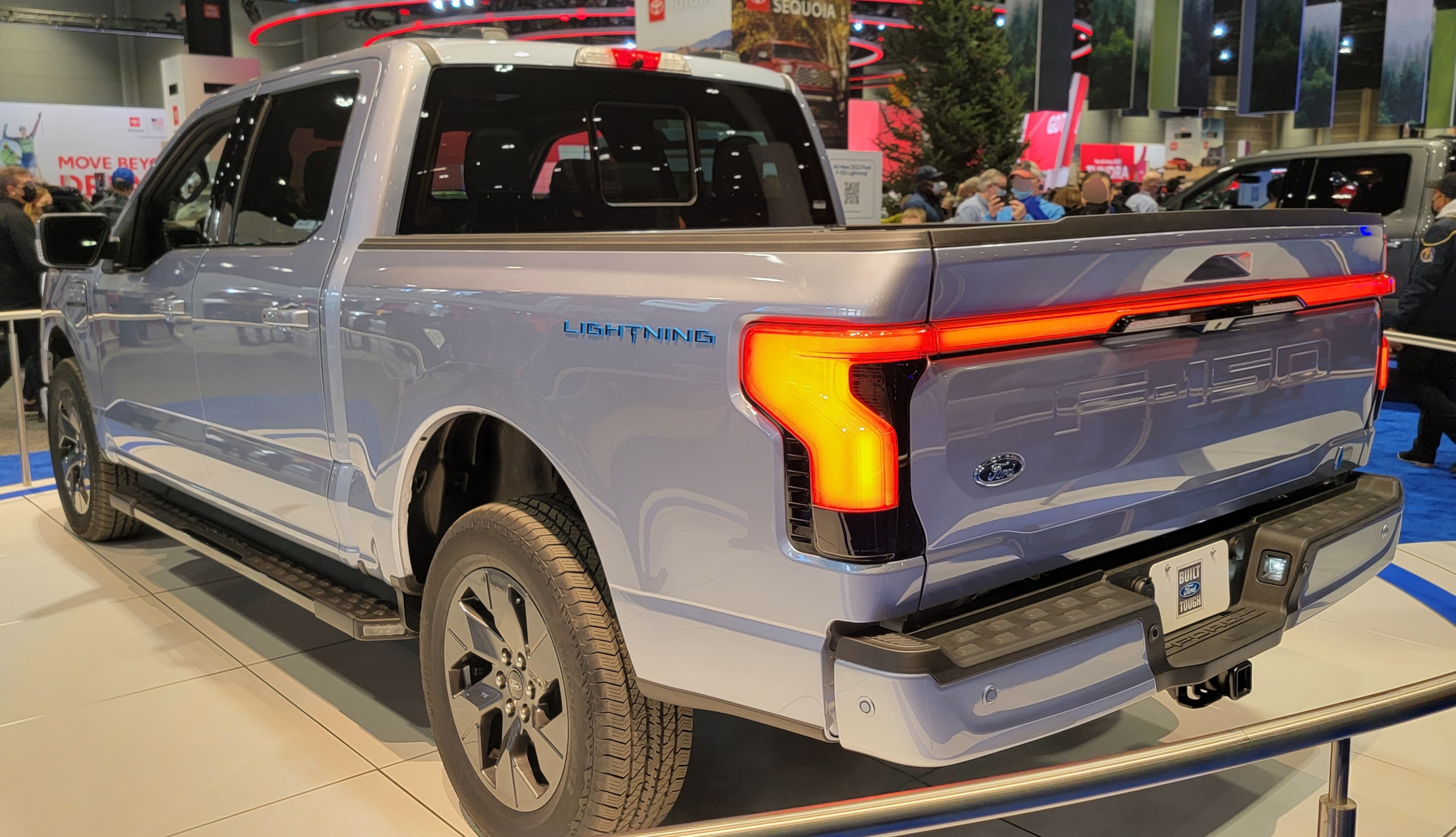
The Ford Lightning is a special version of the Ford F-150 truck that is designed for speed and performance. It's known for being faster than regular trucks and has a sporty look.
Electric cars run on electricity instead of gasoline. They are better for the environment because they produce fewer emissions, and many people are starting to use them more often.
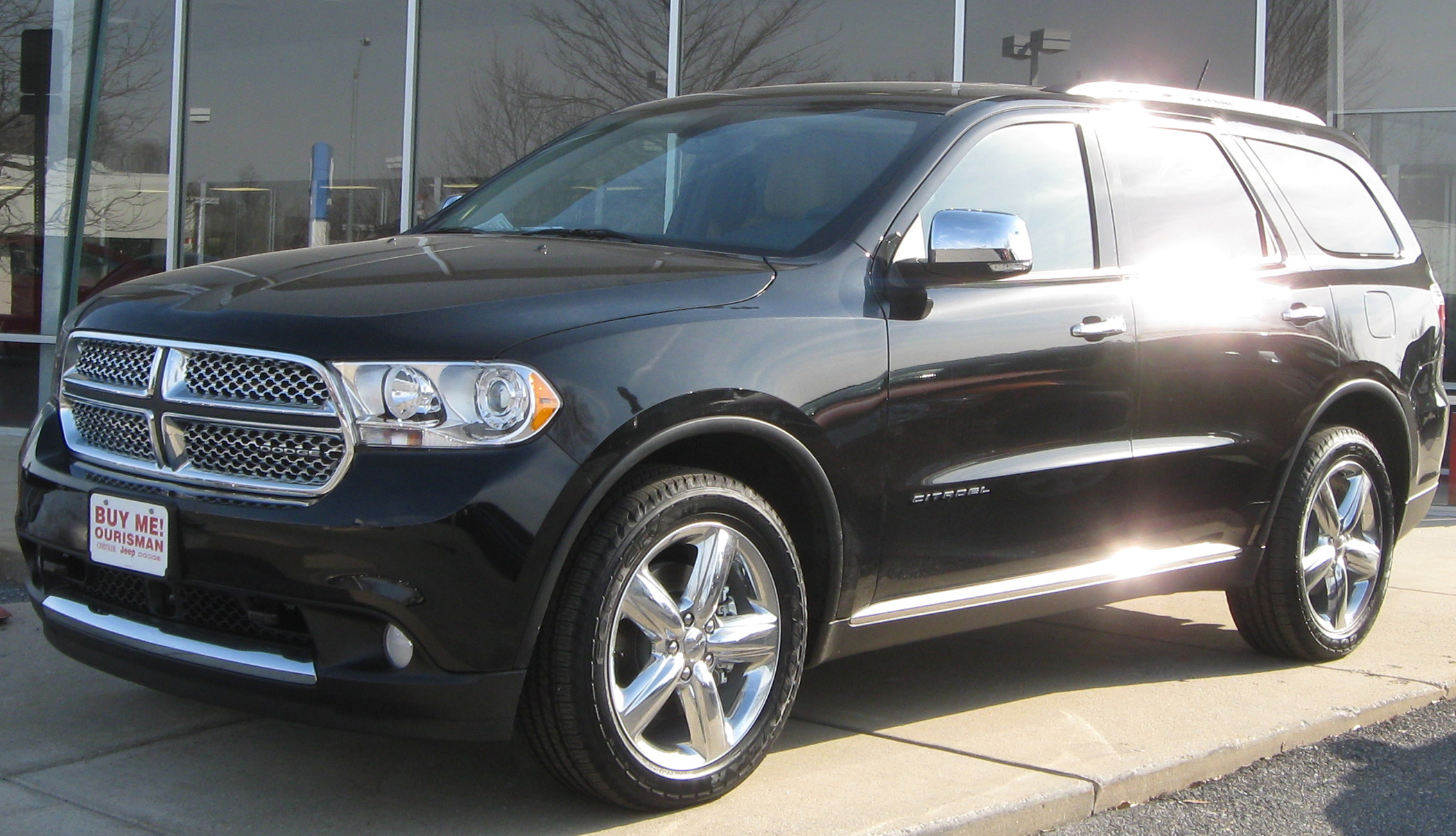
The Dodge Durango is a type of SUV that is big enough for families and has a lot of space inside. It's known for being strong and good for driving around with kids or cargo.
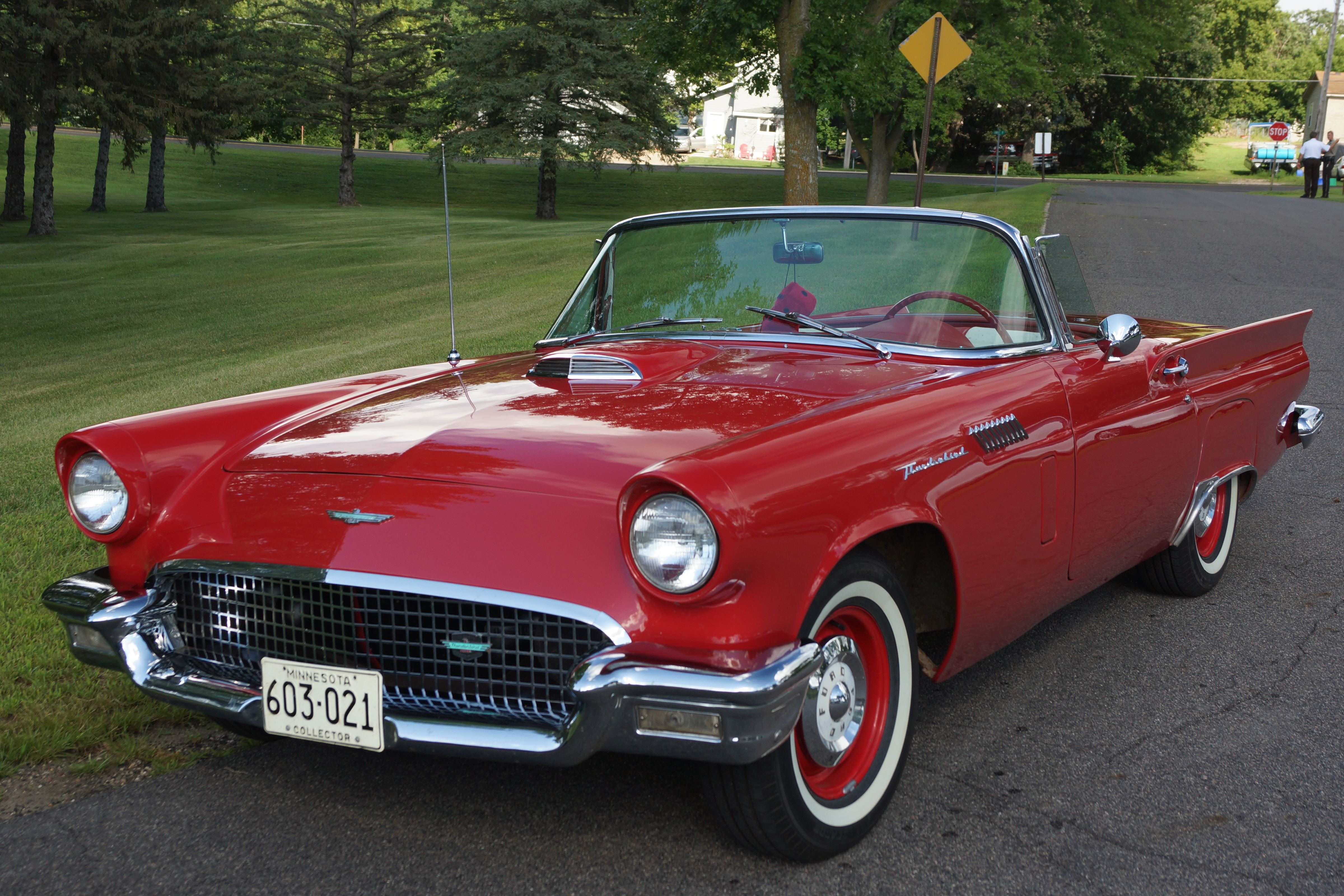
The Ford Thunderbird is a famous car from the 1950s. The 1957 model is well-known for its cool design and was often seen as a symbol of freedom and fun driving.
The Honda Accord is a popular car that is known for being dependable and easy to drive. It has a roomy inside and is good on gas, making it a favorite for families and commuters.
The CAFE standard is a rule that says car makers have to make their cars use less gas. This helps save fuel and reduce pollution. There are specific goals they need to meet each year.
The Toyota Prius is a type of car that uses both a gasoline engine and an electric motor to save fuel. It's known for being very good on gas, which means it can go a long way without using much fuel.
The Ford Bronco is a tough SUV that can go off-road and handle rough terrain. It's known for its strong build and has a lot of fans who love taking it on adventures.
A four-barrel carburetor helps an engine get more air and fuel, which can make it run better and faster. It's often used in cars that need a lot of power.
EPA waivers are permissions that let some cars avoid strict environmental rules. This is important for people who want to customize their cars without worrying about pollution laws.
LIVE
So, bringing more tools, what's the deal?
So we taking movies or not?
What's the RA?
Sorry, the e-command date for advanced clean cars too?
Who has it?
One of the guys is running it, right?
Running the CRA?
Was it the guy from Michigan who has it or who would they give it to?
I'm a little irritated about that, they should have given it to me.
A car guy, not just somebody that's on the committee.
Yeah, I don't record that.
I don't know, weird politics.
Who would fight it harder?
Who would speak with more authority on it, but whatever.
Alright, you ready?
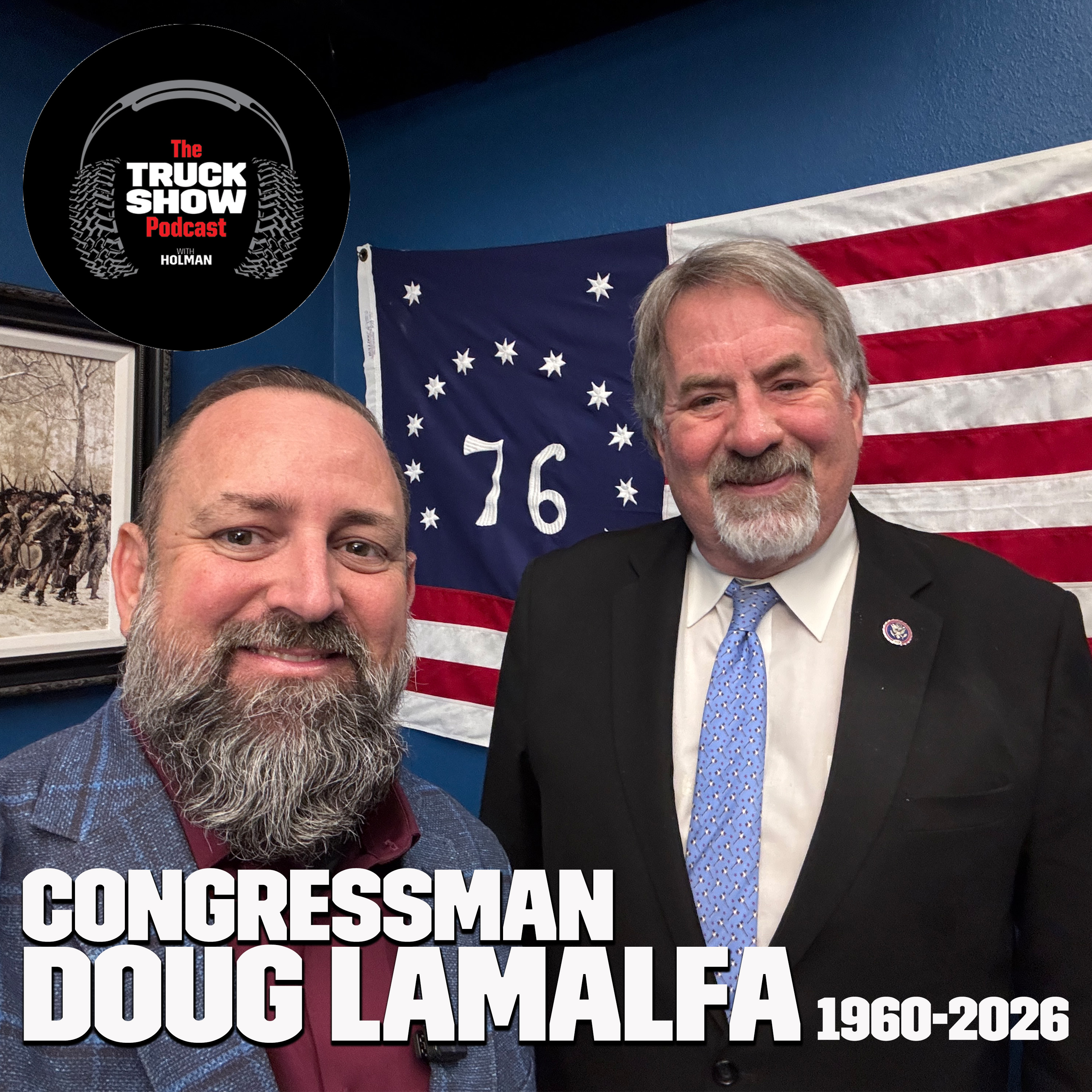
Alright, so I'm here with Representative Doug LaMolfa from California.
I'm with a fellow Californian who has a beard, loves cars,
and you've been in Congress for, since, twenty?
Twelve years and six weeks.
Okay.
Alright, and I'm sure...
Eight weeks.
I'm interested in talking about you being a car enthusiast in Congress.
Are there more of you?
Because guys like us, we feel like maybe we're underrepresented in Congress.
And it's nice to know you're the co-chair of the, let me get this right,
the Congressional Automotive Performance and Motorsports Caucus.
I'm glad you wrote that down, I wouldn't remember all that name.
I wasn't going to remember it.
Your heads would be a good short name for that.
There's a head and full there.
My pal Andy Harris, he likes to wrench on, he's got an old Dodge they're working on.
And a couple other guys, but it's not a frequent conversation around here.
It needs to be more so.
So, I'm probably one of the ones that carries the torch pretty good on that.
Yeah.
So, do they lean on you?
Is it because of your California roots?
Is it, because I feel like, you know, our state is really the epicenter of car culture.
You know, that's to say, California really, other than like,
what was it, Woodward Boulevard in Michigan?
A couple places like that.
You know, California was really the hotbed of so much automotive,
especially on the hot rod side.
But you know, we used to have automotive plants there in Northern Cal and Southern Cal.
They built Mustangs, not too far from me in Northern California.
And I think Van Nuys had plants down there in SoCal.
But California's just become unfriendly to all sorts of types of business
and heavy regulations and this and that.
So, you see it moving to a lot of states that have,
well, you know, more friendly labor laws, I guess.
A lot of the new plants go.
I think Detroit ones are afraid to move out of Michigan
because of some of the stuff that would happen.
But that all said, yeah, it's a hotbed down there with the,
I think of, you know, one of the big names would be Edelbrock.
He was very early on making all those different heads and intakes
and a lot of hot rod parts for the Ford Flathead.
And then the other V8 started to come out after that.
And I've always been intrigued by those early rodders, especially.
The Flathead is just amazing what, how far that lasted and how far it was able to go.
You know, even, was it John Dillinger?
Didn't he write a letter?
He did.
And we said, hey, thanks for making such a great car.
He did, yeah.
It was a good getaway car, an affordable V8.
And some of the stuff they did to it ongoing, they're like the Arden Head.
You know that?
Yeah.
The Zora Arcus Duntov.
Yup.
The Corvette.
He became the Corvette guy.
He was actually a Flathead Ford guy before that.
Was he really?
Well, he designed those heads.
He's also the mid-engine Corvette guy.
Sure.
Sure.
And finally they got that with the C8.
You know, they've been trying for, you know, how many generations of Corvette to...
See, I'm also the owner of a Daytonausel Pantera.
So Ford figured it out back in 1971, you know.
You have a 351 Windsor in that?
Cleveland.
Cleveland motor.
Cleveland motor.
Yes, sir.
So yeah, Ford beat the C8 to the punch, you know, by about what, 50 years?
I'm a Ford guy, if you hadn't noticed.
Well, I do enjoy my Fords.
I've got a few of my own, a 67 F100.
I've got a Ford GPW.
I've had a litany of Ford trucks, Rangers, things like that.
What else do you drive?
What do you want to start?
My daily cars, an O3 Mustang Mach 1 and Azure Blue, not too far from what this petty blue might be.
I bought about the 2013 Boss 302 in the colors called Gotta Have a Green.
It's a pretty lime green, kind of that gold sunburst when the sun hits it.
And that's a really great car, you know, at the time.
I thought it was about the pinnacle of what Mustangs were other than maybe what Shelby was at.
Sure.
It's very well balanced, a lot of horsepower, naturally aspirated.
You were talking blowers a little while ago.
I like the more the simplicity of how far you can take a naturally aspirated engine.
I agree.
And run it out.
I love the sound of a blower and turbos are fun, but there's a lot of complexity that introduces.
And there's just something about a normally aspirated air-breathing engine that's so awesome.
Yeah.
I mean, I'm not against the blowers, everybody, but you know, I just like seeing what you can get.
And I like to be able to get under the hood and actually see stuff, you know.
So that's why the older cars.
I also run a 68 California Special Mustang.
Oh, nice.
I have a...
What color?
Bullet green.
Very nice.
It's called Highland Green.
Black stripes on that one?
Or white?
It came with them.
I left them off after I painted it.
I want a little more lean look.
I actually have it.
None of the stuff in the grille here, so it looks like the bullet car from the front there.
Yes.
And they even tried to put mufflers on it that kind of would sound like the bullet car a
little bit because, you know, I love that movie and I love the whole culture of that car.
As I told you, I actually got to meet the bullet car.
It was on an exhibit here at the Washington Mall a few years ago and the owner there who
brought it out of hiding after so many years.
At the same time, Ford had done a bullet tribute car.
I think this was 2019.
And so the fellow there, whose dad had bought it, that's a great story in itself.
They saw the car in a Rodentrack ad in about 1976 and it was a fairly hefty price at the
time for a Mustang like that, but it mentioned it was the McQueen car.
And it was in a barn or garage and it had been kind of neglected for a while, too, if I
remember correctly.
Well, the father of this fellow that had it more recently, he had bought it off the ad.
But yes, before he had it, he'd bought it from some of the people that were involved
with the movie production, you know.
And so I think that had changed hands a couple lines.
The movie company owned it and then a guy bought it and then another guy with the movie
bought it, I think, out went.
And the father bought it, gave it to his wife, who was a teacher, to drive to school.
When the engine finally broke, they parked it in the garage, as he said, for a long time.
And there's all these people looking for the car.
All the Mustang, you know, devout fans were saying, where is that bullet car?
And I guess a couple different times, certain people found it like they got in the garage
and stole the air cleaner, this and that, but nothing really bad happened to it.
So finally the son, after his dad had passed, wanted to do his attribute to rebuild, make
the car get on the road again.
He didn't really touch it other than what it took to make the engine run and the brakes
working on it.
Yeah.
So still had all the rough edges from the old paint and where Steve McQueen marked the
tachometer to make sure he didn't over rev when he was doing, because Steve did a lot
of his own driving, you know.
So anyway, I could go on and on about the bullet car, I should stop.
But getting to touch and see and hear that car was kind of a big moment for me.
Well, I guess we know that you have car guy credentials, so that's good.
Yeah, there's that.
Yeah.
So you represent the first district of California, which is northern California, and you have
a pretty rural, lots of agriculture, farmers.
Do you have a truck?
Is there a truck that you like?
Which one?
Any of them.
The one I bought brand new a long time ago was a 93 Ford F-150 lightning pickup.
Not this electric lightning pickup.
No, they don't.
Don't anybody confuse that.
I actually had a high-ranking utility official say, hey, you should get that Ford lightning
while I have one back when it was actually the real deal.
Love on the only came in three colors, black, red, and white.
The white didn't come in until a year or two later, so back in 93 I had to choose between
black or red.
The white came later, which was perfect, because you have that song, White Lightning.
And for anybody who's thinking about it, this was the normally aspirated 351.
This was not the second generation supercharged 544.
Right, which is something else too.
Yeah, this had 351 Windsor with the GT40 heads on it, made about 30 more horsepower than
a standard Windsor.
True dual pipes all the way out back.
Some tweaks here and there.
I think the tranny had a little tweak.
This had a slightly heavier frame than a regular F-150.
Lowered suspension, 17-inch wheels, which was a big thing at the time.
And they were cast aluminum, and they were directional, because you kind of had that
spun look to them.
Very cool wheel.
Definitely didn't have that look, but you can put them on either side, otherwise I'd
have been messed up.
So, yeah, a cool front spoiler and all that.
It's a distinctive truck, and I have it painted a time or two now, and I just use it around
the ranch.
I don't tear it up, but I use it in my normal farming, unless I need four-wheel drive, then
I go grab one of them.
Yeah, I love that truck.
It's definitely one of my favorites.
At the SEMA show, I met the guy who's modifying those.
He was making, you could only get him as a regular cab.
There's a guy in Upland, California, who was making the extended cab conversion for those,
which I talked to him a while, but I said, I don't want to do that.
But he did have, the lightning came in the first couple of years only with two bucket
seats.
You did it in a center console.
Why wouldn't it be able to put three people in there?
So, I finally got from him the console that came in the later years and retrofitted that.
So, that's where the SEMA show is very helpful for me, even back then.
Absolutely.
Well, we're here in D.C. because we're talking about the EV mandate and the vote that's coming
up for that.
Now, you and I, both being from California, were directly impacted by the waiver that
California was issued.
Yeah, without an act of the legislature or that, it was just done by...
Can it pass through under the wire?
Was it in December?
And so, now there's going to be a vote on it to determine its fate.
Yeah.
A special review act in Congress to see if that can be required by the other states to
also have to follow that.
So, it'd be interesting to see how the vote comes out.
Obviously, California choosing its own emissions or its EV mandate, the death of ICE, isn't
just a California problem.
It's a national problem because manufacturers aren't going to want to make two versions
of cars.
Yeah, which frustrates me a little bit because the manufacturers want it really easy and
make it all the same.
So, what they do, they go to the worst possible version and make it all the same as the bad
version from an irresponsible state like mine.
But there's a little parade of other states that want to be like California too.
I don't know.
There might be seven states affected by this particular one that want to do this.
So, that's pretty frustrating because when I go around, I like to talk to normal people
instead of this here in D.C.
Yeah.
Nobody wants these cars.
You know, when I say nobody, it's like there's not...
There's a very narrow use case for them.
It's usually the elites down in Santa Clara or people that want to use the sticker in
California to be able to drive in the fast lane during rush hour.
And others that it fits a niche for certain people.
Okay, and if you want it, that's fine.
But I'm really disappointed in the automakers just going hellbent to say everybody wants
these electric cars.
I mean, Christ are really stepped on themselves by whatever they're called now.
Stalantis.
Stalantis.
Sounds like a sinking ship somewhere or something.
I was going to say, it sounds like one of those medicines that are on TV right now.
Stalantis.
And I like Mopars.
It isn't...
You know, the Hemi, what a great success story it was all those many years and I actually
visited the dealer a while back to look at a Durango for my wife a little bit here with
the Hemi in it.
But, you know, they're just, they're ruining the automotive experience and all the young
ones nowadays think, well, they don't really seem to care anyway.
You know how many, surprising how many kids don't bother to get their driver's license
until 17 or 18 or whenever your parents tell them to do it.
I mean, we were expected to help be drivers back when I was a kid.
I have a 17 year old daughter.
Yeah.
And pushing her and she's about ready to, she's, you know, kind of drug her feet.
Now she wants to drive because she wants the freedom.
I'm like, see, that's what they're trying to tell you.
No, I had my driver's license by 10 a.m. on my birthday at 16 years old.
I was preloaded, ready to go on that.
And I was driving that afternoon.
I drove my grandmother to the mountains there.
It was a great thing.
You know, and then I did have available some pretty cool cars.
My grandmother had a 57 Thunderbird that she drove to high school.
Oh, wow.
Lunchtime we'd pop the top off and go cruise around, you know, a couple friends or whatever.
It didn't attract the girls though.
There wasn't many to pick from though either.
Well, so one of the problems with the EV mandate is back to your point of manufacturers choosing one car to build is that for states that don't follow California,
their impact as well is really easy for people outside of California.
It's a California problem.
But the reality is, is you're making vehicles more expensive for everybody.
And I don't think people understand sort of the cancer that we have in California spreads throughout the rest of the country,
especially when it comes to car stuff.
And frequently when I get on a camera somewhere in front of a group of people that maybe from other states too,
like, look, I'm from California.
Don't do what we do, okay?
Please.
And because that just gives it credence.
It gives it, I don't know, some level of credibility or bad ideas.
And it comes from, you know, the people elect these people to put these decisions in place and they get mad if they don't have gas stoves anymore,
gasoline powered vehicles or diesel vehicles or why everything's expensive.
All the things we love?
Yeah, stuff we love for sure.
And everybody seems, when they go to the parades, they love to see the politician or the queen and the big old Cadillac convertible or whatever it is.
They like it for that purpose.
But then they get back legislating, oh my gosh, I need to get my name on a bill to show that I've helped save the world.
Do you think that's the reason?
You know, in white California, why has California been the hotspot for taking away choice and removing consumers' ability to do what they want to do?
You want me to get political from it?
Absolutely.
Because they've got a three to one ratio of Democrats in the legislature and the governors since Schwarzenegger have been just hell bent on doing this stuff too.
We've gotten the notion that carbon dioxide is bad and harmful and evil, okay?
And I'd ask your listeners to say, do you know what percent the atmosphere is made up of carbon dioxide?
Do you know that number?
Not off the top of my head.
What is it?
What's your guess?
70% or something?
See, most people will tell me, just rough a guess, because they got lives.
I'm not supposed to keep track of this stuff.
It's between 20% and 50%.
On the far fringes, it's 70%.
And oceans and trees need carbon dioxide?
Absolutely.
Plant life needs it.
It would die off.
If we get below the number that I'm going to tell you in a second, it will start dying off.
So, for people to understand how this has been made into a political weapon, the CO2,
they're doing stupid things like high speed rail in California to supposedly save car trips.
The train to nowhere that nobody wants?
Nobody wants it except for people that get paid to build it and make money off of it.
And a few environmentalists that somehow think this is a win.
So, the atmosphere is made up of 78% nitrogen gas, 21% oxygen.
In third place is argon, 0.93%.
And somewhere, when you look at your pie chart, that last skinny little piece is the other.
CO2 is an other, 0.04%.
This is what we're completely changing our lives and exporting our economy until Trump last night,
he made it to the State of the Union in his efforts.
I was the first one out of the seat when he said getting rid of the crazy EV mandate at the federal level.
It was nice to see that he mentioned that during the State of the Union.
Having that kind of visibility and that spotlight turned on is a big deal.
Yeah, so when you get down to 0.04% being the problem, and that's a rounding error.
And CO2 is being made, the weapon, the scary.
You have guys like John Kerry saying, it's the biggest plane around.
Yeah, flying to Davos where all the other planes fly to Davos and have their climate nonsense.
So, I mean, hey, we need to do things to take care of the air and the water.
And I think we're very conscious of that already.
But when you have unmanaged forests, because environmentalists, for example,
sue everybody over trying to do a little bit of tree removal, brush removal,
and oh, you're going to damage the environment with all this mechanization,
then you burn a million acres like happened in my district.
This gavel right here is made out of wood that came from that fire that they gave me to
so I can chair the subcommittee on forestry.
This is what you get with the extreme environmentalists.
Well, and then you talk about carbon dioxide. Try having a million acres on a fire.
You just undid everything that you did at the...
Ten years worth of cars in LA or something like that.
You know, Mount St. Helens erupts, more CO2 and other stuff comes out.
I mean, we're chasing our tail here and what we're doing is exporting our jobs
and economy to places like China and they'll eat it right up.
They laugh at us for having been in the Paris Accords.
They have no intention of following that.
They'll take what we give them.
And so when we do this to ourselves, you know, America innovates great technology
when it's allowed to, it's not being hampered by regulations or other, you know, stupidity.
So our gasoline engines, our diesel engines are better burning and cleaner than they've ever been, right?
And I'm not happy with this death we have to put in our trucks and things like that.
But, you know, if it moves in the right direction and allows us to keep diesel trucks and diesel engines, then fine.
I'm working on a legislation to make sure the federal excise tax on new trucks is eliminated.
That was put in place in World War I to help pay for World War I.
So on a new truck...
You think we've paid for it by now?
I don't know. Have we paid for the Golden Gate Bridge yet?
They got $11 tolls or something like that, too.
But it's revenue is what it is.
So those trucks cost $20, $25, $30,000 extra on tax on top of the tax.
They'll still collect their sales tax and, you know, FET tax on the rubber tires or whatever.
But so if we can get rid of that, it might incentivize people to buy more trucks, you know, update them.
You got the cleaner engines, safety, and they're pretty cushy, too.
What's the next step?
So if this vote goes through, the EV mandate is revoked, does that lead into other legislative, hopefully future victories?
Does it put you in a place where you could look at things like California's ability to have its own regulations when it comes to emissions and things like that?
Well, California's been getting this ability via EPA waivers for a lot of years.
And, you know, back in 50s and 60s, there was a lot of, you know, bad air in LA basin and other areas.
San Joaquin Valley has that issue. A lot of it blows in from somewhere else.
So you can see where things needed to improve.
But when you talk about the carbon people in Sacramento Air Resources Board, it gets up every day and thinks up a new mandate.
And they make it harder to get our hot rod parts, for example.
If you don't get the EO number on everything, then you don't get to have the part.
Well, I might be the type of guy who gets it out of state and uses it anyway, but, you know, screw these guys.
But it's a deal where the bureaucrats don't give a rat's rear-end about what we need or what we think.
And then, you know, what's sad is to watch the Detroit people all just fall in line.
Oh, yeah, we can do these. You know, a few years ago at the beginning of Obama, the CAFE standard for gas mileage was meant to...
We had to average 27.5 miles per gallon by X year of all cars that are sold in the American fleet or any fleet, I guess.
That's easy for the Japanese guys. All they make is small cars.
But we like choices in this country. We like SUVs and pickups and big cars and all that.
So that mandate was something that was being worked towards, and we're kind of getting there.
But then Obama comes along and he wants to negotiate doubling that to, I think, the standard was 54.5 MPG.
Can you think of a 54.5 MPG car? You want to buy or drive?
No.
It'd be like a coffin with four wheels on it. So, you know, these tiny little... What's those cars?
The Prius?
No, I hate those things, but they represent...
Yeah.
I'll stop, but, you know...
What are those little ones? They're two-seater...
Oh, the smart cars.
Yeah, smart cars.
But not so smart.
Yeah, anything usually with the word smart in front of it that's been proposed by politicians is usually not smart.
If you have to self-proclaim intelligence, there's a problem there.
Right, like a man cave. If you have to put a man in front of it, is it really a man cave, you know, or something like that?
Right.
I wouldn't call it that, you know.
It's nice to hear you be real and to me, with a lawmaker, that has our best interests at heart, because I think it's really easy to get disenfranchised.
How important is it for people like me to come and you say you talk to the average person to interact with you?
And what's... Do people who have something that they want to tell their representative, is it really matter that they write you, that they call you, that they visit you?
Does that have an impact?
You know, what's important is the tone a lot of times.
When they come screaming at you at a town hall, or they write nasties, or they cuss out my people in the phone, that doesn't get you anything.
Like the guy last night at the State of Union speech, trying to stand up away from his cane at the president.
I know.
My child, you know, he's nice enough to talk one-on-one.
And I was only a few feet from him.
I wanted to go over saying like, dude, you're not helping yourself.
You're making yourself look like a jackass in front of everybody.
That does not help your constituents or make them proud at home either, you know.
So when the tone of people, if you want to be constructive, and if you have a different idea, let's listen.
Let's talk it through and I'll have my view and we'll talk about what the differences are and why it might work or might not work.
And you hammer it out.
And that's a negotiation.
That's legislating.
So it's important that you talk, you speak with your legislator or their representatives in a constructive fashion.
And that's what I try to do with my colleagues of all types too.
Even the bureaucracy, which I want to hurt sometimes.
But it's, for example, we're talking about here, our new EPA administrator, Lee Zeldin, is a colleague I served with in the house.
He's going to be great on this and he's going to look at these things, not from the science has settled, CO2 is nasty.
He's looking at, it was just a pronouncement during the bomb administration.
CO2 is a poisonous, horrific gas, not according to if you're a plant, you know.
So he's going to be relooking at some of these things.
And my colleague, transportation secretary, Sean Duffy, who I served with, he's looking immediately at this dumb high speed rail project in California,
which has quadrupled in price from what the voters were told back in 08 of $33 billion to at least $130 billion now.
And they've only been able to corral all this time with all this effort and all this convincing.
They've only come up with $19 billion to put towards it.
There's still $110 billion short.
They've already tapped the American taxpayer with up to $8 billion of federal money.
The Californians with about $9 billion of top bond money.
Where's $110 billion to come from?
It doesn't make a lick of sense.
When you've got people in charge here that look at things from a common sense perspective, you've got a chance now.
And the EV mandates, when Mr. Zeldin is going to look at the EPA waiver that is granted to California,
is this actually more harmful?
Because federally, you know, 49 state cars used to call them, right?
I have one.
My Bronco.
It's got a four-barrel carburetor on the 351 because I found it.
I was pretty happy with that.
Probably made around a lot better too.
Sure, sure.
And so when he's going to look at these waivers that California keeps asking for,
because they always just want to legislate for the heck of it.
And as you said, it does affect other states.
We're going to have a real look at this thing on EV mandates and the waiver at California weaponizes to make us jump through hoops.
You know, are we going to have our trucks anymore?
Am I going to be able to haul my rice with the Peterbilts anymore?
I already have one that I'm only allowed 1,000 miles per year on.
And I have to get a bunch of special permits for that.
My other ones got taken away from me a long time ago.
When I heard that now they want to do quarterly emissions on some of these as well.
Yeah.
How much time am I going to spend driving back and forth the emission place,
making emissions while I'm doing it?
And while it's running there.
There are restimates that are burned cleaner, but because the referee says something is missing,
we don't do these common sense things and we don't do these.
For a part, you can't get any more maybe.
Sure.
Is it cleaner or not?
That should be the litmus test.
What's the way I always suck?
Why don't they just measure the tailpipe and get a good running car?
Who cares what's under the hood?
Every hot rod I've ever talked to, or just regular guy with a pickup or something,
why do they care what's under the hood because it gives them power?
Yeah.
Now, my good pal in the state senate, Shannon Grove, I see has introduced a bill.
I think it might be number 712 that I just saw last night that's going to make 35-year-old and older cars exempt.
I believe from the smog check.
I hope it's rolling because I got a couple cars.
You and me both.
I'd like to get into that too.
You know, honestly, I don't put that many miles on them.
I collect them, I fix them up, but they don't get that many miles in real life.
Gives you happiness.
Even when I pay insurance for them and all that stuff.
It's probably kind of dumb, but we all get it as hot rodders.
We don't care.
We love the cars.
We want to be able to drive them and use them without somebody following me around with a sniffer.
It's ridiculous what California is.
So that's why the federal level, Lee's Elden, is going to be looking at this stuff on EPA waivers and also Sean Duffy.
Well, more on the dumb high speed rail, which is supposed to replace cars or replace Southwest Airlines.
So not going to do either in my life.
We're getting a lot of good help here from the Trump administration on our basic freedoms to keep a gas stove, a gas car, a gas leaf blower.
I had an electric stove in my house and we moved our water heater.
It's a 65 house.
Moved it to the outside.
And so I had the stub line to where the water heater was in the closet and I ran it to my kitchen so I could put in the gas stove and oven because I like to cook, right?
And then when they're talking about taking it away, I'm like, over my dead body, you take away my gas stove.
Yeah, we'll bootleg the stuff, right?
Well, whatever we have to do.
Can I call you if I get in trouble?
Yeah, I'll bring a foot long hot dog with a file and it'll bust you out of jail.
But we need to back each other up on this.
And the people that love the hobby, that love the industry need to be vocal too.
And when I watch these big three automakers and others just fly back here like during the Obama administration.
I think each one came in their own jet to just fight the cafe standards back in 2009 or whichever year it was during Obama era.
And said, oh yeah, we can meet the 54 and a half mile per gallon mandate.
You're selling me out.
You're selling your real customers out because most cars that people want to buy range somewhere around, I'd say an average of 33 miles per gallon or a little less or a little more.
Not withstanding the Prius drivers that want to feel good about themselves.
But it's really taking away individual choice for things that are comfortable for them.
Or serve a need.
EV's not going to serve my need at my rural property or something like that.
I need a truck for that.
Well, the dealer, when I go in and talk to them, there's a guy that comes up from Sacramento in the EV Ford pickup.
And he's afraid that he can't go to all his stops on that charge.
Like, well, what are we doing ourselves?
You heard the story about the guy that bought a Ford electric and wanted to go camping with it, took his family, had it all up, he made about one or two states away.
He couldn't find a place to charge.
And so he finally, I think, two states away, traded in, bought a Dodge diesel and finished his vacation.
So we're forcing this on people and the technology for batteries isn't there, the charging stations aren't there.
And I think most people don't want to have to expend a vehicle that costs 150% for the same vehicle or so than what they're used to.
They don't want to be forced into this stuff.
And Newsom in California is cramming it down our throats by some of it by year 2030, some by 2035.
Whatever round number they make up, they pull it out of the air.
It sounds good.
You know, some by 2045 and getting rid of everything.
So what, what happens and kind of has happened before is that they'll hit the wall on the mandate and nobody's able to comply and nobody's able to have anything.
A car, I think in 1990, tried to make a rule, says 10% of all cars had to be zero emissions by 2000.
You're driving around at the Ford dealer with a little golf cart thing.
They called it, I think, a think.
I think, yep.
It looked like something Tattoo would use.
And they put license plates on that.
They tried to call that a car.
Nobody's going to buy that thing unless you live on a golf course.
Well, Congressman, I know you're busy.
I really appreciate your time.
And it's nice to know that we've got real people, real car people who are willing to have this type of back and forth.
And as a, as a fellow California resident, can we work on gas prices next?
Drill baby drill.
And then you still have to relieve yourselves from the politicians in California that stop energy production and tax it to death.
And they think of a new tax all the time.
There's going to be a new 65 set tax that they had had to hold off on.
I mean, how much of the people the voters going to put up with, you know, they think we're all going to go electric all the time.
And that's going to be Nirvana, not a chance.
People need to wake up as to what their politicians are doing to them in California, as well as what they might be doing at the federal level.
But Trump is really working to help save the day on our choices right now.
So I'm really happy about last night and the direction he's going with his cabinet.
So it's pretty exciting here.
But when I land at home, I still feel like I'm landing in a bunch of alligators.
So thank you.
Okay. Thank you.
All right. I better bolt. I got to get to the floor.
No problem.
Okay. We're all set.
Yeah, we're good. Let me grab your lapel.
Oh yeah, you need that back.
About this episode
A heartfelt conversation with Congressman Doug LaMalfa, who shares his passion for cars and the challenges of being a car enthusiast in Congress. LaMalfa discusses the impact of California's strict automotive regulations, the future of electric vehicles, and the importance of preserving automotive culture. He reflects on his personal car collection, including classic Mustangs and a Ford F-150 Lightning, while advocating for the rights of car enthusiasts against increasing government mandates. The episode highlights the intersection of politics and automotive passion, offering insights into the ongoing debates surrounding emissions and consumer choice.
This episode is dedicated to car guy and California Congressman Doug LaMalfa, who passed away unexpectedly on January 6th, 2026. In honor of Congressman LaMalfa, we've decided to re-air our interview with him from when we joined SEMA in Washington D.C. to discuss the impacts of the now repealed EV Mandate.
The Truck Show Podcast is produced in partnership with AMSOIL, Kershaw Knives, and OVR Mag. Don't forget to check out truckshowpodcast.com for special offers from our friends and sponsors.
AMSOIL
amsoil.com
Kershaw Knives
Kershaw.kaiusa.com
OVR Magazine
Use promo code @truckshowpodcast for a free annual digital subscription or a discount on a print subscription on ovrmag.com.