
Truck News
This is basically the show’s headline for the episode—truck-focused updates. It’s not a specific car part or system.
Amsoil
Amsoil is a company that makes truck and car fluids, especially synthetic engine oil. The hosts are saying they use Amsoil products to help keep their vehicles running well.
synthetics
Synthetic oil is a type of engine oil made to handle heat and cold better than regular oil. It’s often chosen because it can protect the engine more consistently.
lubricants
Lubricants are the fluids that help moving parts slide smoothly instead of grinding. In vehicles, that can include engine oil and other greases or oils used in different systems.
greases
Grease is a thick lubricant that stays put where oil might run out. It’s commonly used on parts like bearings to keep them from wearing out too fast.
additives
Additives are extra chemicals mixed into oil to make it work better. They can help protect the engine and keep it cleaner.
filters
Filters trap dirt and debris so they don’t circulate through the engine. Changing filters on schedule helps your engine stay cleaner and last longer.
sponsorships
A sponsorship is when a company pays to support a show. In this case, the hosts say those sponsor dollars help them keep the podcast free.

Nissan XTerra
They’re talking about the next Nissan XTERRA and what Nissan is planning for it. The big idea is that it’s meant to be an off-road truck/SUV that people can easily customize with aftermarket parts. Nissan also wants to show it off early (even at SEMA) to build hype.
body and frame
“Body-on-frame” is how many trucks are built: there’s a strong metal frame underneath, and the body is attached to it. This usually makes the vehicle better suited for towing and rough off-road use. It can also make it easier for aftermarket companies to build parts that fit.
two speed T-case
A two-speed transfer case lets the drivetrain switch between two gear ranges. Low range is for tough off-road situations where you need more pulling power at slow speeds. High range is for regular driving.
package protected
“Package protected” here sounds like Nissan is trying to make sure the truck’s setup works well even after you add aftermarket parts. The goal is fewer headaches for people who want to modify it. They’re wondering if the same strategy will apply to another Nissan truck too.

Nissan Frontier
They’re talking about the next Nissan Frontier and whether it’ll be built to fit bigger off-road tires too. Bigger tires can require extra clearance and careful engineering, so the question is whether Nissan is planning for that. It’s basically about how mod-friendly the new truck will be.
Nissan body on frame platform
They’re saying Nissan may use the same basic truck-style platform under multiple SUVs. That can make it cheaper and faster to build new models. It also helps aftermarket parts fit because the underlying layout is consistent across vehicles.
Infiniti
Infiniti is Nissan’s luxury brand. The hosts are saying the same basic platform that powers the Nissan models could also show up in Infiniti SUVs. That matters because it can mean similar engineering and packaging choices.
SEMA
SEMA is a big event where companies and builders show off aftermarket parts and custom vehicles. Nissan wants to show the XTERRA there early so people start thinking about mods and accessories right away. It’s basically marketing aimed at the customization crowd.
aftermarket buzz
“Aftermarket buzz” means getting people excited about aftermarket upgrades before the vehicle even hits the market. If enthusiasts and companies get interested early, more parts get developed faster. That usually makes it easier to customize the vehicle soon after you buy it.
Auto start-stop
Start-stop is the feature that turns the engine off at red lights to save fuel, then turns it back on when you’re ready to move. Some drivers hate it because it can feel jerky or annoying in traffic.
DEF
DEF (Diesel Exhaust Fluid) is a urea-based fluid used in many diesel vehicles to reduce NOx emissions through the SCR system. The segment discusses how low DEF can trigger harsh drivability responses (like limp mode) and regulatory pressure to handle it better.
Limp mode
Limp mode is when the truck “puts itself in a safe mode” and reduces performance because something isn’t right. It’s meant to protect the engine/emissions system, but it can be frustrating when it happens unexpectedly.
SCR system
SCR (Selective Catalytic Reduction) is an emissions system that uses DEF to convert nitrogen oxides (NOx) into less harmful gases. In this segment, the EPA is addressing reliability issues with sensors used to monitor DEF quality and SCR operation.
NOx sensors
NOx sensors are sensors that check how much smog-forming pollution is in the exhaust. The idea here is to use those readings to figure out if the DEF is bad, instead of relying on a different sensor that fails a lot.
EPA
The EPA is the U.S. agency that sets rules about pollution and emissions. Car makers have to follow those rules, which can affect what engines and technologies are available.
Q1 of 2026 versus Q1 of 2025
They’re comparing the first three months of this year to the first three months of last year. It helps show whether sales are trending up or down.

Ford Ranger
The Ford Ranger is a pickup truck that’s smaller than the biggest trucks. People use it for hauling things and for everyday driving. The podcast mentions it because its sales numbers changed compared to the previous period.
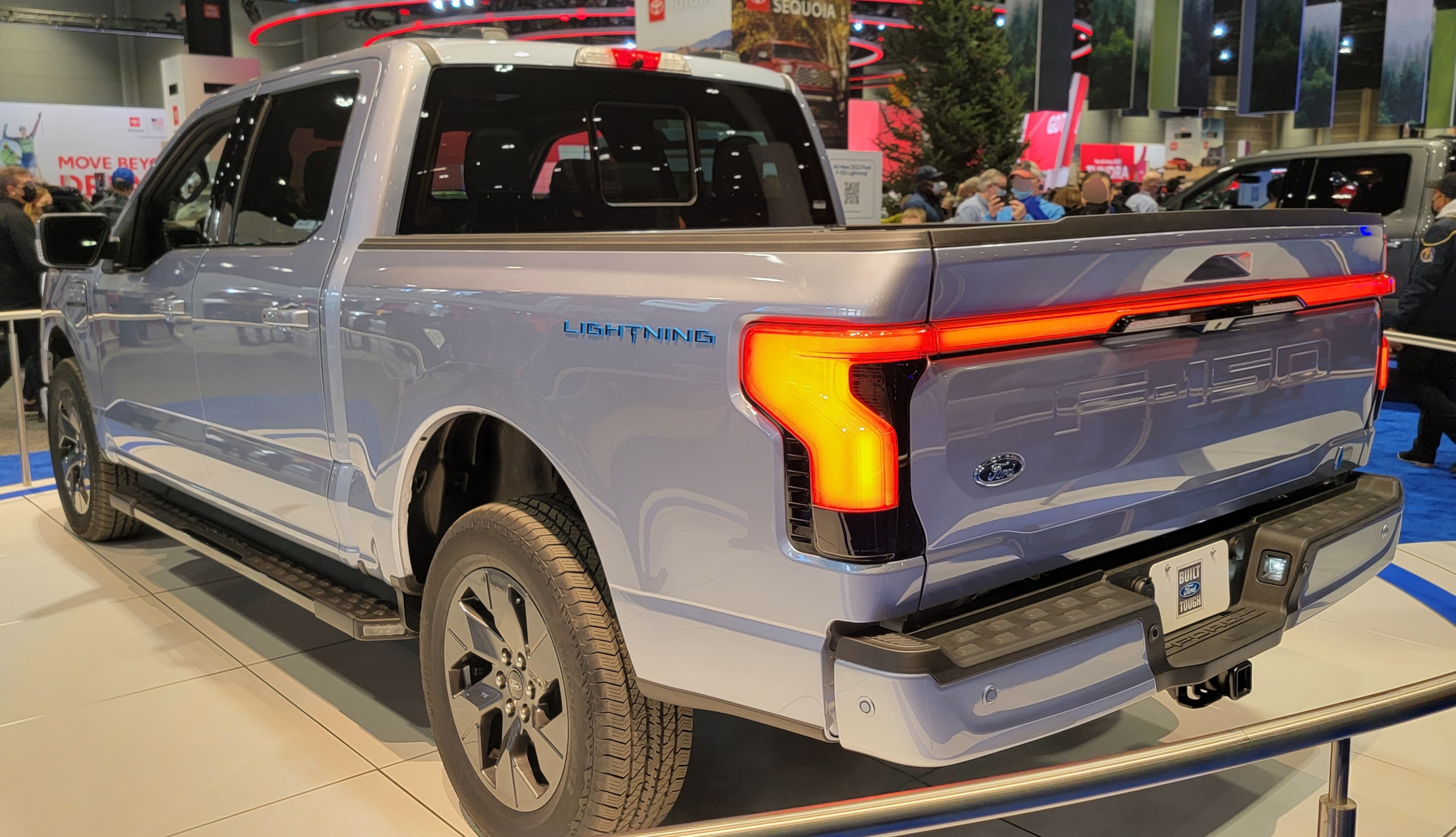
F-150 Raptor
The Ford F-150 is a large pickup truck. It’s popular with people who need a truck for work or towing, but also want it for everyday use. The podcast mentions it because its sales numbers are changing compared to the previous year.
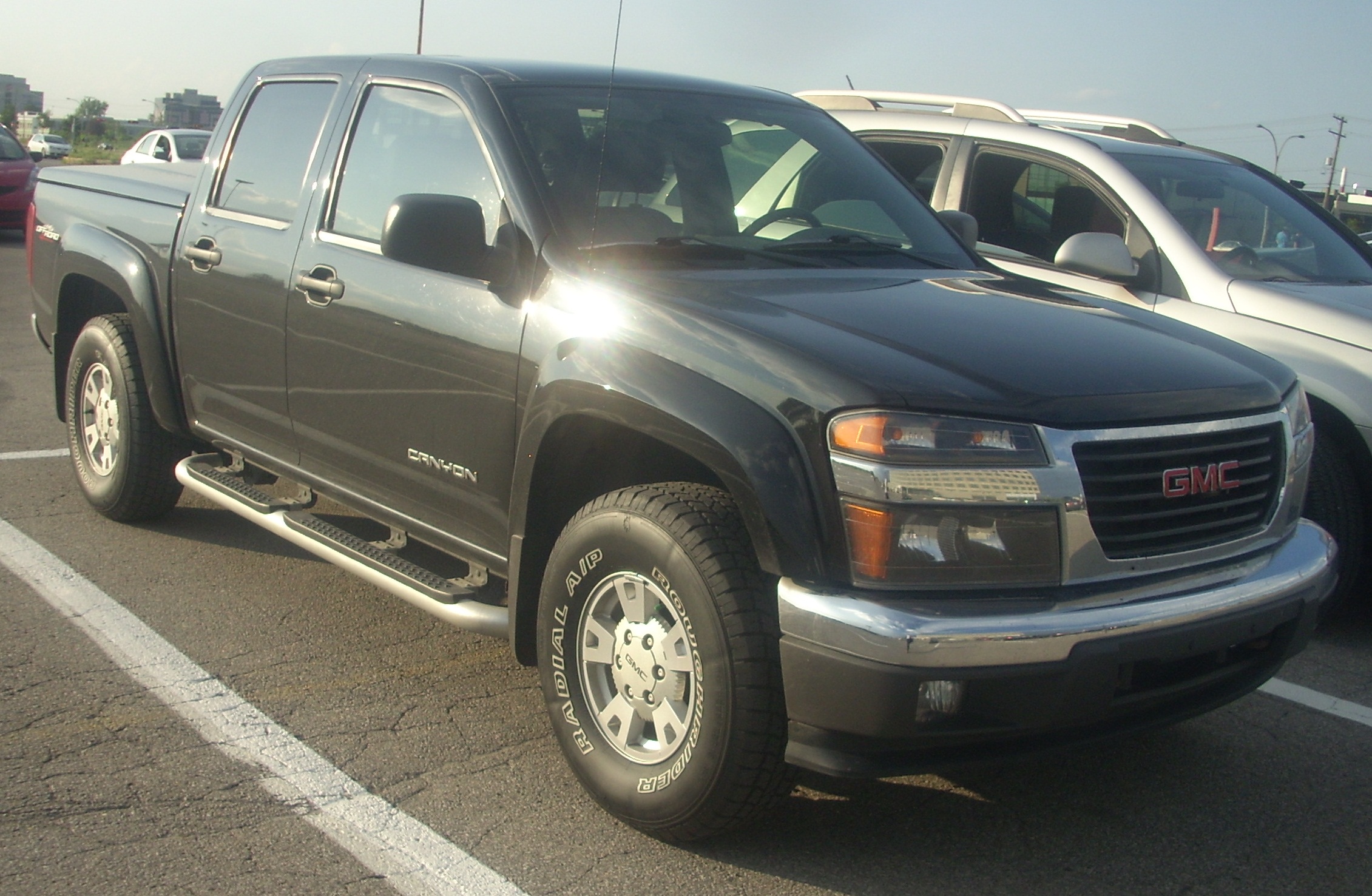
Gmc Canyon
The GMC Canyon Crew Cab is a mid-size pickup with four doors. It’s meant to carry more people comfortably than a two-door truck. The podcast mentions it because interest and sales for this version increased.
customer interest
They’re talking about which trucks people are paying attention to and considering buying. It’s like a “what buyers are looking at” signal, not just what’s already been sold.

Honda Ridgeline
The Honda Ridgeline is a pickup truck that’s meant to be comfortable for daily driving. The podcast says its sales are staying about the same. That’s why it’s mentioned in the middle of other models with bigger changes.

Jeep Gladiator
The Jeep Gladiator is a pickup truck made by Jeep. It’s designed to handle rough roads better than many regular trucks. The podcast brings it up because its sales went down compared to the prior numbers.

Hyundai Santa Cruz
The Hyundai Santa Cruz is a small pickup that also works like an SUV for everyday driving. It has a truck bed for hauling light items. The podcast mentions it because its sales dropped a lot compared to the earlier numbers.

Hyundai Santa
The Hyundai Santa Fe is an SUV made for families and daily driving. The podcast mentions it while talking about how sales are changing over time. It’s included because the host is comparing different Hyundai models’ results.
body on frame truck
Body-on-frame means the truck has a separate “skeleton” (frame) and the body bolts to it. Many people associate this with tougher, more traditional truck behavior like towing and rough-road capability.
full size heavy-duty truck sales
They switch topics to bigger, heavier trucks and talk about how the whole market did overall. The idea is that sales trends can vary by truck size and purpose.

Ford F-Series
Ford’s F-Series is the big pickup truck line that’s been popular for decades. They’re talking about how many are being sold compared to last year, and some versions are dropping while others stay steady.
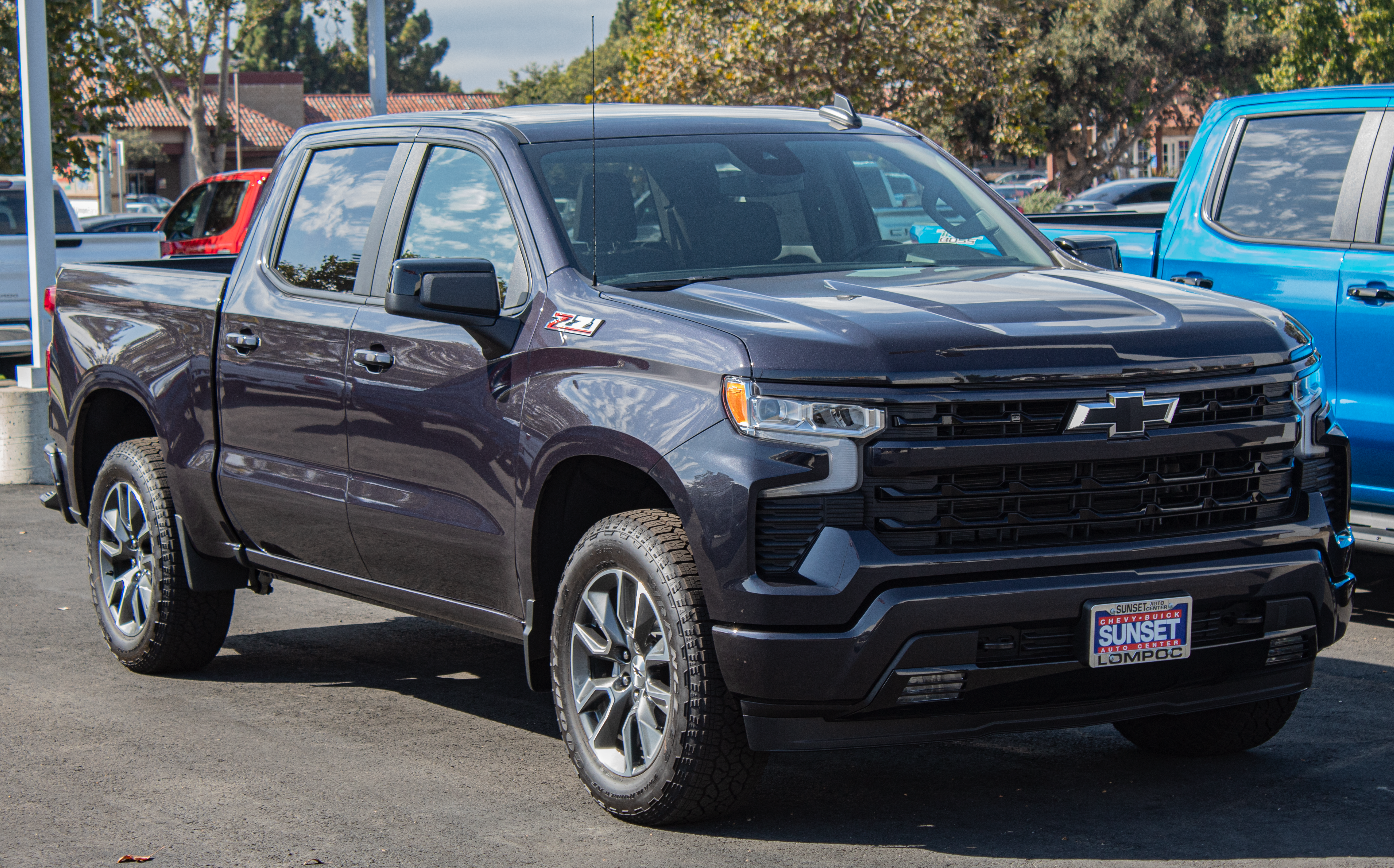
Chevy Silverado
The Silverado is Chevrolet’s main big pickup truck. They’re comparing how sales changed versus the previous period and saying it didn’t move much.
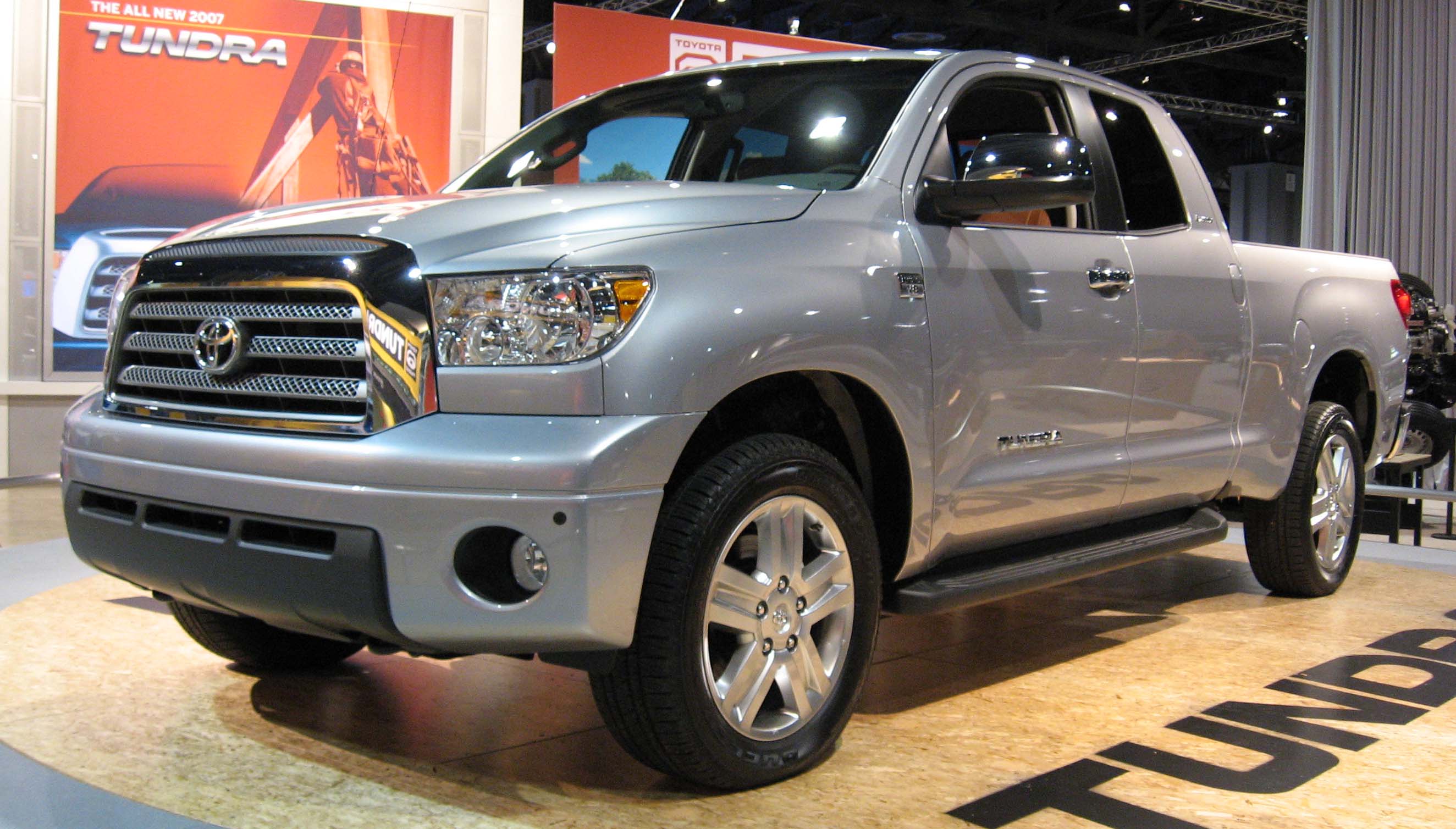
Toyota Tundra
The Tundra is Toyota’s big pickup. They’re saying sales are slightly down compared to the prior period.
Ford F150 Lighting
The F-150 Lightning is the electric pickup version of the F-150. They’re saying its sales have fallen a lot, and they connect that to broader EV market pressures.

Hummer EV
The Hummer EV is the electric version of the Hummer brand. They’re noting that, unlike some EVs, it hasn’t fallen as much in sales.

GMC Hummer EV
The GMC Hummer EV is an electric pickup truck. It’s designed to be powerful and capable, including on rough terrain. The podcast mentions it because its sales dropped a lot compared to the previous numbers.

GMC Sierra EV
The Sierra EV is GMC’s electric big pickup. They’re saying its sales are actually a little higher than last year, unlike some other EV trucks.

Chevrolet Silverado EV
The Chevrolet Silverado EV is GM’s electric full-size pickup. The hosts cite a significant year-over-year decline for Silverado EV sales, using it to illustrate how EV incentives and pricing are affecting demand.
tax credits are hurting the EV market
This is a market-level claim that changes in EV tax credits can affect consumer demand and pricing. When incentives are reduced, delayed, or complicated, fewer buyers qualify or feel confident enough to purchase, which can slow EV sales.
new car payment
A new car payment is what you pay each month to pay off a car you’re financing. They’re pointing out that many people are now paying much more per month than they used to.
negative equity from your trade-in
Negative equity means your current car is worth less than what you still owe on it. When you trade it in, that gap can be added to your new loan, making your payment higher.
loan terms for 84 months or more
A longer loan makes the monthly payment smaller because you spread it out. But you typically pay more money overall because you’re paying interest for longer.
JD Power
J.D. Power is a company that studies the auto industry and publishes reports. Here, they’re being cited for data about how long people are financing vehicles.
72 month loans
A 72-month loan is a long payment schedule—six years. It can lower the monthly payment, but it usually costs more in the long run.
Ford F-150
The Ford F-150 is one of the most popular full-size trucks in the U.S. The hosts are saying the next generation could arrive around 2028–2029, and they’re watching for new electric options too.
Ford Super Duty
Ford’s Super Duty is the heavy-duty version of their trucks, built for towing and tough jobs. The hosts are saying it should get a new generation around 2028–2029.
low price battery electric pickup
This is the idea of making an electric pickup cheaper than most EV trucks today. The goal is to make EV trucks more affordable for more people.
GM's 10 speed transmission recall
They’re talking about a recall involving GM’s 10-speed automatic transmission. The issue is related to internal transmission parts and updates that dealers may need to apply.
valve bodies
Valve bodies are like the transmission’s fluid control system. If they’re faulty, the transmission may not shift correctly or may behave unpredictably.
transmission control module reprogram
The transmission control module is the computer that tells the transmission how to shift. Reprogramming means updating that computer’s instructions, and the episode says some cars got the wrong update.
rear wheel lock up
Rear wheel lock-up is when the rear tires lose grip and slide instead of rolling normally. The fix described is meant to prevent that from happening.

Cadillac Escalade
They mention the Escalade ESV to help you understand which big SUVs they mean. It’s basically a reference to the same general “big luxury SUV” category.

GMC Yukon
They’re saying some 2022 GMC Yukons are included in the expanded recall guidance. It’s related to problems inside the transmission that can affect how the vehicle behaves.

Chevrolet Suburban
They’re saying some 2022 Chevrolet Suburban models are included in an expanded transmission-related recall. Owners should verify their vehicle’s status with the VIN.

Chevrolet Tahoe
They’re saying some 2022 Chevrolet Tahoe SUVs are included in an expanded recall related to the transmission. If you own one, it’s worth checking whether your VIN is affected.
ETRS
ETRS is an electronic gear-range selector. It helps the truck know which gear range you want, and it can affect how the transmission behaves.
recall campaign
A recall campaign is when the manufacturer contacts owners to fix a problem in certain vehicles. Sometimes it’s a software update, and other times it’s a parts issue, so the scope can vary.
transmission control module software
This is the transmission’s computer software. If it’s programmed incorrectly, the truck may shift at the wrong time, so the fix is often a software update.
valve body
The valve body is like the transmission’s hydraulic “switchboard.” If it’s not right, the transmission can start shifting poorly over time, and a software update may not fully fix it.
random unsafe shifts
This means the truck may shift gears on its own in a way that could be dangerous. The update helps stop those unexpected shifts, even if the transmission still has an underlying issue.
VIN
Your VIN is your truck’s unique ID number. A dealer can look it up to see whether your exact vehicle is part of a recall.
GM dealer
They’re saying to contact a GM dealership. The dealer can check your truck’s VIN and tell you what recall work (if any) applies.
downshifting uncommanded
Uncommanded downshifting is when the truck shifts to a lower gear by itself. It can be jarring and is a sign something in the transmission control or hydraulics isn’t behaving correctly.
