A stylish, high-tech electric SUV made by Polestar, which is a modern electric car brand related to Volvo. It's designed to be fast, comfortable, and packed with advanced safety features.
Wireless software updates that your car downloads automatically over the internet, similar to how your smartphone updates its operating system overnight.
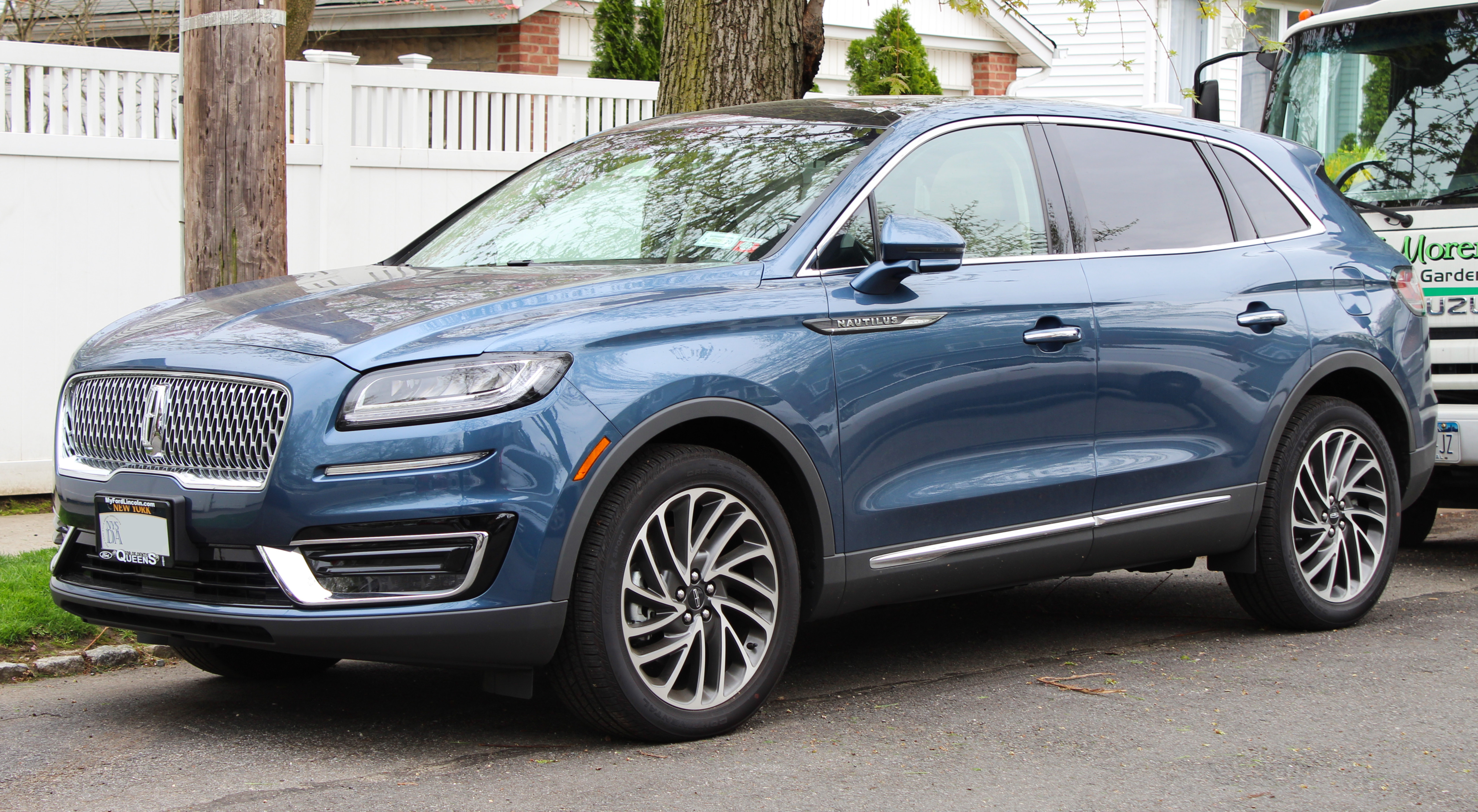
A quiet, comfortable luxury SUV from Lincoln that focuses on a smooth ride and a high-tech interior, including a massive screen that stretches across the entire dashboard.
The Ford Edge is a mid-sized family SUV with five seats, made by the American company Ford. It is designed for comfortable daily driving and commuting.
A popular, sporty electric sedan made by Tesla. It is known for its long driving range, fast acceleration, and minimalist interior dominated by a single large screen.
A yearly list that ranks cars based on how much of their manufacturing, parts, and labor actually come from the United States, showing that some 'foreign' brands are actually highly American-made.
The Tesla Model Y is a fully electric, mid-sized family SUV made by Tesla. It is slightly taller and roomier than the Model 3, offering more cargo space and an elevated seating position.
The Jeep Gladiator is a four-door pickup truck made by Jeep that looks like a Wrangler with a truck bed attached to the back. It is designed for driving on rough, unpaved roads and has a roof and doors that can be completely removed.
The Honda Passport is a mid-sized SUV that has two rows of seats and is built for families who want a bit more space and capability for outdoor adventures. It is made by Honda in an American factory.
The Honda Odyssey is a large family minivan with sliding side doors, designed to carry up to eight passengers comfortably. It is built by Honda in the United States and focuses on safety and convenience for families.
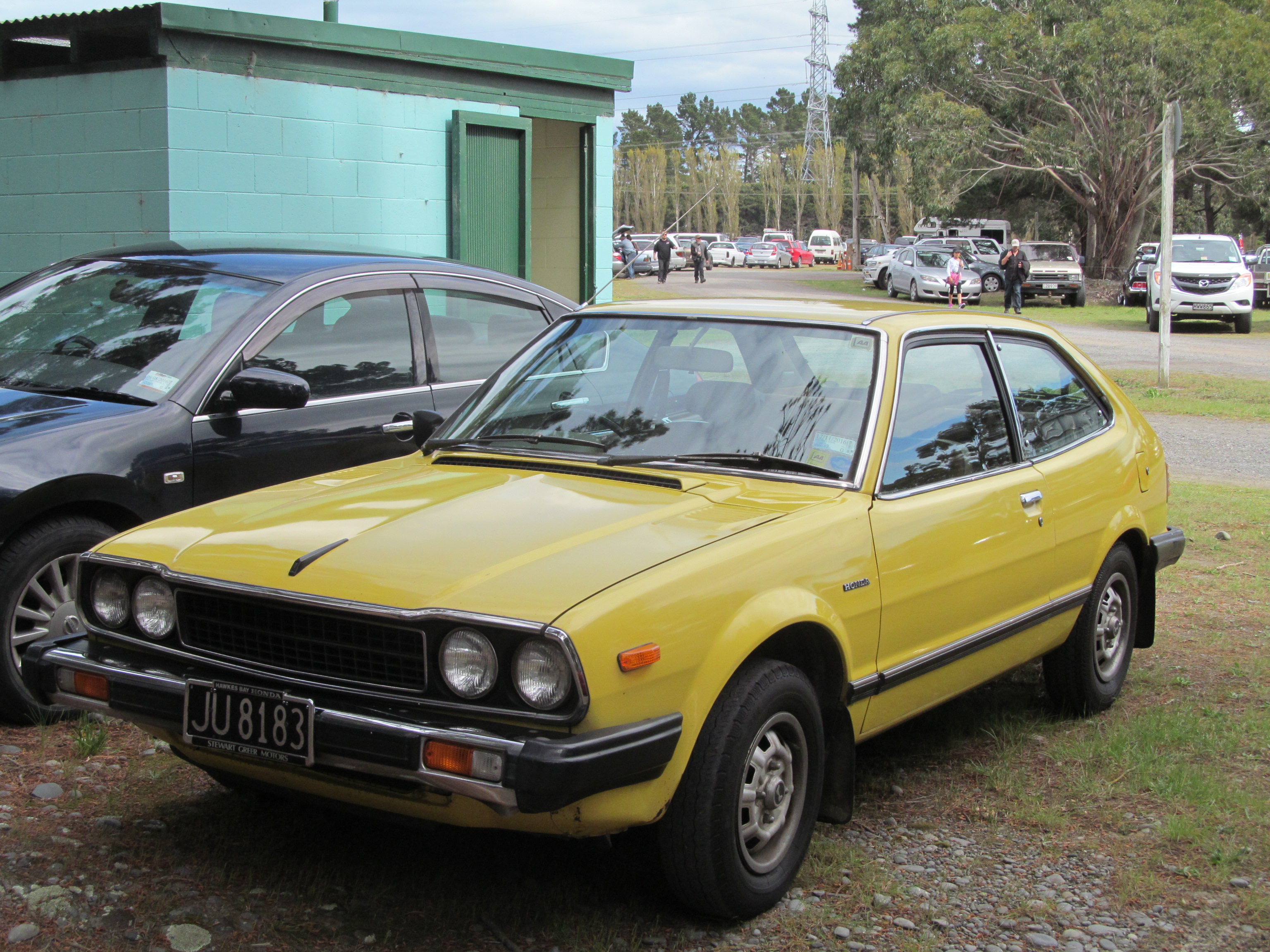
The Honda Accord is a traditional, gasoline-powered or hybrid four-door family car made by the Japanese company Honda. It is widely known for being dependable, comfortable, and easy to drive.
The Honda Ridgeline is a mid-sized pickup truck that drives more smoothly than traditional trucks because it is built like an SUV with an open cargo bed in the back. It is made by Honda in the United States.
A high-end, sporty SUV from BMW that is designed to drive more like a sports sedan than a traditional heavy truck. It is highly popular and built in South Carolina.
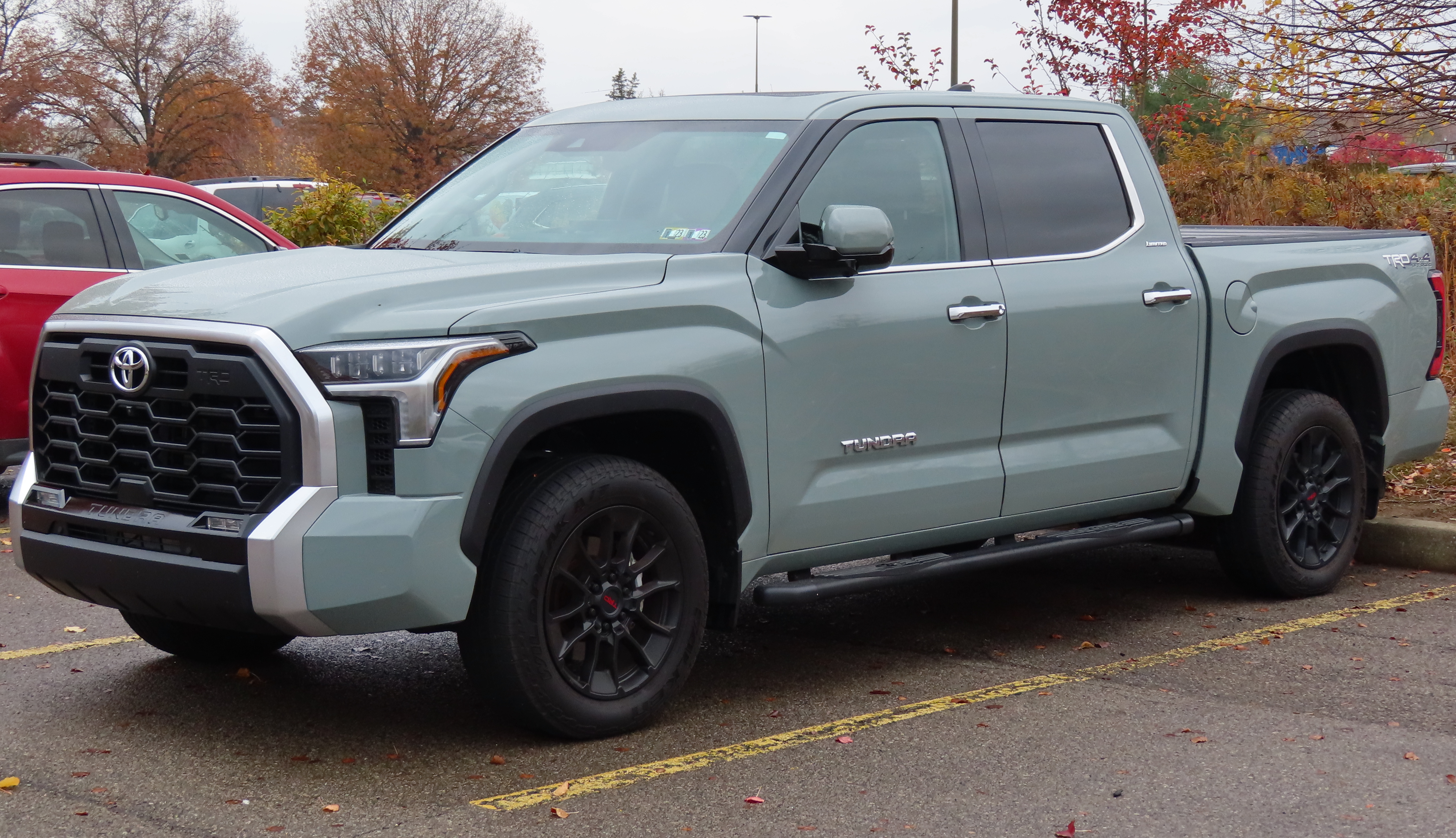
A large, powerful pickup truck built by Toyota in Texas. It is designed for towing and hauling, using a modern twin-turbo engine instead of an old-school V8.
How well a car is put together physically—specifically looking at whether the body panels line up perfectly, the paint is flawless, and the interior parts feel tight and solid.
The small spaces between the metal parts of a car's body (like where the door meets the frame). If these spaces are uneven, it can make the car look poorly built.
A very reliable, comfortable mid-sized family car that uses both a gas engine and electric motors to get incredible fuel economy, saving you a lot of money on gas.
A compact, fun-to-drive car that uses a hybrid system to get great gas mileage without sacrificing pep or interior space.
LIVE
Welcome to the AI Auto podcast with Javier Moda, your front-row seat to where artificial
intelligence meets horsepower.
I'm Ara, kicking off this ride through cutting-edge tech reshaping cars.
Can you explain why the US government is banning Polestar from selling its cars here in the
US?
It's not exactly a ban on Polestar specifically, it's a broad rule targeting cars with Chinese
ties.
The US Department of Commerce's Bureau of Industry and Security denied Polestar authorization
under the Connected Vehicle Rule, which kicks in for model year 2027.
This rule blocks the sale of connected vehicles, basically any modern car with internet, Bluetooth,
cellular or satellite connectivity, if the manufacturer is owned, controlled by or subject
to the direction of China or Russia.
It also restricts vehicles using certain software from those countries.
Why the rule exists?
The government's concern is national security.
Chinese companies can be compelled by their government to share data or enable remote
access to vehicles in the US.
Modern cars collect huge amounts of location, camera and behavioral data.
Imagine that feeding back to a foreign adversary.
The rule phases in.
Software restrictions start with 2027 models.
Hardware bans follow around 2030.
Why Polestar specifically?
Polestar is majority owned by Jili, a major Chinese automaker.
Even though some Polestar's, like the three, are built in South Carolina, ownership and
the software stack matter more than assembly location.
Polestar applied for an exception but was denied.
Interestingly, sister brand Volvo, also owned by Jili, did get authorization, likely due
to differences in corporate structure, data governance, software development location
or longer US manufacturing history.
Polestar's closer integration with Jili's tech appears to be the sticking point.
Current status.
Polestar can sell existing 2026 and earlier inventory, but no new models from 2027 onward.
They're winding down US operations and focusing on Europe, where most of their sales already are.
This fits a broader US push to limit Chinese influence in critical tech and supply chains,
similar to restrictions on other Chinese EVs and components.
It's less about the cars themselves and more about who controls the software and data inside them.
Isn't this dangerous for other brands that have parts or some kind of
partners in China who provide software and other parts for the car?
Yes, it creates real headaches for brands using Chinese software or suppliers,
but the rule has nuance that limits the damage.
The rule primarily targets two things.
Chinese or Russian owned manufacturers can't sell connected vehicles in the US from model year 2027
onward. This is why Polestar got denied while Volvo, also Jili owned, received a specific
authorization after proving stronger data governance and separation.
Any automaker using prohibited Chinese linked software for connectivity or automated driving
from 2027 models or hardware from 2030.
The distinction that matters, it's not a blanket ban on any part from China.
Most Western brands source plenty of mechanical or non connected components from China without
issue. The focus is on connected vehicle systems, the software and hardware that handle internet
connectivity, data transmission, location tracking, cameras and over the air updates.
Those can be remotely accessed or compelled to share data.
What other brands are doing?
Many automakers are already auditing their software builds of materials,
SBOMs and purging Chinese code or moving development elsewhere.
Tesla, for example, has moved away from certain Chinese connectivity suppliers for US market cars.
GM, Ford and others with Chinese joint ventures or imported models like some Buick's and Lincoln's
are shifting production or reworking their tech stacks.
It's expensive and disruptive, but doable for companies not owned by Chinese firms.
The bigger long term risk is supply chain concentration.
China dominates certain electronics and software layers, so everyone has to diversify.
The rule gives companies until 2027 for software and 2030 for hardware to get compliant,
which is why you're seeing this scramble now.
It's messy, but the government deliberately made it narrower than a full no China parts policy
precisely because of how intertwined global auto supply chains are.
So are US brands or manufacturers like General Motors and Ford are in danger because China
already is way ahead. Some people say it's 15, 20 years ahead in terms of development technology.
And now with this banner, this rule, the US brands are going to have left even more behind.
No, GM and Ford aren't in danger of being banned like Polestar.
The rule hits companies owned or controlled by China hardest.
That's why Polestar got denied while its sister brand Volvo, also Gileon, got an exception.
GM and Ford are American companies, so they can comply by cleaning up their software and
hardware supply chains. They're already moving on it. Ford's applying for licenses for models
like the Lincoln Nautilus, which is built in China that uses US developed software.
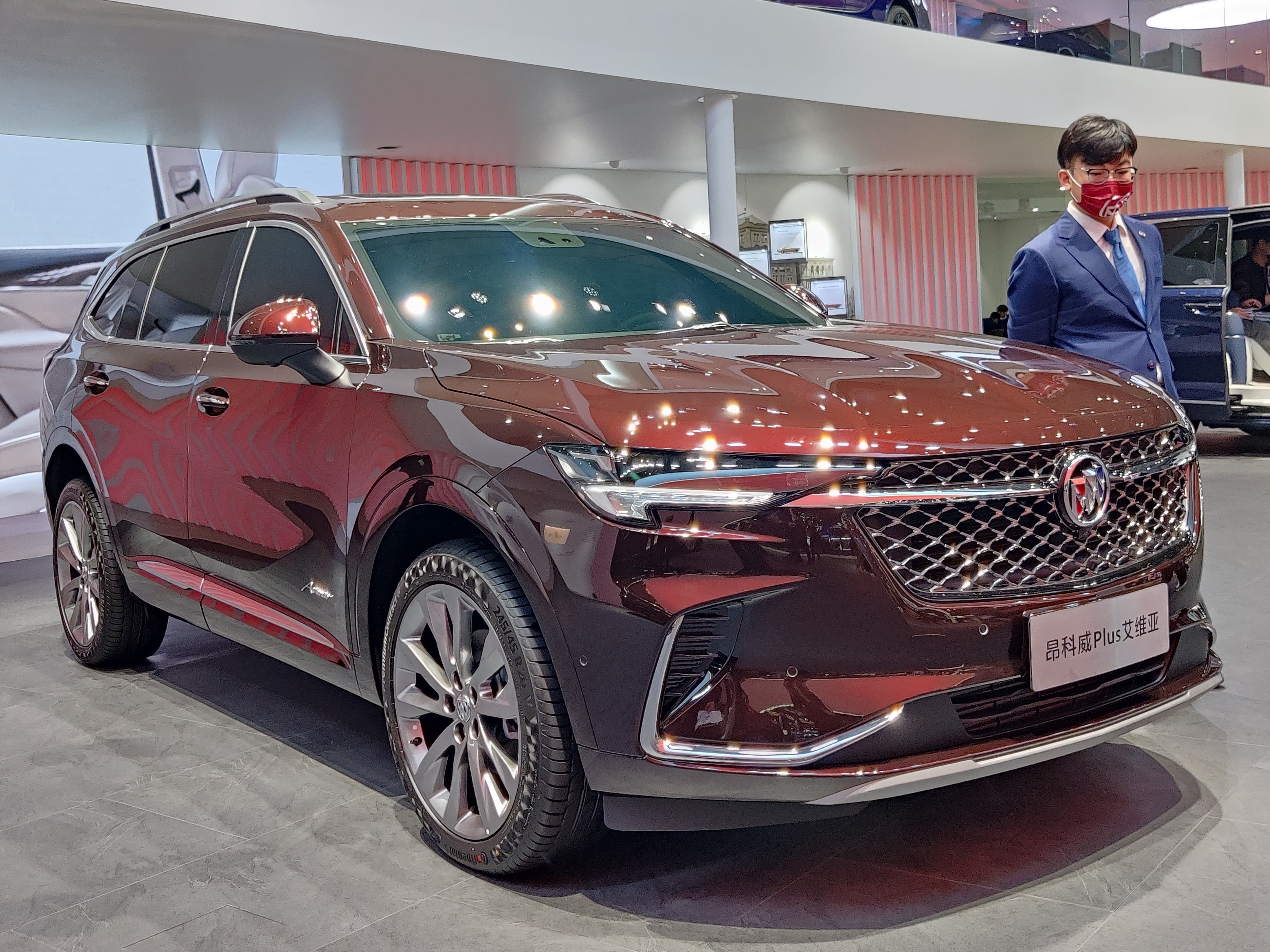
GM is shifting Buick and vision production from China to Kansas starting in 2028 and told suppliers
to remove Chinese parts by 2027. It's costly and annoying, but they're not getting kicked out.
The 15 to 20 years ahead claim that's overstated. China dominates EV batteries,
production scale and speed of bringing affordable models to market. They're way ahead there and
their cars often feel more advanced in software features and over the air updates. In robo taxis
and certain assisted driving, they're deploying at massive scale in their home market. But on core
autonomous driving tech, the hard, reliable self-driving stuff, the US, especially Waymo and
cruise tech still holds an edge in real world safety and capability, though China is closing
the gap fast. The 15 to 20 years number is hype. It's more like two to five years in some areas,
with China leading in deployment and cost, the US and cutting edge AI robustness. Long term effect,
this rule might slow US brands a bit by forcing them to source connectivity tech elsewhere,
but it also pushes them to build domestic capabilities instead of leaning on cheap Chinese
suppliers. The bigger risk for GM and Ford is just competing with China's cost and innovation edge.
The rule is more about national security than protecting Detroit from competition.
They'll adapt they have before. But in terms of cost, as you mentioned, this is going to affect
the end user, meaning the consumers who are buying the new cars that are going to need
new software and like the cost always is transfers from the auto manufacturers to the consumers.
That right? Yeah, you're right. Costs almost always get passed on to the buyer. Replacing
Chinese software and hardware for connectivity will raise production costs for GM, Ford and others,
and those expenses typically show up in higher sticker prices. The rule kicks in for software
in 2027 models and hardware around 2030. Automakers are already auditing their systems,
rewriting codes, switching suppliers to non Chinese ones like European, Japanese or American,
and filing compliance paperwork. Non Chinese modules can cost about 10% more than the Chinese
equivalents they replace. For complex software integration, the hit is bigger. It means redesign,
testing and potential delays. How much more will cars cost? No one has pinned down an exact number
for this specific rule yet, but analysts expect it to push new vehicle prices up modestly,
likely a few hundred to a couple thousand dollars per car, depending on how much Chinese tech was
in there. It's not as massive as broad tariffs, but it adds up. Car makers have slim margins on
many models, so they can't absorb all of it. The flip side, this is forcing companies to build more
resilient domestic friendly supply chains, which could pay off long term. But in the short term,
yes, expect new cars in the late 2020s to feel a bit pricier, partly because of this.
And now speaking about which car is from where, Volvo, which was a Swedish company,
is owned now by China or a Chinese company. And there are many cars that are from other or are
made in other countries than the manufacturer. So there's a report about the most American car.
What is the most American car now in 2026? The most American car right now in 2026 is the Tesla
Model 3. It tops the widely referenced Cars.com American Dash Made Index, which ranks vehicles
based on US final assembly, percentage of US Canadian parts content, where engines and
transmissions are made, and the manufacturer's US workforce. The Tesla Model Y comes in second,
followed by the Jeep Gladiator and Jeep Ram Cherokee. Honda actually has a ton of models in
top 10, like the Ridgeline, Odyssey, Accord and Passport, showing how foreign brands with heavy
US manufacturing score high. You're right that ownership and origin are tricky. Volvo is owned
by China's Geely, yet some of its models got exceptions under the connected vehicle rules
because of how they structured data and software. Same idea here. A car like the Honda Ridgeline
might be built in Alabama with mostly North American parts, making it more American than
some Detroit models that source heavily from Mexico or overseas. The index shows the industry is
super globalized. Final assembly in the US matters, but so does where all those thousands of parts
actually come from. Tesla wins largely because its factories are in California and Texas,
and it has shifted some sourcing to boost domestic content. And this week BMW, which has been building
cars here in the US since 1994, debuted the 2027 BMW X5. And some initial comments are like,
oh, if it's made in the US, I don't want to buy it. So what's the, or what the consumers get
wrong about where the car is built? A lot of people assume made in the USA means lower quality,
but that's usually wrong. The 2027 BMW X5 is built at BMW's Spartanburg Plant in South Carolina,
BMW's biggest factory in the world, where they've been making X models since 1994.
That plant builds the X5, X6, X3, X7 and more. And it's highly automated with strong quality
controls. Consumer reports and others regularly praise the US built X5 as one of the best luxury
SUVs. The big misconception is thinking the country on the badge equals the country where
the car was assembled, or that US assembly automatically means cheaper build quality.
In reality, modern cars are global products. A German BMW like the X5 often has parts from all
over. But final assembly here means it's tailored for the US market with American workers and
supply chains that can actually make it scored decently on American made indexes. People who
say if it's made in the US, I don't want it are mostly chasing a perception of European exclusivity.
The truth is, for this model, Spartanburg is where the X5 was basically born. It's the home of the
X family. Quality hasn't suffered. The plant exports hundreds of thousands of these SUVs worldwide
every year. Isn't it true that even Toyota acknowledged recently that some of its models
that are built in Japan have better quality in the long term than the cars or similar cars built in
the US? Not exactly. Toyota didn't acknowledge that Japan built models are more reliable or
better in the long term. What happened recently is that Toyota, along with Nissan, is importing
US built models like the Tundra and Highlander to Japan starting in 2026 and they're giving
Japanese buyers a specific disclaimer. The warning is only about cosmetic and fit and finish
differences. Things like thinner paint, possible polishing marks, minor color variations, dense
in the paint, or slightly larger panel gaps. Toyota explicitly says these differences do not affect
function or performance and they're designed for overseas markets. It's not about mechanical
reliability, durability, or how the car holds up over years. Japanese buyers are famously piggy
about perfect paint and tight tolerances. So Toyota is just managing expectations up front.
Long term reliability data from places like JD Power and Consumer Reports doesn't show a meaningful
gap in actual breakdowns or problems between Toyota's best US plants and Japanese ones. Both are
usually excellent. The perception that Japan built lasts longer is very common among enthusiasts
and Japan built cars often do feel a bit more polished from day one but the official Toyota
stance, even in this recent case, separates appearance from real-world longevity.
So if you were to buy a car in 2026 in the US, which car would you buy?
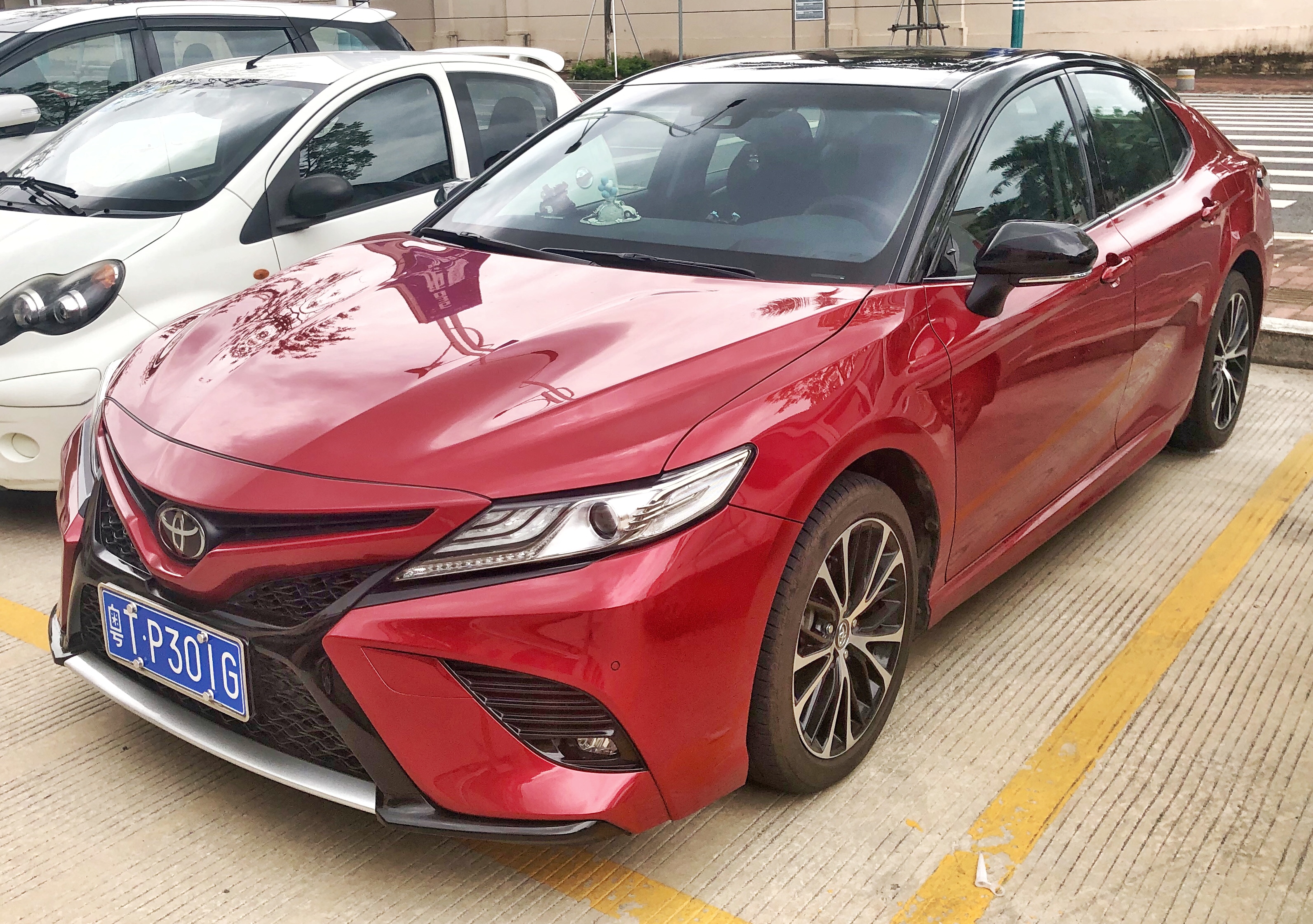
I'd buy the 2026 Toyota Camry Hybrid. It's Consumer Reports' top pick for mid-sized cars
with strong reliability scores, a comfortable ride, and insane fuel economy. Around 48 to 51mpg
combined, depending on the trim, that's real-world savings every time you drive. Toyota still leads
in long-term dependability and this generation's hybrid system is refined, smooth, and proven.
The interior's roomy, the tech is straightforward without being overwhelming and it holds its value
well. For a daily driver in the US, it's hard to beat the combination of low ownership costs,
comfort, and peace of mind. If I wanted something smaller and more fun to drive,
I'd go for the Honda Civic Hybrid instead. It's also excellent and frequently tops lists,
but the Camry just edges it out for me on efficiency and space.
That's it for today's AI Auto Podcast with Javier Moda. Hope you enjoyed the ride as much as we
did. Tune in next time for more on how AI steering the wheel of tomorrow's autos. Drive safe,
stay curious, and catch you later.
About this episode
Delve into the complex reality of the US government's Connected Vehicle Rule and its immediate impact on brands like Polestar and Volvo. This discussion demystifies the upcoming 2027 software and 2030 hardware restrictions aimed at Chinese-linked technology, explaining how it affects American giants like GM and Ford. The conversation also tackles the true gap between Chinese and US EV tech, reveals why the Tesla Model 3 is crowned the most American-made car, and debunks long-standing myths surrounding US manufacturing quality versus Japanese imports.
In this episode we unpack why Polestar is leaving the U.S. market under new connected vehicle security rules, what the regulations mean for GM, Ford, and other automakers, and whether consumers should expect higher car prices. We also explore what makes a car "American" in 2026, why the Tesla Model 3 tops the American-Made Index, the truth about U.S.-built BMWs and Toyotas, and which new car we'd buy today.
Hosted by Simplecast, an AdsWizz company. See pcm.adswizz.com for information about our collection and use of personal data for advertising.