Zach Billings, co-founder of Wikimotive, dives into the evolving role of AI in automotive search and how dealers can adapt in 2026. He explains that while AI tools like ChatGPT and Google's Gemini are gaining traction, traditional search remains dominant for local vehicle shopping. Zach emphasizes that dealer reputation and traditional SEO still drive visibility, as AI search currently represents a small fraction of traffic. He advises dealers to focus on authentic customer reviews, location relevance, and SEO content structured for AI to prepare for future shifts without over-investing prematurely.
Today Sam D'Arc is joined by Zach Billings, Co-Founder of Wikimotive.
We break down why AI search is an evolution of SEO—not a replacement—and why consumer behavior is changing far slower than the hype suggests.
Zach explains where GEO actually matters today, why reputation and human content outperform technical gimmicks, and why most dealers should still double down on traditional search.
The big takeaway: AI is loud, but the real lead opportunity hasn’t moved yet.
This episode is brought to you by:
1. Openlane - The world’s best online dealer marketplace for used cars, bringing you exclusive inventory, simple transactions, and better outcomes. If you’ve never used OPENLANE before, or it’s been a while since you have, you’re eligible to earn up to $2,500 in buy or sale fee credits. Learn more @ openlane.com/cdg
2. Siro - Siro’s AI gives dealerships full visibility into every conversation. It records, transcribes, and analyzes in-person conversations. Proactively flagging compliance issues, missed revenue opportunities, and training gaps. Go to @ https://www.siro.ai/cdg to learn more
3. Wikimotive - Wikimotive delivers organic and paid search solutions to hundreds of dealerships from rural rooftops to multiple top-5 national dealers. Their focus is simple: get your store in front of people already searching for a car or service, and measure success by the leads and appointments that follow — not vanity metrics. Visit @ https://wikimotive.com/CDG/ to learn more.
Check out Car Dealership Guy’s stuff:
For dealers:
CDG Circles ➤ https://cdgcircles.com/
Industry job board ➤ http://jobs.dealershipguy.com
Dealership recruiting ➤ http://www.cdgrecruiting.com
Fix your dealership’s social media ➤ http://www.trynomad.co
Request to be a podcast guest ➤ http://www.cdgguest.com
For industry vendors:
Advertise with Car Dealership Guy ➤ http://www.cdgpartner.com
Industry job board ➤ http://jobs.dealershipguy.com
Request to be a podcast guest ➤ http://www.cdgguest.com
Topics:
02:00 Consumer habits haven't shifted to AI search yet.
05:45 Google (with Gemini) will win the AI war.
06:25 The tech isn't ready for inventory searches.
08:05 AI search is just 0.5% of opportunity.
09:45 Reputation (consensus) is the #1 factor.
10:52 Traditional SEO is the #2 lever.
11:52 Structure content with clear subsections and FAQs.
15:30 Perfect schema markup is overhyped busy work.
29:58 Winning requires a 12-month SEO horizon.
41:50 Google now devalues AI-generated content.
Car Dealership Guy Socials:
X ➤ x.com/GuyDealership
Instagram ➤ instagram.com/cardealershipguy/
TikTok ➤ tiktok.com/@guydealership
LinkedIn ➤ linkedin.com/company/cardealershipguy
Threads ➤ threads.net/@cardealershipguy
Facebook ➤ facebook.com/profile.php?id=100077402857683
Everything else ➤ dealershipguy.com
"Between Pro and Anti, the notion of GEO, which is Generative Engine Optimization, for those not familiar with the term, it's the acronym being thrown around for optimizing for this."
GEO means using smart computer programs that can create and improve information to help people find and learn about cars better.
GEO stands for Generative Engine Optimization, a concept related to optimizing content or processes using generative AI technologies such as large language models (LLMs). It is used in automotive contexts for improving discovery and research.
"People are using LLMs, and they are definitely using it for discovery and for research in automotive."
LLMs are smart computer programs that can read and write like people, helping with finding and understanding information about cars.
LLMs stands for Large Language Models, which are advanced AI systems trained on vast amounts of text data to understand and generate human-like language. They are increasingly used in automotive research and discovery.
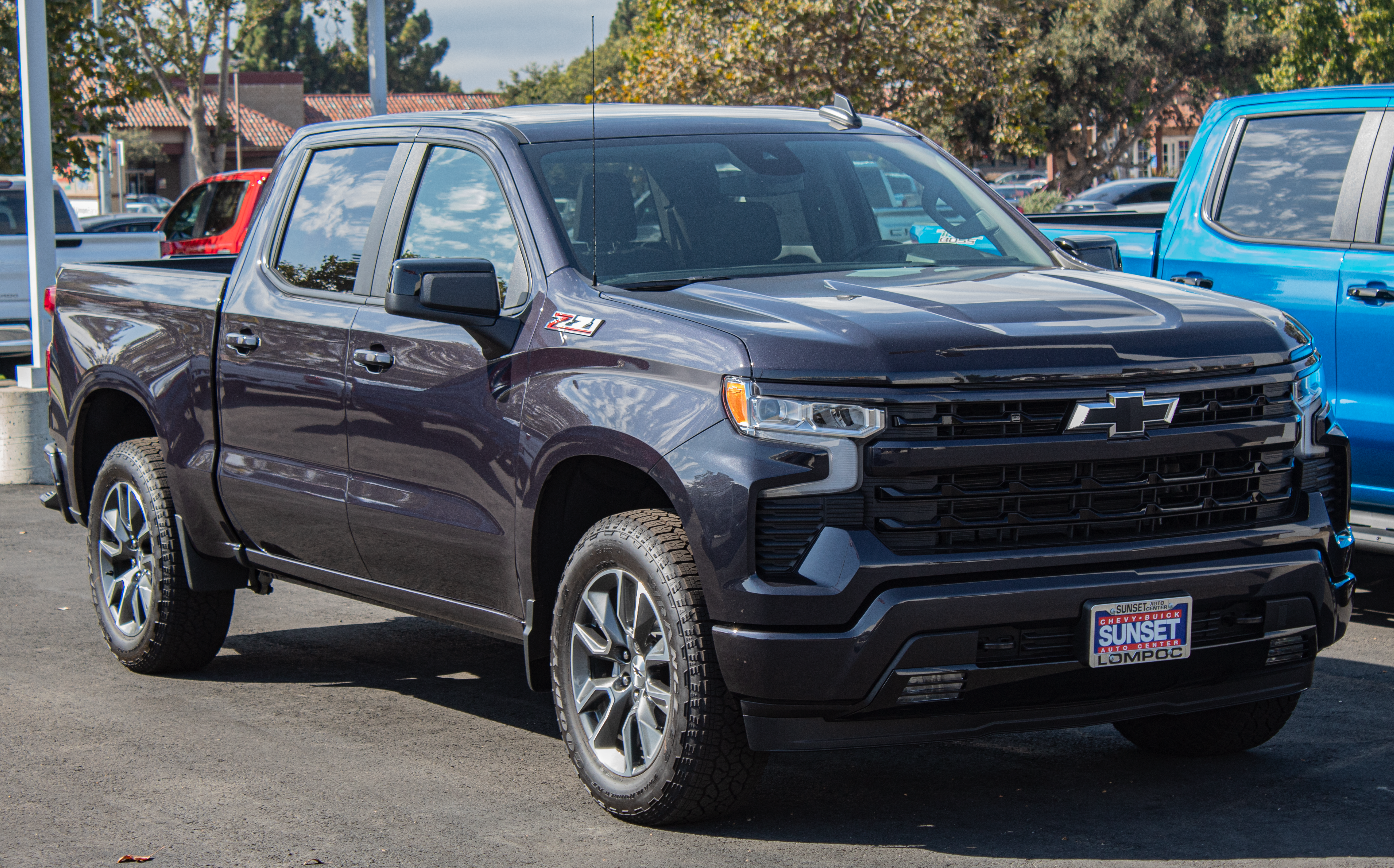
GM is a company that makes many kinds of cars and trucks, like Chevrolet.
General Motors (GM) is a large American car manufacturer that owns brands like Chevrolet, GMC, and Cadillac, producing a variety of vehicles including trucks and SUVs.
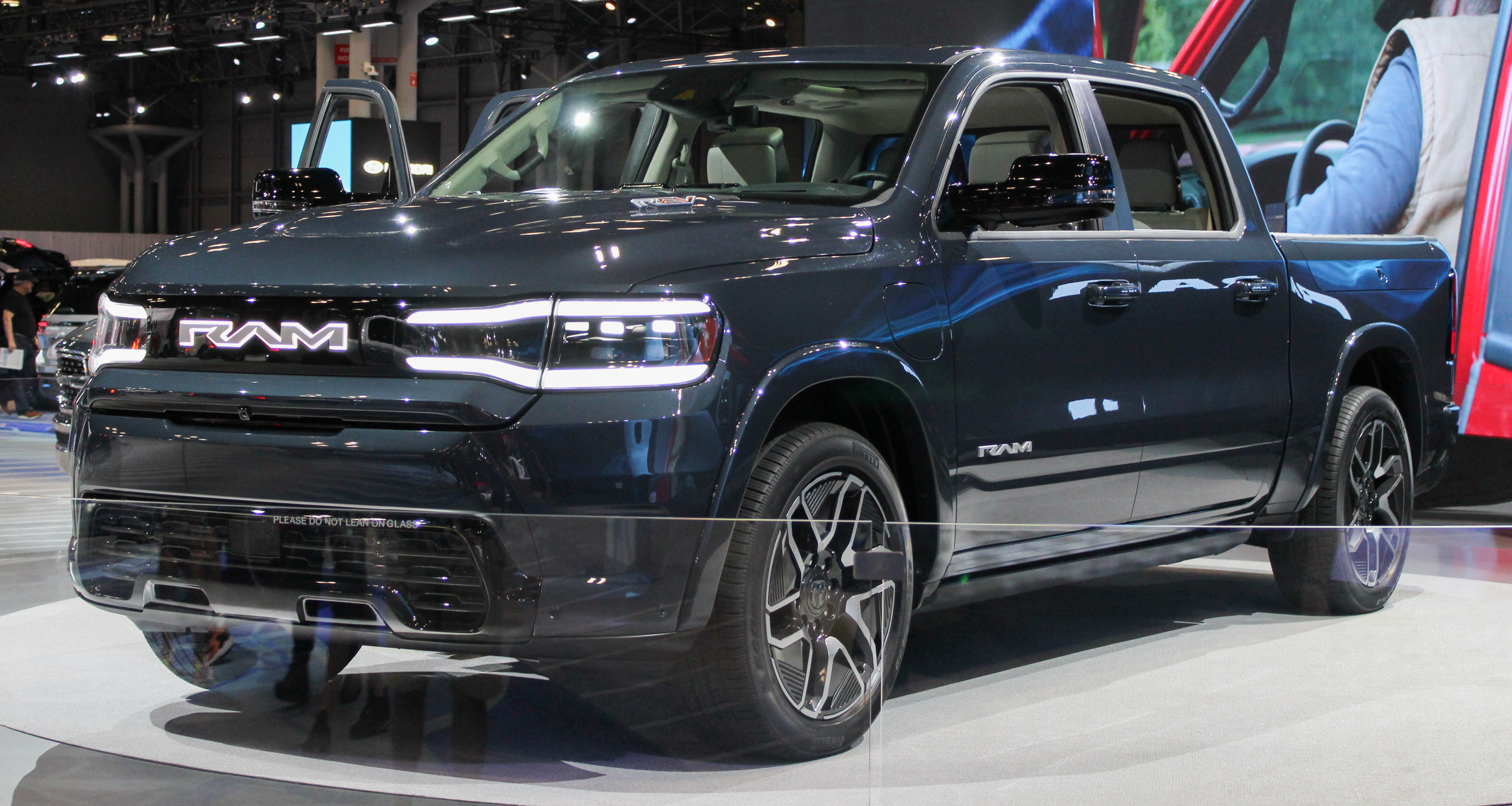
Stellantis is a big car company that owns brands like Jeep and Ram trucks.
Stellantis is a multinational automotive company formed from the merger of Fiat Chrysler Automobiles and PSA Group, owning brands like Jeep, Ram, Dodge, and Chrysler.
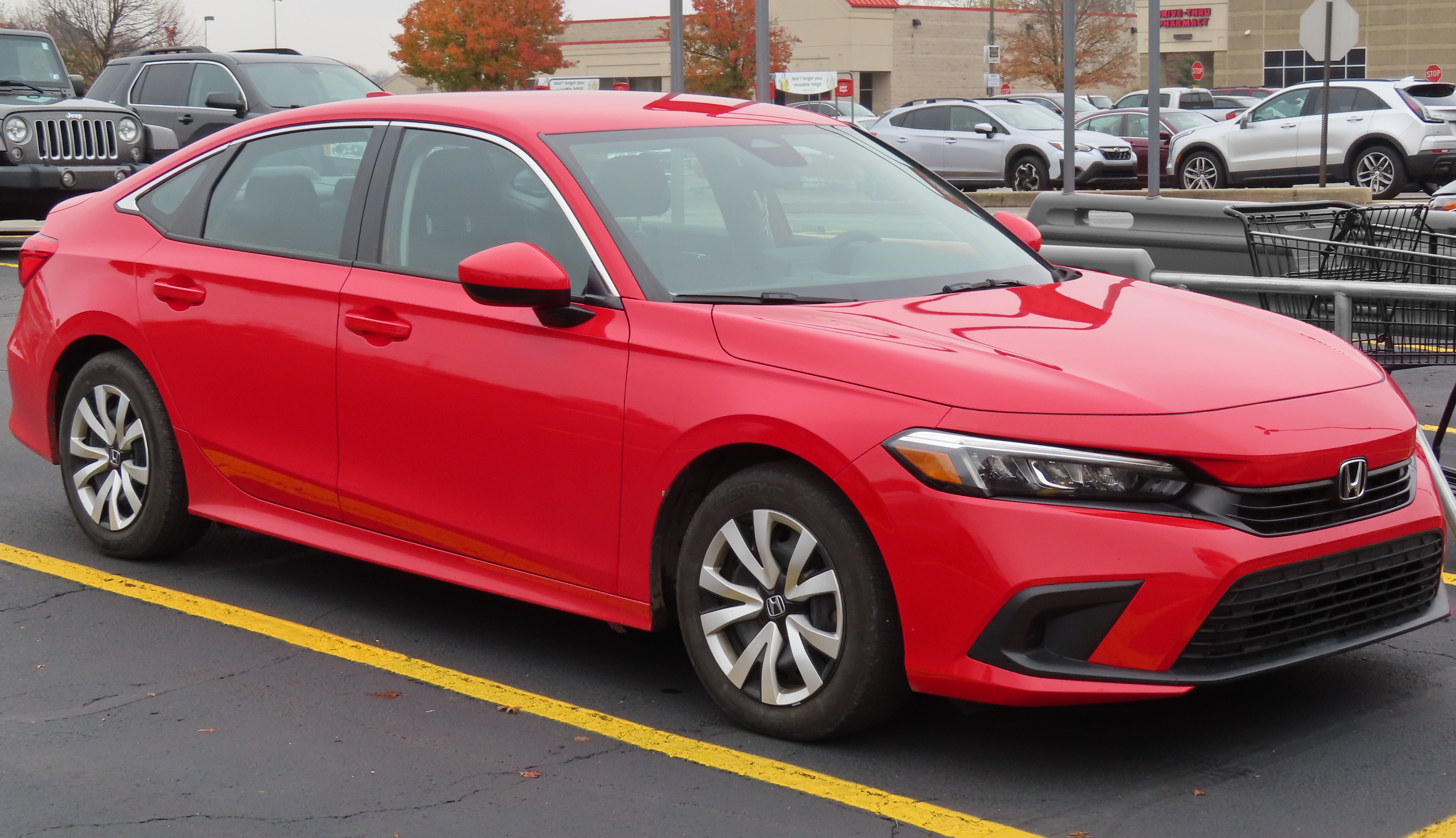
"...Your schema data would be like a vehicle schema on a VDP would be like price, 35 grand, year, 2026, model, civic, etc."
The Honda Civic is a small car many people like because it doesn't use much gas and is dependable. The 2026 model means the version of the car made for that year.
The Honda Civic is a popular compact car model known for its reliability, fuel efficiency, and strong resale value. The mention of the 2026 model year indicates a future or current generation of this model.
"...using the power of people in AI to build a transparent wholesale experience."
It means the car buying process is clear and honest, so you know exactly what you're getting without surprises.
A transparent wholesale experience refers to a buying process where vehicle condition, pricing, and history are clearly disclosed and easy to understand, reducing uncertainty and risk for buyers and dealers.
"...high quality engine audio recordings and OBD2 codes decoded into plain English."
OBD2 codes are like error messages from your car's computer that tell you if something is wrong. Mechanics use special tools to read these codes and figure out what needs fixing.
OBD2 codes are standardized diagnostic trouble codes generated by a vehicle's onboard computer system. They help identify issues with the engine, transmission, and other systems by providing specific fault codes that can be read with a scanner.
"Open Lane predictive pricing provides historical and future pricing guidance, allowing you to buy confidently."
It's a way to guess how much a car will cost in the future based on past prices, so you can decide the best time to buy or sell.
Predictive pricing uses historical data and algorithms to estimate future vehicle prices, helping buyers and sellers make informed decisions about when to buy or sell.
"If you take one of your VDPs, if you're on one of the major website platforms, this applies to you."
A VDP is a webpage where you can see all the details about a car someone is selling online, like pictures and price.
VDP stands for Vehicle Detail Page, which is a webpage dedicated to a specific car listing on automotive sales platforms. It typically includes detailed information, photos, and pricing for that vehicle.
""...this reputation piece, this location piece and this SEO really doubling down on this different type of SEO search.""
SEO means making your website show up higher when people search online, so more people visit your site.
SEO stands for Search Engine Optimization, which is the practice of improving the visibility and ranking of a website or web page in search engine results to attract more organic traffic.
""Because I'll tell you, the biggest problem in automotive today is how do you take that ad spend and best use it to bring customers through that door?""
Ad spend is the money a business uses to pay for ads that help get customers to come in and buy cars.
Ad spend refers to the budget allocated by businesses, including car dealerships, to pay for advertising campaigns to attract potential customers.
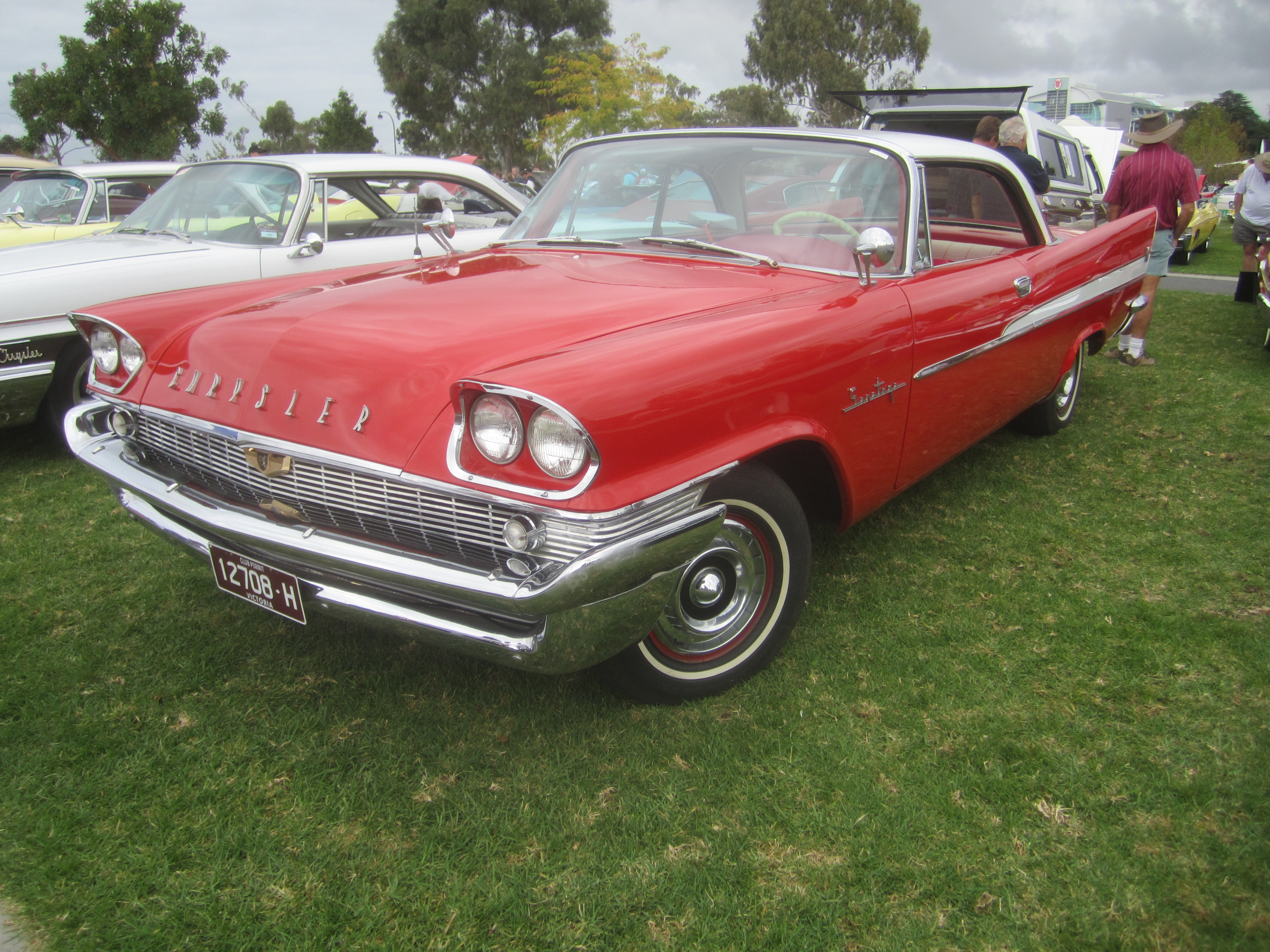
"...n the Albany market and 30 miles north of them in Saratoga Springs, New York, they're in position one for t..."
The Chrysler Saratoga is an older car made by Chrysler that was known for being comfortable and a bit fancy. People might talk about it because it was popular a long time ago and has a connection to the Saratoga Springs area.
The Chrysler Saratoga was a full-size car produced by Chrysler primarily during the mid-20th century, known for its blend of luxury and performance. It holds historical significance as a model that helped establish Chrysler's reputation in the upscale market segment. The mention likely relates to its connection to the Saratoga Springs area or its role in automotive history.
Consumer habits haven't shifted to AI search yet.
Google (with Gemini) will win the AI war.
The tech isn't ready for inventory searches.
AI search is just 0.5% of opportunity.
Reputation (consensus) is the #1 factor.
Traditional SEO is the #2 lever.
Structure content with clear subsections and FAQs.
Perfect schema markup is overhyped busy work.
Winning requires a 12-month SEO horizon.
Google now devalues AI-generated content.
Select text to request an explanation
CDG circles signups are back open.
If you want to learn from the best dealers in the country,
this is the digital peer group where it happens.
Over 3,000 dealership rooftops represented.
Recent dealer-only conversations
include Stellantis acquisition caps, AI selection
and integration, pay plan revamps,
cooling new car sales,
used car sourcing strategies and more.
Don't miss it.
Join us now at cdgcircles.com.
LLMs see that and they consider that
what's called consensus,
which is one of the biggest ways that
when they're live querying the web,
they decide what to put at the top.
That consensus is the most impactful thing
when looking for a local business.
Hey, everybody. I'm your host, Sam Darkin.
Today, I'm joined by Zach Billings,
co-founder of Wikimotive.
AI search is dominating headlines,
but dealers are stuck sorting hype from reality
while still trying to drive lead results.
Zach breaks down where GEO actually fits today,
why customer habits haven't shifted as fast as the tech,
and what really influences how AI recommends dealerships.
If you're wondering where to invest and where not to,
this conversation brings clarity.
A big thank you to our sponsors
for making today's episode possible openly.
Zero.
And of course, Wikimotive.
And now, let's get into the show.
Zach Billings, co-founder at Wikimotive.
Welcome to the Car Dealer Ship Guy podcast.
Sam, thanks so much for having me. I'm excited.
It's good to have you here.
So you're an expert in all things automotive search.
We've been having this debate in automotive,
and in particular on the Daily Dealer Live show,
about AI-driven search and how dealers show up,
whether they need to show up.
At first, it was like getting advice on positioning
and driving value.
And then we actually had a great counterpoint live
on the show that said,
hey, it's a much ado about nothing.
What's the truth of all this, Zach?
How should dealers be thinking about AI search in 2026?
That's a great question.
Obviously, AI search has become all the rage.
It's correct for everyone to be focusing on this,
because whether it's right now opportunity
or whether it's future-proofing,
it'd be a big mistake not to be paying attention to it.
Quick stats, 80% of U.S. consumers are using an LLM,
which is like JetGPT, Gemini, et cetera.
At least once a month, 25% are using them 10 times plus a month.
They're being used by everybody.
The question is, where do they intersect
with the dealer's opportunity for bottom of the funnel,
lead driving, sales driving, service driving opportunity?
I would split the difference, but with specifics.
Between Pro and Anti, the notion of GEO,
which is Generative Engine Optimization,
for those not familiar with the term,
it's the acronym being thrown around for optimizing for this.
People are using LLMs, and they are definitely using it
for discovery and for research in automotive.
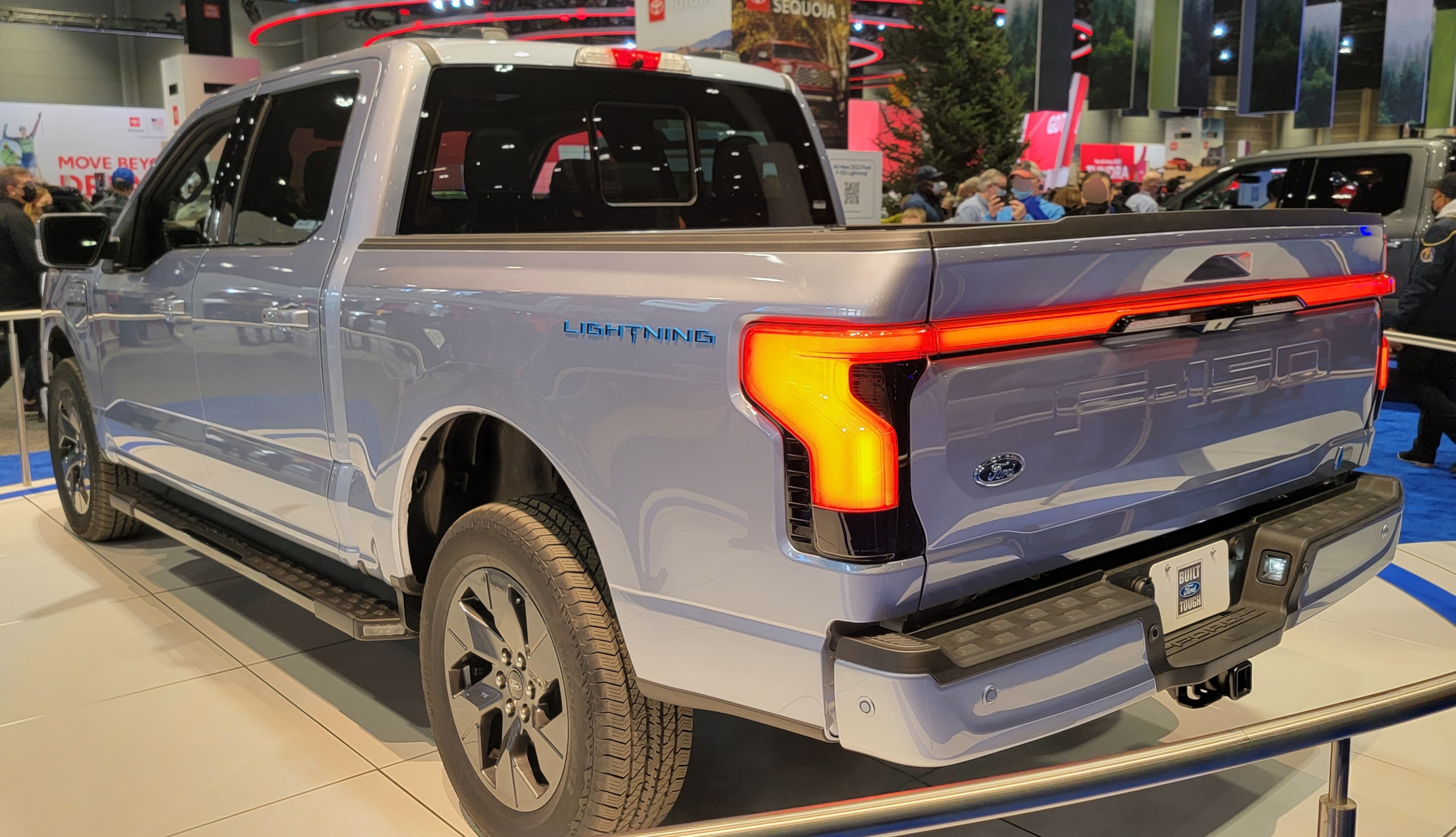
If you're Ford or GM or Stellantis,
you care a whole lot about how the F-150, the Silverado,
or the Ram 1500 are represented
when a consumer is doing their research there, and that matters.
As people get lower in the funnel,
the research is demonstrating that those bottom funnel searches
or prompts, in the case of an LLM,
where you're looking for a dealership,
where you're looking for actual inventory,
transitions mostly away from being executed on the LLM
and over to more traditional search methods,
like just typing it into Google as a keyword.
I even did an audience participation exercise
at the last presentation I did, where I pulled the audience,
and I was like, find me an F-150 within 20 miles as fast as you can,
everyone who raised their hand, having found it, used search.
Go ahead.
So why is that, do you think?
When I think about a vacation or I think about going somewhere,
I use ChatGPT, and it gives incredibly accurate results.
It's pretty doggone good, even for finding a hotel.
How do you explain that disconnect between the upper funnel
and then the actual decision finding the vehicle?
Yeah, it's two different things.
First of all, you've got consumer habits.
I'll give everybody an analog.
So seven years after the internet was available in consumer habits.
So in the year 2000, you had mainstream adoption.
Most households had the internet, yet less than 1%
of consumer spending was being done on the internet.
Why the mismatch?
The technology had not come far enough
in all of the little ancillary ways to be able to support
that behavior, credit card processing, e-commerce, all of that.
And consumer habits didn't align to it.
If you wanted a DVD, you were just wired as a consumer
to go walk into Best Buy and browse,
not try and find a way to buy it online, even if that was possible.
And so the same thing is happening with LLMs today,
where you've got a consumer habits issue,
where people are just used to doing that search.
It's easy, it's low friction,
it's already what somebody knows how to do.
So it's just what they go back to,
even if the LLM had the ability.
So then what that means is it's not a question of if
it will transition that direction.
It's a question of when.
So maybe today the resources aren't allocated there,
but in the future, Fair.
So I think that you'll continue to get a more muddy picture
than what people are expecting.
And I think a lot of the conversation
is revolving around this or that.
It's do you use an LLM or an AI tool for your search,
or do you use traditional search?
And I think Google is quickly looking
like it's going to become one of the winners in this space, right?
ChatGPT definitely rose to the top,
but Gemini has been on the rise,
and Gemini is baked into the Google ecosystem.
And I think what you're going to see
is more and more a blending of traditional search
and AI enabled search,
to where the two start to look like just kind of one amalgam.
And what's funny is this conversation,
five years from now, won't be AI optimization
or traditional SEO for search or whatever.
It's going to be optimization for search
as it has always been.
And this is just the latest evolution in the search landscape.
It's not actually the revolution people think it is.
The other thing is that right now,
and for the near-term foreseeable future,
even the habits not being there,
the like just go to anyone watching,
go to ChatGPT and just type in,
find me five F-150s under 65K within 20 miles of me.
Watch it think.
It thinks for minutes at a time
and then gives you bad results afterward.
Right now, it's not there.
And why is that?
So it's interesting, you're predicting a couple things here.
You're predicting kind of the fall of open AI, ChatGPT,
that it will come in second
or it will die at the foot of Google and Gemini.
Fair? Is that true?
I mean, you said it, not me.
As a heavy ChatGPT user, I...
I am as well.
Do I need to start transitioning?
Well, I'll tell you what.
The Super Bowl ad is going to add more critical mass to Gemini
and it's going to keep on picking up more steam.
As everyone's in the Google ecosystem,
I see it likely that Gemini will become one of the winners,
if not the winner.
Open AI has the first mover advantage
and we did a huge study
and I'll very quickly highlight
just kind of the finding of the study,
which was consistent with non-automotive too.
We took 150 bar dealers
and we matched all their analytics together
and we looked at how much traffic
is coming from each of the LLMs,
from Bing Organic and from Google Organic
to kind of compare the spectrum
and see what's working, what's not.
And ChatGPT out of the LLMs was by a mile the winner,
by a mile, orders of magnitude.
And the traffic is climbing,
the conversions are climbing from ChatGPT,
so it matters.
But compared to organic traditional search opportunity,
it is one half of one percent
of the opportunity available to dealers.
So it's, ChatGPT is the current winner,
Gemini is on the rise,
but AI as a whole solution for search,
for tier three low-fund automotive
is a tiny fraction of your opportunity today.
Which means it's a lot of noise
for a little bit, for minimal return.
But growing, so it's something worth thinking about
and figuring it out,
but not over-investing today in 2026.
Yeah, correct.
And I would split this into two things.
One is identify how much opportunity do I have today
and make sure that I'm loosely aligning
my investment in time and money and energy appropriately.
And then the other thing is looking carefully
at what works and what doesn't.
So this term GEO that's getting thrown around
is really being overhyped.
So even if we just take a face value,
that AI will be important
and that you should optimize for it.
Let's just take that as a granted for a moment.
The practices that will get you to show up
on ChatGPT or Gemini
are not altogether the ones
that are being most heavily touted.
And that's a big issue
because I see a lot of dealers coming back
from either education,
that they're getting at 20 groups,
from vendor pitches, from NADA.
From NADA and for many good reasons
and some not so good,
there's a lot of misnomer about this
and it's turning into a lot of dealers
paying for services that are maybe not aligned.
Okay, so February 2026, I'm a dealer.
What should I do to prepare for AI
and where should I invest?
What are your top three to five tips?
Yep, so tip number one, your reputation.
That's not a thing that you go to a vendor for.
That's something that begins at the showroom level,
that begins with process and culture.
And the best thing about that
is that it's far reaching in so many different ways,
whether it's your Google local pack,
just the traditional how do you show up
in that local pack
to just literally consumer perception of your brand
and their propensity to show up at the store.
If you've got more reviews and better reviews,
the LLMs see that
and they consider that what's called consensus,
which is one of the biggest ways
when they're live querying the web,
they decide what to put at the top.
That consensus is the most impactful thing
when looking for a local business.
And then location is the other thing.
So if you're located in smack dab in the middle of Dallas
and you say 20 miles near me,
what are the four dealers around,
you're gonna get the closest ones first,
less the outskirts of Dallas ones next,
but reputation is gonna be the most important thing.
The other thing beyond reputation
that's going to have the biggest impact
is actually traditional SEO at this point in time.
Why?
Because if you look at what one of the LLMs does
when you put that query in
for either a local business,
like you're looking for a Chevy dealer near you
or for a product,
you're looking for a Ram 1500 under a certain price,
it's live querying the web.
And there's actually some studies out there
that show that ChatGPT for instance
is using Google search to find these things
and Gemini, well, we know what they're using,
they're using Google, it's part of the same ecosystem.
So your optimizations in your content,
in your visibility on traditional SEO
is actually the biggest other lever.
So let's start from the back then.
Third, being SEO,
that's something most dealers are focused on anyway.
Is there a difference in the SEO focus
as you anticipate AI involvement
or is it your standard SEO
as it currently exists with Google and other platforms?
There are differences,
there are adjustments to be made around this.
So for instance,
if you're going to write a great quality piece of content,
which is fundamental to good SEO,
you would do well to have some subsections
within that content
that are easy for an LLM to clue in on,
to kind of pull nuggets of information out.
So FAQs are maybe a bit more of an expansion than that.
So that's a change to the way that you structure your content,
but not a change to the underlying fundamental.
The biggest thing that might be different
or that's talked about as being different
would be something like schema data.
So that's very simply for those who hear this term thrown around
and it's like, what does that mean?
Your schema data would be like a vehicle schema on a VDP
would be like price, 35 grand, year, 2026, model, civic, etc.
And so that data just helps search engines
or chat GPT or whatever else
to kind of understand what's on the page.
And here's the issue.
The website vendors that are compliant
across most of the OEMs have a platform
and it's fairly rigid in its structure.
So at Wikimotive,
we've gone through our dealers
and we've rewritten all their schema data.
And it's not something that you can just change on a dime
even if you want to.
So you take this file and you give it to the website vendor
and you say, please, please, please,
for the dealer's benefit, upload this new schema data.
It'll be better for Google
and it'll be better for chat GPT and everything else.
And it is just beating our head against the wall
to get these platform changes made.
This episode is brought to you by Open Lane.
Once again, voted the most preferred
digital wholesale marketplace by dealers.
And they've been busy using the power of people in AI
to build a transparent wholesale experience.
Open Lane Intelligence guides their condition reports
feature AI powered and inspector confirmed exterior
damage detection, high quality engine audio recordings
and OBD2 codes decoded into plain English.
Open Lane predictive pricing provides historical
and future pricing guidance, allowing you to buy confidently.
If you've never used Open Lane before
or it's been a while since you have,
you're eligible to earn up to $2,500 in buy or sale fee credits.
Learn more at openlane.com slash CDG
or click the link in the show notes below.
What's the biggest objection?
Why is it so challenging for the platform providers?
I would assume for it to be approved by the OEM,
it probably is rigid.
The OEM has to approve the changes,
but I would imagine they would
for the sake of better SEO optimizations.
Yeah, actually, I'd love to see more OEM involvement
to try to propel this.
I don't think that it's OEM friction that's causing this
or even a need for approvals
because this is like changing the title tag on a page,
the OEM doesn't need metal in that at all.
And so this is something that they could change,
but they would need to go back to their platform architecture
to some degree and make big expensive changes
for very small gains.
And in some ways, I really want to underpin this
for everyone watching.
I get why they wouldn't bother.
Why?
Because here's the rub.
If you take one of your VDPs,
if you're on one of the major website platforms,
this applies to you.
Take one of your VDPs, give it a chat GPT,
like give it the link and say,
what schema data is missing from this page?
And it'll give you a whole litany of things that are missing.
For most of the website platforms,
it'll say it's missing schema data altogether.
It seems damning.
But then you ask it, what's on the page?
And it'll say, well, it's a blue F-150
with this many miles at this price, it'd get it right.
You go, well, it was missing the schema data.
So how do you know that?
And it says, I can see it like a person can see it.
It's need the schema data.
So there's all this buzz in the GEO space in our industry
about here's all these technical things
that you need to do to show up.
Your robots.txt is blocking things
from being able to see this and that.
And the truth is actually that
it's not that hard to parse these pages.
And what shows up prominently in Google is more impactful.
So it's a lot to do about nothing
when it gets down to this minutiae layer.
And I think what's happening is a lot of busy work
with very, very little impact.
Interesting.
So you're optimizing the SEO, that's the third point.
Transitioning to point number two, location.
Do large retailers in that location game
in anticipating future AI search, like Carvana, like CarMax,
do they have an advantage?
Because they're showing tens of thousands of vehicles
at every location, not any location.
Or is it a disadvantage for them
in this world of generative AI search?
So far it looks like an advantage.
And I wouldn't say that it's actually the Carvanas
or even the CarMaxes that are rising to the top.
Funny enough, in typical results,
it's the third parties that show up the most.
But for the reason that you stated,
basically when you do a search,
whether it's in a traditional search sense
or in an LLM, if there's not something else
to modify the result and to thrust something higher
into the picture, whoever's got the most inventory
that matches the search is most likely
to be the one that gets brought to the top.
And it makes sense because it's what's
in line with what the end user needs.
What's being missed in a lot of this conversation
is that the objective and the impact,
the way that LLMs are going to be involved
in the car search landscape is no different
than the fundamentals of Google.
Google wants to align a user who has a search
and a need and an intent to the best result for that thing.
Why do they do that?
To keep their market share high, to keep the dollars flowing.
And what does an LLM want to do?
They want to give you, when you're at the bottom of the funnel
and if you do perform that bottom of funnel search
for a dealer or for a product,
they want to provide the result
that is best aligned to what the user asked for.
Why?
Because it keeps you coming back to that LLM
rather than switching to the other one
in this jockeying landscape for market share.
So at the end of the day, if you're asking
an inventory forward prompt of, let's say, chatGPT,
you're going to get results that are heavy
on whichever site has the most selection
of that thing in your area,
unless you asked for something specific,
like give me only a brick and mortar dealer.
Yeah, but LLMs are different
because they'll pair what it knows about you
and your propensity for, I can't even think of an example,
but it knows you more personally
and it will apply those personal preferences
and then make a decision rather than Google,
which will just list whatever shows
the top number of something, right?
That's a key difference, right?
Well, so it isn't and isn't
because that matters a lot
when you're doing your day-to-day interactions
with your chosen LLM, right?
So looking for a hotel is an example.
Sure, so it might know what your preferences
are in type of hotel, level of hotel,
proximity to different kinds of attractions
or restaurants like it.
You don't buy a car every day.
That's thing, you buy a car once every three to five,
six years, so this is a once-off.
It takes a while for it to learn what you're looking for.
However, though, you could argue, Zach,
that as you go through the process of looking for a car,
it could figure you out the more queries
you initiate and the longer you look.
It theoretically can and this is just where
all of this becomes muddier and muddier and muddier because...
Yeah, yeah, because it's all very...
How much is the consumer doing that
and with what frequency and this modality versus that modality
and at the end of the day, I think it's fine
if we all just want to assume that it's going to be important
and at the end of the day, it's still very jury out
which activities can have any impact at all
that are unique to the LLM space
and at the moment, the opportunity is relatively light
in the scheme of things.
Because it does seem almost like a gold rush of sorts, right?
Back in the old West where people just went
and bought shovels and dug anywhere,
not knowing we're expecting to strike gold,
you know, dealers are wanting to spend money
effectively in this space so they don't miss out.
It's interesting, if you come back to that first point
you made again, so you talked about SEO search,
you talked about location, first is reputation
which is something dealers are concerned about.
I would imagine reputation is an interesting play in LLMs
because again, it pairs what's important to you
back to the selection, what it brings up.
What tips would you give to dealers today
for putting their best reputational foot forward?
You know, you mentioned making sure you have reviews,
I would say, what reviews?
Are Googles equal to, you know, cars.com?
How should I be thinking about that reputation
of putting my best foot forward
in anticipation of LLM search?
Yeah, I get asked the reputation question a lot,
particularly the where do you focus your reviews question.
And that goes back to SEO fundamentals too.
You know, when you're doing digital marketing,
and this is what I would really encourage everyone to do
is zoom out a little bit and try to look at this
as an entire ecosystem of how do you generate opportunity
as opposed to trying to narrow this down
to individual channels.
The thing that you have to think about is
where is the largest impact going to come from,
period full stop, not where is the largest impact
just for GEO, AI, search purposes and all that.
And so the answer is definitely Google reviews
are going to be the number one most impactful.
Like your investment portfolio,
it's a good idea to spread your investments around a little bit.
And so if we want to take the analogy, you know, we do 70% in stocks.
So that's going to be 70% in Google reviews.
And then you should put 20% in bonds.
So maybe that's 20% in your dealer rate
or your cars.com or wherever else.
And then you want 10% in physical metals, gold and silver.
So maybe those are going to be working your grassroots,
whether it be on Facebook or whether it be Reddit communities
going after local forums, things like that.
Isn't it defeating to open AI to essentially use Google search
as a key factor in delivering results?
Like doesn't it ultimately kind of ensure it's downfall?
Like I think that's so fascinating when it's trying to win the race
for share, it got there first.
People have established a pattern of searching using it.
It's the only one I use.
And yet it's sort of pushing you at the end of the day back to Google search
because at some point what you're saying is they'll be very similar to each other.
They make it pretty stealthy that they're doing that.
So I think it's not overtly obvious to the end.
It's not well known.
Oh, right.
And I'm sure there's some diversity in terms of where they're finding things.
And at the end of the day, they're trying to query the web, right?
So it's not like you have to use Google to do that.
You can query the web without that.
But the thing to remember is that LLMs, large language models,
are trained on a baked-in set of data.
And then anytime you ask them for something that would go outside of that data set,
I need current inventory.
I want to know about businesses near me and it's going to be review-centric.
They've got to go query something, right?
They have to find information somewhere.
That's the biggest data set available on planet Earth.
That's the go-to thing.
It's a thing with volume.
So if they want good results, that's where they have to go.
So enter OpenAI's recent announcement
that they're going to begin piloting, advertising, paid advertising.
How does that announcement impact what you're talking about?
And a dealer's strategy as it relates to AI search.
Yep.
So basically, since ChatGPT came out,
I've done every six months a fresh presentation on the state of AI search.
And they have evolved dramatically since the first one.
And every single time, it's fresh research, excuse me,
and looking at where is the landscape headed next and trying to...
And as you set that up, where can you find that for those that want to follow you?
So at the last presentation I did, which was in this last fall in Q4,
I said that during 2026, I wouldn't be surprised
if we see finally an ad platform launched specifically on ChatGPT.
And I said, look out, guys.
You called it.
Now, seriously, I did.
I'm patting myself on the back for this.
However, I also cautioned that it will take time for that to mature.
And I said, by the time I do the next presentation,
I bet we'll start talking about AI search
from the perspective of a paid search medium,
whereas it's currently being treated more adjacent to organic search.
And we're going to have to wait and see a little bit more.
It needs to evolve.
It needs to come to fruition.
Chat or OpenAI announced a partnership with Walmart
to be able to check out Walmart products natively inside of the platform
about six months ago now.
And I was listening to CNBC and they announced this and I was like, whoa, big news.
And I've been waiting for those Walmart products
to actually have a checkout option and they don't yet.
So I think people need to be careful about buying the news
and taking a left turn because of it.
When it comes to a bit more fruition,
if OpenAI is able to launch an integration
where you can do inventory feeds into OpenAI,
and when you're researching trucks,
dealers, F-150s start showing up
or Silverado starts showing up down a sidebar,
just like vehicle listing ads in Google paid search,
now we'll be onto something.
And 100% that will become a relevant area of automotive marketing,
but it needs to get to a point of maturity
where that's something you can leverage.
That'll be a game changer for the industry.
And why wouldn't OpenAI beat Google as an example to that
in its generative search?
Like that would be a big deal.
Well, Google in some ways is already there.
They already have it, yeah.
So here's the funny thing.
Google provides information on user activity when it's high
and they don't when it's not.
I'll give everyone for instance, many dealers and many OEMs
are still under the impression
that you should put Google posts
on your Google business profile listing.
Those are the updates that you put on there.
Sometimes you put specials,
maybe it's you put some of your blog posts, whatever.
And in September of 2023,
Google deprecated metrics for that feature.
Why? Because they died.
Yeah, nobody was doing it.
Nobody was doing anything with it.
So nobody, Google is not talking currently
about the metrics to support who's using AI mode
or engaging with AI overview.
So the ads are there.
The ads are in the ecosystem.
And if you're using Google's AI tools within normal search,
you can still get exposed to ad messaging.
And so in some ways, I would say that
Gemini is already there or Google is already there.
How many of the consumers are using it
when they get down to that point in the funnel?
That's a different story still.
You make a really interesting point
about the Google search.
Obviously we all use Google.
I still do even with chat GBT out there.
And initially when I saw the AI results come up,
the AI results for Google were not great.
Like it did not provide additional context.
It was low credibility.
And I would say maybe over the last 60 days, am I wrong?
It seems like there's been more information.
It's been more accurate.
And maybe is that their play that slowly,
they just want to hang on to you long enough
on the Google search that you get credibility on their AI piece.
And then at some point you've got both of them side by side
and that's their advantage, right?
All slowly merging together.
And by the time it comes to what seems like a mature end state
where no one's really talking about the changes
and the shifting landscape anymore,
it all just kind of be one in some end state or another.
I have to underscore for everybody
that there was a point in time
when the notion of Googling restaurants near me
or dealership near me was a foreign concept
because Google didn't understand geography.
It didn't know location.
And then they didn't understand search habits and intent.
And these things have evolved so far.
And we forget all of the shifts that have happened in the past.
Some of them were fairly dramatic
when Google launched new technologies
as part of the way that their ecosystem works.
And we forget all about this.
And I've watched this unfold since I started in this in 2009.
And it's gone full spectrum to where we just take it for granted
now that Google knows what you're putting in there.
The same is gonna happen as they integrate all of this together.
And for instance, OpenAI launched the Atlas browser.
And there is fundamentally a play there
trying to integrate their own version
of traditional web interface with AI.
It doesn't seem like it's getting a whole lot of adoption
all that quickly because people are again habits.
They're used to Chrome. They're used to Safari.
But I think the real point is that it's all gonna blend together.
You know what's an this is almost an aside.
But you know who it seems to me is the biggest loser in LLM AI search?
Apple.
What on earth like everyone has one of these.
And yet it is the worst AI search tool.
And in fact, they really surrendered it back to
chat GPT with with with an interface between Siri
that absolutely is horrendous.
Right.
Like the latest on that, right, is that they've sort of 20
billion dollar deal and they're entering in with Google now
and it's going to be it's going to be powered by Gemini.
Wait, Android?
Apple is going to partner with Android?
Siri is going to be powered by.
Yeah, but but but Google has Android.
That's a competing platform.
Is Android Google or no?
Maybe it's not.
Is that Microsoft?
In any case.
In any case.
Sorry, cut out that.
And I cut out the uncertainty on that part.
But yeah.
So Gemini is going to power Siri.
And this is this is not really, you know, a show about business,
you know, no, no, no, no, no.
Business strategy, but I will say here's here's my take on this.
Apple was the smartest of all the players because rather than
going out and saying, we're going to develop our own LLM and
try and compete in this busy market space, they just sat back
and said, we're just not going to put all this capital expense
into that.
And so they're looking at an amazing balance sheet and they're
the envy, right, of of of the stock market, you know, in the mag seven
and everyone's looking at open AI with their, you know, billions
of dollars of financial commitments and not a model that looks
like it's going to pay off.
Meanwhile, Apple's like, we just sat with crappy old Siri that
didn't work and nobody liked.
And then we just made a deal with Google.
Now it's going to be powered by the best thing job well.
But they lost a little credibility because when you press the button
and it turns all the colors and it's supposed to be AI search,
it was that truly was much of do about nothing.
So Zach, your perspectives have been so valuable for dealers.
I think trying to make sense of this LLM space, this generative AI space.
The big takeaway for me in my role is you've got to be thinking about it.
You've got to think about this reputation piece, this location piece
and this SEO really doubling down on this different type of SEO search.
But looking back as a dealer February 2026, you're the expert on search.
How do I win in 2026 so that my inventory is consistently dished up
to the right people and it brings the right traffic in?
Because I'll tell you, the biggest problem in automotive today
is how do you take that ad spend and best use it to bring customers through that door?
100%. So super broad question.
I could spend hours and hours and we'll try not to do that.
So how do you win in search with a finite budget in 2026?
So the first thing I'll do is I'll say extend your time horizon.
You have to think about what are your short-term plays and what are your long-term plays?
And maybe I'll come back to another stock market example.
And hopefully for those who don't dabble in stocks, this will still make sense.
You might have your short-term plays.
Like you're going to try and trade in and out of hot stocks that are jumping to the top
and you get out of it at the top and you go down to the next one.
And your short-term plays, your short-term trading might be your paid search,
where you're moving your campaign dollars from campaign to campaign
based on your current inventory, reality based on what your competition is doing.
And that's your nimble space, where I think a lot is missed in marketing in general,
but search marketing especially, is properly calibrating your time horizons to realize that
compounding gains are the way to get more without spending more.
So I'll give you for instance, I know you guys operate in Michigan.
We've got a dealer in Middle Michigan in a city of 8,000.
And they're 30 miles from the nearest significant anything.
And so this is a smaller dealership that unlike a dealer group or big Metro stores,
they've got to really scrap with the small budget they've got.
And it's not got a long way to move, right?
So they've been investing the same in their paid and organic search for a few years now.
And we're talking a sub $10,000 all-in budget on search,
which is the 80% driver of your low funnel website traffic for any dealer.
And with a static amount of investment in a market that in their region for Ford was flat
in terms of interest from 2024 to 2025, they sold 12% more cars in 2025.
How did they sell 12% more cars in a market that was flat with the same budget investment?
They didn't keep themselves tied only to short term plays.
They opened up their time horizon and they benefited from compounding interests, so to speak,
which is building up SEO results over time in low funnel keywords.
So you said, how do you get more exposure to your inventory?
You optimize for F-150 for sale if you're a Ford dealer.
You optimize for Ford dealers.
You get those low funnel keywords that indicate a person wants to buy new, buy used,
or service vehicle, depending on what your objective is.
And make sure that people are actually searching that.
The search volume is something that Google provides.
And you make sure that you're properly funding in your mix your long-term gains
while also trading nimbly in the short term with your SEM campaigns, your short-term focus.
Now, that's a very nebulous concept, right?
And in this case, the long term is SEO optimization.
It is, if done correctly.
And unfortunately, we operate in an industry where cookie cutter solutions are all the rage
just because of we've got this issue of there's sort of a cost ceiling that has been established
over just years of everybody doing more or less the same thing.
And now that that's established, there's sort of a point at which a lot of dealers say,
I don't have the either the budget for that or I don't have the comfort
spending that on my organic.
And what I would say to that is very simply, if $3,000 is the ceiling for what you're comfortable
with an organic search, think just fundamentally, if you hire an employee for 36 grand a year,
they might be a diligent working employee.
But how much expertise do you expect that individual person in 30s to grant to have?
And how many deliverables?
How much work do you work product?
Do you expect out of that person at a level?
So when you pay 36 grand a year to a vendor, as the most you're willing to spend on a thing
that requires nuanced deliverables and labor, how do you expect that equation to work out?
This episode is brought to you by Ciro.
Are your FNI managers compliant, pitching every product 100% of the time?
For decades, dealerships have missed major risks and incremental revenue because they
don't know what's really happening during customer conversations.
Now, Ciro's AI gives dealerships full visibility into every conversation.
It records transcribes and analyzes in-person conversations, proactively flagging compliance
issues, missed revenue opportunities and training gaps.
In their first four weeks on Ciro, the Viva Fiesta Auto Group increased PPD by 15% and
improved PVR by 18%.
Trusted by auto groups like Keating, Timdall, Viva Fiesta and more.
Get your FNI managers compliant and pitching every product 100% of the time.
Go to ciro.ai-cdg to learn more or click the link in the show notes below.
Yeah, so give me an example to taking it out of just talking about a high level.
Give me a specific example of organic search that would be a long-term investment, long-term play.
Sure, so I'll use one of your stores.
So I did a little research.
You have Hyundai and Racine, South, Milwaukee.
And one of the things that we do for dealers when we're in the research phase,
just trying to help dealers understand their landscape is we'll do organic heat maps.
And it's a manual process.
So what you do is you use a tool that allows you to spoof location and you go and you get
what's your ranking for?
The keyword Hyundai dealers.
And then what is it in Milwaukee?
And then what is it to the west of you guys and to the south of you guys?
And you map out how do you show up across the map?
And that's a baseline.
That is an opportunity analysis effectively because in a little bubble around your store,
you're in position one.
And so Milwaukee in your store's case, I didn't actually measure it, but I'm just eyeballing
the map. It's 12, 15 miles north of you to the middle of Milwaukee.
High population.
Lots of people buying.
You've got competitors spotted all around to the north of you.
All over.
And in the middle of Milwaukee, you're in position seven of search at that store
for the keyword Hyundai dealers.
You're a Hyundai dealer.
And there's not seven competitors between the Milwaukee and your store.
So there's some non-franchised or other franchise dealers that have beat out on Hyundai.
Well, there's right. There's other franchise stores is what it is that are coming in by
having either more SEO or inventory or a mix of various factors to be able to show up better.
And so how do you, what is the fundamental?
How do you?
Yeah, how do I get to one?
How do you get to one?
Further away, right?
You're in one little bubble.
How do you get there in Milwaukee?
Yes.
So you need to write great quality content.
Google specifically says you can't use AI content.
You can't duplicate the content from another Hyundai dealer.
You can't take it from another Hyundai dealer, rewrite a few GOs and replace a couple sentences
and call that unique.
That's just spun content.
They actually have guidelines published by Google.
It's not like this isn't mythos and stuff that people just talk about.
There's an official guideline with its most recent update just a handful of months ago.
And so you can't use any of those tactics.
So you need to write real content on a landing page.
It's not sexy stuff that we're talking about here.
It's like write a landing page about Hyundai dealers serving Milwaukee.
And then write some great quality blog articles, but make sure that they're related to that
landing page and that they're linking between each other.
And then make sure that you do your technical SEO.
Your title tags need to be right and need to be partially aimed at Milwaukee.
And it's not sexy work, but it's hard work.
And it requires a trained analyst.
And this was my little financial equation just there.
It requires a person who knows what they're doing, doing research on your store,
your competitor's stores, your landscape.
Why are they showing up better than you're showing up?
And what levers do we have to pull on to make that change?
And the result of doing that, if you do it consistently and you do it fundamentally right,
is that you get higher ranking in that location further away from your store.
And so we have before and after maps for some of our dealers we've worked with for a longer
period of time where they've got their little position, one bubble in their backyard at the
beginning.
And then 18 months later, they've got a giant position, one bubble for their bread and butter
keyword.
And they've picked up a dramatic amount of traffic.
But more importantly, the ultimate measure is, are we getting more leads from what we're
collecting from those additional rankings?
How quickly can you turn the tide with this long term play to go from sixth to first by
I'm you've blown my mind.
So before you answer that, you blow my mind a little bit because it's fascinating to me
by your own description.
Everybody's worried about losing jobs to AI.
You're saying AI can't come into this.
You got to have a human being sitting there writing stuff that helps build this SEO, at
least for today.
How do you, how do you explain the disconnect between, you know, it can't be AI.
Somehow it knows that it detects it.
And it's an incredibly manual process.
So how do you explain that?
And then how quickly to turn the tide?
So, so for you, Sam, and for anybody watching, think about conversations that you had with
family, with friends, and think if there's been anyone that said anything along the
lines of another one of those AI generated videos or another one of those and AI generated
is that right?
That's you're a hundred percent right.
Yeah, people are rolling their eyes about this.
Yeah.
Bigger demand for real content.
Yeah.
Right.
And so the, the search engines, Google and ultimately the LLMs themselves are going to
value human experience and expertise rising, matriculating to the top, right?
That is the irony of our day.
AI has taken us so far, wherever, whatever direction in automating and creating increasing
productivity and yet at the end of the day, it's human content that is preferred.
That's a human value is going to be valued more and more and more as the lowest common
denominator gets muddier and more and more, just this one shade of gray throughout.
And so you, you have to write the good stuff, the real stuff to prove value and the more
LLMs have come on scene, the more Google has updated their own guidelines to devalute,
literally devalue.
They call it the lowest quality rating applies to content that is written by
generative AI, et cetera and so forth.
So the answer to your, your time decline question, it takes realistically a minimum of
three months before Google or other search engines materially react to work.
Why is that?
Very, very simply, Google wants to make sure that the behavior signals follow.
So I'll give you, for instance, you're in position seven in Milwaukee for your
Hyundai store.
You write world's best landing page for Hyundai dealers serving Milwaukee.
It takes all the boxes in the world, human generated, lots of expertise.
We're talking about product, lease versus buy.
We're talking about service.
We're talking about why buys.
It's all baked into your fantastic landing page.
Your position seven will kind of start going six, seven, six, seven, six, seven.
And if Google sees that people are clicking through and sticking around when it's in a
higher position, they have to act on it for it to get credibility.
And so it sort of tests its way up the page until the thing that's above you.
Let's say you get to position three and then whatever's above you is just way closer to
the consumer.
And so it's just better aligned.
You might stall at a certain position.
And then there are some additional tactics that can come into play to help give some
more upward pressure such as, well, such as more content.
Okay.
So sometimes you go back to the landing page and you need to add some more value to it.
You need to plus it up with some more consumer centric expertise.
But other times it might be something more technical.
It might be one of those schema centric audits and having to shove our way through with the
website platform.
It might be that we've got some friction from reviews and we need to realistically know
where to cut our losses or not cut our losses, but take our wins.
Say we got to position three time to move on to the next keyword.
So it's a bit of an art form, whether you're going to be able to plus it up to that position
one and dethrone the home dealer or whether two is as high as you go.
And we have a lot of success.
So I have a Ford dealer in the Albany market and 30 miles north of them in Saratoga Springs,
New York, they're in position one for their make dealer keyword.
And that was not done overnight because they had to overthrow a bunch of dealers that were
in between them, but it's a labor of plusing your way up the page.
But in any case, it takes time to your original question.
It takes time because Google has to sort of test your way up the page
and see where it makes sense for you to sit.
So it takes three months before it's really going to move at all.
And then I mean, dealers need to have a 12 month time horizon on really vetting an SEO solution.
So Zach, in a world where it's a succeed or fail in a 30 day cycle,
what does the conversation with dealers look like where you're getting buy into the longer term play?
Well, I would say that there's a reason that I get asked to speak at very often smaller conferences
and that we have 200 dealers, not 10,000 dealers.
And it's because it's slow. It's slow going, creating adoption to the idea that you can't
measure everything in a 30 day window. And I would say that a popular opinion,
maybe popular opinion, I'm not sure it's ingrained in our culture and automotive that we measure
things 30 days at a time. But it also creates systemic damage to our decision making.
We make decisions out of urgency and you have to buy into the notion that some things are long
term plays. If you're invested in the stock market, you don't dump all your stocks because
it was down in this month. Yeah, that's the best. Maybe a terrible idea. That's a great analogy.
Yeah. So we chart this stuff over time. I have a great graph looking at conversions
across our entire dealer base. And for anyone listening, take your left hand, make a V, stick
it sideways and pretend that the bottom line is what the market did. And the top line is your
conversions from search from organic search. And conversions are outpacing market, right? Okay.
And you can you can put that V down a little up a little. It's all relative. And so if you're
measuring everything just on the little ebbs and flows of the market, you're going to fire great
solutions because of one bad month that might have been macro. So what I encourage everyone to do is
to just you need to vet your solutions, right? It's like higher, slow, fire fast. You need to
take that approach, especially on the SEO front, you need to really think about what are the
underlying qualities of the SEO that you're applying, whether it's with an internal marketing
team or with a vendor. And you need to make sure that they're aligned to truly what Google is
looking for, not full of a bunch of fluff. Like I'm going to do your Geo for you and
and you know, wasted effort on that front, but real good fundamentals. And then you need to be
willing once you're sure that that's the right solution to invest in that for a period of time
that can actually vet out year over year lift and start to see those compounding games.
I'll tell you a fantastic conversation today. I've learned a ton, not only about
search, this AI search, but SEO, again, this long-term concept. Love to have you back on the
Daily Deal Live Show at some point here in the next few weeks, just to talk about these ideas.
They are not in sound bites. It's a long-term conversation, but just appreciate you kind of
shining the light into something that is confusing and to your point, it's evolving and undecided
yet at this point. If a dealer leaves this episode remembering one thing about search strategy in
2026 Act, what should that one thing be? Because you've shared a lot with us.
Yeah, the comment I get the most is information overload and there's just so much to say on the
topic. I would say if you take away one thing, it's that it's not that AI is not going to become
part of the consumer automotive search process, but GEO strategies are not going to be your
winning strategy for 2026 or likely 2027. You need to go back to the fundamentals. You need to
look carefully with either trusted partners or if you know how to do it yourself at your paid
search efficiency and whether your SEO is really set up for the long-term and go back to the fundamentals.
I want to go from sixth in Milwaukee to first. We need to get working on that landing page. Zach
Billings, absolutely appreciate you joining the show. I look forward to having you on an episode
of Daily Deal Live soon. Thanks for being on Card dealership guy podcast. Thanks, Sam. Really
appreciate it. All right. Hope you enjoyed that episode. Please give the podcast a rating. Consider
subscribing to the show and check the show notes for links to what we talked about.
Thanks for tuning in. I'll see you guys next time.
Request an explanation for:
5 cars
5 cars featured
Request an Explanation
Heard something you'd like explained? We'll add it to this episode.
Sign in to request explanations for terms you heard.
Want to learn more?
Browse our glossary for plain-English explanations of automotive terms, jargon, and concepts.
See something that's not quite right? Our annotations are AI-generated and can sometimes miss the mark.
Click the flag icon on any annotation to suggest a correction.