The chip shortage means there aren't enough computer chips that cars need to work. Because of this, making new cars has slowed down, and it can make used cars more expensive or harder to find.
The battery in an electric car holds the electricity that makes it go. It's important because it decides how far the car can drive before needing a recharge.
Charging means plugging in the electric car to fill its battery with electricity so it can keep driving. People worry about how easy it is to find places to charge and how fast it charges.
Electrification means cars are moving from using gas engines to using electric batteries and motors to run. This helps make cars cleaner and better for the environment.
The Tesla Model Y is an electric car that looks like a small SUV. It's popular because it can go far on a single charge and has lots of space for passengers and cargo.
The Tesla Cybertruck is a new electric truck that looks very different from regular trucks. People are excited about it, but it hasn't been made yet, so it affects how many Tesla cars are on the road.
Leasing a car means you pay to use it for a few years but don't own it. After the lease ends, the car goes back to the dealer and can be sold to someone else.
The Kia EV5 is an electric SUV that runs only on battery power and usually powers the front wheels. It's made for people who want an electric car that's not too big.
The Nissan Leaf is an electric car that was one of the first to be sold to many people. The newer versions look a bit like small SUVs and are easy to drive in cities.
The Subaru Outback is a car that can drive on different road types and has all-wheel drive to help in snow or dirt. The eOutback is the electric version that doesn't use gas.
The Nissan Pathfinder is a medium-sized SUV good for families and some off-road driving. New versions might come in different styles to suit different needs.
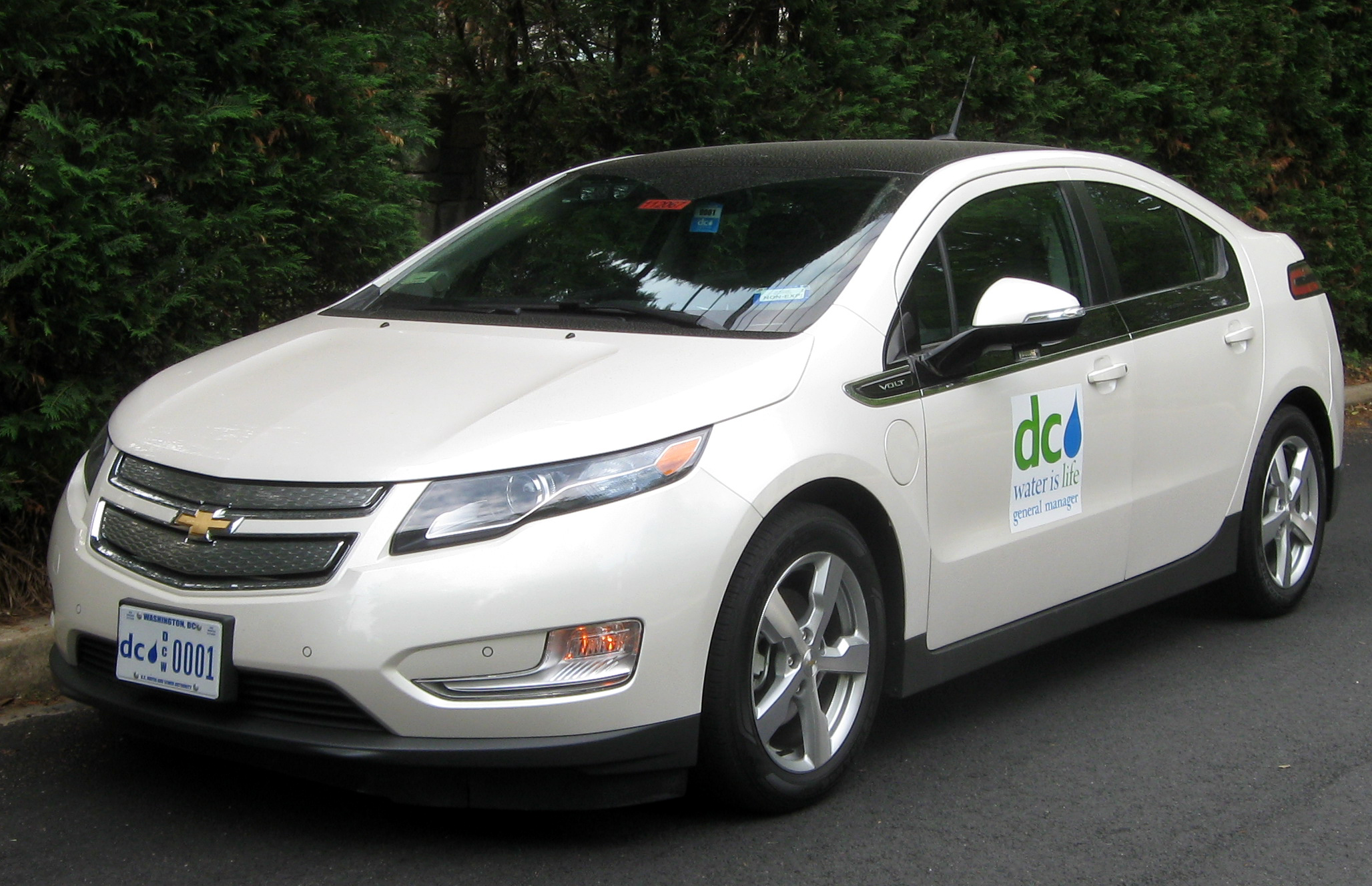
The Chevrolet Volt was a car that could run on electricity and gas, so you didn't have to worry about running out of battery. It was stopped when fully electric cars became more popular.
The Cadillac Escalade is a big, fancy SUV with lots of space and a strong engine. It's popular for people who want a luxury vehicle that's also very big.
The Lincoln Navigator is a big, fancy SUV that is very comfortable and has lots of space for people and things. It's good for families who want a luxury car.
The Toyota Land Cruiser is a big, strong SUV that can go off-road and is also comfortable inside. Many people trust it for tough driving and long trips.
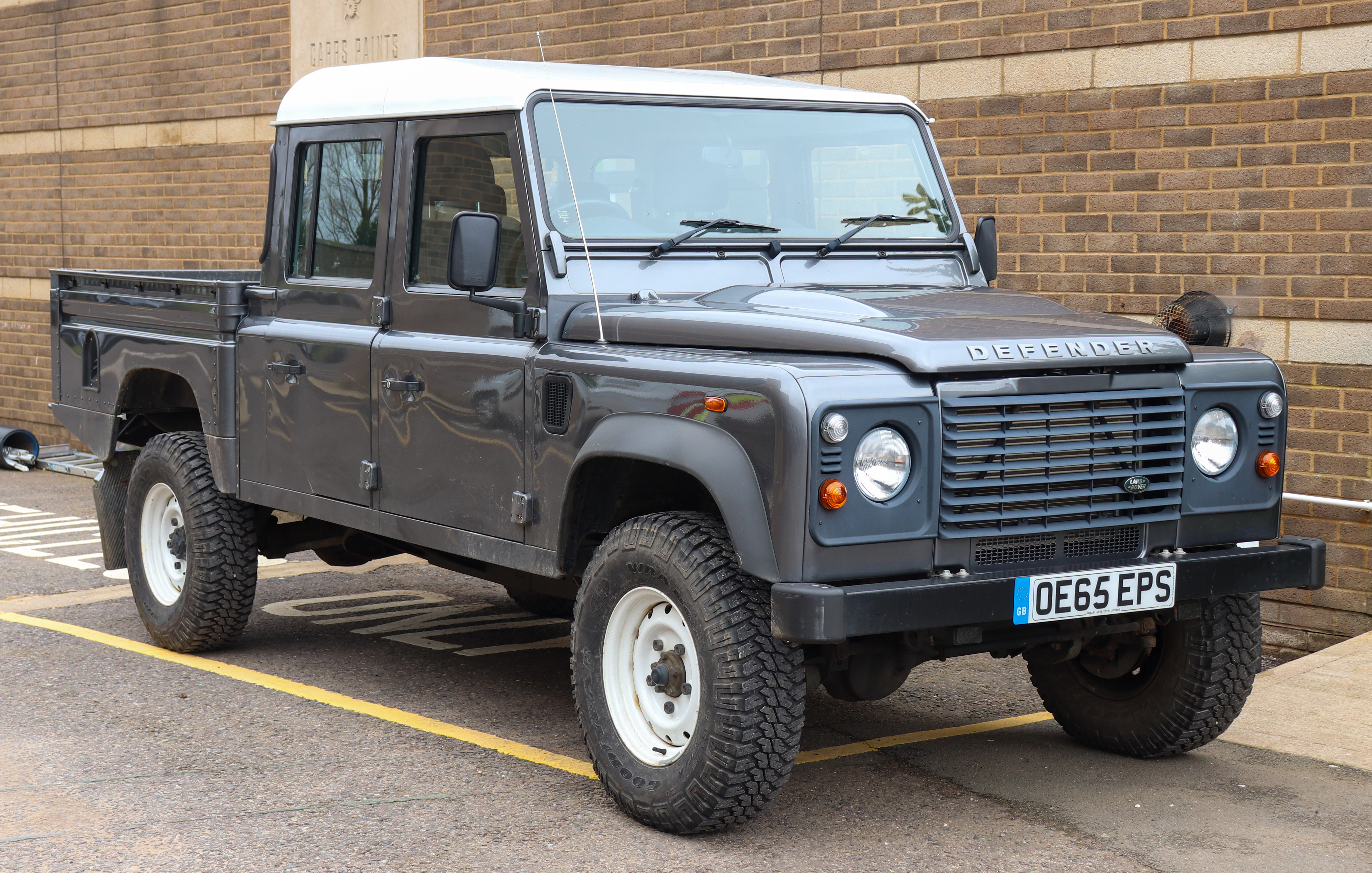
The Land Rover Defender is a strong SUV that can go off-road and is also comfortable to ride in. It has a long history of being tough and reliable.
LIVE
Thousands of new EVs are sold every year, but what happens to the used ones?
EVs have been commonplace for more than a decade.
You can get a good deal on an older one, but it's bad a good idea.
Welcome back to the AutoGuide show.
I'm going to catch up with analyst Stephanie Valdez-Streedy of Cox Automotive to break
down this scenario.
Then Mike Schley joins me for his latest gear test, the Thickware Q200 dash cam.
At the AutoGuide garage, I drove the Nissan Cache Chi.
I'll explain what that is and why I drove it.
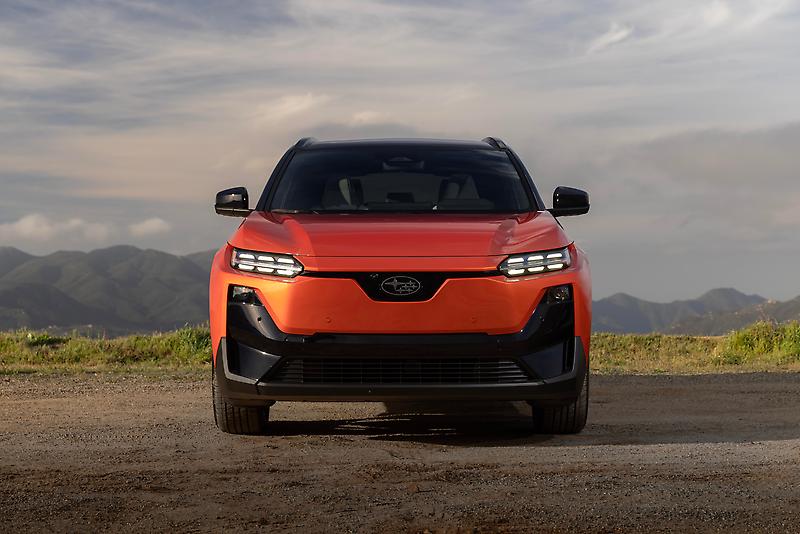
And Mike reviews the Subaru Uncharted and Trailseeker EVs.
We close things out with the mailbag, where we ponder the future of Lincoln as an off-road
brand.
The first award from eBay.
eBay has reinvented vehicle buying.
From click to curb, everything's covered.
With their new secure purchase, eBay isn't just where you find your car, it's where
you buy it.
Start to finish.
Title, financing, registration, delivery, it's all built in.
And eligible vehicle purchases are backed up by up to $100,000 in protection.
This is what modern car buying looks like.
Get your next ride on eBay.
eBay.
Things people love.
Secure purchase is powered by Carmel Dealer Services LLC and eBay subsidiary.
Stephanie Valdez-Streedy, Director of Industry Insights for Cox Automotive joins me now.
Welcome to the show.
Thank you, Greg.
It's really an honor to be here.
I love talking to EVs, so I'm looking forward to our conversation.
All right, sounds good.
So why don't you kind of give me a general market overview of what you're seeing as far
as used EV pricing?
Well, used EVs, first of all, it's still a small share of the overall used market.
It's about 2% in 2025.
But I think if we look at the trajectory, that's really key, right?
A lot of growth in the next few years.
And if you look at the price, it's $35K on average pricing, and that's about $1,700 less
than a gas vehicle used.
So we're reaching price parity, which I think is huge, right?
Where we know that price is one of the top barriers for EV adoption.
Very interesting.
I'm curious, do you see any sort of changes as the year rolls along?
Obviously, with new vehicles, the $7,500 federal tax credit went away for EVs in September.
What do you kind of look at your crystal ball for 2026 for used EVs?
Yeah, I think the prices are going to stabilize.
I think we're going to be seeing a lot of off-lease vehicles come at the end of the year.
So I think we're going to have competitive pricing, and I still think it's going to be
a really good value proposition for consumers.
I don't see a huge increase.
We might see some brands.
I think we started to see a little bit of the Teslas going up a little bit.
But I think on average, it's going to be a really strong value for a consumer to buy used EV.
I think in 2025, roughly 40% of used EVs sold were under $25,000.
Would you consider the different price points?
Like the average cost of a new car is close to $50,000 right now.
So it's interesting to see where used EVs are kind of sitting in the marketplace.
I mean, they seem like a screaming deal to me if you look at some of these raw figures.
Oh yeah, I think it's huge.
Like you think about affordability, right?
That's like every headline you hear about or read about, it's about affordability,
the new market, close to $50,000, like you said.
And a new EV is more than that, like $10,000 premium.
So when you think about a used EV, you get that value high tech.
Like if you get a three-year-old used EV, it has a lot of tech, a lot of value for that cost.
Plus, you're going to have a lower total cost of ownership, less maintenance.
If you can charge at home, that's even more of a value proposition.
You're going to save money on that front as well.
Now, I think it's interesting, looking at the most recent data from your company,
you're looking at like Nissan, Mercedes prices kind of edge down a little bit.
Those companies in particular make a lot of good EVs.
Is there any sort of like bargains out there that you see just in particular,
that if you're like kind of thinking, hey, is now the time for me to maybe make a move on this?
I actually think like you think about like the new market that drives the used market, right?
So like a lot of, you know, in the used market, we're seeing a lot of leafs, bolts.
We're starting to see a lot more Hyundai, like the Ioniq 5s, Maki's.
I think across the board, you can find a really good deal in a used EV across Megan Model.
So I think there's going to be a lot of options for consumers.
And I think the one thing we'll probably talk a little bit about is the battery.
I think that's one thing that consumers, when they're thinking about buying a used EV,
they have a little concern about the battery health, as well as a dealer who's buying it from the auction.
But I think batteries are doing really well.
So I think we're going to start to have more trust and transparency around the battery health.
Do you see any sort of concerns?
If you were looking to get maybe like a four or five year old, you know, leaf or whatnot,
that battery obviously, and that's like really the beating heart of the car in many ways,
has been used in a way that maybe it's more, maybe it's not than a traditional internal combustion
engine, but there's a bit of, I think, a learning curve for consumers.
Some of them, even if they're into the EV technology, they're less comfortable with,
you know, perhaps the battery side of it.
What would you say to them?
Would you say, hey, this is a good move, like kind of wait and see?
Yeah, I would say that, you know, definitely it's a concern because you're, you know, there's like,
not a lot of education around the battery.
It's battery degradation.
But I think I would point out that if you're buying a used EV, and if it's less than 10 years old,
or 80 to 100,000 miles, there's a warranty.
And so I think that's one piece of data.
We had a survey a couple of years ago, and 29% of the respondents were aware of the battery warranty.
So I think that's a piece of education that could give some confidence in buying that used EV.
And then also, I think just, there's a lot of research out there on just the lasting
battery health.
We sell, as you know, with manheim auctions.
We have a lot of used EVs are starting to go through the auction.
And those batteries are on average over 92%.
And I think with the battery, it's also being able to talk about the battery trajectory.
The battery, like the first couple of years you start to see degradation.
It's like a, you know, an S curve, but then like that middle part, it's really slow.
And that battery can last depending on how you drive, how much you charge.
It can outlast the car.
So I think that's a huge piece of education that dealers or whoever is selling that vehicle
needs to really have a good understanding on so that they can convey that to the consumer.
All right, sounds good.
We're going to take a break.
It will be right back after this.
eBay has reinvented vehicle buying from click to curb.
Everything's covered.
It's all thanks to their new secure purchase ever try to buy a car and end up at a parking lot
with a stranger and some blind trust or spend half the day at a dealership talking to pushy
sales people and signing paperwork or maybe worst of all wait for hours at the DMV just to
transfer the title.
That era is over for years.
eBay has been the go to for gear heads collectors and DIYers because whatever you're into from
classics to SUVs and trucks to imports, eBay's got it.
And now with secure purchase, eBay isn't just where you find your next ride.
It's where you can buy it start to finish.
Sellers and titles are verified.
Paperwork is handled by experts and payments are traceable and digital.
So you know exactly who you're dealing with and exactly what you're getting.
Plus you can finance ensure and register your vehicle all in one place.
No more hours at the dealership.
No more trips to the DMV.
Get your vehicle plates and paperwork shipped to your door ready to drive.
And it's all part of one seamless process designed to feel as easy as buying anything
else online and eligible vehicles purchased on eBay are backed up by up to $100,000 in purchase
protection.
Thinking about selling your ride secure purchase makes that simple too because you know your
buyer and their funds are verified.
If you still owe on your car, the financing payoff is fully integrated.
So you're not chasing paperwork or waiting on checks to clear.
And with secure purchase, you get paid fast and you're not going to be stuck chasing no shows
or answering the fifth still available message.
This is what modern car buying looks like.
Skip the DMV.
Skip the sketchy meetups.
Buy it at eBay.
eBay.
Things people love.
Secure purchase is powered by Carbill Dealer Services LLC in eBay subsidiary.
Okay.
So we're talking to Stephanie Valdez Streedy of Cox Automotive.
She's the Director of Industry Insight.
We're talking about used EVs today.
I think it's interesting because used cars for a long time were like the way to frankly get an
affordable set of wheels.
You know, you could get your kid off the college.
You could get your second car.
But then the market kind of went topsy-turvy, especially with like the chip shortage,
all sorts of different things going on, the economy, global pandemic, you name it.
But now we're at a point where it seems like used EVs have kind of like they've moved off maybe to
the side of the market and they're like this niche sort of bargain if you're willing to,
you know, maybe make that leap.
I also kind of think it's maybe a good way for someone who isn't sure about an EV
to get into the technology.
Where do you think we are on the like the learning curve of EVs?
I think we're early on, right?
Like you think about early adoption.
We had, you know, it's also by state, right?
West Coast, coastal areas, some places in the Northeast, Colorado have had huge adoption and
there's familiarity.
People know somebody that has an EV.
So I think we're still very early in this awareness.
But I definitely think to your point, like used EVs are a good entry point, but I think
because of the IRA, which have the leasing loophole, we have like 1.4 million EVs have
been leased since 2023 because it was a lower payment.
It got people in a car if they weren't really sure if they wanted to buy an EV.
If they were worried about residual value.
So I think it got a lot more consumers in the car.
So I think that's a good thing.
But I still think that there's going to be a lot more education that needs not only
around just the battery, but charging.
I think that's a big concern too.
Like is we're charging?
Is there enough?
Is it reliable?
And also I think going back to the battery, making sure that people know that there's a
warranty as we discussed, but also the battery is going to last and they're not going to have
to spend thousands of dollars to replace it a year after they buy the EV.
Do you think there's definitely sort of like a narrative around EV sometimes around like
recalls or either fire risk because it's obviously, we report on it.
Whenever that stuff happens, it's always very much in the news.
Right, right.
Is there any sort of additional concern you think your average consumer should have about
buying a used EV?
You know, I think what you said like the fire.
I know there's a lot of study on the UGA that's right here in Athens.
They've done a lot of studies on fire and EVs, you know, there's some new catch on fire,
what you see in the headlines, but not more than ICE vehicles.
So I think that's another kind of education piece around fires.
I think with EVs, and this is just in general, whether it's new or used, there's this whole
charging.
Like what am I going to do if I run out of charge or how much is it going to cost to
charge?
I think those are some of the other concerns that consumers have.
Or what happens if my battery dies while I'm driving?
Can I call AAA?
Like who's going to come and help me charge my battery?
So I think some of that stuff is what consumers are thinking about and can be some of the
barriers to buying an EV, whether it's new or used.
It's interesting if you kind of Google around.
Again, if you've sort of made that mental calibration, hey, I'm going to buy a used EV,
you can find some deals out there like dealerships are willing to move them.
They don't want to have a bunch of inventory on there a lot more than necessary.
There's state regional incentives, federal tax credit for new vehicles is gone.
And that obviously was like the big, the big headliner.
But there's a lot of ways you can get into these and still find hundreds, if not thousands of
dollars off the price of the hood, it seems like.
Oh, I think you just hit on something key like you're at federal instead of one way.
But once again, I'll mention Colorado.
You have Oregon, Washington, Vermont, if you can stack those on, right?
You're already getting a good deal on that used EV.
Just making sure you're aware of what state incentives are there.
And also there might be some utility incentive as well.
So you could stack those and even get a better deal.
And then even, I mean, I'm not sure a lot of like it's mainly new, but sometimes you might even get
free charging for six months or something like that, public charging.
So I think there's some really good incentives that aren't always just cash off, but like,
you know, help with connecting with the utility or charging, stuff like that,
that can also be an incentive to drive you to buy a used EV or a new one.
So that's a good segue into the charging side of it.
Charging, as we all know, is a huge part of the lifestyle of owning an electric car.
I'm actually test driving a Rivian this week.
It's a new one.
And when I leave here, I'm going to try to figure out where to want to charge this thing.
Because I'm in that like 35% range where you start to go down that road.
What would you tell a potential used EV buyer about the charging part of the equation?
Do you think they should get a home porch?
They just familiarize themselves with what's going on in their neighborhood?
What advice would you give them?
Yeah, I think, first of all, think about what their charging needs are.
Like, what is their daily commute?
How often do they need to charge and kind of understand that?
And then also, I think, if they're able to have home charging,
that just eliminates any kind of barriers.
They can charge at night, off peak hours.
It gets really good pricing on charging.
Get up in the morning, it's fully charged.
So I think being able to assess if they can have home charging
and how much that's going to cost to see what kind of incentives are around that as well.
And then I think also to your point, depending on what model they buy,
what apps are available to make it easy and seamless.
And then really to your point, no familiarize yourself with what charging is available,
whether it's level two or fast charging.
I think that's going to be key.
But I think the other thing, just the positive thing,
which I think is an industry that we standardize against the North American charging standard,
the Tesla.
So I think as we kind of evolve and further along this electrification journey,
no matter what EV you have, that's the perfect scenario.
You can go to any charging station, whether it's adapter or it's integrated into the car,
that you can have a seamless experience.
So I think that's the other thing too, kind of knowing what charging connector you have,
kind of that type of stuff will be really important to kind of ease some of that
charging frustration or concern.
How about since we, at this point, we are really playing the hits here.
We're talking about charging.
Tesla, that's always like everybody's got to ask a question about Tesla when it comes to EVs.
There are a ton of used Teslas on the road at this point.
Many of them, I mean, Tesla sold a lot of cars for a lot of years.
They still do.
Many of them were also used in fleets.
It's pretty easy to rent a Tesla if you go to Hertz or whatnot.
Anything special?
Do you think about buying a Tesla other than it does seem like everybody has one?
Or is it at this point just kind of a ubiquitous electric car?
I think, as you mentioned, there's a lot of Model Y, Model 3s out there,
and some S's and X's, right?
But I think Tesla's been at a long time.
And I think there's a lot of confidence around their charging network.
And that's, I think, a good thing for the industry.
So I think buying a used Tesla, I think, is great.
You get the great software at a good price for all that tech.
And you have access to a really reliable infrastructure.
So I think Tesla is well-positioned.
As we know, in the new market, they haven't had any new vehicles except for the Cybertruck.
So their share has declined.
End of 2025, it was around 46 percent.
Since 2020, its share has been declining.
So Tesla, even if you look at, they're still declining.
But in the new market, they're 50 percent of them, like Model Y, Model 3,
like huge volumes compared to the next one, which is like an equinox.
So I think, yeah, Tesla's going to be out there for a while.
And even more of those in the used market as they come off lease.
Absolutely, absolutely.
And it's interesting with the Model S and the Model X ending production this year,
as Elon Musk just said about a month ago on an earnings call,
those cars are going to start to become actually a little rarer.
And both traditionally, they're like the more expensive Teslas.
They have a lot of features.
They're bigger products, a little more luxury sort of intending.
So I mean, if you're interested in a Tesla, it could be a way for that sort of EV curious buyer
to ease into a couple of year old Tesla that you would have paid way more for a few years ago.
Yeah, definitely.
I think it's like the used EV market, similar to the used overall market, right?
It provides access to consumers at different price points, which to your point,
they might not ever have gotten into before with the new one.
And so I think it just provides access, right?
And I think the familiarity with the leasing, as I mentioned, gave.
I think people that might not have considered an EV or such a good price,
monthly payment, that they got in one.
And so I think that's really going to help the youth market in EVs.
If you were to walk up to a consumer who said, hey, Stephanie, I really am interested in buying
used EV, but what do I do?
Where do I go?
What type of, you know, maybe two or three brands should I be looking at?
What would you tell this confused potential EV shopper?
I would say go on to Kelly Blue Book or our Fox-owned assets.
There's so much information online now.
Do research.
Like do research on what, you know, compare models.
You can do a really quick assessment of like the price difference.
I think if you're buying a used EV, you know, go to your local dealership to see what's available.
But also I think if you're considering that used EV,
see if you can get one that has a better health score,
because that's going to give you a sense of confidence that when I buy that vehicle,
the battery is in good health.
So I think definitely do your research.
Talk to friends that have had one.
I think there's really, to your point, like a lot of good options.
So, you know, we've had, of course, we have the Leaf that's been out there a long time,
the Teslas, but you have the Maki.
The Equinox has been a really good seller in the new market.
I think that's another one to consider.
So I think a lot of options.
And then to your point, like the more luxury.
Rivians are starting to come off lease now, and you have like the Mercedes, BMW,
there's all kinds of Audi.
So I think it's just, I think the options are just amazing that you can have every price
point, every type of segment.
So just do the research and I think know what incentives are available to you as well.
Sounds good.
Sounds good.
Well, thanks for joining us this week.
That's Stephanie Valdes, streetie of Cox Automotive, the director of industry insights.
You're listening to the Auto Guide Show presented by eBay Motors.
eBay has reinvented vehicle buying from click to curb.
Everything's covered with their new secure purchase.
eBay isn't just where you find your car.
It's where you buy it, start to finish.
Title, financing, registration, delivery, it's all built in.
And eligible vehicle purchases are backed up by up to $100,000 in protection.
This is what modern car buying looks like.
Get your next ride on eBay.
eBay, things people love.
Secure purchase is powered by Carmel Dealer Services, LLC and eBay subsidiary.
Okay, we are back and now we're going to talk dash cams.
We'll bring Mike Schleyen to talk about his latest gear test.
Tell us about this thing.
So this time or this week, I reviewed the Thinkware Q200 dash cam and I actually did the
combo.
So I got the forward facing camera, which records obviously what's ahead of you.
And I got the accessory rear camera.
The rear is actually very small and it fits right up in the top of your rear window.
And then it's hardwired.
Most of these front rear camera systems are not Bluetooth or Wi-Fi.
And I inquired about that because I was wondering why do I have to run a wire through all my
roof and trim, but it's about connectivity.
So you don't want a sudden glitch in connectivity when an incident happens,
nor do you want it to happen if there's an actual incident.
So this way you get a constant wired connection the whole time.
The image quality is really good and I can go into the app, which is one of the easier,
more intuitive ones to use.
I really liked it and I could download forward facing images, rear facing.
I could download them together as sort of a split screen.
So that's all a huge plus.
It has all the usual features you expect in a modern dash cam.
It has a lot of the safety stuff, which I've yet to really find a dash camera where the safety
system that's trying to mimic sort of the active safety systems that come with many
modern cars, you know, like laying departure and crash awaits.
It's too sensitive.
I was getting false alarms and too many alarms.
I ended up just turning it off, which is sort of what I do in every dash cam review that I have.
The pricing on this is quite affordable compared to other models for what you get.
My biggest issue though is probably the way it records.
I was not able to alter it and it records on loop like most do.
So the memory card will just override itself after a while, but it's recording in short clips,
like minute, couple minutes.
It's not doing longer clips.
So if there's something that happened during a drive that you weren't able to hit the
save button in time, it takes a while to go back and find where that clip was.
It sounds a little bit like a ring doorbell for your car.
Maybe that's a weird analogy, but that's just kind of the vibe I'm getting from this thing.
It's kind of like one just sideways too.
Like there's very similar design.
This one too, it has a separate US GPS module that plugs into the camera.
A lot of them it's built into the main unit.
This is a more powerful one.
So if you do use some of the features you can subscribe to such as GPS and navigation and
the safety systems, it'll ensure you're connected much better than a lot of other systems that
just have a little transmitter built into the unit.
That's interesting.
That's interesting.
How long did you test this unit for?
Before we did the review, I tested it for about a month,
but I've actually had it still installed in my car for years now.
It's still there as we speak.
So I've never had a problem.
I'm not going would have never had to use it to verify anything.
I was in my car actually when someone in front of me did something pretty spectacular.
So I was able to connect and download and get that clip really easily.
And that was probably a year and a half after I did this review.
So it was easy.
It's not like I remembered how to do it, but it was easy enough to figure out on the fly.
So that was nice.
You have a future careers and influencer.
It sounds like grabbing viral video from your daily commute.
Yeah, people cutting corners too sharp and blowing out their tires.
It's a good system.
And at night, the image quality is quite good as well.
Sounds good.
So that is the ThinkWear Q200.
Mike's going to stick around.
We're going to talk about what we've been testing in the AutoGuide Garage.
You're listening to the AutoGuide show presented by eBay Motors.
All right, we're going to step into the AutoGuide Garage,
I guess, virtually or physically.
However, we do that.
You have been testing some Subaru's Mike and I have been driving the Nissan Qashqai,
which I'll explain why I was doing that.
But these are actually two really important Subaru's, brand new.
This is the first drive.
I think this is something where, frankly, a lot of people are going to be very interested
in the Trailseeker and the Uncharted.
I'm kind of leading more towards the Trailseeker because I like the silhouette of it.
But Mike, just start there.
Tell us what it's all about.
Yeah, so I went to Laguna Beach.
I guess it was about a week and a half ago for when this airs.
And the Uncharted review went live last week and the Trailseeker actually today, Monday.
So they are the next two entries into Subaru's all-electric SUV family.
Basically, they are trying to pair up an EV version of an SUV to their popular current ones.
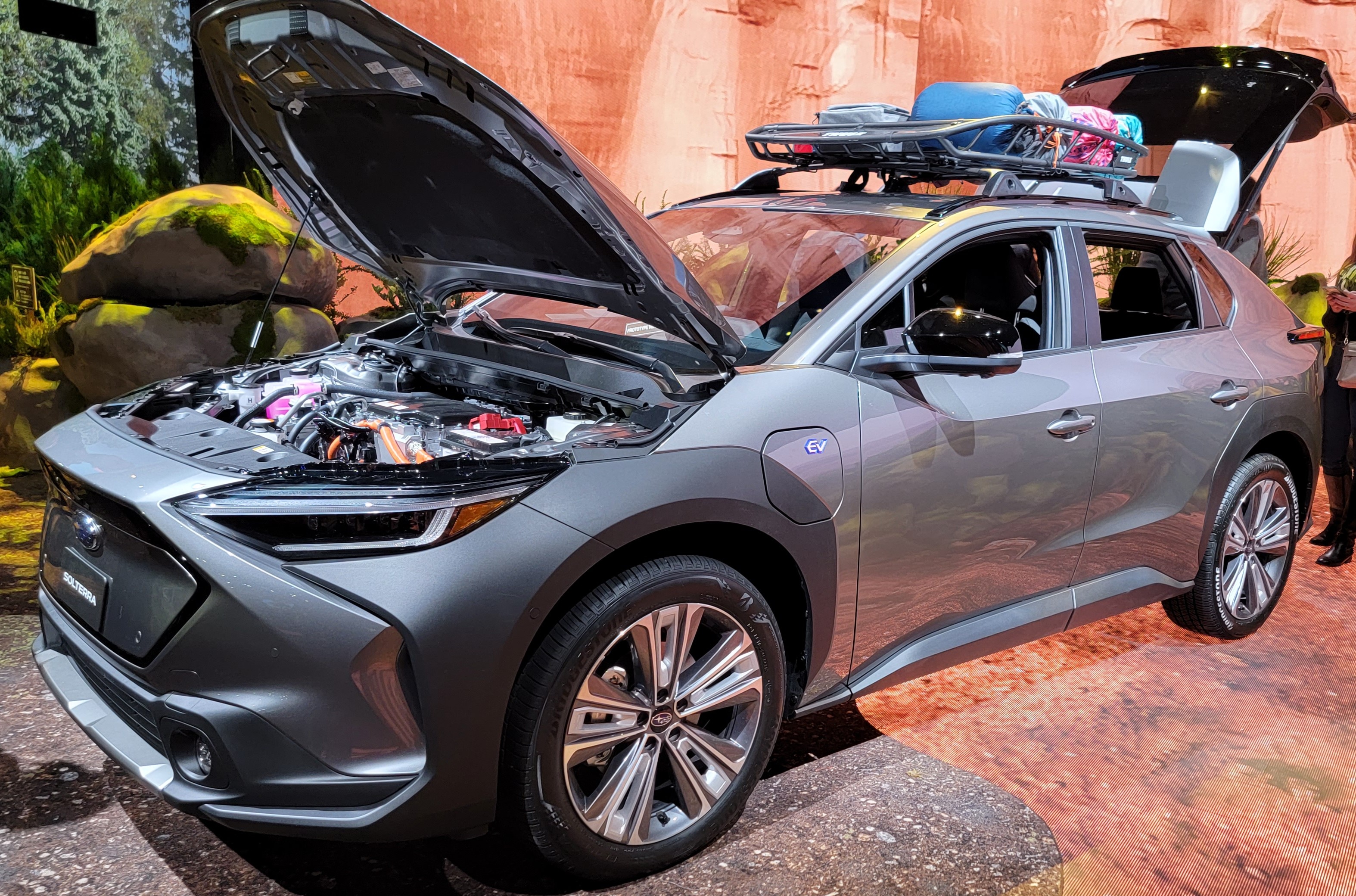
So the Solterra was the first with this Forester size.
The Uncharted is next and it is cross-check sized.
It's actually fractionally larger, but it's got that SUV coupe look.
So there's less space inside, so it's a little less practical.
And then, as you said, the Trailseeker is the wagony looking one.
And surprise, surprise, it's outback size, roughly.
So starting with the Uncharted.
In Canada, you'll be able to get a 165 horsepower front-wheel drive version,
which is not available in the US or in any of the Toyota CHR siblings.
So it's sort of exclusive here.
We didn't get to drive that, but there will be a regular front-wheel drive with a regular size
battery with about 220 horsepower.
And then the all-wheel drive, which I drove, which has 338 horsepower.
And although this does weigh over 4,000 pounds, like I said,
it's cross-check size with 338 horsepower, which is a lot.
It does zero to 60 miles an hour in under five seconds,
which is crazy for a little Subaru SUV.
We had on the highway in the US where they have those 70 mile an hour, or maybe 60,
but stop lights.
We had a Raptor gun it beside us off the lights, so we thought, oh, we'll gun it too.
And it was embarrassing how much distance we put between us and that thing.
It is on a small wheelbase relative for its power, so it's actually quite responsive.
And the steering is very solid and very direct.
It's actually a lot of fun to drive, but there's like zero fuel.
It's like driving a sim racing game with forced feedback off.
Everything you do through the wheel happens immediately with the car,
but you don't feel it.
It's such an interesting sensation.
But there were some twisties at high speed, and this thing was just hustling.
Even though it's only on 235 millimeter wide tires.
Rear seat space, it's like the old Toyota CHR.
It's just the same name.
It's got that door handle built up in the corner of the glass,
because the rear seat is not a place adults want to spend lots of time.
Children, no problem.
I mean, I fit back there, but I would want to be there for like an hour.
Range was pretty good.
We're looking at close to 300 miles, and we did some off-roading in it.
And even though it has very street-oriented tires,
it handled its own on some pretty difficult off-road three-wheel-in and
going up and down using its grip control and hill descent control.
So yeah, I'm quite impressed with that vehicle.
It was actually the one I went in expecting to not care as much about,
but I came out actually liking it more.
It's more expensive than a cross-track,
but you do get a lot more vehicle, and it feels more premium.
And I don't mind the looks with that SUV coupe kind of look to it.
I'm trying to think of what I would do with over 330 horsepower
and like a cross-track type vehicle.
That's kind of mind-bending when you look at it.
Very respectable range too.
I mean, you're talking like very similar range to what I'm getting in a Rivian R1T
for like a third of the price.
And we'll talk about that Rivian on an upcoming podcast.
But this seems like a really good deal.
At the front end of the show, we were talking about used EVs
and how their pricing is actually getting into be a bit of a sweet spot.
But on the front end, as far as just like a new EV, it seems like quite the deal.
I mean, it's not dirt cheap, but it's definitely competitive,
especially for the power and the range.
And like you're saying, how nice it is inside.
So I think it seems like they have a lot to work with here.
Yeah.
I mean, it starts at $36.5 in the US, including destination charges for the front-wheel drive.
And the all-wheel drive is just over $40.
So it's not like incredibly expensive.
And the 74.7 kilowatt hour battery, I believe that's the size,
it'll charge from 10 to 80% in just over a half hour at 150 kilowatt max speed.
And it's got an 11 kilowatt charger on board for home charging.
So it's well suited for what you're looking for.
And the interesting thing before we go on to the next car with this is
this is sort of what Subaru did with the Crosstrek.
When the Crosstrek came out, that class of car were either front-wheel drive only,
like the venue and the original kicks, or they were tiny,
like the original Tiguan and the original tracks.
And then Subaru said, here is a slightly bigger proper SUV
with proper all-wheel drive and everything.
Basically, it was an Impreza jacked up, but it was the right price-size capability formula.
And it was so successful.
I mean, what manufacturer hasn't basically tried to not copy them,
but get into that exact size, price, power range, like it redefined the segment.
And here with the EVs, a lot of the EVs this size are Bolt, Nero, in Canada, the EV5.
They're all front drive, and they're all around 2 to horsepower,
even the Leaf now, because it's technically a crossover.
This thing has 221 horsepower front drive.
It's priced right on top of those and size on top of those.
But you also have this 330 horsepower all-wheel drive proper SUV for not much more money.
It's actually less than different class, but the EV4 Kia, which is a guy in Canada only,
but just interesting because there are not much size difference,
and you have over 100 horsepower more in all-wheel drive.
So no EV is going to set the world on fire right now.
We've covered that to death over the last couple of years.
But this may make this segment grow a lot more.
And you may see some other people copy this and this twin, the CHR.
It's interesting that Subaru is choosing this moment to launch two all-new electric vehicles,
given that we're seeing a bit of a dip in the global market.
Well, a dip in the US market, and then perhaps growth in some other global markets.
Did they say why they're doing this?
Is it almost like too late to pivot?
They already had these in the works.
I'm just curious if they, you seem like amazing products.
It's also an interesting time, a curious time to try to launch them.
Do they have any insight into that?
Is it just they want to stay the course?
They believe in this stuff?
Would they say?
Yeah, no, I think that's it.
I think they invested so much money.
So there's no secret that the two I drove,
and this will tear all basically the same platform and interiors just scaled to different sizes.
So I think that was always a plan is to split costs and development.
You needed them all.
And I mean, like I said, it's not a horribly price.
And getting into the Trailseeker is a good segue into it.
The Trailseeker has dual motors of the same power, which is all terror and uncharted,
doesn't have.
So it's 375 horsepower, and it does 0 to 16 in 4.4 seconds.
That's the quickest Subaru ever sold on our shores.
No STI, no WRX, officially by the manufacturer was rated that fast.
I'm curious to see what some people can actually get in optimal conditions.
This won't be as weather dependent as a gas engine.
But the thing is, you can do 4.4 seconds over and over and over consistently without worrying
about anything, not damaging anything.
And it feels like that behind the wheel.
Otherwise, it feels a lot like an outback.
In Europe, they call it the E-Outback, which I honestly think they should have called it here as well.
I don't know why they needed the Trailseeker name.
Yes, it's not the same vehicle, but this is more of an outback than the Outback.
In the sense, it looks more wagony and it sort of got that lifted up.
It's even got the cladding all around the front lights.
The rear seat is much more spacious than this compared to the other two EVs.
It is smaller rear seat and cargo compared to the Outback.
That's just not as much space inside when you have a battery platform you have to build on
top of.
It's just the nature of the vehicle.
But it is so quick.
It's pretty capable off-road.
It does have overhangs that like to drag on steeper bumps.
It's only got 8.3 inches of round clearance.
Outbacks 8.7 or higher for the wilderness.
So it isn't as capable as an outback off-road, but it is so much quicker,
so much smoother and quieter and just feels more premium.
And the interior feels more premium.
So that's all great.
But then when you look at the pricing in the US, it's crazy that the entry Trailseeker with 375
horsepower is only $5,000 more than the entry Outback with 180 or 78, whatever it's at now.
And then if you get a fully loaded Outback XT Turbo 260 horsepower touring in the US,
it's actually $1,000 more than the fully loaded Trailseeker with 375 horsepower
and pretty much all the same features, if not more.
So in Canada, there's actually a huge price gap between Outback and Trailseeker.
But in the US, it's like, do you want gas or electric?
And you're paying the same, basically.
And I'm usually more team gas, but in this instance, you get the wagon you're looking
vehicle, you get 115 more horsepower and a quicker vehicle.
So I'm probably going to Trailseeker.
So it's going to kind of be the sneaky one to see how things develop.
I think Subaru's biggest issue is going to be getting that knowledge out to people.
And like I said, eOutback I think would have solved a lot more people than I'm like,
I want an Outback.
Well, here's the eOutback.
It's more powerful and more refined.
And it's the same price.
Oh, okay.
Whereas you're like, Trailseeker, no, no, no, I want an Outback.
So I don't know.
I think a lot of Subaru's audience would be very interested in exploring in electric
proposition, all things being equal.
In this case, it is all things being equal.
So I think that's one of those situations where I think there could be some opportunity
for Subaru to maybe even attract some new buyers.
That could be a good thing.
I mean, I am super excited to drive both of these.
Is this sort of year and cars unfolds to your point?
I mean, this looks more like the Outback than the actual Outback does.
Plus, it's more powerful and you've got that obviously that electric tech forward vibe.
I'm definitely feeling this one.
I am very intrigued to drive it myself.
Yeah.
The Trailseeker is definitely the better vehicle for size, to price, to function.
Whereas the Uncharted is just a surprisingly fun little EV you can rip around in.
Yeah.
I mean, you talked, used EVs earlier.
Let's hope the tradition, let's hope the, I don't know what the word is, the issue,
I guess of how highly they depreciate continues for me for a couple of years.
So I can pick one up cheap used in a couple of years.
Because yeah, I could totally see myself in an Uncharted in like three years if I can
get it for half the price it is now.
Yeah, totally.
And I know you mentioned that E-Outback might have been the path you would have selected here.
I actually, I agree with you, but I do like Trailseeker and I do like Uncharted.
I think in this day and age, a new car name, I feel like the new ones are more often than
not bad.
It's just like alphanumeric, like word salad that means nothing.
Or they're just these just really dumb names.
And I get why we've been making cars for 140 years or whatever.
We're kind of running out of names if you're being honest.
So it can be tough, but I think Subaru did a nice job with both of these.
So yeah, we'll both have a nice ring to them.
Yeah.
And like E-Cross Trek, E-Forster, I get that.
The Solterra and the Uncharted have very different personalities than their gas counterparts,
but this really feels like almost as if it's like a more premium luxurious version of the Outback.
So we'll see what happens.
Best of luck to Subaru.
Like you said, I think their customer base is one that will adopt this more than some others.
And I'll be curious to see how they do against the Toyota.
Toyota is a way bigger dealer network, so they should outsell Subaru,
but Subaru's customer base may surprise us.
All right.
So transitioning over to the Nissan Cache Chi, why might you ask,
are you driving that in the United States?
The Cache Chi is not sold here.
This is a preview of really the 2027 Rogue in disguise.
Now the vehicle I drove was a European spec Cache Chi,
but the feature I was sort of previewing was their new hybrid system.
It's called the E-Power.
So Nissan was basically like kind of disregard the rest of the car,
even though it is like rogue-ish or rogue-adjacent.
Like it is sort of a preview of the Rogue, but this is obviously a different vehicle.
Focus on the powertrain because this is what we're going to get later this year.
And I generally liked it.
This is, so E-Power is basically a fancy word for like an E-Rev,
an extended range electric vehicle.
It's also basically a form of a series hybrid.
I spoke with their engineer and he kind of tossed both terms around,
depending on how you wanted to sort of shuffle the deck here.
It has a bit of like an electric vibe, like right when you get away from the curb,
but then the generator kicks on, the gas engine kicks on to power the generator.
And even though it doesn't directly drive the rear wheels,
it still sounds like an engine is like doing something.
So your brain isn't really hearing the difference at that point.
So then it kind of drives more like a more like a traditional hybrid
or even like a gas car at that point.
But I got into it and you're looking at like 520 plus miles of range.
You know, they wouldn't really tell us the specs because again,
they're sort of like, Hey, this is this is just an idea here, a preview.
But the European spec cash guy runs a 1.5 liter three cylinder and that's about 202 horsepower,
243 pound feet of torque.
So baseline it, that's probably a good sense of what you're going to see in the rogue hybrid coming up.
Nissan already sells a plug in rogue hybrid as well.
I tend to think this is going to be a good volume model for them.
They haven't really said how they're going to round out the rest of the road lineup for 2027.
But to me, this is a pretty smart play.
I think we have seen obviously a dip in new electric vehicle sales
since the tax credit went away in September.
I think a lot of people are probably a little more comfortable with hybrid technology
and the rogue is Nissan's best seller.
Like it, they sell a ton of rogues.
So I think kind of doubling down on this segment and on the rogue itself is a good, good move.
Last year, it's sort of like the phase out of the old rogue.
Sales were down about 11% to about 218,000.
It's still Nissan's top seller.
So to me, this is a good move for a company like Nissan that's kind of struggled.
I know next year we're talking about seeing the Pathfinder,
perhaps even sort of two different versions of that if you read some of our reporting
and some of the other rumors out there.
But to me, this is actually pretty simple.
Take a proven tech, feed it to your biggest audience in something that's pretty popular
and try to sell more of them.
Pour some ranch dressing on it.
Keep it simple.
That's what they're doing.
And I don't know, I kind of sum things up in my article,
which you can check out on our site.
Please leave me some comments if you'd like as well.
The cash guy is actually pretty nice too.
I think they could probably sell something like that here and it would be all right.
So that's it, yeah.
I'm surprised they were so making a point of telling you like the cash guy ignore it.
It was going to go on the road because I guess in the U.S.
you never had the cash guy.
You had the rogue sport or rogue select or something.
The rogue sport was the cash guy, yeah.
We called it a cash guy here because that's what it was.
And then when it left, it was because it was already old from Europe when we got it.
And it was super old, but they always kind of hinted it's going to come back
because we were just talking in the last segment with the uncharted,
like that was the cross track competitor.
And that's an important segment.
And Nissan, yeah, then the kicks got bigger,
but I don't really consider that a direct competitor,
maybe the low end of cross track, but not the heart of the segment.
So who knows, maybe there still will be a cash guy that comes back
and maybe this will be it.
They just, but my only question is,
so does the engine never run the wheels directly any sort of way,
not even in parallel?
That's right.
Yeah.
Okay.
So it's, they made a big deal about saying that,
and we actually, there's a chart that a shout out to Michael Ecardi
when he was editing my story, he dropped it into the post.
You can see how all the different parts work together.
So yeah, it's an interesting approach.
I think EREVs have sort of become the buzzword in the last maybe two years.
You know, the end of the Ram all electric,
but now it's like a Ram EREV is apparently still a thing.
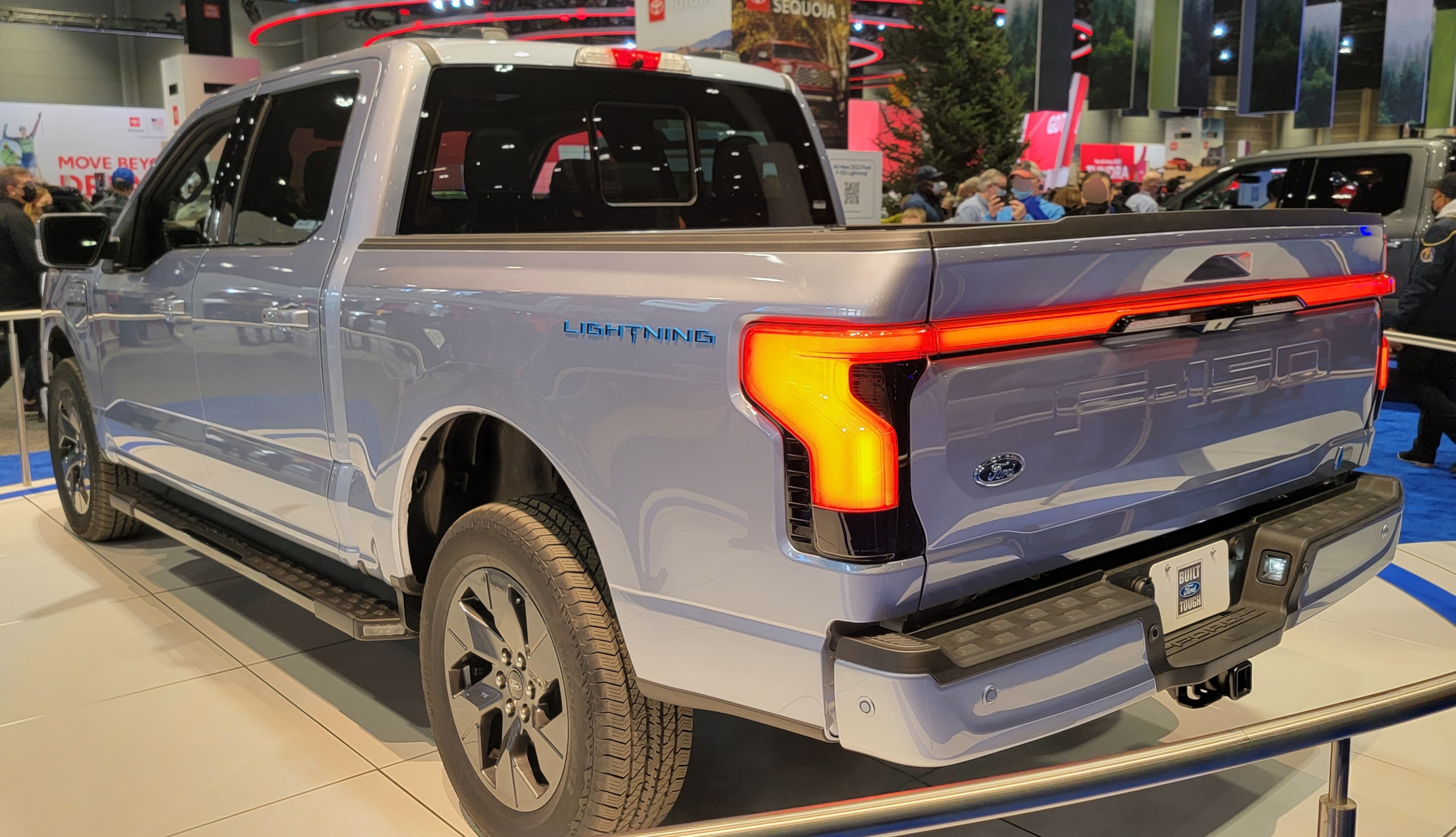
I believe Ford has said the lightning is going to go away,
but it's going to get an EREV version.
We'll see.
I mean, it's, it's a technology that I think consumers,
maybe if you're EV hesitant, but you want like you're already
across the bridge on hybrids, it's a nice middle ground, I guess.
It also, it's harder to explain though than an electric or a hybrid.
So there is, it gets kind of wonky.
And I don't know if people care that much about it.
They just want to get good fuel economy at this point.
If only Chevy had tried this over a decade ago with the car that everybody loved,
then for some reason it was discontinued over the Volt.
But I remember the Volt, the reason I asked about the drive is
Chevy was saying it didn't drive the wheels, but then it ended up,
it would kind of drive the wheels at absolute max power need.
But yeah, the Volt was so far ahead of its time,
and that second gen was such a great vehicle.
And then Jim just hedged the bed, that's on the Volt.
And it didn't really work out.
Imagine if they'd kept the Volt and we're on like third gen by now.
I'm sure it'd be a crossover by now, but man, it'd probably be something.
It's, it's funny you bring that up because in the,
we had a brief presentation before the drive, they were like,
it's like the first gen Volt, only it doesn't drive the wheels.
Like that one sort of did at some point.
There we go.
You're exactly right though.
That car was so far ahead of its time.
I, and honestly, it was a good brand too.
You know, we're talking about different names here,
like Trailseeker and Uncharted.
The Volt, the Volt makes more sense to the Volt in some ways.
So, so it goes, I guess.
But coming soon to a dealership near you, the 2027 Nissan Rogue,
and I can tell you as tested in the Nissan cash guy,
the hybrid powertrain is pretty good.
I think a lot of people are going to like it.
It's pretty simple.
It's easy to use.
There's no plug.
It's just, this is definitely the mainstream application
that I bet they sell, that they sell a lot of them.
So let's close things out with the mailbag.
This is kind of a question on the story we had go up earlier this week,
where we've got rumors that Lincoln is going to get
its own version of the Ford Bronco.
The question is, seriously, do you think Lincoln will get a Bronco variant?
I think that is a very interesting question.
I think the answer is, so I'm going to kind of flip a coin here,
and I'm going to say yes.
But it's not going to be a Bronco Bronco.
They're going to probably use the same chassis.
We're going to maybe look at some badge engineering here.
I don't think it's going to go full-on black label,
the F-150 sort of Lincoln thing from a while ago.
I think that was, that was a black label.
That was the black wood.
Black wood, you're right.
You're right.
Yeah, and the Mark LT, I was just going to say,
I hope it doesn't go black with Mark LT,
where it was like, here's a truck that you can't ever use as a truck.
Here's an off-roader with quite EV tires on it.
So, but what do you think?
I mean, what do you think they're going to do here?
Is this just conjecture?
You think they might take a swing at it?
I have some more thoughts, but what do you think?
I think it makes zero sense for Lincoln.
I can't imagine a version unless they're going to go straight after the G-Class.
Like if you make a Bronco with the Raptor R engine or something,
or like that might be overkill, but even just the Raptor engine, maybe.
But on the other side, the Bronco sells,
well, it's one of Ford's best-selling vehicles easily.
So why not try to spill some of that money into Lincoln?
I mean, they tried it twice with the F-150 we just talked about,
and I still think they could easily sell a Lincoln F-150.
It's just they always went too far trying to make it luxury.
Like if they just have a Cadillac did with the
Escalade version of the Avalanche back in the day,
I think they'd sell every single one.
If you have an F-150 that's just as capable,
but with a Lincoln grille and the Lincoln interior, like in seats,
I think you'd sell them all day long.
I just don't see how that translates to a Bronco.
Where's the Venn diagram of a Lincoln typical customer
that wants to go rock crawl?
Well, yeah, it would obviously, I guess,
be a vehicle that's more image than have a substance,
but it's really an image thing is why people are buying it.
I don't know.
So I think Lincoln has experienced a bit of a resurgence,
a rebirth in the last probably 10, 15 years.
Really good products.
I think it's actually cooler, way cooler than it used to be
when frankly we were growing up.
I agree with you that its current market base
probably is not going to hit the Rubicon,
but I think you could use it to attract a new set of customers
into Lincoln who are like, well, wait a minute,
now I have a couple of kids,
maybe this aviator or this navigator is what I want,
or maybe who knows, they have a sedan at that point.
I don't think it would be a Bronco with Lincoln edges.
I think it would be like they're going to make use of the underpinnings,
completely redesign the inside and the out,
and maybe do something like what you see with Land Rovers
or the Toyota Land Cruiser, where it has a luxury badge,
but it's still capable.
And the dissonance you're going to find is how do you disassociate
Lincoln from Ford and Bronco from Lincoln Earth Cruiser
or whatever they would call it and still make it feel authentic.
Because the Wrangler and the Bronco are expensive as hell
and people pay for it and they happily pay for it.
Lincoln is going to be expensive anyway,
but it's going to be sort of a different ethos of people coming into it.
But I do think you can make like, I mean, I don't know,
maybe a G-class fighter, that's got a Mercedes badge on it.
And so I'm not in product planning in the Lincoln studio here,
but I think they could do it in sort of reading the tea leaves
of a lot of Ford events I've been to in the last probably four or five years.
They are obsessed with off-roading.
Like before the last couple of Detroit auto shows,
I went to one, I think you went to one this year.
The thing they do is like their off-road thing.
It's that and their racing team.
They don't really talk about anything else these days.
I think there is a company-wide initiative where they want to get more off-road,
just vehicles.
And I don't know how you execute it,
but I don't know why you wouldn't do it at this point.
So that's kind of where I land.
So just hearing you mentioned some of the vehicles,
you know what, I don't see a G-class competitor at all.
If you want to be a true G-class competitor,
you're not going to get someone to pay that kind of money for a Lincoln,
even if it has a supercharged V8.
But the more that you talked and I started thinking about myself,
I could totally see them taking down their pinnings and putting a,
obviously a solid body, not a convertible or anything.
And yeah, you could go after the Lexus GX
and maybe way more accurately land over Defender.
That could be what they're looking at as a market
where those are luxurious with some capability.
And although you have the solid,
well, solidary actually, I don't think it's a problem
because you have the independent front.
So yeah, if they took that approach,
I was just thinking too much of like a Bronco with Lincoln badge.
But if you are going more for the Defender 130, okay, I could see it.
And I could see them doing it in the Lincoln style too.
So yeah, there's a possibility there.
There's possibility.
And if you think there's possibility,
or you just think I'm crazy, which, you know, that's also possible,
get in the comments, let us know.
We would love to hear from you.
We're trying to really engage with everybody in the comments.
It's a new thing, what we always do,
but we're trying to do so even more.
So get in there, get in the comments, let's mix it up.
If you like the AutoGuide show, please like, share, subscribe.
Again, get in the comments.
We'd love to hear from you.
You just listened to the AutoGuide show presented
by eBay Motors.
Be safe out there and we'll see you next week.
eBay has reinvented vehicle buying.
From click to curb, everything's covered.
Ever tried to buy a car online and end up in a parking lot
with a stranger and some blind trust?
That era is over.
Now with secure purchase, eBay isn't just where you find your car,
it's where you buy it, start to finish.
Title, financing, registration, delivery, it's all built in.
This is the modern way to buy your next ride on eBay.
eBay, things people love.
Secure purchase is powered by Carmel Dealer Services LLC
and eBay subsidiary.
About this episode
The discussion explores the growing market for used electric vehicles (EVs), highlighting their increasing affordability and value compared to gas cars. Stephanie Valdez-Streedy from Cox Automotive shares insights on pricing trends, battery health, warranties, and consumer concerns like charging infrastructure and fire risks. The episode also touches on how used EVs serve as an accessible entry point for buyers hesitant about new EVs. Additional segments include gear reviews and thoughts on Lincoln's future as an off-road brand, making it a comprehensive look at current EV ownership and market dynamics.
Thousands of new EVs are sold every year, but what happens to the used ones? EVs have been commonplace for more than a decade, and you can get a good deal on an older one. Is that a good idea? Host Greg Migliore interviews catch up with analyst Stephanie Valdez Streaty of Cox Automotive to break it down.
Then Mike Schlee joins for his latest gear test, the Thinkware Q200 Dash Cam. In the AutoGuide Garage, Greg drove the Nissan Qashqai to preview Nissan’s new hybrid technology and Mike reviews the Subaru Uncharted and Trailseeker EVs.
We close things out with the mailbag, where we ponder the future of Lincoln as an off-road brand.