Restomod is when people take old cars and fix them up with new parts so they work better but still look like the original. It's a way to enjoy classic cars without giving up on modern features.
Singer is a company that takes old Porsche cars and makes them look and drive like new ones. They are famous for their special designs and upgrades that keep the classic style but improve performance.
Multimatic is a company that makes parts for cars, especially high-performance ones. They work with other companies to help create and improve vehicles.
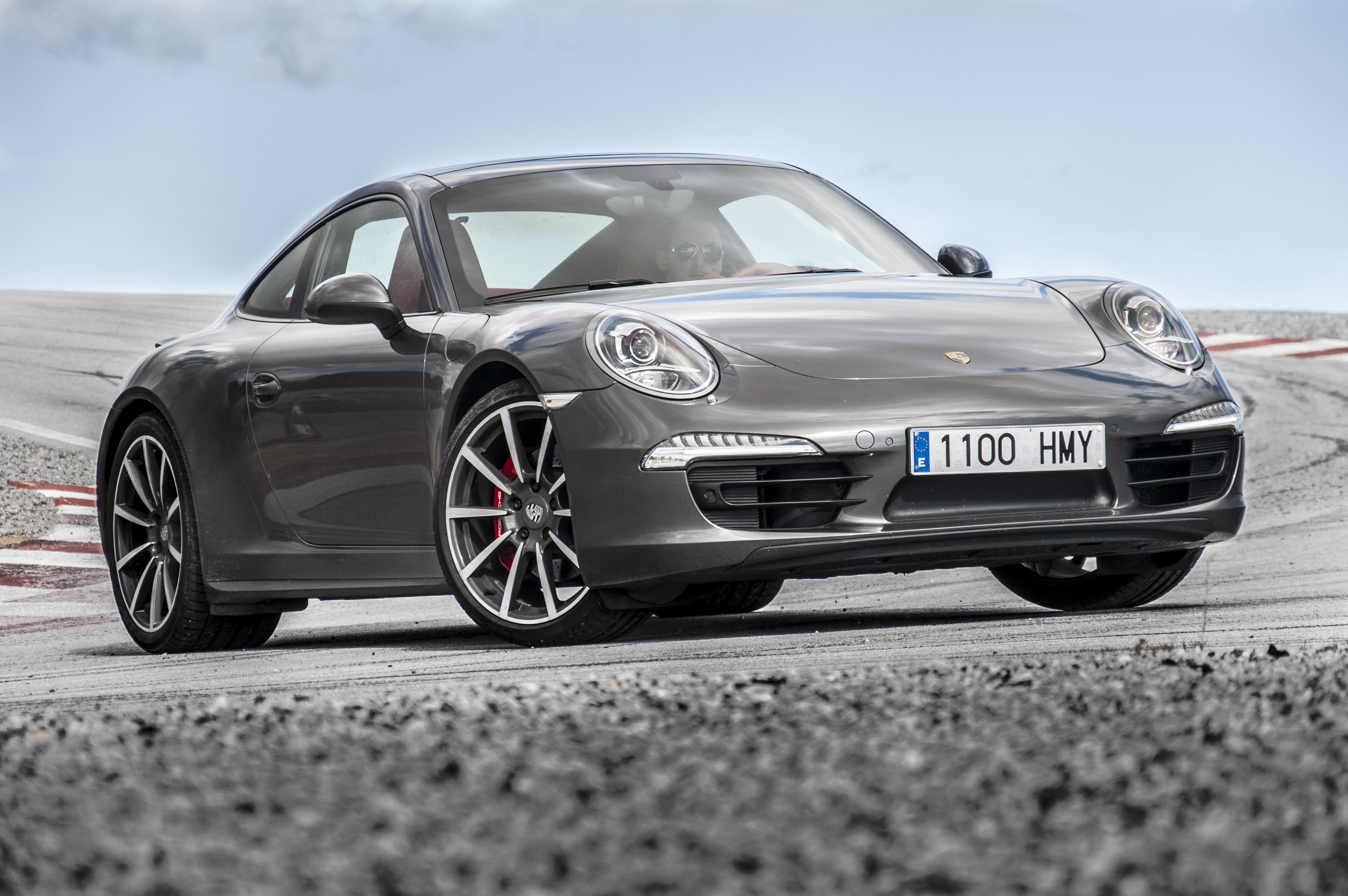
The Porsche 911 is a famous sports car known for its unique shape and powerful performance. It's been around for many years and is loved by car enthusiasts for how it drives and looks.
F1 stands for Formula 1, which is a type of car racing that features very fast cars and is popular all over the world. It's known for its exciting races and advanced technology.
The Toyota production system is a way of making cars that focuses on being efficient and reducing waste. It helps companies produce high-quality cars quickly.
Mercedes AMG is a part of Mercedes-Benz that makes very fast and powerful cars. They take regular Mercedes cars and make them even better for racing and performance.
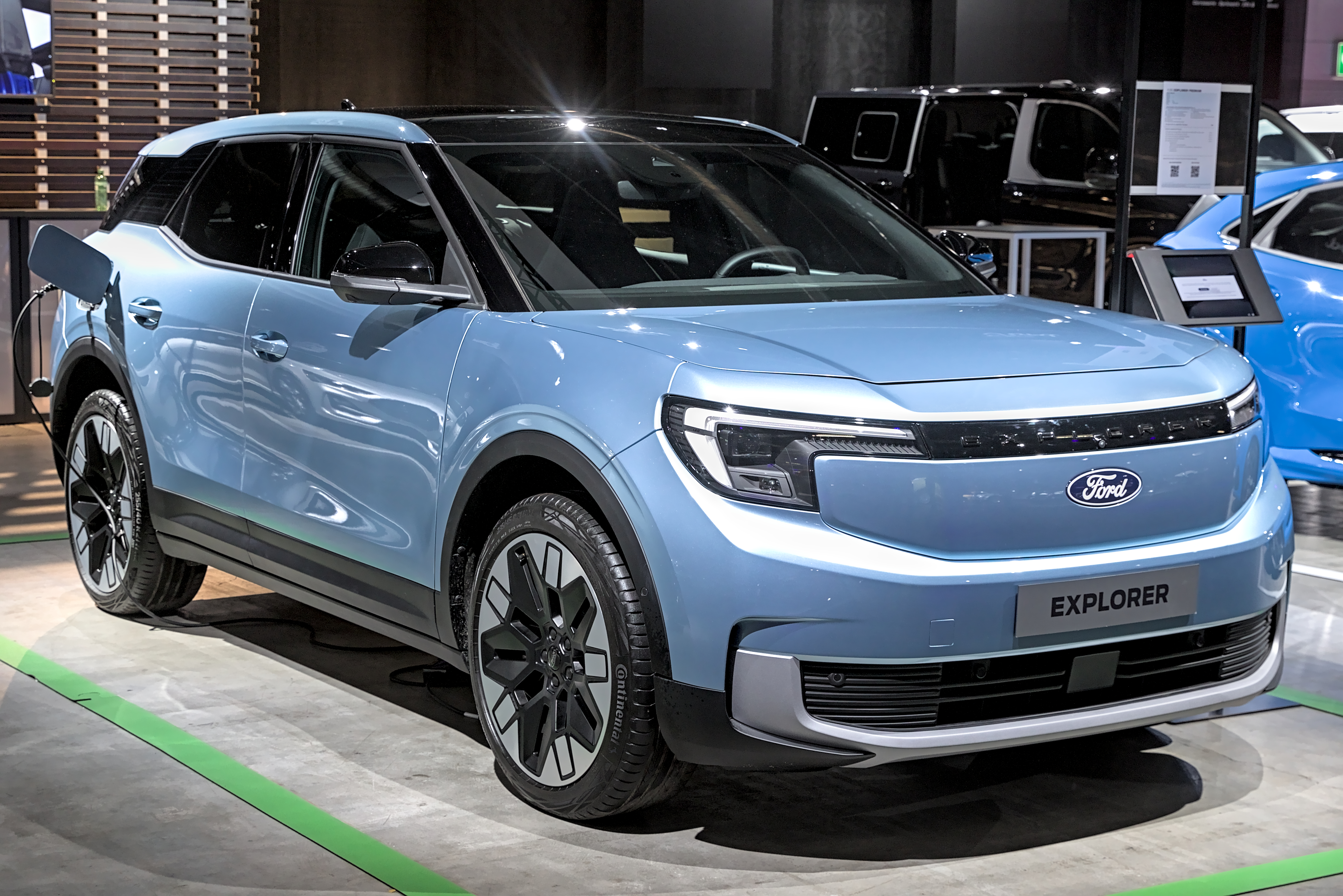
The Ford Explorer is a popular family-friendly SUV that has been around for a long time. It's known for being roomy and good for both city driving and outdoor adventures.
Formula One is a type of car racing that features very fast cars and is held on special tracks around the world.
Car
Porsche 963
The Porsche 963 is a special racing car made by Porsche for competitions like the famous Le Mans race. It's designed to be very fast and perform well on the track.
LM DH is a set of rules for racing cars that compete in long races like Le Mans. It allows cars that use both traditional engines and electric power to race together.
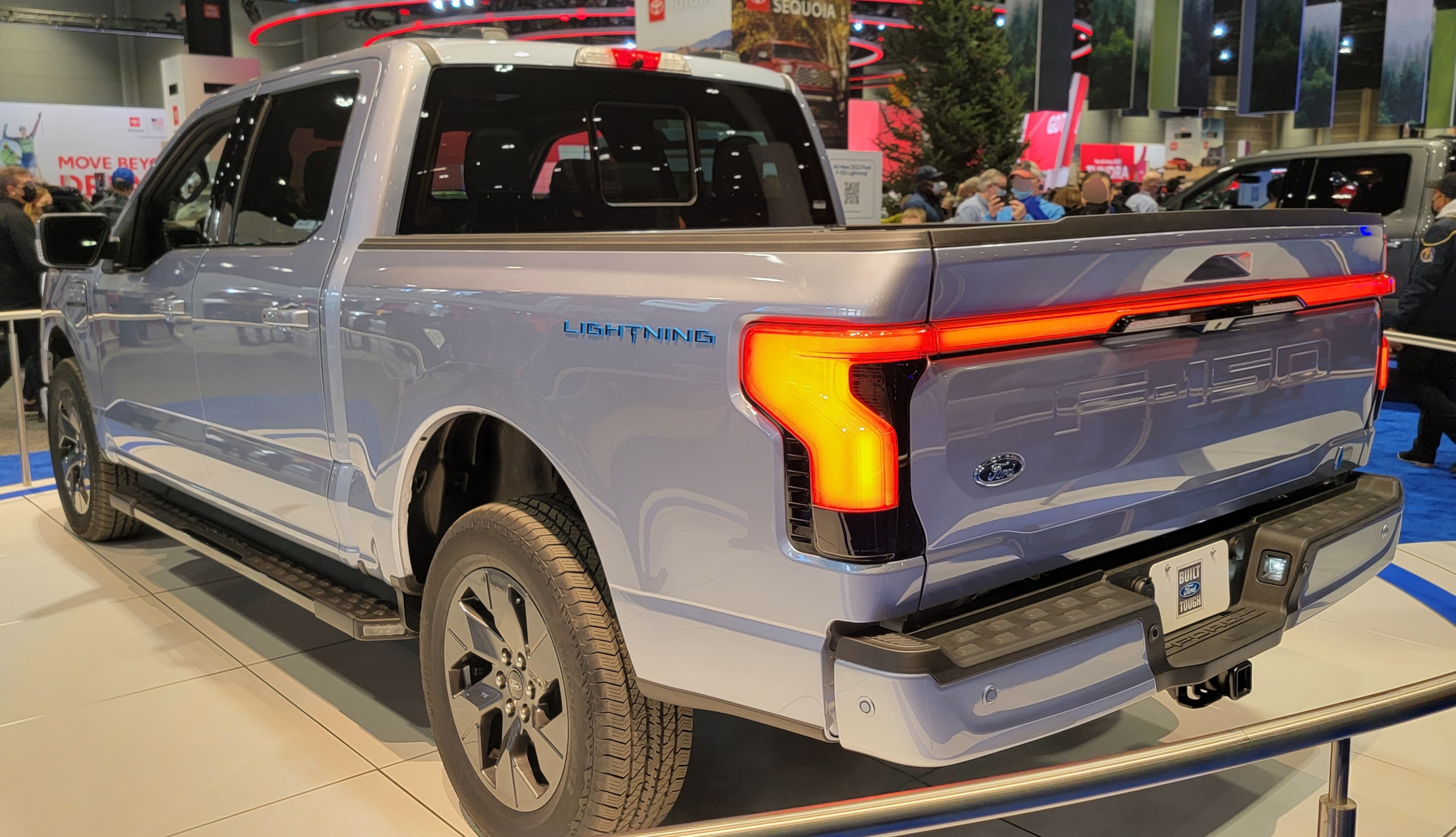
The Ford F-150 is a very popular pickup truck known for being tough and reliable. People use it for work and everyday driving because it has a lot of space and can carry heavy loads.
An F1 engine is a super powerful engine used in Formula 1 race cars, designed to go really fast and be very efficient.
Car
AMG-1
The Mercedes-AMG One is a super-fast car that uses technology from Formula One racing. It's built for amazing speed and performance, but only a few are made, making it very special.
The Jaguar E-Type is a classic sports car from the 1960s, famous for its beautiful looks and fast performance. Many people consider it one of the best-looking cars ever.
Mid-engine means the car's engine is located in the middle of the vehicle, rather than at the front or back. This helps the car handle better when driving fast.
Willow Springs is a racetrack in California where many car manufacturers test and develop their cars. It's a well-known place for racing and car enthusiasts.
The Ford Mustang is a popular sports car in America, known for its powerful engine and stylish design. It's a favorite among car lovers and has a long history.
The Chevrolet Camaro is a sporty car that looks cool and goes really fast. It's part of a group of cars called muscle cars, which are known for their powerful engines.
The Mercedes-Benz SL is a fancy convertible car that is known for being stylish and powerful. It's a car that many people dream of owning because it combines luxury with a fun driving experience.
The Porsche 914 is a small sports car that was made a long time ago and is known for being fun to drive. It's considered a good option for people looking for a classic car that isn't too expensive.
The Fisker Ocean is a new electric SUV that is designed to be good for the environment. It has a modern look and is part of the growing trend of electric cars.
The Nürburgring is a well-known race track in Germany where car manufacturers test their vehicles. It's famous for being very difficult to drive.
Car
BYD Yang Wang U9
The BYD Yang Wang U9 is an electric car that has achieved the fastest speed ever for a production car. It shows how powerful electric cars can be.
LIVE
Hi there, and welcome to this episode of The Inevitable.
This is Motor Trends Vodcast, our podcast about the future of cars, the future of mobility,
the future of restomads.
Welcome to The Inevitable, a podcast by Motor Trend.
We are going to sit down with two kind of really big players in the car industry that
both happen to work at Singer. We got Rob Dickinson as the founder of Singer and then Raj Nair,
who was a big shot at Ford, went to Multimatic, now he's here in Southern California. But before
we get to those two, Ed's got a message just for you. The Inevitable podcast is brought to you
by nobody currently. We're actively looking for sponsors. If you would like to sponsor us,
shoot me a note, Edward.loh at Hearst.com. And yes, we did this special episode not here.
We went to Singer's headquarters in Torrance, California. Factory. Factory floor. Factory design,
giant warehouse. They got all of these chassis lined up. It was actually a real pain to get in
there because they only wanted the camera pointed one direction. We are not supposed to show a lot
of the client vehicles and the stages of build. And this is mostly because, as you know,
Singer's are quite expensive and the client list is a quite elite. So there are a lot of people
who own these cars who do not want any of their stuff shown.
That's an understatement.
Yes. I went to a launch party and it was a lot of guys of a certain age,
a certain kind of watch. That's terrible. It's actually great. It was a great conversation.
Let's talk about that later. We had Rob Dickinson and Raj Nair. The peer is going to kill me for
that intro. But away we go.
As a continuation from our earlier conversation with Moz, we have the first question
to Raj, which is how did Rob and Moz con you to work here at Singer to take the CEO role?
It was a couple of very expensive bottles of wine. That's a very nice dinner. Yeah,
that's it. I'm easy. Do we ask what wine or how expensive?
Cheap date. Is it all seriousness? How did you come to know Singer?
Do I just say it's through Multimatic or had you known about them
previously and were you interested? What's your origin story here?
I think I first knew about Singer. I mean, I knew the reputation, but the first time I saw one was
at Goodwood. What year? I don't remember which year, to be honest. But I do recall
just really admiring the quality of that vehicle, the fit and fit inch and craftsmanship of that
vehicle. At Multimatic, we actually were a supplier to Singer. I actually kind of
advise that it's great that we're a supplier and we should be supplying good carbon fiber parts
and preferably structural, but man, their quality standards are pretty high. I don't know if I want
to get caught into that cost issue with that quality standard. Okay. All right. Over to Rob.
Rob, please, in real time, fact check.
You're the new CEO. It was wine. That's what he's hung up on. No, so you guys obviously,
you and Maz obviously said, hey, we need somebody to help run this thing. That's sort of Maz's story
and you landed on this guy. First round draft pick? No. That's a good answer.
So that's an American football reference that I don't understand, just to be clear.
We don't have first draft picks in Inwood. Now, Raj was at the top of the list, I think.
I mean, Maz and I have spent the last 15 years trying to make sense of this madness, right?
So I think we're quite proud of some of the things we've got right. There's a whole bunch of,
you know, no one wrote the book on how to do this. I mean, this is all a mistake. I started
Singer as a design company and then I realized that if we were going to build someone a car,
someone had to do that and it was going to have to be us. So from that fateful day in 2009,
when we took our first commission, we've been trying to figure out how to do this ever since.
And of course, you know, we've been lucky enough to have some success and
take quite a few commissions for what we do and making sense of that as an operation
is something we're very happy to say we've struggled with, to aspire to build cars
at this level of quality. Even at the high price that we have to charge for them is
astronomically difficult.
And also at this scale, because I remember the first time I visited here,
like I've been to, you know, Woking the McLaren factory and what struck me was that
this is about the same size. I mean, the footprint of this factory
is about the same size as, like, McLaren, like,
rewinding back to 2009, 2010, like, could you have even, like, fantasized about?
No, I mean, I knew it was a solid idea and certainly not a revolutionary idea to restore
and modify an old car. I mean, that's basically what we do. But I think
the level of neurosis in every millimeter of the car puts profound challenges on building them
in any kind of volley. And, you know, we figured out how to make 10 a year. And then we thought,
well, maybe everyone who wants a Porsche 911 reimagined by Singer has got one.
Then another 10 orders came in, and then another 10, and then we were at 50,
and then we were 100, and there were 400, and there were whatever we are. And trying to make
sense of, as you say, of scaling and not just hanging on to the quality, but improving the
quality, which of course comes when you embrace process, which we didn't have much process to
start with, because it was very difficult to put process on uncertainty and demand.
And there were sort of, I mean, there were more one offs than like,
you know, you didn't have a production facility, right? Well, we did, but we did not like this.
And we were using lots of outsourcing. And we had, we were, before we moved here, we were spread
over six or seven buildings across Los Angeles. I mean, it was absolute disaster. But it's a
company growing up, trying to build the plane, well, forget about the plane taking off the
plane's already in the air, and we're trying to build the bloody plane. Right. So we, so there
was a lot of mistakes made trying to find people in this country that have had experience in low
volume car manufacturing is not straightforward. It's much, it's much simpler in the UK, where we
have that indigenous industry, and a whole flow of people coming through universities that go into
going working for McLaren or Lotus or, you know, Bentley or huge, huge, very important small volume
industry in the UK. And of course, F1 and motorsport. So we have, we have, we have a lot of people
to choose and to pick from in the UK. It's, it's far more, it's always been a question of
hiring folks who've done a bit of this, a bit of that, and maybe if you've done this and you've
done that, you can do that. And sometimes that works and sometimes it doesn't. But with Raj,
it was, we had the fabulous opportunity to, to find someone who's actually done this.
Right.
And understands the dynamics, the choreography, the culture, the quality. Yeah, I mean,
Raj had his, hello, when, when he understood, he, the only thing he talked about for the,
for the first half of this, of a couple of dinners that we had was quality. He said, the quality
is everything. He said, the quality is not good, the cars aren't leaving. And his first six or
seven months of, of, of Raj being here, we've actually slowed down with cars going out the door
because that we need to, they, if cars aren't good enough, they don't go out. And that's,
to me, to Maz and I, it's music to our ears. It's the right reason we have a company, I think,
our quality. And as we try and, you know, not ask people to wait for four or five years for their
car, which is obviously means building cars a bit faster. We are not very surprisingly run the risk
of cutting corners. And we cannot do that. And Raj is here to, with an iron fist to make sure we
don't to instill some process and, and to make, to make this a fun place to come to work each day
because it has to be fun. So, you know, he had some, he had some work to do.
So you, Rob, you had, you don't, you're a singer by training. You don't have any manufacturing,
a lot of manufacturing background. You're in Maz as a, was a tech CEO, united by your love of,
of racing, Porsche vehicles and doing this. Raj, when you, well, let's sorry, go back to
Rob, when you, you realized something with the last couple of years that you needed somebody like
Raj to step in? We've needed someone like Raj for the last 10 years. Okay. We couldn't afford him.
You still can't afford him. It's, it's very expensive. Why? If Raj had been with us 10 years
ago, it's quite an interesting notion actually to get my head around that. I mean, things would be
very different. I probably think we'd be in a, in a facility like this, but we wouldn't have made
some of the mistakes we've made. But, but that's how you grow up, right? Well, can you grade their
abilities? Like when you, when you came in or when you, maybe before you signed, I assume
like you took a tour of the place when you said, wow, you guys have really done something here from
a manufacturing, like what was your take? What was your read on like, cause I talked to you at this,
at the, at the party here and you're like, wow, we really changed up the way the, the, the, the,
the shop floor, the, the lines are kind of set up. Like how would you grade their, their men,
their setup of a, of a low volume auto manufacturer, given that they had no prior training?
Well, look, he's right or I'm right when no one's, you know, really done it before, right? There's
no set formula. There's, you know, no Toyota production system that, you know, everybody's
following. And I was lucky enough to have done something similar twice in my lifetime once
with the Ford GT, with, with Ford and Multimatic and, and then that Multimatic doing something,
you know, similar for Mercedes AMG and a little bit similar for Aston Martin.
And there's, there's a lot of lessons learned there. So, you know, it does this type of manufacturing
doesn't come naturally. There's no book for this. And so yeah, walking the factory that
certainly saw some opportunities, we've made some changes. And just to get it more repeatable,
it'll never be at a Ford systems to build one car a minute. But it does need to be processes that
are more than, more capable than just doing, you know, five cars a year. But I think we're skipping
it over a more important part is you have to have the right product. Well, and so how would I grade
Rob and grade Maz on that? I mean, it's, it's an A plus, right? I mean, we've got an incredible,
incredible reputation for reimagining these iconic 911s. And, and, and, you know, and it shows in
the vehicles, it shows in our customers that, you know, they just, you know, when they come here,
they just can't stop talking about how much they love they are with, with our cars. And it shows in
a, you know, a three year wait in the sales. So I was, I was going to always want to ask, you know,
the singer's psychographic reputation in the minds of enthusiasts is top shelf top floor.
You might need to explain explain psychographic. I don't know what I mean. I don't know what that
means. It's lovely. I love this. I'm stealing the deep psychology of car enthusiasts, like,
you know, the Faberge egg is getting a singer. How'd you do that?
It's, I'm, I'm curate. I had, I came up with an interesting phrase over the weekend when I,
when I tried trying to figure out exactly what my role here is at, at, at the company, it's
curating the want. I have been blessed or cursed with understanding what it really means on a
profound obsessive level to want a car very badly. And that's, that's, that was something that was
instilled in me in early age. I went to university to learn how to design cars. I started singing
and came back to it. But that understanding when you walk up to something, and for me, it's cars,
and your mouth goes dry. And you just look around that car for way too long. And you realize,
and you, and you start to feel something deeply profound and that you want it very badly. And,
and, and being an analytical type, I asked myself, what is it that's making me not what,
be able to walk away from this car? And, and, you know, I try and answer those questions for
myself. And, and so the idea of the company was born very on very simple premise that if I could
only have one car, I could, it would have to be a Porsche 911. I love so many cars. I'm a total
car per the highest order. But if you only have one car, it has to be a Porsche 911 because
you take it to the track and you can pick your kids up on Monday and go shopping in it. And it's
the only car you need. It would have to be a special one. And I knew exactly what the perfect
911 had to be. I knew exactly for me, though. And then I went and, and with that mindless faith
built it because my father in law paid for it. He said, go and build the car you want. Let's see
what happens. Right. So that was something we talked about at dinner, actually. That was, that
was as far as the business plan got. But I was, I was telling Robin Mas how much of an advantage
that is that you're, you're not trying to design for somebody else, right? You're not trying to
figure out, you know, what's the next Explorer customer want or the next F 150. It's a huge
advantage if you're designing for yourself and that resonates. And it clearly has resonated.
Can I just ask when you were in grade school, was the car that you, that major mouth for
undrying your knees weak, was it a 911 or is it another? No, my dad's, my dad introduced me
to a 911 in 1970 in the south of France when we were on holiday there in August 1970. I remember
quite vividly. I was obsessed with it. I didn't necessarily want one. I just thought that they
were weird and fascinating cars. And as I started regularly, you know, subscribing to car magazine
in the, I mean, I started subscribing to car magazine in 1974 when I was nine. So that perhaps
gives you and possibly one of the greatest car magazines in the world. And everything I knew
about cars was learned from car magazine, LJK Setwright, Steve Cropley and the commerce,
the hidden George Kaka writing about hit, you know, cars with prototype disguise on it. It all
just fascinated the hell out of me. The back pages of magazine. And I had a list from the age of 10
of top 10 cars. Oh, really? Next to me, next to my back. I'm sure a 911 was on there, but it
probably wasn't at the top of the list. But it's as I, so a 911 was the first car I bought for
myself when I had some, a little bit of money to buy whatever car I wanted. And I bought a Porsche
911. And Raj, how about you? Did you have like, a real quick, I mean, you know, when I met you,
you know, you were Ford and you said you were a million F 150s a year. Yeah, it's just the
total opposite of this. But I also knew you were like, again, with the Ford GT, I knew you really
were like, had the bug. You know, you weren't just like an MBA who's like, I could have, I could
have been making toothpaste. Like you're doing cars for a reason. Yeah, I mean, even when that at
Ford, it was great to work on your passion. I used to say, you know, when even when working on
F 150, I was, you know, consider myself a truck guy, right? And, and I loved working on that truck.
And I just, I'm sure there are engineers out there that are really passionate about
dishwashers and building the best damn dishwasher you can. But, you know, I think automotive
engineers, you know, literally would cut their arm off to work in the industry. And, and not just
the F 150s, but certainly when you get into something special like this, or when you get into
motorsports. And I think me growing up, I was more into the motorsports side, right? It was,
you know, it was Formula One and, and you're a proper racing driver. Yeah, the older I get,
the faster I was. Motorcycles too. Tracking motorcycles. Yeah. Oh, really? Well, I talked
to him back. I don't remember where, like when you were at Ford, I asked you how does
Ford's legal department, although you do that, you said, well, they don't like you were barred
from racing motorcycles, right? Yeah, I was barred from racing cars and, and the motorcycles and
from flying. Yes, you pilot as well. But they've loosened the rules since then.
Yeah, new CEO seems to do a lot of racing. Yeah, it's weird. Actually, I want to go back
just to something that Rob said. So when we said car magazine, it's not like a car magazine, like,
like, literally car magazine. Mel Nichols and Steve Cropley. Yes. And then later,
the guy who would eventually become a Motor Trend Editor-in-Chief for a long time,
Angus McKenzie, came from Car Magazine and he hired me. I was a, I famously asked him
at the New York Auto Show in the Rainbow Room when he'd just taken the job of Motor Trend,
like, why on earth would you leave Car Magazine to come to Motor Trend? And I had yet to start
there and he made, he looked at me and said, Mike, do you know how many people read an issue
of Motor Trend every month? 1.4 million. Do you know how many people read Car Magazine every
month? And I was like, I don't know. Why is he British for good? I don't know. That is a terrible
impression. Hey, look, that's Australian. What do you want? I can better do it. No, no, that's not.
Yeah, I know. Anyways, back to back to you guys coming together. So we're looking at a bunch of
vehicles here that have Rob's fingerprints on it, but also there's one in my
eye line back here that might have, Raj, did you work on the 9632? Yeah, yeah. So for those you are,
for those again, if you're just joining us, we're sitting inside Singer's Factory. We're looking
at a bunch of stuff you can't see and we're not going to point the camera at unless you all sign
an NDA. But there's a bunch of 911s here in various stages of manufacturing, but also a couple
of very cool sort of show cars, including the ones behind us, but also the Hertz Porsche 963
LM DH car. Yeah, LM DH. And I saw that race at Le Mans the first year. Yeah, that was that too.
Good race. So tell us about your experience with that. That project was over, well,
well done and finished, right, before you even entertained the, right? Because cars always end
before. And before it left multimedia? Yeah, yeah. So that was, so the rules of the LM DH
had one of four chassis manufacturers that the manufacturers had to then put their bodies on
top of. And so underneath that is a Multimatic chassis. But from the very beginning, as soon
as that rule change was announced, Porsche and Multimatic worked very closely on that chassis
and then the eventual car. And so it was very much a joint partnership between Porsche and
Multimatic developed the car and Porsche obviously developing the engine and it's obviously been
very successful since then. And then how did Singer get involved with the WEC program?
So that particular car was run by the Joda team. And so Singer has a relationship with the
private equity that's behind Joda Singer and Hertz. So that's where the family kind of came
together. Got it. Okay. I was wondering if that makes sense. And Button is also a friend of Singer.
Yeah, absolutely. There's all sorts of ties in here. And then did you also,
your time at Multimatic, not 1.77. Was that too early? That was before you. That was actually
one of the reasons that we... Yeah, yeah. You really looked at Multimatic for the 4GT because
of what they've done on the 1.77. Right. And I remember it was the Hingewt. I remember
reading that Multimatic had a number of things including like the explosive like door hinges
or something. Yeah. Pedestrian protection, hood hinges. Hood hinges. And then you were there for
part of Valkyrie? Yeah, from the beginning of Valkyrie actually. Yeah. So just to get off topic
for one second because I read the four volume book on Valkyrie because I just... This is the
Aston Martin Valkyrie. Yeah. It's a fascinating thing. But the story is kind of more fascinating
than the car. It's just like how crazy was Valkyrie? Is it as crazy as has been expressed to me by
Aston Martin employees? You know what I'm saying? Yeah. No, no. I mean, there's a little bit of
craziness in all those projects. And I think even with the Multimatic, I would say that craziness is
encompassed in a guy named Larry Holt, who was the head of engineering and chief technical officer
and not only supported the bigger Multimatic, which most people don't know, but Multimatic is
actually a very large tier one automotive supply company. So your front suspension in an F-150 was
done by Multimatic, right? But he's also a racer and a great engineer. And so he was that common
theme. And I think Valkyrie, you know, Adrian definitely pushed the boundaries of everything
you could do on that car to a large extent. And we were working at the same time with
AMG Mercedes on the AMG-1, which at the same time was pushing everything you could do on a
hypercar button in an extremely different way. Right. That was more like a powertrain.
It is, but it's got a very advanced chassis on it, right? It's got very advanced aerodynamics.
I'm blanking you. I think his name was Ubler, the CEO for a hot second at AMG. And he was,
he just told me this story. We're like, yeah, we're all sitting around a table and like,
hey, let's put an F-1 engine in a street car. Like, who wants to do that?
And it's like, by the way, it takes 10 engineers with laptops to turn on an F-1 car. Do you want
to do it from a key? Like, yeah, this is a big project. To get that to be road legal and a big
project to get what was essentially, you know, an F-1 body and our dynamic approach to be road
legal. So on both of those, working those both at the same time, that was, you know, two of the
most technically complex and, you know, just insane projects that I'd ever experienced and
they were happening at the same time. So, and you mentioned Adrian being Adrian Nui,
the Formula One legend, race car builder. So you did Valkyrie, you worked on the AMG-1,
and then were your last projects there, the Mustang GT4 and GTD? GTD. GTD? Okay. So $325,000
super race car built for the street from Ford. This all has a point. Because you guys,
you brought it up, low volume manufacturer, super high performance vehicles. Is a singer
customer the same guy? Or is it like there's a guy who buys or wants to spec or build a Valkyrie?
Or I don't even know that, because AMG-1s are not coming to the US unless you're a
chic or something. I don't even know how those get built or ordered. But is it the same buyer? Or
is the singer guy more, I feel like they'd be more involved because there's so many more choices
they can, or is that not true? Can you, can you, can you go nuts and put any kind of fabric you
want in a Valkyrie? Right? Like I don't, I mean, there's certain degree of customization for both
of those cars that can, can be extreme. Except there's no fabric. And I think there's, you know,
afford a Valkyrie or Mercedes AMG-1 or doing a service on your 911 that we do at Singer.
But I do think, you know, the nature of the cars is so different, right?
And those cars are, are about performance, right? And to the end, the level of performance. And
we're much more about the actual experience. And it's not about the lap time, but it's
everything you experience visually, orally, you know, physically in the vehicle. And, and
it'll never be about getting that next 10th out of the vehicle if it makes the car a little less
fun to drive. That's not the trade-off singers about. Quite a, quite a, quite a few of our
clients have got Valkyries as well. Yeah, sure. I want to go back and I know, I know it's a true
statement, but you were saying you just intuitively understood what makes a car desirable. I know
you can't share all the secret sauce. But like, you know, if I look at this, like, I get that
feeling of like, oh wow. This being what, Johnny? This being, podcast. Yeah, right. This being a
911 that's been reimagined by these guys. But like, what, what, can you give us like one thing
that, that makes this more desirable than stock or old or even another fellow Resto mod of
lack of a better term company? Like there is, and again, and I, I don't know how to articulate it,
but there is something like I was, I was at, uh, Festival of Speed this year. And there was a yellow
car with almost white wheels. It was the, the, the turbo look or whatever. The Carrera Coupe.
Carrera Coupe. And I mean, and again, it was, there was four Ferraris across the way. It was next
to a couple Pagani's and that's the one that like stopped me for five minutes where I was like,
I can't believe what I'm looking at. No, it's cool. Right. I mean, but like, what, what,
give us one thing like what? There's something written on the wall over there. Right. Can you
see what it says? Yeah. It says everything is important. Everything is important. And unfortunately
it is. So to pick one thing out of it, I mean, it's a, it's a, it's a, a melange. It's a concoction
of all sorts of things, but car design for me starts with the way a car sits on the road,
how it carries its volumes and how it carries its, its weight and, and how confident it looks.
You can have the most beautiful car in the world. I mean, I think the Jaguar E type is often
referred to as the most beautiful car in the world. I think that's a load of bollocks. It's,
it's, it's a long way from beautiful. That car. And part of the reason it's not beautiful is because
it sits very awkwardly on the road. Yeah. In isolation, its body work is quite, but then the
the gut, pretty, I suppose. Yeah. It's a bit weird, right? But, but like, but it's not beautiful.
When they had to redo it wearing high heels. There you go. But no, when they had to redo it for
the, you know, the 1.5 series 1.5, all the guts came out the bottom. That's what always gets
me about the E type is like, it looks like it's like been cut open and there's this all this junk
hanging out of this beautiful shape. So it's like, you know, is it beautiful though? I think,
do we, do we say it's beautiful just because Enzo Ferrari said it was beautiful? I do, I do,
I do think there's a little bit of that. A lot of people do. Controversial maybe, but I think
they're, they are very good looking, but it's, it's sort of like, I'd say like the mirror falls
into that camp too, where it's like, no one ever looks at it critically. And if you start looking
at it critically, it's like, why are you hiding the fact that you're mid engine? Like, you know
what I mean? It's mirror is a great looking front engine design that's hiding the fact that it's
mid. You know what I mean? So I think that's a controversy. I wouldn't necessarily agree with
that, but yeah, I mean, if you're hot take, I give mine, but yeah, exactly. But so I asked me for
a single thing. I think we know we're pretty neurotic about getting the car to sit properly
on its wheels. That's usually a good start. You can put the ugliest car on planet earth,
on a good set of wheels in the right position in the wheel arches, and it starts to become
desirable on some level. It's fascinating. So Barrett Jackson must kill you when you see the,
what they've done with the wheels on a lot of those cars, right? Cause no, it's great. It's
everyone's having a go. It's fantastic. And a lot in it, you know, it appeals to,
this is what Raj says. We, there's no committee at Singer. It's, it's, it's a fascist empire.
And it, which of course it isn't. It's, the culture here is fantastic. But that, but there
needs to be a clear sense of what we're trying to do. And that, and you won't get that with a
that with a committee. Right. And, and, and that makes decision making very simple.
And as long as that stays that way, and of course, as we get bigger and as we, as the, as the stakes
get higher and, and, and everything else, we have to navigate that quite clearly, quite cleverly,
and, and, and intelligently, because we're here for a very specific reason, because we, we had a
clear sense of what we wanted to do. And we just went out, went after it like a rabid dog.
Once that starts to be, now I'm not saying I'm always right, but if you don't have a clear
sense of what the product is, I think, I think you're a bit stuffed. And then it, and then it
starts to, and then it starts to slip into committee. Then it starts to think into pragmatic
decision making. None of what we're looking at here is sensible. It is the stupidest thing in
the world to try and do. If I'd have, if I'd have painted some kind of picture, if I'd have
painted some kind of picture on what our highfalutin plan was, after 10 years we'll be here, people
would have laughed me out of the room. And that's what my father-in-law spotted. He said, Rob,
no one's going to give you any money for this. I'll give you, go and build the car you want.
And we built it and they came. But if I'd have come up with some kind of fancy business plan,
and I want to, no one would have been, would have, would have got it.
So now you are, here you are though, 10 year cents. It seems like you do have 15 year cents.
It seems like you have a lot of demand and you now have a manufacturing executive on board leading
the company with decades of experience at a major, major volume manufacturer into a high
performance manufacturer, Multimatic from Ford to Multimatic. What is the plan then going forward?
Because you've done, announced, you know, the thing with Willow Springs. I think there's some
other potential lines of business opening up, maybe in some accessories. I don't know,
stuff I might have heard. But what is, what is the, and I'll ask this to both of you, what's,
what's your plan, your vision, Rob, and then, and then yours, Rob?
Well, the vision is to make sense of what we've created, which is this. And this is why Raj is
with us to, to, to try and mature this idea, stabilize it, calm it down, make this a great
place to come to where we can see what we're doing and we can look for, we can look farther than the
ends of our noses to see what tomorrow is going to be bringing in terms of, you know, we've, we've,
we've taken a lot of commissions for what we do, which is fantastic. People have showed a lot of
trust in us with them money, enormous amounts of money to build them something spectacular.
Let's get that right. And that we're going to, and that's why we're here to get that right. And
that's why Raj is here to get that right for the future. What do we do? What do we do with a company
that's become, that stood on the shoulders of this giant, both Porsche and the Porsche 911?
And, you know, in our most swaggering moments, might suggest that we, that we do, you know,
we celebrate that car rather uniquely with a philosophy of magnificence in every single
millimeter of the car, wherever we can, whether that's aesthetic beauty, whether it's functional
going down the road. It has to be the best ever. Everything we do. This is why Raj understands
the best. We have to be, we have to shoot for the stars with everything. And what do you do
with a company that's kind of known for that after 15 years? I think I built, I read one book on
brand building when we started this, and I didn't read the book. I read the first chapter. Luckily,
the first chapter did say you won't advertise your way to a brand. What you will do is give your
product to someone else who's got a big voice and bring some, you know, some validity to it,
and they will say good things or bad things about your product, and then you'll live or die on the
quality of your product. I never forgot that. And we know that everything we do, it's easy
when you insist on being brilliant, because as Raj says, it doesn't go out the door unless it's
brilliant. And everything we do will have brilliance written all over it, because I think we've got,
managed to surround myself with the right team to do that. And the world is our oyster. I think we
have a unprecedented opportunity to take everything we've learned over the last 15 years, understanding
the Porsche 911 in terms of its dynamics, in terms of building them, in terms of developing them,
in terms of making them better, to do all sorts of things with that philosophy. Now,
ask me what those things are. I probably can't tell you right now, but there's a lot of exciting
stuff brewing. We have a lot of future with the Porsche 911 for at least another 10 years, I think.
We have something new and interesting happening regularly in our pipeline for the next few years.
And of course, we're looking a bit further down the road as well as to what this philosophy of
what Singer is, where else can we apply it? Now, can we apply it to a racetrack? Of course,
we can. Willow Springs, the place where a lot of our cars were developed, where I started my passion
and my incredible experience here in Southern California in the car culture. I think the
first day I arrived here, I went to Willow Springs with my little 911 that I built here.
A rundown place that needed some love. It doesn't just need a bit of love, it needs a bit of a
vision, right? And I think we're going to bring to Willow the similar headspace that we bring to
the 911. So we're also quite proud of a watch company we have in Geneva, which follows similar
principles and philosophies. It's only as good. Willow Springs will sink or swim whether we
execute it properly or not. All right, these cars that we're sitting next to sink or swim,
whether we've built them properly or not. It all begins and ends with the product. That's what
we think. It just has to be truly great. But isn't that, I mean, it's so much pressure. A friend
of mine works at a restaurant that just got his third Michelin star. Fantastic. Yeah. And I said,
how's that going? That's when your problems really begin. And that's what he said. He says it's
absolutely miserable. Downhill from here. He says it's absolutely miserable because every
single customer expects to have the best meal of their life now. That's exactly right. When there
were two stars, they could go up, but if it wasn't right, it's only a two-star place.
But now, if a fork gets dropped by a waiter, that's newsworthy. Can you sustain this? Of course
we can. You sustain it with process and good people. And you've got to have a pocket full of
great ideas that you truly believe in. I mean, it's three things you've got to get right. You've
got to surround yourself with great people. You've got to be prepared to put some process
into it. And you've got to have something in your pocket for tomorrow. And I think this is what's
so exciting. This is why Maz and I are so excited. You can't drop the fork, but the meal has still
got to be incredible. Yeah. Yeah. So same question to you, Raj. I know Rob just said a whole bunch,
but is it for you coming in? First of all, your remit is the cars, not the watches, not the track.
No, it's all. Oh, okay. All right. Well then, what's job one for you? Is it to clear the backlog
of customer orders with quality? He said you slow down the line. You make sure it goes out the door,
but also to make sure the commissions that are already made are finished on time before you
dream about the next ten years? No, you have to do it simultaneously, right? You have to be dreaming
and you have to be engineering and you have to be developing and you have to be producing,
right? Because there's already things that have come off of Rob's strong table that we're not
ready to talk about, but we're already in the engineering phase of that, right? So it's developing
that repeatable process, but in the end delivers these one-off services exceptionally, right?
And so, yeah, it is similar to that Michelin restaurant, but we're also growing the restaurant
at the same time and wanting to reduce the wait list and how long it comes to dine with us, right?
Wow, not forgetting that the reason we got here was the meal's incredible.
Yeah, and it was fun. I started the business because it was fun and I had to do it and I think
I've been lucky enough to go to a few fancy restaurants in my time and they are sometimes
terribly precious places where dropping a fork will be frowned upon and sometimes they're
wonderfully un-precious places, maybe with some Michelin stars that no one gives a f*** about
dropping a fork. Maybe that was a bad example, but you know, when you've got something it becomes,
oh s***, look what we've done, we can't drop it. Now, there's a big sense of, Jesus, look at this
room we're in. This is c*** in hell. Things could go horribly wrong and we could sleep
badly at night. We don't because I think it's, I hate to say it, it's just management. It's good
management, of course, which is incredibly difficult, but you're managing something and you're
managing a bunch of people, you know, managing some challenging problems, but they are all
solvable and they are solvable with a team and strong leadership. I'd like to dig in on that one
just because you mentioned that in the UK you have all this low volume expertise from other
manufacturers and I would suspect university or trade school programs that support that.
For you both, how has it been? I mean, I think we also just saw some new hires
that we're walking through here. How is there, first of all, you want to leverage this podcast
to make an appeal to anybody who wants to come and work at Singer? Like what kind of background
do they need? Or has it been a struggle to find people that get it, that have either the expertise
or the passion or whatever you need to come and build? Super awesome. Yeah, well, England is so
unique, right? It's, you know, Formula One LA and it has that history and it's not like, you know,
we don't struggle a little bit there because we're looking for very specific people and very
specific talents. It is harder here in the US, but if you're going to try to do it in the US,
Los Angeles is probably the place, right? I was going to say, because we have...
Not Michigan, honestly? Well, Michigan on the engineering, for sure, as an advantage. Michigan
without the supply base around it, but I think the artisanal aspects of what we're doing, the
California car culture that is strangely imbued in these German vehicles, right? That's a really
unique environment that I think was part of the reason that these cars really resonate. So...
I was just going to say, I mean, you know, like, you know, hot rotting and, you know,
and that encompasses like low riding and every, you know, building trophy trucks and everything
that Southern Californians invented. You know, I imagine, again, these probably aren't people
that want to have a nine to five job, but that the talent is there. You just got to harness it?
Is that a fair statement? The talent is here, but I mean, there's a lot of choices here as well,
and so to make sure that we bring that talent and make this a place they want to work at and
stay at. And it is, you know, it is not easy. The quality levels that we're talking about and the
fact that we're, you know, starting with, you know, a 25 year old car and stripping it down and
reimagining that and the level of detail, you know, over here in the trim shop or in the paint shop
or here in General Assembly and the agonizing levels of quality we're looking for can also drive
people crazy, right? So you have to have that bit of craziness that's a passion for you,
not something that you're having nightmares about. So, and I think we do tend to have people that
are either going to stay here forever or they're going to decide kind of quickly maybe this isn't
for them. Are you pulling from aerospace? We are pulling from aerospace on the engineering side,
and it's interesting within aerospace, we're finding kind of the people who actually wanted
to be in cars but ended up in aerospace, right? So, I mean, if you wanted to be in aerospace,
you're going to stay there because that's where your passion is. But if you're there and an
opportunity at something like Singer opens up, then that's your dream job, right?
Yeah. All right, Roger, I got to see a serious question here. A lot of the executives in the
automotive industry or secret Porsche owners, when you were at Ford, you know what I'm talking about,
by a lot you mean all, but yeah. Are you a secret Porsche?
I would accept this one. No? Never owned a 911? No.
Why not? What's wrong? Well, you've got to remember, I am an engineer at heart,
and within that even, I really tended towards vehicle dynamics and chassis engineering. So,
this is heresy, and I love the way our cars drive, but I still think the engine's on the
wrong side of the axle. Love it. I love it. Our man, Frank Marcus, said the same thing.
My father-in-law, who started this company with me, who was a massive car nut, big hot
rider, hated the 911. We didn't hate it, just didn't understand it. You meet people. He says the
engine's got to, I mean, unlike Roger, he says the engine's got to be in the front. He was a
Mustang guy and a Camaro guy, but he understood my obsession with it, and he understood that
it doesn't matter if you love cars, I get it, because so do I, and I think at the end of the day.
I mean, there is something uniquely right about the 911's layout, and as much as an engineer can
say it's uniquely wrong, right? Yeah. By the way, engineers thought of it. In terms of making a
car go down the road, putting the engine in the back has some advantages. Some huge advantages,
yeah, and you mentioned it too. Packaging. I mean, I can't tell you the number of times I should say
what we've done, like a motor trend, I've done like a comparison test, and we'll say something
besides the 911 wins, but I got to go on a road trip. I need the 911 because it's the only thing
that'll actually fit my luggage. Right, and two people for a short distance. Two additional
people. Yeah, but you know what I mean? There's a practicality, you know, dynamically, maybe
it's like a point off of something, whatever. Sometimes it's better, but that packaging advantage
by putting the engine where it is and then having a frunk and a back seat, it's just like, you think
of, like the Mercedes SL, if you look at it like a 911 Turbo, SL just can't do the road trip the way
911 can. It's just, you know what I mean? So there is, I grew with you. SL, so sweet.
Well, what did Dr. Porsche say at the time? He said, I wanted my perfect sports car and no
one else built it, so I went and built it for myself because he wanted to take his family around,
but he also wanted a small car that was nimble and where the engine wasn't in the front with all
the drawbacks of that. You put the engine in the back and you make the best of the compromises
that are inherent in any car and any vehicle. Well, we forgot to ask the critical follow
to Raj, which is, so Mr. Engineer, where is the appropriate place for the engine? Is it mid or
front or somewhere else? I've always been a mid-engine guy, which sounds crazy because I've
been involved in so many Mustangs and I love those, but yeah. And you have two of the 4GTs.
I do have two 4GTs. Any other mid-engine cars you want to disclose at this point?
Okay. Well, then let me ask a question for you guys because I don't know what the current,
what's the current commissioning process like? Here's a, for example, and I've asked this a
couple times of other folks who are in related businesses, actually switching to EV powertrains,
but I own a 930. I have an 87, 930. Awesome. It's only got about 60. I don't drive enough.
60. The second owner is my dad bought it in 1992. I happily relieved him of it when he said,
it's getting a little tough with that clutch and I'm afraid I'm going to pop it into the retaining
wall behind me. So I got it. Would you recommend that I, haha, have the money, but put it through
this process? It is mint except for like one little tiny ding on the lower rail here.
Do I find, no? I mean, we wouldn't want to touch a 930 turbo because of what it is,
but also we celebrate the 930 turbo with our classic turbo and we base our car on the 964,
Porsche 964. But no, I mean, I'd love it and preserve it and accept it for what it is.
You know, a flawed but incredible part of Porsche's growing up and Porsche's heritage, right? They
were 87 turbo, so it's still got the four-speed gearbox. Yes, which not great, I'll be honest.
But a fantastic car, right? Yeah, super front. The steering is absolutely telepathic, but that
gearbox drives me insane. I have a question. What does this company do when you run out of
964s? 55,000, I think they made of them, so I don't think that's going to happen too. That's not
going to happen right. We were just talking about that earlier. No, I think, you know, we're just
scratching. I think probably we've unfortunately been part of the rise in the values of 964s,
for grassroots folks like me. You can't afford one anymore.
I can't afford anything anymore. But now, what a high water mark for the air-cooled
era, the 964 for us, which is why we use it. Actually, I'd love to, when you built the first
car, like why 964, why not a 993? Well, the first two cars weren't the 964. The first two cars were
based on the G model, which is the car that it's got. And then it was when Maz came into my world
in 2010, 2011, where he kind of suggested the obvious thing, which of course I'd considered at
the time, which was to base our idea on a 964, which had a fantastic ABS system, a pretty awesome
hydraulic power steering system, and a level of sophistication in its structure in monocoque
that the G models didn't have that would far suit the principles of what we were trying to do. And
then from car three onwards, it was the 964. For a very, very, very sensible reason. The first
964 we reimagined was $14,000 from a used car lot of Anise. They were cheap too, yeah.
Try finding a $14,000 964. No. But that was 15 years ago. Well, that was
I mean, try finding a $15,000 like 912 or 914. 914. So back to that commissioning, the modern
process. Do I, if I show up with a desire, what happens then? Do I need to come with a car or
everything goes through you? We can find a car. We make it very, very, very straightforward
and very easy. You can get as involved in any part of it as you want. If you want to go and
find a fabulous 964, you can. We can help you with that. And then we spend a lot of time working
with our customers on how they want their car specified, which is a lot of fun.
Is that directly with you or Maz or is there somebody, do you guys have that?
I used to do all of it when we started. We have a fantastic team that I'm dragged in
quite very enthusiastically when somebody wants my opinion. But that's not very often.
I think we've done so many cars now that there's so much inspiration that I love that and I'll
have a bit of this one and a bit of that. We've never built two cars the same ever.
We're very open to special wishes. We have a special wishes department where we can
wander off-piste a little bit if a customer wants something very special. We've done that a couple
of times and we continue to enjoy doing that. That challenges us and it's a collaboration
with all these folks. Do you find yourself saying no?
Very rarely. Very rarely. There's some things that we don't want to do.
And then some things I'm quite adamant that we shouldn't do.
Very rarely actually. Everyone gets what we're trying to do. Everyone gets that this is a Porsche
911. It has to feel like a Porsche 911. It has to reflect Porsche Valleys. It's just done through
our lens here in California. Usually the the nudges are appreciated.
Yeah. Going the other way. I won't mention it but a friend of mine
does stuff with 911s and he'll have people show up and just say, I don't know. I want a green car.
That's the level of involvement. Do you ever get customers like, I'm not very creative.
My friend is a singer. I liked it. I won one.
Yeah. The idea for a singer was that why can't we curate a set of
things that allow someone who would never have dreamt of restoring a car
in their lives to come in and select it as if they were specifying a new car?
Why can't we allow, invite someone into our home
to design and curate their perfect Porsche 911? I wanted to do that and I wanted to make it easy
and straightforward and transparent with a set curated understood menu of things that you could
so your car could be pushed towards ultimate performance perhaps on the track or in the
canyons or it could be pushed to ultimate grand touring with ultimate refinement or it could be
somewhere in the middle which of course where most people specify their cars. It has a strong
sporting intent but it has a huge practicality to use with your partner and your family and to
fall in love with and that's of course the beauty of the Porsche 911. It's a usable, fabulous
piece of engineering that lives very happily in those extremes and lives almost perfectly in the
middle and I wanted to, so you can have any Porsche 911 you like as long as you select
it from this bunch of stuff. So we did, the creativity came before we opened our doors
and that's what you get and then someone can go in and oh that's easy I love this and this and this
and the adventure and the journey becomes a lot easier after that rather than it being an open
book. I didn't want it to be an open book because we'd have been at the mercy of people's taste
levels and people's pocket depth and I didn't want to do that. I wanted everything that left
our doors to be represented of a philosophy of fantasticness and there's a big choice of
fantasticness. I think we do get a few customers that come in with that approach saying I don't
know just and once they start the process they inevitably become really engrossed in it and
really enjoy it. I got it in inevitable. I just remember years ago I was looking at that Angie
had a big catalog of everything they've ever done like a big digital TV you could swipe through
and there I don't remember what it was but it was like they did like a six-wheel G-Wagen with
six exhaust tips and crocodile leather. No they had done like a corvette it was like remember
AMG did a corvette. Yeah so I got to this way pre-acquisition I got to this point and I started
but it was it was worse than a corvette. It was a C2 body on a C5 chassis type corvette. So good
and I stopped and the guy looks at me and goes Viva Young and they had money
so and I always stuck with me and I've talked to a lot of OEMs that are you know you can do
anything you want. Colors your tie and but people will come up with some real horror shows.
Well you know tastes very and they certainly vary around the world a little bit and it's our
job to I mean the customer's always right until he's very wrong and then we will we will we will
try and you know gently nudge someone in a different direction but if someone wants something specific
I love that because they're passionate they've got a vision and that's why we're here. So
but sometimes you can you know you can lead a horse to water maybe you can't make it drink and
but that someone has has come in here and given us their trust to build a car they can kind of
have what they want within reason right. Can you tell us any good examples of of really amazing
customer wants like off-menu requests either like a material or a treatment or a color.
Well one of the key features on the Carrera Coupe which we launched this year was
is these pop-up driving lights. Yeah that came from one of our clients. That's so good.
Okay that's cool right and and and and uh they cost so much to develop that he didn't want to pay
the price for but he's he's gonna because he's been so inspirational in us in us chasing this
thing down he's got to get a set for for for gratis from us as an enormous thank you for
something which is intrinsically a good idea you know the the pod lights that's a big part of the
Porsche Motorsport vibe from the 60s and 70s why can't they do a little roll and disappear under
the hood when you don't need them and I thought what a fantastic idea and we we were we wanted it
to be a a little bit of a unique selling selling thing for or a new unique feature for our Carrera
Coupe. Is there an animation of that we can insert into the yeah to this podcast. Okay that's so
good because I don't know if I should mention it but a friend of mine is one of your customers
and he has the pod lights and I'm I'm brutal to him like oh that's you know when you go to the
supermarket you really need those and I saw the thing a good one I was like oh that that's the
solution right there that now now there's only two on the Carrera Coupe and and now our people are
asking us to put two more on there for they want four on which is which is going to be a headache
but we'll see what more is better yeah yeah okay it's fantastic so we're we're slightly running
out of time here I got some questions about the future of where this is all going because ostensibly
this is the inevitable being podcast it's about the future of cars we mostly talk to gentlemen like
you that are at manufacturers building probably electric cars either right now or in the future
you know it's a very strange I'd like to tell people optimistically it's a super exciting
time to be in the automotive industry this this is the craziest time ever in fact LA is one of the
craziest places aside from the fact that we don't have Chinese cars running around there's a Vietnamese
car running around here you can find it vin fast we had fisker oceans here for a hot second right
I just I full self drove here in a Tesla in the in v14 of full self driving like it's it's absolutely
bizarre but to go back to that that the Chinese vehicles right the Xiaomi su 7 ultra set the
fastest lap time of the Nurburgring and then the BYD Yang Wang U9 extreme now holds the current
production car top speed record at 308 miles an hour EVs have made acceleration in particular
and now apparently top speed and lap times at a very famous right racetrack they now own them
you build a high performance vehicle that is as you mentioned great for canyon carving
track day just driving down the grocery store how do you how do you what's the future of of
performance what's the future of when speed seems to be sort of commodified or is this does any of
this register or you guys don't care because it registers but we don't care okay I mean it's it's
not it doesn't influence what we want to do right so well I think I had the pleasure of
sharing the company with Christian Koenigsegg and Marty Rimmick earlier this year and you ask you ask
them you ask them what their customers want and there's one word and there's analog yeah
and they people couldn't give them monkeys about lap times unfortunately unfortunately yeah yeah
um now the companies do yeah Andy Pruynega at Porsche cares about lap times
Raj and his colleagues at Multimatic care about lap times with the GTD because it's an enormous
part of ticking a box sure now how whether it helps you sell cars or not and and I think
those companies that you mentioned now who are rewriting the rule book for for Nürburgring
rap times and everything else it just becomes noise and silliness and and it's and it's it is
important I think for human beings to make a car go around a track faster and faster and faster
has to be a good thing and believe me I am not I'm not some lot I you hate I have an electric car
myself and I love it in certain situations it makes so much sense of course and of course it
does the revolutions aren't simple they're dirty and they're messy and they're bumpy and we're in
the middle of one and and people have got their fingers burnt Porsche being one of them they'll
recover of course they will they'll all recover their brands are too strong and there's too many
smart people at these companies not to recover but it is a wonderful moment I and I you know
Valkyrie AMG won what we do uh Marte's work Christian's work it's an incredibly incredibly
exciting time to love cars isn't it it's just the best in the world got these things that
the world is a better place for all this all this stuff and I think and I think it will be
horses for courses um you know I was I'm name dropping here I was in Japan with Shira Nakamura
last week and he was saying look the passion for horses didn't disappear when cars turned up
right the passion for watches didn't disappear when the iPhone turned up right these are things
that we love that we that are fascinating that are unpredictable that are characterful that
have personality and that's never going to go away so I think I think we're going to find our
equilibrium with where electric cars are in our lives and we're going to be enjoying the
internal combustion engine for many years to come yeah I think I think the engineering
behind those achievements is incredible and I think those cars are incredible and and and
in that part of me does care about lap times but as far as shaping where singer's going in the
future and and what our customers are looking for it it's a bit of a non fact I mean I you know
what you just said about how the Koenigsegg and Bugatti customers want analog you know it's uh
just uh um I don't know what the word is but yeah this is guy Thorsten Veblen who's an economist
from Wisconsin came up with the theory of the leisure class so like when only rich people could
have electricity in their homes electric light dinners were really sexy poor people got electric
lights now I can afford electricity and candles and so back when only rich people could do zero to
60 in five seconds that was really sexy now that oh you bought a 40 000 to dollar Tesla and it does
two and a half seconds I no longer care about that I care about my v12 you still can't afford a v12
and that's kind of where I see it well I mean but the good the the the grass roots and the youth
that are lurking at every car show that we see now with that with their um with their
with their cell phones and everything else who are getting passionate I mean they're passionate
about uh you know civic type ours and and uh old mustangs and everything I mean this is just so
brilliant that we have that we have this this youthful movement that this loves the stuff that
we love what a bloody relief right I mean that's going to make life for it easier for all of us
and whether whether we're we're we're up in the up in the thin air of of what we do in in terms of
cost or whether you're down at the grass roots which is where I my roots certainly are um in
just enjoying the way a car goes down the road in a mechanical way in a way which is built
on engineering principles that I grew up with I think it's always going to be compelling
and I'm not sure how much it really costs them I'm not sure it really matters to be honest with you
but um I mean it's vibe it's about vibrations isn't it cars are about good vibes it's the
way a car vibrates that we call it feel don't we steering feel feel through the gear change
three or three the the seat with your bum and it's it's all about vibes and and electric cars tend to
not have that they are they become something where they're they're more of a getting from a to b
and the vibrations are different and sometimes there aren't many vibrations in an electric car
and I think this is this is um this is for me where where where where human beings love to be
poked we're emotional soft squidgy things that like that that that accept inputs to our bodies
right and this is where our good old internal combustion engines do a great job yeah and they're
great things to talk about and they're great things to fix and they're transparent and they're not
complicated they can be complicated but they yes but you can aspire to fix something because you
know it and you understand it and you have a relationship with it well I don't think that's
hopefully that's not going to go anywhere too soon well let's let's end on this question which is
where should this audience go find the good vibes from singer where's uh what's the what's coming in
the next year is there anything in particular at willow springs or you guys make an annual
parents at both goodwood festival speed and also monterey car week you tend to be at the quail
right yes we're that that's that's been a that's been our um our outlet if you like for the last
15 years really those two those two events and willow springs is going to continue to get exciting
and um and and we're going to build upon I think a strong start that we we we welcomed
5000 people I think to willow springs yeah recently which was I think perhaps one of the
absolutely amazing how absolutely amazing that maz and raj and the and the the guys at cross harbour
if we put this thing together this have managed and how amazing that the the the the the the passion
in southern california is there for the for folks to come in go well what a let's go see what's
going on here right yeah and and I think we need to prove that we've that that willow springs is
in safe hands so there's going to be more news from willow next year and there's going to be
more stuff from us next year at goodwood and monterey for sure nice well thank you
yeah rosh great talking to you we'll check in with with greater frequency now that I know
you're right around the corner for a motor trend you know this is amazing so thank you for allowing
us to come into your home and look at all these beautiful cars that we can't show this audience
sorry um but we can show some I don't read your seminar thank you for thank you for coming to
you
About this episode
Rob Dickinson, founder of Singer, and new CEO Raj Nair discuss the significance of analog cars in a rapidly evolving automotive landscape. They delve into Singer's unique approach to restoring and modifying classic Porsche 911s, emphasizing quality and craftsmanship. The conversation touches on the challenges of scaling production while maintaining high standards, the importance of customer involvement in the commissioning process, and the future of Singer amidst the rise of electric vehicles. Insights into the company's culture and vision for Willow Springs also highlight their commitment to preserving the joy of driving.
In this episode of MotorTrend’s The Inevitable, we visit Singer Vehicle Design’s headquarters in Torrance, California, for an in-depth conversation with Singer founder Rob Dickinson and CEO Raj Nair, former Ford executive and Multimatic leader.
The discussion spans how Singer scaled without sacrificing craftsmanship, why quality trumps speed, what it takes to run a low-volume automotive manufacturer, and why analog driving experiences still matter in an EV-dominated world. Rob and Raj also share insights on hypercars, motorsports, customer obsession, and Singer’s future—from Porsche 911 restorations to Willow Springs Raceway.