
Southeast Texas Driving Destinations
About this episode
Southeast Texas road-trip ideas take center stage, starting in Beaumont’s Texas Energy Museum and the Golden Triangle’s oil-and-refining legacy, then branching to the Art Museum of Southeast Texas, the Fire Museum of Texas (including the world’s largest working fire hydrant), Spindletop-Gladys City Boomtown, and the Museum of Gulf Coast with its music and sports ties. The route continues across the Rainbow Bridge to Orange’s Stark Museum and Shangri-La Botanical Gardens. The show also reviews a Ford F-150 Hybrid with BlueCruise driver assist and a 3.5L hybrid powertrain, plus a deep dive on capless fuel systems and a separate Ram 1500 review.
Southeast Texas can feel like a straight shot on the map, but it’s packed with stops that turn a simple drive into a full day of stories. We build a listener-friendly route through the Golden Triangle, starting in downtown Beaumont with the Texas Energy Museum for the oil boom history that still shapes American energy and industry. From there we keep it walkable and air-conditioned with the Art Museum of Southeast Texas, then step into a restored 1927 station at the Fire Museum of Texas, capped off by one of the weirdest legit landmarks around: the world’s largest working fire hydrant.
Then we head south for more local character, from Spindletop Gladys City Boomtown Museum’s throwback oil-field atmosphere to Port Arthur’s Museum of the Gulf Coast, where the region’s music and sports history shows up in ways you might not expect. Crossing the Rainbow Bridge adds a scenic moment before Orange, where the Stark Museum of Art and the 1894 Stark House deliver culture and architecture in the same block. We wrap the travel talk with Shangri La Botanical Gardens and Nature Center, a 250-acre wetlands escape that’s perfect if you want birding, trails, and a calmer pace.
After the road trip, we go full truck mode with a Ford F-150 Hybrid King Ranch review, including real-world mpg, towing and payload capability, and what BlueCruise hands-free driving can and cannot do.
Jeff also breaks down the real reasons capless gas cap design became so common, from emissions control to fewer check-engine headaches.
Don closes with a 2026 Ram 1500 Longhorn review, covering the return of the 5.7L Hemi V8 with mild hybrid assist, a standout three-screen cabin, ride comfort, and the price reality of modern “luxury pickups.”
If you enjoyed the mix of travel ideas and car talk, subscribe, share this with a friend, and leave us a review.
Be sure to subscribe for more In Wheel Time Car Talk!
The Lupe' Tortilla RestaurantsLupe Tortilla in Katy, Texas
Gulf Coast Auto Shield
Paint protection, tint, and more!
Disclaimer: This post contains affiliate links. If you make a purchase, I may receive a commission at no extra cost to you.
---- -----
Want more In Wheel Time car talk any time?
In Wheel Time is now available on Audacy!
Just go to Audacy.com/InWheelTime where ever you are.
----- -----
Be sure to subscribe on your favorite podcast provider for the next episode of In Wheel Time Podcast and check out our live multiplatform broadcast every Saturday, 10a - 12nCT simulcasting on Audacy, YouTube, Facebook, Twitter, Twitch and InWheelTime.com.
In Wheel Time Podcast can be heard on you mobile device from providers such as:
Apple Podcasts, Amazon Music Podcast, Spotify, SiriusXM Podcast, iHeartRadio podcast, TuneIn + Alexa, Podcast Addict, Castro, Castbox, YouTube Podcast and more on your mobile device.
Follow InWheelTime.com for the latest updates!
Twitter: https://twitter.com/InWheelTime
Instagram: https://www.instagram.com/inwheeltime/
https://www.youtube.com/inwheeltime
https://www.Facebook.com/InWheelTime
For more information about In Wheel Time Podcast, email us at
[email protected]
Texas Energy Museum
"...youcanstartwithbygoingdowntownBeaumonttotheTexasEnergyMuseum. Andthisisreallywhereyou'regonnagetthewholeoldoilstoryforthearea."
The Texas Energy Museum is a place to learn about the history of oil and energy in the region. It’s presented as one of the best stops to understand how Southeast Texas became an energy hub.
The Texas Energy Museum is a local attraction focused on the energy industry history and related technology. The host frames it as a key stop for understanding the “old oil” story of Southeast Texas.
Golden Triangle
"Beaumont,PortArthur,Orange,makeuptheGoldenTriangle. Literally,atonepoint,weweredoing25%ofthenation'sgasolinewasproducedhereandshippedout."
The “Golden Triangle” is a nickname for a part of Southeast Texas. It’s famous for oil and gas businesses, so it’s a big reason the region became so important for energy.
In Southeast Texas, the “Golden Triangle” refers to the Beaumont–Port Arthur–Orange region. It’s known for heavy energy industry, especially refining and shipping, which shaped the area’s economy and identity.
refineries
"SomeofthelargestrefineriesinthecountryandtheworldarelocatedintheGoldenTrianglearea. Sothisreallysetsup,ifyouwanttoseeaboutthedrillingtechnologyandthethingsthatgointomakingtheglobalenergymarketsandourpositionasacountryinthat,thisisagreatplacetogoanditisairconditioned."
A refinery is a plant that turns crude oil into fuels people can use, like gasoline. The region being full of refineries is why it’s such a big energy center.
Refineries are industrial facilities that process crude oil into usable fuels and products like gasoline and diesel. The mention of major refineries highlights why the Golden Triangle became a major energy hub.
Fire Museum of Texas
"Thenwhileyou'redownthere,goacoupleofblocksoverandyougettotheFireMuseumofTexas. ThisisthestatemuseumorthefiremuseumofTexas."
The Fire Museum of Texas is a museum about firefighting history. The host highlights that it has lots of old equipment and stories you can explore.
The Fire Museum of Texas is a museum attraction in Southeast Texas that focuses on firefighting history and equipment. The segment emphasizes its setting and exhibits, including older fire apparatus.
fire engines
"It'sgotalotofhistoryinitintheexhibits becauseyoucanexploreantiquefireenginesbackintothe1800s. Gotalotofinteractivedisplaysforthekids,kindofkeepthembusy."
Fire engines are the trucks firefighters use. The host is saying the museum has very old ones, going back to the 1800s.
Fire engines are firefighting vehicles that carry equipment and water/hoses (depending on the type). Mentioning antique fire engines “back into the 1800s” signals the museum’s historical collection.
oil derrick
"They actually have an old derrick there."
An oil derrick is the big tower you picture at an oil field. It’s part of the equipment used to drill for oil, and museums show old ones to explain how drilling worked.
An oil derrick is the tall structure used to support drilling equipment and help extract crude oil from the ground. Seeing an old derrick at a museum helps illustrate the physical technology used during early oil exploration.
Spindletop gusher
"...they'll setup and recreate the Spindletop gusher that really kicked off the oil industry down here."
Spindletop was a famous early oil discovery in Texas. When it happened, it helped start the big oil industry in the area, and museums often show it as part of the story.
The Spindletop gusher refers to the historic oil well blowout at Spindletop in Beaumont, Texas, that kicked off the Texas oil boom. It’s a key piece of regional petroleum history, which is why museums and exhibits recreate the event.
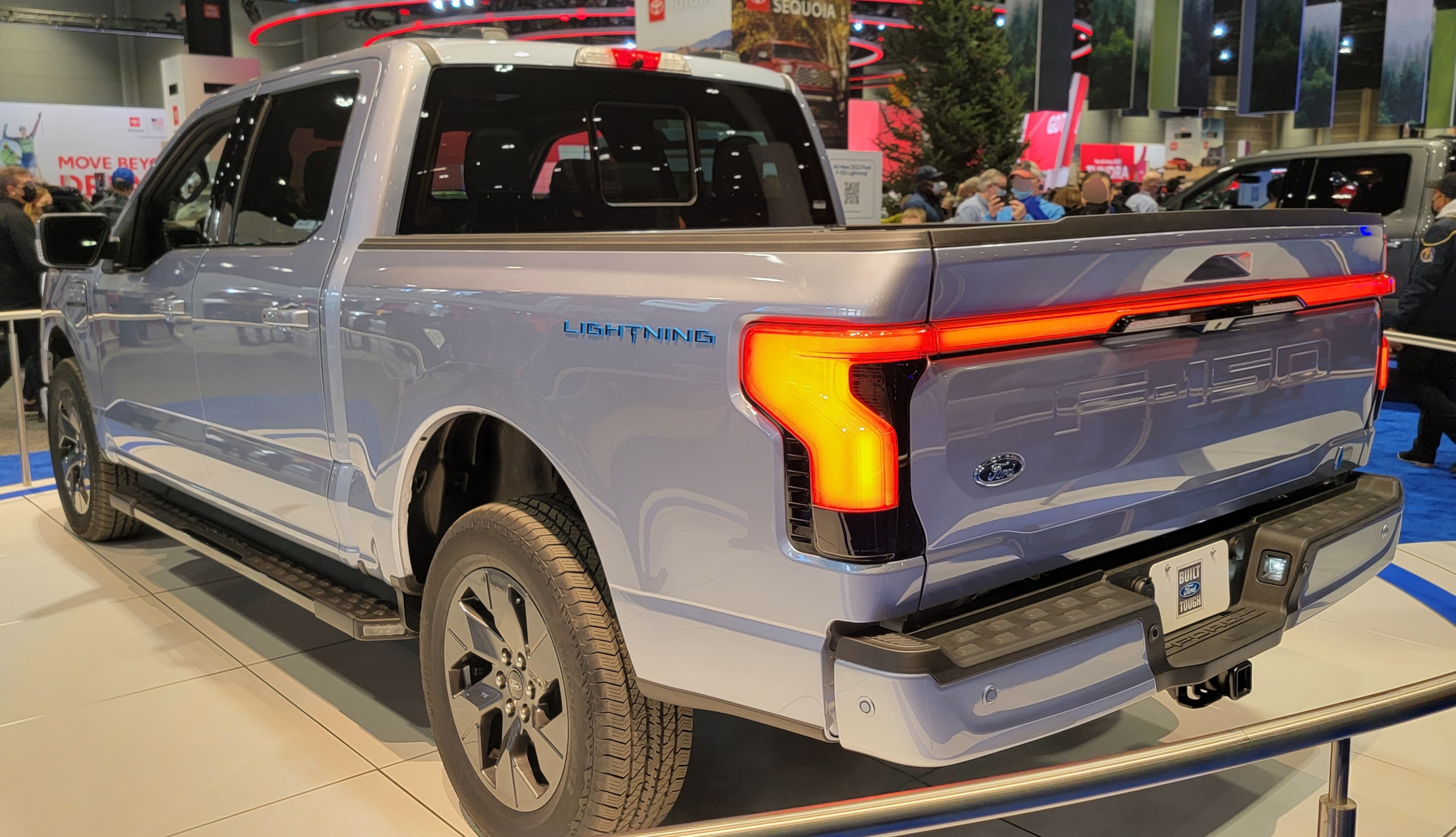
Ford F-150 hybrid
"Time now for our car review. Mr. Marsdrove the Ford F-150 hybrid. Yes, sir. Had a chance to drive this one…"
The Ford F-150 hybrid is a pickup truck that uses both a gas engine and an electric motor. That can help it use less fuel, especially in stop-and-go driving.
The Ford F-150 hybrid is a hybrid version of Ford’s best-selling pickup, combining an internal-combustion engine with an electric motor to improve efficiency. In a review context, “hybrid” usually affects how the truck behaves at low speeds and under light throttle, not just fuel economy.
trim levels
"Now there are eight available trim levels on the Ford F-150. There's three different cab sizes…"
Trim levels are the different versions of the same vehicle that come with different features. Higher trims usually add more comfort and technology.
“Trim levels” are different packages offered by a manufacturer that bundle features like infotainment, upholstery, and driver-assist options. The segment emphasizes that the F-150 has multiple trim levels, which is why buyers can choose a truck that matches their budget and desired equipment.
LED headlights
"YougotLEDheadlightsandfoglights,andevengotsidemirrorspotlightsandtaillights,allofitLED,allthewayaround."
LED headlights are the newer style of car lights. They usually look brighter and last longer than older headlight bulbs.
LED headlights use light-emitting diodes, which typically provide brighter, more consistent illumination and faster response than older bulb types. They also allow more flexible styling and often improve energy efficiency.
power deploying runningboards
"It'sgotpowerdeployingrunningboards,makesitalittlebitnicertostepupintothat becauseitdoessetupalittlebithigherbecauseofthefourbyfour."
These are automatic side steps. They pop out to help you climb into the truck, then pull back in when you don’t need them.
Power-deploying running boards automatically extend when you approach or open the door, then retract when you’re done. They make it easier to step into a taller truck and can improve convenience without manual steps.
power rear glass
"It'sevengotapowerrearglassonit. It'sgotthemultifunctionaltailgatethattookmeandafriendofmineabout20minutestofigureouthowtooperate."
It’s like an electronically operated rear window. Instead of opening the whole back, you can sometimes open just the glass for easier access.
A power rear glass means the rear window can open/operate electronically, often independently from the tailgate. This can help with ventilation or access to cargo without fully lowering the tailgate.
retractable center step
"Andthenwealsohadtheretractablecenterstepinit,andonceyougotthetailgateoperatinglikeit'ssupposedto,thatstepworksreallywelltostepupinthere,justlikeclippingupsteps."
It’s a built-in step that comes out when you need it and hides when you don’t. It helps you get up into the truck bed more easily.
A retractable center step is an integrated step that deploys from the tailgate area to help you climb into the truck bed. It’s designed to be safer and more convenient than using the bumper or tires as a step.
heated seats
"Interior,leatherheatedseatsupfront,evenhadleatherheatedseatsonthesecondrow. Frontseatsalsoareventilated,soyougotplentyofheatandcoolchoicesthereforthefrontpassengersandthedriver."
Heated seats warm you up faster in cold weather. In this truck, they’re available not just up front but also in the second row.
Heated seats use electric heating elements in the seat cushions and/or backrests. They’re a comfort feature that can reduce warm-up time in cold weather and are often offered in multiple zones (front and rear).
ventilated seats
"Frontseatsalsoareventilated,soyougotplentyofheatandcoolchoicesthereforthefrontpassengersandthedriver. Andmoreenjoyable."
Ventilated seats blow air through the seat to help you stay cooler. It’s like built-in airflow for comfort in hot weather.
Ventilated seats use fans and airflow channels to pull heat and moisture away from the occupant. Combined with heated seats, they provide both hot-weather cooling and cold-weather warming.
adaptive cruise control
"Onceyou'reonthehighway,presstheadaptivecruisecontrolbuttononthesteeringwheel. Waitforthehands-freeicon,andBlueCruisehelpswithaccelerating,braking,andsteeringsoyoucanletgoandrelaxwhilecontinuingtowatchtheroad."
Adaptive cruise control keeps your car at a safe distance from the car in front. If traffic slows down, it slows you down too.
Adaptive cruise control (ACC) automatically adjusts your speed to maintain a set following distance from the vehicle ahead. It’s a foundation for more advanced systems like BlueCruise, which can add steering and lane-related assistance.
BlueCruise
"Waitforthehands-freeicon,andBlueCruisehelpswithaccelerating,braking,andsteeringsoyoucanletgoandrelaxwhilecontinuingtowatchtheroad. BlueCruiseusesadriver-facingcameratohelpensureyoureyesstayontheroad."
BlueCruise is Ford’s semi-automated driving feature. It can help steer and control speed on certain roads, but you still have to watch the road and be ready to take over.
BlueCruise is Ford’s hands-free driver-assistance system that can help with accelerating, braking, and steering on compatible roads. It’s designed for specific mapped conditions and requires the driver to stay engaged and monitor the system.
gas cap
"For decades, pulling up to a gas station meant unlocking the fuel door, twisting off a cap, setting it aside, and filling up."
The gas cap seals the fuel tank so gas fumes don’t leak out. If it’s worn or not tightened right, the car can detect it and warn you.
A gas cap seals the fuel tank’s vapor space to prevent fuel vapors from escaping. If the cap is loose, cracked, or worn, it can trigger emissions-related issues and even a check engine light.
check engine light
"...reducing the likelihood of a check engine light to be in the evaporator emission leak."
The check engine light is a warning that something isn’t working right. Here, they’re saying it can come on if the car detects a fuel-vapor leak.
The check engine light is the dashboard warning that the car’s onboard diagnostics detected a fault. In this segment, it’s specifically tied to emissions-related problems such as evaporative vapor leaks.
pump nozzle
"Drivers can insert the pump nozzle directly into the filler neck and start fueling."
The pump nozzle is the part of the gas station dispenser that inserts into the vehicle’s filler neck to deliver fuel. The segment describes capless fueling as allowing the nozzle to be inserted directly without twisting a cap.
capless fuel system
"Also,themoderncaplesssystemsareoftentiedtothecar'slockingsystem,soyoucan'tevenopenthefueldoorwithoutunlockingthevehicle. Thethisdeterscasualtheftortampering."
Instead of a gas cap you screw on, the car has a built-in fuel opening with seals. It helps keep the fuel system sealed and harder to mess with.
A capless fuel system replaces the traditional screw-on gas cap with a built-in filler door and internal seals. It’s designed to stay locked to the car and reduce the chance of leaving the fuel door unlocked or mis-sealing the system.
Cadillac CTS
"GMquicklyfollowed,addingcaplessdesignstothemodelsliketheChevroletMalibuandtheCadillacCTS."
The CTS is another GM model mentioned as getting capless fueling. It’s an example of the technology spreading across different luxury and mainstream cars.
The Cadillac CTS is mentioned alongside the Malibu as another GM model that adopted capless fuel designs. This highlights that capless fueling was rolled out across multiple GM brands and vehicle classes.
Chevrolet Malibu
"GMquicklyfollowed,addingcaplessdesignstothemodelsliketheChevroletMalibuandtheCadillacCTS."
The Malibu is a common GM car, and the episode notes it got capless fueling too. That shows the feature wasn’t just for specialty vehicles.
The Chevrolet Malibu is cited as one of the models where GM added capless fuel system designs. It’s a good example of how capless fueling moved into mainstream, high-volume vehicles.
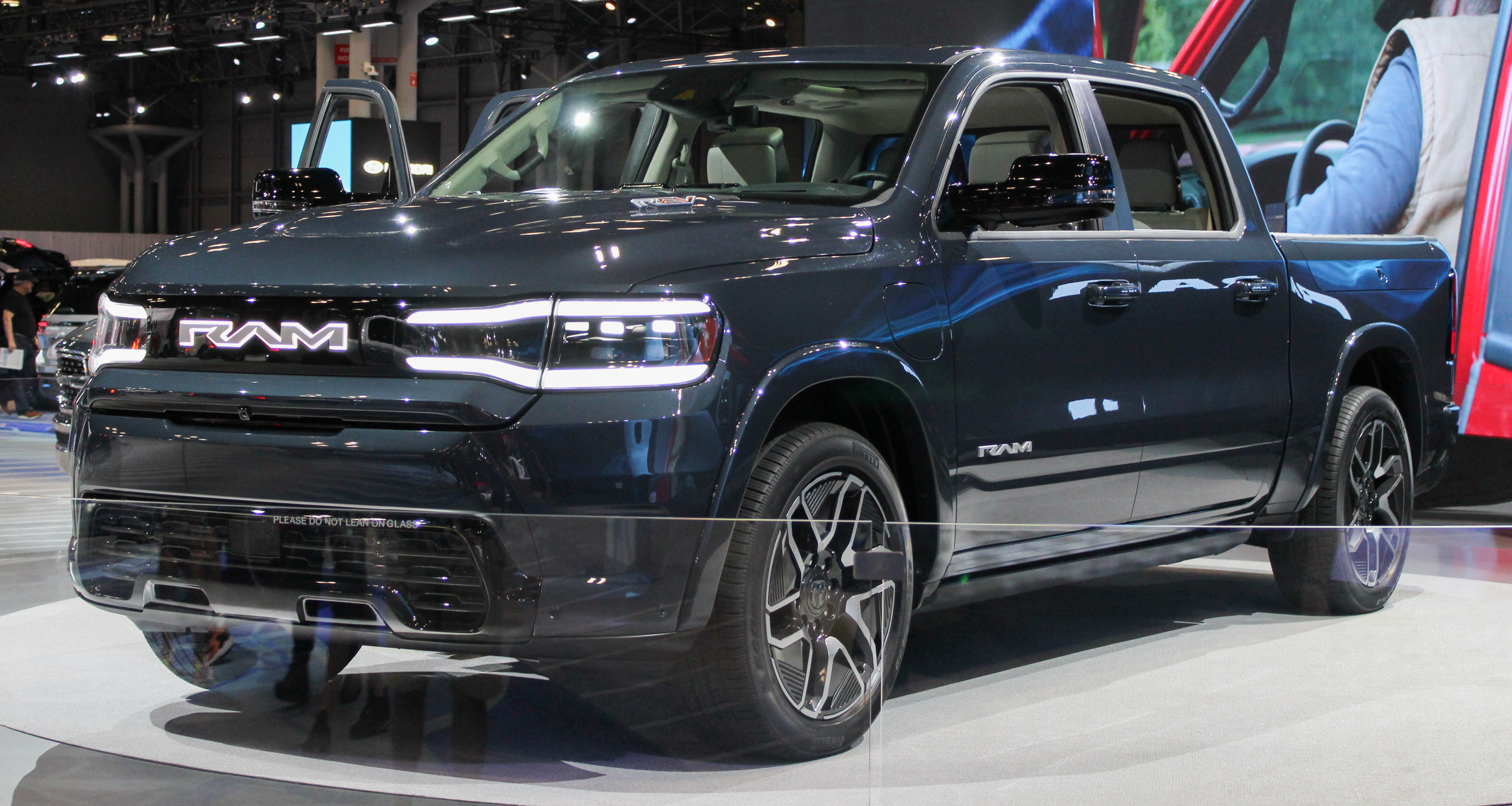
2026 Ram 1500
"I had a chance to drive the 2026 Ram 1500. Available trim levels include the Tradesman, Express, Big Horn, Lone Star, Warlock, Laramie, Rebel, Limited, Longhorn, RHO, and Tungsten."
The Ram 1500 is a big pickup truck made by Ram (a brand under Stellantis). Here, the host is talking about the 2026 version and what’s changed on it.
The Ram 1500 is Ram’s full-size pickup truck line, and the 2026 model year is part of the current generation’s ongoing refresh cycle. In this segment, the host is reviewing how the truck looks and how it’s been updated over time.
sideview mirrors
"What could use improvement? The side mirrors, side view mirrors are so big, it obscures the view around them. There's got to be you know what Ford did was they did some lowering of the actual side window glass and moved the mirrors down."
Side mirrors help you see what’s around you. The host thinks these mirrors are so big they can actually make it harder to see clearly near the truck.
Sideview mirrors are the primary driver visibility tools for adjacent lanes and blind areas. The host criticizes their size because large mirrors can block or distort the view around the mirror housing, affecting how easy it is to judge space next to the truck.
infotainment
"Uhinstrumentcluster,infotainment,andtheshotgunpersonsittingoverthereinthepassengerseat,they'vegottheirownscreenrightthereinthedashboard. It'sverycool. Youcan'tseeitasadriver."
Infotainment is the car’s main screen system for music, maps, and phone features. “Easy to use” means the menus and buttons are simple.
Infotainment is the car’s integrated system for things like navigation, media, phone connectivity, and vehicle settings. When the host says it’s “easy to use,” they’re referring to the user interface and responsiveness of that system.
sliding shelf inside the center console
"Uhslidingshelfinsidethecenterconsoleuhisuhreallyhandy. Andyouslidethatshelfback,youknow,you'vegotyourremotecontrol,yourphone,whateverisinyouwantinthere. Youlidethatback,andthenyouthenyou'vegotaracecarthat'sjustfiredupbackbehindushere."
That’s a movable storage tray in the middle of the car. You can slide it to make room or to keep your phone/remote handy.
A sliding shelf in the center console is a storage feature that can move to create more usable space or keep items accessible while driving. It’s the kind of practical “day-to-day” design detail that can make a vehicle feel more functional.
tie-downs
"It'satruck,multi-functionbed,tie-downs,lighting,everythingbackthere,andthisparticularmodel,whatIliked. Ramthoughtofeverythingonthis. Idon'taretheygonnamakealoopthroughtheparkinglot?"
Tie-downs are the built-in points where you attach straps to keep things from sliding around.
Tie-downs are anchor points in the truck bed used to secure cargo with straps or ropes. They’re important for safety and for preventing shifting during driving.
tow rating
"Tillrating,9,240pounds. It'llhaul1,330pounds. "
Tow rating is how much weight the truck is rated to pull. It’s a safety limit based on the vehicle’s design and setup.
Tow rating is the maximum weight a vehicle is designed to tow safely under specified conditions. It’s usually expressed in pounds and depends on the engine, transmission, cooling system, and equipment.
miles per gallon
"Get 16 miles per gallon in the city, 20 on the highway for combined of 18. It was at one time not that long ago that it only got 13 miles per gallon."
MPG tells you how far the car can go on one gallon of gas. City MPG is for stop-and-go driving, highway MPG is for steady speeds, and combined MPG is a mix of both.
Miles per gallon (MPG) is a measure of fuel economy—how many miles you can drive per gallon of fuel. City MPG, highway MPG, and combined MPG help you understand real-world efficiency depending on driving conditions.
turbocharged
"And II drive all of the four cylinders, it doesn't make any difference what it is, turbocharged. I don't care that V8, it rocks in that pickup truck."
Turbocharged engines use a device that compresses air before it enters the engine. That helps the engine make more power without needing a bigger engine.
Turbocharging uses exhaust gases to spin a turbine that forces more air into the engine. That can improve power and responsiveness, even on smaller engines like four-cylinders.
prices tested with some options
"Pricestested with some options, $86,205. Oh man. The basemodel price of this is $44,775."
That means the price they’re quoting includes extra features you can add. Options can make the final price noticeably higher than the starting price.
“Prices tested with some options” refers to a higher transaction price after adding option packages beyond the base trim. This helps listeners understand how quickly real-world pricing can climb from the starting MSRP.
EV
"Okay. YouknowhowIamaboutEVs. Notahybrid,butafullEV. Af ullEV."
EV means the vehicle is powered by electricity stored in a battery. In this conversation, they’re saying it’s a full electric car, not a hybrid.
EV stands for “electric vehicle,” meaning the car is powered by an electric motor and a battery. This segment contrasts EVs with hybrids by emphasizing “full EV,” which implies no gasoline engine is used for propulsion.
Not a hybrid, but a full EV
"YouknowhowIamaboutEVs. Notahybrid,butafullEV. A fullEV."
They’re saying it’s not a hybrid. A full EV uses electricity from a battery to drive, so you typically charge it instead of relying on gas.
A “full EV” is an electric vehicle that relies on its battery and electric motor for driving, unlike a hybrid that uses both an internal combustion engine and an electric system. This distinction matters for charging habits, range expectations, and how the vehicle behaves day to day.
Request an Explanation
Heard something you'd like explained? We'll add it to this episode.
Sign in to request explanations for terms you heard.
Want to learn more?
Browse our glossary for plain-English explanations of automotive terms, jargon, and concepts.
Help improve this episode
See something that's not quite right? Our annotations are AI-generated and can sometimes miss the mark. Click the flag icon on any annotation to suggest a correction.