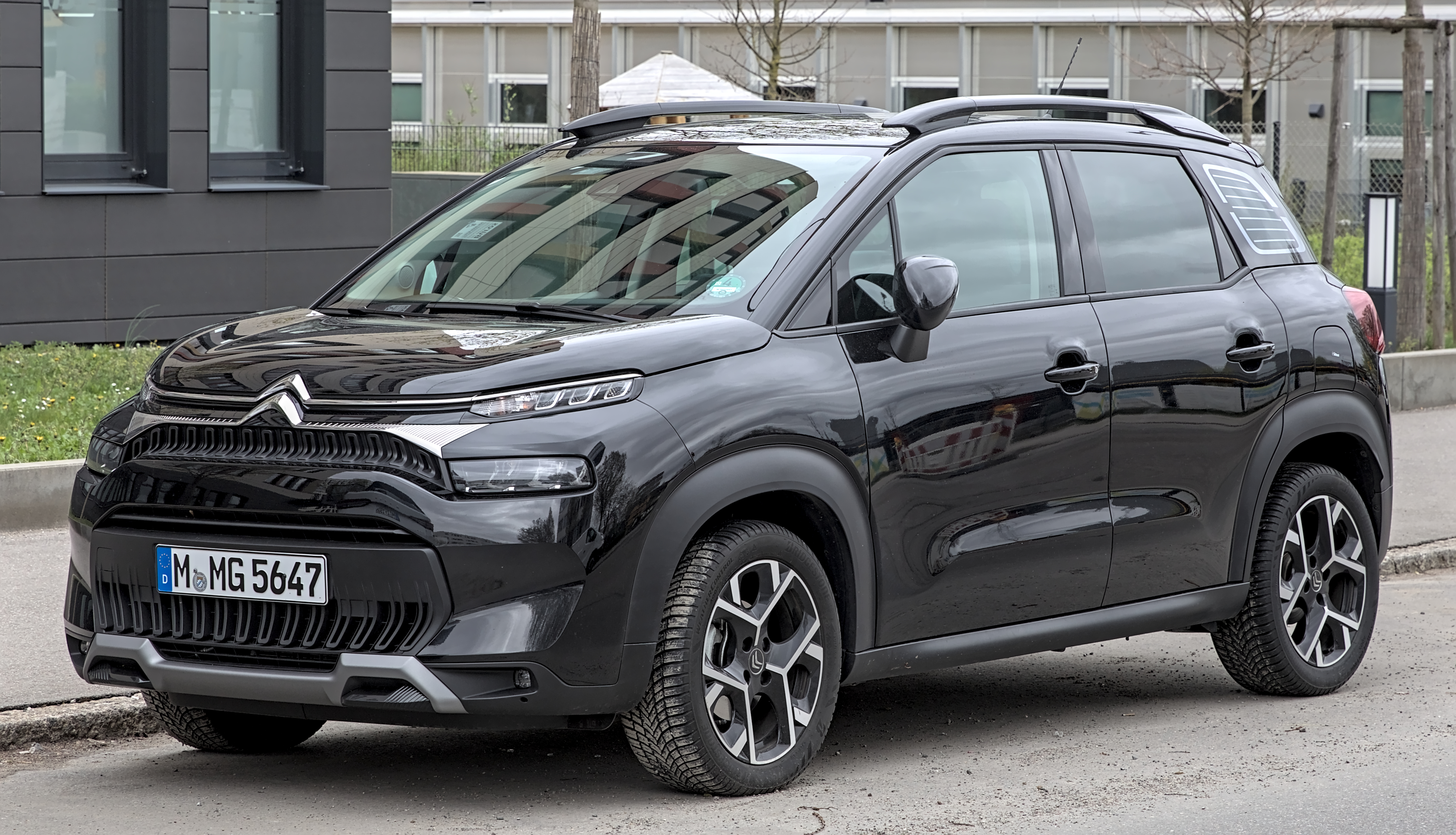
Stellantis' annual loss, Mitsubishi L200 returns, and Government throws money at home charging – with Ginny Buckley, episode 245
Car Dealer Podcast
Stellantis' annual loss, Mitsubishi L200 returns, and Government throws money at home charging – with Ginny Buckley, episode 245Car Dealer Podcast · Feb 27, 2026
The Dakar rally is a very long and tough race that takes place mostly on rough dirt and desert roads, where drivers and their cars have to be very strong to finish.
In rally racing, the co-driver is the person who sits next to the driver and tells them what the road ahead looks like. They help the driver know when to turn or slow down so they can drive fast and safe.
The Monte Carlo Rally is a famous car race that happens on twisty mountain roads with lots of different weather. It's very hard and many drivers want to win it.
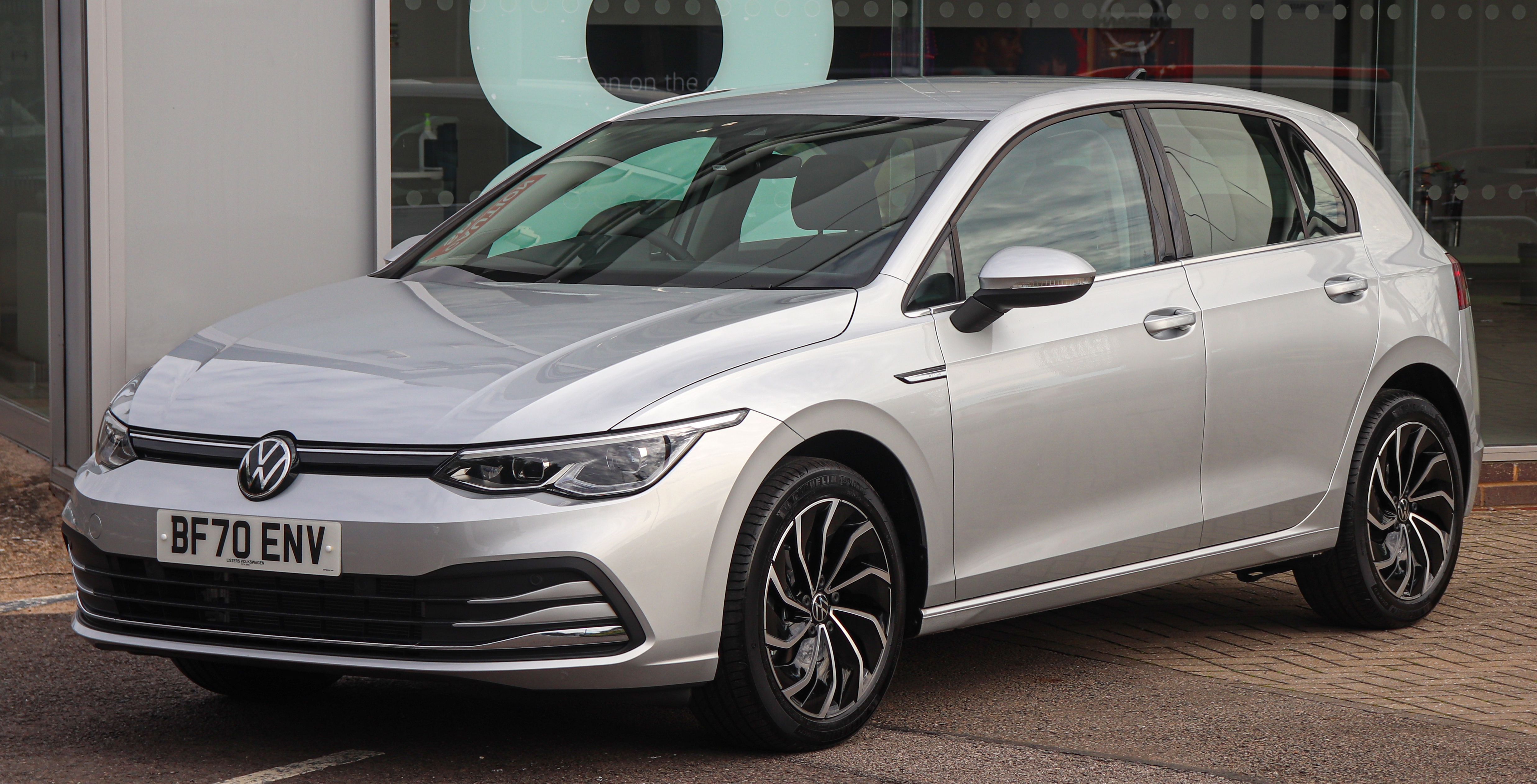
The Volkswagen Golf is a small car that many people like because it’s easy to drive and good for everyday use. It’s often used in special projects because it’s reliable and popular.
The Nissan Leaf is an electric car that doesn’t use petrol and is good for people wanting to try driving without gas. The first versions couldn’t go very far, but it helped make electric cars popular.
Charging at home means plugging your electric car into a charger at your house so it can get power. This is important because it makes using the car easier.
MOT is a yearly test in the UK to make sure cars are safe to drive. They check things like brakes and lights, and for electric cars, maybe the battery too.
The Taycan is a fancy electric car that’s very fast and uses new technology. It’s one of the best electric cars you can buy if you want something special.
The Dodge Challenger is a cool, fast car that looks like old muscle cars but has new technology. People talk about it because new car brands from China are starting to compete with cars like this.
The Alfa Romeo Stelvio is a stylish and sporty SUV from Italy. They might make electric versions in the future, but right now it’s known for being fun to drive.
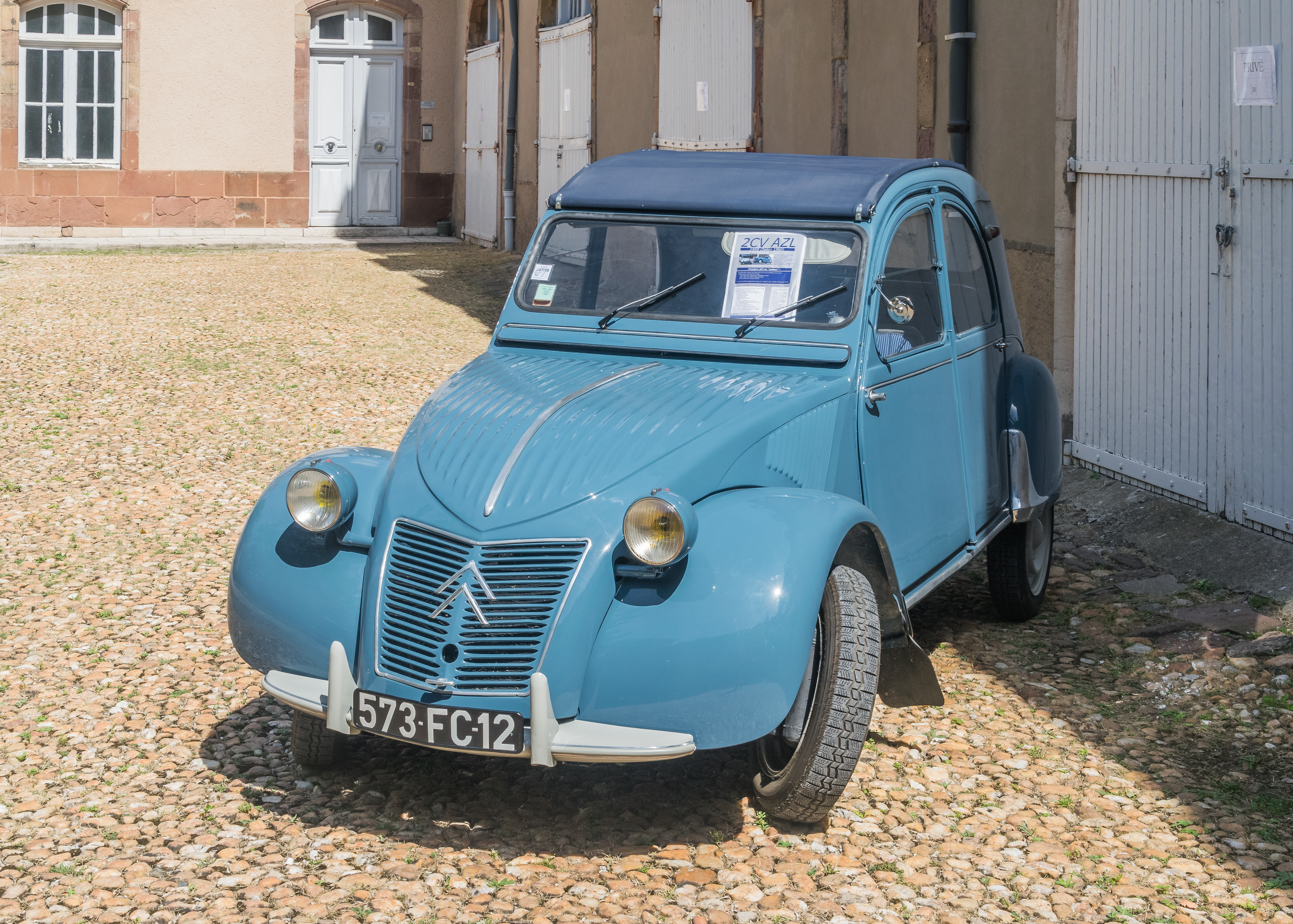
The Citroen 2CV is an old, simple car from France that many people loved because it was easy to fix and use. Some people want a new electric version of it.
The Volkswagen e-Golf is a small car like the regular Golf but runs on electricity instead of petrol. Many people like it because it’s easy to use and good for city driving.
The Peugeot 205 GTI is a small, fast car from a long time ago that was fun to drive. People still talk about it because it was really good for its size.
The Peugeot 208 GTI is a small car that’s faster and more fun to drive than regular models. It’s good if you want a sporty car that’s still easy to use.
The Mitsubishi Outlander is a family car that uses both petrol and electricity to save fuel. It’s good if you want to drive a normal car but also use electric power sometimes.
The Ford Ranger is a medium-sized truck that can carry heavy stuff and go off-road. It’s like other trucks such as the Amarok and is good for work or fun.
The Toyota RAV4 is a small SUV that’s good for families because it’s reliable and doesn’t cost too much to run. Many people buy it because it’s easy to own.
The Volkswagen Tiguan is a small SUV that’s comfortable and nice inside. People compare it to other similar cars to see which is better or cheaper.
LIVE
The Cardiola podcast is sponsored by Autotrader.
John, have you ever wondered why I, along with 14,000 other dealers, choose to partner with Autotrader?
Well actually, I didn't think so. I'll tell you anyway, with more than 84 million consumer visits every month,
it connects us with more engaged car buyers and delivers more deals than anyone else in the UK.
And now, with the launch of buying signals, we'll have brand new insights on every deal,
showing how likely a customer is to buy the car they're interested in.
Plus, as someone who set out to use AI and data as much as possible in my business,
I've found their technology, data and tools genuinely invaluable.
But when I do get stuck, which is, let's face it, most of the time,
Autotrader is always on hand and committed to supporting us to get the very best from our package.
To find out how they can help you, visit trade.autotrader.co.uk
Welcome back to the Cardiola podcast, where we pick our favourite stories of the week
and ask an industry guest to choose which were the best.
I'm John Ray and joining me this week, you'll never guess, but it's James Baggett.
James, how are you?
I'm very good, thanks John. Back again, nice to see you. How are you?
I'm very well. Just to match your environment, I've also joined you from what looks like a boiler cupboard.
Yeah, welcome.
It's just a nice aesthetic, I find, for a podcast environment.
Warm, cosy. Yeah, they're very handy.
Absolutely. So what's new with you? What's been going on in the world of Kierpa Kanto's?
We've had a very good week, John. It's been absolutely crazy.
We've sold all our stock. Sold nine cars this week.
James, that's not all your stock, is it?
No, it's not. No, it's all the cars that I had advertised, which is a bit of the problem.
And actually, a little bit more.
So we had a real run Monday, Tuesday, sold seven cars, since then sold a couple more.
And as you know, our handyman Luke is not in the dealership.
So we've really struggled to get any advertised.
I've done that thing that I said I never would do, which is advertising cars with terrible pictures,
where they're not clean, saying a waiting prep coming soon.
Just so it looks like we're not having a closing down sale on the website.
Because at the moment, it does look like we only have...
Well, at one point this week, we had one car on the website, which was quite embarrassing.
You've got to up your game.
What would you be saying to Luke if there was no cars prepped?
Well, yeah, I mean, the problem is I've got another job to look after at the same time.
So after this podcast, I will be hot-footed up to the dealership
to clean some cars and get some advertised for the weekend, because at the moment, we've got nothing.
But yeah, positive though.
I mean, I know I've been sort of moaning a little bit over the last few weeks that it's been quite quiet,
but it's just funny how things swing.
I mean, from one last week to nine this week, which we're very happy about,
but it just means we've been very, very busy.
What's the sort of sentiment you're getting from other dealers at the minute?
I think it's a bit more positive than it has been recently.
The ones I've been chatting to are saying they're having a really good start to the year.
January and February have actually turned out to be very positive compared to the back-end last year,
which got quite quickly.
I don't think the budget helped.
I think obviously the Christmas break always slows things down a little bit,
but it was a little bit slow to get started.
But now with the dealers looking back at nearly February over the point we were recording this,
they've had a good, strong couple of months.
And I think March, some businesses are running into the end of their financial year,
hoping that it's going to be just as strong.
And I can't see any reason it won't be.
It does feel a bit more positive.
The customers I've had coming into the dealership feel a little bit more buoyant.
Some of them are buying...
I sold a Suzuki Jimny this week to a guy who's just treating himself.
Well, that says a lot to me.
Those people who are buying cars to treat themselves, they're not necessity purchases,
and they're the ones that sort of keep this industry running, aren't they?
So, yeah, a bit more positive, John.
A happy Friday to you.
Well, that's good news, James.
And do you know why?
Because all those dealers that are doing so well have got time to take a day out of their busy schedules
and toddle along to Gayden British Motor Museum on the 19th of March for Cardi were live,
which I'm going to plug early on in the podcast.
Well, you are a professional.
I mean, that was very good.
So yeah, but yeah, nice plug, John.
Thanks for getting out early.
But we should probably introduce our guests, shouldn't we?
Yes, we should.
So our guest this week is the broadcaster, journalist and founder of the very excellent Electrifying.com.
Easier for me to say than you.
Ginny Perkley. Ginny, lovely to have you on.
It's so nice to be here finally.
I know.
I've been talking about doing this for ages, but I'm a big fan of the podcast.
And also of Cardi LeLide.
Get your tickets now.
Oh, brilliant.
Come on in.
Quick.
I'd use it.
Thank you very much.
Seriously though, really interesting stories come from that.
I've never actually been to it.
But what I do follow is a lot of the content you create from it.
And there is some really interesting stuff that you get from that.
So yeah, it's great to be on.
So I am also in a broom cupboard.
Perfect.
Welcome.
You know, I've got a nice painted wall behind me,
but it's basically doubles as my junk room slash office slash anything else that I can think of, you know.
Nice to see you, Ginny.
I mean, quite the CV there, John Reddow, ahead of your introduction or for your introduction.
Tell those people then who haven't been following what you do,
like just a little bit about how you got into where you are now.
Oh, God.
How long have we gone?
That was a podcast.
We've got an hour.
I'll try and condense it.
So I started off in the car industry in 97.
My very first new car launch was the Volkswagen Passat.
I think that was a generation two.
So there was a channel that you could never ever have on television now called Men and Motors.
And we do remember that.
I don't remember being on some satellite channel somewhere.
Well, it was actually one of the very first satellite channels.
So B SkyB got licenses to launch two channels,
one of which was the poor Mounds version of programs like This Morning,
and it was all lifestyle stuff.
The other one was Men and Motors.
And I ended up presenting a car show on that.
I'd actually done some work on a regional car show, I put Granada.
And I love cars my whole life because of my dad.
So everybody's got a story like that, haven't they?
So my dad's got two daughters, wheeler, football and wheel of cars.
Well, I love cars more than my sister, actually.
So that came from being dragged around, particularly Volkswagen shows as a kid,
because we were VW fanatics.
So it was being dragged around all of those classic car VW shows.
And I grew up loving cars.
And this was just like my dream job.
So I was working in Granada News.
My background was in journalism.
I started off in radio and I worked in regional news as a reporter.
And started off this as a bit of a side project that we did.
And I ended up just absolutely loving it.
And then from there, I did that for a number of years.
Somebody, I don't know if you've heard of him, Richard Hammond.
He was working as a PR at the time for Renault.
And I used to bump into Richard at motor shows.
And he was, he'd done a bit of work for BBC Radio Lancashire
and was like, I really want to work in cars.
I really want to work in cars.
You know, anything you can do, can you introduce me to your boss?
So I did introduce him to my boss.
And I did help him with a kind of show reel kind of thing.
And he ended up getting a job on the programme that we presented,
which was called Four Wheels Good.
So we presented Four Wheels Good together.
So it was, yeah, it was a really interesting time.
And then from that, I got the opportunity in the late 90s
to become Motoring Editor at the News of the World,
which was absolutely a brilliant experience.
I didn't get to any of the meetings and no phones were hacked under my watch.
That's for sure, if I'm allowed to say that.
I just cleared out the record.
But no, it was, I was done very remotely.
So that was my route into the industry really,
and it sort of carried on from there.
Juggernaut of a paper that was back then, wasn't it?
It was, we were selling six million copies.
It was the, I think it was the world's most red Sunday newspaper.
And the fact I used to love was that it was often,
people used to often buy two Sunday papers
and a large proportion of our readership
and the people they knew also took the Sunday Times
because the Sunday Times was big,
so you could hide the news of the world inside it.
I may or may not have done that in my time.
I know you did, James, I know you did that.
So that was the route into the industry
and, you know, I'm coming up to know my, oh my God, 20,
oh, what is it next year will be my,
oh God, make sure we my 30th year.
Oh, Jesus.
Wow.
So I love the industry.
It's a brilliant industry.
It's like nothing else on earth.
It's way better than telly and broadcasting.
I know it.
We had Mike Askew, one of your colleagues
on the podcast last week,
and I do always like asking motor and journalists,
we'll come on to Electrifying in a moment,
but I do always like asking motor and journalists
about the best launches they've ever been on
because there's always a good story there.
Oh my goodness me.
Do you know what?
Launches were great when I started off.
If you were a print journalist is what I would say
because I've always done video.
And in the early days,
we were the first people turning up without sound recordists.
So that was a very new thing.
I mean, unthinkable now.
So I remember turning up at launches at the airport
and being given a massive press pack filled with gump
that I then had to sit on the flight and work through
and try and write a script
because at the other end we'd be filming.
And I think the thing that struck me was that
I always used to felt like on launches
we'd be in these fantastic places
and we'd be in beautiful hotels.
But for us it would be bloody hard work
because we were producing a video
and all the other guys had to do.
You remember like your colleagues going back in the day,
Ken Gibson and Ray Massey and those guys,
you can sit around, drive a car, drink some wine,
have a glass of wine on the plane because why not?
You know, you weren't driving for a while
whereas I'd be furiously
because it was like nothing under embargo,
nothing emailed out.
There was no email then.
And you know,
and then they'd have a lovely time
and they go back and they might write 400 words the day after.
So a lot of my experiences of early launches
are a little kind of,
they were very hard work involving some lovely places
that I didn't see properly.
It hasn't changed really, has it?
But now it's different
because we're all on the same plane field.
So as you guys know, you go on a launch now
and everybody's like furiously,
social content, getting a new story up,
how quickly can you publish?
But that was my life for a long time.
But I'm not so,
but yeah, I think I have been in, you know,
some absolutely incredible things.
One of the best things we've ever done
is I went to the Dakar rally
when Colin McCrae was out there
and he was driving this and that.
And just to spend time and experience,
you know, that with him was, you know, off the scale.
And then I was Colin McCrae's co-driver
for the news of the world, which is not a launch,
but we did for a shape,
one of the shakedown leg at the Monte Carlo rally.
I was given, you know, a bit of instruction
on, you know, what you do, how you read the book,
what you have to do and they put me in the car
and they let me be his, you know, his co-driver.
And for like the first sort of 30 seconds,
I really attempted to, you know, like read the instructions.
Then after that, I was just going, yes!
Yes!
And that's literally was the rest of it.
Was that right or left?
I was like, yes!
Anywhere you want to go.
So yeah, amazing.
You know, over the years, some of the experiences
that this industry has given me is fantastic.
But yes, car launches, I think, are very different now to the ones
that used to be, but that is not to say we don't, you know,
it's such a privilege still to go and see these cars
at such an early point and, you know,
and you do get to stay in some nice hotels.
But you get just to go on a lot of coaches as well.
Anyone who's been on a Stellantis launch
will know there's a lot of coaches involved.
Yeah, sure is.
Well, talking of launches,
tell us about how electrifying came about
and where the idea for this originated.
James, can we take a moment to celebrate that segue that you did?
Thank you, thank you.
Oh, it's just awesome.
You got a side career as a DJ.
I've been taking lessons with John Ray.
He doesn't need more jobs, Ginny.
Don't give him ideas.
Like, I'll give him radio Hampshire next.
What an incredible segue.
Anyway, so launches.
So, um, I guess, so my, I've,
he said always works in automotive.
I did my time on, on Carbire
with the lovely batch of your parish.
Yeah.
He was one of my on-screen husbands.
I had Matt Watson as one of my on-screen husbands for a while.
Yeah.
Yeah.
Yeah.
We got divorced.
I don't speak anymore.
No, we do.
Actually, so, you know, that was sort of when,
and I guess at that point YouTube was still quite early.
You know, we were using, you know, there was still established channels,
but nothing like, you know, the monster that it is today.
Um, I think what I thought for a long time was,
so I drove my first electric car in 1999,
and it was a car called the Volkswagen City's drama.
So I don't know if you guys ever were aware of that.
So it was VW Volkswagen took a golf and they did a project
with one of the big energy companies in Germany
and they converted it into electric power.
And it had the number plate flipped up
and it had a little curly plug that came out
like we now see on the Fiat Grande Panda.
They were not the first to do it.
And I went to a tech summit and drove this car
and thought it was really interesting
and just was really fascinated by the fact
that it opened my mind to the fact there could be different powertrains.
And then I remember going, you know, driving, you know,
the early Nissan Leafs and the one that really sticks in my mind.
And as a brilliant launch as well was the first time I went to Korea
and I went to Seoul and I drove the Kia Seoul Electric for the first time.
And I just got the bug, I really did.
So I've always, I've always really been interested in electrification.
And then I just reached a point, I think, in about 2019
where I thought nobody's really doing this
and thinking about what the consumer needs.
So I did a programme, one of the things I do is I work on ITV tonight.
So I cover automotive stories for them.
We did a report about are we ready for the electric car?
And we put back in, I think it was 2018, 2019, ITV tonight viewers
from all around the country into EVs and let them loose.
And, you know, a lot of them really love the experience
but they had no idea about charging and infrastructure
and it's a very different time then.
And I think we spoke to lots of industry experts
and I think the thing that really struck me after making that
was that the industry was getting ready
because we could see all the products coming through.
And I knew what the pipeline was.
But for most people, if you weren't an early adopter
there was nobody out there helping you.
So I wanted to bring all that together in one resource
and that's where electrifying was formed.
It was always about explaining the EV to my auntie Dee.
And now my auntie Dee lives in Burry
and she's, you know, she'd have been,
an EV would have been great for her
but she didn't have the foggiest.
And that was always the approach that we wanted to take.
And actually I took the idea to a couple of bigger publishing companies
and they said, no, I laughed at me and, you know, sent me away.
So I went out and raised Angel Investment to do it
and I had some, you know, fantastic people step forward
to invest in the business.
One of whom I've been on the podcast with, John Bailey,
who you guys know, who really believed in the business.
I'm very grateful to him.
And we, the idea was always there's no stupid question
because EVs are a really big leveler.
You might be able to strip an engine down
but you still might be confused about how to charge an electric car.
So, and I think as we review every electric car
we're increasingly moving into reviewing used electric cars as well
because that's where the market is exciting for me.
And it was about it being a space where any,
there's no silly questions.
People could come for not just the review
but also for the house and the wise and there is it right for me.
It must have been quite a challenge launching a,
it's a publishing company, isn't it, that you've launched
and it's alongside all your other stuff.
It must have been hard work.
Yeah, I launched it in April 2020.
And I don't know if we all remember what happened in April 2020.
We had some time in our hands, didn't we, sir?
We had some time in our hands.
So, yeah, it was, I remember we took the Y-Frames.
So, you know, a couple of people came on board really early days.
We had Tom Ford, who, you know, from Top Gear and Nikki Shields,
Formula E, they were committed to joining.
We were going out, I was going out myself to agencies
trying to sell, you know, get launch partnerships
and actually signed three launch partnerships.
So, I had enough money from some angel investors,
literally friends, family and fools, as they say.
This was before John came on board and, you know, to get it made.
And then we had money and then to keep the business running
for the sort of six to nine months after that.
And then we went into lockdown and all of those purchase orders fell
and we had no money.
So, it was like, well, what do we do?
So, we just had to launch.
We just launched and we just did it.
And then, you know, just carried on doing it.
And we managed to get some advertising money in it
in the August of 2020.
And the story has just rolled on from there.
And it's, you know, had its ups and downs for sure.
You know, the economy, you know, there's been a lot of things
that have thrown curveballs in our way,
but the business is now very strong.
We've got a really successful YouTube channel with
and now the most watched EV channel,
review channel globally on YouTube,
a new editor, Vicky Parrot, who runs the website,
who is brilliant and it's going really well,
but it's been a real challenge to get there.
But, you know, it's the thing that I've loved doing most
in my career.
And, you know, I presented BBC Holiday and Traveled the World
for three years in the early noughties.
I love it more than that.
You know, I love this industry.
I mean, huge congratulations because I mean,
I know just how hard it is to do.
And especially in the time that you've done it.
No one's got a better idea, though, than you
when it comes to what consumers are thinking about EVs.
Give us an overview of what the feeling is out there.
I mean, bearing in mind, I suppose, the people coming to your site,
they are their EV buyers, are they?
Or are they EV?
Curious.
Curious, yeah, thanks, John.
Yeah, there's been a shift in that.
So we, you know, when we first launched, we were getting,
you know, roughly 25% of our audience already owned an EV.
The rest were, you know, confused consumers,
as we like to call them.
And I think the shift now is that we're roughly at 50-50.
So it's slightly more probably on the EV owners.
So we've definitely seen that shift.
So we know that some people are coming onto their second
and third EVs.
Other people still need that hand-holding.
And increasingly, as a team, what we're looking at now is
we still do need to give people that early information.
So we do a big survey every year with the AA.
And we did the last one just at the end of 2025.
We surveyed over 13,000 UK drivers, around 4% EV drivers,
so roughly in line with where the overall car part was,
you know, back then.
And just under 50% will tell us that they don't have confidence
in driving an EV and the prospect of that making that switch,
you know, around two-thirds don't have confidence
in how you charge one.
So for new EV drivers, people new to it,
there's definitely that hand-holding is still really important,
those basics of how much range do you really need?
How do you charge?
Charging explained, you know, why did you range drop in winter?
But then what we're seeing is we're at this point now
where we've got second and third EV buyers
who want to drill down into the charging curve in EV.
They want to know about battery health certificates.
They want a deeper level of knowledge.
And that's a real challenge for dealers, right?
Because, you know, we live and breathe this.
And, you know, we know that that level is there.
So I think this is where it's getting very interesting.
I think, you know, we talk to an EV-engaged audience.
75% of our audience are looking to purchase
within the next 12 months.
So they're on that journey.
I think if you do look at the wider, the early majority
that we're into now, there are definitely concerns.
There's concerns about charging.
We need to do much more nationally about visibility of charging.
You know, the fact that we have more charges in Westminster
than we have in, you know, the big northern cities
of Liverpool, Leeds, Manchester, Newcastle, Sheffield combined
is shocking, you know.
And there's no surprises that, you know,
that's where you see the proliferation of EVs going.
And I think we need to do much more work.
The government needs to take much more
of a lead around used EVs.
Because that's where the real difference is, right?
That's where we make the difference.
I do think the used EV market is fascinating.
I've sold one this week, sold a Nissan Leaf.
What did you sell?
Nissan Leaf, 67.81.
The customer turned up.
He was purchasing it for his wife,
and he turned up in a Volkswagen ID3.
So those sorts of conversations are actually quite easy.
But then we had another Nissan Leaf in stock
the week before, which I talked the customer out of,
because, you know, they turned up and said,
we're looking at our first EV.
I said, how are you going to charge it?
They said, well, I'm going to go to the local Tescos.
I said, well, it's not for you.
You know, this is not the car for you.
You need to be able to charge it at home
really to make the most of this.
So I do find in the used market customers
really do need education.
But there are massive opportunities,
and a lot of things are still scared of selling them.
What are you finding when it comes to used EVs then, especially?
Yeah, we did look particularly used in this last survey,
and I think there's a lot of confusion around it.
So the two stats that really stood out for me
was around affordability,
which we know is really key with EVs.
So around 60% of that survey spread said
they thought new electric cars were too expensive.
That dropped to 30% for used.
So people are definitely seeing
that more affordable used models are coming through.
But where we saw concerns is in confidence.
So only 3% said they felt confident in buying a used EV.
Really? What do you think that was then?
It's batteries.
We need to do so much work around batteries.
There's so little understanding
of the fact that an EV battery would last.
So only 2% felt that an EV battery would last
as long as a petrol and diesel engine,
which all the data now shows that that is not the case.
And what we know with EV batteries is
they've got second and third lives, right?
They're worth a load of money.
40% to 60% are the value of a new car,
new EVs in that battery.
So, you know, they're built to last.
They come with long guarantees.
We've had a Tesla recently that's done 250,000 miles
as a taxi.
Battery health was still at 91%.
These are the messages we need to get out.
And I think when we ask people
what would give them more confidence.
And this was really key for me.
And I think this is where the government needs to be doing
a lot more focus.
40% said some kind of government-backed battery health check
on a used EV would give them confidence.
Now, that is not complicated to do.
You know, when you buy a house,
you expect to see, you know,
the electricity efficiencies at the EPC.
It's a really simple way of understanding it.
Why shouldn't EVs work in the same way?
We get a clear standardised measure of battery health.
It's independently checked.
Perhaps updated at the MOT stage once a year,
that it has to be done.
A lot of dealers are doing them.
We do it.
Every used EV we sell.
We use Generational's product.
We put that certificate on the advert.
And the guy who bought the list this week said,
the reason I bought this one
is because you're so open about the battery health.
So it makes a big difference.
It makes a huge difference.
But I think if it was suddenly something
that just has to become part of the MOT,
that's not even a complicated thing to do.
And I think that, so for me,
the government is spending money in the wrong places.
The electric car grant, don't get me started on that.
What is, you know, for new cars.
That should have gone into the used market for me.
Scotland for years has been running a fantastic scheme,
which I think you guys may know about,
which helps you get into a used electric car van.
It ran out of money, didn't it? It was so successful.
It runs out of money every year, and then they bring it back.
So it always runs out of money.
And you know, I think the last time I checked,
it was 28,000 pounds interest-free loan
to be used on a used vehicle.
But I mean, brilliant.
Why are we not doing, why are we not doing that?
Why are we focusing on new cars,
on helping certain brands sell more new cars
and not just doing that, giving it a level playing field?
And my other rank, because I'm obviously,
I'm starting to rant, aren't I? Sorry.
You're very welcome to. We like those.
It's where the money is going on charging.
So we've seen a big part of money go this week
on charging, right, on, you know,
on getting them fitted on rental properties.
If I, yeah, okay, look, I know it's all helpful, isn't it?
But that really assumes that anyone with a driveway is loaded.
I don't, I'm sorry, but you know,
my mum and dad have a driveway, their pensioners,
they're not loaded.
If you're looking at a really good,
I mean, what did you sell your Nissan Leaf for, James?
Four and a half.
Four and a half grand, right.
So that's a brilliant car for a load of people.
If that's your first EV and then, oh,
but you need to spend over a thousand pounds on a charger.
Oh, that's quite a lot of money.
Well, that could well be the thing that makes you stay in petrol or diesel.
I think they need to look at affordability more.
I think we need to bring incentives back for all homeowners around chargers.
You know, there's got to be a better way to spend this money
that helps more people.
And I think the use market is where the focus should be.
Yeah, absolutely.
What's your take on that other really big issue
that sort of affected the motor industry
and especially so in your set of the Chinese car makers.
I mean, they're coming in with plenty of very affordable Chinese cars.
What's your take on all of that?
It's just fascinating, isn't it?
I mean, I don't think I've ever been, you know,
I've found a more exciting time in this industry than this.
I think the one thing a lot of them have done,
which is very smart is they're partnering with really strong local dealership.
Groups that people know because if you're a new brand coming in,
you try to do it on your own, that's definitely not going to work.
Whereas if you've got that trust of a wall,
that's the dealer around the corner that I bought my Ford from
and my Peugeot from.
I think that that's a really smart move.
I think the interesting thing for me was a story that I think you guys
kind of reported on,
which was when I went out to Gothenburg and spoke to to Polestar,
who were of course one of these, you know, it's a digital only
and we're going to have studios and spaces.
And then they realized that actually people like to talk to people.
And the great line, I think from that interview that I did with a CEO
was when he said, we have to learn from the Brits.
When I go to Germany, we have to learn from the Brits.
And he talked about this renaissance of the dealership.
And a real acknowledgement that it's not the dealer doesn't,
you know, you don't just have a first car.
What the first time what a dealer does by building that relationship is
he said it sells the car the second and the third time.
And I think this is more critical than ever before now with with used
and but also with EVs, particularly with EV because you need the trust
and you need the confidence.
And that's why people come to us and if dealers can position themselves
as that person that is open and honest, like you saying James to that guy,
this isn't going to work for you if you charge at Tesco.
If he's buying a car with 300 miles of range and does 20 miles a day,
then charging it once a week on a rapid is absolutely fine.
But not only Nissan Leaf that's not got, you know, full battery life left.
So and I think that that's where with EV I actually think the dealer role
becomes increasingly important.
Whether that's on a test drive, I don't know because I wonder whether
for second and third EV owners are they even doing test drives?
I know people that aren't, but they want to see the car.
They want to talk to somebody.
They want to feel it.
They want the conversations.
And I think that's where that dealer experience becomes absolutely key for me.
Yeah.
I mean, we sold another leaf last week and it was over the phone.
The guy went just deliver it to my house.
I didn't even want to drive it.
So there are some people out there with that confidence.
Ginny, what's your experience of car dealers then when it comes to comes to
electric car sales, both franchising independent, I mean,
and yours personally and those you hear from your readers?
I mean, I'll be honest with you.
I haven't bought a new car in years.
So, you know, but I obviously get a lot of my friends come to me for advice around
EVs and a couple of friends recently have had an experience of going into dealers.
And, you know, they bought the car pretty much based on recommendations from me on
both occasions.
They'd been out with me in a test car that I had in.
I'm not going to name the brands because that's not really fair to do,
but they both said the dealership experience was awful.
It wasn't special.
They didn't get given really any information.
The handover wasn't good.
Now, I know that that's not reflective of all dealerships.
I know there are some brilliant dealerships out there who were doing great stuff around
used EVs, for example, where they are really trying to provide battery health checks
and they are really trying to be very open.
But I think it just for those people, you know, coming to EV for the first time,
I think we need to up our game.
And, you know, we need to have, you know, you need to be an expert.
You need to be their phone friend.
You've got to be saying to those first time buyers, any problems when it's gone,
give me a ring.
You've got to be explaining.
You've got to be interested.
You know, we do get a lot of, I think interesting.
We've had quite a lot of complaints about people popping into these studios where
they feel like there's just some nice looking people standing around with an iPad,
not really that willing to help.
But I think this is, it's about striking that balance, isn't it?
Not being down somebody's throat and selling them.
But you've got to make that experience special.
And I think that's something that, you know, a lot of dealers do need to work on.
Yeah, I do think, I mean, especially with electric cars, the role of a dealer is vital.
Vital? Absolutely vital.
You know, you're not selling, and this is the difficult thing, right?
Because if you look back to that experience, that those stats about, you know,
people don't have confidence in public charging, it's not enough to sell the car anymore.
You've got to sell the overall experience.
So what you've got to do is be like, yeah, I know you'd be worried about charging,
but, you know, John over there, he's been running one for ages.
And actually, you know, there's now a charger going in every 30 minutes.
And, you know, and on longer journeys, you know, the numbers of rapid charges have increased massively.
You need advocates in the dealership who live and breathe EVs,
who can be there open and honest with information and give confidence.
Because I think the battleground now for the electric vehicle is going to be one between confidence and trust.
So you talk about all those OEMs that are coming in, they're very competitive on price and technology.
It's ultimately trust and confidence.
And I think the dealers that can provide that and the brands that can provide that the OEMs are the ones that will win out on this.
I do think we'll see a couple of codecs of the car industry.
I think there will be legacy brands that will be no more because they haven't switched enough because of the competition.
And I think that will happen with dealers as well.
But I think it's now more important than ever to have knowledgeable advocates in your dealerships
and to be, you know, the person that gives that car buyer trust and confidence.
Yeah, absolutely.
Out of those new brands that you've been seeing and trying, which ones impressed you the most?
I think you can't ignore BYD, can you?
You know, and I often get asked, are there any good, you know, these Chinese cars?
And the honest answer is some of them are not and a lot of them are.
You know, it's just like any other brand, you know, everybody's got some dots that, you know, they are good.
They're good cars in many, you know, in many, many cases.
I think it's the scale of BYD.
You know, the fact that they, you know, they basically they control their own supply chain.
So they're building their own batteries, they're building their own motors.
I think it's, I think I'm right in saying that it's only the wipers and the tires that they don't actually, you know, provide themselves for their vehicles.
And that sense of scale is a massive buffer for them.
They're also incredibly, incredibly competitive and they want to win.
So I think, you know, I think BYD are absolutely here to stay.
I think an interesting one to watch will be Zika.
We're seeing a lot of interest in Zika within our audience, both on the website and on YouTube.
They are, of course, part of the GD group, which is just a massive, you know, massive group.
It encompasses, you know, Polestar and Volvo.
And they are coming to the UK, as we know, that date hasn't been announced yet.
But I know it's not that far off now.
And I think it will be really interesting to see Zika when they arrive,
because I think that they're going to shake things up a bit.
And what electric car would you buy?
Oh, it's so hard.
Do you know what this is?
This is going to sound, I would have always had Taycan Crestorismo because I've got a dog.
And I just love that.
And I love the sexy estate, you know.
The used one, be very good value.
A used one is very good value at the moment.
As a business owner, though, you know, new is the way to go.
Yes, it is.
So I've been running a Renault 5 for a year.
And I think that's a really special car,
because what that's done is brought desirability back.
And it's done that brilliant thing that is very hard to do, that it appeals.
It's got massive appeal.
People love that car.
Young, old men, women.
I've had so many people stop me about it.
It's a tiny little thing.
I'm getting about 20% less under the WLTP range running it in winter.
So about 190, 180, 190.
It's not going to massive range.
I've not got the top spec.
It's not got heated seats.
I love that car.
It's going back soon.
And I haven't bought a new car in a long time.
And I'm actually thinking, do I buy one?
Because it makes me happy.
And for me, I love cars so much.
I want a car that makes me happy.
So I think there is so much to be said for that,
because they've been very clever in not creating a pastiche
of a car that we all know and love.
Yeah.
So I think my budget is Renault 5.
Second-hand Taycan Cross Turismo.
But I couldn't afford the insurance on that.
I don't think.
I don't know.
Final question for you before we get on to our stories.
Do you think the 2030 ban will happen?
Yeah.
I hope so for the industry's sake.
Everybody knows, other than the government,
I think that the car industry needs certainty.
It's the one thing we need.
When you're spending billions of dollars building factories,
creating new models, building product line-ups,
it needs certainty.
I think it will.
I think it will still go ahead.
I wonder whether we'll see more loosening
of the flexibilities around it.
I think that will probably be the push,
the fudge that we'll see.
But I think that the deadline I think will state,
but I think it will have flexibilities.
Interesting stuff.
Ginny, thank you so much for joining us.
I love it.
Thank you.
Thank you for sticking around to hear our stories.
Well, John, we should probably do some.
We'll be right back.
Running a dealership means making hundreds of decisions every day.
But James, when do you get the time to step back and think?
Well, John, I don't.
But this is exactly what Cardiola Live is for.
On March the 19th at the British Motor Museum in Gayden,
the UK's car dealers, manufacturers and suppliers
will come together to learn what's actually working right now.
You'll hear from dealers who've built great businesses
and exclusive research from headline sponsors,
AutoTrader as well as Google, Motorway,
Cox Automotive, Keyloop and Impel.
We'll be tackling the big questions like how buyers are really using AI,
what Chinese challenger brands mean for your forecourt
and how the best dealers are growing faster than anyone else.
and takes place on March the 19th at the British Motor Museum.
Tickets are available now at Cardiolaive.co.uk.
Now, a quick word from one of our sponsors.
List your calls on Dealer Wait A Day
and connect with over 3,000 vetted trade buyers
actively looking for vehicles.
No hidden fees, no hassle.
Start your own custom auctions from your desk
or the palm of your hand in our game changing app.
Or advertise your stock on Quick, Easy.
Buy it now, listens to our eager buyers
who are waiting to quickly acquire vehicles.
What are you waiting for?
Join Dealer Wait A Day at DealerWay.co.uk
and streamline your disposals.
John, have you ever wondered why I,
along with 14,000 other dealers,
choose to partner with AutoTrader?
Well, actually.
I didn't think so.
I'll tell you anyway,
with more than 84 million consumer visits every month,
it connects us with more engaged car buyers
and delivers more deals than anyone else in the UK.
And now, with the launch of buying signals,
we'll have brand new insights on every deal,
showing how likely a customer is to buy the car they're interested in.
Plus, as someone who set out to use AI and data
as much as possible in my business,
I've found their technology, data and tools genuinely invaluable.
But when I do get stuck,
which is, let's face it, most of the time,
AutoTrader is always on hand
and committed to supporting us to get the very best from our package.
To find out how they can help you,
visit trade.autotrader.co.uk
Now, back to the podcast.
So, James and I are going to run through our favourite stories of the week,
and at the end, Ginny gets to decide
which one of us chose the best ones,
and who is the winner.
I won last week.
I think it was largely a gift victory.
What's a gift from Mike?
Because it's 3-0 now, John,
because I am actually keeping a tally this year.
So, go ahead.
As you keep saying every week and every week,
I say, I don't really care, James.
It's fine.
You do care, you do care.
Only on some very small level.
What shall I start with?
We've had lots of news this week,
but I'm going to start with Stellantis,
which is news that they have had their first annual loss
since their merger as Stellantis as a whole.
And it's quite a chunky loss.
19.4 billion pounds they lost in 2025.
Now, a lot of this has come from,
you'll see why I've chosen this story,
a lot of this has come from a pivot
that their new CEO has taken around electrification.
So, Stellantis has always been pretty good on electrification,
I would say.
I mean, every brand, certainly in Europe,
has got a broad range of EVs,
but they had big plans to make things like this
electric Dodge Ram truck in America.
I think they had some plans around making Alfa Romeo
go more and assume some new platforms for Alfa Romeo
to make them kind of things like the Julia
and the Stelvio Electric, which aren't at the minute.
But they've cancelled those.
They've decided, looking at the headwinds across the world
in America and Europe around EVs,
that that is just not a sensible thing for them to do.
Their words are not mine.
And so they've cancelled it.
And so there's a lot of cancelled investment going on here,
which is why we've got to this figure of 19.4 billion pound loss.
I mean, that is pretty chunky and it does,
it will worry anyone watching Stellantis, I'm sure.
I like to talk about Stellantis in general,
because they just seem like this, you know,
this ideal scenario they came up with,
I can't remember when they merged, was it 2019,
something like that?
Yeah, five or six years ago.
This idea that the only way to compete in the automotive industry
with China coming along is to merge everyone together.
And incredibly since then, they've not deleted a single brand.
I don't know if they've even closed any factories up to this point.
They've really kind of, they've just kept it all going.
They've not really consolidated.
They did lose the factory, didn't they?
That is very true.
Yeah, that's a very good point.
There's probably some others in Europe I've forgotten as well.
Yeah, it was the fans one, wasn't it?
I mean, I'm going to go straight to you, Ginny.
What are your thoughts on Stellantis as they are at the minute?
Do you think they are competitive in the situation and the world that we're in?
Ah, do you know what?
I don't think you can pin this to EVs.
I think it's more familiar along the lines is perhaps Stellantis EVs
aren't as popular as Stellantis thought they were going to be.
And I think that is there enough differentiation there between their product lines?
I think they produce some very good cars.
I think they produce some fairly average cars.
And I think there is a lot of similarities across their models.
Like you, I find it fascinating.
I just think they've gone too big.
And I think there's been too much of that cross-platform sharing.
If you're a car buyer, you still want to feel that you're buying something different.
And I'm not sure that that differentiation is perhaps there enough.
But I think basically, you just need to up their game a bit
and perhaps produce some more exciting electric vehicles.
They're doing that with sunbrands.
I think Citroen, I really like Citroen's EVs.
I think others are just not there in the same way.
And the thing is, you've already mentioned it.
You liken it to Renault who have done a very good job with EVs.
The Renault 5 is the desirable electric car that is actually a good car.
It looks good.
People want to buy it, especially retail buyers.
And I think Stellantis have just, they've electrified existing platforms.
They've electrified existing cars.
And even though Carlos de Veres went all in with this electrification strategy,
he didn't sort of do it in a way that was exciting enough for buyers.
And I think that's what's cost them.
What I'm really surprised about is that they don't go back into their back catalogue more
the way Renault was done.
You look at what Renault has done brilliantly.
So they talk a lot about, they've got their historical lines,
the marks they've brought back and then they've got their new ones
that are going to be future classics in some ways.
And you know what they've done with the 4 and the 4?
The 4th coming to Twingo is joyful.
It's the most like amazingly fun.
They brought the fun into it all.
And I think Citroen actually, the one brand for me that stands out
from the Stellantis group is actually doing a bit more of that.
But where's the electric 2CV?
Bring some of these great brands back.
My worry with Citroen is that it's just becoming a budget brand again.
They could play on all their kind of innovation, but the C3 is not.
You know, so it's okay, but it's not.
It's really a budget car, isn't it?
That's what they've positioned it as.
They've not gone, here's something really cool.
I think Fiat actually for me might be the more interesting one.
Yeah, yeah, great, yeah.
Yeah, I'm sort of with you.
I mean, maybe the secret isn't,
maybe the secret of successfully these in a way
is separating them out from their ice counterparts.
I mean, absolutely.
I think it was a really interesting decision, wasn't it?
When they first did the first electric 2OA
and you've got petrol, you've got diesel,
you've got electric, it's all very easy.
But I think there is this argument to be said
for doing what the Koreans have done
with Hyundai, with the Ionix,
and Kia, with the EVs, one through to nine.
It's a very clear positioning.
And as Renault have done, and I think from a buyer's perspective,
that is an easier route to kind of get your head around it all.
You know, I think this cross-platform sharing,
and plus it's just always better if you're building
on dedicated EV platform, right?
That's, you know, get a better EV.
And I think they've suffered a bit from that.
Yeah, the one that I just think that I've found
with the dealerships is Volkswagen e-golfs.
They are incredibly popular.
We sell them quite quickly because,
and all the people who buy them say,
I love it because it looks like a Golf.
And it's not a dedicated EV.
So it's strange, isn't it?
It's interesting.
There are buyers out there who want both.
Yeah, and now I'm going to argue myself at my previous point
by saying, you know, the VW triplets that are forthcoming,
you know, with the VW, you know, going back to the ID,
you know, it's called the ID Polo.
You know, they're going back to those marks as well
because they realise that nobody knew what an ID3
and an ID1 was.
So it's interesting how that strategy is working
for some brands and perhaps not for others.
But I think maybe in Europe,
there's a kind of a nostalgic attachment to those VW name marks,
aren't there?
And I don't know if that nostalgic attachment
is there in the same way to a 208, for example,
you know, and maybe they could have had a differentiation there.
205 GTI.
Electric 205 GTI would have been.
It's coming, James.
It's coming, is it?
208 GTI, but yes.
Yeah, just anyway.
I'll move us on.
I'll move us on before I get back to electric cars, I'm sure.
But I would like to talk about car gurus
who have had a little bit of a cyber security instant this week.
So car gurus says its platforms have remained fully operational
this week after they fell victim to what they are calling
this cyber security instant.
So the use car website that obviously advertises
use cars alongside like auto trader and motors
has launched an investigation and it says it's working
with a leading independent cyber security firm
after hackers targeted its systems.
So this came in an email that was sent to its customers by its CEO
that said the incident doesn't appear to have involved
a broad set of highly sensitive data.
And it's told the dealers that their feeds,
APIs and the core systems used by all their partners
had appeared to be uncompromised.
But they're looking into this at the moment.
They don't know the scope of this attack,
but it means that the site is still up and running.
But yeah, I thought we haven't heard about
a cyber security incident for a while, John, have we?
But this one, obviously a little bit of a worry
when they start targeting these big use car platforms.
Yes, and when we talk about car gurus,
of course it is a lot bigger than we perhaps imagine.
If you go to Nadi, you see the size of their stand
and you find that they're the number one,
I think, well, that's hard to quantify, isn't it?
But they would say they're the number one
use car platform in America.
So they are a gigantic, gigantic business.
It's just terrifying, isn't it?
I think that's the thing for all of us in this industry.
I think you looked at what happened with JLR last year.
I mean, let's not go there, we all know that.
But from a business owner,
from anyone operating a digital business,
it is an absolutely terrifying thought.
And I think, yeah, luckily,
I don't have to look after that area of the business.
That's one area that's on somebody else.
But yeah, it frightens me.
The thing with it, Ginny, I think,
is we might all think our systems are secure,
but they're only as secure as the people using them.
And these phishing scams are incredibly sophisticated.
And it's very easy for them to be...
I mean, I've had emails sent to our finance team,
pretending to be me saying,
can you send this money emergency?
I can't answer my phone or answer WhatsApps.
I'm in a meeting, send this money to this person now.
And it looks like it's from me.
I mean, it's scary.
We've had the same thing.
And sadly, a member of my team was caught out by it,
which was a few years ago now.
And it's exactly the same team.
They go on your meeting with the team.
They know, you know, they learn a bit about you.
It's probably, let's face it, AI,
which is helping them do a lot of that
because it's learning our tone of voices.
And it's always that thing,
I'm in a meeting, can't talk, need this.
But it is.
And it is the big worry
as we increasingly become digital businesses.
Yeah, it is a worry.
We've been looking into scam car dealers this week,
but more on that next week on our YouTube channel,
subtle plug there, subtle plug.
Jon, over to you.
Yes, you've gone all scam intercepts this week, haven't you?
Yeah, it's been very exciting.
I've had a lot of fun.
Of course, you don't watch daytime telly,
so you don't know what that is.
But still,
nor do any of our listeners probably.
I'm going to sort of roll two new brands into one.
One's not such a new brand.
But firstly, from Cherry,
the behemoth that is Cherry,
which is called Cherry Emoda JQ.
There's a new brand coming
to go along with three that they already introduced
in the last 18 months.
So, Lepers or Lepas,
or however you say this.
We've talked a lot about how we say that.
How do you say it?
Well, we're going with Lepas,
but I don't even know if that's right.
Lepas? Oh, I see that.
It's sort of slightly French, quite like that.
But I don't know.
But the other thing is we don't know.
You're pissed.
Can I tell you a story, though,
just quickly for your answers?
So, you know the Toyota BZ?
D-d-d-d-d-d.
None of us could remember the name on that.
So, quite early days,
I said, let's just call it the Barrie.
And that car is now known as
the Toyota Barrie internally.
That's all we call it.
And the other one was the...
Who was it? The Honda e-en?
E-n-y-1, yeah.
That's the Ernie.
That's Ernie.
We've got Barrie and Ernie.
So, we might just come up with a new name
for this brand.
I like that.
Leper.
Lepers.
I like the French version.
Lepers.
Lepers.
Lepers.
Let's go with Lepers.
Lepers.
Lepers.
Please, pray tell me,
what sort of model have they introduced?
Well, you'll never guess, James.
It's a plug-in hybrid SUV.
No!
Wow!
I know.
It's a brave thing to launch in this day and age, isn't it?
I don't think we have enough of those, do we?
We need more.
No.
And I'll be honest with you,
looking at the picture,
it looks a lot like a cherry
with a few tweaks to the front end.
But anyway,
so this new brand will sit alongside the other new brands.
Specifically,
it's going to sit inside cherry showrooms,
which are currently packed with Tigos
and not much else at the moment.
And I think it's supposed to be,
well, again,
talking to a cherry about where their brand positioning is,
is sort of pointless
because they'll just put things up at a certain price
and go,
whoever buys it buys it.
But I think this is supposed to be
a little bit more high-end in theory
than a cherry.
But I don't know,
is it more high-end than a J.Coo?
Not sure?
Or an emoji?
The point is,
it's coming.
It will sit in showrooms
and probably lots of people will buy one.
I don't really know what the differentiator is,
apart from it's got a very nice logo
that looks a lot like the Porsche font.
Does, doesn't it?
To my eyes anyway.
I'm sure anyone wanting to litigate
will be able to tell me that I'm wrong.
But yeah,
that will be here very soon.
I think it's been launched internationally.
Quarter 3, 2025 it appeared.
But it will be going on sale here.
Quarter 3, 2026.
So it'll be here in,
what's that, September?
Something like that.
I can actually confirm that it is a,
it is a rebadged version of the Cherry Tigo 8.
Is it?
Oh, is it?
Because they sell that here, the Tigo 8?
It is, it is.
No, that's on sale in China
and it is coming to the UK as a plug-in hybrid model.
Okay.
Yes.
I see.
Go on.
Yeah.
And the quality in them is pretty good.
You know, we've, I think we've driven,
I haven't done, but one of the teams driven the seven
and was pretty impressed with the quality on that.
I've been really impressed with all the Cherry and Amoda stuff,
to be honest, compared to some other Chinese brands,
I would say.
I think it's not 100% there,
but then if you get in lots of European stuff,
they're also not 100% there either.
So quite like all the Cherry stuff.
New Mercedes-CLA, some of the plastics in that.
Well, precisely.
But the other one I'm going to wedge in is Mitsubishi,
because news from Mitsubishi this week,
that brand new brand that we've...
Supercar Evo 8, Evo 15.
You're close, diesel pickup truck.
Oh, of course you are.
I think anyway, it might be a plug-in hybrid, who knows.
But the L200 is back, or at least it will be.
It will be arriving in May.
Not quite sure where it will be arriving yet,
because the brand says they're still in advanced negotiations
with their new dealer network,
some of which may be the same as their old dealer network,
who knows.
But then a lot of those dealers haven't been sat there
selling nothing for the last six years,
and have got on and found new partners.
But I just wanted to talk briefly about Mitsubishi
and get Ginny's thoughts on this,
because I mean, we sit here with our rose-sintered glasses on,
and go, oh, it was nice when Mitsubishi sold cars in the UK.
I wonder if they'll, you know, do well again.
But fellow motoring journalist, what do you make of this?
Do you think they've got a chance,
or do you think they're just...
It's too late for them?
Oh, God, I mean, in the market now,
with a number of brands that are coming in.
And also, I think the brand loyalty thing,
and brand awareness has changed so much.
So, again, a lot of my data is from EVs,
but we look, you know, our audience will tell us,
70% say they're open to switching to an EV from a brand
they've never tried or thought of before.
Really? 70%?
70, I know.
I know.
Did you notice, I think I read a great start,
the most traded-in vehicle for a Kia EV,
the most traded-in model for a...
Mark for a Kia EV was an Audi.
So, I just think, like, this whole kind of industry
is now checking it.
And I just wonder if Mitsubishi and the L200
is something that people like us love,
because we kind of, you know, it's a different era.
I don't think it necessarily we missed them in the UK.
Bit harsh, you know?
I think whenever we've had a used one,
we've always sold them very quickly,
especially ASX.
I sold a Mitsubishi Outlander PHEV this week.
That was one of the nine that we sold,
but that was sourced for a customer.
So, he came to me and said,
I want one of these.
Can you find one for me?
So, there's...
I mean, I think it's got a very loyal,
probably decreasing audience.
And we are now, you know,
there's so many new drivers coming through
who have never even really probably never heard of Mitsubishi.
As hard as that may seem for a lot of us
listening to this podcast or on it, yeah.
Shame.
You know, maybe the L200 is a good...
Before we move on, maybe the L200 is a good launch product
for them because if they're going to bring the Outlander
over first, the Outlander is now in a sea of SUVs,
most of which are Chinese by the sounds of it.
But the L200, actually,
there's not that much choice in the way of pickups,
is there?
You've got your Ford Ranger and your Amarok to the same thing.
You've got a...
an IZuzu, a Maxus electric thing and a Hilux,
and that's kind of it, isn't it?
Can you build a brand and a business
and scale it on one desirable model?
You have to ask for it.
Oh, that was a low blow.
Shall I move us on?
You can make that bit out.
I've got time for that.
Right, let's move us on.
I'll try and wedge one in.
And I'm going to stick on the subject of Chinese cars
because they've been making national newspaper headlines
again this week after some research by Carwow.
And they've found what they say is a hidden cost of ownership,
which I was reasonably interested in
because I hadn't noticed this,
and they say it's pricey insurance.
So Carwow has found that some Chinese cars,
they say cost twice as much to ensure
as their more well-known equivalents,
with some costing more than £2,000 to cover,
obviously, depends on your circumstances,
power draw, et cetera.
But still, what they did is they contacted
10 different insurers in the UK,
the 10 biggest insurers,
and asked them whether they would ensure
a basket of eight Chinese cars.
And they found that only one of those
would cover the Skywell B11.
I've no idea what that is.
I'm guessing it's an SUV.
That's, I mean, that's Ginny's favourite car, I'd imagine.
Oh, yeah, I love it.
Yeah, that's great.
They're all SUVs, basically.
Just consider most things in China to be an SUV.
Okay, so, yeah, an SUV.
But only one insurer would cover that,
and they would quote in twice as much
as they quoted the same person for a Toyota RAV4.
Insurers, Ajiz, is that how you say it? Ajiz?
When they sponsor a big stadium near you, James,
I think it's...
Oh, yes, of course.
Ajiz or whatever, yeah.
Ajiz Bowl, yeah.
So then, an AXA would not provide quotes
for four of the Chinese cars on the list.
The JQ7, which was the second best...
I should have worked a little bit better,
but more of a pause into that.
The JQ7 was the second best-selling car in January,
but was covered by five insurers.
But the premium was £165 higher for that car
than the equivalent Volkswagen Tiguan.
Carwell says this is down to the fact
that these cars may cost more to repair,
and the fact that getting hold of spare parts
in the insurance industry's eyes is a little bit harder.
And obviously, we know that when it takes longer to repair your cars,
they have to put customers in higher cars for longer,
and that pushes up premiums.
So I was interested, just this is something
that I hadn't actually realised was even a thing.
No, I didn't know that was a thing at all.
I had no idea about that.
I mean, it's quite a big difference.
I mean, some of those quotes...
It sort of makes sense, I think.
Just like we're saying earlier,
from a consumer's perspective, it's a new brand.
And people are unsure, and that's why the smart ones
have gone to pair with really recognised dealer groups.
I think it's the similar thing, isn't it?
And the last time I did a story on this,
I did an ITV shot a while ago,
we had a real shortage of engineers and mechanics
trained in the high-voltage systems.
So again, if that's still the case,
that's all feeding into it as well, isn't it?
Yeah, no, I didn't know that was news to me.
It's quite interesting.
Interesting quote from Ian Reed from Carwell,
who says, this isn't a Chinese cars issue.
It's a problem with the UK insurance industry,
struggling to keep pace with a rapidly changing market,
which I thought was very interesting,
because there are clearly lots of new brands coming in
very quickly, and maybe they're just struggling to keep up with them.
Well, it's a bit of a massive legacy business, aren't they?
And a slow business who don't like change, as we know.
So, yeah, I think that's a fairly good way of summing it up.
Yeah.
Well, John, that's my...
Well, we're sort of running out of time, aren't we?
We are.
I'm just wondering whether to wedge one more in.
Do you know what?
I'm going to very quick...
We sort of covered it to start with,
but I'm going to wedge in the news about home chargers this week,
because it's not often we get some government intervention
to do with EVs.
True.
And so very briefly, again,
we've covered this slightly at the start,
but people can now claim up to £500 to cover installation costs
for an electric car charger,
which is more than it was...
Well, this will come into force on April 1st.
It's £150 more than the current scheme.
But, as we mentioned earlier,
it also lets renters, flat owners and homeowners without driveways,
which is quite an interesting one,
and businesses claim on this.
Whereas before it was very much a case of,
do you have a driveway?
Great, good news.
You can have this grant, if not...
Sorry, mate, not a chance.
So I think there's some...
Well, there's some other bits and pieces in here,
like schools are eligible for the grant of up to £2,000 per socket.
I don't know why chargers for schools are more expensive,
but there we are.
And it's basically to try and roll out more chargers,
slow chargers, overnight chargers,
across residential and business properties across the UK,
which, great, good news.
But yeah, the interesting one for me was this
without a driveway thing,
because I wonder what that actually involves.
Let's say I own a terraced house,
and there's lots of schemes at the moment, or well,
there's lots of businesses who are trying to create products
to allow you to get your cable from your house
across the pavement in some way that's safe and legal
to plug into your electric car that's parked outside.
But I don't know how this would work with this grant at the minute.
You're allowed to...
Because you're not allowed to trail a cable across a path
sensibly enough.
So, I mean, I'm hoping Ginny knows a bit more about this
as to how it's going to work.
Yeah, the charging gullies thing is really interesting.
And again, in that survey,
a lot of people said the ability to do that
would make them more open to owning an EV.
The problem is this is just hit and miss.
It's postcode lottery.
Some councils are happy to do it.
Other councils, you're applying, they're not.
So, I think this is another thing where the government sets policy
that is then implemented at a regional level
without really strong guidance around it.
So, yes, in theory, that's...
Of course, I welcome that.
Small businesses, brilliant.
We know for a lot of small businesses,
having charging on site is a great thing.
It brings customers in.
But the charging gully one is a really contentious issue
because lots of people are buying cars
and then applying to have one fitted and being not back.
So, I don't think the government can be funding it
without some firm policy in place
about having to be mandatory.
So, is that like a planning, local planning thing, then?
You have to...
It's a lot of it. It's local planning.
And that's all managed at local level.
And we know that, actually,
the red tape around planning generally for infrastructure
is what's holding up the rollout of infrastructure
and things like that.
We've known for a long time that banks are charges
that are in and ready to go,
but they're waiting on sign-off on planning
or on getting the cabling in through the DNOs.
So, I think that nobody's really taking a lead.
I've got my level in.
Very good.
Put on that excellent pun.
This is a really rubbish pun, sorry.
I liked it.
So, Ginny, before I ask your verdict,
are there any stories you think we should have covered this week
that we haven't?
You covered them all.
I think you did.
I mean, I'm racking my brains.
So, obviously, we talked about the good one
from about the renaissance of the car dealers.
Yeah, that was great.
What else?
We went to look at the polygon concept,
which is quite interesting,
which is going to be the next Eat Her Away,
but that's not really a new story.
I think you've covered them. I think you have.
I think you nailed it there, guys.
Excellent. Oh, very kind of you.
So, I'm going to have to ask your verdict.
Who chose the best stories
or what was your favourite story?
Oh, do I need to?
Is this like a mandatory part of the podcast?
It's great, though.
And then we can all go to lunch.
Can I just say this? I really like both of you.
You're both really nice people.
You're both great journalists.
Thank you.
John, I thought your stories were a bit more interesting for me.
Personally, I'm so sorry.
The charging story, obviously,
is just something that I'm interested in,
as you know, got some quite strong opinions on that.
I think for me, though, the one that really gets me,
because I think we could talk about it for hours,
is the hugely dysfunctional family
that is Stellantis.
Dysfunctional family is a great quote.
It is.
It just is, isn't it?
It's like it's got the...
the really brainy smart ones who are nailing it,
and then it's got the kind of the uncle who, you know,
really needs to realise he's not a kid anymore
and he needs just to grow up.
And then it's got, you know, it's got the whole gamut
of the families in there.
I just think Stellantis is such an interesting company.
And I wonder if they have just got too big
for their boots.
Yeah, so I think for me,
just because of how fascinating I think it is
to watch what they've done and where they go,
and will this new CEO have to change his LinkedIn profile
to open to work soon,
or will he be given a, you know,
will he be given another year to, you know?
Because that was when Tabari's went, right?
He went because he knew the results.
So I think that is...
I think we could have a kind of succession-style drama
about Stellantis.
So I'm going for that.
And then I think the cousin Greg is probably LeapMotor.
Yes!
I love that analogy.
Let us know in the comments, guys.
We can run it through AI, don't we?
Come up with a family portrait.
Can we do that?
Oh, my goodness me, James.
Please, let's do that.
I love this.
But I do love your stories too, James,
but that was just the one that, you know,
just makes me just think,
this is one to watch.
Bring me the popcorn.
Your explanation means I'm inclined to agree with you.
So well done, John.
Thank you.
Well, I like a positive end to the podcast,
particularly when I'm winning.
So, well, all that's left for me to say
is thank you to Ginny for joining us today.
It's been lovely to have you on.
Talk about your journey in the motoring journalist's landscape.
And of course, electrifying.com as well,
which is a fantastic website,
which I urge everyone to go and have a look at,
and indeed the YouTube channel, which I'm always on.
Thank you.
And also, don't forget, Jasmine Matan,
Carly LeLive.
Can I have your tickets?
Oh, thank you very much.
I will take that.
Thank you as well to James for something.
And thank you for listening.
We'll be back next week with another episode,
so make sure you're subscribed,
so you can be notified when that goes live.
If you want to check out the stories you mentioned today,
take a look in the show notes below,
or head to cardiganmagazine.co.uk.
And of course, head to cardiganlive.co.uk,
while tickets are still available.
Thanks for listening, and goodbye.
About this episode
John Ray and James Baggett discuss a recent surge in car sales and dealer optimism for early 2024, highlighting the shift from a slow start to a busy market. They are joined by Ginny Buckley, a veteran automotive journalist and broadcaster, who shares her extensive career journey from early TV car shows to founding Electrifying.com. Ginny recounts memorable experiences like working with Richard Hammond and covering major events such as the Dakar Rally. The conversation touches on industry trends, dealer challenges, and the evolving landscape of automotive media and launches.