All-wheel drive means the car can send power to all four tires. That usually helps when roads are slippery, like in snow. In this segment, they’re saying someone doesn’t like AWD for their own reasons.
Front-wheel drive means the front tires do the work of moving the car. The host is talking about how, on a steep driveway in winter, the type of drivetrain can affect whether you can get up or down safely.
The Subaru Outback is a popular Subaru that’s built for everyday driving and bad weather. Here they’re talking about the newest redesigned Outback and how it looks less like a classic wagon, but people still seem interested and it’s selling well.
A gated shifter is a gear lever that moves through fixed slots (like a track), so you can feel each gear position. It’s meant to feel more like a real manual gearbox than a free-moving shifter.
An eight-speed automatic is a car gearbox that changes gears on its own, using eight different gear ratios. The host is saying this one is still an automatic underneath, even if it tries to feel manual.
In a normal manual car, the clutch pedal lets you disconnect the engine so you can shift gears. In this case, the host says the clutch pedal is mostly for show and doesn’t actually do the real job.
Automatic mode is when the car decides which gear to use. The host is saying the gated shifter only covers part of the gear range, and then the car takes over.
A V12 engine has 12 cylinders arranged in two banks that form a V shape. It’s known for smooth, powerful performance compared with smaller-cylinder engines.
The Lexus ES is a luxury sedan. In this part of the episode, they’re using it as an example to compare different versions—electric versus hybrid—and how those choices can affect price.
Rebates and incentives are discounts that can reduce what you actually pay for a car. In this segment, they’re saying the current EV deals are especially big.
A clean vehicle discount is money off the price of a car if it qualifies as a low-emissions or cleaner vehicle. Here, they’re comparing how big those discounts are for two Polestar EVs.
The Polestar 3 is an electric SUV from the Polestar brand. Here, the big point is that there’s an $18,000 clean vehicle discount that can lower what you pay.
Volvo dealers are the official service locations for Volvo cars. The point here is that Polestar owners can get their cars serviced at Volvo dealerships, which can make ownership easier.
Concept
service and parts for a decade after the last date of sale
This is the idea that car companies have to keep parts and service support available for a while after they stop selling a model. The hosts are saying it helps owners keep getting repairs done, unless the company goes out of business entirely.
Geely is a big automaker group that owns Volvo. The hosts mention it because Volvo’s existing U.S. presence makes it more likely there will be support for related brands.
Fisker is a car brand that makes electric cars. Here, the hosts are saying that some outside group is helping keep the car software working so owners can still drive their cars.
Car
Lexus IS350 all-wheel drive F Sport
This is a Lexus compact sedan with a 3.5-liter V6 engine. “F Sport” is the sportier version, and “all-wheel drive” means power goes to more than just the front wheels for better grip.
“Maneuverable” means the car is easy to move around in tight spaces. It usually comes down to steering and how well the car turns when you’re parking or driving slowly.
This means the car has a V6 engine with a total size of 3.5 liters. More displacement and a V6 layout usually help it feel smooth and provide steady power when you accelerate.
Sport bolster seats have extra side “bolsters” that hold you in place during cornering. They can make getting in and out harder because the thicker sides can interfere with your hips or legs.
Car
Lexus ISF
The Lexus ISF is the sporty, enthusiast version of the Lexus IS. The big deal here is that it could be had with a manual gearbox, which is why the host says they fell in love with it.
A manual transmission (stick shift) requires the driver to change gears using a clutch pedal and a gear lever. The host specifically values it because they associate the ISF with the manual experience.
A special appearance package is a dealer/manufacturer bundle of cosmetic upgrades—like exterior trim, wheels, badges, or interior styling—added to a specific trim. Here, it’s tied to the Lexus IS 350 F Sport and described as hard to find information about.
Rear-wheel drive means the engine sends power to the back wheels. That usually changes how the car accelerates and handles compared with cars that drive all four wheels.
The BMW 3-Series is one of the most common “comparison cars” for the Lexus IS. Here they’re basically saying the IS is competing with BMW’s popular luxury sedan.
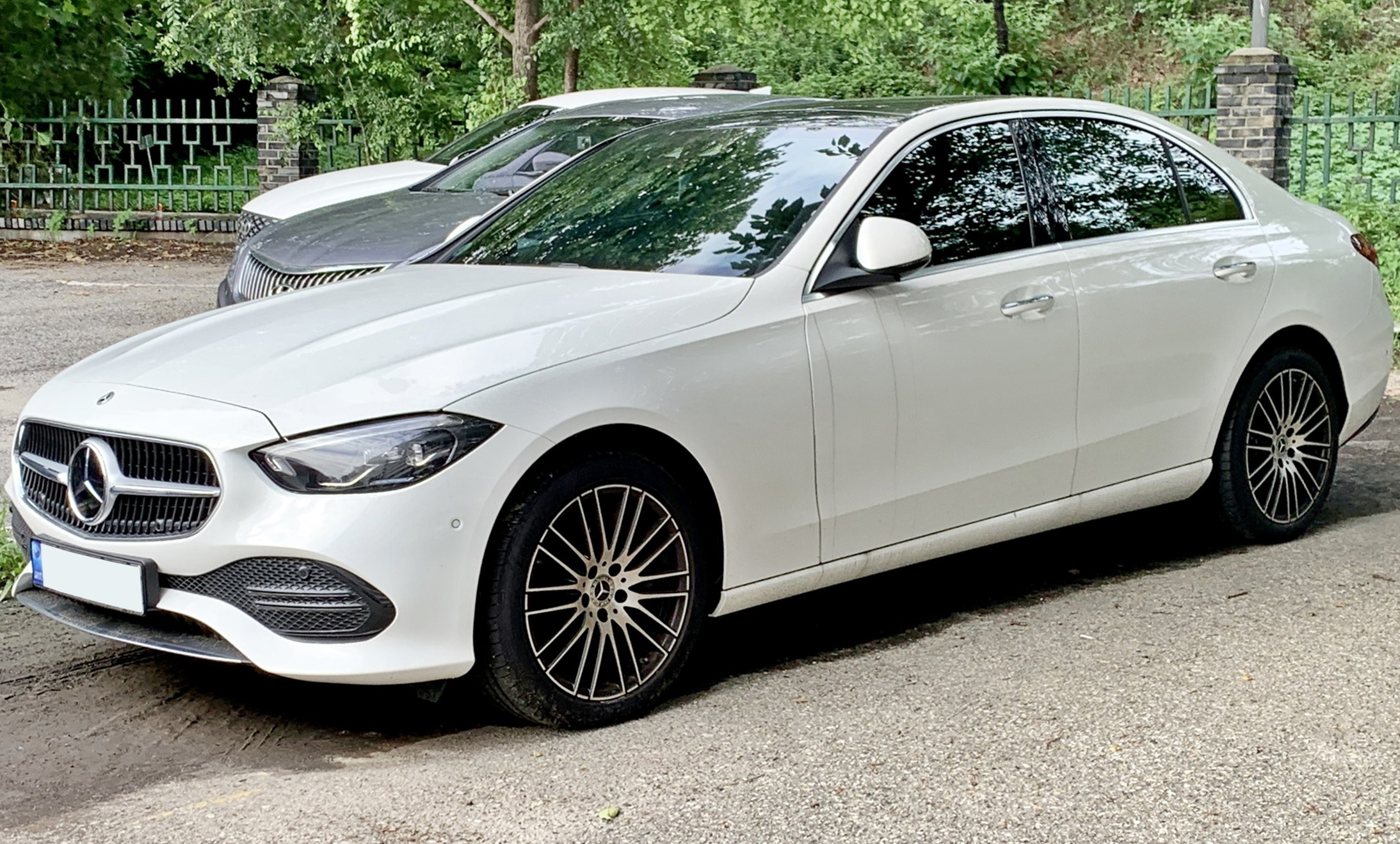
The Mercedes C-Class is another luxury sedan people cross-shop with the Lexus IS. In this segment, they describe it as bigger and pricier, but not as sporty.
A panoramic around-view monitor uses multiple cameras to create a stitched, top-down view of the car’s surroundings. It helps with parking and low-speed maneuvering by reducing blind-spot risk.
A power moonroof is a glass roof panel that can be opened and closed electrically. It adds ventilation and natural light, but it’s also an option that can affect weight and complexity versus a fixed roof.
A V8 version means the car has a V8 engine, with eight cylinders. The host is saying that option is being removed, which may make fewer people want the car.
A four-cylinder turbo is a smaller engine (four cylinders) that uses a turbo to make more power than you’d expect from the size. The host is saying it likely appealed to a different set of buyers based on pricing.
The Lexus IS is a luxury sedan from Lexus. The host is saying it feels solid and well-built, and that it drives nicely—like it’s been engineered to feel stable and responsive.
The Lexus GS is a bigger Lexus sedan than the IS. The host is comparing it to the IS and saying the GS didn’t sell well, even though it had a similar appeal.
A hybrid V6 version is a car that uses a V6 engine plus an electric system. The electric part helps with efficiency and sometimes acceleration, and the host is saying Lexus eventually stopped offering that setup on the GS.
This is a Lexus IS 350 sedan with all-wheel drive, which helps it grip the road. The “F-Sport” part is mostly about styling—things like the look and wheels—more than turning it into a track car.
This is a Lexus trim level that gives you some of the sporty look without paying for the full “F-Sport” package. It’s more about appearance than major performance changes.
These are the car’s wheels: 19 inches wide and made from alloy (a lightweight metal). Bigger wheels can make the car feel a bit more responsive, but they can also make the ride a little firmer.
Dual exhaust means there are two exhaust outlets instead of one. It often looks more sporty, even if it doesn’t automatically mean the car is much faster.
“Transaction prices” means what people really pay when they buy a car. The host is saying those real sale prices have been going up, and one reason might be that hybrid cars are more expensive.
A hybrid car uses a gas engine and an electric motor together. The host is saying that more cars are being sold as hybrids now, and that shift can push prices higher.
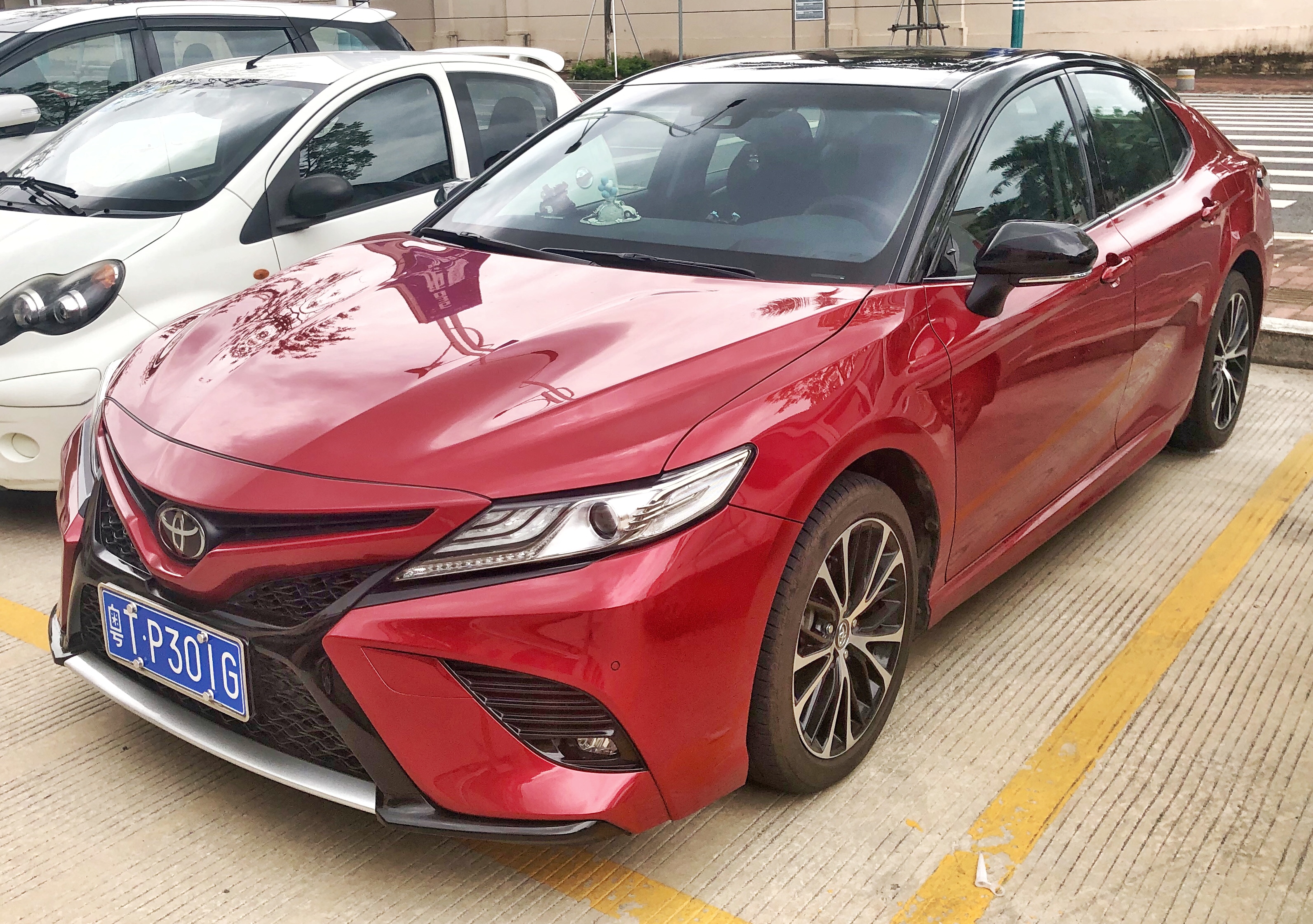
The Toyota Camry is a very common family sedan. Here, the host is saying that when you shop for a Camry, you’re more likely to be looking at a hybrid version than a purely gas one.
The Toyota RAV4 is a popular SUV. In this discussion, it’s mentioned to show that many shoppers are being funneled toward hybrid versions instead of choosing a non-hybrid model.
Entry-level models are the cheaper versions of a car that start at a lower price. The host is saying that when those cheaper options disappear, the average prices people pay go up.
The Ford F-150 is a very popular large pickup truck. The host is mentioning it to illustrate that higher-priced versions are selling, especially when cheaper versions aren’t offered.
The Ford Escape is a compact SUV, which is a small-to-midsize family car with higher ground clearance. The podcast says it was canceled, meaning Ford stopped making it. That’s relevant because it changes what models are available for shoppers.
Concept
one-to-one
“One-to-one” means replacing something with an equivalent match. They’re saying the new model won’t take over the old one’s sales role exactly the same way.
Foxconn is a huge manufacturing company that makes products for lots of different brands. The hosts mention it here as the company involved in building vehicles, and they clarify where it’s based.
Electric vehicles are cars that run on electricity from a battery instead of gasoline. The host is saying the EV market slowed down, so it wasn’t worth it for Foxconn to keep investing.
The Polestar 4 is an electric Polestar model. The host groups it with the Polestar 3 as cars Polestar is trying to sell off with big incentives because US rules may have blocked certain Chinese-related EV technology.
The host is talking about a US policy aimed at limiting vehicles coming from China. That kind of rule can change which cars brands can sell in the US and whether they get special permission to keep selling.
Term
software and hardware issues
The host means problems with the car’s electronic systems—both the programs and the physical parts. They’re saying those systems affect how the car connects to the electric grid, which then became part of the policy concern.
Term
connect these vehicles to the grid
Connecting EVs to the grid means the car can communicate with the electric system. That can affect how charging is managed and what data is shared, which is part of why policy can target the car’s connected tech.
Model year is the way car makers and regulators label a vehicle’s version for a given year. The host is saying the ban starts with cars built/sold as part of the “27 model year.”
The Buick Model 27 is a specific model-year version of a Buick vehicle. The podcast says that starting with that model year, there are software restrictions that affect what software is allowed. That matters because it can change what the car’s tech can do.
Concept
exception
An “exception” is a special rule that lets something qualify differently than the normal rules. In this segment, it’s about whether certain cars/brands can be treated more favorably under trade policy.
South Carolina is where the factory is located. The hosts are saying the factory’s ownership and how production is shared affects what trade rules apply.
Concept
subletting part of that factory
This means one company is using space or production capacity inside another company’s factory. The hosts are saying that kind of arrangement can affect whether trade rules treat the brand like the factory owner.
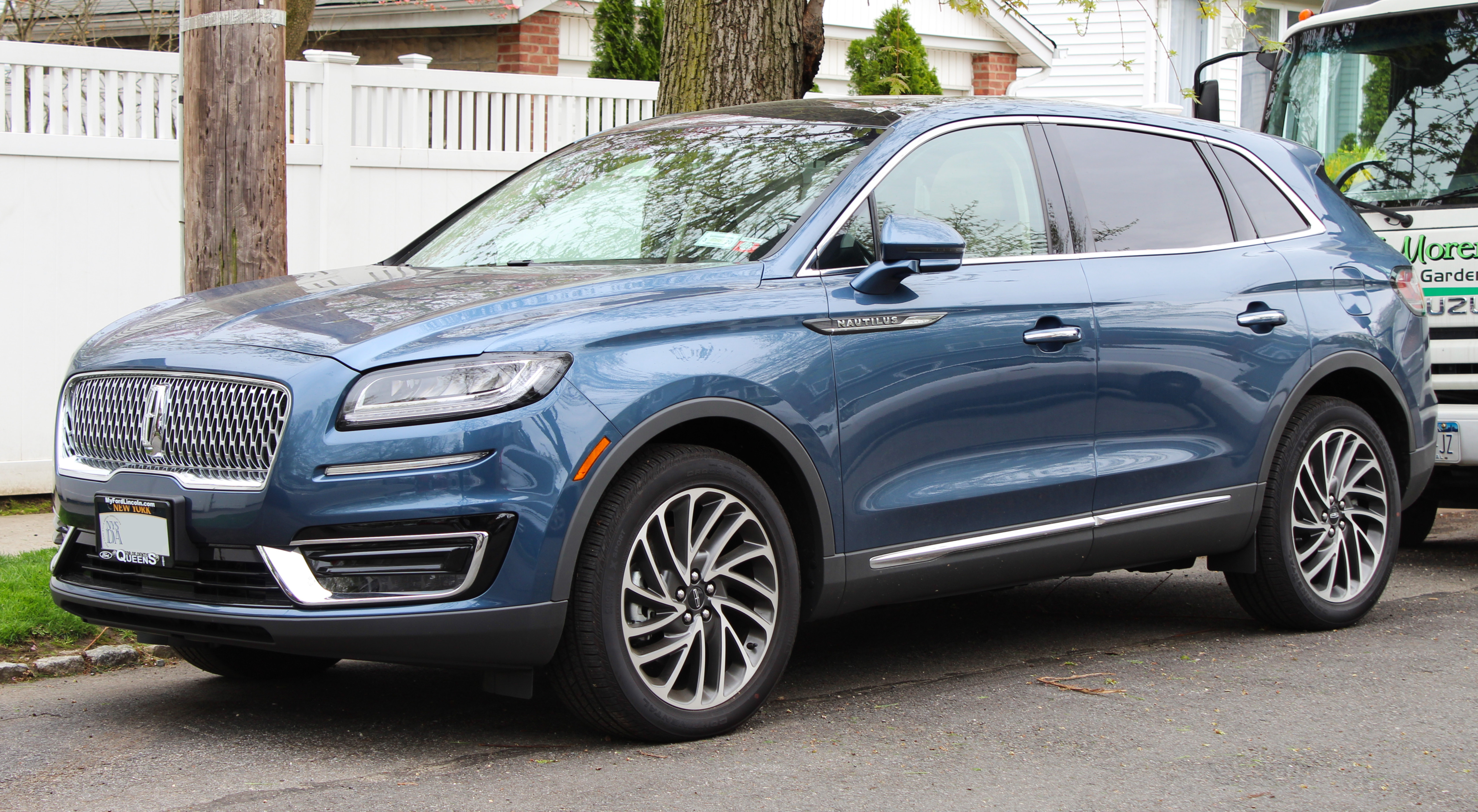
The Lincoln Nautilus is a luxury SUV. The podcast says it’s made in China and connects that to changes in rules about software. That’s why it’s mentioned—because those rules could affect the car’s technology.
USMCA is a trade agreement between the US, Mexico, and Canada. The discussion here is about how changing or rechecking it every year makes it harder for car companies to plan and invest.
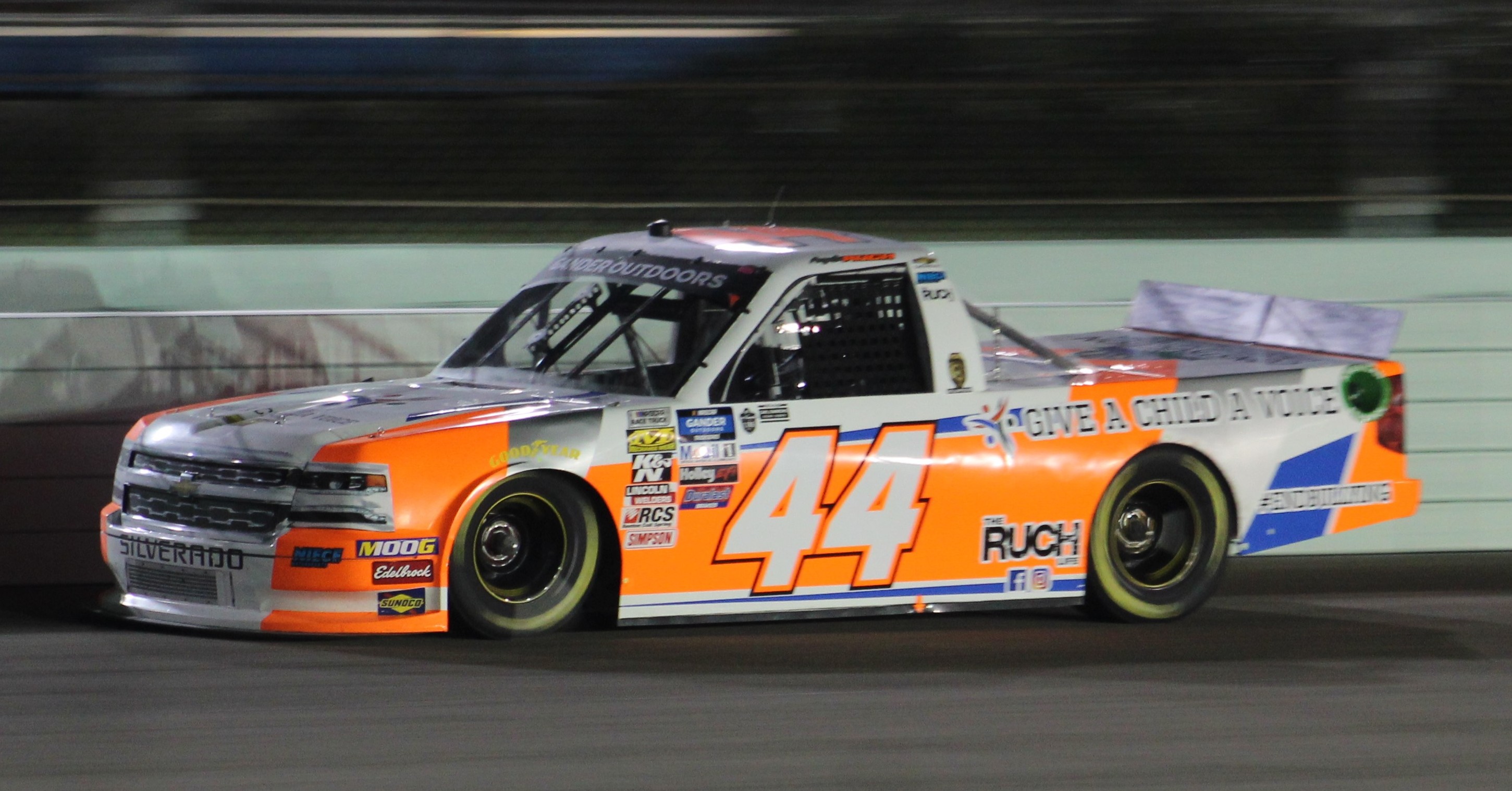
The Chevrolet Silverado is a popular large pickup truck. The host says GM is moving some production of the half-ton version out of Canada, which is a big deal because it affects jobs and manufacturing plans.
The Chevrolet Impala is a mid-size car (a sedan). It has been made, stopped, and then brought back at different times. The podcast brings it up because its production history shows how car companies change what they sell.
Medium-duty pickups are trucks meant for tougher jobs than typical consumer pickups, often used by businesses. The host is saying a Canadian plant will focus on building this kind of truck.
Stellantis is a large car company that makes multiple brands. In this part, they’re discussing Stellantis and what it might do with its Canadian factories.
Brampton is a Canadian city that has had auto manufacturing. The host says one of its plants is empty right now and may be used for Land Rover production.
Land Rover is a car brand that makes SUVs, including models designed for rough roads. The host is saying a Canadian factory might start building Land Rover vehicles.
Minivans are family vehicles with lots of interior space and easy entry for passengers. The host mentions them as what’s currently being built in Windsor.
Windsor is a Canadian city near the U.S. The host says its factory currently makes minivans and that shifting that work to the U.S. would be difficult.
Tariffs are taxes on imported products. The host is saying tariffs can make it more expensive to trade across borders, which then changes where car companies build cars.
MG is a car brand that often makes lower-priced cars. Here it’s mentioned as an example of the cheaper vehicles people might be able to buy across the border.
BYD is a car company that’s especially known for electric vehicles. It’s brought up as an example of a cheaper car brand that could be sold across the border.
Importing kits means bringing vehicle parts in a packaged form (often as a partially assembled set) and then assembling the vehicle locally. This can be a strategy to reduce the impact of import tariffs or trade-rule requirements by shifting more of the work to the destination country.
“Year to year” means the rules might change every year instead of staying steady longer. For car companies, that uncertainty makes it harder to plan where to build cars and parts.
Alternative fuel vehicles are cars that run on non-traditional fuels instead of gasoline or diesel. In the museum context, it’s used to group different propulsion types—like electric and hydrogen—under a single category.
Auto Forecast Solutions is a company that tracks and reports on what’s happening in the auto industry. The host says it provides information to businesses that need industry insights.
Car
Rumpler Trofenwagen
The Rumpler Trofenwagen is an old German car that was built to be very slippery through the air. The body shape was meant to reduce drag, which is a big deal for fuel economy and speed even today.
Term
air fresher
An air freshener is something you use to make a room or car smell better. Here, they’re describing a car-scent style product.
Term
Woodland Center
This sounds like the name of a specific fragrance product. They’re saying it’s the same scent they chose for their car.
A glow plug is a small heater used on diesel engines. When it’s cold, it warms up the engine so it can start and burn fuel properly. That’s why you sometimes have to wait a few seconds before starting a diesel in winter.
Term
octane recovery tank
This sounds like a made-up-sounding part name. In real cars, you usually won’t hear “octane recovery tank” as a standard component. It’s probably part of the quiz to see if you recognize what’s real versus not.
A throttle body injector is an older style of fuel injection that sprays fuel near the throttle. It was used to replace carburetors because it could meter fuel more consistently.
A half shaft is the part that sends power from the transmission out to a wheel. On front-wheel-drive cars, there’s one half shaft for each front wheel.
Torque steer is when a front-wheel-drive car tends to pull the steering wheel to one side when you accelerate. It often comes from the two front wheels getting slightly different torque.
The Mazda CX-5 is a popular small SUV. It’s the kind of car people buy for everyday driving, and here they’re talking about how the controls inside work—especially the phone setup.
The Mazda CX-50 is a compact SUV, meaning it’s a higher-riding vehicle that’s meant for everyday driving and light family use. The podcast says it’s becoming more popular and could be taking attention from another Mazda SUV. That’s why it’s mentioned in the conversation about what people are choosing.
Term
pair my phone
“Pair my phone” refers to connecting a smartphone to the car’s infotainment system, usually via Bluetooth or a dedicated wireless connection. Once paired, you can use features like calls, music, and navigation prompts through the car interface.
A rotary knob is a physical dial inside the car you rotate to control the screen menus. They’re saying this newer Mazda setup doesn’t use that dial anymore, so phone setup feels different.
A turbocharged engine uses a device that helps the engine make more power. The host is saying the CX-5 no longer offers that turbo option, so it may feel less quick than before.
“Loyale” is a car model that the podcast says is selling well. They’re saying it fits what Subaru owners want, and those buyers tend to stick with Subaru. That’s why it’s being mentioned—because it’s matching the expectations of loyal customers.
The Subaru Forester is a family-friendly SUV. The host says when they drove it, it felt very “Subaru,” including the engine’s distinctive sound and a comfortable, roomy layout.
A boxer engine is a type of engine where the cylinders are laid out flat. The host says it has a noticeable sound, and it tends to provide strong pulling power at lower engine speeds.
A hybrid drivetrain is a car setup that uses both a gasoline engine and an electric system. The electric part helps the car move and can improve efficiency depending on how the car is built.
An E axle means the rear wheels are driven by an electric motor setup at the axle. The host is saying Subaru’s hybrid Forester doesn’t use that fully electric rear-axle approach.
A direct mechanical connection means the car sends power to the wheels through mechanical parts, not just through electric motors. The point here is that Subaru kept a more traditional feel for rear-wheel power.
Concept
foul weather
“Foul weather” just means bad conditions like rain or snow. The host’s point is that Subaru tuned its hybrid approach to work well when roads are slippery, even if it isn’t the most fuel-efficient.
LIVE
Whether you drive a car, need a car, or just occasionally bummer ride with friends, you've
come to the right place.
Join Jill and Tom as they break down everything that's going on in the auto world.
New car reviews, shopping tips, driving green, electric cars, classic cars, and plenty of
great guests.
This is the Consumer Guide Car Stuff podcast.
All right, this is the Consumer Guide Car Stuff podcast.
I am Tom Appel, publisher of Consumer Guide Automotive.
Thank you.
Thank you for joining us this week.
When you have a moment, do me a favor, solid.
Check us out at ConsumerGuide.com.
All sorts of fun stuff there, including our 2026 Best Bypix, my expose on where
Ashtray's disappeared to.
And I had to write about this just because.
And if you're not old like me, you don't know about it.
But what the hell was motor honey?
It was young, young punks with with with messed up cars bought the motor honey.
But why did they do it and did it help them?
Jill, do you know what motor honey is?
I do not.
Yeah, like I got nothing.
Long story short, it didn't fix anything, but it was this ultra thick oil additive.
And if you were screwing around with your dad's car and while you were screwing
around with it, the valve started to tick or it sounded like something was wrong
with the lifters, maybe you can put enough of this stuff into the crankcase to kind
of kill that sound.
It was just this thick oil additive.
It brought nothing to the table.
It did slow down leaks.
They still sell this stuff.
It's it's useless.
But motor honey.
Got it, motor.
You'll learn something new every day.
You do.
Stan Milam, my old friend up in Jamesville, Wisconsin.
He emailed me about motor honey.
OK, he's of that.
He's of that age.
All right, that voice is Jill Simonola.
She is contributing editor here at ConsumerGuide.com, a North American car
of the year juror and a prolific freelancer.
How are you, Jill?
I'm doing very well.
How are you?
I'm doing good.
We got through the heat wave.
Yeah, you know, I kind of like the heat wave.
I want to go back to that.
I don't like the heat wave.
I don't like that.
Yeah, I'm definitely a winter guy.
I'm not.
I've actually been having my space heater on in my office today with the air
conditioning set to 74 degrees.
Well, this is where you've never lived anywhere warm, have you?
Um, I mean, yes, adjacent.
My parents lived in Florida for about 25 years.
And so that was, you know, after after I went to college, they moved down there.
And I visited there a lot.
Because you spent most of your time with Indiana, Ohio, right?
Didn't you spend time in Ohio?
No, my parents are originally from Ohio, but Indiana, Michigan and then Missouri,
which is actually very humid and warm in the summer.
Oh, Missouri is awful.
I don't know why anyone, I don't know why anyone would live in St. Louis.
Oh, I love St. Louis.
As you can see, I have a St. Louis Cardinals hat right here on the door behind me.
Yeah, culturally, I think St. Louis brings a lot to the table.
Temperature wise, weather wise, that's unpleasant.
But you know, the winners are really not bad.
Yeah, getting way to the West.
We know an auto journalist down there.
And and he's one of those people where I don't think he's south enough,
but he he hates all wheel drive.
So it's just an interesting point that not that far south of us,
five hours south of us, four hours south of us.
Oh, no, it's not even that south.
It's more like West.
Yeah, but you're but you're getting the warmer weather and less snow.
And they don't they don't think much of all will drive.
But you know what, I will say when we lived in St. Louis, we lived on a hill.
So if anybody out there listening right now is from St. Louis,
we lived on Clayton Road and Baldwin, Missouri area.
And so one side of the road goes up and then one side of the road goes down.
And we were on the upside.
And in the winter, you would have to park your car at the bottom of the driveway
or you could not get down your driveway without sliding sideways into traffic.
Oh, well, good to know.
Well, we'll drive would have been very helpful.
And I think we were in front wheel drive only vehicles at that point.
Later in the show.
Our good friend, Sam, later in the show, our good friend,
Sam Fiorani of Auto Forecast Solutions drops by.
We haven't talked to Sam in a while.
Now, we did co host a show with you recently.
He did.
But it's nice to have him on as a guest again.
Yes. And he's he's got things.
He's got things to discuss with us.
Yes, I didn't even need to ask.
I got a list of stuff that he wants to talk about.
So we're all set there.
So that's after the first break.
Let's talk about things I was wrong about.
OK.
Not a mea culpa.
New standing segment.
Maybe.
But it seems like the Outback, the all new redesigned Subaru Outback,
which I complain no longer looks like a wagon.
Yes.
It doesn't seem to matter.
It's selling well.
Yes.
So we don't we don't know.
I don't think we can say how well it's selling yet because they're ramping up.
But apparently it's looking good for the new Outback.
And excitingly, in my driveway right now, all new Outback.
Awesome.
Just arrived.
I will say on my YouTube channel and my TikTok, my Outback videos are some of my best
performing videos right now.
So are they the interest level is definitely there.
People are definitely curious and they're searching for it.
So I mean, if that in some small way reflects the upcoming sales.
Yeah.
And you know, I mean, my YouTube channel is small.
So I mean, it is these those videos are doing noticeably better.
OK, I've got to fix this later on.
I can't hold my notes in front of me because the wire from the mic is in the way.
You need notes.
Yeah, I do.
This is going to throw me off.
I'm off my game now because of this weird wire thing.
OK.
Pictures this week of the Chrysler Airflow.
Did you see those?
I did not.
I did not see those yet.
So Chrysler, which has been trudging, trudging,
trendling along with just one model now for several years,
will be getting a compact crossover called the Airflow
that will be built up here in Illinois at the Belvedere Assembly Plant.
But it's an interesting looking vehicle and a lot's going to happen here.
This is based on something called the Fiat Grizzly for sale in Western Europe.
So there you have it later.
Now that comes mid 2027.
So that's coming soon.
Yeah.
Yes, we should be hearing more about that.
Small, small cars coming from Chrysler, the Arrow and Arrow Cross.
We know less about them.
Right.
But they're we little buggers.
So there's some news there.
I got a thing here that I think you're going to think you're excited about
and then not be excited about.
OK.
Oh, me specifically or?
Yes, you.
You specifically.
OK.
OK.
OK.
So Ferrari hasn't built a manual transmission car in a long time.
OK.
They're bringing one back sort of.
In the Luce?
Not the Luce.
Although this is just as silly.
OK.
They have a model called the 12 Cylindry, which means 12 cylinder.
Right.
And they're going to bring back their beautiful gated shifter,
which is for a six speed manual.
But the car is actually an eight speed automatic.
It's going to keep the eight speed automatic.
There will be a clutch pedal, but all of it is fake.
There's no direct connection with the transmission through
the clutch pedal or the shifter.
So the extent to which it's going to feel like a real transmission.
I don't know.
You can only get through the first six gears through the gated shifter.
Then you have to just move to an automatic mode.
I don't know.
It seems weird to me.
I have questions.
Yeah.
It's very special.
I'm going to leave it there.
I have questions.
I mean, this sounds otherwise.
This sounds like a Ferrari.
You want 819 horsepower from a V12 engine.
675,000 bucks.
That's right up there with the luchae.
Actually, it's more than a luchae.
So I thought the luchae was 695.
Maybe not.
Something like that.
Yeah.
Yeah.
So I'm sure this car will show up on our driveway any day now.
And we can.
Any day.
Any day.
We can report back.
So have you ever had a test Ferrari?
No.
And I'll be honest with you.
I don't know that I would want one in Chicago.
That would just gear the crap out of me, frankly.
Yeah.
I've never had to test Ferrari.
I've never had to test Lamborghini.
But I've had the Aston Martin's, the Bentley's, the Rolls Royces,
which is interesting.
Yeah.
I've had the Bentley's Rolls Royces.
It's been a hot minute.
And I've had an Aston Martin.
But I tell you, I just anything super-duper expensive
makes me a little bit nervous in the city.
As it should.
Yeah.
What was I going to talk about here?
I have ignored a fact.
OK.
And maybe this was obvious.
And maybe everyone sort of latched onto this before I did.
But something hit me like a ton of bricks last night.
OK.
And I had to get up and actually write this down
and think about it.
But we've been talking about price increases.
And the average transaction price on a new car
is now over $52,000.
A dramatic increase from just a year ago
and a dramatic increase from just six months ago.
Yep.
We've also been talking about the dramatic increase
in interest and ultimately purchases of hybrid vehicles.
Yep.
Did you think about this?
That obviously goes hand in hand.
Hybrid vehicles cost $25 to $35, $3,500 more on average
than their non-hybrid counterparts.
Plus, hybrids typically aren't available on lower trim levels.
So you'd have to go ahead.
I would like to ask Sam about that.
Because as we discussed when we were reviewing the Lexus ES,
typically electric vehicles will cost $10,000 more or so
than the gasoline counterpart.
And as we saw with the ES, the electric powertrain
was actually less than the hybrid powertrain.
So I'm curious if that is an actual correlation.
All right.
Ask Sam.
Yeah.
Don't take my word for it.
I'm just curious.
I don't know.
Maybe.
I mean, that is actually a good extrapolation of the data.
It's just a crazy thing that crossed my mind.
But hybrid sales are up like 20% in like a year.
So that should be more money.
But anyway, that's that little story.
Polestar, we know Polestar is going away.
We're going to talk to Sam about that a little bit.
As I didn't quite accurately predict, there are mammoth rebates
and incentives on these cars right now.
So kind of think about it if you want to go electric,
because there's such darn good cars.
There's an $18,000 clean vehicle discount on the Polestar 3.
And they didn't name the discount on the Polestar 4,
but it's currently $25,000.
Whoa.
Yeah.
Yeah.
These dealers are going to get out from under this pretty quick at those prices.
Yeah.
And they really are darn good cars.
They're so nice.
And here's the deal.
You will be able to get them serviced at Volvo dealers.
So I don't know if a lot of people know this,
but a manufacturer is required to service, make a vehicle,
basically make available service and parts for a vehicle
for a decade after the last date of sale.
Now, if the company goes completely belly up, that's a problem.
But obviously, Geely, parent company Geely,
has a huge presence here in the U.S. through Volvo.
Right.
Yeah.
So yeah, that's no problem.
We can ask Fisker owners what you do when a company goes completely belly up.
I would love to talk to a Fisker owner.
And this consortium of people that are hanging out
and handling the software for Fisker,
because somehow, some way, they're keeping these things on the road.
It's such a great story.
Well, it's a great story that comes from a tragic story.
Right.
So if there is anybody out there who's listening to us who owns a Fisker,
they should reach out to us.
That would be great.
Yeah.
Actually, reach out to Jill.
Oh, she's scheduled.
She schedules people.
Come at, what was your email address again?
Oh, actually, people should just reach out to us at carstuffatconsumerguide.com.
Yes.
And I will get that email where it's going.
You recently drove, or maybe you're still driving,
Lexus's smallest and most affordable vehicle.
Yes.
Although really, I don't think it's appealed to people who buy it,
is that it's most affordable,
but that it's really what's left of the sporty Lexus is.
Yeah.
And it's a car I've always liked, and I've always been frustrated by the fact
that I don't fit in it very well.
Tiny, tiny door openings.
But tell us what you drove.
Yeah.
So I just turned it in this morning, but I had, for the past week,
I was driving the Lexus IS350 all-wheel drive F Sport.
And it was in that beautiful, what is it?
Like Micah Blue or Ultrasonic Micah Blue.
It was like that beautiful bright blue color.
And it just, it is one of those vehicles that is perennially a favorite of mine,
because it's peppy, it's maneuverable, it's small,
it has a really nice engine.
And I think it was like a 3.5 liter V6, 311 horsepower.
And it is just the right amount of power.
I had forgotten that that engine still lives there.
Yeah.
One of my favorite engines.
Yeah.
It is just so good and so smooth.
I mean, obviously I live in Chicago and I'm in the state of Illinois.
So there aren't a lot of really good winding curvy roads,
but like accelerations onto the highway, passing maneuvers,
so much fun in this car.
And then it has the duality of being able to maneuver incredibly well
in tight city spaces, backing into my garage,
and doing those really tight three-point turns that you have to do
in city alleys and things like that.
And so I don't know, Ian, I am not Tom-sized.
I am about five feet tall and weigh about 100 pounds.
And so for me, it just fits me perfectly.
The sport bolster seats, a lot of times when I'm driving a car
that has those really sporty bolstered seats,
I have a hard time getting over the bolsters to get into the car,
but did not have that problem in this vehicle.
And so I don't know, I just, I remember
many moons ago when they had the ISF with the manual transmission,
and like I fell in love with the car then,
and that love has carried through here to this current model year.
And I mean, the only thing that would make it the perfect vehicle
in my book is if it had a manual transmission.
But I understand that's not in the cards, but I just, I love this car.
Yeah, there were so many versions of this car before,
and it was just freshened for 2026.
And part of that freshening, the lineup was simplified a lot.
There is just really a six-cylinder and a six-cylinder all-wheel drive.
And then different levels of sportiness, but none of them are especially sporty.
And there's some crazy top trim level that I couldn't find
a lot of information about, the special appearance package.
It's the 350 F Sport, F Sport special appearance package.
It's very expensive.
I don't know what the deal is with that.
But 311 horsepower, 0 to 16 under six seconds,
eight-speed automatic with rear-wheel drive,
or six-speed automatic with the all-wheel drive.
The interesting thing here is that,
I don't know how much your Tuscar was,
but most of these trim levels come in under 50 grad.
Making this car kind of a bargain against what is really,
what's the competition anymore, the BMW 3-Series?
Yeah, yeah.
I guess the Mercedes C-Class.
Yeah.
That's a roomier, bigger, more expensive, and generally less sporty vehicle.
But it is rear drive.
It is, it is what it is.
Yeah.
And I mean, so this vehicle was the F Sport trim.
And it did have some, so like the base price was about $48,000,
but it did have a few thousand dollars in options,
including the panoramic around-view monitor, premium paint, the power moon roof.
And so the as-tested price was $51,844.
I did some checking here, and after years of sales decline,
beginning in 2021, sales have just leveled off,
and they're always about 20,000 units.
So it kind of seems like if Lexus is okay with that sales volume,
this vehicle may stick around for a long time.
Now, we'll see if they've trimmed away, you can't get a V8 version anymore,
you can't get a manual transmission.
There was a four-cylinder turbo that kind of hit a different price point.
We'll see what the lack of that stuff does to consumer interest
and ultimately sales volume.
But once I've squeezed into an IS, I'm always glad I bothered to do so.
Really well-screwed-together vehicle.
It rides and handles very well.
It feels like it's carved out of a solid ingot of steel.
Lexus does such a nice job of putting this car together,
and kind of a shame that there isn't more of it.
But you remember the GS?
Yes.
That was a mid-sized version, basically, of this car,
and I think it was the same architecture.
That car, they couldn't give away.
And that's a shame because the appeal was similar.
Also, that was kind of a pioneering hybrid effort.
If you remember that, there was a hybrid V6 version of that vehicle,
but that went away and the ES kind of took over.
Well, it took over in mid-size and now it's completely taken over.
Yeah, yeah.
By the way, your review of the ES is now up at consumerguide.com.
Awesome.
So, yeah, we talked about it a couple of weeks ago on the show.
So, if you want to see the written word, visit the website.
So, ultimately, what version did you drive?
You said it was the...
350 all-wheel drive F-Sport.
Okay.
Is that the way you think you'd go?
Yeah, I do.
I know that the F-Sport is more of an appearance package than anything else,
but it just looks really nice.
And like I said, that ultrasonic blue mica paint,
which premium, I want to say that was like $595, also really pops.
If you want to be mad about something, and this is true across the Lexus lineup,
is the use of F-Sport because below the F-Sport is the F-Sport design.
Yeah.
It's like less sporty but looks sporty and it actually costs a little bit less.
Like, do we need that?
Do we actually need that in the lineup?
Did the vehicle you drove feel too sporty?
No, no.
And I mean, I really think this is more of a design package than an actual suspension thing.
And looking at the Minroni, it's an F-Sport design exterior styling 19-inch F-Sport alloy wheels.
So, and it does not make any mention of...
I mean, it does have dual exhaust, but it doesn't make any mention of special chassis,
driving dynamics.
So, yeah.
Yeah.
It is what's left of kind of a cool car in a segment that is quickly shrinking.
But yeah, you're saying cool car.
You know, there were very few things that I did not like on this vehicle.
And I mean, it's the usual suspects, the wireless charger, some plastic trim materials.
But outside of that, like it drives great, it looks great.
You know, there's actually plenty of room in the back seat for adult-sized passengers.
Maybe not a super-sized, you know, tall adult, but certainly average-sized adults are going
to fit back there just fine.
Seats are comfortable.
Yeah.
I have a plethora of good things to say about this year.
I'm going to push back on the passenger space.
I don't think you can get average-sized males back there.
No, my husband would fit back there.
And he's 5'8".
And he weighs about 200 pounds.
All right, I remember being a little tidy.
All right, we're going to take a break.
And when we come back, we talk to Sam Fiorani,
Vice President of Global Forecasting at Auto Forecast Solutions.
Stick around.
Welcome back to the Car Stuff podcast.
And special guests, Sam Fiorani.
And we're back.
This is the Consumer Guide Car Stuff podcast.
I am Tom Appel, publisher of Consumer Guide Automotive.
She is Jill Siminello.
How are you doing, Jill?
I'm still doing really well.
Are you still doing well?
I'm doing reasonably well.
It's warm in my office right now.
Here's the deal.
We don't have central air, but we have air conditioning window units.
And there's one in my daughter's room across the hall here.
And then a big, big, big one upstairs for our bedrooms.
But right now, I don't know.
Oh, I've got the door closed, so that's one problem.
Yeah.
And there's a cat in here.
And cats are like little heat sinks.
They just, they just warm stuff up.
Me, I had my space heater on before the show started
because I was cold.
So I turned it off so you don't hear the background noise.
Yeah, that's crazy talk.
All right.
On the phone for, I think his first regular visit of the year
is Sam Fiorani, our good friend, Sam, and my favorite guest.
He's vice president of global forecasting at Auto Forecast Solutions.
Sam, how are you, sir?
It's very, I'm very good to be here.
I thought you didn't like me
because this is the first time I've been on this year.
He's going to blame her, by the way.
I am slightly going to blame her.
It's just that we have been suffering from a bit of success.
We have guests thrown at us.
You've had great guests this year.
We have.
And it was great to get to them and great to talk to them.
And we keep forgetting to schedule our regular guests
in between the madness of our new guests.
So we will have you on several more times this year to make up for it.
The end of that story is, as soon as we hang up,
we need to actually get you scheduled for your next visit
because we are already scheduled through like September.
It's like going to the dentist for a teeth cleaning.
Like the minute you leave, they schedule the next one.
Let's get it scheduled.
Oh, man.
So, Sam, tell us about Auto Forecast Solutions and what you do there.
Auto Forecast Solutions provides sales and production forecasting
by vehicle, by powertrain around the world.
We cover 60 plus countries,
and we do a forecast through 2038 every month.
Okay, I'm looking behind you at your desk there,
and below the Auto Forecast Solutions screen is a red car.
Is that a Mazda Cosmo?
It is not.
It is an Alpine.
Oh, I was never going to guess that.
I have never seen an Alpine in person.
It's a remote control car that my son gave me
because I guess it didn't fit his needs.
And it's looking a little dusty.
You need to take that out for a drive.
That's very cool.
So, Sam, before you joined us,
we were having a conversation,
and I realized something last night
that may or may not be fact,
but we wanted to run it past you
since Jill poo pooed the idea that this was actually happening.
Well, I was suggesting that part of the reason
transaction prices on cars have risen
in the last six months and in the last year
is because, frankly, hybrids cost more than non-hybrids.
Everyone is buying hybrids,
and additionally, hybrids tend to reside
on higher trim levels than the non-hybrid vehicles.
So, I'm just thinking that this whole movement
towards hybrids is driving up the price of cars.
It's not hurting it.
It is helping push the prices up.
A lot of that is manufacturers pushing hybrids.
It's not so much the consumers wanting to buy them.
It's that they don't have the choice.
You buy a Camry, it's a hybrid.
You buy a RAV4, it's a hybrid,
and that's happening a lot more these days.
A lot of the push north on prices
is the fact that we don't have any entry-level models.
Part of that is removing the gas-powered versions,
but part of that is Chevrolet doesn't offer a cruise anymore.
Ford doesn't offer a focus.
Dodge doesn't have a dart.
All these vehicles disappeared from the lineup,
and that was helping keep the pricing down
because they were forced to make them 10 years ago.
Now they're not forced to make them,
and they can build $50,000 and $60,000 and $70,000 F-150s in Silverados.
And people will buy those.
And people will buy them.
And it's funny you mentioned the crews,
and I was just thinking this about the Ford Escape.
Both of those vehicles were canceled
when they were still doing six digits of sales annually.
It's just sort of crazy to see them disappear.
Well, the Escape was supposed to be replaced
by an electric model, but that kind of fell off to the wayside.
But the Broncosport will replace that in the lineup to a degree.
They're definitely not going to get one-to-one from that.
No.
And the cruise was a good car, but it lost money for Chevy.
Well, that's crazy to do the volume and not make money on it.
And then that factory, nothing ever came of that.
They built a handful of Lordstowns.
You can find like three of them on the street.
Yeah, that's a story we don't have time to go in today,
but that became a firestorm of activity
that never actually became activity.
Lordstown never built anything there.
Oh, what is the Chinese company that built?
Foxconn.
Foxconn.
That's not Chinese, that's Taiwanese, right?
Right.
Yeah, yeah.
Foxconn was going to do all sorts of stuff there,
like they were going to do in Kenosha, Wisconsin.
None of this stuff ever happens.
Foxconn has cars that, electric vehicles,
but the market just dried up for electric vehicles,
so it wasn't worth their time to invest in it.
Crazy stuff.
We talked a little bit about Polestar last week,
and I noted in the first segment that Polestar is currently
hanging some huge incentives on what's left of their inventory,
the Polestar 3 and the Polestar 4,
but if you could nutshell what the hell happened there,
that would be great.
There are probably a few things going on with that one.
The fact that the government and the Trump administration
and the Biden administrations both pushed for
no Chinese vehicles in the US.
And the software and hardware issues that connect these vehicles
to the grid, to potentially the Chinese government,
forced a lot of these companies by the wayside.
So we have Chinese software being banned as of the 27 model year,
and Polestar is the most Chinese vehicle sold in the United States,
so it didn't get the exception that Volvo got.
We're still waiting to find out why Volvo did get it,
and Polestar didn't, but I'm sure we'll see the answer to that in coming months.
Do you have any thoughts on that?
Why Volvo wouldn't have gotten the exception, but Polestar didn't?
Part of it is likely that they have a factory,
Volvo owns the factory in South Carolina,
and they hire Americans.
Polestar is basically subletting part of that factory from them.
If it had been analyzed properly, Polestar was going to support that plant.
Volvo can't build enough vehicles to maintain that plant on its own,
so it's going to be Polestar, what was going to be Polestar supporting that plant,
and because they don't have their name on the building,
I'm sure that's a big reason why they didn't get the exception.
That's crazy. Do you have a sense of, what was the question I was just going to ask you here?
Do you have a sense of why Polestar does not seem to be pushing back on this decision?
Well, I don't know if you said it, but I did hear from another person that
their sales have been so low that this was a reason to get out of the country.
They could back down from the dealers they have without saying it's their fault.
Interesting. Kind of a shame. They're such good cars,
and the technology for people who don't know is basically the same stuff.
Polestar's are based on Volvos, and it doesn't make clear sense that one would be allowed and
one would not, but as you noted politically, Volvos are now being built here,
or in South Korea. A couple of them are being built in South Korea.
Just crazy stuff. Do we see, it's really not a lot of other companies that would be affected by
this. Lincoln sells the Nautilus, that's made in China. Buick sells the Envision,
and that's kind of it, right? There was a Lotus vehicle imported,
and at one point there were some Volvos. It's a very limited group, and the Polestar is the only
electric. The one issue that they had, the other ones are gas-powered and supposedly
not as well connected. So you mentioned Lotus. The Lotus electric crossover
still hasn't arrived in the US. We've been promised it for a while.
Yeah, we're still late. I think they got as far as pricing at some point,
but and it's also available in Canada, I understand. Very weird. All right, Sam,
we've got some, the news is evolving on this, but the USMCA that replaced the NAFTA agreement
is up in the air now and needs to be redefined because it's basically run its course this year,
and there's a lot of confusion about this, but the current administration has said that they
don't want a formal agreement now. They want to simply recheck it every single year. Your thoughts
on this, and in my take on this, and I've heard people say this, is this is a nightmare for
manufacturers because they don't want things to change this quickly or the situation to be this
volatile. Yeah, the North American market, automotive industry works as one
machine. They need Canada, they need Mexico, they need the United States to work together
in order to compete globally. And when we see groups like the EU and we see massive countries
like China competing against North America, it needs everybody working against them in order
to compete on a global scale. The United States can't do it alone, Mexico and Canada definitely
can't do it alone, and it takes all three countries to do this. The instability of
the current situation with USMCA doesn't help these manufacturers make investments,
doesn't help them work across borders because they don't know what's going to happen in
six months or a year or two years. It's very difficult to work at all in this industry at this
point, and we need stability, we need a locked in free trade agreement across all three countries,
and it doesn't seem like it's going to happen. This feels bad. Now General Motors recently
announced that it's going to take half ton production of its Silverado pickup out of Canada.
This feels like a really big deal. Yeah, the Canadian plant in Oshawa has been on the bubble
for about 15 years. They stopped impala production at one point, then brought it back,
they added Silverado production. This plant has always been the plant the General Motors uses
when they want to placate the union. They're up for negotiations with Unifor this year,
so the idea is, well, let's keep it going until we get past that because GM has other
plants in Canada that make engines for American cars. They need to have the union on their side,
and giving them a handful of jobs in Oshawa is their way of doing that every four years.
Now they've decided they're just going to build the medium-duty pickup trucks there.
They promise it's not going to lose any jobs, but that's a lot of volume to get out of a plant
that is actually supplementing a plant in the United States as well. Right.
Stellantis, too, kind of been vague about what they're going to do with Canadian production
as well. Is there any news there? Well, that goes back to the US MCA. They need the signed agreement
with Canada before they can even make the investment because if you make an investment
in Canada, then the American side thinks that money should have been in the US,
and it should have been invested in Belvedere or Warren Truck or one of the other plants in the US
instead of Brampton or Windsor. The Brampton plant is currently vacant. It's likely that it's going
to be building something like Land Rover products with the New Deal with Tata, and Windsor is building
minivans. In order to keep that going, to move that production to the US, you'd have to
build a whole new plant or got an existing plant because it doesn't share any parts with any other
vehicle built in the US. It seems like, and tell me if I'm reading this wrong,
Canada's getting beat up more because of the tariffs than Mexico is. It definitely is.
Canadian jobs are on par with the US by salaries and wages,
so the idea that they could be one-to-one, whereas Mexico is our low-cost neighbor.
We get the less expensive, the less profitable vehicles from Mexico, and if you just cut off Mexico,
the average price of an American car would go up to $60,000 really quick.
Are we going to see and just starting to feel like we definitely will the production of Chinese
vehicles in Mexico? They're definitely going to come to Mexico, and we're likely to see them in
Canada as well. These companies want to move into the North American market,
and they want the US market as well. They're going to get into the US market eventually,
and putting more vehicles in Canada and Mexico and appealing to Americans by saying,
look what you can get just across the border in this lower-cost MG or BYD or whatever vehicle they
see from Detroit, where you can literally see Windsor from Detroit. It's going to happen.
We're going to see those people jealously looking across the border going,
I could spend $25,000 on that car. I want it. Speaking of Mexico and speaking of General Motors,
I don't know what happened here, and maybe you can enlighten us or at least enlighten me,
but Chevy was selling an awful lot of vehicles in Mexico that it was importing from
its operations at SAIC, its Chinese operation. But then Mexico has raised the tariff a lot
on those vehicles. Has that slowed the sale? Has it discontinued the sale of any of those vehicles?
And what is Chevy doing down there now? Chevrolet is one of the companies that imports vehicles
from China to Mexico, and much of the top 10 of best-selling vehicles in Mexico come from China.
They're going to continue to go that way. They're going to find a way to get in there,
even if it costs them more to do it, just to keep that market cracked open.
But Chevrolet is planning on importing kits or parts from China and assembling them locally.
It's going to happen over the next few years, and we're going to see that replace the imported
vehicles. So what do we see next in the USMCA negotiations? Right now they're
in the middle of negotiation, so we're just waiting for somebody to say that they've come up with an
agreement. And the idea that they're going to go year to year does not help the American automotive
industry. It probably doesn't help farmers or anyone else, and especially industry as busy
and as cost prohibitive as automotive. We need to assign agreement soon.
Well, and the other part of that, too, is automakers plan for 56 years in advance,
and if you're going to go year to year on this agreement, that really wrecks your long-term
planning. Absolutely. And when you have companies like Ford and General Motors, where their market
is North America, largely, they need to make those agreements a long-term agreement with
unions, with the factories, with the suppliers, and if you cut off Mexico and Canada, you're
going to cut off entire parts of the market for those companies. Crazy. All right, Sam,
let's talk about happier stuff. Are you ready? You are involved, closely involved with the
industry, and you guys are adding a new wing? Yes, we have a building across the street from
the main building that we're opening our second gallery, and it is, I've been told, square footage
wise, it is bigger than the main gallery. Oh, wow. We're going to have a whole building of trucks
and electric vehicles in addition to the main gallery, where we already have a bunch of Pennsylvania
built vehicles and a hundred years of electric vehicles. Well, tell us about the museum for
people who don't know. The Boyertown Museum of Historic Vehicles in Boyertown, Pennsylvania
concentrates on Pennsylvania-connected vehicles, which are either built there or
bodied there, or have some other local connection, and alternative fuel vehicles. We have over 100
years of electric vehicles. We have one hydrogen vehicle. We're looking at adding more steam vehicles
to the museum, and we also have roadside America. We have a diner. travel cabin,
and we have a gas station all inside the museum. I hope to make it out there before I retire,
but then I'll do it after I retire. But people should go to the website because
you guys have really good photography of what's going on there, and it looks like a wonderful
place to spend a day. It is definitely a great place to spend four or five hours,
and if you're in the area, let me know so I can give you a tour.
That sounds good. Sam, we've run out of time. Remind us about auto forecast solutions and
how people can keep track of what you guys do. We're on LinkedIn. We're on Twitter. We're on
Facebook, and auto forecast solutions is covering the industry for suppliers, manufacturers,
financial houses, and anyone who needs the information about the industry.
And for people who don't know, you are the most quoted person in the industry.
There are days where I hear your name two or three times on podcasts or I read a story.
Clearly, you are a respected thought leader in the industry. Sam, thank you so much for your
time today. Thank you, guys. It's always great to be here. All right. That was Sam Fiorani. We're
back. This is the Consumer Guide Car Stuff podcast. I'm Tom. She is Jill. Always good to talk to Sam.
Yes. His office looks like fun.
Yeah, yeah, it does. Mine is just boring and filled with books. He's got fun stuff in the
background. Mine is just a mess. I can reach cool things. Also, we were talking about the
Rumpler Trofenwagen. Somewhere around here, I have a Rumpler model. Okay. They're not common.
Okay. 1921. Yeah, you know, over the years, I have a collection of like hot wheels and
things like that. I need to pull those out eventually. You know, at some point, maybe
put them in my background. I have a whole bunch of little things. I have something interesting
here. And if people are watching on YouTube, they can see this. Do you remember this?
Oh, I do. I actually have that in my bedroom. And I use that as an air fresher in my house.
That was, this is a made retail available to us. The journalist's version of the smell,
the aromas that you can you can install in your Lincoln. Yes. And that's like a Woodland
Center or something like that. Yes, that's what I took. Yeah, it's actually very nice. I took
the same one. I love it. I would totally have that in my car. Mystic Forest. Mystic Forest.
That's right. Yes. All right. Enough of that. You have social media stuff to share.
I do. am on, I do a lot of work on TikTok and YouTube at Jill Siminello using the
hashtag Cartageur. I post daily shorts to both venues. And then I post this podcast
to YouTube. And I also post at least one long form video every week to YouTube. But you can also
find me on LinkedIn, Facebook, Instagram, threads, Twitter, X, all the things at Jill Siminello.
This weekend when I was test driving my last test car, I found a bunch of step side pickup
trucks. So mostly 70s and 80s. But that was my car spotter find haul
for the week. And you can find those on Blue Sky and on Twitter, X, or on Car Guy Tom.
Yes, I actually have a car spotter I need to post. We were heading to dinner the other night.
And we were on the Kennedy getting ready to go through Hubbard's Cave. And I saw this,
I mean, yes, I will post it. It's very cool. All right. Yep. All right. That's what time it is.
Oh, did you get through the social stuff? Yep. All right. It's quiz time. I hope you're ready.
I am as ready as I always am. Today's topic is car parts. Oh, gosh. Awesome. Okay. According to
one source, there are 30,000 separate parts in each new car. Going as high as 40,000 for luxury
vehicles. I'm going to name a part one of those 30,000 parts. And you have to tell me if it's a
real part or not. Great. So actually, these parts may, they may have become obsolete.
But it could have been a real part or is it a current real part?
Either or. Okay. You just have to tell me if it's a real part. Okay. All right. That's the five
questions plus a bonus question. Bonus question always related to the topic of the day.
But only if it's a Hallmark. Yeah. Hallmark TV station question. All right. I tried very hard
to get you to sign up to be an extra. Yeah. For the Hallmark in Chicago movie. You know,
that was pretty half-assed of Hallmark. They've got a big picture there. It's supposed to be
about Chicago. It's clearly London. It was clearly London in the picture.
I don't know. Chicago, London, same, same. Yeah, exactly the same.
Same, same. You can get a Chicago hot dog anywhere in London. All right. Number one,
are you ready? Yes. Yes. Is this, was this a real car part? A glow plug?
No. Final answer?
Yes. Glow plug is real. I'm not having my expectations for this quiz.
The glow plug is actually the thing in a diesel engine that warms up the cylinder
before combustion can begin. So it's part of the reason that in the old days we used to have to
time before we could start a diesel in subzero weather. You were waiting for the glow plugs to
basically fire off the engine. All right. You have no points. Your favorite phrase.
Yeah. Number two, the octane recovery tank. Octane recovery tank. Is that a real car part?
I mean, if it's a real part, it would have something to do with gasoline I would think
because octane. Logical, logical, logical.
It has the word tank too, where you would keep a fluid. So,
you know, either a very creative made up thing or something real.
Yeah, like I said, I'm not going to be doing well on this quiz. I'm going to say no.
Uh, no. Oh, yep. That's fake. All right. You got one point. Nice job. Number three,
the plasma conduit vent. Plasma conduit vent.
I'll say yes. No. No, I think it's part of the enterprise though.
The second enterprise. Well, actually, it's not the second enterprise. It's the fourth,
but anyway, or fifth. That's a long story. All right. You have one point. You're getting
into trouble here. I know. Number four, the throttle body injector. Throttle body injector.
At first I thought you said bondy. No, body. Bondy. Bondy. What's bondy?
Like a bonded thing. It's bondy. Body. So throttle body injector. I'm going to say yes.
Yeah. Now, the throttle body injector or throttle body fuel injector was basically
the first replacement for the carburetor. Okay. Very simple device.
Enormously popular on American built cars in the early 80s and mid 80s. So there you go. You've
got two points, right? Yes. All right. Number five, the half shaft.
Half shaft.
Half. HALF shaft. Yep. Yep. Half shaft. I'm going to say yes. Yep. You've won. The half shaft.
Basically the half shaft. I don't know if we ever called them that for rear wheel drive cars,
but for front wheel drive cars, it's one half shaft goes to one wheel, one half shaft goes to
the other. And it's basically how power gets from the transmission to the front wheels on
front wheel drive vehicles. Interesting thing about the half shaft is if one of them is shorter
than the other, if the torque transfer travels less distance on one side than the other,
that's how you end up with torque steer. So torque steer was a really big deal
on early American front drive cars where the car would want to pull away
from the center line if you hit the gas hard. Yeah. All right. You've got it. You won.
That's the magic of five questions. You get out of trouble as fast as you can get into it.
Yes. So I don't need the bonus question, but of course I want the bonus question.
Nope. According to franchise raking ranking.com, that's franchise raking.com,
there are 1000 individual fast food chains in the US. Okay. I need you to tell me which of the
following is not a failed fast food chain. So four of them are failed and one of them is not?
One of them is fake. So one of them is a real fan franchise. No, like explain this to me again
before you read them. Sure. I'm going to read you four franchises, fast food franchises.
Three of them were real and failed. One of them is made up. Okay. So three were real and failed and
one was not real. Yep. But none of them exist currently. Correct. Okay. All right. Are you ready?
Mm hmm. Burger chef, Noggles, Pistol Pete's Pizza, or Country Bob's Double Dog.
I know Burger Chef was real.
Not only was Burger Chef, they were big. They were actually involved in promotion
for the original Star Wars movie. They were that big. I don't know why they failed so quickly.
Nope. So Burger Chef, we kicked that out. That was real. So what were the other three again?
Noggles, Pistol Pete's Pizza, or Country Bob's Double Dog. I feel like Pistol Pete's Pizza was
also real. So it's the, what was the second and the fourth one? Noggles, Country Bob's Double Dog.
Country Bob's Double Dog, Noggles? You don't have to spell Noggles for me.
N-A-U-G-L-E-S, Noggles. That is not how I thought that was going to be spelled.
I thought it was going to be spelled N-O-G-G-L-E-S, then I was going to say that's totally the fake.
Somehow, N-A-U-G-L-E-S makes it a little bit more real.
It's either the second one or the fourth one.
I'm going to go with the Cowboy Dog. It's not real.
Country Bob's Double Dog is the fake? Yeah. Yeah, it is. Nice job.
Yeah, Burger Chef, 1954 to 1996. Noggles, primarily in California, though one opened
in Palatine in the 80s, 1970 to 1995. Pistol Pizza in 1958 to 2021. And there may be strain
on franchise stores still around. So no one needs to write me about that.
Country Bob's was the fake. So there you have it. Nice job. I can't sign and hand this to you because
you're not here. I know, I know. And we don't have fake donuts. Have I showed you my fake
donuts lately? They're like desktop decoration, still wrapped in plastic. But they're here to remind
me of the real donuts we used to have. They look like bars of soap. They are actually
bath bombs. So you drop them into a bath and they get all fizzy. But yeah,
I feel like that would be really messy to clean up so I haven't used them.
Interesting. Yeah. So what are you driving this week?
I literally just swatched into the Mazda CX-5. And I can't, this is the car we have to talk
about next week. I can't wait to talk about it. CX-5? Yes. Yeah, interesting vehicle in that
it is still Mazda's best selling vehicle. And Mazda did an interesting thing where
they went to their two digit name vehicles. And those were supposed to be the more modern,
the sleeker, the upscale products. But the CX-5 still crushing it. Now that might change because
I think CX-50 is getting very popular. Well, and they, I mean, like you get behind the wheel
of this vehicle and it does not look like a Mazda. Like it is so on Mazda-like. I wonder if they
have alienated the people who were, the diehard must have a CX-5 buyer. And that's why I can't
wait to talk about it. I literally just got it this morning. I've just driven it into my garage
so I haven't had the time to spend any, you know, I haven't had the chance to spend any time with it.
But like, I'm trying to figure out how to pair my phone was like brain surgery.
And because they no longer use the rotary knob, they do not use the rotary knob, nor do they have
like an icon on their menu that you can hit to pair your phone. So I just, I can't wait to spend
more time with this vehicle. I'm going to be driving it to Indianapolis over the weekend.
So I'm going to spend a lot of time with it. And I really, I can't wait to like get more
impressions. But my first impression was what happened to my Mazda? Well, two things actually
happened that were interesting. So they've got the new digital interface, right? And we were told on
the show by the folks at Mazda that they simply couldn't move forward using the rotary knob anymore.
It wasn't possible to do all the stuff they wanted to do with different points of access. So
they changed that. But also the turbocharged engine no longer available in the CX-5. And that
turbocharged engine is a honey. So people are going to miss that.
Yeah. But I mean, like the infotainment screen, I have no idea how big it is, but it's like,
it felt like bigger than my body is wide. Like it feels huge. And, you know, the lack of the
rotary dial was weird. And like, again, getting behind the wheel, it looks not like a Mazda.
So I just, I can't wait to spend more time with it and have this conversation next week.
All right. Well, that is our car review for next week.
Yes.
And it'll be good. And we have talked about the outbacks. So I'll just have some thoughts about
that. But I am looking forward to driving that. And again, it's interesting to me that it's
selling well. And I'm glad it's selling well. I'm glad it's meeting the needs of Subaru owners who
are painfully loyal. Subaru buyers go back to Subarus.
They do.
And really for a good reason. I recently drove the Forester and it's funny how much that
feels like a Subaru and things that that vehicle does, you would consider flaws in other vehicles.
Like there's some grit to that engine, right? That flat four, that boxer four cylinder engine.
It makes a little bit of noise and it sounds a little gravelly. And that's part of the character.
And it makes all that torque down low, not especially quick, but it does launch nicely
from away from a stop. And if you were going to do something off road in it, you'd probably
be okay with that. It's very roomy, lots of glass area. It's just a lot there to like.
And I can see why people return to them. It's interesting too, because both Subaru and Toyota
currently being called out, and this is mostly anecdotal and mostly social media, for lapses
in reliability. And we'll see where that takes us. If it's real, if this is temporary. The Toyota
stuff's a little bit more frightening, because it does involve that big V6 engine. Right. But still,
people return to those brands. That they do. They are very loyal, although I will say
the loyal Subaru owners are very skeptical of the new electric cars from Subaru.
Well, interesting thing about that. The EVs are Toyotas. Yep. Not a lot of Subaru in those,
but and we've talked about this before. The Forester, for example, now available with a hybrid
drivetrain. Despite the fact that it's hybrid, the rear axle is not an E axle. It's not powered by a
battery. They actually bothered to do the plumbing and they have a direct mechanical connection from
the transmission, from the, what can't I think of the name of that box in the middle, but anyway.
But Subaru just made a conscious decision to actually give up a little fuel economy
to maintain its traditional superiority in foul weather. And I think that's pretty cool, actually.
Yeah. Yeah. All right. Guess what we did today. We had another great show.
Yeah. It was great to talk to Sam. Big thanks to Sam Fiorani of Auto Forecast Solutions. Thank you,
Jill. Thanks to producer Margaret. Let's talk more about cars again. Next week. Next week.
Yeah.
About this episode
Jill and Tom kick off with a quick history lesson on “Motor Honey,” the thick oil additive that promised to quiet ticking lifters but mostly just slowed leaks. The show then pivots to auto news and pricing: the redesigned Subaru Outback is drawing strong online interest, Chrysler’s compact Airflow crossover is coming from a European platform, and Ferrari’s rumored “gated” six-speed manual feel is actually paired with an eight-speed automatic. They also debate why hybrid pricing and availability are pushing transactions higher, and discuss big Polestar EV rebates plus service support via Volvo dealers, with Sam Fiorani joining later.
Jill and Tom open the show by acknowledging that the Subaru Outback, now less wagonlike, is reportedly selling well, despite the break with its design roots. Tom was worried it might not.
The hosts turn their attention to a series of spy photographs depicting what is claimed to be the Chrysler brand’s next products, the Airflow compact crossover, and the Arrow and Arrow Cross subcompact crossovers. Word has it the Airflow will arrive for the 2028 model year, and the Arrow and Arrow Cross shortly after that.
Tom turned the conversation to the bizarre news that Ferrari will offer a fake manual transmission in an upcoming version of the brand's 12Cylindri sports car. The 819-horsepower Ferrari will feature a conventional 8-speed automatic transmission, but also include a gated chrome shifter and functional clutch pedal. No word yet as to how the system feels relative to a conventional manual shifter, but we do know that European-market prices start just under $700,000.
Tom changed topics and wondered aloud if part of what is driving new-car transaction prices higher is the increase in the number of hybrid vehicles being purchased in the U.S. Jill isn’t so sure.
Still in the first segment, Jill reviews the compact Lexus IS sporty sedan.