The Porsche 959 is a super-fast sports car made by Porsche in the late 1980s. It was very advanced for its time, with features that helped it handle better and go faster than many other cars.
Chasing Classic Cars is a TV show where Wayne Carini finds, restores, and sells classic cars. It's about the interesting stories behind these old cars.
The Ferrari F40 is a famous sports car made by Ferrari in the late 1980s. It's known for being very fast and exciting to drive, and many car enthusiasts love it because it's a classic and very rare.
The Mercedes ML is a luxury SUV that offers a comfortable ride and plenty of space inside. It's known for being a good choice for families and people who want a nice vehicle.
The Mercedes-Benz SL is a fancy convertible car that has been around for a long time. It's known for being stylish and comfortable, making it a great choice for people who want a luxury driving experience.
A dune buggy is a fun, small car made for driving on sand and rough terrain. They are usually light and have big tires.
Car
Myers-Manks DOOM buggy
The Myers-Manks DOOM buggy is a special kind of off-road vehicle designed for driving on sand and rough terrain. It's known for being lightweight and fun to drive, often made from parts of a Volkswagen car.
Myers-Manks is a company that makes a type of car called a dune buggy. Dune buggies are small, lightweight vehicles designed for driving on sand and rough terrain, and the Meyers Manx is one of the most famous models.
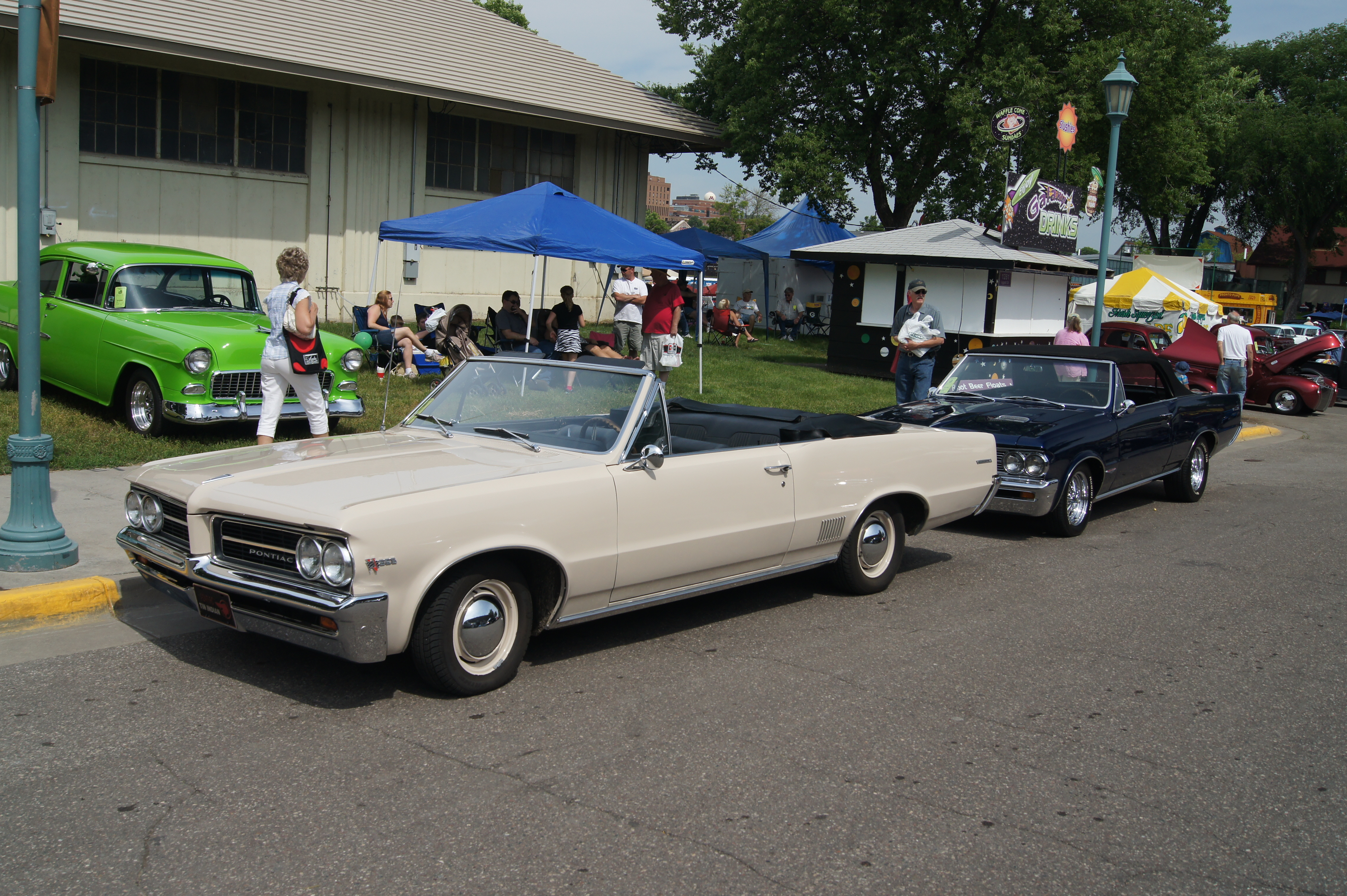
The Pontiac LeMans GTO Convertible is a classic car that was popular in the 1960s. It's known for being powerful and stylish, and many people love it because it represents a special time in American car history.
The Plymouth Superbird is a special version of the Plymouth Road Runner car, known for its unique look and speed. It's important to know if a car is really a Superbird or just a modified Road Runner.
A Shelby Mustang is a special version of the Ford Mustang that has been upgraded for better performance. Sometimes, people might try to sell a regular Mustang as a Shelby, so it's good to check.
The Mazda RX-8 is a sports car that uses a special type of engine called a rotary engine. It's known for being fun to drive and is popular with people who enjoy drifting, which is a driving style that involves making the car slide sideways.
The Toyota Highlander is a family SUV that has a lot of space for passengers and cargo. The 2020 version has modern safety features and is designed for comfort.
A warranty is like a promise from the car company that they will fix certain problems for free for a certain amount of time. This person was just past that time limit.
A lift is a tool that raises cars up so mechanics can easily reach underneath them. It's like a big platform that helps them work on things like the engine or brakes without having to crawl on the ground.
The Subaru Forester is a type of SUV that is good for driving in various conditions, especially off-road. It's known for being reliable and having a lot of space inside.
Pounds of air is a way to measure how much air is inside a tire. Keeping the right amount of air in your tires is important for safe driving and helps your car use less gas.
Tire pressure is how much air is inside your car's tires. It's important to have the right amount of air to keep your car safe and help it use less gas.
Fuel economy is how far a car can go on a certain amount of gas. A car with good fuel economy uses less gas to drive the same distance, which saves money.
An electric vehicle is a type of car that runs on electricity instead of gasoline or diesel. You charge it like a phone or laptop, and it doesn't produce exhaust fumes.
Level three charging stations are special chargers for electric cars that fill up the battery much faster than regular chargers. They can give a lot of power quickly, making it easier to charge your car on the go.
Kilowatts are a way to measure how much power is being used or delivered. When charging an electric car, more kilowatts mean the car can charge faster.
A manual override switch is a button that lets you control something directly, like turning on a fan in your car, even if it normally turns on automatically.
The Volkswagen Beetle is a famous car that looks round and cute. It's been around for a long time and many people have fond memories of it from their childhood.
The Honda S2000 is a small sports car that was made from the late 1990s to the late 2000s. It's known for being fun to drive and is often considered a good option for people looking for an affordable sports car.
LIVE
W-A-T-D presents John Paul, the car doctor, All Things Automotive.
Have questions? Call or text 7-8-1-837-4900.
Now, here's John Paul, the car doctor.
And good Sunday morning everyone and welcome to another edition of the car doctor program on 959 W-A-T-D.
We're doing things a little bit backwards today. Normally when we have a guest we usually have them at 11 o'clock
and then when we finish up with a guest, we have open lines so people can call in.
Today we're doing, if you want to join us, call us now at 781-837-4900.
And around 1130, we should be talking to Wayne Carini, you know, Wayne Carini from the TV show Chasing Classic Cars.
He has a new book out. He has his shop in Connecticut, F-40, where they sell all kinds of cars.
They also do consignment cars. They prep cars to go to the auction.
A lot to talk to Wayne about. And everybody knows him from, you know, the local car collector to Jay Leno
or the folks at the Audrain Museum or the folks at the Newport Car Museum.
Everybody seems to know Wayne Carini. So we should be talking to him.
And I texted him a couple weeks ago. He said yes.
This week was also the New England Motor Press Association holiday party, which he was there and I wasn't.
But one of my favorite times where you get together with, it's probably the best attended event that the New England Motor Press does.
That one in the summertime event, the one we call the Rag Top Ramble, pretty much all the auto writers, broadcasters, journalists from pretty much all over New England get together,
hang around in the summertime. We drive up to Maine in the holiday party time.
We sit and listen to Christmas music and talk and make up stories and usually Santa Claus shows up.
So it's always a good time. So that happened with the snow on the ground.
It's a good time to talk about winter driving safety.
And this week, I feel like I'm feel like I cheated on Jesse this week.
I was on another radio program this week, Jesse, sorry.
I was on NPR up in Maine and I was on a program called Maine Calling with Jennifer Rooks.
And Facebook being Facebook, there was a Facebook time hop picture and I've been doing this program up in Maine for at least 12 years.
Maine Calling has been on the air for 14. So it's somewhere in that 12 to 14 year range that I've been doing this program.
And I do it like maybe four times a year with the host Jennifer Rooks or perhaps Jonathan, who's the executive producer.
Over the years, we've done it with Jamie Page Deaton, which is usually who we do the program with this time and last time I was on.
We did it with a woman, Micheline Maynard, Mickey Maynard is how she's generally known as.
And she writes for the Boston Globe and she writes for some Detroit newspapers about everything that's going on in Detroit.
And we talked a lot about winter and winter driving and her first bit of advice is slow down.
And yes, absolutely. That's what you need to do driving in the winter time is to slow down.
You know, keep in mind that, you know, for instance, they always announce it out on the mass pike speed limits drop to 40 miles an hour 45 miles an hour in the snow.
Well, there's a reason for that. And the other thing is you need to leave a lot of room between you and the car in front of you.
So if you do get into an issue with your skid, you have plenty of room to try to keep under control.
The other thing is you need to do get your eyes up and look way down the road.
You need to not stare at the bumper of the car behind that you're behind.
You need to get your eyes up and look down the road.
That way if something happens quarter of a mile down the road, some car spins out of control.
Well, you have plenty of time to react to it, pull over, move over, whatever the case is to be able to react to whatever happened in front of you.
I remember driving home from Providence.
I was on Route 24 kind of right at that 495-24 exit and it was snowy.
It was a miserable commute home and I'm looking way up the road and I see snow flying everywhere.
It was a car that did sort of a couple of 360 degrees spins in the road.
Ended up hitting another couple of cars when it all happened.
I was paying enough attention where I was looking down the road.
I saw it all happen.
I started to slow way down, tap my brake a lot to try to catch the attention of the people behind us so they would know what was going on.
Yeah, you just need to be careful.
And the other thing that you need to be careful of this time of year is black ice where you get this thin, ultra-thin layer of ice that's on the road that you don't see.
And just know that on ramps, off ramps, under bridges, that's where black ice can happen.
So moisture that accumulates overnight.
You get a flash freeze and all of a sudden you have this very thin layer of ice that can cause you to lose control of your car.
So this type of weather we need to remind ourselves that we're New Englanders and we know how to drive in the winter time.
But sometimes we need a little bit of practice to do it.
So winter times here.
Last week I started to talk about, and maybe we'll talk to Wayne about this too, I went to a car auction.
And it was good.
There was crazy expensive cars, stuff in the $100,000 range.
But there was also some kind of everyday cars, things like there was a 2011 Mercedes ML SUV that sold for like $45,000.
There was a Mercedes SL convertible, so the big convertible, it was probably a 2002 or three maybe.
So for under $6,000, had a lot of miles on it, seemed to run good, it was quiet.
I don't know the real condition of it, but for under $6,000 it probably would have been kind of a fun car to own.
Biggest problem with both of those cars is they can get really expensive to repair.
But I was just kind of looking and said to myself, if you were a car dealer, you could buy half a dozen cars here for under $40,000 and come back with half a dozen cars upon on your car lot.
And every single one of them had perfect looking paint.
At least from where I was sitting and where I was, even when I was walking around looking at the cars before they went through the auction, all the car paint and finish all looked really, really good.
So maybe that's part of the rule of going to the auction.
But there was this one DOOM buggy.
And I went with a friend of mine who's a big DOOM buggy guy.
And it was a Myers-Manks DOOM buggy.
Or at least it implied that it was.
And in the car, and we were looking at the car ahead of time, in the car there was a letter of or a certificate of authenticity that said it was a Myers-Manks DOOM buggy.
And on the, there was a little placard between the seats that had a serial number that said it was a Myers-Manks DOOM buggy.
The problem is, I don't think it was.
And in the description, it said original Myers-Manks logos.
So the, you know, kind of badge that goes on the front.
And it, because that's a weird small community, the person I was with sent it over to another guy who looked at it and said, this car was at another auction in the last couple of months.
And in that time, it didn't have the certificate of authenticity or the little plaque on it.
And then he called Winnie Myers, and Winnie Myers was on the program here a year and a half ago, maybe.
And she is the guy, she's the fourth wife, I guess, of the guy who started the Myers-Manks company.
And she said, absolutely, it's a fraud, the certificate was, did not belong to that car.
Maybe it was a copy, maybe it was a forgery, but she said she absolutely, and it had what looked like Winnie Myers's signature on the certificate.
And she said, absolutely not, she did not sign that.
So kind of buyer-beware, I guess, when you go to auctions like that, that not everything is what it appears.
And the auction companies generally try to figure that stuff up ahead of time.
And what happened when the car did come to the auction, and it sold for good money, it sold for $17,000 or $18,000.
And it was a good looking car, absolutely, it was a good looking DOOM buggy.
They described it as a Myers-Manks inspired car, which was different than the listing, the listing described as a Myers-Manks DOOM buggy.
So somebody got wise to it and changed the listing a little bit.
But yeah, it wasn't a Myers-Manks, it didn't have the correct certificate of authenticity.
And those are things you need to be careful if you are looking for a certain kind of car.
You know, whether it's a Pontiac Le Mans that says it's a GTO.
Well, maybe they put all the GTO badging on it and they never really said it was anything other than a Pontiac Le Mans,
but it presented as a GTO, for instance, or a Plymouth Superbird that really is just a Plymouth Roadrunner
that someone added a bunch of pieces onto to turn it into a Superbird, but it wasn't really the Superbird.
Shelby cobras happen that way, Shelby Mustangs, sometimes you'll see a Shelby Mustang that is not really a Shelby Mustang.
So you need to be careful when you go to these auctions.
That being said, going to an auction is fun, especially, you know, kind of if you're using, you know, monopoly money
and like, let's see how much would I pay for that car and what's that car worth.
And some of the cars, probably because of the audience, some of the cars were actually pretty good deals.
I mean, there was a Mazda RX-8, so the rotary engine Mazda, very popular with the drifting community, low production sports car.
This was the one that had sort of the suicide door in the back that opened up, really super clean looking car.
I think it only had 60 or 70,000 miles on it.
It sold for like $5,500, $6,000 because people in this area where the auction was didn't really have a lot of interest.
And even though the auction was also on YouTube and you could bid online or you could bid on the telephone,
didn't seem to get a lot of attention.
And, you know, if you're looking for that kind of car, that's a good car to own.
And it's interesting too, you have to be a little bit careful because there are different selling premiums.
So if you're selling a car, the company might take 10%.
To list the car, they might want another $250 or something to list it.
Then, or 300, I think it was 350 to list it, plus a 10% buyer premium.
And then there was also a seller premium.
And the seller premium varied based on how you bid.
If you bid in person, I think it was 10%.
If you bid online or on the phone, I think it was 15%.
And if you bid online, it might have been 18% or 20%.
And probably the idea was you can't be quite verified the same way.
Maybe, you know, in person is different than over the phone, different than online.
So it can vary a little bit based on all of that.
So, you know, things to think about if you are thinking about buying a car, for instance, at an auction.
A couple of emails that came in this week, somebody said to me,
I recently took my 2020 Toyota Highlander with 38,000 miles into my local Toyota dealership for its 40,000 mile service.
When the service was completed, the service manager told me I had an oil leak.
The front cover was leaking and I was five days past the warranty.
When I asked why there was no evidence of a leak in my garage,
she said the front cover seal was wet and they needed to reseal it.
The cost was estimated to be $3,300.
She said they reached out to Toyotas if they consider honoring the warranty.
When I reached back out 10 days later, she said that Toyota was willing to absorb half the cost.
My portion would be $1,825.
Is that really half? Maybe.
She told me they see this issue with higher mileage vehicles, but it's unusual to see it on a car with only 38,000 miles.
The car is a garage vehicle in excellent condition that still has the original brakes, tires, and windshield wipers.
Your thoughts.
Well, the deal is correct. It's a big job. It takes about 14 hours.
Now, the leak isn't going to get any better by itself, but who knows if it will get worse.
If your plans are to keep the car for a long time, then maybe it makes some sense to fix it.
From your description, you know, where it doesn't leak on the ground or anything,
it sounds more like a seep and not a leak.
Will it get worse? Probably.
But at this point, considering you only really drive about 8,000 miles a year,
really, I'd watch and wait. I'd see, you know, just see what happens.
It's not going to cost anything more to do it in a year or two other than because of inflation.
You know, the job's a job. The seals are the seals.
As long as it doesn't turn into a gushing leak and run out of oil, which it's not going to,
I don't think there's any, I don't know, I'd just keep an eye on it.
And I always go back to, you know, seals sometimes need to breathe.
I was at a, this was years and years and years ago, I was at a Rolls Royce dealership.
And the owner of the car was complaining about an oil leak.
And the service person, like a service manager maybe or somebody,
brought the car into the shop, the mechanic put it up on a lift.
And it was pretty classic.
Guy had like an English accent and everything.
And they started the car, they put it on the lift and they let it run for about 10 minutes.
And it started to drip oil.
And he took, he was looking at his watch and he was basically watching the oil leak.
And he tells the mechanic, put the car down and put it back outside.
So I'm kind of curious at this point what's going on.
And the owner of the car, I don't think was there at that point.
And I was there with, I was there with somebody from the Toyota dealership that was near there.
And we were just, we were just kind of hanging around killing time.
And I'd never been to a Rolls Royce dealership before.
And so I, so what's going on?
And they said, well, it leaked and I don't remember the exact number.
Five or six drops in a minute, which to me was pretty significant.
And he said, oh, we only repair it if it leaks more than 10.
So if it leaks more than 10 drops in a minute, we fix it.
If it leaks less than 10 drops in a minute, we consider it normal seepage.
And we don't think anything of it.
And I'm like, geez, I look at the Toyota regional service manager.
And I said, if you had a little bit of seepage on a rear seal of a Toyota Corolla,
it would be getting repaired under warranty.
You wouldn't, you wouldn't let it drip on the ground.
So I always kind of go back to that as kind of one of those weird, hmm, can it leak?
And is it okay to leak?
Is a little bit of seepage okay?
And I've seen technical service bulletins in the past where things are, you know,
they'll kind of the manufacturer look at something and say, well, this is normal.
This isn't kind of thing.
You know, should it never leak?
I mean, that's kind of what I think.
But, you know, a car that's now five going on six years old, there's 38,000 miles on it
that has a little seepage around the seal that's not under warranty.
And it's going to take up to $3,500 to fix it.
Or in the case of if this person gets it done in a reasonably quick time, almost $2,000 to fix it.
I think I'd be tempted to wait.
There is somebody who wrote in and they're confused.
And they said, I'm confused who to follow.
The door frame guide on my Subaru Forester says the tires should have 34 pounds of air in the front
and 33 pounds of air in the rear.
The pressure statement that came with my new tires, apparently they bought new tires,
shows that all the tires were set at 35 pounds.
Local Subaru dealer told me the tires should be inflated to 35 pounds of air.
What would you recommend?
And he said, or they said 35 pounds.
Following the tire recommendation on the door placard is what's best.
They're the ones that did it.
The only time you'd vary that, I mean, this was a Subaru Forester.
So you could put a lot of weight in the back of a Subaru Forester if you wanted to.
And maybe then you'd want to bump up the tire pressure to 35 pounds.
But they say 34 in the front and 33 in the back because the engine's in the front and the transaxle and all that stuff.
So a little bit more air in the front.
You have to keep in mind that when a vehicle manufacturer sets tire pressure,
they work with the tire manufacturer and they try to determine,
they try to mix the right amount of air that gives good tire wear,
good fuel economy and a good ride.
And although 35 pounds of air is probably fine in this case,
having a couple pounds less probably makes the car ride a little bit better
without suffering any tire wear or fuel economy.
I know people that always used to, you know, if 32 pounds was the maximum amount of tire or 35 pounds,
they would even overinflate them a couple pounds just to say,
we added a little extra.
Yeah, it rides harder, but my tires last longer and I get better gas mileage.
Do you?
Maybe, I don't know.
I tend to go with, you know, what's there.
So, you know, don't be an engineer at this point.
You know, be somebody who can follow the directions of what's there.
I did get into a little bit of trouble from somebody who wrote to me
after they read my column in Boston.com this week,
where the person had a new to them or maybe new in general electric vehicle
and they want to know, do I need to do anything different for the wintertime?
Do I need to treat my car differently in the winter than the summer?
And I said, well, you should charge the battery 100%.
And somebody who owns two electric vehicles disagreed with me that you shouldn't charge the battery to 100%
because that shortens the life of the batteries that are in the electric car.
And I can't disagree with that, but what sometimes happens,
and he actually pointed it out in his letter was a Hyundai, for instance,
when you fully charge the battery, it doesn't really, it says it's full,
but it doesn't really, it leaves some room to grow, I guess.
Other manufacturers, Volvo says you should try to keep your battery between,
I don't know, 70% and 90% charged or something like that.
My reason was that, you know, yeah, you shouldn't keep your battery 100% charged all the time,
but, and I apologize if you're hearing noise in the background,
there's power equipment running around, so I apologize for that.
A lot of echoing.
And the electric vehicle batteries at 100% will shorten the life if you do it on a regular basis,
but if you know what's going to be zero degrees outside, charging the battery up to 100%
and then using the car are two things that sort of make sense together.
It does, to me it does, because, but if you're going to,
but you don't keep it at 100% and let the car sit in your garage or driveway for a week,
not such a good idea.
Charge it 200%, if you're going to use it, if you're planning a long trip.
The other problem that happens in wintertime with electric vehicles,
if you have to rely on public charging, it can turn into,
it can be difficult to find public charging stations that are, you know,
plowed, for instance, not really crowded, which can happen.
Last year, I think it was Chicago, the weather was really, really cold,
and all of the Uber and Lyft drivers that had electric cars,
and they are very popular with Uber and Lyft,
they take up a lot of the charging.
So they're sitting there plugged in, charging their cars up, kind of doing all of that at the same time.
So yeah, you know, if you have an electric car, you know, most of the time charging it to,
and you'll find that even with the last electric car I drove, I think it was IKEA,
I stopped at a level three, so the high performance charging station,
and it charged the battery to about 90% in about 20 minutes.
And it would keep charging if I wanted to, but once it hit 90%, it slowed way, way down.
So instead of being 350 kilowatts of power charging the battery,
it trickled down, again, not to overcome the battery and shorten the battery life.
So there's a combination of things, so there you go.
I'm mounting an electric fan on my old Ford that I'm restoring.
The fan user relay, I think I have the wiring worked out.
I'd like to add a manual override switch on the fan if the engine gets too warm.
The relay is pretty simple. You need a constant power, power with the key on,
power from the relay to the fan, and a wired connection to the temperature sensor.
They all come with some temperature sensors.
On the temperature sensor, wire is where you would add a switch to ground.
So when you turn the switch on, it grounds the relay the same as if the temperature sensor triggers the fan.
So a lot of people want to do that, a lot of people with electric cooling fans
who want to run a manual option just in case something happens,
or maybe to try to cool the car off the best they can.
Why don't we take a quick break?
When we come back, hopefully we'll be talking to Wayne Carini from Chasing Classic Cars.
My name's John Paul. This is the CarDoctor program.
You're listening on 959WATD. We'll be right back.
Even car geeks and do-it-yourselfers rely on AAA to give them extra peace of mind on the road.
AAA offers 24-7 roadside assistance, whether you're in your own vehicle, a friend's car, or even a rental.
Combine that with great rates of insurance, hotel, gas and buying savings,
and discounts on 8,700 brands, and you're covered on and off the road.
Get a special membership offer today at AAA.com slash join.
That's AAA.com slash join.
From 9 o'clock in the morning until 7 at night, 7 days a week.
We'll see you Sunday night at 5 for the Sports Exchange on 959WATD.
Honored with a Lifetime Achievement Award from the National Highway Traffic Safety Administration.
He's John Paul, the CarDoctor on 959WATD.
And welcome back to the CarDoctor program on 959WATD.
My name's John Paul, the CarDoctor here to help you with your car problems.
Again, if you can hear stuff going on in the background across the street and down the street,
and apparently no one likes quiet equipment around here.
With us on the phone is Wayne Carini.
You know Wayne Carini as the ultimate car guy, host of chasing classic cars,
one of the most popular car programs ever to hit television.
Wayne, good morning, and welcome back to the CarDoctor program.
Good morning, John Paul. How are you?
I'm doing just fine. I am right.
Wasn't chasing classic cars one of the most popular car programs on television?
It was the most popular right there with Wheeler dealers when we first came out.
The show is broadcast in over 100 countries.
My voice is dubbed in 38 languages.
And it's an astounding thing that happened to me,
but I'm very pleased to be able to say that I get recognized everywhere I go
and talk to so many nice people.
I've been traveling to Europe a little bit more, and it's amazing how many people there,
especially England, just love the television show.
So very popular. We're starting some new things.
Speed Vision, a new network.
And as we probably, everybody knows, Motor Trend went defunct
and is just showing reruns right now.
So our mission is to buy Motor Trend from Discovery and start it all up again.
Yeah, and you know, that's one of those things that I, you know,
there was a big hole left in the automotive community.
And I know a lot of people went to, you know, YouTube and a lot of the Motor Trend hosts went to YouTube.
And they seem to be doing pretty well at it because, you know,
some of the hosts that I've talked to in the past were kind of glad to get out of that kind of corporate structure
that was Motor Trend and be out on their own.
They have to work a little bit differently to get it all done,
but they still seem to be doing pretty well with it.
We've entertained doing that.
We've shot some new shows called Catching Classic Cars for Speed Vision.
And so we're trying to work something out right now with a sponsor for the show and move forward.
But we haven't looked at doing YouTube seriously, but it's in the background.
We may just start it.
Yeah, it is. It's one of those things you have to look at.
But you have written books before, but you have a new book out, right?
I have a new book out.
It's taken a while, three years to put it all together,
but it's about my life and from when I was growing up with my dad who restored cars up till chasing classic cars.
So basically about 50 years of my life, it's called Steering Through Life.
It was going to be called My Life with Cars, but my editor and publisher decided to...
He says, you know, there's so much about your personal life in here.
Let's call steering through life because, you know, life is not perfect in any way,
and there's a lot of bumps in the road.
And so we sort of tell you all the bumps in my life.
Can you, without spoiling, you know, people want to buy the book, can you give us some of those bumps in life?
Well, one which has basically changed my life and our family's life is that our daughter has autism.
We found out when she was 18 months old.
And, you know, that was a big bump in the road that we had to deal with.
And I feel that we've dealt with it unbelievably well to benefit her, so she has a great life.
And, you know, everything sort of changes your thought patterns and what you do.
Family is the most important thing in my life, and so it helped us in many, many ways.
I wouldn't change it for anything in the world.
Kimberly's the best woman in the world, and we just love her so much.
And it's changed us and made us better people.
And you have always are first.
I don't know.
I've been with the New England Motor Press now for about 35 years since the day it started.
And once upon a time you were asked to be the emcee at one of our events and you thought you were just going to go up and say hello.
And the next thing you know, somebody handed you a script.
But when we're done, we always try to give a little bit of money to try to help autism.
But more importantly, to try to help autism as folks get a little bit older, right?
Yeah, and we really certainly appreciate everything you guys do for us.
You know, that was a great thing.
John Bugsy Lawler asked me to come up and just say, just talk for five minutes about what's going on in your life and handed me a script.
And next thing you know, I think that was about 15 years ago, and I've been the emcee for the awards bank whatever year.
And I love being part of the organization.
But the autism aspect is that I used to be a big supporter for Autism Speaks, and I didn't quite know, and I was raising a lot of money for him.
I didn't have a good feeling where all the money was going.
And so I hooked up with a local autism group, Autism Families Connecticut.
And I said, you know, one of my biggest concerns is what happens to adult autism people?
What do they do with the rest of their lives?
I mean, when they're 21, the state, the government, everybody sort of gives up on them and said, OK, well, just go sit in the corner and do nothing for the rest of your life.
So they have an adult program and it's named after Kimberly, and it helps people over 21 socialize, go bowling, do so many great things and make their lives better.
Yeah, it really is.
When you think about everything that you do and everything that you're involved with, the idea you're still involved with that, that has to be more rewarding than somebody who gives you a car to try to sell and you make everybody happy by doing it.
The idea that you're helping that community must make you feel better than selling any car you've ever owned.
Listen, when you've been successful in life, even if you have to give back, you have to give back and help people.
And this is our way of doing that. Our daughter gave us that opportunity.
And as a matter of fact, we were just the chairpersons, my wife and I, of our annual awards banquet and fundraiser, and we're happy to say we raised over $120,000 just a few weeks ago.
So it feels good to be able to give back and see some of the people that affects, you know, how it affects them.
Some of the people that are autistic in that program came at the banquet and spoke to us. Our daughter has no speech, but boy, it's great to hear somebody that really is thankful for everything we're doing.
And, you know, getting back to your book, Steering Through Life, you had a previous book, Affordable Classics, I think it was.
Can you really buy an affordable classic car that's fun?
Oh, you bet. You bet. And, you know, a lot of people think that, you know, they can't jump in this market, but there's so many affordable cars, you know, whether it be foreign or domestic, that you could buy.
People always say, how do I get involved? And the book tells you, you know, gives you a guide as to what the values of cars are, how to go out and purchase one, and what to do with it.
You know, become a member of the, you know, group or club of the market you buy. That's a lot of fun. Go to different events.
And I always say, you know, buy something unusual and different.
So, you know, and I've got nothing bad to say about Camaro's and Mustangs and GTO's and stuff, but sometimes you go to a car show and there's 20 or 30 of those cars.
But if you show up in a Pinto station wagon, everybody's going to come over and talk to you.
And I always tell that to young people, get a car that you can communicate with people that they remember, they go back to their childhood, a Volkswagen Beetle, whatever it may be.
And then you move your way up into collecting more different types of cars, but start off with something cool and unusual.
Yeah, I mean, you're right. It's funny. I remember it was not that long ago now. We were talking to Mark Smith, Dave Smith's brother who started Factory 5 together, and he builds these kits to turn Volkswagen Beetles into pickup trucks and Dodge Chargers into pickup trucks.
And I saw one of his Beetle conversions at a car show one day, and it was attracting more attention than the Ferrari that was parked next to it.
Yeah. Well, if you have something unusual, there was a great car show, Castle Hill at the Massachusetts, and it was a wonderful show because there was no rhyme or reason how they parked the cars.
And so you'd be next to a Ferrari or Rolls Royce, a Volkswagen or an old Chevy or whatever it may be, and it sort of made you look at it. Sometimes you go to a car show and you see 30 Mustangs, let's say, and you go, yeah, I've seen Mustangs before.
But parking that way really made you look. So yeah, having an unusual car is the way to go.
And Castle Hill, that was one of those things. It could have been the next Pebble Beach, but it just never really worked at it.
Well, unfortunately, the people that ran Castle Hill and that was the Crane Plumbing Estate was a beautiful, wonderful overlook in the ocean, so wonderful place.
But they said we can make more money having a wedding and not damaging our lawn.
Yeah.
The car's dirt on a weekend than having a car show, so we don't want to do it anymore. And it was a tragedy for the collector car community because it was such a wonderful event.
Yeah, it really was. It absolutely was. I took, before you came on the air, I was telling a story. I was at a car auction a week or so ago here in Florida, and there was a Myers-Manks doombuggy, and that's what it said it was.
And inside the car was a certificate of authenticity, and it actually had a tag inside of it that had a serial number. The person I was with is a big doombuggy guy.
He took some pictures of it, sent it to somebody else who actually sent it to Winnie Myers, the fourth wife of the guy who started Myers-Manks.
And she said, nope, it's an absolute fraud. That stuff still happens, huh?
It's still going around. People can say, and unfortunately the people sometimes, that gentleman or lady that was showing that car probably didn't have no idea that it wasn't the real thing.
But they got sold a bag of goods from somebody who put the stickers on it or the decal, whatever it may be, and they bought it. And who knows, it may have been five owners previous that made the car up.
And now we pass them it down the line, nobody really knows except for somebody. Now Bruce Myers was just a wonderful guy, just a great guy to come up with these ideas.
And they languished for a while, and they weren't popular. Now, my gosh, they're so popular. And actually the company is back in business now.
There's some of my friends that own it and run it, and they're coming out with electric Myers-Manks. They're coming out with one now with a rotary engine in it.
I mean, they're just having fun with a project. And it's so much fun, that's for sure. Just jump in them and go. No doors, nothing. It's pretty cool.
And people sometimes forget New England was the home to a lot of the early automobile industry. And here in Massachusetts up in Framingham, there was kind of cars that were made in Massachusetts.
And there was a lot of history originally of all different cars that were made here.
Huge history, especially in the Springfield area, Chickpea Falls, Stevens Derriere were built in Chickpea Falls. As a matter of fact, I have probably the most original Stevens Derriere in 1910.
And it was the Derriere brothers actually started making automobiles way before anybody else in Springfield mass in the late 1800s. They had an argument, and one of the Derriere brothers went off with this investor, Mr. Stevens, and they built the Stevens Derriere.
The one I own is pretty cool story. Spalding, the sporting good company bought an ice skating factory in Chickpea Falls. And Mr. Spalding came to see the factory one day and walked next door and bought this particular car I have and put it in the Spalding factory.
And it stayed there until the 40s, and it's totally original. So Rolls Royce manufactured, now they assembled cars there. And so the parts would come up the Connecticut River on barges from an ocean liner in New York, and they'd assemble the car there.
And that was for tax purposes. So the cars were very expensive tax purposes coming over, so they skirted that issue, and they made the parts in England, but shipped them over and assembled them in Springfield.
And then they used all sorts of different body companies, the Maranac bodies, Brewster bodies, Brewster was made in New York, the Maranac in Massachusetts. So using great craftsmen, and that's the reason Indian motorcycles were built in Springfield.
And it was just a really astute number of mechanics and inventors and stuff were based in Springfield, Massachusetts. I mean, it was amazing.
Yeah, it really was. And, you know, kind of bouncing around a little bit. I remember years ago talking to Dave Brinnell from Hemmings, and we were talking about sort of like you mentioned affordable classics, one of your books.
And he always said to me, buy something that you're going to enjoy, don't buy something with the plans of trying to make money on it, because car prices can go up, and they also go down. And it makes more sense to buy it, enjoy it. And if you decide at some point you need to let it go down the road, if it makes money great, if it doesn't, you enjoy it for how many years you owned it. Do you still agree with that?
Absolutely, absolutely. I always tell people buy what you like. Don't listen to your neighbor, your uncle, or anyone else, and they're telling you what they like. You may not like it, but you think, you know, okay, it's a great investment. Buy what you like, because if the world goes to zero tomorrow, you better like what's in your garage.
Yeah, really good, really.
Bobby Carr, you should buy the most assembled one you can get.
Well, I'm in the restoration business, and it's a little tough for me to say this, but buy a car that somebody spent an enormous amount of money restoring, and you're going to buy it sometimes for 50 cents on the dollar, what the person has in it. Buy something that's all complete, whether it's restored or not, really doesn't matter.
But always buy the best, so if you say I want to buy whatever it is, a Volkswagen, make sure it's the best Volkswagen you can find. Spend a little more money, you know, because a lot of guys say, well, you know, I saved two grand and I bought this car, and you go, oh my gosh, well, it's going to take you 10 grand to bring it up to even be a driver.
You know, so spend a little bit more money than you have on your budget, save a little longer, and buy the best you can find, you'll never regret it.
So in other words, it will use kind of something that's almost affordable, you know, Austin Healey 3000. You're way better off buying that $30,000 Austin Healey than the $15,000 one that comes in boxes.
That's very true. It's going to take you a lot of money. You know, funny as you bring up Austin Healey, I had a gentleman call about three weeks ago wanting to sell his Austin Healey 1960 Austin Healey 3000 or 61, I'm sorry.
And he says it's got 22,000 miles on it. It's totally original. Well, I went to pick it up on consignment and I ended up buying it right in the garage because it was so beautiful and so original and well maintained.
And he shows me the paperwork and a lady from old line Connecticut bought it. And I looked and it was my friend that I skied with for years. It was his mom's car.
And so that made it more interesting for me to buy the car. So it's, you know, very, very cool. All original, never painted nothing, just totally original.
Every car really does have a story, doesn't it?
And it's important if you buy a car in an auction sometimes and you don't know the previous owners, you don't know the history at all. It's not as exciting as buying a car that you can look at the lineage, look at the paperwork.
Paperwork really counts when you're buying a car and buying something that's been loved by, you know, multiple families and collectors over the years. It really makes a difference.
And there still are these like the car you just bought as soon as you showed up to look at it. There still are these cars tucked away here and there that are can be really unique, but also a pretty good value, right?
Exactly. And this, in this particular case, it was an unfortunate thing, the gentleman had back problems and he could no longer get in the car as a little tight car to get into. And he's a pretty big guy.
And that's the reason he sold it. And he says he's been sitting in my garage for six years. I haven't touched it. And it's time for me to sell it.
So you can find those cars and they'd rather sell it to somebody now. It's in our collection. My grandson loves it. And I said, you know, I think I'm going to keep this car for myself. And that made a big difference to him.
And he was a little more lenient on the price because of that.
Yeah, I think that makes a difference when it's different than somebody who's going to buy it and sell it as opposed to somebody who's going to buy it, keep it and love the car.
And people, you know, there's all this talk of the future where, you know, no one's going to own a car. They're going to request it when it shows up. People love their cars.
I totally disagree with that. I think, you know, people name their cars. They care about their cars, you know, some more than others, obviously. But people really do fall in love with their cars.
And, you know, sometimes when it's time to let it go, you know, a tear is shed sometimes when that car goes down the road.
Oh, I've seen a lot of tears. That's for sure. People that sell me their cars. And, you know, it's a traumatic point of your life, you know, and you think of all the memories of, you know, your kids growing up or going to the drive-in movie or whatever it may be.
And it makes a big difference. You know, cars are part of our lives.
Everyone is not the same, though. I mean, cars are also an appliance to some people. It's just a, you know, it's a machine to get a job done.
Take me to the grocery store, take me over here, lease it for three years, and then let me get another one to do that with. Where if you're really a car person, I mean, it's tough to let go.
Even if you're leased in a car, you go, oh, man, that was a great car. Now, I don't want to even give it back.
Yeah, you're right. You know, does anybody fall in love with a Toyota Corolla? Maybe. You know, they could. They could for no other reason than it's dependable. It gets them where they want to go every single day when they go to use it.
I was just looking really quick at your website and you have, you know, kind of in that affordable range, you know, you have a Honda 2000, you know, one of my favorite cars, less than $25,000.
Yeah, it's a great car. It's priced correctly because the guy put a lot of miles on it. I think, I don't know how many miles, but it's over 60 or 70,000 miles, maybe 80 miles.
And because of that, it's priced lower category, but we've gone through the car and there's nothing wrong with it.
But people get, sometimes they'll be a little gun shy. They'll like to buy something that's got a thousand miles on it.
But then it needs everything, you know, because if the car has been sitting, it's going to need tires, it's going to need all the rubber components and brakes and everything.
But if you get a car that's been well-maintained over the years and loved like this particular car, I mean, there's nothing wrong with it.
We had to put a radiator in that car because once it came in, we thoroughly inspect every car and we found an antifreeze leak.
He says, oh yeah, it's been doing that for about three years now. And I avoid to put new, just pop it off. It's just a little sleepy.
He said, well, but we can't sell it that way. So he put a radiator in it.
Yeah, and you're right. I would love to see cars get used. I remember I was at a Porsche show once and one of the Porsche family people were there.
And I kind of looked over to him and said, oh, this must make you happy. And he goes, no, not at all. And I said, how come?
And he goes, so many of these cars came on trailers. He said, Porsche's are meant to be driven, not trailer to a show and put back on a trailer.
He said, I want people to drive my cars.
Yeah, and you know, I feel the same way. My father was a big car show guy and we'd put the car in a trailer. We'd take it everywhere.
And I was the guard because it wasn't a closed trailer back then and I'd stand there, you know, I'm 13, 12 years old and guarding the car where my father and his friend are in a restaurant having lunch, you know.
And I'm not that way at all. I just park it in the parking lot. It's a car and people sometimes they get after me because I'll have my picture taken or I'll be filming the show and I'm leaning on the car.
How can you, how can you lean on your car? It's a car. What do you mean? How can I lean on it?
How could you touch the car? It's paint. Something happens to it will fix it.
And, you know, I have a collection of hot rods and I love having my friends come and going for driving my car.
So this past summer we had a little hot rod event and I had four of my friends driving for my hot rods and they don't have one.
But I like sharing and, you know, showing that experience to them.
Yeah, you know, you don't have to be a car collector to be a true car guy.
That's true. That's true. You just got to love it. You know, you got to love it. You got to love the people.
There's so many nice people in the car hobby. It's amazing. You know, it's really, there's some guys that are a little, some cars and stuff.
Especially good car shows where everybody's competition. I parked next to somebody to show.
I won't say what brand, but and I had restored a car for a client of mine and I'm showing it and he goes, the guy next to me says, is that your car as well?
I restored it. The owner's coming later. He says, we can't talk. I said, why? Well, we're in competition. We can't talk.
Pick up what? That's taking way too serious.
Yeah, yeah, it really, it really isn't. And, you know, just the, just the idea around it.
Well, Wayne, the new book is Steering Through Life kind of talks about you, your history, it covers some of your, some of your life's experiences and it would make a great Christmas gift for somebody.
Absolutely. So I'm going to bring that up. People can buy it at WayneCarini.tv. Go to our official WayneCarini store there and they can buy the book.
We have a Black Friday special, which is still running where you buy the Steering Through Life book and you get the affordable classics for an additional $5.
I'm going to be doing a book signing at F40 Motorsports in Portland, Connecticut next Saturday from 11 until 1 for some last minute Christmas gifts.
We unveiled the book over at Goodwood, over in England at the Goodwood Revival in September. It was a big hit.
We sold 385 copies in three days. I was signing books and it's been the same way.
We just did a thing up at the Lars Anderson Museum and it was very popular there too.
So I'm going to be doing a book signing over in Paris in February, over at the car show there.
Not the Paris main, the one that's in France, that one?
Yeah, no. It's retro-mobile.
I only have one question. How come you look younger on the photo in Steering Through Life than you do in affordable classics?
I don't know. My grandfather gave me a piece of advice years ago. He says, keep moving. It's hard to hit a moving target.
So I think that I'm traveling so much and moving around that just keeps me healthy.
And kind of in that old car thing better to wear out than rust, right?
That's very true.
Wayne, as always, thank you for taking a little time out of your Sunday and joining us on the CarDark program.
Have a great holiday season coming up and enjoy Paris.
Thanks. Take care, John Paul.
All right, take care. Bye-bye.
Christmas trivia questions that could stuff your stocking.
If you answer correctly, you'll win a gift card from one of our contest's wonderful sponsors.
It's 12 days of Christmas on the station that packs the presents 959 WATD.
Hey, I'm Ashley Jordan. Tune in to Twilight Showcase Radio hosted by Sandy Stride and Keith James on 959 WATD and 959 WATD.
Search for Twilight Showcase Radio on Facebook and visit twilightshowcase.org.
Twilight Showcase, tonight from 8 to 10 on 959 WATD.
Make an appointment Sunday morning at 11 for John Paul, the car doctor, on 959 WATD.
Now, back to the car doctor.
And welcome back to the CarDark program. We only have a couple minutes left.
Next week, we're going to be talking to a little bit different next week.
Next week, we're going to be talking about roadside safety.
And it's kind of a unique thing because I'm obviously a big proponent of being safe by the side of the road.
And I work for companies, tow truck drivers all over the place providing road service.
So we're going to be talking to a woman who kind of, I think her, it's called Ms. Flagman or Mrs. Flagman or something like that.
But it's really all about trying to reinforce that idea of roadside safety because I don't want to see people that are working by the side of the road get hurt, which seems to happen way too often.
But in fact, I think every six days, a tow truck driver loses their life trying to help other people out.
So we're going to be talking to Ms. Flagman. So that should be good.
And I want to thank Wayne Carini. Check out his book. Check out the website, WayneCarini.tv.
So Wayne, W-A-Y-N-E-C-A-R-I-N-I dot T-V.
And get one of his books, get the second one for five bucks and make somebody happy for Christmas.
Until next week, make sure you wear your seatbelt, drive safely, be good to your car.
And if you do see an emergency vehicle by the side of the road, slow down or move over. It saves lives.
Talk to you all next week. Bye-bye.
About this episode
Wayne Carini, renowned host of 'Chasing Classic Cars', joins John Paul to discuss his new book, 'Steering Through Life', which shares personal stories and insights from his automotive journey. They delve into the importance of winter driving safety, share experiences from a recent car auction, and highlight the significance of authenticity in classic cars. Carini also emphasizes the value of buying cars that resonate personally rather than purely for investment, and the episode is filled with anecdotes that showcase the emotional connections people have with their vehicles.
For those who don't know Wayne Carini is a car restorer and TV personality who starred in Chasing Classic Cars. the program ended in 2021 but continues to air. Waye has a new book out Steering Through Life and it would make a great holiday gift. www.waynecarini.tv is where you can find it.