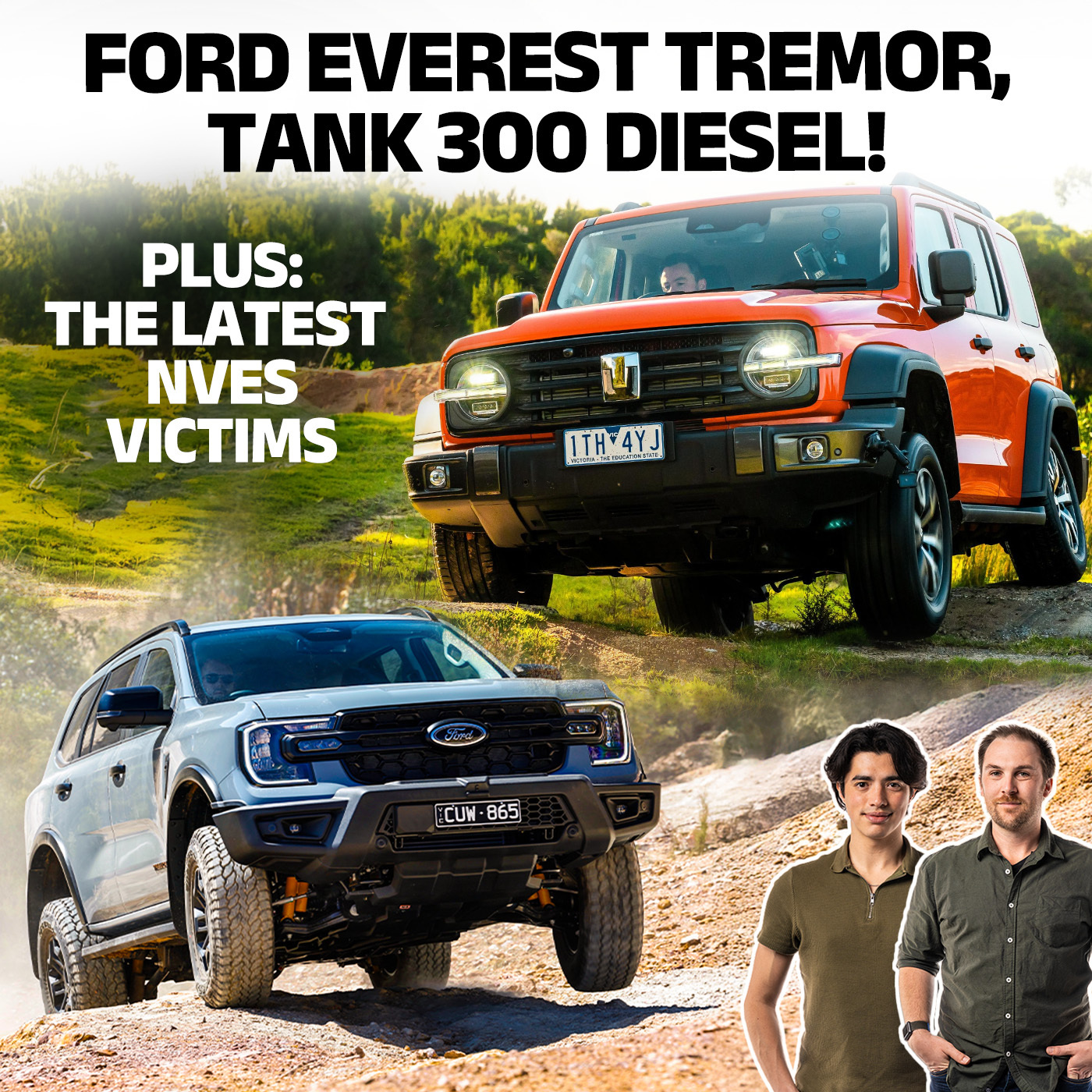
The Ford Everest Tremor is a special version of the Everest SUV that is built for off-road driving. It has features that help it handle rough terrains better than regular models.
Four-wheel drive means that all four wheels of the car can get power from the engine. This helps the car grip the road better, especially in tough conditions like snow or mud.
OEM means the original company that made the car parts. If you buy OEM parts, you're getting the same quality as what was in the car when it was new.
Car
Tank 300 diesel
The Tank 300 diesel is a type of SUV designed for off-road driving. It has a strong build and features that help it handle rough terrains, which is great for outdoor adventures.
Throttle response is how fast a car speeds up when you press the gas pedal. If it's better, the car will feel quicker and more responsive when you want to go faster.
Low-end torque is the power an engine has when it's running slowly. It's important for things like starting to move or climbing hills, making it easier to drive in tough situations.
Diesel is a type of fuel that some cars and trucks use. Diesel engines are usually more efficient and can produce more power, especially for heavy vehicles.
Gear ratios are the relationships between the engine and the wheels. They help decide how fast a car can go and how quickly it can speed up. Different ratios are better for different driving situations.
Rear wheel lift happens when the back wheels of a car come off the ground when you brake hard. This can make it harder to control the car and is something to be careful about.
The Wrangler is a tough, off-road vehicle made by Jeep. It's great for driving on rough roads and is popular with people who like adventure and outdoor activities.
The Suzuki Jimny is a small SUV that's great for off-roading and is easy to drive in the city. It's a good choice for people who want something fun and practical without spending too much money.
The Land Rover Range Rover is a fancy SUV that can go off-road but also feels very comfortable inside. People like it because it looks good and can handle tough terrains while providing a luxurious experience.
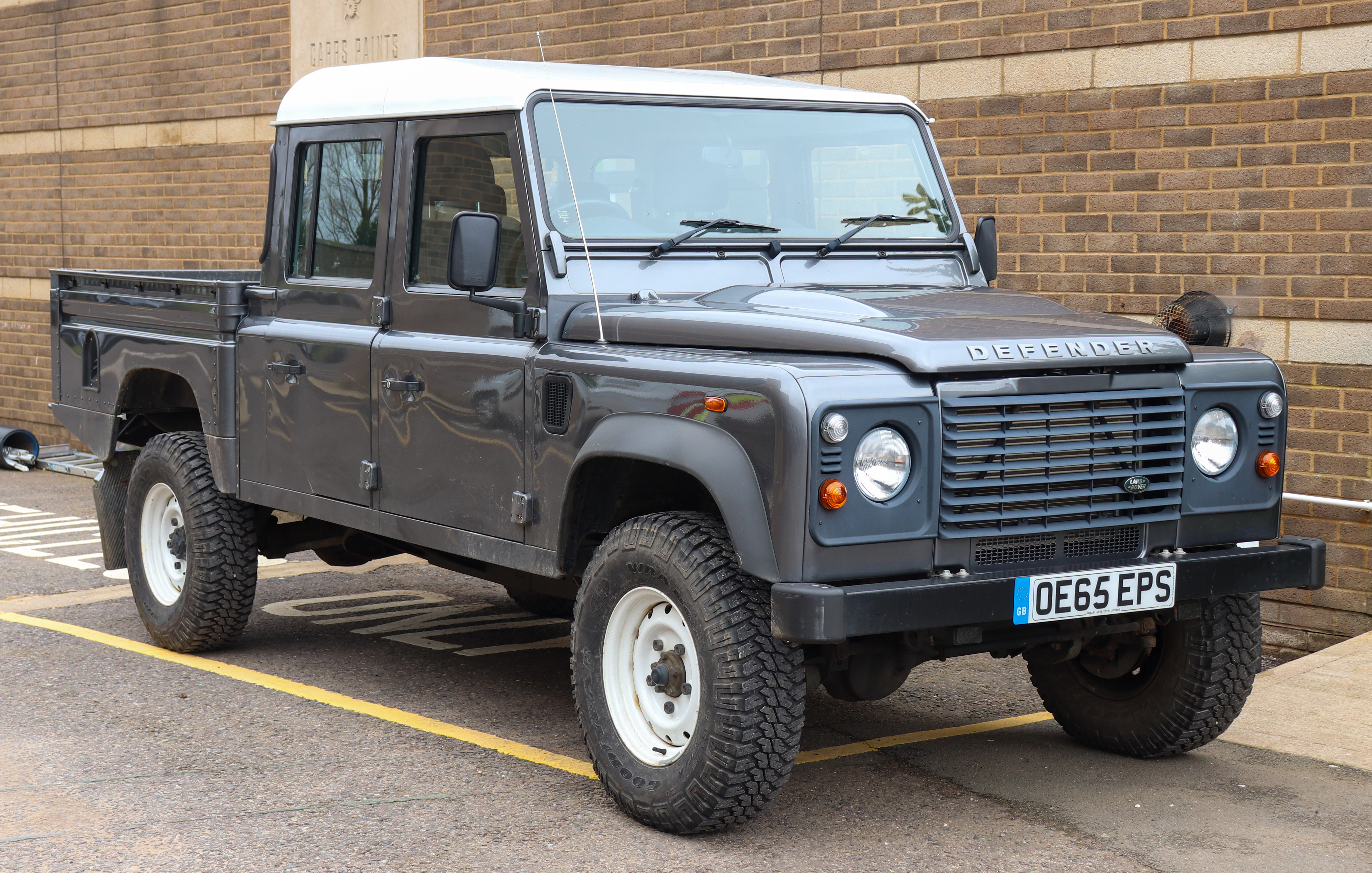
The Land Rover Defender is a tough car that can go anywhere, even on rough roads. It's popular with people who want a reliable vehicle for adventures but still want something that looks cool.
The Ford Ranger is a smaller pickup truck that you can use for work or fun. It's good for carrying things and can handle different types of driving, making it a popular choice.
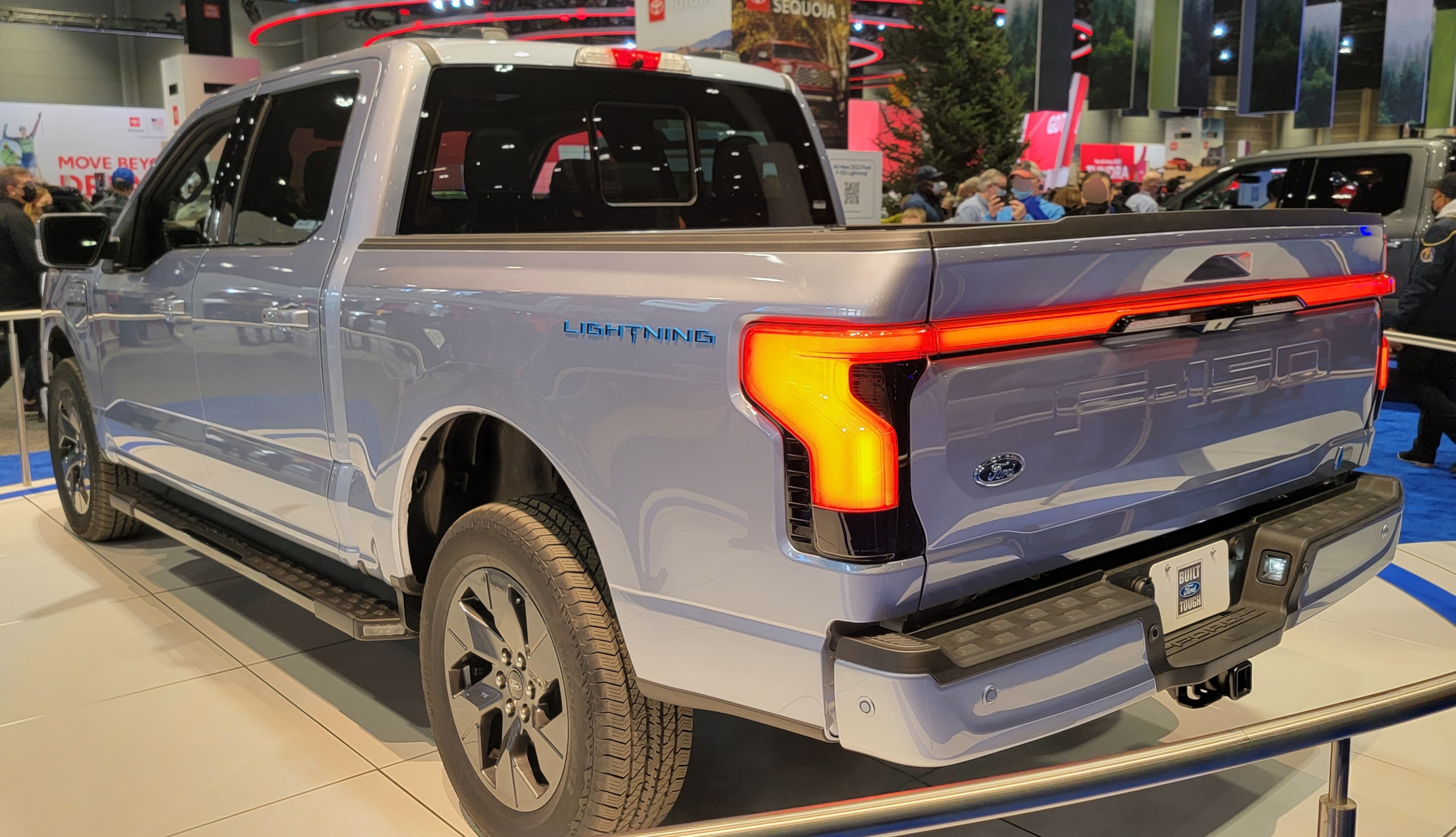
The Ford F-150 is a big pickup truck that many people love because it can do a lot of different jobs. It's strong and can carry heavy loads, making it a favorite for both work and everyday driving.
The Isuzu MUX is a type of SUV that is good for both city driving and off-road adventures. It's popular in Australia and comes in different versions to fit what people want.
'Four by two' means that only two of the vehicle's wheels get power from the engine, usually the back ones. This is different from 'four by four' where all four wheels get power, which is better for off-road driving.
'Four by four' means that all four wheels of the vehicle can get power from the engine. This is great for driving on rough or slippery surfaces because it helps the vehicle grip the ground better.
The Holden Ute is a type of vehicle that looks like a car but has a truck bed in the back. It's popular for people who want something that can carry stuff but still drive like a regular car.
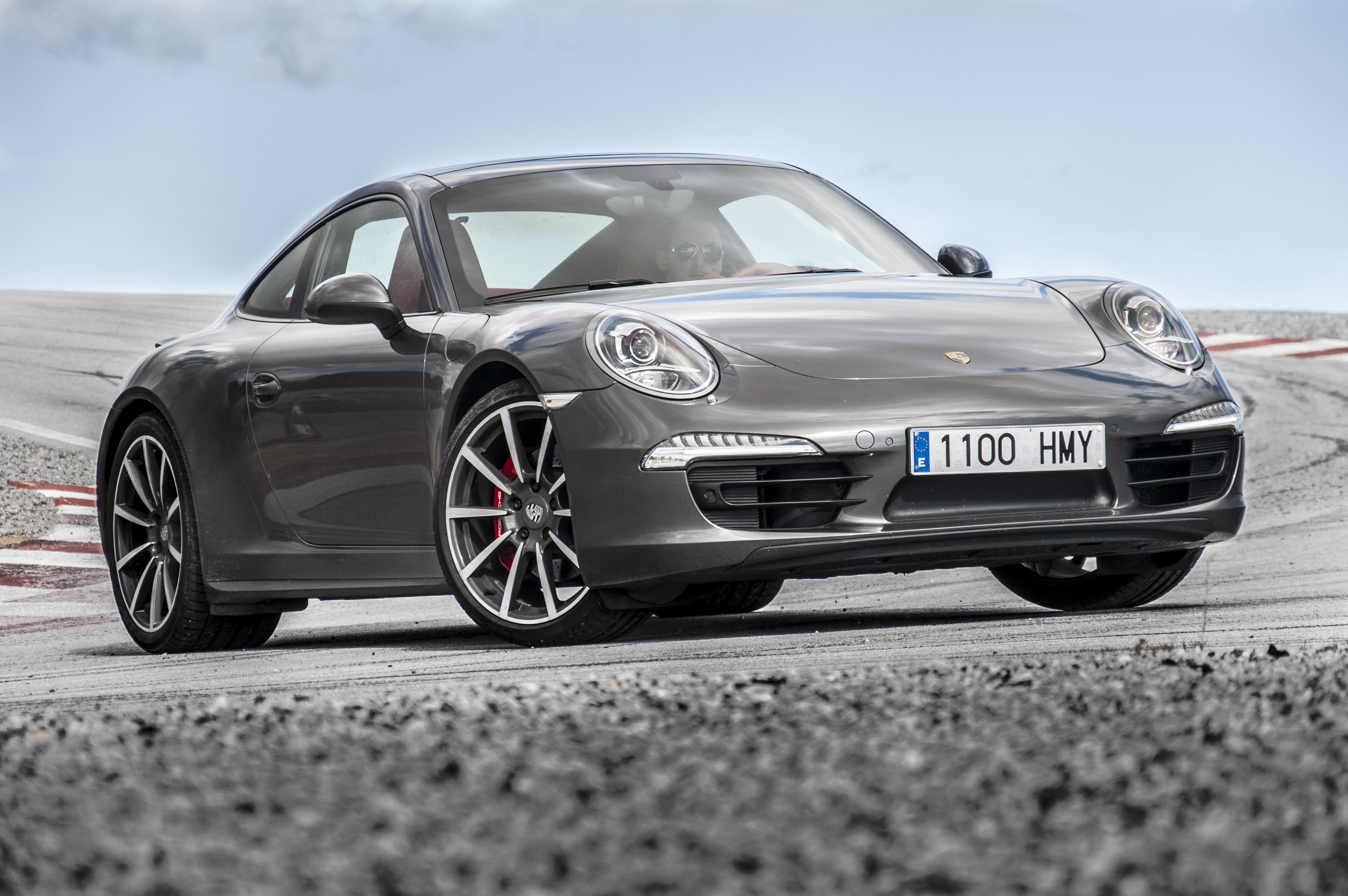
The Porsche 911 is a famous sports car that many people admire for how fast and fun it is to drive. It looks sleek and is known for being very well-made, making it a dream car for many.
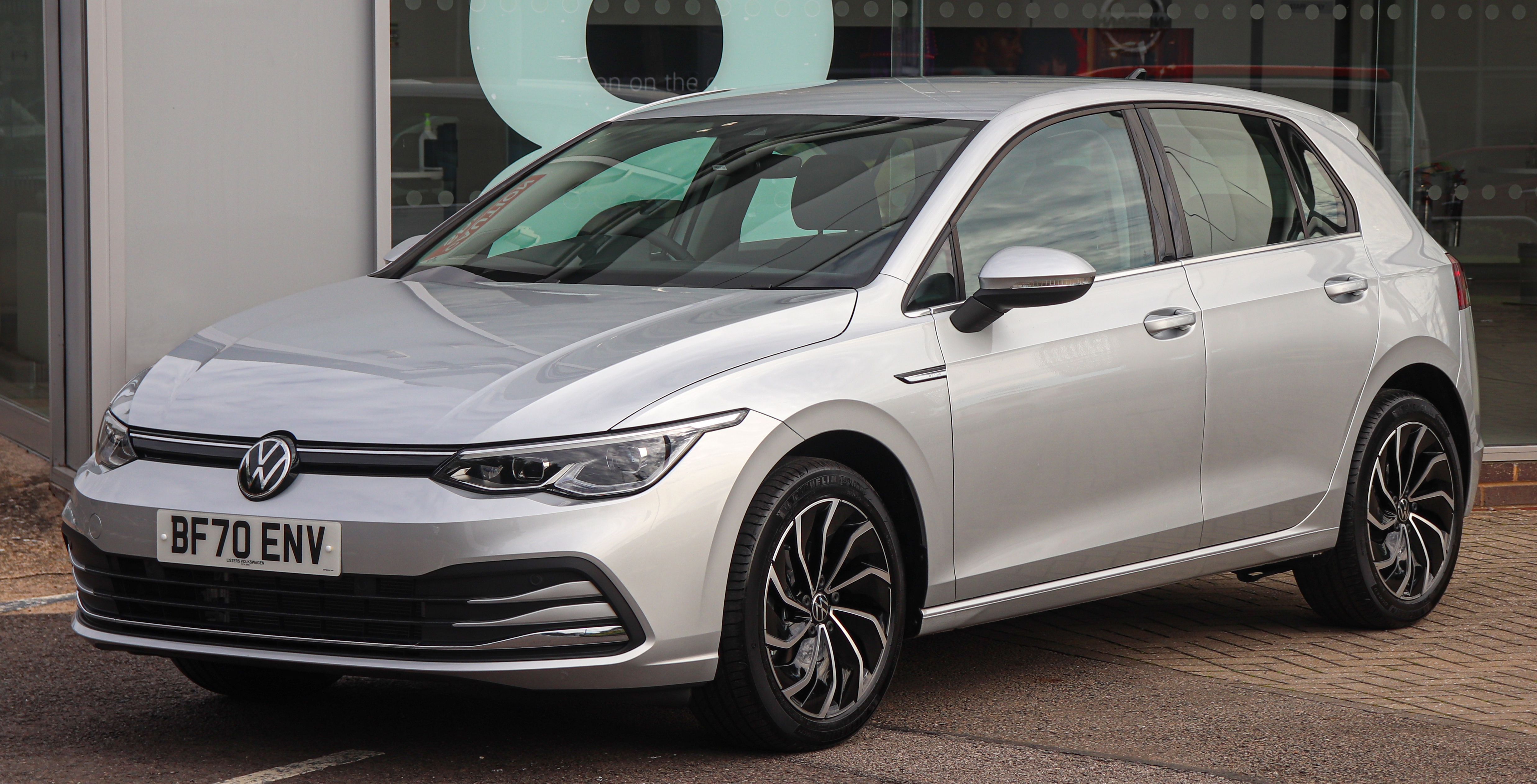
The Volkswagen Golf is a small car that's easy to drive and great for everyday use. It's popular because it's reliable and has a comfortable interior, making it a good choice for many drivers.
The Mercedes-Benz GLE is a fancy SUV that offers a lot of space and comfort. It's designed for people who want a stylish ride with lots of features and a smooth driving experience.
The Porsche Cayenne is a luxury SUV that can perform well both on and off the road. The first version came out in 2002 and helped Porsche sell more than just sports cars.
The Toyota Land Cruiser is a big SUV that can go anywhere, even on rough roads. It's known for being very reliable and is a great choice for people who love adventures.
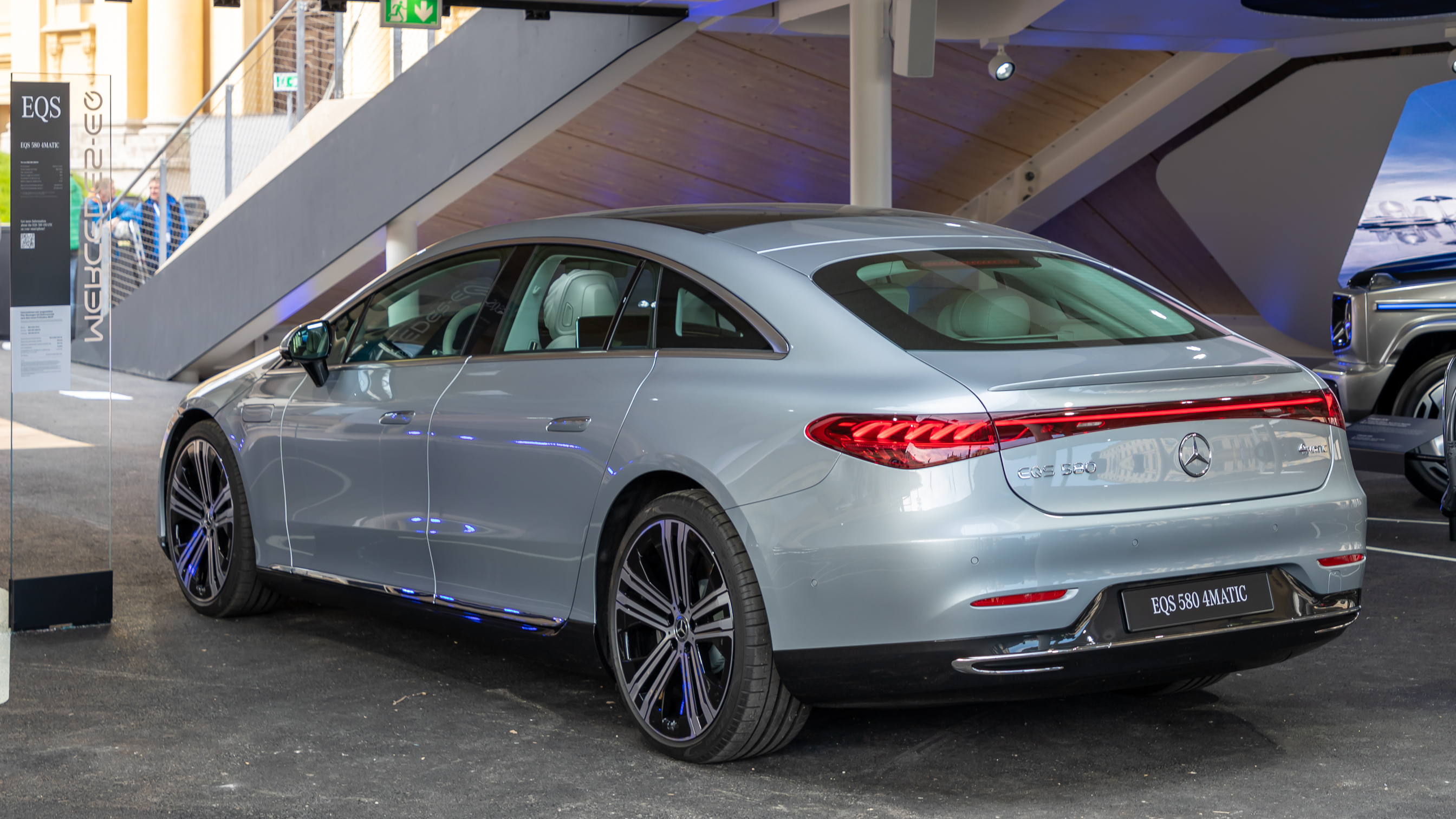
The Mercedes-Benz EQS is a fancy electric car that offers a lot of luxury and high-tech features. It's made for people who want a stylish ride without using gas.
The Volvo EX90 is a new electric SUV that's designed to be very safe and eco-friendly. It's a good choice for families who want a modern car with lots of smart features.
The Kia EV3 is a new electric car that doesn't use gas and is designed to be stylish and efficient. It's part of Kia's plan to make more eco-friendly cars for people who care about the environment.
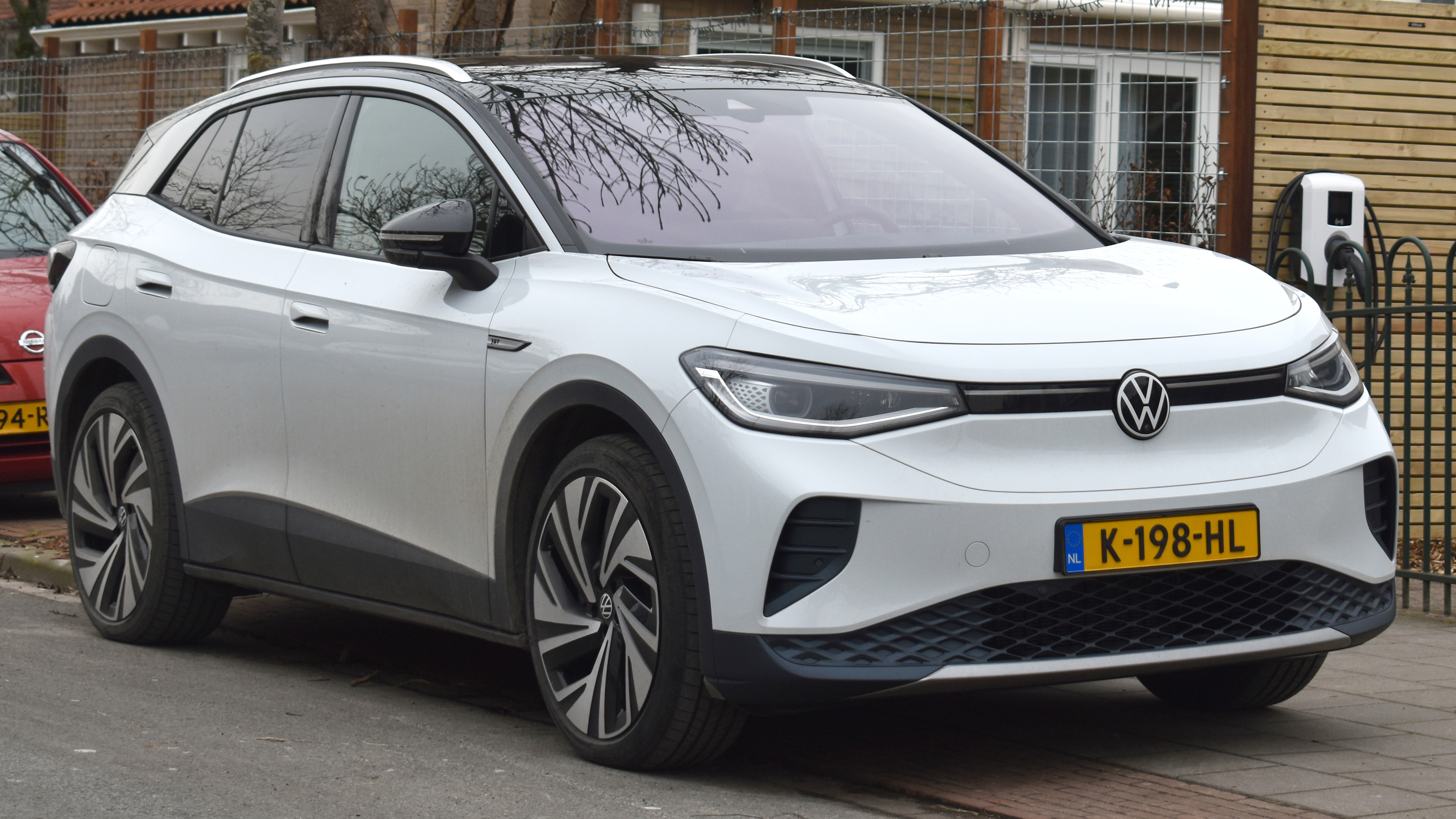
The Volkswagen ID.5 is a new electric SUV that looks good and is friendly to the environment. It's part of Volkswagen's effort to make more electric cars for people who want to drive green.
The Volkswagen ID. Buzz is a new electric van that looks like the old VW buses but has modern technology. It's designed for families and is a fun way to travel while being good for the planet.
The Tesla Model Y is an electric SUV that doesn't use gas and is known for being very high-tech. It's popular because it can drive a long way on a single charge and is good for the environment.
LIVE
A manufacturer's trying to take back a bit of that aftermarket industry.
So many people just buy sports packages.
They're not that great off-road.
This sort of shows the lunacy of that whole NVES.
This is what happens.
There will be things that need to get ironed out.
G'day and welcome to the Car Expert podcast.
I'm your host, Sean, and I'm joined as always by James Wong.
How are you doing, James?
Good, thank you. How are you?
Very good, mate.
We're going to do a short one this week
because it's not a V-Fax week and we've all got a lot on.
But you've just come back from a couple of launches.
Tell us what you've been up to.
Yeah, so most recently I was driving the new Ford Everest tremor,
which is an off-road focus variant
that's billed as the most capable Everest ever.
And the standard Everest is already very capable.
So it was strange to think about that a bit later on.
So don't give too much away just yet.
What else? You've been on a few other launches
and you've got some coming up as well.
Yes, so I've done a couple of Audi launches.
I've driven...
I can't even remember at this point.
It all sort of blows into one.
It's been four weeks of just constant travel
and writing and driving and things like that.
So it just keeps chinned to the site
because you'll see my name pop up next to something.
All right, well,
while James gathers his thoughts for today's podcast,
let me run you through what we're going to do.
We're going to be talking about more cars cut because of NVES.
We're going to talk about the Everest tremor in slight detail
because the embargo is not until Wednesday today.
We're filming this in the day that it will be released is Monday.
We're going to talk about the MUX X terrain
and four-wheel drive OEM-based vehicles
rather than having to build it yourself.
But we're going to start off by talking about the Tank 300 diesel.
The work experience kit at Redbook slipped up
and accidentally put the pricing online before it was announced.
And it's less than 50 grand for the entry-level Tank 300 diesel.
I mean, I'm sure to some people that's a lot of money.
But realistically, for what you're getting with that car,
that's a lot of value right there.
Yeah, 100%.
And I think the standard petrol-powered tanks
were already very good value for money.
But for a vehicle that big and that capable,
I think one thing that was missing was a diesel option
because while diesel is sort of winding down
in other segments, I think in this off-road category,
diesel is a very important thing to have.
And I think based on what we've heard about this engine
in the Canon Alpha and the new Canon use,
I don't even remember the one.
I think it's Canon U.
It's just Canon U.
Now, yeah, it's a pretty good engine.
It's got an in-house transmission.
And I think it just gives buyers a different option
that may have been hesitant beforehand
because the turbo petrol models, including that mild hybrid one,
they punch in everything, but they get quite thirsty.
They don't have that effortless acceleration.
That diesel off-roaders have.
And also when you're going off-road,
you want maybe better throttle response
or at least more, you make those minute adjustments
and being able to tailor it better.
So I'll be interested to drive it and see how it performs
because I think that will be something
that might change a lot of potential buyers' views on the car.
Absolutely. I mean, obviously things that come with diesel
is the better low-end torque, better gear ratios
when off-roading.
You're going to have a clattery diesel now,
which I guess is one thing that was kind of good
about the early tanks or this first-generation tank
was just a nice, quiet petrol.
It is my understanding that fix the issue
where when you brake really hard, the rear wheels lift the ground.
So hopefully that's not something that we do see in the diesels.
But it's only 4K more than the petrol,
which is a really small amount of money.
I can't even think what else you would compare this to.
I mean, a Wrangler maybe, which is probably 30 grand.
Twice the price almost for an equivalent spec Wrangler.
I guess the tank sort of sits on its own
in terms of its pricing and packaging,
but you could sort of see it as like something of a Jimny competitor.
If you want something a little bit larger,
it's a cheap Wrangler alternative.
It could even be a budget Defender, sort of the rival as well.
More rival types of people.
But when you think about it, it's a more luxurious-oriented one
with sort of the rugged capability and design,
which is what the modern Defender is.
It's less that rugged old-school thing that the original was
and some sort of step into a new world
that combines Range Rover and Land Rover attributes
with the Defender nameplate.
And this kind of is like that too.
It's sort of designed to look a little bit like a G-Wagon as well.
I actually think it looks like the Tanuki car from Mario Kart.
Of course, it's a Mario Kart.
I think we need to flash a photo of that up as well,
because it genuinely looks like that.
But for what it is, it's not perfect,
but it's really great value.
And I think that's why you're starting to see a lot of them on the road as well.
You get them in these cool colors.
It looks really, it's very distinctively styled
and the interior is really nice.
So, yeah, it'd be interesting to drive that new diesel one.
It's not the only diesel coming out of G-Wagon
because they've now got the new 2.4-litre cannon diesel.
But that finally has three and a half tonne towing.
My understanding is they're trying to push themselves into being a top five brand.
They've amalgamated all the various models under the one G-Wagon nameplate now.
And they're pushing up hard to get, you know,
ahead of Mitsubishi and Kia and Hyundai and the likes of that.
And I think with a car like this, what's we got pricing?
It starts at just over 40 grand for this thing.
I mean, they mean business.
And I actually think that these other manufacturers,
these sort of legacy manufacturers, should be a little worried about this car.
Oh, 100%.
What this car was missing or what this unit was missing
was that 3.5 tonne capability
and maybe the interior was starting to get a little bit old.
Now with this new engine and the various design upgrades that they've done inside,
you know, it definitely distinguishes itself from some of the other cheaper Chinese
units like the LED VT-60 and things like that.
You know, from what Jack Quick reviewed at the launch,
it's a very marked improvement over the old one.
And given how well priced it still is,
you know, if people just want a basic unit that can tow 3.5 tonnes,
you know, this is still substantially cheaper than even a Triton.
So, you know, there's a proper value player in that end of the segment now.
It still looks quite good.
Like the design is quite handsome and the appointments look really good.
So I can see that making some good ground on the sales charts
for the remainder of 2025.
I mean, if you're a young apprentice, like that is a hell of a car to get.
There's a lot of bang, you know, you can get your tunes through the Apple CarPlay.
It's got a bang in stereo, but it could also tow the box trailer of the worksite.
So it's actually a pretty good thing.
And then like GDBM, like I said, they're coming thick and fast.
So we've got the Alpha Fev coming, which is I think the 68 grand.
Something like that.
Something like that.
Yeah.
And I have a pretty good feeling they're going to undercut the Ranger,
which I don't think I'd be very surprised if Ford can bring it in
around that price bracket, you know.
Yeah. Well, the GDBM is only in basically one or two trim levels
at that high 60, low 70 drive away points.
So that's obviously a more premium proposition and the Canon Alpha is quite large.
So it's almost between like a Ranger and an F-150 in terms of size.
But, you know, I think Ford has its work cut out for them
because the BYD Shark is obviously so sharply priced.
The Canon Alpha is likely going to be cheaper.
And the Alpha actually has a three and a half ton towing capacity
unlike the BYD Shark.
So I guess in terms of direct rivals, that's probably what they're looking at.
Ford has confirmed that there will be four trim levels coming.
So I think XLT through to Wild Track and Storm Track,
like a special edition model that they're bringing.
So, you know, if they can get within that ballpark,
I imagine a lot of rusted on Ranger buyers that are looking to step into electrification.
If it's not that much of a step to get into the Ford rather than getting the GWM,
not to say that the GWM is a bad product,
but, you know, people who are really associated with like the Ford built,
tough, you know, sort of mantra and that kind of thing will likely go for that product.
So it'll be really interesting to see we're expecting pricing soon.
So let's hope that we're pleasantly surprised and perhaps that will help
Ford in the in the long run with looming emissions regulations,
which have affected them in other areas as we'll get into later.
Absolutely. Well, look, would you buy a GWM?
Have you bought a GWM?
Would you buy one over?
Would you buy a Canon over a Toyota Hilux or a Ford Ranger?
Leave a comment. Let us know.
But yes, let's talk about NVES or new vehicle efficiency scheme.
I think it is something like that.
I always forget what it is.
Look, we said we would update you
if there were more cars that were on the chopping block,
and there are three new entrants to that list.
Azuzu MUX base model and the four by two variants
of the Everest, Ambiente and Sport.
Now, I don't know what the sales mix are.
I don't imagine Ford of moving and and Azuzu for that matter,
are moving too many of those low models.
So I think Aussies like to buy that high.
Yeah, so we understand that the four by two versions of the Everest
are not a huge amount of sales.
But in saying that they did sell like 26,000 of them last year.
It was the top selling large SUVs, even if it's five or 10 percent.
There's still a few thousand people
that no longer have a product to go to if they have a due to replace it.
So what basically what's happened here for both Azuzu and Ford
is that the four by two models are still classified as the type one,
you know, light passenger vehicle, as opposed to the four by four models,
which are typed to heavy duty.
So the type one is subject to a emissions average
of around 140 grams per kilometer of CO2.
And then the heavy duty ones are 210 grams.
So even though the four by two Everest and and MUX
is more efficient than their four by four counterparts,
and especially in the case of the Everest being compared to the V6,
the even though they would meet the type two cap,
they don't meet the type one cap.
So I guess they're just getting that out of the way.
We'll have some news on that shortly in terms of, you know,
how long you'll have to buy an Everest.
I can't actually say what it is today,
but there will be some news on the side around, you know,
if you're still looking to get one of these,
because if you don't want to go off road, but you want this car
and you want to tow and that kind of thing.
So you still got that capability.
You will still be able to get it for a period of time.
So stay tuned for news on the side on that.
Yeah, look, I think this is an Everest sport.
This is a four by four if you're watching on YouTube,
but it looks exactly the same if you buy the four by two.
Just minus the four by four mode controller inside.
But that's pretty much the daily difference.
I mean, I think I think this sort of shows the lunacy of that whole
NVES and the way that they've brought it in.
The fact that this car is fundamentally the same as the one
that has drive to the front wheels,
but it doesn't meet an efficiency standard that like you can't just slap
one efficiency standard across all models.
That just seemed absolutely crazy.
Yeah, I think what what the government should have done
is as made, you know, all ladder frame heavy duty vehicles under one umbrella,
because obviously this is very different to something like a four.
That's that's one part.
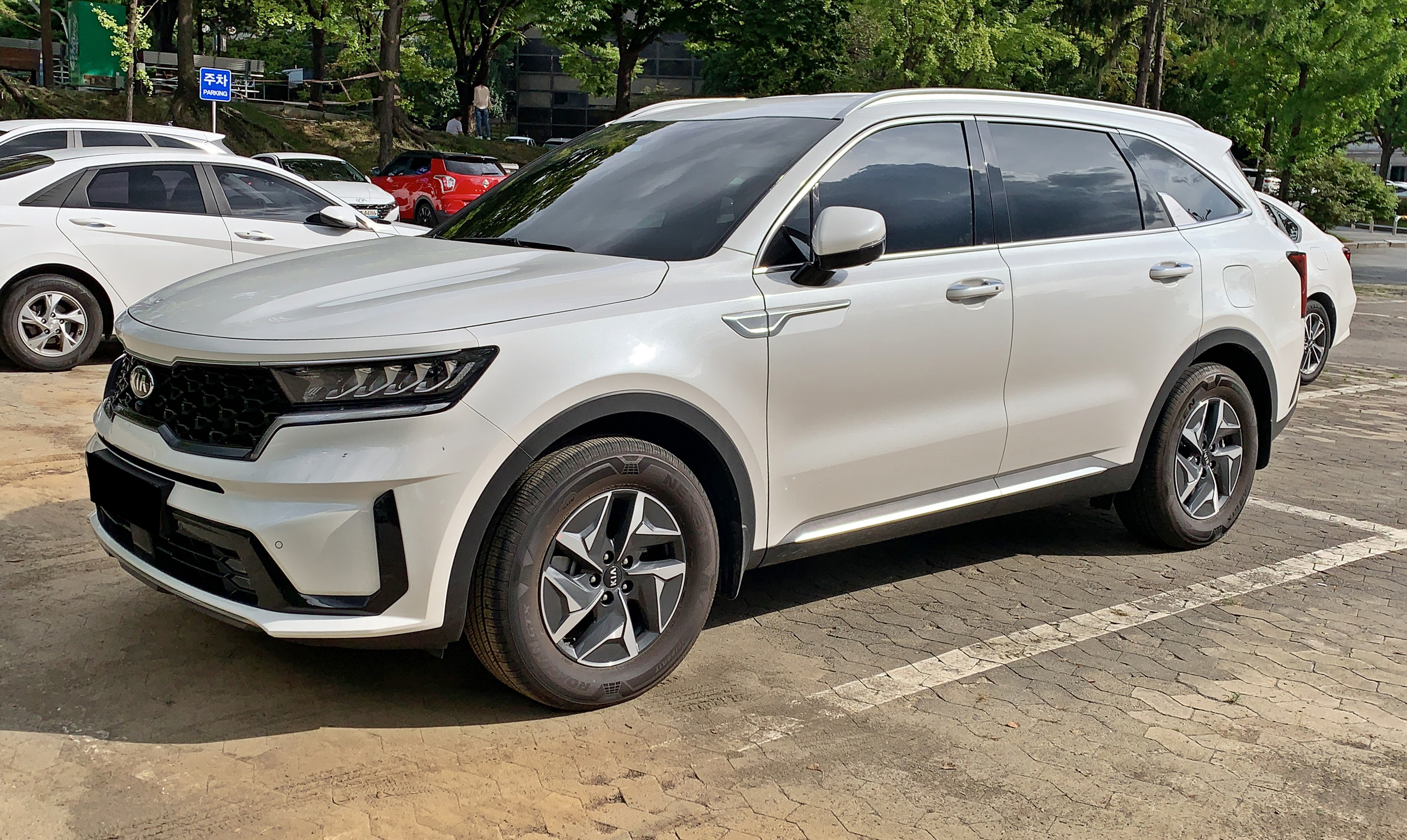
But you think of equivalents like a Kluge hybrid or like a Kia Sorento,
obviously very different in terms of their capability.
And so, you know, this is a more efficient version of an Everest
that now Australians can no longer buy if they're not
if they're not needing to use four by four capabilities.
So there's a few things there.
And this is what happens with new legislation,
especially when it's a completely new concept.
There will be things that need to get ironed out.
So it's a shame for people who might be considering a four by two Everest or M.U.X.
But I guess at the same time, most like we do and the brands,
they all say we need emissions regulations in Australia.
So this is at least a step in the right direction.
And unfortunately, this is collateral damage for some brands that, you know,
they have to make adjustments to their lineups to stay with the times.
And unfortunately, it's not the only hit that the buyers will take,
because Ford Australia have gone on record saying that if they are
slugged with it, they're going to be passing those fees on to the consumer.
So it's it's one of those things that just seems very nonsensical
that you take away a cheap entry level option that can help Aussie buyers
get into a new safer car.
It just seems crazy to me.
But let's move on before we upset the government too much
and talk about the Everest tremor, because they brought out a Ute version
of this last year, and I know they have an F-150 tremor in the state.
So you can buy another Ute is really cool.
The only downside was it was only a four cylinder
and that's something they've rectified with the Everest, isn't it?
Yes. And on top of that, the Ranger tremor was only a limited edition in Australia,
whereas the Everest is a permanent model in the lineup.
So you will be able to get this for as long as it remains in production.
So yes, it's a V6 Everest.
It's pretty much based on the sport is my understanding with some unique appointments.
Some of the upgrades include the General Grabber 83 tyres.
It's got Bilstein shocks and revised springs.
You can get it with these.
So this is an ARB sourced, rough road package bumper.
So you can change it and it helps with bash plates and approach and departure angles
and all that kind of thing.
So we recently, I recently drove this in the Victorian High Country.
Drive impressions are in Baguette Hill Thursday, so I can't tell you too much.
But this is billed as the most capable Everest ever.
And I guess this sort of new trend of automakers doing the out of the box
capability stuff allows people to walk into a dealer and walk out with, you know,
a factory prepared product that has enhanced capability over the standard ones.
Not to say that the standard Everest isn't capable already.
But I guess the key takeaways here is that this still retains a three
and a half ton brake towing capacity that the other Everest have.
And, you know, with with a twenty nine mil lift in suspension or ride
height because the suspension hasn't officially had a big lift.
It's more the tyres that do that work.
But the track has also been wider by 30 mil.
So it should offer not only better off road capability, but better road
holding when you're on the freeway and things like that.
It's just got a better footprint.
So more to come on that soon.
But yeah, pretty cool car.
I mean, closest thing we get to an Everest Raptor.
Ford aren't the only ones playing this game
because Azuzu have done it with the MUX X terrain
and we're getting our hands on one of those in the next couple of weeks.
So stay tuned to the YouTube channel for a video on that.
I think this is really cool because if you wanted to go off roading,
like if you had like just a feigning interest in off roading,
you just want to maybe go for a drive down some slightly rough track.
You still had to go and get like a vehicle and build it to be able to do that.
But now manufacturers are offering this that maintains a warranty
that means that any Joe Blow can go in and they can take their car into a place
that they may not have been able to do before.
I mean, a manufacturer is trying to take back a bit of that aftermarket industry
because I mean, that aftermarket industry is worth billions.
Yeah, 100 percent.
You know, there's major there's so many different ways
that manufacturers is trying to make more money and keep people or customers
within their, you know, within their network.
You know, Ford with the tremor is one example.
The the MUX X terrain is another based off the success of the DMAXU.
And there's probably a lot of people that have DMAX X terrain that they're,
you know, maybe wanting to trade in for a MUX because they've got more kids now
or they want something that's a bit more comfortable without stuffing the tray.
And we've seen other manufacturers like Toyota do it with the Prado Altitude.
Lexus has the GX over trial.
There's a number of other manufacturers that are doing this sort of in-house job.
And some of them are all entirely in-house.
Others are in collaboration with local partners, given how important for
for products like this, how important the Australian market is.
There's a lot of local investments.
So while they're potentially taking it away from, you know,
third party distributors of aftermarket accessories,
they're partnering with those suppliers first hand.
And, you know, there's investment there.
There's investment in local jobs for engineers to be doing the testing
and the engineering of these new models and their relevant accessories and parts.
And I think it's a it's a much simpler way for the customer to not have to then
go from the dealer to a third party supplier or whatever.
And then having to spend all this extra money
when they can just do it all in-house.
It's all under the same warranty.
You go to the same place if you need it repaired or you need to replace some parts.
It really simplifies it for the consumer.
And I mean, look, there's always going to be the people that are built, not bought.
And I'm all for that.
And I love seeing the things that people do with their four-wheel drives
and they build them up. It's just some really cool stuff.
But I think if you can walk in and only spend a couple of grand more
and get one of these sort of things over the regular one, that's really cool.
I think this is a strange thing, because it's taken so long for them
to start doing this in Australia, because in the states, they've had it for years.
You know, Ford have the Raptor range.
I've had it for a long time.
Toyota do the TRD Pro.
Like they've got the ZR series in the Chevy's.
Aussies have always liked, you know, modifying their vehicles.
Why do you think it's taken them so long to actually start doing that stuff down here?
I guess it took a while for maybe Australian customers
to get to the sort of scale that you have in places like America,
whereas, you know, they already have such a big buyer base over there
that sort of justifies the investment in releasing a range of things like that,
because there's a lot of engineering and investment that goes into creating
these kinds of vehicles and then obviously tooling at the factory to allow for that.
Also, it costs quite a lot of money.
So I guess for Australia being a much smaller market than somewhere like North America,
it probably just took time for, you know, manufacturers to understand
how many people are actually going into making these modifications to their cars,
how much they're actually spending, so whether it's worth trying to package
everything and make it cheaper and make it more attractive.
And then also building up the support network within their own dealer networks
to make sure that if a customer comes in and buys those things that they're
supported from the factory as well as their dealership to make sure that, you know,
people are just left with a car off the road because it's very easy for things like this.
You know, you might break something, you might knock something off and you need parts.
You know, you can't have your car off the road for six months
because a lot of people use these.
You know, you think of a buyer that needs their car every day.
So there are so many factors that would play into that, but it's a very lucrative industry.
And I think we're starting to see not just Australia, but across the world,
a lot of manufacturers and customers are getting on that bandwagon.
So I'm sure this will be continuing for quite some time.
And look, for, you know, Ford and Isuzu, it opens up a whole world of customers
because all those people that bought a 911 Dakar can now cross shop with an Air Force
or an MUX. No, look, I think it's really cool.
What do you guys think? Leave a comment, let us know.
Would you build it or buy it? What is your preference?
That almost brings us to the end for this week.
I do want to know, though, before we do move on from this,
what car would you like to see get this sort of treatment to it?
And please don't say Volkswagen Golf.
That's a really good question.
I'm just trying to think there are so many, like, bigger SUVs
that could benefit from that, you know, like some of the luxury stuff,
like BMW X5 and Mercedes-Benz GLE.
Like, they're almost itching to get something like that
because they're all quite capable out of the box.
Volkswagen Tourego, I know you told me not to talk about Volkswagen.
Volkswagen Golf.
Yeah, but that class of, like, large premium SUV
because so many people just buy sports packages, they're not that great off-road.
And sometimes people just need to go up a light trail to get there.
And as we found out playing around with that Porsche Classic first gen Cayenne,
you can unlock quite a lot of capability with a few, you know, decent accessories.
So, you know, other markets actually get off-road options.
And we used to get that in Australia for things like Mercedes and stuff like that,
which because I think they were bought in such low numbers,
they're not really available anymore.
But there's so much capability in those cars
that people probably wouldn't even realize they have.
And, you know, while I think there's a great customer base
and there's obviously a place for things like your Land Cruisers and things like that,
you know, if I personally were spending that much money on a big family SUV
that I would occasionally take out bush,
it might be cool to have something like an all-terrain capable two-reg X5 GLE sort of thing.
Or, you know, like that Cayenne.
I think that sort of safari look is really, really cool.
And, you know, people do stuff like that in the Middle East and Europe all the time
in terms of building those sorts of things.
So I guess that would be cool to see because I love that it was a completely stupid project.
But that Audi Q8 e-tron Dakar special or whatever,
where they put the bigger all-terrains and a higher air suspension lift
and what do you call it, the tray on the roof, the crate tray or whatever you call that accessory.
It looks really, really cool.
And I love that look in that spec.
And maybe for some of the off-road wagons, like an outback getting a proper,
because they have the wilderness version available in the US,
which we don't get that kind of stuff on more affordable things would be really cool to see as well.
Well, the one that I saw over the weekend was, and I'll flash an image up here for those watching,
I think it's the XTR, XRT, Santa Fe.
Well, they've now done an IONIQ 5 with big off-road tires, black bumpers.
It's made to just go belting around off-road.
And I really look forward to seeing what EV manufacturers do with this
because I have been off-roading a Mercedes EQS that had a lift and tires put on it.
And it was surprisingly impressive.
So I look forward to seeing what's to come,
but in the meantime, I'd probably still buy the Everest trimmer.
Yeah, fair enough.
My money was on it.
Anyway, look, what are you up to over the next couple of weeks?
So I've got some events coming up.
I'm doing an Audi media night at the Grand Prix.
They've got a debut, local debuts of a couple of their new cars,
including I think the A5 and S5 and the updated e-tron GT.
I think that's right.
I'll also be driving the new Volvo EX90 in Australia soon.
So I'll basically be getting the baton from Paul to drive it here.
Oh, this is the one that's like a Cyclops got the thing on it.
Yeah, it's got the LiDAR on the roof.
What else am I driving soon?
I've got the Kia EV3 local launch.
So I drove that in Korea.
So I'm really excited to see what they've done,
because obviously Kia does so much local run handling, testing and tuning.
So it'll be interesting to see whether there's a significant difference
in how the Korean car drove versus the one that comes here.
And I guess the other one is the Volkswagen ID4 and ID5,
which have finally launched here.
I think we talked about that on the first episode of the podcast two years ago.
Yes, well, they actually just released pricing
and a lot of people have been asking us about pricing.
So the ID4 Pro will start from $59,990,
which is actually pretty sharp and it's got over 500km range,
and it's pretty much fully decked out with features,
you know, bar connected services.
So it'll be interesting to finally drive those on local soil,
because it's been quite a story to follow after the over the last five years
that it's been available in Europe,
and there's been a number of running changes to address customer concerns abroad.
So hopefully we're getting the latest, most refined version of that product.
And if it's good, I think it deserves to sell well,
because there'll be a big subsection of the local customer base
that perhaps is not quite willing to go to a Chinese challenger brand
or some of the other options that are currently on the market,
if they're already in the European space.
So I'm really keen to drive that.
We're going to Canberra for that one,
and it'll be cool to see how that car stacks up.
And if one ever arrives in Australia, would you buy a Volkswagen ID?
I don't know whether I'd be willing to put my money on it,
because it's taking longer to get here than a Tesla car.
Oh, I think they're here now. I think they're here now.
So they've arrived before the new updated Model Y.
It has got a five-year hit start.
But yeah, so the cars will be landing in the next month or so,
and the pricing's announced, so you can probably go put an order down at the dealer.
All right, fair enough.
Well, next time we talk to you, hopefully Oscar Piastri is a winner
of the Australian Grand Prix, we'll find out.
But yes, we will be back in a couple of weeks.
After the Grand Prix, the next couple of weeks are absolutely wild here.
So keep an eye out on car experts' socials,
website and YouTube channels. There's a lot of cool stuff coming.
But in the meantime, if you haven't already,
subscribe to YouTube channel and follow along
on your favourite audio streaming platform.
But until next time, take it easy.
About this episode
The latest episode dives into the new Tank 300 diesel, Ford Everest Tremor, and the impact of the NVES on vehicle availability. Hosts Sean and James discuss the value proposition of the Tank 300 diesel, which offers a competitive price point for off-road enthusiasts. They also explore the capabilities of the Ford Everest Tremor, highlighting its off-road enhancements and towing capacity. The episode critiques the NVES's implications for certain vehicle models, particularly the four-by-two variants of popular SUVs, and how manufacturers are adapting to the growing demand for factory-modified vehicles.
GWM are making moves in Australia to become a top 5 brand, with their new Tank 300 diesel and Cannon ute offering budget work horses for the masses. Sean and James sit down to chat through the news, plus the latest victims of Australia's efficiency scheme and how manufacturers are fighting back against the 4x4 aftermarket.
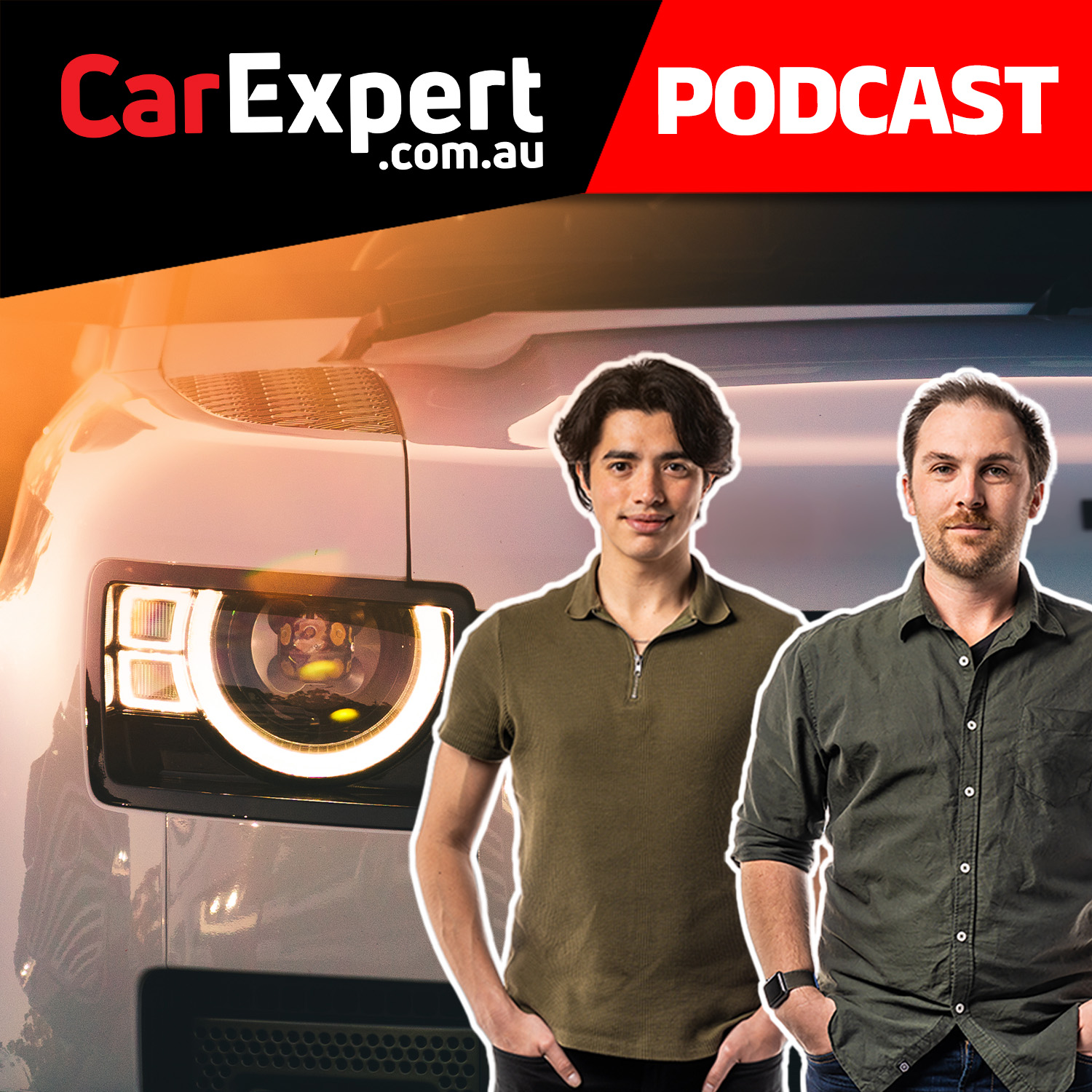
Welcome to the CarExpert Podcast – now in video! Host Sean Lander is joined by resident CarExpert James Wong to chat the latest in automotive news and reviews.
You can find the CarExpert Podcast on your favourite podcast platform. If in doubt, simply click on the RSS feed below, or follow the links to the Apple Podcasts or Google Podcasts applications to subscribe.