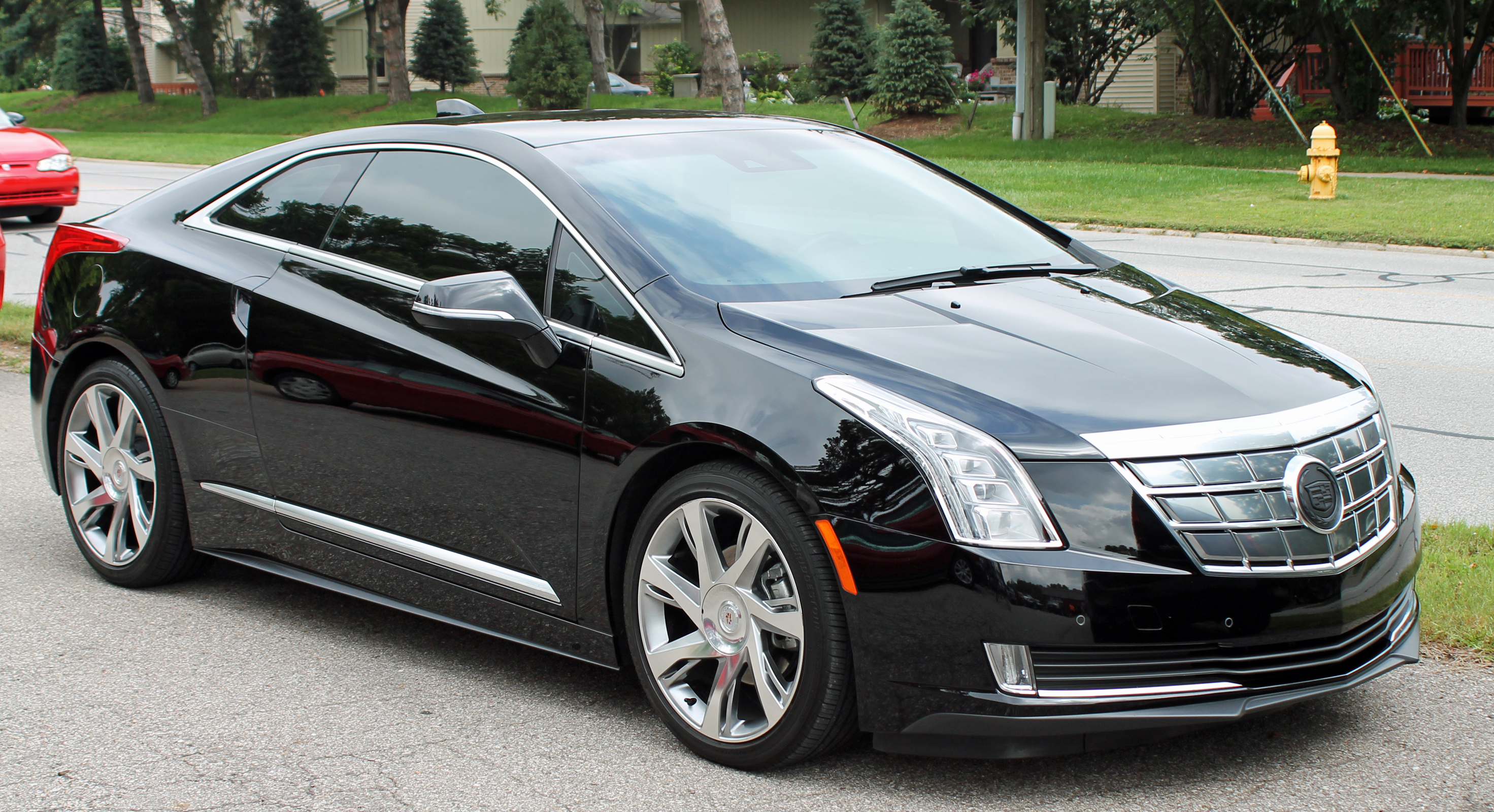
The Cadillac ELR is a fancy car that can run on electricity and gasoline. It’s designed to be stylish and efficient, making it a unique choice for those who want a luxury car that’s also eco-friendly.
A service advisor is someone at a car repair shop who helps customers figure out what work needs to be done on their cars and communicates with the mechanics.
The Kia Soul is a small car that looks a bit like a box on wheels. It's popular because it's roomy inside and easy to drive, making it a good choice for city living and everyday use.
The Volkswagen Rabbit is a small car that has a hatchback design, meaning the back opens up for easy access to the trunk. It's known for being fun to drive and is a good choice for people who want a reliable and practical vehicle.
LIVE
Hey, it's Jeff here. Let me tell you about something that's changing the game in our industry.
Promotive, automotive, recruiting. Every shop says they're the best, right? But here's the deal.
Good isn't good enough anymore. That's where Promotive comes in. They're not just recruiters,
they're matchmakers, and I've seen firsthand how they're shaking things up. For techs like us,
they're the real deal. Actually listening to what we need and helping us find shops where
we're valued, supported, and can grow. And for shops, they just don't throw resumes at the
wall to see what sticks. They dig deep to understand the shop's culture, story, and goals,
then help build teams that actually work. Promotive is bridging the gaps and making this
industry feel exciting again. They're helping shops shine and they're making sure technicians
thrive. It's not just about finding a job or filling positions. It's about creating something
better for all of us. Let Promotive match you with the perfect shop, or if you're an owner,
use Promotive to find the best tech for your shop. Hit up the link in the show notes below,
or go to gopromotive.com backslash Jeff.
The job hopping on the resumes, so many shop owners judge that. But the reality is,
the job hopping isn't because the tech wasn't a good tech. That's right.
Oftentimes, it's because they were put in a position that wasn't needed, or the shop got
slow, and they're on a flat rate model, and the tech needs to pay their bills.
Welcome back, ladies and gentlemen, to another exciting episode of the JD Mechanic Podcast.
Today's episode is brought to you by our wonderful family at Promotive.
And what does Promotive mean to me? Well, Promotive means to me support,
benefits, partnership. I get a lot of people to reach out to me and talk about how Promotive
is fundamental in changing the culture within their shop and getting the right fit. I just
want to read you a Google review from somebody that submitted to Promotive. This is the kind
of company that you're dealing with and you're dealing with Promotive. This is what the people
have to say, so I'll read it. We had the most incredible experience working with Promotive,
but then just two weeks, they delivered multiple quality resumes and interviews.
And thanks to the efforts, we hired exactly who we were looking for. Danny was outstanding. Not only
did he find the perfect fit for our shop, but he also took the time to personally stop by and get to
know our team and culture. His dedication and work ethic were second to none. Stacey, our account
manager, a good friend of mine, was equally amazing checking in regularly and making sure
everything stayed on track. Their pricing is extremely fair and the results speak for themselves.
If you own a shop and need help finding qualified candidates, don't waste your time trying to do
it all yourself. Promotive goes above and beyond, highly recommend it. That's pretty cool, eh guys?
Yeah, thank you. So, like when I say guys, I'm sitting here with my people from Promotive this
morning. So, which is really awesome. I'm sitting with Lisa Coyle and, sorry, I blanked.
Sam Freeman. Samantha Freeman, my bad. Ladies, how are you? Awesome. How about you? I'm pretty
amazing. I'm getting tired. I'm getting tired. Yeah. No, it's a long... Seem as a haul, eh?
Yeah. It's exhausting. Yeah. So, how does that make you feel when you hear something like that?
Not Butcher, by the way, I read it, but when you read it, you know... You read it amazingly. No.
We get those reviews every week and they hit our Slack channel as soon as somebody leaves one of
them and it's probably as the business owner, the most gratifying feeling you can have. I personally
read every single one of them and it is amazing. Because you guys, it's tough, right? We see it
more and more. Somebody from a radio station back home, CBC Radio, reached out to me because they
want to have a conversation about why technicians are leaving the industry. Every day, same kind of
thing, I get feedback from technicians all over the industry talking about why they're leaving
or why they wish they could go. The gap is growing really big, really fast in terms of finding enough
people to fill the spots. I feel like it's getting tougher by the day. Is it for you guys?
I mean, in some ways it's tougher, but a lot of ways it's become easier because we've learned
and we get to know people. Our database has 45,000 or so in it at this point. So, we're able to
stay in touch with more people and not constantly have to build new relationships. And the shop
owners are getting used to dealing with a company like ours. This was completely new to them when
we started. In the corporate world, recruiting is very normal. I've used recruiters for my first
company and hired my COO, my VP of sales. And shop owners weren't doing stuff like that and
technicians weren't used to that either. Shop owners never use recruiting, ever. I mean, I've
never ever even, of all the moving around I've ever done, I would have never thought to even
use recruiting. It would have always been like, hey, who's hiring? And they go over and see if
the place looks like I might be a fit in more ways than one, will my toolbox fit? Because I have a
lot, it's a big toolbox. Or do I feel like they've got their stuff lined up, their ducts in a row,
it's a duct thing. If that's going to work, I never thought about a recruitment company that
could have already done some of the vetting for me to know that that might be a better fit for
this technician versus that technician. Yeah. No, and Sam talks to not only shops, but the candidates
often too. Do you hear people like ask, why should I use a recruiter? Not as much. It's more along
the lines, they're surprised that there's support out there now for them. They're not used to it.
They're used to, I had one guy tell me, back in the day, you just load your toolbox in your truck
and just drive around the shops and just say, hey, are you hiring? You want to give me a shot.
And even on the shop side of things, I think it's getting easier from my perspective now,
because they're more conditioned to be more open on what they're looking for. And we are more
conditioned to have the conversations to drill down on why are you looking for that. I mean,
I'm not afraid to tell a shop, I think you're looking for the wrong thing as well. One of my
clients, he's looking for a level master. Yes. They all are. Well, yes. But when in speaking with
him and trying to just understand what the workflow is at a shop, he doesn't need that. He needs a
service manager to come in and help with the workflow so that he can still do what he enjoys,
because nobody's going to be him. Well, and that's when we had the last conversation and asked it
with more people from Promotive. That's what they said. The number one thing I asked them,
what's everybody looking for? Oh, we all want an ATEC. We all want a strong diagnostic tech.
And they said the same thing. When you dig into what do you really need? You really don't need
necessarily that super expensive, let's be real, super expensive diagnostic tech. You need maybe
a BTEC with some diagnostic skill, and then you change your processes in the shop to accommodate,
because it's the true diagnostic tech that everybody wants. They're like a damn unicorn.
Another four-leaf clover, man. You have to build them. There's one in every state,
maybe. And in certain parts of the state, they got a whole whack of them. And then the other
states have none. North Carolina has got a lot of really superstars as an example. And then other
states that are more spread out, they just don't get enough exposure to get that kind of technician
that they need. I need somebody that can fix anything that comes in here, you know,
diagnose a program, blah, blah, blah, blah, blah, blah. They don't exist. They've been
have to been built. They have to be built. And I mean, understanding what this industry is,
where we're at with the industry, and what you need to do to invest in it, we all have to take
a part in this and build it up. So, I mean, one of the guys I just placed recently, he's older.
He's one of my newer clients placements, and he's 65 years old. Wow. And my shop that hired him,
he's like, I might not have him for a long time, but do you know what you have in his brain? Like
that is knowledge. And every single person in my shop is going to benefit from being around this
person. It is like having a coach for my other texts in my own facility.
Yeah, because Lisa, we talk about sometimes when we talked about in the past, mentorship is huge
as a lacking in this industry, right? We've all talked about the so many different things that
have led to the gatekeeping and poor mentorship. A 65 year old technician, which is crazy to think
because I work with a 59 year old gentleman and I turned 50 the other day. So, like to think that
we are still in and that they like he can function physically because it hurts. But
like she said, the knowledge that they carry, and even if they're not like they know every little
thing, it's the little workplace habits and practices and tricks of the trade that they're
able to share with everybody. That's like, you can't build that. That's old technology or old
experience learned sometimes the best way being shared about everybody else, right? I talk all
the time. The best lessons that I ever got were the ones where I learned it the hard way. The
second best was when I watched somebody else do it and I have to do it myself.
Well, and on the other side of that story though, from his perspective, the 65 year old,
he couldn't get a job. Like he kept getting turned down left and right because they just want
somebody that's going to produce. And with him being older, he's a little bit slower. But
changing the mindset of what we're doing in this industry and looking at the value that that brings,
that both of them, it's going to be a very long happy relationship and I'm really excited to
follow it. I had a very similar incident recently within the last six months. I was at a shop,
he hired me right at the beginning of summer. No, actually, that's not true. It was last October.
And same thing. He knew I was a little older. He called around some of my former references and
they're like, he's not the fastest tech we've ever seen, but like he can fix anything that comes
in the door. Super smart, strong, diagnosed to tech, all that kind of stuff. And I warned him,
I'm not quick. You know what I mean? Like, I don't go way over on the times, but like, if you're
looking for somebody to half the time, the labor time, I'm not your guy. But my stuff will leave
probably within time and it won't come back. Well, he was like, great, that's what I need.
And then it realized that it was like, no, he didn't really need that because he was more of a
diagnostic tech himself. He was on the front counter trying to do everything. And I'm in the
back doing the diagnosis in the car. And then the other stuff that was just like the tires and the
brakes would pile up because I'm in the middle of a dyke, you know? And then he's like, okay,
this is not working. I'm like, nah, this is definitely not working. Like, you know,
I think you're a great guy, but like, I don't want to work here. And we agreed to part ways
before it got really bad. No resentment to either one of us. I think he's a great guy. He thinks I'm
a great guy, but we tried it. Didn't work. It's like dating versus marriage, you know?
Yeah. And that actually brings up a point I have for a lot of shop owners that might be listening
is you're a great tech. At least I believe you are, Jeff. And I'd let you dyag my car.
But the job hopping on the resumes, so many shop owners judge that. But the reality is,
the job hopping isn't because the tech wasn't a good tech. That's right. Oftentimes it's because
they were put in a position that wasn't needed. Maybe in your case, or some of that Sam's referencing
here, or the shop got slow and they're on a flat rate model and the tech needs to pay their bills.
And, you know, there's, there's a lot of people that get hired also because the shop is so behind
and they need anybody that can fog a mirror, but they're hiring that person already knowing
that they need to replace that person that they're just putting in, you know, call it a C quality,
not C level. They're putting a C quality tech in and that hurts the tech's resume. Maybe not
their paycheck, but it makes them look like a job hopper and they're probably not.
Most automotive conferences, unfortunately, only focus on one side of the shop. But Tectonic 2026,
presented by Techmetric, is different. It's built for the whole shop. Owners, advisors, and technicians
all have sessions designed for the work they actually do day to day. It's three days in Houston,
packed with workshops, panels, and over a thousand people from the industry are set to attend. You
don't need to be a Techmetric customer to qualify. Hit up the link in the show notes below and check
out Tectonic 2026. Register now while you still can to get the early bird pricey.
I was going to say, I've actually, in sitting in the role that I've been in now for almost a year,
I have changed with my clients. I'm not filtering out the job hoppy ones. I want you to talk to them
because I want you, if they meet all of your criteria on paper, but their job hopping this
is an issue, understand their story and also figure it out. You might find some culture relations
there or just some mindset that makes sense. That's who I want to be with me. Also, you might
realize that on that resume, where they were at a short stint might be a shop that you're like,
yeah, I wouldn't say they're long. There's so much that goes into that. We know the players in the
neighborhood. We really do. Back home, I've talked about it. I have a handful of young
texts that I don't mentor them, but we talk a lot. They have been around and around. It seems
every spring, they get let go from one shop because the tire season rush dries down,
and they wind up at a different shop next fall. Maybe they work at one in the middle or something
like that. Everybody goes, instead of hiring them and going, okay, we're hiring them because I have
a rush of a certain type of work and I need a body for that. Somebody to fog them here. We don't
have it in place in our industry enough to go, this is how I take one from a C to an A. We don't
have a plan. How do I build a unicorn? Everybody is looking around at each other going, how do we
build that? The technicians are like, well, I know how I build that. The shop owners are like,
I know how I want to build. Very rarely does that ever come together in the same method.
So you have this younger generation of people that are like, F this, man, I got this amount of
tools and this many years on a resume. My resume looks like ass. I leave parts of the people that
work experience off because I don't even want them to call and ask for a reference. So I leave
that off and then they go, I'm done with this, man. I'm going to go put age back in. It's not,
we failed them. It's not that they're, because they go and do another trade
and they're superstars. But we sit here and go, oh, they were terrible. They weren't terrible.
We didn't have, we didn't know what to do with them. Yeah. Well, there's a lot of shops out there
that are afraid to build them because all my investment has an opportunity of leaving my shop.
Okay. And you have the opportunity of receiving somebody else's. Yeah. It's like that. I just
says training doesn't cost a pace, right? It's the same thing. Jim Morton said that years ago
and everybody's like, huh, what's he talking about? Well, I don't want to train. If I train my staff
and they leave and Jim would then the second part of the analogy was always, what if you don't train
them and they stay? Yeah, I like that line. Yeah. It's, I mean, I'll be the first to admit, I've
been a business owner since I was 26, 41 now, not 15. And I wouldn't bring my employees to trade
shows because I was afraid that they would get poached or see an opportunity that was cooler
than mine. Right. And it's so short-sighted. Yeah. You have to, as a leader, expose your people to
as much as you possibly can. Yeah. And it is your job as a leader to grow them. And sometimes
they don't stay with you. Yeah. And a lot of my employees have gone out to start their own
companies. And part of me makes the joke that like, they're like, hey, if this idiot can do it,
I can do it too. You know, it's like, but they, that's like so cool because now they employ tons
of other people. Right. Like, and it's my job to grow them. And it's my job to keep them, right?
Yeah. Like I want every employee to retire with me. And I have tons of those success stories of
people at 360 payments there, 13, 14 years still, all of my sales reps have been there over 10 years.
And we have great retention at Promotive too. But you have to not just advance their compensation,
which is the easiest thing that everyone thinks people want, but you have to expose them to
things that they wouldn't get exposed to otherwise. And I think that's really important at shops. And
I recently said to another, on another podcast, I said, if I was a shop owner, I'd have all of my
employees on my website. Yeah. You know, it's, you want, and of course, why don't they do that?
They're afraid that those employees are going to get poached, right? Or, oh my God, like they keep
roll, it's a revolving damn door. Yeah. They keep having to do more work on the website. You know,
I got to remove Carl and put up John and Danny, like I'm not sure about Danny, like it's that kind
of nonsense, right? I look at the, some of the bigger shops back home and I look at their quote,
unquote, employee, you know, role. And I'm looking, that guy hasn't worked there in two years. You
that was always the running joke, right? It was why they never did it because we turned around so
much. Yeah. You touched on something really cool. And I saw always a thought as a leader, if you're
doing everything right, your people don't even think it about leaving. No, yeah. They want to
stay. Yeah. People don't want to switch jobs. I hate it. It's, it is a, I think switching jobs is,
and starting a new job is a life move, right? You know, just like marrying, getting married,
deciding to have kids, moving your houses, like switching jobs is work and it's emotional. And
you don't want to let people down. And you don't want to be the new guy, you know, and as I learned
years ago, the FNG, that's the FN, new guy. I was like, when they said, someone was on the FNG here,
I'm like, what, what, what does that mean? Yeah, right. And nobody wants to be that person, right?
And build those new relationships makes you stronger. You know, I moved four times between
second and third grade. And, you know, it forces you to have to sell yourself on why you should get
invited to the birthday parties instead of the cool lunch table. It all makes sense now. It does
make sense, right? I can't write in cursive. Does that really sideline anything you're trying to do
every day though? Well, you know, no, I mean, my signature changes all the time, banks like
this, you know, I'm like, I tried. There's an app for that. I tried. No, we have stamps for my
signature that used to have my, my bookkeeper at 360, she's one that's still there too. And she
would just stamp my signature because it was more consistent. But, you know, the people that start
new jobs, it's it is emotional because they have to prove themselves constantly to build their,
you know, respect and trust and all of that. But yeah, I think that people should be really
careful with choosing who they go work for. And one of the lines, maybe I've said it to you before,
that my friend Christina told my sister, Laura, is never run from a job, run to a job, right?
And make sure it's one that you want to be at as well. And I think that's something else,
by the way, that technicians don't interview the shops enough. And like, if I'm hiring,
if I'm a salesperson getting hired, I want to know how many people are hitting their quotas,
right? I'd want to see proof of the hours flag. I want to know how long has the service advisor
been at that shop, right? Are they new? What's their background? Like, what are they bringing
in in sales? What is their CSR, like, scores and all that kind of stuff? Or what are they,
CSR scores? CSI, CSI. It just depends on the dynamic of where you're working, right?
Told you I'm an idiot. Yeah. But yeah, they need to be asking those questions. And during tire
season, like, their things are great, you know, you can tell a lot about someone's character
when things aren't going great, not just when their things are easy and going.
And see, I've got a lot of flack lately because it's like, you'll see the comments and it's like,
I pay my tax whatever, this amount, some astronomical amount. Oh, I want to see the
pay stuff, right? And nobody ever puts the pay stuff up because some technicians or some people
claim they pay the most or some technicians claim they, I turn the most, I earn the most.
Me, I come out of the other way and it's like, show me your service writers. If I'm working for
you incentive, I show me how much they're actually selling because I can make better math out of that
that I can out of what you claim I'm going to be because I do the math real quick and go,
and we, I know within the first week I watch and they're like, this is not going to go well.
It's going to end bad for both of us because you're not hustling the way you claimed you hustled
or the way I think you want to hustle so that I can earn the kind of pay that I expect to earn.
Yeah. So you've asked people this? I have. And because like I'm just trying to teach technicians
and I have them like they're reaching out to me now every day. I had a guy message me this morning
at 3am our time. Are you coming back from the bars? Are you waking up at that time?
Or are you finding a Snickers? I was trying to find the Snickers. They had kickcats,
but no fucking Snickers. Anyway, so I say all the time now the technicians, unfortunately,
here's the reality. They need you more than you need them. Okay. So you need to learn how to
interview them and ask the questions. It's not about like, you already know, based on the ad,
the ad in the paper says we'll pay up to $35 an hour flat rate, hypothetic numbers. Okay.
How many hours are you guys selling? Yeah. Oh yeah. Oh, we're all killing it. Okay. I want to go
talk to your technicians and then you go walk across the shop and you talk to the tech and go,
hey, I'm thinking about working here. I might be the FNG. How many hours do you make last week?
Go on and go on and go on. And then talk to that person to go, yeah, it's no wonder he makes 80
last week. He's the golden child. Yeah. Well, what's the reality? Yeah. Somewhere in the middle.
Okay. So I teach my people, I teach my people like I'm somebody, right? That sounds funny.
But you know what I mean? Like I tell them, you have to interview them. That's not you,
it's not them interviewing you. You're interviewing them. They already want you.
They bother to be like, I need somebody. Now you go over there and don't necessarily take the job,
but you have to interview them to know whether this is the right move for you or not.
Yeah. And that's one of the things like as an account manager for Promotive, we are doing
that interview with the shops. We are going through and getting that information. We are
being realistic with them as well. I want to know how many hours they're expecting this new hire to
turn. Yeah. And I want to know how many they're currently turning and going through with their
arrow is what their car count is. Yeah. And seeing if those numbers add up. Yeah. And it's not
helping. I caught a lot of flak because sometimes lately, you know, the emphasis is on technicians
to train, technicians to train. It's super important. No doubt. But like now I'm, I've
challenged them a lot of them. Most people now are technicians working for underperforming advisors.
And the advisors need training and the advisors need, and it's all there. It's all available
there for them too. But everybody thinks, what are you talking about? Like my customers love
that advisor. Your advisor doesn't sell shit. For a technician in the back that's on an
incentivized plan, pardon my French, this is not going to work for me because you're going to turn
it into the month and go, we didn't make any money. Like you cost me too much. Yeah. Because you
didn't sell enough of the work to really cover or labor time to cover the jobs that we came in.
We gave the diag away. We discounted that. All of that is all things that when I'm interviewing,
I'm like, do you do this kind of stuff? And I can walk in now and I can look at the dynamic
at a service advisor and owner or boss service advisor and see the dynamic. And if it's a family
one, I know exactly how it's going to be. And I go, I can work here, but it's going to be rough
because I know that where you probably come from is a little bit of an emotional discounting type
of person. And yet you're going to hold me in the back, boss man owner to a really high level
of production. The productions out here on this side of the counter as much as it is on backside
of that door. It's a relay, right? So we have to both be cohesive in the team. And a lot of times
what I see is service advisors, we're not building those up either. And we need to. So we need to
have those OGs, but we also need to bring those younger entry level in because there's a lot
you have to learn there as well. It's not as complicated as 30,000 different components on
a vehicle, but it is just as much we're dealing with humans. We're having to sell them stuff that
it's not sexy to go to get your car service and realize that you have a $3,000 bill you have to
figure out how to pay because you neglected X, Y and Z. It's not something that we teach. We teach
people you got to go to the dentist, you got to go to your health checked. We don't tell them that
your second biggest purchase in your life is your vehicle, but you can neglect it. Just clear that
thing. That's right. There's a lot of knowledge. We don't say, Hey, drive over there because it's
been six months. Go get your alignment done again. Right? And let's be real. Only men really care
when it's like, Hey, John, look at these new tires put on my truck, right? The other half of the
buying consumer public, they don't, you don't care. You don't be like, Hey, look at my new. I'm sorry.
I love tread. Yeah. The second half of your customer base is not into like they don't get
tweaked out and turned on by and it's growing that portion that is not obsessing over vehicles and
the components and all the accessories that is getting bigger and bigger and the people that
are really loving that stuff. It's getting smaller. It's a cell phone on wheels. Yeah, that's what it
is. Right. And like now when it's like, well, I get a new cell phone every three years. That's
where this is going to go where I'm going to get a new car every three years. Yeah. Scary. It is.
You know, because then it's like, well, how much are you going to, it's true though, when you think
about it. Listen, my phone is due for an upgrade. Okay. And I, my car is paid off. I do not want a
new car, but I also am very old school mindset where I believe in taking care of your vehicle.
I believe in getting it service. I love my independence. And I mean, I thrive on this
industry tremendously. What's some advice that when you're, when you have people calling you up
or not advice so much, but when people are calling up trying to place, find an advisor,
because we always talk here about like, what's it like from the technician perspective, but
what do you see when you see people reaching out to you say, I need a service advisor,
what are they looking for? Not just the sales side, but like, what's the next qualities they're
looking for? Somebody that cares, that is a people person, somebody that has, what is that
word I'm looking for? Empathy. Okay. To a certain point. A lot of, a lot of shops are,
you have that sales piece of it, but the ones that want to grow a service advisor,
they're looking for somebody that's done waitressing. Okay. Somebody that is used to
getting rejections that they're not breaking down at that. You can build from that.
Especially an excellent like customer service rep, you can build that knowledge.
What a lot of my clients like is they're looking for somebody that has some level of passion of
the industry. They don't want technicians. Yeah. I mean, that's like a fun little role that's been
going around for my entire career. Yeah. But they want somebody that likes the industry,
that understands the, the workings of it, but not necessarily can go wrench on a car.
They're looking for somebody that is ultimately the pay comes into play too.
Like we'll pay our technicians a crap load of money. You know, they can make $200,000 easy,
but the advisor, they're like, can I get them for 75 or less? So it's, it's a mixture on all those
things. And that's like, I always, when people started talking about like, I want to get a waitress
to come in as a service advisor and I would go, you're talking about the people are handling
now $100,000 vehicles and you want them to sell work on $100,000 vehicles and you want to pay them
peanuts. It's very, you pay them similar to when you're just like slinging $40 worth of beer or
you know, $60 worth of chicken wings or something like that. You're talking about $100 night versus
maybe a $10,000 repair. You want the same kind of pay paid out for that. Let's do the math on
this for a minute, right? She's doing $10,000 work orders and her commission isn't even 10%.
Where she can go, maybe, or I keep saying she, they could go and do their job at the restaurant
that night and take home way more than what they made service in somebody's car. We have to flip
that and realize that like, we all need to be paying ourselves better. And that includes the
people that are responsible for a much more, you know, yeah, they have a poorer experience
at the restaurant one night. They probably don't go back to the restaurant. When they have other
trust factors built into their vehicle of who they, like they fix the car, they're going to
continue to go back. People buy from people. Yeah, right. And that service advisor, if they're
failing to make them feel comfortable, welcome, it makes everybody else's job harder. The technician
is just trying to fix the car and tell you everything that needs wrong with it. If you
can't convert that to communication to the customer, we all die. To me, the advisor and
that a level tech are just as important. They are like, you got your quarterback and
you're a wide receiver. You're running back using some Lisa terms here. We do hockey terms.
Yeah, sure. Oh, gosh, I don't know the positions. She doesn't know the positions,
but she's a Florida Panthers fan. I went to a Stanley Cup finals game. Okay.
How many Canadians were in the crowd, do you think? Oh, I don't know. I'm just upset. Wayne
Gretzky gave his Jersey to a Canadian and he did this whole thing. Were you there?
You didn't go to the keynote with Wayne Gretzky? So I'll tell you why. I kind of had this conversation,
but like where I come from, Kingston, Ontario, that's kind of where hockey in Canada,
which is where hockey in the world started, was where the first Hall of Fame for hockey was.
We're talking 1918 or something. It was one that started off, kicked off in Canada.
So I'm very used to not seeing Wayne around, but his dad, Walter, was around Kingston a lot
because he was a scout. Don Cherry, who was the hockey knight in Canada, which you guys sometimes
would only see in clips or Rockham Sockham hockey videos where all Cherry did was put out videos
of fights. That was all Don. Don's from Kingston. Nice. Don's brother was my, I was in kindergarten,
was my high school principal. So when you say like am I a hockey fan, by birthright where I'm
born, I'm somewhat of a hockey fan, but I'm not like, Oh my God, I got to see Wayne Gretzky again.
Well, he gave away a jersey and he said everybody that's from Canada, raise your hand. And then
he said everyone from Alberta, raise your hand and then anybody from like, I think it was Edmonton.
Raise your hand. And I'm like, I want that jersey. But fun fact I learned from him is La Crosse is
the thing I would add to the service advisor that, and I don't talk to nearly as many people as Sam
does, they are looking for someone that's progressive with technology, social media.
They want somebody that cares about those Google reviews that can help them with social posts.
And, you know, you don't need a full time marketer to do the Facebook and Instagram and TikTok and
all that, but they want somebody that can do that. Yeah. And that they're, you know, I hate to say
younger, but someone that does care about DVI and wants to use the systems to help increase the
arrow and all of that. And you need the service advisor to be on board with the shops tools because
if they're not on board, the technicians definitely won't be on board. No, I've said before, like a
DVI is a great tool. But if I like do the same DVI on the same car over a point of a year and
none of the work that I've ever found gets sold, guess what? Yeah, there's no point in me doing
it for the fourth time. Yeah. You know, because what's the point that she can, they gotta learn
to do that better. You need to just pull up the last one and submit it because it's the same.
Yeah, you should have that. But also there's the other piece of it, though, is what if that
customer took that vehicle somewhere else and got those things done, you need to catch that stuff.
And that's where the communication at the front counter comes in and looking at your
referred work when you're making the appointment. Okay, Mrs. Smith, like last time it was in,
we noticed these three things. Are you interested in getting that done again?
Or getting that done? No, I already had it done. The next question becomes, and this is really
unpopular. Oh, I love this. Let's go. Why is it done somewhere else? Because that feedback that
Mrs. Smith is going to give you is way more valuable than market research. I agree.
And she says to see, like, well, I have a guy that's cheaper. Cool. So what Mrs. Smith has now
told you without telling you, I use you for the oil change and the really good inspection
that you do. Now you have to decide as a shop ready for this drum roll, are you an oil change
shop? No. Okay, so what has Mrs. Smith told you? Mrs. Smith belongs in another shop. Or
you need to educate that consumer. I need to let them understand why it is important to bring
that vehicle to you and what the value and return for them is. Now it may be a dead end
conversation. She might only look at, you're too expensive. Yeah. Right? Cool. And buying a
new car is very expensive as well. Right. So you know the conversations that we have to have.
But that's the thing when I call it, when they don't convert, when they don't turn over,
findings into revenue, that's the big glaring thing right now that has got to divide
between the technicians and the advisor. Chris Craig, you know, is a fantastic good friend of
mine. His content has really changed my thinking and culture about where advisors are. But him
and I are still like, we talk and it's like, we appreciate and respect one another. But he's
like, he's steadfast here and I'm steadfast there. And we're coming together, but it's tough because
like he just looks at us like, okay, all right, no problem. And I'm looking at it as like,
that failure to convert failed the whole business. Do you just fail you on your commission portion?
It failed everybody else that's on a commission. Oh, yeah. Well, it's just like not hitting
your sales numbers and having your sales team like or not hitting your PVDs, like you got to
figure this out, you got to look into it. And why is it not moving forward? Because that one
customer is not just one customer or other customers that come to you that are feeling the same way.
Exactly the same. So kind of talk to us about what Promotive is doing to keep moving forward
to address these challenges. Yeah, I mean, the ideas don't stop. I call them shower thoughts,
massage thoughts, you know, when I'm forced to not speak to other human beings, although
my wife is like, you talk in the shower all the time, like you don't shut up. Like one of the
most exciting things that I'd say besides the AI recruiter that I think Stacy and Ethan talked
to you about recently, that's more on the shop side, is I want everyone to know Promotive,
we are in this for the technician relationship. Thank you. And it's not that we're not in it
for the shops. Be very clear. Everybody will win. If somebody there's in my opinion, there's no
entity that has a relationship with the technicians that's advocating for their careers. And
sure, there's ASC, right, and that kind of stuff. But like, there's nobody do it being a career
resource. And something that we want to build in the next year is a tool exchange. So this is the
first podcast, I'm actually saying this publicly, if someone steals my idea, shame on me. Because my
dad always says a pound of ideas is worth less than an ounce of execution. That's right. So
actually executing, which we will execute on, like one thing I've learned working with technicians,
and I don't know anything about cars, didn't know technicians even had to buy their own tools
until we started this, is how financially, I don't want to say irresponsible, but strapped
that a lot of techs are. And I think the tool companies are a big reason of blame for that.
And I'm going to, you catch flak on stuff. The tool companies are probably going to hate me one day.
You're in good company with me then. Where's a mute button for a second?
You want to mute me on this? You're in good company with me because I call them right out.
I describe, if I was a shop owner, I would never let my techs go on the tool trucks.
But I describe techs with tools, like my nine-year-old with monster trucks. He wants every
monster truck. He has a hundred of them, but he plays with the same three. Grave Digger is the
one that always comes to my name. He's like, mom, which one's your favorite out of these? And lays
him out like, Grave Digger, because I know that's your favorite. But he only plays with three of
them. He doesn't need a hundred of them. And I think that the tool companies sell things to techs
that they don't need. And then they get screwed. I had an R word in mind on the APR. And they get
strapped for the payments. And then they want to jump ship for a quarter or an hour more
to the other shop because they can't pay their bills. That's right. So what if I allow, have an
app and we have techs have their toolbox and upload all of their tools and their own inventory,
if you will. You guys are proud of your tools. Yeah. Right? You are very proud of your tools.
I'm pretty sure you are. You probably have more pictures of your tools than some kids.
Yeah. They're probably the home, the, you know, the screen picture on your,
your phones is probably your toolbox on like a lot of these, right? Yeah.
Do you decorate it? But you get this random job that you need, that you need a tool for.
You haven't seen this job in 10 years, 20 years. And you go buy this tool and maybe the whole
set that comes with it, I've never personally bought tools. But what if instead you could
search in a 25 mile radius and see if somebody else has that tool and you can run it from them
for 20 bucks for the day type of thing. Magic. So we are building our database and staying in
touch the best we can with these techs. And I want everyone, every tech to know that we're in
this for the technician relationship. Paycheck analysis. Yeah. Comp plans. They're, you're
got a ton of stuff. They're very, oh dude, there's so much here. There's so much missing. Yeah.
Honestly, look at the other verticals of the world here. The automotive industry does not
have the support that the dental or the healthcare industries have. Yeah. So there's a lot and
we want to take care of it and tackle it. Yeah. What if like on a Thursday, I know you're not a
fan of flat rate, right? Like what if on a Thursday though on all the guys listening to this on flat
rate, there was a notification that got sent to their phone that said, Hey, tomorrow you need to
flag 10 hours, not eight, because your pay goes from $30 to $32. And that is X dollars, you know,
more in your, your weekly pay there. Yeah. Nobody is, and I don't think it's intentional that shop
owners are like not going out of their way to say this to them. Maybe I'm wrong. But I seek
positive intent and everybody, but what if there was that notification that could say you have to
go do this and that's going to give you X more dollars. And then what if we had the shop,
software, payroll company and comp plans all sync and we spit out to them a paycheck analysis that
said you did get paid fairly right there. They're going to have that trust in their shop even more.
And if it wasn't accurate, what if we find them some more money? And again, I don't think shops
are doing this like intentionally, but I think payroll is the one thing that I pride myself in
that we've messed up maybe like two or three times in my 16 years of owning a company, but
you have to be on top of it in any commission model. You have to be on top of it. And these
comp plans are getting more complex. Oh my gosh. I mean, I've seen some calculators that are built
by some clients and I'm just like, how the hell do you do this? Like you're, you're complicating
something that's unnecessary. Yeah. Yeah. So we have lots of ideas. You touched on that thing
about how like if you get that 10 more hours, you know, you bump from 30 to 32 just round numbers,
right? Now you have to be tread carefully there because there are people in this industry that
will you've heard me use the term dangling carrot, right? Everybody will say that once you bump up
to this number, you all your number, all your hours were 32. I have worked so many places now
that nobody ever hits that not because the work's not there, but they'll hold the work
or they're rounded up to somebody else to keep them all level because shoot, it changes the, the
ELR if all of a sudden now you, I give you that job and you bump up. So the like it's dangling
there, but say magic numbers 35, do you know how many texts I saw that never hit 35 them before
they bumped up? 34, 34.2, 34.3. I haven't, but I would love that. Like I would love that if any
of the candidates that we've placed come to us and let us know because I would have those conversations
at the shop. Is that intentional or are you not even aware of it? Well, some of them are not aware
of it as well. Some of them not having the right service advisors in the right places. I mean,
this is that is the outcome that happens. Yeah. Because I've seen it where we've had workflow
sitting there that we could have done internals. Yeah. As an example, and it's Thursday afternoon,
Friday afternoon, if everybody was to then take the internal work, they're going to bump up.
That internal work sits there waiting till next week. Wow. I have not. I mean, and, and I tell
every shop owner or service advisor that's doing that. Sandbagging does not help anybody. And I've
run, I'm a salesperson at heart. I built sales companies that, you know, companies based off
sales models. That's it. Like, and I discourage sandbagging constantly because it doesn't push
you for that next month because you're in the same predicament next month. I think you got something
absolutely magical with the tool idea, though. Yeah. I think that's really powerful stuff.
And you need the database to do that. And the tool companies aren't going to do it because
they make that money. They need the tools there. I've gotten kind of yelled at for saying that
some of the tool way we do things now in this industry, especially is predatory. And I would
have said that way back in the day, it was always predatory, but not literally as much. Now they
don't even try to hide it. Yeah. You know what I mean? It's like the running joke is you go out to
the tool truck and you walk it with beef jerky and sunglasses and maybe a pocket knife on credit.
Yeah. So you could walk to your local Walmart and bought the same three items. Yeah. No credit,
half the price. Yeah. And if you think about it, how are those guys getting paid?
Those guys driving those tool, those tool trucks, they're a hundred percent commission.
Yeah. And we'll find them some other avenues to make money and have careers because they're
amazing people too. They have to pivot and adjust just like everything else in the economy.
And I'm not trying to say that you shouldn't buy the tools, but right now there are some tools
that are just astronomically priced. And why are they astronomically priced? Because some of the
tool vendors aren't tool builders. So it's touching three hands before it finally gets in the hand
of the technician. Everybody that touches it gets there. And they should, but it now takes a tool
that somebody could sell for $200. And by the time it ends up in your hands, it's $600. Oh,
you want to finance it? Now it's not even $600 anymore, right? Yeah. So this is not,
where do we draw the line of what is actually predatory? I'm going to call that probably a
little bit predatory, but they at the same time, people need to make money. Yeah. So I'm not sure
what the whole thing is. It's like everybody, the big player, Harbor Freight in the aftermarket for
tools right now is killing it. And everybody's like, they've sucked their tools or garbage.
There's a lot of right now, some very popular content creators online that are using Harbor
Freight tools and saying a lot of good things about them. Now, is the service the same as what
we grew up with? No, it's not. Harbor Freight doesn't come to my shop, but it's broken every
week and give me a new one. They don't do that. But I mean, can I drive down to Harbor Freight on
the way home and stop and get what I need warranted out? Sometimes. Yeah, I can. So the warranty
thing of not being predatory, come on. It's a little bit of stretch. Is that the main selling
point for the tool companies? Is that okay? It's the financing. It's the fact that you
could finance. If I go to Harbor Freight and I still want to buy it and I don't have any cash,
it's going on my credit card. Yeah. And that's why they change your cell phone number so much,
which makes it harder for all of us. Because they're getting hit up by owing money constantly.
They change your cell phone numbers when they change your underwear.
So can I hear about a success story that you guys would know off the top of your head of a client
or whatever that promoter really did something awesome? You kind of touched on one that you
earlier, a 65-year-old gentleman. But have you got more stories you could share with that?
She's the one that, yeah. Oh, I can give you. I have a sea level tech that was just
a new client of ours out of California, actually. He wanted to test the waters with us. So he gave
us a really low level placement opportunity. And we went through some interviews. He interviewed
the first guy, loved him. Personality fit. The drive was there. This guy, the candidate
himself was just motivated just to be, he wants to provide for his family. He wants to grow his
knowledge. He's what everybody honestly wants. Yeah. And the shop wanted to keep feeling, you
know, the grass is greener. I want to keep looking and having that conversation of, hey,
sometimes you actually do hit a home run on the first pitch. Sometimes you got to take a couple
pitches, yes. But if you hit a home run, fucking run. Yeah. And so he's placed, he's been there.
And my client wanted to keep going. It's like, I still want to interview him. Not sure.
Wasn't bought into everything. He just, on the way here, he messaged me. All right, let's stop.
I love this guy. He's a perfect fit. Yeah. I have a couple more head counts coming. But
this guy is exactly what we needed. And I honestly have several of those. I'm not going to say
everything's perfect. I mean, we do have where some will get hired. And I just had a guy tell me
on the way here, hey, the guy put his notice in. He doesn't want to work on the type of vehicles
you work on. Everybody was transparent. Everybody was transparent in this. And it's just, he didn't
want to do it. But I wonder what happens there, right? Because I know like I'm very, for me,
it's been the opposite way where it's like, I tell them like these kind of brands, I just hate,
just hate them. You know, Mercedes and BMW, I'm just not good. I mean, can I fix it? Yeah,
do I like it? No, the funny fasteners and all the plastic really frustrates me. I can fix the car.
And I tell them, oh, don't worry, we don't get too many of them here. And then you get three in
the first week that you're there. And they kind of chuckle at you and go, oh, this never happens
wink, wink, nod, nod. And you're like, mother afer like you. Or you kind of look at things and stuff
comes and flows. I mean, joking to our service advisor, we've made some adjustments here within
our company and made some changes with how we manage service advisors and who's in charge of
those. And the moment we made that change, floodgates everybody who wanted service advisors,
it was like the top priority. And so workflow changes, we know it changes. I'm seasonality
changes. Some vehicles are better with seasonality than others. I honestly, if I was that candidate,
I would have reached back out to Promotive and said, hey, this is going on.
We could have talked to them, could have pulled their numbers and said, hey, these are all the
cars they service. This is just a seasonality thing. Give it a little bit of time. Yeah.
See, I don't think a lot of people realize with you guys like after you. And I know I've talked
about it, but I don't think a lot of people notice that what you do is a lot more than just a follow
up. You're way more invested in the client after they've been placed or recruited somebody. You
guys stay involved. Yeah. We want the success stories. We want, that fuels out, it feels
like there's one on our party last night, Seth Thorson's guy. Daniel who sets right hand.
I was like, this is our first Promotive baby and he's been here over a year now and he's advancing.
He's already leveled up and like he was at SEMA. Like how many shops bring their whole staff to SEMA
or staff in general? And it was a Promotive baby as Daniel talked about. And here's what
Seth did that he shared with me last night was that Seth didn't bring his whole staff because
Seth's got like five stores right or more now. And I could be wrong. Pardon me, Seth. But what
he's done is he's put in place like you do your daily training and whatever you do, your daily
training, you do all this other stuff. If you do it, you're eligible to come to this. Yep.
Well, so there's the dangling carrot that's actually there. You know what I mean? So like
good on him for saying we're going to reward you for doing this work because lots of other shops
and I love training. Say you're just going to train because I need you to train. I need you
to do 40 hours. Talk to a guy this morning. He's expected to do 40 hours of training a year. Now
that's no problem for him. That's no problem for a lot of technicians in the trade anymore to do
40 hours of training a year. And then you get a whole thing as a paid or unpaid whole other
conversation. But some places it's like I want you to do 40 hours of training
a year. And there's no reward for that. Yeah. No, it's I get it. Like I've been that business
owner that doesn't pay for training. And you deep down want somebody that wants to go get that
training on their own. It shows initiative, right? But you can always reimburse at some point. Like
there's things you can do. But reimbursements not necessarily even financial. Right. Like I've
worked for guys that gave me like I'm Canadian. So they gave me a Tim Horton's card. You know,
here's $25 card for Tim Horton's because like they put that in their baby bottles, right? So we're
pretty much like weaned on that shit. So it's like we'll always find $25 worth of Tim Horton's
use. Like that's not a problem. I know guys that that's their coffee and take for three days 25
bucks. Yeah. Right inflation. But you know, it's always something that's better than nothing.
Thank you for doing your, you know, your your weekly training for this week. Thank you for
getting it done. Here's 25 bucks. And I think a lot of a lot of shop owners just think that
that's expected. Yeah, I think technicians also need to kind of change your mindset and realize
that not every shop out there is even giving you the path to have the access to to reward you in
the minimal ways or even just the acknowledgement. Yeah. I mean, there's a lot of shops that don't
give that that direction or that requirement. And that requirement of 40 hours is I'm seeing it
more and more. I love it. Yeah, I absolutely love it. Everybody's going to understand people are
listening. I'm not against that as a thing. I think we all need at least 40 hours, right?
Because at the end of the day, we talked about this morning, if you go home and you don't pour
anything into yourself, eventually in this industry as a technician, you become stagnant.
You can't keep ahead of the technology. It's coming faster than you can keep up. If you're
not going to do a little bit on the weekend, a little bit at night to keep the car that kicked
your butt that day, that's when you have to go home and study that car is that night. That's
the hardest thing because it's already your brain is like, I hate this system. And you've got to
have to go home and master that system. It's just putting reps in. That's all it is, right?
But I keep putting the reps in. Eventually the weight goes up. Yeah. And what I mean by the
weight go ups, I understand it enough that it's going to kick my butt next time, right?
No, as a shop owner though, too, or a business owner in general, I believe in karma, right?
And I also, my kids a lot of times are like, that was karma. I'm like, wrong use. It wasn't.
But no, I believe in karma, but don't you want to leave a legacy? Yes. Right? So,
you know, like, I don't want to say, like, think about your funeral. What are people saying about
you? But what are people saying about you out there? Like, be that person that, you know, it
feels good when people are like, I would not be where I am without Lisa. Like, be that person
that somebody's saying that about you one day. And I guarantee every shop owner listening on this
call can say, I wouldn't be where I am today without X, Y, or Z person, hopefully multiple,
that believed in them, that paid for their training. And if they didn't pay for their
training, you know what, they are where they are today because they had that initiative.
But I'd rather, like, just give back to people and be that reason. And maybe they do leave one day,
maybe they do, you know, start their own shop. But you're that person that helped them get there.
And that feels so damn good. I have technicians now in my life that, like, are working in some
absolutely amazing, and I don't necessarily say shops. I have a guy that I got him as green as
could be. And now he is a troubleshooter for North America for a particular software program
that is on a fleet of buses that's all over the, all over the country, America, right? All over.
Yeah. His fundamentals came from me. His process of thinking on how he approaches a problem came
from me. Now he has moved around. We're talking 20 years later. But to see that he has eclipsed me
in ability. It feels good. Oh my God. It's like, right. It's so cool. I could,
I could, I could lose my toolbox in the fire tomorrow, right? And never, I could lose my finger
and never be able to work on a car. Yeah. The legacy I've left is the fact that that guy goes,
it's how he treated me and how, what he taught me that allowed me to get to where I am in my life.
Yeah. So I like, that's how I look at training, right? Like, be that person that somebody
is grateful for later. And at the end of the day, like 40 hours of training, what's that,
30 hours, $30 an hour, $40 an hour, like 1500 bucks. Are you kidding me? Yeah. Like, yeah,
it's a lot of money, but there's ways you make that back and it's, it's life changing for people.
You make it back 10 fold, right? Especially if this technician is staying at your shop or if
they're learning it as like, yeah, it's crazy how fast you get back. If you do it just on a
diagnostic standpoint and they become like 50% faster of being able to diagnose the system,
and you're actually charging for the diet, they're now 50% more efficient. Yeah. They get
twice as much work done in half the time. Now, if you can't figure out to make 1500 bucks off that,
you're giving away too much. Yeah. And there's covers the training cost. And they get it right
off on it, by the way. Yeah, I know. Right? I don't know if you have those in Canada. Yeah. Yeah,
it's like, yeah, it's, it's a write off on, on what, on their financials. So I have a completely
random question for you as my ideas. We're talking about hourly and stuff. So I built a lot of
commission plans over the years for sales people, for account managers, for customer service. Like,
I think everybody should be on some sort of commission plan, even if it's, yeah, even if it's
like on company revenue or company EBITDA, whatever. Flat rate models. Put your opinions on it aside.
One of the reasons that it's tough for technicians is that there's the seasonality of the business.
And at 360 payments, I process for 10, 12 billion dollars at this point. So we see the,
the dollars process. And each month, you know, we know that December is going to be a lot slower
than March, say. But the flat rate stays the same. Yeah. Right. So in my sales models,
we have lower and higher quotas based on seasonality. Right. So we know that we're going to
sign more shops up in March than we are in December. Why don't shops level the playing
field for seasonality and pay more per hour in the slow times and lower per hour in the busy
times? Like I'm genuinely asked that. That's a very good idea. And I'm, it's surprising that more
people haven't thought about it. I think to counter your process, a lot of technicians, maybe if
they already were feeling like they were, they should have been more than what they were getting in
the good months. When you go back all of a sudden, because mechanics socket make it money managed
more terrible at it. Right. Yeah. Like as soon as I have any extra money, I'm buying a new gun or
a new project car. That's for a new tool or a new tool. Yeah. So that's the thing. So if you go
to the slow month now or the high month and you turn back the pay, that's when a lot of them are
going to be like, wheel it out. Yeah. And that's exactly what happened. But it's not that though.
It's that they get used to making that I say used to because we all have short term memories, right?
Like myself included. We're like Dory over here, but they get used to that March paycheck. Yeah.
And then April, good to May, good. And then June. Yeah. Now it's, oh, my shop sucks. They're not
good at marketing. Like they're not thinking seasonality so much. All my service advisors
not selling enough jobs and we finger point so much. But what if like we just like leveled it
out? So it's more consistent pay. And I tell my salespeople when they have a killer month at
say a SEMA show, you know, don't get used to those like leads, like, you know, save those,
save the money, but we can't expect technicians to save their monies or buying guns. I would
rather see technicians like when you have, say you can work flat rate, but I'm going to pay you
two grand, whatever, right? Now, if you go over two grand, I'm putting it in an account for you.
Yeah. And I'm going to pay that. It's going to grow a lot. Some have done that in the past.
Other shops, but it is very the trust factor now between me and the boss. Huge, right?
I'm going to trust that you're to completely us because again, being on a mechanic and not
an accountant, I'm not always following a month later how much did I actually roll into that
account? Yeah. You know what I mean? It could work. It totally could work. The flat rate thing
is going back to there's good work and there's hard work. If we're all paid on just the same
hourly, and it's just about how many hours we turn, I want the easy work every time. Right.
Because it's less stress. I don't pull my hair out of my head trying to sell. The dealership guys
are flying 60, 70 hours a week sometimes. Yeah. But then there's a guy over there at the dealer
also that's handed back all the hard cars, the dyag, the drive, he's their master shop form
and whatever, all the certs. Well, if we're all paying, say $40 an hour and he turned 30 because
he had to do all the arse kicking jobs. And the other guy over there that was like, I don't know
how to do that. And he turned 60. That's not a fair problem. That's not a fair payment system
of flat rate. So that's my only wrinkle on it. A lot of my clients that I talk with, when we are
bringing in those, you know, dyag techs, it's what's your expectation for them? Because if they're
going to be not producing and they're helping and they're having to figure these things out,
you need to compensate for that. You need to reduce what their expectations are and understand
that they are getting a piece of almost like a form and style concept, but not at that level.
Yeah, we're good. No, I elected it to like a triage nurse almost. That's kind of how you're
forming or forming or your diet guy has to work. Diagar girl in the shop has to work.
They have to be looking at like, because it's part of the dispatch thing. I know that that's
probably going to be really easy. Or I know that real quickly, I can kind of go over and check what
I think it might be with them. And then if it is, we point them on that thing of getting that part
ordered and helping them through the process. This car that they came in and Mrs. Jones said
it's been to three other shops and like it's still broke. That's not going to anyone but me.
And we now have to go up front and have a conversation with Mr. Jones, but like, listen,
we can fix this, but it won't be tomorrow. And we're going to have several phone calls about
like, this is the next thing that we got it to do. This is the next thing we got to do. We're
slowly building through getting the monster exercise from the machine, but it's going to
take some time. Are you cool with that? Yes. Okay, cool. And then they go back to right being a
triage of again of like, okay, this one is coming in for a squeak and rattle. That guy is really
good at squeak and rattle. My 65 year old guy that can't even hear the radio across the shop,
not the guy I'm going to give the squeak and rattle to dispatch is the most. This is where in
the industry we drop this. We don't dispatch the strengths. We dispatch to whoever's available.
That's wrong. Number one can't do it. Don't say yes. If you don't have a tech to do it,
that's a rule number one for life. Second of all, if I don't have a tech available right now to do
it, don't tell them it's still going to be done by end of day. Yep. If you took your unicorn and
you put them on an engine job and then you had three check engine lights come in, guess what?
Service visor has to make that phone call to say, listen, we can get to this, but unfortunately,
my guy that can do this is going to be backlogged. Yep. I can do two things for it. I can give you
keys back and we can reschedule or you're going to have to, I will keep you in a loop and we'll
let you know when this is done. Here's a rental car, enjoy it, blah, blah, blah. You do not give it
to somebody that can't get through it. Take the money for the repair, let it go, and then deal
with it. It comes back. Oh, that gave me a headache thinking about that comeback component of it.
It's not communication is everything. It's 100%. If you communicate with your consumer and you
give very clear expectations, the outcome is typically going to be a positive. They appreciate
that. Yeah. Same thing from the advisor to the tech tech to the advisor all the way around.
And understanding, I know I have a client that came up yesterday and he's like, I have an issue
with scheduling. He's an advisor and he has texts. They like overload too many oil changes and they're
not doing enough kind of juggling of the work and it's how do we manage that? You have to have
the knowledge. You have to know what your team is capable of doing. It is the manager's job
to educate the advisor on the skill sets of the texts and or the foreman's job to communicate
that. But you need that to go. They need to have some tracking of it and be like, hey,
Jeff is good at this. Yeah. I think though in the shops defense, consumers, Amazon for better
or worse have has screwed our expectations. And they, you know, they expect consumers expect
everything very fast now. And if you can't do this quickly, so and so probably can. And they
want that car as fast as they can because they have a $600 a month payment on it. And every day
that goes by to them is them not having their baby for that $20 a day they're paying for. And
yeah, I tell tech, I tell shops all the time when they hire us because they, you know, hired us
when they need someone yesterday and or like two weeks ago, they start us at a fourth and 20
instead of a first single and then expect us to be Jeff Bezos with a technician on their doorstop
with doorstep with Promotive Prime delivery. And that's not us. So my favorite one is when I'm
doing my intake calls, sorry, when I'm doing my intake calls, I have a door right behind me and I'm
always just so we're very clear that is not a factory where we're making technicians. It actually
takes time effort and work for us to figure this out. Yeah, but it's the same thing with their
consumers of like they're expecting like last time you fixed my car and it was done this quickly.
And we are setting expectations whether we realize it or not every single day with people.
So I do feel bad for the shops in those situations because we deal with it too.
You know, the shops do it to us.
Always I ask towards the end of the conversations whenever tech metric on always ask like
some advice for what are you going to give the technicians that are trying to find work.
And we kind of know where this is going. So I'm going to ask it's going to be a two-part question.
And then because I want to keep going towards when you're suggesting people out there that are
you're going to try and place advisors, what is it for them? So technician first, advisor second.
Good, Sam. She's doing this every day. Yeah, you start. So what advice are we giving to technicians?
Well, you talk about they change their cell phone number all the time. Yeah. So technicians,
100% communicate. Yeah. Don't overload yourselves. Like I see it all the time. Ghosting is one of
the biggest things. I talk to my kids every time I have a missed interview. It drives me crazy.
I honestly think that we over the last year have really took a chunk out of the ghosting by just
speed. What happens, technicians will go, they'll apply for a bunch of jobs. People will respond.
They get overwhelmed. And now all of a sudden, I don't know who the hell I'm talking to. Right.
They don't talk to the people they need to talk to. They accept a job that probably wasn't a great
fit. And now they have a batter up with everybody they've reached out to. Understand these shops
are tracking this stuff now. Yeah. Every single time I submit a candidate, for the most part,
not every, but for the most part, I get a response. We try to interview them in a minute and show up.
Yeah. You're shooting yourself in the foot. Yeah. It's not just that. It's have some common effing
courtesy. These shop owners are scheduling the interview. Yeah. To meet with you. Some of them.
Could be fixing the car. Yeah. Having dinner with their families.
Coming in on the weekends. Yeah. They're not going on a vacation. I've had this happen.
I'm like, show up. Communicate. It is not that hard. And if you don't want to talk to us,
send a damn text. But let us know because we're all here to help you.
Yeah. Just treat people how you want to be treated in that situation. Right. So
have that common courtesy that these people are expecting the interview. They're excited.
They may have prepared. They may have gotten someone on their team to shadow and learn how
to interview and to see who you might be working with. And they skipped their lunch or they're
skipping the soccer game or vacation and they're going to be late to get home and their wife is
going to ream them because they've been late every day that week. They're human beings and I'd say
have respect there. And they're paying sometimes. They pay people to stay and come in. I mean,
I've had it multiple times. They're paying their team to stay late to come and do this. It'll be
with you. It's common courtesy. Yeah. Down to that bottom line. Treat people the way you want
to be treated. That is my famous line. My kids hate it. It's an everyday thing. But on service
advisors, I mean, the service advisor role always intrigues me because it's sales. Right.
Know your numbers. It's knowing their numbers, being able to back it. Shops are looking for
you not to be perfect. Technicians too. We had one train our staff on a lunch and learn. And
if somebody says they're 10 on their dyag skills in certain areas, it's a red flag to them. Like
they want somebody to say they're seven, right? They want that. So same thing on the service
advisor side. Know your numbers. Be real with your numbers. Admit your flaws. We all know humans
aren't perfect. Shops that we work with want somebody that they can train in advance because
they are usually good people. They want to grow somebody. So I'd also say, like, I personally
want to know the turnover of the shop. I'd be asking about the numbers. I'd be asking, like,
tell me, don't tell me about the guy that's been with you for 30 years. I want to know about,
you know, how many texts did you start at 12 months ago with? And how many do you have today?
Or 24 months ago? And how many do you have today? And like, what would they start at? And where are
they at today? I'd be wanting to dig in on who I'm working with. Because it's such an intricate
relationship. Like it is so, one is dependent on the other, like we talked about earlier. So
that's what I'd want to know if I was a service advisor. To me, if you keep looking and I know it,
because I see it back home, the shops, you know, have the high turnover.
Here's where it boils down to this. Somebody is lying to someone, right? Underselling themselves
or overselling what they have to offer repeatedly. At the end of the day, it's not as, and you can
look at it and you'll be like, well, who's really to blame for there for the turnover? They're hiring
all people that are unqualified. Right. Come on. They're overselling. They're overselling themselves.
If you're tech, if you're looking for incentivized tax, you've oversold what you're really producing
us your numbers. And then stop doing that, right? Be frank with them and say like,
my best guy turns 40. Yeah. You know, and then the rest of them are between 30 and 40,
trying to keep up with them. Yeah. And then they do the math in their head and they go,
but you pay how much an hour? Okay, I can make that work. Yeah. But then if you say, no, there's
so much work, man, I can't get it done. And then you come in there and it's like half of that work,
you didn't charge for half of that work. You do discounted. Yeah. And then he's going, I,
I rolled out more cars this week for you. Then I rolled out for my last three employers every week.
And yet my paycheck is less. Yeah. Come on. You didn't sell yourself then where you were.
You're not meeting me where I am. Come on. Stop it. And I would add to both of those. I mean,
everybody wants to hear stories of the positive. I hear a lot of this interview. All they do is
complain. Yeah. Don't complain. You can, you can bring up why you're leaving. You can bring up,
you know, what makes you have that feeling to leave, but come in with a solution, come in with
what you would have done or what you would have liked to see. Yeah. Come in with your wins as
well. Yeah. The stories. I mean, I have a friend that I remember and he told me this story like
10 years ago. He was able to completely swap out an engine on a Kia Soul in less than four hours
and also down to beer in that timeframe. Like it was, he like entire beer. Definitely your friend.
Yes. 100%. But those are stories that people attach to and they like, they like to hear that
you're taking pride in what you do and that it's just not a job. You're not just complaining.
They don't want somebody toxic that's just going to come in and point out everything wrong. They
want somebody to bring solutions. They want somebody to come in that is going to understand
the value that that role has. Yeah. One of my favorite interview questions. And we don't actually
have to interview that much at Promotive because everybody's been referred to us at this point.
But at 360, I would ask a candidate, what are your top five personal accomplishments?
And then what are top five professional accomplishments? And if they like start getting
squirmy because they can only think of three, I'm quiet. I'm like, it's cool. Just take your time
thinking and it's like makes them a little uncomfortable. But they start racking their
brain. And I would tell any candidate technician or service advisor, flip that question onto the
owner. You learn so much about, or whoever's interviewing you, right? About them as a person.
And I always say, and if you have two kids, you can't say them as two. It has to be one, right?
It's too easy if you have five kids and you say, you know, I got Nixon, Alex, are you?
Each one's an accomplishment. One of them might have been just a, yeah.
They are. Don't be wrong. One of them might have been an accident.
Yeah, they are. I'm a mom. I agree. But it'd be interesting to...
There's no accident. There was definitely no accident.
But I was an accident. But yeah, I'd say flip that script. And as a business owner,
I want someone to have questions. Don't be like, oh, yeah, no, you already answered all the questions
or a promoter already answered all the questions for me. You have to have some question. Even
if it's, would you have a breakfast today just to get a laugh and see if they laugh? And maybe you,
like, I love humor. And if they're like, what? Then you know that maybe it's not a cultural fit
there. I've been to tech that's come and actually asked more questions of the guy trying to hire me
than they had for me. And it really flips the script. It puts them right on the air. They're
like, shit. This guy's come and loaded, right? Ready to know what he's going to do. Because,
yeah, I'm bringing something that people need or a lot of us are bringing something that people
need right now. And guess what? We're, we have options. So like, you know, I'm feeling you out
and it's not just as simple as like, hey, throw the money at the problem. But like, I have to know
that because it's 300 bucks to move my toolbox every time I move the damn thing. Which I think
shops should pay for. My shops pay for it. Yeah. So it's like, but even if they won't,
it's 300 bucks to get it there. So if I'm going to move it, I got to know really good that it's
worth the 300 bucks at least to come and spend this week, two weeks, three weeks. Working interviews
are great. But like, if you want a working interview, you got to have a different thing set up with
like, how are they going to come in? Whose tools are they using? Right? If they bring their own
tools, how does that look? All these different options, you got to be flexible. Yeah. Working
interviews is a whole other topic for us. I encourage working interviews. I think we're
going to have to do more of this. I know. Yeah. Because I mean, we're 70 minutes in and it's
already been 70 minutes. Yeah. I know. I don't have fun. I talk. I'm sorry. I love you. Yeah.
I'm like, dang, I should have been on this before. I love this. You are a natural. I talk. Yeah.
I love to talk. So in closing, I don't say it enough. I absolutely adore what you guys are about.
Thank you. I totally feel perfectly aligned with where you guys are trying to go in the industry
and the technician perspective and all that kind of stuff. And I mean, that's where I am, right?
Somebody called me yesterday. They called me a leader and a voice within the industry. And I
was like, me? No, I'm not. And I'm not a leader. Am I a voice? Yeah, I'm a voice. Now I'm a voice.
Like people listen to me every week, but I don't consider myself a leader. But what I am is I'm
aligned with people. You know, we're sitting here surrounded by them right now that are trying to
do something really, really difficult and really, really cool and really overdue. So I don't thank
you guys enough. And I want to thank you again for what your company is doing for me. And you
know, I love it. I'm so proud to be aligned with that is what I'm trying to say. When I say my
family a promoter, it's not just kiss and butt. I really do think he does. They all love you. I
mean, obviously, I was the lucky first one to get to hang out with you, but you've met
probably half our team at this point. Ethan, I absolutely love like they're just, they're all
great, you know? All great. They're good people. And take care. Everybody equally? Oh, here we go.
You were adorable. Yeah, I keep telling you that you're adorable.
Yeah, no, we really care about the industry. I sold my first company at 35 and don't
truthfully have to work for the rest of my life. And I'm in it to change it for the better, right?
And things need to be disrupted. And, you know, we need to help as much as we can be. In my opinion,
technicians are the most essential of essential workers. I agree. Like who is getting the pilots
to the airport? That's right. Who's getting the doctors to the hospitals? Like,
we have to help the technicians. When the ambulance doesn't start, guess what? Yeah. Well,
and the crazy part is, is we have a very unique ability of being surrounded by some of the most
amazing people. We hear this all the time. And we, I mean, me personally, I can't speak for
Lisa 100% here, but hearing everybody's perspective, what they're struggling with,
what they're going through. I've been doing this for a very long time, not saying how old I am right
now. But the first thing I ever heard was, yeah, marketing is great, but I really need technicians.
I started saying if I can, if I got five cents for every time somebody said that I'd be rich.
And here we are years and years and decades later. And this is like still a thing.
I'm going to end with something really funny, really fast. I was going through the Facebook
flips and there was a comment from somebody that said, I learned that technician or I learned
the way to technician shortage since COVID. I could not do anything but laugh so hard. This
thing has been going on since forever. Since when they changed the schools and took automotive out
of that and went college and career readiness. And now magically we have a problem.
You can talk about the shortage as being a testament to the fact that there's been one
long before COVID because I was never out of work longer than any time, any length of time that I
chose to be. Like as soon as I leave one job, there's offers. The only time I stayed out of work
was during COVID. That was the only thing that shut it down for me. When you were in high school,
did you do an auto class? So when I was in high school, I did an auto class and my teacher was
not actually really ever had been the kind of mechanic that was then teaching the class. Not
to say that you have to be to teach it, but there is some like you want somebody that's had boots
in the ground similar kind of mud to understand what they can get you prepared for. If you can't,
then you have to go to the fundamentals and kind of teach it. It's like Wayne Gretzky didn't got
taught how to do a slap shot by somebody that had never fired a puck on the ice
or never put skates on, right? So you need somebody that's got some relevance to the thing.
I took it and again, my father being that he'd been in the industry on the other side on the
collision side, I knew what I was getting into. But like this idea that there was never a shortage
until COVID, there's been a freaking shortage for 30 years. Well, I mean, 18 years ago,
they made that change and they took out automotive out of high schools. And they replaced it with
they took out home, they took out auto shop. What happened? All those kids that fit that.
It's crazy. I don't even want to think or say where I think they are. Well, no,
they are forcing the other jobs. Honestly, is really what it is. But they're forcing auto jobs
for a little while. And then I think that they're just I don't think they're in the workforce.
But they those ones that have started somewhere else. So this is an opportunity for them to
come into like if they're not a mechanic today, but they they don't fit that box. It's an opportunity.
Yeah, we are. You guys were talking about your Adderall dosages before you got on, right? But
I mean, that's a lot of us are that are in this space that we do this job. We're not the box.
We're not the box for sure. And that's what gives us our superpower of being able to think outside
of it. And and and, you know, do the kind of things that just average Joe walking down the
street couldn't do. Now, I believe you can teach people how to do this stuff. But to be able to
find the person that you can teach it to and they don't go crazy. That's a different thing.
100%. I was talking to Tony. The technician Tony. Yeah, technician Tony. Mr. Martinez. No,
I love that dude. Yeah, I was like, I'm old enough to be your sister. Like that's what we're
talking about. But we were talking and he's 80 to I am too. Yeah. And I have a special power
like this. Yes, I am crazy in all the other ways. And I go through my rabbit holes and I
have my my just super focused and do not give me an excel sheet because I will go deep on that.
But I shut up, shut up, shut up, shut up, shut up. You're thinking it too.
The bad part is I looked at him and I said it. But going back, my superpower, honestly,
other than like people is being able to see processes. I see where things are broken very
quickly. At least in my brain, it tells me I see the shit quickly. And I also process it like,
why the hell didn't you guys see this already? And but it is a superpower. And just because we
don't fit in that box doesn't mean that we're any less valuable, any less smart. Mine, if I can,
because I'm similar, when I see immediately where I look at that and I go, this is where it
f'd up. If I could just get my delivery a bit better about how did you not see this? Yeah,
then I would be I would be at that next level of where I need to be. Everybody has that issue.
It's not just me. So guys, it was fun. Ladies, I absolutely love you both. Thank you for being
here today. Yeah, so happy birthday. Thank you. It's like two days ago. I know we'll spare.
We'll spare everybody singing happy birthday. 50. 50. My frigging zero. Yeah. You know,
you look great. Thank you. No, I hurt a lot. Shoulders and elbows and knees and backers.
I'm going to have my socks and toes. Maybe you should too. But I mean, it's from the,
it's from the trade. But I mean, I love it. I love the trade. I love what it's been able to
ride for me. It's 30 years of doing this. I have no regrets. I wouldn't do much different at all.
And I think that's the key to take away from this. So everybody that's listening as always,
I love you. Thank you for listening. Thank you for all the support. Thank you for the messages
that tell me what we've been able to do for you guys. We're going to continue to do it. We're
not here for a short time. We're here to see this thing change. So everybody, all the best. Talk
to you soon. Take care. Bye. Bye.
You get what you pay for. Here's hoping everyone finds their missing 10 millimeter,
and we'll see you all again next time.
About this episode
Technician turnover is a complex issue that goes beyond simple job hopping. Jeff discusses how Promotive is revolutionizing automotive recruiting by matching technicians with shops that value their skills and support their growth. Guests Lisa Coyle and Samantha Freeman share insights on the importance of understanding shop culture and technician needs. The episode emphasizes the need for better communication, mentorship, and realistic expectations in the industry, while also addressing the challenges technicians face in finding stable employment and the misconceptions surrounding job hopping.
Wanna go to Tekmetric's first ever industry training event Tektonic? Register HERE
Today, Jeff get's to catch up with Lisa Coyle and Sam Freeman from Promotive. They discuss the challenges of recruiting and retaining automotive technicians and service advisors. The team explores why job hopping is often misunderstood, saying that it’s frequently due to industry conditions rather than technician performance. They highlight the importance of building mentorship and supportive shop cultures, revealing how both technicians and advisors benefit from ongoing training and honest communication.
Timestamps: 00:00 Changing Hiring Dynamics
09:17 "Diagnostic Tech Misalignment"
14:45 Employee Growth and Retention Strategies
19:06 "Show Me the Proof"
22:23 "Workplace Dynamics and Expectations"
26:34 "Underpaid Service Advisors Debate"
32:14 "Bridging Advisor-Technician Divide"
37:29 "Incentivizing Flat Rate Pay Notifications"
42:30 "Harbor Freight Tools Debate"
50:42 "Be the Person Who Inspires"
57:07 "Flat Rate Payment Inequity"
01:00:50 "Consumer Expectations and Instant Gratification"
01:04:12 "Treat Others with Courtesy"
01:08:42 "Top Accomplishment Interview Question"
01:14:57 "Qualified Teachers Matter"
Follow/Subscribe to the show on social media! TikTok - https://www.tiktok.com/@jeffcompton7 YouTube - https://www.youtube.com/@TheJadedMechanic Facebook - https://www.facebook.com/profile.php?id=100091347564232