The $11B Dealer Group Secret – Why Your Used Car Strategy Needs More Data and Less Emotion | Industry Spotlight
Car Dealership Guy Podcast
The $11B Dealer Group Secret – Why Your Used Car Strategy Needs More Data and Less Emotion | Industry SpotlightCar Dealership Guy Podcast · Feb 7, 2026
Used-car acquisition is how people or dealerships get second-hand cars. They can get them from customers who want to trade in their old cars, buy them at auctions, or get them from service centers where cars are being repaired.
The service drive is where people take their cars for repairs or maintenance at a dealership. Sometimes, dealerships buy cars from customers who are getting their cars serviced.
The Honda CR-V is a type of car called an SUV, which stands for Sport Utility Vehicle. It's known for being reliable and having a lot of space inside for passengers and cargo.
The Nissan Versa is a small, affordable car that many people buy when they want something practical and cheap. It's known for being a good value.
Car
Honda Corsa
The Honda Corsa is a small car that is great for city driving. It's known for being easy to park and fuel-efficient, which means it doesn't use a lot of gas.
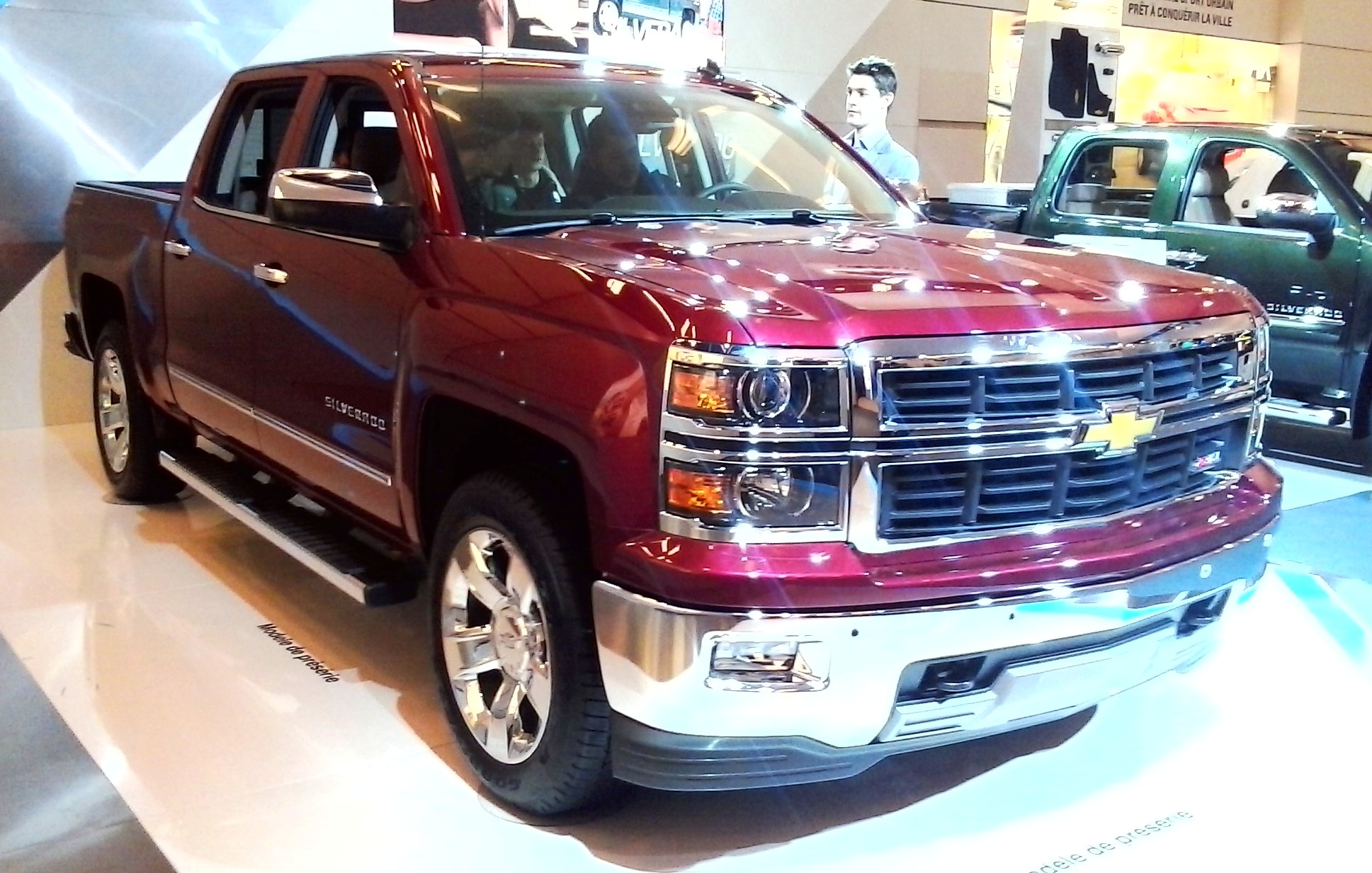
The GMC Sierra is a large truck that can carry heavy loads and is often used for work or towing. The 2025 model has new features and improvements compared to older versions.
Market supply is how many of a certain car are available to buy. If there are a lot of them, prices might be lower; if there are few, prices can go up.
The Honda Accord is a popular car that many people use for daily driving. The 2021 version has a lot of modern features that help keep you safe and comfortable while driving.
A moonroof is a special window in the roof of a car that can let in light and sometimes open up to let in air. It's a nice feature for enjoying the sunshine while driving.
The Shelby GT500 is a super-fast version of the Ford Mustang that has a really powerful engine. It's designed for people who love speed and want a thrilling ride.
The chip shortage is when there aren't enough computer chips available for cars, which makes it hard for manufacturers to build new vehicles. This has caused delays and fewer cars available to buy.
LIVE
Hey, everybody, welcome to another episode of the Cardiola Ship
Guy Industry Spotlight.
I'm your host, Sam Dark.
And coming up today, a conversation
about one of the biggest challenges facing automotive
in 2026, used-car vehicle acquisition and sale.
Learned three mistakes most dealers are making today,
focusing on the channel, not the VIN,
in acquiring and spending on used vehicles.
Plus, how to predict risk in used inventory
before it ages and becomes too late.
Joining me today, Steve Hoggall,
GM at Lake City Honda, and Sarah Copp,
director of major accounts, Lotlinks.
Thanks to Lotlinks for supporting today's content.
Let's get into it.
So Steve, tell us a little bit about yourself
in Honda of Lake City.
Well, my name's Steve Hoggall.
I am the general manager, the general leader,
as we like to call it with a Morgan Automotive Group
here at Honda of Lake City.
We are, I wouldn't say a rural store,
but we are about an hour and a half away
from Jacksonville as far as west,
and about 35, 45 minutes north of Gainesville.
So that kind of gives you where we're at
in the state of Florida.
We're kind of right where I-10 and I-95 merge,
which it is a growing population.
It's a great place to be.
We are not a high volume Honda store,
so we really are focused on used-car,
used-car acquisition and used-car sales.
You know, you are in a place
where a lot of America wants to be
in the warmer weather,
particularly as we broadcast this cold day.
I'm in the Chicago, Detroit, Michigan area
where we're sub-zero weather.
It's cold, it's warmer where you are.
When I think of Honda right now,
I'm curious, you mentioned your emphasis on used-cars.
Were you at your store at Honda Lake City
impacted by the next period, chip shortage?
Did you see-
Oh, absolutely.
I think all Honda stores were,
and that's something that we had to game plan around
with the chip shortage.
But that's something,
with car guys, you always kind of take,
what's the next thing that's gonna come in front of us?
We had a little bit of that during COVID,
so we were kind of prepared for it.
But that just keeps us focused
on our used-car acquisition
and turning those cars quickly.
We sometimes, most good Honda store
will generally sell two to one as far as used to new.
Okay.
So generally three, sometimes four to every new car
we sell here at the store.
Wow, four to one used to new.
That's incredible.
So you've really put an emphasis on used-cars.
It's interesting too, in this environment,
when we think about used-cars,
we talk often on our live show
about used-car acquisition.
So, you know, service drive, customer trade-in, auction.
We go to all those places.
What's your number one source of used-car acquisition
today, January of 2026 or February of 2026?
Well, you know, we do try to get as many off
out of the service drive as we possibly can,
but we are highly dependent on the auctions right now.
And I think that's just where our population is.
There's a lot of, you know,
we have to bring most of our customers into our market.
So we have to have the right cars,
priced at the right price to attract that buyer.
Yeah.
And you notice the interesting,
not all acquisition is equal, right?
So as a leader, as a general manager,
you probably have a used-car manager, fair.
And you lead the used-car manager in their acquisition.
Talk to us about the challenges
of used-car acquisition in 2026
and making those decisions wisely
as you're looking to acquire
and sell four-to-one used-to-new.
Well, I think that, you know,
for many years, you know, you would look at a car
and, you know, whether you're a customer
or you're a used-car manager,
you get emotional about a car.
Cars are an emotional purchase thing.
And thank God they are.
So, you know, we've really had to take the gut instinct
out of it and look at more of then by then,
almost like a stock trader
will look at a stock stock by stock.
What is it about used-car acquisition, Steve,
even in 2026 that makes a used-car manager
any leader in a team emotional, right?
Like, it's interesting.
I've been in this business over 30 years.
I got into it in the mid-90s.
I think part of the answer,
I'll answer my own question a little bit
and then you can expound is,
I think part of the answer is,
we start to think we know better than the market.
And we're a little bit tougher as humans
to catch up to reality, right?
I've been in this business for three decades.
I know what sells, Steve.
I couldn't agree with you more, Sam.
And I think it really comes down to,
we're in the car business.
We all love cars.
We all have a certain proclivity towards a certain car.
Being at a Honda a lot,
we can look at a Honda CR-V with 20,000 miles on it,
maybe a 2022 and everybody says,
oh gosh, that's gonna sell.
The minute it gets off the truck
and then 30 days later,
we're scratching our heads and why didn't this car sell?
So it's, and we've used cars,
a new car can sit here for 365 days.
It's still a new car,
but a used car, the minute we get that vehicle in,
there's a price to pay for that,
that vehicle sitting on the lot.
So we have to be very tuned into the market,
but also the risk of that then and that car
as it competes with our surrounding area.
Steve, have you ever quantified the impact
of making an emotional decision on a used car by
in terms of turn or margins or?
I would say that average used car,
if it sits here 90 days,
we know it's gonna cost us somewhere between $4,000 to $5,000.
Yeah, yeah, which is significant, particularly in,
particularly in an environment
where we're certainly seeing margins tightening,
not only on new cars, but absolutely in used cars.
And the used car, you make a great point,
it's kind of like a stock market, right?
It's tough to know what's gonna be ahead
as we sit here in late January, early February, 2026.
The big news is, is anticipation
of this big tax refund season,
used car prices have gently decreased.
Many people are saying that it's gonna come back up
and used cars are cheaper than they'll be in all 2026,
but we don't know that, right?
That's just a guess.
So what did you do to turn used car acquisition
and solve this problem of emotional buying
to more data-driven buying in used cars?
Well, I think it really started with our initiative
by Morgan Automotive Group and our COO, Tom,
who gathered us all as general managers
and used car managers into a room and said,
hey, and you could go back in the 90s
and Tom Moore has been just, I would say in the 90s,
he was probably a top five used car manager
in the United States.
And that's from doing,
well, just working out a lot with a black book,
but he's got it down to where,
there's certain things,
key elements that we have to do as Morgan Automotive
to be a leader in used cars.
And that's one thing that we've always pride ourselves.
One thing that I've been lucky to have him as a mentor
in my life and he's always been,
you have to kind of reinvent yourself every year
and you have to see technology grows.
It's no longer, hey, just throw all this money
at radio, newspaper, and even the internet.
You just can't get on cars.com and auto trader.
And we all know the third party sites
that we're talking about
and expect to be successful in the used car market.
So it was really started with an initiative by him
and then our decision to kind of partner with lot links
actually had the representative attend that meeting with me
to get us better at looking at the cars
from a very VIN based level.
It was kind of like, last year I had to go to a doctor
and I turned 50 years old and the doctor,
I had a couple of problems in my heart.
He turned to my wife, Lisa and I
and he said, you want me to tell you a diagnosis wrong
and you listen to that or you want me to be telling your wife
an autopsy result.
So I kind of look at that with used cars.
You know, are we gonna look at it from day one
of diagnosing this car of where it needs to be
or are we gonna look at it 90 days later
as dead baggage and a dead car for us?
So Steve, back up with me for just a second.
You paid high praise to the CEO of the Morgan Auto Group,
Tom, you said he's one of the best used car guys
in the business, but then you also made the comment
about you've got to reinvent yourself
because this industry changes so quickly.
And you also mentioned in the green room,
Tom's a mentor to you, like you learned a lot from him.
What have you learned from Tom about reinventing yourself?
How do you reinvent yourself as it relates
to used cars on an annual or a regular basis
to make sure you're not outdated, right?
The old way might've been gut and instinct based buying
but now it's data driven.
How do you challenge yourself in 2026
to stay current and evolve continually?
Well, one Morgan Automotive gives us
a plethora of information about our stores,
our sister stores and how they're competing
and then they allow us to be general managers
to talk amongst ourselves.
But I also think that we have the great things
like your podcast to listen to where we,
well, it's the truth.
I mean, you guys have market makers that come on,
share best practices,
and I think it's just kind of a total team effort.
You know, if there's one thing I can tell you
about our store, it being a smaller store,
used cars is not just a used car manager's job anymore.
It's a general manager's job.
It's a new car manager's job.
It sure is our service manager's job
because she's got to turn that car very quickly.
And it's our details job to get it out there
on top of that, getting it photographed on the lot.
So there's all these little key pieces
that have to be managed and watched every day.
And I think as far as reinventing ourselves,
that's something you could look at three years ago
and say, you know, that's really not something
that I'm looking at right now.
And you really have to get down at a granular level
and make sure that you're with your people
and getting that everyone has the buy-in
of getting that used car up
to what we call digitally frontline ready.
I think you're absolutely right.
Used cars needs to be a focus in 2026 like it's never been.
It's a profit center that's just waiting to be maximized.
And it is a complete team effort.
Ryan Rohrman, Rohrman Auto Group was on the show
Daily Dealer Live recently
and he said one of their big opportunities
we'll say area of opportunities.
He said Mrs. in 2025 was used cars, right?
And so you talk about capitalizing on data driven
and you went after a lot of links.
You've been using them for a year at your current store.
You came on the scene last February at Lake City Honda.
What was the state of the inventory
when you came into that location
where you said, hey, we need to be more data driven, Steve?
Well, I think, you know, we talked about buying
with emotion and I think that's kind of, you know,
I think the general leader at that time at the store
just had a different philosophy.
I'm not gonna say what's right, what's wrong.
Just had a different philosophy of his
was more a little bit more emotional
and geared towards subprime customers
which do have a subprime market here in Lake City
but we also have a lot of primary buyers
as well as we are surrounded by Jacksonville,
St. Augustine, Tallahassee, Valdosta, Georgia,
Gainesville, Florida, a lot of growing communities,
a lot of young families that are out there looking for
as you can see the prices of new cars just keep increasing.
In fact, you know, I was reading where Nissan
is no longer making their Vossa anymore.
Yeah, the cheapest car out in the market, you know,
because they're going after the luxury car buyer
where, you know, I've got two 20 year old daughters
right now and they just can't afford a 60, $70,000 SUV
so they have to turn towards the used car market
to get that.
And I think you're gonna see more and more
as we see these young people enter the market,
it's gonna be a used car driven platform that they look at.
So enter Sarah Kopp, director of major accounts
at Lotlinks.
So talk to us a little bit about the day
you first had a conversation with the Morgan Auto Group
and they came to you and said,
look, we see a need for more data driven decisions
in used car buying and less emotion.
What drove that and how did that conversation
begin all that time ago, Sarah?
Well, I think it's all about like, first of all,
Morgan Auto Group does an amazing job with discipline, right?
They have great merchandising, great pricing structures,
all of that.
And, you know, as Steve's mentioned,
like everything's done at his store level.
So just like we are, we're done at the VIN level.
And I think it's really important that, you know,
making emotional decisions on vehicles
and everything you're doing today is looking
at transactional historical data
when you're making those decisions
and acquiring those vehicles.
That a platform like ours is able to look
at that demand predictability data
and see around corners and also predicting risk from day one
and making decisions before that car becomes a problem
and ends up costing the dealership more in the long run.
All right.
So I'm a used car manager of 30 years ago
and I'm looking at being in a lane and I'm like,
all right, I know vehicle ABC,
like I really like the way this vehicle looks.
I like the way it sounds.
I like the way it feels driving down the road.
So I buy it, I put the money on it
and it takes whatever time it takes to sell.
Data-driven is different.
In January or February of 2026,
what are the top three tips utilizing technology
for used car buyers to make data-driven decisions
as opposed to the emotion in buying?
Sarah.
I mean, I think it's, you know,
every dealer wants to, they say take in every car, right?
But also it depends on what's happening
out there in the marketplace
because you can be so incredible at, you know,
days to front line ready, you know,
taking in like Steve said,
three 2022 Honda Corsa, he knows he can turn so fast,
but you never know what's gonna happen in the market.
That 2022 might become a year older
because now the 26 model came out, et cetera, right?
I think a couple of things that are important
is what's really that demand in the marketplace?
How many buyers are actually out there
that want the vehicle
that you're putting out there in the marketplace?
So you said something, VIN performance.
In a sentence or two,
what does that VIN performance mean in dealer terms?
What does it mean?
I would say predicting risk from day one, right?
You know, we have to be proactive today, not reactive.
And I think that that's an easy thing
that most operators do today
is they're reactive when a problem's become a problem.
So with VIN strategy and VIN performance,
it's always about giving that VIN an opportunity
from day one to see if it's gonna be risk
before reacting to it when it's day 30
and it's gonna cost you more money.
And so a platform that's data-driven can take that VIN,
understand it right down to every option
that's available on that vehicle.
And then you like,
how does a technology tool like a lot of links
go out and collect data
to provide that VIN specific predictability?
We've been following every VIN in the marketplace
for 10 years.
I always love to use the ways analogy, right?
If you put the closest Starbucks to you,
it's gonna take eight minutes.
And no matter what, if traffic slows down,
it might take 12 and you can't beat the clock.
So it's the intelligence behind it.
And we know everything that's happened
with every VIN in the marketplace.
And it's allowing our tools to predict risk
of what's gonna happen with that vehicle
as soon as it hits your lot.
Interesting.
So Steve, when you're used car buyers at auction,
are they running inventory through this tool
to get that predictability before they make a purchase
or is it post-purchase that the tool becomes important?
I would say a little bit of both.
I would say it's probably 70, 30, with lot links.
I mean, they make it very easy.
You can have every VIN known to mankind
run right through lot links before you make that purchase.
And it's quick, easy action.
What we look at is this a high-risk vehicle,
which we still may buy.
But the issue is that vehicle is gonna come in
and we're gonna price it aggressively.
We're gonna get our partner with lot links
involved with it.
And we're gonna get it out of here in the first 30 days
so that we don't have that profit erosion.
Whereas maybe a year or two, or maybe two years ago,
I may have said, okay, I'm gonna wait
till it hits 15 days, or I'm gonna wait till it hits 30 days.
And then I just start arbitrarily marking the car down.
Well, there's certain cars that they're going to sell
and lot links tells us that is not just about the ones
that are, hey, this car, you may have some trouble
with this one.
But they also tell us you're not gonna have any trouble
with all that with this one.
This one doesn't need anything.
Just do a great detail on it, price it correctly,
and you'll see your profit margins go up.
And with the other ones, we're gonna help you
get rid of that car or get it sold quicker,
which we wanna get every vehicle.
Like right now, if you look at our inventory,
our goal is always to have 70% of our inventory
at that 30-day or undermark.
I think we're somewhere right around 62%.
Because we know after that 30 days,
that property erosion starts.
So with lot links, I think the average used car
sells 27 days faster for us with lot links,
than me just using traditional,
and I can't believe I'm saying this,
traditional internet media.
Because the traditional way as a vehicle aged,
you would start to dump money into that aged vehicle
to try to get it to sell, right?
And the lot link strategy says
that might not be the right way to go, right?
It helps predict where to best put those instruments.
Pricing and marketing are blunt instruments, right?
And this strategy that's database says
there's better ways to spend marketing
and pricing rather than just discounting at 30 plus days.
You can do it earlier, you can do it later
based on the data.
Is that kind of what I'm understanding?
I think more precise timed,
I think I would say less noise more intent
is what I would say behind that.
Yeah.
Getting the right eyeballs on the car, right?
So everyone has channel based strategies out there, right?
That's eating up your budget
on those click candy and hot and demand cars.
But a lot of times those cars you've took in, right?
That you've got high gross in,
it just doesn't have the right eyeballs on it
and people can't buy what people can't see.
So that's where lot links also steps in
and gets the correct exposure.
Yeah, I think Sam,
we were joking about the weather,
you guys being up in Michigan and Chicago
and I'm down here in Florida.
Well, I don't care how many times
I serve you up a swimsuit today.
And how cheap it is,
you ain't bought a swimsuit for me to know.
Whereas I'm the same,
if somebody's, unless I'm going skiing next week,
somebody's trying to sell me a park,
I'm just gonna click right off that ad.
So that's where they really come in,
serve the right customer,
the right vehicle at the right time.
To a used car manager that's never heard of the,
they're kind of like, okay, I get the idea of this,
but what does it actively look like?
So there's a portal that you log into, Sarah.
Maybe you can just walk us through,
if I'm engaging with this tool
to make used car acquisition and sale more data driven,
what does your solution look like?
What are the steps I go through
to engage with the tool as a used car manager, Sarah?
So a couple of things,
like our strategists on our team
that are out in their field like work with Steve,
they're staying ahead of the curve.
They understand their inventory as well
as if not better and able to look at those predictability
and make recommendations, right?
But at the same time also,
we have tools that allow you to take a look at events,
if it been installed, if anything's happening,
like how can we help?
But then the main thing too
is the lot GPT portion that we have.
It's the bot, the only bot that speaks dealer
and it speaks Steve's dealer,
it speaks to his market, it speaks to everything.
So he can think outside the box like an operator,
ask a questions and it's gonna take it straight inside
our tool to that data asset
or that data information that he needs to factually look at
what else he can do out there to help move those cars.
Interesting.
So Steve, before a lot of links,
how did you decide which cars got the most marketing attention,
the most dollar spend in advertising?
I think we looked at it from,
I think your brand obviously,
if you're a Honda store,
you're gonna sell a certain amount
and then the market that you're in.
I mean, we are in right now,
Lake City's a heavy truck market.
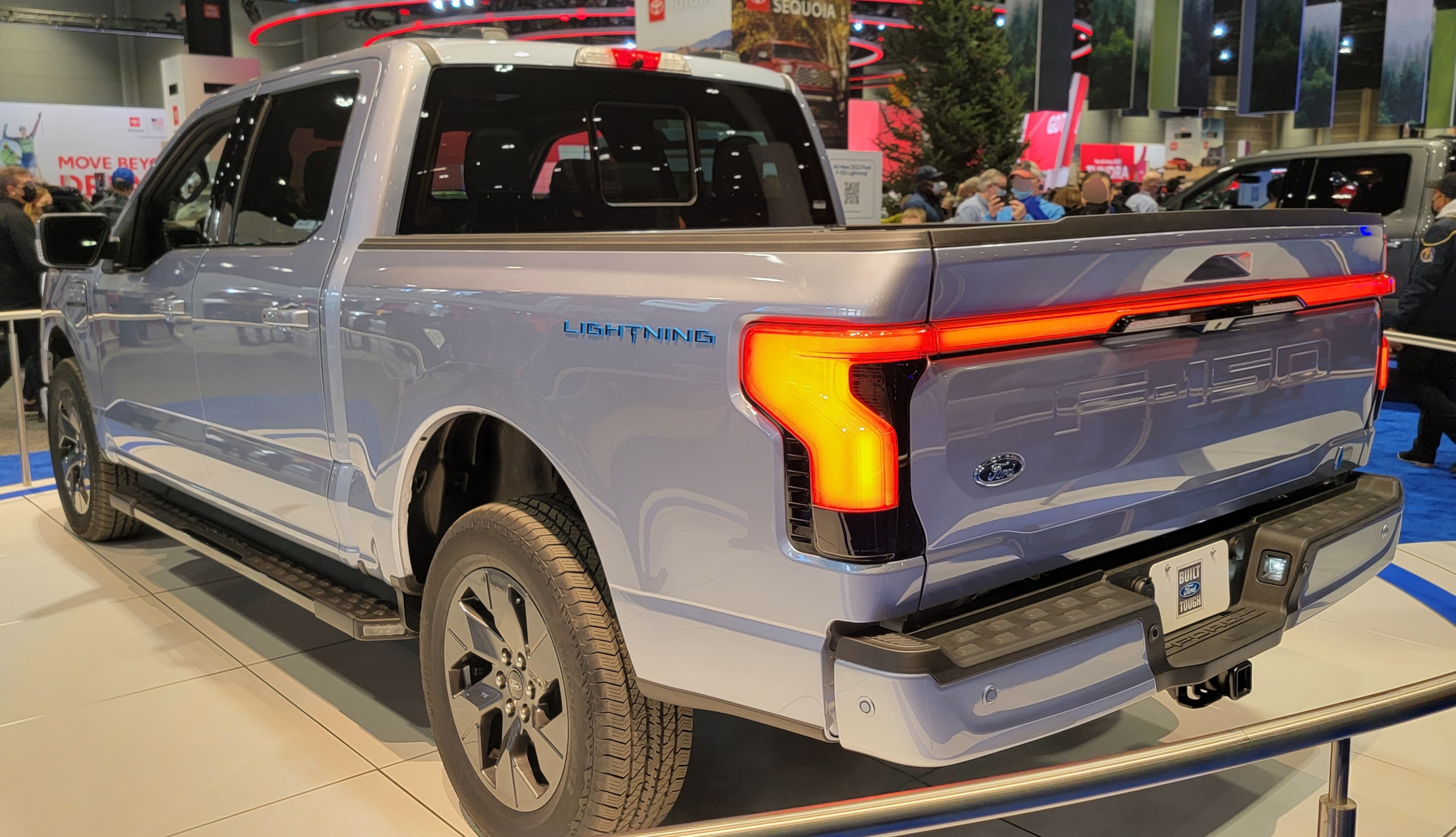
So we stock a vast majority of used trucks,
whether it be F-150, Silverados.
And going back to what Tom always said,
what sells good new generally sells good used.
But that has changed over the last couple of years,
I think.
You also have to look at the pricing structure
compared about what I would say maybe before COVID
in 2023 or right now,
let's say a 2025 SLT GMC Sierra truck
would be great merchandise, right?
Well, you also have to take in consideration
that the market supply of those cars
are high at GMC stores and the markdowns of those stores.
So that's gonna bring my,
what I think again,
where I may have in the past spent a lot of money
on that car,
I think I'm emotionally saying
that's gonna be a car that sells just like that.
You just don't know, you have to read the data.
Yeah.
And why is it like a tool like Viotto
or an inventory management tool enough
to glean that data and information?
And this is just from a personal perspective.
I think Viotto does a great job
with giving us a lot of data,
but it's you have to take that data
and scrub against other things as well.
And I think that many of us are using the same tool.
And you know, car guys,
we will, you know, if one guy's
manipulate the data too, yeah.
Exactly.
If one guy sells SLT for $15,000,
there's another guy down the street
saying I'll sell it to you for 14, eight.
So, you know, that's the only problem
that you have with,
I think a fantastic job with the things,
but as far as helping us market,
you know, I can't say that they,
I can really quantify like I can with lot links
and saying, hey, you have these vins over here
that you didn't go with us.
And you have these vins over here that you did
and look at the timeline on them
and look at your gross profit that you know,
because, you know, we just don't use lot links for,
when I first got here, we use those lot links
for what I would call problem cars, you know,
like we have a bad habit in the car business
of we don't start rowing
and still we see the waterfall over here.
And that's what we had to do at this store for a long time
until we got kind of, you know, our legs underneath us.
But now we're into, we're doing such a good job with it
and we have such a great partnership with it
that we're now able to get into those,
that data or those vins that are 30 days or younger
and they're starting to push those profitable cars
out for us very quickly.
Yeah, so in our own store,
so Zygla out of group 41 stores, four states,
27 or 100 employees, we've got one store in particular
where we were seeing a little bit of a challenge
and I reached out to a lot of links that,
hey, bring the tool in, let's see how quickly it shifts it.
And initially to your point, that was our need
or our use case for this one store was,
hey, let's fix an aged inventory problem.
And it is interesting,
because I've seen just as we've seen the tool evolve
from dealing with that aged piece
to making decisions practically on ad spend
for zero to seven day old vehicles,
like that VIN level clarity actually gives
a pretty big benefit to you when you're buying and selling.
What was the oh wow moment for you
on that VIN level clarity, the need for it, Steve?
I think when you see two cars that are exactly the same
and you see one that moves 20 some odd dates faster
versus one that just, yeah.
And I think we were talking before we went live,
I had a 21 Accord
and we knew that this was an at rest vehicle,
which if again, a Honda guy would normally say,
that's not an at rest vehicle,
I'd take a lot full of those, but it was.
And we had two of them and one had a moonroof problem.
So we were actually stealing parts off the one
that I put on lot links, the other one.
And it was crazy enough,
the one that was on lot links that was grounded,
that sold well before the other one
and we made a higher profit.
The guy came in and bought it without even driving it
and said, yeah, just take care of the parts.
I'll be back in a week.
I don't need a car right now.
How do you explain such different performance
of two similar vehicles based on VIN?
What is this VIN level?
Well, it can be a lot of factors.
So I mean, I'm not sure if it was a color situation
or whatever, but the system's smart enough
to know when to pull a vehicle into campaign
and when not to.
And kind of to touch also on the point
of like being proactive and reactive.
So with Steve's store, the same,
the store that your dealership has on,
like yes, you're right, you have to clean up a problem first
and we have to react to all of that age.
But slowly as our system evolves
with you and your dealership, we become proactive
and we start narrowing down those filters
to stay in front of those vehicles from day one
and predict risk.
So every variable happens
and in Steve's situation it could have gone down
to color and possibly price, mileage, whatever it might be
that could have been the different factor
that it was harder to sell
and without lot lengths versus that turn happening
as fast as it did for him.
Steve, who in the store owns the tool
to engage with it, to manage it, I guess,
to lead the tool to make sure
it's producing the correct results?
I would say, well, it's myself,
my general sales manager, am I used car manager?
And we go through the data on that,
if not daily, every couple of days.
We also are active doing a lot walks.
I think it's important to get out
and if you're seeing a car that's sitting there,
why is it sitting there?
Has anyone driven the car?
Is a car not starting?
Has a car got scratches on it?
Does a car smell like a goat's been living in it?
You just never know.
So that's why it's important to get in there
and I love how my general sales manager,
Morgan, puts it, we have thriller cars,
which is like a Shelby GT 500
and we got our filler cars,
which is like a Nissan Sentra with 120,000 miles.
So that's where that,
I don't wanna take any of the authority away,
I just wanna help take the emotional way.
So Steve, you're not a used car sales manager.
Your GSM is not a used car sales manager.
Like you're bringing in the team
to engage with used cars to lead that effort.
Why is it important in 2026 for it to be a team effort,
not just something the used car manager does
behind the scenes on online auctions, acquisitions?
Yeah, the guy in the dark room,
like there was a pause there.
I think because used cars like we talked about,
we never know what's going to happen with our OEM.
There's, as we found out during COVID
and it's on a deal with finding out right now,
on the chip shortage,
that came out of nowhere.
So you really have to be like Sarah was talking about,
you can't be reactive,
you gotta be proactive in this market.
And that means especially in a store our size,
we have to get everybody involved in the used car.
The day, it's not like a new car.
New car can sit here for 365 days, it's still a new car.
The day that used car hits, it starts costing us money.
So that's why we have to have our myself,
my general sales manager, my used car manager,
especially our service manager and our detail facility
all under one game plan,
knowing how critical it is to get that vehicle,
what we call digitally front line ready.
Cause if it's not up there with a price,
not up there with a picture, it's not ready for sale.
So is this an actual meeting?
Is this something, a workflow that you changed
like an actual meeting where you collaborate weekly
or is it just regular touch points?
I think-
Cause that's a lot of people bringing into the process,
right?
It is and I think we, you know,
I've always learned to manage by walking around.
I hate having scripted meetings.
I will have them, but I, you know, it kept 15 minutes.
You know, here's what we got to do.
We do have a daily sales meeting
and after that is managers, we talk,
but it's more managing by walking around
and just, you know, again, touching these cars.
Hey, let's go for a walk out on the lot
and, you know, see if we need to change things around.
How's our front, how's a lot look
from a client's perspective?
Are the cars clean?
Is a lot clean?
When somebody drives up on our lot,
is it easy to do business with us?
Yeah.
Yeah.
So I would say it's not really so much,
hey, 10 o'clock on Tuesdays,
we're going to talk about used cars.
It's every single day.
It's in our book.
Cause we're so dependent on it.
So thinking about these two accords,
aged differently,
how did your ad shifts spend on those change
on those accords that created less waste,
more precision than just better timing?
I think it's, you know, and again,
you know, with our partnership with Lotlinks,
you know, we have our ad agency
that gets involved with them.
You know, it's a total team effort.
And, you know, I can tell you that
if we do are having any problems
or if we have any extra money in the ad budget,
which we try to always spend a little bit less,
but, you know, we will,
it's a known fact.
We will throw that money at Lotlinks
What's your ad budget in a store your size?
If you don't mind my asking.
You can say it's off limits,
but I'd love to know if you care.
It varies somewhere right around that $70,000 mark.
And what percent of that budget would you throw
towards Lotlinks and say, hey, you know what,
allow your AI tool to help us direct
VIN-specific ad spend towards those?
So here's the funny thing, if they were up to me,
I'd give them a hundred percent of money.
Yes.
Okay, but they've actually slowed me down on that.
Why?
We need the full strategy out there.
You need your high funnel, your mid funnel,
your low funnel inventory targeting,
because we need to watch the shopper become a buyer.
And, you know, Steve, you spend the right amount.
You do VIN boosts with us
and we're really able to take action ahead of time
and be successful for your used cars.
And I think that's really what it's about.
It's about partnering and letting the machine
show you the risk and taking a percentage
of that inventory and allowing us to do what we do.
And keep him ahead of the game
and become more profitable.
Yeah, so actually at the store
that we do business with you on,
again, this is a brand new store.
Like I think we've only been on 60, 90 days.
We've got the full package where we're actually able to,
you place ad spend for us at cost.
It just kind of flows through
and then the tool just does the spend on the VIN level
and puts it out there.
But it's astounding to me how quickly those vehicles sell
once the AI tool kind of takes over,
places the spend, puts it out there and gets the customer in.
Cause we all know the number of lot visits is way down.
It's not about getting the customer interested now.
It's about just getting them on the lot.
Once they're on the lot, they'll buy.
Well, and we're touching a different customer, right?
We're touching the buyer that's identified
exactly what they want.
And that's how you get that to turn faster
cause you're putting the eyeballs
on the customer that wants your exact car
wherever they are the most, right?
We're not channel based marketing.
We're channel agnostic.
So we're finding the customer
where they are most driving them back
to the VDP on your website.
And, you know, I always say,
we're finding the now customer, not the when shopper.
What are the data points, Sarah,
that your tool combines to figure that out, I guess?
A whole lot.
We have several-
Is it proprietary?
Several integrations with many publishing companies
and it's constantly following everything
and feeding back.
The machines are retraining themselves every day.
Tons of algorithms involved.
And I would say, you know, over a decade
of 13, 14 years of data,
and that's really where it stands aside.
It's machine learning, right?
That has perfected something that
where Steve said in the beginning,
taking the emotion out, let the machines
trust the data, trust the machines.
Let us put our eyeballs on that car from day one
and let you know what that's gonna be a risk or not
and stay ahead of it.
So to that point, Sarah,
and something we learned in our own group,
what's the most common mistake dealers
make when it installs?
What do they do that actually makes it worse?
Not better and called Hannah, Steve and me.
Yeah, yeah.
Mark it down.
Right, because if it ages,
it's gotta be a cost issue, it can't be.
But you're saying, Sarah, what's the real issue?
What's the real solution?
It's an exposure issue, right?
You know, I mean, you know, you're out there,
you need to get in front
of the people that actually want that vehicle
and that's the thing, like channels,
like the risk doesn't live in channels.
The risk actually lives inside the VIN
and that's where we're able to-
Wait, wait, the risk doesn't exist in channels.
The risk exists in the VIN.
Tell us what you mean by that.
Well, I mean, every VIN is treated differently, right?
Where when you're out there doing channel-based marketing,
right, you have a strategy with an audience
and you hope they come back to you.
With us, we're taking the actual VIN to the buyer
wherever they are most.
So that's how it's more precision targeting
and marketing than it is your traditional,
you know, mid to high funnel strategy you have.
Which was shocking to speaking to high funnel
because what we were doing prior to utilizing the tool
and again, it's in our infancy in our one store
but we were putting 80% of the marketing dollars
towards what we assumed to be the highest demand vehicles
and just shotgunning it across all channels.
And that's not a great strategy
because those customers weren't necessarily looking
for that high demand vehicle.
It was the unique vehicle that if marketed
in the correct channel would quickly sell, Steve, right?
That's part of the game in use car acquisition and sales.
Absolutely.
And I think you also made a great point, Sam, in saying,
and we call it our money ball metric here at the store
is how many appointments can we make
that come through the door?
That is our, that's the metric that we look at.
Yes, the one metric that we constantly look at is,
okay, we have 400 leads,
how many of those leads made an appointment
and how many leads of those came through the door.
And the more we can get through the door,
we know we have the guys that can help close down that deal
and we've got the people on the right car.
And again, getting back to Sarah's point,
that is serving up that car to the right customer.
Yeah.
And today the challenge is getting that customer
through the door.
And if we serve the right then to the right customer
in the right moment based on their need,
not what we think is most popular,
that's the money ball, right?
Yeah, it allows the customer to,
because all salespeople have felt,
oh, I've got this great lead and then all of a sudden,
hey, I got ghosted from the guy
or the guy had never picked up the phone.
Well, that's because it wasn't the right then
to the right guy or the right family.
And that's where our partnership
has helped us out immensely.
Because as we have gotten down from those vehicles
that we would, like I said,
the 60 and 90 day old vehicles down
to more of these 45, 30 day old vehicles,
you got your hands raised, hey, I want this.
Hey, this was the car for me.
And it's a very easy transaction.
Sarah, in 2026, channels don't sell cars.
Vins do is your proposition.
I mean, I think it's just all about like
going back to everything we've talked about here.
I've come in from the retail side as well
where Steve and you have been too,
it's we make gut decisions.
We know, we think we know, right?
We need to put our minds
and allow us to let the data tell us.
And it's really allowing it from day one.
Take your cars and do all the things you do great,
but let the system predicts what's gonna happen
and spend your dollars wisely.
And that's one thing Lottling's does.
We'll never overspend or never underspend.
We're only gonna be able to help you
where you need to be helped
and you have fiscal control at the end level.
So Steve, you've got a team of expert leaders
in your organization, a veteran use car manager,
a veteran GSM, people who have experience
and a passion for this automotive industry.
How do you as a leader in your GM role
coach your teams to trust this VIN level decisioning
without feeling like they've lost control?
Because in some cases, they're actually ignoring their gut.
In some cases, they're having to say,
hey, I'm gonna trust the system,
which in automotive, passion equals execution
and it's based on experience.
And oftentimes the biggest challenges
we think we know better.
And shutting that down is a challenge.
How do you coach your teams to trust it?
First of all, we all have egos in the car business.
There'll be a car guy without a ego and he's not a car guy.
So I think it's really when you going over the data
with them, which they give us great feedback.
Once a month, I meet with my rep, Alicia,
and she brings in a deck for my guys to see
and make sure they get copies of that.
And it's just, I take the computer out of it.
Hey, here it is on black and white.
And I think over the year of 2025 has been ready.
We kind of made it as kind of gamified it as,
hey, we're getting ready for 2026 with this team.
And they saw this as we progressed through the year,
the cars are turning faster
and we're making more profit from them.
Yeah, okay, so just a couple of rapid fire questions
as we wrap up today.
What's the best daily question a manager
can ask slot GPT plus in a 10 minute inventory standup
or recap of inventory?
I would say which vehicles of mine
are most at risk to sit there.
Yeah, and then take action on that, right?
Absolutely.
And then how do you make sure that the guidance
that a system like this gives equates to action,
it just doesn't become another dashboard nobody opens?
We have so many disparate systems in automotive,
like it's easy to ignore.
It's not about knowing, it's about executing,
it's about doing, right?
Yeah, I think that's really,
it's when the guys see the benefit to them,
we're car guys are coin operated.
And when they see that the benefit of lot links
and lot GPT putting gross profit on the books,
they're gonna use it and that's the real,
that gives me the buy-in.
You have to get the buy-in.
Yeah, I think you have to have an active rep
which we are very blessed to have.
And you have to have a rep that's knowledgeable
about the product.
There's a lot of companies that bring in reps
that they don't understand anything about the car business,
they don't understand anything about
what, quite frankly, what they're selling.
And we have a rep that I could tell you every single,
for the next six months,
I could tell you what day she's gonna be here every month.
And she comes with the same information, good or bad.
And we have weekly calls on,
hey, sometimes she'll call me nine or 10 o'clock
or I'll get a text, hey, here's what I'm looking at.
We may need to go in this direction
for the end of the month.
And that's a partnership.
That lets me know that they have my back.
So Steve, in 2026, AI is one of the biggest buzzwords
in the industry.
In fact, at NEDA, it led many conversations
for the entire week.
What do you tell a GM who says,
hey, Vinlevel marketing is just another AI buzzword.
It's not something that's gonna equate to results.
And again, I think he, that person's not taking
the emotion out of it.
I would say try this.
Try it for 90 days.
That again, goes back to what we talk about,
evolving yourself, simplify it.
Take 50 cars, 25 go with a lot of links, 25 don't.
And do a blind test on it.
And I think what you'll find is you'll be very happy
with the results.
Just like you stated with a brand new store.
I mean, that's one of the hardest things to do
is take over a brand new store and get it off the ground.
And you can see the difference.
So yeah, AI is that buzzword.
I think AI is now taking place more of like millennials.
And if you don't understand how AI is gonna effect
your business, you better start understanding it
because it's here to stay.
And you've got to get ahead of that curve.
In fact, one of my favorite quotes from a prior episode
is, hey, there are dealers who actually out of business,
they just don't realize it yet
because they fail to implement and adopt
some of the best practices.
Sarah, what's the simplest first step for a dealer
that wants that VIN level clarity
without killing their business,
without upending everything,
without boiling the ocean?
What's a good first step as we wrap up today, Sarah?
I think it's allowing our machines to analyze
your inventory and predict the risk, right?
Every dealership has a different problem, right?
But we wanna do one thing,
and that's help turn cars faster.
And finding the right strategy for your dealership
is really what it's all about.
And that's this is that,
that's where like Steve's saying his Repelisha,
she comes in and she's constantly strategizing with him
on how to make him better,
reach the goals that he needs to reach
and help him see around corners.
So I would say the first step is let us analyze your risk
and let us make suggestions,
because a lot of links can do one thing
and that's educate also.
And in today's time, I think that learning
is always gonna make us smarter
and stay ahead of the curve like Steve is.
Yeah, well, Sarah, Steve,
thank you so much for being on the Cardiola Ship Guy
Industry Spotlight Podcast.
Appreciate the insight, Steve,
for the things you're doing at your dealership
to buy and sell used inventory more effectively
in this crazy competitive market, 2026.
Thanks for being on the show.
No, it was my pleasure.
You guys do a great job.
So I was very excited to do this with Sarah.
So it was, it was my honor.
Thank you.
Thank you, everyone.
About this episode
A deep dive into the evolving landscape of used car sales, highlighting the importance of data-driven strategies over emotional decision-making. Sam Dark hosts Steve Hoggall from Lake City Honda and Sarah Copp from Lotlinks, discussing the challenges of used car acquisition in 2026, particularly in light of the chip shortage and market fluctuations. The conversation reveals key insights on how to effectively manage inventory risks, optimize acquisition channels, and the necessity for a collaborative approach within dealership teams to enhance used car profitability.
Today, Sam sits down with Steve Hoggle, General Manager at Honda of Lake City and Sarah Copp, Director of Major Accounts at Lotlinx to pull back the curtain on the "Moneyball" strategy of modern automotive retail.
While many dealers are still relying on gut instinct and "emotional buying" at auction, the nation’s top-performing groups—including the $11 billion Morgan Auto Group—have shifted to a predictive, VIN-specific model.
We explore how Honda of Lake City achieved a staggering 4:1 used-to-new sales ratio and why the traditional "channel-first" marketing approach is often a recipe for wasted spend and aged inventory.
Learn how to identify "at-risk" vehicles the moment they hit your lot and discover the AI-driven tools that allow managers to see around corners before a car becomes a liability.
This episode of the Car Dealership Guy Podcast is brought to you by Lotlinx.
Lotlinx - What if ChatGPT actually spoke dealer? Meet LotGPT — the first AI chatbot built just for car dealers. Fluent in your market, your dealership, and your inventory, LotGPT delivers instant insights to help you merchandise smarter, move inventory faster, and maximize profit. It pulls from your live inventory, CRM, and Google Analytics to give VIN-specific recommendations, helping dealers price vehicles accurately, spot wasted spend, and uncover the hottest opportunities — all in seconds. LotGPT is free for dealers, but invite-only. Join the waitlist now @ https://lotlinx.com/LotGPT/
Check out Car Dealership Guy’s stuff:
For dealers:
CDG Circles ➤ https://cdgcircles.com/
Industry job board ➤ http://jobs.dealershipguy.com
Dealership recruiting ➤ http://www.cdgrecruiting.com
Fix your dealership’s social media ➤ http://www.trynomad.co
Request to be a podcast guest ➤ http://www.cdgguest.com
For industry vendors:
Advertise with Car Dealership Guy ➤ http://www.cdgpartner.com
Industry job board ➤ http://jobs.dealershipguy.com
Request to be a podcast guest ➤ http://www.cdgguest.com
Topics:
01:41 What are the used car buying challenges?
03:28 How to make data-driven decisions?
07:33 How does LotLinx help dealerships?
24:08 How are inventory strategies changing?
24:37 Why is VIN-level detail important?
26:41 How does a team manage used cars?
30:10 How does AI optimize ad spending?
37:15 What is AI's future in dealerships?
Car Dealership Guy Socials:
X ➤ x.com/GuyDealership
Instagram ➤ instagram.com/cardealershipguy/
TikTok ➤ tiktok.com/@guydealership
LinkedIn ➤ linkedin.com/company/cardealershipguy
Threads ➤ threads.net/@cardealershipguy
Facebook ➤ facebook.com/profile.php?id=100077402857683
Everything else ➤ dealershipguy.com