Street racing is when people race their cars on regular streets instead of on a racetrack. It's illegal and can be very dangerous for everyone involved.
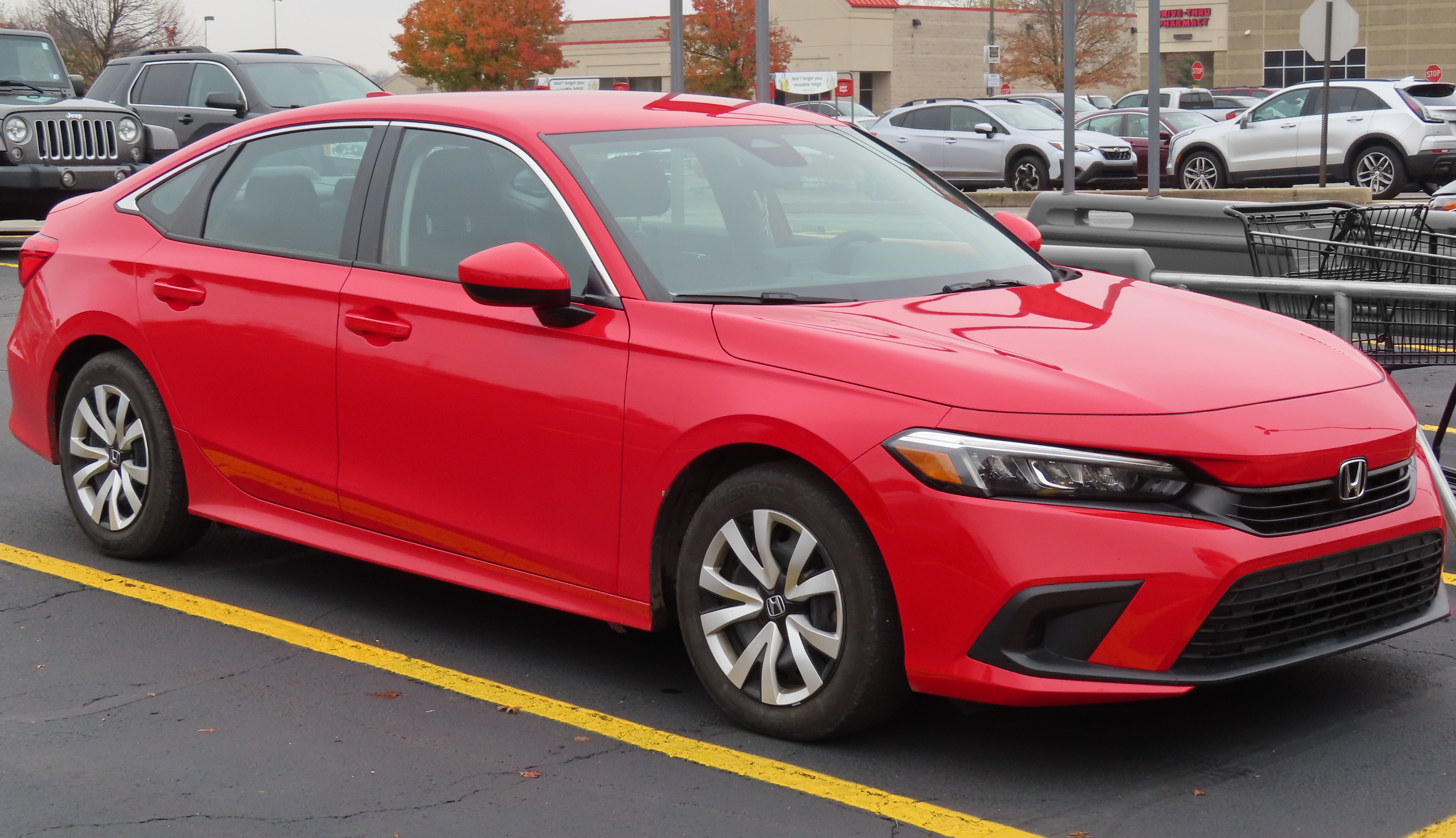
The Honda Civic is a small car that many people drive because it's dependable and gets good gas mileage. It's been around for a long time and is popular for everyday use.
Ball bearings are tiny round pieces that help parts move smoothly without rubbing against each other. They are used in many places in a car to make things work better.
A boost controller helps manage how much power a turbocharger adds to an engine. It lets you adjust the pressure to make the car go faster or save fuel.
Spooling up is when a turbocharger starts working and helps the engine produce more power. If it takes a long time to do this, the car won't accelerate quickly.
Lag is the wait you feel when you press the gas pedal, and the car doesn't speed up right away. This happens when the turbocharger takes time to start working.
DSM refers to a group of cars made by Mitsubishi and Chrysler, known for being sporty and fun to modify. They include models like the Mitsubishi Eclipse and Eagle Talon.
'Stock location' means where parts were originally placed in the car by the manufacturer. Keeping things in the stock location makes it easier to install new parts without major changes.
All-wheel drive means that power from the engine goes to all four wheels of the car. This helps the car grip the road better, especially in rain or snow.
Force Performance makes parts that help cars go faster, especially turbochargers, which boost engine power. They're popular among car enthusiasts who want to upgrade their vehicles.
The GT35 is a type of turbocharger that helps engines produce more power by forcing more air into the engine. This is common in modified cars for better performance.
The Subaru WRX is a sporty car that is great for driving fast and handling well in different conditions. It's popular among car enthusiasts and has a history in racing.
Car
Subaru STI
The Subaru STI is a more powerful and sporty version of the WRX, designed for people who want a faster and more exciting car. It's known for its great performance.
The Subaru Impreza RS is a sportier version of the regular Impreza, with better features and performance. It's a good choice for those who want something a bit faster without going all the way to the WRX.
The Toyota MR2 Turbo is a small sports car with the engine in the middle, which helps it handle really well. The turbo version is faster and more powerful, making it fun to drive.
B-Series engines are a type of engine made by Honda that many car enthusiasts like to modify to make their cars faster.
LIVE
So tell me how shutting down streets in the 90s and 2000s to have a drag race is any different
than the street takeovers that we're having now where they're shutting down.
And you're still in there?
Well, I just want to know, I mean, I've seen Fast and Furious and it's got to be the exact
same thing, right?
Not even close.
I think the biggest difference between street takeover stuff and what maybe happened in
the late 90s and early 2000s has everything to do with the fact that we were trying to
not be seen and they are trying to be all over social media inexposed.
It's almost like they're in a position where they're saying, hey, look, we're going to shut
down this area.
We're going to do whatever hood stuff we want to do.
And there's nothing you can do about it.
And we just wanted to be able to run our cars, right?
We just wanted to be able to show, look, for us, it was, I think it was, I think if I'm
going to get a little psychology, like, I believe that there was a lot of like status there,
right?
You know, the people that were the fastest on the street or fastest in your area, they
had a lot of street cred.
They had a lot of points, right?
So was this like the Oklahoma city, you know, you had the guy at the top that was the fastest
and then you had people under them?
Like, how did that come?
I don't want to overinflate it and I also don't want to make it seem like we wrote down
and kept a list, right?
Like, every night was its own adventure, right?
Yeah, true.
Or every outing was its own adventures.
And usually, like, I think some nights were very much like a street fight.
And what I mean by that is like, oh no, I can't say that if we're talking about takeovers
because that actually happened.
Let me rephrase that.
I think some nights were more like a boxing night, OK?
And what I mean by that is like there was, you know, a few races that were the big dollar
races where they actually were going for money and there was a big pot put together and there
were people, you know, betting on these races and like they was the people that they've
been, you know, for a few weeks, you've been heard in the crap talking going back and forth
and it was this guy versus this guy, he's going to bring a car and then they're going
to, you know, argue for an hour and a half in front of everybody.
I'm for half a car life.
And I guess what I'm trying to say is like, so what does it look like then, right?
So for an hour and a half when you had some of these types of races, there would just
be people talking, sitting on their cars, hanging out, streets would be lined with people,
BSing, do whatever, and these dudes straight up would be standing near the starting line
just yelling at each other and their crews would be there and they'd be like, nah, like
that's BS, like you can't do it like that, got to do it like this, OK?
So there was definitely nights where you had the, quote, unquote, the main events, people
went there for sometimes before and sometimes after there'd be some cars that would click
off some runs and stuff like that to go against each other, some more grudge match stuff.
Sometimes it was camaraderie stuff, like just like you can run your stuff, you run your
boy, whatever it was.
So there's a level of that.
But I think that the big difference is, is that as mess, and I'm not saying everybody
and I'm not saying every situation, right?
Because I can only speak for Queens, New York, Lower New York, Long Island, that whole thing.
I don't want to get into saying like, I know a lot about the West Coast, you know, drag
racing scene.
You know, I don't want to get into saying like, oh, I know how, you know, Oklahoma does
their thing with the street outlaws.
Like it's not my scene, I can't tell you.
And I also wasn't one of the fastest ones out there.
So it's a different appearance, right?
Like I wasn't always, I had areas where things would, I would run and be involved in things.
Allegedly.
Allegedly.
But, you know, in Mexico.
But what I mean is, it wasn't like it was always that.
Because I spent more, I think, like I'm saying, I probably have drag raced way more in a track
setting, right?
But I also was one of those guys that was, I worked so hard to put money into my car
and barter and figure out all the ways to get this car to be fast.
That it was everything to me.
And so it was the Eclipse?
At the time, this was my 2G Eclipse, right?
So I felt a lot of risk and, you know, to basically pivot and be like, I'm going to
take this thing and risk getting it impounded, right?
So a lot of times I would go with other friends.
I mean, there was a few times that particularly something was set up where I was like, you
know, whatever, and the car would find its way to certain places, right?
But with that said, I think really from an abstract point, most of the things that I'd
witnessed, they were in industrial areas and people would do it at night, you know, because
there was nobody in an industrial area and they would do their best to, you know, especially
with all the next house.
I mean, next house were a huge thing for this, right?
Well, all you'd hear is, where are you at?
Where are you at?
I'll get you a friend, talk to the guy down the street.
You'd be able to, you know, like a lot of these, you know, events they wouldn't even
do.
It's not that there wasn't certain spots that were hotter than others.
It's just that you wouldn't know what time it was going to, where it was going to be,
how it was going to be, and that was all, you know, by design.
Like it wouldn't happen until people were ready to run or until, you know, somebody
had put a time on it so that it was always a guessing game kind of thing for certain
other people that might be running the area.
Now, obviously this is to cut down, you know, in the industrial area, you cut down on law
enforcement.
Was there ever a time where...
But mostly it was to get away from the public.
Okay.
Was there ever a time, though, where that kind of led to a bad situation where the police
came in and shut it down?
Did you ever have one of those instances?
Oh, yeah.
Do you have any that you could share?
I was like, I don't want to know the way you laugh about it.
I would want to know that story.
There's got to be a statute of limitations on things, right?
Like, I'm sure you're okay, but they're not watching.
They're not watching.
Let me start out by saying that I think that it's a super dangerous thing, right?
And like, I think we all can look back and make, you know, kind of...
We can look back and we can think about things that maybe we had different perspective on
as we get a little bit older.
Look, it's not something that I would condone.
It's not something that we condone.
Like, street racing is not something that should happen any longer.
And I think it's really difficult because I think so many tracks have closed that it
really leaves a lot of enthusiasts and people almost without any need to flex and kind of
exercise this thing that they want to do so badly.
So I think that puts some people at a disadvantage.
But what I will say is there were some times that, especially as it got later into this
whole drag racing thing, I think the Fast and Furious for me, and I think for a lot
of other people as much as it was a great movie and it was for us, it was the first
time I can ever really remember feeling like those dudes are us.
And I don't mean us like as in like, we felt like them.
I just mean like they were, it was the first time I think I remember really watching a
movie and being like that culture that's on that screen is, it's supposed to be for us.
I remember coming out of the movie theater with my friend at the time.
It was like these are my people.
This is what I want to do.
This is the people I want to surround myself like this was the culture.
The worst thing about going to see a Fast and Furious movie was the 15 year old in the
movie theater because that was me.
No, was trying to leave the movie theater because it has to be the equivalent of like
going into Brooklyn and having everybody go watch Rocky.
They come out and they're kicking each other's ass.
Everyone's doing burnouts.
Everyone's regretting the park and lots of people.
I mean, I just, it was chaos, but it was the first time.
But the Fast and Furious to me came with a little bit of a double edged sword because
for the people that had already had this, you know, street racing culture that was going
on for a while, when that movie came out, it was like just flip the lights on and basically
say, you know, like all these people that all of a sudden didn't have Fast and Furious,
they all wanted to do the same thing.
It almost put a glamour to it and it muddied the waters to the point where it really caused
crackdowns to happen hard and fast.
And so I can remember was a Fast and Furious.
That's not funny.
I got roped into that one.
But I, but, but look, you know, like I remember being in an industrial area and, you know,
all of a sudden, you know, we see this tractor trailer pulling across.
Now, the reason this was odd was because the one thing about this group, besides being
all the, trying to get as far away from the public as possible was, because it was about
the racing, it wasn't about hood stuff, right?
It wasn't about, it wasn't about trying to cause any issues or, nobody wanted that, right?
But what ended up happening was like we, people were pretty good about going down streets,
any side streets that would be anywhere close, parking a car across it.
Now, there was no traffic.
There was nobody there.
Okay.
Industrial areas are known for people that go to work during work time, but there's no
other, you know, through traffic or at all otherwise.
Pretty quiet place on a Saturday night.
Dead.
Dead, right?
That probably changes nowadays with Amazon mentalities.
I think that people are shipping, but like, but like back then there was nothing.
We did well.
I like that, right?
So, so basically what ends up happening is, you know, a lot of these things were straight
off in the end with the next tells everybody knew, right?
There's going to be a car coming, like it was, it was, you know, for not really being
planned, it was pretty planned.
It was well organized.
Yeah, it kind of was, right?
And I think it was just a repeat thing of like, nobody ever wanted anything to happen.
Because then we were always worried not only about what would happen and what could happen,
but also the idea of like, well, if one thing does happen, we're never going to be able to
do this again.
Yeah, exactly.
Nobody wanted it to happen.
So, anyhow, so bottom line is all of a sudden we see a tractor trailer coming and the weird
thing for us was like, that's weird.
Like that street shouldn't even be open.
Right?
So then you hear all the people trying to keep everything down.
And all of a sudden there's, you look behind us and there's another tractor trailer coming
in from behind us.
And it kind of does one of these wide sweeping turns across the lane.
Like it's going to go then and back up, but it doesn't.
And then the next house just go, I remember the rain just started going nuts.
People start fleeing everywhere.
The cars, you know, like a tarant over things.
And now you can't go out that way.
You can't go back.
And now, you know, most industrial areas don't have like a lot of streets in between.
So like people are trying to, you know, take two and a half inch from the ground cars and go
through things like woods and over curbs.
And, you know, I see, you see people in the back.
They're looking for used pallets to stack.
These is a ramp.
I mean, like we're just, I mean, it was, it was chaos, chaos.
I mean, I remember this dude with a civic and he like tried to get away by going through the woods
and he's like going through the woods, but then the trees got too close and he had to
like leave the civic and then they just started running and you're like,
where are they going?
That was you tell us in the comments.
We want to hear.
If you were to do this, but, but, but ultimately what happens is the cops close that thing off
with two tractors came in where everybody's back to your tickets.
You know, if you had your car there, they wrote every single thing on your car.
You had a dozen tickets.
You got wrecked.
You know, if they caught anybody that was running or if the car was running or if you
were sitting, you know, reckless endangerment, they towed cars out, you know, anybody that,
I mean, obviously they would go through if anybody warrants or different things.
And I'm sure that that's why there was more than a few people that were running and ditching
or whatever they were going to do.
But, you know, bottom line is, you know, those, those things started happening more
frequently and obviously it did get very, very, very closed down.
And, you know, look, I mean, there was different nights.
Like I said, you know, there was, there was the boxing nights, right?
Where you would basically know that there was a few high end events, a few high end races
that people have been, you know, s talking about for, for a bunch of time.
And then all of a sudden it was like, all right, these dudes are finally going to go at it.
So they get there and then they would argue for, for, you know, an hour and a half while
we're all standing there waiting for them, you know, and then they run and then there
would be all the reasons that the other one didn't win and they'd have to run, you know,
there was that.
And you have a few, those matches, maybe a couple of races would click off in between
just from people talking or whatever it is.
But for the most part, you know, then you had other nights where people would just be running
and running and running and running.
And, you know, I really think, you know, that period taught me just so much about cars.
Like you, you learned what made cars fast, what didn't make cars fast.
You, you watch cars that had a lot of money in them, not be fast.
And you realize that the cars, you know, like some of these dudes from Trinidad and like
the guys that were in the, in the, in the, in Brooklyn and stuff like that, these guys,
their cars look like crap.
And I don't mean exterior wise, they looked okay.
I guess exterior was, but like you would look at the engine bay and it was like,
you were like, what is this stuff?
Couldn't even tell.
I mean, remember back, this is back in the day where like you're building boost controllers
with brass fittings and springs and ball bearings and, you know,
Making your first click type boost controller out of
Whatever parts you got, you got hoses and you know, whatever.
But like these dudes would bring cars that you would be like,
what is this piece of crap?
And the thing was stupid fast.
It really, really taught you something that there was a, there was a craft.
Of course, there's a craft to building really clean cars.
And then there's this other skill set.
It's about knowing what parts will make a car fast and getting it tuned and dialed in.
Because you didn't need a million horsepower to do some of these things.
You needed, you know, cars to get light.
You needed to have a really well balanced car.
You had a turbo that was in the right efficiency range.
Don't put something on the car.
It's not going to spool up to 6,000 RPM because the truth is by 6,000 RPM,
you don't have enough gear, you know, it just
Those turbos spooled very slow back then.
I don't think people realize that don't want to do ball bearing.
Those things took forever to spool up on a good day.
So lag was a real, you know, problem for a lot of the smaller engines,
especially, I mean, coming from DSMs, I'm sure you can attest to it.
You go with the inefficient turbo and that the thing's a slouch.
You're not even going anyway.
Yeah, I mean, like, again, the journal bearing stuff was a little bit slower to school.
I mean, like, I remember, like, you know, when the first time I started to get, you know, like,
look, I went from, I remember, even the DSM, I remember, you know, it was like,
all right, you know, I went to a 16G, a big 16G, then it was an EVO 16G, then
was it an EVO 16G?
Big 16G, there was another 16G that I had.
Then I remember one of my friends had taken off his 18G and I ran that.
Didn't really feel like there was much difference there.
I remember the first time that I actually bought a 20G.
I put a 20G in my car and that's when I was like, oh boy.
Like, that's what, that, I remember going 12-2 with that.
And that, that was the first time I remember thinking like, wow, you know,
we're doing something here.
But when I made the jump from, I went from a 20G to a 60-1.
Okay.
And when I made that jump up to a 60-1, that legitimately was a big turbo.
Now, is that a front?
The inlet was like this big.
That's a front mount.
That's a, they turned that one right here.
No, we did a stock location.
We did a stock location.
Okay.
And, and I remember thinking like, oh my God.
And that was a journal bearing turbo.
But, you know, I really was able to get some good power to that.
My car made 500 all-wheel on that turbo, which back then was a fair amount of power.
Yeah.
And I remember thinking like, whew, like this is, we're really starting to play with some things.
Because when you see the size of the inlet and the inlets, you know, almost, you know,
four inches, you know, it's a four-inch inlet, like that's a big wheel.
Yeah.
Right.
And then from there, I really started to get into the force performance stuff.
Right.
Like, I remember speaking, you know, I doubt he knows me anymore,
but like Robert from force performance, I remember I bought,
I think I had a 3065, which was one of their first ball bearing,
I don't want to say first, but it was one of their
bigger ball bearing stock frame saw kind of thing turbos.
And that was amazing.
And then they ended up coming out with a turbo, if I remember correctly, there's a 3575.
And that, that was lightning.
That like, that turbo was like, it's spooled up fairly quick for what it was.
Like, I would think I was, you know, fully all in by about 4500 RPM, which was amazing,
especially since like, you know, we were dual valve spring, like we did build those motors.
So like, you know, we were revving to 9,500, you know, 9,000, 9,500.
I think first gear, I would do, first gear after I launched, I would go to 9,500,
because if I didn't let it sit up there for a few, for just a hair, when I went to second,
like I would, I didn't have enough wheel speed and I would bog.
So then, so then after that, where I was shifting like 92, 92, 92.
But man, it was, it was one of those things where like,
you were just starting to get to the point where these turbos were getting, you know,
and I remember when I sold my car, I think the car may, I think it's hard.
Now I have like a skewed memory a little bit, but like, I believe the car was making just south
of 700 horsepower all wheel, depending on which dyno you went to.
But like, I mean, for the most part, I think 675 all wheel was the last dyno dynamics
dyno that I had used before I had sold the car.
And I remember we did some stuff after that and I knew the car was faster,
but I didn't know how much faster.
But man, I mean, like, I think, and that was, and that was it, you know, in between,
there was the, you started to see the ball bearing, you know, GT35s and GT35Rs and stuff
like that. And, and the culture, I mean, like, you know, it was pretty crazy.
I mean, this is the time where, you know, you had cars that we just saw the first WRX,
you know, the, the, for the US, like we were just seeing, you know, back then,
you wanted an STI, the only thing that you had was, was the dudes that were taking the
RSs and doing the STI swaps with them.
On the GCs.
Yeah. Okay.
So, so, you know, I mean, the cars that were out there running were, were, you know, a lot,
it was DSMs, you know, you started to see some MR2s, like, especially the MR2 turbos,
you just started to see, you know, the MRS, you know, those were slow, but there was a couple,
couple people, one that actually ended up turning into a shop. I don't want to name names,
but, but, but he had a really well-built, fast, you know, MRS. The thing was, you know, turbo,
you know, really good. And, you know, and, and you would see, you know, a lot of CIVX, a lot of
CRXs. Most of those were, were B-Series. Most of the fast ones were B-Series turbo.
Those were hit or miss just because they, a lot of those guys weren't at the time,
B-Series was pretty prevalent. They weren't really building engines. So, you had a fair amount of
engine fatalities. Like those things would just, when it was time for them to go,
they left the chat. I mean, even as I got older, I went to Honda Day one year and I would say every
other pass, the car was blowing up on the track. They run them at such a high level at that point
that it's a ticking time bomb in a lot of cases, sadly. Yeah. Well, and I also think,
you know, the, the, the people were bolting a lot of parts on and just giving it the most
amount of abuse you possibly gave it. But, you know, we, this is the first thing, you know,
a couple of years later, we started to see the EVOs come out, but they're pretty expensive. So,
when you saw it do show up with an EVO, it wasn't probably till like 2006, 2007, 2008 that you really
started to see those people put a lot of money and then them find their way to that same scene,
right? Gotcha. But man, you know, it was, it was an interesting time. I mean, learned a lot,
right? Learned how to keep my mouth shut when I couldn't back it up. Learned not to,
you know, overstate certain things. Learned not to feel that I can just run my mouth and not have
to, it's hard. It's like, these are lessons that like, you know, you think they're so obvious,
but then I walk, look around sometimes and I'm just like, it's crazy. I think so when,
when I was coming up, we called them the OGs and it was the guys that had been doing the
street racing or around the car scene for a long time. And I feel like they kind of
molded us. They told us kind of like, hey, cut it out. Hey, you know, this led by example in a
lot of cases or if we did start acting up or anything that seemed to kind of blow up the spot
or cause any issues. And they were the first ones to come over and be like, hey, cut it out. And
you respected that because they've been there and part of that scene for so long that they knew
what was appropriate and what wasn't. And I feel like one of the disconnects, and I think we've
had this conversation before, there was a, there was a breakdown when they really cracked down on
car culture and the, when the quote unquote, takeover culture started, there was nobody that
checked the, that our younger generation said, hey, that's not the right thing to do. This
is important. I just don't know that I think that the street takeover people, majority or car
people, just because they have cars that have a few modifications on them or they're lower or
they run those lights or I just don't know that I think, I think their goal is completely different.
I think their goal is to go out and almost thumb their nose at people basically saying,
we can do whatever we want and we will. And I don't believe that those people are necessarily,
I'm not saying that there's not ever a car enthusiast or people that like cars watching
because it's like, I can understand how it's kind of mesmerizing a little bit.
But I don't believe that the people that are really doing that stuff are necessarily
hardcore car people on the whole. I'm not saying it doesn't ever happen, but I really just don't,
I don't believe that. I don't believe that that's what car people do. Car people don't get in their
start, their chargers and some different things with some red lights on them and go do donuts in
the middle of the place and hang out the windows. It's just not my experience. It's not my experience
that that's what car people are. And just because you drive a car doesn't make you a car person,
right? True. But that's my take on it. I just don't think that they're the same
things. And then with drag racing, as it got to a point where there were tracks,
we found ourselves there more and more and more and more, then we started to see all the tracks
close. And I think that that's really this barraging movement. Shout out to the people at,
for around here, Long Island needs a drag way because they all have been working so hard. And
one of my front mikes is a really good supporter of that organization. And shout out to those people
for they put on a pretty good event. I mean, I've been out there for two years now. I go out.
Have you run out there? No, I haven't ran out there because I'm not going to take the daily
and disease down. Yeah, I'm not I'm not nowhere anywhere. But spectating yet again, I take the
kids, we make a day out of it, get some stuff from the food truck. And it's a great little event
like it, you know, like, don't get me wrong, it's eighth mile and I'm used to a quarter mile. But
it's still it's still getting out there for the day. It's still breathing in motor sports and
having a good time. And yeah, and they've also started doing drag racing at that same drift
racing. I'm sorry, at that same facility a little further down. And that's always been drifting
or drift racing drifting. Sorry, sorry. So I always struggle with the word racing. Sorry. I mean,
they do tandems and stuff out. Yeah, but but yes, it's not for points or any standings or
anything like that. But they're out there doing it. And that's Long Island drift. And and I gotta
tell you, you know, it's a great experience. And to be able to take my kids to those things and have
it be safer, let's say, you know, then standing on the side of a road as a car passes you. Yeah,
I mean, I would have never taken my kids there. No, I get that. And I'm saying that being able to
share the the passion that I have for cars with them in a safe environment, I think is
and that's how we felt about the tracks. Yeah, which is why it's so devastating to know that
like there's none around. And then and then it's like, all right, well, so we're going to take
all these things away. And we don't want you to do this. And I'm not saying just for me, I'm talking
about for a whole generation of people that like this is, you know, what they do, it would be,
you know, to me, it's like, you know, you know, take, tell people that you don't like the fact
that they're playing soccer, take all the soccer fields away and then tell them not to kick the
ball. Right. I think it's really difficult. So but but there's that. And I think that,
but you know, the thing about drag racing that I don't think, you know, and I think a lot of
people, especially Vinny Ten, you know, which are friendly with it, you know, we've had so many
conversations about this, you know, a lot of people would say drag racing died or is dead.
And I think Vinny would be the first person to pop up and say, it's not dead. It's there. It's
just, you know, it's just different. And and he would say, you know, it's still, there's still
strong demand for it. And people still want to do it. And I think there's a lot of truth to some
of that. But I just think that, you know, everybody's really stuck on what its pinnacle was and
that's changed. But the culture is very, very different in drag racing from, let's say, drift
or time attack or some of these other motorsports. I don't know if it's, I don't know if it's too
much of a New York thing. I don't think so. Because I've been to other tracks, like you said, MRI,
NIR or, you know, we've been down to OSW or different things like that. And there's this level
of, you know, just all out. You know, these dudes are tougher dudes. You know, they tend to be a
little bit more scrappier. They're a little quicker on the uptake. They don't really take a lot of
crap from people. And I think everybody knows it. So either it's a really, you know, everybody's
kind of doing their own thing kind of event, or there's a lot of drama, right? But you realize
who you can trust very quickly. I think you also realize, you know, who's really a good person,
who's not, because it's very quickly that you start to get a lot of those interactions that
happen. And you're kind of like, oh, that dude's, you know, whatever. But they're different. They're
just different scenes. You know, drifting is very camaraderie hug, you know, like, let me help you.
I'll help you. You do this. And that's great. I really like that about drifting. Drag racing,
to me, came off always was always very clicky. Yep. These are your groups. You know what I mean?
If you're friendly enough or you have some connections, sometimes you'll find the people
that can float between groups and that's cool. But yeah, I don't know. They're just, they're just
different. I mean, I think it's a different type of competitiveness that as you're, as you're
letting to like the camaraderie and drifting, you're both out there, you're, you're putting on,
I don't want to say a show, but you're, you're working together to put down the best run possible.
Because if you have a bad lead, you can't chase it. If you, you know, or a chase driver overshoots,
yes, he's going to hit you and cause you to have a bad run or damage the car and things like that.
Drag racing, you're next to each other and your door-to-door and your job is to beat the guy
next to you no matter what it takes without breaking the rules. And as much as you're battling and
drifting, I still believe that there is a hardcore difference between a race and drifting. Yeah. And
what I mean by that is like, you know, with points and different things like that, you know,
yeah, like that's there with, with, with, with drifting. Like I get it. The competitiveness
is still there. Dancing. Well, I don't know. I don't think it's, I even think it's way more
skilful than that. But what, but, but I guess what I'm, what I'm trying to say is like,
there is something about racing, whether you're on, on a track doing time attack or you're drag
racing, where it's so definitive. I mean, it's, it's who gets there first. Yeah. Right. It's who
does it in a least amount of time. You know, bracket racing, whatever, that's for some people.
What I'm saying, like, like it's just so black and white. Yeah. Either you made it or you didn't.
Yeah. Either you won or you didn't win. 100%. Simple as that. 100%. There's no drama without,
you know, people will say, oh, oh, but like at the end of the day, you know, sure of a few
different types of incidences. Most of the time, either you had it or you didn't. You know, and
it didn't matter if your car was faster and you drove it like crap. You drove it like crap. So
you lost. Yeah. But if you win, you win. You know, at the end of the day, it's, it's very fun.
Now, the question is that everyone has at home, of course, is it chase or race?
Is it chase or race? Is it chase or race? So if the lead car jumps,
I know what you mean. I was going to say, wait, why am I telling you,
like, you haven't done this before? Yeah. I mean, most definitely, definitely in a,
in a, in a street sense it was, right? Yeah. That's, so I always ask, because that's always been the,
the hot topic is, oh, you know, he jumped, this and the other thing, but I've always come up with
the school thought of, if your tires move, you're part of that race. Simple as that.
So if the other guy jumps, you start to roll. Where is this other thing? And this is where,
this is where the most amount of drama I think would happen where is you have a situation like
that and the other guy does go and he goes because he knows, well, there's money on this.
And if they say, no, nobody jumped and you didn't go, you were, you, you know, you were fighting
for that, but then you come back and try to get another run it. And most of the time, I think,
most of the time after a lot of crap talking, there would have, you know, an hour would go by.
We'll run it again. We'll race it again. Let's go.
So there's some dude like, all right, you know what? You think you're so fast, you think you
could do it? We'll run it again, you know? But like, but yeah, so I don't, I, I mean, yeah,
I mean, I guess if you really feel that adamantly that it didn't work for you, like you wouldn't go,
right? But it didn't mean anything, man, like a judgment call. And here's the thing, like, you
know, there, there were, there's been a few incidents where I've been privy to that, like,
you know, some dudes, you know, crossed the lining and messed up, right? And so there's that. So don't
do that. But yeah, things have changed obviously a lot. I still, you know, whether there's a lot
of that that exists or not, you know, I don't believe that it's nearly at the same type of thing.
People were, you know, just differently. I think that, you know, times have changed,
what people will tolerate has changed. Like it's, it's nothing else. Listen, it's no different
than when your parents talk about how they used to be able to drink at 18. And then they would
drive around. They didn't, you know, they never used CFLs. I mean, like, have you ever looked at
the first car seats? It was like a metal tube frame and a piece of cardboard. You know, this is,
this is the car seat. Like that was going to stop nothing. So I don't know. It's interesting. I'm
curious to see what the people out there think. What do you think about the whole street racing
slash street takeover thing? Are they the same? Aren't they the same? What are the things that
make you think that's what I'm saying? Oh my gosh. Yeah, like, that's got you, right? Yeah,
let's see. Yeah, put your kid in that. You might as well just tinfoil them to the seat.
Yeah, just put a strap across the chest. 100%. So, but you know, like, so what do people think
out there? How do you feel about some of this stuff? You know, were you around in the drag
racing heyday? We'll call it. What were the cars that you used to run? What kind of times did you
used to run if you went to the track? Turbo cars, DSMs, let us know. Here to hear what, what, what,
what your experiences like on some of this stuff. So that's it, right? We're out of here.
Yeah, we're good. We're out. All right, catch you later. Peace.
About this episode
Exploring the vibrant East Coast car culture of the 90s and 2000s, this episode dives into the differences between past street racing and today's street takeovers. The hosts reflect on the thrill of underground drag races, the camaraderie among racers, and the impact of the Fast and Furious franchise on car culture. They share personal stories of racing adventures, the evolution of car modifications, and the challenges faced as tracks closed down. The discussion highlights the generational shift in car enthusiasm and the need for safe racing environments.
Before social media, before YouTube builds, and before everything was polished, the East Coast car scene in the 90s and early 2000s was raw, underground, and community-driven.
In this episode of Behind the Wheel by KONIG Wheels, we take a deep dive into what it was really like growing up in the East Coast car scene. From late-night parking lot meets and industrial park street races to the rise of tuner culture and JDM imports, this era shaped modern car enthusiasm as we know it today.
We talk about:
-What East Coast car meets were like before social media
-The underground street racing scene and how it actually operated
-The explosion of tuner and JDM cars in the late 90s and early 2000s
-How The Fast and the Furious changed car culture forever
-Why the East Coast scene had its own unique identity compared to the West Coast
-Whether you were there building Civics, Integras, and WRXs, or you’re discovering this era for the first time, this episode is a full nostalgia trip into one of the most influential periods in car culture history.
Behind the Wheel is KONIG Wheels’ podcast where we talk cars, culture, and the stories that shaped the automotive world.
2025 Behind the Wheel Podcast | All Rights Reserved
Thank you for tuning in, and if you enjoy our podcast, please SUBSCRIBE! We’re on Spotify, Apple Podcast, and iHeartRadio, and we always upload our full video interviews on our YouTube Channel: https://www.youtube.com/konigwheels (we’d love for you to subscribe there as well!) Thank you for listening!