The Angry Episode - GT3 SC (Shameful Convertible), the next Porsche Hyper-Car and an Overused Porsche Term
Curb and Canyon: A Porsche Podcast
The Angry Episode - GT3 SC (Shameful Convertible), the next Porsche Hyper-Car and an Overused Porsche TermCurb and Canyon: A Porsche Podcast · Apr 26, 2026
“Kirban Canyon” appears to be the podcast’s brand/segment name for delivering up-to-date Porsche news. Treating it as a topic marker helps listeners follow the show’s structure: intro, then current news discussion.
Term
overused word
They’re complaining about a Porsche-related word people use too often. The idea is that the term might sound cool, but it can lose meaning if everyone uses it for everything. They’ll probably explain what the word is and why it’s annoying.
If the clutch pedal suddenly feels different—like it goes too far or doesn’t “bite” the same way—that can be an early warning. It often means the clutch isn’t engaging correctly.
They’re talking about being in a specific gear—fourth—while taking turns and climbing. Different gears change how the engine pulls and how smoothly power comes on.
A hairpin is a very tight, slow-radius corner, and “low-speed hairpin” emphasizes that the car is likely near the bottom of the speed range for that maneuver. These corners demand precise throttle control and traction because the car can easily lose grip or load the drivetrain heavily.
Concept
garage door pre-opened
They needed the garage door opened ahead of time so they could drive in quickly. It was about making the last part of the drive safer and easier while they were worried the car might fail.
The pedal board is the part of the car that holds the pedals and their connections. They tried taking it apart because the problem seemed to be related to how the pedal system works.
Nine Auto is the name of the shop the mechanic works for. It’s mentioned because they helped with the repair when the speaker couldn’t fix it themselves.
A house call means the mechanic came to the speaker’s place instead of the speaker driving the car to the shop. It’s especially helpful when the car might not be reliable enough to move.
A tow truck is what you call when the car can’t make it under its own power. The speaker is saying this problem has happened before and required towing.
Pedal pressure is how hard you have to push the clutch pedal. Some upgrades make the clutch easier to press without changing how the car drives.
Concept
upgrading my interior
Interior upgrades are changes you make inside the cabin to make it nicer or more comfortable. People often do this on older cars to replace worn parts and make the car feel more “the way they want it.”
Company
Riccaro pole positions
They’re talking about Recaro seats. These are aftermarket racing-style seats that keep you in place better than the stock seats, especially when driving hard.
They’re talking about a Porsche GT3 that’s set up to be a bit more comfortable and practical than a pure track-only version. It’s still a performance car, but with a “daily-friendly” vibe.
Carbon fiber is a strong, lightweight material used for performance parts and fancy trim. Here it’s part of the car’s look and likely the interior styling too.
Concept
water-cooled vs naturally aspirated vs turbo fan
They’re comparing different ways engines are built. “Naturally aspirated” means no turbo—so the engine responds differently. “Water-cooled” is just how the engine keeps from overheating, and “turbo” adds extra air to make more power.
They’re saying the GT3 is supposed to be built for the track. A “track car” is tuned for fast laps, not comfort. They think the changes being discussed make it less suited for that purpose.
They’re talking about turning a fixed-roof car into a convertible. Convertibles often weigh more because the chassis has to be reinforced. On a performance car, extra weight can make it feel slower and less sharp.
A soft top is the fabric roof on a convertible. The debate here is whether it’s worth it for the fun of driving with the roof down, or whether it makes the car look and feel worse.
A “one-off” means it’s basically a special, one-of-a-kind car. It’s not a normal production version, so it may be a prototype or a unique interpretation of an idea.
They mean Porsche took an older idea and redesigned it for a new version. Sometimes that makes enthusiasts upset if the new version feels less like a true track car.
A “touring car” is built for comfortable long drives—less about track behavior and more about everyday ease. The speaker is saying the GT3 isn’t really meant to be that kind of car.
“GT” usually means a car meant for comfortable fast driving over long distances. They’re arguing that the GT3 doesn’t fit that idea because it’s built for the track.
Car
Porsche Speedster
A Porsche Speedster is a special kind of Porsche that’s built to feel very open and connected to driving. The hosts are saying that even if two cars look different, they can be trying to deliver the same “how it drives” feeling.
When people say “driving experience,” they mean how the car feels to drive day to day—how it responds and how comfortable or engaging it is. They’re saying the important part might be the same even if the car looks or functions differently.
“Roof up and down” refers to how quickly and easily a convertible’s top can be operated. In this discussion, the hosts use it to highlight a practical difference: one car requires you to get out to operate the roof, while the other does not.
Chris Harris is a well-known automotive journalist and presenter, associated with detailed car reviews and commentary. The hosts reference his video as a way to frame the debate about this Porsche—whether it’s something to “hate” or something to appreciate.
Brand
Walter Rawl
Walter Rawl is referenced as the person the speaker was “talking to,” implying a specific guest or commentator in the conversation. This is relevant mainly as context for who is being addressed, not as a technical automotive term.
“Metrics” here means performance measurements like power, torque, weight, and time-based figures. The hosts are criticizing the idea of buying a car purely for quantified specs rather than using it as intended (e.g., on track).
The phrase “140 on the track” highlights the difference between track driving and road driving. It implies that the speeds and sustained braking/acceleration needed to truly exploit a GT3’s design are typically only realistic on a circuit.
They’re saying you can’t always use all of a car’s potential in real-world driving. A GT3 is built for track conditions, so on a mountain road you might not be able to drive it hard enough to see what it can really do.
RPM tells you how fast the engine is spinning. Higher RPM usually means the engine is working harder and can sound more intense—like a sportier, more “rev-happy” driving experience.
“Top-down” just means the roof is open. With the cabin open to the air, you hear the engine more clearly, so the car can feel more exciting.
Concept
impulsively
They’re basically saying some car choices are emotional, not logical. Even if the reasons on paper make sense, you might still hate the idea because it doesn’t feel right to you.
Concept
refuse a test drive
They’re saying they’d rather not even try the car, just so they don’t end up liking it. It’s about protecting their opinion instead of checking it with real experience.
The Porsche 911 GT3 RS is the more hardcore, track-focused GT3. The speaker ranks it among their dream 911s.
Concept
cabriolet vs speedster (roof down vs roof up)
They’re comparing two kinds of open-top Porsches. A Cabriolet is usually about driving with the roof down, while a Speedster is more about a sporty look where you can keep the roof up and still feel special.
With a convertible, the roof can be raised or lowered, but if it starts raining unexpectedly you may need to stop and put the roof up. The point is that weather can turn a fun drive into a quick roadside task.
The Porsche 718 Spider is a Porsche convertible. The hosts are talking about what happens if you get caught in rain—how you have to pull over and put the roof up.
A hypercar is basically a top-tier, super-rare, super-fast “halo” car. The hosts are using it to talk about what Porsche should build next and how past Porsche hypercars set the bar.
They’re talking about the car’s design looking a little unfinished or not perfectly blended. It’s a subjective styling complaint about how the shapes and lines flow together.
They’re talking about the Porsche 918 Spyder, which is Porsche’s famous hybrid supercar. The idea is that a new hypercar would be the next version of that kind of flagship.
They’re suggesting Porsche should focus on the Boxster instead of making another super-rare, super-expensive hypercar. The Boxster is a mid-engine Porsche roadster that’s more in line with what many buyers want.
They’re saying Porsche should focus on the Cayman instead of building a new ultra-expensive “hypercar.” The Cayman is a mid-engine Porsche that many enthusiasts can actually enjoy more regularly.
The Porsche 911 is Porsche’s famous sports car. The host is basically saying they’re not against Porsche’s broader lineup, but they personally prefer the 911 because it feels more like a real performance car than an SUV.
Butterfly doors are the flashy doors that open upward like wings. They’re often associated with exotic cars because they look dramatic, but the host argues that looks alone aren’t enough.
EV means electric vehicle. The point here is that electric cars can be extremely fast now, so the old idea of a hypercar being the only way to get top performance may be changing.
Horsepower is basically how much pulling power the engine can make. They’re saying the GT3 has been around the same power level for a while, so the excitement comes more from how it drives than just bigger numbers.
An NA engine doesn’t use a turbo or supercharger to force air in. The hosts are saying Porsche has pushed that type of engine as far as it can go, and that’s part of why it still feels special.
They mention Tesla to set up a “could an EV do what a GT3 does?” comparison. The discussion is really about how track performance depends on the whole package, not just horsepower.
They mean that being fast on a track is more than just having big numbers. It’s about how the car handles, grips, and feels while you’re driving it hard.
This frames a specific performance goal: maximizing the “racing experience” rather than chasing spec-sheet dominance. It implies that the best cars deliver consistent lap performance, predictable behavior, and driver confidence—especially in a track environment.
Carrera Cup is a Porsche-only racing series. Because the cars are similar, it’s more about how good the drivers are—and the host is saying it’s less fun to watch if you don’t know who’s driving.
The World Endurance Championship is long-distance racing where teams have to manage speed, tires, fuel, and strategy over many hours. They’re bringing it up to talk about how Porsche competes against other major brands.
Ferrari is one of the top brands Porsche is said to race against in endurance events. They’re using it to explain why fans get emotionally invested when big rivals are in the same race.
McLaren is one of the other big-name racing teams Porsche is compared against. The point is that watching Porsche race against top rivals is more exciting than just seeing one brand dominate.
BMW is mentioned as a competitor Porsche goes up against in endurance racing. It’s used to show that Porsche isn’t racing in a vacuum—other big brands are in the fight too.
A turbocharged engine uses a device (a turbo) that packs more air into the engine so it can make more power. The hosts are upset because they think a turbo change would alter what makes a GT3 feel like a GT3.
Side-by-side tests are when two (or more) cars are tested in the same way so you can compare them fairly. The hosts think Porsche is making changes because competitors are beating them in these comparisons.
This phrase means “show-quality, basically factory-perfect.” The host is saying some people restore cars to be extremely original, while others modify them more freely.
Term
Magnus thing
They mention a “Magnus” related phrase that seems to have helped popularize the “urban outlaw” idea. The host is basically saying the slang caught on and became common talk.
Term
hotrotted
It sounds like a slang jab meaning “it’s been really messed with.” The host is trying to draw a line between serious, wild modifications and mild changes that don’t deserve the same label.
“Outlaw” is slang in the Porsche world for a car that’s been modified a lot and doesn’t look or feel like it came from the factory. The hosts here are saying people use the word too loosely.
A restomod is an older car that’s been updated to feel more modern. People keep the classic vibe, but they upgrade parts so it drives better and is easier to live with.
Term
SOs sticker
The hosts are talking about stickers people put on their cars to show a vibe or group. They’re saying that just adding stickers doesn’t mean the car is actually built in the way enthusiasts claim.
Singer is a company that builds very high-end modified Porsche 911s. The point being made is that some builders have credibility, while others just slap labels on cars.
Magnus Walker is a famous Porsche enthusiast whose cars helped popularize the “outlaw” vibe. The hosts are saying his use of the term feels earned, not forced.
Framerate is how many pictures per second the video camera records. For fast driving, a better framerate helps the motion look smoother instead of jumpy.
They’re talking about a famous twisty-road area in the Smokies—Tail of the Dragon. It’s known for lots of tight turns, so driving there (especially in the wet) can be really demanding.
They’re saying the car behind was extremely close. When you’re that close, you have to drive in a very predictable way because the other driver has less time to react.
Driving gloves are just gloves you wear while driving to help with comfort and grip. Some people think they’re useful, while others think they’re unnecessary or just for show. The hosts are arguing about which camp they fall into.
They’re asking what the letters “SC” mean. In Porsche history, “SC” is usually linked to the “Super Carrera” naming, so it’s more than random letters—it’s part of the car’s identity.
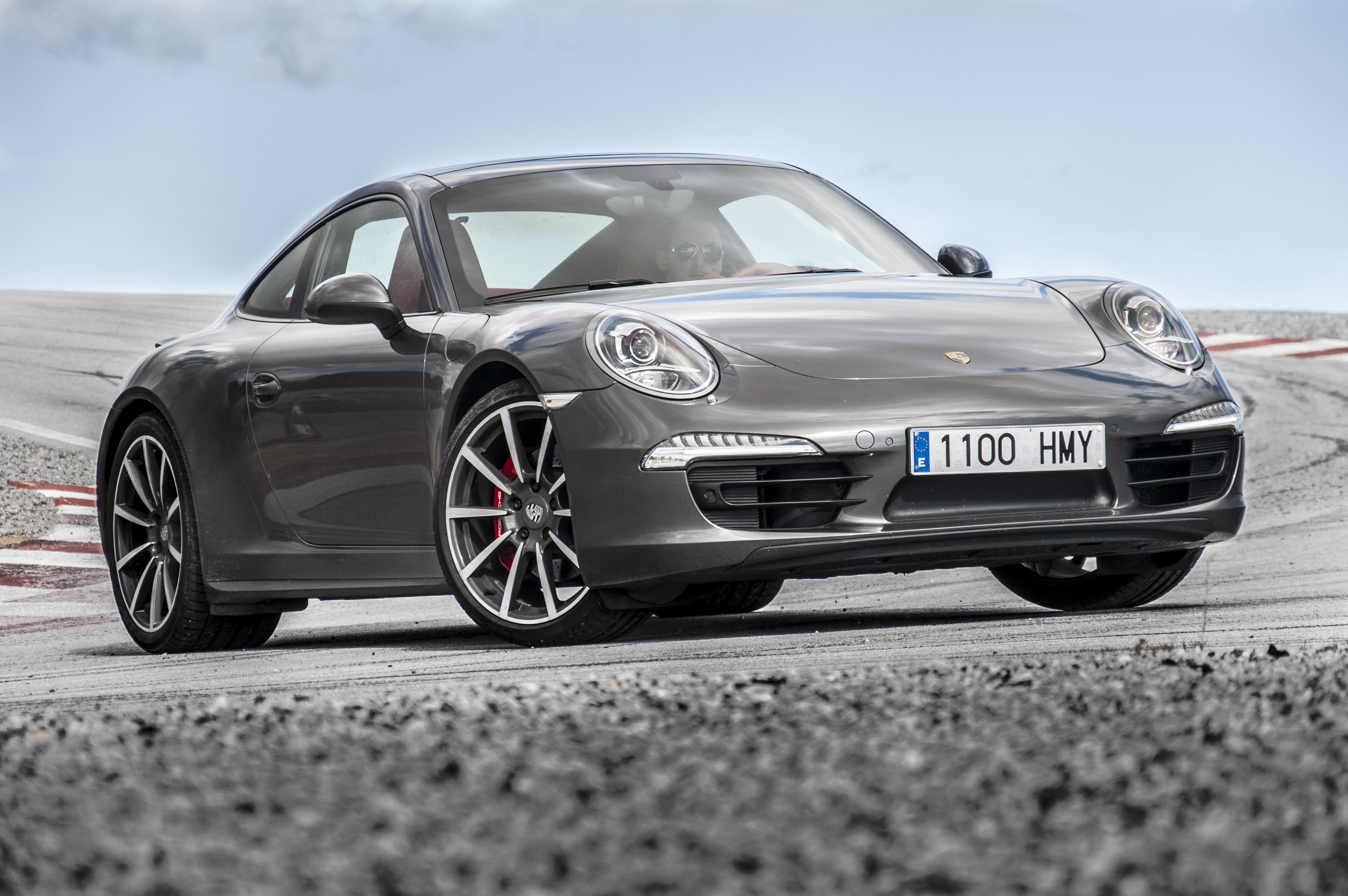
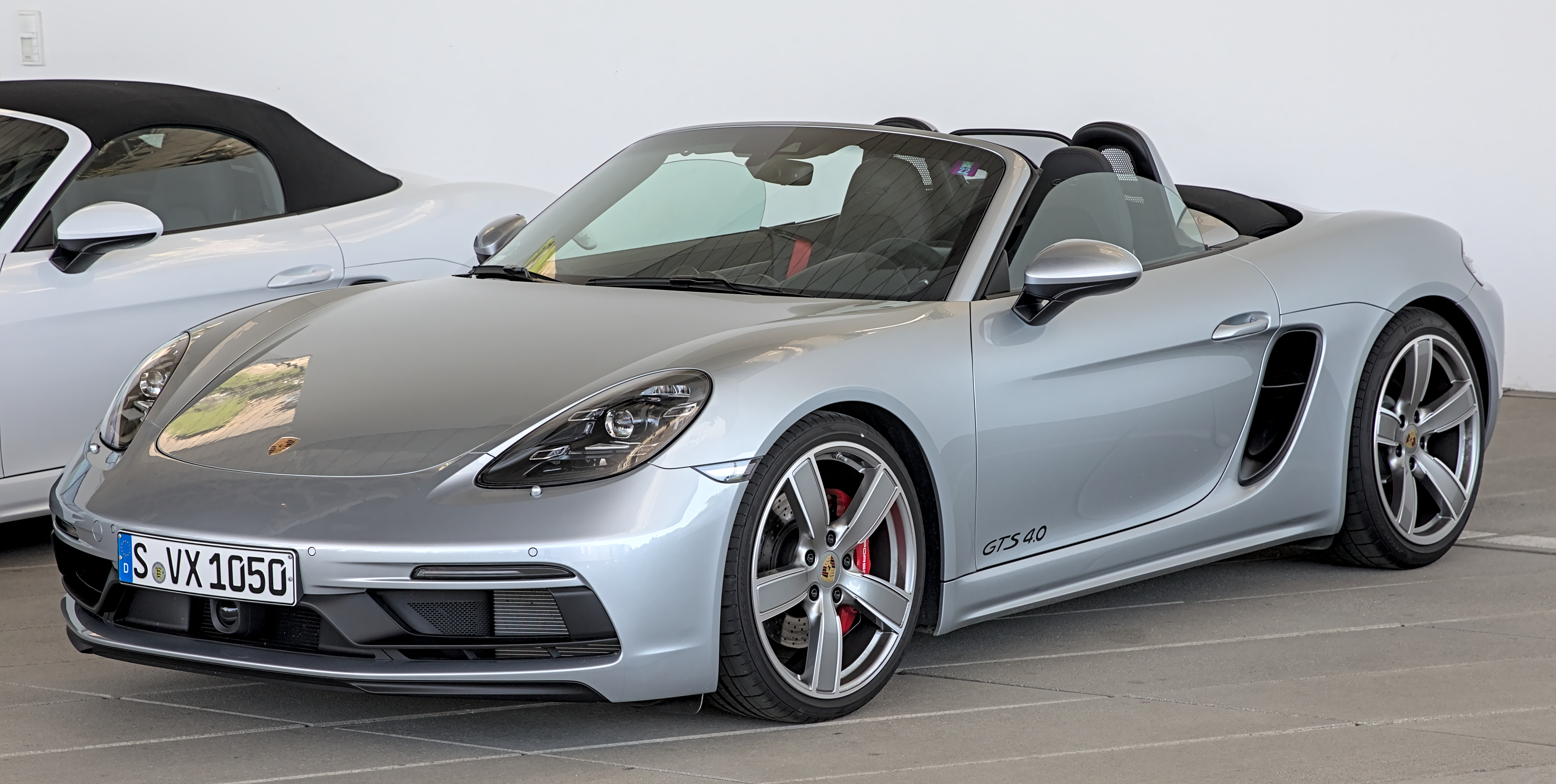
A tense, funny catch-up turns into a full-on argument about Porsche’s new 911 GT3 SC convertible. James rips the idea as a heavier, less powerful, roofless betrayal of what the GT3 is for, while Andy tries to make the case that a top-down GT3 could still make sense for real-world mountain driving and hearing 9,000 rpm. They also debate the relevance of “hypercars” in an EV era, float rumors of a 918 successor, and complain about overused Porsche terms like “outlaw.” The episode ends with a recommendation for a 992 Carrera POV road video from Taiwan.
Ear Muffs. You've been warned! We're often a little swear'y here at Curb and Canyon but in this episode we're not holding back. James gives us his views on the recent launch of the convertible GT3 (it's hard to type that let alone talk about it), Andy launches into a segment on a term that gets thrown around inappropriately and inaccurately by many Porsche owners and both get rather vocal about the rumored Hyper-Car which is expected to top the 918 Spyder. As if that isn't enough to fill the agenda, Andy's 964 - Little Green - ran into some mechanical trouble recently, we have a different kind of 'Video of the Week' for you and all the usual Porsche banter. Tune in, kick back and welcome to Curb and Canyon.