Kia is a car company from South Korea that makes many types of vehicles, including cars and SUVs. They are known for their good designs and long warranties.
Chevrolet, or Chevy, is a popular car brand in the United States. They make many types of vehicles, like trucks and cars, and are part of a larger company called General Motors.
LIVE
Dealers, early access to our private dealer chat groups
is now open.
Join top dealers at cdgcircles.com,
that's cdgcircles.com or hit the link in the show notes.
I'll see you inside.
Hey everybody, welcome to another episode
of the car dealership guy industry spotlight.
I'm your host Sam Dark coming up today on today's episode.
Learn how the number one salesperson
at the number one dealership in the United States
connected with his customers
and as a result sold more cars in 1993.
Plus learn how those strategies
are still critical to success today.
But why are there so much harder to scale?
Joining me today is David Long,
executive general manager, Hansel Auto Group,
creator of all things used cars,
the pandemic of positivity and David J. Long consulting,
plus Curtis Luzzi, co-founder and CEO,
dealer cards and co-author of the book,
Appreciation Marketing, special props to dealer cards
for supporting today's content.
Let's get into it.
So David Long, a lot of people know of you
as pandemic of positivity and all things used car show.
It's on Friday mornings on Clubhouse.
And actually, you know what, it's funny
because I found you on Clubhouse many years ago
when that first became really well known.
Grant Cardone was on there and many others were.
And I learned a lot about automotive
just listening to Clubhouse and listening to your show.
A lot of people don't know David though,
you are the number one salesperson
at the number one sales organization.
Tell us a little bit about that.
That's so long ago.
Go back to the 90s, take us back.
Wow, okay.
So yeah, it was the number one dealership in the United States
and I happened to be the salesperson of the year there,
which was no easy task because the talent
in that dealership was the best I'd ever known then
and since, no offense to the people I know now,
but some of the best people and salespeople I've ever met
came from that organization.
What franchises did you sell back then?
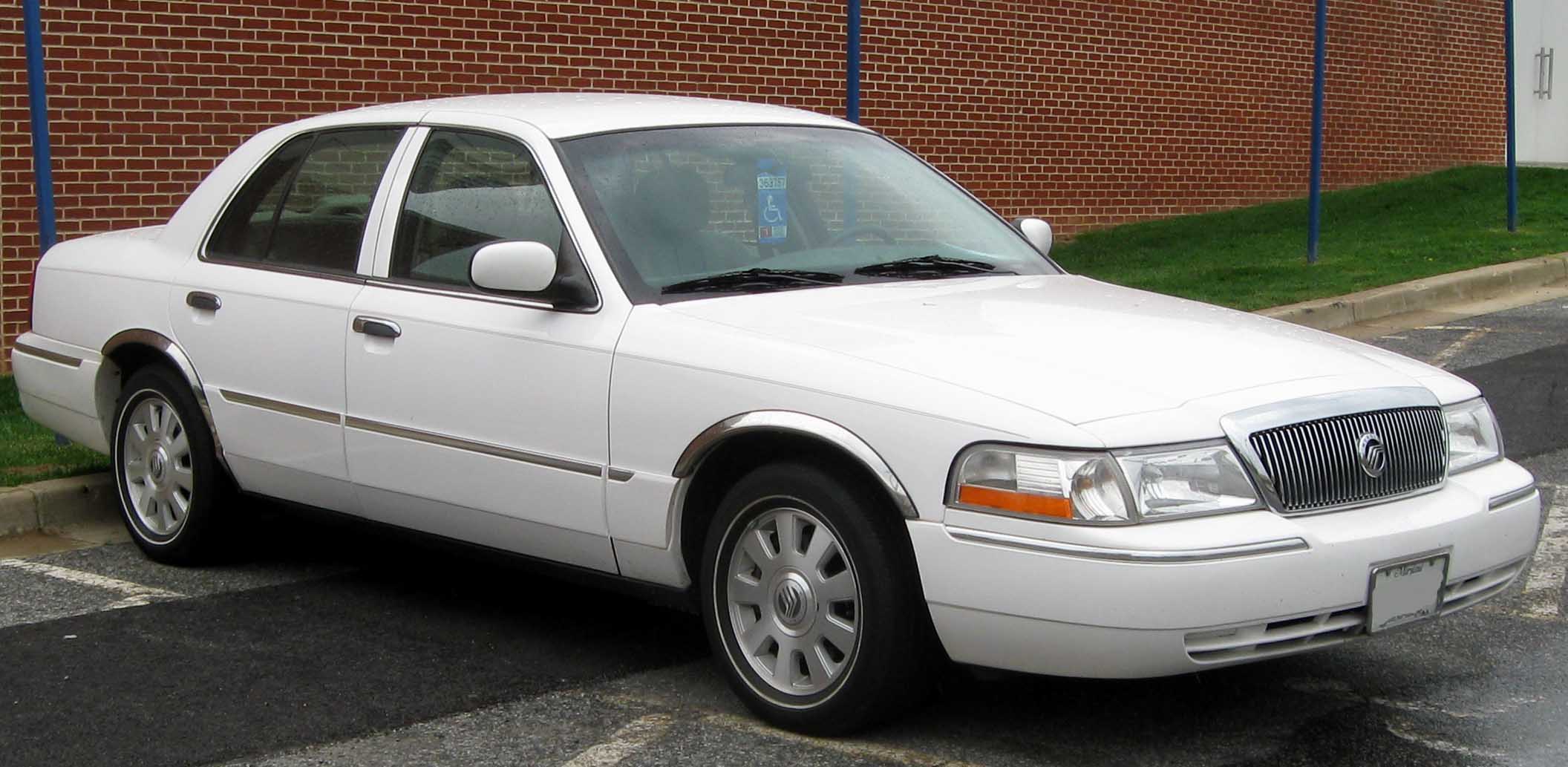
It was, get this, it was Lincoln's and Mercury's.
Oh, we can Mercury.
We would sell 100 gram marquis in a month.
Wow.
And how many would you sell?
What was your average?
I was averaging 30.
Okay, I was averaging 30 a month,
but the fun part was I worked by on schedule.
I worked no nights, no weekends,
and only by appointment only.
Wow.
So it's interesting, you sold 30 cars a month,
you attained that number one rank.
There were things that you did back then
that have transferred to today.
What has stayed the same, David,
and what has changed about being a top salesperson
than to today?
Well, supposedly it's supposed to be easier now, right?
With all the technology and all the...
Fake.
Benefits that a salesperson in today's era have
that we didn't have in the 90s.
Of course it's not because the industry average
hasn't changed, but the technology sure has.
So the things that are similar
is the relationship-based selling.
Yeah.
And if we're gonna grow our own business,
I really truly believe there's gotta be long-term,
committed, established, mature relationships.
And the salespeople that go from store to store to store
that never have that will generally continue
to be brand new no matter how long they're in the industry.
And what skills did you learn in the 90s
have you continued to advocate for today's
you've led great teams connecting with a salesperson?
And I agree, by the way, I told you this pre-show.
1993, graduate high school, I was washing cars
at an Isuzu Kia dealership in Utah.
Very first Kia has ever sold in that state.
Back when the trooper rolled over.
And listen, back then having that connection
with the customer was every bit as important as today.
And David, I'm gonna argue that it's tougher to do today
because there's so much distraction.
Like we could say technology will take care of it all
and it doesn't unless we're intentional about it.
Is that fair?
That is so fair and so spot on.
I think there was a distraction in the 90s too.
It was the reason why I would go to someone's house
and hand deliver their registration at 5.30
when all their neighbors were coming home from work, right?
And I'd pull up in a brand new Lincoln
and I'd wait until I collected a crowd
and then I'd walk up to the front door, knock the door
and hand deliver the registration so I could make it.
That's a good idea, I hadn't thought of that.
Yeah, so there was a presentation
and there was a rhythm and a reason behind everything we did.
And we had a lot of really good salespeople
but it was about the personal touch.
The thing that nobody else was willing to do
is what set us apart.
Yeah, why have we lost the ability
to have that personal touch today?
So like as I talked to young salespeople
in our organization, we highlight things that are great.
Like posting a picture to Facebook,
a lot of people do that right now.
But there are some of those key core things
that we used to do back then,
like delivering a handwritten card, right?
You can't do that anymore, David, can you?
There's no handwritten card to deliver to or can you?
Like is that part of your strategy?
Well, you see the young man in the picture behind me
and the horse and the basketball.
We've got another daughter and two grandchildren as well.
So if they have an impact,
if somebody impacts their life,
they're doing a handwritten card.
Like that I think is super important
and how far does a handwritten card
versus text message go with you, Sam?
A long way, actually.
You know what?
You got it.
Yeah, I get a ton of mail on my desk
and I generally discard quickly the printed stuff
and the stuff that has no thought.
And the handwritten, I feel obliged,
honestly, to respond to it.
If you got a three sentence handwritten card
that was connected to the conversation
or connection you had with that person,
would you feel impacted by that?
Of course you would.
You'd remember them as well.
Like for instance, I don't have my watch on
or one of my pens,
but I buy a watch, I get a handwritten card.
I get a handwritten birthday greeting.
I get, right?
Things like that I think go a long way.
Yeah, yeah.
Why does it go a long way, Sam?
Why does it go a long way?
I think it goes a long way
because it shows thought and intentionality and connection.
I mean, you think about the large groups
that you and I are competing against on a regular basis.
Like they have a tough time scaling that.
And we all claim that the strength of us
as independent franchise dealers
is our ability to give back to communities
and to connect to people.
And candidly, we're liars
if we don't do those basic steps.
Fair and basic steps are the things
that the larger groups can't do, but I can do it.
My employees can do it, my salespeople can do it.
But why don't we, David?
I'm gonna throw it back at you.
Why don't we?
It has never been, there's never been a time
in the 42 years of doing this
where it is easier to stand out right now than ever before.
Because so much easy button happening.
Everybody thinks, let me send a text,
let me send an email, let me send a template.
That is, I mean, you guess you can do that
and you could probably produce a average result.
But if you wanna stand out,
do something that nobody else is doing
and make yourself remain top of mind,
top of inbox, top of text.
Become unforgettable.
And that's how you do.
You don't become unforgettable
doing what everybody else does.
You gotta do something different
or you'll be like everyone else is.
So you're a leader of an organization
and you're looking to find a way to scale unforgettable
with people that maybe don't understand
how to connect at that level.
You reached out to someone in the industry
to help with that.
Tell us a little bit about how this relationship
with Dealer Cards and Curtis Luzzi started.
How do they help with that unforgettable?
So it's really interesting.
I have opened 98 by-centers around the globe
from here to Brazil.
And I wanted to know how to scale that.
Right now, I currently coach 16 dealerships,
actively coach them on how to scale themselves.
The same thing with the Dealer Group I run.
And same thing with growing all things used cars
and the pandemic positivity.
How can my four businesses impact people in a way
that they wouldn't be impacted any other way?
And then I'm at NADA and I'm walking the floor
and I'm like, oh my gosh, back in the 90s, I did this.
And then I started thinking back in the 90s,
other people did it too.
There were more people that did handwritten cards
in the 90s than do in 2025.
I can assure you of that.
So how much easier would it be
if I could get my whole company and my other companies
to use dealer cards and separate ourself
from the competition by doing something
that not many dealers are doing?
Now, although I really now love the owner of the company
and wish him massive success,
I don't want everybody in my marketplace to know about him.
Yeah, well, it's just between us and our several listeners.
This is only us.
Keep it quiet because it is paid off
in such high dividends that if my competition started doing it,
it would make it more difficult
because I wouldn't be the only one doing it.
So he's helping me with all my businesses
and I could not be more proud to be a dealer card dealer.
So that's how I did it.
But here's what I'm gonna tell you though.
It's not about knowing what to do.
It's about the execution.
I love the statement that if it was about knowing,
we'd all be billionaires with rock hard abs
because all the commercials that tell us what to do
are on late at night,
but nobody executes quite to that level.
So I don't think you have to worry.
I think a lot of people will hear,
hey, sending a card to a mailbox, can you really connect?
And it is interesting, I think you can.
But can you quantify the impact of it back?
Before we have Curtis come in and tell us
exactly what they do,
have you been able to quantify the impact
of using this to scale that personal touch?
You know, we're in about a year, I think.
I'll let Curtis tell you how long
we've been using dealer cards,
but our NPS and CSI has never been better.
So I can quantify it from that perspective.
Our reef, peat and referrals have gone up.
Is that directly attributed to dealer cards?
I don't know.
I would probably give them a big part of that credit.
I do know that my 98 buy centers,
when we send out a package,
it makes them want to continue to do business with me,
but to your point, I'll just say this
and then I'll turn it over.
The way I'm growing the footprint
is by making sure our customers feel valued,
sending a follow-up, email, sending, we do video,
we do a lot of video, sending a thank you video,
doing the things that we've done
have gotten us where we are.
If I wanna get to a place we've never been,
I need to do things I've never done.
Here, so that's why I chose to do,
and this isn't a commercial,
but that's why I think dealer cards
has helped my NPS and my CSI so much.
So, oh, and my first appointment,
show ratio is much higher too.
Maybe that's because they like the brownies, I don't know.
Yeah, yeah.
So Curtis, enter you and dealer cards,
tell us what you do.
How do you help dealers connect at scale
in the way that David did back in 1993?
And listen, I'm gonna add myself to your list, David.
I never got the accolades as top, but I was good,
and I connected as well,
and I think that's the key for everyone today.
Curtis, how do you do it?
You know, I'll take it back.
So, when I graduated college over 20 years ago,
I was really blessed to have a mentor
that also similar to David that taught me
the importance of what I feel is
one of the biggest competitive advantages
in life and in business, saying thank you,
and leading with appreciation and gratitude,
but doing it in an authentic way.
And so, I worked for Sintas Corporation,
the uniformed people, and I was,
yep, I was knocking on every door, every store,
and every floor, and I made all the phone calls,
called Colin, and you know, I went to work there
because I read the book Rich Dad Poor Dad
when I was in college, and if you remember in that book-
I bought the tapes, I bought the subscription,
I made him rich.
Do you remember in the book how Robert Kiyosaki's Rich Dad
told him to work for Xerox when he got out of the military,
not for the money for the training?
And so, I went to work at Sintas
when I found out they're a billion dollar organization
with a playbook for success,
and I went out there and cut my teeth.
Well, three months in, I didn't think I was cut out for sales,
and I really didn't think so.
So, that's when the mentor, his name was Sean,
he pulled me aside, he's like, you know, Curtis,
he goes, I understand that you're working really hard,
but you're not working very smart,
and I was like, what do you mean by that?
And now, we all were kind of jealous of Sean
because he made twice as much money of us as all of us,
and he worked half the amount of hours.
So, I'm guessing that David, when he sold cars,
he worked half the amount of hours of some of these other guys
that are busting their tail,
but they didn't have the secret weapon.
And, you know, when you weren't working nights
and weren't working weekends,
well, so Sean, he pulled me aside and he's like,
you know, Curtis, you need to build a team,
a team of people that are out there,
they're your eyes and your ears.
And so, so many repeat and referral business came back
to him because he layered in appreciation and gratitude
as a strategy, but it was authentic and people knew it.
So, I took what he was doing,
so I continued to work hard, and then I worked smart,
and then I was the number one salesperson
out of 1,250 salespeople nationwide,
and it was about a year after that that I decided
that I was gonna launch my own marketing
slash consulting company, and that's when I was,
I went out there, wrote the book, Appreciation Marketing,
How to Achieve Greatness Through Gratitude,
did a lot of speaking and training on stages
around the world, primarily in the industries
of real estate and financial services
because in those industries,
the lifeblood of their business
is repeat and referral business.
And so, I built a technology company
to help salespeople and businesses follow up,
but it was more manual.
They had to log in, they had to type a message,
upload their pictures, click send,
and then we printed stuff, stamped and mailed out cards.
But then, when COVID hit, and after we signed up
over 40,000 salespeople and businesses over the years,
when COVID hit, that's when I was talking
to my business partner, and my business partner
has been in automotive for over 20 years.
And here's what he told me.
He's, you know, Curtis, he goes leadership
in automotive space.
We all put a lot of emphasis on our salespeople
to do long-term follow-up.
But the problem is, most salespeople
are not even here long-term.
And he goes, the other thing, he goes,
leadership is building for the future.
The ones that are playing the long game,
they're the ones that are missing out the most.
He goes, the other thing is, the higher you go
in leadership, the more plates you have to spin.
And he goes, although leadership would love
to be on the showroom floor and shake the hand
of everybody taking delivery of the cars
and thanking them, they don't have the ability to do that.
So if we can create a system that brands
the dealership as well as the leadership,
because it's always one of those things
that's always great ideas, it gets put on the back burner,
and then it gets talked about in the next meeting,
the next month, and it's hard to execute
on something like this.
So that's what we did.
We ended up calling CDK, Reynolds and Reynolds,
Dealer Track, Automate, and we met Authenticom at NADA.
And so we connect, so we create a hands-free solution
for a long-term follow-up,
but do it in a very personalized way.
How do you do mass follow-up personalized?
What's the secret sauce in that?
Because everybody's trying to do that through technology,
through AI, through automation.
What's your secret sauce to connecting personally in mass?
I wanna first say that when I have people
telling me that they hand-write cards, I said, don't stop.
Like this is not to compete with that, it's to complement it.
And so, because if they're doing it,
they're already top 1%, but here's something that we did.
So here in, how about my wife bought a Lexus here in Florida
and a Morgan Automotive Group, and so we bought the car
and then I manually uploaded the picture
and I sent a picture of my family taking delivery
of our car and we sent it to the managing partner
and he called me, he's like, Curtis, how do we do that?
Like how did my sale team do that?
So I went down the rabbit hole, I called my programmers
and I said, imagine if the salesperson
could just take a picture on their phone,
take a picture of the VIN and click submit
and we automatically print that picture
on the inside of the card as a delivery picture
inside the thank you card.
Coming from the GM, we can pull the year
to make the model from the DMS
and layer that in with merge fields inside the cards.
We can use their own signature,
put a picture on the inside there.
Mr. David Long, his picture's right at the inside there.
That goes out to all of his customers.
And so we did that and that has been huge.
You know, we had a Subaru dealership,
Subaru of Ann Arbor, Michigan,
they went to a Love Promise Champion event in Fort Worth, Texas.
We love that idea, yeah, yeah.
And so they actually brought that up.
They brought it as their best idea
in front of 150 different stores
and they won best idea because they were showing
the feedback they were getting from all of their customers,
uploading on social media and doing all this stuff.
So that is one of the several ways that we do
to make this highly personalized.
That is interesting.
You're giving the personal intentional thought to it,
but then creating a system and a process out of it
that just repeats over and over and over again.
So are there limits to how you can deliver this product
or what you can do or do you partner with David
to come up with the different ways
they wanna reach out to be intentional?
Like the card from the GM with all that data,
that is, that feels personal.
That doesn't feel like something you copy paste
to everybody.
Right, and you know, one of the things is like,
you know, with David, for instance,
we get some of our best ideas from our dealer partners
and David came up with an idea,
well, what about the co-buyer?
Like, I wanna get the co-buyer to make sure
that they get the brownies, not just,
so we went back to our program and said,
let's figure this out.
So we do all that kind of stuff.
We can filter out wholesale deals, dealer trades,
broker deals, we can filter that stuff out
to make sure that we're not wasting money.
So how many dealer clients do you guys have nationwide?
We're up almost at that 300 now.
And so we've really just started marketing
at about 18 months ago, pretty hard,
cause it took us a couple of years to really write the code
and to really bring this to a point
where I could really feel comfortable bringing it to market.
So when you think of those personal lines of connection,
do you think about like on a monthly basis
or an annual basis, how many connections you make
in the automotive space?
Yeah, so our primary package is like 10 touches
over three years.
And so they're getting three birthday cards.
And a lot of times those birthday cards are,
hey, I'll give us a call and schedule a free birthday car wash.
We try to encourage our dealer partners
to lean into appreciation and gratitude
because most of the times that dealers are reaching out
to customers is they're trying to get something.
Hey, I want to sell you a service.
I want to sell you another car.
I want to buy back your car or there's a recall.
So we try to layer in what we call appreciation marketing,
which is based off of the book that I wrote.
It's all common sense stuff.
It's just not common practice.
And so that's why we're trying to relate that.
So as advice to a dealer, there's a lot of dealer principles,
a lot of people that are in charge of BDCs
and whatnot listening to this show.
What are the top three or five things
that you'd recommend a dealer does
that maybe they're not thinking about?
Like I never thought about what you just said.
Hey, happy birthday car.
Come in for a free car wash, right?
Like that's a specific touch signed
and it's an offer to come back.
What are the top three to five things
you would recommend a dealer does
to maintain those personal connections and contacts?
Well, the first thing that I love is that the box of brown,
we send gourmet fudge brownies with a thank you card.
So the thank you card goes out the day
after with some delicious gourmet fudge brownies.
On the inside of the card, we say,
you know, enjoy a couple of these gourmet fudge brownies.
We recommend 12 seconds in the microwave
and a scoop of ice cream.
Brownie points, if you post your new ride
on social media and tag us.
So we just play on words a little bit.
And then on top of that, we do have some dealers
that will say he scanned the queue,
if it would mean the world to if you haven't done so already,
scan the QR code and leave us a five star review.
Then two weeks after the sale,
California is a little more difficult.
However, most states will do a referral coupon
where they can give it to a friend or a family member
to bless somebody else.
And then we do an intro to service.
And what's great about the intro to service
is we can split new versus used.
And so if you do a new Toyota,
you're gonna highlight Toyota care in the new vehicles.
Whereas a pre-owned, you might do first service
complimentary 20% off, $20 off.
We do 30 months after the sale.
So here's what's a really cool thing.
30 months after sale, two and a half years later,
we'll take the delivery picture that they uploaded
and put it on the front of the car two and a half years later.
Because see, when we took delivery of our car,
my wife was eight months pregnant.
And I know that if our daughter is two and a half years old
and she gets this card in the mail saying trade and trade,
it'd probably go into a picture frame.
This is more emotional.
And then of course we do the anniversary car anniversary too.
So car anniversary, like we had a dealer the other day say,
bring this card in for a free set of wiper blades
on the one year anniversary.
And I thought that was creative.
And then year two, they did buy three tires,
get the fourth for a dollar.
So you can get with the service department,
come up with some something and kind of weave that
into some of the anniversary cars.
I think David did that as well on his cards.
Are there metrics for engagement on those types
of campaigns that kind of you're able to show progress
towards goal?
Like beyond an average mass marketing of 3%, right?
One of the things is that we were able to do
is on the QR codes, we can track the QR codes
and then we, so on the referral cards,
we have one of the referral cards that says
win brownies for a year.
So it comes two weeks after
and it says that scan the QR code
and then inside the card it will say like,
we're in a big referral competition here at Hansel Auto Group
and could really use your help.
Who do you know that's looking to buy or sell a car,
scan the QR code, add their name.
But we can track that name.
So if it shows up in the DMS as a buyer or a co buyer,
we can flag it.
So David, you saw the need for this.
You wanted to scale what you intuitively knew
was great connection as a salesperson
that led you to that number one ranking.
And now in leadership,
you wanted that great follow up pre, post sale.
What has been the feedback once your customers
and business clients have started to get those cards?
Well, we read it in the surveys.
I not only see it in the surveys,
I get when the cards come in or the letters come in,
thanking the dealership for the experience they had
and it says, and the brownies were fantastic.
I know that it's making an impact.
So that's why I'm so excited.
And I'm really excited about what we do with it on the service
and our parts and accessory side.
Curtis, I think you may have forgotten about that,
but you know, there's a large percentage of customers
that buy a product and leave and go accessorize it
somewhere else.
I wanna make sure they know if they're going to add anything
to personalize their vehicle that I'm their guy
and they're gonna get a discount for that.
So after the sale, that follow up has helped as well.
You know what I also love about, David,
I remember you wove into the cards too.
You said something about when you're ready,
bring your car back home.
Remember that?
Like I want you to come back, come back to us,
bring the car back home to us.
We wanna buy your car back.
So they planting that seed in like the anniversary cards.
Curtis, I'll just say to that end,
most customers when we, or talk to,
oh, you take trade-ins and I know if you're a dealer
and you're hearing this, there have been times
where a customer says, oh, I didn't know you took trade-ins.
I thought I should take it to CarMax.
I want a customer when they leave
to know this is the home that it has to come back to.
Right, so let's get it back.
That's how we create the buy center culture
at all these buy centers as well.
Good point, Curtis.
Yeah, it's interesting.
Employees do take pride in sending something
that represents the dealership's heart.
Have you seen some creative things
from some of your clients, Curtis,
that could be a best practice,
that comes from like an individual sales purse?
Like something I'm thinking of is, all right,
I'm that sales purse.
I'm David Long in 1993.
I'm Sam Dark in 94, 95.
And I wanna take care of my own client base.
Have you ever worked with like an individual sales consultant
that says, hey, you know what?
I wanna invest in my own clientele.
I wanna stand out in my own sales floor.
Like, can they adopt this?
And have you ever worked with individual hype producers
on sales teams?
I have, and one of them is from La Fontaine Group.
Turns out it's one of my good friends' brothers.
And I thought it was cute because she was like,
oh, you gotta talk to my brother.
He's one of the top Chevy salesmen
in the country, in the world.
And I was like, oh, that's really nice,
talking good about your brother.
But then we ended up going down there
and really helped him get started.
It's real, like he really is.
He sells about 100 units a month.
And so, yeah, crazy.
And so, yes, we do work with some hype,
but they sell more than many of our dealerships
we work with, he does himself.
So it's a little different situation.
They're allowing him to connect with Reynolds
just because of that.
However, David's gonna beta test this
and he can't wait for it.
So I've just finished it like literally two weeks ago
as I have an enterprise account
that we are gonna be able to set up
so their work email address can be set up
and they can invest in their own business.
And I'm gonna personally,
so all of our deal cards clients were going to first
and then I'm gonna actually fund it for a little bit.
And so I wanna give them some funds to give it a shot.
So give you an example.
They come in a test drive, a new car.
They take a picture of it and they send it in the mail
with a picture of that car,
which, I mean, writing a card makes an impression,
but when you put a picture of them, that makes an impact.
And so now you send it out saying,
I appreciate the opportunity to earn your business,
something like that.
Or how about this, they happen to see on Instagram
that one of their past clients just had a grand baby
and they upload a picture and say, congratulations.
That's how you win a customer for life.
Cause they, and you don't wanna be David, the car guy,
you wanna be David, my car guy.
And so how can you build it with your top of mind?
Like you talked about David in the beginning,
those are the tops of touch points.
So if we can bring this to the front end
and have a handful of dealers use it
and then also build the dealership
and coming from leadership,
I think that's a really nice, great solution.
So if I'm an individual contributor salesperson
as part of a dealership and I just wanna reach out independent,
how would I do that?
Like what's the path to doing that?
Is that available today and now?
Yeah, we do have a core, but-
We don't have a core, but individual salesperson
that can go to dealer cards.
Oh, see, we'll actually, you know, put in the show notes.
AM cards, AM stands for Appreciation Marketing.
That's the parent.
Okay.
AMcards.com forward slash car sales.
I give them five free cards to send out.
Five free cards, sign up for free.
AMcards.com forward slash car sales
and they can sign up and they can upload pictures,
put their own signature in there,
their pictures, they can do it, whatever they want.
Dealer cards is the one that comes at the dealership level.
Got it.
Cause I gotta tell you, those are the salespeople
I'd want in our organization.
Those that are so motivated to be able to deliver
that excellent experience to their individuals.
Like you should create like a group of salespeople.
It would be super cool, like a 20,
like so at the car dealership guy,
we have our 20 groups or circles
and it would be fascinating to have you come speak
to the group of salespeople.
It doesn't exist yet, but it will at some point.
Right now we just have dealer principals, we have GMs
and then we're getting into sales managers.
But I love the world where there's salespeople
that are so committed to delivering
that great experience to the customer
that they invest in sending these cards
in being super intentional and connecting with their customers.
To your point, that salesperson
could sell a hundred cars a month,
could have a great lifestyle,
could do David Long's taking Saturdays off
and holidays and kind of work their own hours
because their clientele base would be incredibly loyal.
Kurtis, is that part of your vision?
You know, that's, we didn't even talk about this.
Wait David, go ahead.
It's so fun that you brought that.
Go ahead, David, I'm sorry.
Well, I just, because I'm so excited to think about
the way that I got to work in my own schedule,
no nights, no weekends, no holidays
was because of the carts.
Yeah.
So I'll never forget it.
It was 30 years ago, we had our first daughter.
I took almost a month off.
Like back then you didn't even have PTO, right?
Which is terrifying in the car business.
When I,
As you assume you're irrelevant by the time you get back.
When I got back, my office was full of baby gifts.
And it just blew my mind.
And I had customers calling me at home saying,
we're not gonna buy a car until you come back
from your baby bonding.
They didn't call it back then.
But my point is, it was a result of the cards
and the St. Patrick's Day card that said,
David O long with me with a leprechaun hat on
and a four leaf clover in the envelope.
I mean, it was silly, ridiculous.
And I always said, I'd rather be corny and rich
than cool and poor, right?
So I was really corny and it worked out really well
if I could work part time and be the number one salesperson
at the number one company in the country.
So that's why I interrupted you Curtis, sorry.
It was because of the cards.
I love that.
And actually in our book,
Appreciation Mark, we talked about Joe Gerard
as you know, in his selling cars and stuff.
And also like Mary Kay Ash,
because she built a, Mary Kay Cosmetics built
a billion dollar empire teaching her consultants
to write three handwritten cards every day.
And they just, everybody has this invisible sign
around their neck that says, make me feel appreciated.
And so by putting those things together,
so to your point, Sam, what you're talking about is,
yes, there is, and I wanna put together a case study.
And I wanna do a training that's around this
five to 10 hits a week, five to 10 hits a week.
Hit is a high impact touch, a high impact touch.
So what they're doing is, and here's what they can do.
They can, we have social media all around us.
So we get to see people's lives unfold.
So if you see somebody had a baby,
somebody got promoted at work, somebody ran a marathon.
They just raised a bunch of money
for a cause that's near and dear to their heart.
Those are big life events.
You know, well, actually, David,
when your son graduated high school,
I took that picture and put it on a card of you,
him and the cap and gown in your arm around him.
And I said, man, that's not gonna,
only a few more years of my son,
I'm gonna be in that picture.
It's crazy how time flies.
Those are high impact touches that people don't forget.
And so if a salesperson does those consistently,
week in and week out, I mean, I think that,
because the cards, what happens is the cards
lead to conversations and conversations lead
to opportunities and opportunities lead
to closed business.
I could never find my way into throwing that card away.
So I'm always gonna have that card.
So, and think about you.
So there you go.
That's awesome.
That's very cool.
Well, Curtis Luzi, we appreciate you bringing
your dealer card strategy with us and David Long
for sharing your success and what it took
to not only become number one at number one sales consult,
but as you've continued to give back to this industry,
both in automotive positivity,
but also use cars on clubhouse on Friday mornings.
It's really cool to connect with you and your energy.
I get excited, I almost want to go back and sell cars now
because I'm like, if I, there's like,
I remember what it took, I remember how much fun it was
and we could go back to it, but we all do that.
So I wish you luck, Curtis, as you continue to have this
force for good, this impact.
Anything you want to say about pricing?
Absolutely.
Well, the first thing that we do is that if somebody goes,
I'm sure it'll be in the show notes as well,
but if they go to dealer cards,
they can get free brownies, free cards.
If you're in leadership at a car dealership,
I mail out free brownies, free cards,
they can evaluate the system.
And it ends up being between 20 and 60 bucks,
a customer on average, depending on how many years
and how much they want to follow up
and what they want to do with the cards.
But our average is 48 bucks for a 10 touch three.
And we do this in-house, by the way,
we have our own printers, we have our own,
we just don't bake the brownies yet,
but we do everything else.
Yeah, yeah.
Well, and are the brownies baked in Michigan
or are they baked in another state?
Because I tell you Colorado, oh, they are.
Okay, very good.
Yeah, right in Salt Lake City.
Fantastic.
Hey, Curtis, as we wrap up today's show,
thanks for being with us.
And you actually have an interesting challenge
for our clients and for our audience today.
Yeah, well, in the spirit of appreciation and gratitude,
if you're in leadership at a car dealership,
go to dealercards.com or probably in the show notes,
you can request a free sample box.
We'll send you for some free brownies,
some free cards, a copy of my book,
and you can evaluate the program on your own
and then we'll send you over some pricing.
Perfect, thank you.
Appreciate you both joining the show today,
Curtis and David Long, thank you.
About this episode
Exploring the resurgence of relationship-based selling, this episode features David Long, a top salesperson from the 90s, and Curtis Luzzi from Dealer Cards. They discuss how personal connections and handwritten notes were pivotal in the past and how these strategies can still drive sales today. Long shares his experiences and insights on maintaining customer relationships, while Luzzi introduces innovative ways to scale personal touches through technology. The conversation highlights the importance of authenticity and gratitude in customer interactions, making it relevant for today's automotive sales landscape.
Welcome to Industry Spotlight—a focused series hosted by Sam D’Arc, highlighting standout dealerships and innovative companies, and exploring the trends driving success in today’s automotive market. Today, Sam sits down with David Long, Executive General Manager at Hansel Auto Group, and Curtis Lewsey, Founder of DealerCards.
This episode is brought to you by:
DealerCards - The direct-mail platform built specifically for dealerships. With DealerCards, you can send personalized thank-you notes, birthday cards, and service reminders — even include brownies — all handsfree and branded for your store. It’s a small touch that drives big loyalty and repeat business. Right now, CDG listeners can get a free sample box with cards and brownies at http://www.dealercards.com/cdg
CDG Circles – A modern peer group for auto dealers. Private dealer chats. Real insights — confidential, compliant, no travel required. Visit https://cdgcircles.com/ to learn more.
Check out Car Dealership Guy’s stuff:
For dealers:
Industry job board ➤ http://jobs.dealershipguy.com
Dealership recruiting ➤ http://www.cdgrecruiting.com
Fix your dealership’s social media ➤ http://www.trynomad.co
Request to be a podcast guest ➤ http://www.cdgguest.com
For industry vendors:
Advertise with Car Dealership Guy ➤ http://www.cdgpartner.com
Industry job board ➤ http://jobs.dealershipguy.com
Request to be a podcast guest ➤ http://www.cdgguest.com
Topics:
00:46 What makes a number one salesperson?
01:26 Do 90s sales strategies still work?
02:21 Why is personal touch so crucial?
07:41 How does DealerCards scale personalization?
11:24 How does gratitude drive business success?
18:56 Top tips for personal dealer connections?
19:27 Best creative customer follow-up methods?
22:09 How to measure personalization's impact?
29:38 What are high-impact customer touches?
Car Dealership Guy Socials:
X ➤ x.com/GuyDealership
Instagram ➤ instagram.com/cardealershipguy/
TikTok ➤ tiktok.com/@guydealership
LinkedIn ➤ linkedin.com/company/cardealershipguy
Threads ➤ threads.net/@cardealershipguy
Facebook ➤ facebook.com/profile.php?id=100077402857683
Everything else ➤ dealershipguy.com