This motor moves a door inside the heating/AC system that mixes hot and cold air. If it breaks, the car may blow only one temperature instead of the one you set.
“Freon” is commonly used to mean the refrigerant in an A/C system. If it leaks out, the system can’t move heat effectively, so the cabin may stop getting cold and the A/C may gradually fail over time.
The pressure switch checks whether the A/C has the right pressure. If the refrigerant level is too low, it can stop the compressor from turning on to prevent damage.
The cooling fan helps pull air through the radiator area. When you turn on the A/C, the car often turns the fan on too, so it’s a useful thing to check during troubleshooting.
Limp mode is a protective strategy where the car limits power and sometimes top speed when it detects a fault. After a transmission replacement, limp mode can happen if the vehicle’s computer needs reprogramming or calibration to recognize the new unit.
The 2012 Honda Odyssey is a minivan that’s being used in the story as the vehicle with an electrical charging problem. The caller reports alternator failure symptoms that lead to warning lights and the car shutting down.
An alternator is what keeps your car’s battery charged and powers the electronics while you drive. When it fails, the battery eventually runs out and the car can shut down.
The Chevrolet Express is a large van made to carry people or cargo. It’s often used for work because it has a lot of space. If you’re stuck in traffic, it’s still a practical vehicle for getting the job done.
VTEC is Honda’s system that helps the engine breathe better by changing valve timing. A VTEC gasket is a seal that keeps oil from leaking—if it fails, oil can drip onto other parts and cause more trouble.
The VTEC solenoid is like a small oil-control switch for Honda’s VTEC system. If it leaks, oil can get where it shouldn’t and lead to overheating or damage to other components.
Car
Saturn wagon
They’re talking about their old 1993 Saturn wagon. The point is that when they changed the oil, the drain setup caused the oil to splash back in their face.
VVT stands for variable valve timing. It’s a system that adjusts valve timing to help the engine run better, and in this story it’s mentioned in the context of an engine that may be burning oil.
“Engine oil life” is the car’s estimate of how much time/miles you have left before an oil change. The speaker is saying there’s a difference between that reminder and a warning that the engine oil situation is actually getting worse.
The “oil light” is a warning that something isn’t right with the engine’s oil. In this story, the light keeps coming back even though the oil change reminder was reset, which suggests the engine may be using/burning oil.
“Oil burning” means the engine is using oil and burning it as fuel. The host is saying that’s why the oil warning keeps showing up even when the car shouldn’t need an oil change yet.
A Honda Element is a Honda SUV/crossover with a very practical, upright design. Here, they’re talking about a clunk coming from the rear suspension area—usually something like worn bushings, links, or shocks—not the engine.
Swaybar bushings are the rubber pieces that help connect the sway bar to the car. If they get worn, the bar can move too much and make a clunk when you hit bumps.
Part
end lengths
The sway bar uses small link rods to connect it to the suspension. If one of those links is worn or loose, it can knock or clunk when the wheels move over bumps.
Rear struts are part of the suspension that help absorb bumps and keep the wheels controlled. If they’re worn or not mounted tightly, they can make knocking/clunking noises.
Term
loaded struts
They’re asking whether the rear suspension uses a single combined strut-and-spring unit or separate parts. The type of setup changes what could be worn and where the noise might come from.
A strut assembly is the part of the suspension that helps your wheels move smoothly over bumps. It usually includes the shock and the spring support, and if it wears out (or the spring inside breaks), you can get clunks or other noises.
Term
fixed axle
A fixed axle is a simpler, more rigid setup that connects the wheel to the vehicle. Different cars use different suspension designs, and that affects what parts tend to wear out or break.
A coil spring is the spring that carries the car’s weight and helps smooth out bumps. If it breaks, the suspension can feel wrong and you may hear knocking or rattling.
The suspension uses rubber pieces to cushion and isolate vibration. With age and high miles, that rubber can wear out, and then you can get more noise from the suspension.
Concept
industry standard is like fifty sixty thousand miles are supposed to be replaced
They’re talking about a common mileage guideline for replacing suspension parts. The idea is that parts can wear out over time even if the problem isn’t super obvious yet.
This is a 2004 Toyota Corolla. The host is talking about checking a problem on that specific car, and they mention parts like exhaust heat shields and suspension components that can wear out over time.
Heat shields are metal covers near the exhaust that keep heat from damaging other parts. Over time they can rust and loosen, and then they may rattle or seem like something is coming loose.
The spring is what helps support the car and absorb bumps. If the spring breaks, the suspension may not hold the car up correctly, even if the drop isn’t dramatic right away.
A test drive is just a short drive to see if the problem shows up while you’re moving. It helps the mechanic confirm what’s causing the noise or issue.
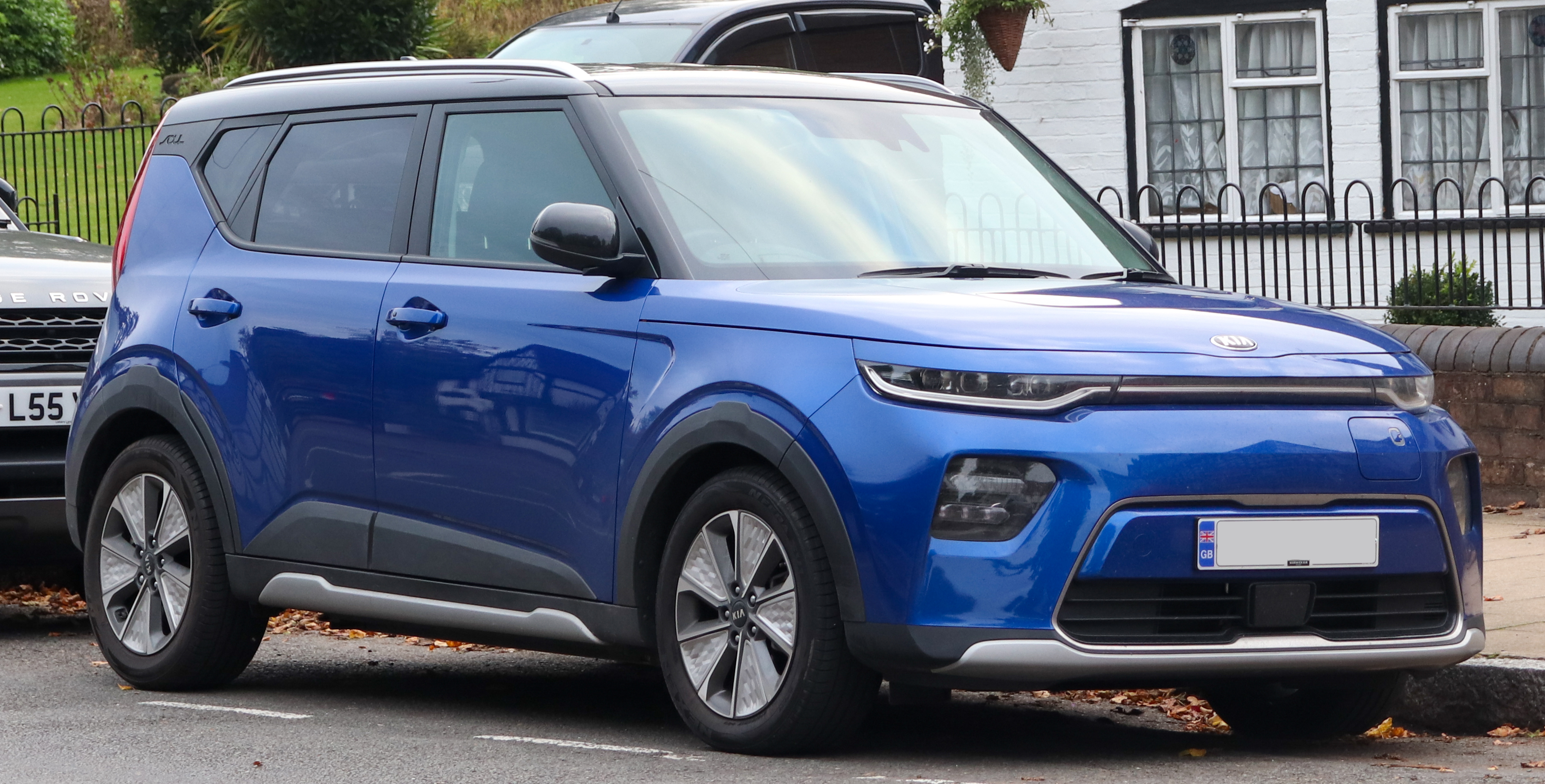
The Kia Soul is a small, practical car that’s popular for everyday driving. Here, the caller is worried about the car’s charging system—basically whether the alternator is working correctly.
“Burning oil” means the engine is using oil as it runs, so the oil level drops even if there’s no obvious leak. That can be a sign of internal wear and should be checked.
An oil change is when you replace the engine oil. The caller mentions they had an oil change recently but still had to add a lot of oil, which can be a sign something’s wrong.
The battery light is a dashboard warning that usually means the car isn’t charging correctly. If it never comes on, the problem might be intermittent—or the voltage readings matter more than the warning light.
The Toyota Prius is a car that uses both a gas engine and an electric motor to help save fuel. People talk about it a lot because it’s designed to be reliable for everyday driving. That’s why you may hear it described as very dependable.
The Toyota Corolla Cross is a small SUV that’s based on the Corolla platform. It’s meant for regular commuting but with more space and a slightly higher driving position than a typical sedan. People bring it up when they’re deciding which Corolla-style vehicle to buy.
“Burn oil” means the engine is using up the oil faster than normal. If that happens, you should check the oil level regularly and change the oil on schedule so the engine doesn’t run low.
The engine light (check-engine light) means the car’s computer found a problem. If it turns off after resetting but comes right back, that usually means the issue is still there. In this case, they’re connecting it to timing-related faults.
“Long crank” means the engine takes noticeably longer than normal to start after you turn the key or press the start button. Timing issues—like chain stretch or cam/crank misalignment—can contribute to long crank because the engine’s valve timing and sensor synchronization affect starting. It’s often used as a symptom alongside check-engine codes.
That code usually means the computer thinks the engine’s timing signals don’t line up. The camshaft and crankshaft are supposed to be synchronized, and if they’re not, the car can run poorly or throw a check-engine light. Common causes include timing chain stretch or a sensor problem.
“Timing jumped” means the engine’s timing got out of sync. This can happen if the timing chain slips. The car may throw codes and the check-engine light can come back even if it still seems to run okay.
The timing chain helps keep the engine’s timing correct. If it stretches, the camshaft timing can get off compared to the crankshaft. That can cause warning lights and sometimes rough running, and it’s usually something you want fixed before it gets worse.
“Out of time” means the engine isn’t synced correctly—parts inside the engine are opening at the wrong time. The host says this can happen when the timing chain stretches or the guides break.
The timing chain guides are parts inside the engine that help keep the timing chain in the right place. If the guides wear out or break, the chain can slip out of sync and the engine can run poorly.
This is a Ford F-150 pickup. In this story, the truck started running rough and the check engine light came on because something in the engine’s timing system went wrong.
The Chevrolet Equinox is an SUV. The host is saying that on some Equinox engines, the timing chain guides can wear out and break, which can cause engine timing problems and warning lights.
LIVE
Suppose to win.
See you by the stepping out of temple, keeping rhythm with the song on the radio.
I Gotta Keep a.
Baby, the song you made me want to roll my windows down and crows.
Good afternoon, and welcome to the car show on fifty five KRC. I am Dane Donovan from Donovanz Auto entire
Center taking your car questions. The number to call five
one three seven four nine fifty five hundred. That number again,
five one, three seven fifty five hundred. In fact, my
producer Danny uh just wanted to remind me. He goes,
do you remember the number? Because I haven't been here.
I had to you know, three boys that they are involved in a lot of stuff in sports and uh so.
But yeah, yes, I am in studio taking your car questions and uh again, then I'm gonna call five one three seven four nine fifty five hundred. I did show
up extremely early. Dan was fell He almost fell out
of his chair because, you know, he looked at the clock like, is it already one o'clock.
I'm like, no, it's only twelve thirty five. You know,
I'm a little early.
So I dropped my two oldest boys. Uh again, just
up the street at All Saints. Uh, they're serving a wedding.
So they're very proud of them. They were serving a wedding.
So I dropped him off at twelve thirty and so I'm like, well, you know, I'm only a mile down the road, so I just figured i'd come in early.
So it's unusual for me.
So but uh again, taking your phone calls and renall five one, three, seven, four, nine, fifty five hundred.
But yeah, very proud of him. They were.
They were eager to get there and make sure that they were ready to go. So I was just talking
to Gary Sullivan. We were, we were, I got a
quick story, so we you know, he just got done.
He's like, I'm debating whether or not to do, uh to cut my grass?
And I said, you don't have anybody to cut your grass?
And and he goes, Now you know I've always debated it, but uh no, I still cut my grass. He goes it,
Uh you know, it's it's my walk for the day.
And I'm like, and I was telling him a funny story years ago. This was this was probably right when
my wife and I got married. It was probably about
it's probably about fourteen years ago. Maybe we just celebrated
our sixteen twenty anniversary. We've been together for twenty five years,
married for sixteen, so that was just two weeks ago.
So yeah, don't miss it, don't miss a beat. I
love it so three beautiful children and we love it so.
But anyways, we here years ago. I was, I was
working nights. I had another job, and every time I
would be i'd be home, it would rain. Right, this
is in the spring, right, and and then when i'm home, you know i'm home, it's raining. And then when I
could cut the grass, I'm working. Right, So long story short,
my wife goes, and it was a smaller It was a deer park, Ohio, right, so very very small.
It was a fifty by one fifty lot, very small.
I mean we could we I could knock it out in thirty minutes, right, but I just, you know, just because of the weather in the spring time, I couldn't cut it because it was always raining when I was home.
So my wife says, and I'm debating whether or not I'm going to cut the grass or pay somebody to do it.
It's like the guy wanted to charge me. He was
he wanted to charge me thirty five bucks.
A man, I really don't want to spend, you know, spend thirty five dollars to cut my Have somebody cut my grass when I can do it. I know I
can do it, and I him hauled back and forth, and long story short, my wife says, well, I can cut the grass for you. I'm like, really, you do
that for I'll cut the grass for you. I used
to do it, and you know at home at my house, uh, you know, once she live with her parents and say, okay, go ahead, and she broke her cell phone and broke two nails. So I had to replace her phone and
she had to get a new nail. So it cost
me about three hundred and fifty dollars for uh, for her to cut the grass. So so, needless to say,
after that, she was fired immediately. And I've paid somebody
to cut my grass ever since.
So it's funny. But Gary and I were we're.
Going back and forth about that. So love her to death,
but yeah, wed, she's not. She's fired.
She was.
She was fired immediately, couldn't cut the grass and it cost me too much money. So all right again taking
your phone calls and I'm gonna call five, one, three, seven, four, nine, fifty five hundred. Let's go to the phones. We have Tim, Ay, Tim,
Welcome to the car show. How can I help?
I'm doing fine, but it's a little bit hot out here.
Without no AC working in my car. I bought this
O seven back in twenty twelve. Everything worked great, AC,
everything worked great, But my sun mote sensor was always blinking, and I always thought it was just something that the car does. Is a sun load sensor is supposed to
be blinking red?
The what sensor?
It's just called the Suwhat the little sensor on top of the dash.
Blink when the doors are locked, so that it kind of it's kind of like a deterrent letting people know that the alarm's on, but it's it's doing it evil while you're driving it. Please Is it doing it while
you're driving it as well?
Or no?
Okay, no, no.
Yeah, yeah, So it's it's kind of it's kind of like a little bit of a deterrent to let people know that, hey, there's an alarm on and it will blink that that is a normal function.
Of the Now, what is the purpose of this sensor?
What's it do?
The sensor itself is just a you know, it's just a you know for it's for you know, daytime, you know, ambient lights. So you know, if you go through if
you go through a tunnel, right, let's say you're going through the tunnel downtown. Uh, it'll turn your lights on
automatically and and turn everything into night mode and then you know, so that's.
That's all done.
I think it was on forward forums on the internet that between that and the ambient tempature switch behind the grill, it communicates with the AC system whether it can be operated.
And you don't run your AC in the wintertime because the Indian temptare switch I guess won't allowed or something like that.
You know.
Yeah, and out of no where, this my AC just stopped working. It got warmer, warmer, warmer. Now, several years
ago I had the canister down on the engine bay replaced because it blew out, and I had it recharge professionally.
I replaced it and had it recharged and it worked great.
Then I had a Blend door motor go out. They
said it was a six hour job, and it was every bit of a six hour job to replace that Blendor motor. But then slowly slowly it got it would
not get cold and no warm, And I thought, is there something between the ambient temperature switch in the front and the sublan sensor not allowing the computer to say, hey, you can turn the air conditioner wrong.
No, the ambient the ambient air temperature sensor could cause that, but not that sensor in the dashka. But if it's
slowly getting, you're probably out of free on. You most
likely you need to It's probably all that free on probably leaked out.
You probably have a leak, it's probably come in.
I mean, the thing is with air conditioning, you know, the freon can leak out of the compressor. It can
leak out of the evaporator, can leak out of the lines, It could leak out of the condenser. But yes, if
the ambient air temperature sensor is not working or functioning properly, it could cause that, but not the not the sensor in the in the dash Okay, I don't.
Want to be fishing around a lot of parts and services that I don't.
Need, right correct.
Yeah, what I would do, what I would recommend is I would get it back to professionally have it recharged.
I guarantee you you're at a free on. It leaked out.
Now where it leaked out at don't know. But what
I would recommend is when they do it, make sure that they put an oil in there for the compressor and that they put in a fluorescent dye. Okay, so
obviously free on's of gas. We don't know where it
leaked out at. So if they put a dye in
the system, they can use a black light. Excuse me,
they can use a black light to try to find out exactly where that freeon is leaking out and what needs to be repaired, because again, the system itself is very complex. So you want to make sure that when
they introduce that free on that they introduce an oil for the compressor and a fluorescent dye so we can try to figure out where it's coming from.
A bad compressor. While the car is running, you got
the AC on. It should come on and off, right.
Yes, it should cycle, Yes, it should cycle.
It should kick on and kick off and kick on because it's it's a magnetic that that the the clutch on the compressor is magnetic, right, so when when it when it basically it's.
It's just like it. It's just like your home acy.
Right, it kicks on and gets up the temperature and then it kicks off, right, So that that's exactly what the clutch is supposed to do.
Well, I think I better listen for that first.
So yeah, yeah, So what I'd recommend is, you know, obviously start the car, let it run, turn on the AC, turn on the AC. That clutch should be spinning. If
that clutch is not spinning, then they didn't. Uh you know,
you've got a pressure switch in the compressor and if it doesn't have the right amount of free on, it won't kick that that clutch on.
So if that, if that I used to test my my cooling fan, if you're a cooling fan, should automatically come on when you turn to AC on. Correct, And
I'm thinking it's fine because the cooling fans blowing and turned to AC on. But I've forgotten, you know, is
this thing supposed to be cycling or not? So now
I got two things I got to look at.
Yep, try that and then call me back tomorrow or next week, next week, sorry not.
Tomorrow next week? All right, all right, thank you, ah
bye bye?
All right again, great question taking your phone calls And I'm gonna call five one three, seven four nine fifty five hundred.
Coming up. We have Walt taking your phone calls.
Love to hear from me, give us a call so against five one three seven four nine fifty five hundred.
You're listening to the car show on fifty five k RC the talk station.
This is fifty five KRC and iHeartRadio station.
Do you have a truck camper r VA a trailer that needs body repair?
If so called Frank's.
Heavy Truck Collision Repair located just All five seventy five or Route sixty three. It's convenient to both Cincinnati and Date.
With over thirty years of experience including insurance work and fleetwork, Franks knows the most important things are quality work and customer satisfaction. Frank's Heavy Truck Collision Repair prides themselves in
doing the job right and get in your vehicle back on the road. Call five one three eight two nine
ninety thirty eight two nine ninety.
Thirty The place for Brian Thomas in the morning. Fifty
five KRC the Talk station.
Taking your car questions and number to call five one three seven four nine fifty five hundred. That number gin
five one three seven four nine fifty five hundred. Let's
go back to the phones we have, won't. Hey, Walt,
Welcome to the car show. How can I help?
Yeah, my neighbor's got to twenty ten Nissan Ultimo's. They
swapped the transmission, the CVT and the one they put it in. It's in the lope mode, limp mode. It'll run,
but it won't run up to worst post to it runs like ten or twenty miles an hour. You got
reprogram then.
So we don't do a ton of transmission work. Yes,
most likely it needs to be programmed, Yes, okay, but I would I would recommend calling.
Maybe the dealer.
Maybe we use Ridge transmission. Okay, but most likely yes, Man,
I tell you what if the worst transmission in the world is a CVT made by Nissan.
I mean there's a class action lawsuit.
Those things are I hate to say, but they are just not any good that they are horrendous. But yes,
most likely it's gonna need to be programmed, So I would I'd recommend calling the dealer or a transmission shop.
Again, we use Rich transmission. They could they could do
that for you. Okay, thank you, all right, thank you,
Bye bye bye bye.
That's the one thing you know, and I'm not I'm not.
I don't want to rag on Nissan, but I'm not a huge fan of them. But I tell you what, nobody,
and I'm telling you nobody makes a good CVT transmission.
They are, They're just nobody's perfecting it yet, not that I'm aware of. And there's a lot of problems with them.
So but Nissan by far is the worst when it comes to the CVT transmission, So be careful when you're buying those things.
They they may be cheap, but the.
Reason is is because the CVT transmissions go out often.
So back to the phones we have. Jim, Hey, Jim,
welcome to the car show. How can I help?
I'm wanting to share with the challenge I have with my twenty twelve Honda Odyssey and an alternator, but I also want to tell you how it was resolved with you guys and Chris over Blue Ash. Okay, great, but
that's okay. Yeah, So Friday, Memorial Day weekend, I'm down
going north on I seventy five at Ridgewood five o'clock in traffic and the break or the battery like starts coming on and then I started getting this big flashing check check charging system. So I pulled into that rest
area there and the only thing I knew to do was call, call you guys. And Chris answered the phone
and he kind of basically kind of went over everything and said, your alternators about to go out. And he
says it could go out now, it could go out, you know, tomorrow. So I decided to get back on
the express way and the traffic got heavier and heavier.
I got on two seventy five and the truck it was heavier, and about a mile from Madison Pike, everything just shut down. I guess the alternator just died and
it was running on the battery and abs lights were flashing, the screens went black and everything. And got down there
to Thornton's and and called you guys again. And Chris
actually found a tow truck company over in Burlington that you guys trust and uh and took me and my wife the blue ash and and sure enough, the alternator in the battery was shot. But what I want to
say is, back in December, I started smelling oil burning and got underneath there and noticed that the v Tech Solnois YEP was leaking. And then I read about it
and said it leaks down straight into the later. Yep.
I knew that's going.
So we jumped on it right away. You guys fixed
it and everything, and uh, I cleaned up that oil as much as I could. But then I read that
it could once that all will it's in there. It
could be tomorrow, it could be six months, and uh, guess what it was? Six months?
Did they did they replace that Vtex Illinois gasket.
Or or just the alternator?
Okay, okay, no, no, no.
Uh.
In December, we replaced the the VTech gasket, took care of all that, and the alternator was running fine. I mean,
there was no indication that there was an express at that time.
I got you and it's just and later and took it out.
Yep.
It took it out because I never heard of an Aldernair going bad, at least I've never had one go bad.
But that's a very very common problem on those odyssees and that engine, that particular engine where the v Tex cyling with leaks and it leaks right onto the alternator.
So typically we when will when that happens, we always recommend the alternator and then replacing the vtex illinoid as well.
I mean, you can replace just the gasket.
But yeah, yeah, I don't know. I can't remember exactly
what they replaced, but you know, whatever needed to be done was done in December and stopped all that issue.
But well, I want to.
Thank I think the engineers designed that leak right on top of the alternator.
Oh, that's that's an easy one. Some of the some
of these they some of these engineers, man, they are they are. They are interesting on how they design some
of these cars. A lot of them too. Like when
you're changing the oil, when the oil comes out, it hits the sway bar, it'll hit the subframe, and it just the oil just goes everywhere, and my gods are usually just wearing it by the end of the day.
And it's like we designed that.
I had nineteen ninety three Saturn wagon and had this little spout when the oil came out. Then it shot
it over and it shot right in my face. And
was the last time I changed the oil myself?
Yeah, yep, oh, my my wise.
They get they go through it all day long, especially when it's you know, ninety five degrees outside, and then you get that oil.
It's two hundred degrees. Oh yeah, they you know it's.
And that there's one other thing that you guys have probably talked about in the past. When next door neighbor's
got a twenty sixteen hond Odyssey and he's got that variable valve, Yeah.
Managed BVT yep, yep, VVT.
Yep, and he's thank he's thanking God that they just extended to the warranty to two hundred and fifty thousand miles because that oil is all blown by is just and rings and sad.
I know it's and that's why I'm harp on that when I talk about it almost every week, because it is a massive, massive problem. And you know, I mean
my my wife last last weekend says, hey, the oil light keeps coming on, and so she sent me a picture and it said engine oil life at eleven percent.
I'm like, oh, I said, hey, they just didn't reset the oil light. You know, not a big deal. I said,
I'll reset it. So I reset the oil light and
she wasn't due for an oil change. She only had
three thousand miles on her oil change. And the very
next day, it was last Sunday, We're going to our kids festival at all Saints and she goes see the oil light's coming on. I'm like, no, that says ad
engine oil. That's different than that's different than engine oil life.
It says ad engine ol. She's like, you know, I
don't need an oil change, and I'm like, I know, it's because it's burning it and you're at oil. So
sure enough, typical GM. It was two quarts low on oil.
So I called a buddy of mine, Walt Sweeney, and I'm like, hey, man.
I think I need a new car.
Because this thing is I mean, it only has one hundred and fifty thousand miles on it. Heck, it's not
even paid off. But these things burn oil like crazy.
So I'm not buying twelve.
You know, I got one hundred and sixty six on it, and so you know that's just halfway there for me. Yeah, well,
thanks again for you. You and you guys took care
of me.
Hey, well, thank you. I appreciate the phone call. I
really do appreciate it. Thank you so much. So that's
the thing is these cars, and I was going to talk about this to begin at the beginning of the show.
I'm going to talk about it now quickly. But you know,
I have a twenty twenty four Buick Suv at my shop right now at Ridge. Twenty twenty four is a
year old. Well, I mean it's twenty twenty six, but
I mean it has you know, just over it's out of warranty, right, so most manufacturers are three year or thirty six thousand miles.
It's out of warning.
But I mean the cars two years old and they brought it in for a break issue. Well, the right
front caliper is locked up. Okay, the break hose is bad.
I mean you're talking about one hundred dollars part right, So this car is not driveable because the break cos is bad. Now it's on national back order with no
release date and there's no aftermarket parts available. So you're
talking about a car that's two years old that is sitting in my parking lot for over a week now because you can't get a break cost for this car.
And you know, I wanted to talk about the fact that you know, listen, if you have an older car, I understand that you know you don't want to put a ton of money into it.
I get it, But.
You go out and you spend seventy eighty ninety one hundred thousand dollars on a vehicle, and within two years it's it's it's you know, sitting at my lot and I can't do anything with it.
There's nothing I can do.
I can not fix this vehicle because I can't get a break coos for it. So it might be there
for six months and there's just there's nobody out there that has a break coost for this vehicle. And it's
only the right front which is weird, the left front, both rear breakases.
No problems.
Only the right hose, the right front hose fails. And
you can't get them. You can't get them through GM,
you can't get them through the dealer, you can't get them online, you can't get them after market. I mean, yeah,
sure you could probably find you know, you may be able to get a used one. But I would not
advise anybody to put a used break coos on a vehicle.
It's just it's just obviously, if they have a high fail rate, it's not a good idea to put a used one on there. So but you know, again, the
manufacturer who's making the hose is not they've failed so much they can't produce.
Enough of them.
So if you've got an older vehicle, I'm telling you, and are not just saying this because I work on cars, keep what you have because this newer stuff is just not it just I mean, it's just not lasting like it should. So all right again, taking your phone calls
and overcall five one three seven four nine fifty five hundred.
That number again, five one three seven four nine fifty five hundred. Coming up, we have Paul and Nancy. You're
listening to the Car Show on fifty five krs, the talk station. Way back in nineteen fifty eight, my grandfather
opened Donovan's Auto entire Center right here in Cincinnati. A
lot has changed since then, but our commitment to honest auto repair hasn't. We believe in making sure your vehicle
gets everything it needs and nothing it doesn't. Because as
a family owned business with our name on the wall, integrity matters. From nineteen fifty eight to today, Donovan's Auto
entire Center is still Cincinnati's honest choice for auto repair, and we're proud to keep this city moving. Three area locations.
Find yours at donovantire dot com.
It's Glenn Beck weekday mornings at nine oh six on fifty five KRC, the talk station.
Taking your car questions and number two well five one three seven four nine fifty five hundred Dane Donovan from Donovan's Auto entire Center. You can find your newest location
at donovantire dot com and uh happy to uh be here every Saturday, well most saturdays. I'm supposed to be
here every Saturday, but sometimes I can't make it, and uh my boss here is is staring at me giving me, uh you know, giving me the look. So I'm supposed
to be here every Saturday. No, no, it doesn't sound
like Tony at all. So that's taking your phone calls again.
Five one three seven four nine fifty five hundred. Happy
to help. Let's go to the phones. We've got Paul, Hey, Paul,
welcome to the car show. How can I help?
In seven seven Honda Element all wheel Drive, I got a clunk in the rear end that I can't find.
Usually there they involved the clunks involved the swaybar bushings or end lengths, and I've replaced those already. I've been
under there with a you know, a rubber mallet, trying to reproduce it with weight on the vehicle, with weight out weight not on the on the vehicle, and I can't I can't find anything that it seems to be loose. No,
it only it doesn't when you go over bumps or you know, seems in the highway sometimes.
Okay, so you said it doesn't do it? But right,
so you you said you replaced the sway bar bushings and the links. Yes, okay? And does does the noise
sound metallically like metallic? Is it? Is it metal on
metal or does it?
Is it moretivate sounds? No, it's it doesn't sound like
metal on metal, but it sounds like something heavy.
Okay.
You know, if you whack the rear bumper plastic, it seems to move around, but I don't think it can make the kind of clunking noise you hear when you're driving it.
Yeah, what about what about Have you looked at the rear shot rear struts.
Yeah, they're I mean they were replaced. Well, it's got
two hundred and sixty four thousand on it. They were
replaced somewhere eighty one hundred thousand miles ago.
Okay, A lot a lot of the times too, does it does it have I can't remember on that age of that vehicle does it have loaded struts like you know in the back or is it shock and spring suspension.
I can't remember.
It's a shock and it's a shock and spring, I mean combined.
Yeah, it's a struke.
Okay, Yeah, some of them are when they're fixed rear ends.
If it's all wheel drive, it's going to be a strut assembly. But if it's a if it's front wheel drive,
it's gonna be typically a fixed axle. So I mean
a lot of the times the springs will break inside.
The springs will break at the bottom of the strata assembly itself or the strut top itself could cause that as well.
Have you checked the springs just to see if they're broken.
I guess I haven't looked at them that close the vehicles us to sit level. Yeah, you know they're both broken,
but well it's not sagging either, so right.
Well, I mean a lot of the times the very very last portion of the spring will rust off, and because it sits in that the bottom of the strut assembly itself and that's where all the water sits, and that those springs will break. So check the bottom of
the truck. Make sure make sure that the coil spring
itself is intact, but again the tops are rubber, and that rubber deteriorates over age, especially with two hundred and sixty thousand miles on it.
The struck the struts only have about one hundred long.
Okay, one hundred well, okay, yeah, I means a while ago. Okay, yeah,
I mean industry standard is like fifty sixty thousand miles are supposed to be replaced. So if you have one
hundred thousand miles on those things, I mean it's time, regardless if that fixes your noise or not. But you know,
you're you're you know, you're welcome to swing.
By one of my shops. I'll take it on test drive.
And you know, the thing about noise is it I'd probably say fifty percent of what we do at Donovan's is trying to figure out noises, and unless I really physically hear them, it's really hard to determine exactly where it's coming from. But in fact, I had I had
a young lady called me the other day. It was
we close at five thirty. She calls me at five
twenty and she goes, dang, she goes, I've got this noise.
It's a metal on metal, metallic ratal noise. She goes,
you know, i'm a single parent. I have two kids
that are in the car. I'm concerned that there's something's
falling off of it. And I said, okay, well, I
said I could, I could take a look at it, you know, next week. She goes, no, no, like I
want to come now. I'm like, well, and I'm like
what kind of car. She's like, it's a two thousand
and four Toyota Corolla. I'm like, I know what it is.
I'm like, go ahead. I said, bring it by, and
she's like, I can be there in five minutes. I'm
like all right, So she brings and I already knew what it was when I talked to her. And the
heat shields are aluminum and they kind of oxidize and they just hang on the exhaust, So like, bring it by.
I pulled it up in the air and knew what it was, fixed it and I had her back. I mean,
I she was there at we closed it five thirty.
She was there at five twenty five, at five thirty at the door. It was five minutes. And you know,
I'm like, she's like what, oh yeah, I said nothing, I said it was.
I put a washer in it, fixed.
It, boom done, So I knew what it was when she called me. But on this particular situation, I don't
know what it is. But I mean, if the struts
are an have one hundred thousand miles on it, it could be a broken spring. And like you said, yes,
usually it will not lower or the car the because you know, maybe like a yeah, like three inch of the spring will break off, so it won't lower the car or sag the car, but that could cause it.
Or again the tops the rubber, you know, they break down over time, so that could be the result of the two. But if you ever want to swing by
one of my locations, I'd be more than happy to test drive it for you. I won't charge you. Bring
it by and we'll drive it. And you you know
I love trying to find noises. It's it's one of
my specialties.
All right.
All right, well, thank you so much. You have a
great day. Uh huh bye bye. All right, going back
to the phones, we have Nancy. Hey, Nancy, welcome to
the car show. How can I help.
Hi?
There?
This is Nancy and I have a twenty nineteen Kia Soul No warning nights, no leaking. I just stopped by
a rallies and just did the electrical tests and that the alternator showed number showed to twelve, And so I was thinking, do I need to get a new alternator or is that okay to drive it? The battery seems fine.
I also have just had an oil change a month ago, and I've had to put two quarts of oil into the car, un like within a month, and apparently it's maybe burning oil. Now possibly do I get rid of
this car? Do I fix it? Do I drive it
with this alternator with a twelve? Or do I replace
the alternator? What kind of car can I get that's
gonna last me three or one thousand mouths? Because I'm
about ready to either fix this one or do I just buy something like a toy At, a hybrid or another crossover like the Kiya. I love the Kia style,
but something I'm looking great.
Great question. So you said the alternator is charging at
twelve volts? Yes, yeah, that's the should be charging when
the car is running. It should be testing. Uh, I
mean if the battery, if the battery tests twelve volts, if the battery tested at twelve volt's great. If the
vehicle running and the altinators testing at twelve volts, then the alternators going out it should be at about fourteen volts.
But yeah, do you have any battery lights on or anything in the dash?
No, no lights came on. I just decided everything's work
and the starts and everything. No battery light came on.
It's just that I just had a test and I thought, got it.
Okay, okay.
As far as yeah, as far as the oil consumption, yes, that is a massive problem that Kia and Hyundai's have.
It's a there's I mean there is.
It's a massive problem and the only way to replace it is now Hyundai is in Hyundai and Kia. They
are replacing the engines when they've been when they eventually lock up and blow up, they will replace the engine free of charge. But no, I would get rid of
that thing in a heartbeat. And yes, if you're gonna uh,
if you're gonna buy a Toyota, yes, hybrid would be great.
Toyota has the best hybrid system available out there. I
would highly recommend it. The Prius is almost bulletproof. I mean,
those Priuses are phenomenal. But if you wanted to get
like a raft for or something like that. That's fine.
That hybrid system is is perfect if you're going to do any type of any other hybrid system.
I would not Devia, I would not.
I would only do Toyota nobody else's hybrid system. But yeah,
I would get rid of that Kia and a heartbeat right now there I.
Was told it's got sixty one thousand. The only thing
I can say is the only thing Kiya will do is if I just don't top the oil off and the engine dies, then I had to deal with a new engine. But then again, I'm going down a rabbit hole.
I'm thinking, yes, that's do I do. I just not
even replace the alternat because I looked at the prices of alternators.
No, I wouldn't no, no, no, if you don't have a battery light on, if you don't have a battery light on, no no.
I would just make sure it's full of oil. And
I would I trade it in and get a Toyota for sure. Absolutely, I'd get rid of that thing.
Is so bad, kid, Yeah, because I just want something's gonna last me over two hundred thousand miles. I'm a
really good person about taking care of my cars and everything, and I've oil changed this car every four thousand miles.
And I was thinking about a Toyota Corolla Cross A Cross.
I don't know. I think about the Corollas.
But do you think No.
Three are better than Crals?
If you're going about them with big windows?
I don't like to slan it back.
I can't.
Yeah, if we're gonna buy a hybrid, what I I would recommend is Toyota. Okay, you can buy any Toyota
that you want. I don't have a problem with any
of them. But if you're gonna buy a hybrid, I
would only buy a Toyota hybrid.
That those are the they're bulletproof.
But but yeah, I would get rid of that Kiya as soon as you can.
What about like Mazdas.
At mass are great? They fly under the radar for
some reason. Nobody ever talks about them. I never have
problems with Masses. Masa is a great vehicle to purchase.
I'd be perfectly happy with you buying that as well.
The X five or the.
X three is five x five.
And Behnda, we think beat just.
Don't buy a hybrid. Handas are great. I love Honda
you'd be perfectly fine with that. Just don't buy a
Honda Hybrid. I just not a fan of them.
Okay, all right, then I'll go I didn't know they sold priuses anymore.
Oh.
Absolutely, that's the number one the Yeah.
I don't know, so good to any toy Where's a good place to buy a car that won't just try and rip me off? Do you think?
And I mean dealers are fine.
I mean, well, I always use either King's Toyota or Beachmont Toyota.
I mean I I don't deal with them on that.
On that side, I usually buy parts from them, but uh, you know, most most of.
Them are you know, they're they're not They're they're good people there.
It's not like it's not a pushy they're not really pushy, you know what I mean. They're they've really calmed down,
in my opinion.
So yeah, so I guess, uh yeah, I've got to give I really like the Kia Soul. It's a shame
I have to get ready.
Do not buy a hun Air Kia exactly.
I totally get. This is my third key and I
never made it one hundred thousand miles off totally.
Yeah, I mean the brand itself is fine, but those things burn oil like it's their job, and it's uh, it's the reason why I talk about it all the time, making sure that you check it and change it regularly, because those things burn oil like you nobody's business. All right, Well, hey, listen, Nancy,
I gotta go. I really do appreciate the phone call.
So all right, taking your phone calls again, the number call five one three seven fifty five hundred.
Coming up. We have Jeff and Bill.
If you're listening to the car show on fifty five CARO see the talk station.
Taking your car questions again.
The number to call five one three seven fifty five hundred.
Let's go back to the phones. We have Jeff. Hey, Jeff,
welcome to the car show. How can I help?
Hey, Dale, I talked to you two weeks ago and three weeks ago at the end of the show, so we never got through it.
But and here we are again.
Yeah, here, so I've got it. Twenty eighteen equinox.
This is the one that has the VVT or the sellin oil is.
Well, yeah, yeah, that was it. So I so the
engine power reduced light came on. I found that problem.
The wire was loose so there was a the wire was messed up, so I fixed that, so that went away.
So there was still a like, there's still a long crank.
So but so I took the battery cable off to did it reset, fired it up. The engine light went away,
and but I still had the long cranks are every so often. But I drove it. I drove it like
fifty miles and the engine light never came on. But
when I went just started again, the engine light came right back on. And then what I read and what
I was going to talk to you about the they say the regal, I may be wrong. I'm not a mechanic,
They're reluctant. Wheel may have spun.
Mm so are you getting are you getting like a cam crank correlation code or are you still getting geared?
Those keep coming up. But the only other one was
the cam shaft crank center was plausible. Plausible is what
it said on their their little test. And there was
a guy around the corner. I'm down in middle town
and I told this guy, said, what does it cost to do a diet? And I'll see test because I
don't know if the timing jumped a little bit or they said they're reluctant wheel. I believe that was gone.
Might have spun a little bit, but it runs good.
But the engine light's still always on.
Yeah.
Yeah, so listen, I I know you don't want to spend the money, but it is out of time that the chain is stretched. That it needs chains. It needs
guides and chains, and it needs gears. It needs the
VVT gears, it needs chains, it needs guides. I promise
you that's what it needs.
Yeah.
And again the reluctant wheel is at the bottom. That's
what you know it. They don't spin, they don't spend
because their keyed, right, they're keyed, so they it didn't spend.
It's out of time because again what happens is a lot of times those chains they get hot, they'll stretch and they'll jump just I mean, I'm talking one tooth and it's off and it throws everything else off.
The gears themselves as well.
There they also are designed to advance and advance and slow down or retard the timing of the engine as well.
Those can get plugged up up with sludge and oil and whatnot that could cause it or the guides. The
timing chain guides are plastic, and the plastic eventually will break down, and that plastic will just break down and all fall into the pan and then again now it's out of time because you know there's not enough tension on the chain. I mean, I had this is this
is no lie I was in. This is all my
h F one fifty. It's a two thousand and seven
F one fifty.
I am at.
I drove down to McDonald's to get a diet coke.
Drive down there and I'm waiting to wait for my diet coke, and all of a sudden, my I mean immediately, my my truck starts running rough. I look down my
check engine lights on. I'm like, well, that's weird. I
mean right there in the drive through. So you know
it was an expensive diet coke. Get back to work.
I have timing issues, and here the plastic had broke off one of the guides and was in my running issues and causing the check engine light to come on.
So it needs change. It's very very common on those equinoxes.
You know, again, the reluctant.
Wheel, the change, the change stretched.
Well, the chains can stretch, the gears themselves can go bad, or or one of the guides. The plastics broke on
one of the guides. But regardless, it needs you do
it all. When you're in there, it's like it's like
open heart surgery. You go in there, you replace the chains,
the gears, the guides, the tensioner, you everything that's in there.
It's a big job. It's very very expensive. You know,
probably two three grand, but it's we I do them almost on a daily basis, that's how often I'm dealing with them.
So yeah, yeah, there was that class action law suit on it, but that that could take years.
Yeah, yeah, Now, got to do it yourself is no, No, it is not. It's a very very big job.
So you need to you need to find somebody professionally that because you've got to make sure that it's in time, and it's a there's a very specific procedure that needs to be done when you do it. So it's not
a do it on your do it yourself on a Saturday project. It needs to go to a trained in
professional mechanic because it's a big job. So good luck
to you, but yeah, it needs change. So, uh, Bill,
I'm so sorry. I apologize I couldn't get to you today,
but please call back next week. I'll be back to
answer all of your car questions. Everybody, have a great
weekend and uh again. I'll be back next Saturday to
answer all your car questions. Thank you so much, and
everybody be kind to one another and we'll be back next Saturday answer all your car questions. So thank you
so much. You're listening to Car Show on fifty five
k r C, the talk station
About this episode
Dane Donovan kicks off the show on 55 KRC and takes listener calls. A caller’s older car has a blinking dash sensor explained as an alarm deterrent, while another diagnosis turns to A/C issues—refrigerant loss, blend door motor problems, and using fluorescent dye plus a black light to find leaks. Transmission talk includes a Nissan CVT in limp mode after a swap and broader CVT reliability concerns. The episode also covers oil consumption, alternator failures, brake parts shortages, suspension clunks, and timing-chain “out of time” repairs.
This episode of THE Car show is a must-listen for anyone who's ever wondered what's going on under the hood of their vehicle. From a caller's concern about a mysterious clunking noise in their rear end to a discussion about the reliability of certain car models, this episode covers it all.
Dane takes calls from listeners with a range of car-related issues, from a Nissan owner dealing with a faulty CVT transmission to a Kia owner wondering if it's worth fixing their oil-burning engine. Dane offers expert advice and shares his own experiences with similar problems, making this episode a valuable resource for anyone looking to troubleshoot their car issues.
One of the key takeaways from this episode is the importance of regular maintenance and the potential pitfalls of buying a car with a history of reliability issues. Dane also discusses the pros and cons of different car models, including the Toyota Prius and the Honda Hybrid. Whether you're a seasoned car owner or just starting to navigate the world of car ownership, this episode has something for everyone.
So if you're looking for expert advice and real-world examples of car-related problems, tune in to this episode of the car show. Dane shares his expertise and experience to help you make informed decisions about your vehicle and avoid costly repairs down the line.