AC service is the shop work that keeps your car’s air conditioning blowing cold. It usually involves checking for leaks and making sure the system has the right refrigerant and working parts.
Term
clutch in the bearing
The AC compressor often has a clutch that turns the compressor on and off. This caller is asking if you can replace the clutch and its bearing by itself, instead of removing the whole compressor.
Taking the AC compressor out is usually the hard, time-consuming part of AC repairs. The caller is trying to figure out if they can do the repair without removing the compressor.
This is a 1996 Chevrolet Cavalier, and it’s the convertible version. The conversation is about fixing the car’s A/C, which is the air-conditioning system that cools the cabin.
The blower fan is the fan that moves air through the heating/air-conditioning system into the car. They replaced it, so air movement improved, but the A/C still wasn’t cooling.
Term
AC
AC means the car’s air-conditioning. It’s the system that cools the inside of the car, and in this story it’s not working even though the fan is.
Manifold gauges are tools used to check the pressure in the car’s air-conditioning system. They help you figure out what’s wrong—like whether the system has enough refrigerant or if the compressor isn’t working.
“Suck it down” means the shop pulls a vacuum on the A/C system. This helps get rid of air and water so the refrigerant can work correctly.
Term
break the seal
“Break the seal” means opening the closed refrigerant system. If it’s opened, the refrigerant can escape and the A/C usually has to be reworked to work again.
Shims are thin pieces used to adjust spacing. They’re often used when something needs a small clearance change instead of a full replacement.
Concept
put a clutch on a compressor
They’re talking about fixing just the part that turns the A/C compressor on (the clutch) instead of replacing the whole compressor. The host says they prefer replacing the whole compressor in their experience.
This is a Dodge Dakota pickup truck (a 2010 model) with four-wheel drive. The speaker is talking about a fuel-vapor emissions system problem on it, not just a normal gas-cap issue.
A smoke test is a way to find leaks by putting in special smoke and watching where it comes out. It’s useful when you suspect a vapor leak but can’t see it easily.
Term
charcoal cancer purge valve valve
This is a valve that helps move trapped fuel vapors from the charcoal canister into the engine to be burned. If the EVAP system isn’t working right, the truck can flag it with error codes.
Here, “pressurized system” means the emissions/fuel-vapor system is supposed to stay sealed and maintain pressure. If it doesn’t, the truck can detect the problem and warn you.
The charcoal canister is a small emissions part that traps fuel vapors so they don’t vent to the air. If you overfill the tank, liquid fuel can get into it and cause problems.
Your car’s AC has a compressor, and the AC clutch is the part that “turns it on” when you want cold air. If the clutch is bad, the AC might blow warm air even though the system is there.
“Free on” is the refrigerant fluid inside your AC system. It’s what actually makes the air feel cold, and the system has to have the right amount—so you can’t just eyeball it like engine coolant.
The coolant bottle is where you can check the level of the liquid that keeps the engine from overheating. AC refrigerant isn’t checked like that, because it’s handled differently inside the system.
When an AC needs service, a shop uses special equipment to pull the refrigerant out and then refill it correctly. You can’t just add refrigerant by guessing, because the system needs the right amount.
Freon is the special fluid that makes your car’s AC cool. If there isn’t enough of it (because there’s a leak), the AC won’t work right, so the shop has to remove what’s left and put back the correct amount.
To evacuate an AC system means removing the refrigerant from the system using a recovery machine. This is done so the shop can measure exactly how much refrigerant was removed and then recharge the system with the correct amount.
Your car’s AC system is the whole setup that cools the air inside. If the refrigerant is low, the AC can’t cool properly, so the shop has to figure out what’s wrong before just refilling it.
Refrigerant charge is how much of the cooling fluid is inside the AC system. The AC needs the right amount to work—too little (usually from a leak) means it won’t cool.
Rubber O-rings are the gasket-like seals that stop AC refrigerant from leaking at the hose/line connections. If the lines are taken apart, those seals can get compromised, so replacing them helps prevent leaks.
The AC compressor is the part that “pumps” the refrigerant through your car’s air-conditioning system. If it’s not working right, the AC won’t cool even if other parts are fine.
The AC evaporator is the part inside the dash that makes the air feel cold. Refrigerant picks up heat there, and then the blower pushes that cooled air into the cabin.
The AC condenser is the part up front that dumps heat outside the car. It helps turn the refrigerant back into a form that can keep cooling the cabin.
Concept
diagnostic trips
Sometimes fixing an AC problem takes more than one visit because the shop has to figure out exactly where the problem is. The leak or the failed part might not be obvious right away.
The speaker argues against blanket replacement of all A/C components when only one part is likely faulty. In practice, replacing everything is usually unnecessary and can be prohibitively expensive compared with targeted leak detection and component repair.
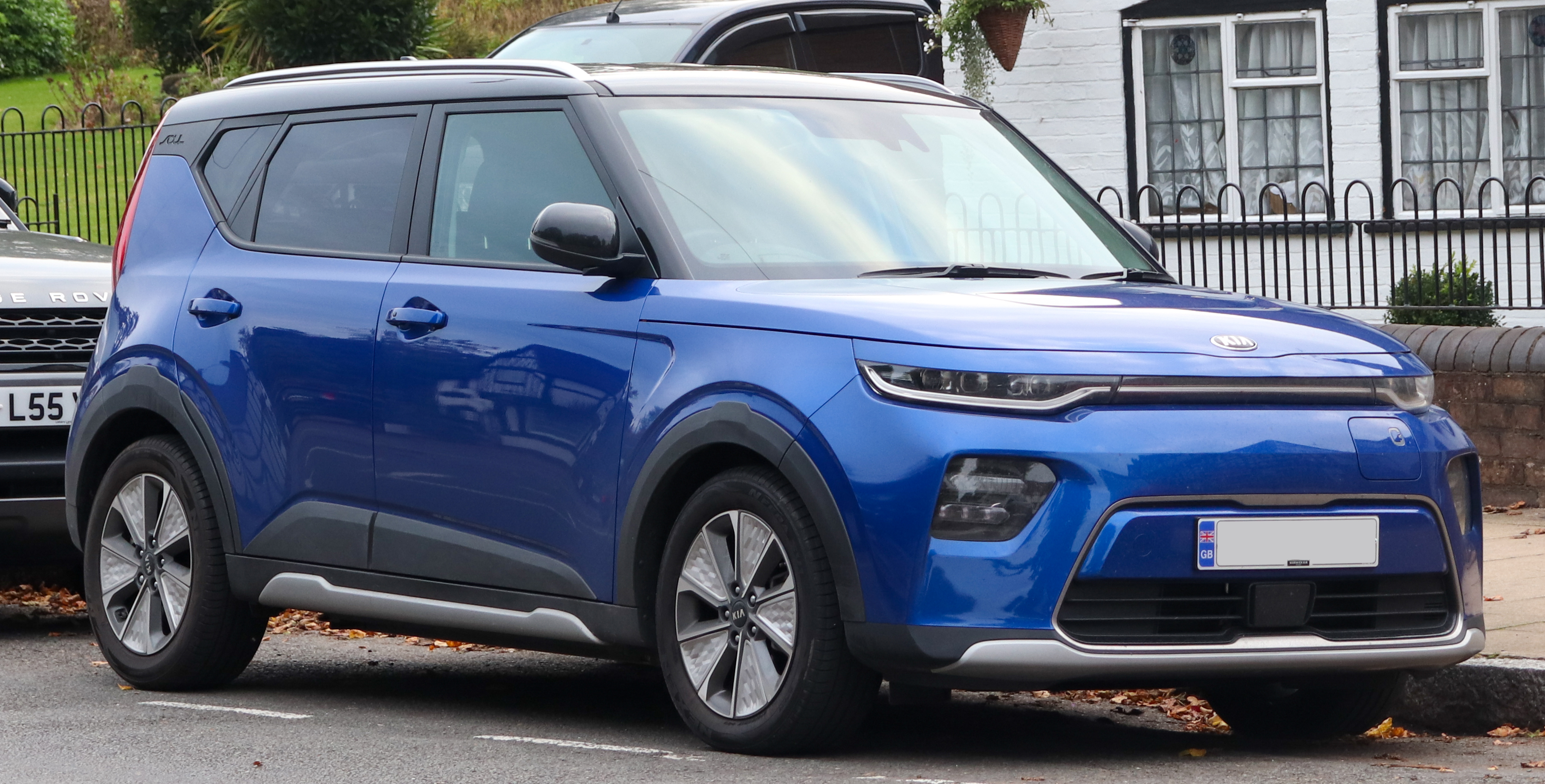
The Kia Soul is a small, everyday car that many people use for commuting and errands. Here they’re talking about how to keep it running well by changing fluids on schedule, especially oil.
Transmission fluid is the fluid that keeps the car’s shifting system lubricated and working correctly. If it gets old or dirty, shifting can get rough, so it’s good to change it when recommended.
Engine oil consumption means the engine is using up oil faster than expected. If you don’t notice and top up, the engine can run low on oil and get damaged.
If an engine is burning oil, it means oil is getting into the engine’s burning process. That can lower the oil level and eventually cause major engine problems.
A class action lawsuit is when many people with the same problem team up legally. In this case, the host says there’s been one connected to engines burning oil.
Checking the oil level means making sure there’s enough oil in the engine between oil changes. It helps you catch problems early if the engine is using oil.
Engine lock-up is when the engine seizes and stops turning. The host is saying it can happen when an engine runs low on oil due to oil burning/consumption.
Suspension parts are the components that control ride height, wheel alignment, and how the tires contact the road. Worn suspension parts can lead to poor handling, uneven tire wear, and a rougher ride.
A tune-up is a service that checks and fixes key engine items so it runs correctly. What gets done depends on the car, but it’s meant to keep the engine healthy.
Electronic power steering helps you turn the wheel with an electric assist. If it starts acting up, it usually needs a check because the car may be detecting a sensor or system issue.
Engine oil viscosity is basically how thick the oil is. Thicker oil tends to protect better in some situations, while thinner oil flows easier—so the right type matters for engine protection.
Term
fifteen forty
“15W-40” is an oil grade number. It tells you how the oil flows when it’s cold (15W) and how thick it is when the engine is hot (40).
“Ten W thirty” is an oil grade that describes how thick the oil is when the engine is cold versus hot. It’s a common type of oil people used to talk about more often.
Toyota is mentioned because the speaker says Toyota has moved toward thinner oil types. The takeaway is that the oil you use and how the engine holds oil matters.
Term
zero W eight
“Zero W eight” is an oil type number that tells you how the oil behaves when it’s cold and when the engine is hot. Lower numbers generally mean the oil flows more easily, which is why it’s important to use the grade your car calls for.
Transmission issues are problems with the car’s shifting system. The host is saying they don’t often see serious transmission problems on Mazdas coming into their shop.
Engine failure is when the engine has a major breakdown. The host is saying they don’t usually see that kind of big engine problem when people bring Mazdas in.
The Mazda CX-5 is a small-to-midsize SUV. The host is basically saying it’s a good, easy SUV to live with and worth trying if you want something reliable.
Term
maintenance questions
Maintenance questions are about how to keep your car running well. The host is saying that’s what they were answering in this part of the show.
Term
vacuum breake pump
A vacuum brake pump helps create vacuum pressure for the car’s brake assist system. If it goes bad, the car may warn you with an engine-related light because the system isn’t working correctly.
VVT stands for variable valve timing. It helps the engine open its valves at different times depending on driving conditions, and if something in that system fails, the car can turn on the engine light.
These sensors tell the car’s computer where the engine’s camshaft and crankshaft are. If they stop working, the computer can’t time the engine correctly, and you can get an engine light.
Term
intaking exhausted illinoids
Solenoids are electrically controlled valves that move fluid or vacuum to actuators inside the engine. In the context of VVT, intake/exhaust solenoids help control valve timing and related airflow management; when they fail, the ECU may illuminate the engine light.
The oil filter is like a screen that catches junk in the engine oil. If there’s metal in it, something inside the engine may be wearing out or breaking down.
Term
reduced
“Reduced” usually means the car is protecting itself by limiting how it runs. After you fix the problem, you may need to clear the warning so the car knows it’s okay again.
A vacuum pump makes suction (vacuum) for certain car systems. If it’s failing, it can cause problems and may leave metal debris behind that needs to be cleaned up and then cleared from the car’s warning system.
Timing chains keep the engine’s moving parts in sync. If they’re stretched or the timing gets messed up, the engine can run incorrectly and the check-engine light can keep coming back.
Term
advance or retard
Advance/retard means the engine opens the valves a little earlier or a little later. The car uses this to match the engine timing to how you’re driving.
A GMC Safari is a big van made by General Motors. Here, they’re talking about a problem that affects the engine’s timing—basically how the engine’s moving parts stay synchronized.
Term
sylenoids
Solenoids are small electrical actuators that help control engine timing systems. If the timing system isn’t working right, the computer may notice and log codes related to those solenoids too.
“Codes” are error messages the car’s computer stores when it detects a problem. A scan tool can read them to help figure out what part of the engine system is failing.
“Clear them” means resetting the car’s error codes. It can turn off the warning light for a bit, but if the real problem is still there, the codes usually come back.
LIVE
She's re'll find my form nice today.
Good afternoon, and welcome to the car show.
I'm fifty five KARC the talk station. I'm Dane Donovan
from Donovan's Auto entire Center taking your car questions. The
number to call five one three seven four nine fifty five hundred. That number again, five one, three seven four
nine fifty five hundred.
It is a kind of a kind of a I am in studio. I'm here. Uh. You know, Danny always
uh does a good job. You know, he lets you know.
He starts texting me like Thursday Friday, like, hey, you're gonna come in today. You're gonna be here today. Sometimes
Wednesday he just said. You know, he's leading up. You
gonna be there, gonna be there. And you know, because
you know my boss Tony Bender, you know, he doesn't typically like when I'm not here, so but he is very demanding. Yes, uh but uh he you know, I
do enjoy being here. I do enjoy taking your car questions.
And again the number call five one three seven fifty five hundred.
I had it was a busy, busy week. This week.
We had our uh Donovan's had the we had our marketing team.
In mister Logan came in, and he came in. He
flew in.
Late, uh late Tuesday, I'm sorry, late Monday night, and he was here Tuesday and Wednesday. Did a advertise or
did a commercial or an advertisement kind of a little bit of a a little bit of a small Donovan's Higher commercial.
And I tell you what it was. I had.
I only had to a couple of lines. And man,
I was struggling with it. You put a you put
a mic in front of me. I can talk all
day long, yeah, you know, you put a camera in my face, and it's like, all of a sudden, I just lock up and I just can't. All of a sudden,
I just lose all function and and can't speak. So
and I was telling that. I was telling the Logan
that thank you, thank you for that. I appreciate them.
So I just, man, you put a camera in front of my face and I just lock up.
But a mike, I'm perfectly fine.
So but he, you know, I asked him, I said, hey, you're going to be in town for He was in town for you know. He flew in late Monday night,
like midnight, and he was in Tuesday night and then flew out Wednesday, and I said, hey, what would you like to do Tuesday night? You want to go out
to dinner and you want to go to Red's game.
What do you think?
And he's like, I would love to go to a Reds game. He's like, every time I'm in town, the
Reds are never in town.
Are day in town?
I said, absolutely, yeah, we can go and and uh so he said, I'd love to go the Reds game.
I said, all right, well, there's only one way to watch a Reds game, and that's go down and sit in the diamond seats. And uh so we, uh my wife,
my lovely wife, dropped us off right at at the gate.
We walked in and he goes and I said, you know, here's all the here's the buffet, here's the food, here's the candy, the ice cream, whatever you need.
And uh he goes, that's the fuel right there.
I said, yeah, it's right, it's right there, and he goes, well, I just want you to know, uh, you've just ruined my baseball experience because I don't think I ever want to watch a baseball game any other way after coming down here and sitting in the dining seat. So if
you ever get the opportunity. It's it's it's it's great.
So he absolutely loved it. We stayed for the whole game. Unfortunately,
if you were watching the game Tuesday night, it was like home run Derby not and not for the Reds Reds loss. But we had a good time, so a
lot of fun. So again he was here too promoting.
We're you know again, we're continuing to promote for the rest of the month. Uh, cool it for a cause, right,
we're leading into summer and it's gonna I'm telling you, I mean it's tomorrow's supposed to be eighty five, eighty six, and uh, it's gonna get hot.
You're gonna turn that AC on.
I had the A C on on my way here, and uh, if you know, if you're in the vehicle, if you're in your vehicle listening to this show right now, turn on the AC just to see if it's working okay, and if it if it's working great, If it's not, you need to come to your You go to donoventire dot com and find your nearest location and we're gonna we're gonna donate the free on. We're gonna give you
the free on up to fifty dollars value, and then the entire AC service itself, we're gonna donate ten percent of that to the Barracks Project to help local veterans. Okay, uh,
my grandfather and that was kind of reason why we we talked about.
I was on the news last week with.
Channel nineteen talking about what we're doing for the community and and and giving back. And again, my grandfather who
started Donovans sixty eight years ago, came back was a marine when they bombed Pearl Harbor, and I spoke, I said this last week. You know, when they bombed Pearl Harvey,
he enlisted in the Marines, went and the Marines fought World War Two, and when he came back started working for Firestone and decided that, hey, if I'm gonna do this for fire soon, I'm gonna do it for myself.
I'm gonna start Donovan Tire. And so sixty eight years
third generation absolutely love it, and we want to give back to our veterans. So if there isn't, if you
have any AC issues, you bring it to Donovans. And
again we're going to donate ten center of the proceeds to the Barracks Project. So great cause, and I think
it's a win for everybody. So again the number to
call five one, three five hundred. That number again, five
to one, three seven fifty five hundred.
We're gonna go. I'm gonna do the phones right away.
We have Troy. Hey, Troy, welcome to the car show.
How can I help?
Well, I got two things going on.
I've got an older car, thirty year old car actually this year. I got ninety six Cavalier working on the
AC on it. That's convertible, So really don't worry about
too much. I just want to know that it's working.
But I just need to replace the clutch in the bearing and with that without taking everything out. But I
can't find just a clutch like online anywhere, and I want to make sure that was actually removable.
I know I've done it on other vehicles.
I've just removed the removed the clutch and the bearing off of it without taking the compressor out. But I
didn't know if you had any insight on that I'd be able to do.
That or not.
Uh, I think it's gonna So you said it's a ninety six Chevy Cavalier convertible. Yeah, yeah, Jesus man that's
that's I haven't seen a Chevy Cavalier in years.
I mean, is it it's a beauty.
Yeah, it's been garage captain. Uh, it's been, it's been down.
I left that outside a few years ago and and arranged horm and got totally filled with water. So I
had to I've totally restored the inside of it and done everything else. And this is just like one of
the last little things. I could hear it uh uh
grinding the other day. It seemed like when I was
kind of picking out and turning it on, and I thought, well, it sounds like that needs to be replaced, and uh, everything else works on it.
And I got a new uh uh blower.
Fan and all that down and down inside their brand new Well that's working. So but when I hit the AC, nothing,
nothing happens. I do have power, you know, I've already
tested all that. Now I've got I've got power going
all the way up to presser. But I don't have
the clutch. Just as it's engaging, yeah.
Is it?
Yeah?
Is there a particular reason why you wanted to do you want to do just the clutch?
I mean, typically and typically want.
I didn't want to break that. I didn't want to
break the seal.
I'm want to take the compressor out and break the seal and lose the free on and all that. I'm
actually really not even sure I've got manifold gages. I
guess I need to hook them up to see if you've even got any anything in there.
Okay, I mean, you know, whether you bring it to Donovans or not. What I would do is I would
I understand that you don't want to break the seal, but I mean you bring it to me or any other repair shop, just have them hook it up, suck it down, put the compressor in it, and then take it back. I mean what we do is all the time,
we'll suck it down for you because you can't let it just go and you can't just let it out, but you know, and then you bring it back, we put it back in for you. I mean, I would
do the whole compressor. That's just my personal opinion. I
A lot of times some of them recommend shims, and I.
We've We've just never very expensive to do it.
I mean that the price points not not much more, but by the time I do it, but you really have me going when I was listening to that about the whole thing special doing with the.
Uh with the barracks project. I kind of like that.
I mean that might just uh, that might.
Be a win win bringing on up to you to let y'all take care of it and at least that way I know it's done right and then uh just go from there.
Yeah.
But I I mean, I would do a whole compressor that that's just my personal opinion.
I mean, we we've.
Never ever just put a clutch on a compressor ever, not in the twenty six years I've been doing it.
I would just uh, I would just do it that way.
And again, we're running that the whole month of May. Huh,
so it really is would be a great time.
To do it.
You know what.
Actually, I actually am going out out of town at the end at the end of the week. I could
maybe bring it up on a Friday and drop it off and come back up later on the weekenday work.
That might work.
You tell me.
What you want to Are you talking about bringing up.
To either the Ridge Road location. I'd bring it up
to Ridge fifty six oh one, Ridge Road, pleasant Ridge.
Gotcha, Okay, bring it up there.
I'll get taken care of all right.
Okay, Now, second, the second thing I had going on was a twenty ten Dodge Dakota UH four by four.
I was filling it up a couple of months ago, and then I thought maybe I left the gas cap bof because I got one of those codes on my dassboard.
And then it went away and it came back the other day. I went and got a new gas cat
put on, and it seemed like I went away immediately.
I'm at Costco the other day filling up and overfilled my guess tank and I can look down there between the bed and the cab, and I could see where it was starting to bubble out the top of the top of the thing. So I don't know where else
I could have. Can I smoke test that I've got
a smoker at home? I was gonna on our on
my cruise.
Where did you see it bubbling out at?
Look like where where the where the seal was for the actual where the pump fuel pump goes in.
Yeah, that's why that's why it's flagging it because you know it's a pressurized system. You got a you know,
charcoal cancer purge valve valve, So if it's.
I'm hoping, I'm hoping it don't mess up my my my charcoal canister.
But I don't think that's why. That's why it's important.
Like when when it when you're filling up your vehicle and and that uh, you know, it clicks off. You
shouldn't really, you know, I know you're not, but uh, to the listeners out there, when you try to put more a little bit more, a little bit more, that fuel gets into the charcoal canister and then ruins charcoal canister.
So yeah, yeah, just I just happened to be in and they're buying, and I'm like, wait a minute, I've got you know, I've got twenty one gallon tank and I'm got twenty two gallons, you know, and I thought I probably had a gallon in it when I when I pulled up, and I thought, you know, and about that time they finally clicked off.
But I could I could see the I could just where I was standing. I could just I could make
it out.
But oh great, so so smoke it would it be better to smoke it with a few uh the tank fuller or no, so it doesn't have to fill as much?
No, I I no, I mean, I wouldn't smoke it when it's full. Maybe maybe half tank, okay, three quarters
of a tank just because well, yeah, I would do like a half a tank, I'd smoke it.
Okay, good deal, all right.
That's by where I'm at, so that that'll be a good weekend project for me.
I get that taken care of, all right, man, uh all right, I appreciate it.
Help. Thank you.
You don't know you're welcome.
Maybe I'll see you here later on this week.
Sounds great. Love to help you. Take care bye bye.
All right.
Then I'm to call five one three seven four nine fifty five hundred.
The phone lines are wide open.
Love to hear from you, so give me a call the number again, five one three seven four nine fifty five hundred. You're listening to the car show on fifty
five KRC the talk station.
This is fifty five KRC and iHeartRadio station.
The Stain Donovan from Donovan's Auto entire Center. This may
were launching Cool atf A costs supporting the Barracks Project and their work helping veterans transition back to civilian life right here in Cincinnati.
Here's how you can help.
Come in for an ac service at Donovan's and we'll include up to fifty dollars in complimentary free on. Plus,
Donovans will donate ten percent of that service to support our veterans, so you'll stay cool and help someone rebuild their future. Donovan's aud Entire Center the honest choice for
auto repair since nineteen fifty eight. Book your appointment today
at donovantire dot com.
We may not always agree, but we can agree on one thing. Fifty five KRC is the talk station.
Taking your car questions. The number to call all five
one three seven nine fifty five hundred. That number again,
five one three seven four nine fifty five hundred. I
think Danny jinks me. You know, earlier he was playing
the cricket song or playing the cricket, the cricket Dan, can you do that? There we go, There we go,
There we go. He's quick on it. He's quick on it.
So hey, I'm here taking your car questions again. Dane
donnad from Donovan's Auto entire Center. You know, I want
to talk you know again, if there's anything that you know, everybody has car problems. I have car problems. My wife
has car problems. She hit the trash cans, and then
at the side of her vehicle. I said, there's there
was one.
There was.
I gotta tell you a story. There was one time.
Uh, she'd left the tailgate up when the garage was, you know, open, and UH obviously closed it and there's a big old, two big old scratches right down the tailgate.
Said how that happens. She's like, I don't know.
Maybe I don't know how that happened. I was like, okay,
and uh, I don't know. And about a month later, Uh,
we went to the grocery and we're empty in the groy area and we're getting the groceries out of the back of the vehicle and I closed the grade or She said, you didn't thrush. You didn't scratch the tailgate,
did you. And I'm like, oh, that's where those scratches
came from, because I almost did it.
It.
Luckily where I had it parked, it didn't scratch it.
But I'm like, oh, that's where I happened at And I said, how how did you get those those dents in the side of your car? Shes the guy I
had the trash cans. I like, man, those trash cans
are I'm gonna send I'm gonna send rumpky of Bill.
So but yeah, I had I had a gentleman earlier.
So my oldest son, his last day of school was yesterday.
Aiden.
H Congratulations he graduates on Monday. I can't believe. It
seems like only yesterday that we had a we brought them home from the hospital. But yeah, I've got my first,
my oldest going to high school. And uh so, congratulations
to Aiden. And uh he graduates again on Monday and
had his last day yesterday. I was in a school
golf outing yesterday. Did U did well? There had somewhat
somewhat good weather but uh but uh yeah, so it was a good all for good costs, raised money for the school.
So again I.
Number to call five one three seven fifty five hundred.
That number again, five one three seven fifty five hundred.
The phone lines are wide open. Love to hear from
you again talking AC. And this this is something that
you have to understand. All of these newer vehicles are
on a new free on It's called one two three four yf It's very expensive, double if not triple, not because of what's going on in the economy today. But
I mean it came out early two thousands.
I think it was.
I think it was like twenty sixteen, maybe twenty eighteen, and I mean it was. The price has actually come
down from when it initially came out. But for those
of you out there and again, you can go to donovantire dot com.
You can get all the info you need. Cool it
for a cause.
We're donating ten percent of all AC services out there that we're doing it Donovance to the Barracks Project, local program for veterans, right grandfather who started it. You know,
we want to give back to the community. You know,
in the fall we give away a vehicle and then in October we give away, we raise money, give away break free break pads and donate ten percent of the break job to the Karen Wellington Foundation. Again, we want
to give back to the community, and it's something that's very important to us again sixty eight years. Community is
very important. We care about our customers, We love our customers.
We do our absolute best to make sure that we take care of you at Dominance. So it's important. But
I want to talk about a little bit about AC again.
Just blink and wait ten minutes and again I mentioned earlier.
It's it's going to be almost ninety tomorrow, so we're going to need our air conditioning our vehicles. And I
want to talk about and hope that you understand the system itself.
This is something that it's a pretty complex system.
Right, You've got an AC you know, a gentleman just called earlier with the Chevy Cavalier. He wants to replace
just the AC clutch on his compressor.
Now, I.
Would not recommend that the compressors of this small motor itself that has pistons, you know, I would replace the whole compressor. I understand that it's more money. And like
a gentleman said, Troy was his name, I understand he didn't want to open up the system. And you know,
because there's seals in there and and and so on and so forth when you change these compressors. But understand,
and I typically.
Not typically.
On an AC system for a vehicle, okay, free on as a gas. Okay, it's not like sometimes there's a
there's sometimes there's confusion as to coolant and free on coolant.
We'll keep your engine cool free on, We'll keep your AC cool Okay, free on.
As a gas.
So there's no You know, we can check your coolant bottle, you know, pop the top and look at your coolant level.
On an AC system, you cannot do that. Again, free
On is a gas So what we have to do is we have to hook it up to a machine.
The machine has to basically remove Let's for math purposes, let's say your vehicle holds one pound of free on. Okay,
but we don't know that right because we can't check it.
So what we need to do is we need to hook it up to the machine, evacuate that free on, remove it from the system, okay, and then the the computer right, our machine will say, hey, listen, we only evacuated three quarters of a pound. Well, that might be
enough to make an AC system not work, right, So we can't diagnose why the AC system's not working until we know that the freeon is full. Same system as
if let's say you had an inner tube and it's got a hole in it, right, I mean I used to grow up sled riding with an inner tube. My
dad would bring home semi inner tubes and we'd fill them up and we'd go running down, running down the hills.
Right.
So if you if we don't know where the leak is.
Freon doesn't just evaporate, doesn't just go away. It's under
It's a pressurized system, right, so if the free on is low, it leaked out somewhere.
And again it's a gas so we don't know where it leaked out at.
So need to remove what's in the system.
The system.
The machine then pressurizes it to make sure that it holds pressure. If it holds pressure nine or ten times
it does, we then will put your free on back in and then add the correct amount that it needs. Again,
if we evacuated, you know, three quarters of a pound, we need to put a quarter pound in. So and
we charge you for that quarter pound, right, so, okay, now our systems will. Now what we do is then
we inject a fluorescent dye and then an oil for the compressor.
Okay, So let's say, you know, two.
Or three weeks later, you're like, hey, Dane, you know you guys just fix my ac and now it's warm again. Well,
we didn't fix anything, we just filled it back up, Okay, And then the process is, hey, let's use a black light.
Let's try to find that fluorescent dye so we can figure out and determine where the leak is. Now Again,
earlier the gentleman Troy who called about the cavalier, when he if he replaces that compressor, when he removes those lines, there's two rubber O rings in there. Now you've disrupted
the system, which I get and it's highly recommended that when you put that compressor in, you need to put new rubber O rings in.
Right.
So that's kind of the process and how we need to go about it.
Now.
The other thing is uh in which we get a lot of is hey, you fix my AC. No, we
didn't fix it. We filed it back up. But you
also have multiple components. You have an AC compressor, you
have lines that go to what's called the AC evaporator that evaporators in the dash. That's what the blower blows
that cool air and that's you know, through through the evaporator.
That's what you're feeling coming out through the vents.
That free on then travels back to what's called the AC condenser, which is the condenser sits right in front of the radiator, and then that free on is then cooled down and then it goes back into the compressor to be pumped and pressureized and go back into the evaporator.
Right.
So there are very there are a lot of components to the system, so it can be a pretty complex and sometimes takes multiple trips. So if you know, if
you're you know, having frustrations with the hey my mechanic fixed my AC and it's it's not working again. Sometimes
it takes a couple of trips for us to try to find out where that frion's leaking out at or what component isn't working.
Now.
Sometimes people go, well, can you just replace all the components? Well,
we can, but it would be extremely expensive to do that.
And it's kind of one of those you know, I'm going to use an analogy here, but you know, if you went to your doctor and said, hey, my knee hurts, and uh, hey doc, while you're in replacing my right knee, can you just go ahead and replace the left knee, most of us wouldn't recommend that, And so I don't recommend you replacing every component in acc system. It's it's
it just would be too expensive. So understand how that
system works. And again a lot of times it's just
we uh. Sometimes people can get frustrated because they don't
understand how that system works. Now at Donovan's we always
try to explain that, and in our process we don't just charge it up and send you on your way.
You know, we try to explain it as best we can because again, again you're you're spending the money. And again,
if you have the new free on the one, two, three, four yf you know, it could be up to three hundred and fifty dollars for us to fill it up, and then you know, six weeks later it's empty and then you're like, hey, you guys, fix my AC. Now
it's broken again. It's like, well, no, we didn't fix anything.
We just filled it up. Now let's try to figure
out where it came out at, where did it leak out?
So it's it's it's.
Something that you know, just understanding and knowing the system and how it works can somewhat maybe cut down that frustration of maybe, hey, I charged this AC last year and now this year it's not working again, and that can be frustrating for a lot of us because we don't know exactly how the system works. And that's why
I want to explain it and again cool it for a calls go to donovantire dot com.
You can read all about it.
We're donating pro seed ten percent of the whole proceeds on AC services to the Barracks Project, which is a local you know for uh, you know, charity for our veterans.
So it's important. So all right, again the number to
call five one three hundred. That number again, five one
three seven, five one hundred coming up.
We have Nancy, Jeff and Paul.
You're listening to the car show on fifty five KRC the talk station w.
KRC Cincinnati and iHeartRadio Station guaranteed Human fifty five KRC D talk station, I Heard Radio.
Do you have a truck, camper, r v RA, a trailer that needs body repair? If so called Frank's Heavy Truck
Collision Repair located just All five seventy five or Route sixty three.
It's convenient to both Cincinnati and Date.
With over thirty years of experience including insurance work and fleetwork, Franks knows the most important things are quality work and customer satisfaction. Frank's Heavy Truck Collision Repair prides themselves in
doing the job right and get in your vehicle back on the road. Call five one three eight two nine
ninety thirty eight two nine ninety thirty.
Some may not want to hear what you have to say, but we do. Fifty five KRC the talk station.
You're listening to the car show of fifty five KRC.
DE talk station on Day Donovan from Donovan's Auto entire Center.
Find your nearest location at donovantire dot com. Let's go
to the phones. We have Nancy who's been patiently waiting.
Hey, Nancy, welcome to the car show. How can I
help well?
Hi, thank you for taking my call.
Very welcome. Thank you for calling. I appreciate it.
It's my first time Colling. I have a twenty nineteen
Kia Soul, which I love, and it seems like this is my third one. How do I keep it healthy?
And what's your opinion of the Kia sold the twenty nineteen and I love it. I've had no problems with it,
but I just had the transmission fluid changed at sixty thousand miles and.
Okay, else?
How often should I change the oil? Like they say
they recommend it in the book. It says like eight
thousand or something, but I've been doing it every four to five thousand, doing a great job.
Yeah, so Kia and Hyundai, which Key and Hyundai are the same company.
The product that they have is a good product. Okay. However,
what we have seen a lot of.
Is these vehicles will use or consume oil and it's not I mean, there's actually a class action lawsuit on the engines burning oil because it happens. It's not a
matter of if, it's just when, and it depends on how often you're changing oil. So I think the key
to longevity of your vehicle if you have a Key r a Hundai, and again it's most vehicles, it's not just Key and Hyundai. You're you hit it, you know,
you hit the hammer right on the on the head there, I mean on the nail. Changing it every four or
five thousand miles is perfect, Okay.
I would recommend checking.
It in between, you know, not every time you go get gas, but just making sure that it's full. What
we see a lot of is these vehicles again consume it, they burn it, and then these engines lock up.
So as far as maintenance.
Goes for the vehicle, every thirty thousand is you know where you want to be at As far as changing the filters, checking the brakes, making sure your tire pressure is properly you making sure your tires are properly inflated.
But the most important thing that you can do is is just making sure that you're changing that oil every four or five thousand miles. And what I recommend to
if you're like Dan, I don't you know, I don't have time or don't want to change check the oil.
Just make sure that when it gets changed that you ask that they check the oil level, you know, because it.
Might not be consuming oil right now, but you want to just.
Be aware of if it is that you're you're making sure that you top it off. And that's really the
only thing that And again, most of these vehicles now you know today don't need a tremendous amount of maintenance, but you're asking the right questions because again that's how you get you know, the most life out of your vehicles, just making sure that you maintain it. So again, four
to five thousand miles, perfect on the oil changes as far as maintenance goes, getting it in thirty thousand miles.
Typically the intervals each manufacturer is a little different. But
if you're not hitting which most people aren't, right, you're not hitting thirty thousand miles in a year.
Most people aren't.
So if you're, if you're not, I get it in at least once a year, and my recommendation would be, you know, right before winter. I mean, Winner is really
really the toughest time for a vehicle with you know, your battery, making sure your wiper blades are you know, Winner's really really hard on our vehicles. So if if
you're not driving thirty thousand once, you're I mean most people aren't. Just making sure you're getting it in once
a year and just having everything checked. You're checking your
suspension parts, You're making sure that the tires are being removed, You're having the you know breaks inspected and uh again, tune ups and coolant are usually at somewhere over around one hundred and twenty thousand miles. So, but fluids are
you know, every thirty thousand miles break fluid powa stream if it has piastre and it might have electronic powersteerum you know, transmission, Like you said, you just had that done.
So it sounds like you're sounds like you're on top of it. And that's the thing these vehicles are. You know,
the obviously you know, new car prices aren't going down like everything else, our groceries, gas, everything.
So you want to make sure you maintain it. So
I think you're doing.
Just making sure that you're changing that oil every four or five thousand miles, especially if it's a Key or a Hyundai, is the most critical thing that you can do because we see so many of them come in when it's unfortunately it's too late for that vehicle and it needs an engine. We have one at Ridge Road
right now that needs an engine. So, you know, just
making sure that it's that the fluid is the oil is topped off and changed regularly, that's the most important because again, you know, when I bought a new vehicle, I had the opportunity to buy a new vehicle, and they told me, hey, every fifteen thousand and I'm like, well, over my dead body, I'm not doing that. I change
mine every five thousand and miles.
Yeah, you're right about that, because that happened to me with other Kia. My oil light came on.
I'm like, what do you mean?
My oil light came on? And I had absolutely only
no oil left in my other Kia. Yeh, And I
will check it in between oil changes because that's something I totally agree. It's just that these kias just burns.
Oil, I guess.
And like you said, yeah, well.
The oils too, just get thinner and thinner and thinner and thinner, and they just get right past the rings.
I mean, Toyota now sells all their new vehicles or you know, when I got into this business twenty six years ago, ten W thirty was, you know, a pretty thick oil, and then diesels were like on fifteen forty.
Now they have a zero W eight.
Well, I mean it is water that we're putting in these cars, and that oil is going right past those rings, going right out the tail by, and a lot of people associate that, oh well, I don't see any smoke coming out of the tail yer. It's not going to
And it's just bringing awareness to making sure that people check it regularly. A lot of times. You know, people
come into my shop all the time. I'm like, hey,
you're due for an oil change, like, oh, well, the oil, you know it. My percentage is only at thirty percent,
so I'm just gonna wait. And you know, that's fine,
But these cars come to me every single day with no oil in them, and it's it's frustrating because I don't want to see that. I don't want you know,
I just don't want to. It's just a shame because
it leads to a lot of a lot of times, a lot of conversations that I have to have. Hey, listen,
your car needs a fifteen thousand dollars engine, and you know, so making sure that you're checking it and just making sure you're changing it regularly is the most important thing that you can do.
So you're on, You're go ahead.
So is do you think that, like what kind of car is?
Like?
The best are out there, like they're saying, like.
Out there, Honda, Toyota, or Mazda. Those are the three
brands that I would recommend. And again, Masta always flies
under the radar. Nobody ever talks about them. Man, we do.
We never have problems with massas ever.
So Honda, yeah, Honda, Toyota, Mazda would be the three brands that I would i'd recommend.
Okay, that's good to know.
Yeah, and none of them burn oil.
So oh wow, maybe my next car would be in Mansda.
If I check how the tea you feel, I'm.
Telling you, I really really like the way the masses drive and we don't we have. They're very low maintenance,
very inexpensive to repair, and I, you know, twenty six years, I can't. I don't think I've ever seen a Masda
come into my shop that you know, had any major you know, engine failure or transmission issues or anything. Nobody
nobody really talks about, you know, you think about it.
You really don't see a lot of Masa commercials, so I think they just kind of fly under the radar.
But I'm telling you what, I'd buy one in a heartbeat.
So yeah, that's good.
I've never driven driven to Maza. But it's a smaller car, which.
Well they I mean they do have they have they have smaller SUVs. They have the c X five. Oh yeah,
c X five is a small suv.
It's about the same size as a UH toilet raft for or a Honda c r vats. They're great, they're
very nice. Go up to go up to them. Yeah,
go test drive one. They're really nice. I think you'll
be very impressed.
So yeah, it's very similar to the Key is Soul.
I really like how the radio is simple to you and everything.
Yes, yep, we'll keep up the good work.
Make sure you're changing it regularly. You're doing great, all right, Well, thank.
You for the call.
Thank you so much.
Uh huh, you take care. Bye bye. That's the questions
we have to have a maintenance questions.
That's the most important thing that we need to have a discussion about. So you're listening, We've coming up. Let's
see here we have Jeff and Paul. You're listening to
the car show on fifty five krc DE talk station.
Way back in nineteen fifty eight, my grandfather opened Donovan's Auto entire Center right here in Cincinnati. A lot has
changed since then, but our commitment to honest auto repair hasn't.
We believe in making sure your vehicle gets everything it needs and nothing it doesn't.
Because as a.
Family owned business with our name on the wall, integrity matters.
From nineteen fifty eight to today, Donovan's Auto entire Center is still Cincinnati's honest choice for auto repair, and we're proud to keep this city moving. Three area locations. Find
yours at donovantire dot com.
This is fifty five KARC an iHeartRadio station.
Taking your car questions. We I want to get to
we got to get back to them.
Right away.
We have excuse me, we have Jeff. Hey, Jeff, welcome
to the car show. How can I help?
How you doing?
Dale?
I called you last week, but it was right at the end of the show. I'm trying to make it quick.
I had the twenty eighteen equalox and I changed oil and I heard this ticking on the top the top of the motor, and it's like, man, that doesn't make sense.
So I changed the oil anyway, and then the ticking stopped.
But then the ticking was the vacuum breake pump. So
it went out and as soon as it went out, the engine light came on, so and it said, oh, yeah, yeah, the VVT. So I replaced the.
Intaking yeah, the intaking exhausted illinoids.
Yep, and the cam shaft crank sensors. I changed those.
I took out, uh, the filter or when I when I took the valve covers off, I found the you know, the the broken parts to the pump and they and I put it all back together and they were big solid pieces and I seen one little uh piece of metal and they're just tiny. Shaving got that out. I
took the oil filter off and I beat that and beat that against the ground. I cut it in half,
the solis all to see if there was any shaving inside there. There was nothing. So but the engine light
keeps coming on and it says reduced. Yes, So do
I just need to reset the code or what? What?
What do I do? Now? Well?
Shoot man?
Yeah, I mean so I'm assuming mean obviously you said you got the metal out.
Did you replace that break vacuum pump?
Yep, yeah, I regip. I replaced that. I looked at
the oil filter to see if there was any shavings and that the oil. I didn't see anything. And they
said reset the code and let them the computer know that everything is new or fixed. Is that true?
Well, you put a new pump on it, right, yep, you got all that. So let me ask you is
the ticking noise is it gone? Or is it still there?
Yeah? No, no, no, the ticking noise, I'm assuming was that.
Pump coming apart? Yeah?
Correct?
Okay, So.
Well, in my personal opinion is probably that it wiped out the It wiped out the chain, the timing chains.
It's out of time, is what I bet.
So I think that you've got you've got what's called VVT gears. So you've got the VVT stillinois what you did,
but you also have the VVT gears and they will advance or retard the timing of the engine. So metal
shavings could have gotten into those gears or because of it those you know, because of you know, was it ever low on oil?
Did it ever consumer use oil?
No?
No, nope, nope, I change. I changed just oil every
three thousand miles. I called you. I called you about
three months ago. I've got the two thousand and two
GMC Safari with three thousand and forty two thousand miles on it and every three baland.
I remember that.
Yeah, I don't care.
I change no.
These these the way they design these cars, they're very finicky.
So most likely it's out of time.
And either metal shaving's got none of those VVT gears or it's it's it's off a tooth on the timing and those gears aren't. And and again if the gears
are bad, they're also gonna flag the sylenoids. But man,
I you know you are in Uh, there's there's a lot going on there. Personally, I think you need You're
gonna have to replace the timing chains, the guides.
And the gears.
I think, uh, I think the damage that unfortunately at this point has already doesn't. Now again, you can try
to clear it, clear it and see if it comes back.
But if it doesn't have that omph like you said it used to have, then again those gears when you go to when you go to hit that gas, those gears will lock up and again they will advance the timing and the engine. So if there's metal shavings in
those gears, or those gears are bad, it's not going to advance that timing like it's supposed to. Okay, So
either either either it's off a tooth or the gears are bad. So you know, call me back next week
with the codes. I want to know exactly what code
you have in it. I would try to clear them.
But if it doesn't have that own f like it's supposed to, most likely it's out of time and either one of those gears are bad or the chains jump time, and that's very common on those vehicles. So Jeff called
me back next week. Hey, I appreciate everybody calling in.
Everybody have a great weekend, take care of each other, and I'll be back next Saturday to answer all of your car questions. You're listening to the Car Show on
fifty five KRC. The talk stations
About this episode
Dane Donovan fields car questions on KARC, mixing shop talk with community updates. He highlights a Donovan’s marketing visit from Logan and a fun trip to watch the Reds from diamond seats. The show also pushes a summer A/C promotion tied to the Barracks Project for local veterans. On the phones, Troy diagnoses a 1996 Cavalier convertible A/C issue—power present but no clutch engagement—where Dane recommends replacing the whole compressor rather than just the clutch. He also advises on a 2010 Dodge Dakota EVAP/gas cap concern after overfilling, suggesting a smoke test (ideally around half tank).
This week on the car show, Dane Donovan is sharing some valuable insights on car maintenance and repair. He's also giving away a free AC service to listeners who bring their vehicles in for a check-up. But that's not all - Dane is also talking about the importance of understanding how your car's AC system works, and why replacing just the clutch might not be the best solution.
Dane is joined by several callers, including Troy, who's having trouble with his 1996 Chevy Cavalier's AC, and Nancy, who's wondering about the best way to maintain her 2019 Kia Soul. Dane offers some sage advice on how to keep your car running smoothly, including the importance of regular oil changes and checking for signs of engine trouble.
One of the key takeaways from this episode is the complexity of car AC systems and why it's not always a simple fix. Dane explains that replacing just the clutch might not be enough, and that the entire system needs to be checked and diagnosed to ensure it's working properly. He also talks about the importance of understanding how your car's AC system works, and why it's not just a matter of filling it up with freon.
If you're a car owner, you won't want to miss this episode. Dane is sharing some valuable tips and insights on how to keep your car running smoothly, and how to avoid costly repairs down the line. Tune in to hear more about the importance of regular maintenance, and how to get the most out of your car.