Drag racing is a sport where cars race in a straight line to see who can go the fastest. It's all about how quickly they can speed up and reach the finish line.
A supercharged Hemi is a type of engine that gets extra power from a device called a supercharger, which pushes more air into the engine, helping it run faster.
The Chevrolet Camaro is a famous sports car that started being made in 1966. The 1967 version is known for its powerful engine and cool design, often used for racing or customizing.
A land speed car is built to go as fast as possible on land, usually on a long, flat track. They are specially designed to reduce air resistance and have very powerful engines.
Hot rodding is when car lovers take regular cars and make them faster and more powerful by changing parts and adding upgrades. It became popular after World War II when many soldiers wanted to improve their cars.
The NHRA is a group that organizes drag racing events, where cars race in a straight line to see who is the fastest. It was started in 1951 by a man named Wally Parks.
The GMC Safari is a big van that people used to drive around with their families or use for work. It has a lot of space inside, which makes it great for carrying stuff or going on trips.
This saying means that if a car company races their cars on weekends and does well, people will want to buy those cars during the week. It's a way to attract customers by showing off performance.
Aftermarket performance parts are parts you can buy to improve your car's speed, looks, or how it handles. They are not made by the car's original manufacturer but by other companies.
Showroom appeal is how good a car looks and how attractive it is to buyers when they see it in a dealership. It includes things like style and features that catch people's attention.
High compression cylinder heads help engines create more power by squeezing the air and fuel mixture tighter before it ignites. This is important for making cars go faster, especially in racing.
Heavy duty transmissions are stronger versions of regular car gear systems. They can handle more power and are used in fast cars, especially in racing, to prevent breaking down.
Car
Chrysler Max
The Chrysler Max is a type of car made by Chrysler that is built for drag racing, which is a type of racing where cars compete to see who can go the fastest in a straight line.
The Dodge Hemi Dart is a fast car from Dodge that has a special engine called a Hemi, which makes it really powerful. It was popular in racing because of its speed.
Hankook is a company that makes tires for cars and trucks. They are known for making tires that work well in different conditions, like off-roading or everyday driving.
Off-roading tires are tires made for driving on rough surfaces like dirt and rocks. They have special patterns that help them grip the ground better so vehicles can drive safely in tough conditions.
Ventus tires are special tires made by Hankook that help cars drive fast and stay steady on the road. They are great for people who like to drive quickly.
Car
Mazda Speed 3
The Mazda Speed 3 is a sportier version of the regular Mazda 3 hatchback, designed for better performance with a turbocharged engine.
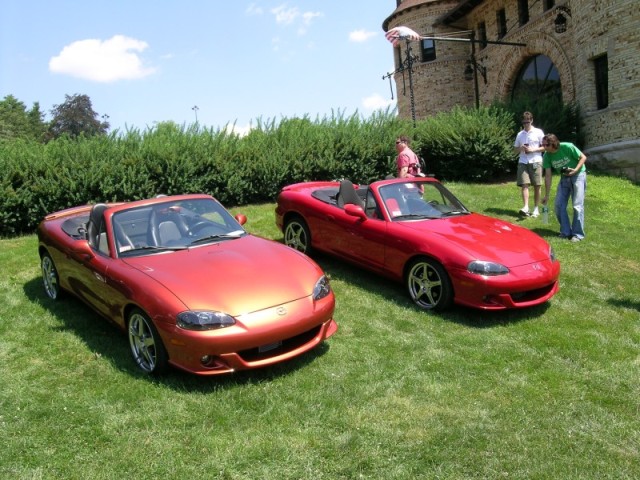
The Mazda MX-5 Miata is a small, sporty car that people love because it's fun to drive and feels very nimble. The 'Mazda Speed' version is even faster because it has a turbocharger, making it more exciting for those who like speed.
Torque steer happens when a car pulls to one side when you accelerate quickly. It's usually because the front wheels are not getting the same amount of power, making it tricky to drive straight.
The Ford Fusion is a car that is designed for everyday use, offering a comfortable ride and decent gas mileage. It's a good choice for families or anyone needing reliable transportation.
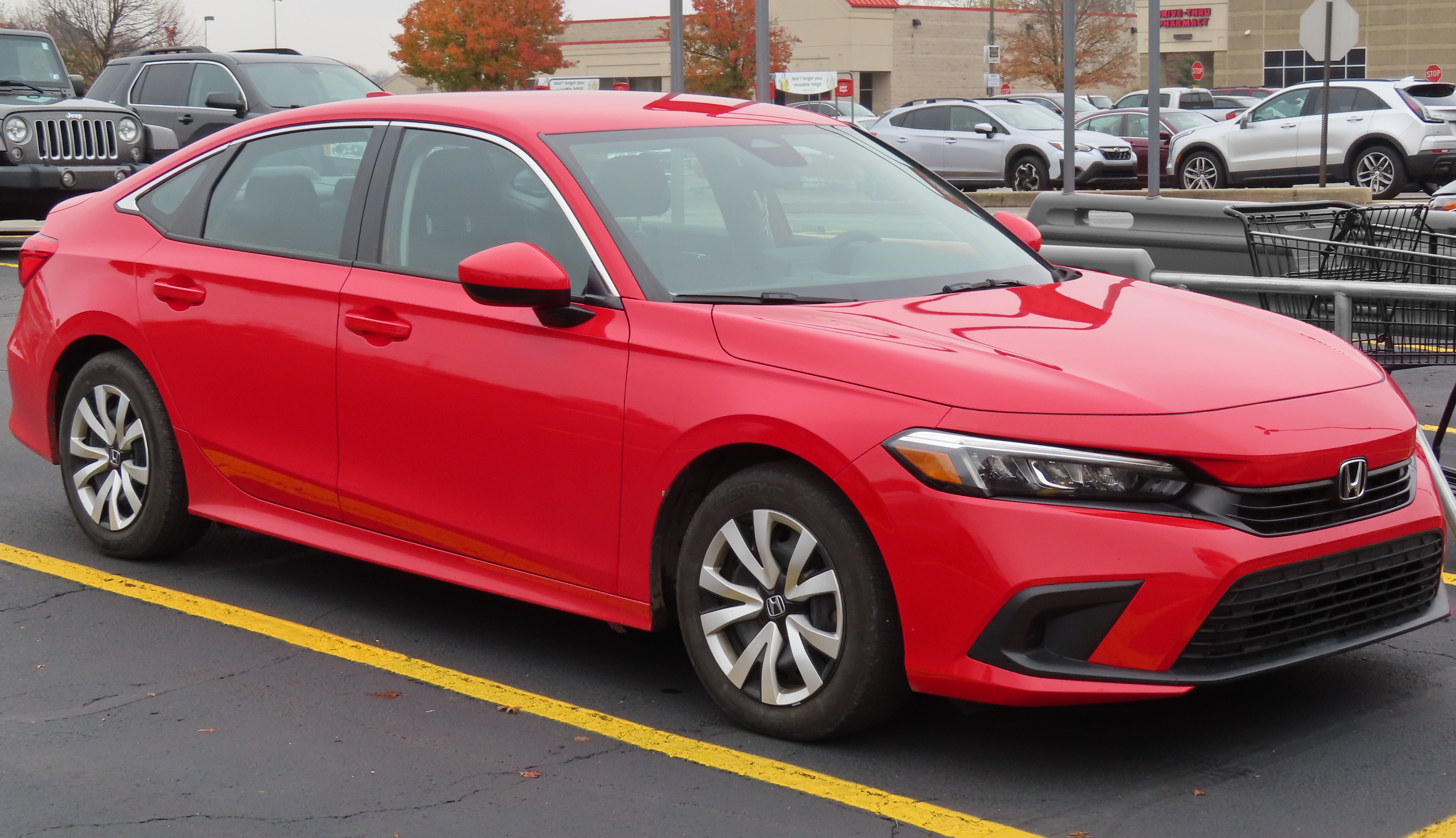
The Honda Civic is a small car that is popular for being reliable and good on gas. It's often chosen by people looking for a practical and fun-to-drive vehicle.
The NHRA is the main organization that oversees drag racing events in the U.S. They make the rules and organize competitions for different types of racing, including the fastest cars.
Funny cars are special racing cars that look like regular cars but are built for speed. They have powerful engines and are used in drag racing competitions.
The Toyota Camry is a popular car that many people buy because it's dependable and gets good gas mileage. It's not usually considered a flashy or exciting car, but it's great for everyday driving and is known to last a long time.
The Toyota Supra is a fast sports car that people love for its speed and cool looks. It's been around for a long time and is known for being fun to drive, especially among car fans who enjoy racing.
LIVE
Hey, how you doing? Welcome back to Pass
Gas. This week we're talking about the
history of the NH. We talked about Wally
Parks, the founder of the NH a few weeks
ago, but this time we're talking about
the history of the organization, how did
it come to be, and what are our ideas to
help make it more relevant to today's
motorsport audience. I've got a bunch of
ideas. Uh Joe is actually going to read
this one cuz my voice is going away. So,
take it away, Joe.
March 8th, 1970 was a day that
drastically changed the direction of
drag racing. That day brought both
catastrophe and catalyst for innovation
at the track. That Sunday afternoon at
the Lion's Dragstrip in Long Beach was a
typical day at the races until Don Big
Daddy Garlet pulled his front engine top
fuel dragster dubbed the Swamp Rat 13 to
the line. The supercharged Hemi chugged
like a raspy bulldog. Garlets erupted
off the line and down the track,
approaching the finish line at more than
200 mph. As he roared through the finish
line, the swamp rat's two-speed
transmission exploded with the force of
a pipe bomb. Transmission case shot
forward with immense force and severed
the car in two. The front half of the
car, which contained the motor and the
front end, blew free and raced further
down the track, taking Garlet's right
foot with it. As the chaos died down,
the crowd was silent with dread.
Emergency crews reached the swamp rat
and pulled garlets from a burning wreck.
He was gravely wounded. He was raced to
the emergency room and underwent
multiple surgeries and faced a lengthy
recovery. While immobile in his hospital
bed and grateful to be alive, Garlet
spent his recovery time with some pen
and paper where he redesigned his
beloved but destroyed Swamprat 13 to be
rear engine drive so that the next wreck
wouldn't rob him of his other foot if he
was ever able to race again. Rather than
ending his career, the accident at
Lion's Dragstrip fueled Garlet's resolve
to revolutionize the sport. Following
the horrific accident, the National Hot
Rod Association, NH, took significant
steps to address the safety issues
highlighted by the Garlet's crash. After
all, the NH itself was rooted in safety
as much as it was pushing the boundaries
of what was possible. So, how did a
group of young guys returning from
Dubdub 2 turn wrenching into a living?
What led them to innovate? And how did
one man organize drivers and shape it
into the sport of drag racing as we know
it? Today on Pass Gas, the NH,
[Music]
how you doing everybody? Welcome back to
Pas Gas. My name is Nolan Sykes. I'm
sitting on the sideline this week. I'm
going to listen to this story cuz Joe
Weber is going to be reading it. Yeah.
No one said, "Oh, I bit my tongue super
hard and I need an adult to take over."
>> I do. I do. We also recorded more
episodes of the show yesterday.
>> Yes.
>> And my I I feel my voice just burning
out a little bit.
>> Yeah. And you deserve a break.
>> Thanks, dude.
>> That voice you hear is Nolan Sykes.
>> Hey. Hello. And the voice you haven't
heard yet is Bart Bidding Meer.
>> Hi. Happy to be here. Thanks for having
me. Thanks for introducing me, Nolan.
>> You're welcome. And uh we are we're
talking about a subject I close to my
heart I guess.
>> Yeah. I pointed at Nolan. The audio
listeners will not have known this but I
pointed to Nolan when I said the Lion's
Dragstrip because your grandpa
>> my
>> that was his old haunt.
>> Well sort of. My dad grew up in Long
Beach close to Lion's Dragstrip. They
could hear it from their house. My
grandpa actually didn't want my dad
going to Lion's Dragstrip.
>> Oh wow. My grandpa worked for a guy
named Keith Black who probably will show
up in this story. I maybe um we've
talked about Keith before on the show,
but uh my grandpa worked for Keith
Black. Uh dealt with a lot of racers and
uh decided that racers were uh they were
they were scumbags. A lot of these
racers, a lot of racers uh were not they
were uh unsavory characters.
>> Unsavory characters. Great word, Bart.
Yes. Unsavery characters. And my didn't
want my dad hanging around him at Lions
dragstrip. So that's the story about
Lions.
>> I thought it was going to be like he
didn't want your his son racing or
something scumbags on the race.
>> He didn't want him hanging out with
racers also. Yeah. I mean it was pretty
dangerous back in the day too, you know.
Um my dad had like a 67 Camaro that he
wanted to turn into a drag car. That car
now is a land speed car that his cousin
owns.
>> We'll be right back after these
messages.
[Music]
Big thank you to HIMS. To get simple
online access to personalized,
affordable care for ED, hair loss,
weight loss, and more, visit
hims.com/gass.
That's hsn.com/g
for your free online visit. Again, it's
hysh ns.com/g.
Actual price will depend on product and
subscription plan. Featured products
include compounded drug products, which
the FDA does not approve or verify for
safety, effectiveness, or quality.
Prescription required. see website for
details, restrictions, and important
safety information. Thank you, Hims.
>> Now, back to the show.
>> So, you you are deeply rooted in this
story and so you want to be a little fly
in the water.
>> Sort of. Yeah. I want to like listen to
the story and chime in when I can. Yeah.
I don't know. I don't really I honestly
don't a lot of the the deep cut history
stuff.
>> Yeah.
>> And you know what? Maybe we'll have some
critiques of professional drag racing at
the end of the show and maybe how to
make it more popular here in the US.
>> Sounds like you got something up your
sleeve already.
>> A little bit. I don't know. I got to
think about it more.
>> You got thoughts?
>> I got some thoughts
>> for a wild hair on your ass.
>> Yes. Many of many of those. But many of
those.
>> Can I have some?
>> Yeah. We'll do a little hair transplant.
Isn't that what they do over in Turkey?
They'd like take hair from is it from
your buttocks and put it on your head?
>> How much hair do you have on your butt?
I don't
>> I'm a hairy guy, Bart.
>> I'm a hairy man.
>> Yeah,
>> I seen you. You got a bare chest.
>> I'm not very hairy.
>> You have a bare chest?
>> Not entirely, but
>> Oh,
>> it's You know, you can see my skin.
>> I got a swath of hamburger meat that my
little boy loves. He loves to just pull
my shirt down and rip it. and he looks
at my face and I go, "Ow,
>> I I want to stop you, but you're having
so much fun and you're my son."
>> He giggles so hard.
>> Yeah. But anyways, back to my chest
hair.
>> Sorry, real quick. Do you do you know
the the the gender of your next child?
>> A boy.
>> Another boy.
>> Another boy.
>> Two little boys.
>> Yeah.
>> Dang.
>> That's why we're filming a million
episodes because Nolan is going to be
gone this fall and I'm going to be gone
this fall. Bart's going to be holding
down the castle.
>> Cool. in some respect.
>> Smoking ribs.
>> Smoking some ribs.
>> Smoking ribs. Sweet baby.
>> We are We have been filming like crazy.
Um, thank you everyone for being a loyal
fan. This is just a a little nugget of
what's to come. But eventually at the
end of this year, we're going to
reformat this show. Oh, yes.
>> We're going to do seasons.
>> Mhm.
>> And the first season is going to be
Japan's golden era. So, we're going to
do two seasons a year and the first one
is going to be really special and it's
going to have a whole season arc and
it's going to be very cinematic. So,
look forward to that.
>> Yeah, we just wanted to, you know, try
some new things. Uh, keep the show
fresh. Uh, and I think more importantly,
you know, switching formats, too. Like,
you know, you don't always want to do
the same thing over and over and over
again for years. uh you want to like
switch it up and
>> kind of fall back in love with the show
and the medium in which you love to
work. So that's part of it and uh you
know we we
>> um value your understanding on this
matter.
>> Yeah. And we are a very very small crew
and operating at this level a weekly
cadence where we are responsible for two
hours of content every week.
>> It's actually crazy
>> is uh destroying me at a molecular
level.
>> Yes.
>> So we need to take some breaks.
>> Have we missed a week? We've we've done
up reuploads.
>> Yes. We've we've Yeah.
>> We But I'd say less than 10 times.
>> Less than five. Yeah, in six years,
which is crazy. A crazy cadence and it's
unhealthy.
>> Yeah, it is. Um, so anyway, uh, looking
forward to that. Um, change and just,
uh, again, like I said, like falling
back in love with what what we do. Of
course, we love doing what we do, but
like,
>> and I think at the the core of Donut at
least, and the core of most of our
passion lies within JDM.
And I think starting with JDM's golden
era
>> is like the perfect season to start
with. So, we're super excited. Can't
wait for you to hear it.
>> That's coming next year.
>> That's coming next year.
>> Right now, we're going to talk about the
NH.
>> Let's do it.
>> Let's get into it.
>> Not the NRA, the NH.
>> My mom used to get worried when I had an
NH stick on my car.
>> Oh, really?
>> That she's like, "Well, people are going
to think like you're
>> She wasn't worried because she knew what
it was. She was worried people were
going to think that
>> I was like super into guns and stuff
like that. Exactly. Yeah.
>> They say good, keep him away from my
car.
>> Yeah.
>> Yeah.
>> Oh, and then
>> then I became a member of the NRA.
>> No, no. Then I had another bumper
sticker for the uh for ANRA,
>> American uh
>> American Assault Racing Association. No,
no, but that's also like NRA on there.
All right. NH and
>> N. Yeah.
>> Uh, yeah. Let's get into it.
>> Cool.
>> The story of the NH begins in the
aftermath of World War II. Soldiers were
coming home loaded to the brim with
newfound mechanical skills, pockets full
of wartime pay, and a need for speed.
But the GIs weren't impressed with the
milk toast production cars Detroit was
turnurning out. So, they got to
wrenching. This was the beginning of hot
rodding. Soldiers spent their weekends
holed up in their garages cranking out
homebuilt speed machines and then tested
them on dry lake beds of Southern
California.
>> You know, I never got to talk to my
great my great uncle Bob. My
>> everybody's got an uncle Bob.
>> Great uncle Bob. He also worked for
Keith Black. He was like one of the main
engine builders there over over there at
Keith Black. But like he was deployed in
World War II in the Pacific. He drove
boats like landing craft. he like landed
at Guadal Canal and some of their uh
islands out there and I never I've never
got the chance to ask him about that
like that phenomenon of like did he have
the mechanical skills before he was
deployed
>> probably come back
>> I think he extensive
>> probably had an aptitude which is army's
pretty good at that
>> and also when you don't have a lot to
work with and your car breaks down in
the jungle or your boat breaks down and
you have no access to stuff like you
have to maggyver stuff that is also a
skill
>> and it's like super valuable if you're
in the pit lane and maybe you don't have
a tool or a part or something. You have
to figure out how to make it work.
>> He came back from the Pacific and then
him and my grandpa they like raced boats
in Long Beach Harbor. Yeah, that's what
they did. I
>> feel you should have a cigarette behind
your ear going.
>> Yeah. Oh, with my get up roll. I'd do
one more roll and then put a cigarette
behind your ear.
>> You could have a pretty sick pompador if
you wanted.
>> Yeah. Get some
>> I'll become a rockabilly guy.
>> Yeah. Yeah,
>> like Nick 13.
>> Yeah.
>> Unfortunately, not everyone could make
it out to the desert every weekend, so
public roads were just as often used as
proving grounds.
>> Oh, yeah.
>> This led to a lot of deadly crashes.
>> Yeah. Just race with traffic. Why not?
>> Before long, hot rodders had become
public enemy number one.
>> Yeah.
>> Law enforcement, newspapers, and
politicians, with ample justification,
aimed to shut the whole thing down as
fast as possible. It was a disaster and
the sport was on the brink of being
cancelled by Congress.
>> Huh? Congress.
>> Yeah. McCarthy was like,
>> "Yeah,
>> get those communist cars off our road."
>> I mean, I bet you there was some
justification where it's like, "They're
communist provocators terrorizing our
streets. We need to take care of them."
>> It's like, okay, they're annoying and
yet people have died.
>> No, but I saw them shooting pamphlets
out of the car when they were drag
racing. Wally Parks, a hot rodder and
journalist and a guy that we've covered
a couple episodes ago, created the
National Hot Rod Association in 1951 to
address the dangers of street racing.
Street racing was growing ever more
dangerous and was detrimental to the
reputation of hot rodding. His vision
was to bring safety and organization to
the beloved sport by establishing rules,
running sanctioned events, and improving
the public image of hot rodders.
>> Okay. I did not know that. The NH's
initial focus was on building a
grassroots movement. They distributed
literature to help form local clubs.
>> They were handing out.
>> Yeah.
>> They also encouraged members to work
with law enforcement to show that hot
rodders were responsible citizens and to
change the public's perception of them.
>> I don't know how much of that happened.
>> The NH's iconic
>> I'm sure you had just like today two
camps.
>> The Blue Lives Matter sticker guys. No,
I was going to say the people who are
like, "Hey, we're going to do this
responsibly in uh in a way that doesn't
hurt people so that we can keep doing
it." And then you have the camp that
says, "Yeah, I don't [ __ ] care. I'll
go do a takeover."
>> Kind of ruining it.
>> Yeah. The NH's iconic safety safari
traveled the country to help local
communities organize their first
official drag races. So,
>> that's where the name comes from because
they talk I feel like every track I go
to, they, you know, over the intercom,
they'll say, "Oh, the safety safari is
going out on track to clean up." And
it's like,
>> yeah, it was like a like a literal
campaign across the US by Wally Parks
>> to show people around the US that drag
racing was safe and it could be done
well and organized and
>> yeah, it actually was like it's like
Johnny Apple Seed.
>> Okay.
>> And he spread,
>> you know, the good word across the US.
>> We modernize it. Johnny Gapple Seed,
you know, he's planting seed, taking you
to gapple bees. Yeah, he's he's
>> build the gap workshop.
>> Okay, write that down. NH, let's take
some notes. We'll work together on this.
Great.
>> The Safety Safaris traveled the country
to help local communities organize their
first official drag races. The
organization also made the controversial
but pivotal decision to ban
nitromemethane in the 1950s,
prioritizing safety and long-term growth
over raw speed.
>> Sorry, the safety safari decided that.
>> Yeah. Okay. Well, NH, but it's the
Safety Safari's job to go around town
and tell everybody like, "Hey, what are
you doing?" Nitro meth they go to a
puddle on the ground and lick it and
say, "Nitro meth."
>> That was from
>> only [ __ ] run nitro meth famously.
>> God. And then that pays off later when
he kills the guy with his car and says,
>> "Pussy,
[Music]
>> this commitment to safety laid the
foundation for the NH's success and its
role in transforming drag racing from a
chaotic hobby into a legitimate
motorsport. By 1955, the NH was ready
for prime time with the first NH
national event appropriately called the
Nationals. This event was held in Great
Ben, Kansas at an airirstrip by an eager
community that was centrally located
enough to draw racers from all over the
country. The location ended up being
important as it helped solidify the NH
as a truly national organization that
didn't focus on Southern California like
other motorsport clubs of the era.
>> Okay. Hey, I was wondering about that
too cuz like that's a haven here for
that like just cuz like the the culture
uh in the ' 50s there around here but
like
>> they were really trying to make it
national. That makes sense. But and
deliberately went way out of the way to
do that.
>> Exactly.
>> Okay.
>> Cool.
>> The Nationals.
>> You should watch our podcast.
>> I'm I get to watch it live right now.
This is great.
>> Yeah.
>> The Nationals was also a spectacular
showcase for drag racing, proving the
sport could be competitive, thrilling,
and safe. It was a resounding success
and proved Wallally's vision was a
viable reality. The NH was helping to
make drag racing mainstream and the
automotive industry soon capitalized on
this and created a mutually beneficial
relationship between Detroit and Hot
Rodders. Though the big three had turned
their back on the dangers of drag racing
in its early days, they eventually
issued special edition drag race
specific models of their best-selling
muscle cars. The NH played a crucial
role in forging this connection, turning
the now famous adage, race on Sunday,
sell on Monday, from a simple cliche to
a legitimate, highly effective business
model that reshaped the automotive
landscape. When the Nationals moved to
Detroit in 1959, it wasn't just a change
of venue. The move was a high-profile
introduction to America's auto
manufacturers. Before this pivotal
moment, hot rodding was largely seen as
grassroots and often an underground
affair. But the NH with its relentless
focus on legitimacy, safety, and
organization, began to change that
perception as they set up shop near
automotive plants. Manufacturers,
especially companies like Ford, who are
always keen on improving their
performance chops, started to notice the
massive crowds flocking in drag strips.
They realized that drag racing wasn't
just a niche hobby confined to dusty,
dry lakes or back alley straightaways.
It was a powerful proving ground for
aftermarket performance parts that could
translate directly into showroom appeal.
By 1959, the NH's influence on the
automotive industry was profound and
began to transform into an even more
legitimate business model. This
realization launched a golden age of
factorybacked drag racing where major
automakers poured endless resources into
backing teams. Suddenly, the same
engineers who designed family sedans for
supermarket runs were also designing
high compression cylinder heads and
heavy duty transmissions for the drag
strip.
>> Must have been so fun
>> for the employees as well, you know, not
just the teams to be to have this
partnership, but like
>> finally I got into this. Yeah.
>> The brutal demands of the sport drove
relentless technological advancements
back at the factories. Big three
engineers developed incredible
breakthroughs in drag racing technology.
These innovative drag specific
production cars like the Chrysler Max
Wedge and the Dodge Hemi Dart.
>> Wedge, baby.
Sorry, activate. That's my activation.
>> Yeah. Yeah. Offering motors,
transmissions, and suspensions that
eventually trickle down into production
cars, rendering them faster, more
reliable, and more exciting.
>> Would you say more reliable?
>> You need to be pretty robust to go into
these cars. So, if you're going to put
an engine like that into a factory car,
it's going to be stronger and
>> more reliable than had you not.
>> Agreed.
>> And people are not not everyone's
driving this like they are on the
flagship.
>> So, right.
>> We'll be right back after these
messages.
[Music]
>> Some people just know they could save
hundreds on car insurance by checking
All State first. Like, you know, to
check your mirror's position first
before driving. You ever get in a rental
or a friend's car, you're in a rush and
you start driving only to find out
nothing lines up? The mirrors are all
out of whack and you can't see where
anything is. Not good. Checking first is
smart. So check All State First for a
quote that could save you hundreds.
You're in good hands with All State.
Potential savings vary subject to terms,
conditions, and availability. All State
North American Insurance Company and
affiliates, Northbrook, Illinois.
Thanks to our sponsor, Handcook Tire,
the official tire sponsor of Donut. We
at Donut love Handcook. They make tough
tires for rough adventures and daily
driving without compromising comfort and
drivability. Hands Dynino Pro
off-roading tires offer great traction
in tough terrains. And they're great on
a wide range of vehicles from SUVs to
light trucks to our own Baja Blasting
Ford Ranger. Hand Cook became the
official tire sponsor of Donut last year
and we have not looked back. We use them
on all the Donut cars in our lot.
They've got an aggressive design that
not only looks great, but it also
protects you from punctures and gives
you grip on sand, gravel, mud, you name
it. And they last a long, long time.
Thanks to Hand Cook's durable compound,
you can get a lot of trail or road under
your tires. And I can hear you at home.
I'm afraid of driving off-road. I love
pavement. Well, Handcook's got you
covered there, too, with their Ventus
brand of tires optimized for high-speed
driving and stability on your beloved
roads. Get your tire journey started at
handcooktire.com
and see just how far these wheels can
take you. That's h k o k
handcooktire.com.
Thanks, Handcook.
>> Now, back to the show.
This was all very good for business and
led to extensive marketing campaigns
featuring slogans like dragstrip
champion to cultivate a
performanceoriented identity for the
brands.
>> We're trying to tap into that drag
racing market with a little subtle hints
like drag racing champion.
>> Yeah.
>> And yes, I drag race.
Can we move on?
The NH also created a direct and vibrant
connection with enthusiasts in a way
that no other type of advertising could.
Unlike most motorsports, drag racing
attracted a deeply invested crowd of
mechanics, tinkerers, and drivers who
were in the pit wrenching on their own
cars the same day that they go watch
racing. Drag racing was unique in
motorsports racing because a solo person
could field their own car and compete at
the highest levels. Other motorsports
required knowledgeable teammates and
deep pockets. While drag racing success
could be grabbed from history with
nothing more than hand tools, knowledge,
and a scrappy little attitude.
>> I mean, it's just like it's the most
basic form of racing. It's just okay.
>> Mhm.
>> Point to point.
>> Yeah.
>> Whoever gets their first wins. There you
go.
>> You don't need to be a queen of the
steering wheel.
>> No, you don't.
>> The first time I didn't know what torque
steer was. And
>> Alex Rodriguez, our old editor,
>> um had a Mazda Speed 3 hatch.
>> Loved the thing.
>> Love that car.
>> Um he recently sold it, I think.
>> Get a BRZ or something like that.
>> Um but he was like, "Oh, you don't know
what torque steer is? You should try my
car."
>> Uh and
>> it is super noticeable in that car at
least. Because I think it's that one's
like 275 horsepower. Yeah. Um, so you
like peel off the line. One of the half
shafts is a little bit shorter, maybe uh
less weight, so that wheel spins a
little bit faster or something.
>> I don't know if it's We don't have to
get super into it, but Yeah. jerks the
wheel.
>> Yeah. Jerks the wheel. Yeah.
>> You do have to be a queen of the
steering wheel.
>> Yeah. Yeah.
>> At least for the first launch. Yeah.
>> Yeah. And then you can be a normal
person of the steering wheel.
>> Yeah. The Fusion, it doesn't take much
for torque steer because my Fusion
>> My Civic does it a little bit.
>> Yeah. Where it's like
>> it's just a normal, you know, but
imagine if you imagine it with a larger
engine.
>> Yeah.
>> Oh, I can't like one of Papadakus'.
It's got to be crazy. And while at NH
events, manufacturers and engineers
could interact directly with customers
to gather lucrative feedback on products
while building fierce loyalty. This is
the original data harvesting.
>> Yeah. Now we just have AI powered
cameras that watch everything we do
>> and cookies.
>> And cookies tracking your movements
online.
>> Sometimes I'll get like served things
and I'm like, do I have ulcerative
colitis?
>> I do think about that sometimes.
>> Yeah.
>> Yeah.
>> Like what do they know that I don't
about my own self? There's things that
have come out from like conversation and
that I have not Googled.
>> Yeah.
>> I've talked to someone about something.
>> Do you remember um it was a big three?
Remember Kyle was here?
>> Yeah.
>> And we kind of went on a digression
about how much hair he has and and like
what size hat must you wear? Yeah. Okay.
I went home that day and was served an
Instagram ad for larger than normal
baseball caps
>> for people with big ass.
>> I'm over it, dude. I'm over it. Like,
>> it was the same afternoon. I sent it to
Kyle and I was like, dude,
>> what the hell?
>> I've I've been trying to cut back. I
mean, I just made an Instagram post this
morning, but I'm trying to like use the
apps less because I'm just like, I'm
sick of all of them.
>> Big hats made me think of this really
funny picture that I saw. Cowboys lost
by a lot the other day. And there's this
guy in the audience that just had to
look really sad.
>> That's really good. That's going on the
podcast.
>> Yeah, it's got to go.
>> He's not happy.
>> Oh.
Oh, no.
As we had mentioned earlier, the NH
initially banned nitromemethane in 1957
due to safety concerns. This led many of
the top fuel burning racers to leave the
NH and compete in independent races.
particularly in California's smoker
meets. You ever heard of this?
>> You I know you I knew you heard of
smoker meats.
>> I've heard of smoker meats, but not in
drag racing.
>> The ban was a defining moment as it
forced the NH to confront the balance
between safety and the pursuit of
ultimate speed.
>> Interesting.
>> However, by the early 1960s, a
compromise was reached. The NH began to
understand that to be the premier
sanctioning body,
>> they needed to embrace the most powerful
and fastest cars. This led to the
lifting of the ban and in 1963 the NH
introduced Top Fuel as an official
eliminator class.
>> I mean, if you guys have never been to a
NH event or other sort of drag racing
event where nitro cars are present, I
mean, the stuff is extremely volatile.
>> You can go around in the pits and see
the, you know, funny cars and rail cars
kind of like warming up their engines
and like the exhaust, you know, if
you're not careful. It's almost like
being teargassed really. like it's yeah
it really chokes you out and then you
know the power potential from the fuel
is insane. That's how they're able to do
quarter miles or thousand foots in less
than 4 seconds. Um, it's just it's
really nasty stuff. And I can imagine at
the time, especially in the 50s, dude,
they didn't even they were like eating
asbestous.
>> Mhm. Like
>> I don't think they were eating
>> they put it in all the food, man.
>> They had RA they had the uh uh uranium
glass and [ __ ] like that, you know?
Yeah. So they
>> safety wasn't
>> safety advances weren't exactly very
high back then but um yeah
>> the first NH Top Fuel race as an
official eliminator was held at the 1963
Winter Nationals in Pomona California
which I still do
>> where legendary driver Don Garlet
emerged as the victor. This event marked
the beginning of a new era for drag
racing putting the NH at the forefront
of the sport.
>> Pomona is pretty cool. Early Top Fuel
engineering was a constant process of
trial and error.
>> Yeah,
>> the cars were essentially long spidery
frames known as dragsters or rail jobs
with
>> they did I do kind of miss like uh
putting job on on objects.
>> He built himself a real rail job.
>> Oh, look at that rail job. Yeah,
>> I love that.
>> So, they had powerful engines mounted in
front of the driver. The heart of the
car was the engine. Typically a
supercharged Chrysler Hemi running on a
high percentage of nitro mess.
>> Yeah. Front engine dragsters. Yeah.
Long. The engine's right in front of
you. Uh the transmission you're like
you're sitting on top of the rear axle.
So the pumpkin where the differential is
is like right where your balls are at.
>> Oh my god.
>> Um
>> you just feel that like spooling up and
>> Yeah. It's
>> kind of dangerous.
>> And then the tires are like right next
to your head basically cuz you're in
your little your driver compartment. And
the tires are right there.
>> Um, pretty violent place to be, I
imagine.
>> And are you getting hit with the fumes
or is there like side pipes or
something?
>> Well, there's the the I mean, they ran
like shorty pipes like that go like, you
know, U-shape. Yeah, you're getting hit
with the fumes. And that's why the
helmets even back then like they had
like gas masks kind of like now they
have them integrated into the helmet.
Looks super sick. But back then they'd
have like just like your normal kind of
like openf face helmet. You put on your
goggles and then a gas mask underneath.
>> That's crazy.
>> It's pretty cool look. I do think like I
understand why they moved the engine to
the back,
>> but I do think front engine dragsters
look cool.
>> They're sick. And they still run them in
like nostalgia uh like Annra
uh they run them in that and like other
uh nostalgia leagues around the country.
You can still like we have a front
engine chassis, my dad's garage. Um we
eventually want to put the engine from
the Bonavville car into that
>> cuz that'd be really fun and then um
eventually graduate up to like a nitro.
But yeah, they still run them and
they're still crazy to watch.
>> Scary.
>> Yeah, they're fast.
>> Drivers like Don Garlet and Don Prudome
were not just racers, but also
pioneering engineers pushing the
boundaries of what was possible. The
quest for more speed and more power led
to innovations like the use of
multi-stage clutches, which allowed for
controlled slippage off the starting
line to prevent immediate tire spin.
>> Yeah. Yeah. I mean, if you watch like
some of the early like nitro cars, like
old vintage footage from the time, a lot
of the racing for a long time was just
like doing burnouts all the way down the
strip
>> cuz they couldn't control the tire spin.
So, it was just like who basically who
could ever do the best like fastest
burnout down the track.
>> Jeez.
>> One.
>> That's crazy.
>> Yeah. It's wild. And that's why the
speeds were so like when you talk about
200 mph in the intro.
>> Mhm.
>> Like with modern clutch technology and
modern tires on that car, it probably be
much faster.
>> Oh yeah.
>> But because there's just so much tire
tire spin was just like an inherent part
of like your setup.
>> I'm still amazed that they use b like
bias ply tires. Now I know the science
behind it, but still like when we were
doing hyo,
>> you were like, "Yeah, it's floaty." Like
you still have to be able to control it.
>> Yeah.
>> What is the point of that? Uh, I think
it's cuz like it twists more, right?
Like the the sidewalls can flex and
twist.
>> So you're not just like ripping the
tire,
>> right? So you're not blowing them off
immediately basically.
>> And also they come back, you know what I
mean? So you get the So the tire there
and then Exactly. Okay.
>> to launch it.
>> The introduction of slapper bars or
wheelie bars. Uh,
>> slap bar job on that one.
>> Slap job.
>> Slapper bar on that slapper bar on that
rail job over there. Huh.
And then eventually a much more stable
rear engine design also helped to curb
the violent wheel stands and handling
issues that plagued early cars.
>> I mean that's the other thing too is
like sometimes you'll see photos of cars
doing wheelies while doing a burnout
though at the same time which is crazy.
Like a car will hook up, lift the front
off and then blow the tires off and then
it's like and yeah.
>> Jeez. The evolution of Top Fuel from a
dangerous spectacle to a controlled
professional sport was due in large part
to the NH's rigorous regulations.
Following a series of crashes, most
notably Don Garlet's famous transmission
explosion from the intro, the NH
implemented a host of new safety rules.
It mandated fireresistant driver suits,
safety harnesses, and eventually a rear
engine dragster design that Garlet
himself pioneered.
>> Have you heard of Garlets before? Oh,
yeah. Okay. Swamp Daddy.
>> Swamp Daddy. Run the rail jobs. Swamp
Daddy. That's the guy. I'm making a
great make a great announcer in the drag
race.
>> They also began to standardize chassis
construction and require safety
inspections for all cars. These rules
along with the introduction of the
modern Christmas tree starting system
and standardized timing brought an
unprecedented level of professionalism
and safety to the sport. As before the
Christmas tree, they had a guy jumping
in the air with flags going, "Wo!" Like,
>> "Wow."
>> Yeah.
>> Wowee.
>> Yeah. The NH's commitment to both speed
and safety has been the key to top fuel
success as a historical category. By
embracing the power of nitromemethane
while simultaneously imposing strict
rules and safety standards, the NH
allowed the sport to grow from a niche
hobby into a major motorsport. The
engineering arms race for more speed and
power was allowed to continue, but only
within the confines of a rule book that
prioritized driver protection. The
result is a sport where cars can exceed
330 mph in under 3.7 seconds.
>> Insane. Silly. It's just
>> It is silly. It's
>> crazy that Britney Forest keeps breaking
the record. It's like how
>> how fast can you like physically go?
>> Where's the line? Yeah. before you're
you're you go back in time.
>> It's just
>> so it is truly a spectacle that has to
be seen and felt to comprehend. And the
NH's role as a regulator and innovator
cannot be overstated. When drag racing
began to formalize in the 1960s, a new
breed of car emerged to challenge the
traditional dragsters. Born from
factorybacked super stock cars with
altered wheelbases for improved
traction, these vehicles earned the
nickname funny cars for their unusual
look.
>> My favorite.
>> Mhm.
>> This unconventional design which
featured a production car body on a
heavily modified chassis quickly gained
popularity with fans leading to an
allnew class.
>> Yeah. I mean before the funny car became
like its own thing. Like looking at the
very first ones is super interesting
because they are like stock. They are,
you know, stock body cars.
>> Real jobs.
>> They're
>> They're real jobs.
>> They're real jobs.
>> Um, but then like, you know,
>> I think it was kind of like a divergence
between funny car and like proto car.
Like the proto cars uses like use like
stock chassis and stuff like that. These
days I don't think they do. They use
like tube chassis and stuff, but
>> um the funny cars like got even more and
more crazy. like they put like the
engines further back on the chassis and
like did their own like chassis
engineering and stuff until they were
kind of completely unrecognizable and
then they start putting like the
fiberglass bodies over top of a rail
>> but then like the bodies themselves
start getting more and more cartoonish
like more aerodynamic and all that.
>> Yeah. They still I think what's cool
about it is they still look like cars.
Not not like you're going to see it at
the grocery store,
>> but it's like the the shape, you know?
It's like, oh. And I think there's
something in the in the human brain.
>> Yeah.
>> That that appeals to as opposed to the
giant open air monsters.
>> That's fair.
>> Where you're kind of like, that's not a
car.
>> And they're not even open with an engine
in the back.
>> Closed cockpits, the top fuel cars.
>> But they're It's funny that they still
feel the need to make it look,
>> you know, like, oh, it's got windows.
you. Uh
>> I think it's almost headlight. So
>> it's almost like they don't need to do
that. No one's being like, "Oh, I want
to buy that Camry now."
>> That's what's hilarious is like the s I
think that Toyota's is a Supra,
>> but it looks nothing like a Supra. Yeah,
I love it.
>> And to a lesser extent, I think NASCAR
does that too where those are like, you
know, tube frame chassis with
>> a guise of a Camry.
>> A Camry. Yeah. So funny.
>> The engineering of these funny cars was
a fascinating mix of ingenuity and trial
and error. Racers quickly moved away
from modified production chassis to
purpose-built lightweight tube frames
and develop hinged fiberglass bodies to
easily access the powerful engines.
>> Yeah. So you can just like lift the body
up, put a little like, you know, rod
basically hold the body up and like you
don't have to get or you can just easily
access all the motor and everything like
that.
>> Yeah. help the driver get in and out of
the car as well.
>> It's like a bird cleaning an alligator's
teeth.
>> Exactly,
>> dude. Great visual. Thanks.
>> That'd be a sick body for a car. It's an
alligator head over the top of the card.
>> Yeah,
>> that could they could go full monster
jam with it if they wanted to.
>> They should.
>> Yeah,
>> we'll save that for the end. Save it for
the end. You got advice.
>> Keep that in mind.
>> We'll wait for Head.
>> No one's marketing job at the end. Yeah,
>> we'll be right back after these
messages.
[Music]
>> Big thank you to HIMS. Guys, big moments
deserve less stress and more confidence.
When ED shows up in a bedroom, HIMS
helps you keep your cool and focus on
what matters most, the moment, not the
worry. Through HIMS, you can access
personalized prescription treatment
options for ED like hard mints and sex
RX plus climax control if prescribed.
Hims offers access to ED treatment
options ranging from trusted generics
that cost 95% less than brand names to
hard mints if prescribed. You shouldn't
have to go out of your way to feel like
yourself, guys. Hims brings expert care
straight to you with 100% online access
to personalized treatment plans that put
your goals first. To get simple online
access to personalized affordable care
for ED, hair loss, weight loss, and
more, visit hymns.com/gass.
That's hymns.com/gass
for your free online visit.
hymns.com/gass.
Actual price will depend on product and
subscription plan. Featured products
include compounded drug products which
the FDA does not approve or verify for
safety, effectiveness or quality.
Prescription required. See website for
details, restriction, and important
safety information. Thank you, HIMS.
>> Now back to the show.
>> These technological leaps allowed the
cars to handle the immense power of
supercharged nitromemethane burning
engines. The NH took notice of the
burgeoning class and in 1966 gave them
an official home, sanctioning their
first national event at the NH World
Finals in Tulsa, Oklahoma.
>> Tulsa, baby.
>> The NH's role, however, wasn't just
about creating new classes. It was about
shaping the sport's future. The
sanctioning body played a crucial role
in the evolution of Top Fuel, the
fastest class in the sport. After the NH
brought back nitrometh as a class, they
wrote it into the new strict rule book.
This move transformed Top Fuel from a
group of outlaw racers into a highly
regulated professional sport with rules
governing everything from engine size to
safety equipment. The NH continued to
evolve, especially in the 2000s, driven
by a renewed focus on safety and a
desire to improve competition. In 2008,
the professional class of top fuel and
funny car were shortened from a quarter
mile to a th00and feet to reduce
high-speed risks.
>> Yeah, Eric Medlin crashed, I think, in
2006 or seven and died as a result. Um I
think he went into the sand trap at the
end of the course.
>> Oh, like his parachute didn't work or
something,
>> I think. So, I for I forget the details,
but it was Eric's crash that caused that
change.
>> Do they also have brakes or is it just
the parachute?
>> Oh, they got brakes. Okay. Yeah, you
have brakes only on the rear axle
though.
>> Um but yeah, the parachutes do the um
>> because if if the front brake locked up,
they would just do like an endo.
>> I think it No, I think it's just uh Oh,
wait. Do they have brakes on the front?
>> No, top fuel dragsters do not have front
brakes.
>> Okay. I think funny cars do though. But
still, the par the parachute does the
majority of the of the braking at those
speeds cuz like at 300 mph plus 350,
your brakes aren't going to do a lot in
that short of time.
>> Yeah. You got to use other means.
>> You are right. Funny cars do have
>> Okay.
>> front carbon fiber brakes.
>> Yes. They're pretty expensive.
>> And they squeak.
>> Yeah.
>> But you know, you know how they're good
is they squeak.
>> That's how you know.
>> Those are good brakes.
>> Oh, yeah. You And I've had good brakes
for the last two or three months.
>> You use the brakes to like stage the car
at the Christmas tree. That's mostly
what they're used for.
>> Yeah. The organization also introduced
the countdown to the championship in
2007, a playoff style format to make the
season finale more exciting.
>> I don't like that.
>> Stupid. I Yeah, NASCAR does that, too.
It's just terrible.
>> Why?
>> Cuz
>> you feel it's redundant because if
you're in the playoff, you've got enough
points.
>> Well, yeah. And also like I get what
they're doing because it's I don't know
exactly how NHS does, but NASCAR's at
least it's like okay all you got to do
to get into the playoffs and keep
advancing in the playoffs is just win a
race rather than like finish well. You
know what I mean?
>> Oh, okay.
>> So like you could have people that like
kind of sucked all season
>> get lucky
>> get lucky and advance into the playoffs
and like win and stuff like that.
>> The old luck job.
>> The old luck job and the rail job, dude.
Um so I don't know. just like reward a
team that like does well that like
finishes high consistently and has the
occasion.
>> They still have other trophies for what
that is.
>> What? [ __ ] it, dude.
>> I don't know. It's just not
>> I don't have a horse in this race.
>> People don't like it and I also am with
them on that.
>> By the 2020s, the NH continues to adapt
and innovate with a focus on both
tradition and forward-looking approach.
The series is expanding its presence
with new tracks being added to the
schedule for the 2026 season in
celebration of its 75th anniversary.
It's kind of crazy how like NASCAR, NH,
and F1 all celebrate their 75th
anniversary within a couple years.
>> That is interesting.
>> Started in the 50s.
>> Yeah. After World War II.
>> Yeah. While the core of Top Fuel and
Funny Car remains the same, insane power
and speed, the NH is also embracing new
initiatives like the Mission Tortillas,
#2 fast too tasty challenge.
>> Okay, tell me more.
>> A mid-season specialty race that adds
extra drama and prize money.
>> Okay.
>> And a little extra flavor.
Well, what's also interesting is, sorry,
just to interrupt real quick, the cars
are safer and the chassis designs are
different a little like they've advanced
for sure, but al but like at the heart
of it, the engine, they still all use
the 426 Hemi as like
>> the blueprint, you know? They're not
like the same. It's not like they're
going out and buying vintage 426s and
converting them. But like,
>> but even even like the Supra funny car
uses Why would not like a B-58 or
something? Well, because that wouldn't
handle 10,000 horsepower. You know,
these they're making over like 12,000
horsepower from these engines on Nitro
Meth.
>> Yeah.
>> It's because uh like the architecture
has been so proven and refined.
>> Um you know, guys like Allan Johnson
will take like
>> I love his screwdriver.
>> Do they get the valve tick?
>> I don't I don't think so. But like, you
know, they have like the the the
>> the architecture
>> the architecture of the the the Hemi
block
>> and then, you know, a lot of different
teams put their own spin on it. Like
Allan Johnson is like a supplier of
engines, but a lot of other guys have
like started building their own engines
for their teams and stuff. Um, but they
all use that the foundation of the 426
Hemi from the '60s.
>> That's crazy.
>> Isn't that wild?
>> Wow.
>> Yeah.
>> I thought you were going to every F1
team was still using like the DFV, you
know,
>> which would be sick. That'd be [ __ ]
sick. Talk about DF. That's sick. Uh I
thought you were going to interrupt me
and be like, "Well, actually, Mission
actually makes uh good salsas and chips,
too."
>> I'm a pace kind of guy.
>> Really?
>> No. New York City.
>> Pace. I will go on the record and say
Pace is the worst salsa.
>> I like Pace.
>> I think Pace I think when you're
purchasing a product
There is always a brand that epitomizes
the very middle of that product.
>> And I think that's Pace. And I look, I'm
not Am I Am I going to buy if I'm going
to a Super Bowl party in Southern
California
>> and purchasing Pace? No.
>> If I'm slow cooking chicken in my in my
slow cooker,
>> I'm putting that salsa verde on there.
>> Okay. I was going to say you're going to
put chunk paste chunky mild.
>> No.
>> In a slow cooker with chicken. That
sounds like the blandest.
>> It's not bad. It got me through. It got
me.
>> It got me through college. It got me
through college. Uh but you know, like
I'm saying like Pace Pace field many a
um white person taco night in my
>> true. Absolutely.
>> You got the Ortega taco seasoning
>> on some ground beef or ground turkey.
crunchy tortilla.
>> We do soft tacos. Okay. Soft dog kind of
guy.
>> You're from the Santa Maria region, so I
would
>> That's true.
>> I would imagine that you have access to
some good tortillas.
>> How do you uh
>> How do you heat up your How do you heat
up your hard tacos? You got a method?
>> Oh, I never heat it up. I let the meat
heat it up. Oh,
>> okay.
>> I do a meat job on
>> I was waiting.
>> How do you do it?
>> I don't know if I should follow that up.
I I think that's a good I put them in
the oven, but I hang them on the so
that's cool.
>> Yeah, that's good. That's really
innovative.
>> God, I'm going to make some white trash
tacos tonight, dude.
>> I do have a unopened sleeve of Ortega
crunchy shells that I might make them.
>> Yeah, I might do the same. This is
great.
>> They should come up with a new name.
>> Taco Tuesday.
>> You know,
>> taco. It is Tuesday.
>> A new name for tacos.
>> The crunchy white people tacos.
>> Okay. I think that's what they call
them. Crunchy white. Like the Ortega box
says crunchy white people tacos.
>> Uh
it is just a big ass chip, isn't it?
>> Yeah.
>> Yeah. That's why I like it so much.
>> I think chips and salsa is the perfect
snack. And
>> I when Dorito started their the Doritos
Taco Bell shell.
>> Yeah,
>> that was a great
advancement in white person tacos.
>> They they now they They sell they sell
those too at the store now.
>> Really?
>> Yeah. Although I will say if you grow
into become a human being, they're not
as good.
>> Yeah.
>> As you remember them,
>> they don't hit this hard anymore now
that I have my degree.
>> That's exactly right.
>> Okay. So back to
>> once I started once I stopped drinking
jug wine
>> bad guy
>> my last seme sorry my last semester of
college in those final days I
>> probably purchased two or three
>> Carlos and just lived off little
Caesar's pizza
>> and then your frontal cortex developed
>> yeah god what are we talking about
>> uh Mission Tortillas.
Okay.
>> Okay. The sport is also seeing a new
wave of star power with drivers like
Tony Stewart joining the top rank.
>> Some brand overlap. I bet we talked
about
>> Tony Stewart and Mission Tortilla and
Donut.
>> Oh, you know cuz it's like Mission
Tortilla, NH.
There's there's uh six degrees of
separation between us because
>> they are a partner with Peterson
Automotive Museum and whenever we talked
about doing like live podcasts, they
were like, "Oh, would you allow Mission
to supply food for it?"
>> Oh, wow.
>> Yeah.
>> Cool.
>> Yeah, cuz that guy, one of the owners of
Mission, owns all those F1 cars that are
in the Peterson.
>> I didn't know that.
>> Wow. What a life.
>> What a life.
Uh, so Tony Stewart joining the top few
ranks and a younger generation of racers
beginning to dominate the professional
classes, ensuring a vibrant future for
the sport. But the NH's most impactful
contribution to safety is no doubt its
comprehensive rule book. The 438 page
document covers every single aspect of
the sport from intricate blueprints of
required car construction to the
granular specifics of safety equipment
requirements. It even delves into the
precise specifications for track
construction and the meticulous
operational procedures. This immense
annually updated document provides a
standardized framework that ensures a
baseline level of safety across every
single NH sanctioned event from the
smallest local track to the biggest
national job. But a rule book is only as
good as its enforcement. And this is
where the track underdogs appear, the
technical inspectors. M before any fireb
breathing monster is allowed to make a
single pass down the 1/4 mile, it
undergoes an excruciatingly rigorous
inspection by trained NH officials.
>> In basketball, you can hate the ref. In
baseball, you can hate the umps. In drag
racing, they're saving your life.
>> And so, it's kind of that like, ah,
crap, I didn't get, you know, oh, my
battery, whatever. And you might be
pissed off,
>> but you're immensely grateful for the
job that they have to do.
>> I've been doing drag racing for a long
time. I, you know, we had junior drag
racing when I was a kid and then the
door slammer that was an NH, but then
like, you know, going to meets like the
March meet at Famoso and Hot Rod Reunion
stuff like the safety scrutinering is
pretty high there. And like I've never
once we've never been in an issue where
like the car it doesn't work, right?
>> Cuz like one, you want to keep your
driver alive. So like you're not there's
not a lot of like advantages in uh
sidest stepping safety in drag racing
that'll help you
>> but also like in but as someone getting
started let's say oh you might not know
this right and then
>> not only is it protecting that person
who might not know it but it's
protecting the person that they were
about to race
>> and it can't be just that looks good or
good enough because if that had started
happening we wouldn't be where we were
now
>> and especially now with especially at
the top level that we're talking about
with the the fuel cars and stuff like
all those chassis and stuff. Those are
built by
>> usually like
>> their like people who only do that.
Their whole business is building chassis
and like their business would take a hit
if all of a sudden their chassis weren't
passing tech inspection and whatever. So
like
>> the safety is almost built into the
industry now.
>> Incentivizes safety by having the
inspectors not necessarily that the
inspectors are making things safer. Like
just for example, when we did the this
is not related to drag racing, but with
the Baja truck outside before we did it
in Nora during the build process, we had
a tech inspector come visit the shop and
scrutinize our chassis and truck so far
and like he gave us a laundry list of
things that we had to change and we did.
So we went through safety inspection
very quickly when we were actually down
in Ensanata and like every pro team does
something like that where
>> you know the chassis is being built or
whatever. Everything's already being
inspected as it or inspected as it's
being put together.
>> From the earliest days of cars that
topped out at 60 mph on dry lake beds to
alternative fuel fire breathing
monsters, the NH has been there watching
and learning as the dragsters innovate
and get faster and faster. It was never
just about safety, though the lives of
racers are the most important factor. It
was about legitimizing a motorsport that
had been seen as the car world's version
of a wild west shootout. Today, the
National Hot Rod Association stands tall
and proud as the undisputed premier
governing body for drag racing across
the globe. An endless list of events
that are held annually across the
country, ranging from new folks at a
local airirstrip to the fiercely
competitive national races that crown
champions and shatter records and make a
ton of money. The sport continues to
attract an even more intensely
passionate and deeply loyal fan base
today, now more than ever. The core
principles etched in stone by Wall-E
Parks are the same today as they were 70
years ago. While the cars themselves are
much, much faster and the technology
packed into every component is
exponentially more advanced than Wally
could ever have dreamed, the fundamental
mission is to provide a safe environment
to go as fast as possible remains. So
that is the story of the NH. Nolan, you
have a plan to make it more interesting.
not a full plan, but just some things
that I've just been thinking about with
>> I remember you brought this up a while
ago that you think that it needs to
shift to electrification.
>> Yeah, that's my first point. No, my I
actually love the thing about the like
the the alligator head. Let's talk about
that first. Let's make the cars more
exciting to look at first of all. Okay,
with funny cars, they don't look like
cars anyway. So, let's go crazy with it.
Let's monster jam it. As you said,
>> put big arms on it. Well, that would
probably hurt the performance, but like
alligator head, a wedge of cheese
perhaps.
>> No. What about what about a Nuda run?
>> Sure, try it out.
>> Like I think like leaning into how goofy
the funny cars look in the first place
would be a great way to get like kids
really interested in it. Like imagine
you're seeing like a Supra roll up and
then next to it a car that looks like an
alligator head and you tell me that
every kid in that crowd isn't going to
become a lifelong fan of the alligator
head.
>> Yeah.
>> The swamp thing.
>> Like let's do that. Let's think about
that.
>> How about that?
>> How about that?
>> Uh okay. Second of all, um I was
thinking about I've been thinking a lot
about uh
like outlaw cars, right? Like drag
racing. NH is kind of like not as
relevant as it used to be. Even like I
don't know they they're having a hard
time I think getting people excited for
the prolevel stuff. Even though the Top
Fuel stuff is extremely fun to watch,
it's an experience you have to go see at
least once in your life watching those
Top Fuel cars go. But like drag racing
is having a very big resurgence right
now. But it's all like the street
outlaws. The my point was that it's cars
that look like cars and it creates a a
greater connection. So to your point of
like people racing the cars that they
built in their garage as opposed to
those funny cards, I think
>> I don't know if this is where you're
going. I'm sorry that I interrupted, but
that would bring attention back totally
to those top fuel.
>> Yeah. Now there might be like a maybe a
conflict of in not interest but like
philosophy if it's like hey we got these
outlaw cars and like racers that don't
necessarily want to be in like a system
but you know it will there was a soldout
outlaw event at Famosa Raceway where it
was all just cars like Bart mentioned
like people building them in the garage
you know a few of the guys from Street
Outlaws which are obviously very
professionally built
>> but even those not to uh forget those
have to pass inspections. Yes, of
course. Yeah. So, they're they're safe.
>> Yeah.
>> Um but it's like let's try to bring that
scene into the fold a little bit. Also,
if we're talking about Okay, the NH was
started
>> Donk Master
>> dons maybe, but like this NH was started
to curb street racing. What's the the
the problem?
>> Exactly. If that's the point, why not
>> takeovers? Let's bring in takeovers.
Let's There's already like burnout
events, burnout wars started by Zack
from Hoonigan. uh you know that's his
organization.
Let's have an NHR event where we invite
Burnout Wars to have their own section
of the parking lot. So like in between
rounds like you're not watching like the
sportsman cars and like some of the
lower level racers that are like doing
12 second quarter miles 11 even like
it's not you're going to the pits.
You're watching the funny car teams work
on the cars. You're watching the other
top fuel cars
>> work on their cars. But also let's have
a big ass burnout box with stands and
stuff that people can watch that get
excited about that. Maybe you bring the
takeover crowd, the burnout crowd to an
NH event. They're there for the
burnouts, but then they go get to see
the Top Fuel cars and then now they're
like, "Oh [ __ ] I like drag racing."
Burnout cars are basically drag cars
with skinny tires on the back anyway.
Let's bring that into the
>> in South Africa. They have spinning
>> and they but it's sanctioned.
>> Yeah.
>> Because they were like we can't do and
it's I mean that is basically a
takeover.
>> So let's Yeah.
>> It's successful. Also, I know this is
hard, but like I feel like we can do a
lot better on the drag racing video game
front.
>> I bought the NH or didn't buy it. It was
like free on PlayStation. So, I got the
drag racing game and it was god awful. I
feel like we could be doing more there.
The easiest way to get kids involved in
racing is to like hook them with video
games when they're young and make them
want to do it for real. Let's make
cigarette companies.
>> Let's make a good game. Let's try making
a good game first, you know? All right,
we've solved it.
>> Yeah. So, monster monster jam. Let's
monster jam it up.
>> Did you guys get EA cigarettes to
>> guys? We are both of our cameras are
going to die.
>> Okay, I know we're there's a tense
atmosphere cuz everyone's afraid of the
cameras, but we have audio. This is
audio format. Goddamn it. Um, monster
jam it. Put some Monster Jam on it.
Bring the Outlaws in. Bring the Takeover
kids in. Make a good video game. And we
can uh maybe make the NH relevant again.
So, that's my case.
>> Solve job.
>> Yes. solve job on the rail jobs.
>> Well, that's
>> not to not to forget we all appreciate
the hot rodder uh the NH like that's why
we're doing this. We're not saying it's
it's I wanted to keep going. That's why
I have these concerns. That's why I want
it to be survive or want it to survive
is cuz I grew up doing it
>> 100%.
>> Okay, that's our show. The NH episode.
Thank you Joe so much for reading. Yeah,
>> that was a lot of fun. Follow Bart at
Bidsbart. Follow Joe at Jog Weber. Call
me at Nolan J Sykes. Our camera's about
to run out of battery. See you next
time, guys. We love you.
[Music]
[Music]
About this episode
The episode delves into the pivotal moment in drag racing history marked by Don Garlet's catastrophic crash at Lion's Dragstrip in 1970. This incident not only changed Garlet's career but also led to significant safety reforms within the National Hot Rod Association (NHRA). The hosts discuss the evolution of drag racing, from its chaotic roots to a regulated sport, highlighting key innovations and safety measures that transformed it into a legitimate motorsport. The conversation also touches on the NHRA's ongoing relevance and potential future directions, including electrification and engaging younger audiences.
Thanks to Hankook for sponsoring today's video! Click here [https://bit.ly/4ewUjVf] to learn more about Dynapro tires!
Thanks to Allstate for sponsoring today’s episode! Click here [https://bit.ly/4mcrYFS] to check Allstate first and see how much you could save on car insurance.
This week, before it was America’s fastest sport, drag racing was pure anarchy — street duels, homebuilt death traps, and war vets chasing speed wherever they could find it. Wally Parks stepped in to bring order to the chaos, founding the NHRA to make racing safer and more legit. From outlaw origins to organized empire, this is the story of how the NHRA was born, and the crash that changed drag racing forever.
Learn more about your ad choices. Visit podcastchoices.com/adchoices